35 TV Shows with Perfect Endings


It can be hard for a television show to stick the landing. After years of character development and storytelling, a bad ending can leave a sour taste. Audiences invest their time and emotions into these shows. A disappointing finale can feel like a letdown. But when a show gets it right, the ending can be a powerful and memorable experience. A great finale honors the journey of its characters and provides a sense of closure for the viewers who have followed along.
A perfect ending doesn’t always mean a happy one. Sometimes, the most satisfying conclusions are bittersweet or even tragic. What matters is that the ending feels true to the show’s spirit. It should tie up important plot points while leaving a lasting impact. The best finales give characters fitting send-offs, whether they ride off into the sunset or meet a more complicated fate. These are the shows that managed to deliver an ending that felt just right, leaving a legacy of great television.
The Good Place (2016)

The Good Place delivered a finale that was both thoughtful and emotional. The show, which explored ethics and the afterlife, concluded with its characters finding true peace. After reaching the actual Good Place, they discovered that eternal paradise was unfulfilling. So, they created a final door, allowing souls to exit existence when they felt ready.
Each character chose their own time to leave, resulting in a series of heartfelt goodbyes. The ending provided a poignant and fitting conclusion to the show’s exploration of what it means to live a good life. It suggested that the value of life comes from its finality. The finale was praised for its satisfying and emotionally resonant wrap-up of the characters’ journeys.
Six Feet Under (2001)

The finale of Six Feet Under is widely regarded as one of the best in television history. The series, which centered on a family that runs a funeral home, always had death at its core. The final episode brought this theme to its ultimate conclusion. It featured a memorable montage that showed the future deaths of every main character.
Set to Sia’s song “Breathe Me,” this sequence provided a powerful and moving sense of closure. It showed the full circle of life for each member of the Fisher family. The montage was a bold and unique way to end the series, giving viewers a glimpse into the entire lives of the characters they had grown to love. The ending was praised for its emotional depth and its fitting tribute to the show’s central themes of life and mortality.
Breaking Bad (2008)
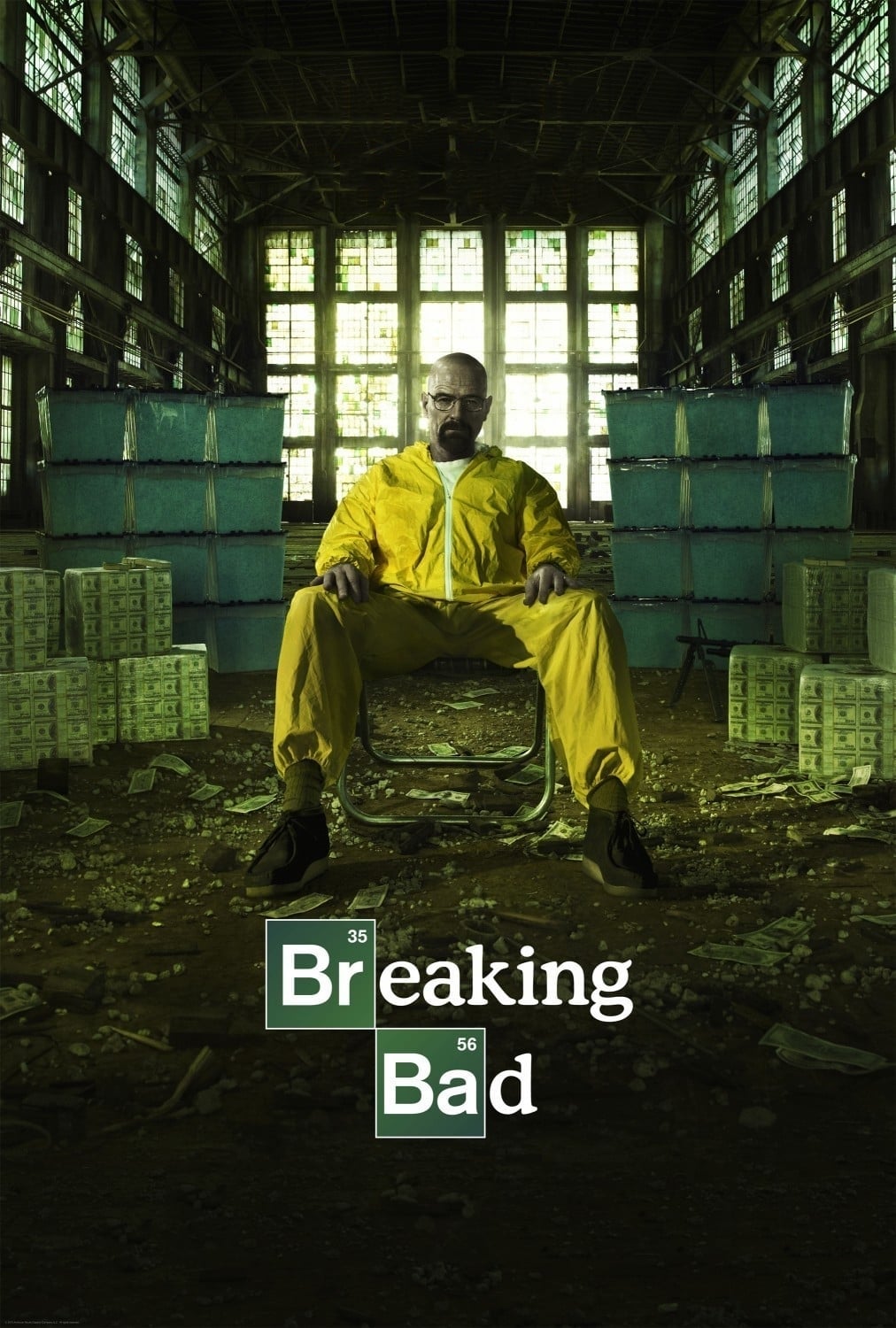
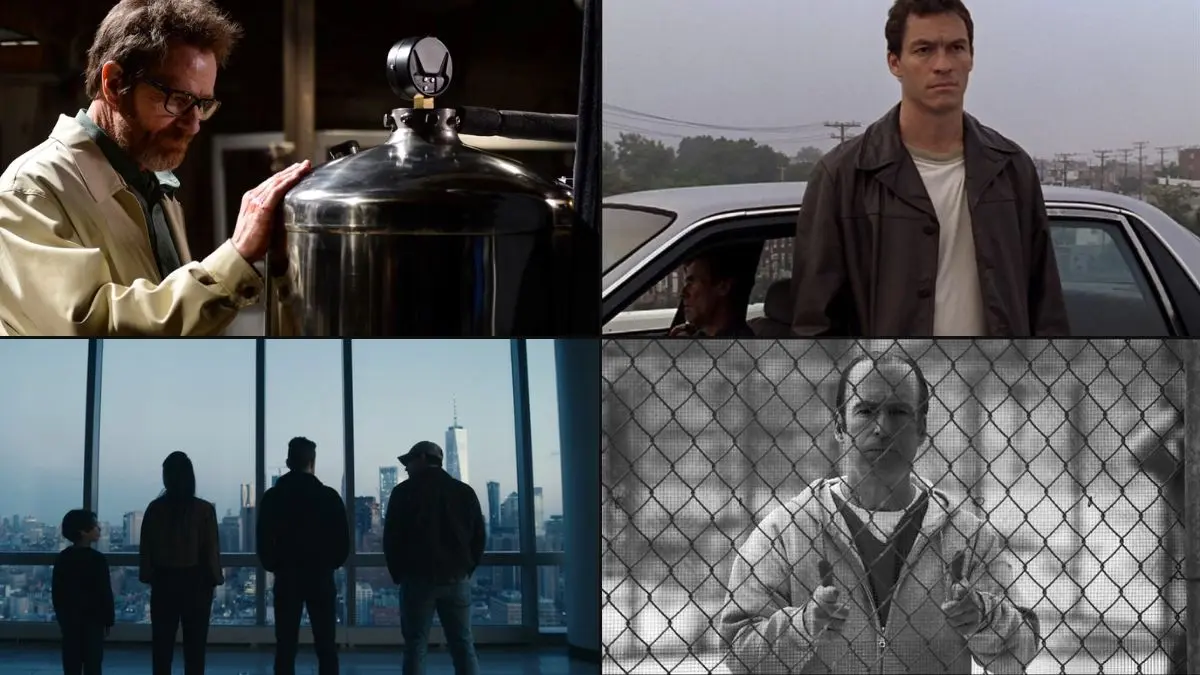
Breaking Bad concluded its five-season run with a finale that was both thrilling and conclusive. The final episode, “Felina,” saw Walter White return to Albuquerque for one last stand. He tied up loose ends, ensuring his family would receive his remaining drug money. He also settled scores with those who had wronged him.
The ending provided a definitive end to Walt’s story, as he died in a meth lab, the place that had defined his criminal life. The finale was praised for its tight writing and for providing a sense of justice for its characters. It gave a clear and satisfying resolution to one of television’s most compelling anti-heroes, solidifying the show’s place as a modern classic.
Fleabag (2016)

The second and final season of Fleabag ended on a note that was both heartbreaking and hopeful. After a season that saw the main character, known only as Fleabag, fall in love with a priest, the finale brought their relationship to a realistic and poignant conclusion. The priest chose his faith over their love, leaving Fleabag to walk away alone.
In the final moments, she breaks the fourth wall one last time to say goodbye to the audience. This acknowledged that she no longer needed this coping mechanism to navigate her life. The ending was a powerful statement about healing and moving on. It provided a fitting and emotionally honest conclusion to her story, leaving viewers with a sense of sad satisfaction.
The Americans (2013)

The Americans ended its six-season run with a quiet and devastating finale. The show about two KGB spies posing as an American couple concluded with Philip and Elizabeth Jennings returning to a Russia they no longer recognized. They left their children behind in the United States, a choice that underscored the personal cost of their espionage.
The final scenes were filled with a sense of loss and melancholy, as the couple contemplated the life they could have had. The ending was praised for its emotional weight and its refusal to provide an easy resolution. It was a fittingly somber conclusion to a series that consistently explored the complexities of identity and loyalty.
Chernobyl (2019)
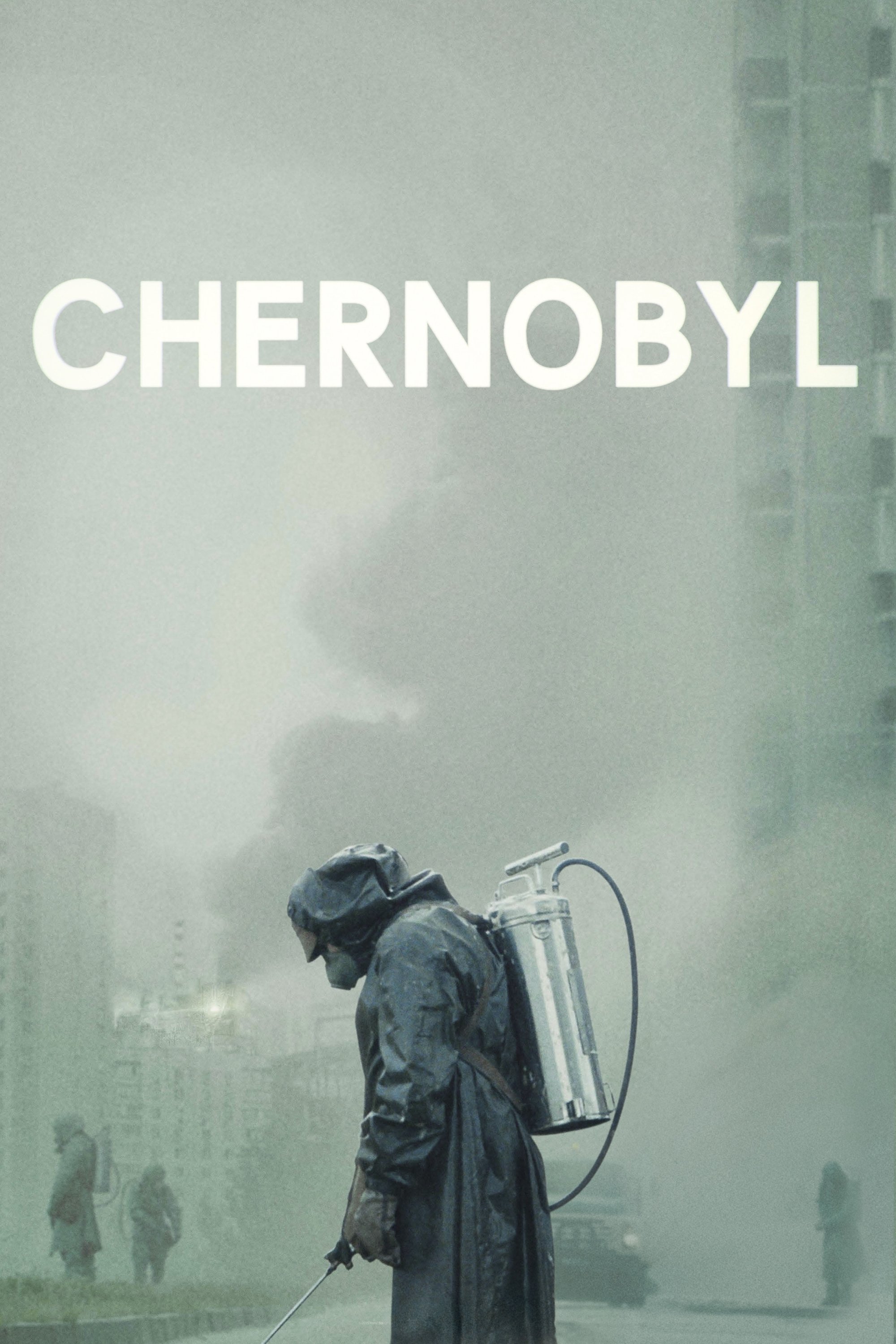
As a miniseries, Chernobyl had the challenge of wrapping up a complex and tragic historical event in just five episodes. The finale focused on the trial of the officials responsible for the nuclear disaster. It powerfully laid out the series of lies and failures that led to the catastrophe.
The ending served as a stark reminder of the human cost of deceit and the importance of truth. Through the character of Valery Legasov, the show delivered a powerful message about the dangers of ignoring science and expertise. The finale was a gripping and haunting conclusion to a series that educated and horrified viewers in equal measure.
Friends (1994)
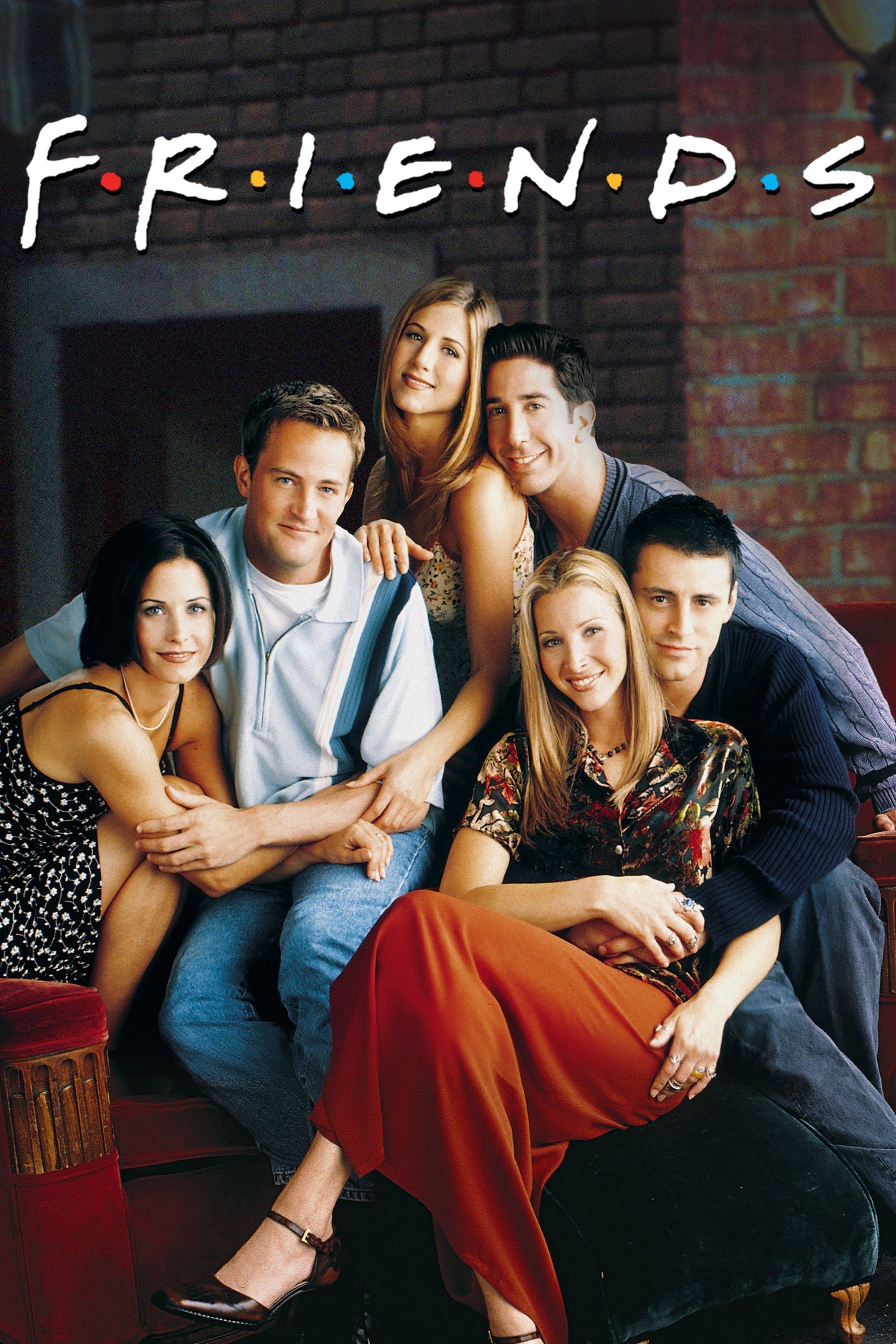
The finale of Friends was a cultural event, bringing a decade of laughs and iconic moments to a close. The episode, titled “The Last One,” saw Ross and Rachel finally get back together for good. Monica and Chandler moved out of their famous purple apartment to raise their newborn twins in the suburbs.
The final scene, where the six friends leave their keys on the counter and go for one last coffee, was a simple and emotional farewell. It provided fans with the happy endings they had long hoped for. The finale was a nostalgic and satisfying conclusion to one of the most popular sitcoms of all time.
The Office (US) (2005)
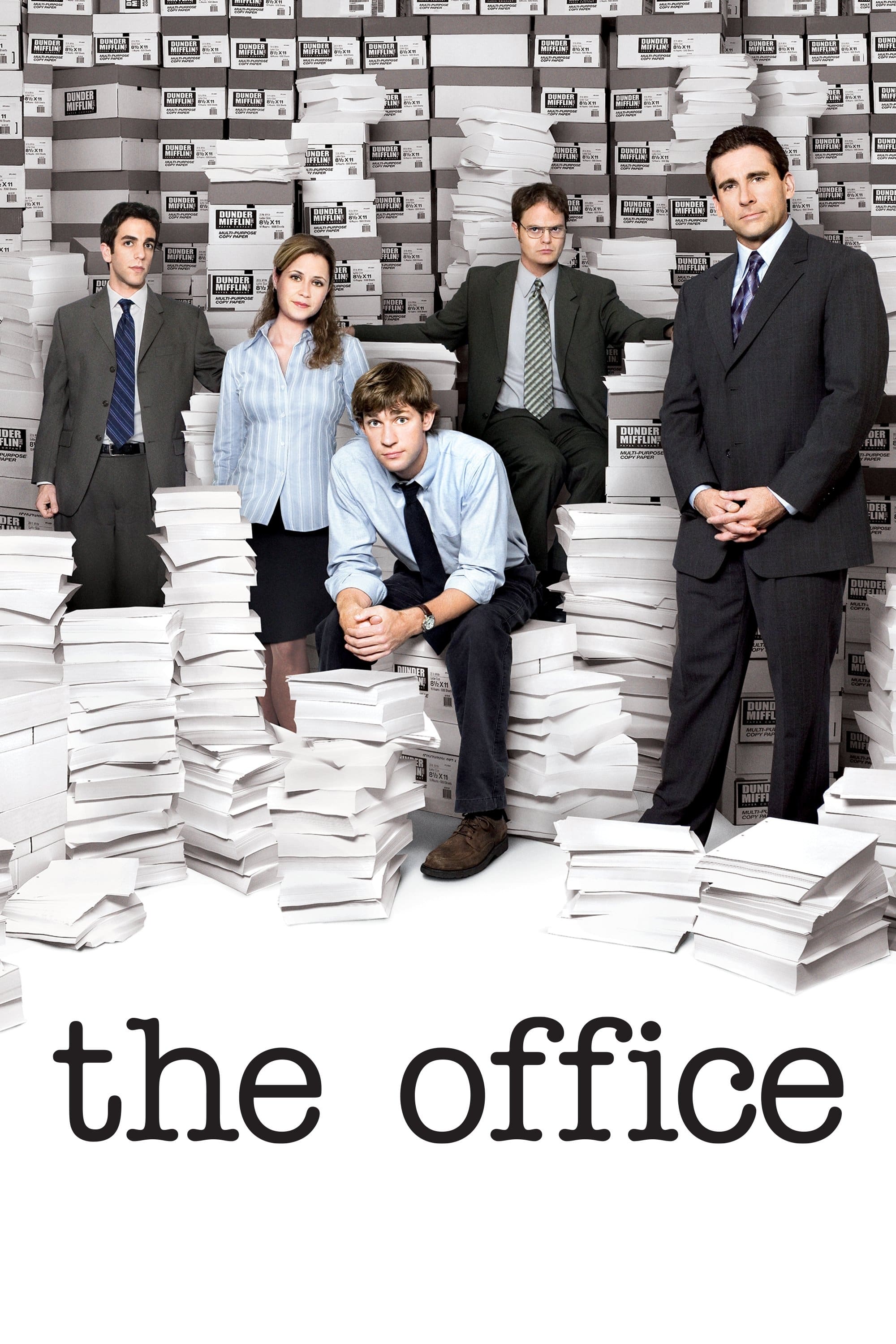
The Office wrapped up nine seasons with a finale that was both funny and heartwarming. Set a year after the documentary aired, the episode brought the Dunder Mifflin employees back together for Dwight and Angela’s wedding. It also featured the surprise return of Michael Scott, who served as Dwight’s best man.
The finale gave each character a meaningful send-off, showing how their lives had changed for the better. Pam’s final speech about finding beauty in ordinary things perfectly encapsulated the show’s theme. It was a loving and nostalgic farewell to the characters that audiences had come to know and love.
Parks and Recreation (2009)
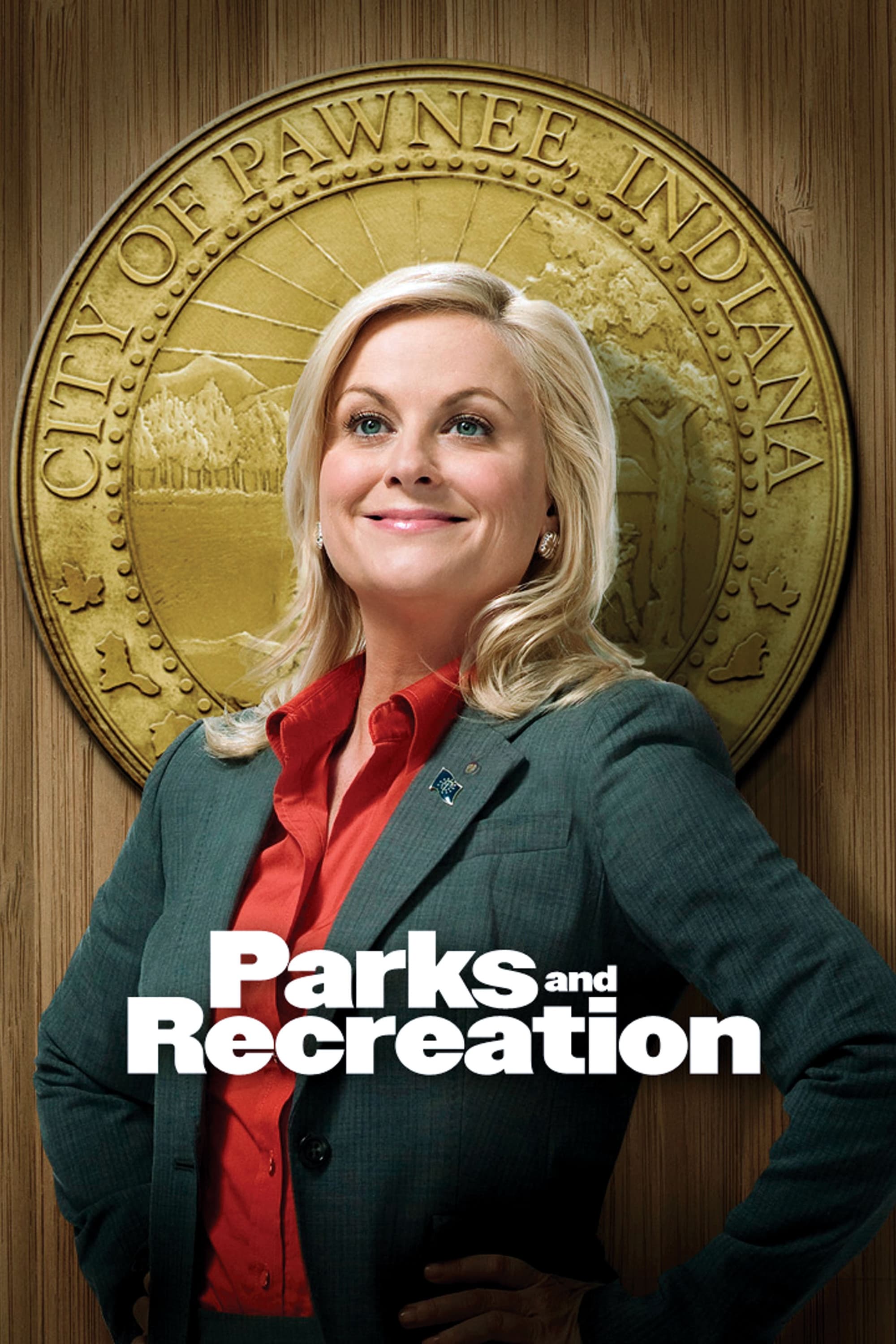
Parks and Recreation ended its run with a finale that was full of optimism and heart. The episode, “One Last Ride,” used a series of flash-forwards to show the bright futures of each main character. Viewers saw Leslie Knope become a two-term governor of Indiana and witnessed the successes of the rest of the Pawnee crew.
The finale was a celebration of friendship, public service, and the power of positive thinking. It provided a deeply satisfying conclusion that stayed true to the show’s cheerful and hopeful tone. The ending was a joyful and fitting tribute to the beloved characters and their enduring bond.
Mad Men (2007)
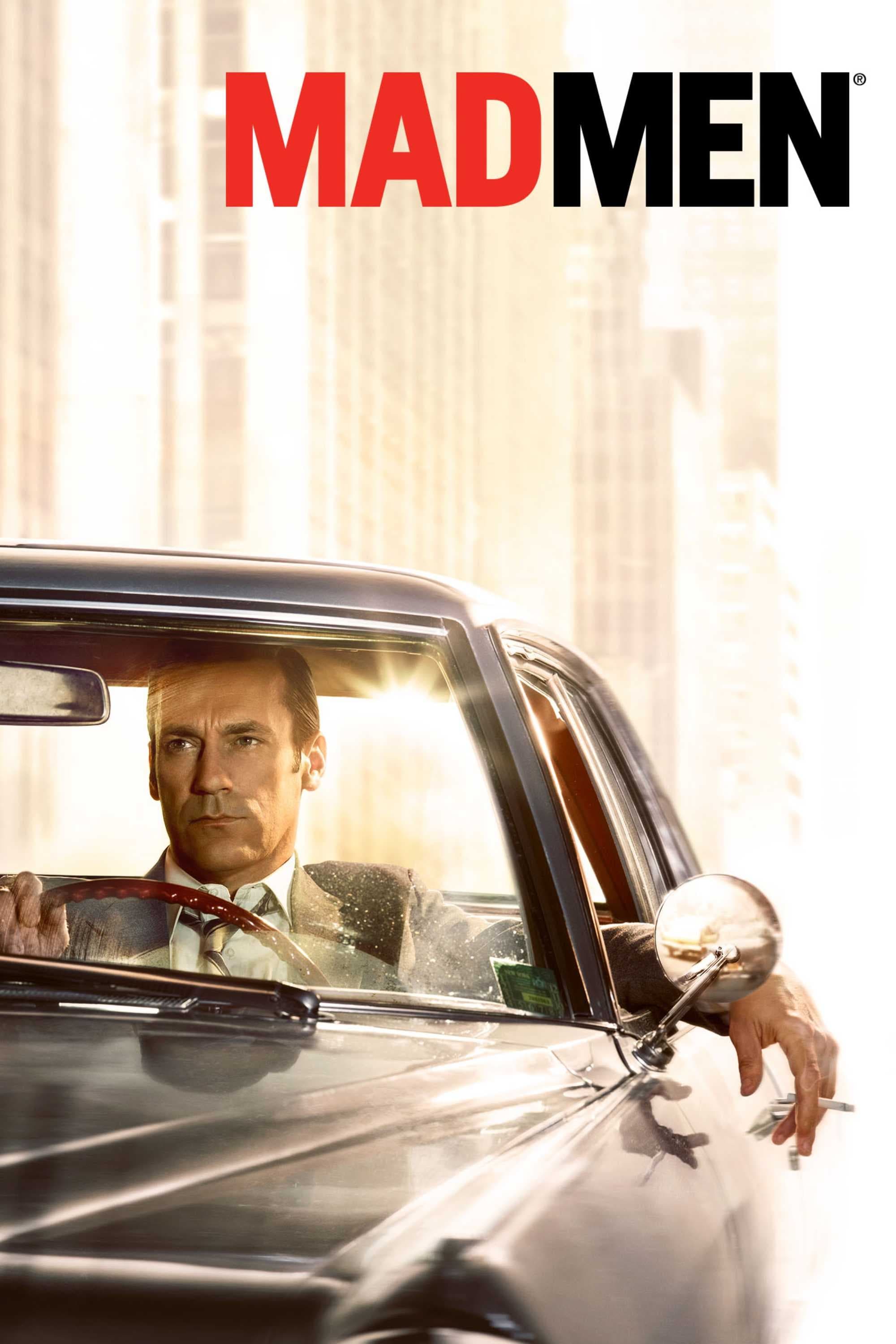
The finale of Mad Men provided a thoughtful and ambiguous ending for its enigmatic main character, Don Draper. After hitting rock bottom, Don finds himself at a spiritual retreat in California. The final scene shows him meditating on a cliffside before a faint smile appears on his face, followed by the iconic 1971 Coca-Cola “Hilltop” advertisement.
The ending suggests that Don found a moment of peace and then used that experience to create one of the most famous ads in history. This conclusion was a perfect encapsulation of his character, blending enlightenment with commercialism. It was a clever and fitting end to a series that explored the complexities of identity and advertising.
Better Call Saul (2015)
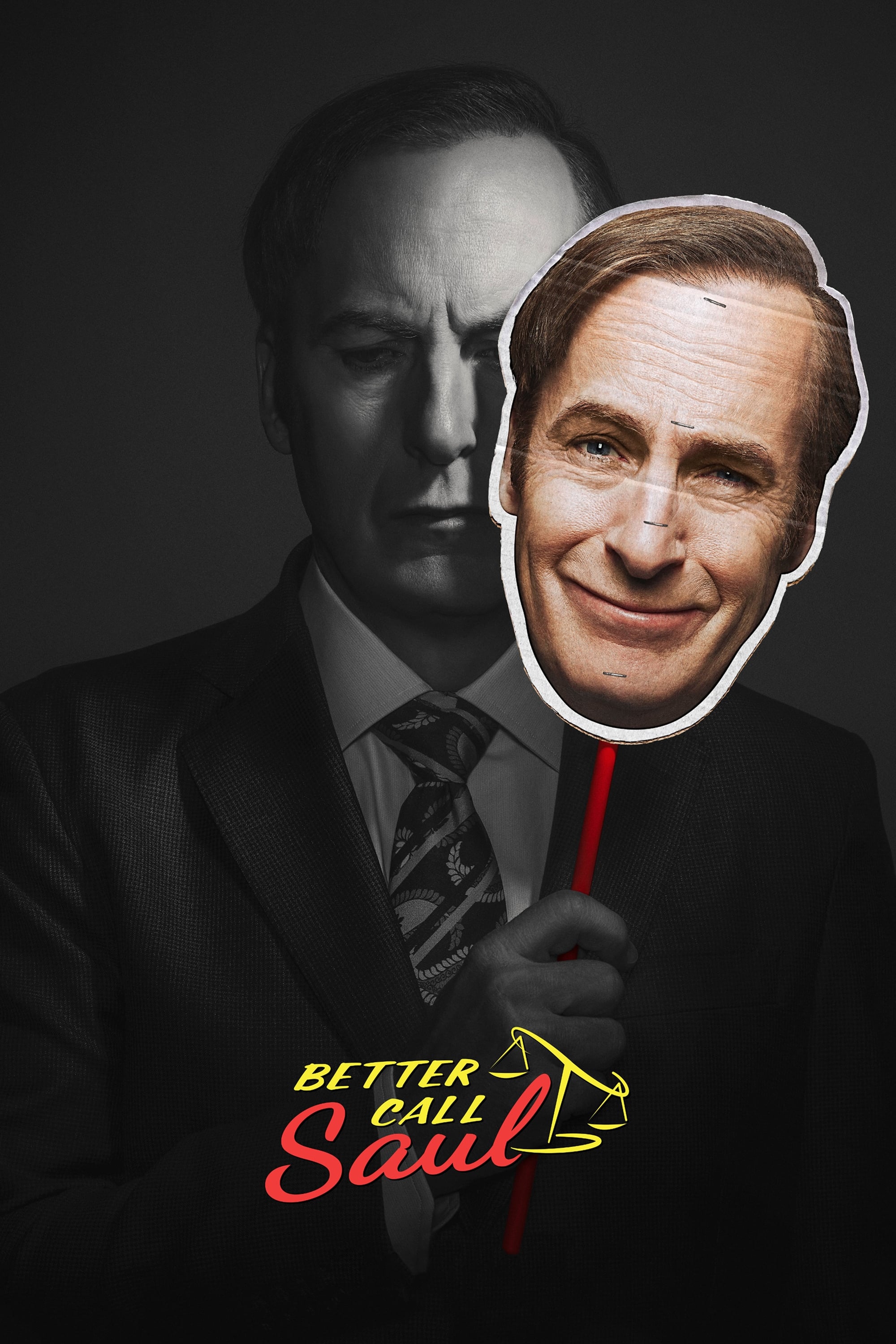
The prequel to Breaking Bad carved out its own legacy and delivered a finale that was both tragic and fitting. In the end, Jimmy McGill, also known as Saul Goodman, confesses to his crimes and accepts a long prison sentence. He does this to save his ex-wife, Kim Wexler, from legal trouble.
The final scene shows Kim visiting Jimmy in prison, where they share a cigarette, mirroring a moment from early in their relationship. The ending provided a sense of closure, as Jimmy finally took responsibility for his actions. It was a somber but satisfying conclusion to the story of a man’s moral downfall.
BoJack Horseman (2014)

BoJack Horseman was a show that never shied away from the dark and difficult aspects of life, and its finale was no exception. After faking his death, BoJack has one last conversation with Diane on a rooftop. They reflect on their complicated friendship and the ways they’ve changed.
The ending doesn’t offer easy answers or a perfectly happy resolution. Instead, it suggests that life goes on, with its ups and downs. It was a quiet and contemplative conclusion that felt true to the show’s realistic portrayal of mental health and relationships. The finale provided a sense of peace and acceptance for its deeply flawed protagonist.
Schitt’s Creek (2015)

Schitt’s Creek grew from a cult favorite to a beloved hit, and its finale provided a warm and satisfying send-off for the Rose family. The final episode centered on the wedding of David and Patrick, a joyful event that brought the entire town together.
The ending saw the Rose family members going their separate ways, but with a newfound sense of love and purpose. Johnny and Moira left to rebuild their lives, while Alexis pursued her own career, and David remained in the town that had become his home. The finale was a perfect blend of humor and heart, celebrating the growth of its characters and the community they found.
The Leftovers (2014)

The Leftovers was a show that posed many questions and often refused to provide clear answers. Its finale, however, offered a deeply personal and emotionally satisfying conclusion. The episode focused on Nora Durst, years after she went through a device that supposedly reunited people with the departed.
In a long and emotional monologue, Nora tells Kevin what happened to her on the “other side.” Whether her story is true is left for the viewer to decide. What matters is that Kevin believes her, and they are finally able to find peace together. The ending was a beautiful and poignant meditation on faith, belief, and the power of love.
Friday Night Lights (2006)
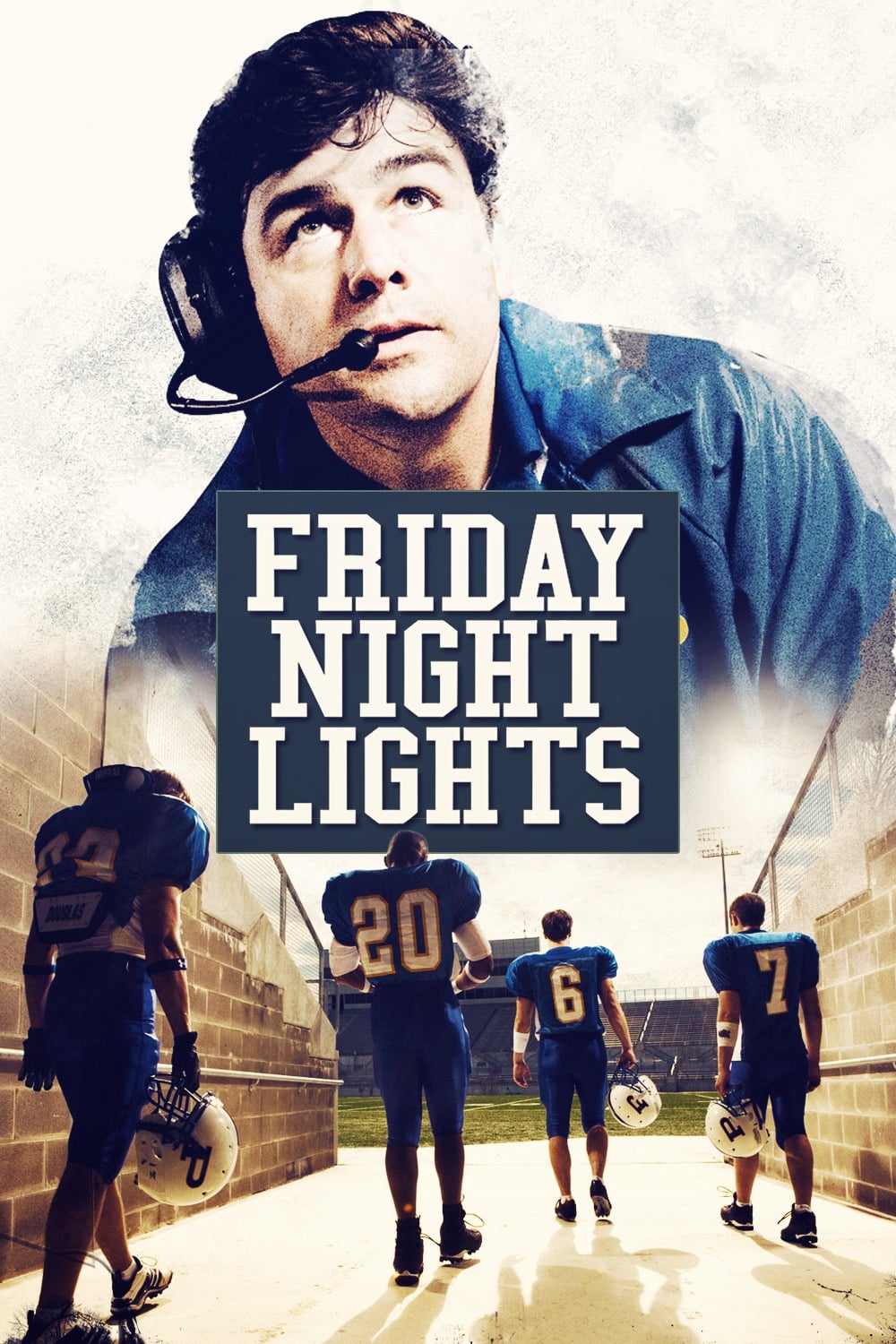
The finale of Friday Night Lights, titled “Always,” provided a heartfelt and realistic conclusion for the Taylor family and the town of Dillon. In the end, Coach Taylor makes the decision to move to Philadelphia so that his wife, Tami, can pursue her career dream. This choice underscored the show’s central theme of marriage and partnership.
The final montage showed glimpses of the characters’ futures, offering a sense of closure while acknowledging that their lives would continue. The ending was praised for its emotional resonance and for staying true to the show’s focus on character and relationships over just football. It was a fitting farewell to a series celebrated for its authenticity and heart.
MAS*H (1972)

The finale of MASH*, “Goodbye, Farewell and Amen,” remains one of the most-watched television episodes in history. The two-and-a-half-hour special saw the end of the Korean War and the emotional goodbyes of the 4077th MASH unit. The episode balanced moments of humor with the harsh realities of war.
It gave each character a poignant send-off as they prepared to return to their civilian lives. The final shot of B.J. Hunnicutt’s message “GOODBYE,” spelled out in stones for Hawkeye to see from his helicopter, is an iconic moment in TV history. The finale was a powerful and fitting conclusion to a show that masterfully blended comedy and drama.
The Mary Tyler Moore Show (1970)
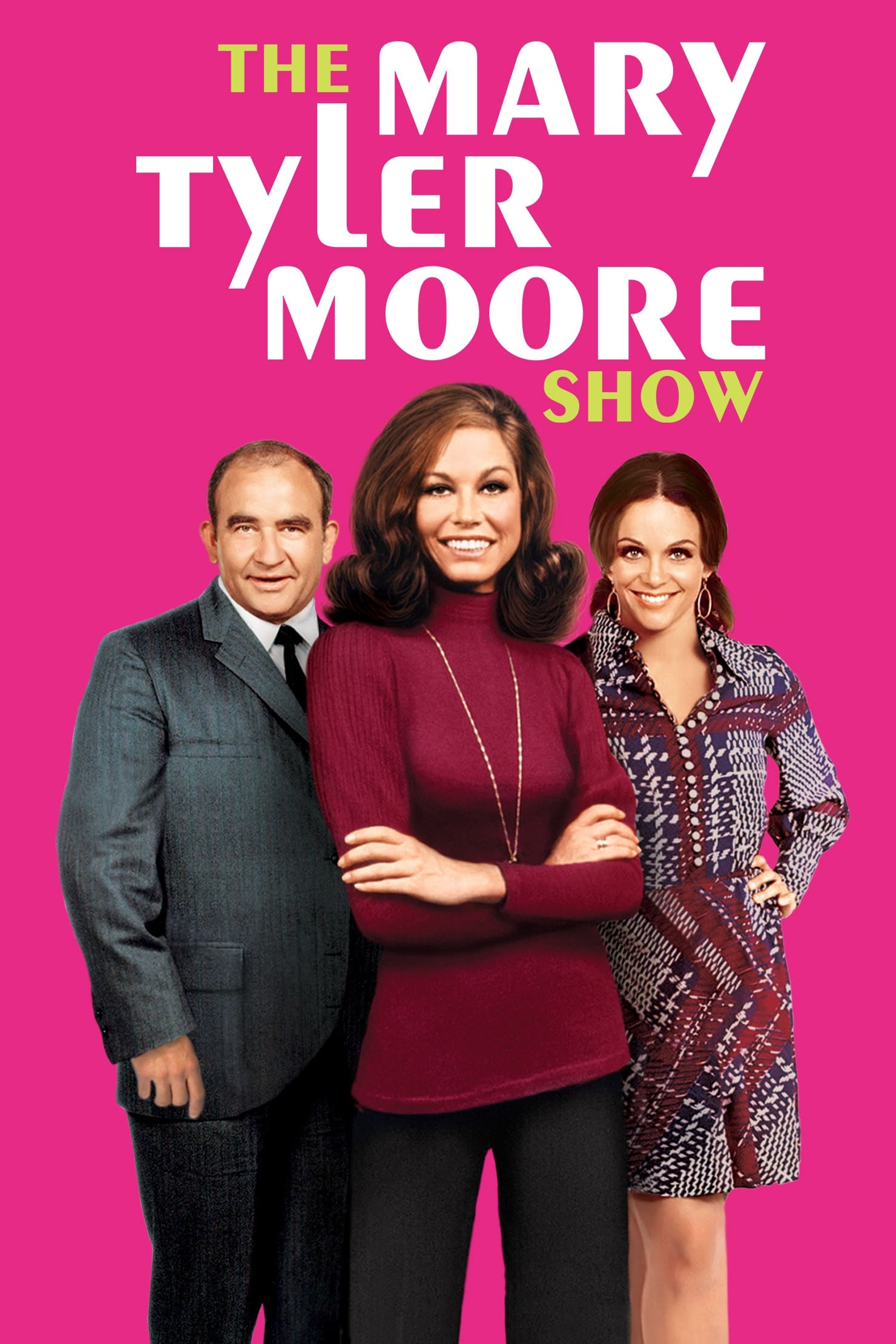
The Mary Tyler Moore Show ended its seven-season run with an episode that was both funny and touching. In “The Last Show,” the entire WJM newsroom staff, except for the inept anchorman Ted Baxter, is fired by the new station manager. This leads to a memorable and emotional farewell among the work family.
The final scene, where the cast huddles together for a group hug and then sings “It’s a Long Way to Tipperary,” became an iconic television moment. Mary’s final look around the newsroom before turning off the lights was a poignant end to a groundbreaking sitcom. The episode was a perfect tribute to the show’s warmth and its beloved characters.
Cheers (1982)
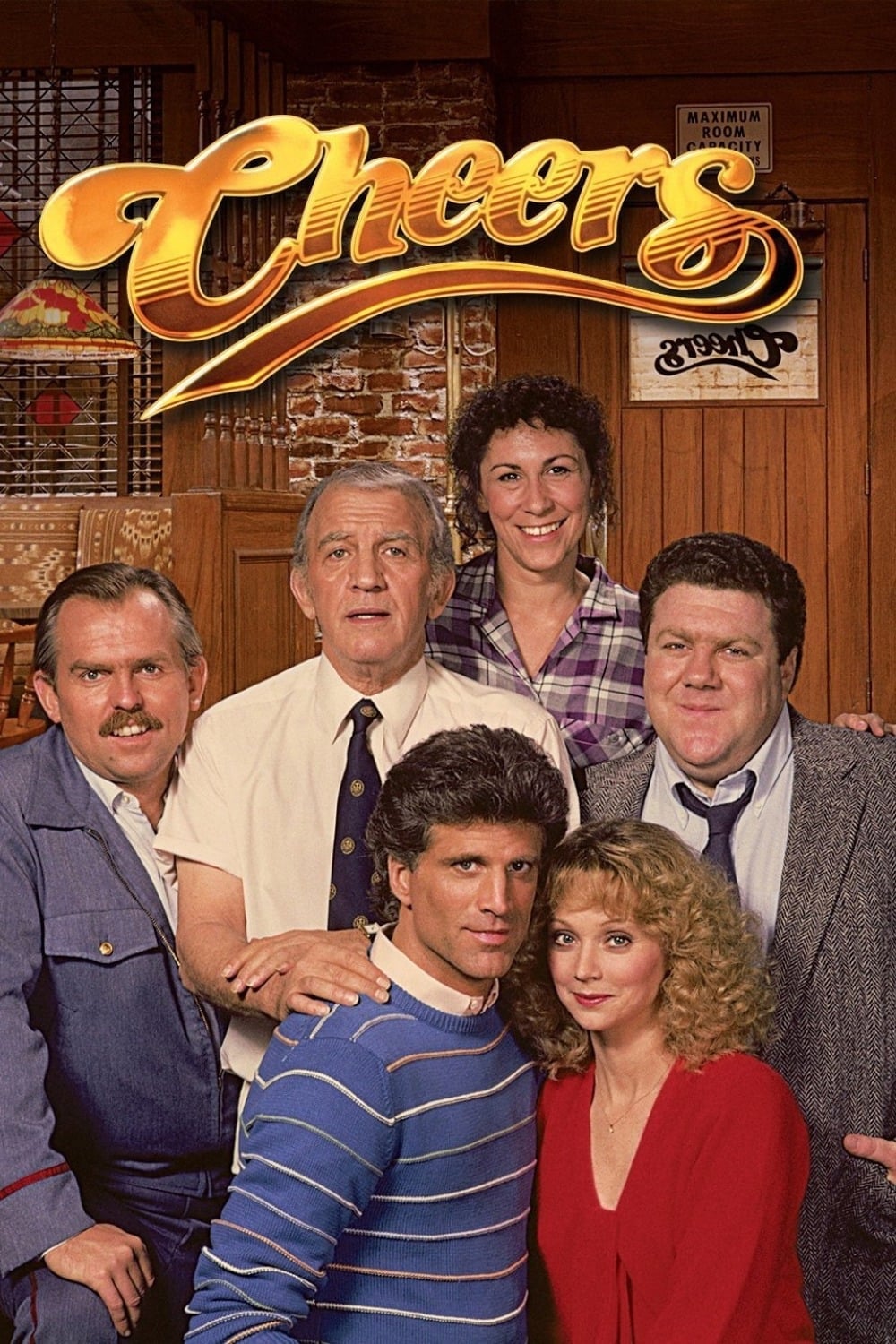
The finale of Cheers, “One for the Road,” brought the long-running sitcom to a satisfying close. The episode featured the return of Diane Chambers, leading to a final will-they-or-won’t-they moment with Sam Malone. Ultimately, Sam realizes his true love is the bar and the community of friends within it.
The last scene shows Sam turning away a customer, saying, “Sorry, we’re closed,” bringing the series to a simple and perfect end. The finale provided closure for the central romance while reaffirming the show’s core theme of finding a place where everybody knows your name. It was a fitting end for one of television’s most iconic comedies.
Newhart (1982)

The finale of Newhart is famous for having one of the most surprising and clever twist endings in television history. After eight seasons of running a Vermont inn filled with eccentric characters, Dick Loudon is hit in the head by a golf ball.
He then wakes up in bed next to Suzanne Pleshette, who played his wife on his previous sitcom, The Bob Newhart Show. He tells her about the strange dream he just had, revealing that the entire Newhart series was just a dream. This meta and hilarious conclusion is still celebrated as a brilliant and unexpected way to end a show.
The Shield (2002)

The Shield concluded with a dark and morally complex finale that was true to its gritty nature. In “Family Meeting,” corrupt detective Vic Mackey secures an immunity deal by confessing to all of his crimes. He gets away with murder, but in doing so, he loses everything and everyone he cared about.
His family is placed in witness protection, and his partner Ronnie is arrested. The final shot shows Vic trapped in a sterile office cubicle, a personal hell for a man who thrived on the streets. This ending provided a form of cosmic justice, offering a chilling and unforgettable conclusion to the story of a flawed and dangerous man.
Justified (2010)
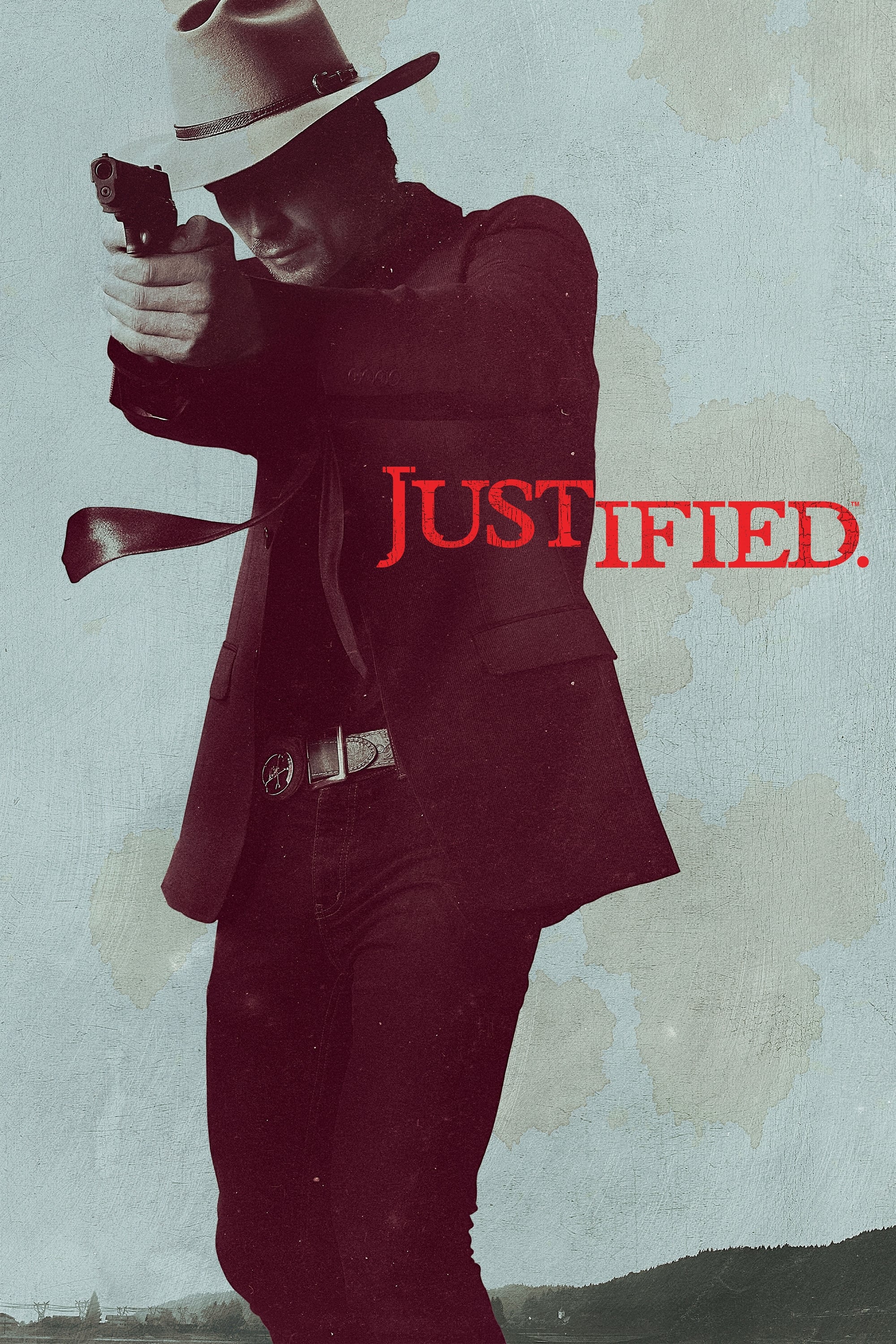
The series finale of Justified, titled “The Promise,” delivered a perfect ending for the long-running rivalry between U.S. Marshal Raylan Givens and outlaw Boyd Crowder. Instead of a bloody final shootout, the show opted for a quieter, more character-driven conclusion. The finale jumps forward in time, showing Raylan in Miami with his daughter and Boyd in prison.
The final scene is a conversation between the two men, separated by prison glass. Raylan tells Boyd that Ava and her son have disappeared, giving them a chance at a new life. The ending hinges on their shared history, with Boyd’s final line, “We dug coal together,” encapsulating their complex bond. It was a deeply satisfying and emotionally resonant end to the series.
Band of Brothers (2001)
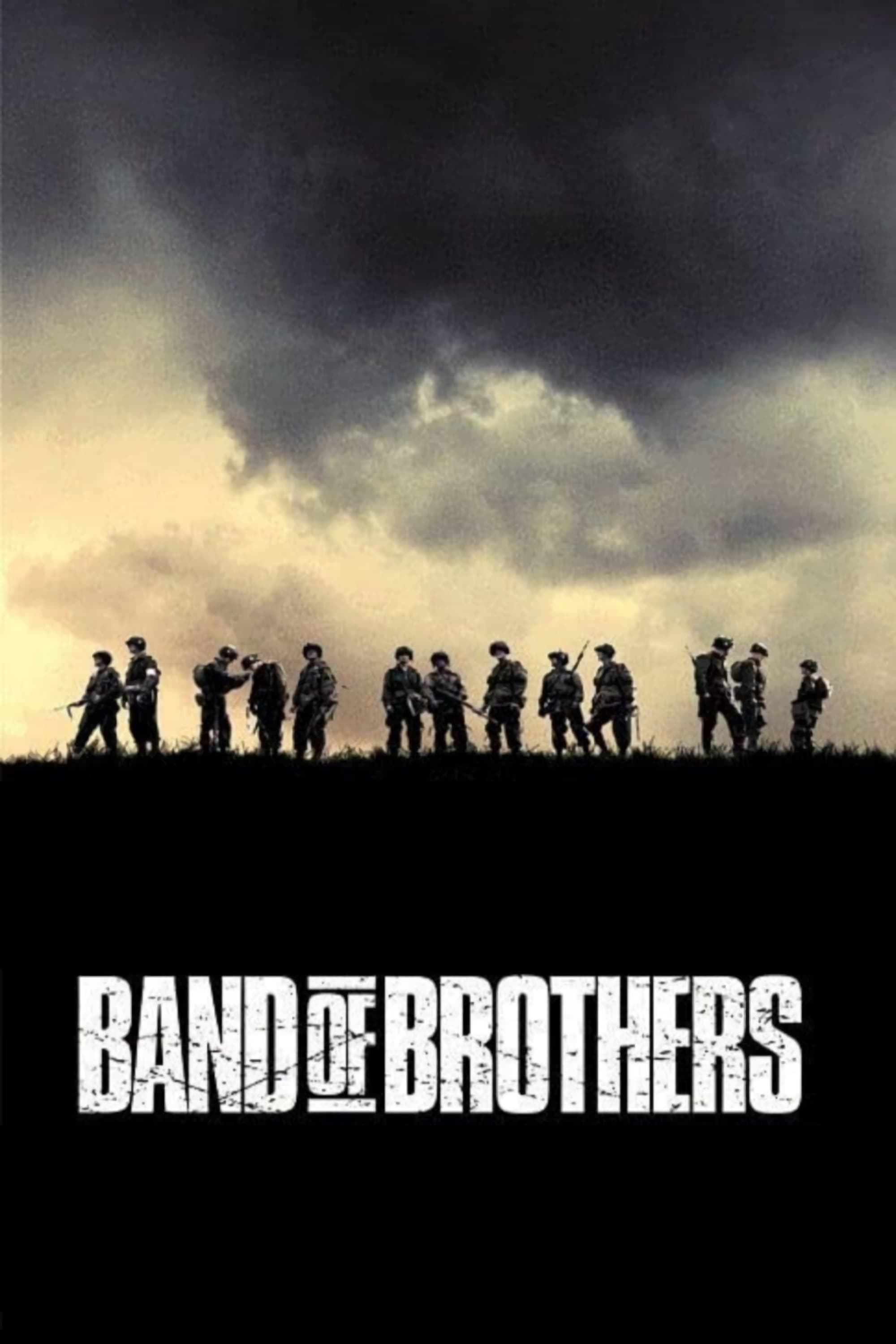
The final episode of the miniseries Band of Brothers focused on the end of World War II in Europe and the fates of the men of Easy Company. After capturing Hitler’s Eagle’s Nest, the soldiers learn that the war is over. The episode then transitions to a peaceful game of baseball, a moment of normalcy after years of combat.
The most moving part of the finale is when the real-life veterans of Easy Company appear on screen, sharing their stories. The episode concludes with Major Winters narrating what happened to his men after the war, providing a sense of closure and honoring their real-life sacrifices. It was a powerful and respectful ending to a remarkable series.
The Wire (2002)
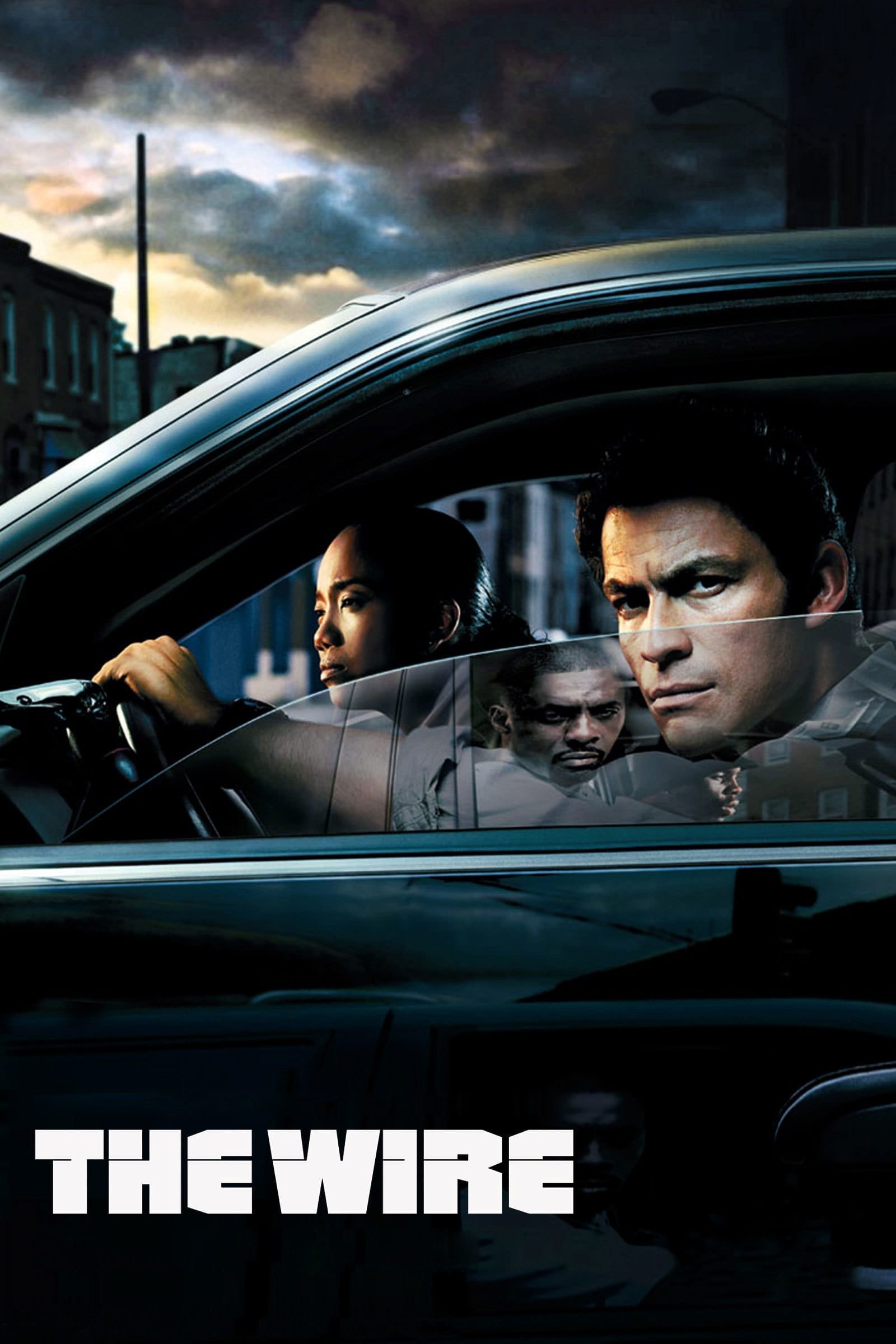
The Wire concluded its five-season run with a finale that stayed true to its realistic and cyclical view of life in Baltimore. The episode, “-30-,” didn’t offer neat resolutions or happy endings. Instead, it showed that the city’s institutions—the police, the drug trade, the politicians—continue on, with new faces simply replacing the old ones.
The final montage illustrates this theme perfectly, showing that while some characters find a measure of peace, the larger systems remain unchanged. The ending reinforced the show’s central message that the “game” never truly ends. It was a brilliant and fittingly downbeat conclusion to a series widely hailed as one of the greatest of all time.
Avatar: The Last Airbender (2005)

The four-part finale of Avatar: The Last Airbender, “Sozin’s Comet,” provided an epic and satisfying conclusion to Aang’s journey. The final battle between Aang and Fire Lord Ozai was a spectacular display of animation and action. Ultimately, Aang finds a way to defeat Ozai without compromising his pacifist beliefs by taking away his firebending ability.
The finale ties up all the major character arcs, with Zuko finding redemption and the world entering a new era of peace. The last scene shows the main characters sharing a quiet, happy moment together in Iroh’s tea shop. It was a triumphant and emotionally fulfilling ending to a beloved animated series.
Gravity Falls (2012)
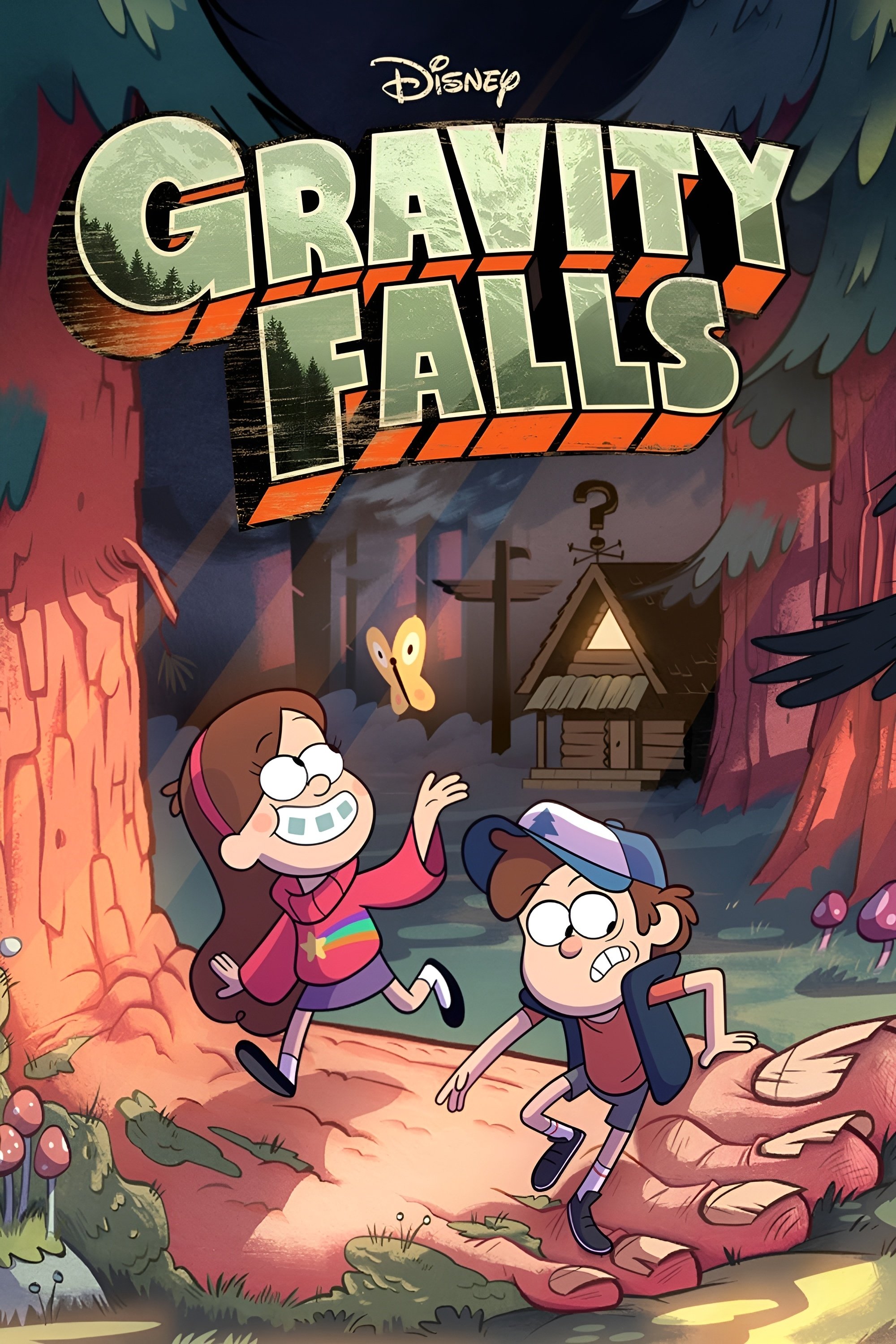
The finale of Gravity Falls, “Weirdmageddon 3: Take Back The Falls,” was a massive, action-packed conclusion to the animated series. Dipper and Mabel Pines lead the citizens of Gravity Falls in a final battle against the demonic Bill Cipher to save their town and reality itself.
The ending is both epic and deeply personal. It resolves the central mystery of the show while delivering a powerful message about the bond between siblings and the bittersweet nature of growing up. The finale was a perfect blend of humor, heart, and adventure, providing a deeply satisfying end to the story.
Regular Show (2010)
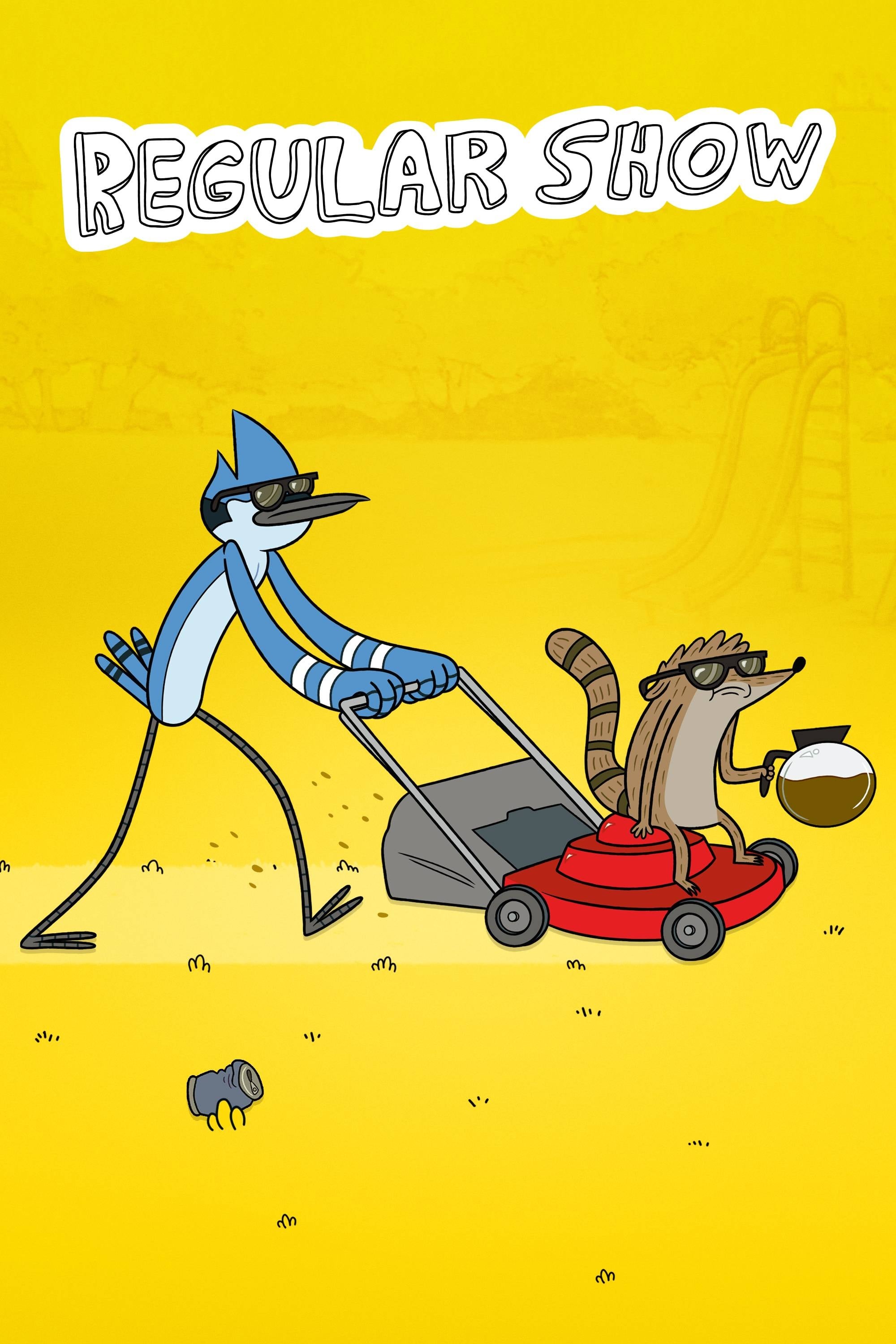
The finale of Regular Show was a surprisingly emotional and epic conclusion to the often-silly animated series. In the three-part “A Regular Epic Final Battle,” the park employees find themselves in a cosmic battle to save the universe. The character Pops makes the ultimate sacrifice, hugging his evil brother Anti-Pops as they fly into the sun to break a cycle of universal destruction.
The ending then jumps forward in time, showing Mordecai, Rigby, and the rest of the crew moving on with their lives, getting married, and having children. A statue is built to honor Pops, and the show ends with a montage set to David Bowie’s “Heroes.” It was a bittersweet and fittingly weird end to the beloved cartoon.
Adventure Time (2010)
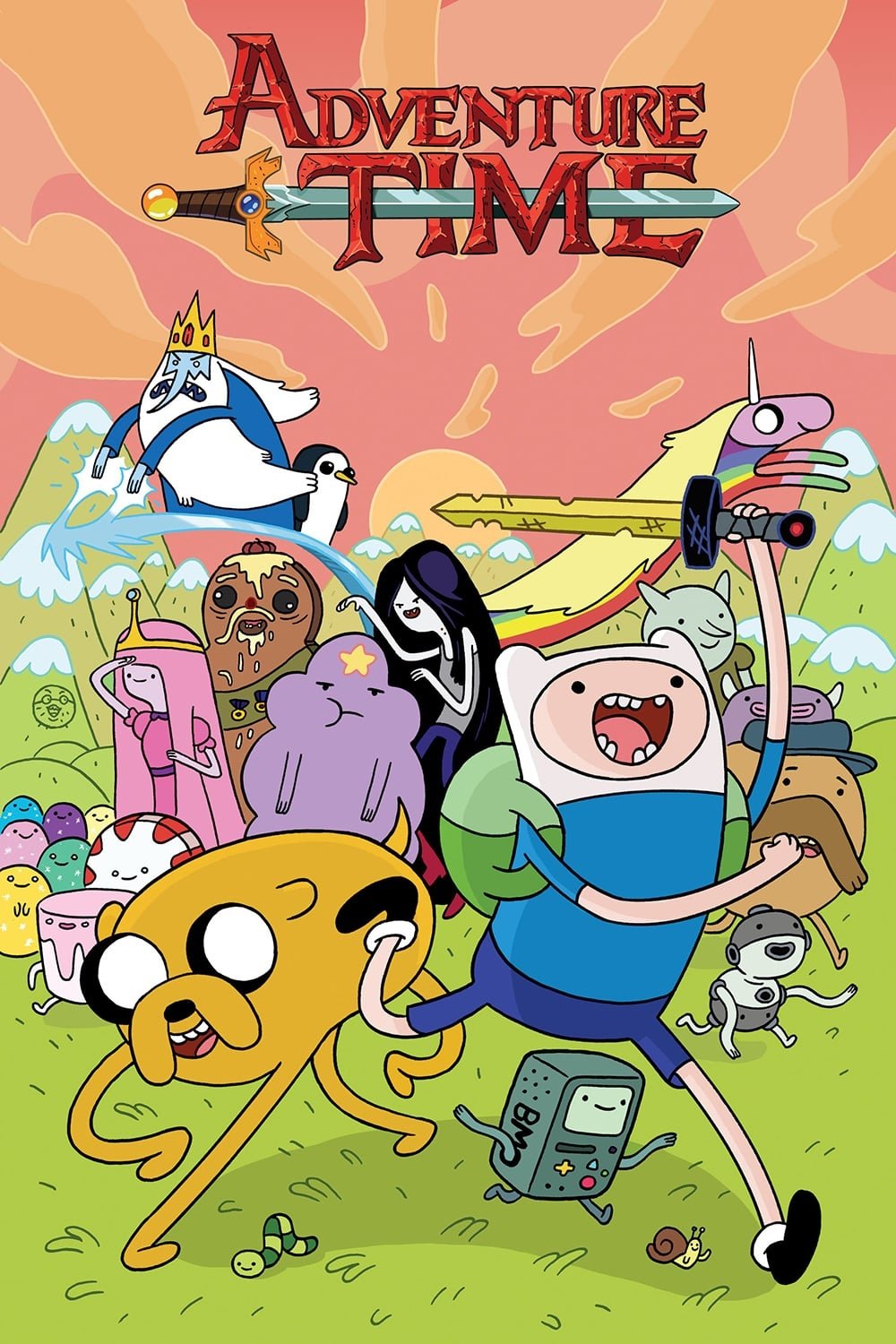
The finale of Adventure Time, titled “Come Along With Me,” brought the beloved animated series to an emotional and satisfying close. The episode revolves around the Great Gum War and a final confrontation with the malevolent entity GOLB. It is framed by a story set 1,000 years in the future, emphasizing the show’s theme that life and adventures continue.
The finale provided long-awaited moments for fans, including a kiss between Princess Bubblegum and Marceline. The episode ends with a montage showing the future of Ooo’s inhabitants, all while a new generation of heroes emerges. It was a poignant and fitting end that celebrated the show’s legacy of friendship and endless imagination.
Star Trek: The Next Generation (1987)

The finale of Star Trek: The Next Generation, “All Good Things…”, is a masterclass in series conclusions. The episode sees Captain Picard shifting through the past, present, and future, tasked by the omnipotent being Q with solving a puzzle that threatens humanity’s existence.
The finale cleverly revisits the show’s beginning and offers a glimpse into the characters’ futures. The final scene, where Picard joins his senior staff for their regular poker game for the first time, is a perfect, quiet moment of camaraderie. It was a brilliant and thoughtful ending that celebrated the journey of the Enterprise crew.
Battlestar Galactica (2004)

The finale of Battlestar Galactica was a bold and divisive, yet ultimately fitting, conclusion to the dark and complex sci-fi series. After years of searching, the last remnants of humanity finally find a new home—a planet they decide to call Earth. In a controversial move, they choose to abandon their advanced technology and start fresh.
The finale provided closure for its characters, though not always in happy ways. It ended with a flash-forward to modern-day New York City, revealing that the story was a distant prequel to our own history. The ending was ambitious and thought-provoking, staying true to the show’s challenging themes.
Dark (2017)
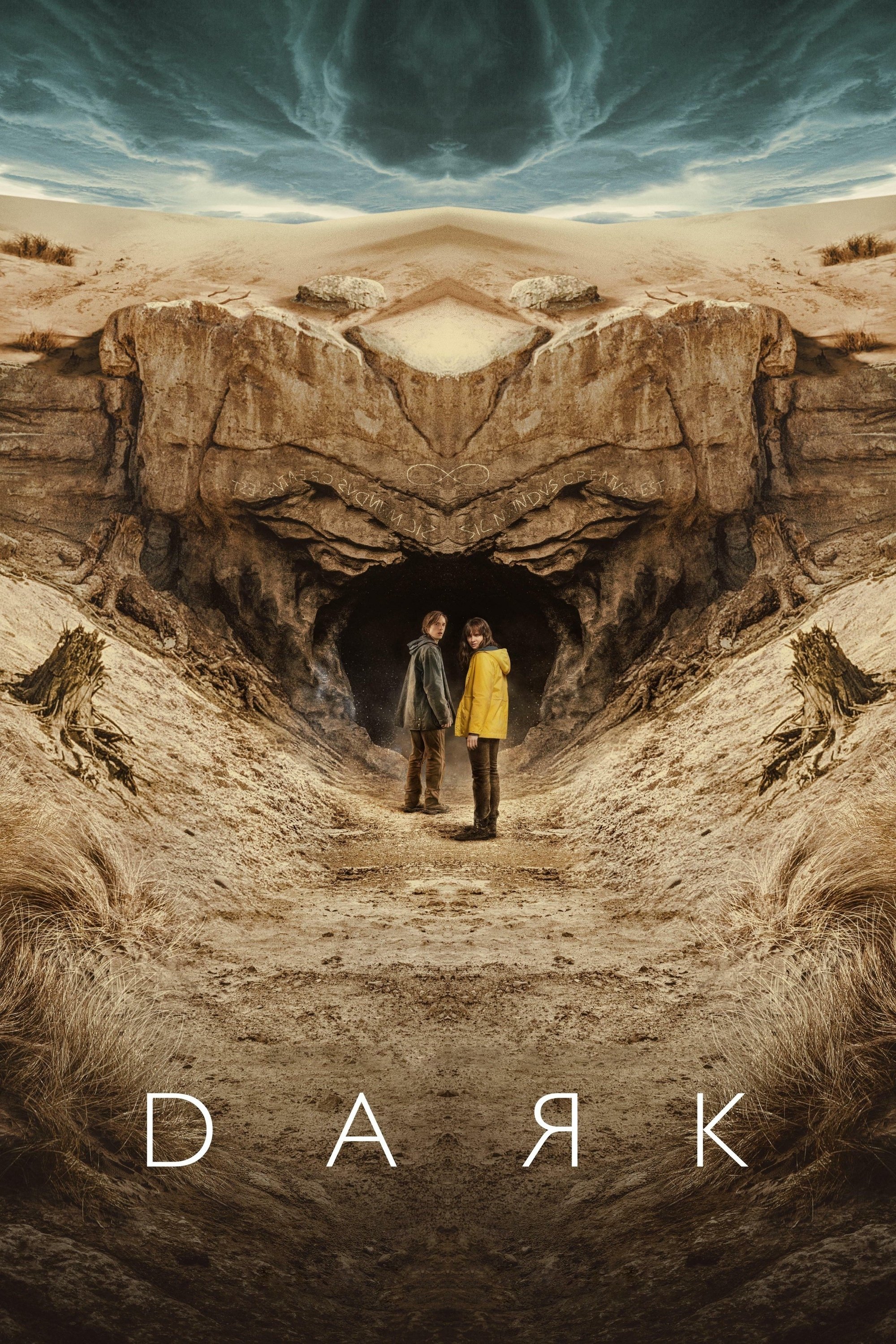
The German-language series Dark was known for its incredibly complex, time-bending plot. The finale managed to untangle its many paradoxes in a satisfying and emotionally resonant way. It revealed that the intertwined worlds of Winden were created by a scientist’s attempt to bring back his dead son, and the only way to fix everything was to prevent that original accident from ever happening.
Jonas and Martha travel to the origin world to stop the event, even though it means they and everyone in their worlds will cease to exist. The final scene shows a world without the time-travel knot, where some characters exist in peace. It was a mind-bending yet coherent conclusion to a truly unique series.
Mr. Robot (2015)

The finale of Mr. Robot delivered a stunning and deeply psychological conclusion. The final two episodes revealed that the world Elliot had been trying to create—a perfect world without suffering—was a fantasy he had constructed in his own mind. The “real” Elliot had been a prisoner in this idyllic loop, created to shield him from his trauma.
The show’s other main characters, including his sister Darlene and his alter ego Mr. Robot, guide him back to reality. The ending was not about saving the world but about one man’s journey to accept himself, flaws and all. It was a bold, introspective, and emotionally powerful end to the complex techno-thriller.
Halt and Catch Fire (2014)
Halt and Catch Fire was a show that constantly reinvented itself, and its finale provided a quiet and hopeful conclusion. After the death of one of its main characters, Gordon Clark, the remaining trio—Joe, Cameron, and Donna—are left to figure out their futures.
The final episode focuses on the enduring professional and personal relationships between the characters. Donna has an idea for a new project, and the final scene shows her and Cameron brainstorming, suggesting that the cycle of innovation and creation will continue. The ending was a thoughtful and optimistic meditation on partnership, ambition, and the human need to connect.
Person of Interest (2011)

The finale of Person of Interest, “return 0,” was a thrilling and emotional conclusion to the sci-fi crime drama. The episode saw the final battle between The Machine and its rival AI, Samaritan. John Reese sacrifices himself to ensure The Machine’s survival, a heroic end for a character who began the series as a lost soul.
The finale provided a sense of closure, with Harold Finch reuniting with his love, Grace, and The Machine continuing its mission to save people with Shaw as its new primary asset. The ending was a powerful statement about sacrifice, purpose, and the enduring fight for what is right.
12 Monkeys (2015)

The series finale of 12 Monkeys managed to wrap up its complex, time-traveling narrative in a deeply satisfying way. After a final, desperate mission to stop the plague and end the endless time loop, James Cole seemingly sacrifices himself to reset the timeline.
However, in a final twist, the show gives its characters a well-earned happy ending. Cole is saved and gets to live out his life with Cassie in the peaceful new timeline they created. The finale was a testament to the show’s intricate plotting and its core belief in hope, love, and redemption.
Succession (2018)
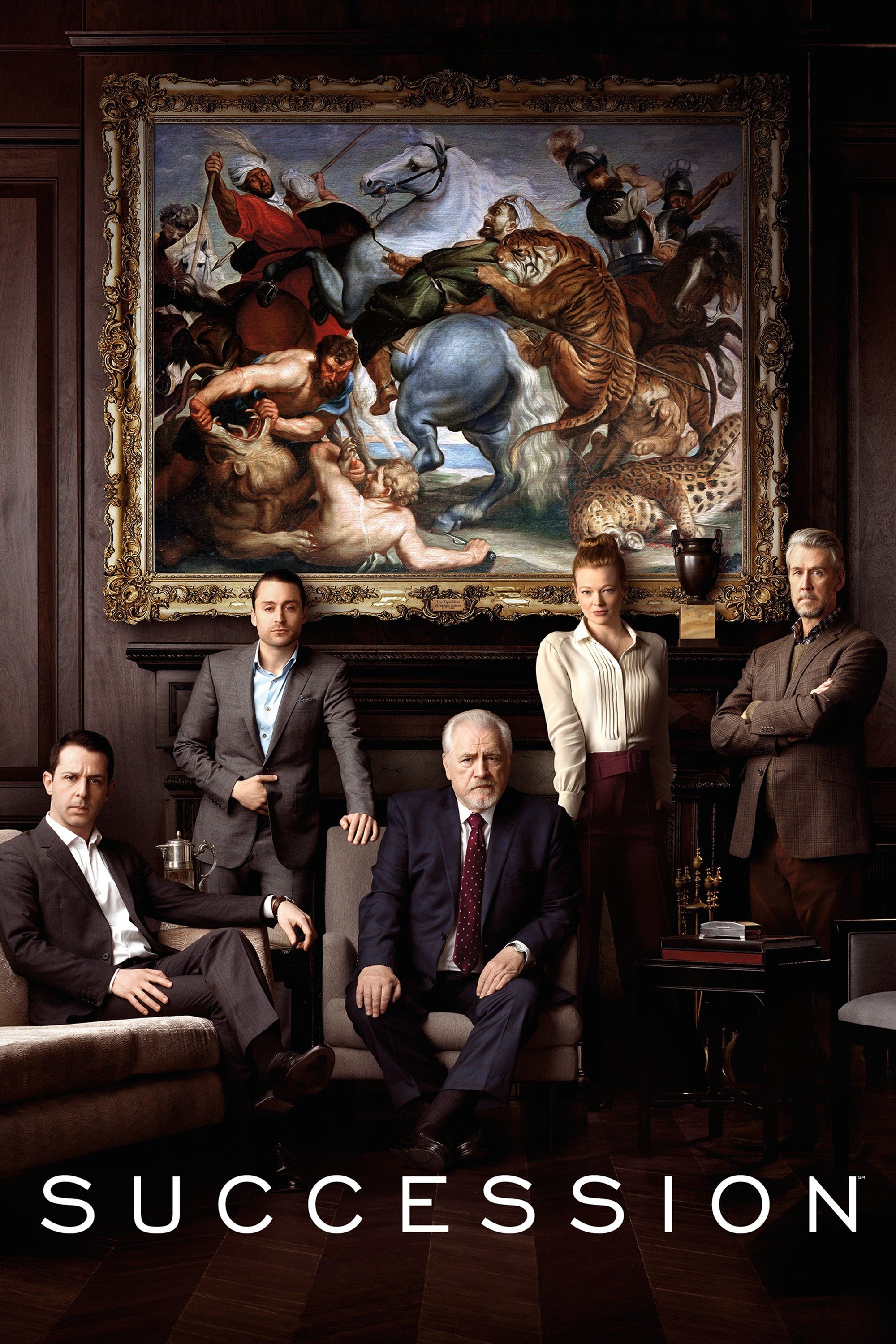
The finale of the acclaimed drama Succession delivered a conclusion that was as brutal and brilliant as the show itself. In the end, none of the Roy siblings get what they want. After a series of betrayals, the family company, Waystar RoyCo, is sold to a tech billionaire.
The final moments show the devastating aftermath for the siblings: Kendall wanders aimlessly, a broken man; Shiv is trapped in a powerless position next to her victorious husband, Tom; and Roman is left alone. The ending was a powerful and fitting statement on the destructive nature of power and greed, providing a perfectly bleak conclusion to the story of the dysfunctional Roy family.