25 Movies from the 2000s That Were Overlooked but Deserve Much More Attention

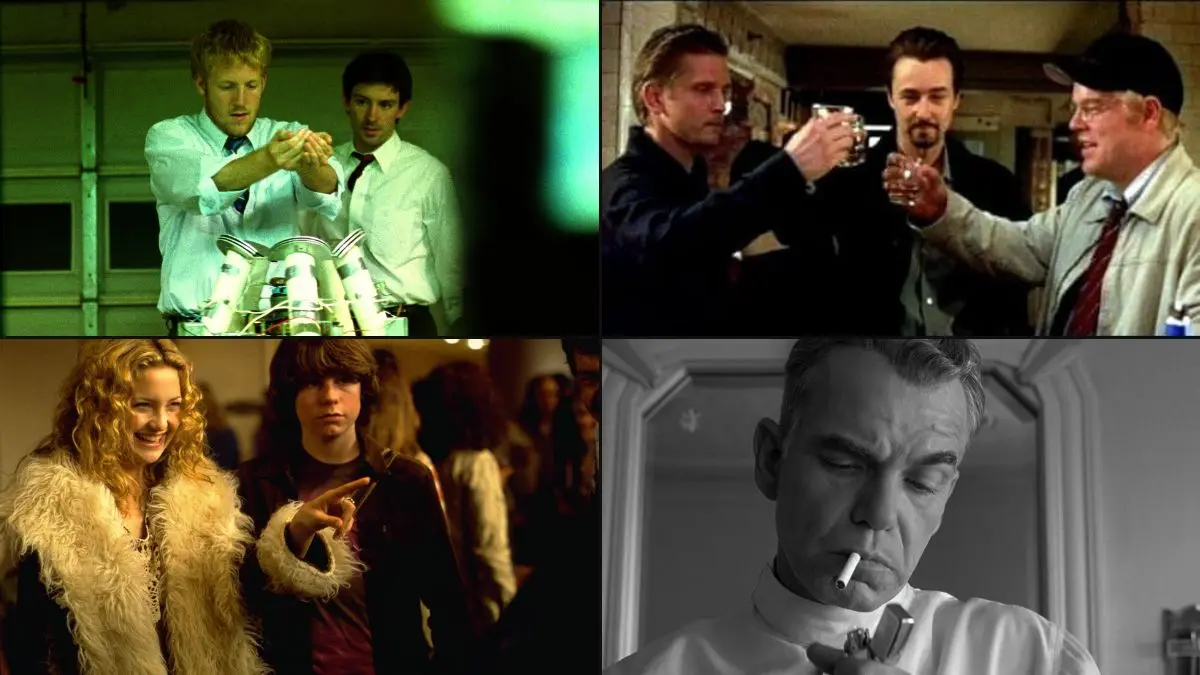

The 2000s was a decade defined by major movie franchises. Series like Harry Potter, The Lord of the Rings, and the Spider-Man trilogy captured the attention of audiences worldwide. These large-scale productions from major studios dominated the box office and cultural conversations. It was a time of significant technological advancement in filmmaking, with CGI becoming more sophisticated and prevalent.
With so much focus on these blockbuster films, many smaller, independent, and foreign-language movies were overlooked. These films often lacked the large marketing budgets and wide theatrical releases of their mainstream counterparts. As a result, many exceptional and original movies did not reach the broad audience they deserved. This list revisits 25 of those hidden gems from the 2000s that are well worth discovering.
A Scanner Darkly (2006)
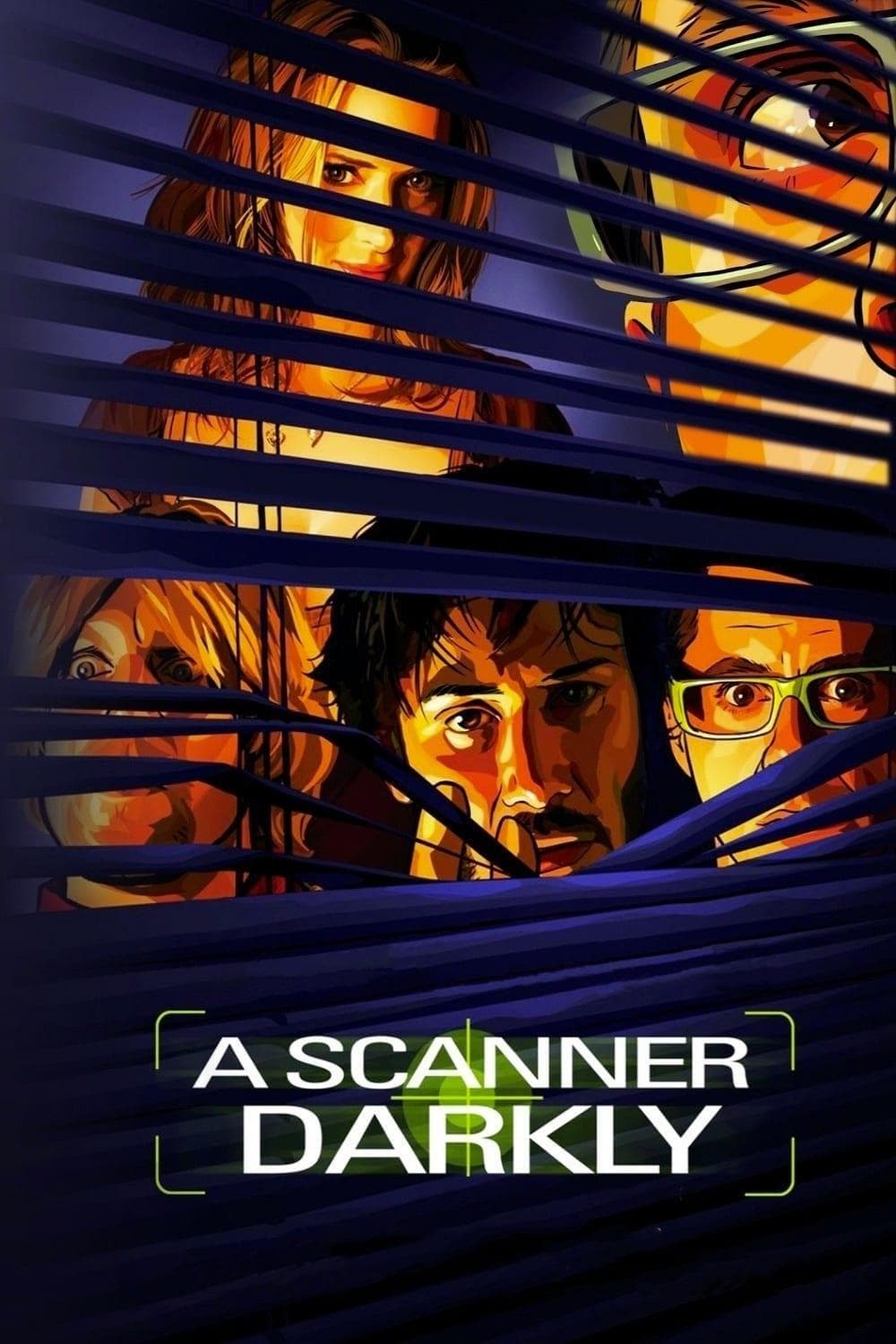
Based on the novel by science fiction author Philip K. Dick, this film uses a distinctive rotoscoping animation style. Animators traced over live-action footage, creating a unique and visually compelling look. The story is set in a near-future Orange County, California, where a powerful and dangerous new drug called Substance D has created a major epidemic.
The plot centers on an undercover narcotics agent who becomes an addict while investigating his friends. As his addiction deepens, his identity begins to fracture, and he loses his grip on reality. The film explores complex themes of paranoia, surveillance, and the nature of self in a technologically advanced and drug-addled society.
Brick (2005)
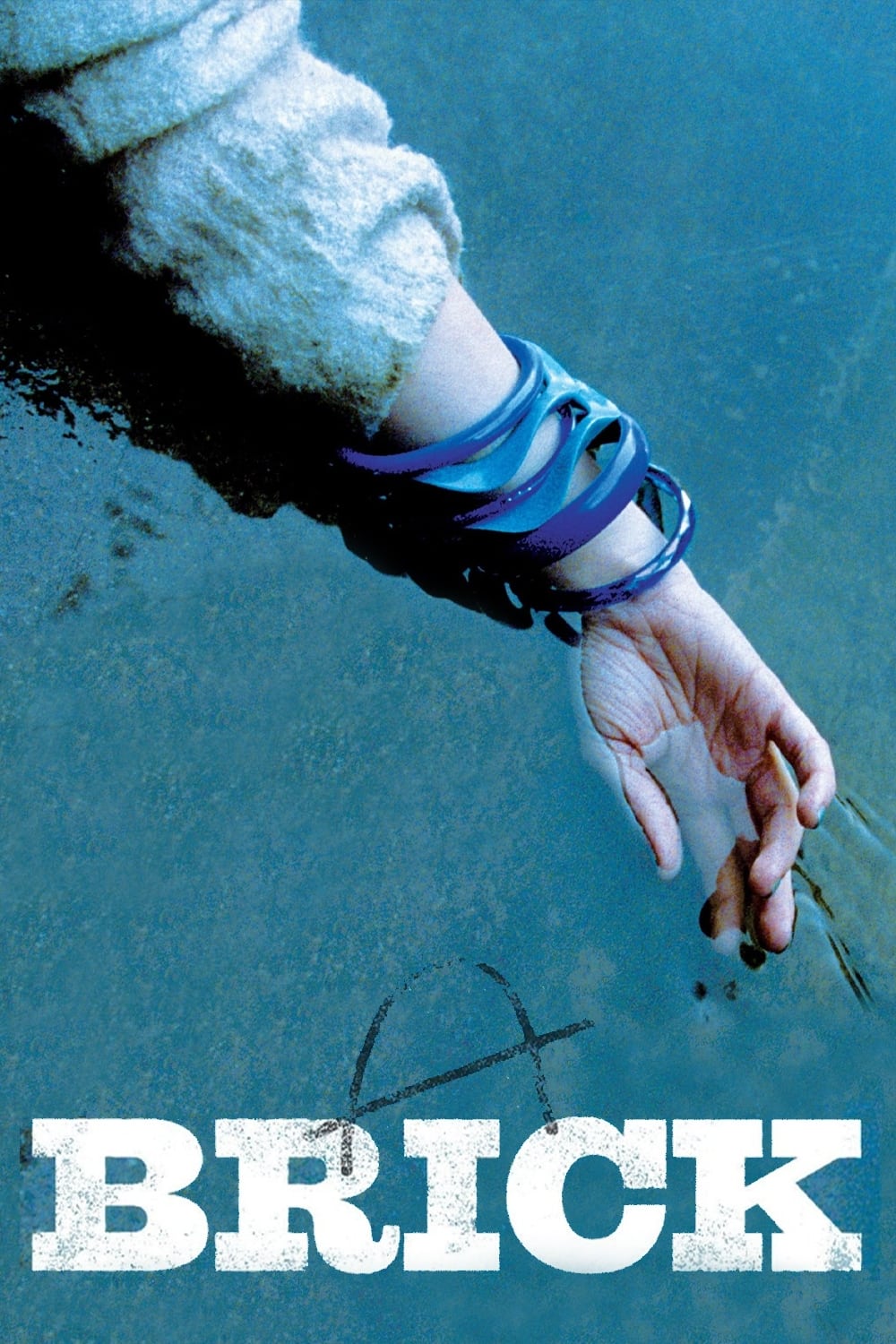
Before he directed Star Wars: The Last Jedi, Rian Johnson made his feature film debut with this inventive teen neo-noir. The film transposes the classic hardboiled detective story to a modern-day high school setting. A high school loner named Brendan Frye decides to investigate the mysterious death of his ex-girlfriend, leading him into the school’s criminal underworld.
Brick is notable for its stylized dialogue, which blends the slang of classic noir films with the language of contemporary teenagers. It is a complex and cleverly plotted mystery with numerous twists and turns. Made on a very small budget, the film’s strong visual style and original concept helped it to win the Special Jury Prize for Originality of Vision at the 2005 Sundance Film Festival.
The Fountain (2006)
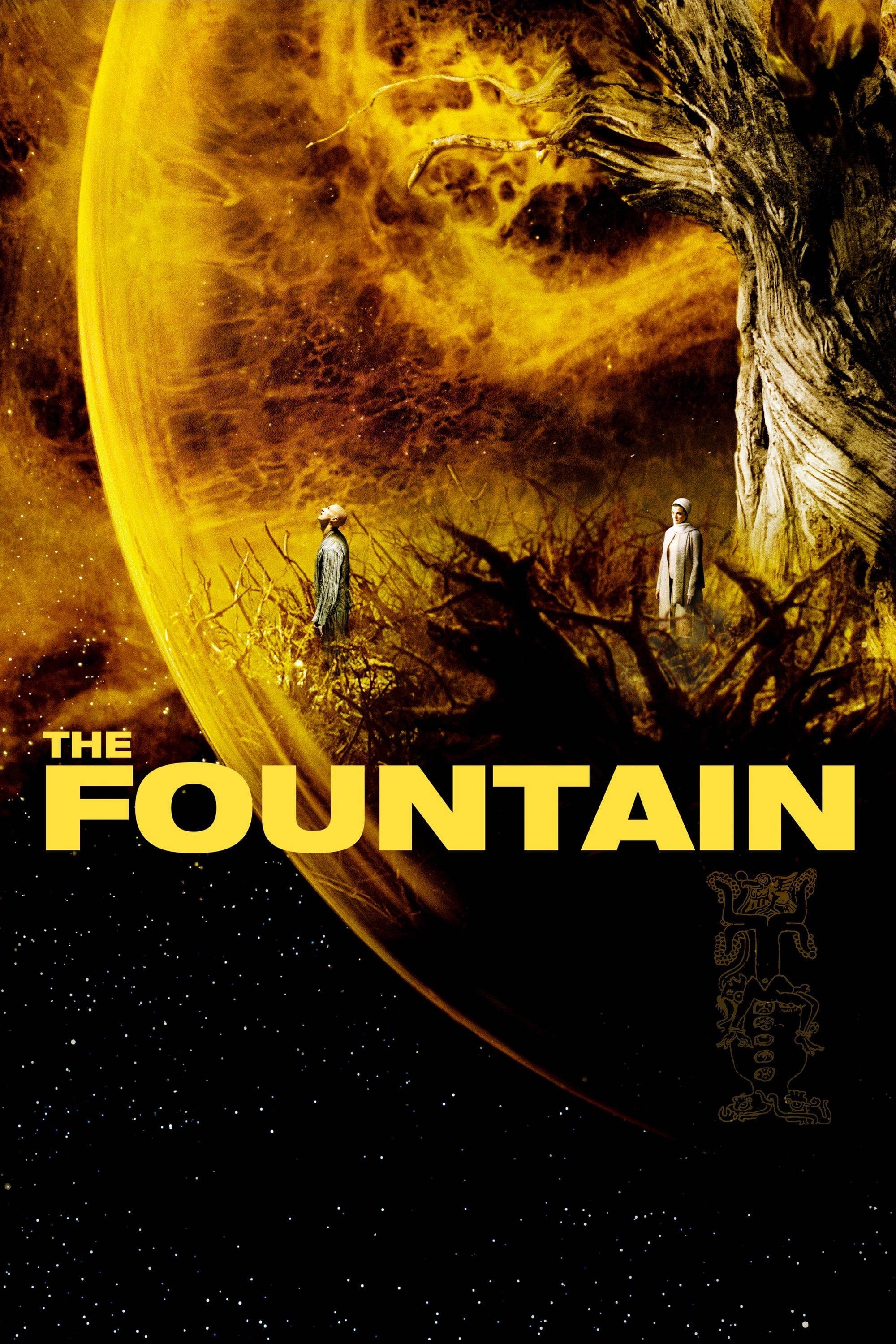
This ambitious and visually spectacular film by director Darren Aronofsky unfolds across three interconnected timelines. One story follows a 16th-century conquistador searching for the Tree of Life in the Mayan jungle. A parallel narrative features a modern-day scientist desperately trying to discover a cure for his wife’s terminal cancer. The third storyline is set in the 26th century and follows a space traveler journeying towards a dying star.
All three narratives are woven together by the enduring themes of love, mortality, and the quest for eternal life. The film is a philosophical and emotional exploration of these concepts, complemented by stunning and often surreal visuals. While it was not a commercial success upon its release, The Fountain has since gained a dedicated cult following for its artistic and thematic depth.
Ghost World (2001)

Adapted from the acclaimed comic book of the same name, Ghost World is a witty and poignant look at teenage alienation at the turn of the 21st century. The film follows the lives of two best friends, Enid and Rebecca, in the summer after they graduate from high school. They drift through their suburban town, observing and critiquing the world and people around them with a cynical and deadpan humor.
Their close friendship is put to the test when Enid forms an unlikely bond with a lonely, middle-aged record collector. The film is a sharp and insightful character study, capturing the feeling of being an outsider with both humor and sensitivity. It received an Academy Award nomination for Best Adapted Screenplay.
In the Mood for Love (2000)

This romantic drama from acclaimed Hong Kong director Wong Kar-wai is widely regarded as a masterpiece of modern cinema. Set in Hong Kong in 1962, the film tells the story of two neighbors, a man and a woman, who move into the same apartment building on the same day. They soon discover that their respective spouses are having an affair with each other.
Drawn together by their shared betrayal, they form a close and complex bond, though their relationship remains platonic. The film is celebrated for its lush cinematography, elegant period detail, and emotionally resonant storytelling. It focuses on stolen glances, quiet moments, and unspoken feelings to create a powerful and melancholic atmosphere of love and longing.
Master and Commander: The Far Side of the World (2003)
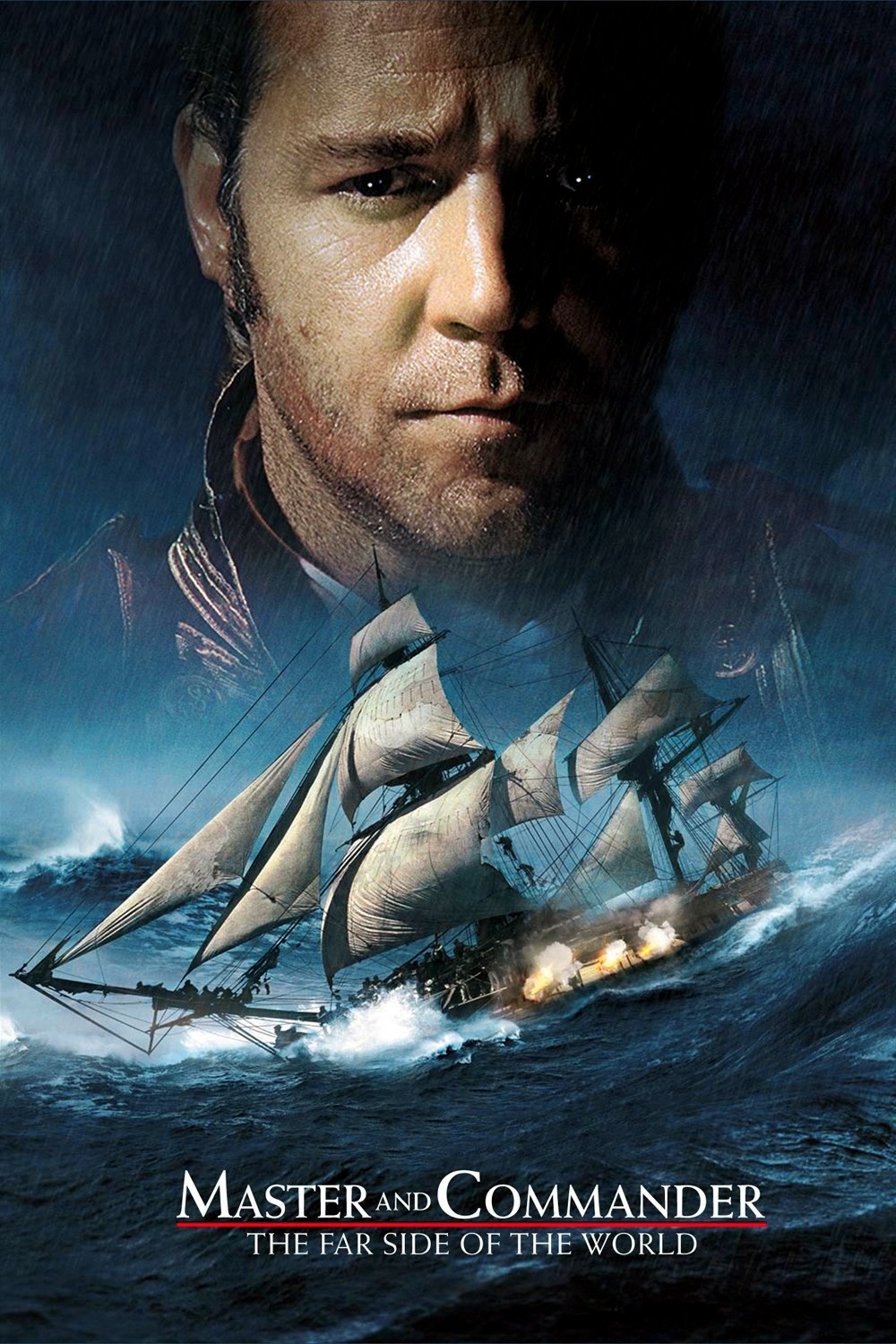
This epic historical drama, set during the Napoleonic Wars, is a detailed and authentic depiction of life aboard a 19th-century British warship. The film follows Captain “Lucky” Jack Aubrey of the HMS Surprise, who is tasked with hunting down a formidable French privateer vessel. The pursuit takes them across the Atlantic and Pacific Oceans, facing storms, battles, and the challenges of long-distance naval warfare.
The film is praised for its meticulous historical accuracy, from the design of the ship to the daily routines of the crew. The naval battle sequences are thrilling and realistic. Beyond the action, the movie explores the deep friendship between the captain and the ship’s surgeon, Stephen Maturin. The film was nominated for ten Academy Awards, winning for Best Cinematography and Best Sound Editing.
Primer (2004)
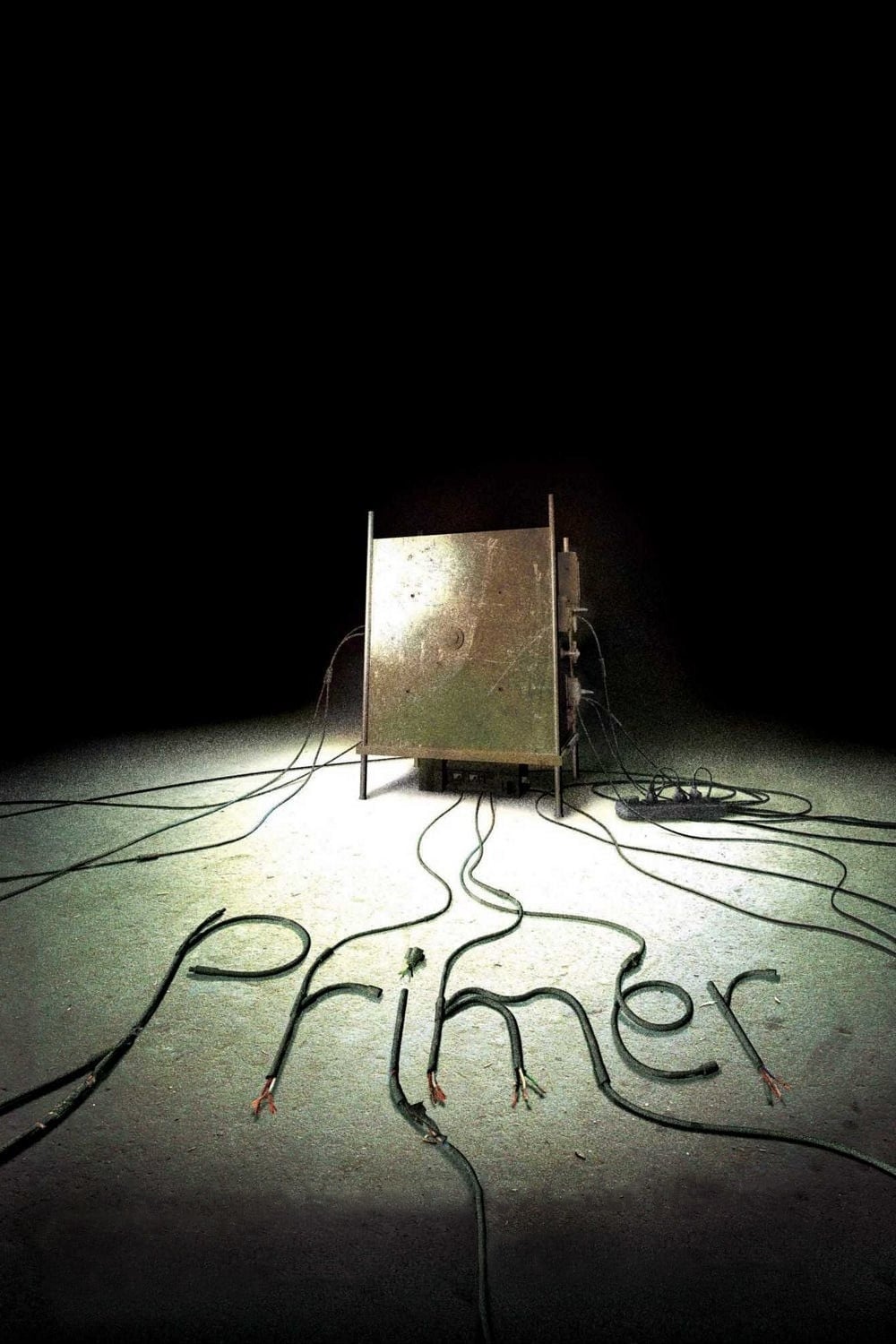
This extremely low-budget science fiction film has become famous for its dense and complex plot. Written, directed, and produced by former engineer Shane Carruth, the story follows two engineers who accidentally discover a mechanism for time travel while working in a garage. They attempt to use their invention to profit from the stock market but soon find themselves entangled in the dangerous paradoxes of their creation.
Primer is known for its realistic and technical dialogue, making no concessions to simplify the scientific concepts for the audience. This has led to its reputation as a “puzzle film” that rewards multiple viewings. It won the Grand Jury Prize at the 2004 Sundance Film Festival and is considered a cult classic for its intelligence and originality.
Road to Perdition (2002)
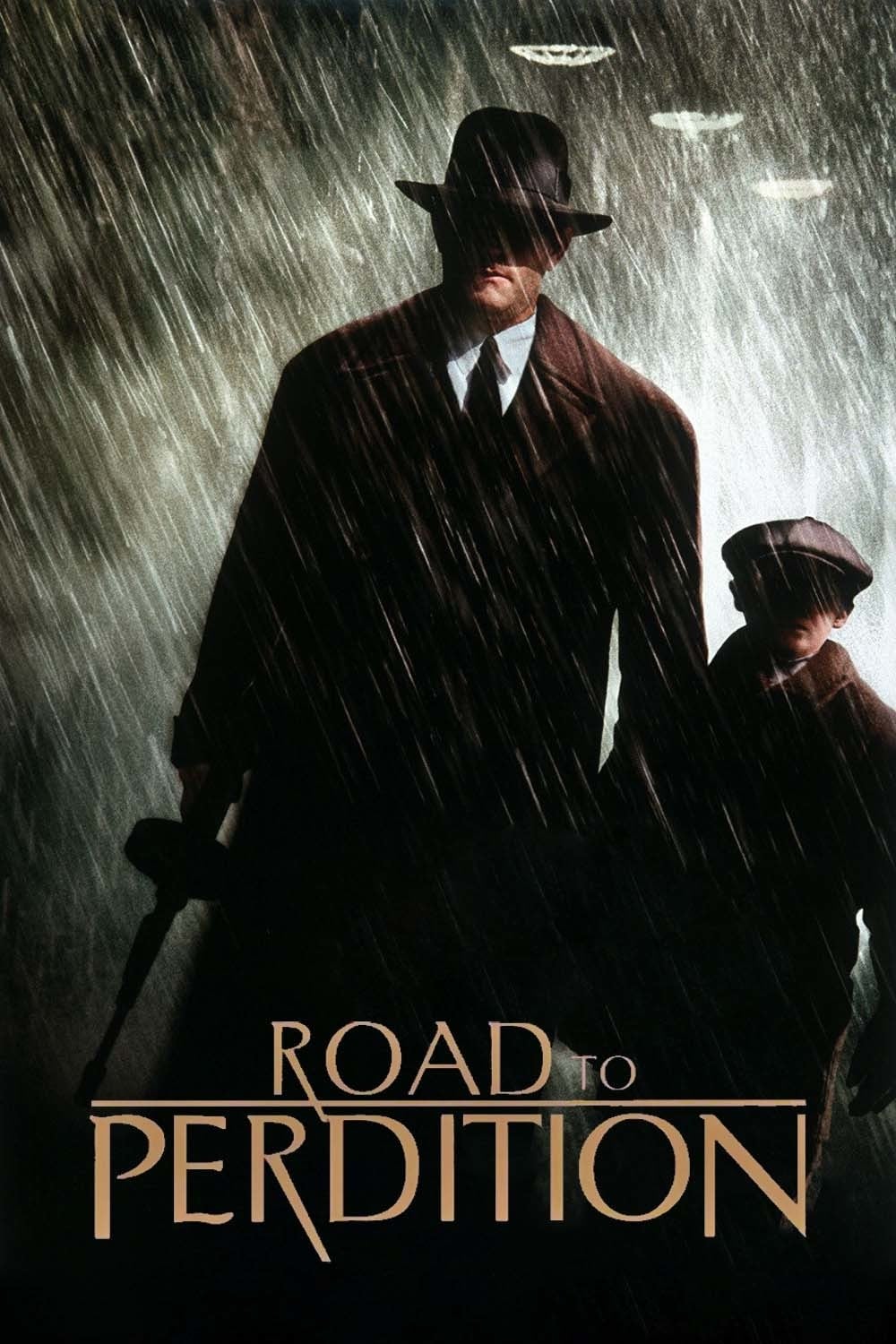
Directed by Sam Mendes, this stylish crime film is set in the American Midwest during the Great Depression. The story follows Michael Sullivan, an enforcer for an Irish crime boss in Illinois. When his eldest son witnesses a murder committed by the boss’s son, Sullivan’s family is targeted, forcing him and his son to go on the run.
The film is noted for its stunning and somber cinematography by Conrad L. Hall, who posthumously won an Academy Award for his work. It is a deliberate and powerful story about the bonds between fathers and sons, loyalty, and the consequences of a life of violence. The film features a strong cast, including Tom Hanks in a rare and compelling performance as a morally complex anti-hero.
Secretary (2002)
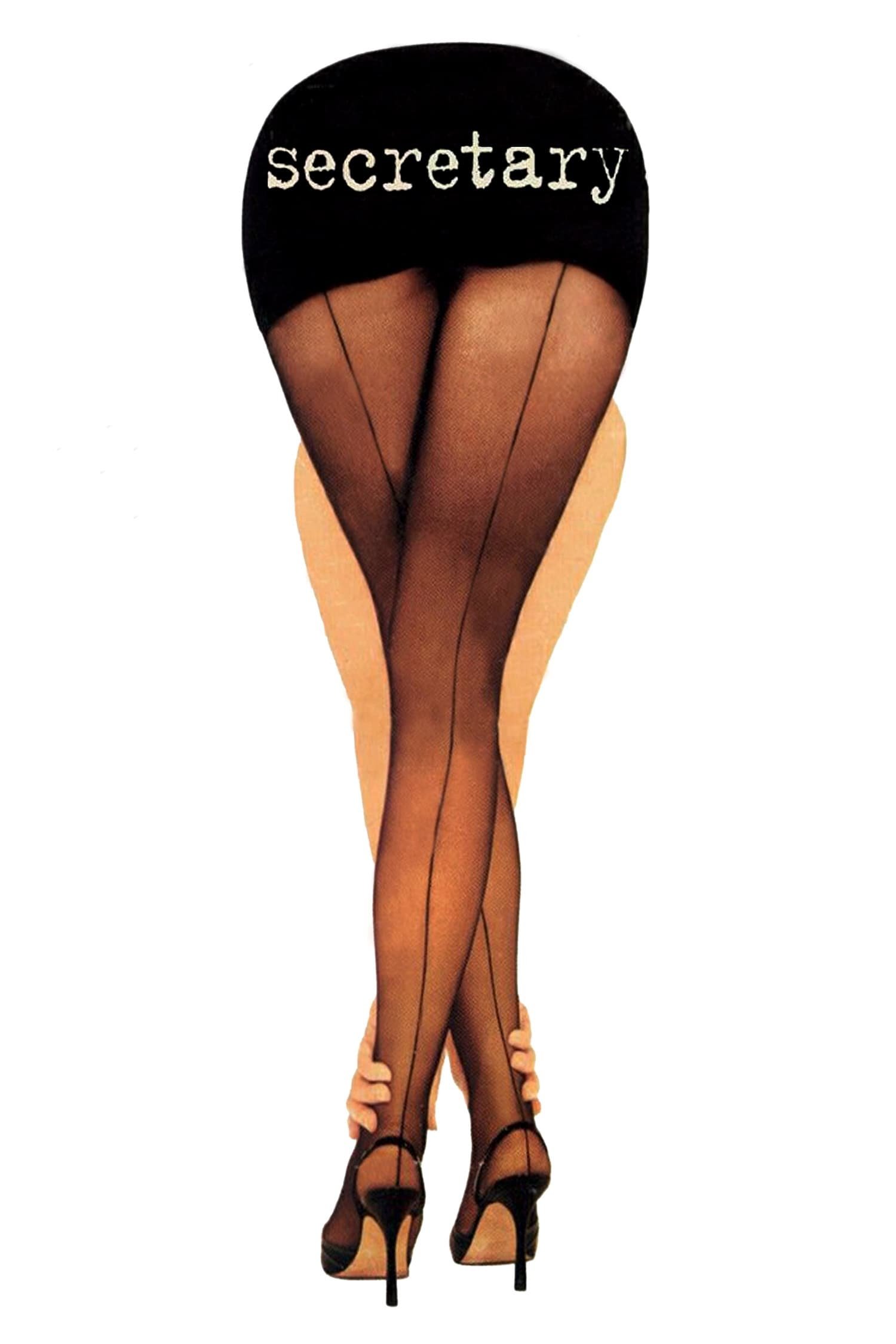
This unconventional romantic comedy-drama explores a BDSM relationship with intelligence and sensitivity. A young woman with a history of self-harm takes a secretarial job for a demanding and dominant lawyer. They soon embark on a sadomasochistic relationship that, unexpectedly, helps her to find emotional fulfillment and overcome her past trauma.
The film handles its potentially controversial subject matter with humor and a focus on the emotional connection between the two main characters. It is a bold and thought-provoking story that challenges conventional notions of love and relationships. The performances of Maggie Gyllenhaal and James Spader were widely praised for their nuance and chemistry.
Shaun of the Dead (2004)
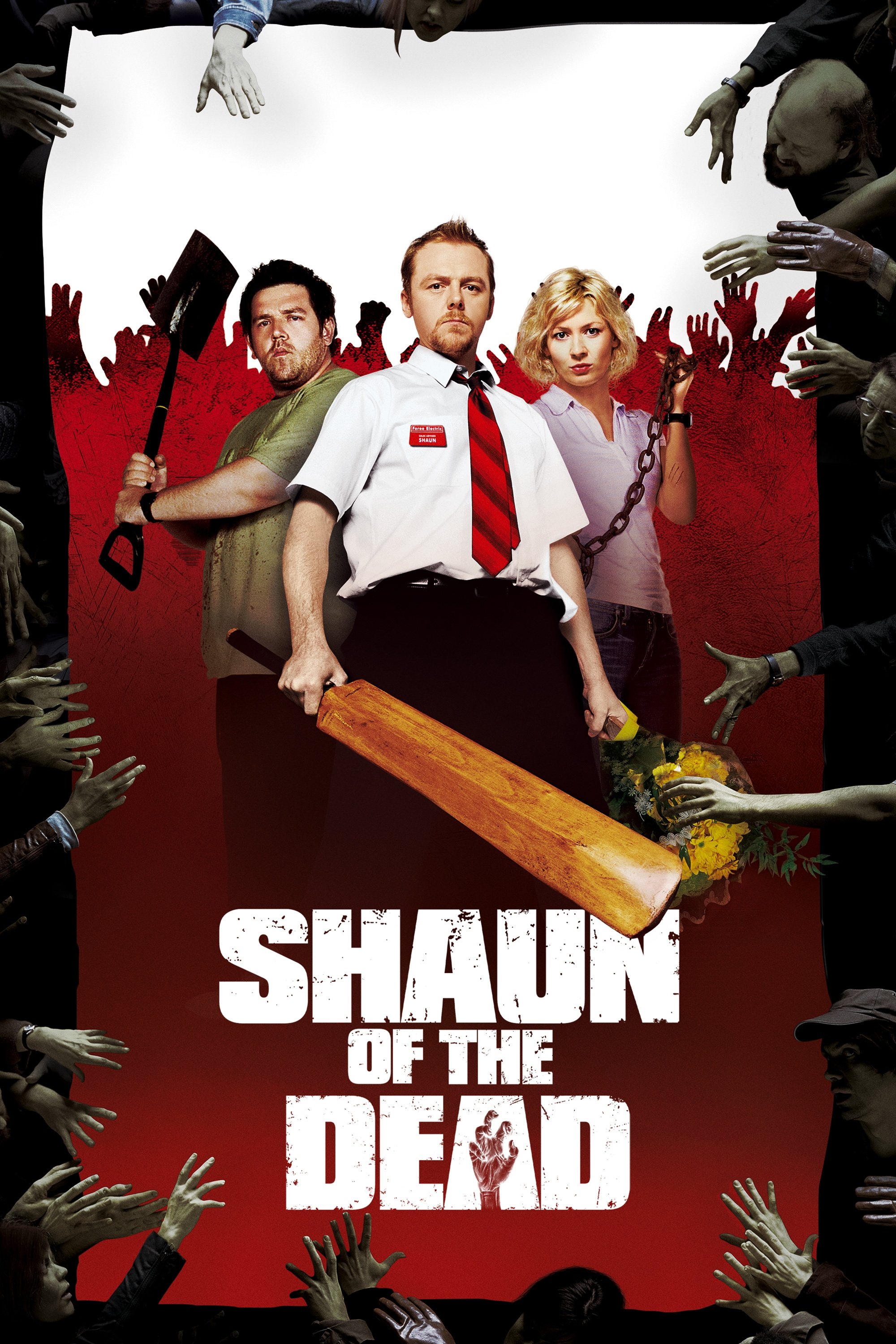
This British horror-comedy, directed by Edgar Wright, is a loving and witty tribute to the zombie genre. The story follows Shaun, an unmotivated electronics salesman whose life is going nowhere. His mundane existence is violently interrupted by the onset of a zombie apocalypse in London. Shaun and his slacker best friend, Ed, must rise to the occasion to rescue their loved ones and find a safe haven.
The film is both a clever parody of zombie movie tropes and a genuinely effective zombie film in its own right. It is filled with sharp dialogue, memorable characters, and a perfect balance of comedy and gore. A critical and commercial success, Shaun of the Dead has become a beloved cult classic and is the first film in Wright’s “Three Flavours Cornetto” trilogy.
Solaris (2002)

This science fiction drama, directed by Steven Soderbergh, is a contemplative adaptation of the novel by Stanisław Lem. The story follows a psychologist who is sent to a space station orbiting the mysterious planet Solaris to investigate strange occurrences among the crew. He discovers that the planet is causing the station’s inhabitants to experience vivid manifestations of their deceased loved ones.
The film is a meditative and philosophical exploration of grief, memory, and the nature of love and consciousness. It is a slow-paced and atmospheric movie that prioritizes emotional depth over action. While it was not a box office success, it was praised by critics for its intelligent approach, visual style, and the emotional weight of its story.
Sunshine (2007)
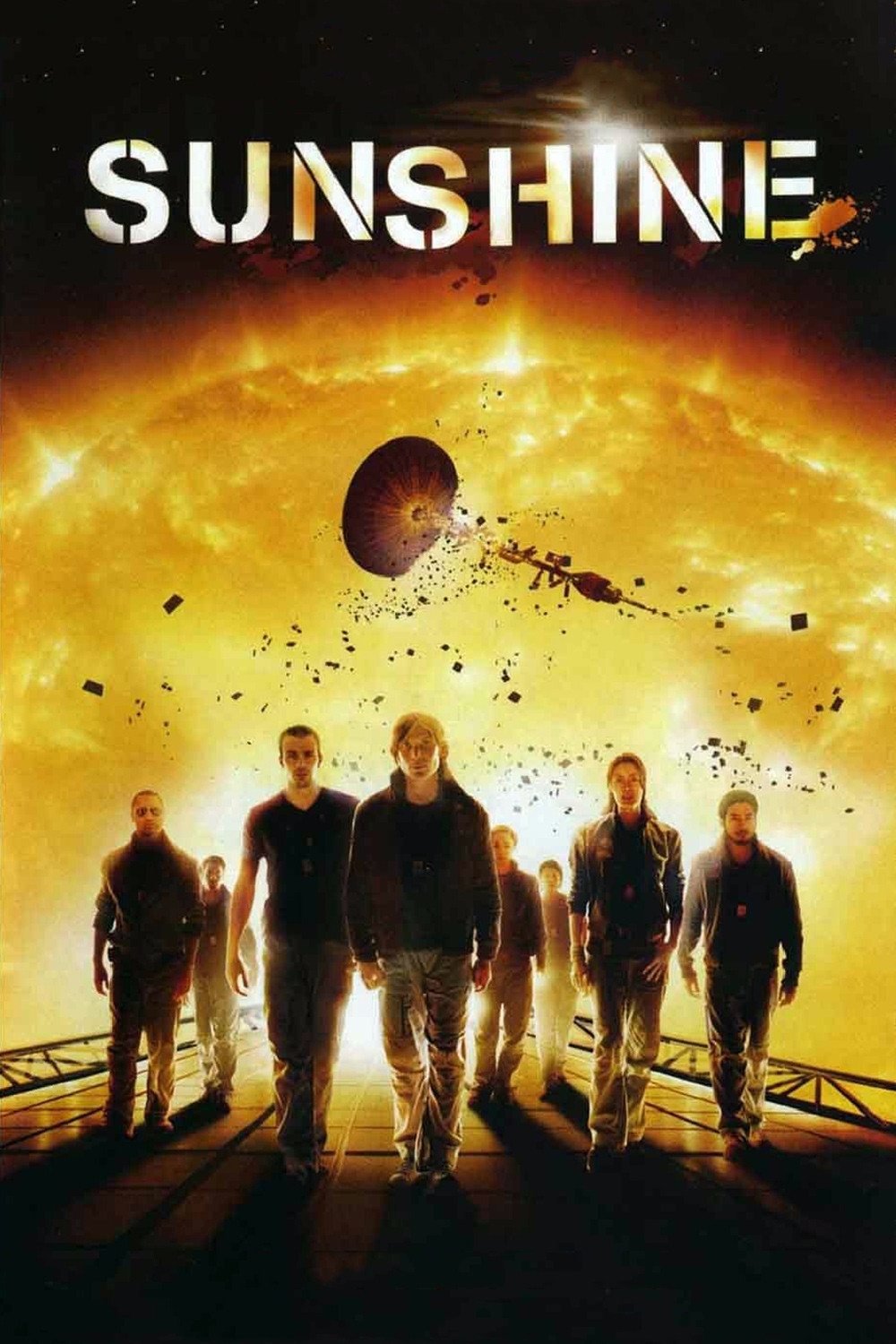
This science fiction thriller from director Danny Boyle is set in the year 2057, at a time when the sun is dying and Earth faces a new ice age. A team of international astronauts is sent on a perilous mission aboard the spaceship Icarus II. Their goal is to deliver a massive nuclear bomb into the sun to reignite it and save humanity from extinction.
The film is a visually stunning and suspenseful journey into the vastness of space. It effectively combines elements of science fiction, psychological thriller, and horror as the crew faces technical malfunctions and their own psychological frailties. The movie is praised for its impressive visuals, a palpable sense of tension, and its exploration of themes like sacrifice and human fallibility under extreme pressure.
The Man Who Wasn’t There (2001)
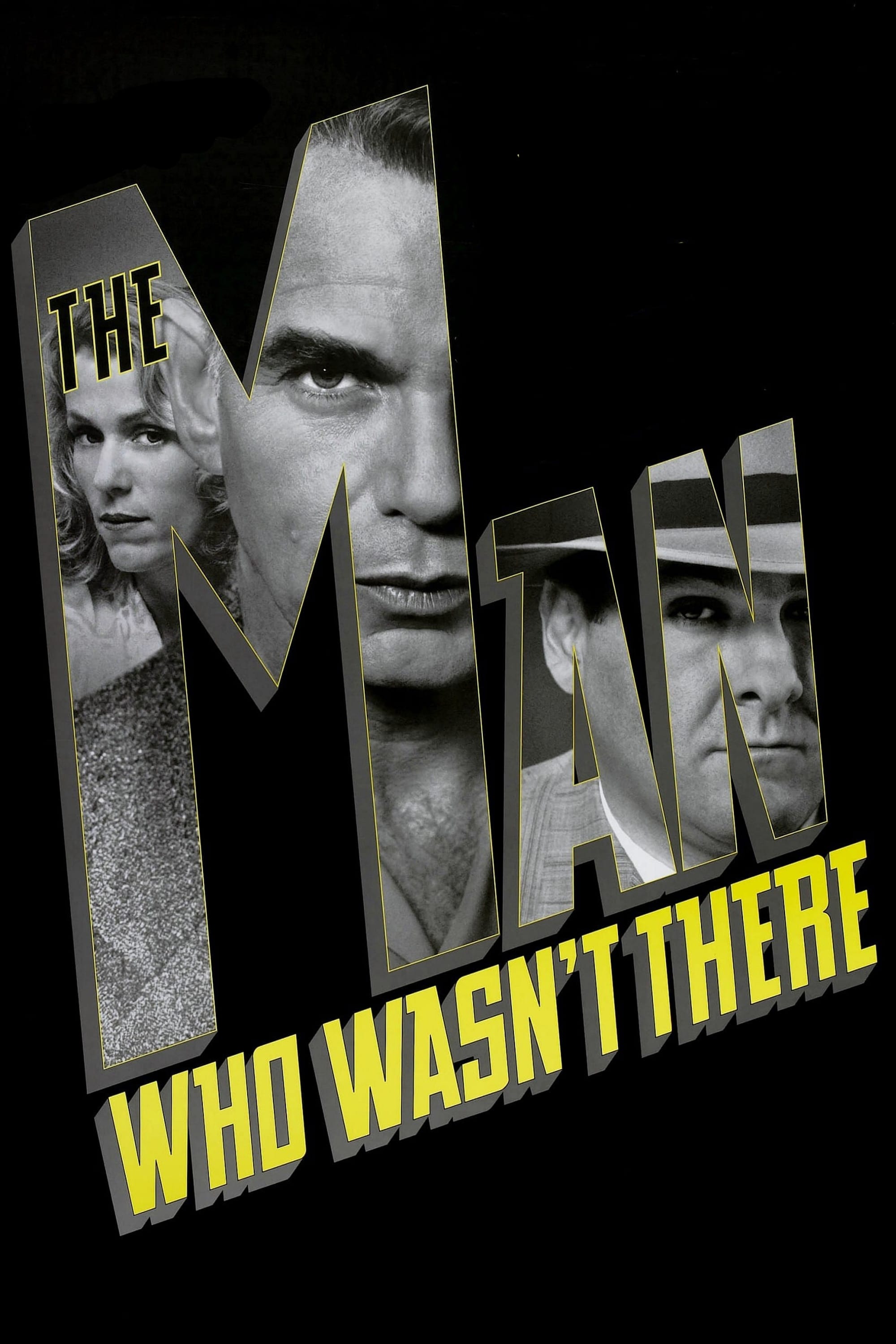
This black-and-white neo-noir film from the Coen brothers is set in a small Northern California town in 1949. It tells the story of Ed Crane, a quiet and chain-smoking barber who feels disconnected from his life. After discovering his wife is having an affair with her boss, he decides to anonymously blackmail him, a decision that sets off a chain of unforeseen and tragic consequences.
The film is a slow-burning and atmospheric story infused with the Coen brothers’ signature dark humor. The beautiful black-and-white cinematography creates a timeless and dreamlike mood that pays homage to classic film noir. The movie was critically acclaimed for its sharp script, meticulous direction, and a standout performance by Billy Bob Thornton.
Together (2000)

This Swedish comedy-drama is set in a counter-cultural commune in Stockholm during the 1970s. The story begins when a woman leaves her abusive husband and, with her two children, seeks refuge in a commune run by her brother. The commune is home to a diverse group of individuals with strong political and social ideals, leading to both conflict and camaraderie.
The film is a warm and humorous look at a specific time and its ideologies. It is a character-driven story with a large ensemble cast that celebrates the ideals of community and tolerance while gently satirizing the excesses of the era. It is a charming and life-affirming film that captures the spirit of a generation trying to create a new way of living.
25th Hour (2002)
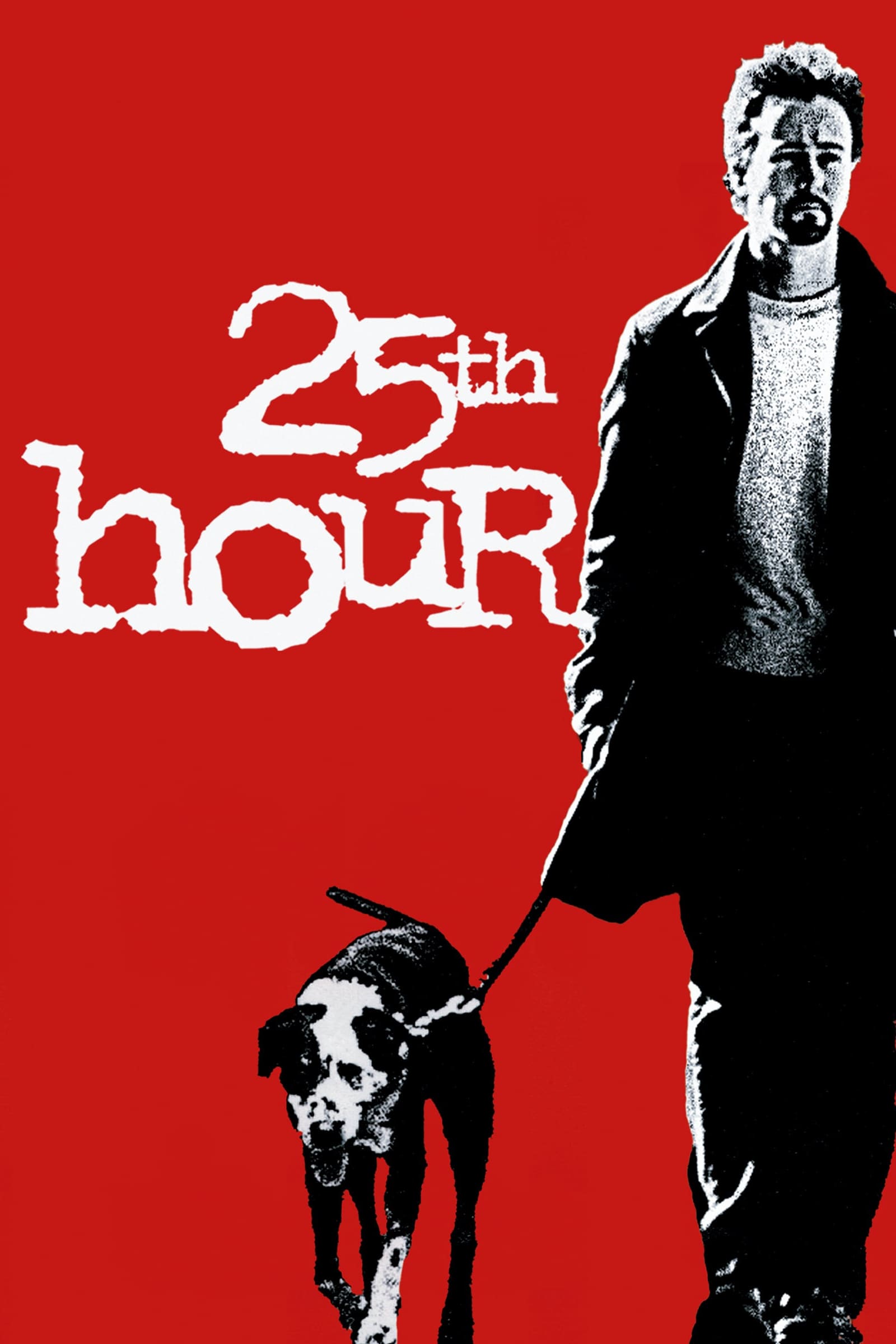
Directed by Spike Lee, this powerful drama chronicles the final 24 hours of freedom for a convicted drug dealer before he begins a seven-year prison sentence. Set in New York City in the immediate aftermath of the September 11th attacks, the film follows Monty Brogan as he spends his last day with his father, his girlfriend, and his two best friends, reflecting on the life he has lived and the choices that led to his downfall.
The movie is an elegiac and moving story about regret, accountability, and the search for redemption. It is also a poignant love letter to New York City, capturing the somber mood of the city at that time. Edward Norton’s lead performance is a powerful anchor for this serious and thought-provoking film that resonates with emotional depth.
Almost Famous (2000)

This comedy-drama from writer-director Cameron Crowe is a semi-autobiographical account of his own youthful experiences as a teenage journalist for Rolling Stone magazine in the 1970s. The film follows 15-year-old William Miller, who gets a dream assignment to go on tour with and write about an up-and-coming rock band called Stillwater. He gets a firsthand education in life, love, and the world of rock and roll.
The film is a heartfelt and funny coming-of-age story that perfectly captures the spirit of the 1970s music scene. Filled with memorable characters, great music, and a nostalgic warmth, it celebrates the power of music to connect people and define an era. The film won an Academy Award for Best Original Screenplay.
Battle Royale (2000)

This controversial and influential Japanese action-thriller is set in a dystopian future. In response to a rise in juvenile delinquency, the Japanese government passes a law that forces a randomly selected high school class to be taken to a deserted island and fight to the death. Each student is given a bag with a random weapon and supplies, and they must kill each other until only one survivor remains.
The film is a violent and shocking social satire, offering a brutal and unflinching commentary on authority, society, and the loss of innocence. It was highly controversial upon its release and was banned in several countries. It has since become a major cult classic and is often cited as a significant influence on later works with similar themes, such as The Hunger Games.
Bloody Sunday (2002)
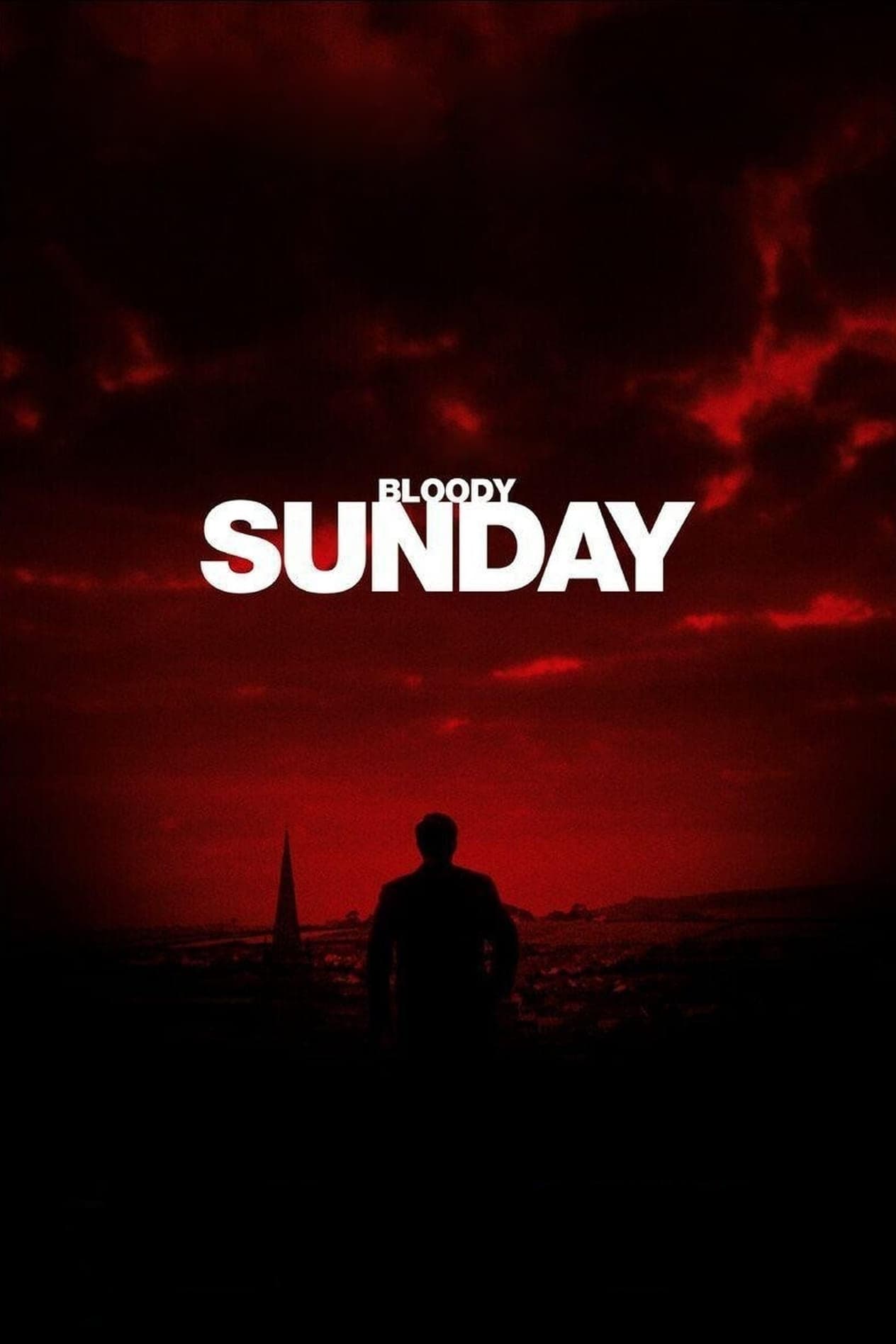
This powerful historical drama from director Paul Greengrass presents a dramatization of the 1972 “Bloody Sunday” incident in Derry, Northern Ireland. On that day, British soldiers opened fire on unarmed civil rights marchers, killing 13 and injuring many more. The film follows the events of the day primarily from the perspective of Ivan Cooper, a Protestant politician and civil rights leader who organized the march.
The movie is shot in a documentary-like style, with shaky cameras and a sense of immediacy that places the viewer directly in the midst of the unfolding events. It is a raw, intense, and harrowing depiction of a pivotal and tragic day in modern Irish history. The film won the Golden Bear, the top prize at the Berlin International Film Festival.
City of God (2002)
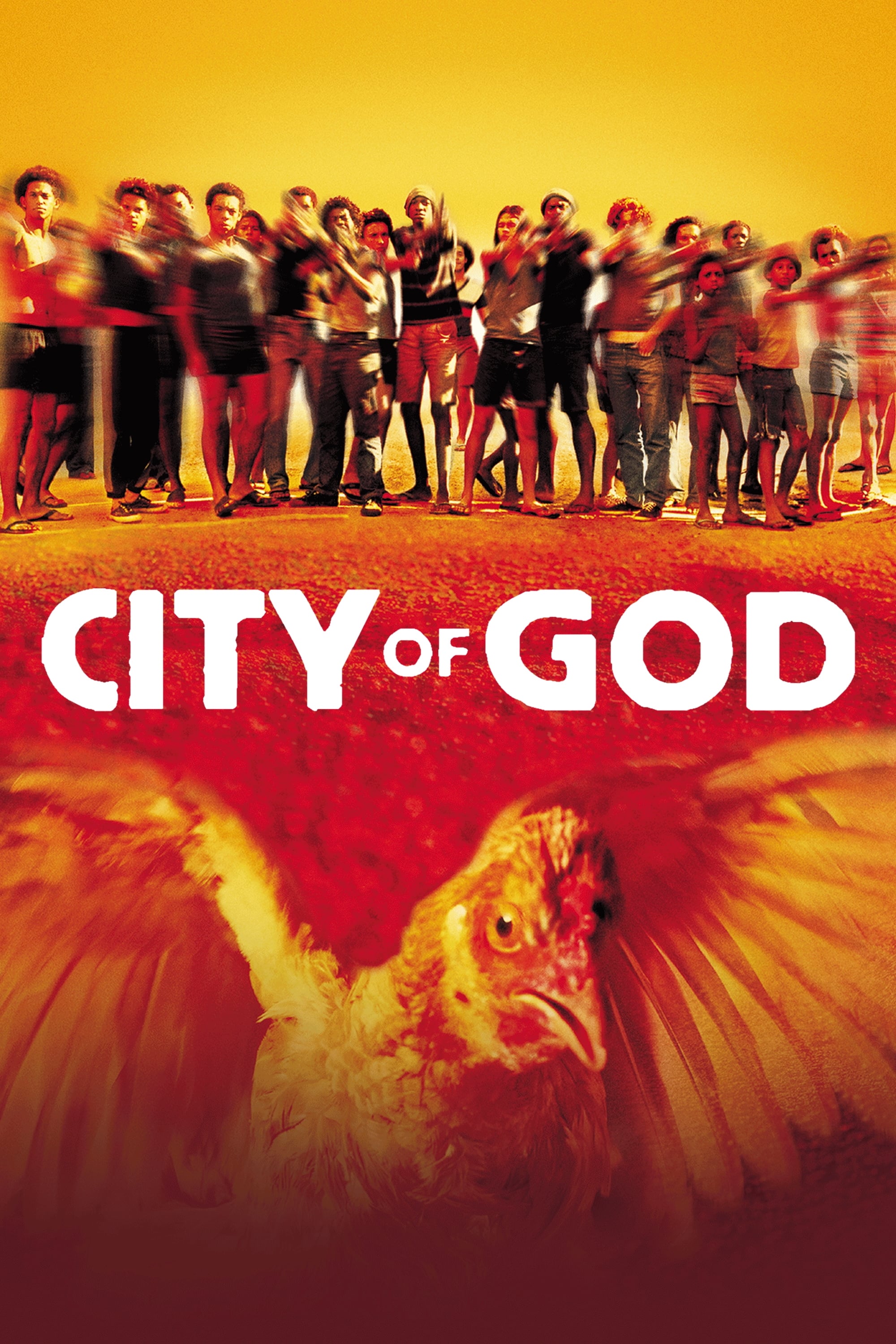
This acclaimed Brazilian crime film chronicles the lives of two boys growing up in the violent slums, or favelas, of Rio de Janeiro from the 1960s to the 1980s. One of the boys, Rocket, dreams of becoming a photographer, while the other, Li’l Zé, becomes a ruthless and powerful drug dealer. Their diverging paths provide a lens through which the film explores the cycle of violence and poverty in their community.
The movie is known for its energetic and kinetic visual style, fast-paced editing, and gritty realism. It is a powerful and unflinching look at life in the favelas, told with both brutal honesty and moments of human connection. Nominated for four Academy Awards, City of God is widely considered to be one of the greatest films of the 21st century.
Code Unknown (2000)

This French drama from Austrian director Michael Haneke explores the interconnected lives of several characters in contemporary Paris. The film’s narrative is sparked by a single incident on a busy street: a young man throws a piece of trash at a homeless woman. This seemingly minor event creates a ripple effect that touches the lives of a diverse group of people from different social and ethnic backgrounds.
The film is structured as a series of long, unedited takes, a stylistic choice that creates a sense of realism and forces the viewer to confront the complexities of the situations presented. It is a challenging and thought-provoking film that examines themes of communication, privilege, and the fragmented nature of modern urban life, offering no easy answers.
Dogville (2003)

This experimental film from controversial Danish director Lars von Trier is set in a small, isolated American town during the Great Depression. The film is notable for its highly stylized and theatrical presentation; it is shot on a bare soundstage with no sets. The town and its buildings are represented by chalk outlines and labels on the floor. The story follows a mysterious woman named Grace who arrives in town as a fugitive and is cautiously taken in by the community.
Initially, the townspeople appear to be good-natured and welcoming, but they soon begin to exploit and abuse Grace, revealing the darker side of human nature. The film is a dark and cynical allegory about morality, hypocrisy, and retribution. It is a provocative and challenging cinematic experience that has polarized critics and audiences alike.
Morvern Callar (2002)
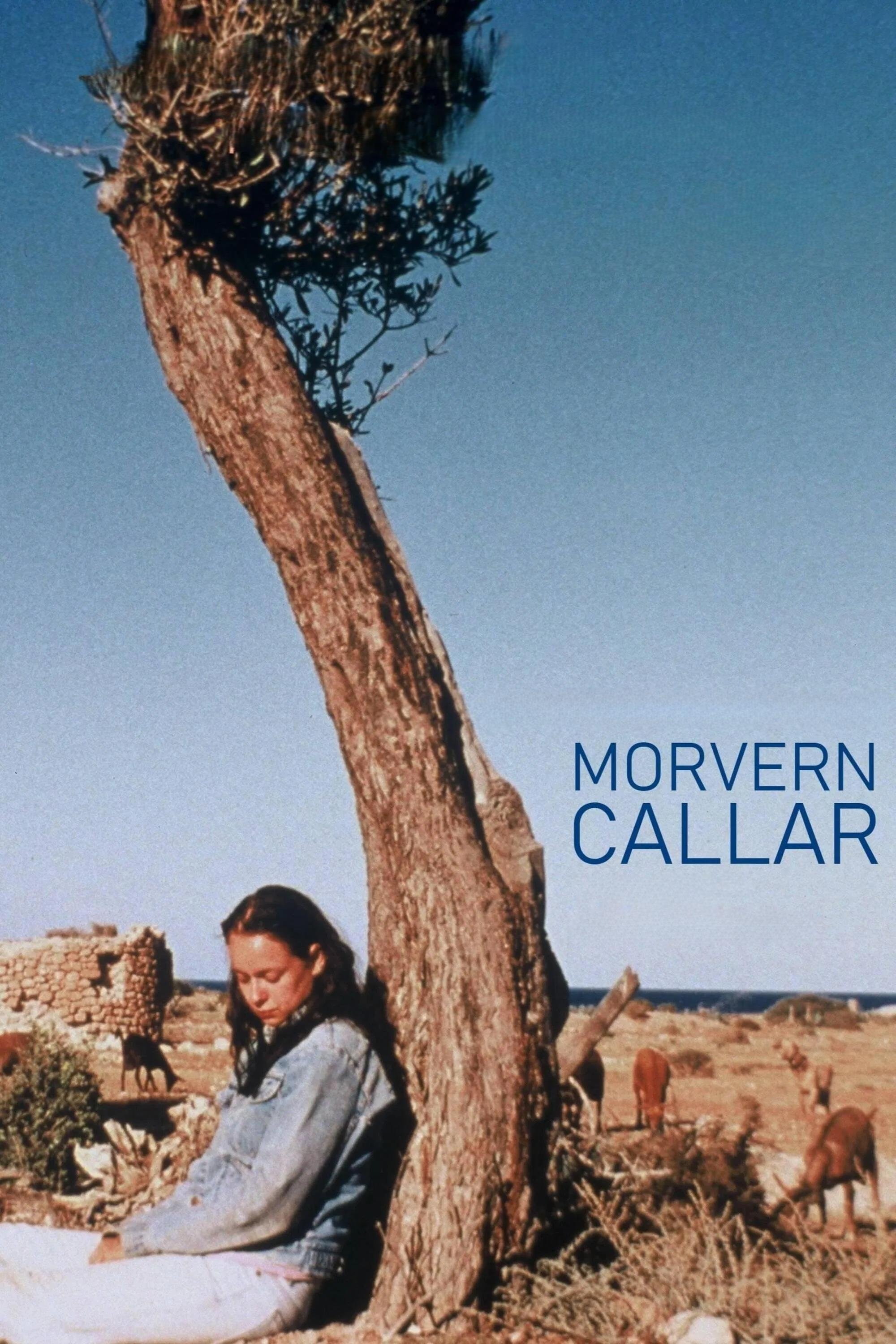
This British drama from director Lynne Ramsay is an atmospheric and enigmatic character study. Set in a small port town in Scotland, the film follows a young woman named Morvern Callar. After her boyfriend takes his own life, he leaves behind a suicide note and the manuscript for an unpublished novel. Morvern erases his name from the manuscript, puts her own name on it, and sends it to a publisher.
The film is less about plot and more about the internal world of its protagonist as she navigates her grief in a detached and unconventional way. Known for its striking cinematography and evocative use of music, it is a quiet and mysterious film that lingers in the mind. Samantha Morton’s central performance was widely praised for its subtlety and power.
Punch-Drunk Love (2002)

This unconventional romantic comedy-drama from director Paul Thomas Anderson features Adam Sandler in a role that surprised many critics and audiences. He plays Barry Egan, a lonely and socially anxious small business owner with sudden and intense fits of rage. His life takes a dramatic turn when he falls in love with a mysterious woman and simultaneously becomes the target of a phone-sex extortion scheme.
The film is a strange and visually inventive movie with a quirky, offbeat sense of humor and a dreamlike visual style. Underneath its eccentricities, it is a sweet and moving love story about two lonely souls finding connection in a chaotic world. The film earned Anderson the Best Director award at the 2002 Cannes Film Festival and demonstrated a different dimension of Adam Sandler’s acting abilities.
Requiem for a Dream (2000)
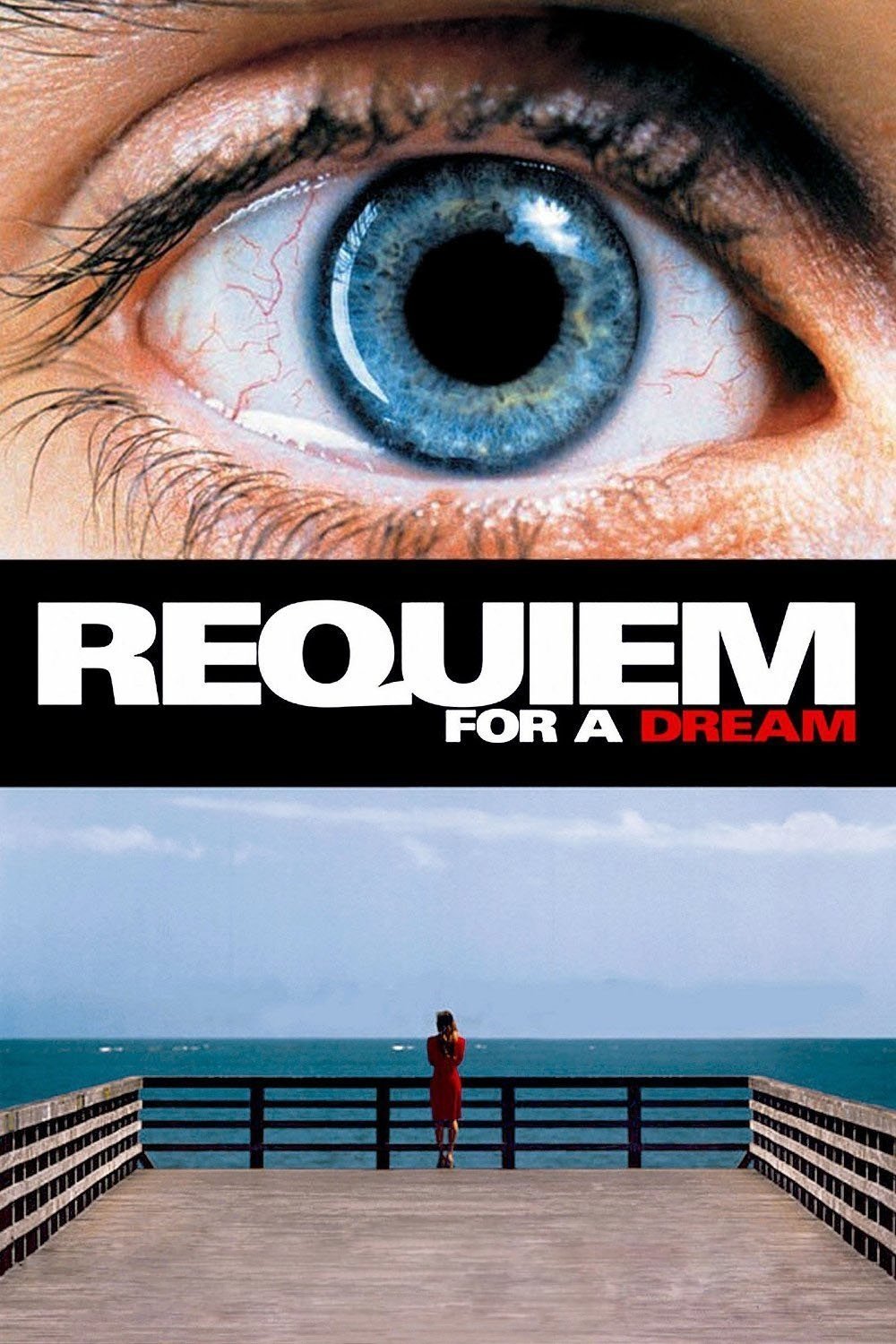
This powerful and deeply disturbing drama from director Darren Aronofsky portrays the devastating impact of drug addiction on the lives of four interconnected characters in Brooklyn. The film follows Sara Goldfarb, a lonely widow who becomes addicted to amphetamine-based diet pills, and her son Harry, his girlfriend Marion, and his best friend Tyrone, who are all addicted to heroin.
The movie is renowned for its intense visual style, which includes rapid-fire editing and split-screen effects to convey the characters’ subjective experiences and descent into addiction. It is a harrowing and difficult film to watch, but it is also a masterful and unforgettable cinematic achievement that unflinchingly depicts the horrors of addiction. Ellen Burstyn’s performance as Sara Goldfarb was universally acclaimed and earned her an Academy Award nomination.