5 Ways ‘Shogun’ Aged Poorly (And 5 Ways It Aged Masterfully)

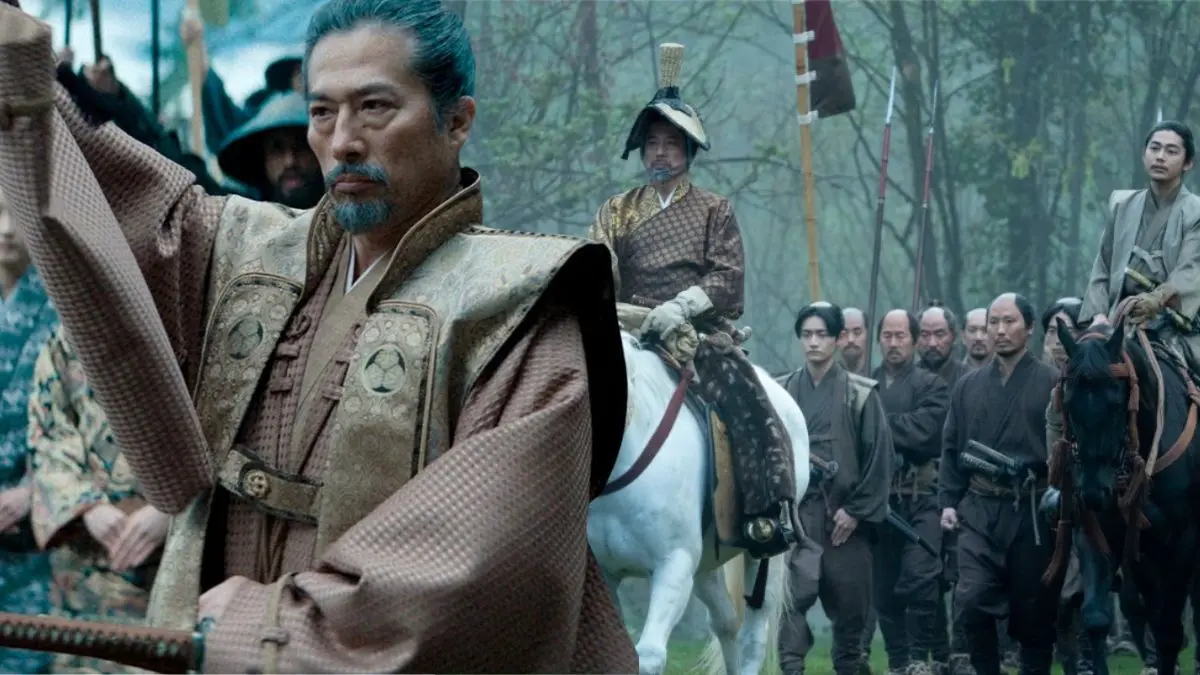

The 2024 TV adaptation of James Clavell’s novel ‘Shogun’ hit screens with a roar, pulling viewers into feudal Japan’s intense political and cultural landscape. Its mix of stunning visuals, complex characters, and historical depth made it a standout, earning praise for its ambition and execution.
Yet, as time passes, some elements of the series feel less polished, while others continue to shine brightly. Below, I explore five ways ‘Shogun’ (2024) has struggled to hold up and five ways it remains a timeless gem.
Ways ‘Shogun’ (2024) Aged Poorly
5. Uneven Pacing in Key Episodes
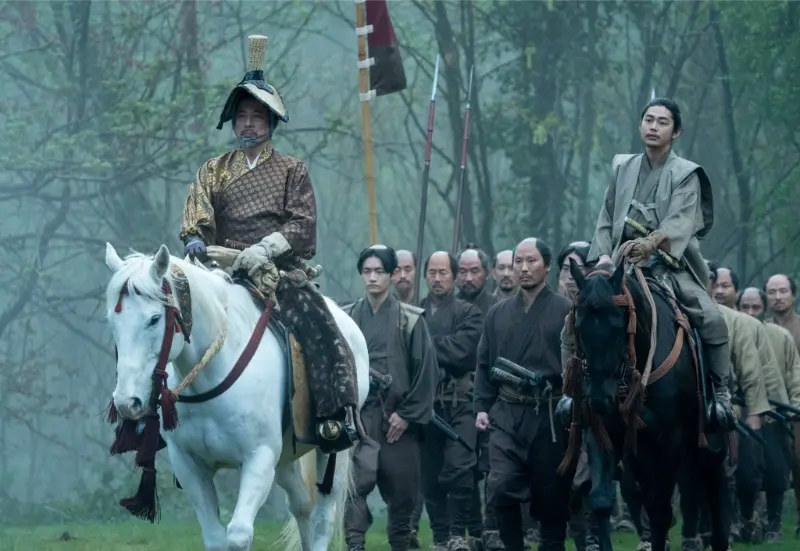
Some episodes drag, especially in the middle of the season. Political scheming, while central to the story, sometimes overshadows the action, making rewatches feel sluggish. For example, extended council scenes in Osaka lack the tension of earlier character-driven moments, leaving me wanting more momentum.
This pacing issue becomes more noticeable over time. Compared to tighter historical dramas like ‘The Last Kingdom’ (2015-2022), ‘Shogun’ can feel bloated in parts, diluting its gripping narrative.
4. Underdeveloped Supporting Characters

Characters like Yabushige and Ishido don’t get enough depth. Their motivations—ambition and rivalry—feel sketched rather than explored. Yabushige’s scheming, for instance, lacks backstory, making his betrayals less impactful on rewatch.
This hurts the show’s staying power. Richer supporting roles, like those in ‘Game of Thrones’ (2011-2019), keep viewers invested, but ‘Shogun’ leans too heavily on its leads, leaving gaps in the ensemble.
3. Overreliance on Subtitles for Non-Japanese Speakers
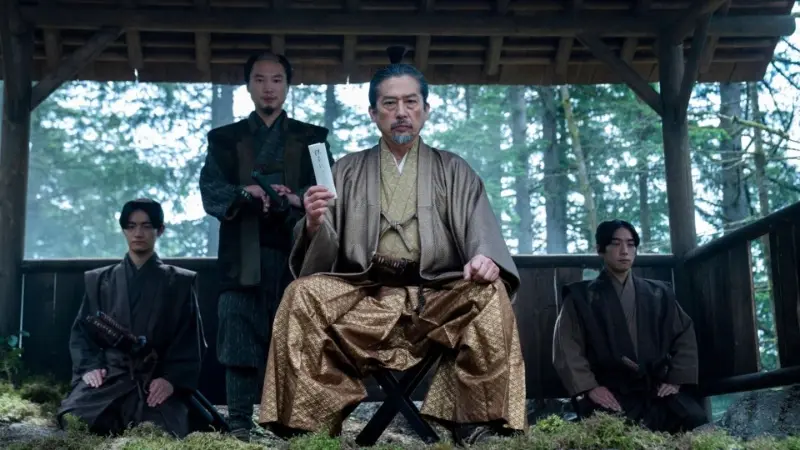
The heavy use of Japanese dialogue with subtitles, while authentic, can feel taxing over long stretches. For viewers not fluent in Japanese, following rapid exchanges between characters like Toranaga and his allies requires constant focus, which dims the experience on repeat viewings.
This choice, though bold, alienates casual audiences. Shows like ‘Narcos’ (2015-2017) balance subtitles with more universal storytelling, making them easier to revisit.
2. Predictable Plot Twists
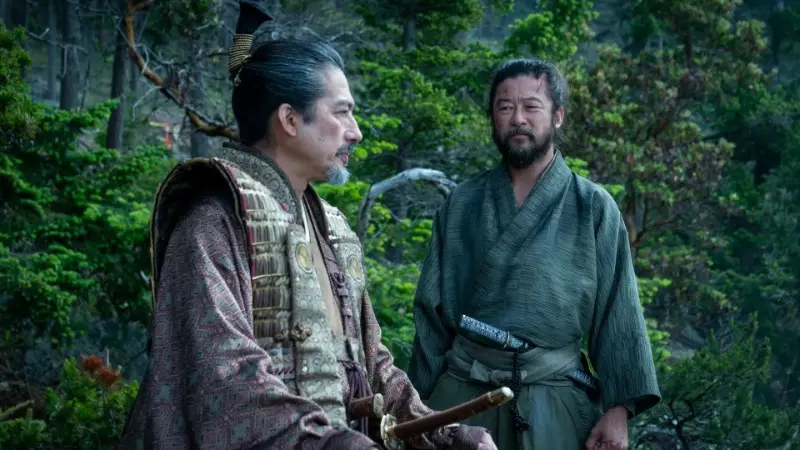
Some major twists, like betrayals in the regent council, lose their shock value over time. On first watch, they’re gripping, but knowing the outcomes makes them feel telegraphed. For instance, Ishido’s power plays follow a familiar arc, lessening the suspense.
This predictability stands out against shows like ‘Succession’ (2018-2023), where surprises hold up. ‘Shogun’ could’ve woven more subtle foreshadowing to keep its twists fresh.
1. Dated CGI in Battle Scenes
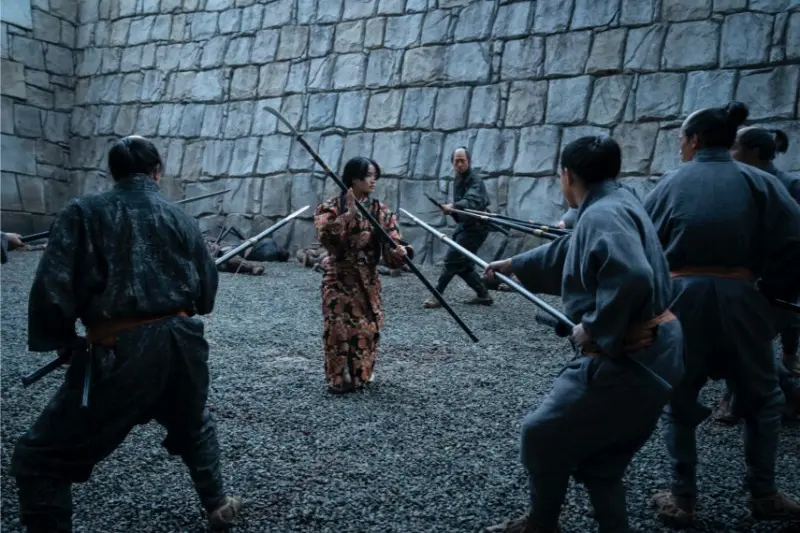
The battle sequences, while intense, rely on CGI that already feels outdated. Large-scale clashes, like the ambush in episode eight, use effects that don’t blend seamlessly with the practical sets. On modern high-definition screens, these moments look less convincing.
This hurts the show’s epic feel. Compared to ‘House of the Dragon’ (2022-present), where CGI elevates battles, ‘Shogun’s visual effects can pull you out of the story.
Ways ‘Shogun’ (2024) Aged Masterfully
5. Authentic Cultural Depiction

The show’s commitment to portraying feudal Japan’s customs, from tea ceremonies to samurai honor codes, feels vivid and respectful. Details like clothing and architecture ground the story in 1600s Japan, making every scene immersive.
This authenticity keeps ‘Shogun’ compelling. It stands alongside ‘Marco Polo’ (2014-2016) as a series that transports viewers to another era with care and precision.
4. Hiroyuki Sanada’s Commanding Performance
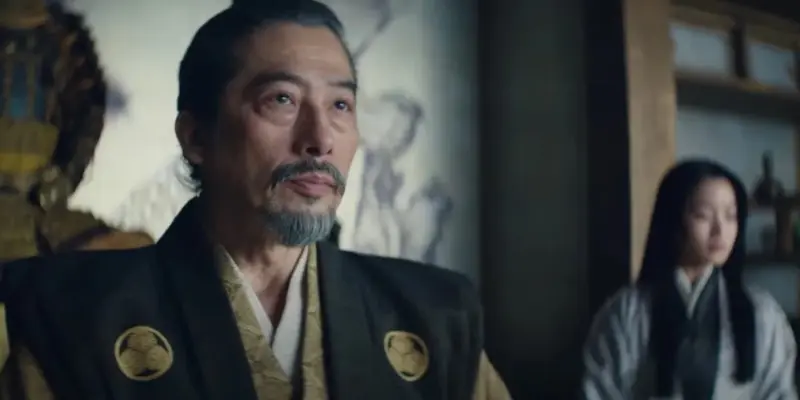
Hiroyuki Sanada as Yoshii Toranaga delivers a masterclass in subtle acting. His calm authority and sharp wit make every scene electric, even years later. Toranaga’s quiet moments, like his falconry scenes, reveal layers of strategy and humanity.
Sanada’s performance anchors the show. It’s as rewatchable as Anthony Hopkins in ‘Westworld’ (2016-2022), carrying ‘Shogun’ through weaker moments.
3. Stunning Cinematography

The visuals—sweeping landscapes, intricate castles, and moody lighting—remain breathtaking. Scenes like Blackthorne’s arrival on Japan’s shores use color and framing to create a painterly quality. Even on repeat viewings, the imagery feels fresh.
This craftsmanship rivals ‘The Crown’ (2016-2023). The cinematography ensures ‘Shogun’ looks as striking now as it did on release.
2. Mariko and Blackthorne’s Chemistry

Anna Sawai as Mariko and Cosmo Jarvis as Blackthorne share a dynamic that grows richer with time. Their evolving relationship, blending tension and mutual respect, carries emotional weight. Moments like their quiet talks in Osaka resonate deeply.
This connection feels timeless, akin to the leads in ‘Outlander’ (2014-present). It’s a core strength that keeps viewers hooked.
1. Timeless Themes of Power and Loyalty

At its heart, ‘Shogun’ explores ambition, loyalty, and cultural clashes, themes that never fade. Toranaga’s struggle for control and Blackthorne’s outsider perspective mirror modern tensions, making the story relevant years later.
These universal ideas elevate ‘Shogun’ like ‘Boardwalk Empire’ (2010-2014). They ensure the series remains a powerful reflection of human nature.
What’s your take on ‘Shogun’—which moments still captivate you, or what fell flat? Drop your thoughts in the comments!