Movies That Best Define the Millennial Generation


The Millennial generation includes people born between 1981 and 1996. This group grew up during a time of major technological and social change. They were the first generation to grow up with the internet and social media. These experiences shaped their views on the world and their own lives. Movies from their time show the things they cared about and the problems they faced.
These films act like a mirror for the Millennial experience. They show the economic struggles, the search for identity, and the changing ways people connect with each other. From the rise of digital culture to new ideas about work and relationships, these movies capture what it was like to be a young person during this era. They tell the stories of a generation trying to find its place in a world that was changing quickly.
Clueless (1995)
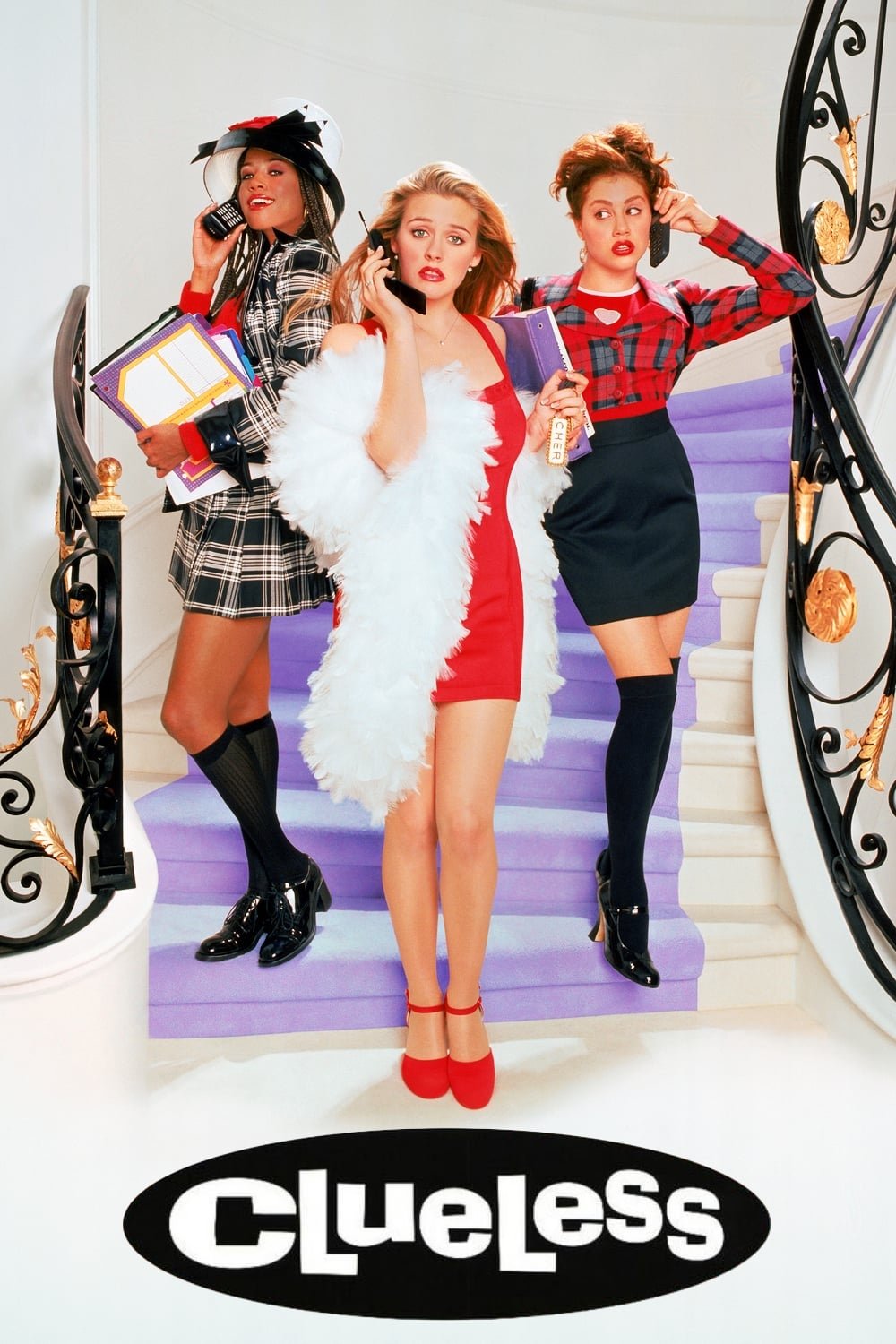
This movie is a modern take on Jane Austen’s novel “Emma.” It follows Cher Horowitz, a rich and popular high school student in Beverly Hills. Cher plays matchmaker for her friends and teachers, but she often misunderstands what people really want and need. The film uses humor to look at teen life, fashion, and social status in the 1990s.
“Clueless” became a cultural touchstone for many Millennials. It captured the slang, fashion, and social dynamics of the time. The movie also has a deeper message about looking beyond surface-level judgments and caring for others. Cher’s journey from a self-absorbed teenager to a more thoughtful person resonated with a generation that was also figuring out its own values.
Scream (1996)
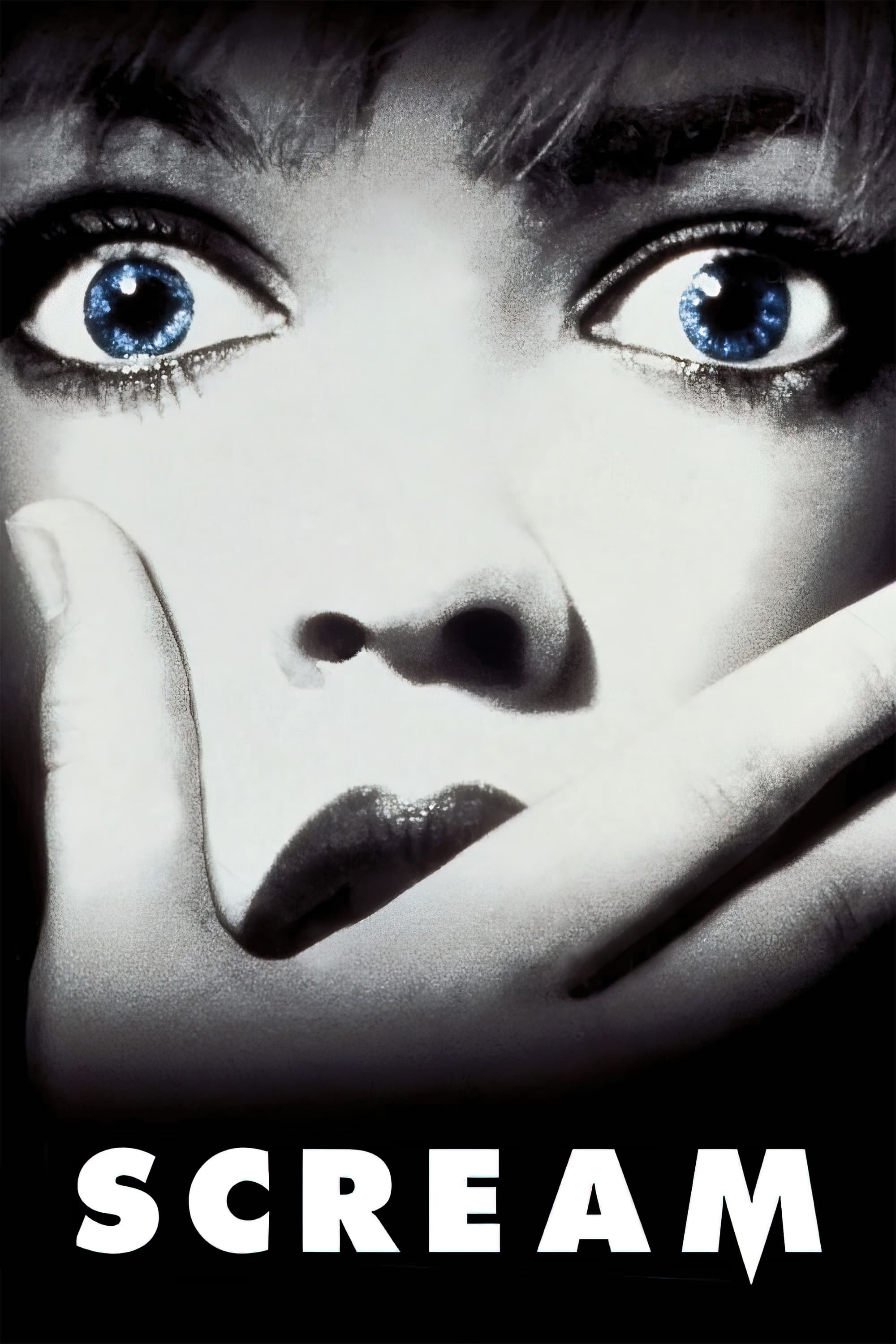
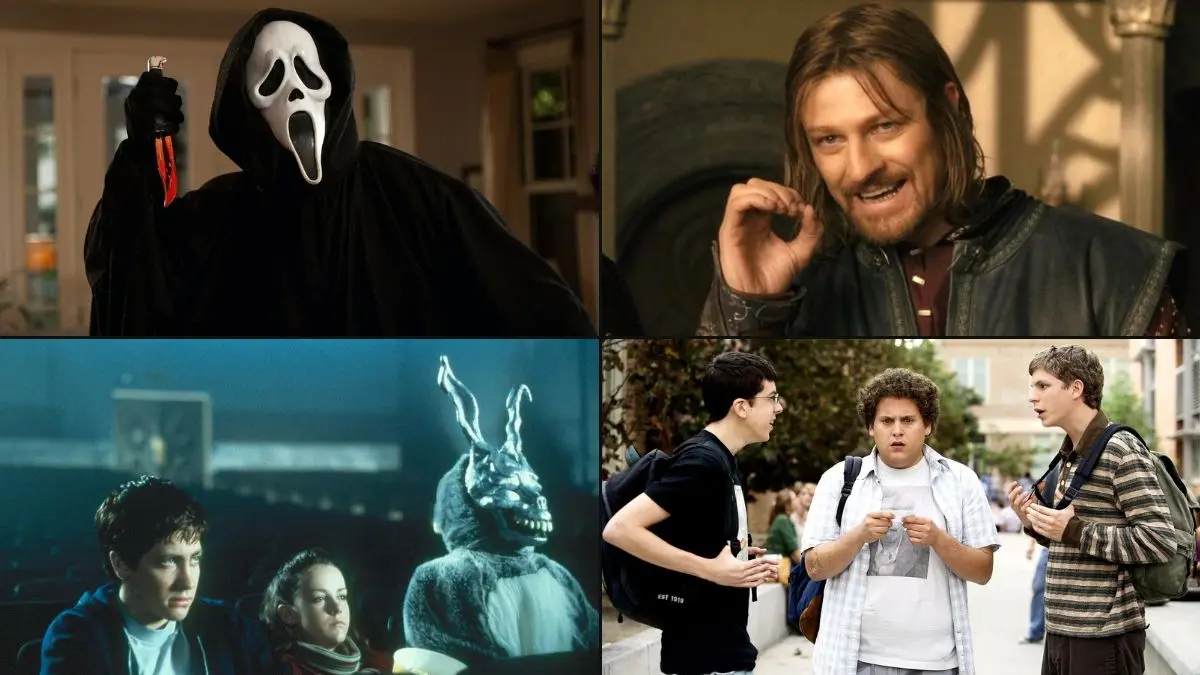
“Scream” is a horror movie that changed the genre in the 1990s. The story is about a high school student, Sidney Prescott, who is targeted by a new killer called Ghostface. This killer is different because they know all the rules of horror movies and use them to scare their victims. The film is both a scary movie and a commentary on other scary movies.
The movie’s mix of horror and self-aware humor was new at the time. It made fun of the clichés found in many horror films, which appealed to a media-savvy Millennial audience. “Scream” and its characters, who understood the patterns of the stories they were in, reflected a generation that was growing up with a lot of media and pop culture knowledge.
10 Things I Hate About You (1999)
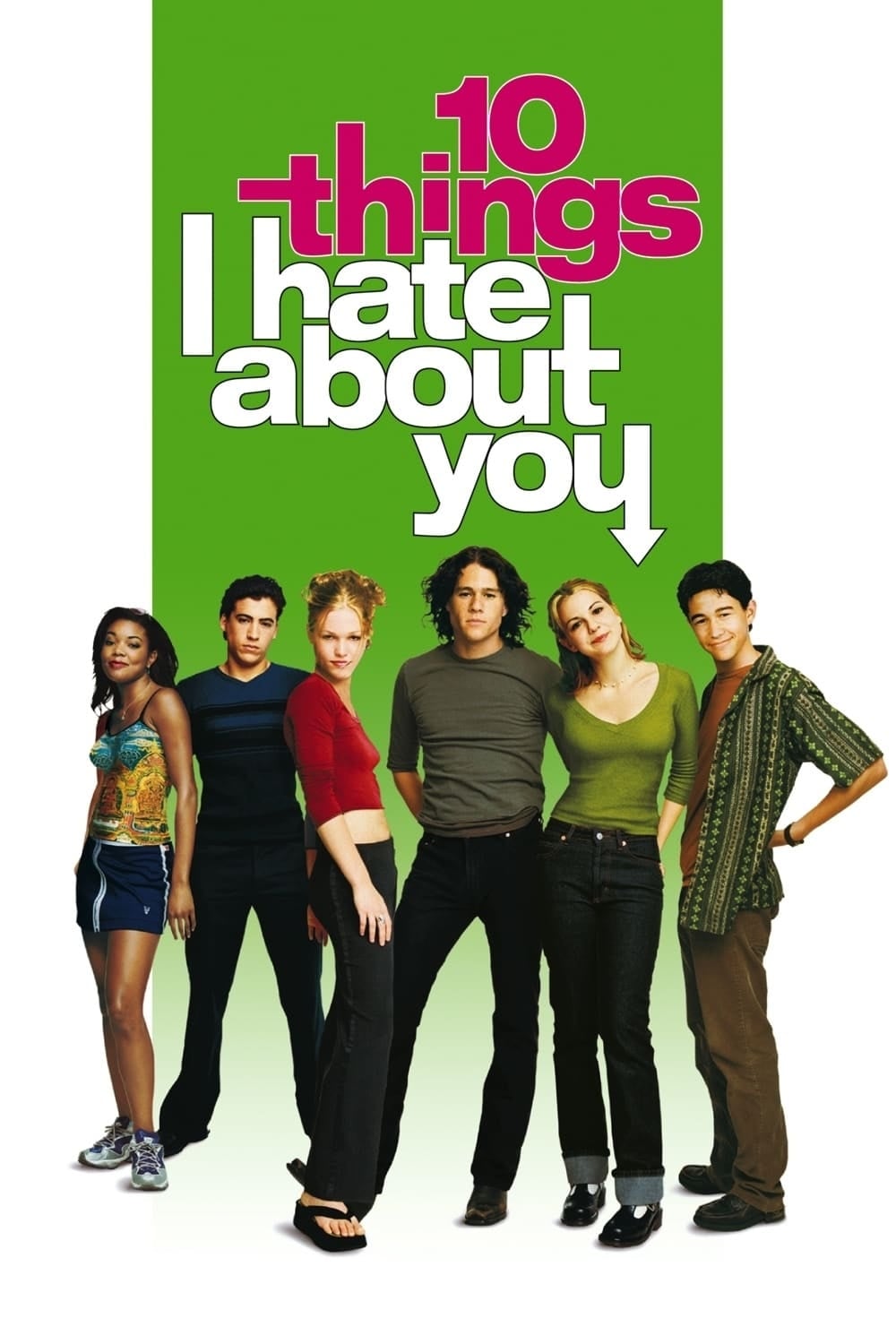
This film is a modern retelling of Shakespeare’s “The Taming of the Shrew,” set in an American high school. A new student, Cameron, wants to date Bianca, but her strict father won’t let her date until her older, rebellious sister, Kat, does. The plot involves Cameron and his friend trying to set Kat up with Patrick, the school’s bad boy.
“10 Things I Hate About You” became a favorite for many Millennials because of its smart writing and strong characters. Kat, with her independent and non-conformist attitude, was a different kind of female lead. The movie’s soundtrack and style also captured the late 90s teen culture.
The Matrix (1999)
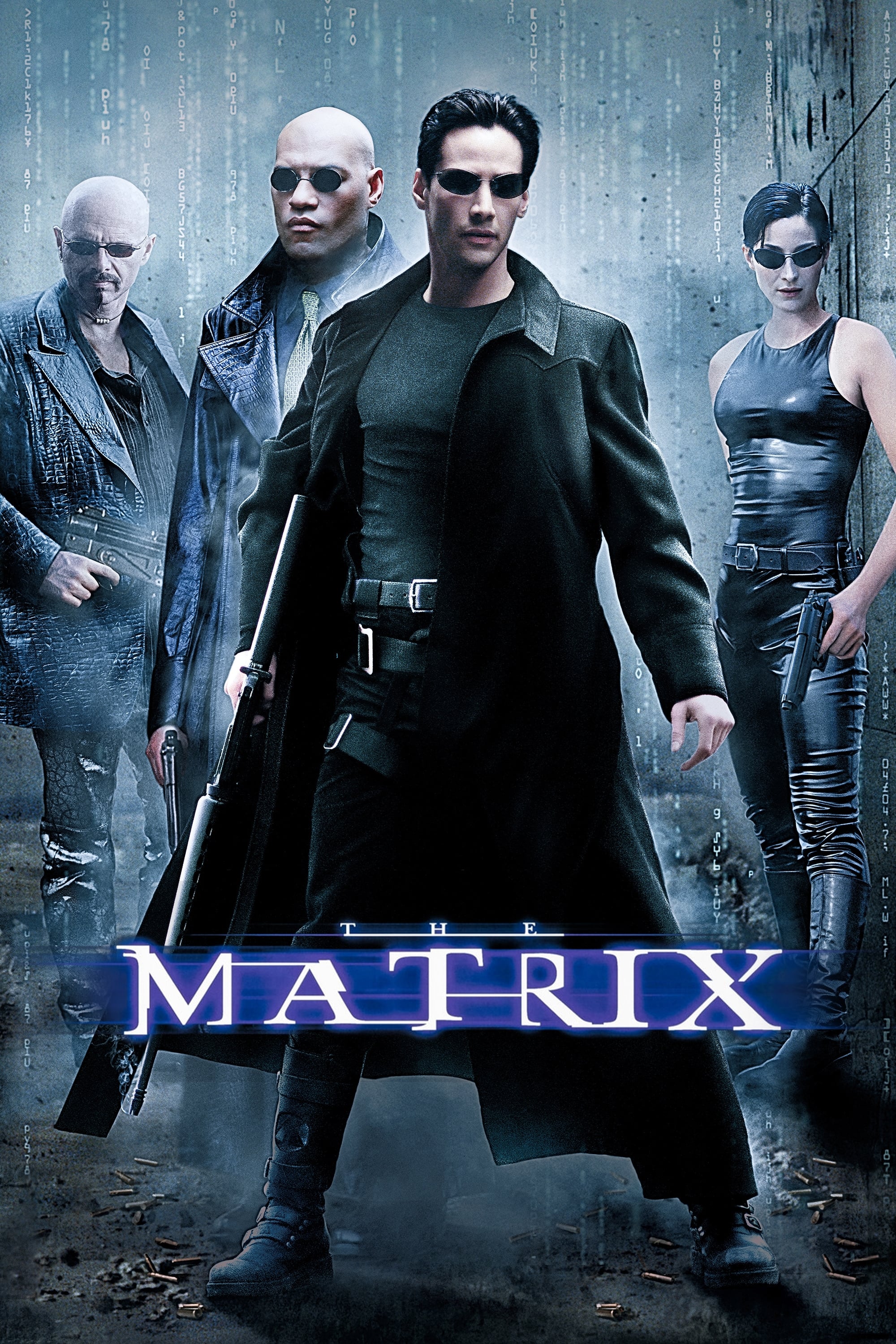
“The Matrix” is a science fiction action film about a computer hacker named Neo who discovers that the world he knows is a simulated reality. He learns that humanity is trapped inside this simulation by intelligent machines. Neo joins a group of rebels to fight back against the machines and free humanity. The movie is known for its groundbreaking visual effects and complex story.
The film’s themes of questioning reality and technology’s control over our lives were very relevant to Millennials. This generation was coming of age with the rise of the internet and digital technology. “The Matrix” explored fears and questions about what is real in an increasingly virtual world, making a lasting impact on popular culture and philosophical discussions.
American Pie (1999)
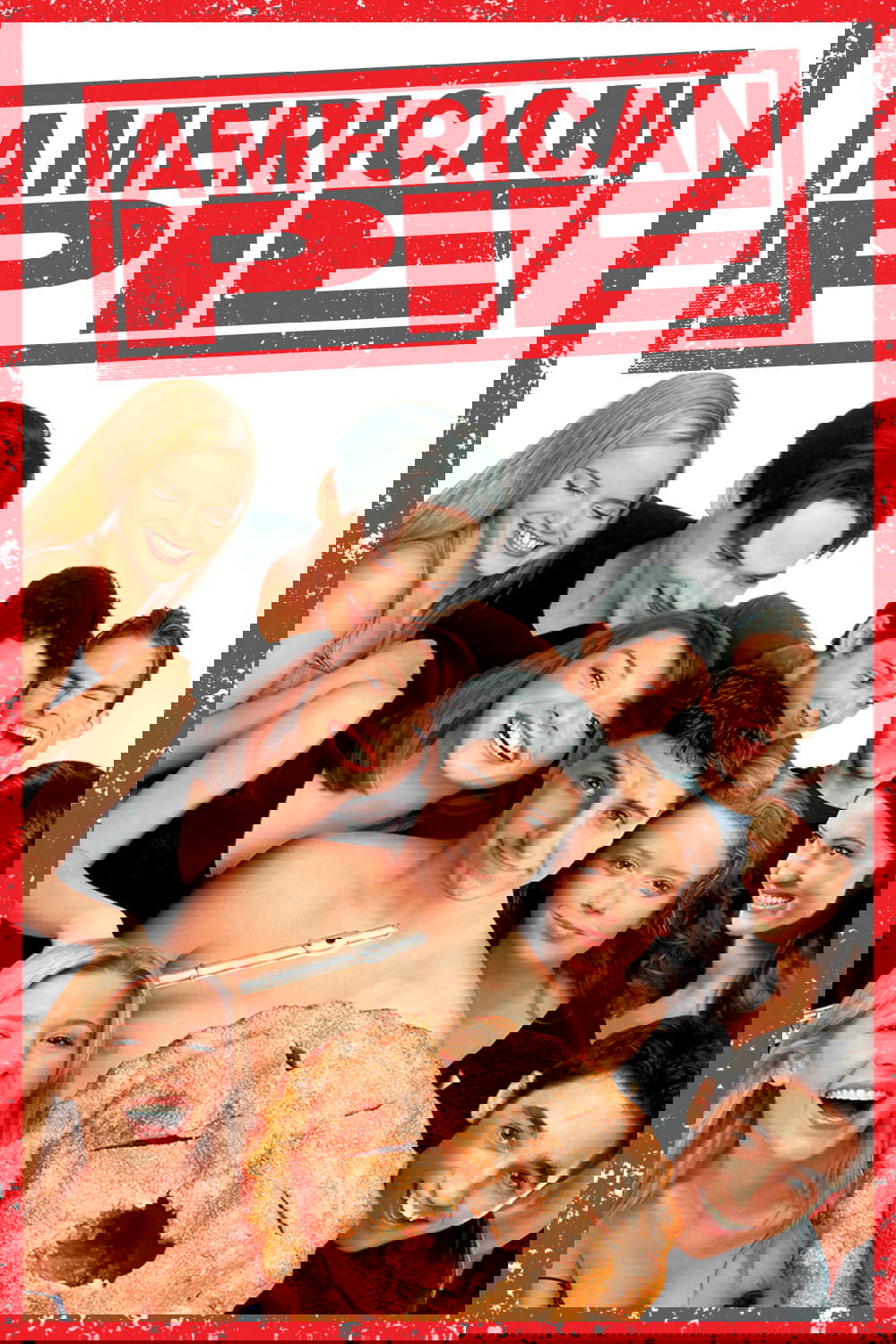
“American Pie” is a teen comedy about a group of high school friends who make a pact to lose their virginity before they graduate. The film follows their humorous and often embarrassing attempts to achieve this goal. It is known for its raunchy humor and honest look at teenage awkwardness and sexuality.
The movie was a huge hit and defined the teen comedy genre for the Millennial generation. It was open about topics that were often considered taboo, but it also had a lot of heart in its portrayal of friendship and the anxieties of growing up. For many, it captured the clumsy and funny side of navigating the end of high school.
Fight Club (1999)

“Fight Club” is a movie based on the novel by Chuck Palahniuk. It tells the story of an unnamed narrator who is unhappy with his corporate job and consumerist lifestyle. He meets a soap salesman named Tyler Durden, and together they start an underground fight club as a form of therapy. The club soon grows into a much larger and more destructive organization.
The film’s themes of anti-consumerism and rebellion against societal norms struck a chord with many Millennials. It questioned the value of a conventional life and the pursuit of material possessions. The movie’s dark humor and surprising plot twist have made it a cult classic that is still discussed and analyzed today.
Bring It On (2000)
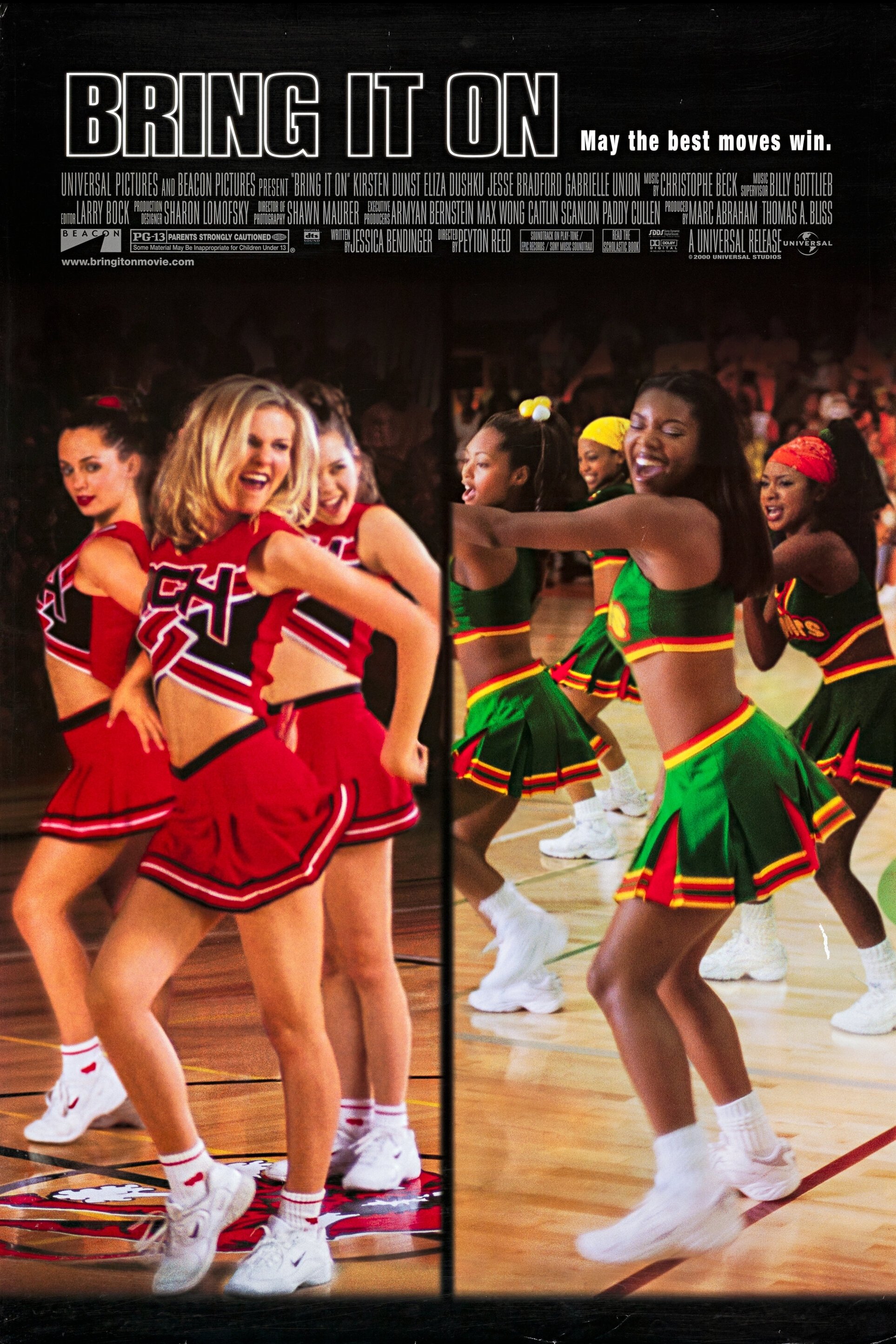
This movie is about a high school cheerleading squad from a wealthy suburb. Their new captain, Torrance, discovers that their former captain stole all their winning routines from a rival squad in a less privileged neighborhood. The film follows the squad as they try to create their own original routine to compete at the national championship.
“Bring It On” dealt with issues of cultural appropriation and privilege in a way that was accessible to a young audience. It used the world of competitive cheerleading to explore themes of originality and fairness. The movie’s energetic tone and memorable cheers made it a fun and popular film for Millennials.
Almost Famous (2000)

“Almost Famous” is a comedy-drama film that tells the story of a teenage journalist writing for Rolling Stone magazine in the early 1970s. He gets the assignment to tour with and write about a rock band called Stillwater. The movie is based on the real-life experiences of its writer and director, Cameron Crowe.
The film captures a sense of nostalgia for a different time, the golden age of rock and roll. For Millennials, it represented a longing for authenticity and a connection to something real in a world that was becoming more commercialized. The movie’s themes of finding your own path and the love of music resonated with a generation on the cusp of adulthood.
The Royal Tenenbaums (2001)
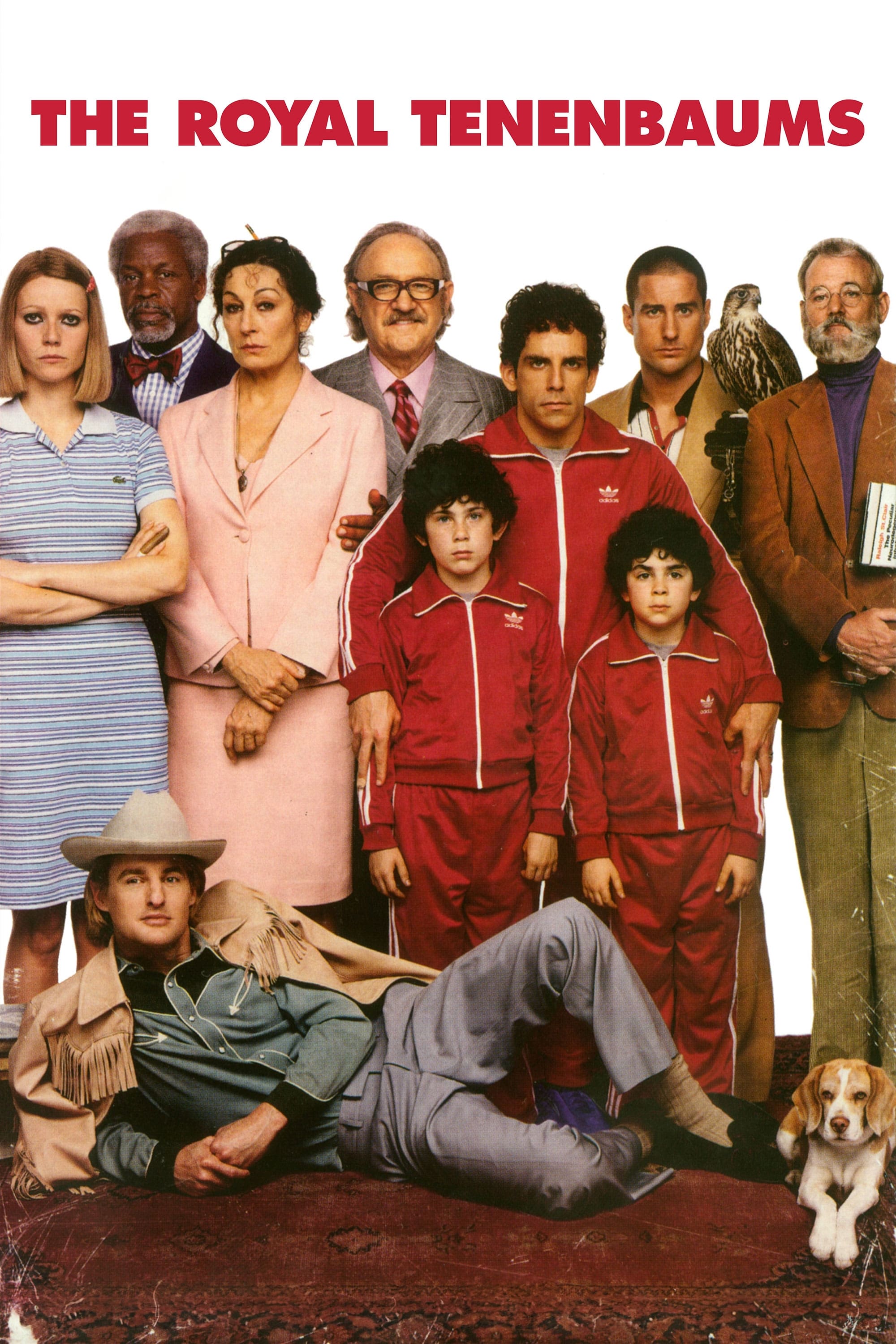
“The Royal Tenenbaums” is a comedy-drama about a dysfunctional family of former child prodigies. The three adult children, who were all very successful in their youth, are now struggling with failure and disappointment. Their estranged father, Royal Tenenbaum, returns to the family, claiming he is dying, in an attempt to reconnect with them.
The film’s unique visual style and quirky humor are trademarks of its director, Wes Anderson. It deals with themes of family, failure, and the gap between youthful promise and adult reality. These themes were relatable to Millennials who were navigating the pressures of high expectations and the challenges of growing up.
Donnie Darko (2001)

“Donnie Darko” is a psychological thriller about a troubled teenager named Donnie. He has visions of a large rabbit named Frank who tells him the world will end in 28 days. The film follows Donnie as he questions his reality and tries to understand the strange events happening around him. It combines elements of science fiction, teen drama, and mystery.
The movie became a cult classic, particularly with Millennials, due to its dark and complex story. It explores themes of mental health, destiny, and the search for meaning in a confusing world. The film’s ambiguous ending led to many online discussions and theories, which was a new way for audiences to engage with a movie in the early days of the internet.
Legally Blonde (2001)

This comedy tells the story of Elle Woods, a fashionable sorority girl who decides to go to Harvard Law School to win back her ex-boyfriend. At first, no one takes her seriously because of her appearance and cheerful personality. However, Elle proves to be a smart and capable law student, challenging stereotypes along the way.
“Legally Blonde” became an empowering film for many in the Millennial generation. It had a strong message about not judging people based on their looks and believing in yourself. Elle Woods became an icon of feminine strength who showed that you can be both smart and feminine.
Amélie (2001)
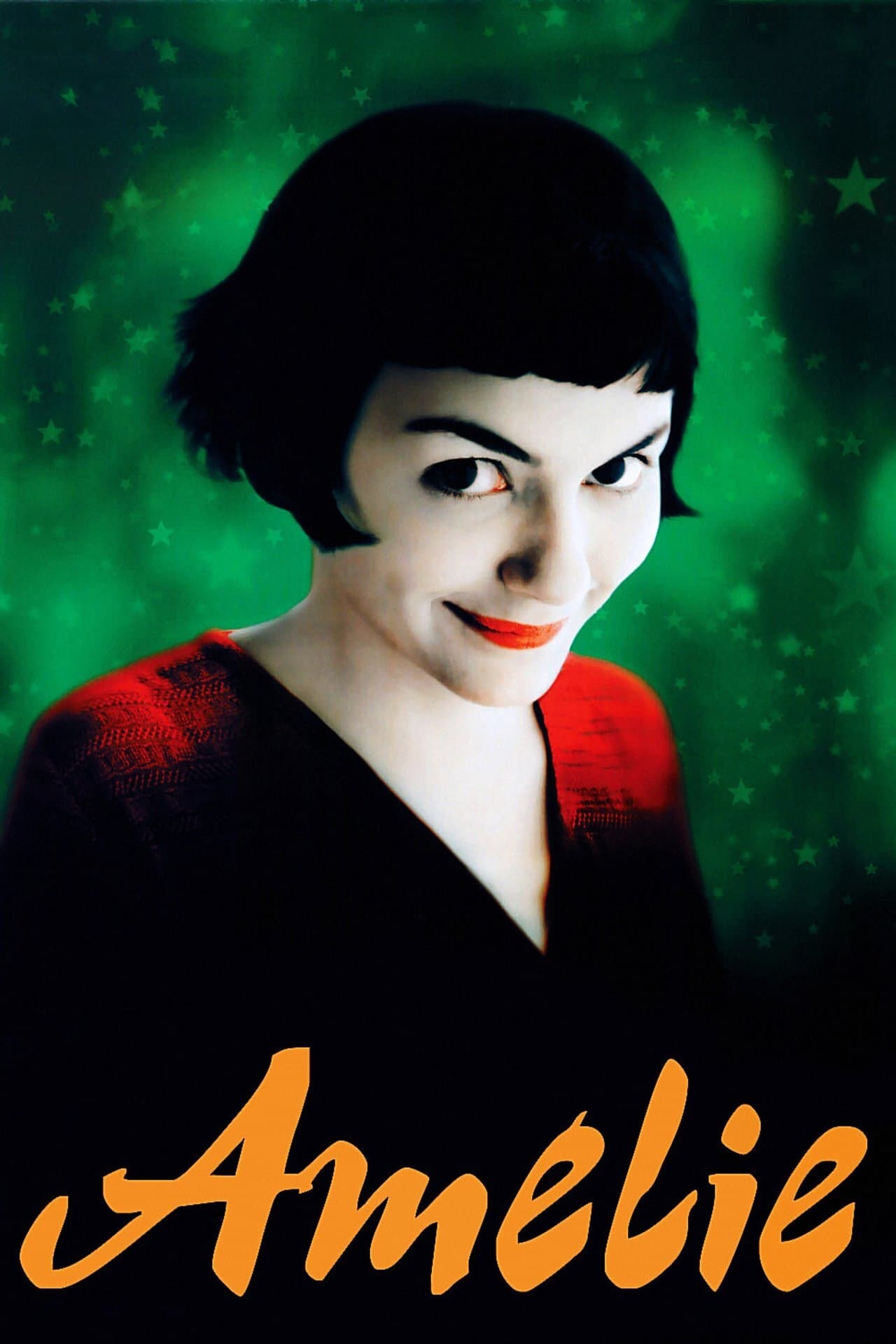
“Amélie” is a French romantic comedy about a shy waitress in Paris. She decides to secretly arrange small moments of happiness in the lives of the people around her. As she helps others, she struggles to find the courage to pursue her own happiness and a connection with a man she is interested in.
The film’s whimsical style and optimistic tone were a refreshing change for many viewers. It celebrated the small joys of everyday life and the importance of human connection. For a generation often dealing with cynicism and irony, “Amélie” offered a hopeful and charming view of the world.
The Lord of the Rings: The Fellowship of the Ring (2001)
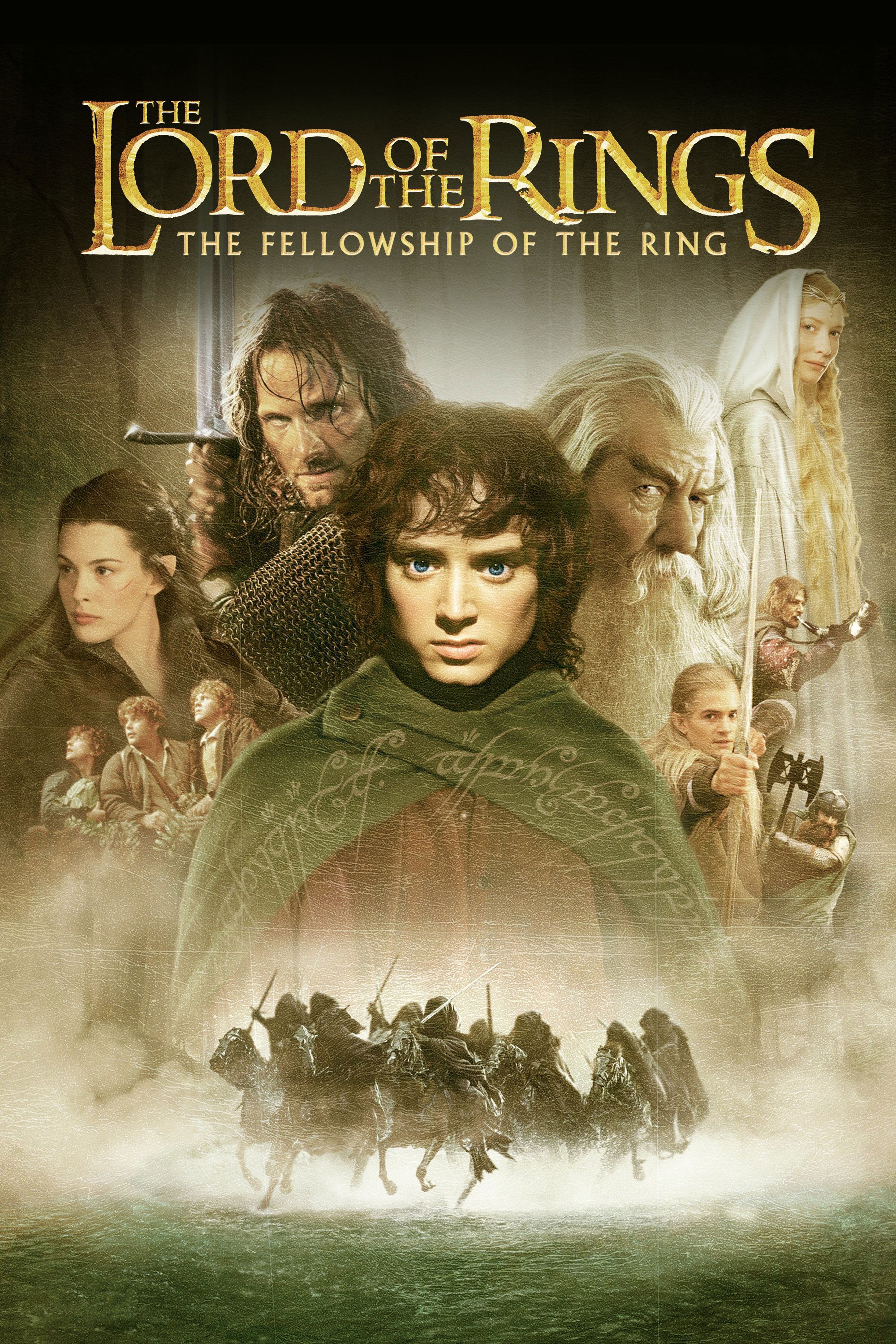
This is the first film in the epic fantasy trilogy based on the books by J.R.R. Tolkien. The story follows a young hobbit named Frodo Baggins who inherits a powerful and dangerous ring. He must leave his home on a quest to destroy the ring in the fires of Mount Doom to save the world of Middle-earth from the evil Dark Lord Sauron. He is joined by a fellowship of companions who help him on his journey.
The “Lord of the Rings” trilogy was a major cultural event for Millennials. It brought to life a richly detailed fantasy world with themes of friendship, courage, and the fight between good and evil. The scale of the adventure and the emotional depth of the characters created a cinematic experience that defined the fantasy genre for a generation.
Spirited Away (2001)
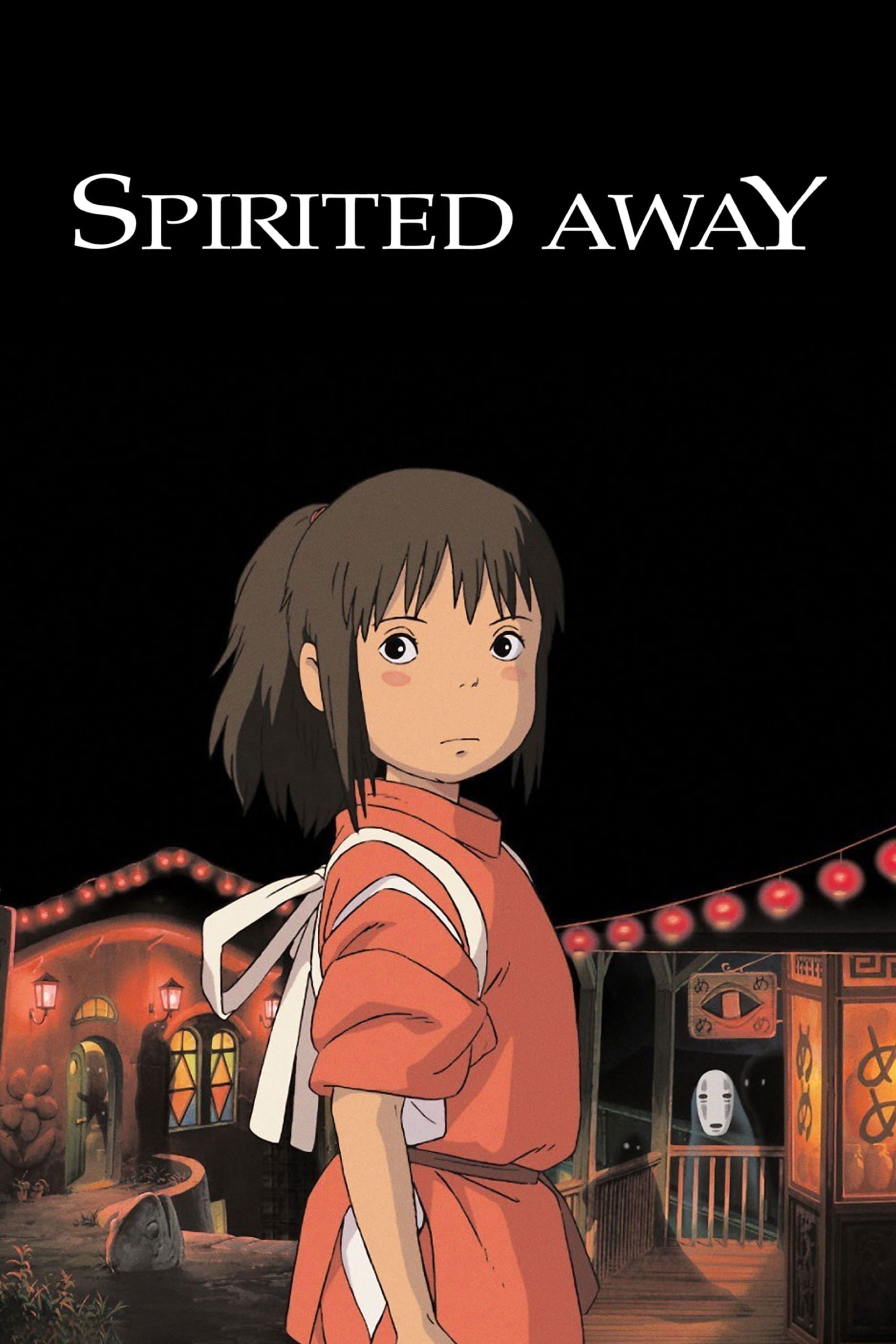
“Spirited Away” is a Japanese animated fantasy film from Studio Ghibli. It tells the story of a ten-year-old girl named Chihiro who wanders into a world of spirits, gods, and monsters. After her parents are turned into pigs, she must work in a bathhouse for the spirits to find a way to free them and return to the human world.
This film introduced many Millennials to the art of Japanese animation and the storytelling of Hayao Miyazaki. Its beautiful animation and imaginative world captivated audiences around the globe. The story’s themes of growing up, finding courage in a strange new place, and the importance of identity resonated deeply with a generation facing its own transitions.
My Big Fat Greek Wedding (2002)

This romantic comedy is about a Greek-American woman named Toula who feels stuck in her life. She decides to go to college and work outside of her family’s restaurant, where she falls in love with a non-Greek man. The film follows her journey of self-discovery and the challenges of getting her large and traditional Greek family to accept her new partner.
“My Big Fat Greek Wedding” was a surprise hit that connected with audiences through its humor and heart. It explored the experience of growing up in an immigrant family and trying to balance cultural traditions with personal desires. For many Millennials from diverse backgrounds, the film’s portrayal of family and cultural identity was both funny and relatable.
8 Mile (2002)
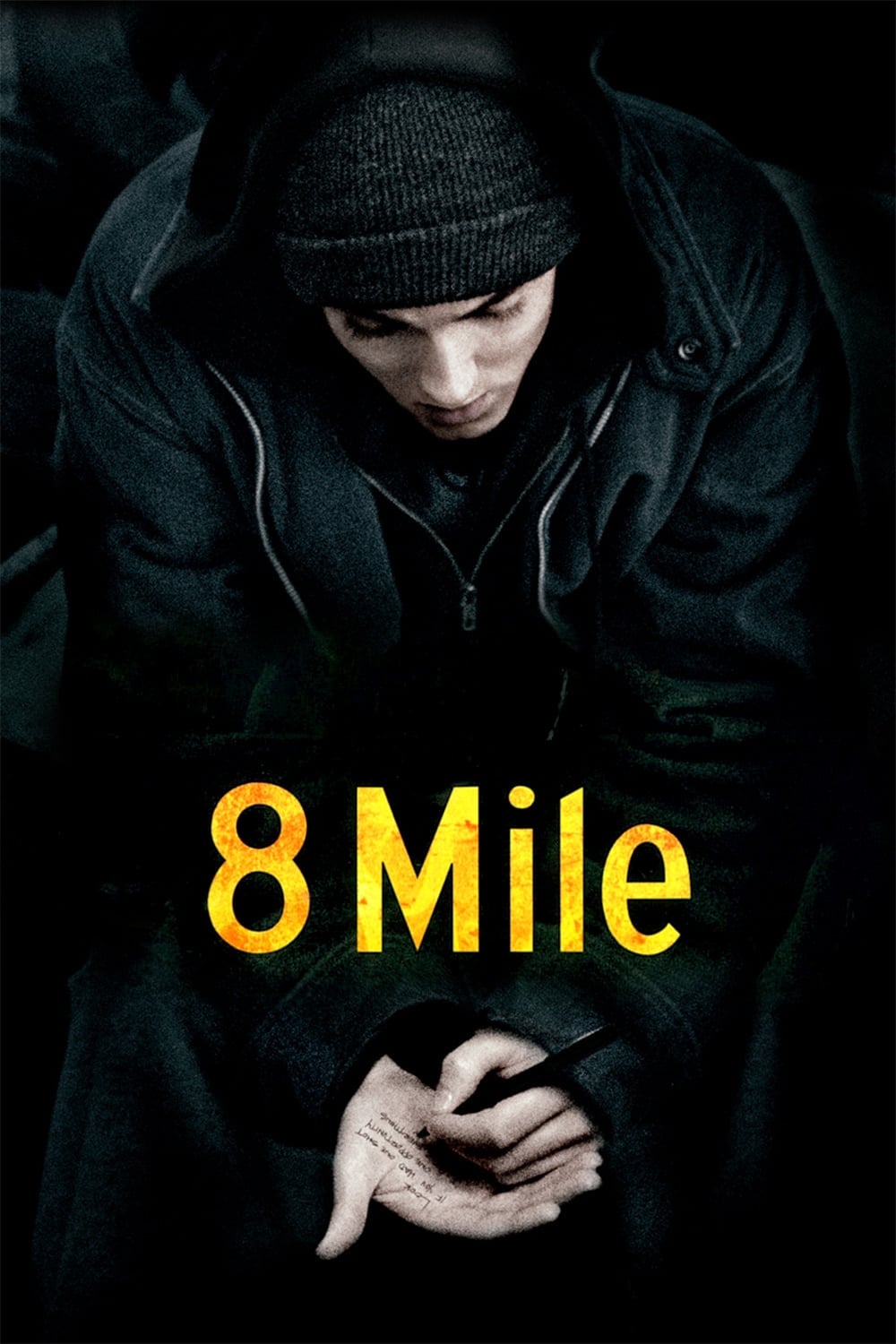
“8 Mile” is a drama inspired by the early life of rapper Eminem, who also stars in the film. It tells the story of a young white rapper named Jimmy, also known as B-Rabbit, who lives in a poor neighborhood in Detroit. The movie follows his struggle to be taken seriously in the local hip-hop scene, which is dominated by African American artists.
The film was significant for its raw and realistic portrayal of poverty and the pursuit of a dream. It showcased the power of hip-hop as a form of expression and a way to overcome hardship. For Millennials, “8 Mile” was an influential film that brought a different side of a major music star to the screen and highlighted the struggles of the working class.
Lost in Translation (2003)

“Lost in Translation” is a drama about the unlikely friendship between two Americans in Tokyo. Bob is an aging movie star who is in the city to film a whiskey commercial, and Charlotte is a young woman who is there with her photographer husband. Feeling lonely and out of place, they form a deep connection as they explore the city together.
The film captured a specific feeling of modern loneliness and the search for connection, which resonated with many Millennials. It explored the quiet and subtle moments between people, and the feeling of being an outsider. The movie’s thoughtful tone and focus on a non-romantic but intimate relationship felt new and honest.
Oldboy (2003)
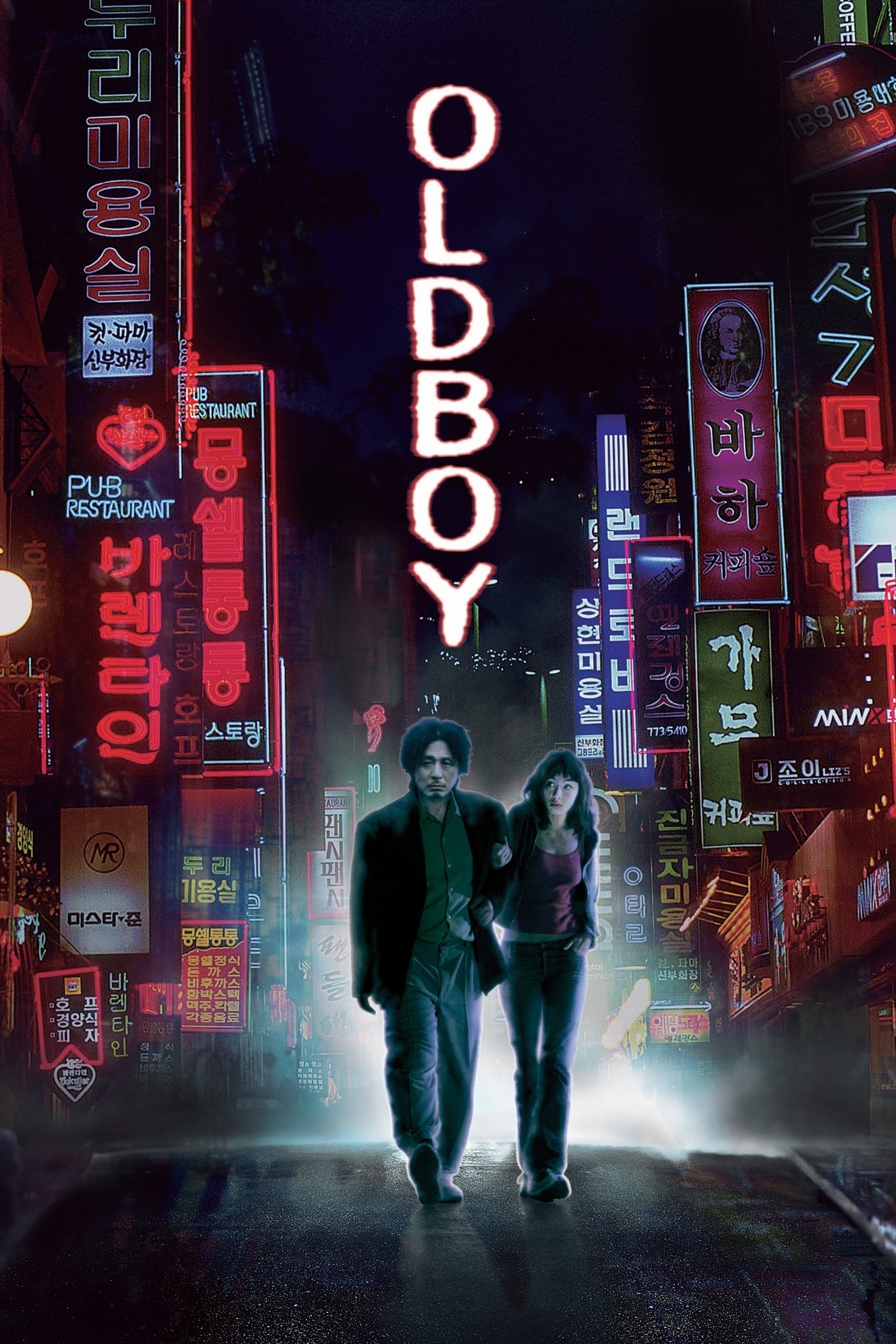
“Oldboy” is a South Korean thriller about a man who is imprisoned in a hotel room for fifteen years without knowing why. When he is suddenly released, he is given five days to find his captor and uncover the reason for his long confinement. The film is known for its intense action scenes and shocking plot twists.
This movie was part of a wave of South Korean cinema that gained international recognition in the 2000s. For Millennial film fans, it represented a more extreme and daring kind of storytelling than they were used to from Hollywood. Its dark themes and unforgettable ending made it a cult classic and an introduction to a new world of cinema.
Mean Girls (2004)
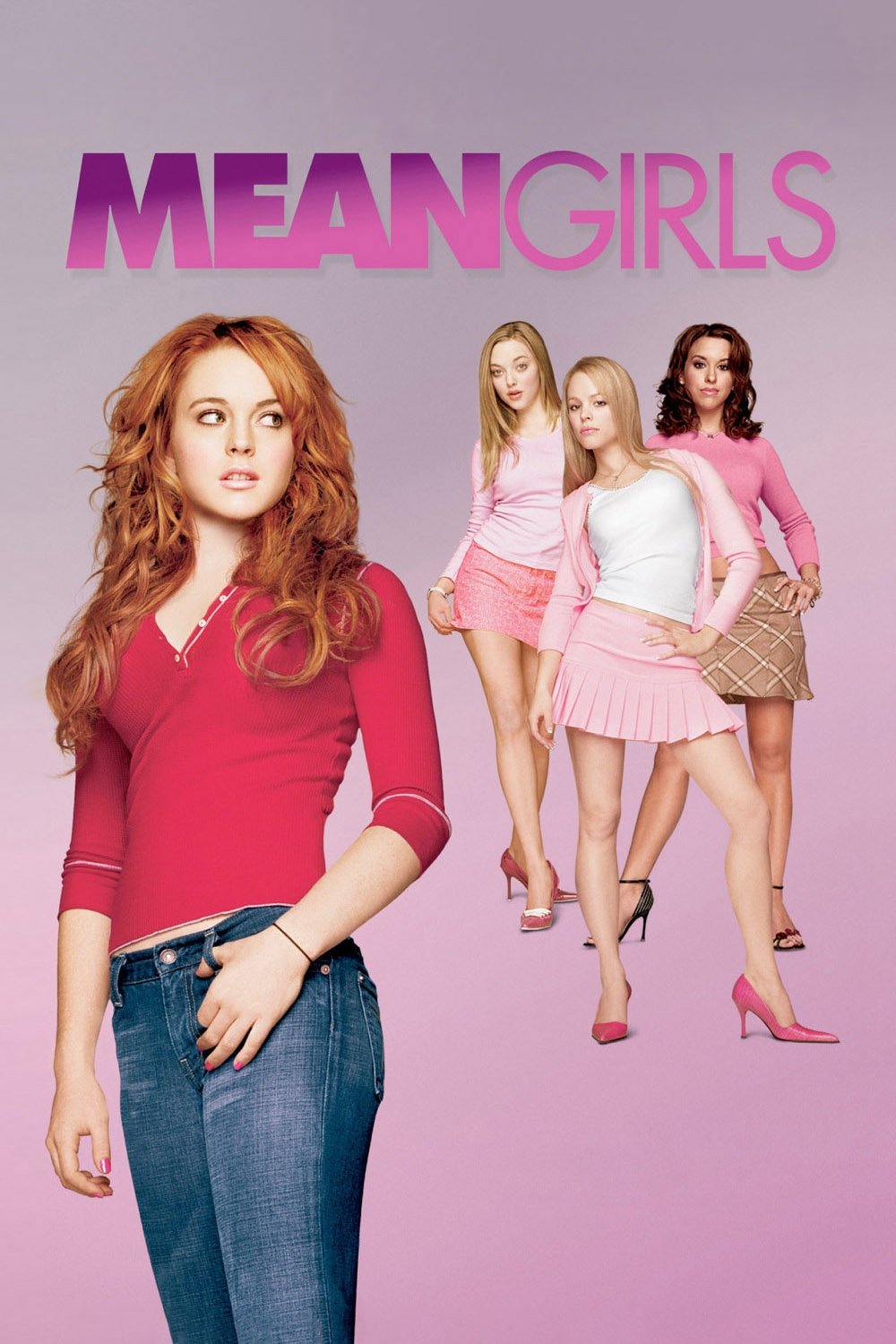
“Mean Girls” is a teen comedy written by Tina Fey. It follows Cady Heron, a teenager who moves from Africa to an American suburb and attends a public high school for the first time. She soon encounters a clique of popular girls known as “The Plastics” and is drawn into their world of social rules and cruelty.
The film became a cultural phenomenon for its sharp and witty observations about high school social hierarchies. Its memorable quotes and characters have become a lasting part of internet culture and Millennial nostalgia. The movie used humor to explore serious issues like bullying and the pressure to fit in, making it both funny and relatable.
Eternal Sunshine of the Spotless Mind (2004)

This science fiction romantic drama tells the story of a couple, Joel and Clementine, who have their memories of each other erased after a painful breakup. The film follows Joel as he goes through the procedure, but as his memories are being deleted, he realizes he doesn’t want to forget Clementine. The story is told in a non-linear way, moving through Joel’s memories.
“Eternal Sunshine of the Spotless Mind” was praised for its creativity and emotional depth. It explored love, loss, and memory in a completely original way. For a generation that was beginning to document their entire lives online, the idea of erasing memories was a powerful and thought-provoking concept.
Napoleon Dynamite (2004)
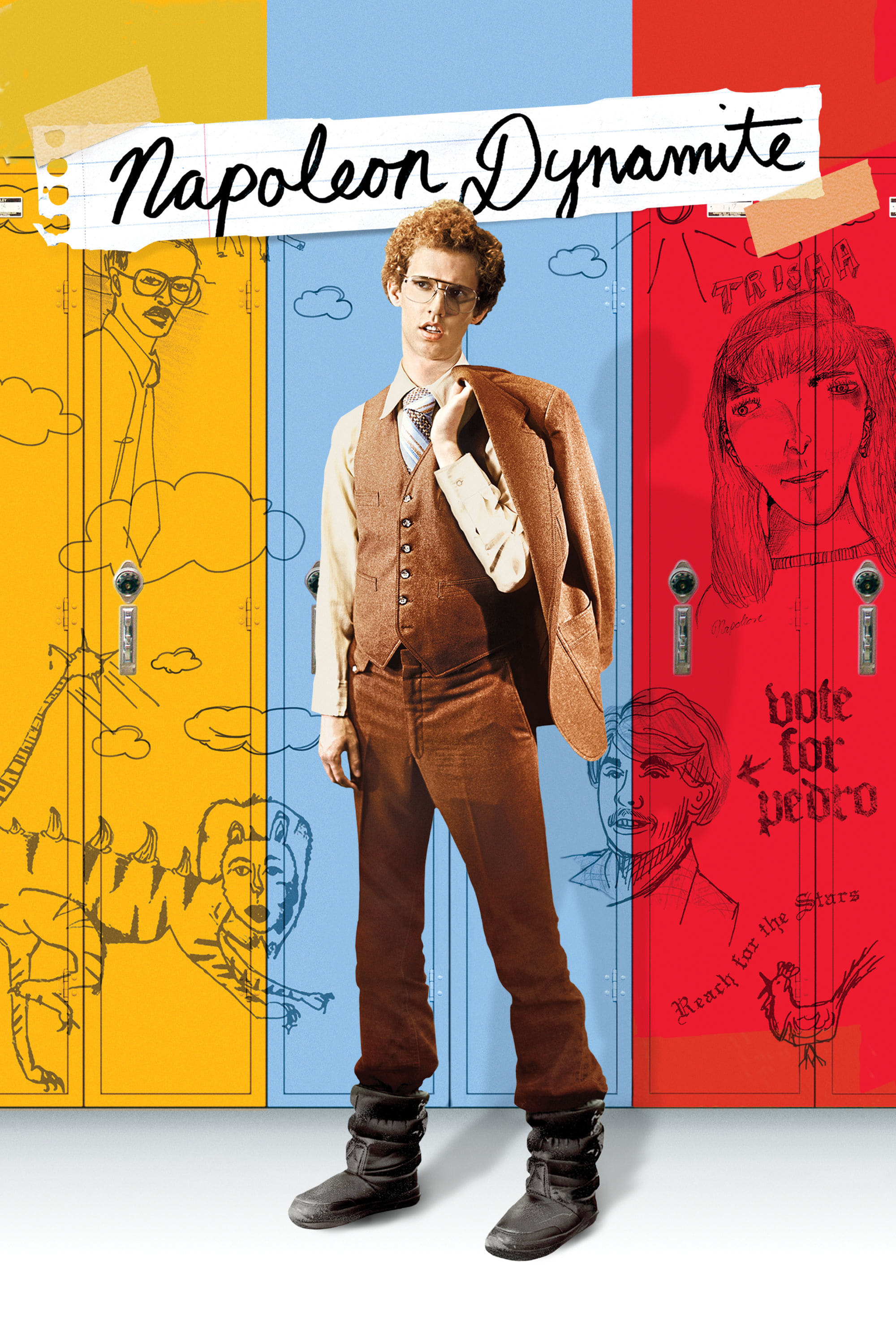
“Napoleon Dynamite” is an independent comedy about a socially awkward high school student named Napoleon. The film follows his daily life in a small town in Idaho, which includes dealing with his strange family, helping his friend Pedro run for class president, and practicing his dance moves. The movie is known for its quirky and deadpan humor.
The film became a surprise hit and a cult classic due to its unique and offbeat style. It celebrated being different and found humor in the mundane and awkward parts of teenage life. For many Millennials, the film’s embrace of weirdness was a refreshing change from the more polished teen movies of the time.
Shaun of the Dead (2004)
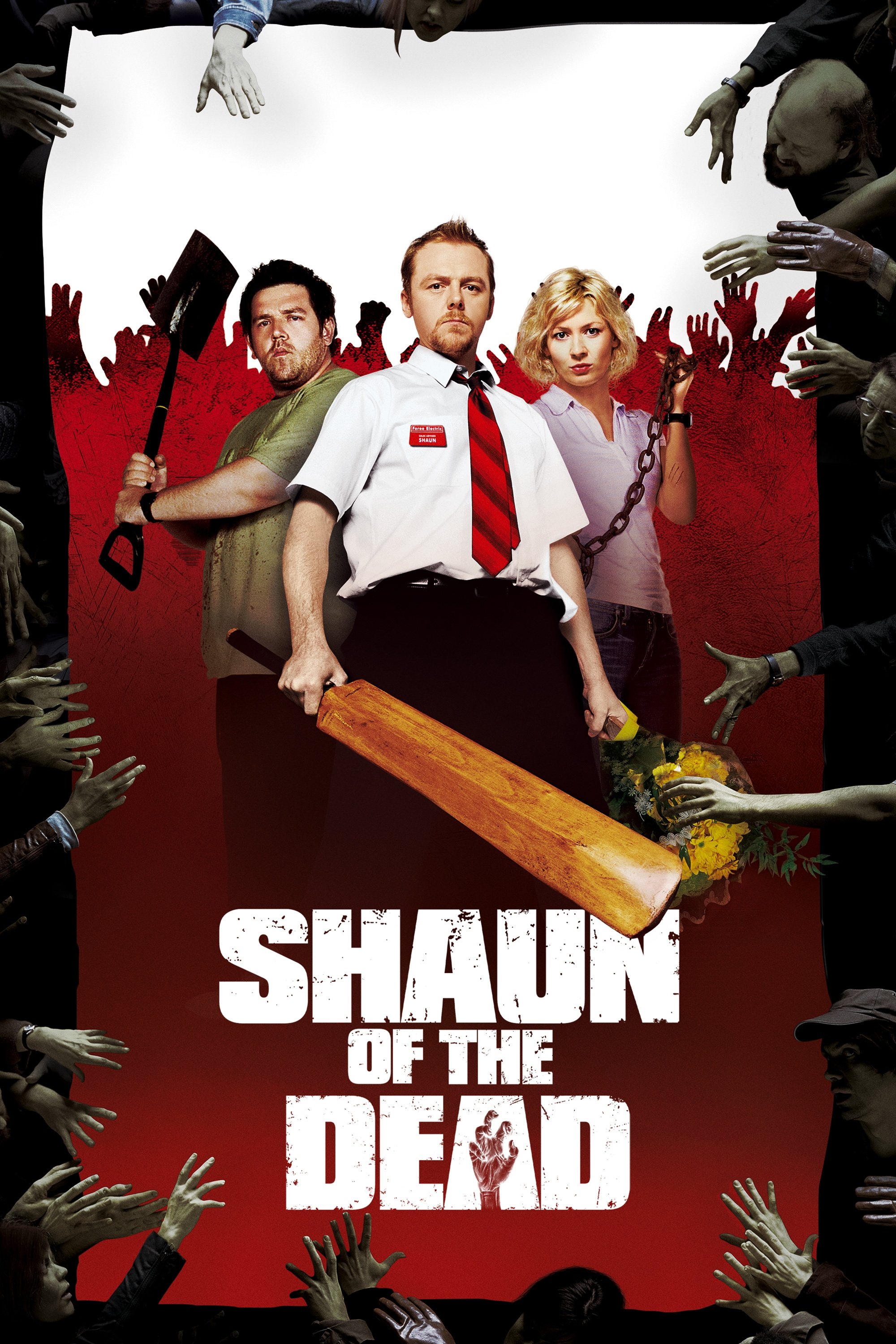
“Shaun of the Dead” is a British romantic comedy with zombies. The story follows Shaun, a man who lacks direction in his life and has just been dumped by his girlfriend. His uneventful life is disrupted by a zombie apocalypse, and he must step up to save his friends and family. The film is both a funny comedy and a genuine zombie movie.
This movie was praised for its clever mix of humor, horror, and heart. It playfully poked fun at the zombie genre while also being a great example of it. For Millennials, it was a smart and funny film that understood their pop culture knowledge and love for genre mashups.
The Notebook (2004)
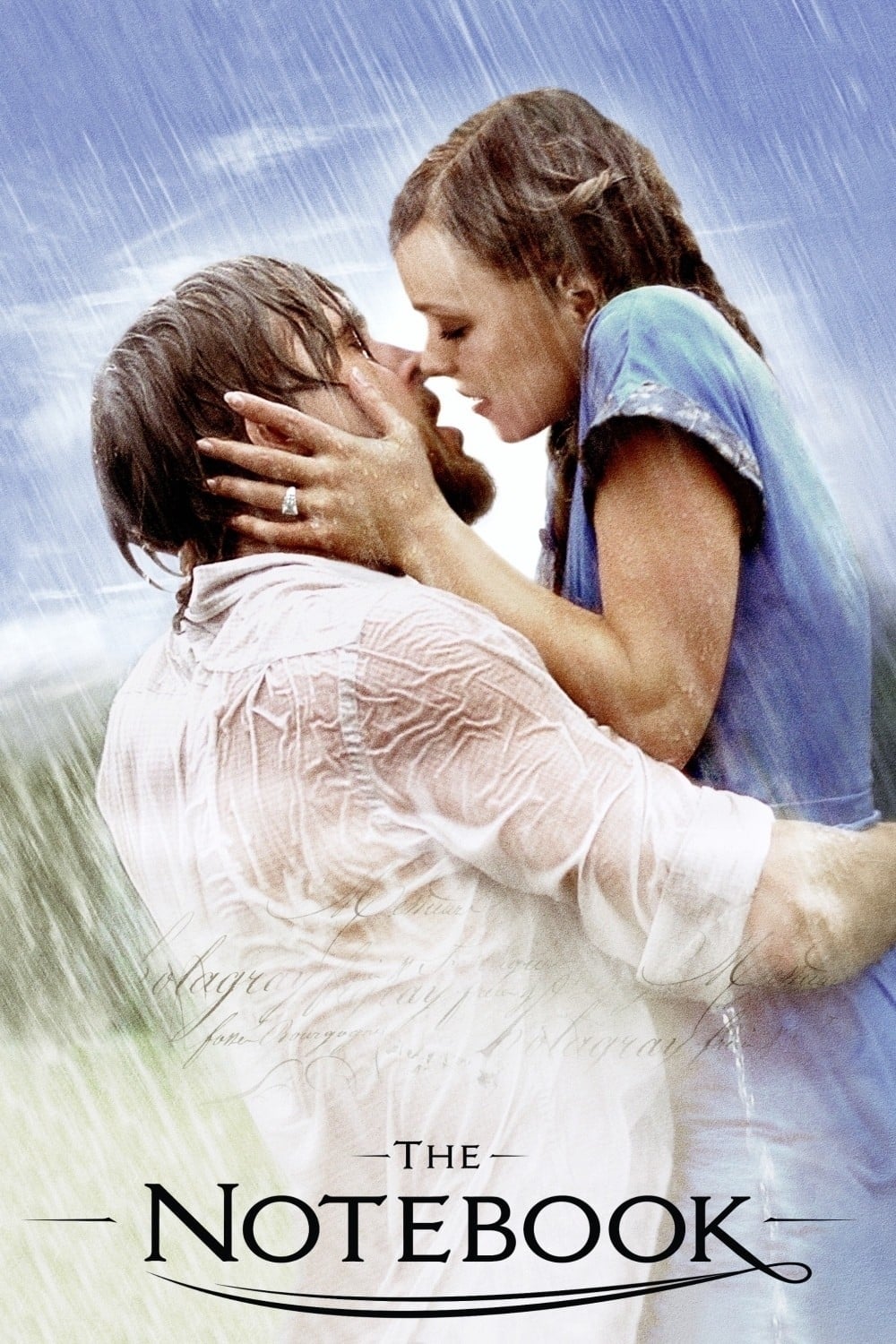
“The Notebook” is a romantic drama based on the novel by Nicholas Sparks. It tells the story of a poor young man named Noah and a wealthy young woman named Allie who fall in love in the 1940s. Their love story is told from the present day by an elderly man reading from a notebook to a woman in a nursing home. The film follows their relationship through many years and challenges.
This movie became one of the most iconic romantic films for the Millennial generation. Its passionate and epic love story captured the hearts of many viewers. The film’s emotional power and memorable scenes have made it a go-to movie for a romantic night in and a benchmark for cinematic love stories.
Garden State (2004)
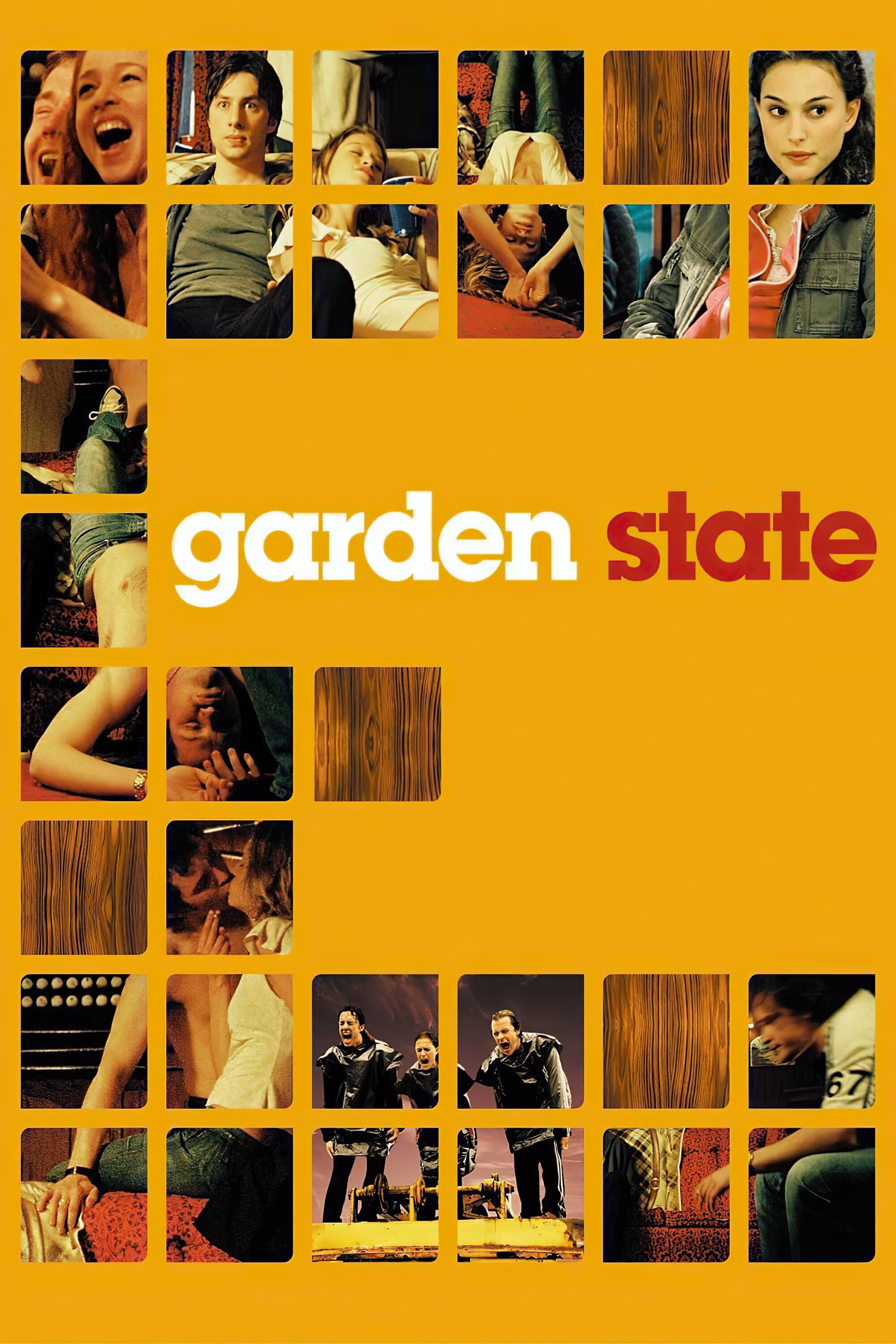
“Garden State” is a comedy-drama written, directed by, and starring Zach Braff. He plays a young actor who returns to his hometown in New Jersey after his mother’s death. He feels disconnected from his life and has been on medication for years. During his visit, he reconnects with old friends and meets a quirky and energetic young woman who helps him to start feeling again.
The film captured a specific Millennial feeling of being lost and searching for meaning in your twenties. Its indie-rock soundtrack became very popular and was seen as defining a certain mood of the time. The movie’s themes of coming home, dealing with past trauma, and finding connection resonated with a generation navigating the transition to adulthood.
Brokeback Mountain (2005)
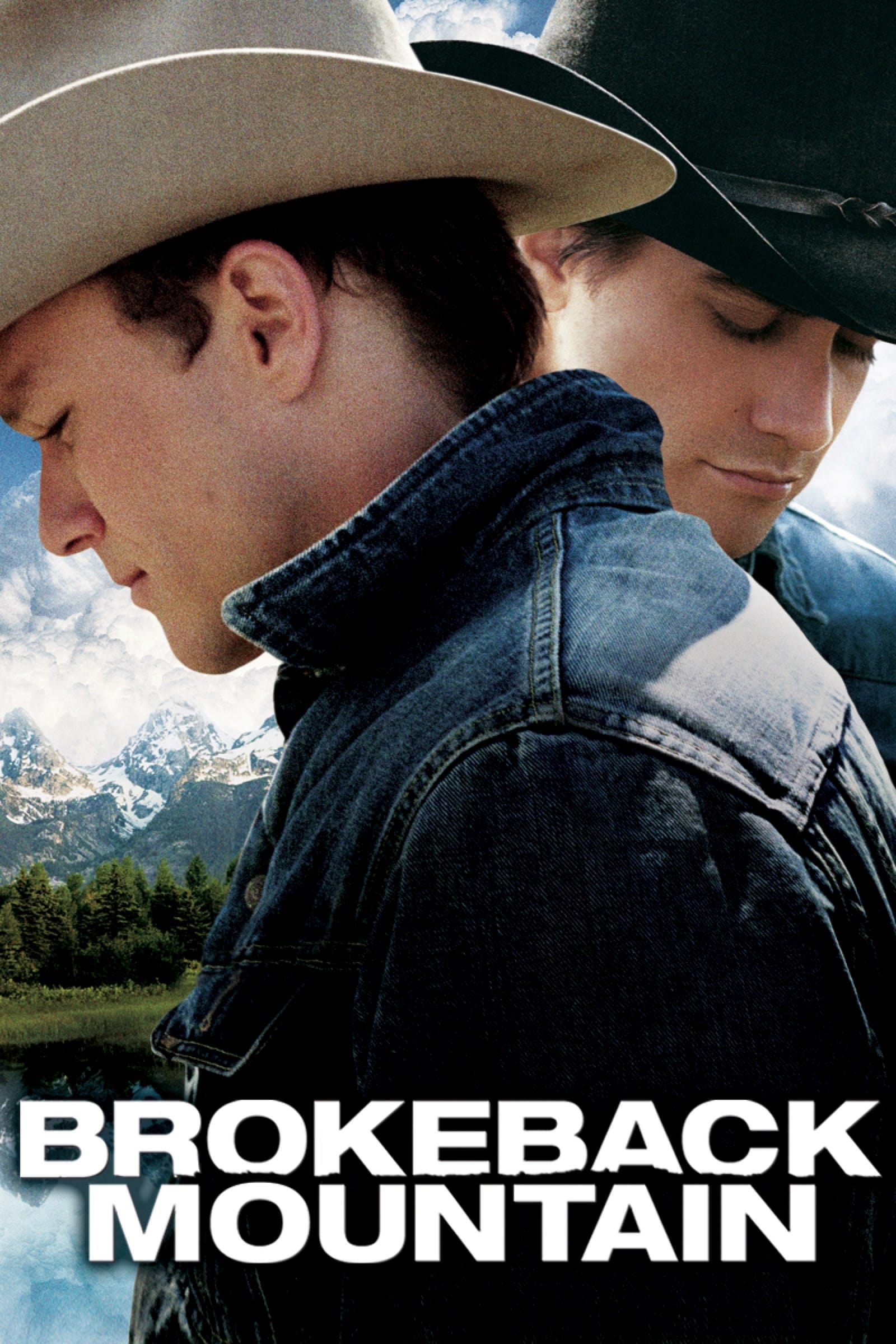
“Brokeback Mountain” is a romantic drama about two cowboys, Ennis and Jack, who develop a secret and complex romantic relationship over two decades. They meet in the summer of 1963 while herding sheep in Wyoming. The film follows their lives as they both get married to women and have children, but continue their secret encounters over the years.
The film was a major cultural moment for its mainstream portrayal of a same-sex love story. It was a powerful and emotional film that challenged traditional ideas of masculinity and romance. For the Millennial generation, which was becoming more open and accepting of LGBTQ+ rights, “Brokeback Mountain” was a groundbreaking and important movie.
V for Vendetta (2006)

“V for Vendetta” is a political thriller set in a future, dystopian version of Britain under a fascist regime. The story follows a mysterious, masked freedom fighter known as V who uses terrorist tactics to fight against the oppressive government. He is joined by a young woman named Evey who becomes involved in his plans.
The film’s themes of government overreach, surveillance, and rebellion against tyranny resonated with a generation that was becoming more politically aware in the post-9/11 world. The Guy Fawkes mask worn by V became a global symbol for protest movements, including the Occupy Wall Street movement, which many Millennials were a part of.
The Devil Wears Prada (2006)

This comedy-drama is about a recent college graduate named Andy who gets a job as the co-assistant to Miranda Priestly, the powerful and demanding editor-in-chief of a major fashion magazine. Andy, who has no interest in fashion, struggles to survive in the high-pressure and glamorous world of high fashion. The film is based on the novel of the same name.
“The Devil Wears Prada” gave a humorous but also stressful look at the challenges of starting a career. It explored themes of workplace pressure, ambition, and the sacrifices people make for their jobs. For many Millennials entering the workforce, the film was a relatable and entertaining look at the struggles of a tough first job.
Little Miss Sunshine (2006)
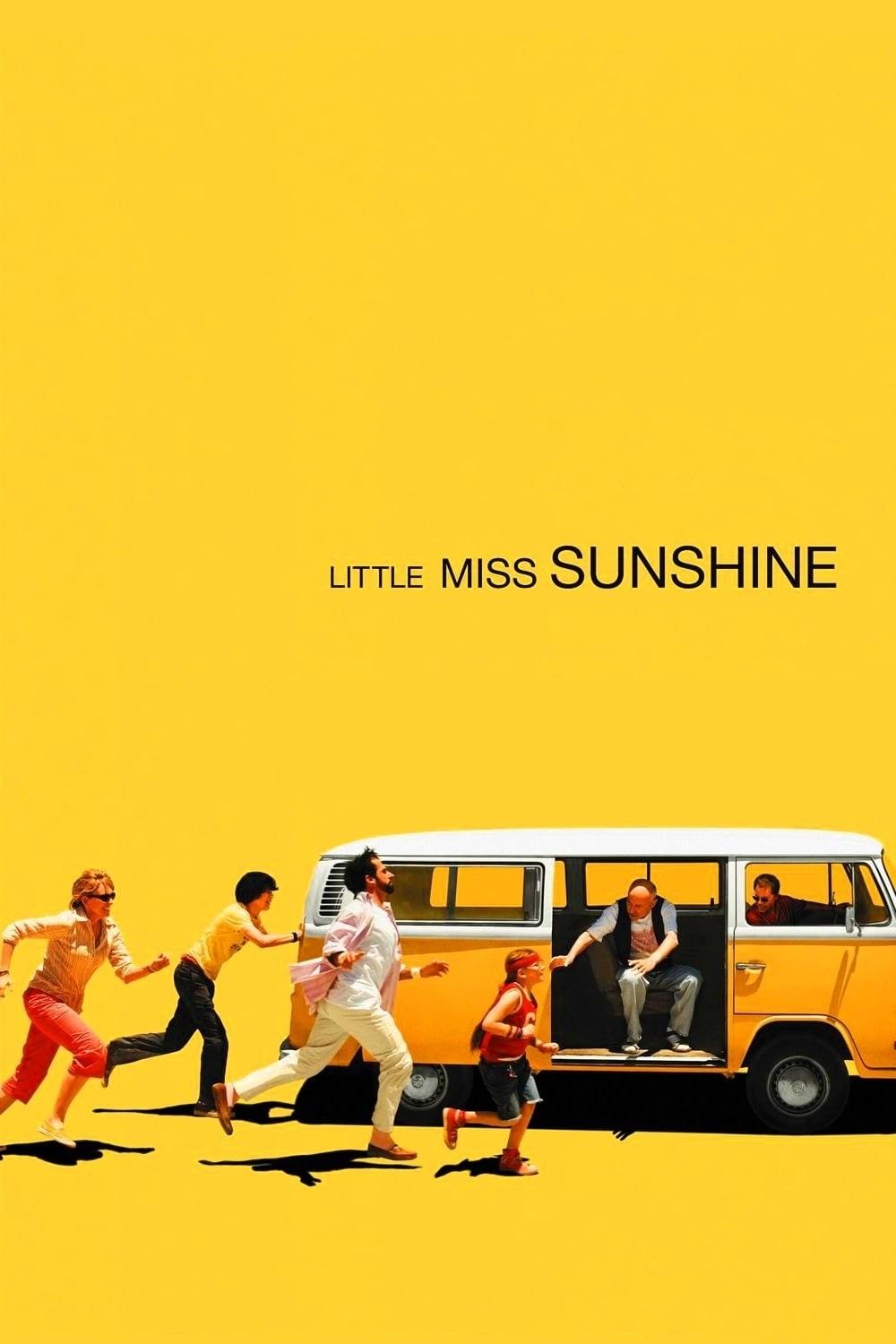
“Little Miss Sunshine” is a comedy-drama about a dysfunctional family that takes a cross-country road trip in their VW bus to get their young daughter into the finals of a beauty pageant. The family includes a motivational speaker father, a mother trying to hold everyone together, a silent teenage son, a suicidal uncle, and a rebellious grandfather.
The film was celebrated for its quirky humor and its message about embracing failure and loving your family for who they are. It was a refreshing alternative to more polished family comedies, showing a family that was messy and flawed but also full of love. The movie’s themes of redefining success and finding beauty in imperfection resonated with the Millennial generation.
Pan’s Labyrinth (2006)

“Pan’s Labyrinth” is a Spanish-language dark fantasy film set in Spain in 1944, after the Spanish Civil War. The story follows a young girl named Ofelia who escapes the harsh reality of her life with her cruel stepfather by entering a mysterious and magical labyrinth. There, a magical faun tells her that she is a lost princess and must complete three dangerous tasks to return to her kingdom.
The film, directed by Guillermo del Toro, was praised for its stunning visuals and its blend of fantasy and the brutal reality of war. It showed that fantasy stories could be used to explore very dark and adult themes. For a generation that grew up with fantasy, “Pan’s Labyrinth” offered a more mature and complex take on the genre.
Children of Men (2006)
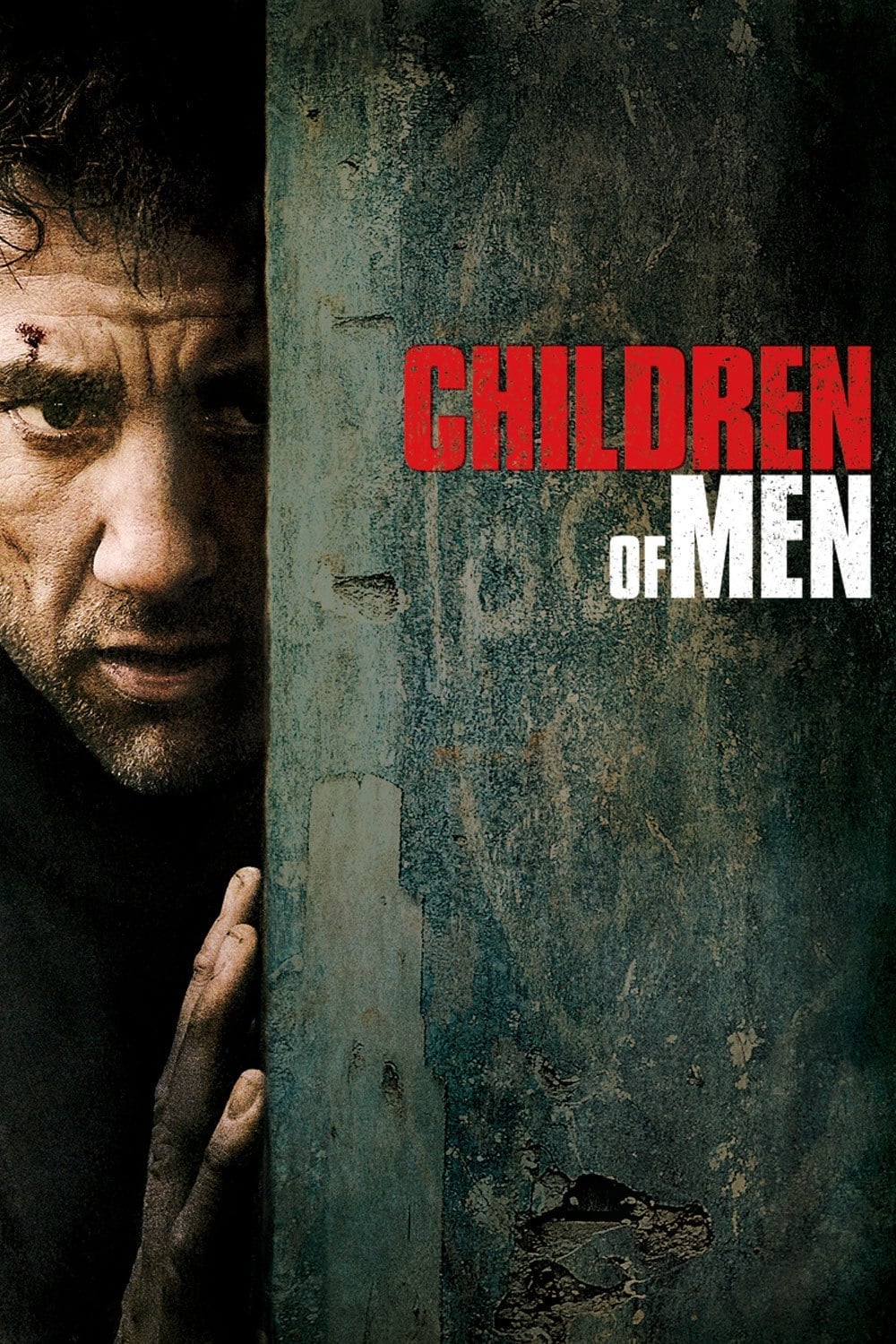
“Children of Men” is a science fiction thriller set in a future where humanity is facing extinction because women have become infertile. The world is in a state of chaos and despair. The story follows a former activist who agrees to help transport a miraculously pregnant woman to a sanctuary at sea, where her child might be able to save humanity.
The film’s bleak but realistic vision of the future felt very relevant to a generation concerned with issues like environmental collapse and social breakdown. Its themes of hope in the face of despair were powerful and thought-provoking. The movie’s long, single-shot action sequences were also technically impressive and created an immersive and intense viewing experience.
Superbad (2007)
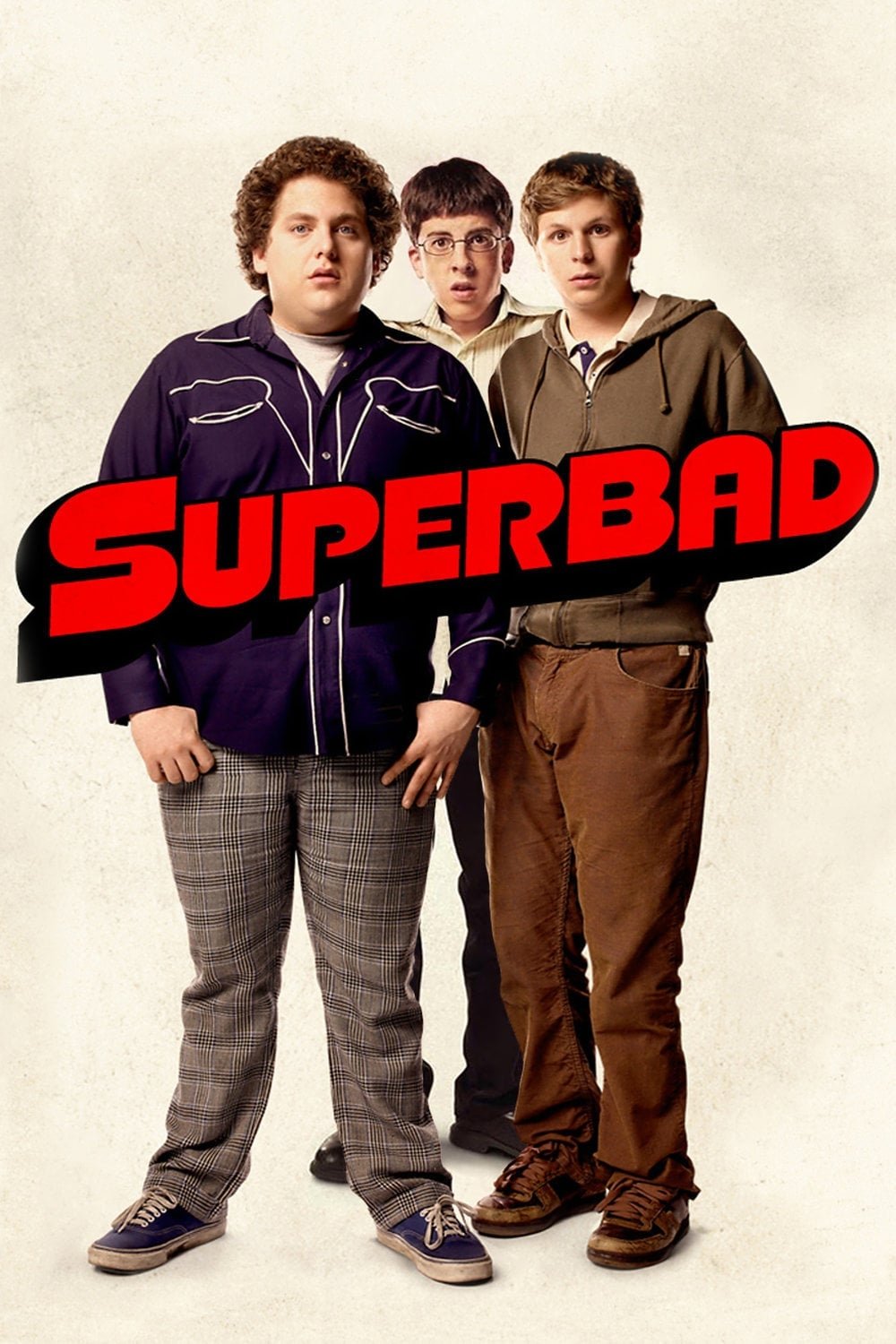
“Superbad” is a teen comedy about two high school best friends, Seth and Evan, who are about to graduate and go to different colleges. They are determined to have a wild party experience before they go their separate ways. The film follows their misadventures over one night as they try to buy alcohol and get to a party.
The movie was praised for its raunchy humor and its honest portrayal of male friendship. Unlike many teen comedies, the friendship between the two main characters felt genuine and was the emotional core of the film. For many Millennials, “Superbad” captured the awkwardness and anxiety of the end of high school and the fear of leaving your friends behind.
Juno (2007)
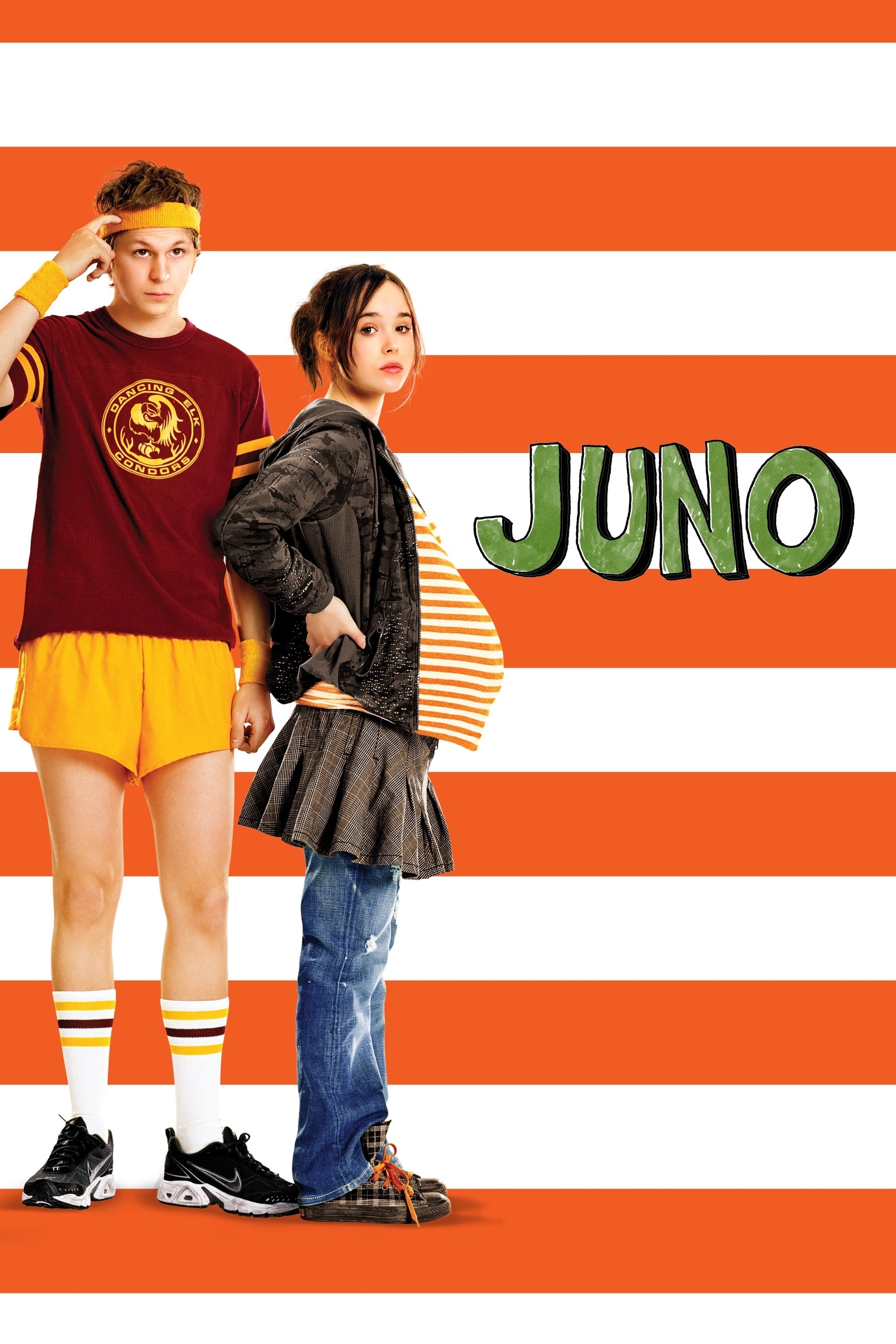
“Juno” is a comedy-drama about a witty and independent teenager who becomes pregnant. She decides to give the baby up for adoption and finds what she thinks is the perfect couple to raise her child. The film follows Juno through her pregnancy as she deals with her relationships with her family, the baby’s father, and the adoptive parents.
The film was noted for its unique and clever dialogue and its strong female protagonist. Juno was a character who faced a difficult situation with humor and confidence. The movie’s non-judgmental approach to teen pregnancy and its focus on character and emotion resonated with a generation that appreciated more nuanced and honest storytelling.
No Country for Old Men (2007)
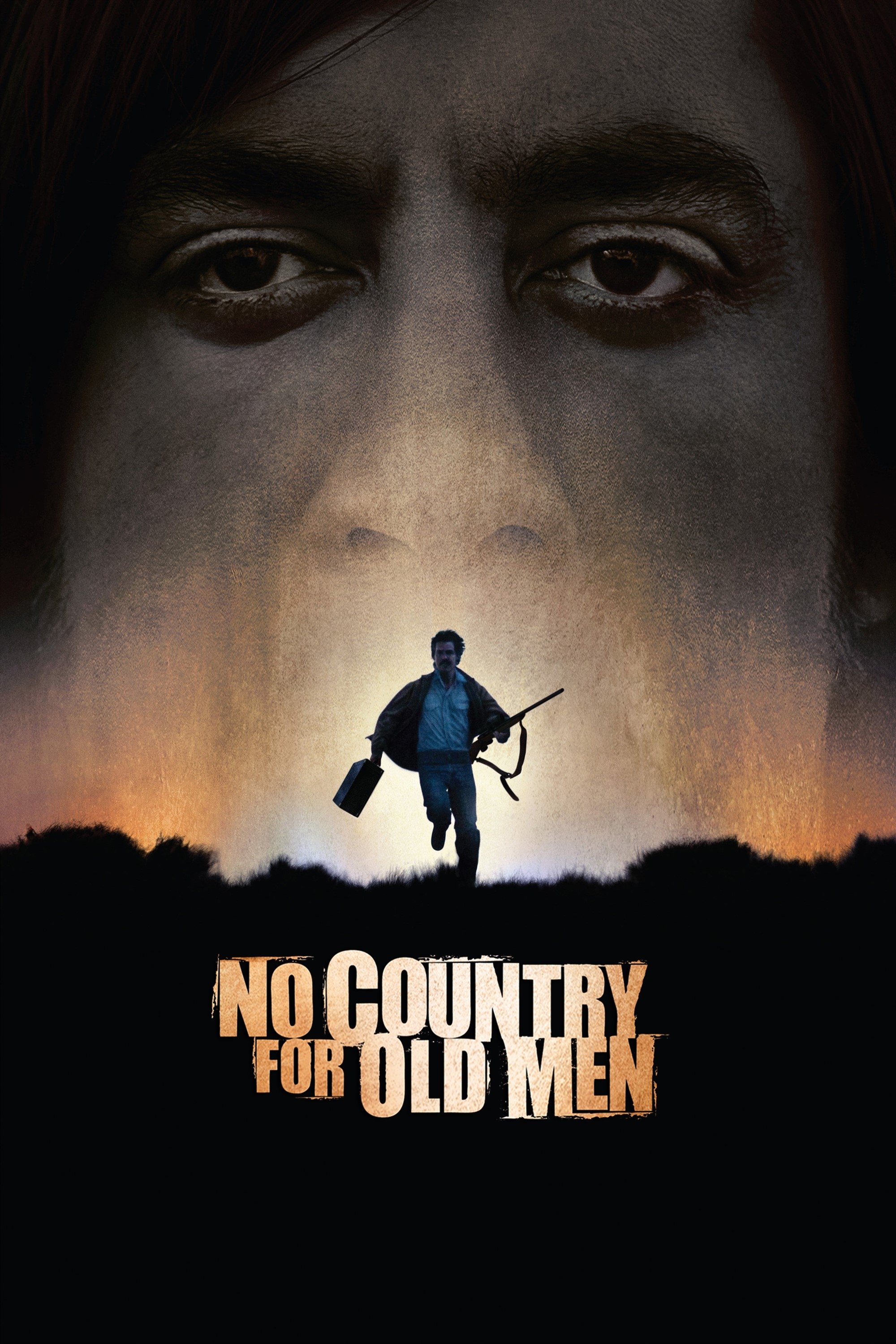
This neo-western thriller from the Coen Brothers is set in Texas in 1980. The story follows a hunter who stumbles upon a drug deal gone wrong and takes a briefcase full of money. This sets off a chain of events that involves a relentless and psychopathic killer and an aging sheriff who is trying to make sense of the growing violence in the world.
The film was praised for its suspenseful storytelling, strong performances, and philosophical themes. It explored ideas of fate, morality, and the changing nature of evil. For a generation living in a world that often felt chaotic and unpredictable, the film’s dark and thoughtful tone was compelling and thought-provoking.
There Will Be Blood (2007)

“There Will Be Blood” is a historical drama about a ruthless oil prospector named Daniel Plainview at the turn of the 20th century. The film follows his rise from a struggling silver miner to a wealthy and powerful oil tycoon in Southern California. His quest for wealth brings him into conflict with a charismatic local preacher.
The movie is a powerful character study of ambition, greed, and the corrupting nature of power. Daniel Day-Lewis’s intense performance as Daniel Plainview is one of the most acclaimed of his generation. The film’s themes of capitalism, religion, and the dark side of the American dream provided a lot for a generation that was questioning these very institutions.
Wall-E (2008)

“Wall-E” is an animated science fiction film from Pixar. It is set in a future where Earth has been abandoned and is covered in trash. The main character is a small robot named Wall-E who has been left behind to clean up the planet. He falls in love with another robot named EVE and follows her across the galaxy on an adventure that will determine the fate of humanity.
The film was praised for its beautiful animation and its powerful storytelling, especially in the first half of the movie which has very little dialogue. It had a strong environmental message about the dangers of consumerism and waste. For a generation increasingly concerned about the future of the planet, “Wall-E” was a touching and important film.
The Dark Knight (2008)
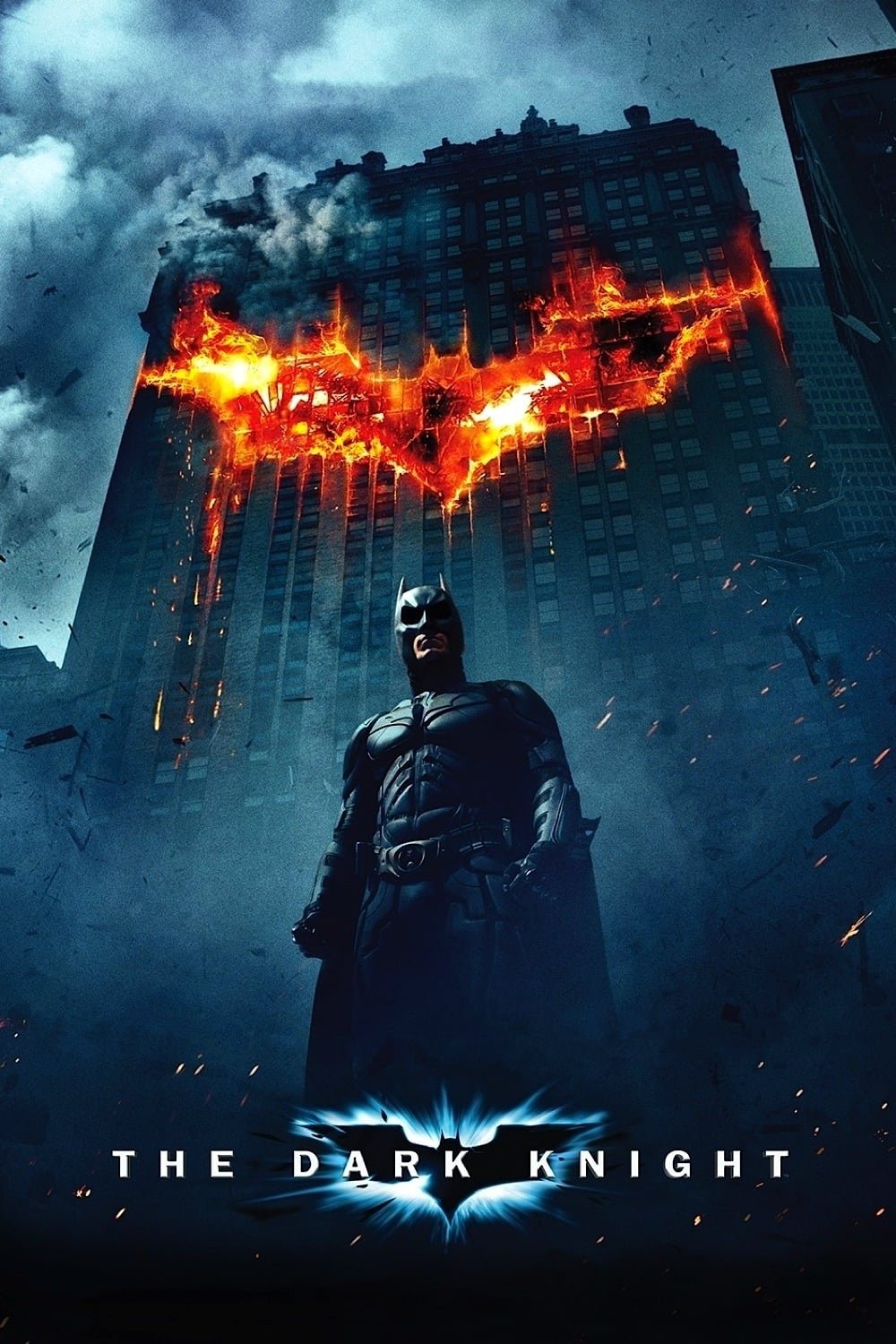
“The Dark Knight” is the second film in Christopher Nolan’s Batman trilogy. In this movie, Batman faces his greatest challenge yet in the form of the Joker, a chaotic and unpredictable criminal who wants to plunge Gotham City into anarchy. The film explores themes of order versus chaos, and how far a hero can go before becoming like the villain he fights.
The movie was a massive critical and commercial success and changed the way people thought about superhero films. Heath Ledger’s performance as the Joker was iconic and won him a posthumous Academy Award. The film’s dark, realistic tone and its complex moral questions resonated with a generation that was dealing with the anxieties of a post-9/11 world.
Slumdog Millionaire (2008)
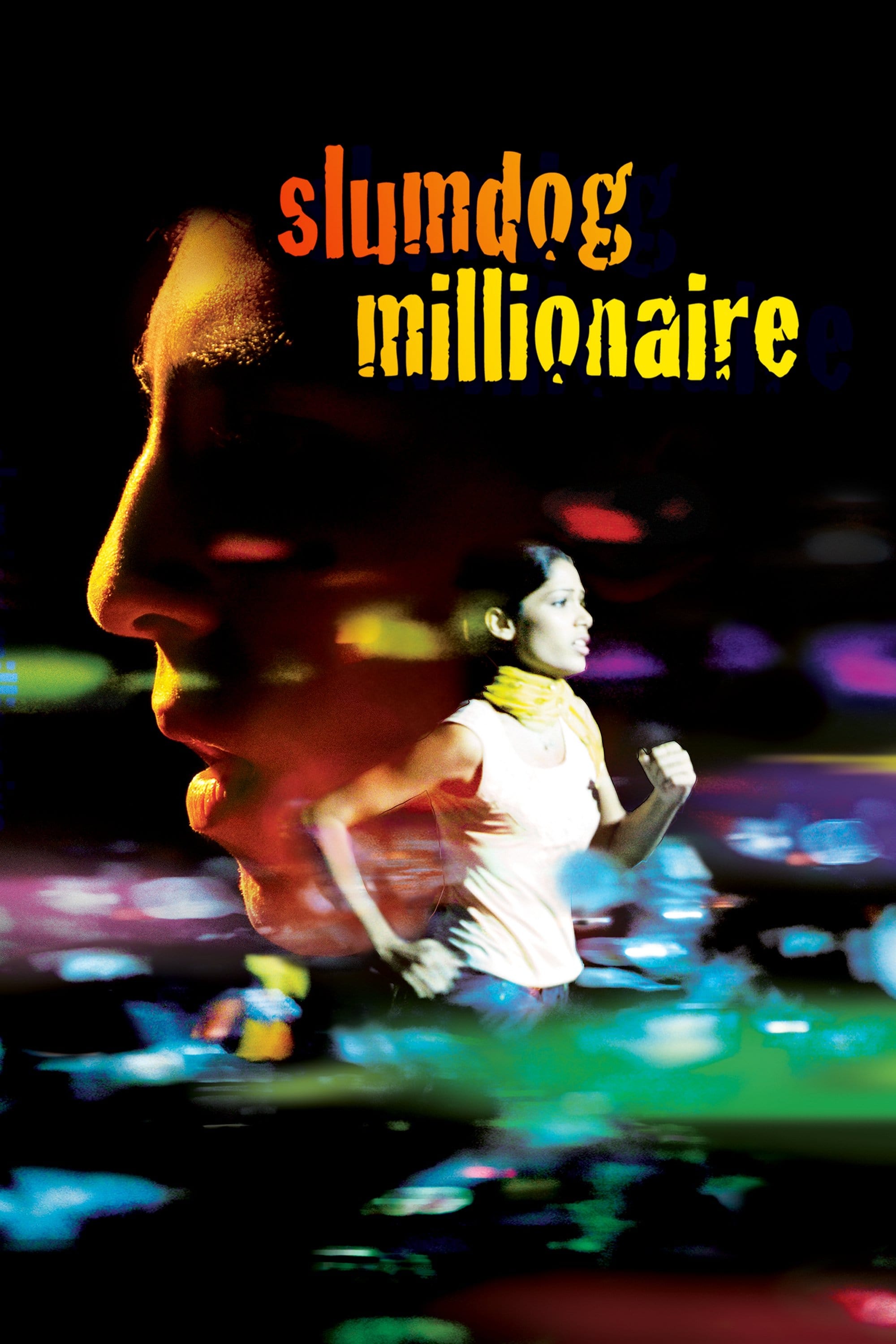
“Slumdog Millionaire” tells the story of Jamal Malik, a young man from the slums of Mumbai who becomes a contestant on the Indian version of “Who Wants to Be a Millionaire?”. He is arrested on suspicion of cheating because he is able to answer every question correctly. The film shows, through flashbacks, how his life experiences gave him the answers to the questions.
The film was an international sensation, praised for its vibrant energy, emotional story, and hopeful message. It was a story about overcoming incredible odds and the power of love and destiny. The film’s unique structure and its celebration of an underdog’s victory captured the imagination of a global Millennial audience.
(500) Days of Summer (2009)
This romantic comedy-drama presents a non-linear story about a young man named Tom who falls in love with a woman named Summer. Summer does not believe in true love and does not want a serious relationship. The film shows various moments from their 500 days together, jumping back and forth in time to explore their relationship from its happy beginnings to its painful end.
“(500) Days of Summer” was different from traditional romantic comedies because it did not have a simple, happy ending. It honestly portrayed the confusion and heartbreak that can come with modern dating and relationships. For a generation navigating changing relationship norms, the film’s realistic and relatable story was a breath of fresh air.
The Hangover (2009)

“The Hangover” is a comedy about four friends who travel to Las Vegas for a bachelor party. Three of them wake up the next morning with no memory of the previous night and the groom is missing. The film follows their desperate and hilarious attempts to retrace their steps and find their friend before his wedding.
The movie was a huge box office success and became a benchmark for modern R-rated comedies. Its clever mystery-like structure and outrageous humor appealed to a wide audience. For many Millennials, “The Hangover” was a go-to comedy for its wild and unpredictable fun.
The Social Network (2010)

“The Social Network” tells the story of the founding of Facebook by Harvard student Mark Zuckerberg. The film follows Zuckerberg as he creates the social media platform and deals with the lawsuits that followed from people who claimed he stole their ideas. The story is told through flashbacks during two legal depositions.
This movie was incredibly relevant to the Millennial generation, as they were the first to grow up with and fully embrace social media. The film explored themes of ambition, friendship, betrayal, and the way technology was changing how people communicate. It was a defining film about a technology that defined a generation.
Inception (2010)
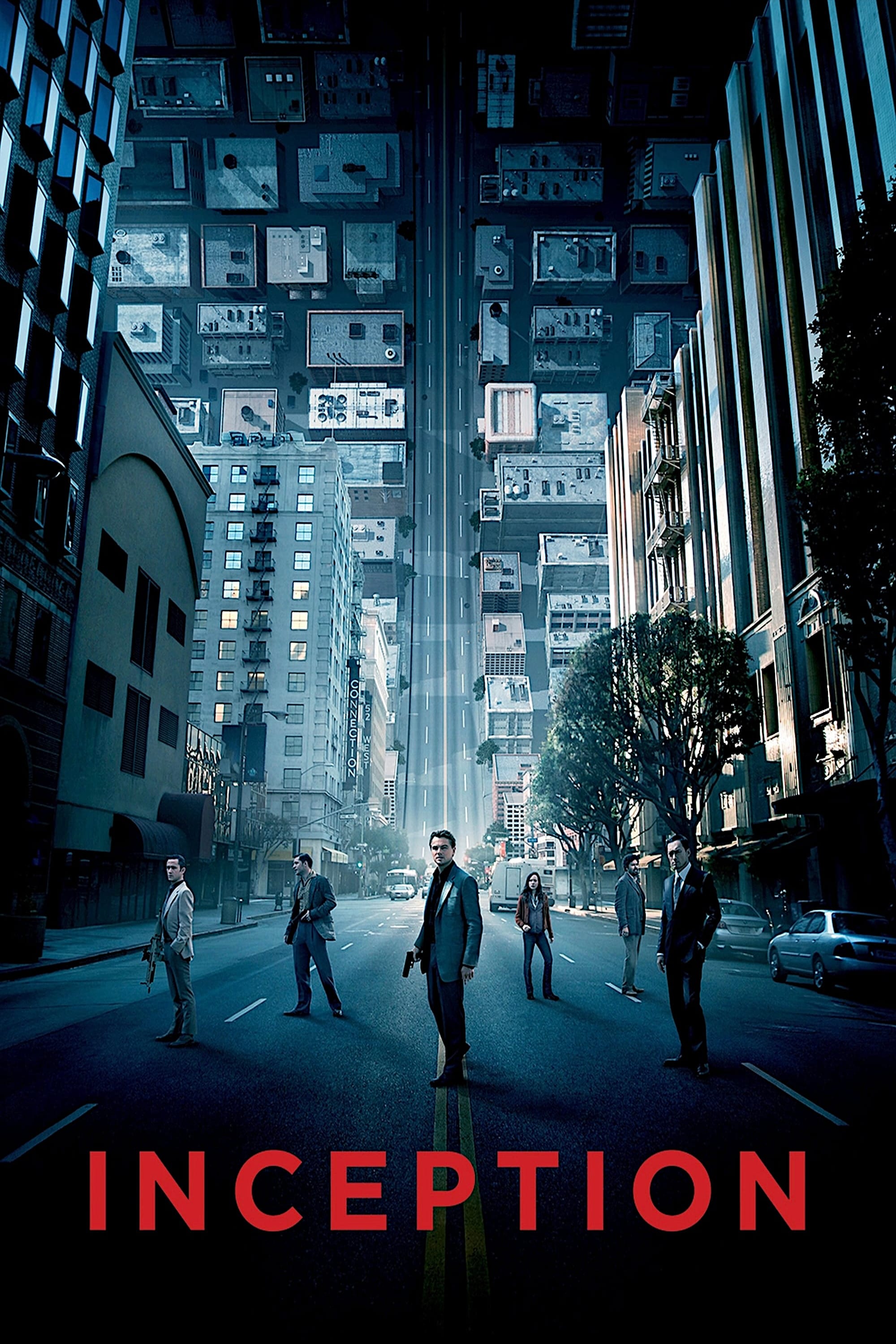
“Inception” is a science fiction action film directed by Christopher Nolan. The story is about a thief who steals information by entering people’s dreams. He is offered a chance to have his criminal history erased if he can perform a difficult task: planting an idea into a target’s subconscious. The film is known for its complex plot and stunning visual effects.
The movie was a huge hit that challenged audiences with its mind-bending concepts and intricate rules. It was a blockbuster that was also smart and thought-provoking. For a generation that grew up with video games and complex narratives, “Inception” was a cinematic puzzle that was exciting to watch and fun to discuss and analyze.
Scott Pilgrim vs. the World (2010)

“Scott Pilgrim vs. the World” is an action-comedy based on a graphic novel series. It tells the story of a young man named Scott Pilgrim who falls in love with a girl named Ramona Flowers. However, to date her, he must first defeat her seven evil exes in a series of over-the-top, video game-style battles.
The film’s unique visual style, which incorporated elements of video games and comic books, was groundbreaking. It was a movie that spoke the visual language of a generation that grew up with Nintendo and a deep knowledge of pop culture. While not a huge box office success at first, it has become a beloved cult classic among Millennials.
Bridesmaids (2011)
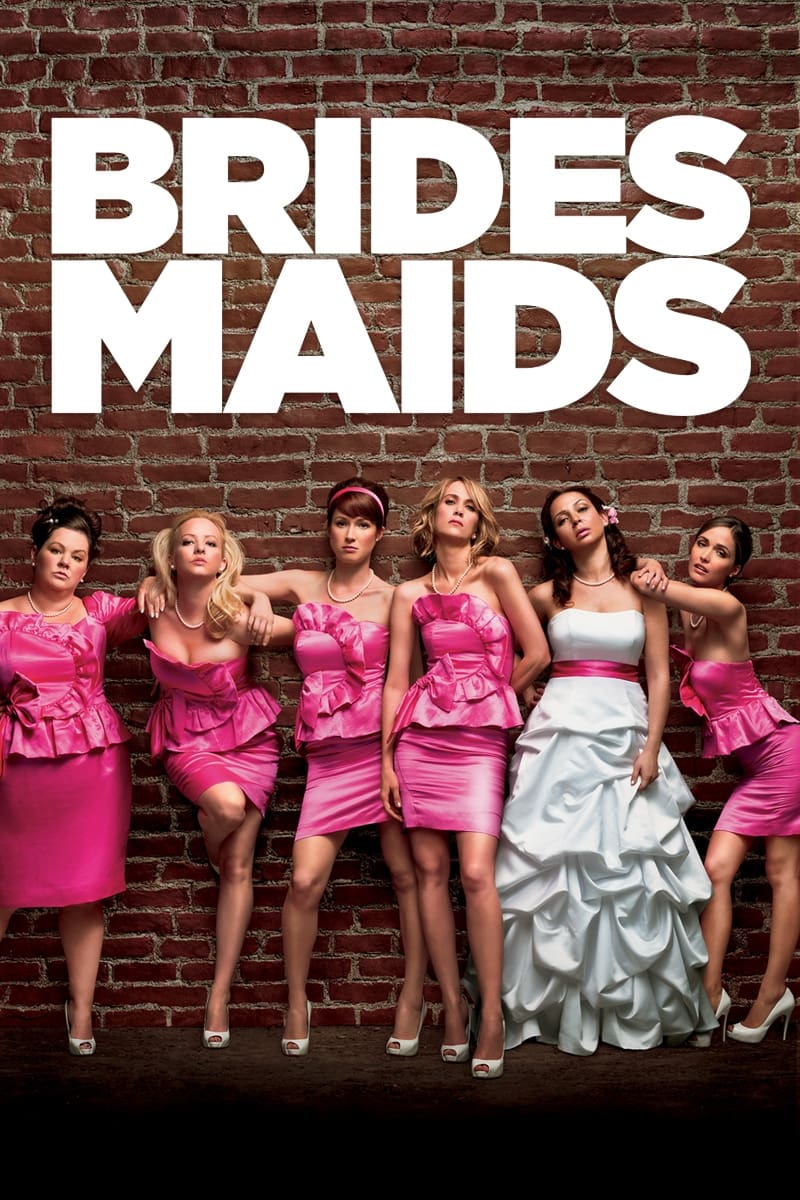
“Bridesmaids” is a comedy about a woman named Annie whose life is a mess. When her best friend gets engaged, she is asked to be the maid of honor. She tries her best to be a good bridesmaid, but her own personal and financial problems, along with a rivalry with another bridesmaid, lead to a series of hilarious and disastrous events.
The film was a major success and was praised for being a comedy that centered on female friendships and featured a cast of funny women. It showed that comedies led by women could be just as raunchy and successful as those led by men. For Millennial women, “Bridesmaids” was a relatable and empowering film about friendship and getting through tough times.
The Hunger Games (2012)

“The Hunger Games” is the first film in a series based on the popular young adult novels. It is set in a dystopian future where the country of Panem is divided into twelve districts and ruled by the wealthy Capitol. As a punishment for a past rebellion, each year one boy and one girl from each district are chosen to fight to the death in a televised event called the Hunger Games. The story follows a teenage girl named Katniss Everdeen who volunteers to take her younger sister’s place in the games.
The series became a global phenomenon, particularly with younger Millennials. Its themes of inequality, rebellion against authority, and the power of media and reality television were very resonant. Katniss Everdeen became a powerful role model as a strong and self-reliant female protagonist.
Frances Ha (2012)

“Frances Ha” is a black-and-white comedy-drama about a 27-year-old dancer named Frances who lives in New York City. The film follows her as she navigates her career, friendships, and financial struggles. She is a bit clumsy and often makes awkward decisions, but she faces her challenges with a hopeful and determined spirit.
The film captured the feeling of being in your late twenties and not having your life figured out yet. It portrayed the anxieties and uncertainties of that life stage in a way that was both funny and honest. For many Millennials, Frances’s struggles with finding her place in the world and maintaining close friendships were very relatable.
Spring Breakers (2012)
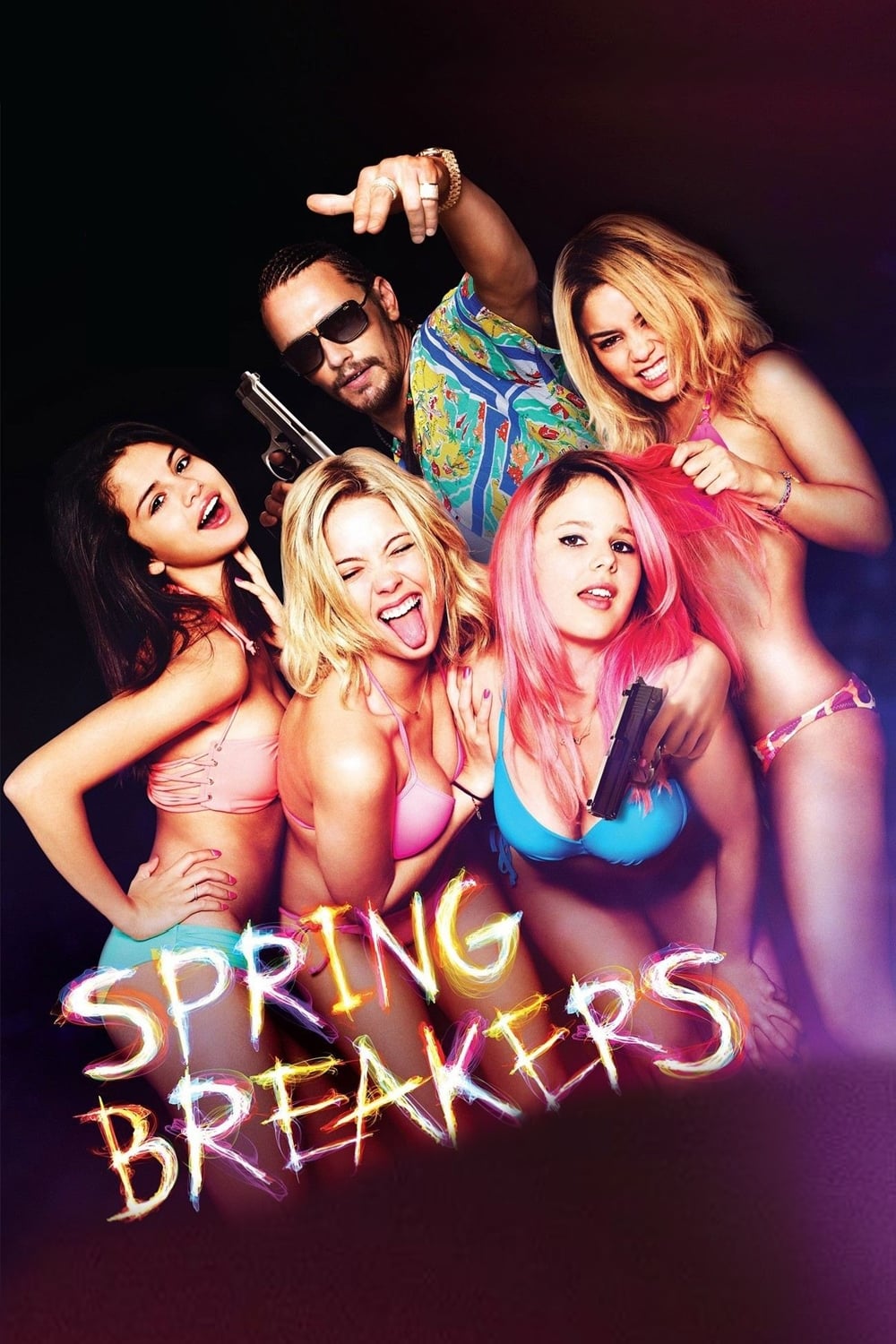
“Spring Breakers” is a crime film about four college girls who go on spring break in Florida. When they run out of money, they rob a restaurant to keep their party going. They are arrested but are bailed out by a local rapper and drug dealer who takes them under his wing and into a world of crime and violence.
The film was a controversial and visually striking look at youth culture and the darker side of the American dream. It used the bright colors and pop music of spring break to create a dreamlike and often disturbing atmosphere. The movie was a critique of a generation’s search for experience and escape, and it sparked a lot of conversation and debate.
Her (2013)

“Her” is a science fiction romantic drama set in the near future. It tells the story of a lonely man named Theodore who is going through a divorce. He purchases a new operating system with artificial intelligence, designed to be the perfect companion. He chooses a female voice for the OS, who names herself Samantha, and he soon finds himself falling in love with her.
The film explored modern loneliness and the nature of love and relationships in a world where technology is becoming more and more integrated