The Greatest International Cult Films of All Time



A cult film is a movie that has a passionate fan base. These films often do not succeed at the box office when they first come out. Over time, however, they gain a dedicated following. Fans of cult films are often very active. They may attend special screenings, dress up as characters, and discuss the movie online. These movies are special because they connect deeply with a specific audience.
International cult films come from all over the globe. They offer a look into different cultures and styles of filmmaking. These movies might be strange, challenging, or just very different from mainstream Hollywood films. Their unique stories and visuals attract viewers looking for something new. This list explores some of the greatest international cult films that have earned dedicated fans across the globe.
City of God (2002)
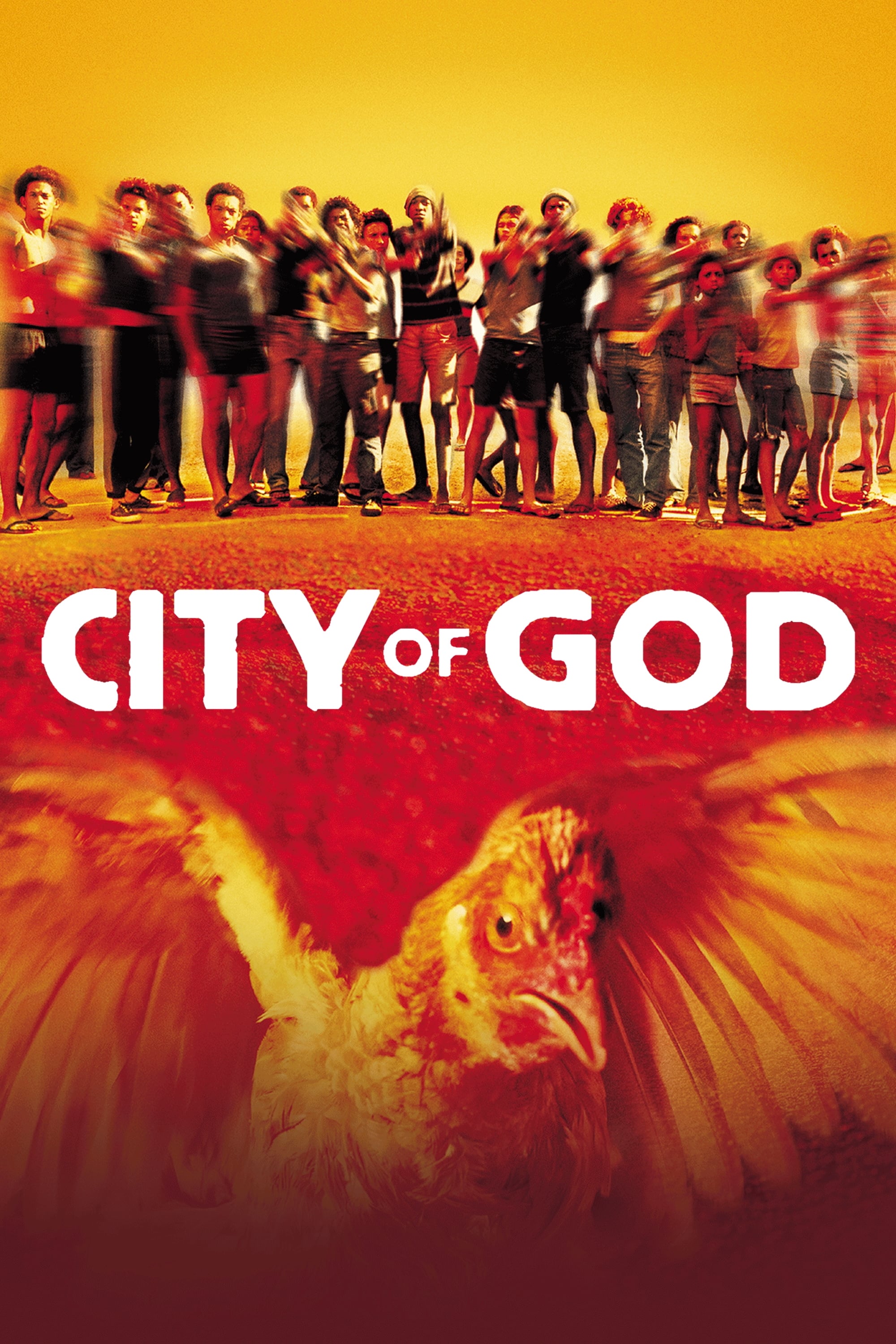
This Brazilian film tells the story of two boys growing up in the violent slums of Rio de Janeiro. One boy, Rocket, wants to be a photographer. The other, Li’l Zé, becomes a powerful gang leader. The film follows their lives over many years, showing the cycle of violence and poverty in their neighborhood. It is based on a true story and feels very real.
City of God is famous for its fast-paced editing and energetic style. The film uses non-professional actors from the actual slums, which adds to its authenticity. It became a cult classic because of its powerful story and honest look at a dangerous world. The film was praised around the world and showed that great stories can come from anywhere.
Oldboy (2003)
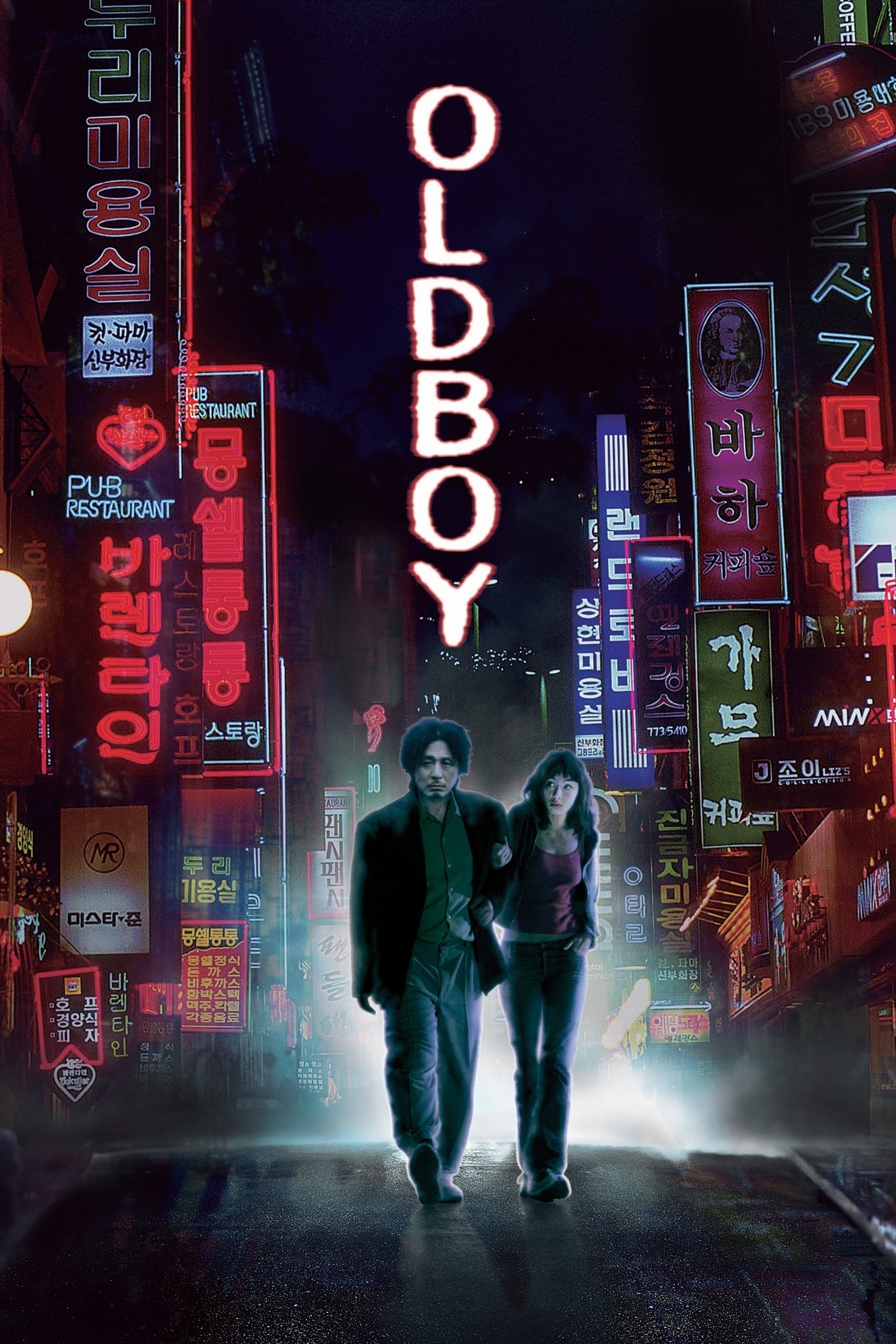
Oldboy is a mystery thriller from South Korea. It is about a man named Oh Dae-su who is kidnapped and held in a room for 15 years. He does not know why he was taken. Suddenly, he is released and given a phone and money. He then has five days to find out who imprisoned him and why.
The film is known for its shocking twists and violent action scenes. One famous scene shows the main character fighting a large group of men with only a hammer. Oldboy gained a cult following for its dark story and unforgettable ending. It became one of the most famous South Korean films ever made and introduced many people to the country’s cinema.
Pan’s Labyrinth (2006)
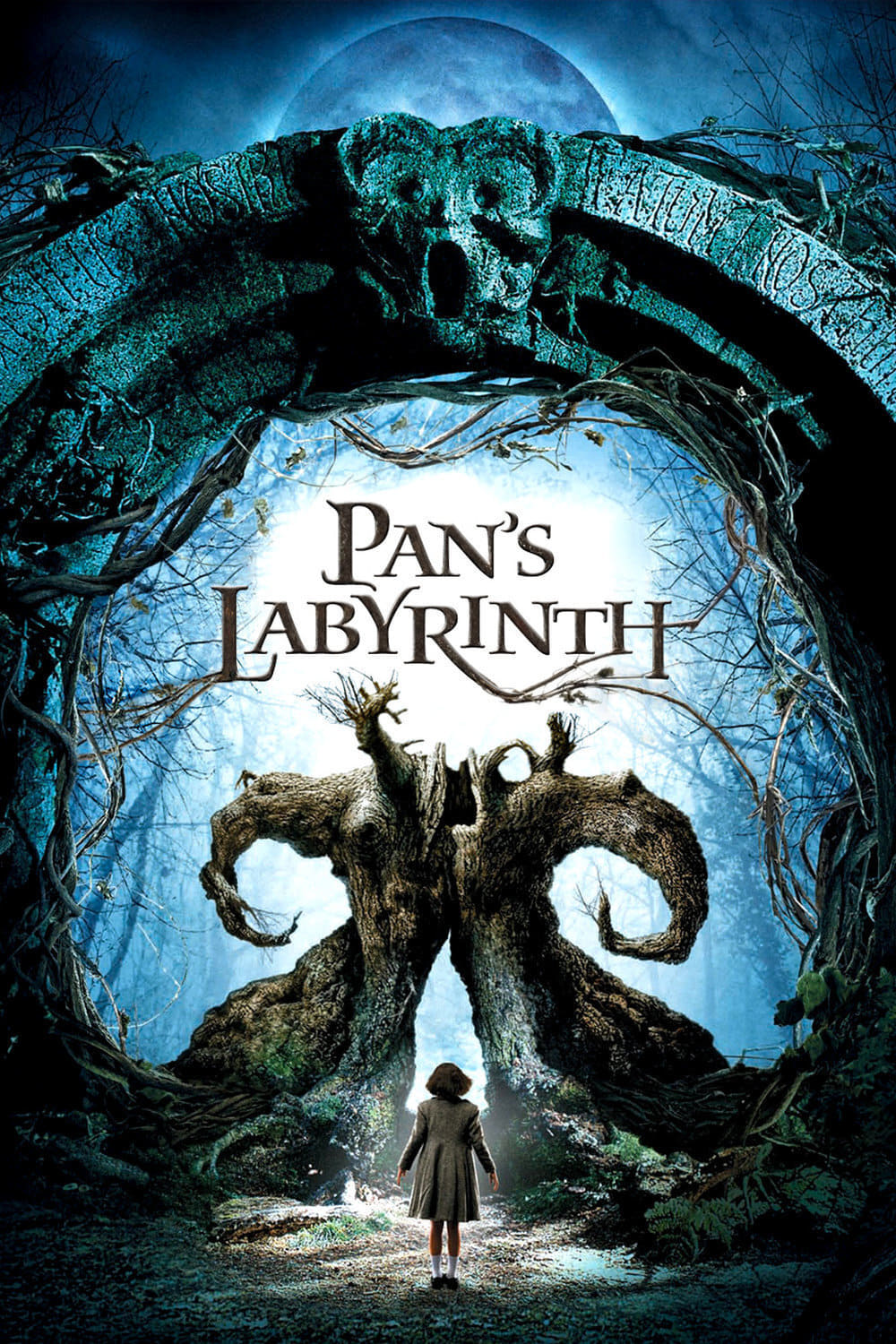
This Spanish-language film is a dark fantasy set in Spain in 1944. A young girl named Ofelia moves to the countryside with her pregnant mother. Her new stepfather is a cruel army captain fighting in the Spanish Civil War. Ofelia discovers an old labyrinth and meets a magical creature called a faun. The faun tells her she is a lost princess and must complete three dangerous tasks to return to her kingdom.
Pan’s Labyrinth mixes real-world history with a fairytale world. The film’s creatures and fantasy elements are both beautiful and scary. It became a cult classic because it is a fantasy story for adults, dealing with themes of war, choice, and sacrifice. The film is loved for its unique vision and emotional depth.
Run Lola Run (1998)

This German film is a fast and exciting thriller. A woman named Lola gets a phone call from her boyfriend, Manni. He has lost a bag containing 100,000 Deutschmarks that belongs to a dangerous gangster. Lola has only 20 minutes to get the money and save his life. The film shows three different versions of what might happen as she runs through the streets of Berlin.
Run Lola Run is famous for its high-energy style, including quick cuts and a techno soundtrack. The story explores ideas of chance and fate, showing how small changes can lead to very different outcomes. It became a cult hit because of its unique structure and non-stop action. The film felt fresh and modern and influenced many movies and TV shows.
Battle Royale (2000)

This Japanese film is set in a future where the government forces a group of high school students to fight to the death. Each year, one class is taken to a remote island. They are given a map, food, and a random weapon. Only one student is allowed to survive. The story follows several students as they decide whether to play the game or try to fight back.
Battle Royale is extremely violent and controversial. When it was released, it shocked audiences and was banned in several countries. The film gained a large cult following because of its dark humor and social commentary. It explores themes of authority, trust, and survival. The movie’s premise has since become a popular subgenre in books and films.
La Haine (1995)
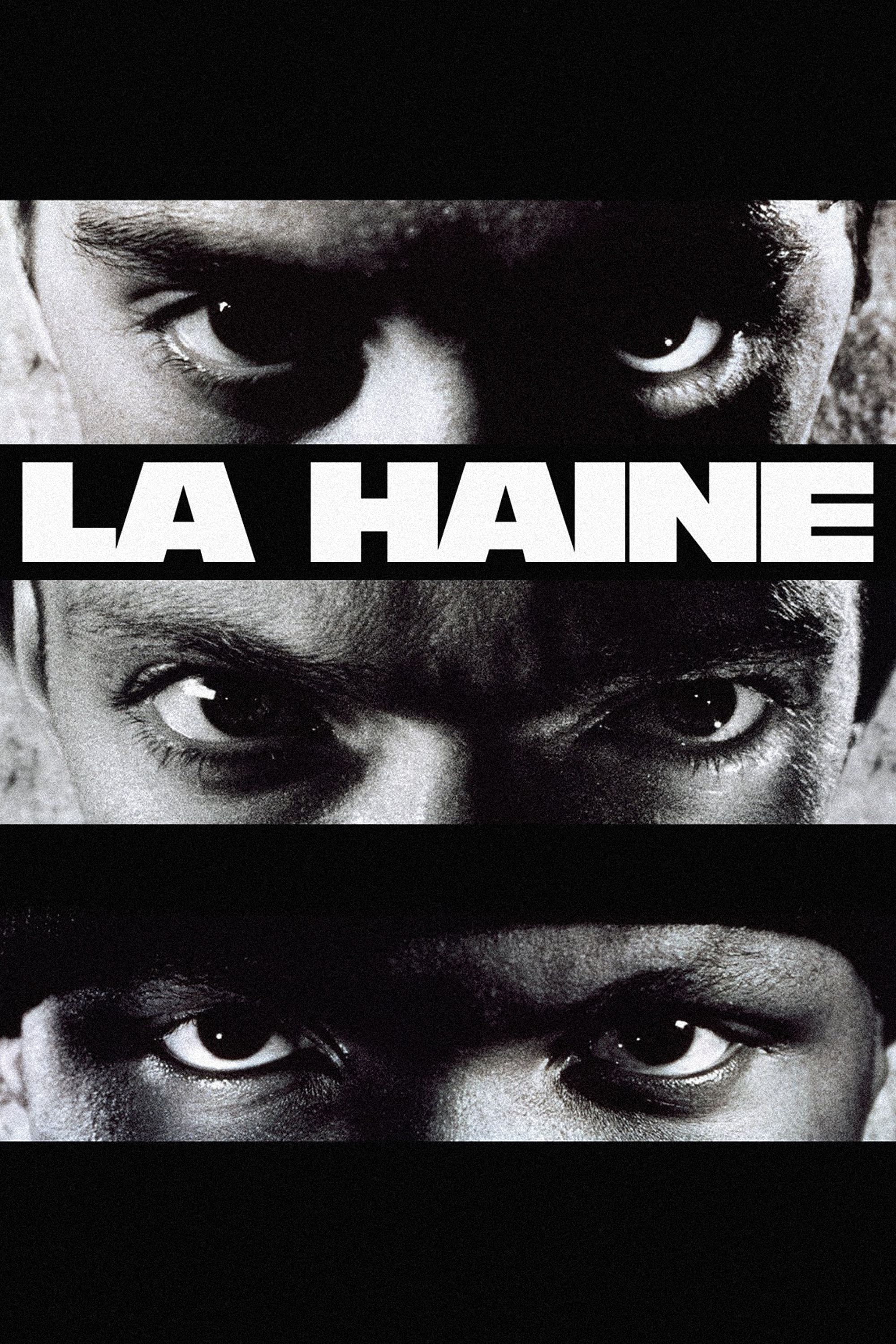
La Haine is a French film that follows three young men in the poor suburbs of Paris for one day. The three friends, Vinz, Saïd, and Hubert, are from different ethnic backgrounds. They are angry after a friend is beaten by the police. The film shows their boredom, frustration, and interactions with police and residents as they wander their neighborhood.
The movie is shot in black and white, which gives it a gritty, realistic feel. It captures the social tensions and struggles of young people living in the projects of France. La Haine became a cult classic because it gave a voice to a part of society that was often ignored. Its powerful message and stylish look made it a landmark of French cinema.
Suspiria (1977)
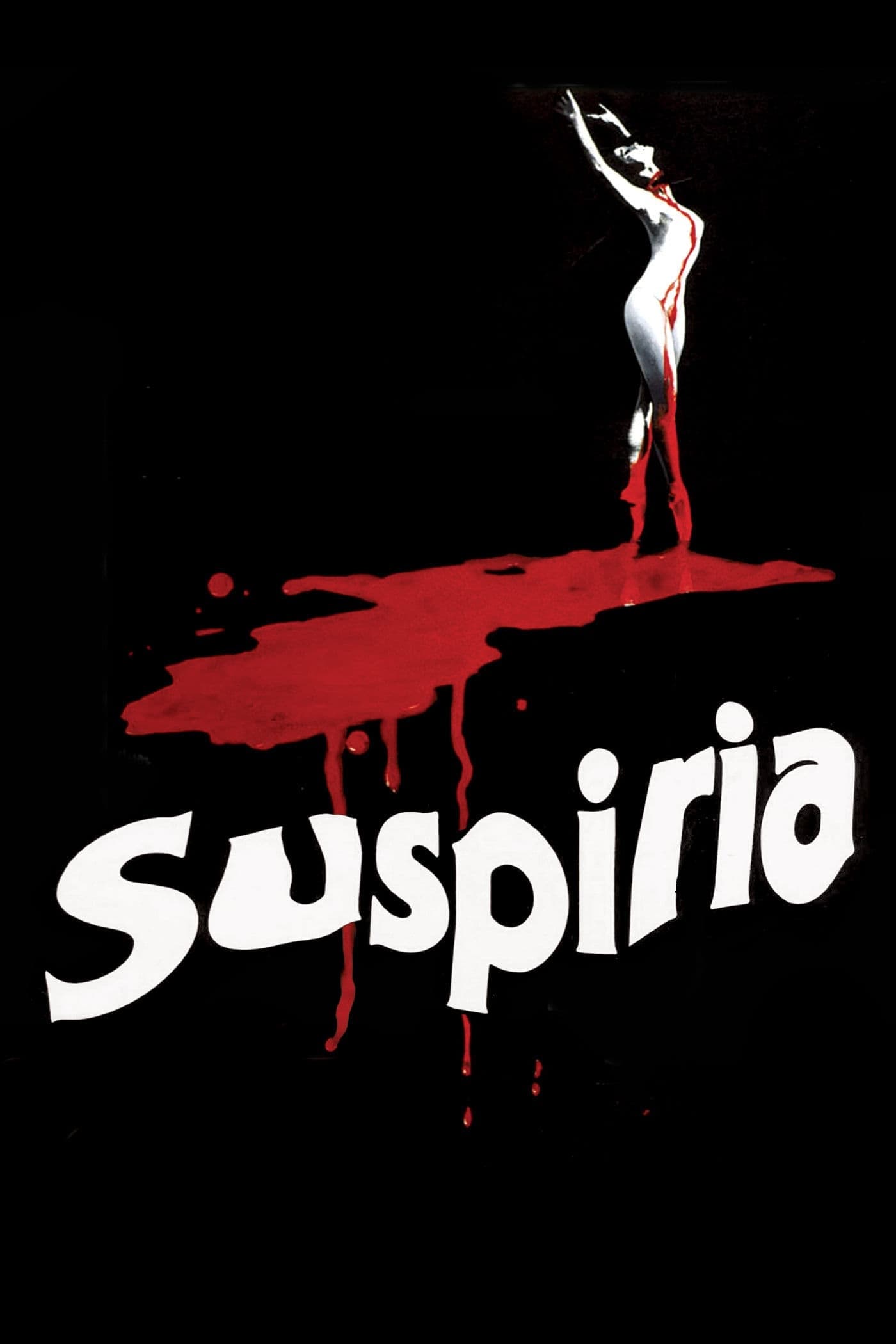
This Italian horror film is about an American ballet student who transfers to a famous dance academy in Germany. Soon after she arrives, strange and terrible things start to happen. Students disappear, and she hears odd noises at night. She slowly discovers that the school is a front for a coven of witches.
Suspiria is known for its bright, vivid colors and dreamlike atmosphere. The director, Dario Argento, used intense lighting and a loud, unsettling soundtrack to create a feeling of fear. The film is not focused on a complex plot but on creating a terrifying experience. It has become a cult classic because of its unique visual style, which has influenced horror filmmakers for decades.
The Holy Mountain (1973)

This is a surreal and symbolic film directed by Alejandro Jodorowsky. The story follows a man who looks like Jesus Christ as he wanders through a strange, fantasy version of society. He meets a spiritual guide who introduces him to seven powerful people, each representing a planet. Together, they go on a journey to the Holy Mountain to seek immortality.
The Holy Mountain is filled with bizarre and shocking images. It is a critique of religion, consumerism, and power. The film does not have a traditional story and is meant to be an experience that challenges the viewer. It became a legendary cult film because there is nothing else like it. For decades, it was very difficult to see, which only added to its mysterious reputation.
Das Boot (1981)

Das Boot is a German film about the crew of a U-boat during World War II. It shows the intense and claustrophobic life inside a submarine on a patrol mission in the Atlantic Ocean. The film focuses on the daily struggles of the men, from long periods of boredom to terrifying underwater battles. It presents a realistic and human side of the German soldiers.
The film is famous for its incredible tension and detailed depiction of submarine warfare. It makes the audience feel like they are trapped in the boat with the crew. Das Boot gained a cult following for its anti-war message and its gripping, realistic portrayal of conflict. It is considered one of the greatest war films ever made and shows the grim reality of life for soldiers on any side.
Amélie (2001)
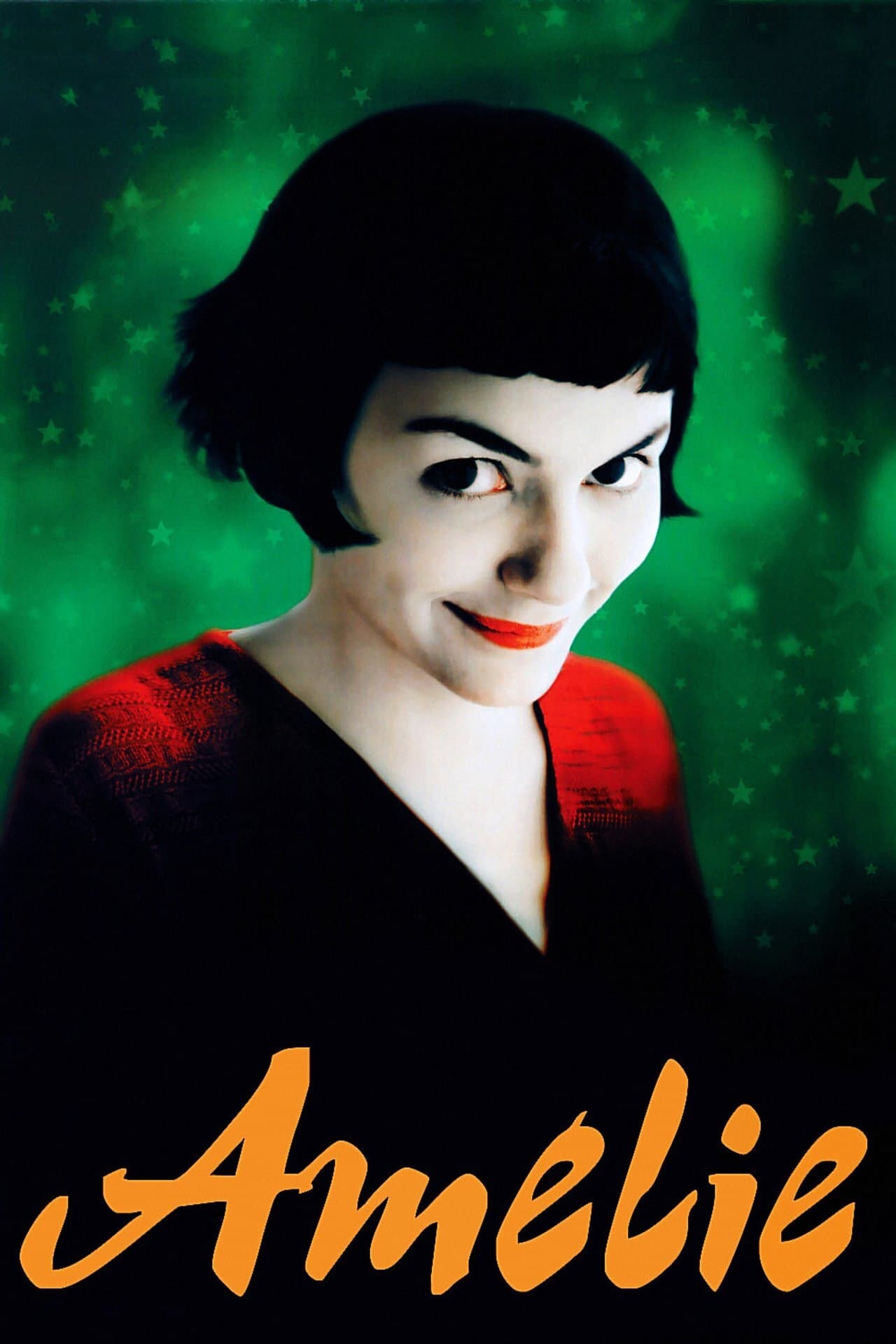
This French film tells the story of a shy waitress in Paris named Amélie Poulain. She lives a quiet life but secretly finds joy in arranging small, anonymous acts of kindness for the people around her. She helps her neighbors and coworkers find love and happiness. As she meddles in their lives, she struggles to find the courage to pursue her own happiness.
Amélie is known for its charming and whimsical visual style. The film shows a romanticized, colorful version of Paris that is full of quirky characters. It became a huge international success and a beloved cult film because of its feel-good story and imaginative look. The movie’s optimistic and playful spirit connected with audiences all over the world.
Akira (1988)
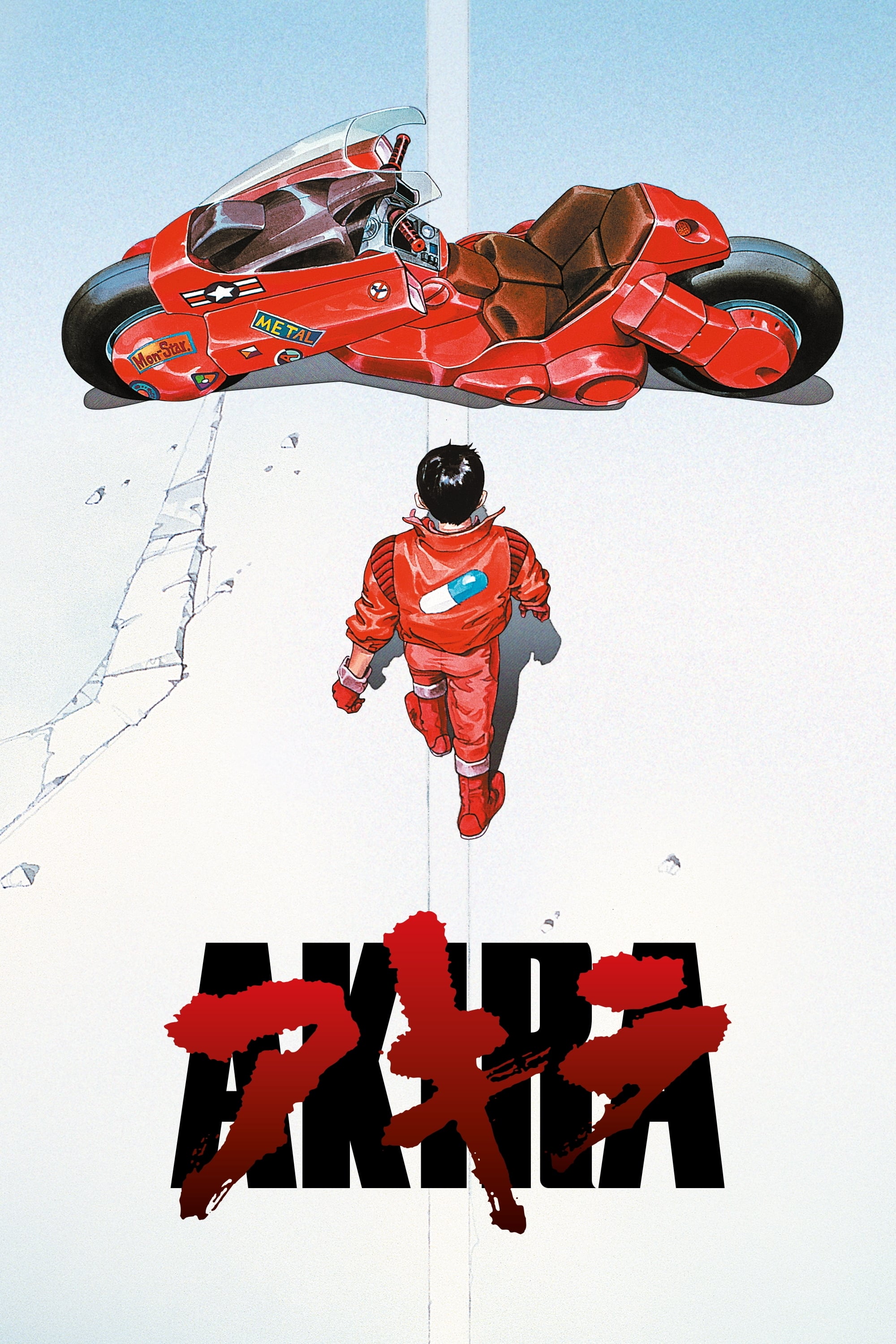
This Japanese animated film is set in a futuristic city called Neo-Tokyo in 2019. The city is recovering from a massive explosion that started World War III. The story follows a teenage biker gang member named Tetsuo who gains incredible psychic powers. His friend, Kaneda, tries to stop him as his powers grow out of control and threaten to destroy the city again.
Akira is a landmark in animation. Its detailed, hand-drawn visuals were groundbreaking and set a new standard for animated films. It became a cult classic in the West, helping to popularize anime with a new, adult audience. The film’s complex story, stunning action, and dark themes have made it a science fiction staple.
The Wicker Man (1973)
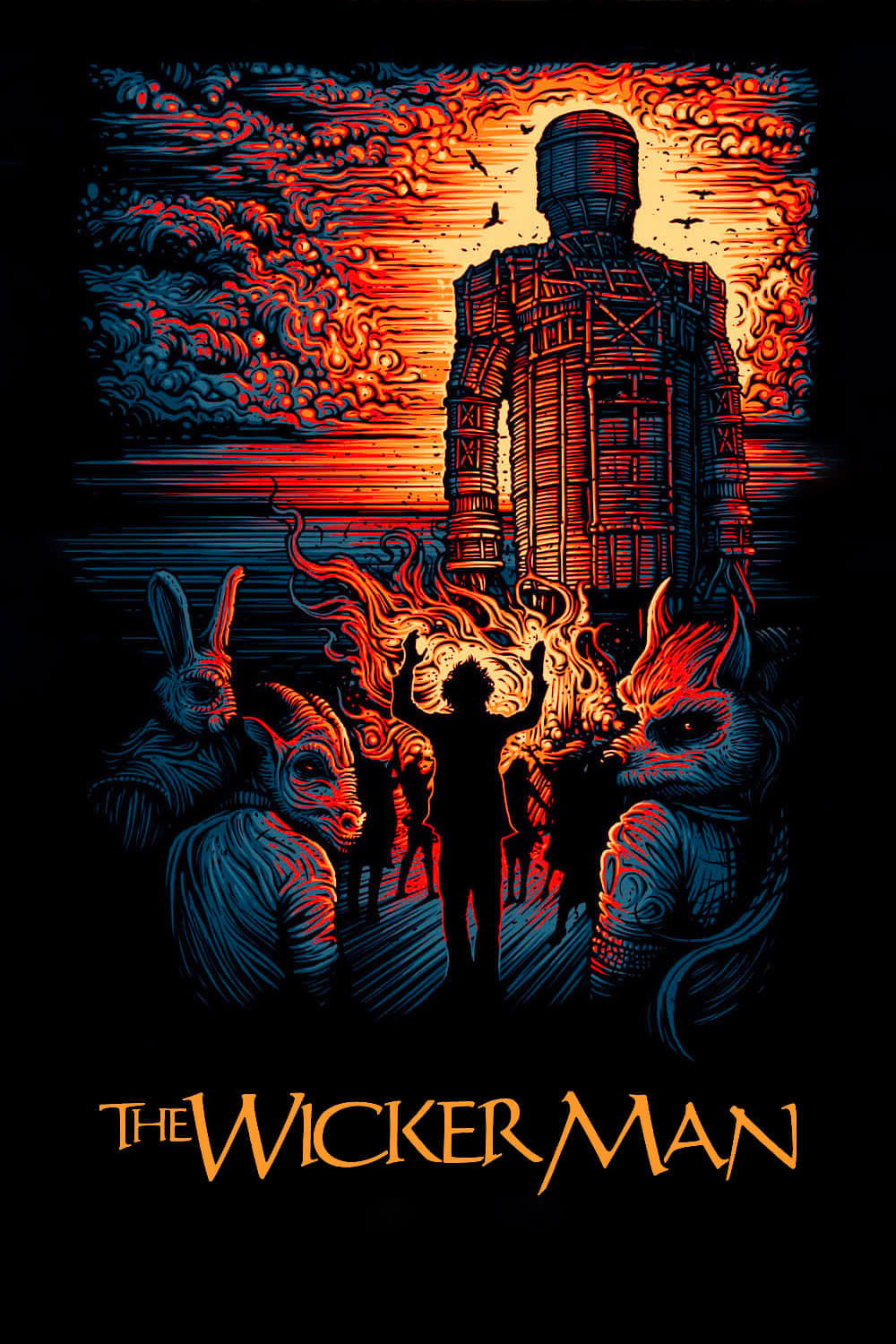
This British horror film follows a devout Christian police sergeant who travels to a remote Scottish island. He is there to investigate the disappearance of a young girl. The islanders are a strange, pagan community who deny the girl ever existed. As he continues his search, he uncovers the community’s dark secrets and rituals.
The Wicker Man is not a typical horror film with jump scares. Instead, it builds a slow, creeping sense of dread. The conflict between the sergeant’s rigid Christianity and the islanders’ cheerful paganism creates a unique tension. It gained a cult following for its folk-horror atmosphere, unsettling story, and shocking twist ending.
Cinema Paradiso (1988)

This Italian film is a love letter to the movies. It tells the story of a famous film director named Salvatore who looks back on his childhood in a small Sicilian village. As a young boy, he formed a close friendship with the projectionist at the local movie theater, the Cinema Paradiso. The theater was the center of the community’s life and his personal escape.
The film celebrates the magic of cinema and the way movies shape our lives and memories. It is a nostalgic and heartwarming story about friendship, love, and growing up. Cinema Paradiso became a cult favorite for its emotional power and its celebration of a shared love for film. It won the Oscar for Best Foreign Language Film.
Amores Perros (2000)
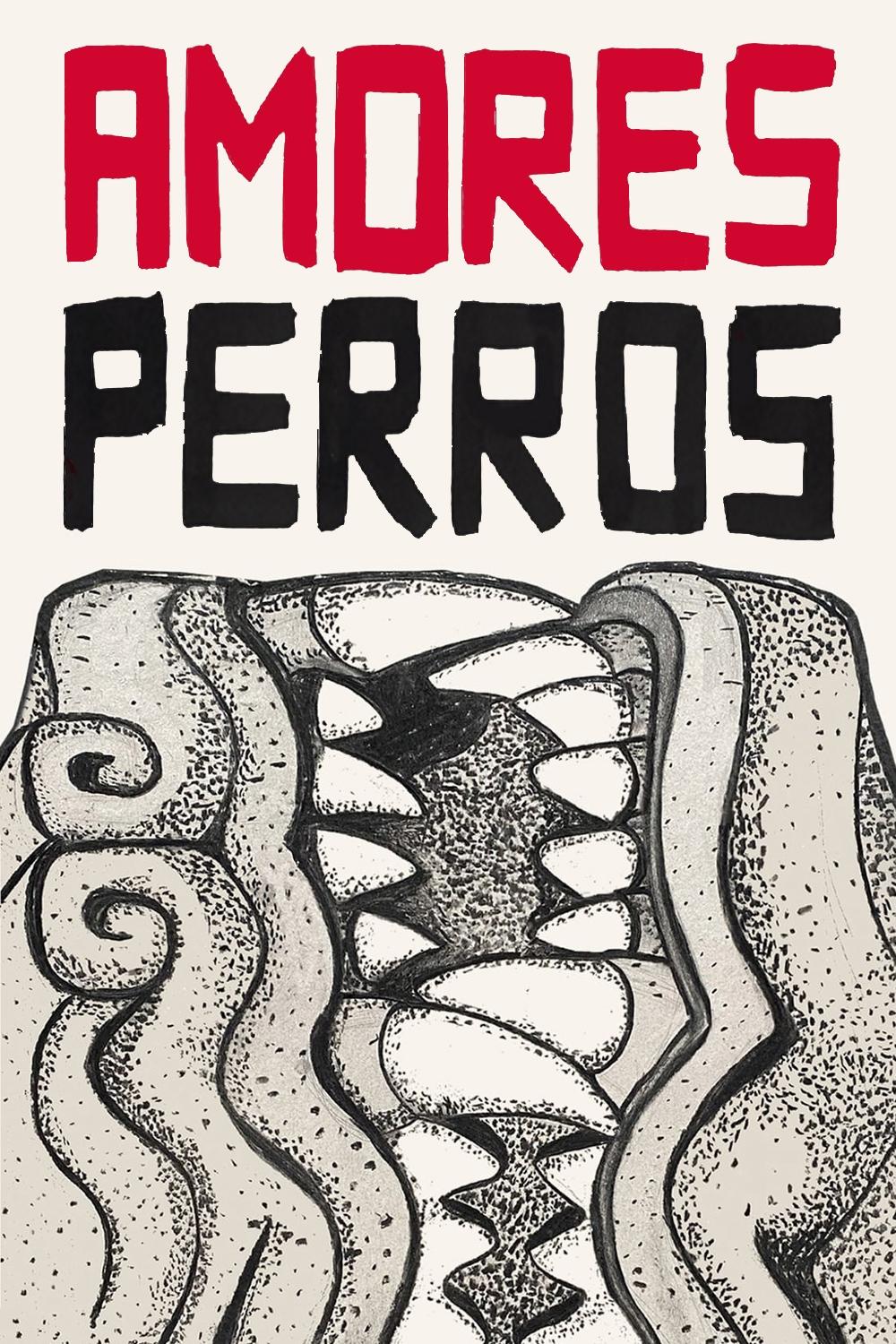
This Mexican film connects three separate stories through a single, violent car crash in Mexico City. The first story is about a young man who enters the world of dogfighting to run away with his brother’s wife. The second involves a supermodel who suffers a career-ending injury in the crash. The third follows a mysterious hitman whose life is changed by the event.
Amores Perros is a raw and powerful look at loyalty, betrayal, and the consequences of violence. The film’s gritty style and complex narrative were highly influential. It earned a cult following for its intense storytelling and its unflinching look at the different social classes of Mexico City. It was the first film from director Alejandro G. Iñárritu.
Y Tu Mamá También (2001)

This Mexican film is a coming-of-age road trip story. Two teenage best friends from different social classes are looking for adventure before starting college. They meet an older, married woman from Spain and convince her to join them on a trip to find a secret, beautiful beach. Along the way, their friendships and ideas about life are tested.
The movie is a frank and honest look at youth, friendship, and sexuality. It also subtly comments on the political and social landscape of Mexico at the time. Y Tu Mamá También became a cult classic for its natural performances and its blend of comedy, drama, and social observation. It was a breakout film for director Alfonso Cuarón and its two young stars.
The City of Lost Children (1995)
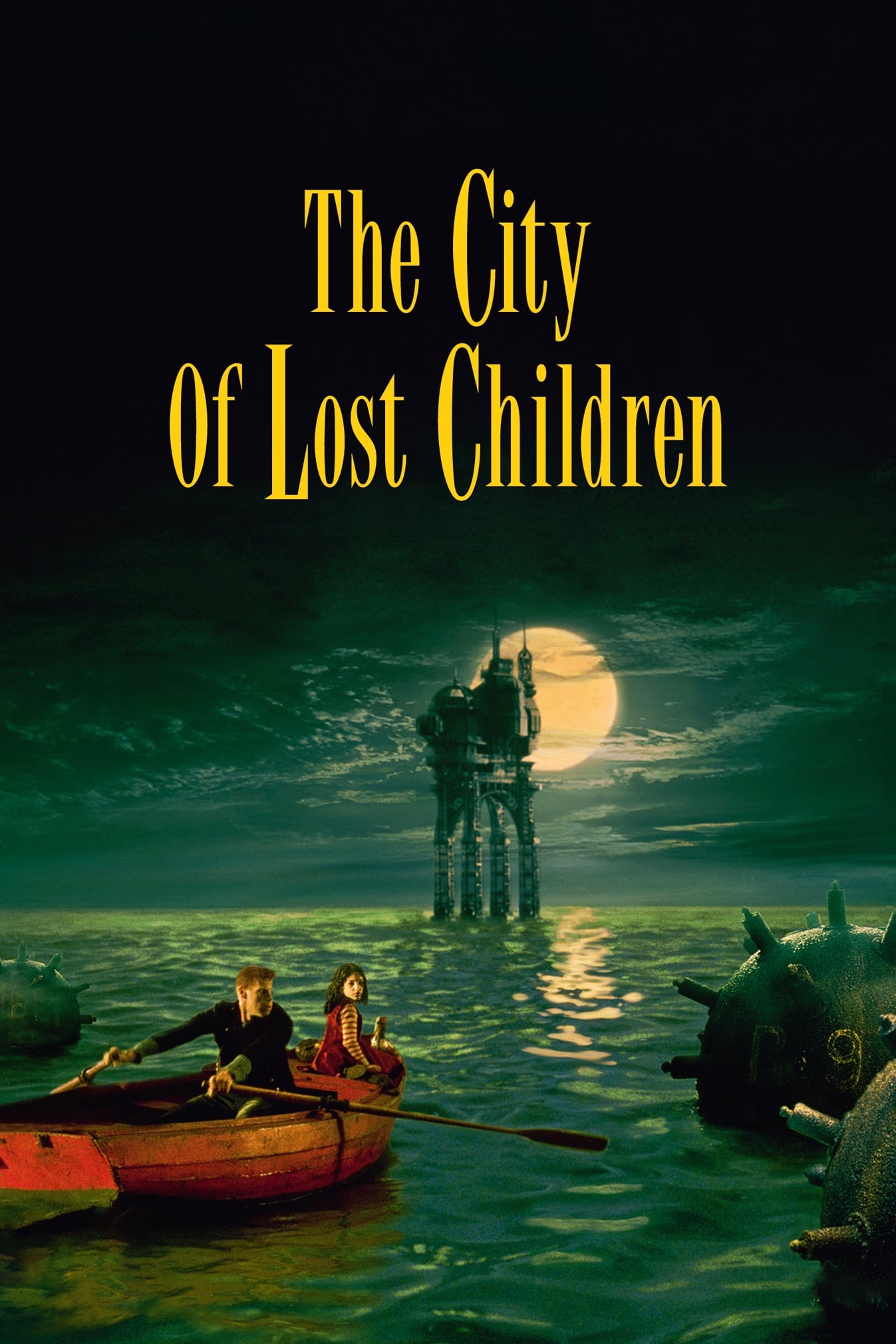
This French science-fantasy film is set in a surreal, dreamlike world. A mad scientist named Krank kidnaps children to steal their dreams because he is unable to have them himself. A kindhearted circus strongman named One goes on a quest to rescue his little brother. He is helped by a resourceful young orphan girl named Miette.
Directed by the same team as Delicatessen, this film shares a unique and strange visual style. The world is dark and grimy but also fantastical and imaginative. The City of Lost Children developed a cult following because of its stunning visuals and highly original world-building. It is a dark fairytale that is unlike any other movie.
Delicatessen (1991)
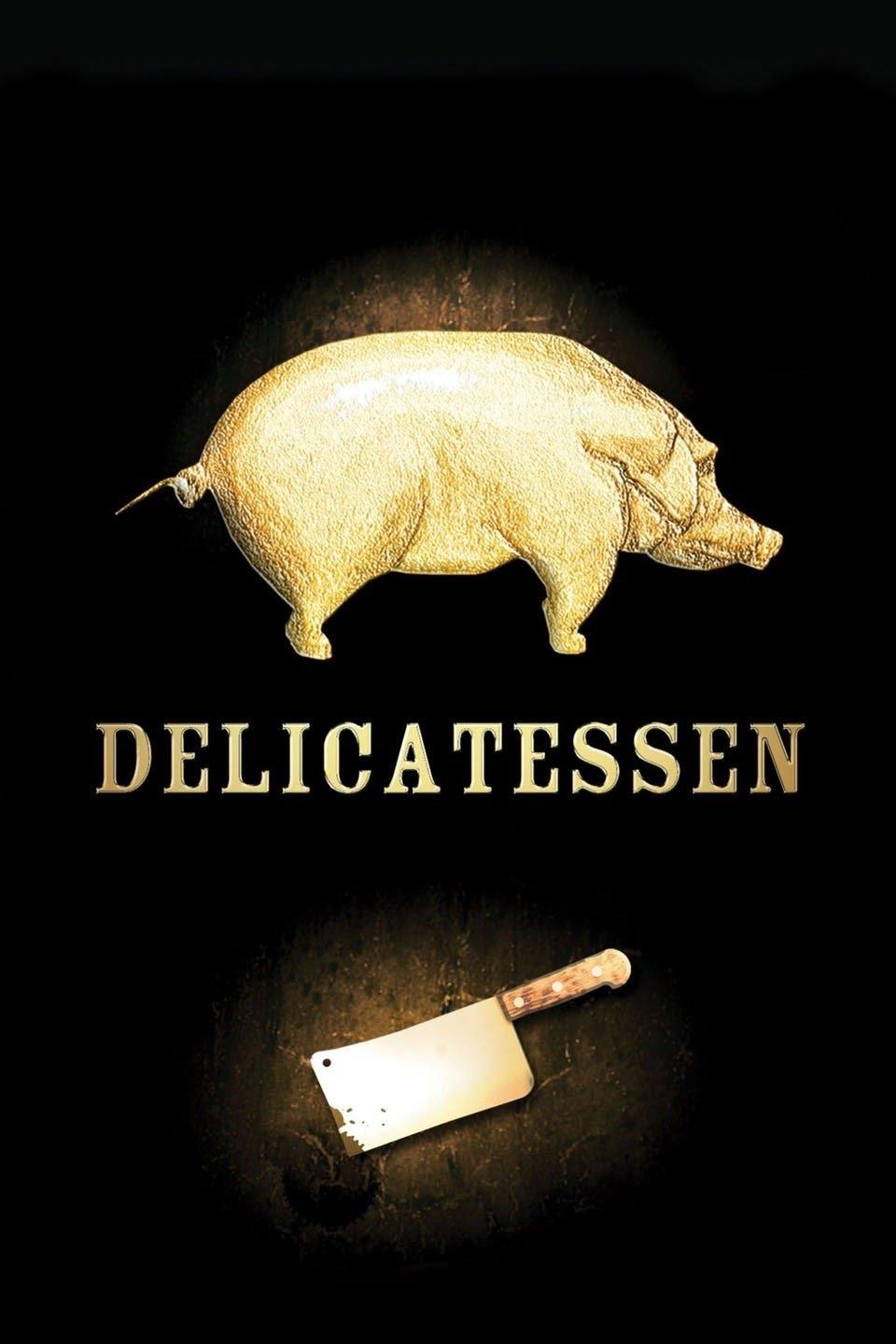
This French film is a dark comedy set in a post-apocalyptic apartment building. Food is scarce, and the landlord, a butcher, has a gruesome way of keeping his tenants supplied with meat. He lures new handymen to the building and then butchers them. A former circus clown arrives to take the job, and the landlord’s daughter falls in love with him, trying to save him from her father.
Delicatessen is known for its quirky humor and distinctive visual style. The film uses a palette of yellow and brown colors to create a unique, stylized world. It became a cult hit for its bizarre premise and its charming, eccentric characters. The film’s blend of comedy, romance, and horror made it a standout work of French cinema.
Troll Hunter (2010)

This Norwegian film is presented as found footage from a group of student filmmakers. They are making a documentary about a suspected bear poacher. They soon discover that their subject is actually a secret government employee who hunts trolls. He reluctantly allows them to follow him as he tracks down giant trolls that have escaped their territory.
Troll Hunter is a clever and entertaining mix of fantasy and mockumentary. The film treats the existence of trolls with a straight-faced, scientific approach, which makes it very funny. It gained a cult following for its originality, impressive special effects, and dry humor. The movie uses Norwegian folklore to create a fresh and exciting monster movie.
Downfall (2004)

This German film depicts the final ten days of Adolf Hitler’s life in his bunker in Berlin. As the Soviet army closes in, Hitler becomes increasingly delusional and desperate. The film shows the final moments of the Nazi regime through the eyes of his young secretary, Traudl Junge. It portrays the fear, loyalty, and madness of Hitler and his inner circle.
Downfall is a powerful and unsettling historical drama. The performance of Bruno Ganz as Hitler is widely considered one of the most accurate and terrifying portrayals of the dictator. The film became a cult phenomenon in an unusual way, as a specific scene of Hitler’s angry rant has been used in thousands of internet parody videos. This has given the film a strange but lasting cultural impact.
Let the Right One In (2008)
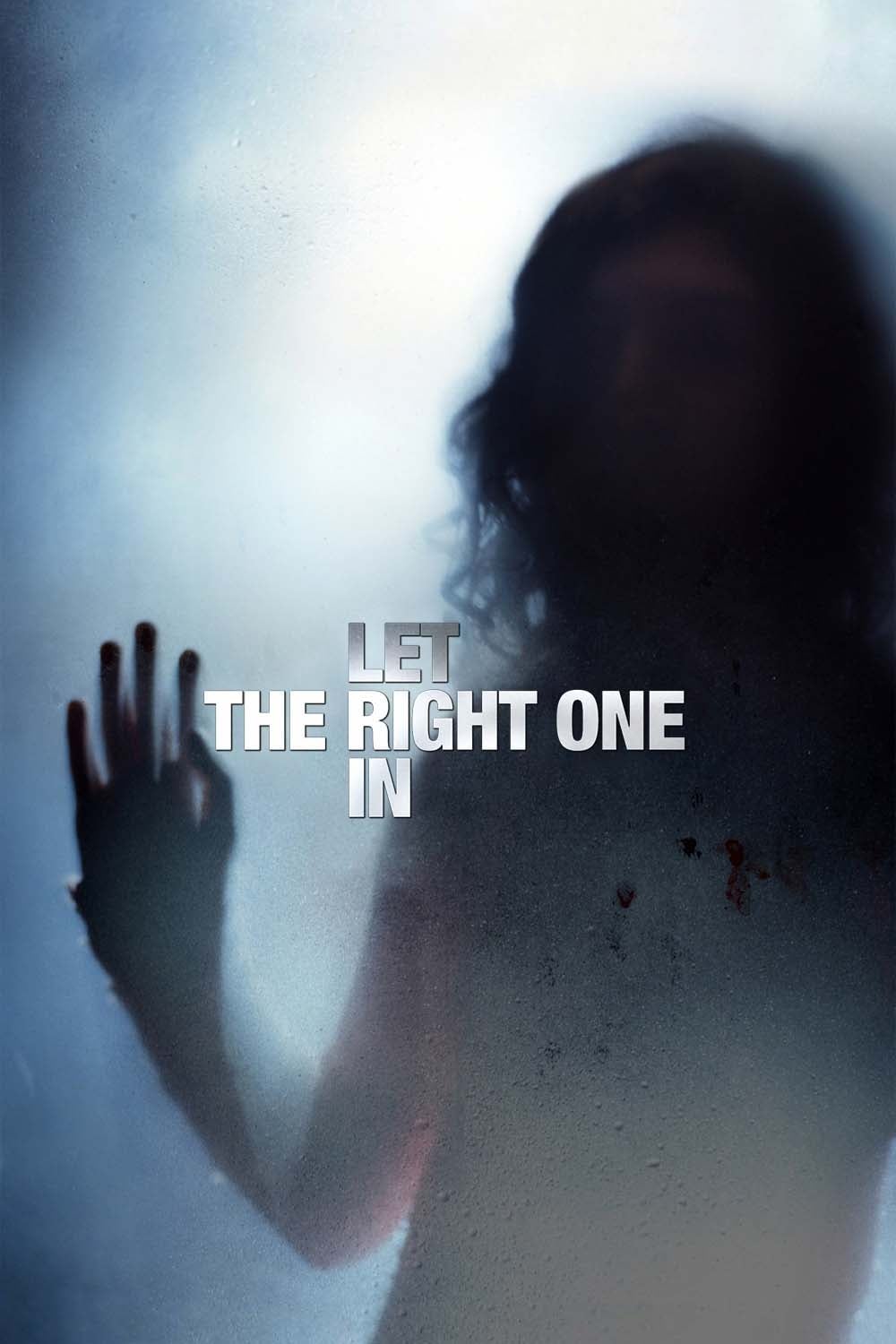
This Swedish film is a horror story about a lonely, bullied 12-year-old boy named Oskar. He befriends a mysterious new neighbor, a pale girl named Eli who only comes out at night. As they form a close bond, Oskar realizes that Eli is a vampire who needs blood to survive. A series of gruesome murders begins to plague their quiet Stockholm suburb.
Let the Right One In is a sad and beautiful vampire story. It focuses more on the relationship between the two children than on horror scares. The film’s cold, snowy setting adds to the feeling of isolation and melancholy. It became a cult classic for its artistic and emotional approach to the vampire genre, telling a tale of loyalty and acceptance.
The Lives of Others (2006)
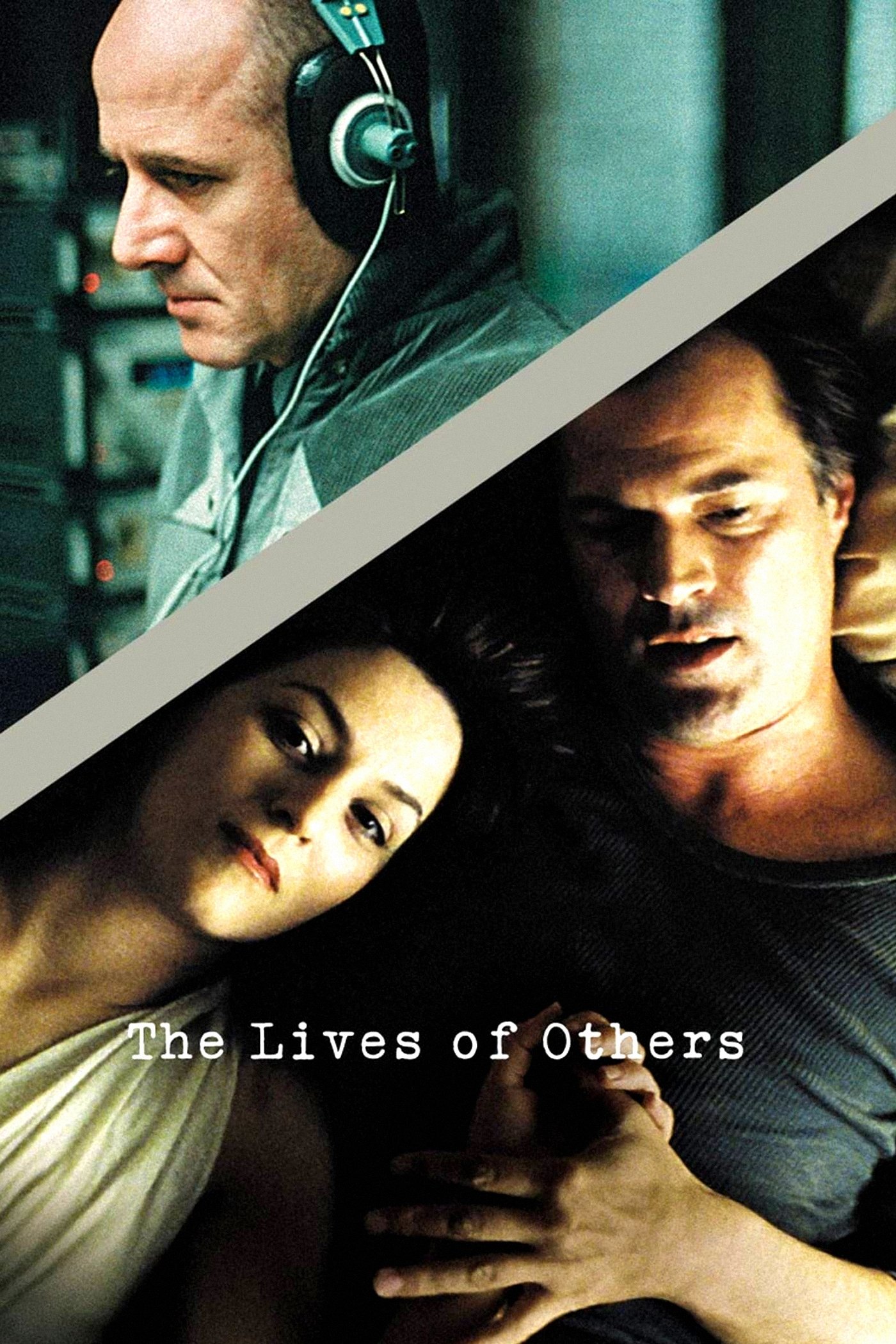
This German thriller is set in East Berlin in 1984, before the fall of the Berlin Wall. A dedicated agent of the secret police, the Stasi, is assigned to spy on a successful playwright and his actress girlfriend. At first, he is cold and professional. But as he listens to their lives, their art, and their love, he becomes deeply invested and starts to question his own loyalty to the state.
The Lives of Others is a tense and suspenseful film about surveillance and morality. It shows the human cost of living in a totalitarian state where no one can be trusted. The film won the Oscar for Best Foreign Language Film and developed a strong following for its intelligent script and powerful emotional impact. It is a story about the power of art to change a person’s heart.
Hard Boiled (1992)

This Hong Kong action film is a classic from director John Woo. A tough-as-nails cop named “Tequila” Yuen teams up with an undercover agent to take down a ruthless gun-running gang. The film is famous for its highly stylized and over-the-top action sequences. It features elaborate shootouts in locations like a teahouse and a hospital.
Hard Boiled is the prime example of the “heroic bloodshed” genre of Hong Kong cinema. It is known for its themes of brotherhood and honor amidst intense violence. The film gained a massive cult following internationally, especially among fans of action movies. Its spectacular gun-fu choreography and non-stop action influenced countless filmmakers in Hollywood and beyond.
Infernal Affairs (2002)

This Hong Kong thriller tells the story of two men living double lives. One is a police officer who has been working undercover in a dangerous triad gang for years. The other is a triad member who has infiltrated the police force as a mole. As both sides try to root out the informant in their ranks, the two men find themselves in a tense and dangerous game of cat and mouse.
Infernal Affairs is a smart and tightly plotted crime story. It focuses on the psychological pressure and identity crisis faced by its two main characters. The film was a huge success in Asia and gained a cult following abroad for its clever script and suspense. It was later remade by Martin Scorsese as the Oscar-winning film The Departed.
A Prophet (2009)
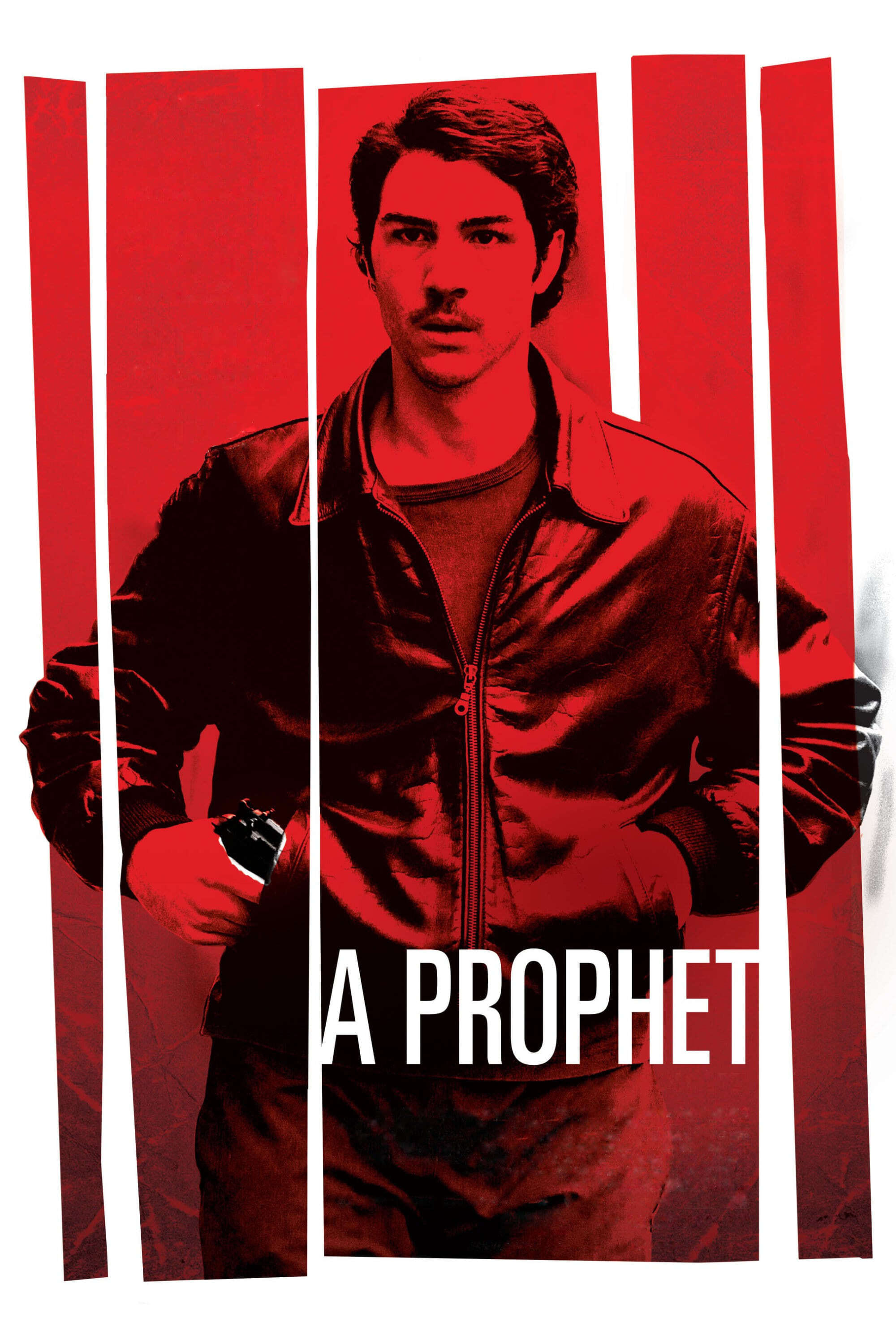
This French crime film follows a young, uneducated Arab man named Malik who is sentenced to six years in prison. He is caught between the powerful Corsican and Muslim gangs inside the jail. The Corsican leader forces him to carry out a series of brutal tasks. Malik learns quickly, playing both sides to slowly and secretly build his own criminal empire.
A Prophet is a gritty and realistic look at the prison system and the making of a criminal. The film is a tough and complex character study, showing Malik’s transformation from a vulnerable boy into a cunning and powerful leader. It received widespread critical acclaim and a cult following for its intelligence and authenticity in the crime genre.
The Vanishing (1988)
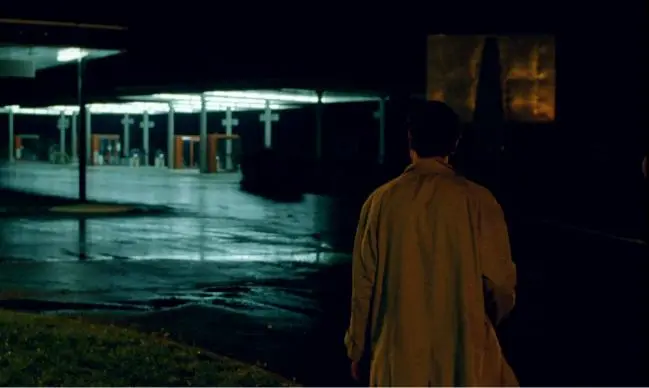
This Dutch thriller is about a young man whose girlfriend mysteriously disappears from a busy gas station. The police have no leads, and he spends the next three years obsessively searching for her. He posts flyers and appears on television, hoping to find any clue. Eventually, the man who abducted her contacts him, promising to reveal what happened.
The Vanishing is famous for its psychological tension and its deeply disturbing ending, which is considered one of the most terrifying in film history. The movie avoids typical thriller clichés and instead focuses on the psychological torment of not knowing. It became a cult classic because of its chilling and unforgettable conclusion. An American remake was made but was far less popular.
Audition (1999)

This Japanese film starts as a quiet drama. A middle-aged widower is encouraged by his son to start dating again. His friend, a film producer, suggests they hold a fake audition for a movie to find a new wife. He is immediately captivated by a quiet and beautiful former ballerina. As he begins to date her, he slowly discovers her dark and terrifying past.
Audition is infamous for its slow-burn pace that explodes into a final act of extreme and shocking violence. The film lulls the audience into a false sense of security before revealing its true nature as a horror film. It became a major cult classic, and its final scenes are legendary among horror fans for being incredibly difficult to watch.
Ichi the Killer (2001)

This Japanese film is an extreme and violent yakuza-crime story. A sadomasochistic enforcer named Kakihara is searching for his missing boss. His search leads him to a mysterious and psychologically disturbed young man named Ichi. Ichi is a crying, cowardly man who, when triggered, becomes a brutally efficient killing machine. Kakihara becomes obsessed with finding and confronting Ichi.
Directed by Takashi Miike, Ichi the Killer is notorious for its graphic gore and shocking content. It is a deeply controversial film that pushes the boundaries of violence in cinema. It has a huge cult following among fans of extreme cinema who are drawn to its wild style, dark humor, and transgressive nature. The film is not for the faint of heart.
Sonatine (1993)
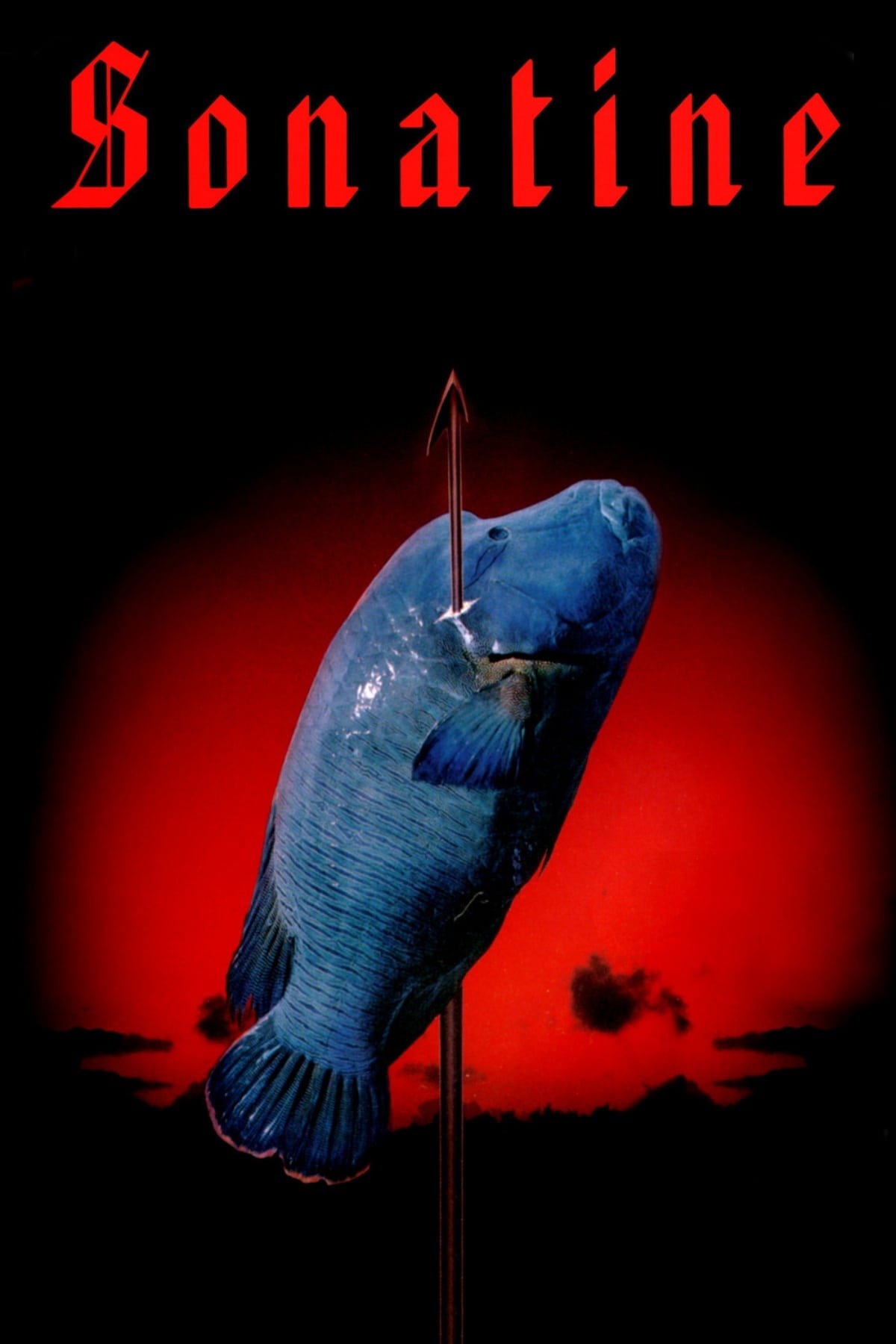
This Japanese film is about a veteran yakuza gangster from Tokyo named Murakawa. He is sent by his boss to Okinawa to help end a gang war. He suspects the trip is a setup to get rid of him. While waiting for the conflict to happen, he and his men relax at a remote beach house, playing childish games and enjoying a break from their violent lives.
Sonatine, directed by and starring Takeshi Kitano, is an unusual gangster film. It mixes moments of sudden, brutal violence with long, quiet scenes of dark comedy and reflection. The film became a cult classic for its unique tone and its philosophical look at a gangster who has grown tired of his life. Its unpredictable style was highly influential.
Black Cat, White Cat (1998)
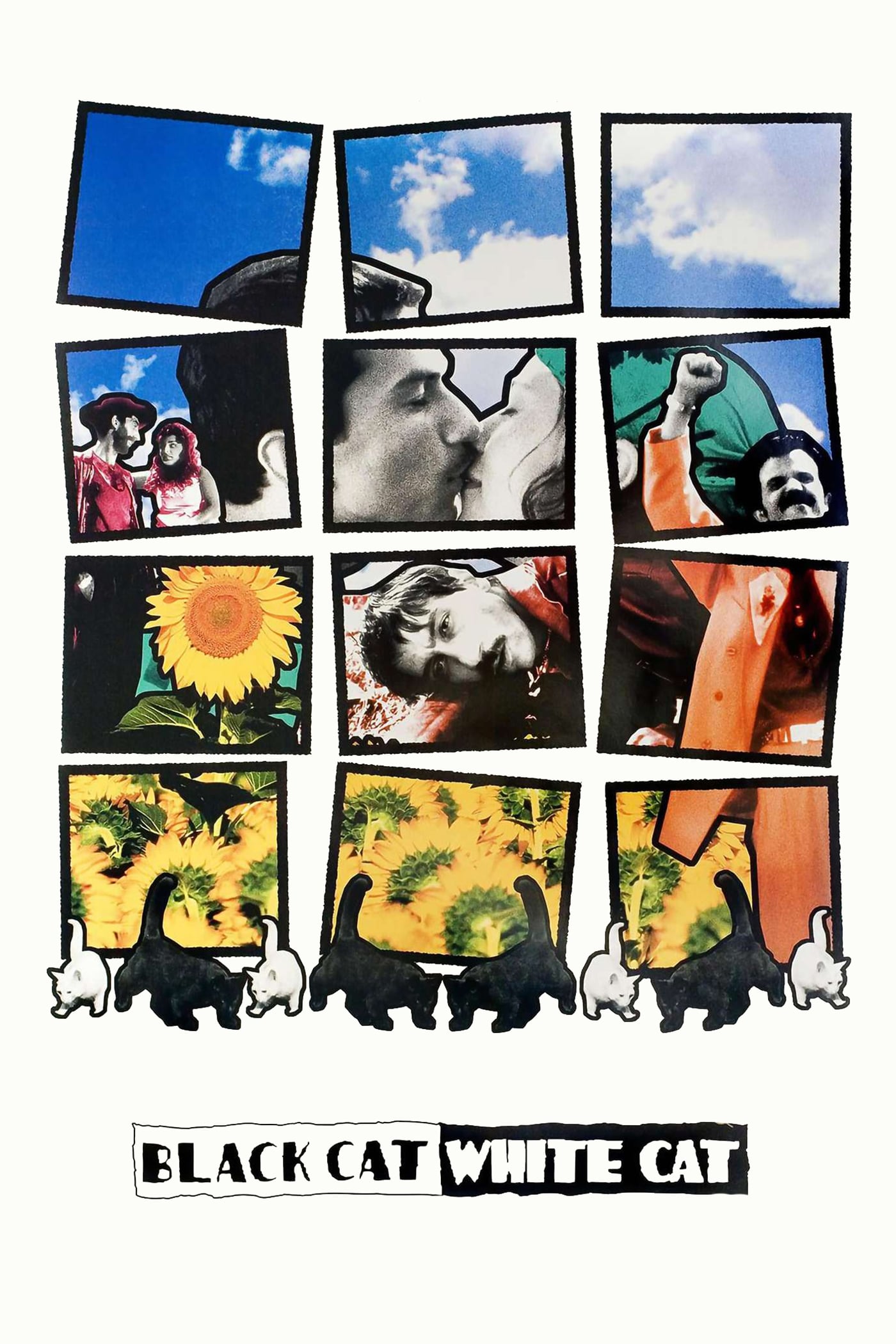
This Serbian film is a chaotic and energetic romantic comedy. It is set in a community of Romani people living along the Danube River. A small-time hustler owes money to a local gangster. To settle the debt, the gangster arranges for the hustler’s son to marry his own dwarf sister. The problem is, neither the bride nor the groom wants to get married.
Black Cat, White Cat is a vibrant and funny film full of bizarre characters, wild situations, and lively music. Director Emir Kusturica creates a world of joyful madness and magical realism. It gained a cult following for its high energy and life-affirming spirit. The movie is a celebration of love, family, and chaos.
The Seventh Seal (1957)
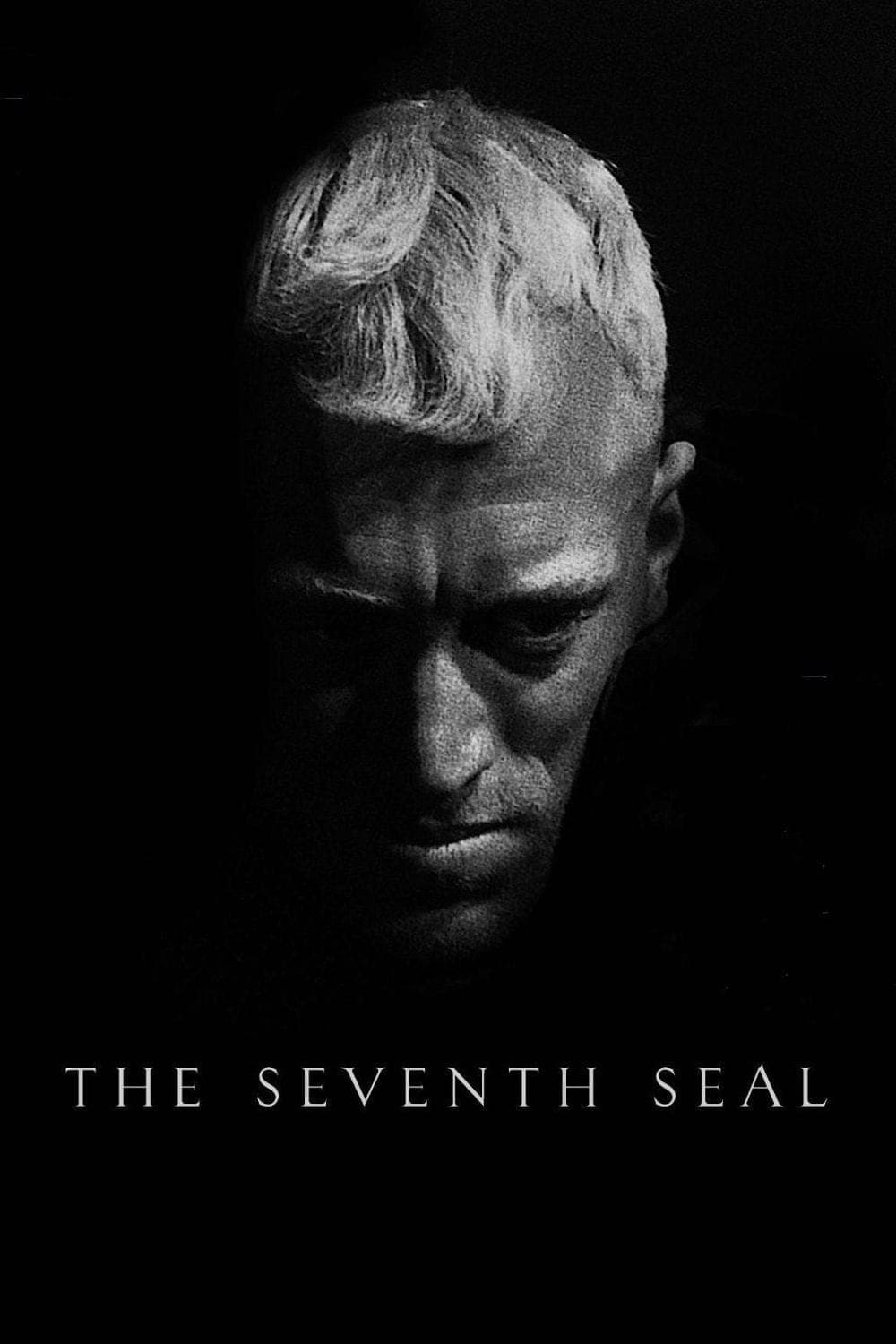
This Swedish film is a historical fantasy from director Ingmar Bergman. A knight returns from the Crusades to find his country ravaged by the plague. He is confronted by the personification of Death, who has come to take him. The knight challenges Death to a game of chess, hoping to delay his demise long enough to find some answers about the meaning of life and faith.
The Seventh Seal is a philosophical and symbolic film that explores big questions about life, death, and God. It is famous for its iconic imagery, especially the scene of the knight playing chess with Death on a beach. The film became a classic of world cinema and has a cult status among cinephiles for its intellectual depth and artistic vision.
Stalker (1979)
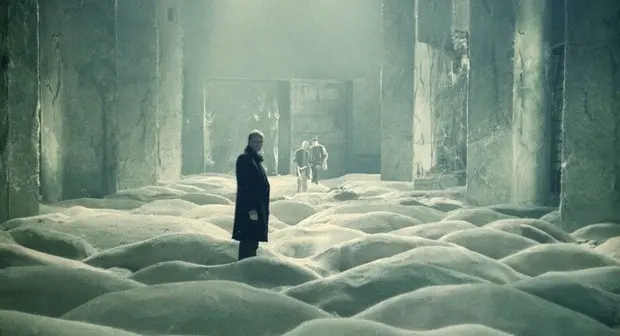
This Soviet science fiction film is a slow and philosophical journey. In a post-apocalyptic world, there is a mysterious “Zone” where the laws of physics are different and a room is said to grant wishes. The government has sealed it off. The film follows a “Stalker,” a guide who illegally takes two clients, a writer and a professor, into the Zone to find the room.
Directed by Andrei Tarkovsky, Stalker is not a typical sci-fi adventure. It is a long, meditative film that focuses on faith, doubt, and the human spirit. The journey through the Zone is treacherous and psychological rather than action-packed. It is a cult classic for its beautiful, haunting visuals and its profound, ambiguous themes that viewers continue to debate.
Come and See (1985)
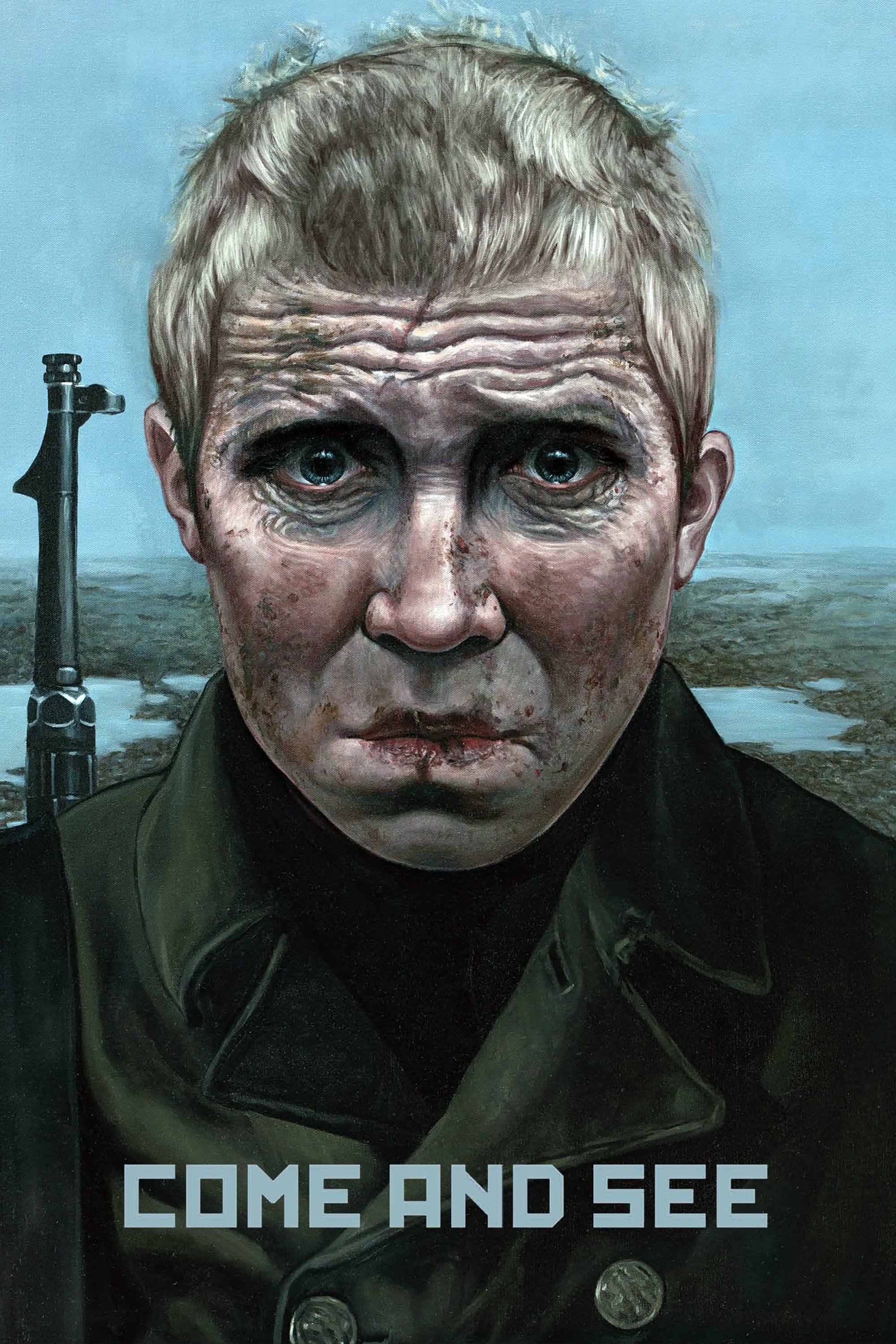
This Soviet anti-war film tells the story of a young boy in Belarus during the Nazi occupation in World War II. He is eager to join the Soviet resistance fighters. The film follows him as he witnesses the horrific atrocities and brutal realities of war. Over the course of the film, the boy’s innocent face is transformed by trauma into that of a wrinkled, aged old man.
Come and See is widely considered one of the most devastating and effective anti-war films ever made. It uses hyper-realistic and surreal techniques to immerse the viewer in the nightmare of war. It has a strong cult following for its powerful, unflinching depiction of human suffering. It is a deeply disturbing but essential film about the horrors of conflict.
The Raid: Redemption (2011)
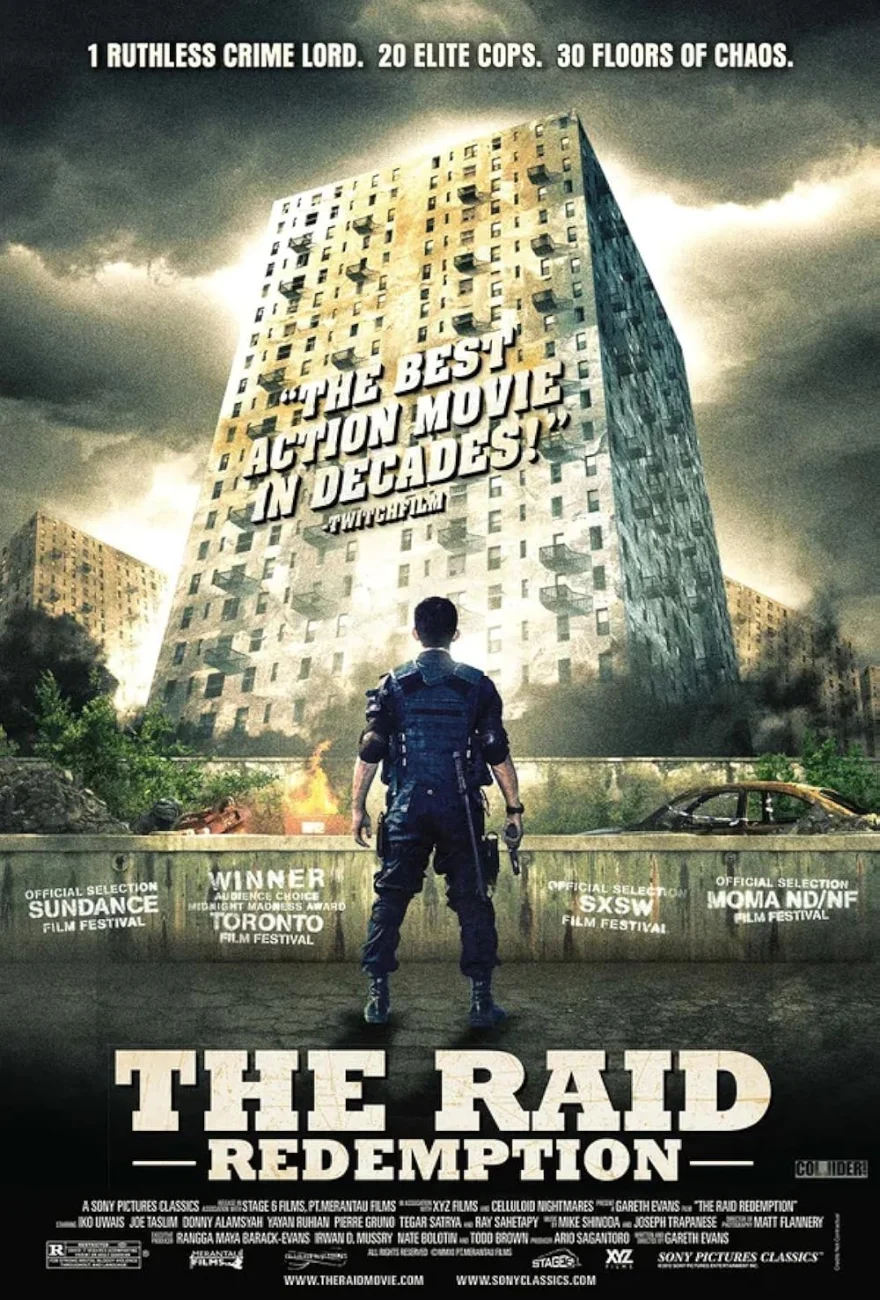
This Indonesian action film has a simple premise. A special forces team is sent to raid a high-rise apartment building in Jakarta. The building is a fortress run by a ruthless drug lord who lets criminals and killers live on its many floors. When their presence is discovered, the team becomes trapped, and they must fight their way up, floor by floor, to survive.
The Raid is famous for its incredible, non-stop action sequences featuring the Indonesian martial art of Pencak Silat. The fight choreography is fast, brutal, and breathtakingly complex. The film became an instant cult classic and a global phenomenon for action fans. It set a new standard for modern fight scenes in movies.
The Host (2006)

This South Korean monster movie is about a giant, mutated creature that emerges from the Han River in Seoul and starts attacking people. It snatches a young girl and takes her back to its sewer lair. While the government is ineffective, her dysfunctional family, including her slow-witted father, decides to hunt the monster and rescue her themselves.
The Host, from director Bong Joon-ho, is a mix of genres. It is a thrilling monster movie, a family drama, a dark comedy, and a political satire. It was a massive box office hit in South Korea and gained a large international cult following. Fans love it for its unique tone, its engaging characters, and its clever social commentary.
Withnail & I (1987)
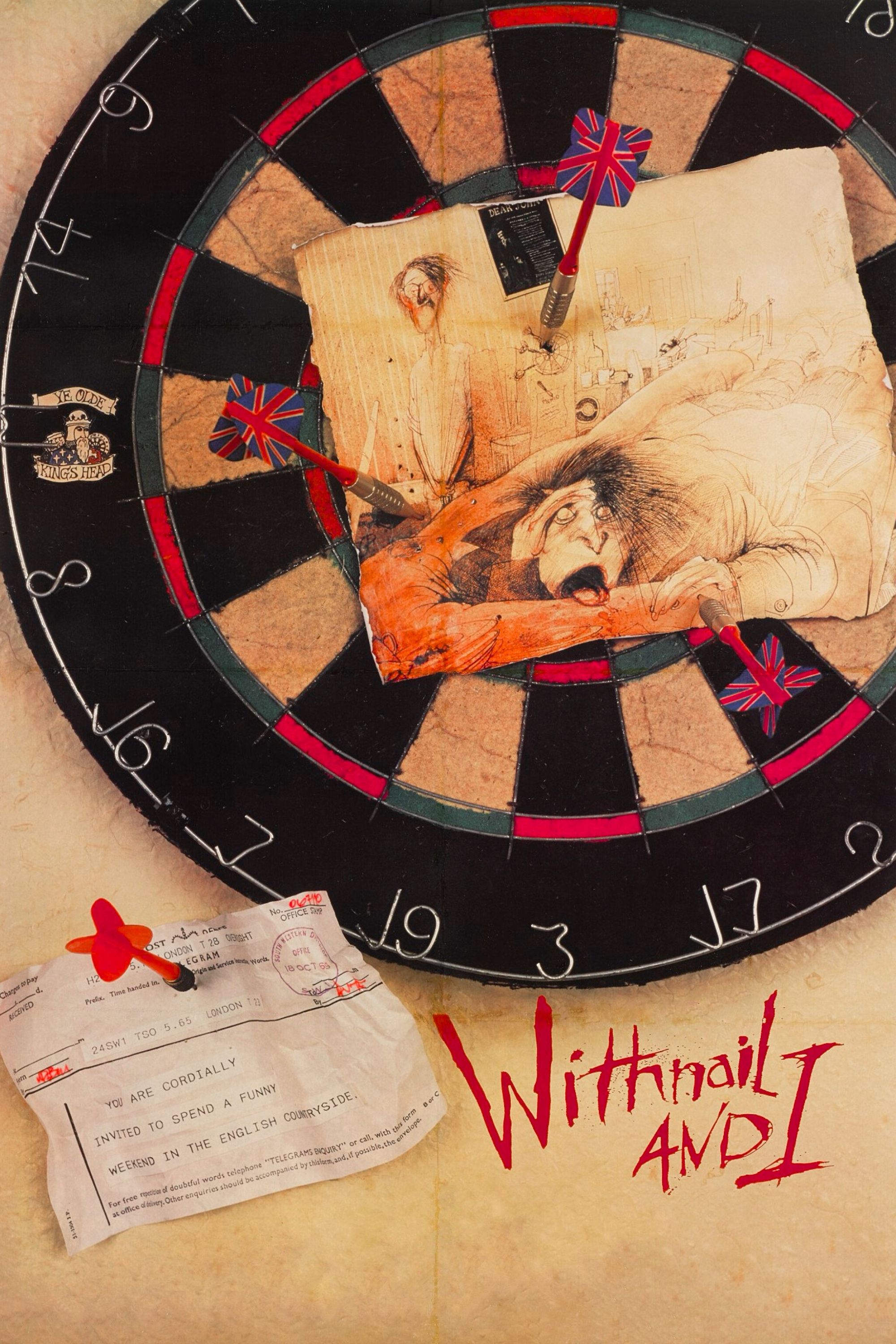
This British comedy is set in London in 1969. It follows two unemployed actors, the theatrical and alcoholic Withnail and his anxious friend, “I”. Frustrated with their squalid life, they decide to escape to the countryside for a holiday at a cottage owned by Withnail’s eccentric Uncle Monty. Their trip turns into a disaster of rain, mud, and strange local characters.
Withnail & I is a cult classic known for its endlessly quotable and witty dialogue. The film perfectly captures the end of an era and the feeling of disillusionment. It is a hilarious and strangely sad story of friendship and failure. The film’s unique humor and memorable characters have earned it a devoted fan base.
Trainspotting (1996)
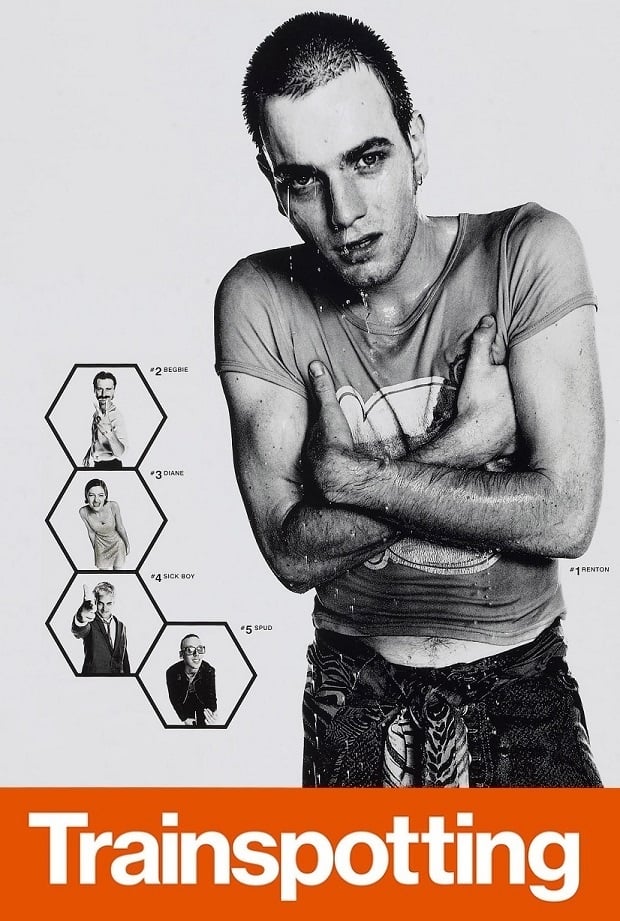
This British film follows a group of heroin addicts in Edinburgh, Scotland. The story is told from the perspective of Mark Renton, who tries repeatedly to quit his addiction and escape his chaotic life and self-destructive friends. The film is a dark comedy that shows the highs and lows of their drug use and their attempts to get by.
Trainspotting was a cultural phenomenon when it was released. Its energetic style, iconic soundtrack, and black humor made it an instant classic. The film is both funny and horrifying in its depiction of addiction. It gained a massive cult following for its raw energy and its honest, non-judgmental look at a group of people on the fringes of society.
8 ½ (1963)
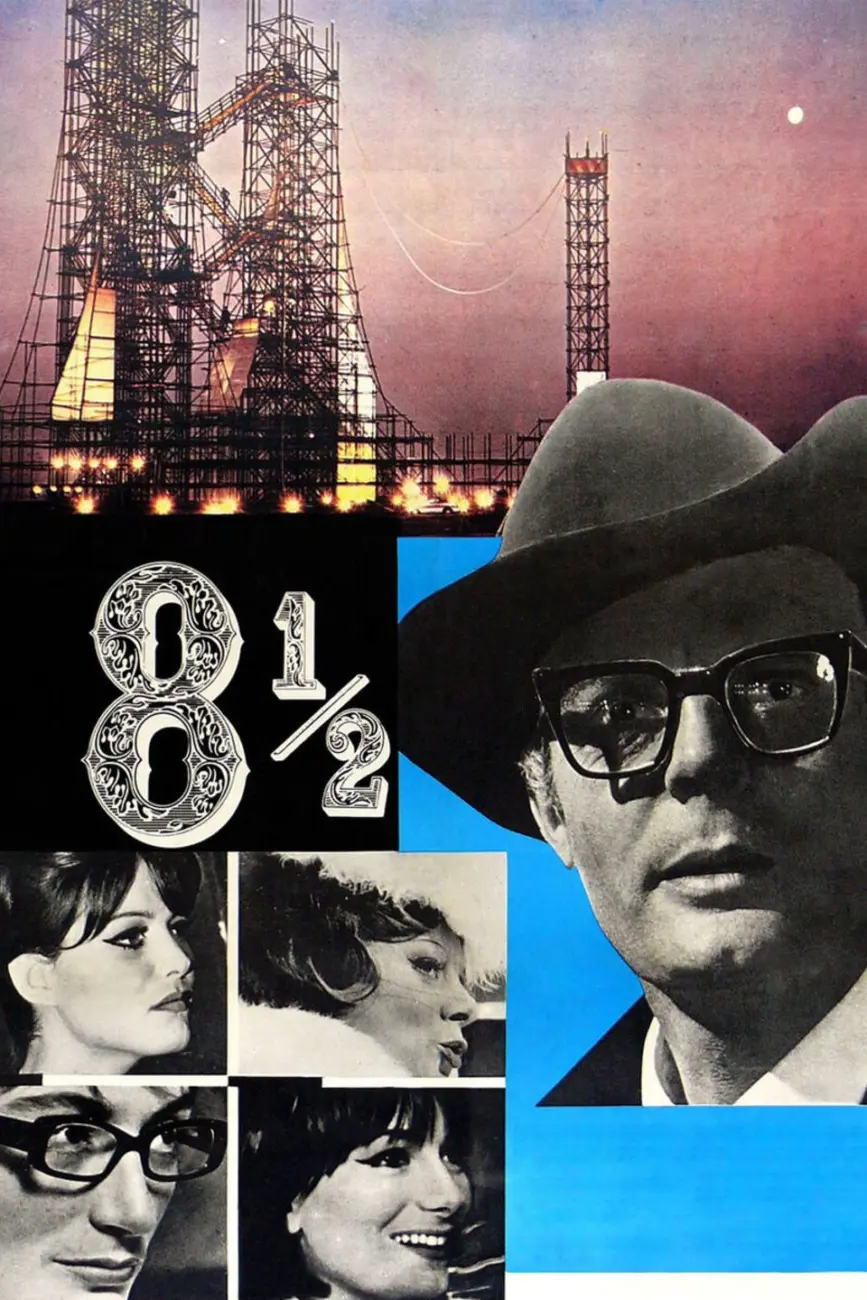
This Italian film from director Federico Fellini is about a famous filmmaker named Guido Anselmi. He is struggling to make his next movie. He has a creative block and is facing pressure from his producers and crew. The film follows him as he retreats into a world of memories, dreams, and fantasies to escape the chaos of his life and find inspiration.
8 ½ is a surreal and self-reflective film about the creative process itself. It is famous for its dreamlike black-and-white cinematography and its fluid shifts between reality and fantasy. It is considered one of the greatest films ever made and has a strong cult status among artists and cinephiles. It has inspired countless filmmakers with its personal and innovative style.
La Dolce Vita (1960)
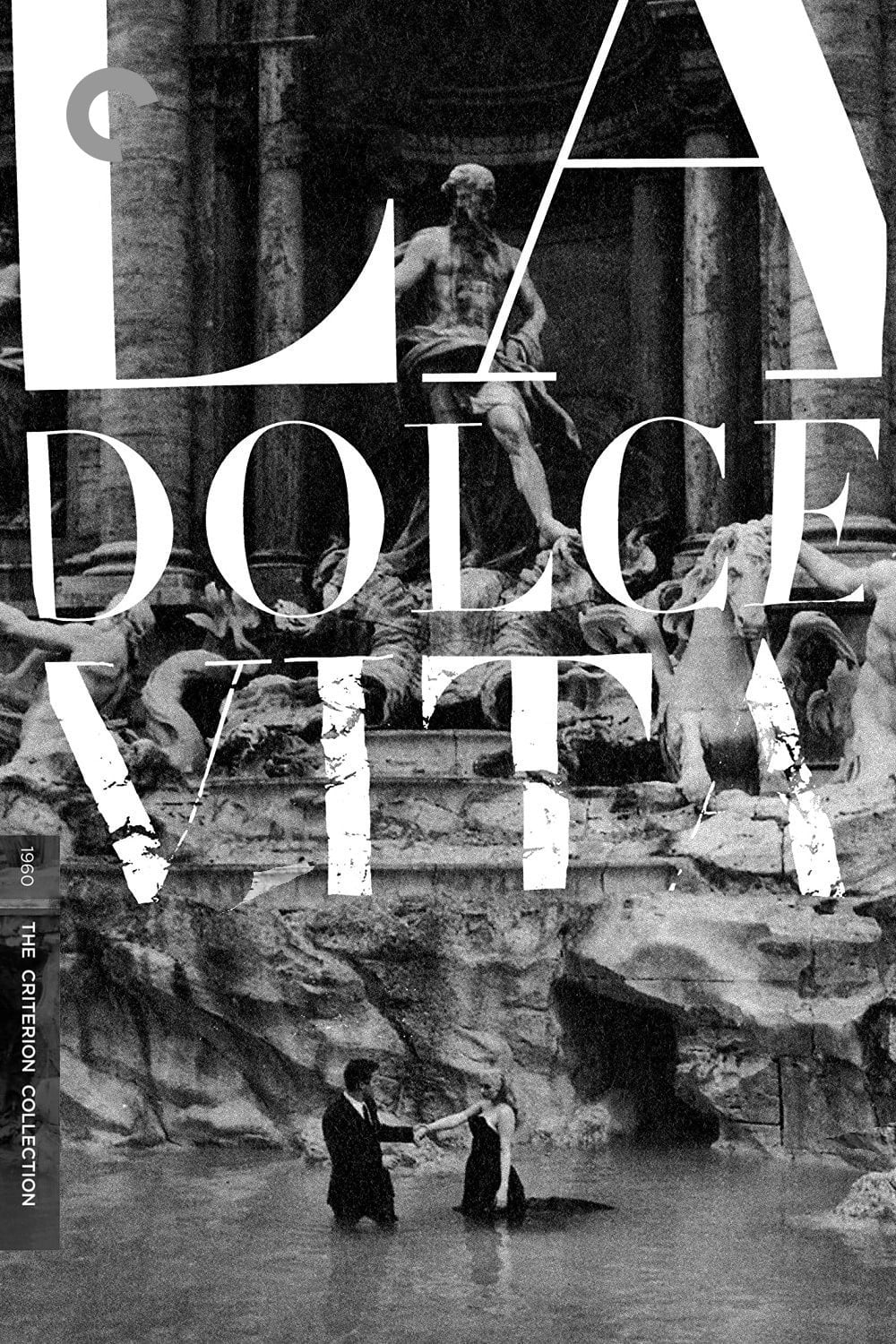
This Italian film follows a celebrity journalist named Marcello Rubini over seven days and nights in Rome. He drifts through a series of lavish parties and encounters with the city’s high society, including a famous actress. He is searching for a more meaningful life but is constantly distracted by the shallow and hedonistic world around him.
Directed by Federico Fellini, La Dolce Vita is a sprawling, episodic look at modern emptiness and celebrity culture. It captured a specific moment in Rome’s history but its themes are timeless. The film is famous for its iconic scenes, like Anita Ekberg wading into the Trevi Fountain. It is a landmark of international cinema with a lasting cult appeal for its style and social commentary.
Bicycle Thieves (1948)
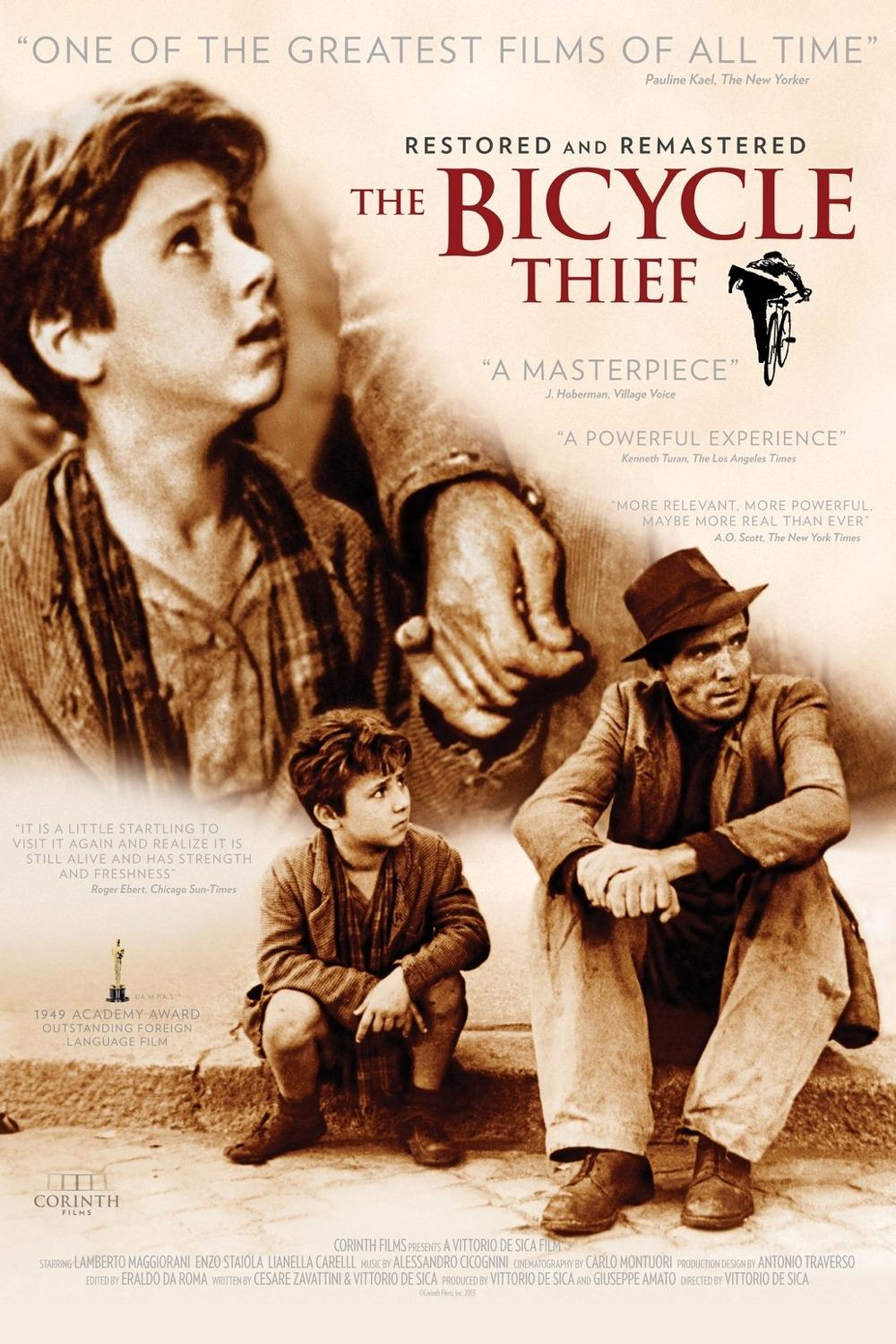
This classic Italian film is a simple story set in post-World War II Rome. A poor man is finally offered a job, but it requires him to have a bicycle. He uses his family’s savings to get his bicycle out of a pawn shop. On his first day of work, the bike is stolen. He and his young son must wander the streets of Rome to find it, or they will face ruin.
Bicycle Thieves is a masterpiece of Italian Neorealism, a movement that used non-professional actors and real locations to tell stories about the lives of ordinary people. The film is a heartbreaking and powerful look at poverty and desperation. It is a foundational film in the history of cinema and is revered by film lovers for its humanity and simplicity.
M (1931)
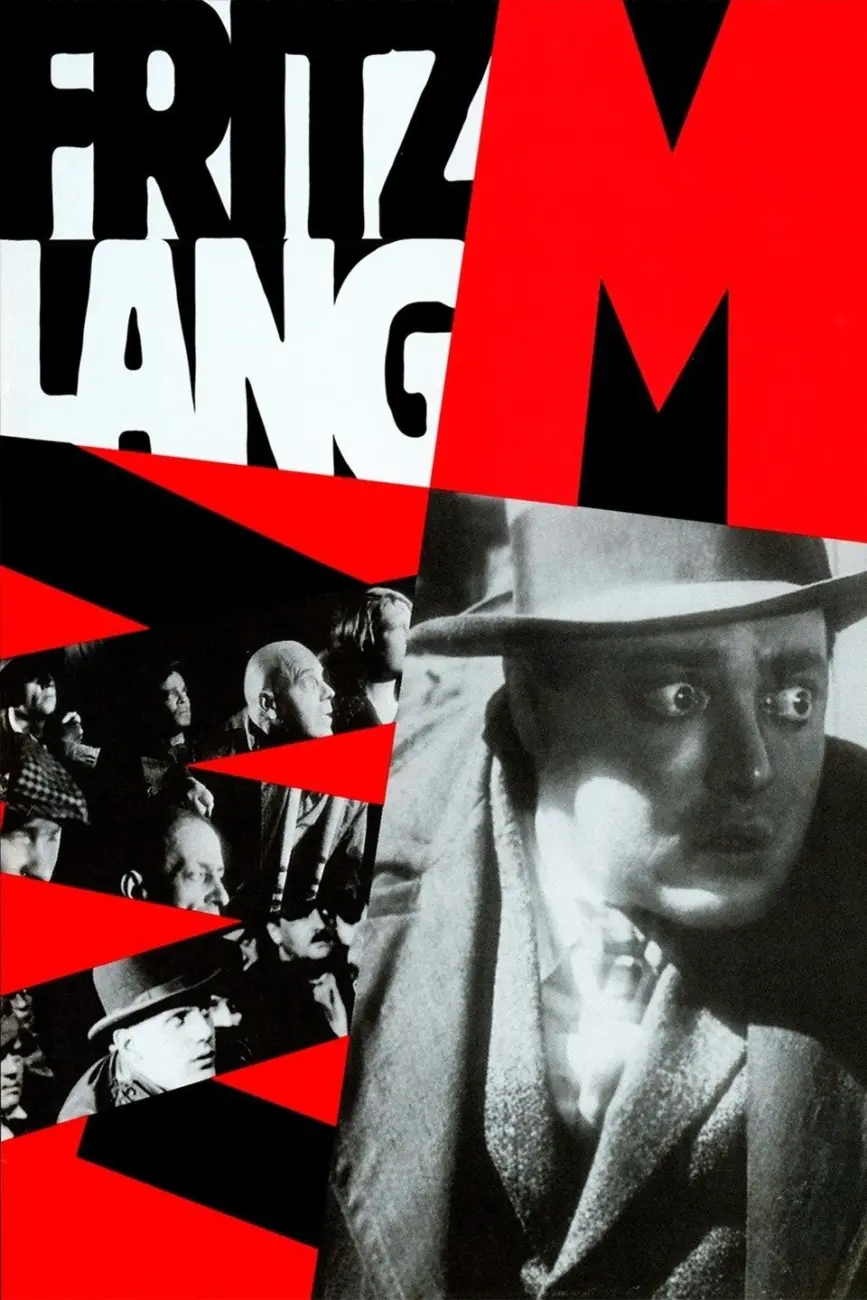
This early German sound film from director Fritz Lang is about the hunt for a serial child murderer in Berlin. The city is in a state of panic, and the police are unable to catch him. The pressure from the police raids is so intense that it disrupts the city’s criminal underworld. In response, the criminals decide to band together to catch the killer themselves.
M is a landmark thriller that was groundbreaking in its use of sound. The killer is identified by the tune he whistles. The film is a tense procedural and also a complex look at society’s response to crime. It became a classic for its suspenseful direction and its still-relevant questions about justice and mob mentality.
The Cabinet of Dr. Caligari (1920)
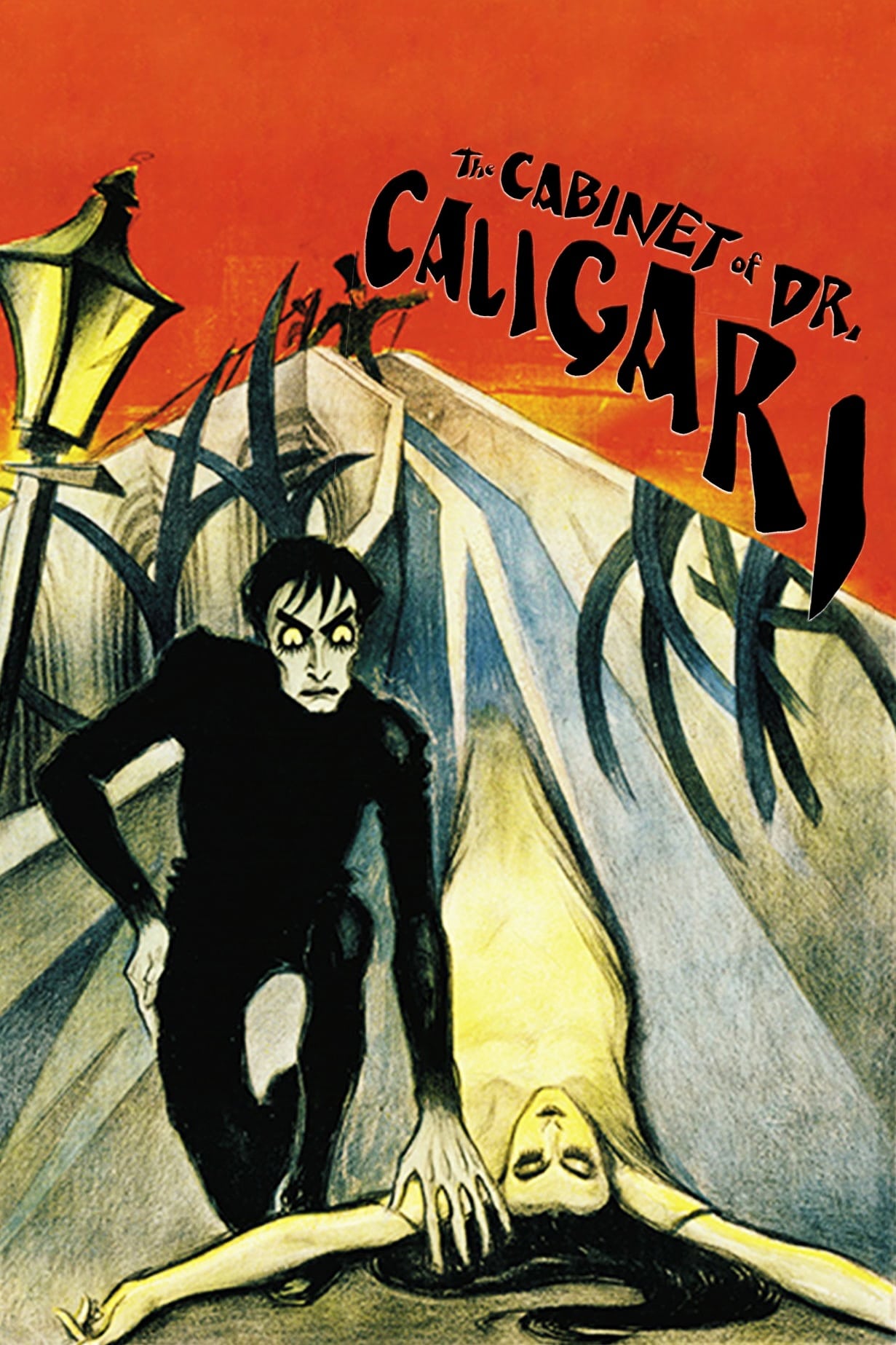
This silent German film is a key work of German Expressionist cinema. A man tells a story about his encounter with the mysterious Dr. Caligari, who arrives at a town fair with a somnambulist (a sleepwalker) named Cesare. Caligari exhibits Cesare, who can supposedly predict the future. Soon after, a series of murders begins in the town.
The Cabinet of Dr. Caligari is famous for its highly stylized and distorted visual design. The sets are made of sharp angles and painted shadows, creating a nightmarish, unreal world. This visual style is meant to represent the narrator’s disturbed state of mind. It is a foundational cult film, praised for its influential, surreal aesthetic and its shocking twist ending.
Nosferatu (1922)
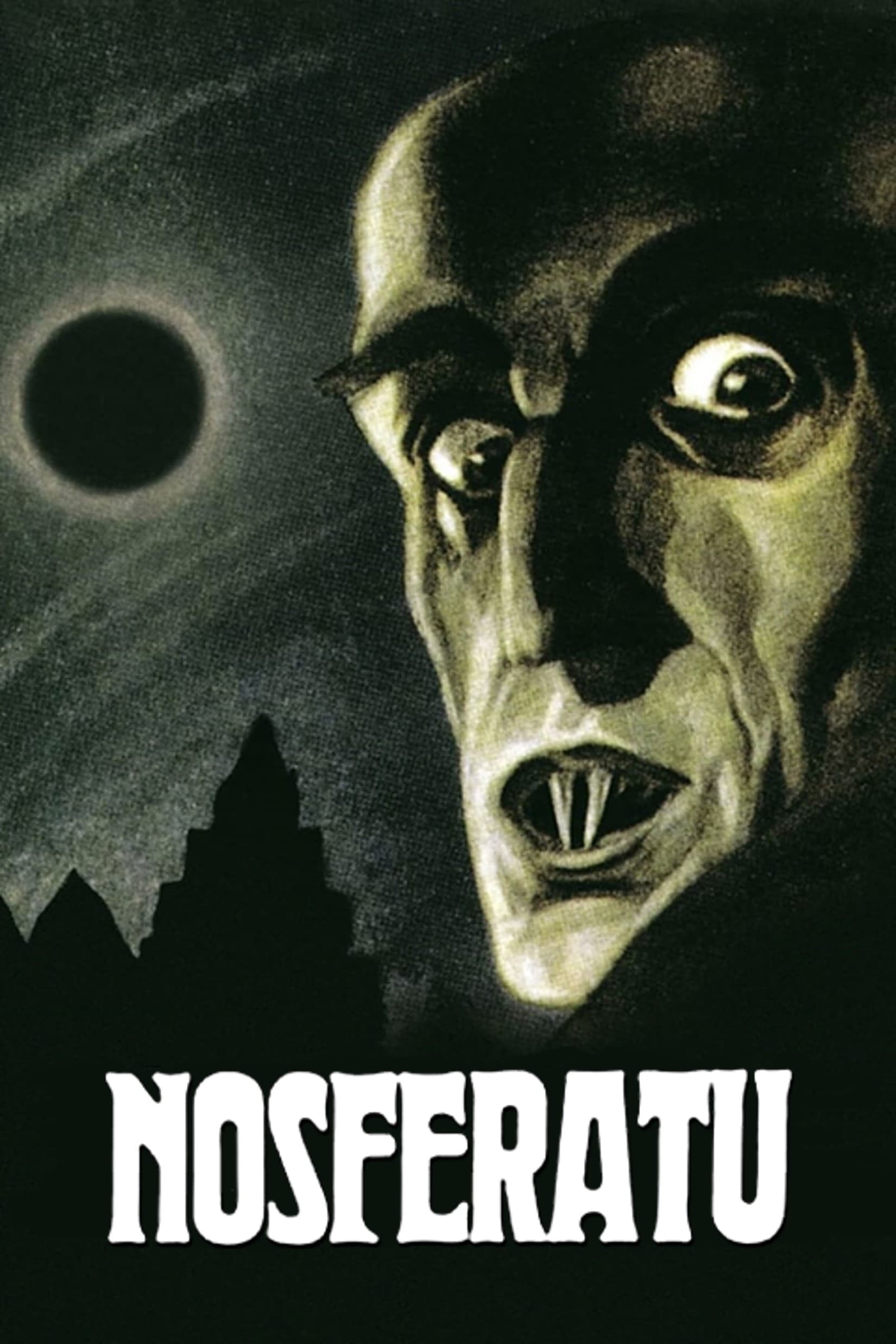
This silent German Expressionist horror film is an unauthorized adaptation of Bram Stoker’s novel Dracula. A real estate agent travels to the Carpathian Mountains to sell a property to the mysterious Count Orlok. He soon discovers the Count is a vampire, a plague-bringing creature. The vampire travels by sea to the agent’s hometown, bringing death and fear with him.
Because it was unauthorized, Stoker’s estate sued, and all copies were ordered to be destroyed. A few survived, which helped create its legendary status. Nosferatu is famous for its chilling atmosphere and the iconic, rat-like appearance of its vampire, played by Max Schreck. It is one of the first and most influential horror films ever made.
Diabolique (1955)
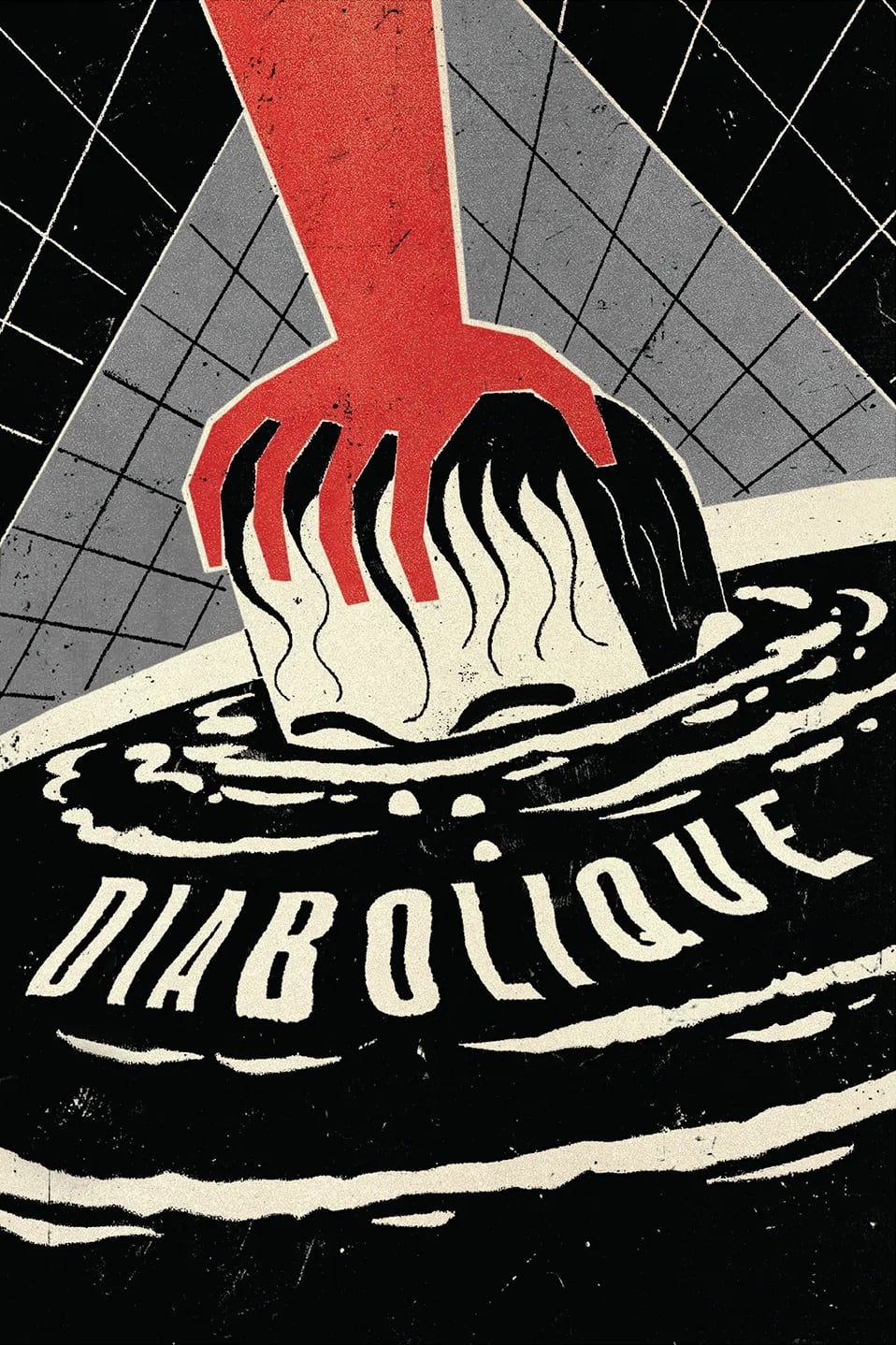
This French thriller is about the wife and the mistress of a cruel, abusive school headmaster. The two women, who are both mistreated by him, team up to murder him. They drown him in a bathtub and dump his body in the school’s murky swimming pool. They believe they have committed the perfect crime, but then his body disappears.
Diabolique is a masterpiece of suspense from director Henri-Georges Clouzot. The film slowly builds an atmosphere of dread and paranoia as strange events make the women question what is real. It is famous for its clever plot and its shocking twist ending, which was so secret that the film’s credits asked audiences not to spoil it for others. It has a huge cult following as one of the greatest suspense films ever.
Breathless (1960)

This French film follows a small-time criminal named Michel. After he steals a car and kills a police officer, he goes on the run in Paris. He reconnects with an American journalism student named Patricia, trying to convince her to run away with him to Italy. While hiding out in her apartment, they talk about love, life, and movies.
Directed by Jean-Luc Godard, Breathless was a revolutionary film and a key work of the French New Wave. It broke cinematic rules with its use of jump cuts, handheld cameras, and characters who spoke directly to the audience. The film’s cool style and rebellious attitude made it an instant sensation and a lasting cult favorite.
A Hard Day’s Night (1964)
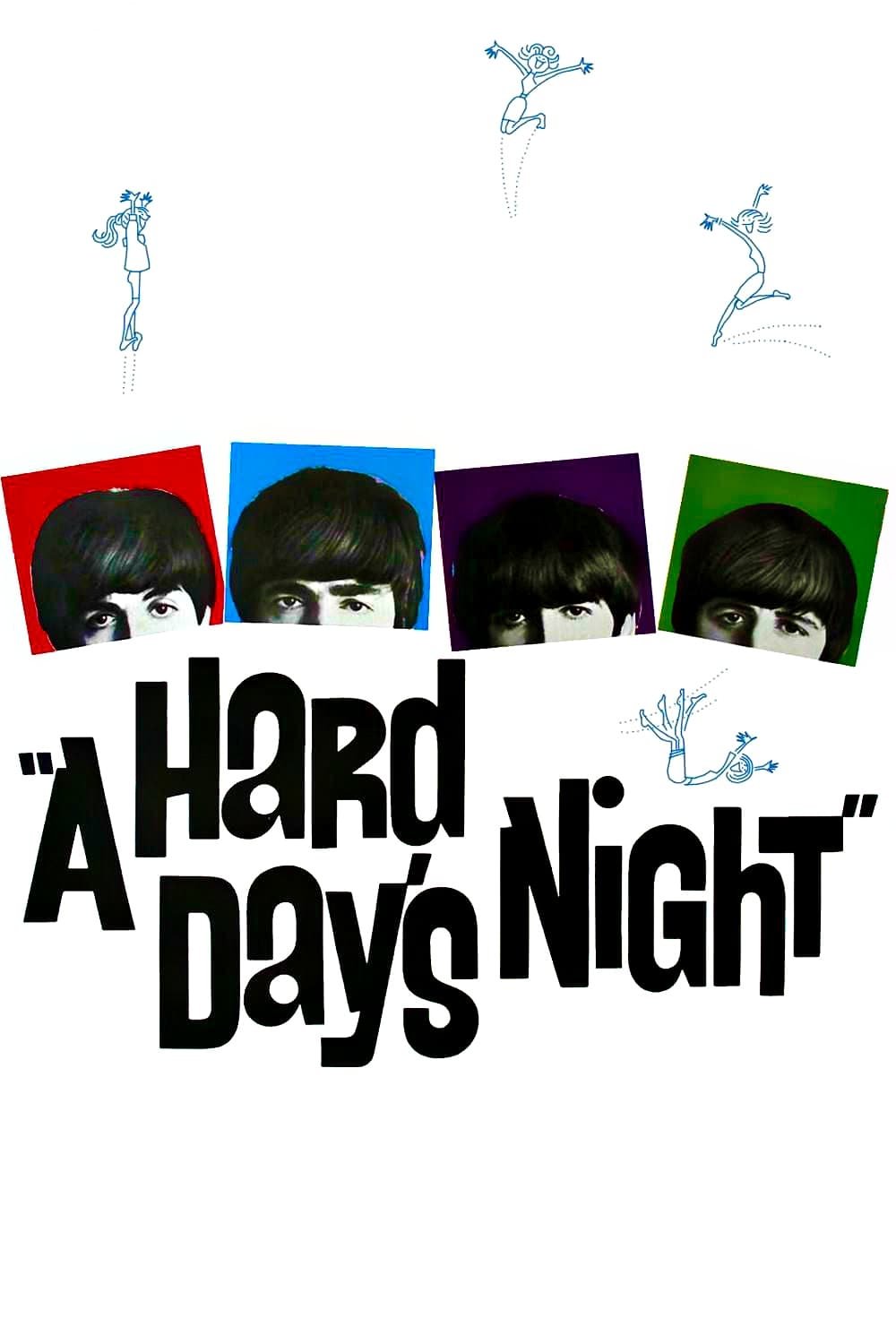
This British musical comedy stars The Beatles. The film follows the band over 36 hours as they travel from Liverpool to London for a television performance. It shows them dealing with screaming fans, demanding managers, and Paul McCartney’s troublemaking grandfather. The plot is thin, mostly serving as a frame for the band’s songs and charismatic personalities.
A Hard Day’s Night captured the energy and humor of The Beatles at the height of Beatlemania. The film was innovative for its time, using a documentary-like style and quick editing that influenced music videos for decades to come. It’s a cult classic because it is a joyful and authentic portrait of the most famous band in the world.
The Man Who Fell to Earth (1976)
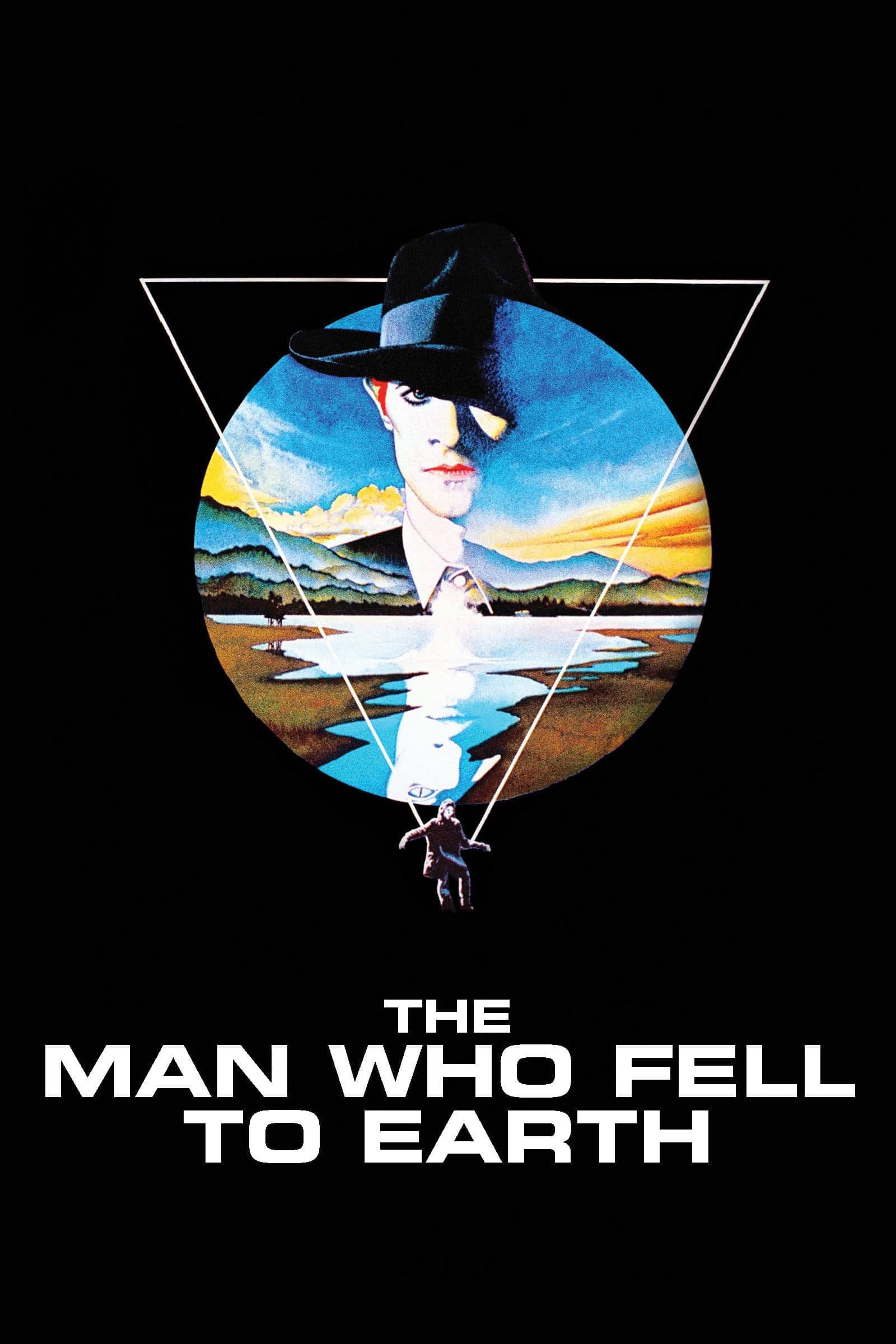
This British science fiction film stars David Bowie as an alien who comes to Earth. His home planet is dying from a terrible drought, and he has come to get water. Using his advanced knowledge, he patents several inventions and becomes incredibly wealthy. However, he also becomes corrupted by human vices like alcohol and television, and his mission is put in jeopardy.
Directed by Nicolas Roeg, the film is a strange and surreal critique of contemporary American society. David Bowie’s otherworldly presence makes his performance as the alien Thomas Jerome Newton iconic. The Man Who Fell to Earth became a major cult classic for its bizarre imagery, its non-linear story, and its melancholy tone.
Walkabout (1971)

This British-Australian film follows two English siblings, a teenage girl and her young brother. They are stranded in the vast Australian Outback after their father has a sudden breakdown. They are lost and struggling to survive when they meet a young Aboriginal boy who is on his “walkabout,” a traditional solitary journey. He helps them find food and water.
The film is a visually stunning look at the clash between modern civilization and the natural world. It has very little dialogue, relying instead on images to tell its story. Walkabout explores themes of communication, cultural misunderstanding, and the loss of innocence. It is a cult classic for its beautiful cinematography and its meditative, hypnotic quality.