Movies from 1983 That Are Now Considered Classics


The year 1983 was a significant one for cinema, offering a diverse range of films that have since become enduring classics. From epic space operas to gritty crime dramas and heartwarming holiday tales, the movies of this year captured the essence of the 1980s. They reflected the cultural trends, hopes, and fears of the time, leaving a lasting impact on audiences and influencing filmmakers for generations to come.
Many films from 1983 were not only box office successes but also received critical acclaim, with some going on to win major awards. Others may not have been immediate hits but have since gained a cult following and are now considered iconic. Whether through groundbreaking special effects, memorable performances, or timeless stories, these movies have secured their place in cinematic history and continue to be celebrated by film lovers worldwide.
A Christmas Story (1983)

This holiday film has become a beloved classic, cherished for its nostalgic portrayal of a 1940s American Christmas. The story follows young Ralphie Parker’s determined quest to get a Red Ryder BB gun for Christmas, despite everyone telling him, “You’ll shoot your eye out.” The movie is filled with humorous and relatable moments, from a tongue stuck to a frozen pole to the infamous leg lamp.
What makes A Christmas Story so enduring is its ability to capture the universal experiences of childhood with humor and heart. The film’s charm lies in its depiction of family life and the magic of the holiday season through the eyes of a child. It has become a staple of Christmas movie marathons, continuing to delight audiences with its wit and warmth.
Scarface (1983)

Brian De Palma’s crime epic redefined the gangster genre with its intense and stylish depiction of the American dream gone wrong. Al Pacino delivers an iconic performance as Tony Montana, a Cuban refugee who builds a powerful drug empire in Miami. The film is a cautionary tale about the corrupting influence of greed and power, told with a raw and unapologetic energy.
Scarface is known for its memorable lines, lavish style, and violent sequences that have become ingrained in pop culture. While it was met with some controversy upon its release, the film has since been recognized as a cinematic achievement. Its story of ambition and excess continues to fascinate and provoke discussion among audiences.
Star Wars: Episode VI – Return of the Jedi (1983)
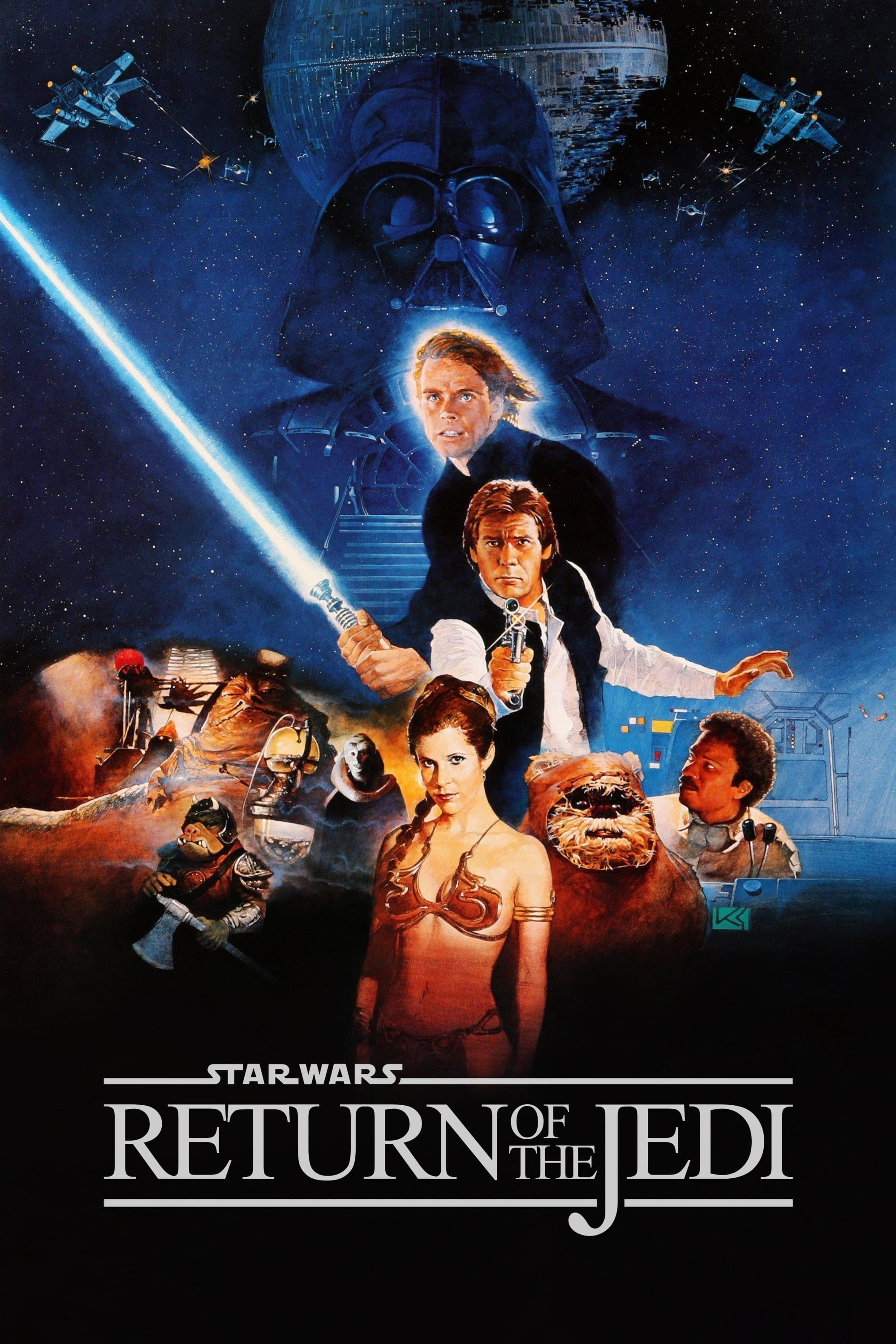
The final installment of the original Star Wars trilogy provided a thrilling and satisfying conclusion to the epic space saga. Directed by Richard Marquand, the film sees Luke Skywalker and his friends on a mission to rescue Han Solo and destroy the second Death Star. It features spectacular action sequences, including the memorable speeder bike chase on the forest moon of Endor.
Return of the Jedi brought an end to one of the most beloved stories in film history, solidifying the trilogy’s place as a cultural phenomenon. The movie explores themes of redemption and the triumph of good over evil, culminating in a final confrontation between Luke, Darth Vader, and the Emperor. Its influence on science fiction and popular culture is immeasurable, and it remains a favorite among fans of all ages.
Trading Places (1983)
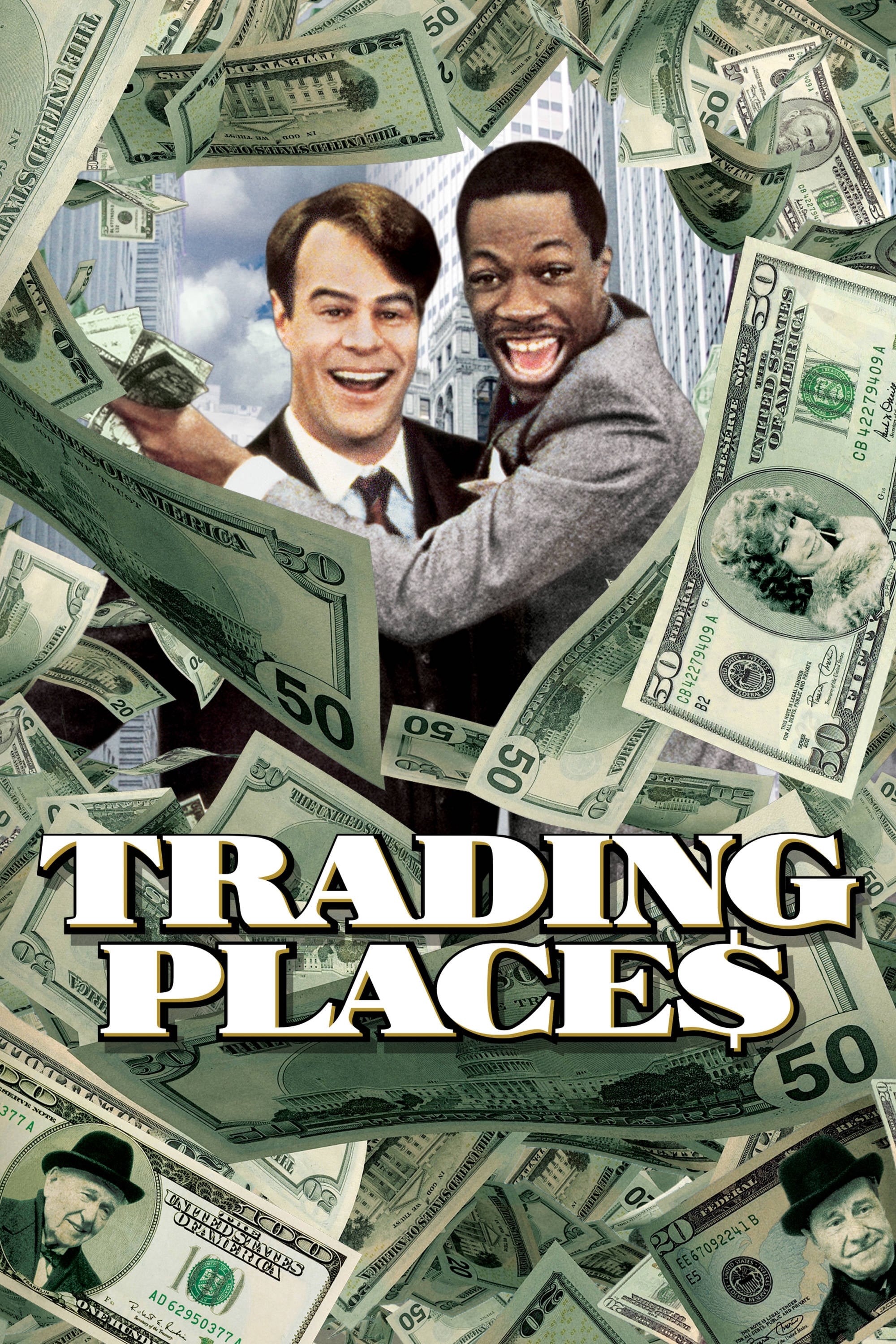
This classic comedy stars Eddie Murphy and Dan Aykroyd in a hilarious story about a wealthy investor and a streetwise con artist whose lives are swapped as part of a bet between two millionaire brothers. The film is a sharp satire of social class and the nature of identity, filled with witty dialogue and memorable scenes. Murphy and Aykroyd’s comedic chemistry is a highlight of the movie.
Trading Places is celebrated for its clever writing and timeless humor. The film’s exploration of greed and social mobility remains relevant, and its comedic situations continue to entertain audiences. It has become a staple of 1980s comedy and a testament to the talents of its lead actors.
The Outsiders (1983)
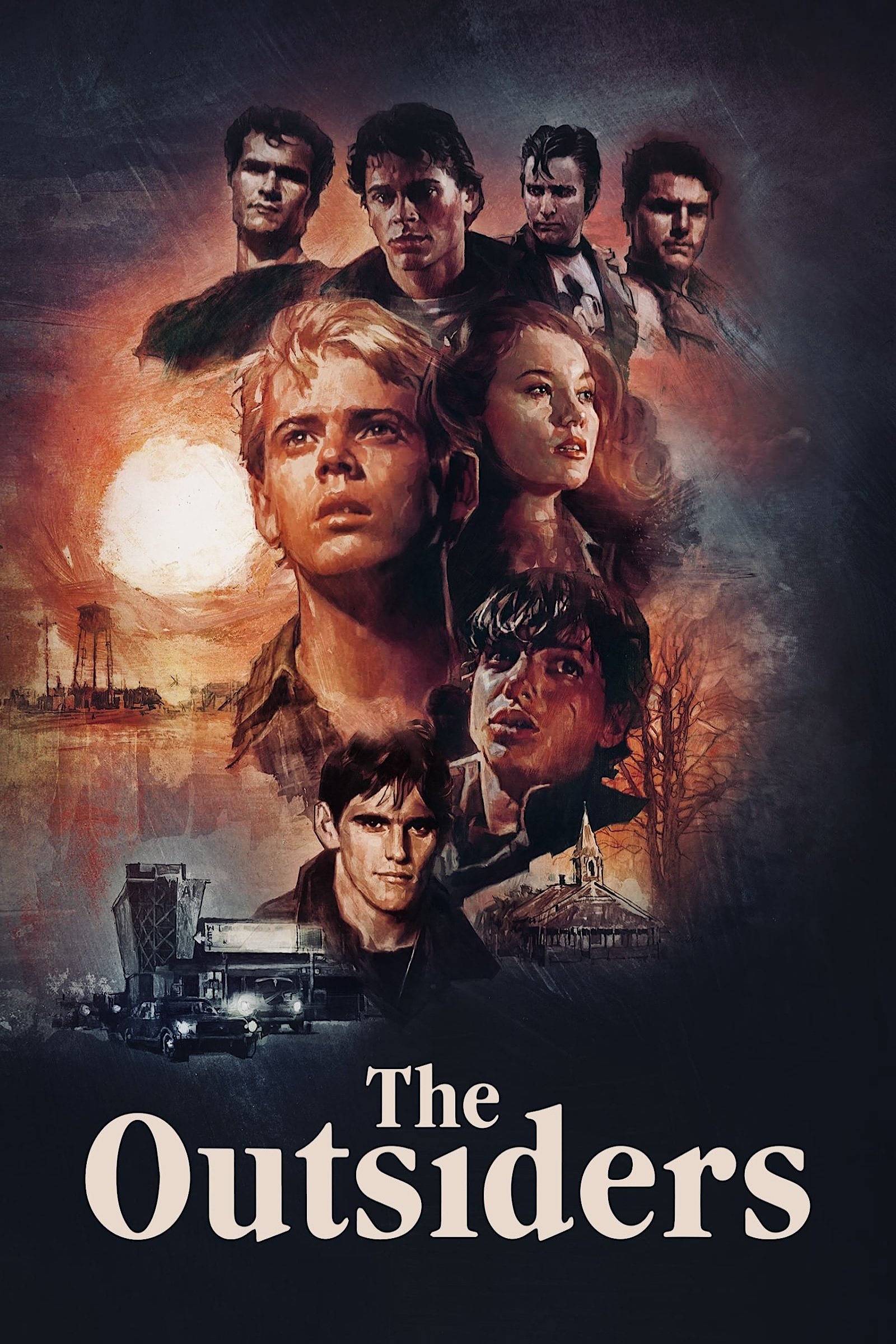
Based on the classic novel by S.E. Hinton, this coming-of-age drama tells the story of two rival teenage gangs in rural Oklahoma. Directed by Francis Ford Coppola, the film features a cast of young actors who would go on to become major stars, including C. Thomas Howell, Matt Dillon, and Patrick Swayze. It is a poignant look at the struggles of youth and the importance of friendship.
The Outsiders captures the angst and camaraderie of its characters with a sense of realism and emotional depth. The film’s exploration of social class and the search for belonging resonates with audiences of all generations. Its memorable characters and heartfelt story have made it a timeless classic of the genre.
Flashdance (1983)

This film became a cultural phenomenon, inspiring audiences with its story of a young woman who works as a welder by day and an exotic dancer by night while dreaming of becoming a professional ballerina. Jennifer Beals stars as Alex Owens in a role that captured the aspirational spirit of the 1980s. The movie is known for its iconic dance sequences and a hit soundtrack that includes the Oscar-winning song “Flashdance… What a Feeling.”
Flashdance was more than just a dance movie; it was a symbol of determination and the pursuit of one’s dreams. Its energetic style and memorable music made it a box office success and a defining film of the decade. The movie’s influence on fashion and dance continues to be felt today.
National Lampoon’s Vacation (1983)
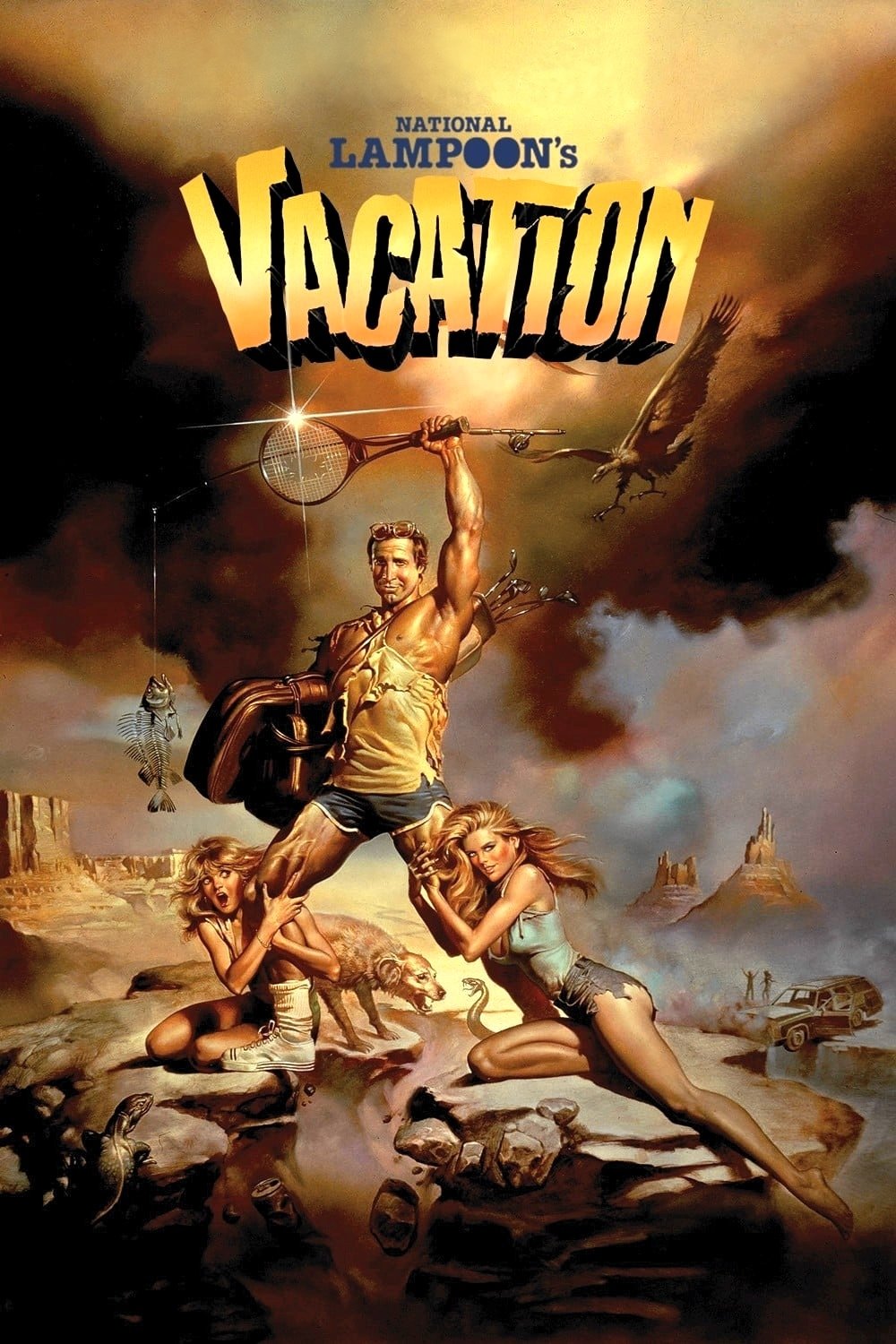
This comedy classic introduced the world to the Griswold family and their disastrous cross-country road trip to the Walley World theme park. Chevy Chase stars as the well-meaning but hapless patriarch, Clark Griswold, whose attempts to create the perfect family vacation go hilariously wrong at every turn. The film is a relatable and laugh-out-loud look at the chaos of family travel.
National Lampoon’s Vacation is celebrated for its blend of slapstick humor and witty observations about suburban family life. The movie’s memorable scenes and quotable lines have made it a favorite among comedy fans. It launched a successful franchise and remains a timeless example of the road trip comedy genre.
The Big Chill (1983)
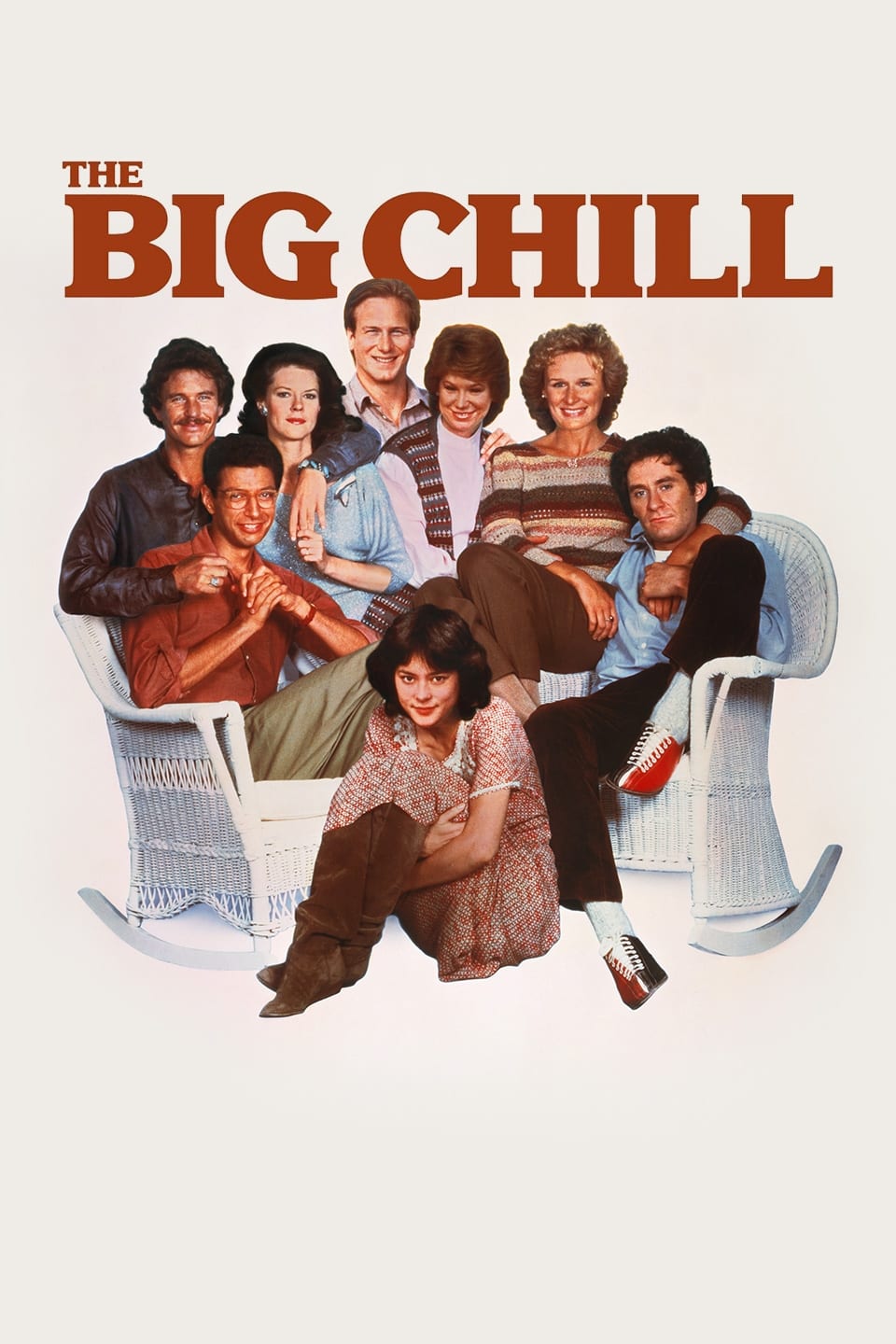
This dramedy follows a group of college friends who reunite for a weekend after the funeral of one of their own. The film explores the complexities of friendship, love, and the disillusionment that can come with adulthood. It features a talented ensemble cast, including Glenn Close, Kevin Kline, and William Hurt, whose performances bring depth and authenticity to the story.
The Big Chill is known for its sharp writing, realistic characters, and a classic Motown soundtrack that perfectly captures the mood of the film. The movie’s thoughtful examination of the relationships that shape our lives has resonated with audiences for decades. It remains a poignant and relatable look at the passage of time and the enduring power of friendship.
WarGames (1983)

This Cold War thriller tells the story of a young computer whiz who accidentally hacks into a military supercomputer and initiates a nuclear war simulation that could lead to global catastrophe. Matthew Broderick stars as the teenage hacker in a film that raised questions about the dangers of technology and the potential for human error in a world on the brink of war.
WarGames was a timely and suspenseful film that captured the anxieties of the nuclear age. Its exploration of the intersection of technology and warfare was ahead of its time and remains relevant today. The movie’s thrilling plot and thought-provoking themes have made it a classic of the sci-fi and thriller genres.
Terms of Endearment (1983)
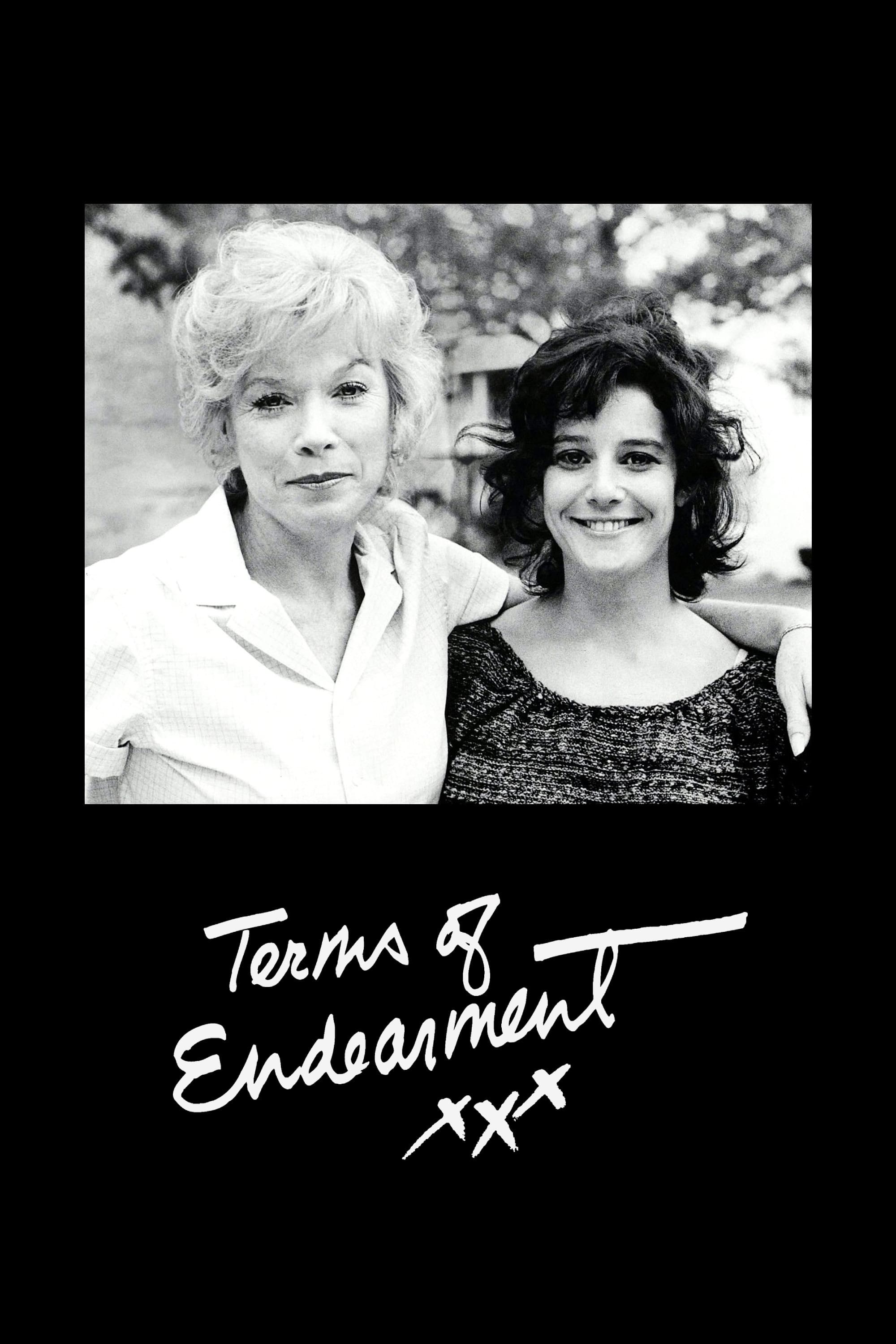
This poignant dramedy follows the complex and evolving relationship between a mother and daughter over the course of three decades. Shirley MacLaine and Debra Winger deliver powerful performances that earned them both Academy Award nominations. The film is a touching and realistic portrayal of the bonds of family, with moments of both humor and heartbreak.
Terms of Endearment was a critical and commercial success, winning the Academy Award for Best Picture. The film’s honest and emotional storytelling has resonated with audiences for its relatable depiction of life’s ups and downs. It is a timeless classic that continues to move and inspire viewers with its heartfelt story.
Risky Business (1983)
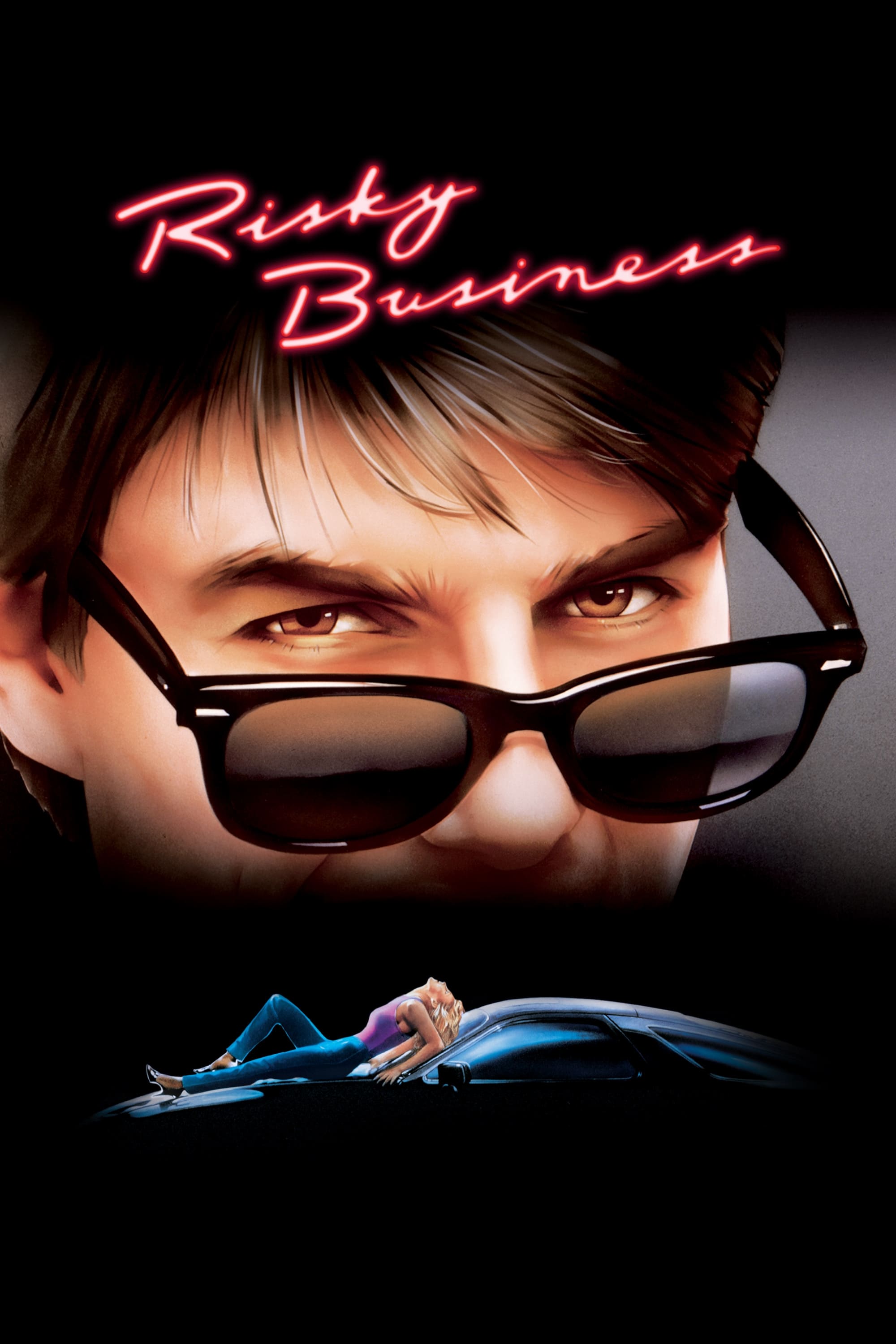
This coming-of-age comedy-drama launched Tom Cruise to stardom and became a cultural touchstone of the 1980s. Cruise plays a responsible high school student who gets into a series of wild adventures after his parents go on vacation. The film is a stylish and witty look at teenage rebellion and the pursuit of freedom.
Risky Business is remembered for its iconic scenes, including Cruise’s famous dance to “Old Time Rock and Roll.” The movie’s blend of humor, drama, and social commentary captured the spirit of the era and resonated with young audiences. It remains a classic of the teen film genre and a testament to Cruise’s early star power.
The Right Stuff (1983)

This epic historical drama tells the story of the first American astronauts, the Mercury Seven. Based on the book by Tom Wolfe, the film is a sweeping and patriotic look at the early days of the U.S. space program. It features a large ensemble cast and stunning aerial cinematography that captures the thrill and danger of flight.
The Right Stuff was a critically acclaimed film that won four Academy Awards. Its portrayal of heroism and the pioneering spirit of the space race made it an inspiring and awe-inspiring cinematic experience. The movie is a tribute to the courage and dedication of the astronauts who ventured into the unknown.
Christine (1983)
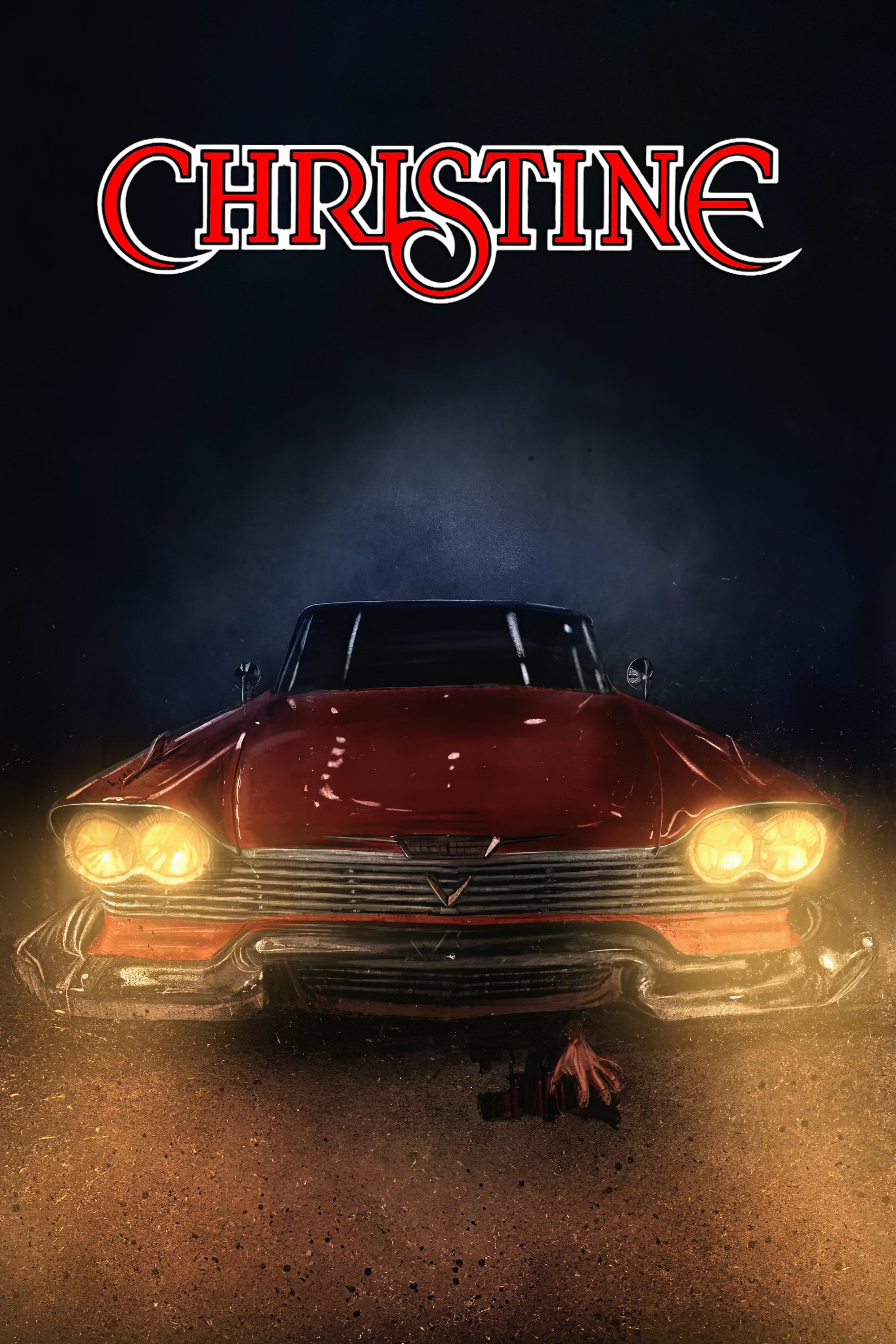
Based on the novel by Stephen King, this horror film tells the story of a nerdy teenager who buys a vintage Plymouth Fury that turns out to be a sentient and malevolent car. The car, named Christine, begins to have a corrupting influence on its owner and attacks anyone who gets in its way. The film is a suspenseful and stylish thriller from director John Carpenter.
Christine is a classic of the horror genre, known for its iconic killer car and tense atmosphere. The movie’s exploration of obsession and the dark side of technology has made it a favorite among horror fans. It remains a chilling and effective tale of terror.
Cujo (1983)
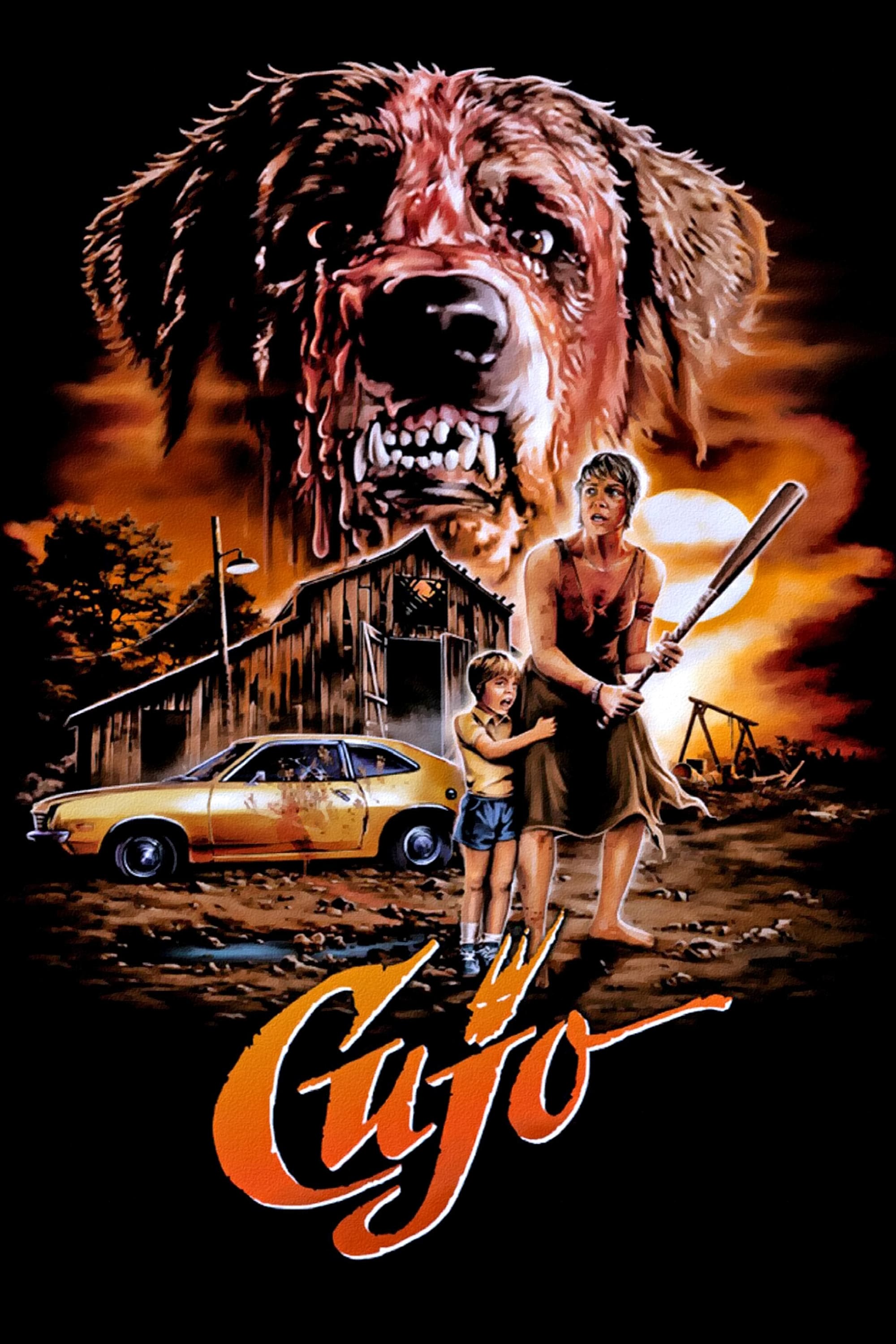
Another adaptation of a Stephen King novel, this horror film tells the terrifying story of a friendly St. Bernard who becomes a rabid killing machine after being bitten by a bat. A mother and her young son are trapped in their car as the dog relentlessly attacks them. The film is a suspenseful and claustrophobic thriller that preys on primal fears.
Cujo is a masterclass in tension, building a sense of dread and helplessness as the characters fight for survival. The film’s realistic portrayal of a familiar animal turned monstrous has made it a memorable and frightening entry in the horror genre.
Videodrome (1983)
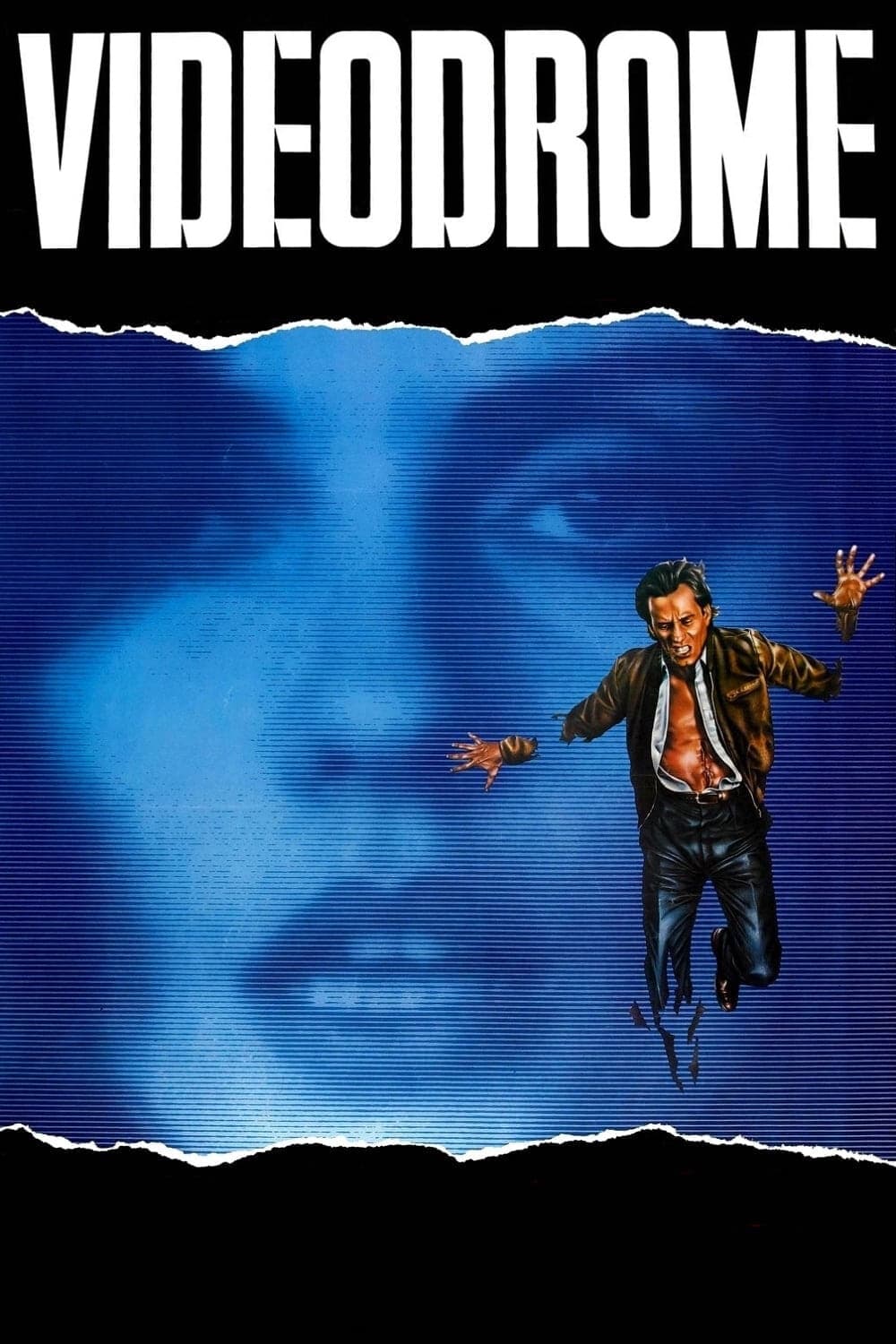
This science fiction body horror film from director David Cronenberg is a surreal and disturbing exploration of technology, media, and their effects on the human mind. James Woods stars as the president of a small television station who discovers a broadcast signal that transmits graphic violence and torture. As he investigates its origins, he is drawn into a bizarre and hallucinatory world.
Videodrome is a provocative and challenging film that was ahead of its time in its examination of media saturation and its potential to alter reality. Its bizarre and often grotesque imagery has made it a cult classic among fans of body horror and surrealist cinema. The film’s themes are more relevant than ever in today’s media-driven world.
The King of Comedy (1983)
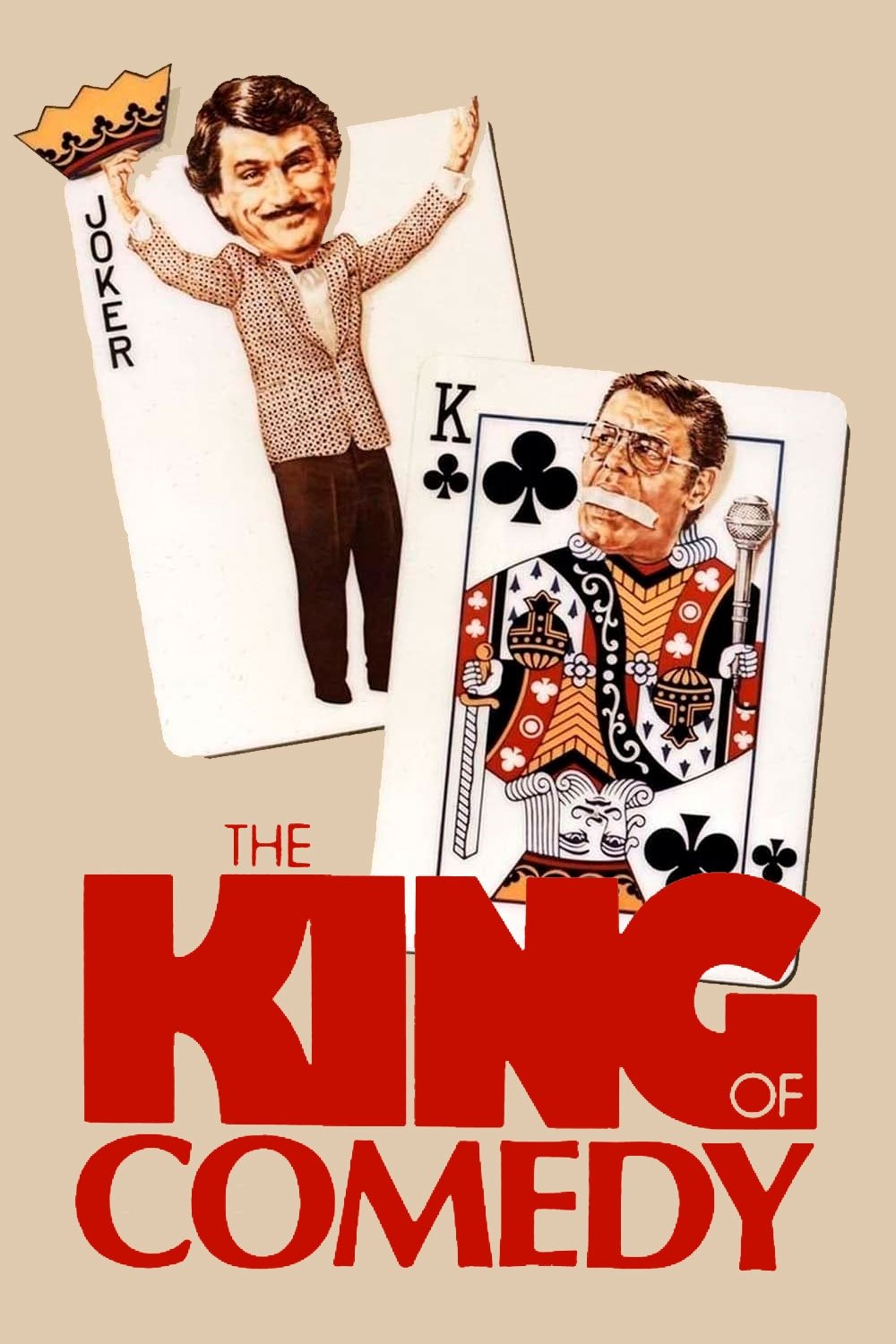
This dark comedy from director Martin Scorsese stars Robert De Niro as Rupert Pupkin, an aspiring and delusional stand-up comedian who will stop at nothing to achieve fame. He stalks and eventually kidnaps his idol, a popular talk show host played by Jerry Lewis. The film is a sharp and unsettling satire of celebrity culture and the obsession with fame.
The King of Comedy was a departure for Scorsese and De Niro, who were known for their gritty crime dramas. The film’s uncomfortable humor and unsettling protagonist have made it a cult classic and a highly influential film. Its critique of the media and the nature of celebrity remains incredibly relevant today.
Monty Python’s The Meaning of Life (1983)
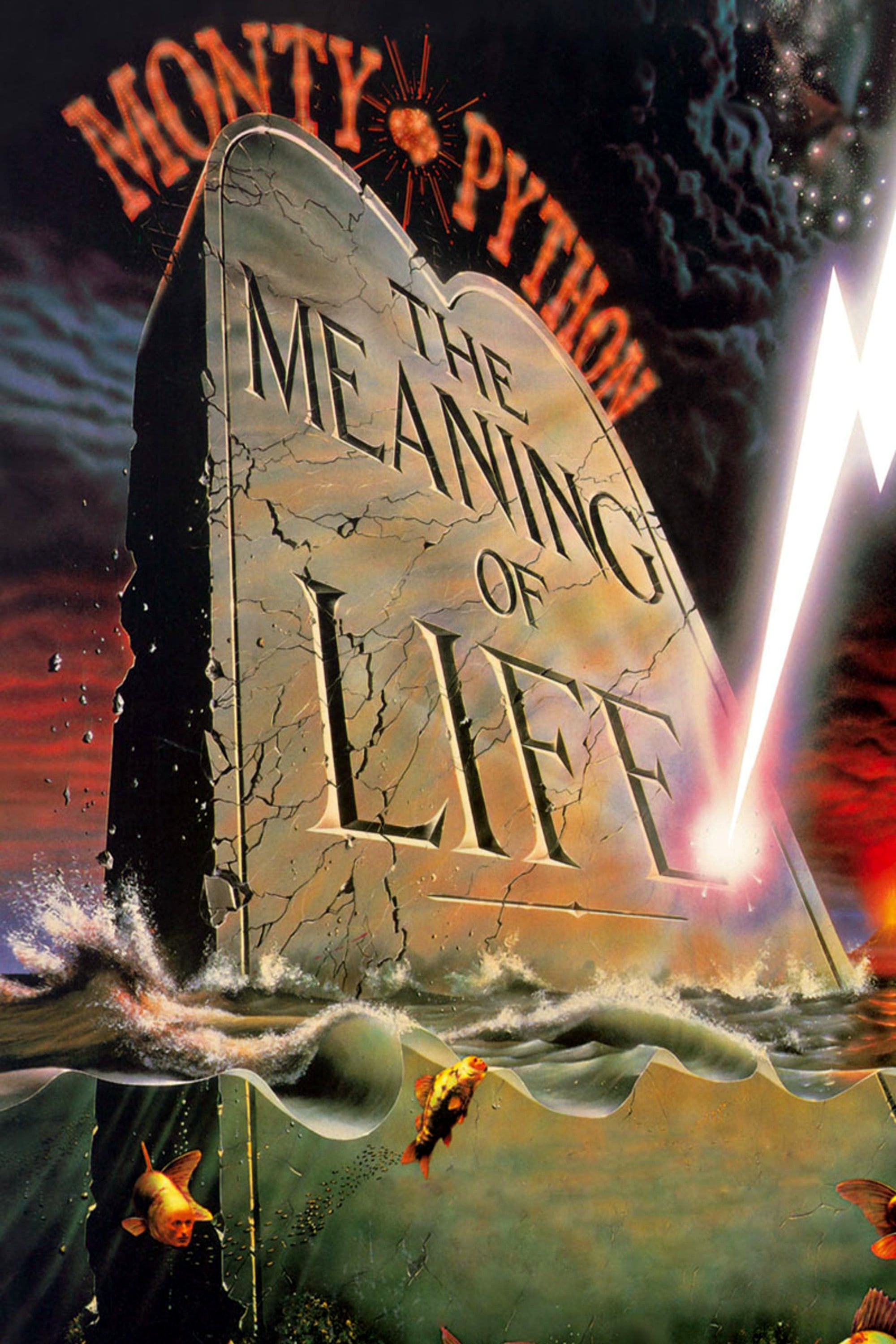
The final feature film from the legendary British comedy troupe is a series of sketches that explore the various stages of life, from birth to death and beyond. The film is filled with the group’s signature brand of absurd and surreal humor, tackling big questions with a healthy dose of irreverence. It is a chaotic and hilarious look at the human experience.
Monty Python’s The Meaning of Life is a fitting send-off for the comedy group, showcasing their unique and influential style. The film’s clever writing and memorable musical numbers have made it a favorite among fans of the Pythons and sketch comedy.
Silkwood (1983)
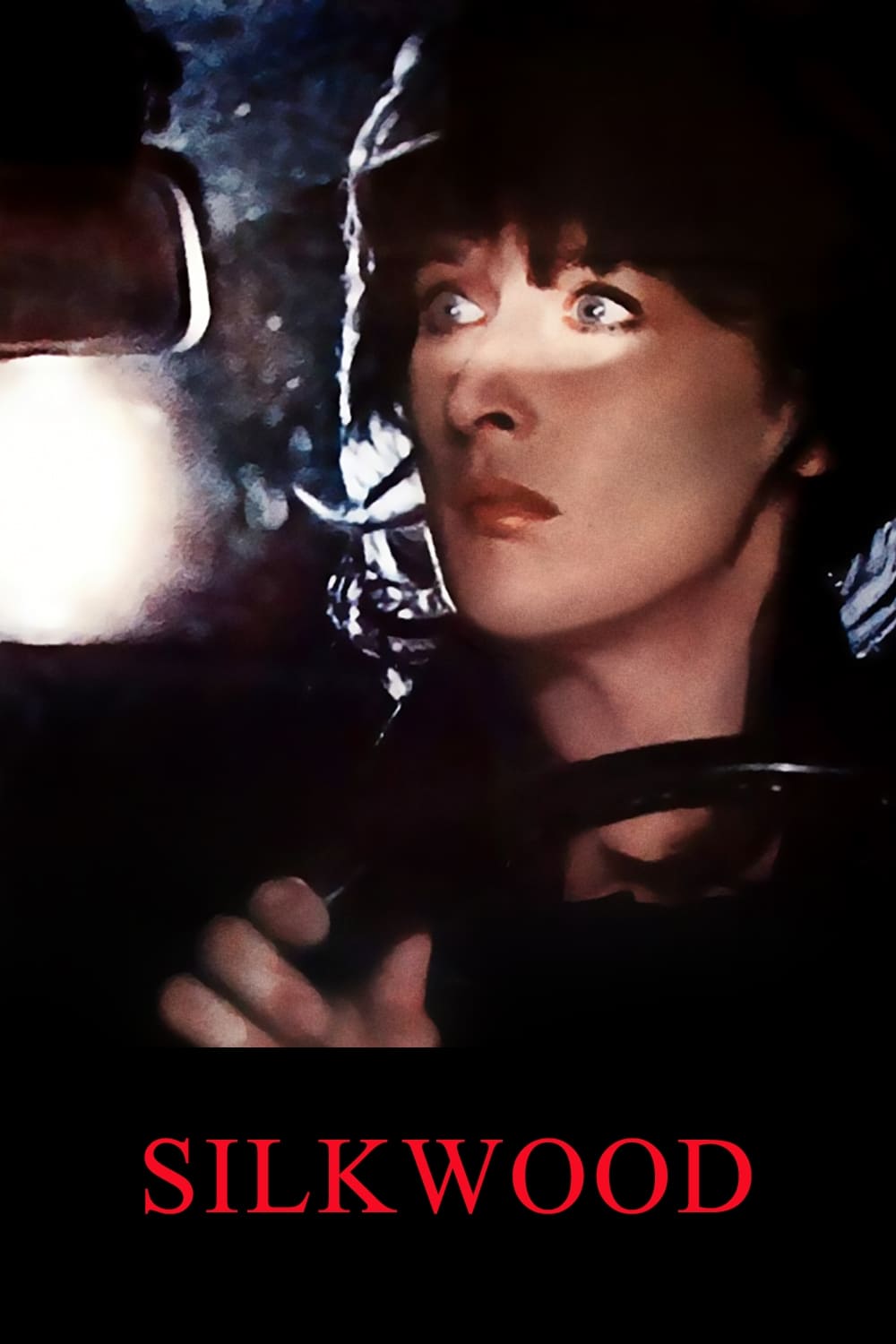
Based on a true story, this drama stars Meryl Streep as Karen Silkwood, a worker at a nuclear facility who becomes a whistleblower after discovering unsafe practices. The film follows her efforts to expose the truth, which puts her at odds with her employers and ultimately leads to her mysterious death. It is a powerful and compelling story about one woman’s courage in the face of corporate power.
Silkwood features a strong cast, including Cher and Kurt Russell, and was nominated for five Academy Awards. The film’s gripping narrative and important subject matter have made it a classic of the biographical drama genre.
The Dead Zone (1983)

This supernatural thriller, based on the Stephen King novel, stars Christopher Walken as a man who awakens from a coma with psychic abilities. He can see people’s pasts, presents, and futures by touching them. When he shakes the hand of a rising politician, he sees a vision of a catastrophic future that he must prevent.
Directed by David Cronenberg, The Dead Zone is a suspenseful and emotionally resonant film. Walken’s performance is a highlight, capturing the torment and responsibility of his character’s powers. The film is a well-crafted thriller with a compelling moral dilemma at its core.
Octopussy (1983)
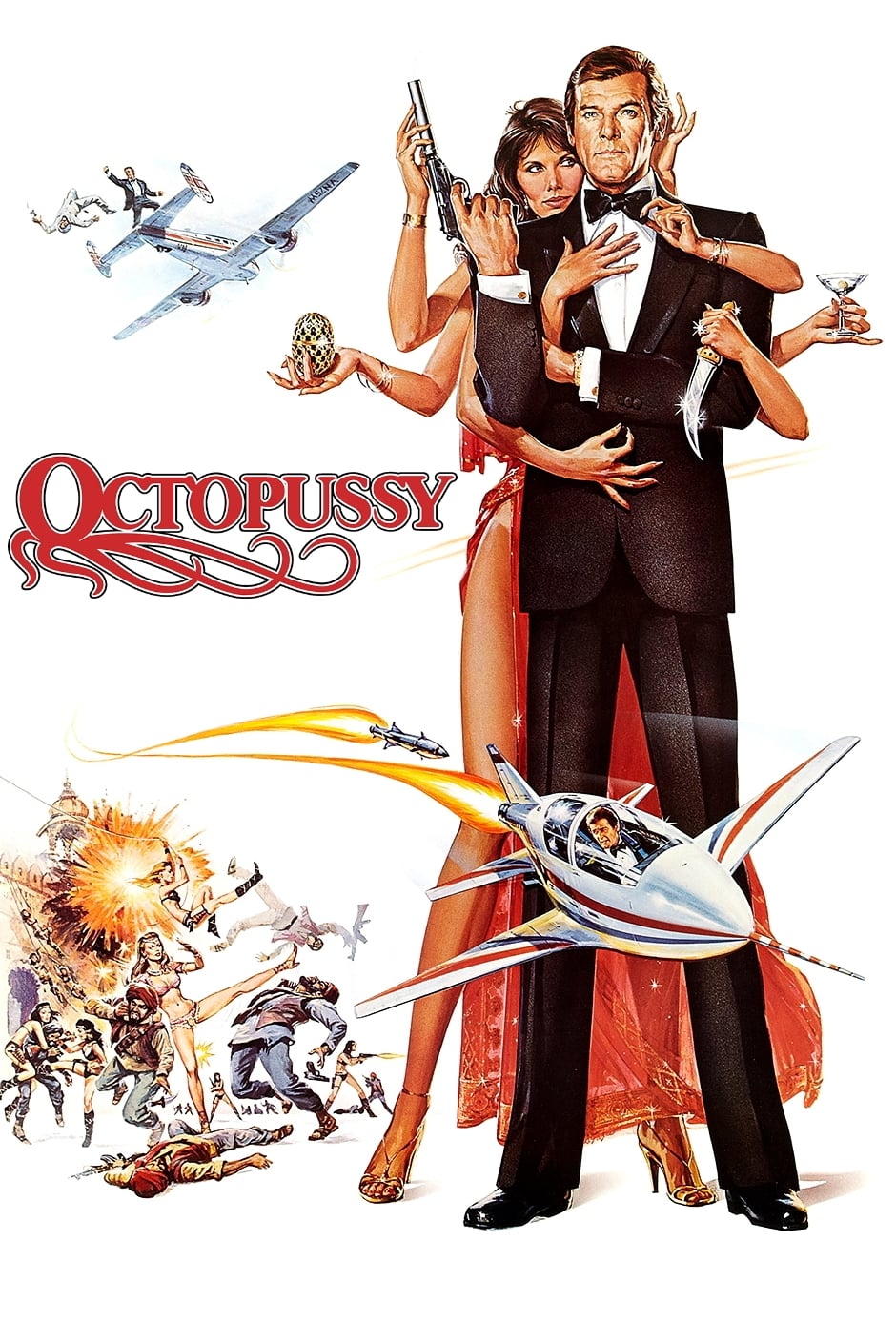
This James Bond adventure sees Roger Moore in his sixth outing as the iconic spy. The film follows Bond as he investigates the death of a fellow agent, leading him to a wealthy and mysterious woman known as Octopussy. The plot involves a jewel-smuggling operation that is a front for a much more sinister plan involving a nuclear attack.
Octopussy is a classic Bond film, featuring exotic locations, thrilling action sequences, and a healthy dose of humor. Moore’s charm and wit are on full display, and the film delivers the kind of escapist entertainment that the series is known for. It remains a memorable entry in the long-running franchise.