Best Movie Theories That Actually Make Sense


Movies often leave us with questions. Fans love to come up with theories to explain plot holes or hidden meanings. Some theories sound crazy, but others feel so logical they could be true. These ideas make us rewatch films with fresh eyes and spark endless debates.
This list covers 15 movie theories that hold up under scrutiny. Each one offers a clear explanation for mysteries in popular films. From mind-bending sci-fi to classic animations, these theories add depth to the stories we love. Let’s dive into the ideas that make sense and change how we see these movies.
The Time Loop in ‘Groundhog Day’ (1993) Is a Curse
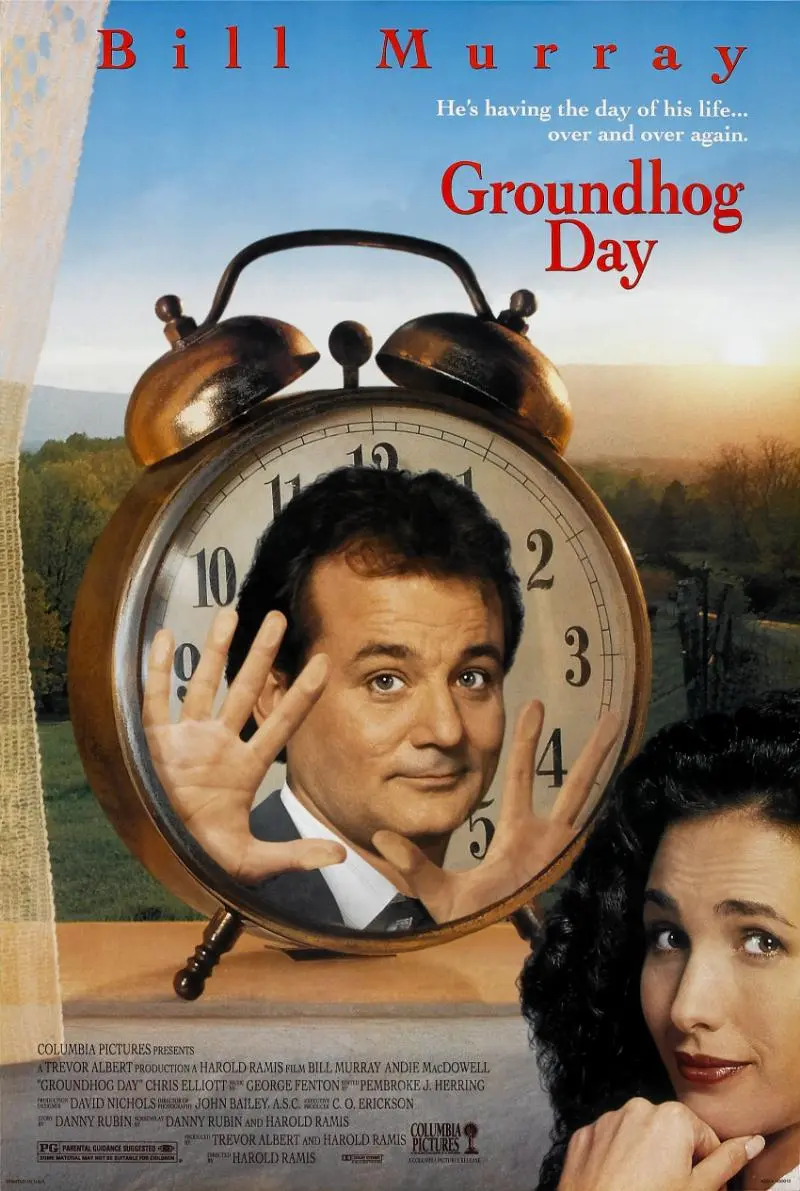
In ‘Groundhog Day,’ Phil relives the same day over and over. One theory says this is a curse from a scorned lover. Early in the film, Phil dismisses a woman who shows interest in him. Her subtle reaction hints at resentment, and some fans believe she uses supernatural means to trap him in the loop. The curse only breaks when Phil becomes a better person.
This theory fits because the movie never explains why the loop starts. It also ties into the story’s theme of personal growth. Phil’s journey to kindness could be the key to undoing the spell. The idea of a curse adds a layer of mystery to the film’s simple setup.
‘The Matrix’ (1999) Has Multiple Layers of Simulation
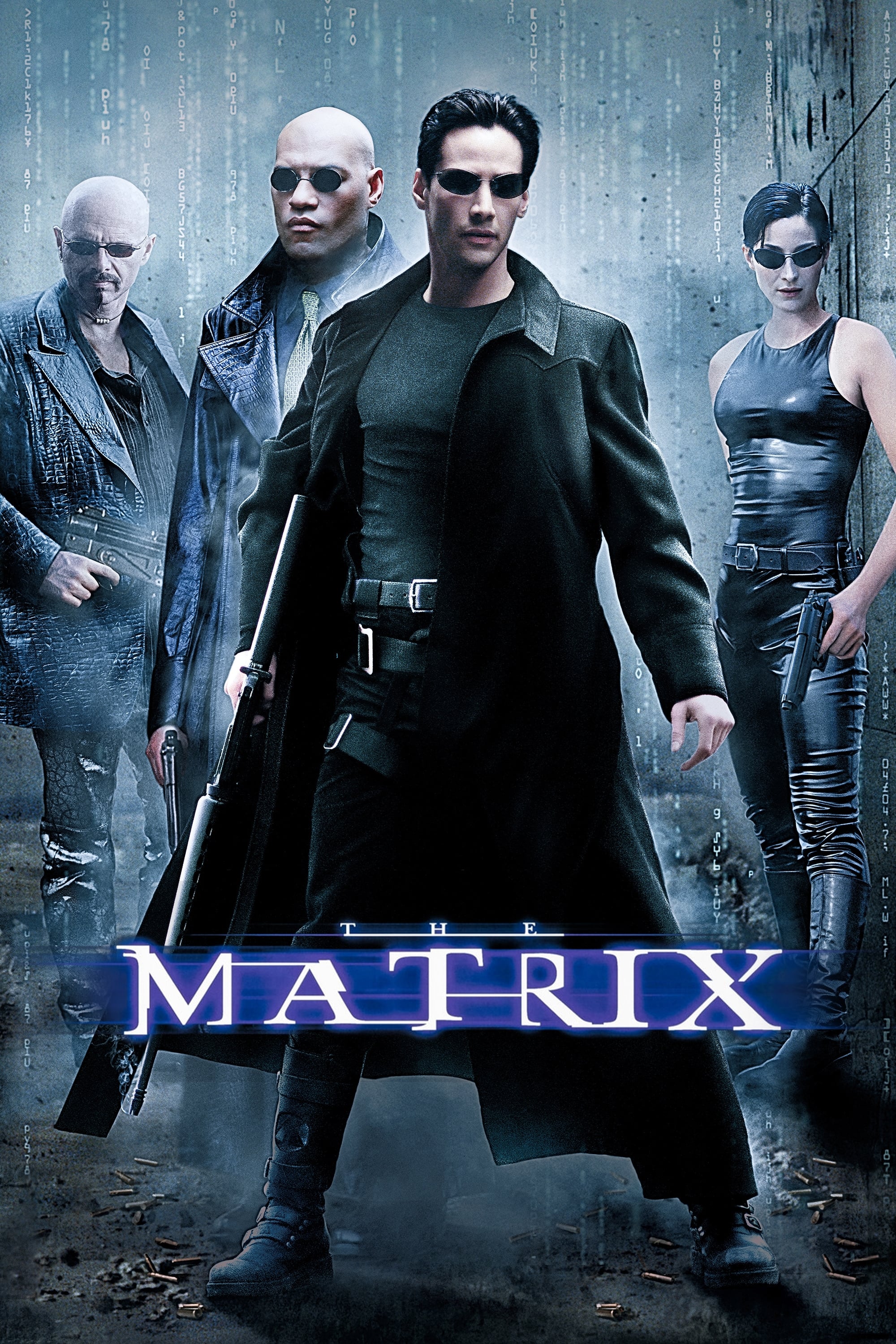
In ‘The Matrix,’ humans are trapped in a simulated reality. A popular theory suggests the real world Neo escapes to is another simulation. Clues like the green digital rain code appearing outside the Matrix support this. The machines might use a second layer to control rebels who think they’re free.
This theory makes sense because it explains why the machines tolerate Zion’s existence. A fake rebellion keeps humans distracted while the machines stay in control. It also deepens the film’s philosophy about questioning reality. The idea of endless simulations feels chillingly plausible.
‘The Shining’ (1980) Is About the Moon Landing
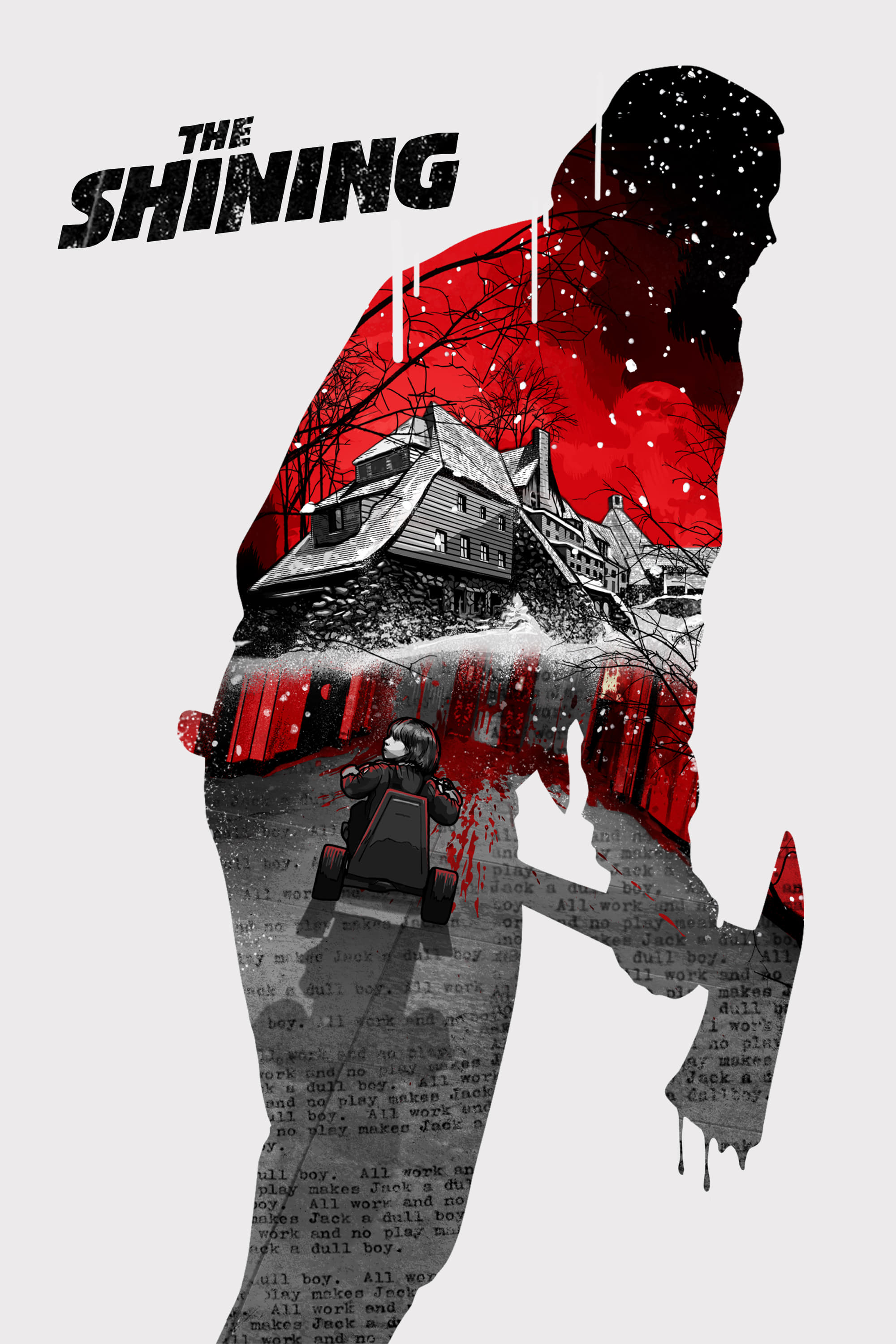
Stanley Kubrick’s ‘The Shining’ is packed with hidden meanings. One theory claims it’s a confession about faking the Apollo 11 moon landing. Fans point to Danny’s Apollo 11 sweater and the mysterious Room 237, which could symbolize the moon. Kubrick’s perfectionism and rumored ties to NASA fuel this idea.
While it sounds wild, the theory holds up due to Kubrick’s cryptic style. He often embedded symbols in his work, and the moon landing was a cultural obsession. The film’s eerie tone fits the idea of a dark secret. It’s a stretch, but the clues make it compelling.
‘Inception’ (2010) Never Resolves the Spinning Top
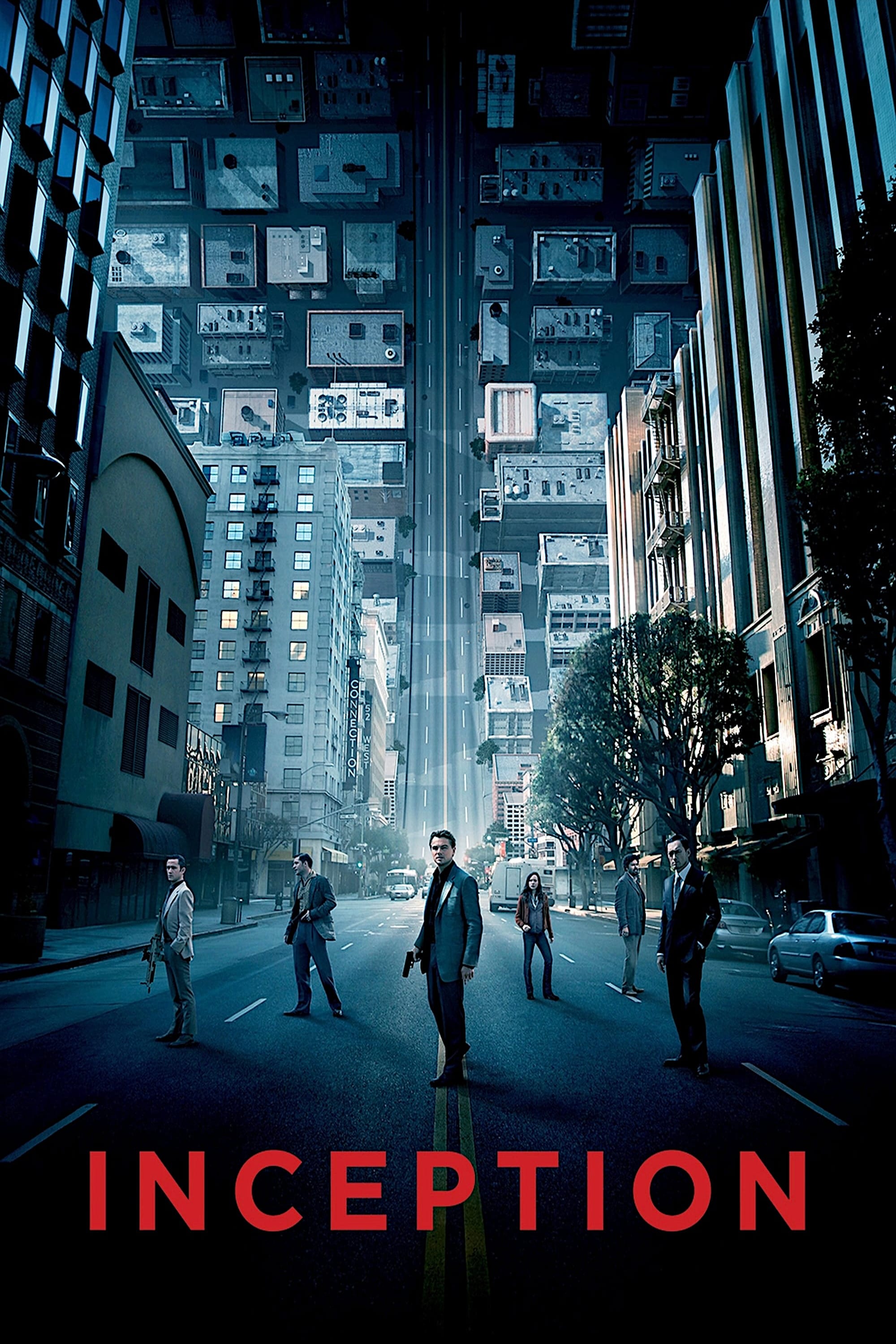
In ‘Inception,’ the spinning top is Cobb’s totem to test reality. The film ends with it wobbling but never falling. A theory argues this ambiguity is deliberate, meaning Cobb no longer cares if he’s dreaming. His focus on his kids suggests he accepts his reality, dream or not.
This theory works because it aligns with the movie’s themes of perception and choice. The top’s fate is less important than Cobb’s emotional journey. Leaving it unresolved lets viewers decide for themselves. It’s a satisfying explanation for an iconic cliffhanger.
‘Toy Story’ (1995) Toys Represent Childhood Trauma
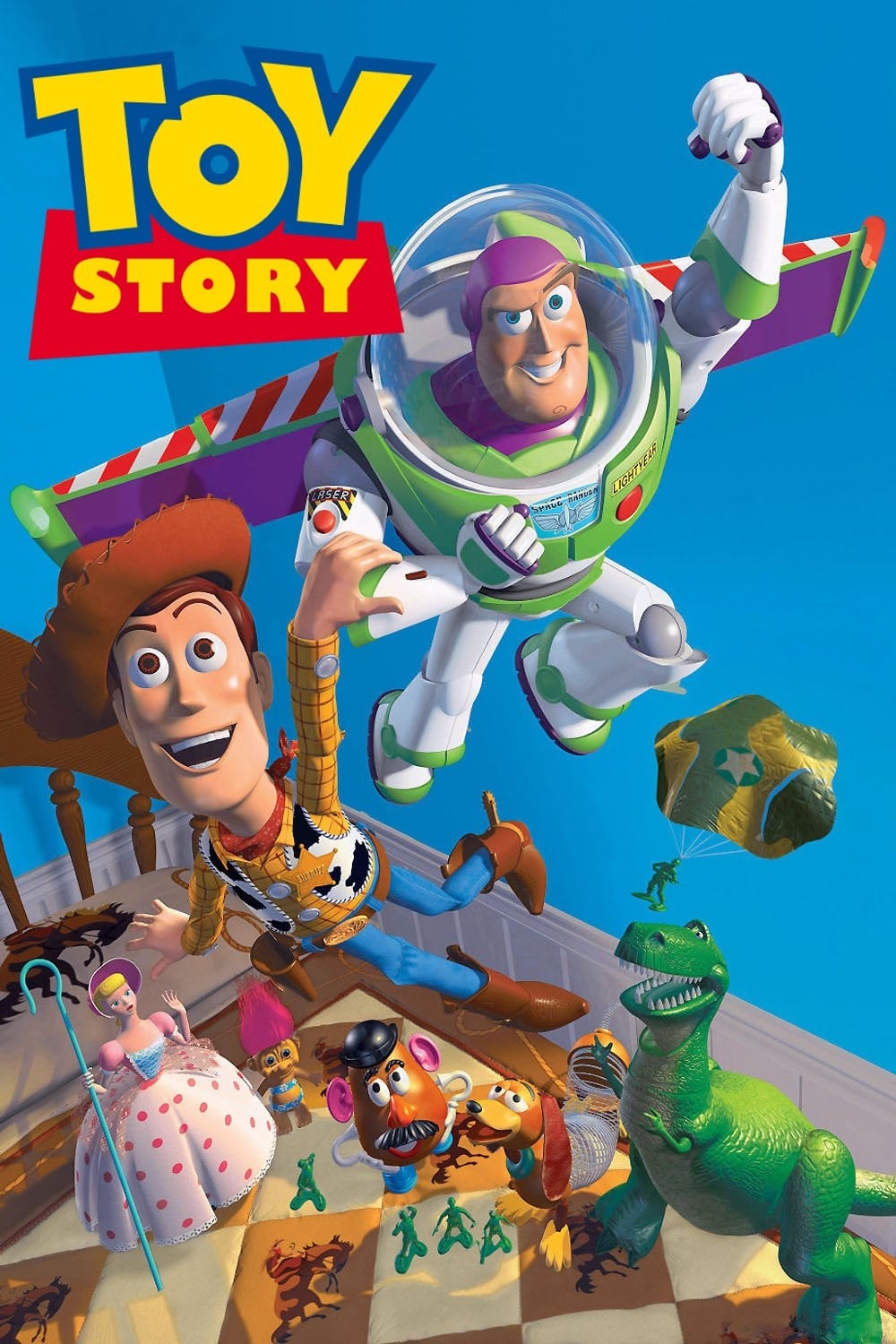
‘Toy Story’ seems like a fun kids’ movie, but some fans see deeper meaning. A theory suggests the toys symbolize a child’s coping mechanism for trauma. Woody’s jealousy and Buzz’s delusions could reflect inner struggles. Andy’s stable home life contrasts with the toys’ emotional chaos.
This idea makes sense because toys often help kids process real-world pain. The film’s focus on loyalty and change mirrors how children navigate tough emotions. It adds a mature layer to the story without breaking its charm. The theory feels grounded in human experience.
‘Fight Club’ (1999) Is About Toxic Masculinity

‘Fight Club’ follows a man rebelling against modern life through violence. A theory argues the film critiques toxic masculinity. Tyler Durden’s extreme ideals of strength and control lead to chaos. The narrator’s split personality shows the dangers of suppressing emotions.
This theory holds up because the movie mocks consumer culture while exposing macho ideals. Tyler’s cult-like following feels like a warning about destructive stereotypes. The story’s resolution supports healing through vulnerability. It’s a sharp take on the film’s social commentary.
‘The Truman Show’ (1998) Predicts Reality TV
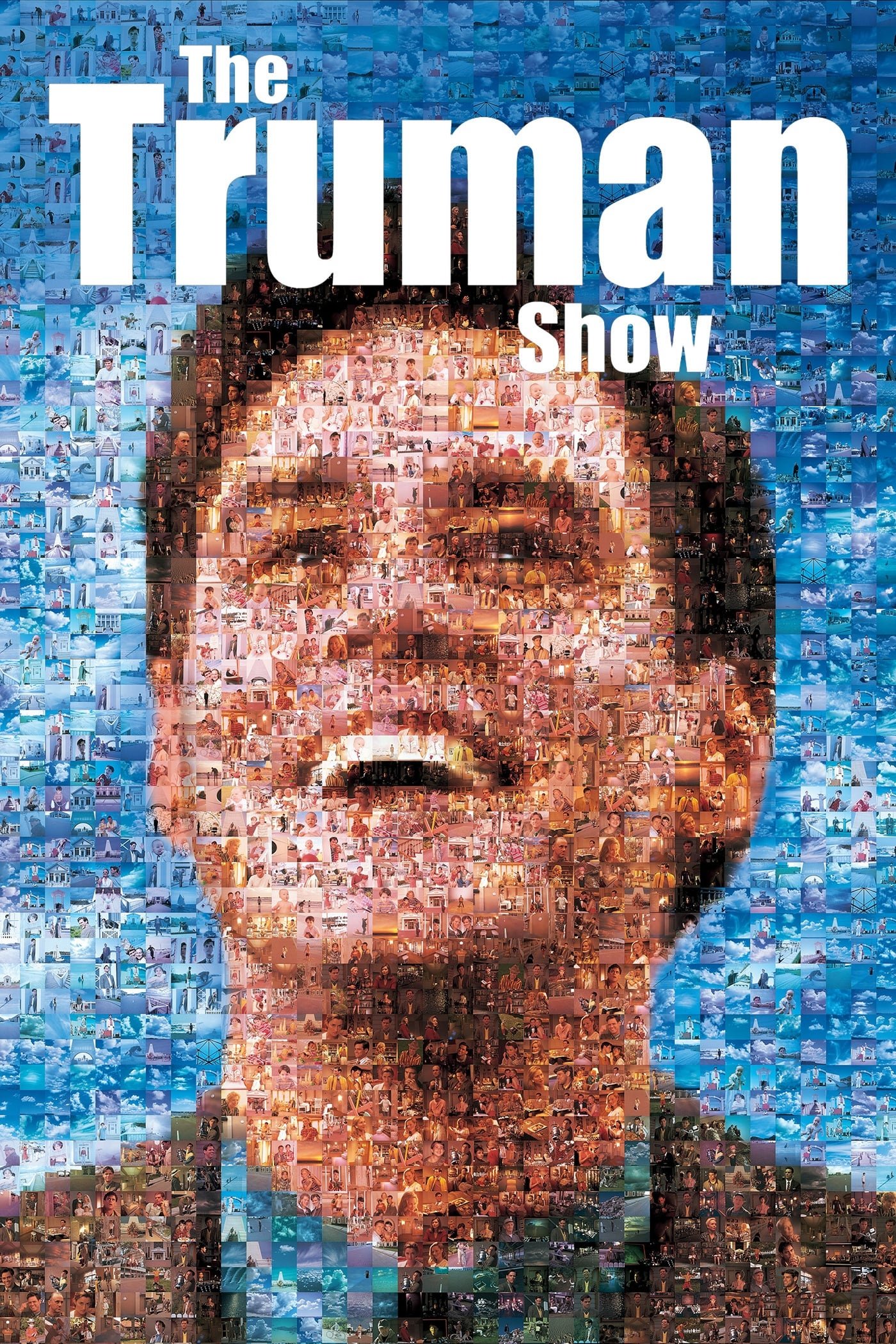
‘The Truman Show’ tells the story of a man unaware his life is a TV show. A theory claims it foreshadows the rise of reality TV. The film’s focus on surveillance and scripted drama mirrors shows like ‘Big Brother.’ Truman’s world feels eerily close to modern media.
This idea is convincing because reality TV exploded after the film’s release. The movie questions authenticity and exploitation, themes central to today’s media landscape. It’s less a theory and more a prophecy. The parallels are too strong to ignore.
‘The Empire Strikes Back’ (1980) Uses Color Symbolism
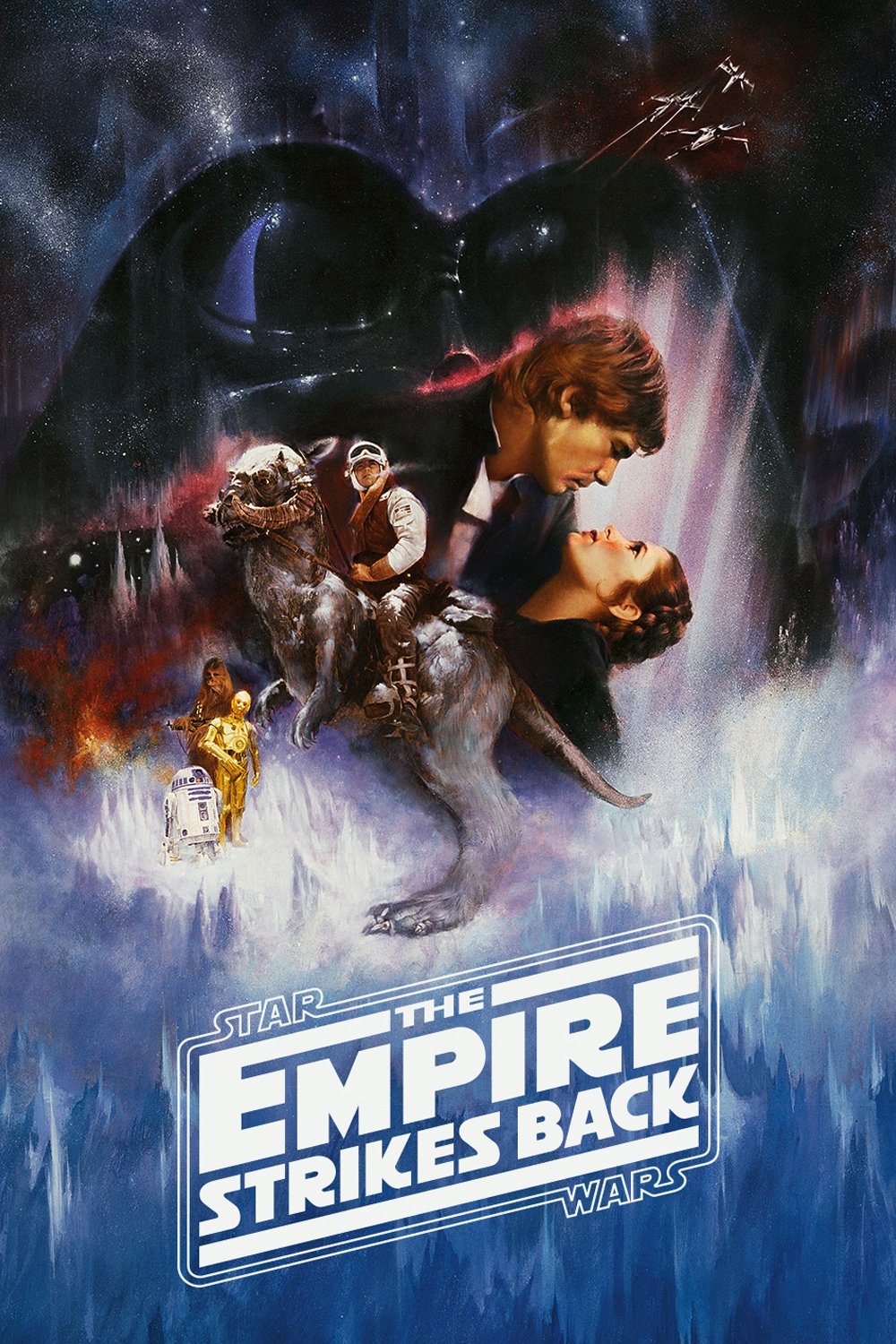
In ‘The Empire Strikes Back,’ Luke faces dark challenges. A theory suggests the film uses color to show his moral struggle. Blue lightsabers and bright settings represent hope, while red and dark tones signal danger. Luke’s journey reflects this visual battle.
This theory fits because ‘Star Wars’ is known for deliberate visuals. The shift from Hoth’s whites to Dagobah’s greens and Bespin’s oranges tracks Luke’s growth. Color guides the audience’s emotions subtly. It’s a smart way to read the film’s artistry.
‘Willy Wonka & the Chocolate Factory’ (1971) Is a Morality Test
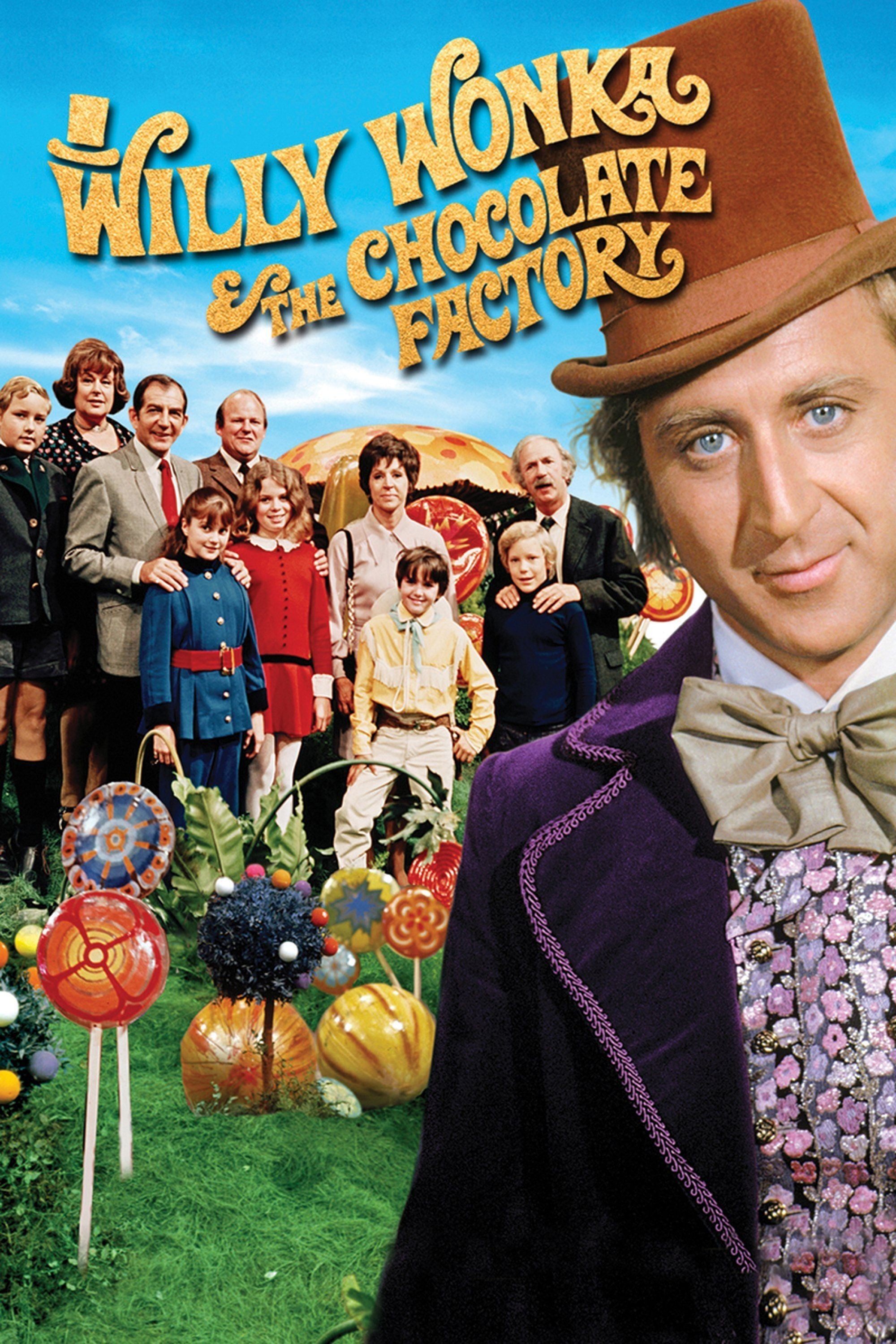
In ‘Willy Wonka & the Chocolate Factory,’ kids face strange challenges in a magical factory. A theory says Wonka designed the tour as a test of character. Each child’s fate reflects their flaws, like greed or gluttony. Charlie wins because of his honesty.
This theory makes sense because Wonka’s actions feel calculated. He watches the kids closely and rewards Charlie’s kindness. The film’s whimsical tone hides a deeper lesson about virtue. It’s a clever spin on a childhood classic.
‘Back to the Future’ (1985) Has a Darker Timeline
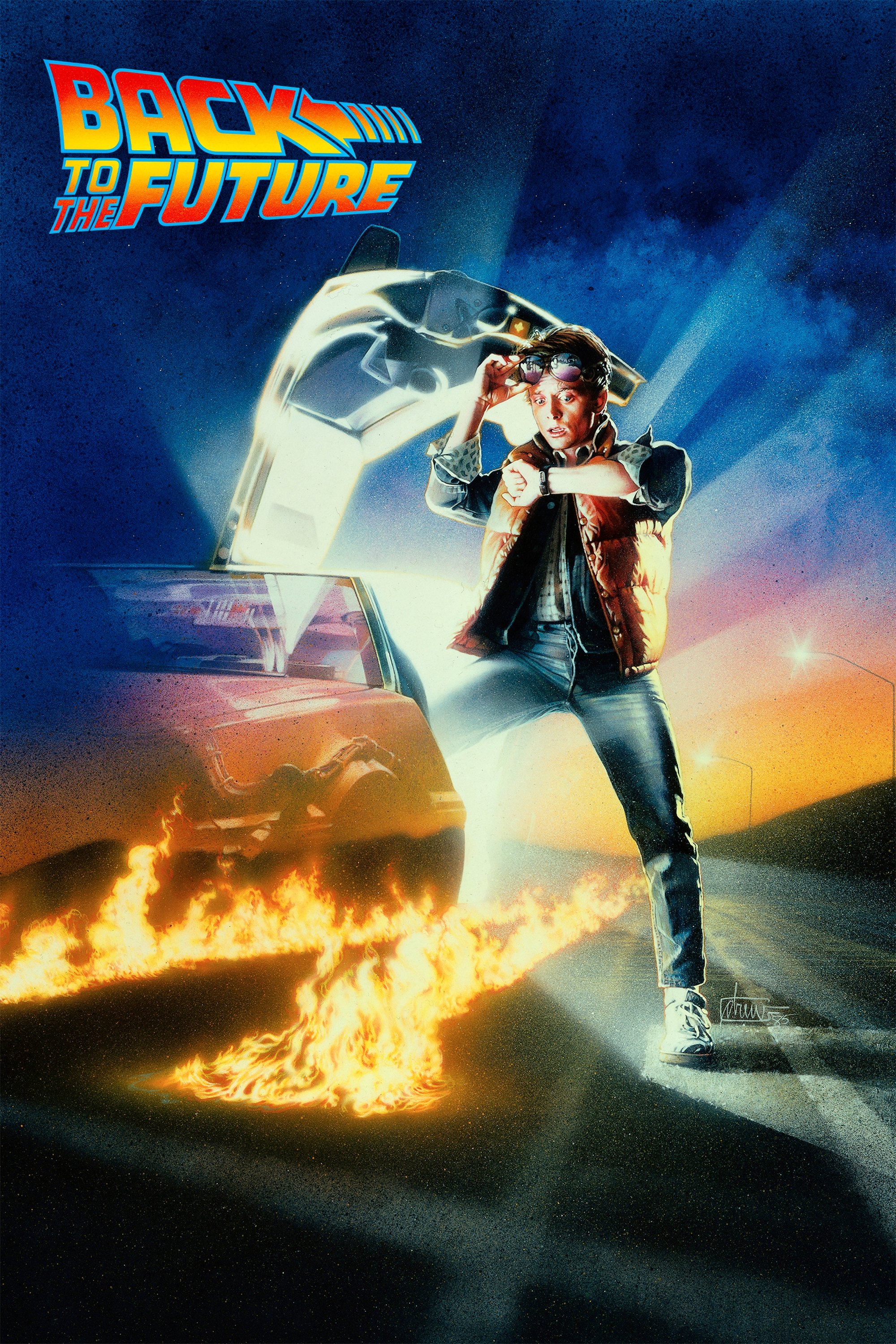
‘Back to the Future’ is a fun time-travel adventure. A theory suggests Marty’s changes create a darker timeline. His parents’ new confidence could make them less relatable to him. Small details, like his siblings’ success, hint at a world Marty doesn’t fully belong in.
This idea works because time travel often has unintended consequences. The film’s happy ending feels too perfect, raising questions about Marty’s place. It adds a bittersweet edge to the story. The theory makes the movie more complex.
‘The Dark Knight’ (2008) Proves the Joker’s Genius
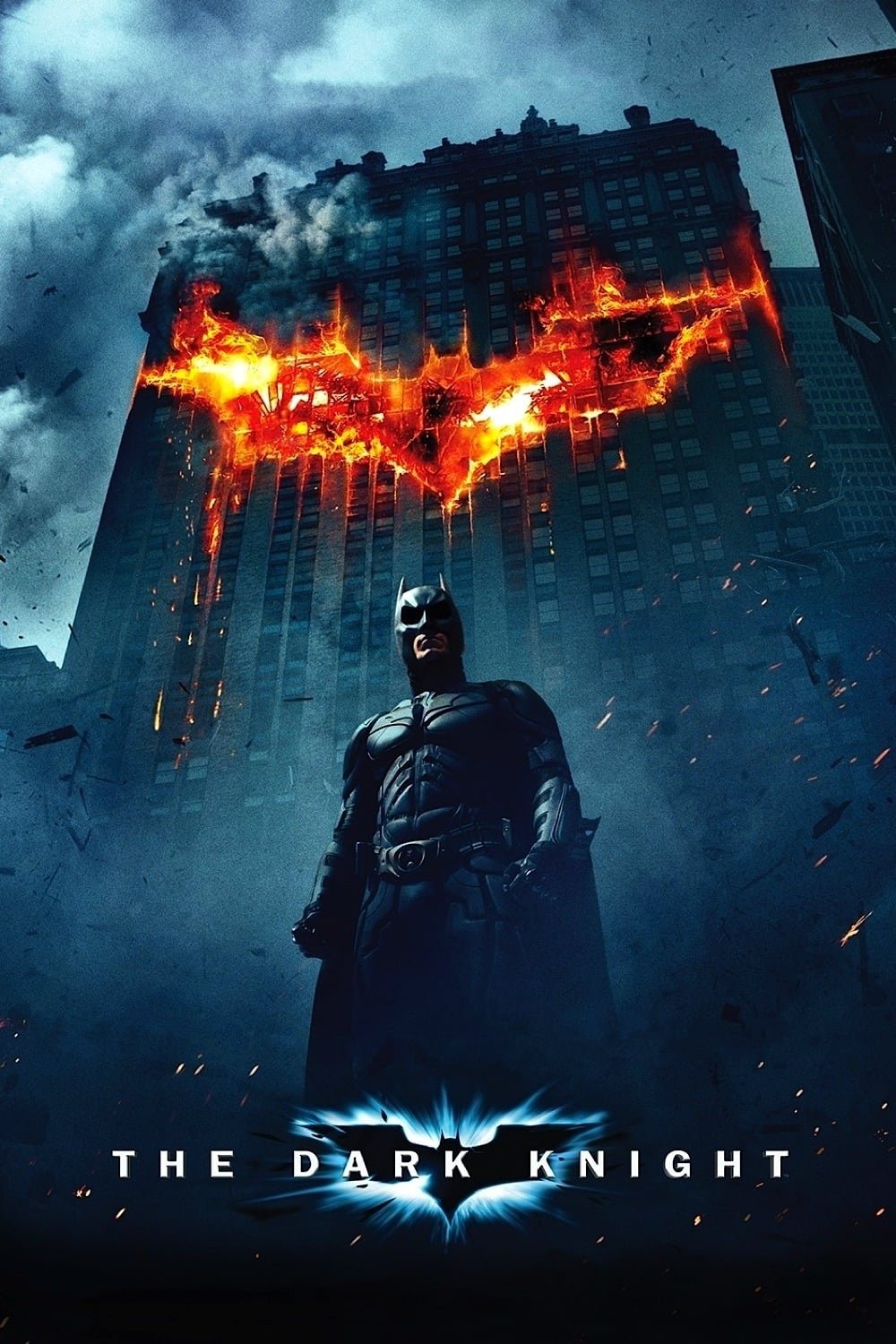
In ‘The Dark Knight,’ the Joker causes chaos in Gotham. A theory argues he’s a master strategist, not just a madman. His plans, like the ferry dilemma, force people to confront their worst instincts. Every move pushes Batman closer to breaking his moral code.
This theory holds up because the Joker’s actions are too precise to be random. He manipulates everyone, from criminals to citizens. The film’s tension comes from his ability to predict human behavior. It’s a chilling take on his intelligence.
‘Pulp Fiction’ (1994) Briefcase Contains Marcellus’ Soul
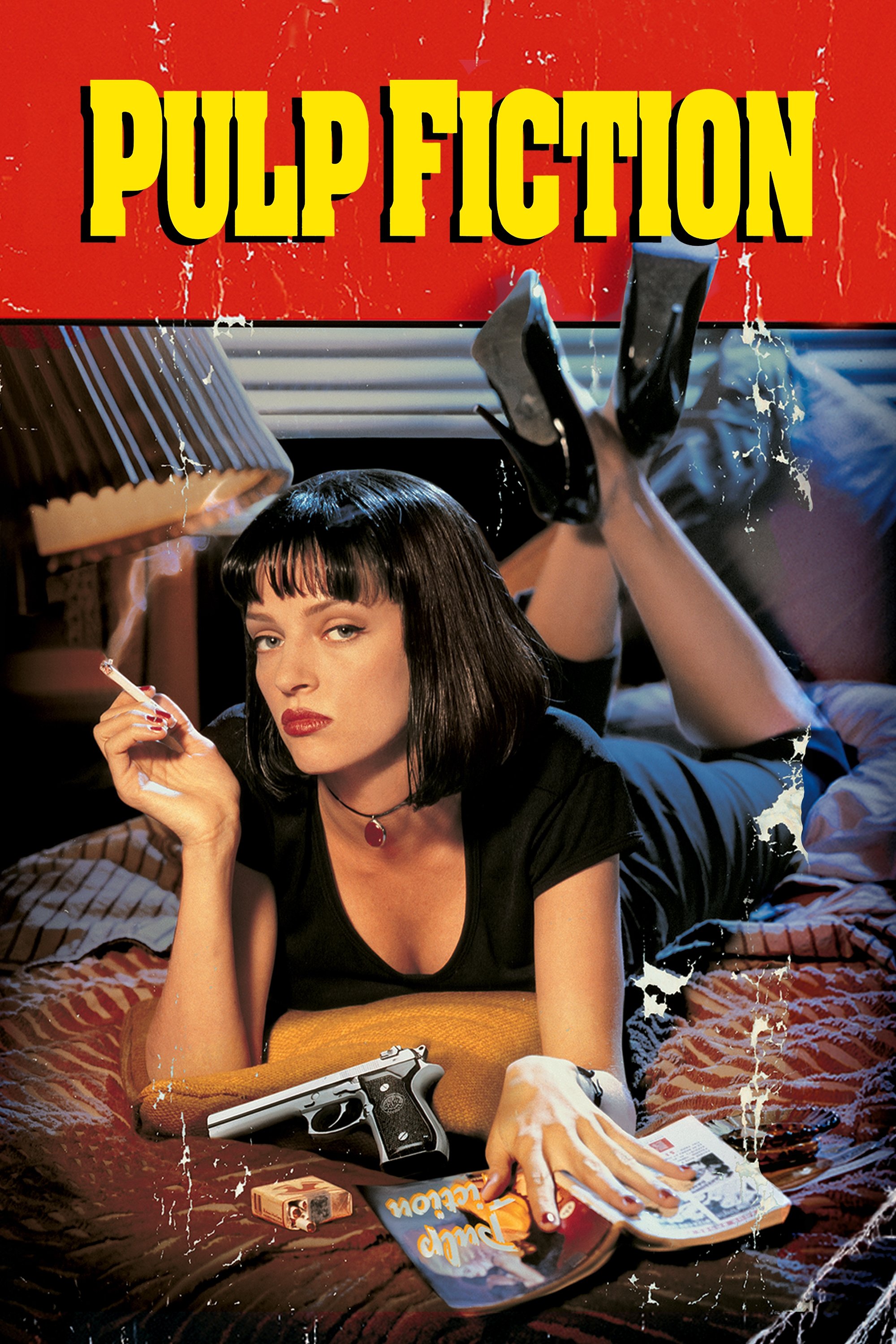
In ‘Pulp Fiction,’ a glowing briefcase drives the plot. A popular theory claims it holds Marcellus Wallace’s soul. Fans point to the bandage on Marcellus’ neck, suggesting his soul was taken from there. The briefcase’s mysterious value fits this supernatural idea.
This theory is compelling because the film leaves the briefcase’s contents vague. Tarantino’s love for symbolism supports a deeper meaning. The soul angle adds a mythic layer to the gritty crime story. It’s a bold but fitting interpretation.
‘Spirited Away’ (2001) Is About Growing Up
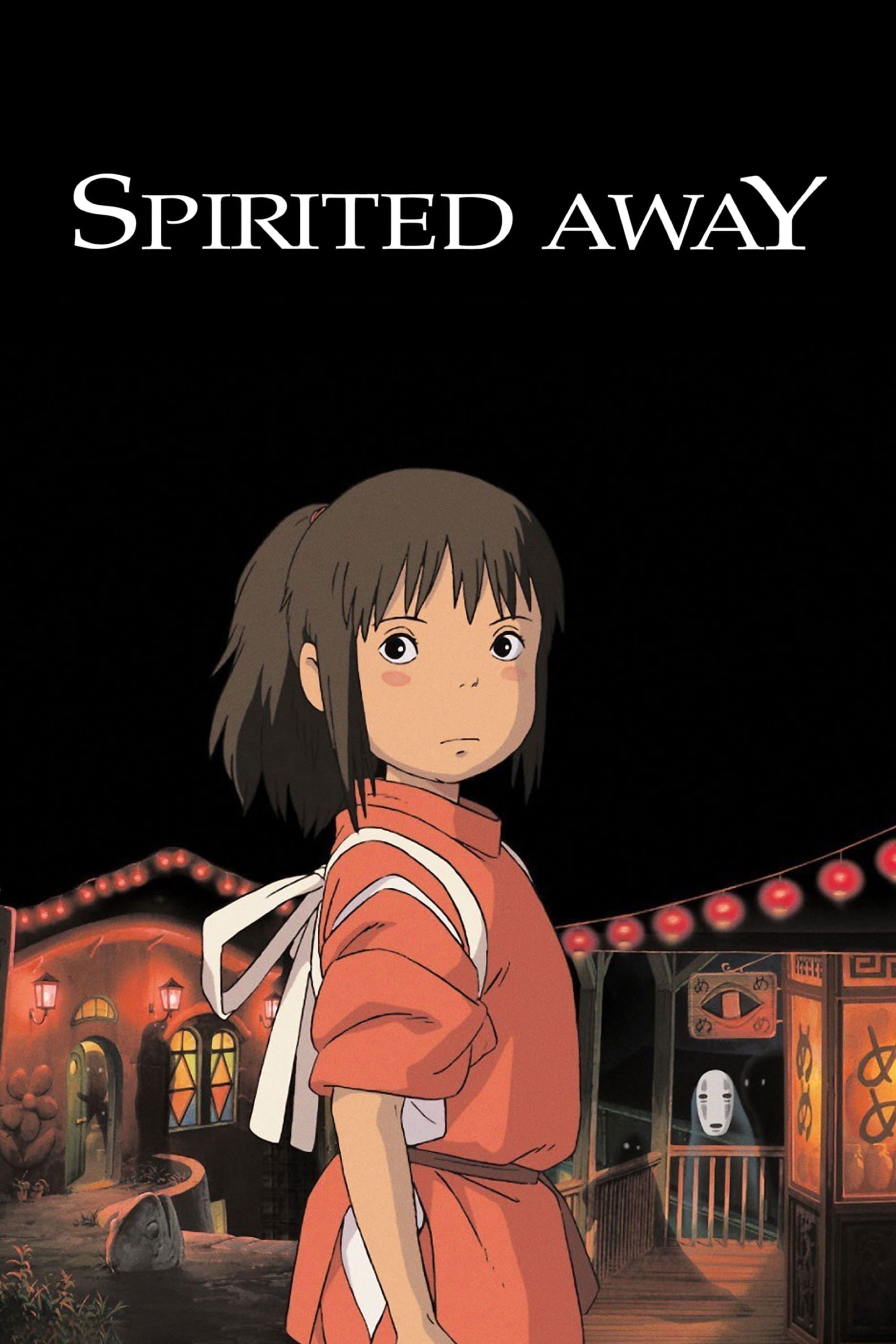
‘Spirited Away’ follows Chihiro in a magical world. A theory says the story is a metaphor for growing up. The bathhouse represents society’s challenges, and Chihiro’s journey shows her gaining courage. Her parents’ transformation reflects losing childhood innocence.
This theory makes sense because the film’s themes feel universal. Chihiro’s growth mirrors real-life transitions from child to adult. Miyazaki’s storytelling often blends magic with life lessons. It’s a beautiful way to view the anime’s heart.
‘The Wizard of Oz’ (1939) Is a Political Allegory
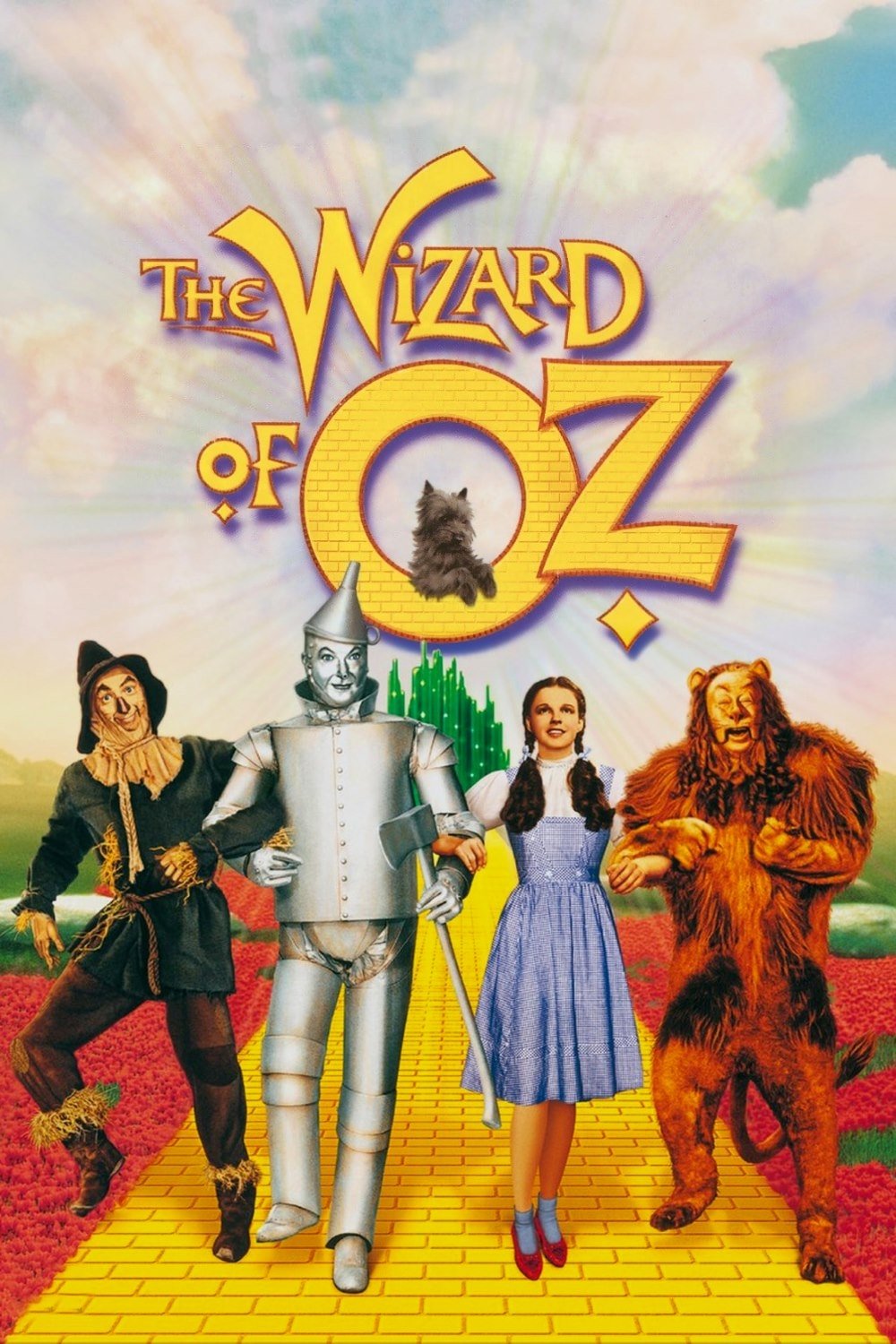
In ‘The Wizard of Oz,’ Dorothy explores a fantastical land. A theory suggests it’s an allegory for American politics in the 1890s. The yellow brick road could symbolize the gold standard, and the Wizard represents corrupt leaders. Oz’s characters reflect societal groups.
This idea holds up because the era’s economic debates were intense. The book’s author, L. Frank Baum, lived during this time, and subtle clues fit the theory. It adds historical depth to a beloved story. The allegory feels surprisingly plausible.
‘Interstellar’ (2014) Humans Are the Future Beings
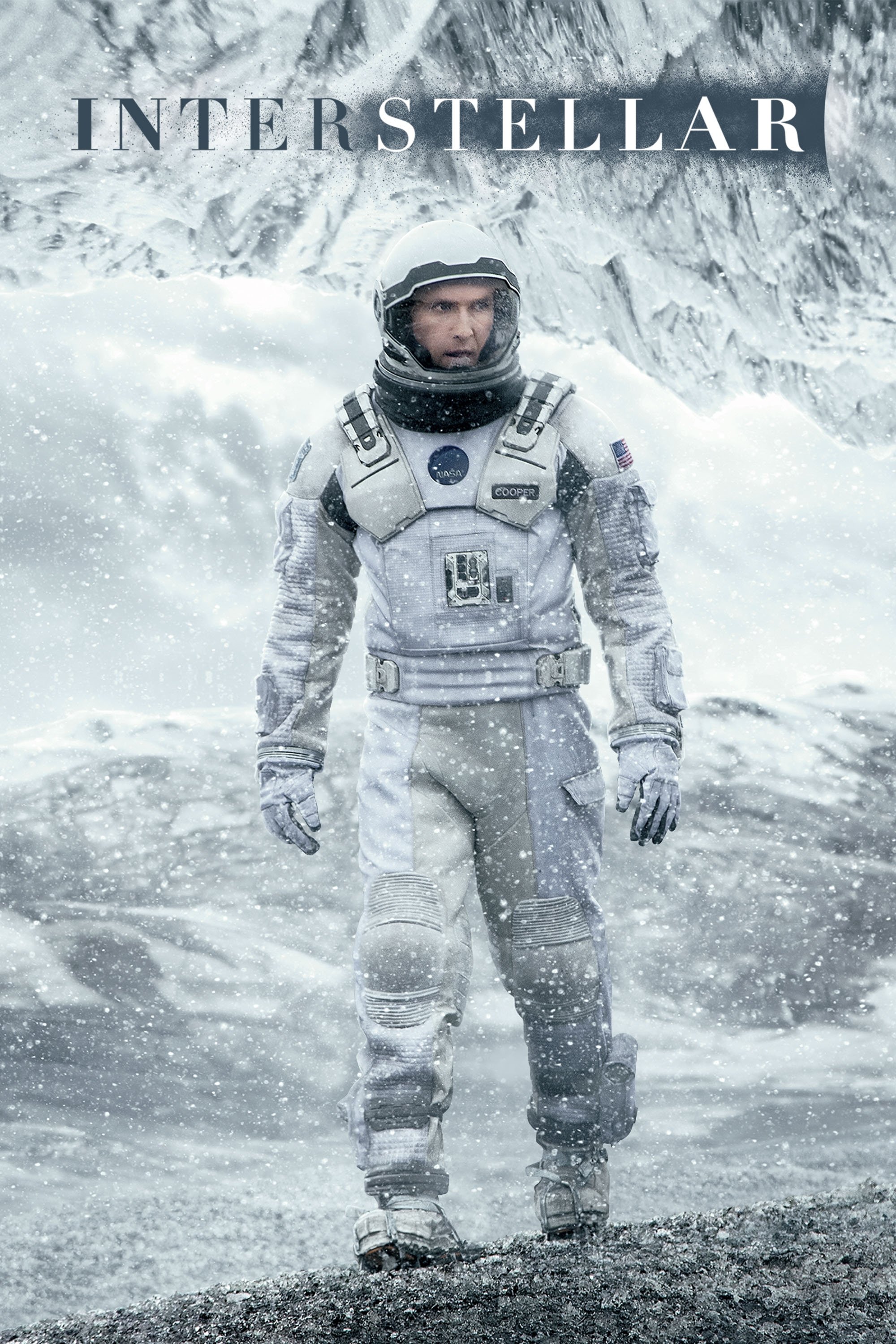
In ‘Interstellar,’ mysterious beings help humanity survive. A theory claims these beings are evolved humans from the future. Their advanced technology and motives align with saving their own ancestors. Cooper’s journey through the tesseract supports this loop.
This theory fits because the film emphasizes human resilience. The idea of a time loop where humans save themselves is poetic. It explains the beings’ cryptic actions and ties into the story’s science. It’s a mind-blowing yet logical conclusion.
What’s your favorite movie theory from this list? Share your thoughts in the comments and tell us which film mystery you love debating!