5 Things About ‘Spider-Man: Far From Home’ That Made Zero Sense and 5 Things That Made Perfect Sense

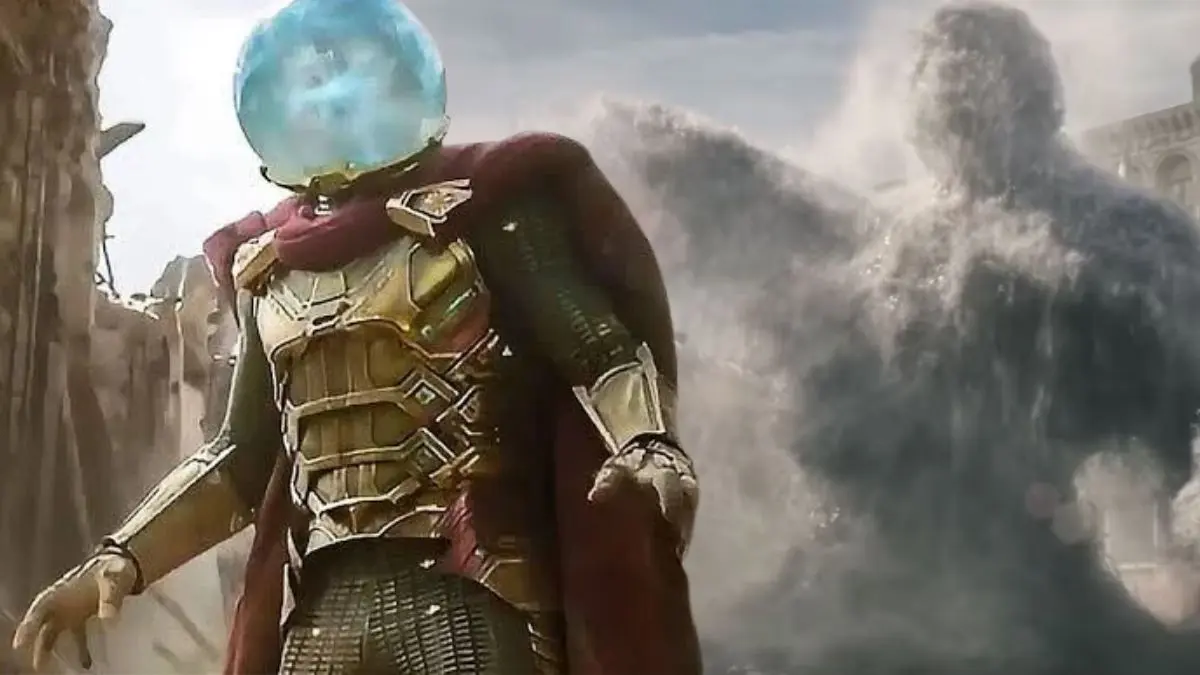

Spider-Man: Far From Home is a thrilling addition to the Marvel Cinematic Universe, swinging Peter Parker into a world of new challenges after Avengers: Endgame. The movie dives into Peter’s struggle to balance his teenage life with his superhero duties, all while facing a mysterious new threat in Mysterio. But while the film delivers action and heart, some moments left fans scratching their heads, while others felt spot-on for the story and characters.
This list breaks down five things in Spider-Man: Far From Home that didn’t add up and five that worked perfectly. From plot holes to character choices, we’ll explore what confused us and what clicked, keeping the focus on Peter’s wild European adventure.
Mysterio’s Plan Relied on Too Much Luck (Zero Sense)
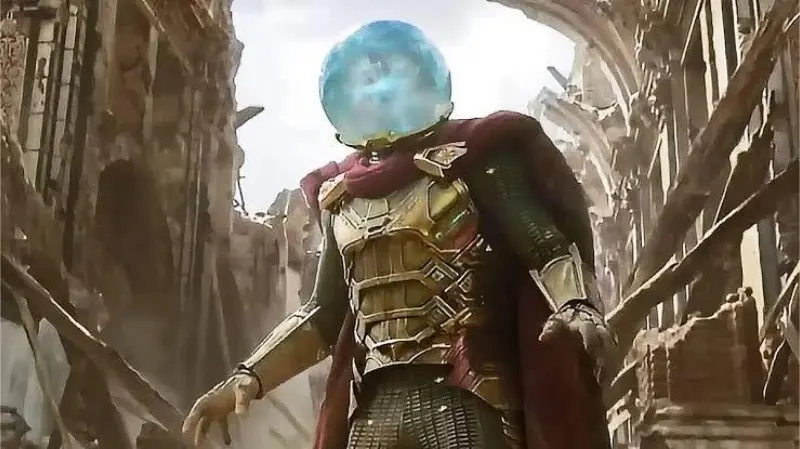
Quentin Beck, aka Mysterio, orchestrates a complex scheme to trick the world into believing he’s a hero. His plan hinges on drones, illusions, and Peter Parker trusting him enough to hand over EDITH, Tony Stark’s powerful AI. But this relies on too many unpredictable factors, like Peter’s exact movements and decisions. What if Peter never gave up EDITH or if Nick Fury suspected Beck earlier? The plan feels like a house of cards, too fragile to hold up under scrutiny.
Beck’s team also pulls off flawless illusions across multiple cities without anyone noticing their tech setup. The logistics of moving drones and staging attacks without leaks or mistakes stretch believability. For a genius like Beck, the plan seems more reckless than calculated, leaving viewers wondering how it even got this far.
Peter’s Emotional Struggle Felt Real (Perfect Sense)

Peter Parker’s grief over Tony Stark’s death drives much of the film’s heart. He’s a teenager grappling with loss while being pushed to fill Iron Man’s shoes. His hesitation to step up as a leader feels true to his age and character, showing his vulnerability in a way that resonates.
The movie nails Peter’s internal conflict, especially in quiet moments like when he talks about Tony with Happy Hogan. These scenes ground the high-stakes action, making Peter’s journey relatable. His desire for a normal vacation while wrestling with responsibility captures the essence of Spider-Man perfectly.
Nick Fury’s Blind Trust in Mysterio (Zero Sense)
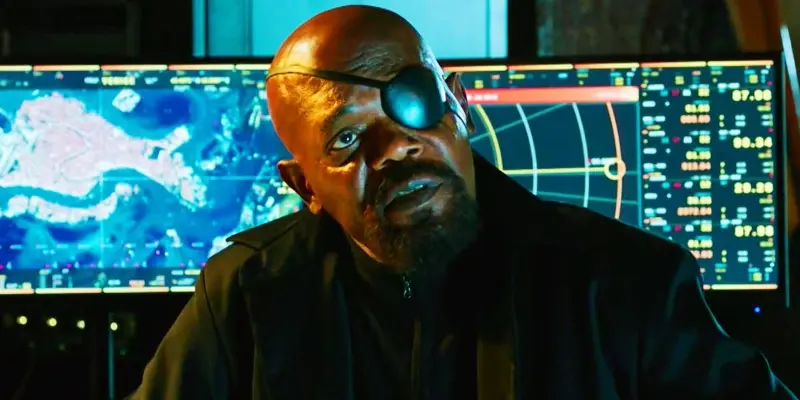
Nick Fury, known for his paranoia and sharp instincts, falls for Mysterio’s act without much doubt. A seasoned spy like Fury should’ve sniffed out something off about Beck, especially with his convenient arrival during elemental attacks. Yet, he hands Peter over to Beck’s influence without digging deeper.
This blind spot feels out of character for Fury, who’s usually steps ahead of everyone. Even with the Skrull twist later, the real Fury would’ve left stricter protocols to vet someone like Beck. It’s a plot convenience that doesn’t match Fury’s established smarts.
The European Setting Added Fresh Energy (Perfect Sense)

Setting the story in Europe, with stops in Venice, Prague, and London, gives the film a vibrant, unique backdrop. It breaks away from New York’s familiar streets, putting Peter in new environments that test his adaptability. The colorful locations, like Venice’s canals or Prague’s historic streets, make every action scene visually striking.
The setting also ties into Peter’s school trip, blending teenage antics with superhero chaos. It creates a fun contrast between Peter’s attempts at a normal vacation and the escalating threats. The change of scenery keeps the Spider-Man formula fresh and exciting.
The Elemental Attacks Were Too Convenient (Zero Sense)

Mysterio’s elemental creatures, like the water monster in Venice, appear at just the right moments to sell his hero act. But their timing and locations feel too perfect, raising questions about how Beck’s team pulled it off. Setting up massive illusions in busy cities without anyone noticing the drones or tech is hard to buy.
The elementals also vanish without leaving physical evidence, yet no one questions their origins. For a world used to aliens and superheroes, the lack of investigation into these attacks feels like a missed step. It’s a plot device that leans too heavily on coincidence.
MJ and Peter’s Romance Blossomed Naturally (Perfect Sense)
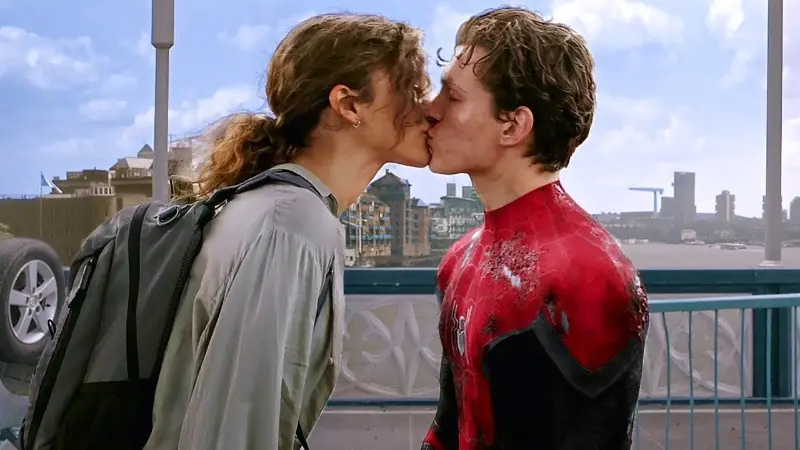
Peter and MJ’s growing relationship is a highlight, built on awkward, genuine moments that feel true to their characters. Their shy interactions, like Peter’s clumsy attempts to confess his feelings, capture the charm of teenage romance without rushing it.
MJ’s sharp wit and quiet vulnerability complement Peter’s earnestness, making their bond believable. The scene where they share the truth about Spider-Man seals their connection with honesty. This slow-burn romance adds warmth to the film and grounds its larger-than-life stakes.
EDITH’s Power Was Over-the-Top (Zero Sense)
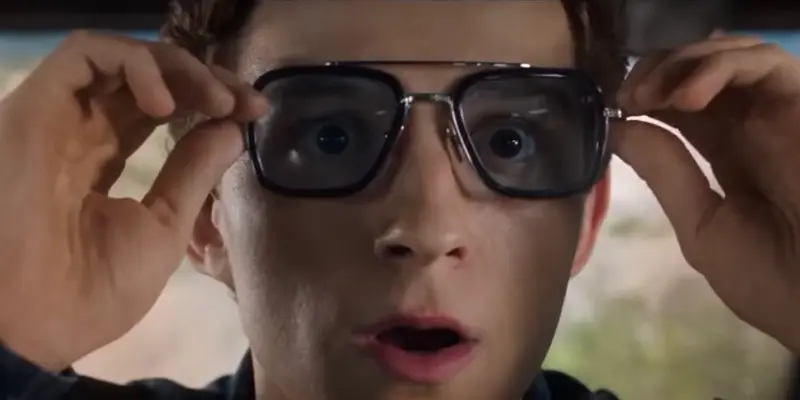
EDITH, Tony Stark’s AI glasses, gives Peter control over a global network of drones and weapons. While it’s a cool plot device, its sheer power feels absurdly unchecked for something Tony would leave to a teenager. Why would Tony create a system with no fail-safes or oversight, especially after his Ultron mistake?
The ease with which Peter hands EDITH to Beck also strains belief. For such a dangerous tool, there’s little security to prevent misuse. It’s a glaring oversight that feels forced to drive the plot forward, not something a genius like Tony would overlook.
Happy Hogan’s Role Was Spot-On (Perfect Sense)
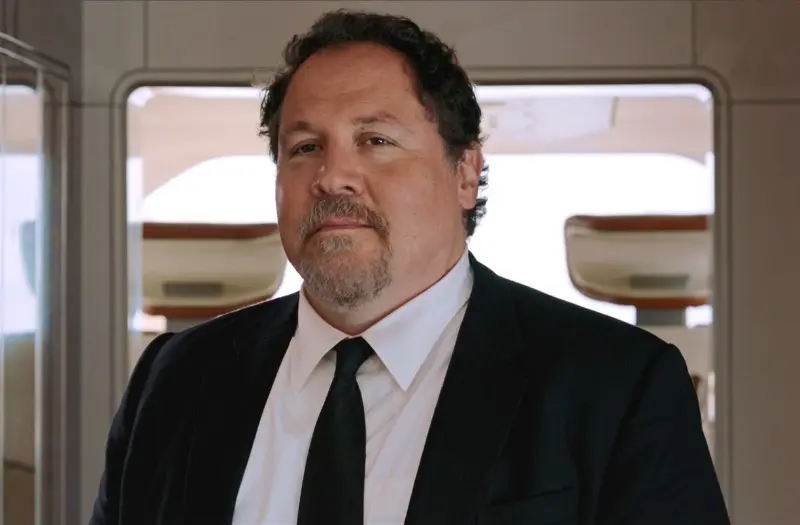
Happy Hogan steps up as a mentor and father figure to Peter, balancing humor with heartfelt support. His scenes, like fixing the suit or giving Peter a pep talk about Tony, add warmth and tie the story back to the MCU’s roots.
Happy’s mix of exasperation and care, especially when dealing with Peter’s chaos, feels authentic. He’s not a superhero, but his loyalty and grounded presence make him a key part of Peter’s growth. The film uses Happy just right, giving him purpose without stealing the spotlight.
The Skrull Twist Came Out of Nowhere (Zero Sense)

The reveal that Nick Fury and Maria Hill were Skrulls impersonating them the whole time feels like a cheap surprise. There’s no hint or buildup to suggest they weren’t the real Fury and Hill, making the twist feel tacked on for shock value.
It also undermines Fury’s role in the story, as his decisions and trust in Mysterio are attributed to a Skrull, not the real Fury. Without foreshadowing, the twist lacks impact and feels like a way to excuse Fury’s out-of-character mistakes rather than a clever plot point.
Spider-Man’s Growth Shined Through (Perfect Sense)

Peter’s arc from a reluctant hero to embracing his role as Spider-Man is the film’s strongest element. He starts overwhelmed by Tony’s legacy but learns to trust his own instincts, especially in the final battle against Mysterio. This growth feels earned and true to his character.
The film shows Peter stepping up through small, human moments and big heroics, like designing his new suit or outsmarting Beck’s illusions. It captures Spider-Man’s core: a kid who rises to the challenge despite his doubts. This arc makes the movie a worthy chapter in his story.
What’s your take on Spider-Man: Far From Home’s hits and misses—share your thoughts in the comments below!