5 Things About ‘Shang-Chi and the Legend of the Ten Rings’ That Made Zero Sense and 5 Things That Made Perfect Sense


Shang-Chi and the Legend of the Ten Rings (2021) burst onto the Marvel Cinematic Universe with vibrant action, a fresh hero, and a bold mix of martial arts and mythology. The film introduced Shang-Chi, a skilled fighter confronting his past and his father’s dangerous legacy, delivering a thrilling ride for fans. However, like many blockbuster films, it has moments that leave you scratching your head alongside scenes that click perfectly. This list dives into five things in the movie that made no sense and five that worked brilliantly.
By blending cultural elements, family drama, and superhero flair, the film carved out a unique space in the MCU. Yet, some plot points felt shaky, while others grounded the story in a way that resonated with audiences. Let’s break down what confused us and what made total sense in Shang-Chi.
The Ten Rings’ Sudden Power Shift (Zero Sense)
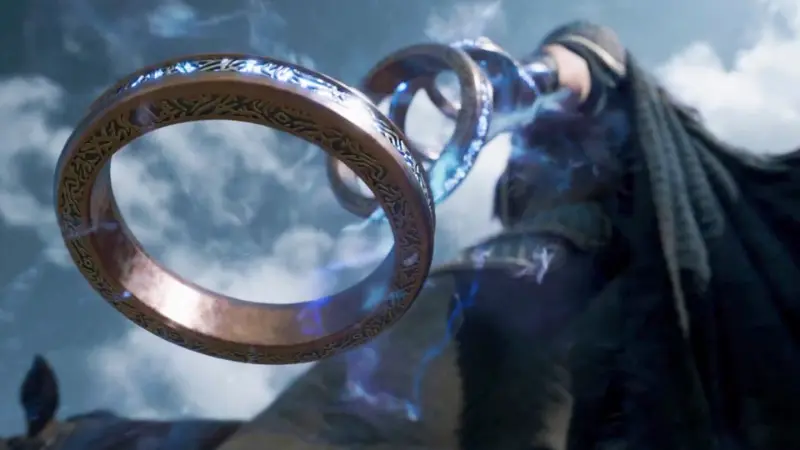
The Ten Rings grant Wenwu immortality and superhuman strength, but their rules are murky. Why do they work differently for Shang-Chi, amplifying his moves with glowing effects? The film doesn’t explain this change, leaving it vague and convenient.
It feels like a plot device to make Shang-Chi’s fights flashier. Without a clear reason, the shift in how the rings function seems arbitrary and pulls you out of the story.
Shang-Chi’s Martial Arts Mastery (Perfect Sense)
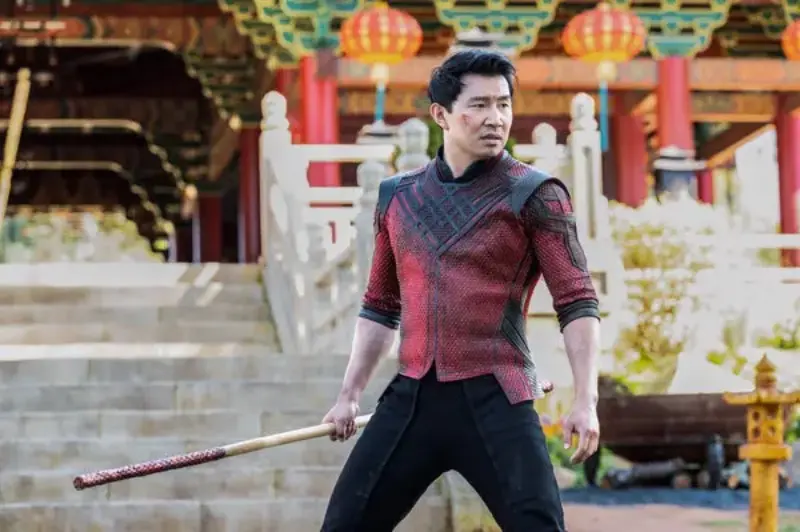
Shang-Chi’s fighting skills, honed through years of brutal training under his father, shine in every action scene. His fluid, precise movements make him a standout hero, distinct from other MCU characters.
The choreography draws from real martial arts, giving his battles authenticity and flair. This grounding in skill makes his journey from runaway to hero believable and exciting.
Wenwu’s Plan to Free the Dweller-in-Darkness (Zero Sense)
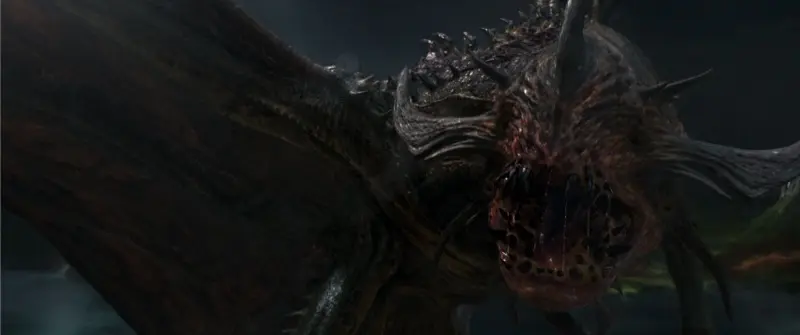
Wenwu believes his wife’s voice is trapped behind a mystical gate, but his reasoning feels flimsy. A warlord with centuries of wisdom falls for a demon’s trick without questioning it.
This blind trust undermines his character’s intelligence. The film rushes this plot point, making his motivation feel forced and hard to buy.
The Ta Lo Village’s Mystical Design (Perfect Sense)
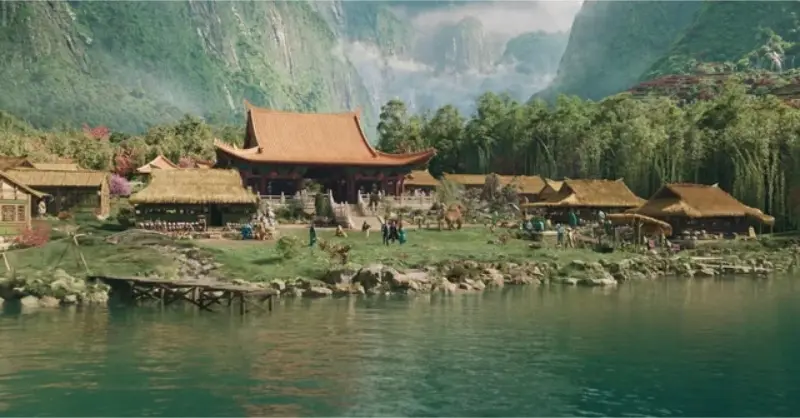
Ta Lo, the hidden village with mythical creatures and a serene vibe, feels like a natural extension of the film’s cultural roots. Its lush visuals and spiritual depth enrich the story’s stakes.
The village’s role as a protector against the Dweller-in-Darkness ties neatly into the plot. It gives Shang-Chi a clear purpose and a connection to his mother’s legacy.
Katy’s Random Archer Skills (Zero Sense)
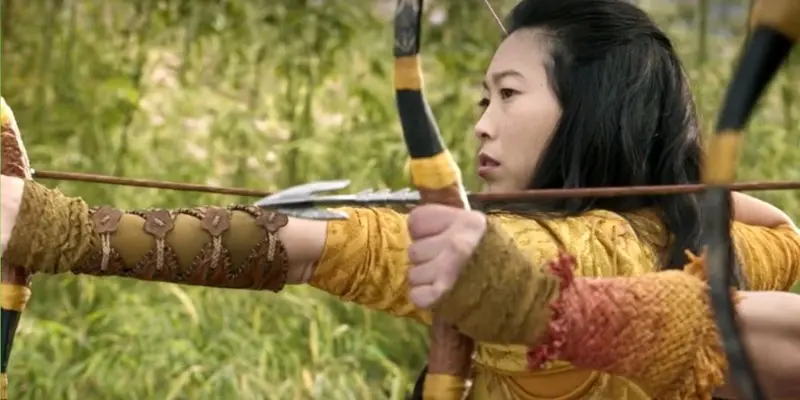
Katy, Shang-Chi’s friend with no combat experience, suddenly becomes a sharpshooter in Ta Lo. She lands a critical arrow shot against the Dweller with minimal training.
This leap from civilian to expert feels unearned and rushed. It’s a convenient way to give her a big moment without building up her skills.
The Family Conflict Core (Perfect Sense)
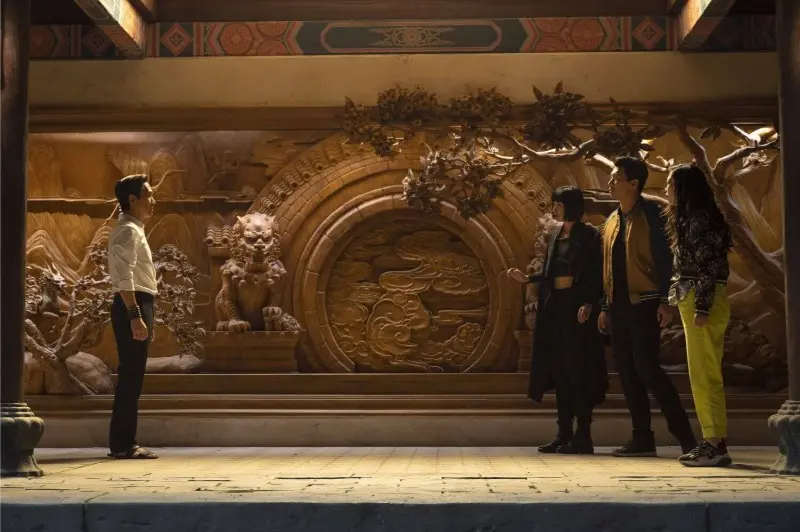
The tension between Shang-Chi, his sister Xialing, and their father Wenwu drives the story’s emotional heart. Their fractured relationships, rooted in grief and betrayal, feel raw and real.
Each character’s choices reflect their pain, making their arcs compelling. This focus on family grounds the fantastical elements in something relatable.
The Dweller-in-Darkness’s Escape Plan (Zero Sense)
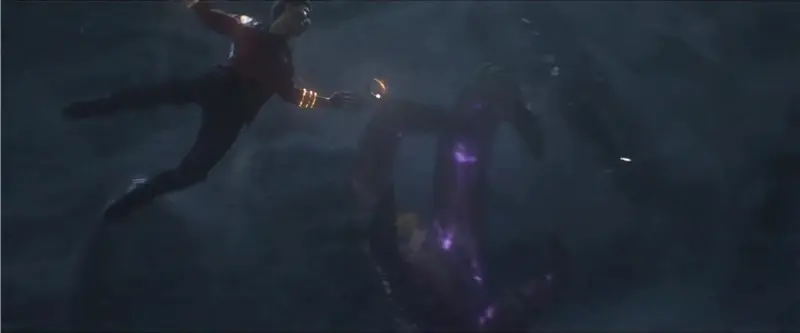
The Dweller-in-Darkness manipulates Wenwu to break its seal, but how it communicates from another dimension is unclear. The film skips over explaining its influence or why it targets Wenwu specifically.
This vagueness weakens the villain’s threat. It feels like a plot hole glossed over to push the final battle.
The Humor and Chemistry Between Shang-Chi and Katy (Perfect Sense)

Shang-Chi and Katy’s friendship brings levity and warmth to the film. Their banter, rooted in years of knowing each other, feels natural and keeps the tone light.
Their dynamic balances the heavy stakes with humor. It makes them easy to root for, enhancing the film’s emotional payoff.
The Ten Rings Organization’s Resources (Zero Sense)
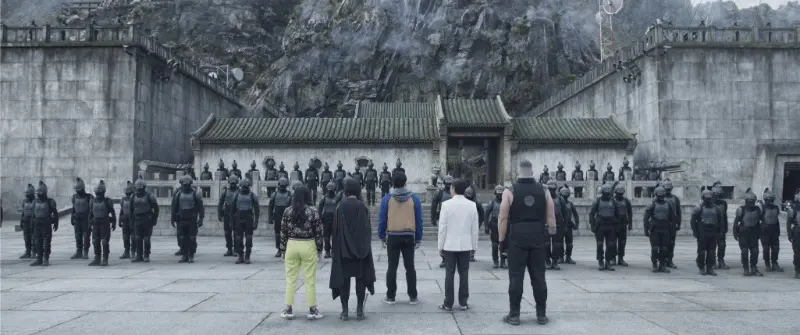
Wenwu’s organization is massive, with high-tech gear and global reach, but its operations are barely shown. How does a secret group maintain such power without detection in the modern world?
The film glosses over this, making their influence feel like a plot convenience. It raises questions about logistics that go unanswered.
The Final Battle’s Visual Spectacle (Perfect Sense)
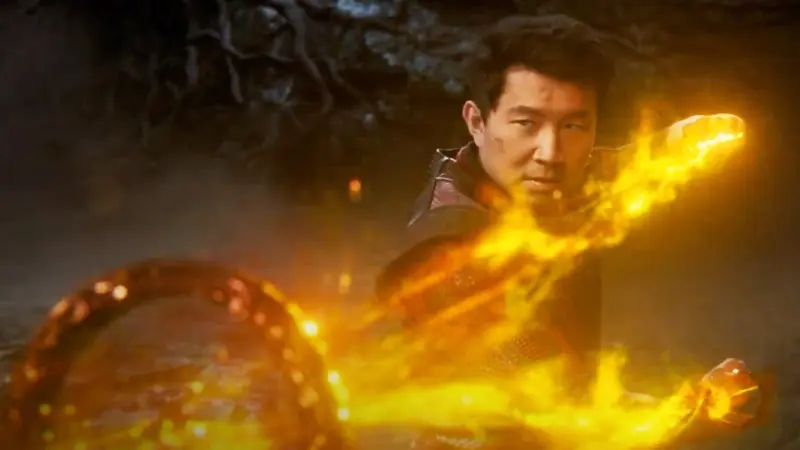
The climactic fight with the Dweller-in-Darkness is a visual feast, blending martial arts, mythical creatures, and the Ten Rings’ power. The scale feels epic yet tied to Shang-Chi’s personal growth.
The clear stakes—saving Ta Lo and the world—make every punch and kick matter. It’s a satisfying payoff that showcases the film’s strengths.
What’s your take on Shang-Chi