30 Movies To Watch After ’28 Years Later’ While You Wait for the Next Year’s Sequel

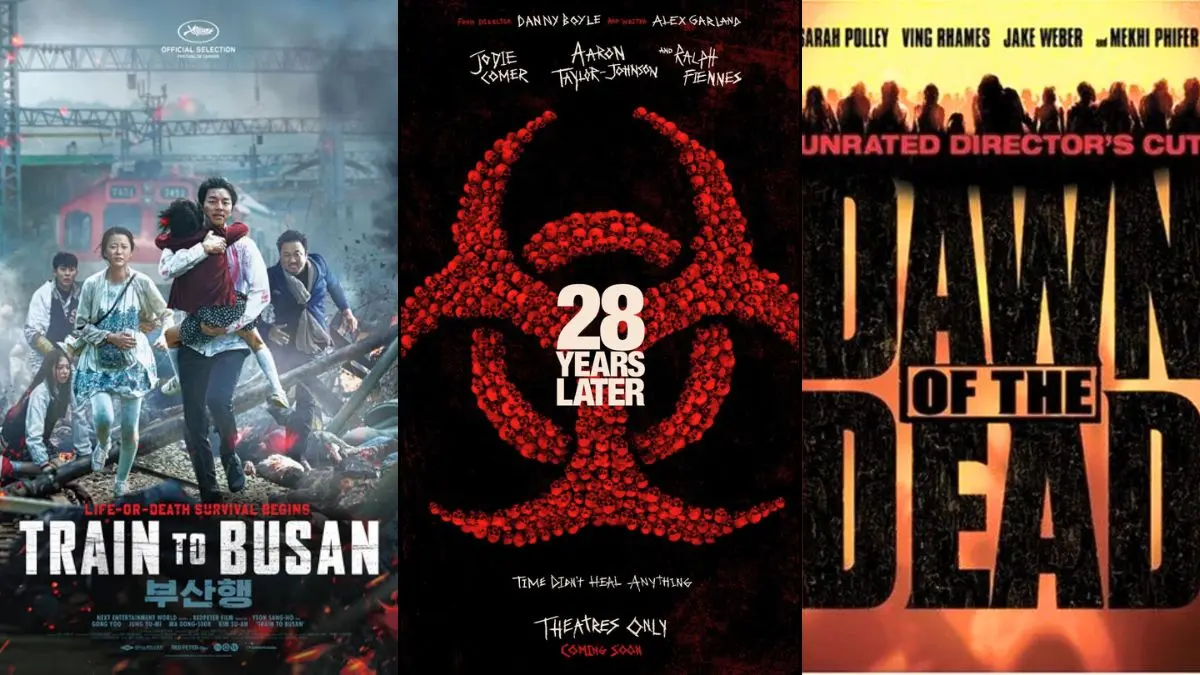

The long wait is over, and “28 Years Later” has finally arrived, throwing audiences back into the terrifying world of the Rage Virus. Danny Boyle and Alex Garland have returned to the franchise they started, delivering a new chapter that is both a look at the future of their apocalyptic world and a nod to the frantic horror that made the original a classic. The film expands the story, showing us new pockets of survivors and how the world has, or has not, moved on almost three decades after the initial outbreak.
With the story set to continue in the announced sequel, “28 Years Later: The Bone Temple,” fans are already anticipating what comes next. That follow-up is scheduled to be released in 2026, which leaves a significant gap to fill. To keep the adrenaline pumping and explore similar worlds of chaos, survival, and infection, here is a list of 30 movies. These films share the same spirit of desperation, suspense, and humanity’s grim struggle against overwhelming odds that defines the “28 Days Later” series.
28 Weeks Later (2007)
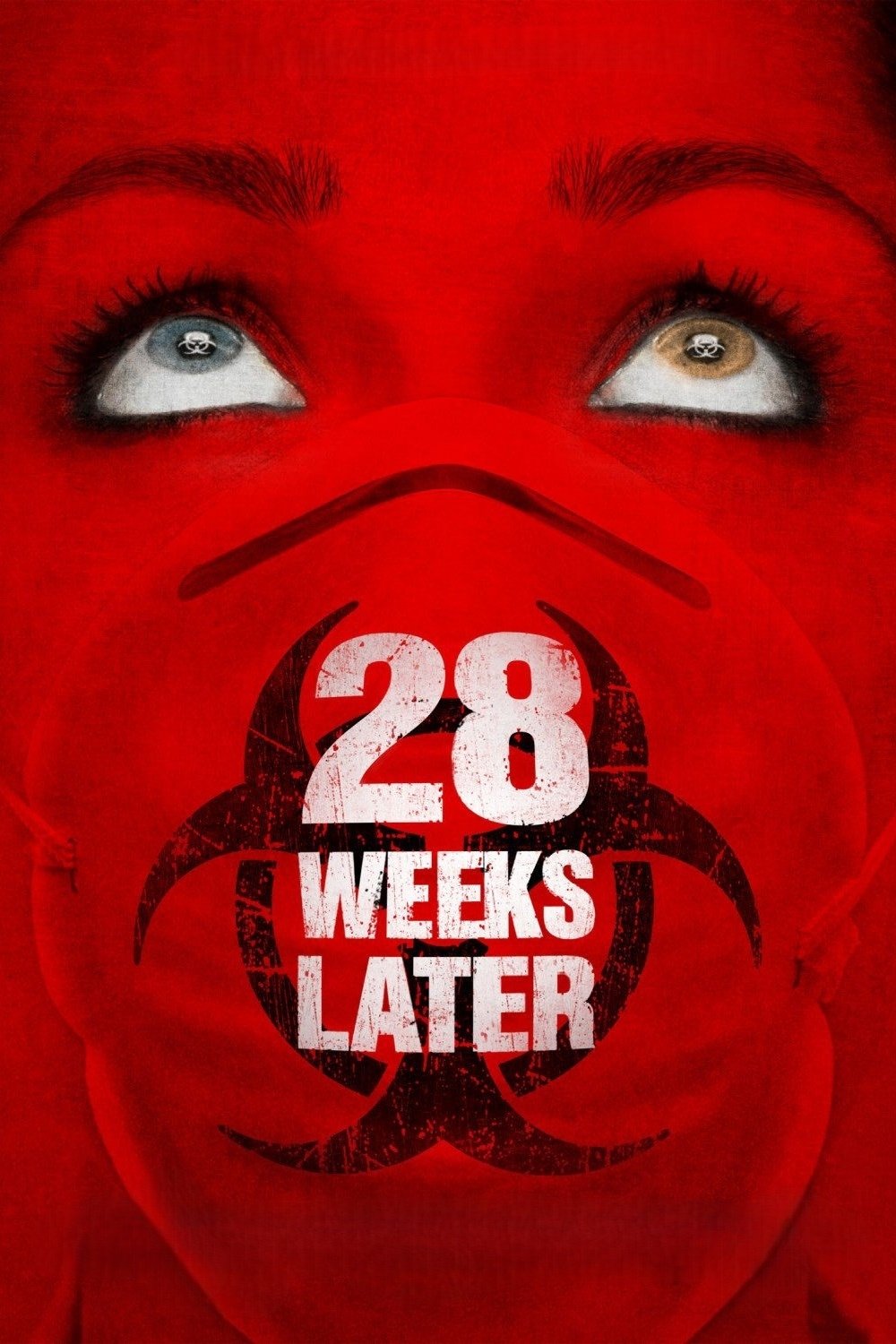
This direct sequel takes place six months after the initial Rage Virus outbreak. The US military has secured a small section of London, and reconstruction is beginning. Refugees are being brought back to the city to repopulate, but the virus is not truly gone. A single carrier reintroduces the infection to the supposedly secure safe zone, leading to an even more catastrophic and uncontrollable outbreak.
As the official follow-up to the original film, this is the most essential watch. It escalates the action and chaos, showing how easily plans to contain a disaster can fall apart. The film maintains the fast-paced terror of the infected and explores the grim consequences of flawed security and the military’s brutal response to a crisis.
Dawn of the Dead (2004)
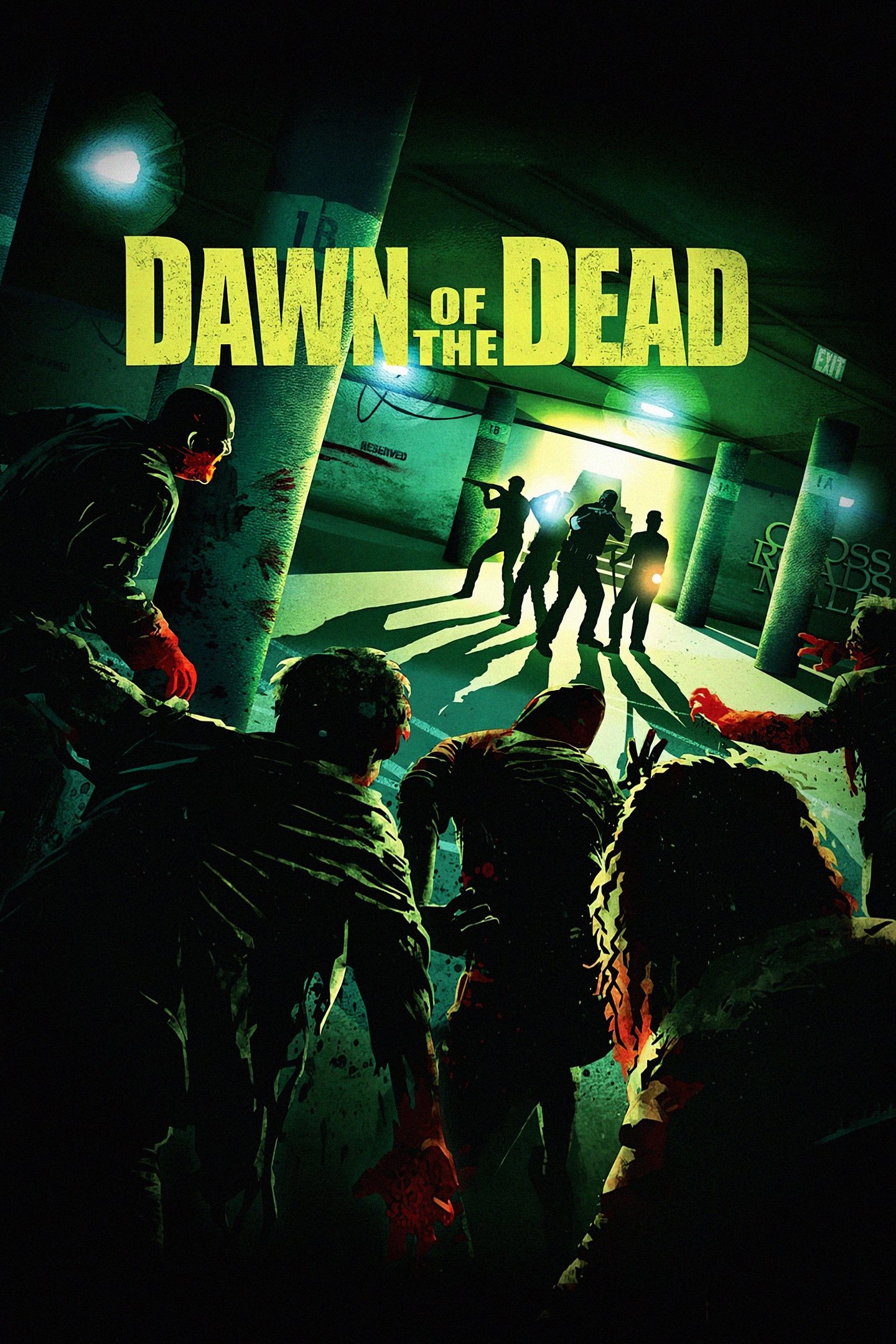
A mysterious plague quickly sweeps across the globe, turning the dead into fast-moving, flesh-eating zombies. A small group of survivors in Wisconsin takes refuge in a large shopping mall. Inside, they must not only defend themselves from the growing horde of zombies outside but also deal with the rising tensions and conflicts within their own group as they struggle to stay alive.
This film is a modern re-imagining of George A. Romero’s classic and is famous for popularizing the concept of fast-running zombies, much like “28 Days Later.” It delivers intense, action-packed sequences and focuses on the dynamics of a group of strangers forced together by a world-ending event, mirroring the survivalist themes of the “28 Days” franchise.
Train to Busan (2016)
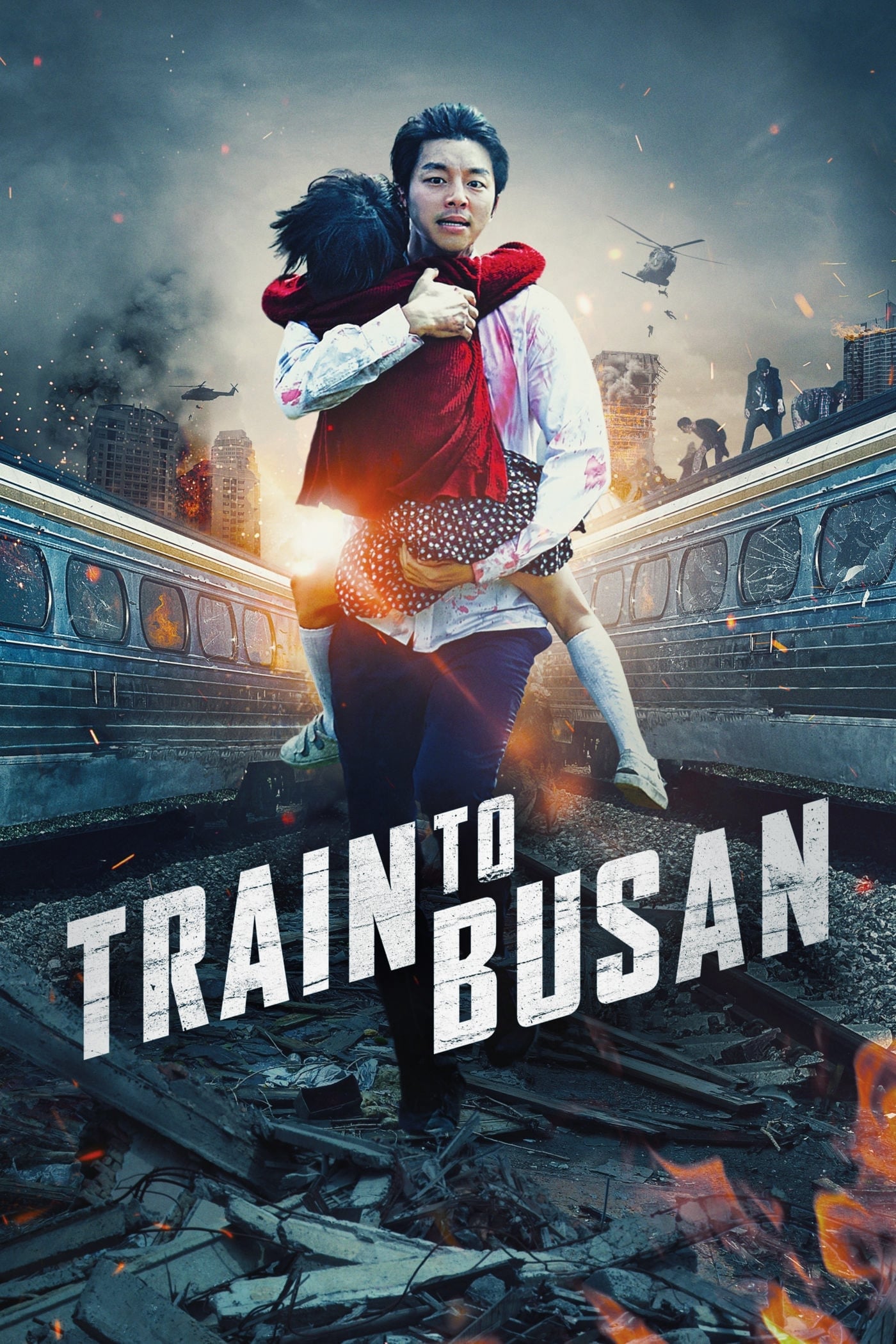
A workaholic father and his estranged daughter board a high-speed train to Busan just as a zombie apocalypse breaks out across South Korea. The infection quickly spreads onto the train, trapping the passengers in a confined space with the fast and aggressive undead. The survivors must band together and fight their way through the carriages to reach the supposed safe zone in Busan.
This South Korean film is celebrated for its incredible tension, emotional depth, and relentless pace. Like “28 Days Later,” it features terrifyingly fast and agile infected, but its real strength lies in its powerful character stories and its commentary on society and human nature during a crisis.
I Am Legend (2007)
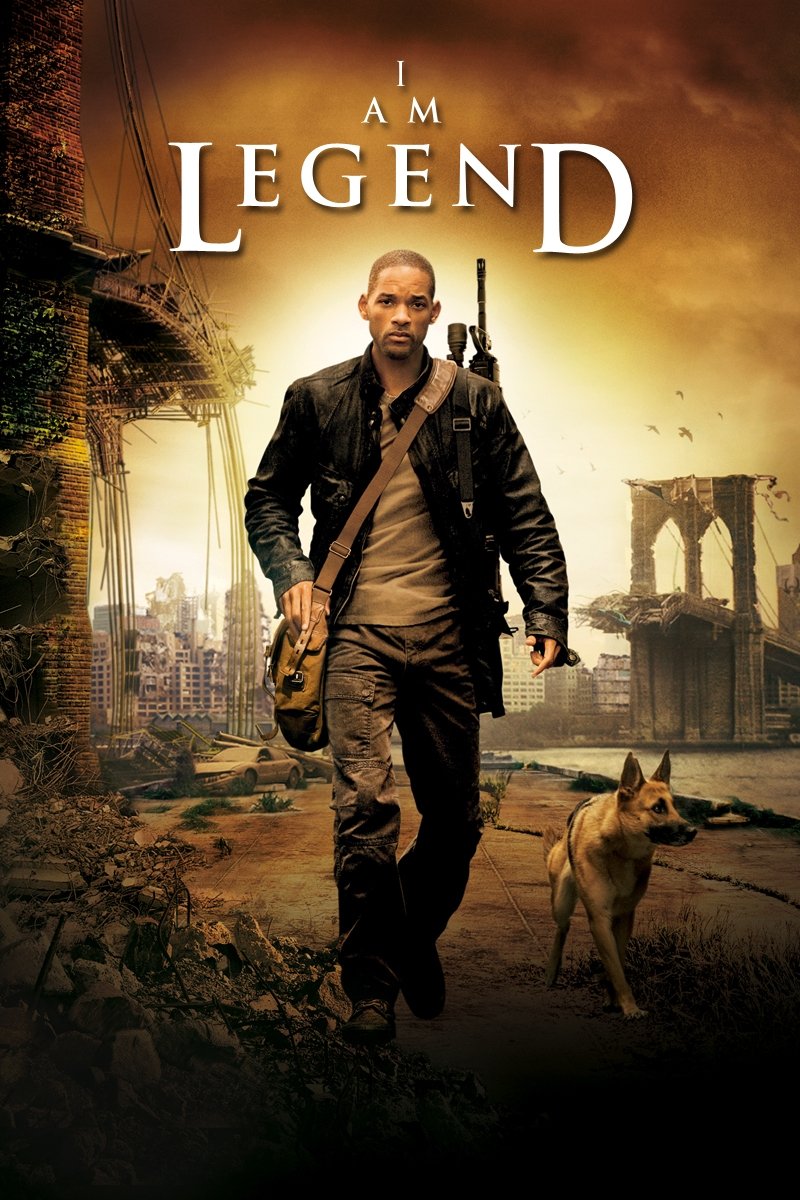
Years after a man-made virus turns most of humanity into nocturnal, bloodthirsty mutants, a lone military virologist, Robert Neville, lives in an empty New York City. He spends his days searching for a cure and his nights hiding from the infected. His only companion is his dog, and he struggles with the profound loneliness and the constant threat of the creatures that hunt him.
This film shares the “empty city” aesthetic that made the opening of “28 Days Later” so iconic. It captures a similar sense of post-apocalyptic isolation and the psychological toll of being the last person on Earth. The tension comes not just from the terrifying creatures but from the main character’s fight to maintain his sanity.
Children of Men (2006)
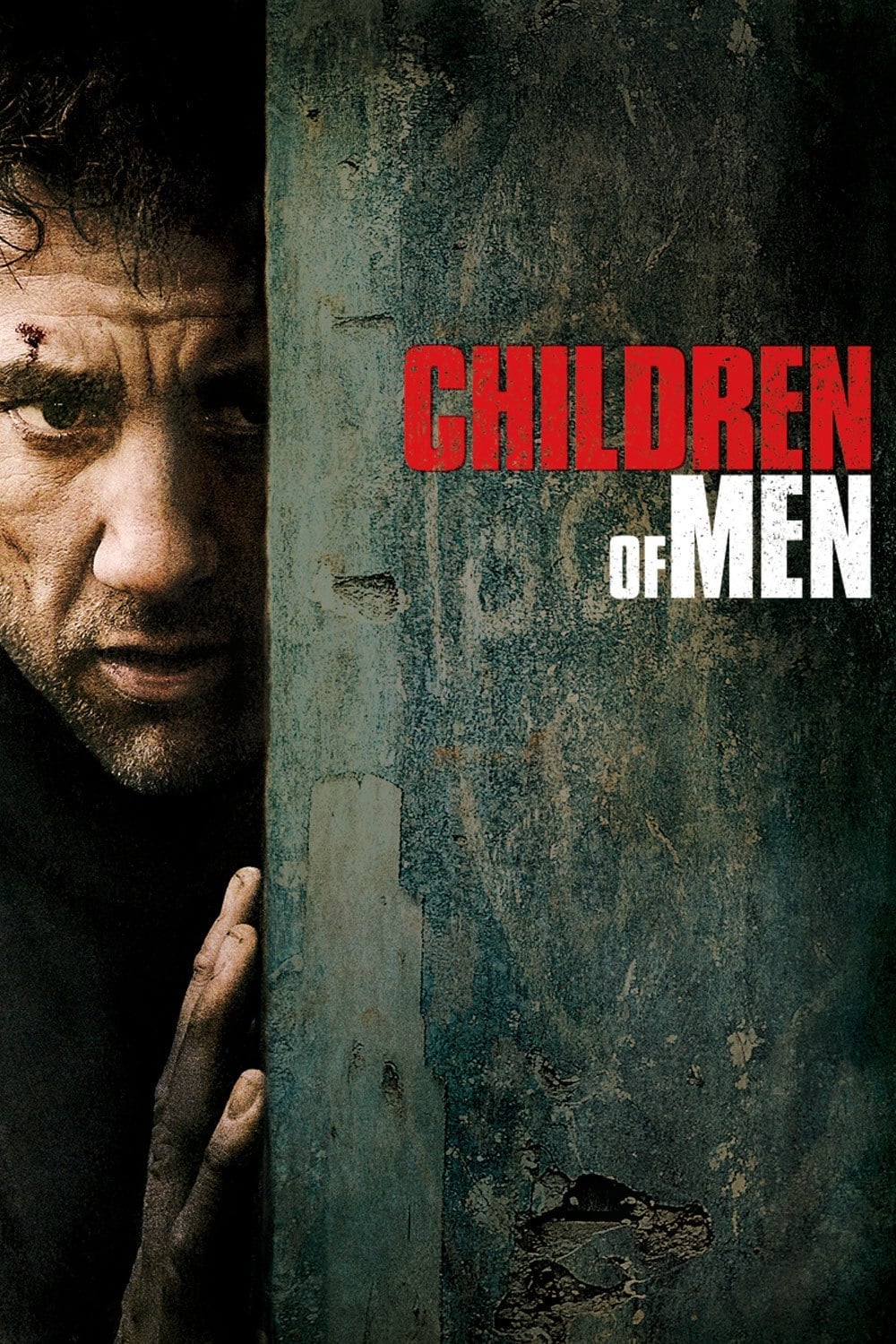
In the year 2027, two decades of human infertility have left society on the brink of collapse. The world is consumed by chaos and war as the last generation of humanity faces extinction. A cynical former activist is tasked with protecting a young woman who has miraculously become pregnant, a mission that could hold the key to humanity’s future.
While it’s not a zombie movie, “Children of Men” offers a similarly gritty and realistic vision of a collapsing society. The film’s tense, documentary-style filmmaking and focus on a desperate journey through a dangerous landscape will feel familiar to fans of the “28 Days Later” series. It’s a powerful story of survival and the fight for hope in a bleak world.
The Road (2009)
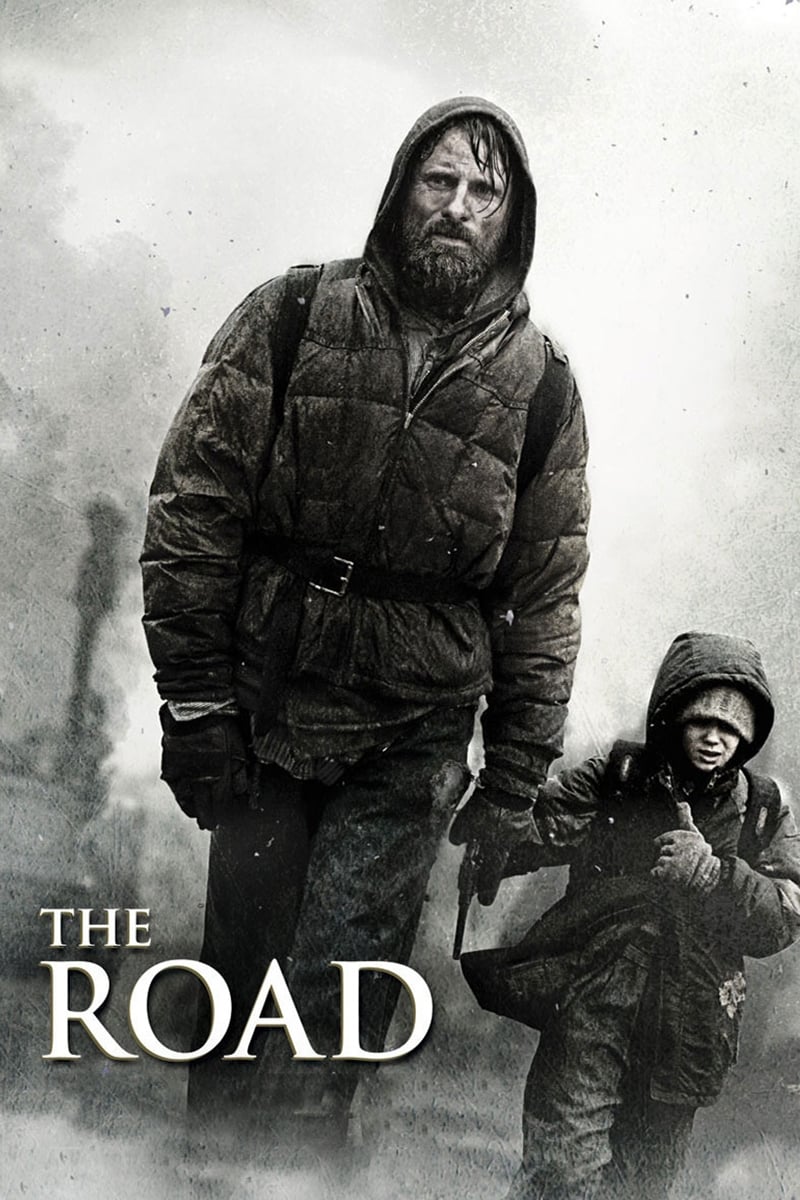
In a bleak, post-apocalyptic world, a father and his young son travel on foot toward the coast, hoping to find a warmer and more hospitable place. The landscape is barren, and the few remaining survivors have resorted to violence and cannibalism. The father’s only goal is to protect his son and keep the “fire” of humanity alive within him.
This is one of the most grim and desolate post-apocalyptic films ever made. It forgoes fast-paced action for a slow, tense, and emotionally powerful story of survival. It captures the same sense of hopelessness and the brutal lengths people will go to in a dead world that is often present in the “28 Days Later” films.
A Quiet Place (2018)
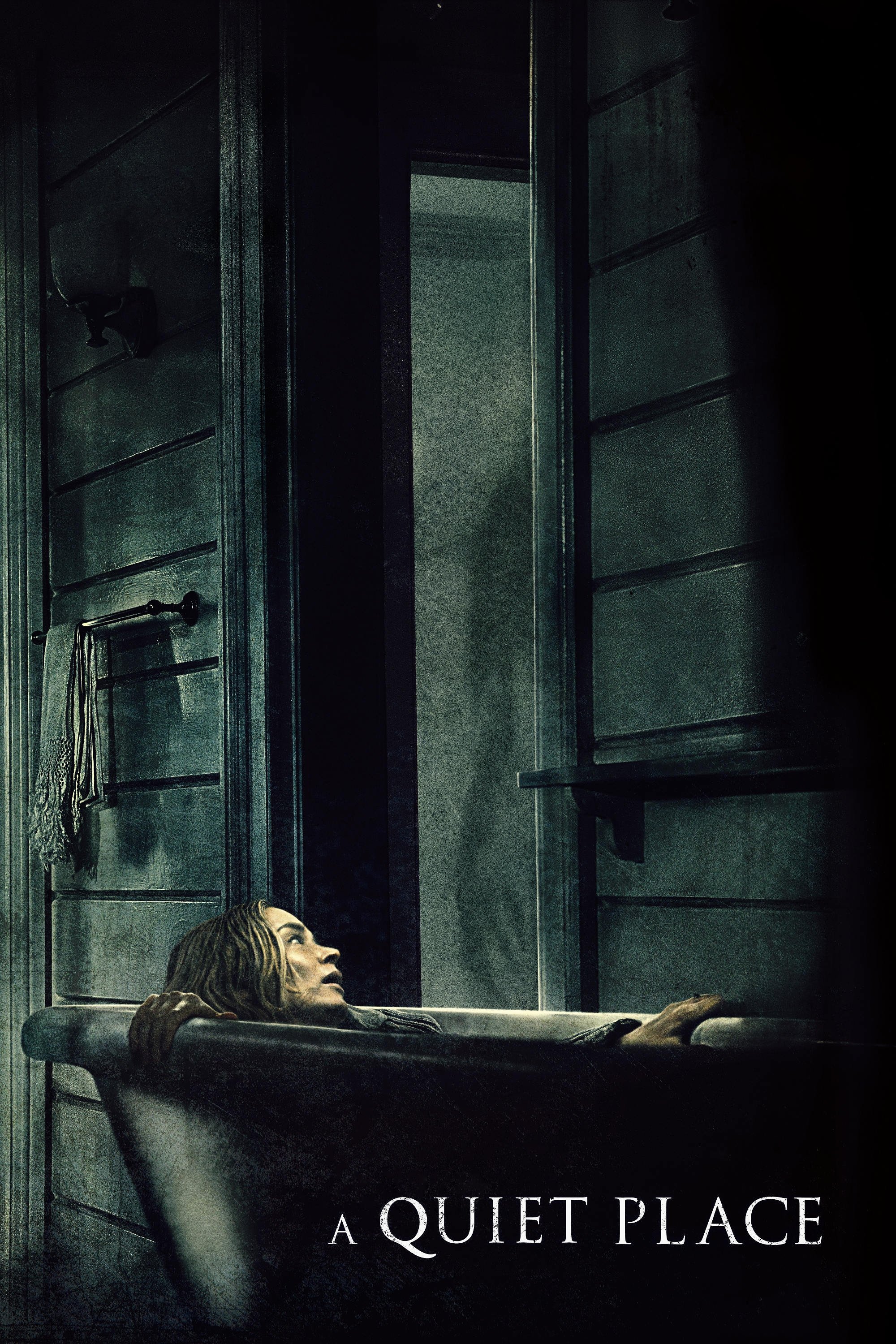
A family must live in absolute silence to survive in a world inhabited by blind creatures that hunt by sound. The slightest noise can lead to a swift and brutal death. The family has adapted to this silent existence, but the impending birth of a new child threatens to shatter their carefully constructed peace and expose them to the dangers outside.
“A Quiet Place” excels at creating suspense, a key element of the “28 Days Later” series. While the threat is different, the constant sense of dread and the focus on a family’s fight for survival against a relentless, non-human enemy makes it a compelling watch. It proves that terror doesn’t always need to be loud and fast.
[REC] (2007)
![[REC] (2007)](https://image.tmdb.org/t/p/original/5XsVGgo8I12v3KlPcD0r1CNHMC6.jpg)
A television reporter and her cameraman are covering the night shift at a local fire station in Barcelona. When they respond to a call at an apartment building, they find the police and residents in a state of panic. The building is suddenly sealed off by the authorities, trapping everyone inside with a terrifying infection that turns people into violent, zombie-like creatures.
Filmed entirely from the cameraman’s perspective, this Spanish found-footage film is incredibly immersive and claustrophobic. The frantic energy, the terrifyingly fast infected, and the feeling of being trapped in an unfolding nightmare are very similar to the intense tone of Danny Boyle’s film.
The Crazies (2010)
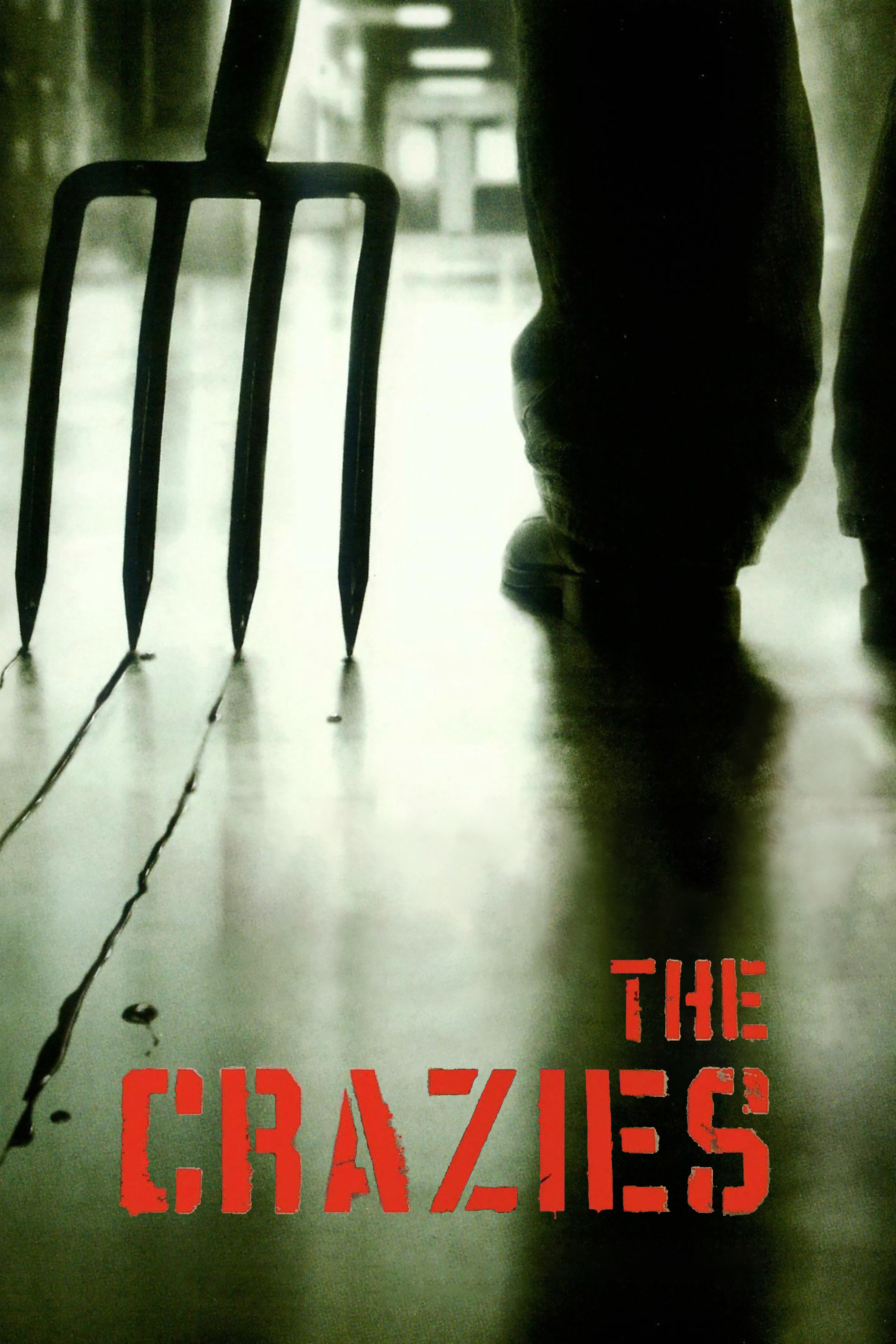
A small town in Iowa is plunged into chaos when a mysterious toxin in the water supply begins to turn the residents into violent and calculating killers. The town’s sheriff, his pregnant wife, and two other survivors find themselves trapped between their infected neighbors and a ruthless military that has quarantined the town to contain the outbreak.
This film shares a key theme with “28 Days Later”: a government-created contagion that leads to extreme violence rather than traditional zombification. It focuses on the breakdown of a small community and the terrifying realization that your friends and neighbors have become the enemy, all while evading a brutal military cleanup.
Shaun of the Dead (2004)
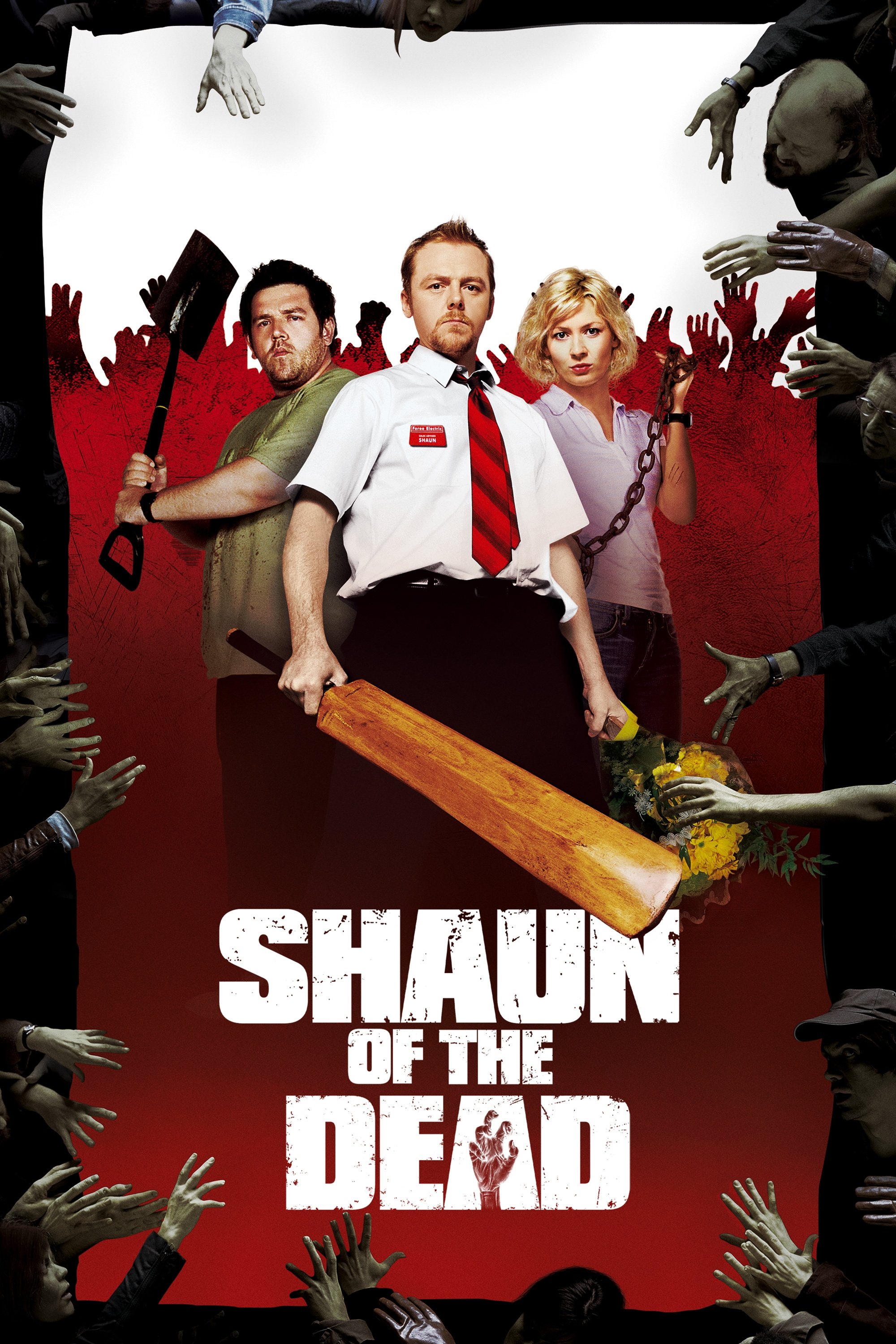
An unmotivated electronics salesman named Shaun is forced to step up when his London neighborhood is overrun by slow-moving zombies. With his slacker best friend in tow, Shaun devises a plan to rescue his mother and his ex-girlfriend and wait for the whole thing to blow over at their favorite pub, the Winchester.
While a comedy, this film is a loving tribute to the zombie genre and was released shortly after “28 Days Later.” It cleverly plays with the tropes of a zombie apocalypse while still delivering genuine moments of tension and character drama. It provides a lighter, yet still thematically connected, take on surviving an undead uprising in England.
Zombieland (2009)
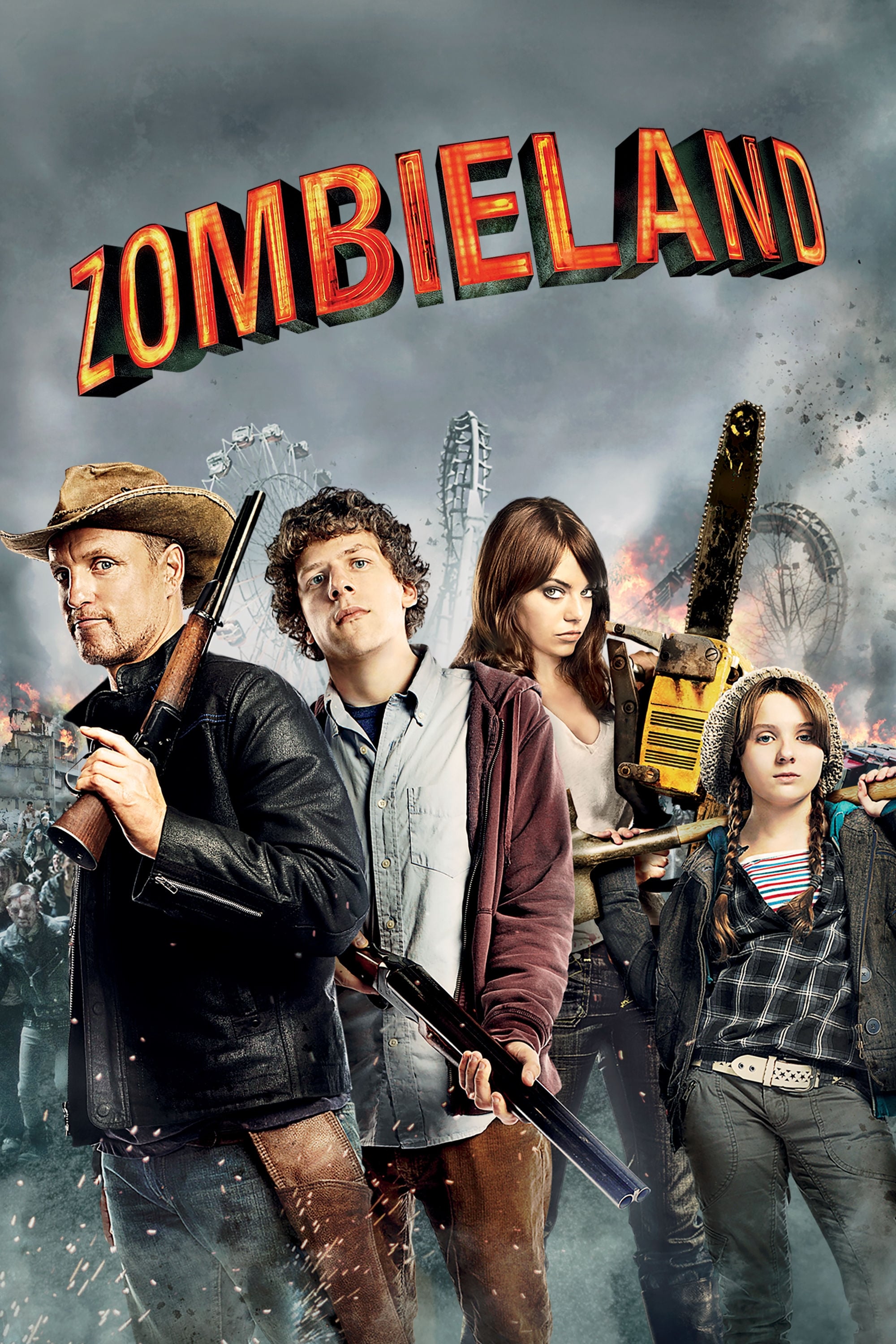
In a world overrun by zombies, a nerdy college student who has survived by following a strict set of rules teams up with a tough, zombie-killing veteran and two cunning sisters. The makeshift family travels across a devastated America, searching for a safe haven and occasionally finding humor and connection amidst the chaos of the apocalypse.
“Zombieland” combines horror with comedy, much like “Shaun of the Dead.” It features fast-moving zombies and focuses on the rules of survival in a post-apocalyptic world. Its blend of action, humor, and a surprising amount of heart makes it a fun companion piece to the more serious tone of the “28 Days” universe.
Night of the Living Dead (1968)
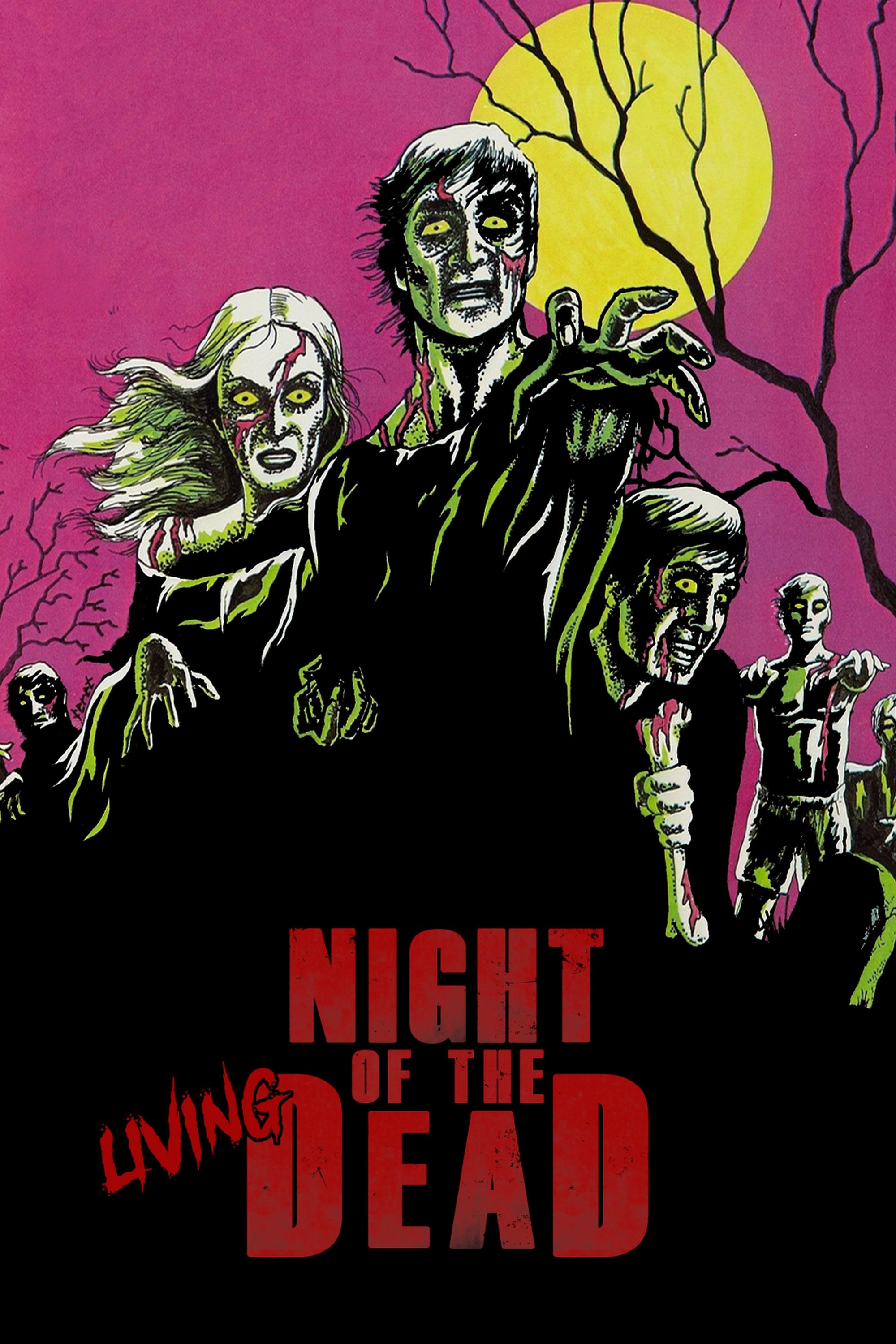
A group of strangers takes refuge in an isolated farmhouse in rural Pennsylvania when the recently deceased begin to rise and prey on the living. Trapped together, the survivors must contend not only with the growing horde of zombies outside but also with their own fear, prejudice, and inability to cooperate.
This is the film that started the modern zombie genre. While its zombies are slow and shambling, George A. Romero’s classic established the core rules of a zombie apocalypse. It focuses on survival, societal breakdown, and the idea that the greatest threat often comes from the other survivors, themes that are central to the “28 Days Later” series.
Dawn of the Dead (1978)
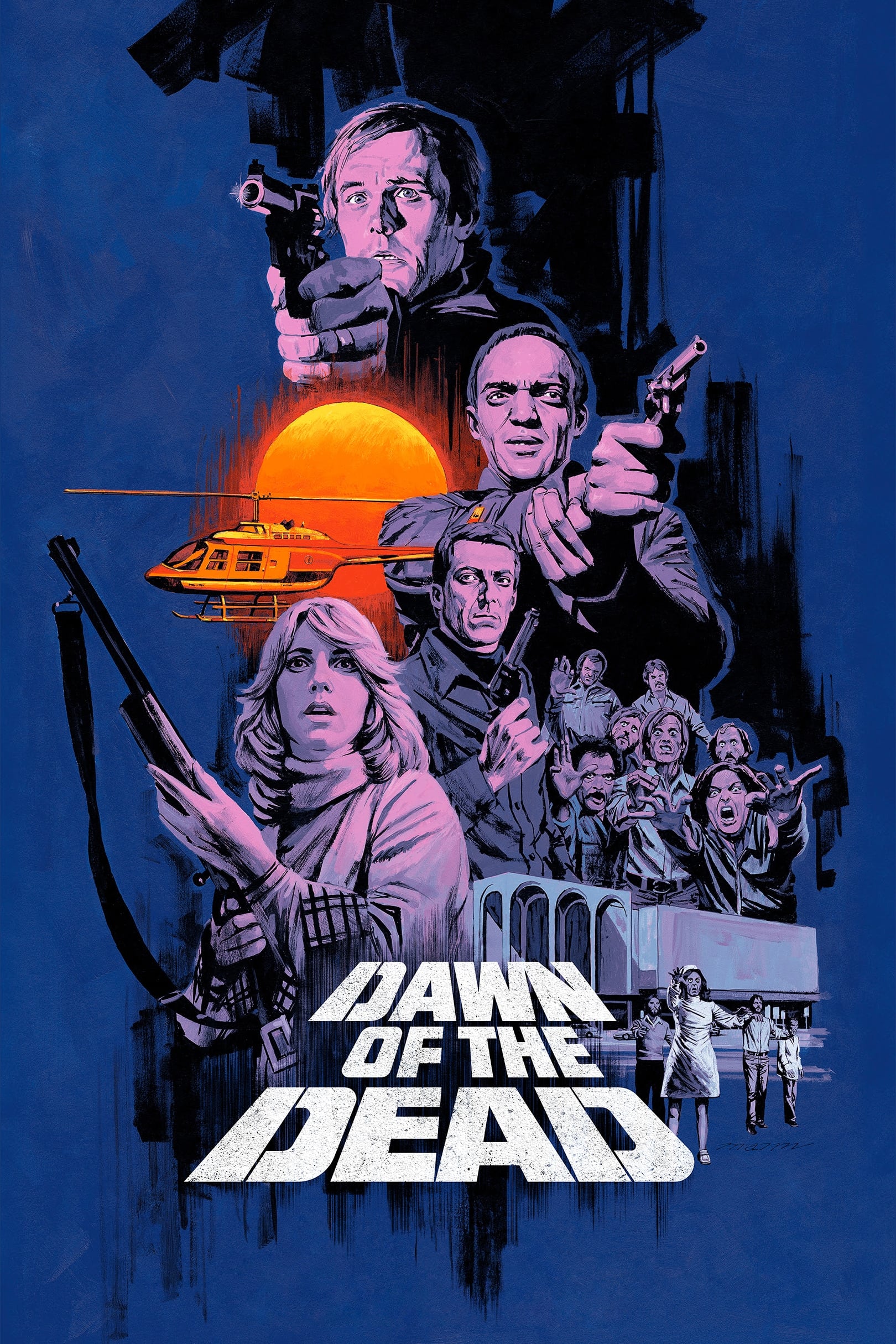
As a zombie plague escalates, four survivors escape the chaos in a helicopter and take refuge in a massive, deserted shopping mall. They manage to secure the building and create a temporary paradise for themselves, but their consumerist haven is threatened by the mindless zombies drawn to the mall and a violent biker gang.
George A. Romero’s sequel to “Night of the Living Dead” is a landmark of the horror genre. It expands the scale of the apocalypse and adds a sharp critique of consumer culture. For fans of “28 Weeks Later,” it offers another look at the illusion of safety and how quickly a sanctuary can become a trap.
Day of the Dead (1985)
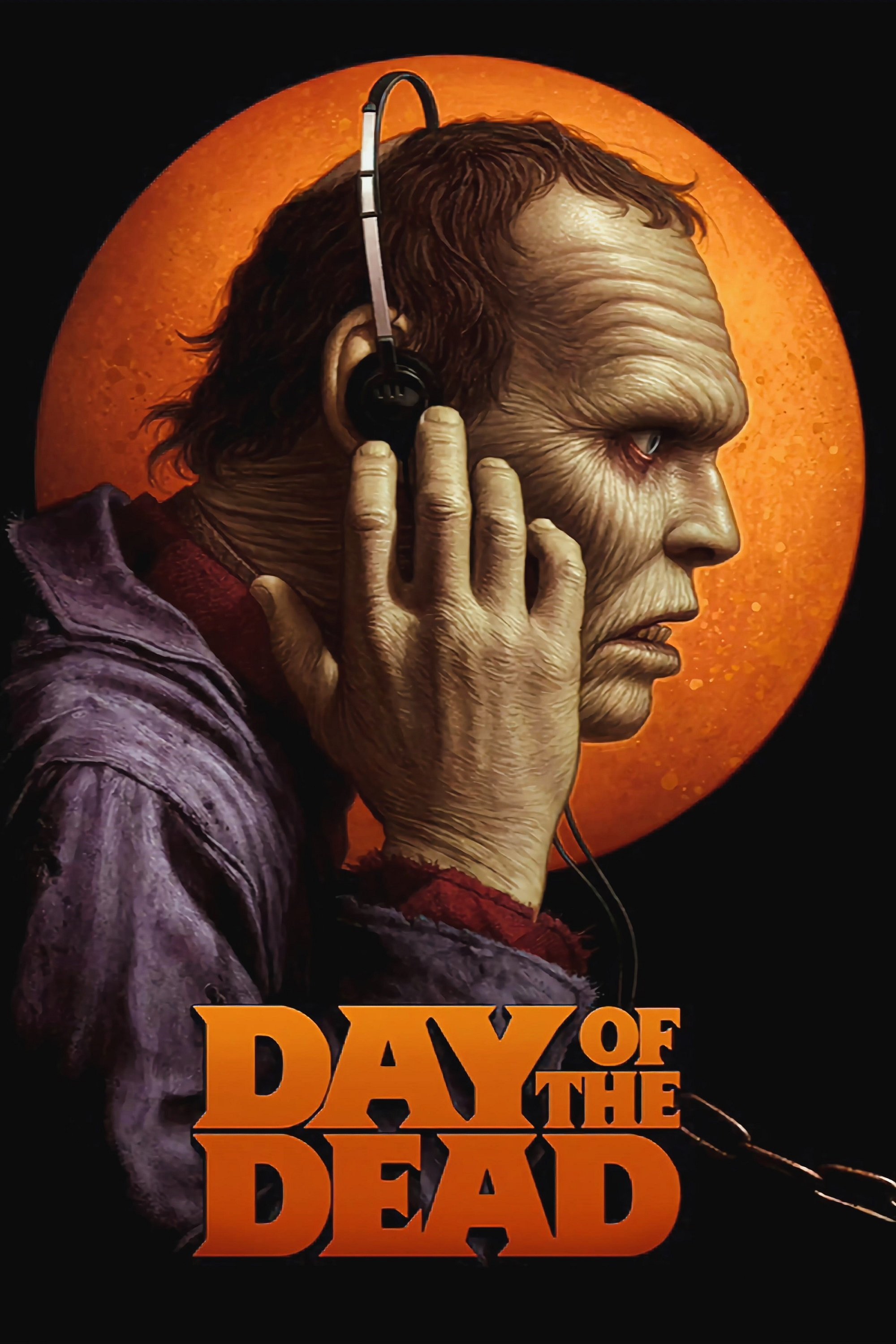
In the third film of George A. Romero’s zombie series, the world has been almost entirely overrun by the undead. A small group of scientists and soldiers live in a secure underground bunker, desperately trying to find a solution to the zombie apocalypse. However, the tension between the scientists who want to study the zombies and the soldiers who want to destroy them threatens to tear the group apart.
This film is a bleak and claustrophobic look at the end of the world. It directly mirrors the themes of “28 Days Later” by exploring the conflict between scientific and military approaches to an outbreak. It focuses on the psychological pressure of being among the last humans alive.
Planet Terror (2007)

A deadly nerve gas is accidentally released at a remote military base in Texas, turning those who inhale it into grotesque, zombie-like creatures. A group of survivors, including a go-go dancer with a machine gun for a leg and her ex-boyfriend, band together to fight the infected horde and escape the quarantine zone.
Part of the “Grindhouse” double feature with Quentin Tarantino, Robert Rodriguez’s film is an over-the-top, action-packed tribute to 1970s exploitation movies. While its tone is more exaggerated and fun, it shares the core concept of a military experiment gone wrong, leading to a fast-spreading infection and gory, high-energy mayhem.
World War Z (2013)
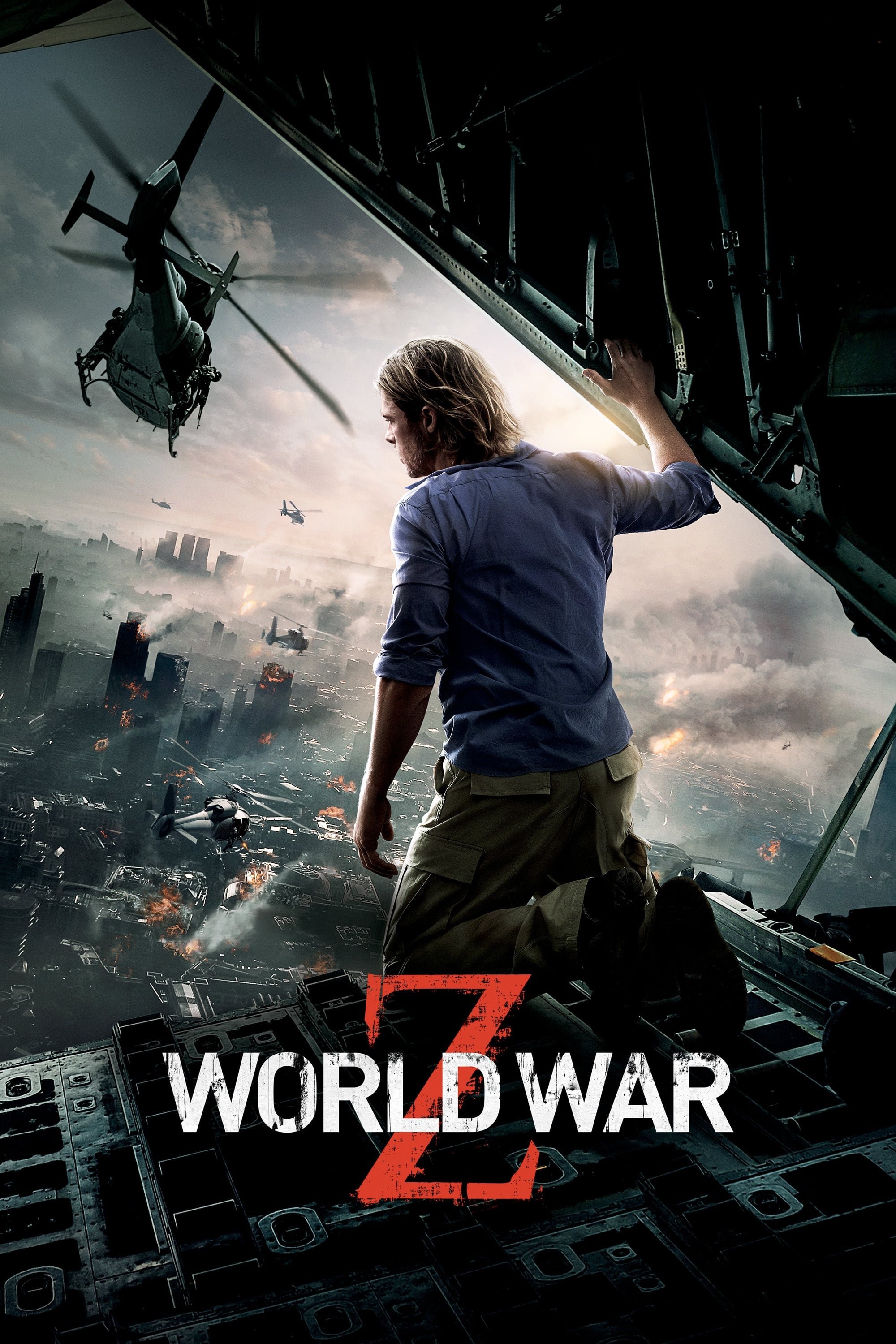
A former United Nations investigator is called back into service when a mysterious pandemic rapidly spreads across the globe, turning people into incredibly fast and aggressive zombies. He must travel the world, from the United States to South Korea and Israel, in a desperate race against time to find the source of the plague and a potential weakness.
This film presents a global-scale zombie apocalypse, showing how different countries and governments react to the threat. The zombies in “World War Z” are fast, relentless, and move in massive swarms, creating a sense of overwhelming chaos that rivals the intensity of the Rage Virus.
The Girl with All the Gifts (2016)

In a dystopian future, most of humanity has been wiped out by a fungal infection that turns people into flesh-eating “hungries.” A small group of unique children who are infected but still retain the ability to think and feel are held in a military base. When the base is overrun, a young girl named Melanie escapes with her teacher, a scientist, and two soldiers.
This British film offers a fresh and intelligent take on the zombie genre. Like “28 Days Later,” it originates from the UK and presents a bleak, post-apocalyptic landscape. It explores complex questions about humanity, infection, and what it means to be alive, providing a more thought-provoking and emotional experience.
Cargo (2017)
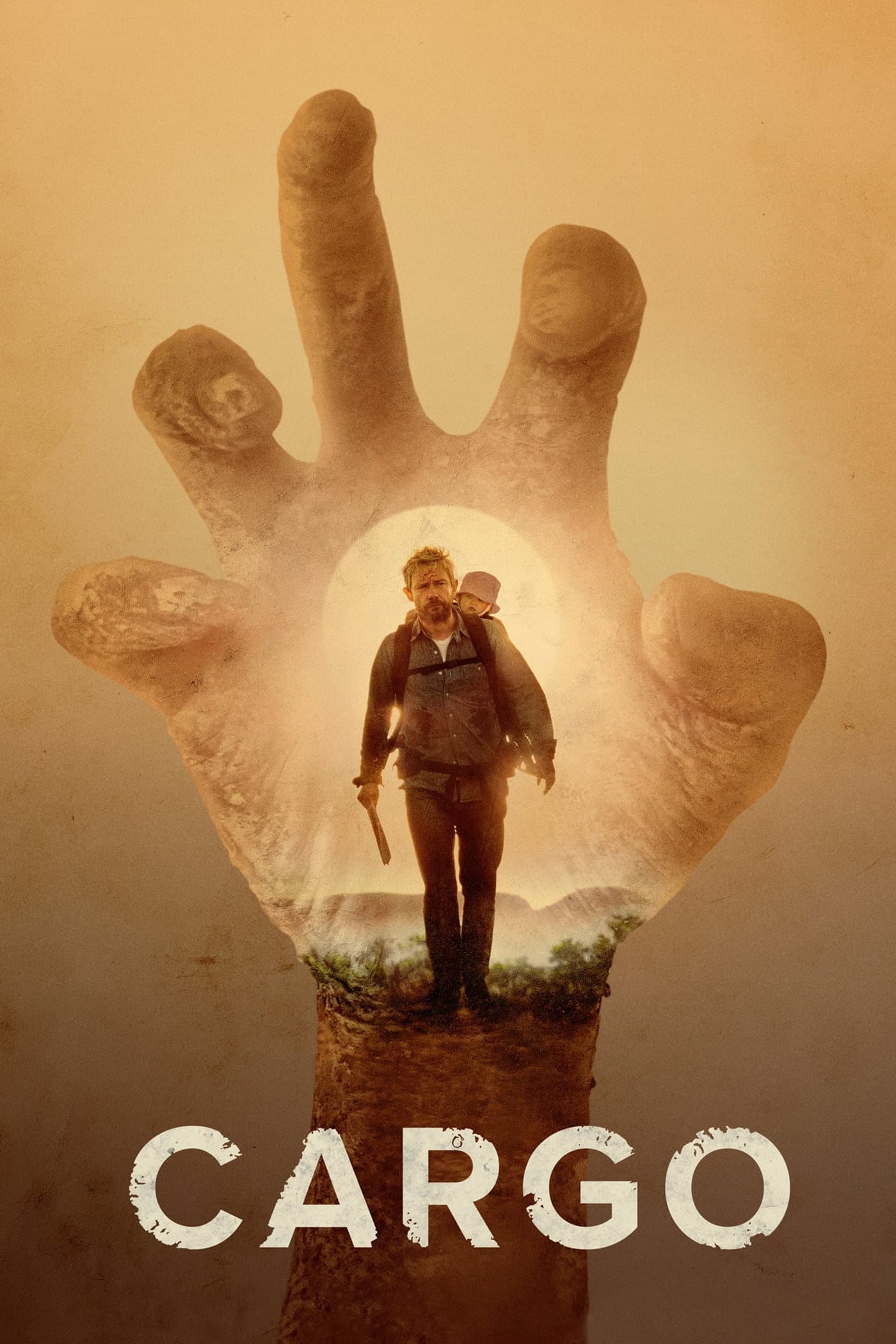
After being bitten by his infected wife during a zombie apocalypse in rural Australia, a man has only 48 hours to find a new guardian for his infant daughter before he turns into a zombie himself. His desperate journey takes him across a dangerous landscape where he encounters other survivors, both friendly and hostile.
“Cargo” is a highly emotional and character-driven zombie film. It slows down the pace to focus on a father’s love and sacrifice in the face of certain death. This focus on a personal, heartbreaking story amidst a wider apocalypse provides a different but equally compelling kind of tension.
#Alive (2020)
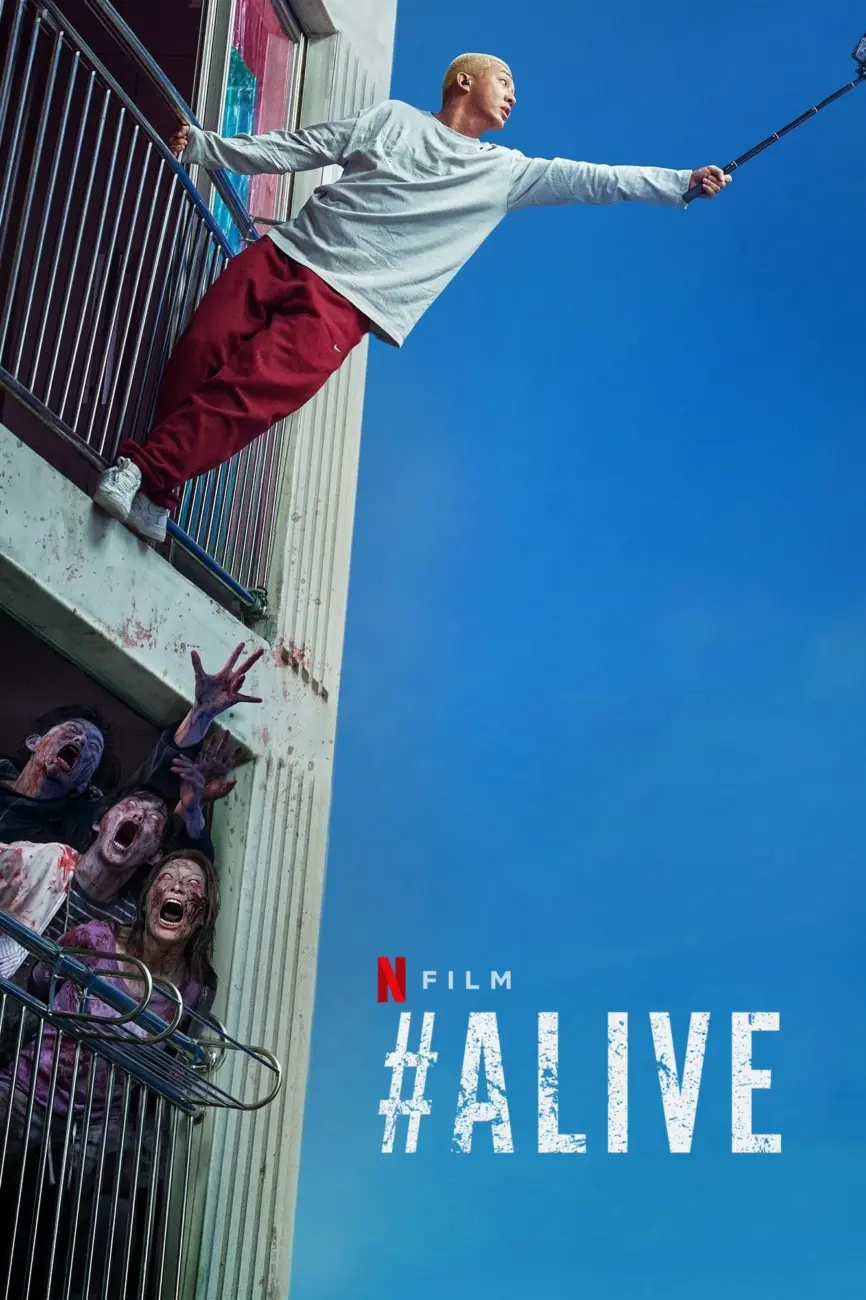
A young video game streamer is trapped alone in his Seoul apartment when a violent zombie outbreak rapidly consumes the city. With his food and water running out and no way to communicate with the outside world, he begins to lose hope, until he discovers another survivor living in the apartment building across from him.
This South Korean thriller captures the feeling of modern isolation during an apocalypse. The zombies are fast and agile, creating intense moments of terror. The story’s focus on a single location for much of its runtime builds a sense of claustrophobia and desperation similar to the feeling of being hunted in “28 Days Later.”
Pontypool (2008)
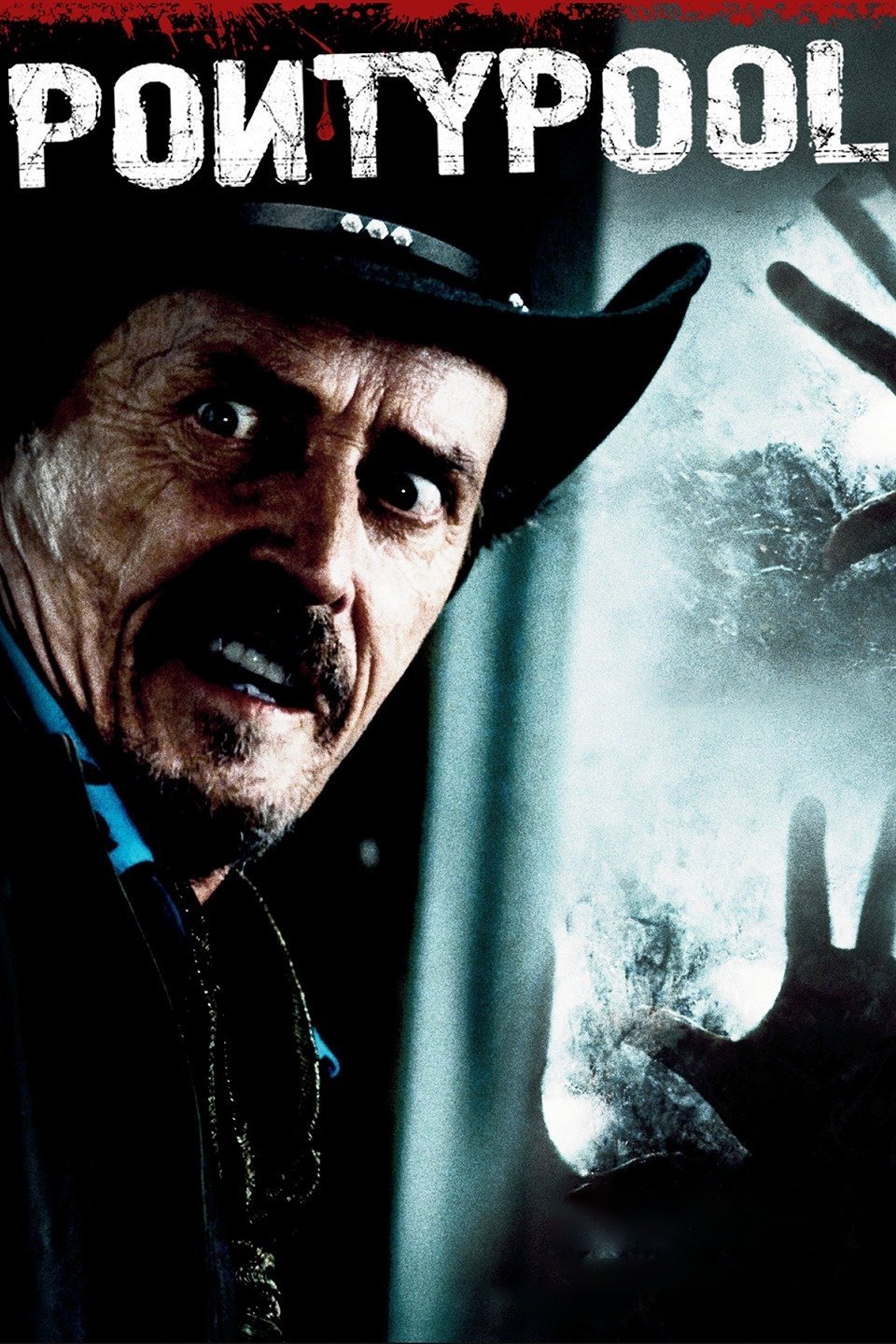
A shock jock radio DJ is working the morning shift in the small town of Pontypool, Ontario, when strange reports begin to come in about people behaving erratically and violently. He and his two station employees soon realize they are at the center of a deadly outbreak, but this virus is not spread by bites or blood; it’s spread through the English language itself.
“Pontypool” is a unique and clever horror film that relies on psychological tension rather than visual gore. It takes place almost entirely within the confines of the radio station, forcing the characters and the audience to imagine the horror unfolding outside. It’s a great choice for those who enjoy the “outbreak” concept but want a completely different and inventive approach.
30 Days of Night (2007)
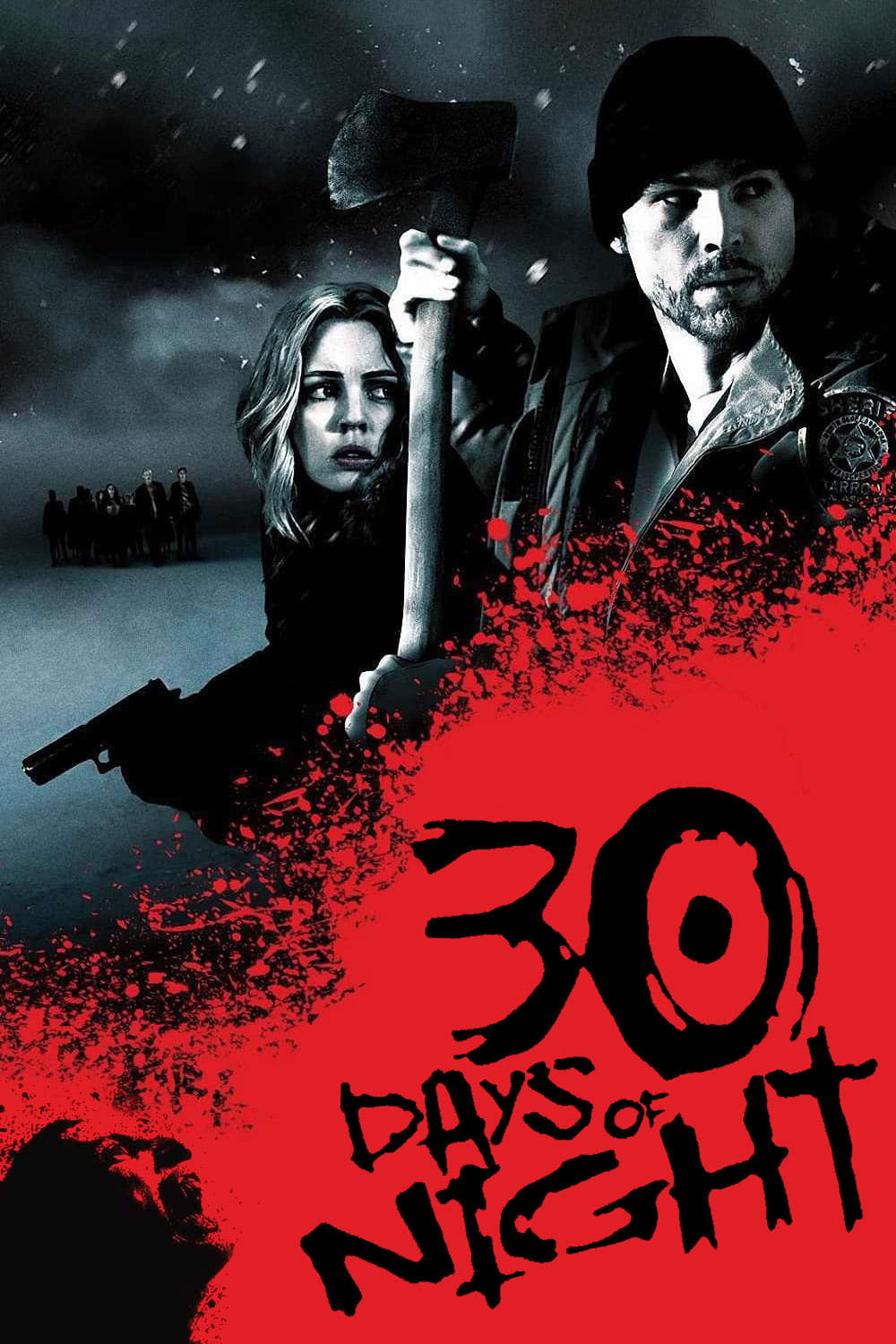
The isolated town of Barrow, Alaska, is preparing for its annual month of total darkness. As the last sunset occurs, the town is besieged by a pack of feral, monstrous vampires. With no way to escape and no hope of sunrise for a month, the town’s small group of survivors must fight to stay alive in the endless night.
This film is not about zombies, but the creatures are fast, brutal, and non-human in their aggression, much like the infected. The premise of being trapped in a confined location with a relentless enemy for an extended period creates a sustained level of dread and desperation that will appeal to fans of the siege-like situations in the “28 Days” films.
Carriers (2009)
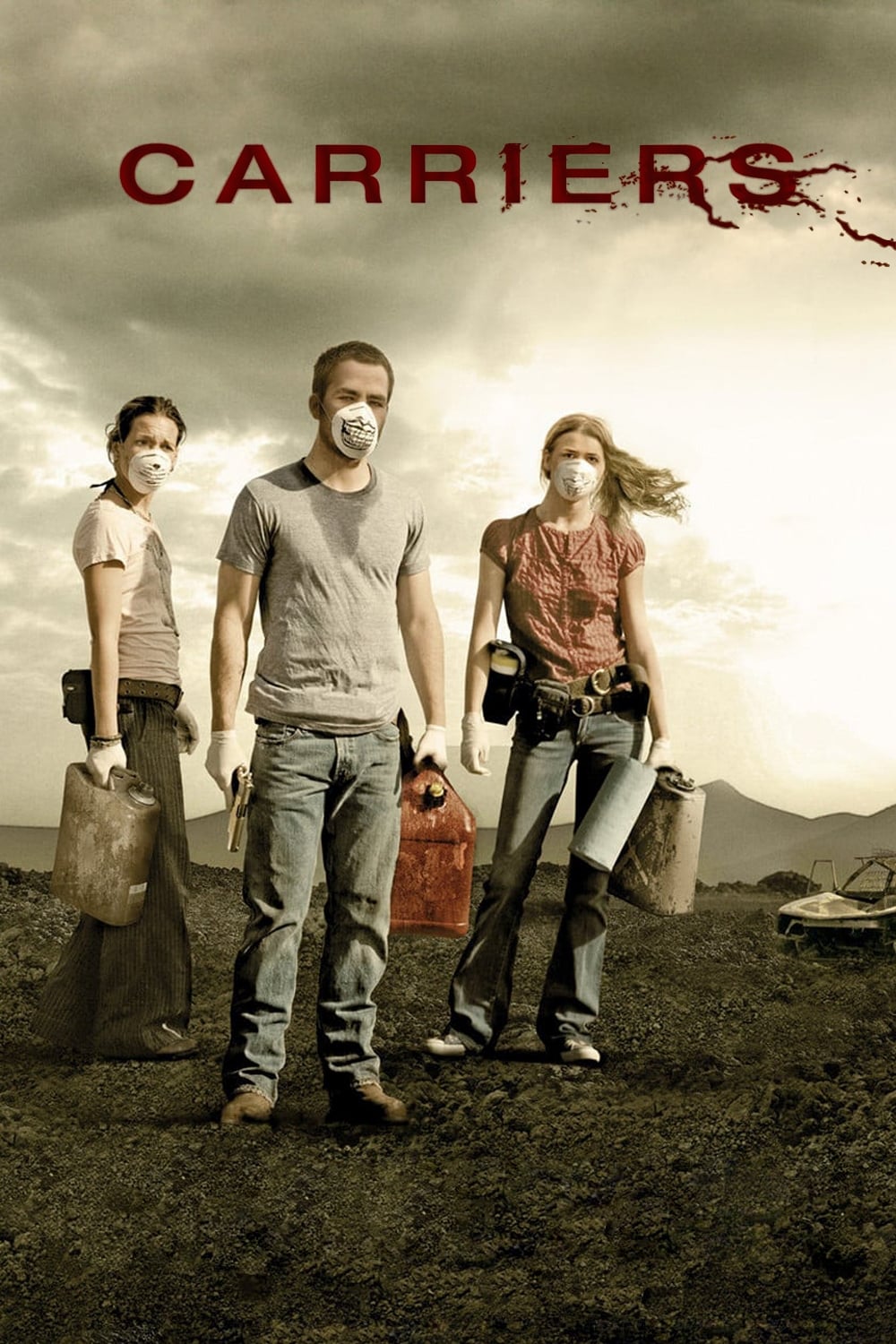
Four young friends are driving across the American Southwest, trying to outrun a highly infectious and deadly pandemic that has wiped out most of the population. They live by a strict set of rules designed to keep them safe from infection and other survivors. However, their journey forces them to confront the reality that the most dangerous threat may not be the virus, but the choices they have to make and the darkness within themselves.
“Carriers” is a bleak and character-focused look at a pandemic. It’s less about action and more about the psychological and moral toll of survival. The film explores the breakdown of relationships and humanity in a world where contact with anyone could be a death sentence, a theme central to the “28 Days Later” universe.
Sunshine (2007)
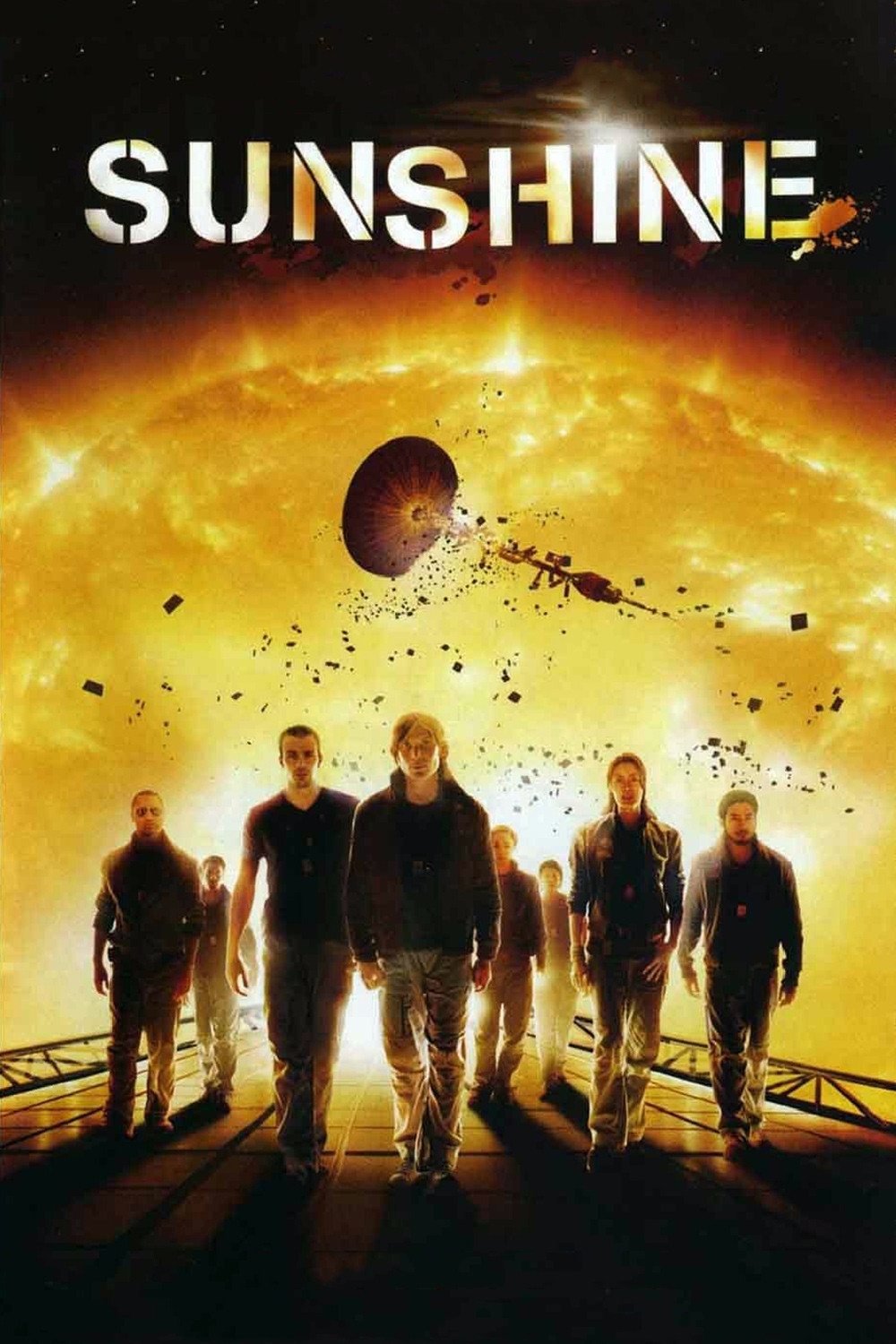
In the not-too-distant future, the Sun is dying, and Earth is freezing. Humanity’s last hope is a small crew of astronauts on a mission to reignite the star with a massive nuclear bomb. As they approach their destination, they encounter a distress beacon from the previous mission that failed years before, forcing them to make a decision that jeopardizes their own mission and the fate of everyone on Earth.
Directed by Danny Boyle and written by Alex Garland, the same creative team behind “28 Days Later,” “Sunshine” is a must-see. While a science fiction thriller, it shares their signature style of building intense psychological pressure and claustrophobic tension. The film’s final act even shifts into a slasher-in-space scenario that feels tonally similar to the horror of the Rage Virus.
Quarantine (2008)
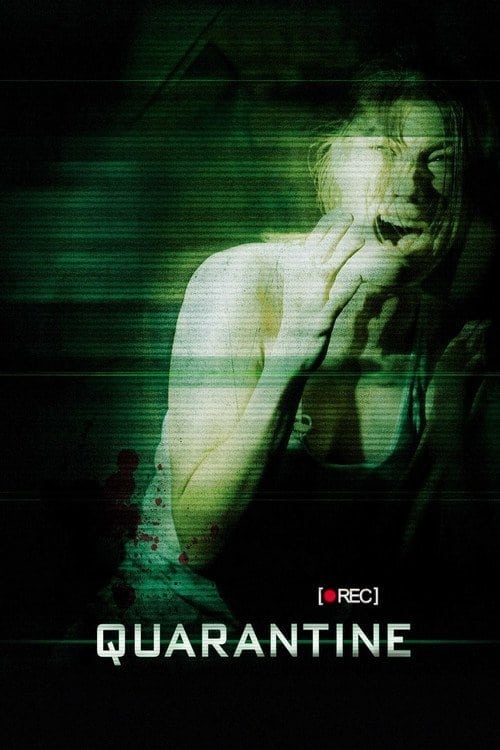
This is the American remake of the Spanish film “REC.” The story is identical: a TV reporter and her cameraman get trapped inside a Los Angeles apartment building that has been sealed by the CDC. A mysterious and highly aggressive virus is spreading among the residents, turning them into violent killers, and the news crew captures the terrifying events as they happen.
If you prefer English-language films or have difficulty with the shaky-cam style of found footage, “Quarantine” offers a more polished version of the “REC” story. It delivers the same core experience of being trapped in an enclosed space during a rapid viral outbreak, emphasizing claustrophobia and frantic terror.
Doomsday (2008)
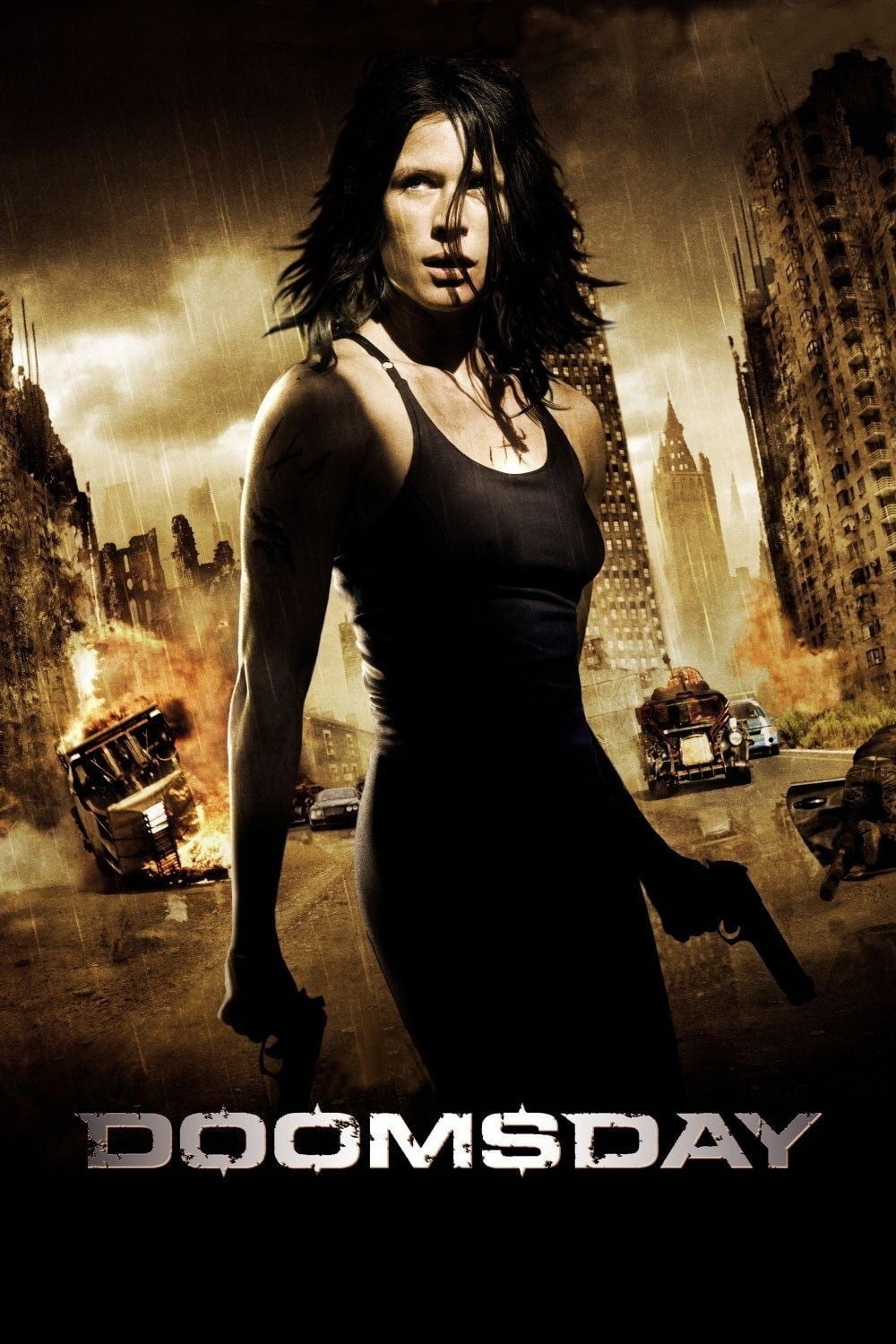
In 2008, a deadly virus devastates Scotland, forcing the UK government to build a massive wall and quarantine the entire country. Thirty years later, the virus reappears in London. Believing a cure must exist among the survivors in Scotland, the government sends an elite team, led by a tough soldier, over the wall to find it. They discover that the survivors have devolved into violent, tribal factions.
This action-horror film is a wild mix of genres. It feels like “28 Days Later” mixed with “Mad Max” and “Escape from New York.” The movie features a gritty, post-apocalyptic setting, brutal action, and a race-against-time plot to find a cure, making it a high-energy and entertaining watch for fans of outbreak movies.
The Night Eats the World (2018)
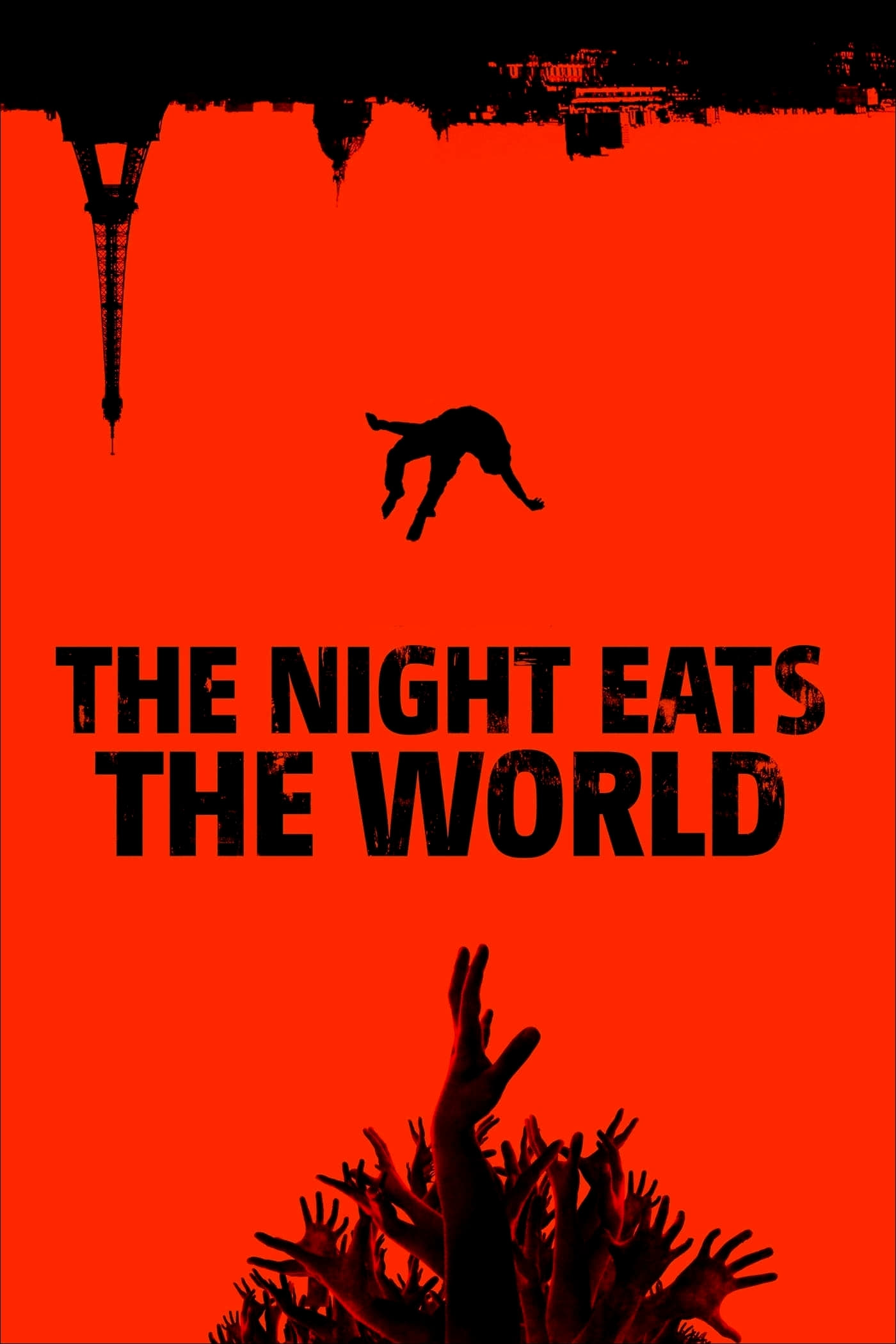
After falling asleep at a party in his ex-girlfriend’s Paris apartment, a man named Sam wakes up to find that a zombie apocalypse has occurred overnight. He is seemingly the only survivor in the building. The film follows his journey as he learns to survive in his new, isolated reality, battling loneliness and the silent, ever-present zombies outside.
This French film offers a more quiet and introspective take on the zombie apocalypse. Unlike many other films in the genre, it focuses on the psychological challenges of long-term survival and isolation. The zombies are mostly silent, which makes them uniquely unsettling, and the film explores the mundane reality of living after the world ends.
Here Alone (2016)
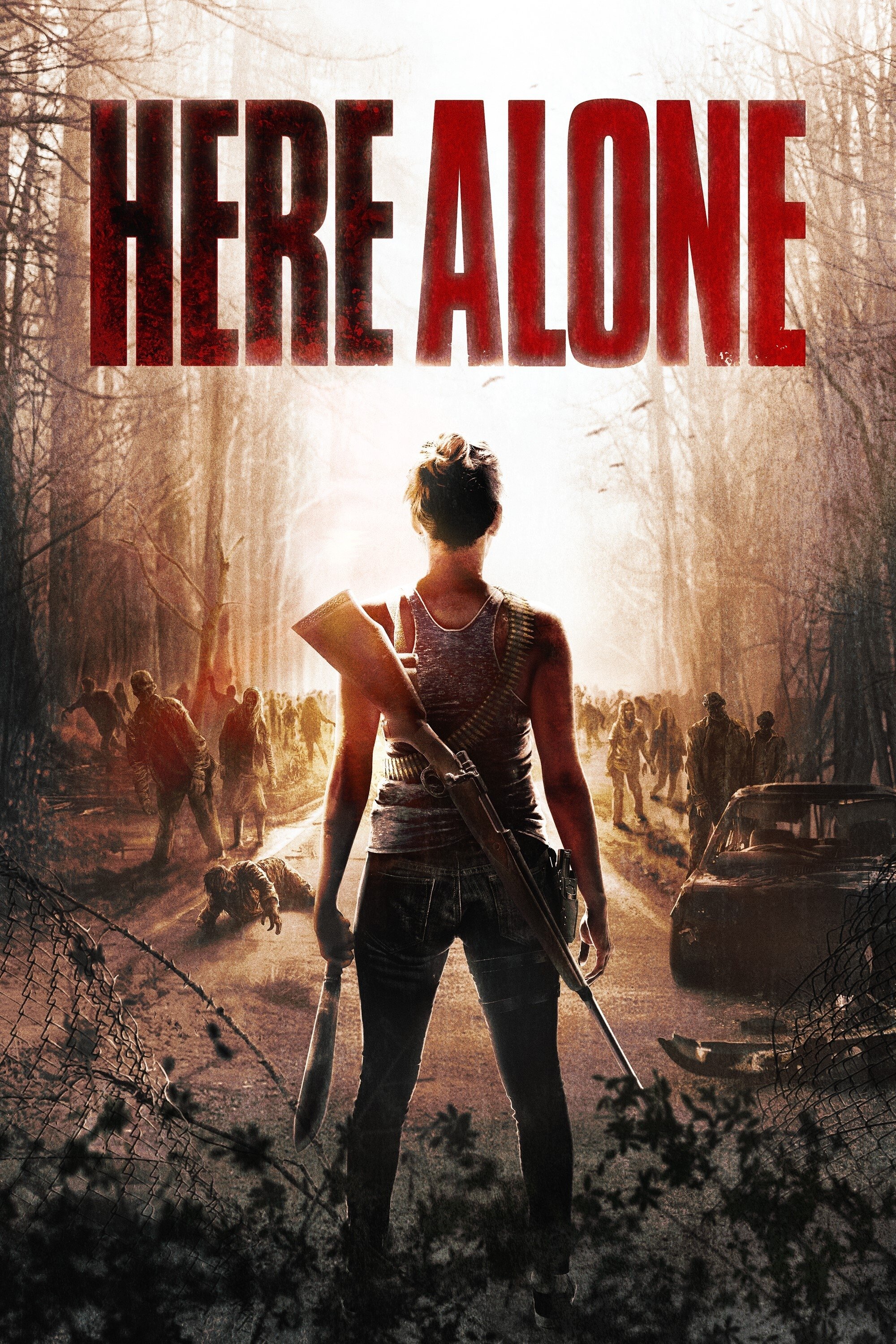
A young woman struggles to survive on her own in the wilderness after a mysterious infection has wiped out most of society. Her solitary existence is disrupted when she comes across a man and his teenage stepdaughter who are also seeking refuge. She must decide whether to trust them and risk the safety she has created for herself.
This is a quiet and character-driven post-apocalyptic film. It shares the desolate, lonely atmosphere of the “28 Days Later” world but focuses on the smaller, more personal struggles of survival. It examines themes of loss, trust, and the difficulty of forming new connections when the world has fallen apart.
Stake Land (2010)
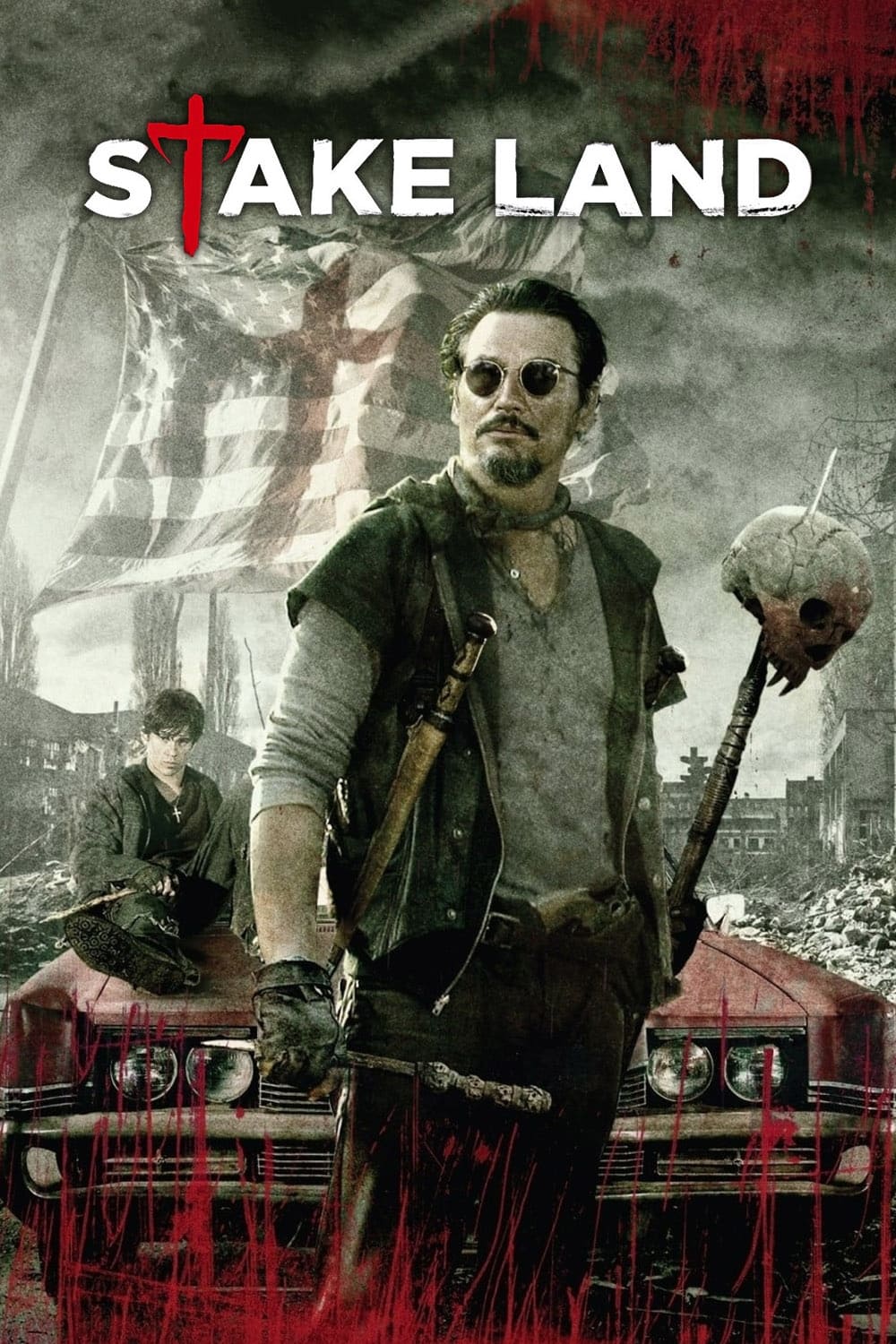
In a post-apocalyptic America ravaged by a vampire plague, a teenage boy is rescued by a grizzled vampire hunter known only as “Mister.” Together, they travel across the country, heading north to a rumored safe zone called New Eden. Along the way, they pick up other survivors and battle not only feral vampires but also extremist cults.
While the monsters are vampires, they are portrayed as savage, non-thinking beasts, much like the infected. The film has the feel of a gritty, apocalyptic road movie, focusing on the bond between a mentor and his apprentice. Its bleak tone and focus on a collapsed America make it a strong thematic cousin to the “28 Days” series.
The Sadness (2021)
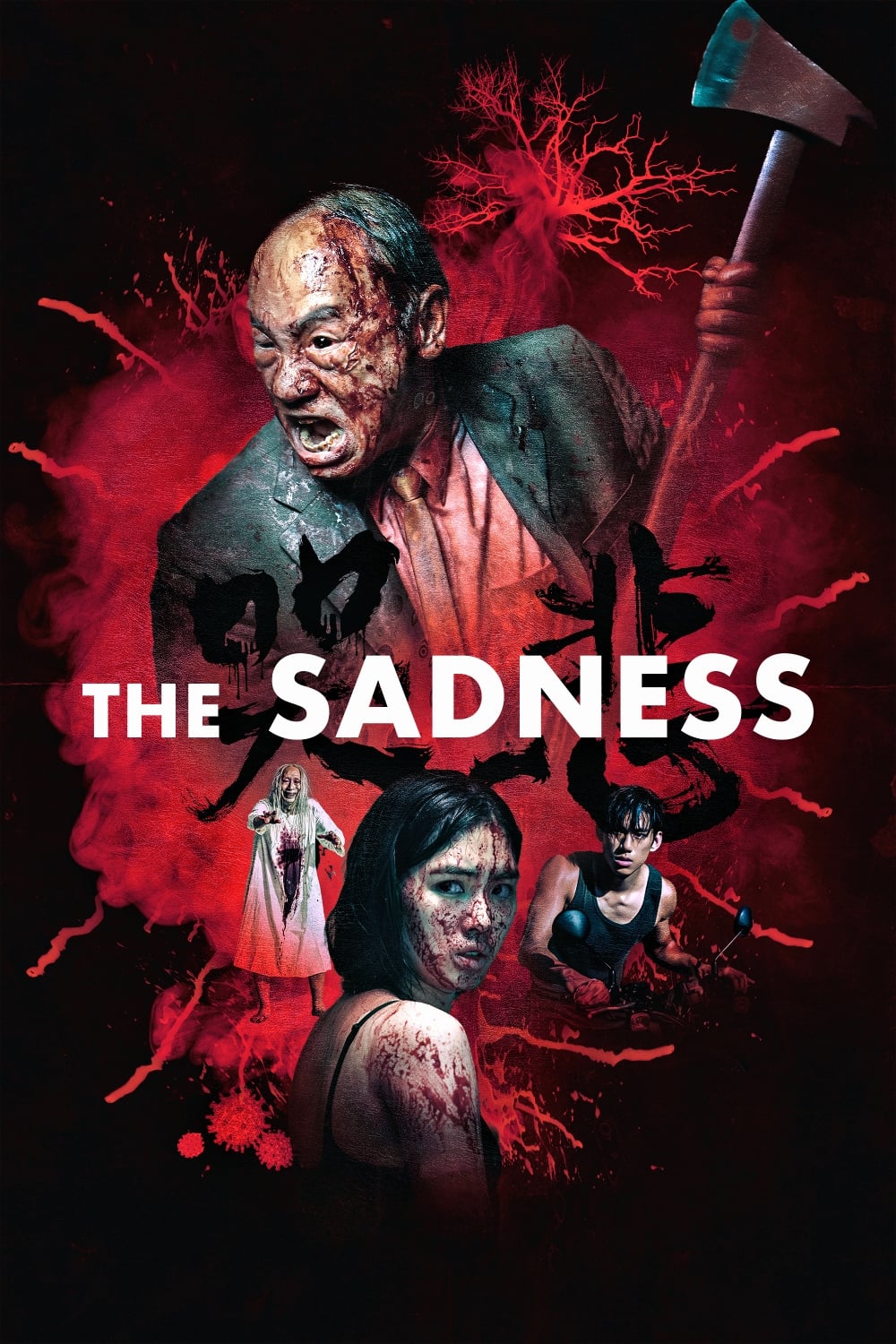
A young couple in Taiwan tries to reunite after a dormant virus suddenly mutates, causing those infected to act on their most cruel and depraved impulses. The virus doesn’t just turn people into killers; it turns them into sadistic psychopaths who take pleasure in committing horrific acts. The city descends into a nightmare of extreme violence and chaos.
This film is not for the faint of heart. It takes the concept of a “rage virus” to its most extreme and disturbing conclusion. The infected are fully conscious but are driven by pure malice. If you found the intensity of “28 Days Later” compelling and are looking for something that pushes the boundaries even further, “The Sadness” is an unforgettable and brutal watch.
Green Room (2015)
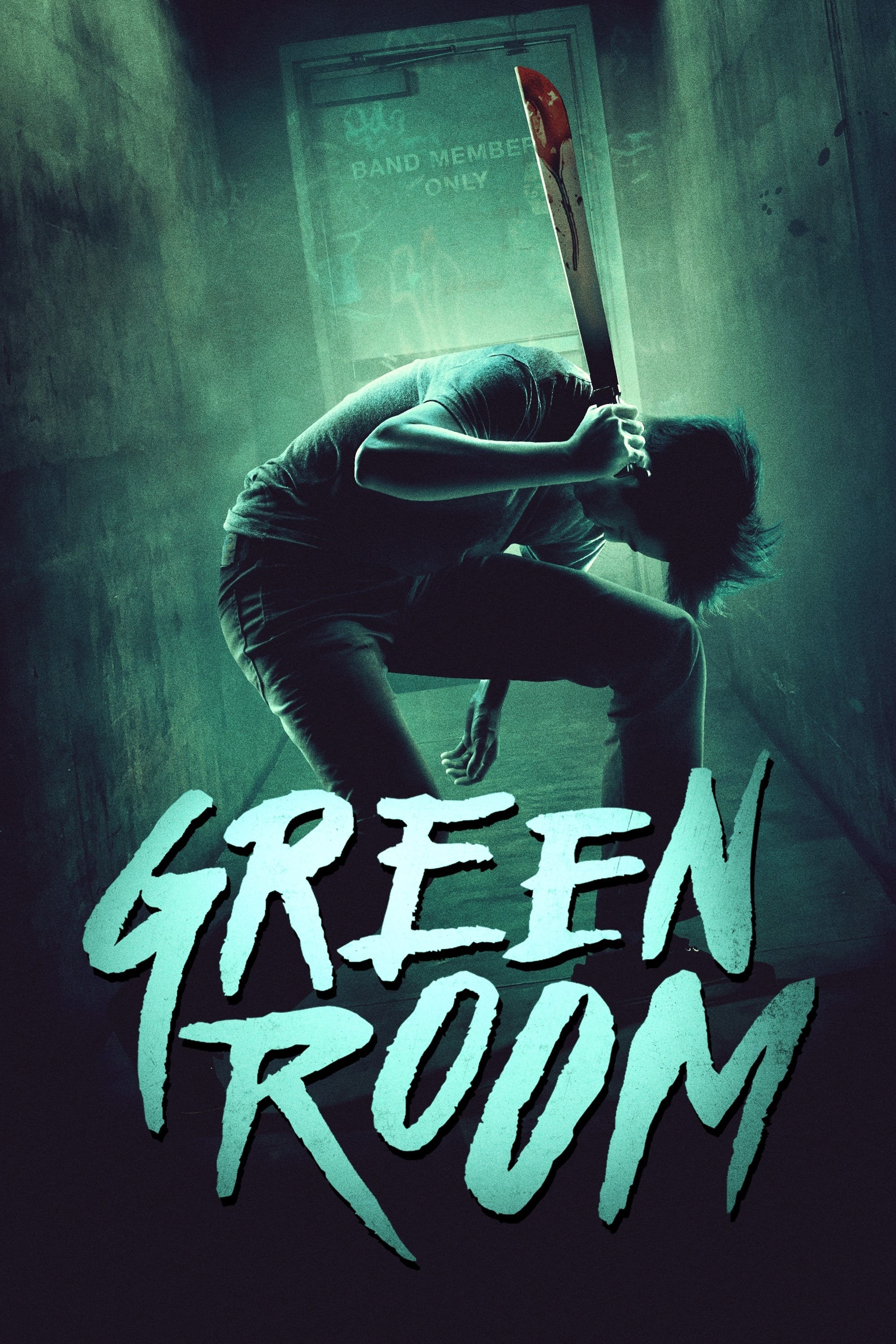
A down-on-their-luck punk band takes a last-minute gig at a remote club in the Oregon woods, only to discover it’s a hangout for neo-Nazi skinheads. After their set, they stumble upon a murder in the green room and are locked in by the club’s owner and his followers. A tense and violent standoff ensues as the band fights for their lives against an organized and ruthless enemy.
While not a post-apocalyptic or zombie film, “Green Room” is a masterclass in tension and siege warfare. The feeling of being trapped and hunted by a violent, unthinking mob is incredibly intense and mirrors the horror of facing a horde of the infected. It’s a brutal, suspenseful thriller that captures the same fight-for-your-life desperation.