5 Things About ‘Doctor Strange in the Multiverse of Madness’ That Made Zero Sense and 5 Things That Made Perfect Sense


Doctor Strange in the Multiverse of Madness (2022) takes viewers on a chaotic trip through alternate realities, blending magic, action, and bold visuals. Sam Raimi’s direction and the multiverse concept thrilled fans, but some plot choices left audiences confused while others felt spot-on.
This article breaks down five moments that didn’t add up and five that worked perfectly. Let’s dive into what made sense, what didn’t, and why.
The Book of Vishanti’s Role (Zero Sense)
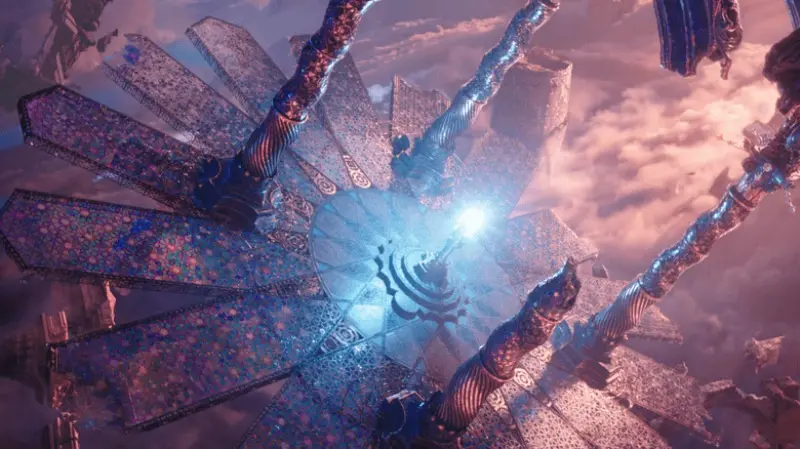
The Book of Vishanti is hyped as a key to stopping Wanda, but it’s destroyed almost immediately. The heroes risk everything to reach it, only for it to be useless.
This rushed resolution feels like a letdown. The film builds up its importance but fails to deliver a satisfying payoff.
Stephen Strange’s Sacrifice (Perfect Sense)
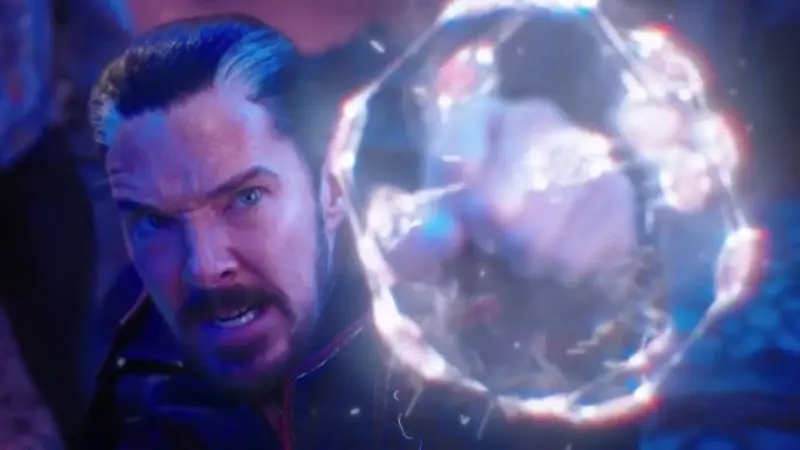
Strange’s choice to trust America Chavez with her powers shows his growth. He lets go of control, a core struggle for his character, to save the multiverse.
This moment feels authentic to his arc. It ties back to his journey of learning to work with others, making it emotionally resonant.
Wanda’s Dreamwalking Logic (Zero Sense)
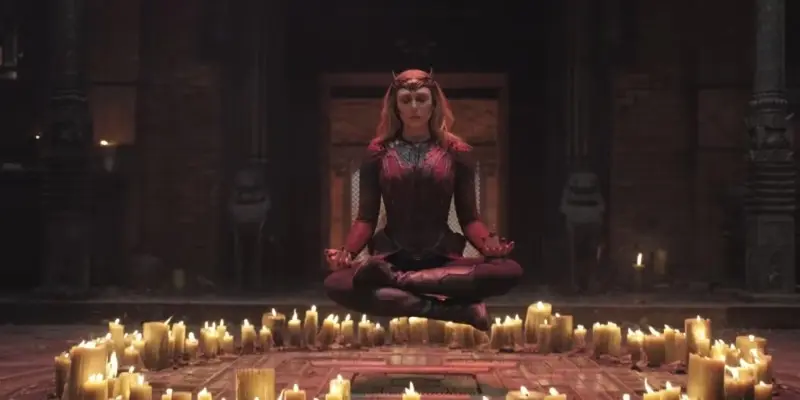
Wanda’s ability to dreamwalk into other versions of herself is cool but poorly explained. The rules of how she controls bodies across universes are unclear.
This vagueness makes her powers feel like a plot convenience. The film needed more clarity to make her actions believable.
The Visual Style of the Multiverse (Perfect Sense)
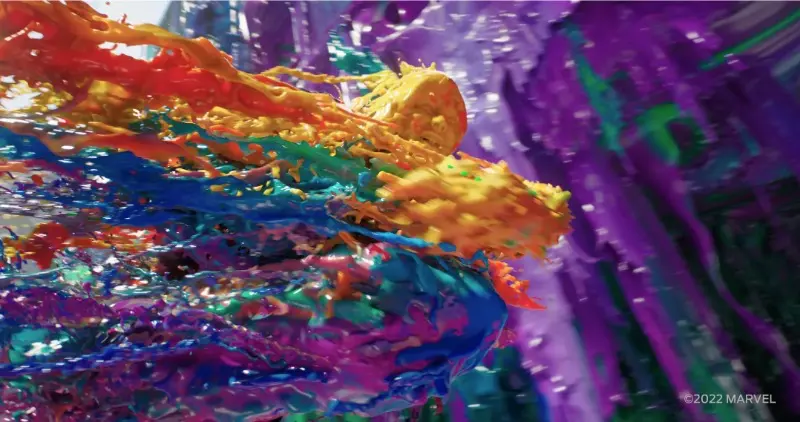
The multiverse looks stunning, with unique worlds like the underwater universe or the collapsing reality. Each universe has a distinct vibe that sells the concept.
Raimi’s bold visuals make every jump visually exciting. It’s easy to follow and adds to the film’s thrilling pace.
The Sanctum’s Weak Defenses (Zero Sense)
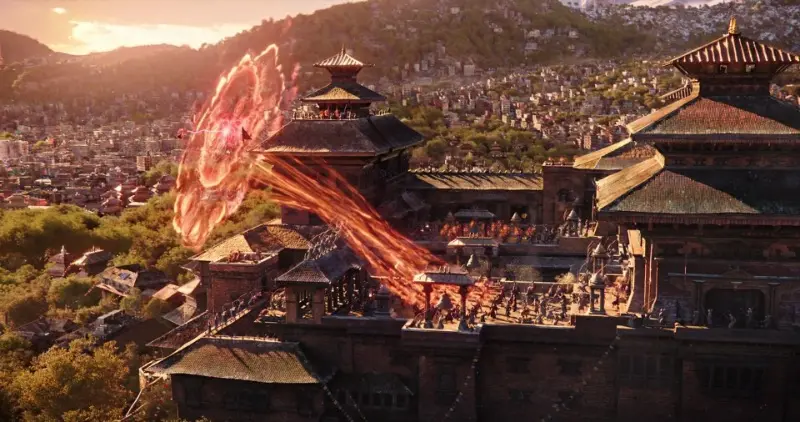
The Sanctum Sanctorum, a magical stronghold, falls too easily to Wanda. Sorcerers trained to protect it seem helpless against her attacks.
This undermines the Sanctum’s reputation as a secure fortress. A stronger defense would’ve made the battle more convincing.
Christine’s Alternate Versions (Perfect Sense)
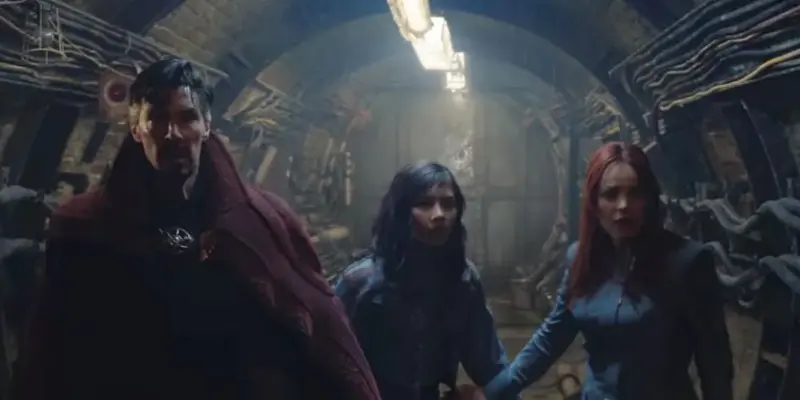
Christine Palmer’s role in different universes adds heart to the story. Her interactions with Strange show his regret and longing across realities.
This emotional thread grounds the multiverse chaos. It gives Strange a personal stake that resonates with viewers.
The Incursion Concept (Zero Sense)
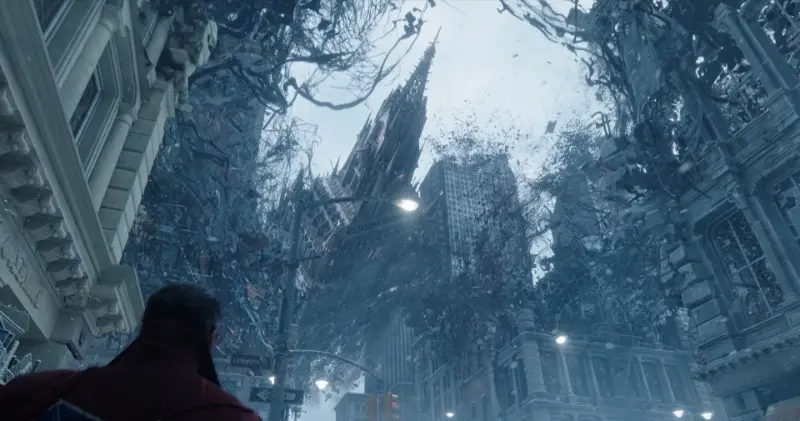
Incursions, where universes collide, are mentioned but barely explored. The film hints at their danger but doesn’t explain how they work or why they matter.
This lack of detail makes the stakes feel hollow. A clearer explanation would’ve made the threat more impactful.
Wong and Strange’s Dynamic (Perfect Sense)
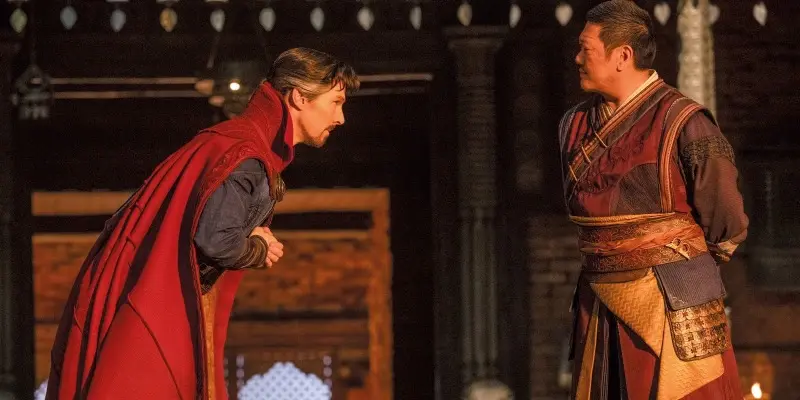
Wong and Strange’s teamwork shines as a highlight. Their banter and mutual respect show a strong partnership, with Wong stepping up as a leader.
This dynamic feels natural and earned. It’s a great mix of humor and trust that carries their scenes.
Clea’s Sudden Appearance (Zero Sense)
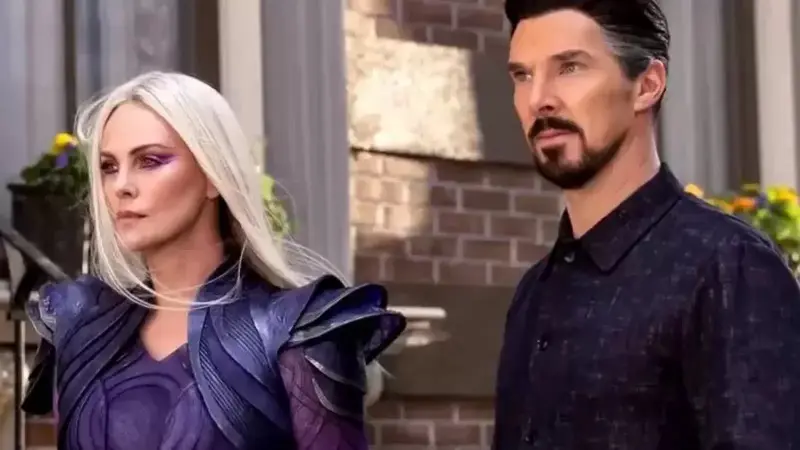
Clea shows up in the final scene with no buildup or context. Her role as a mysterious figure feels tacked on for a sequel hook.
This abrupt introduction confuses casual viewers. The film could’ve hinted at her earlier to make her arrival less jarring.
Wanda’s Emotional Core (Perfect Sense)
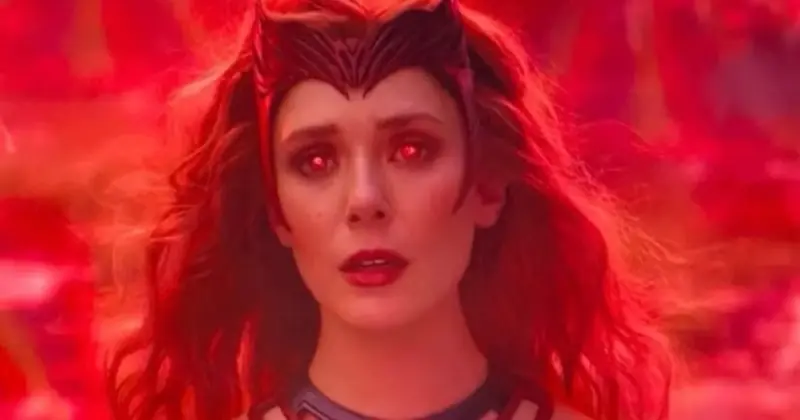
Wanda’s grief over her children drives her actions, making her a tragic figure. Her pain, shown through visions of her ideal life, feels raw and real.
This emotional depth makes her more than a villain. It connects to her WandaVision arc, giving her choices weight.
Which parts of Doctor Strange in the Multiverse of Madness clicked for you or left you baffled? Drop your thoughts in the comments!