5 Ways ‘Doctor Strange in the Multiverse of Madness’ Aged Poorly (And 5 Ways It Aged Masterfully)


The release of Doctor Strange in the Multiverse of Madness (2022) was a big moment for Marvel fans, diving deep into the multiverse with bold visuals and wild ideas. However, as time has passed, some parts of the movie haven’t held up as well, while others have only grown stronger in impact.
This list breaks down five ways the film has aged poorly and five ways it has aged masterfully. From story choices to character arcs, here’s a clear look at what’s faded and what’s still shining.
Overloaded Plot (Aged Poorly)
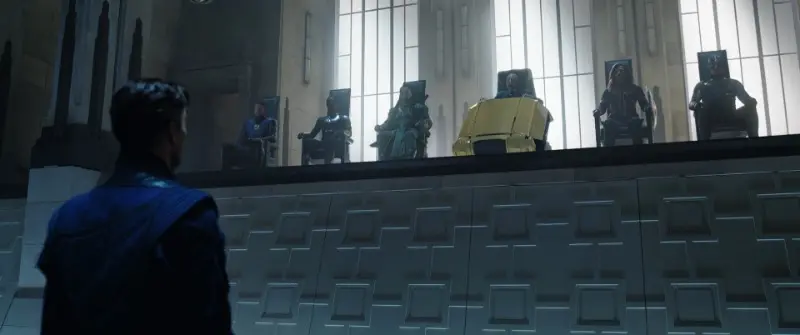
The story tries to juggle too many ideas at once. Multiverse rules, new characters, and cameos pile up, making it hard to follow.
This clutter feels more chaotic now, as later Marvel projects streamlined their narratives. Fans often point out that the film sacrifices depth for spectacle, leaving key moments underdeveloped.
Stunning Visuals (Aged Masterfully)
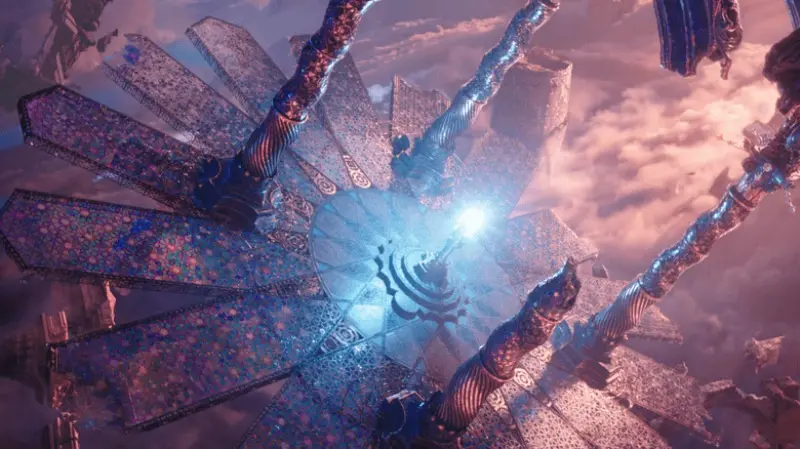
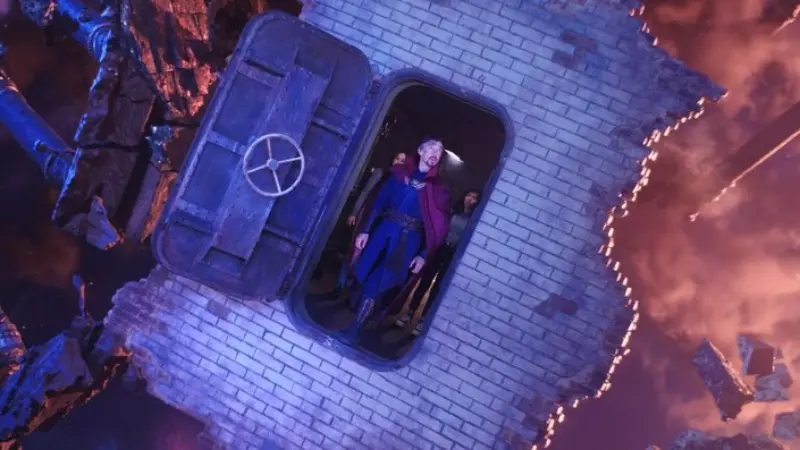
The movie’s visual effects are a standout, with creative multiverse designs and trippy sequences. Scenes like Strange navigating collapsing realities remain jaw-dropping.
Years later, the bold art style still feels fresh. It pushes boundaries in a way few superhero films do, keeping viewers hooked on its wild creativity.
Weak Villain Motivation (Aged Poorly)
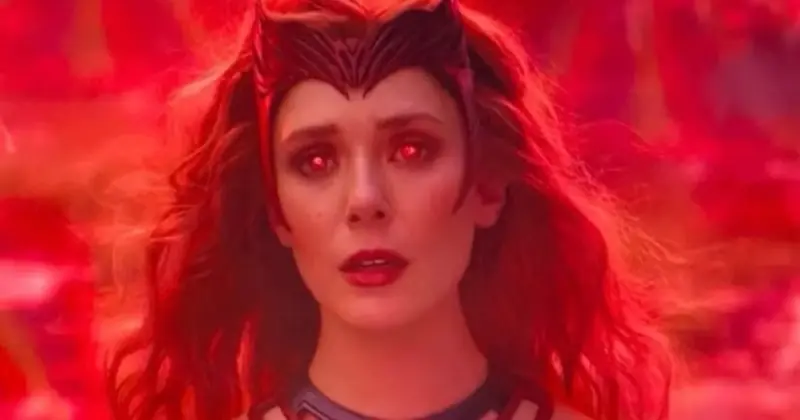
Wanda’s turn as the antagonist feels rushed and poorly explained. Her shift from hero to villain lacks enough emotional grounding.
Looking back, this choice seems forced compared to her nuanced arc in other Marvel projects. Fans feel her motivations were simplified to fit the plot.
Multiverse Exploration (Aged Masterfully)
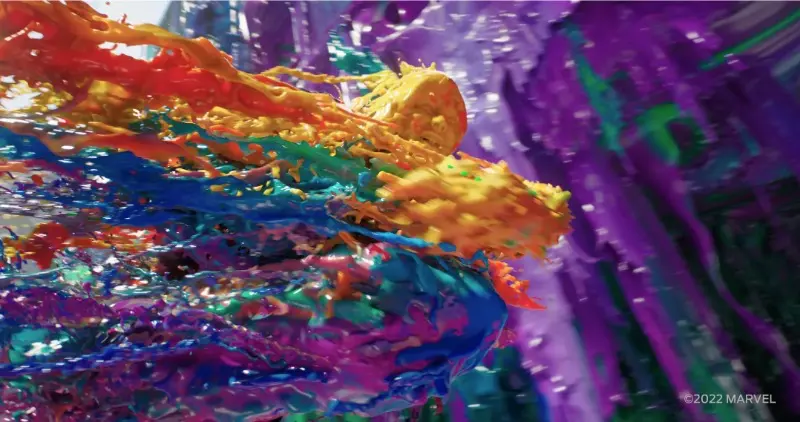
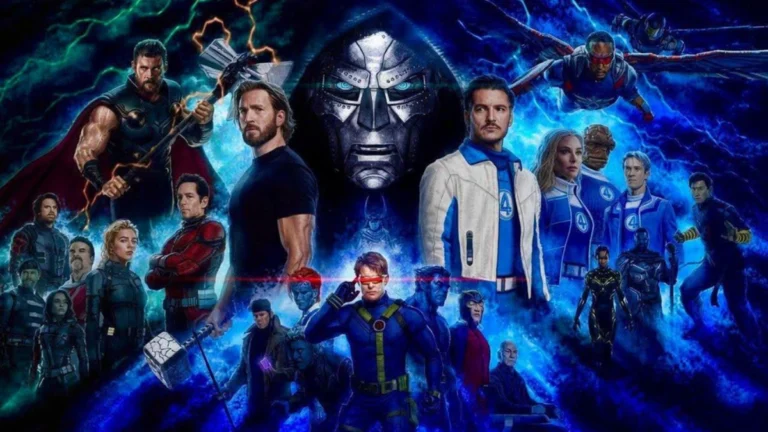
The film dives headfirst into the multiverse, introducing new worlds and variants. It sets up endless possibilities for future stories.
This bold move has aged well, as the multiverse remains a key part of Marvel’s ongoing narrative. The film’s ambition laid strong groundwork for later projects.
Underused Characters (Aged Poorly)
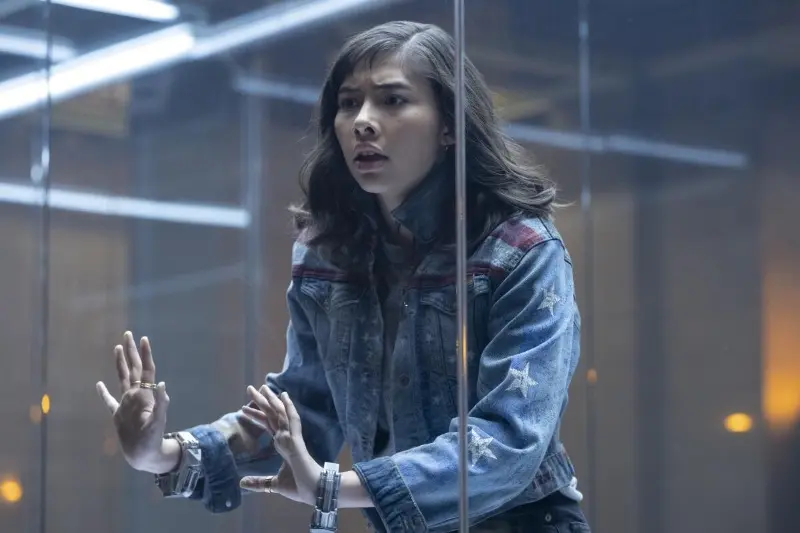
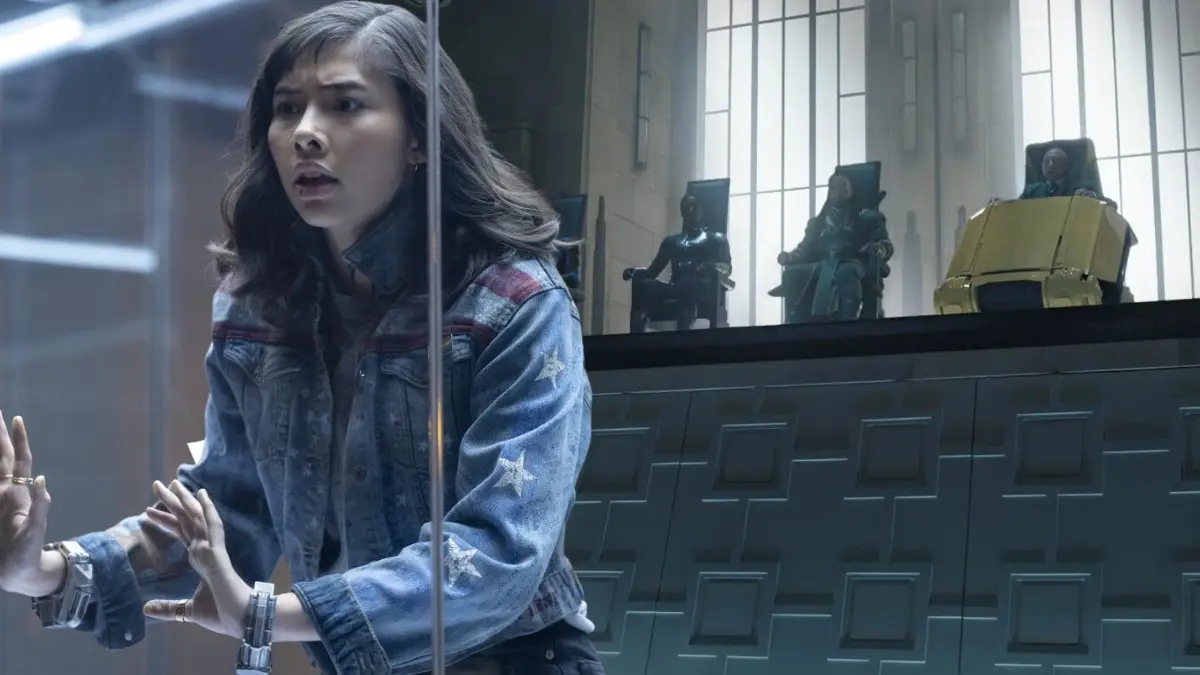
Many characters, like America Chavez, get limited screen time and development. Their roles feel like setups for future stories rather than meaningful contributions.
Now, this feels like a missed opportunity. Fans wanted more depth from new faces, which later Marvel films handled better.
Emotional Depth of Strange (Aged Masterfully)
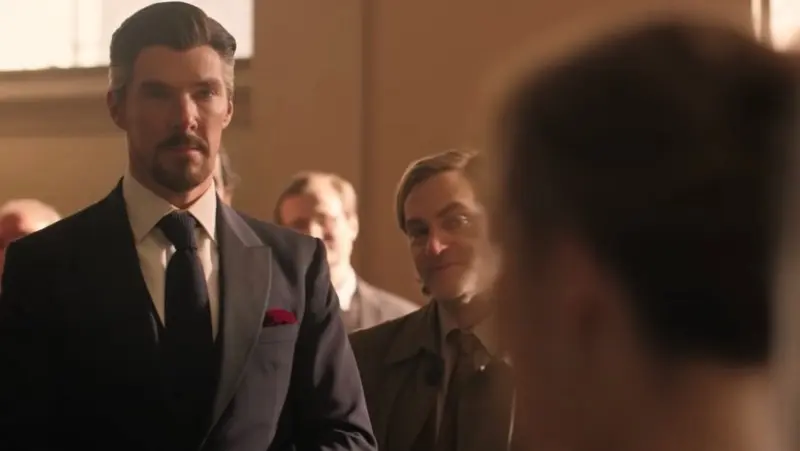
Doctor Strange’s personal arc, grappling with loss and self-doubt, hits hard. His journey to accept his flaws feels real and relatable.
This emotional core still resonates. It gives the film a timeless quality, connecting with audiences beyond the superhero spectacle.
Inconsistent Tone (Aged Poorly)
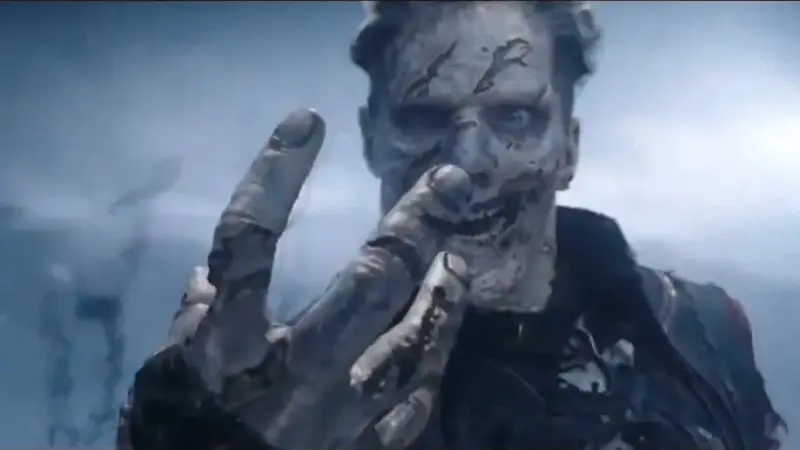
The movie swings between horror, comedy, and drama too quickly. This mix often feels jarring and disrupts the flow.
In hindsight, the tonal shifts stand out as a flaw. Other Marvel films found a better balance, making this one feel uneven.
Bold Risks with Horror (Aged Masterfully)
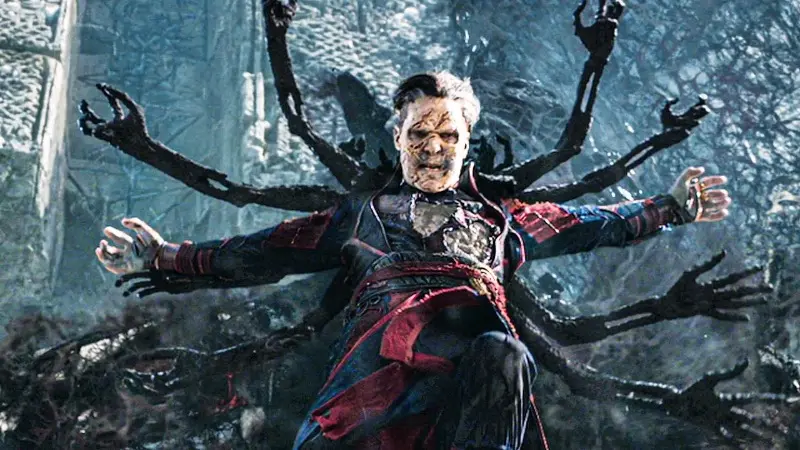
The film’s horror elements, like creepy creatures and dark moments, were a daring choice. Sam Raimi’s style shines through in eerie sequences.
These risks have aged well, giving the movie a unique edge. Fans still praise its bold departure from typical Marvel fare.
Rushed Cameos (Aged Poorly)
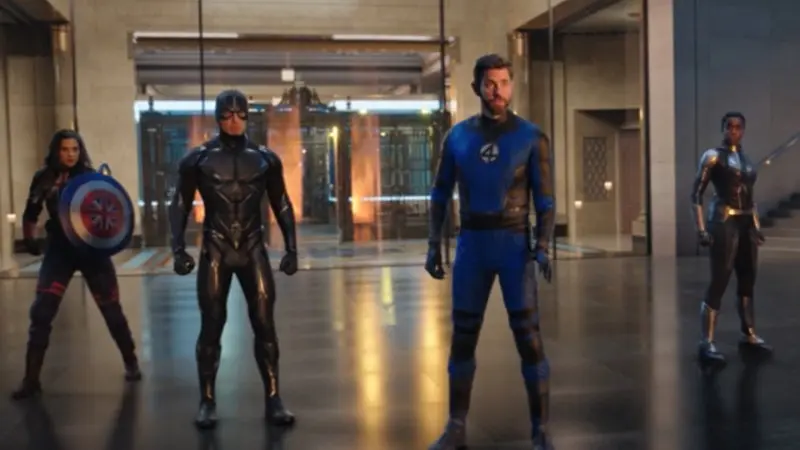
Cameos from major characters feel like fan service without much impact. They lack depth and disappear too quickly.
Years later, these moments feel hollow. Fans now see them as distractions rather than meaningful additions to the story.
Lasting Cultural Impact (Aged Masterfully)
The film sparked discussions about the multiverse and its possibilities. It became a reference point for fans and creators alike.
Its influence endures, shaping how superhero stories explore alternate realities. The movie’s legacy in pop culture remains strong.
What’s your take on how Doctor Strange in the Multiverse of Madness has aged—share your thoughts in the comments!