5 Things About ‘Man of Steel’ That Made Zero Sense and 5 Things That Made Perfect Sense


“Man of Steel” (2013) rebooted Superman’s story for a modern audience. Directed by Zack Snyder, it aimed to give a darker, grounded take on the iconic hero, with Henry Cavill as Clark Kent. The film dives into Krypton’s downfall, Clark’s struggle with his identity, and his battle against General Zod. While it earned praise for its visuals and ambition, some parts left fans scratching their heads, while others clicked perfectly.
This list breaks down five moments in “Man of Steel” that didn’t add up and five that nailed it. From plot holes to standout character choices, we’ll explore what worked and what didn’t in this bold retelling of Superman’s origin. Let’s dive in.
The Destruction of Metropolis (Zero Sense)
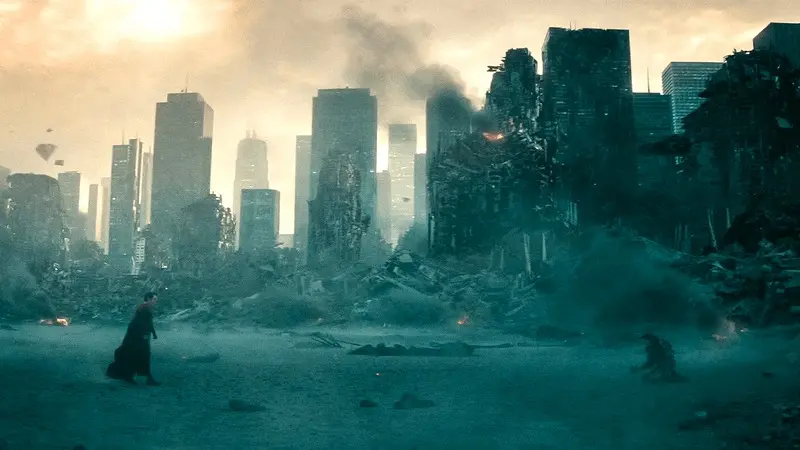
The final battle between Superman and General Zod levels Metropolis in a way that feels over-the-top. Buildings collapse, streets are obliterated, and countless lives are implied to be lost, yet the film barely addresses the human cost. Superman, the protector of humanity, doesn’t seem to prioritize saving civilians during the chaos. This reckless destruction clashes with his core values, making the scale of devastation feel irresponsible.
Fans expected Superman to at least try minimizing collateral damage. Instead, the fight focuses on spectacle over logic, with skyscrapers falling like dominoes. The lack of focus on civilian safety undermines the hero’s mission. It’s a glaring oversight in a film trying to portray a realistic Superman.
Clark’s Emotional Journey (Perfect Sense)
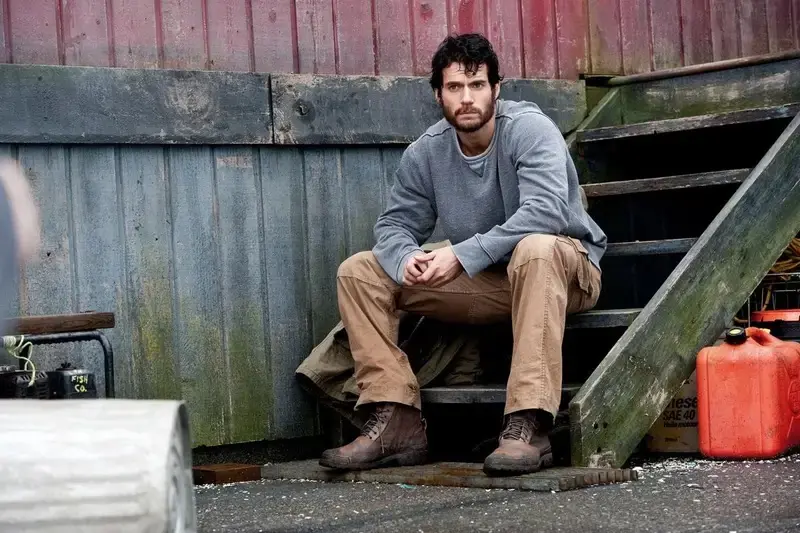
Clark Kent’s struggle to find his place in the world hits home. The film shows his childhood, where he grapples with his powers and feels like an outsider. Flashbacks of young Clark hiding his abilities or facing bullies ground his character in a relatable way. This builds a strong foundation for his growth into Superman.
Henry Cavill’s performance captures Clark’s inner conflict and quiet strength. The scenes with his adoptive parents, Jonathan and Martha Kent, add depth, showing how their love shapes him. This emotional core makes Clark’s decision to embrace his role as a hero feel earned and authentic.
Zod’s Plan to Terraform Earth (Zero Sense)
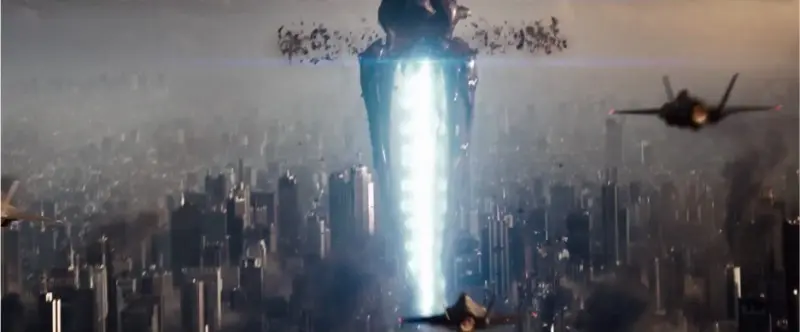
General Zod’s scheme to turn Earth into a new Krypton makes little sense when you dig into it. He wants to use the World Engine to reshape Earth’s environment, wiping out humanity to create a Kryptonian paradise. But Earth’s conditions already give Kryptonians godlike powers under its yellow sun. Why destroy a planet that naturally makes them stronger?
Zod’s obsession with recreating Krypton feels forced and ignores the strategic advantage Earth offers. A smarter villain might have enslaved humans or adapted to Earth’s environment. The plan’s logic falls apart, making Zod’s motivations seem more stubborn than strategic.
Superman’s Moral Dilemma (Perfect Sense)
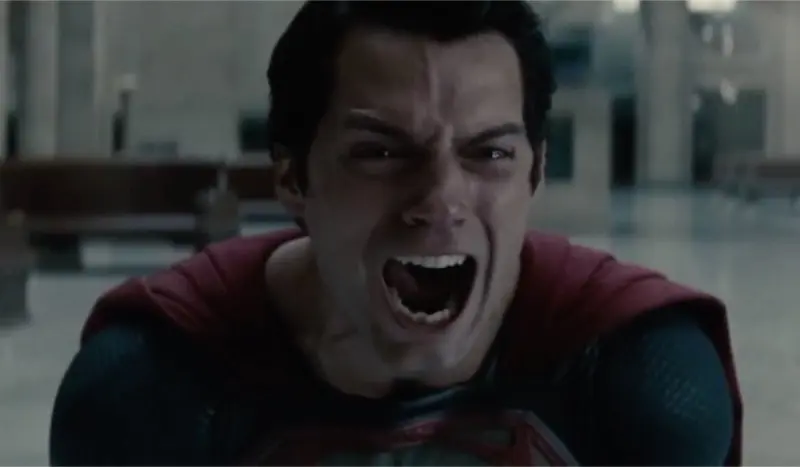
Superman’s choice to kill Zod to save innocent lives is a standout moment. Faced with Zod’s relentless threat to destroy humanity, Clark has no other option. The scene where he snaps Zod’s neck is heavy, showing the weight of taking a life. It’s a bold move that highlights Superman’s humanity and the tough calls he must make.
This moment sparks debate among fans, but it fits the film’s grounded tone. Clark’s anguish afterward shows he’s not a cold-blooded hero. It’s a defining choice that sets up his growth in later stories, making it one of the film’s strongest beats.
Pa Kent’s Death (Zero Sense)
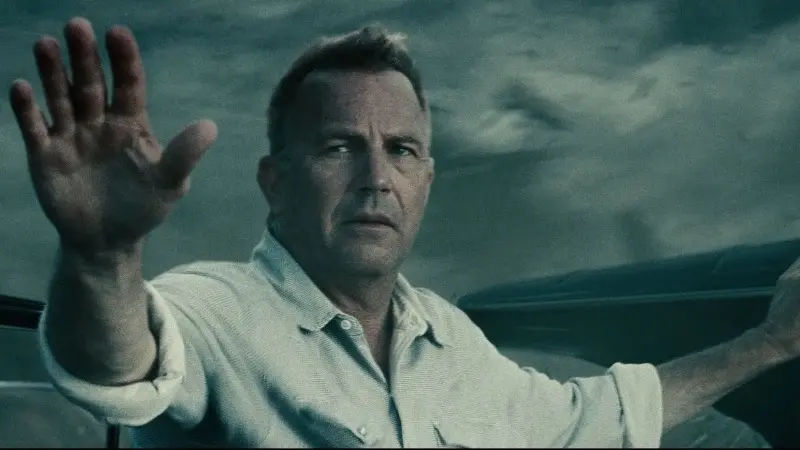
Jonathan Kent’s death in a tornado is a baffling scene. Clark could have saved him with his super speed, but Jonathan insists he stay hidden to protect his secret. The idea that Clark would let his father die to avoid revealing his powers feels out of character. It’s a forced tragedy that doesn’t align with Clark’s love for his family.
The scene tries to show Jonathan’s sacrifice, but it comes off as contrived. A natural disaster is one thing, but Clark standing by while his dad dies is hard to swallow. It’s a moment that feels more like a plot device than a believable choice.
Lois Lane’s Role (Perfect Sense)

Lois Lane, played by Amy Adams, shines as a proactive journalist. She investigates Clark’s origins before he becomes Superman, tracking down clues with grit and intelligence. Her role as a determined reporter who uncovers the truth about Clark feels fresh and gives her agency beyond being a love interest.
Her chemistry with Clark builds naturally, rooted in mutual respect. Lois isn’t just a damsel; she’s a partner who helps Superman face Zod’s invasion. This take on Lois makes her a compelling and essential part of the story, elevating the film’s emotional stakes.
The Codex in Clark’s DNA (Zero Sense)
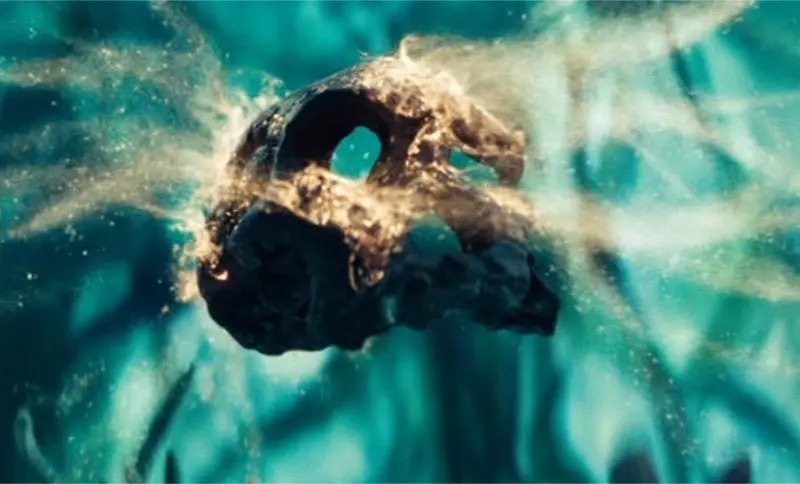
The idea that Krypton’s genetic codex is hidden in Clark’s DNA is a confusing plot point. Jor-El sends baby Kal-El to Earth with the entire genetic future of Krypton embedded in his cells. Yet, it’s unclear how this works or why it’s necessary. The codex feels like a vague MacGuffin that drives the plot without much explanation.
Zod’s need to extract it from Clark raises more questions. Why not use other Kryptonian tech or survivors? The concept feels like a sci-fi gimmick that’s never fully explored, leaving audiences puzzled about its purpose and mechanics.
Jor-El’s Guidance (Perfect Sense)
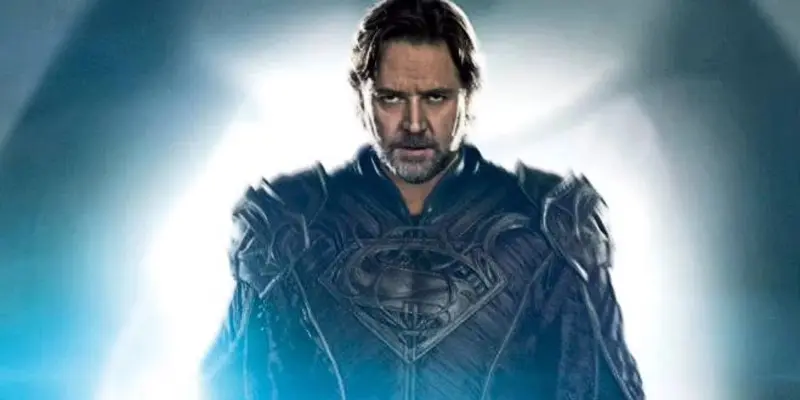
Russell Crowe’s Jor-El is a guiding light for Clark, even after Krypton’s destruction. His consciousness, stored in the Kryptonian ship, mentors Clark, explaining his origins and purpose. This connection gives Clark the clarity he needs to embrace his role as Earth’s protector. It’s a smart way to keep Jor-El’s influence alive.
The scenes between Jor-El and Clark are heartfelt and visually striking, with Krypton’s technology adding a sense of wonder. Jor-El’s belief in his son’s potential inspires Clark to rise above his doubts. This father-son bond is a highlight that anchors the film’s heart.
The Kryptonian Invasion’s Scale (Zero Sense)
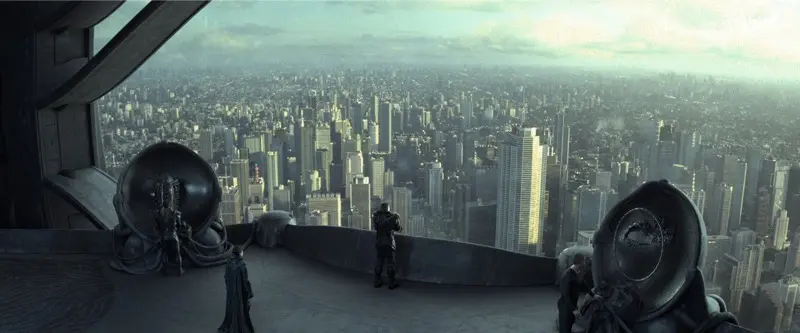
The Kryptonian invasion feels unnecessarily massive. Zod’s ship and the World Engine cause global chaos, but the film doesn’t explain why such a small group of Kryptonians needs such overkill. Their advanced tech and powers should make a smaller, targeted strike more logical. Instead, the invasion feels like a bloated excuse for CGI spectacle.
The scale also makes Superman’s response seem inadequate. He focuses on Zod while the World Engine threatens entire cities. The invasion’s logistics don’t hold up, making the threat feel more like a set piece than a coherent plan.
The Visual Style (Perfect Sense)
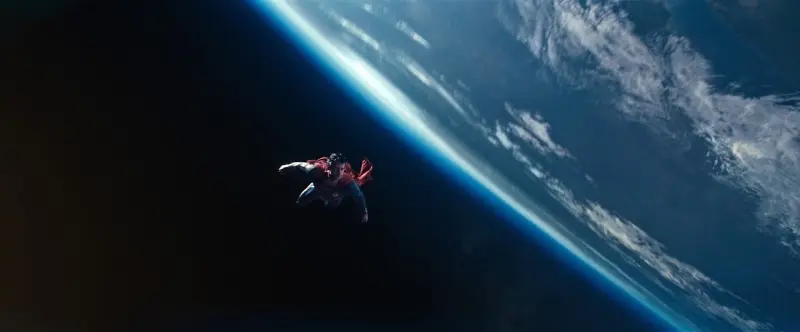
Zack Snyder’s visual approach brings Superman to life in a stunning way. The film’s sleek, realistic aesthetic, from Krypton’s alien tech to Superman’s flight, creates a sense of awe. Scenes like Clark’s first flight are breathtaking, blending power and beauty in a way that feels true to the character.
The cinematography and score by Hans Zimmer elevate every moment, making Superman’s heroism feel epic. The visuals strike a balance between grounded realism and comic-book grandeur. This style makes “Man of Steel” a visual triumph that honors Superman’s legacy.
What’s your take on “Man of Steel”—which moments made sense to you, and which left you confused? Share your thoughts in the comments!