5 Things About ‘Black Widow’ That Made Zero Sense and 5 Things That Made Perfect Sense

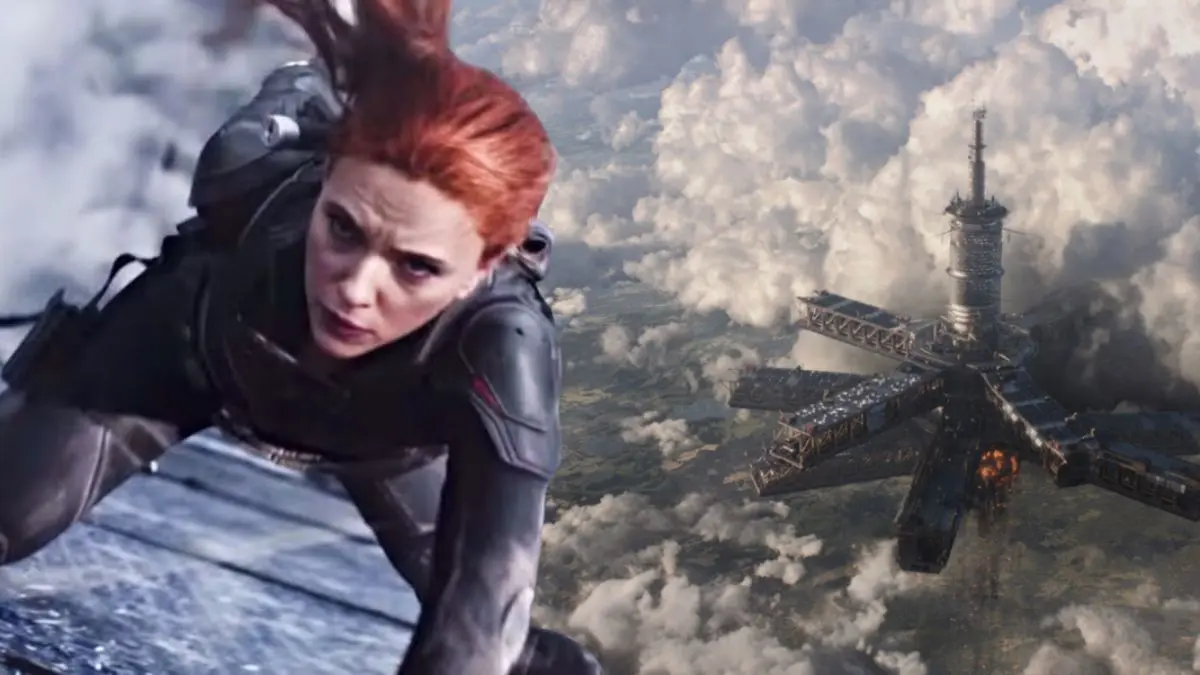

‘Black Widow’ (2021) finally gave Natasha Romanoff her own movie. Fans waited years to see Scarlett Johansson’s character shine in a solo story, and the film delivered action, family drama, and spy thrills. Set between ‘Captain America: Civil War’ and ‘Avengers: Infinity War,’ it explores Natasha’s past and her ties to the Red Room. But not everything in the movie clicked, and some parts left viewers scratching their heads.
While the film has strong moments, it also has flaws that stand out. Some plot points feel forced or confusing, while others fit perfectly with Natasha’s character and the Marvel universe. This list breaks down five things in ‘Black Widow’ that made no sense and five that worked well. Let’s dive in, starting with what didn’t add up.
Taskmaster’s Identity Reveal (Zero Sense)
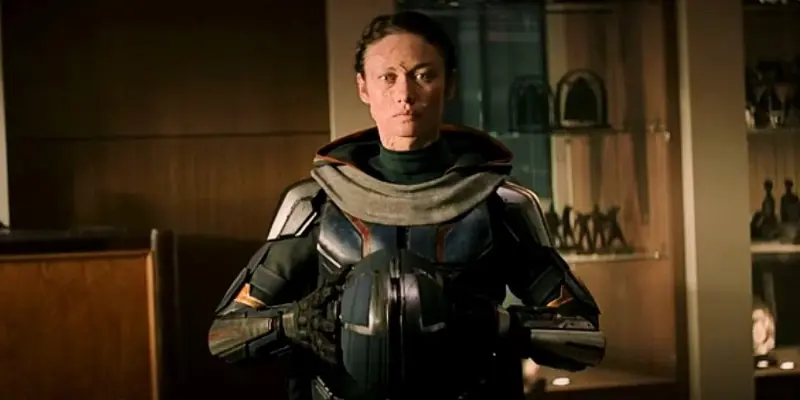
The reveal that Taskmaster is Antonia, Dreykov’s daughter, felt like a letdown. The movie builds Taskmaster as a mysterious, skilled fighter with a cool mask and mimicry powers, but the payoff doesn’t match the hype. Antonia’s backstory gets little attention, and her connection to Natasha feels weak, making the reveal more confusing than impactful.
It’s also unclear how Antonia became Taskmaster. The film hints at brainwashing and tech, but never explains how she gained her abilities or survived the explosion Natasha caused years ago. This lack of clarity leaves a big plot hole, especially for a character who deserved more depth.
Natasha’s Family Dynamic (Perfect Sense)
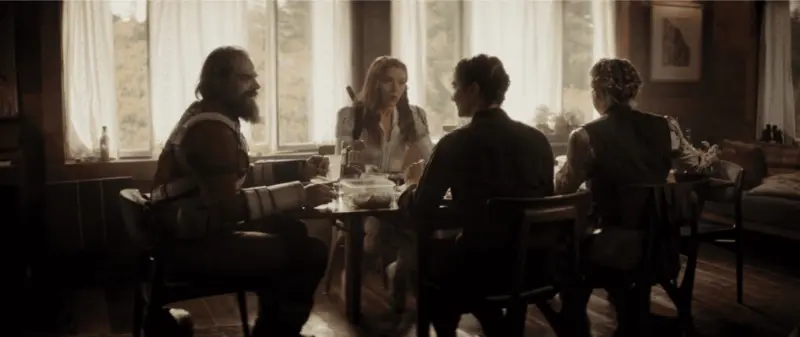
The makeshift family of Natasha, Yelena, Melina, and Alexei is a highlight. Their messy, flawed relationships feel real, with bickering and old grudges mixed with love. The dinner scene captures their dynamic perfectly, showing how they’re tied together despite years apart.
Each character brings something unique. Yelena’s humor, Alexei’s bravado, and Melina’s quiet guilt balance Natasha’s guarded nature. This group makes the story emotionally rich, grounding the spy action in a way that feels true to Natasha’s search for belonging.
The Red Room’s Floating Base (Zero Sense)

The Red Room being a massive, floating fortress in the sky is hard to buy. It’s a secret organization, yet it’s hiding in plain sight above the clouds with no explanation of how it stays up or avoids detection. The logistics feel absurd, even for a Marvel movie.
On top of that, the base’s destruction is too convenient. Natasha and Yelena take it down with little effort, despite its supposed high-tech security. The floating Red Room feels like a plot device thrown in for a big finale, not something that makes sense in the story.
Yelena’s Humor and Heart (Perfect Sense)
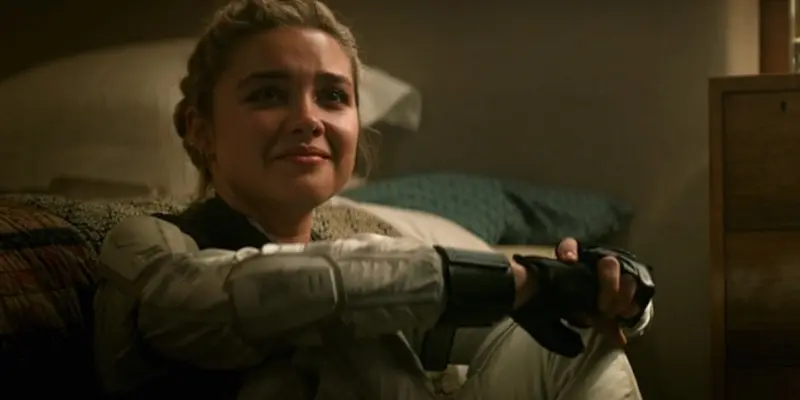
Florence Pugh’s Yelena Belova steals the show with her sharp wit and vulnerability. Her jokes, like mocking Natasha’s fighting pose, add levity without feeling forced. She brings a fresh energy that makes every scene she’s in more engaging.
Beyond the humor, Yelena’s pain from her Red Room past adds depth. Her bond with Natasha grows naturally, showing their shared trauma and hope for freedom. Yelena’s mix of sarcasm and heart makes her a standout and a perfect addition to the Marvel universe.
Dreykov’s Mind Control Tech (Zero Sense)
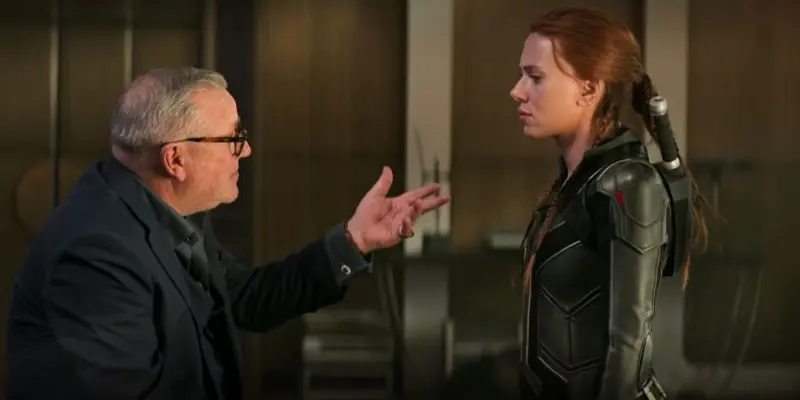
The idea that Dreykov controls Widows with a chemical mind-control gas is far-fetched. The movie doesn’t explain how this gas works or why it can be reversed so easily with a nerve-severing agent. It feels like a lazy way to show the Widows’ lack of free will.
Also, Dreykov’s plan to use this tech globally is vague. How does he mass-produce it? How does he deploy it without governments noticing? The plot leans on this tech as a major threat, but its lack of explanation makes it feel like a weak villain scheme.
Natasha’s Sacrifice Setup (Perfect Sense)
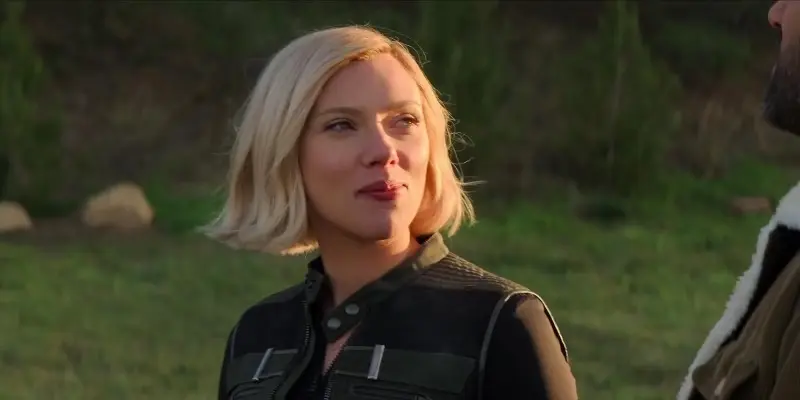
The movie ties beautifully to Natasha’s eventual sacrifice in ‘Avengers: Endgame.’ It shows her guilt over her past and her drive to make things right. Her choice to take down the Red Room feels like a step toward redemption, setting up her selfless act later.
The film also highlights Natasha’s strength and leadership. She risks everything to free the Widows and stop Dreykov, showing why she’s a true hero. This connection to her larger arc in the Marvel saga feels earned and gives the movie weight.
The Pheromone Lock (Zero Sense)
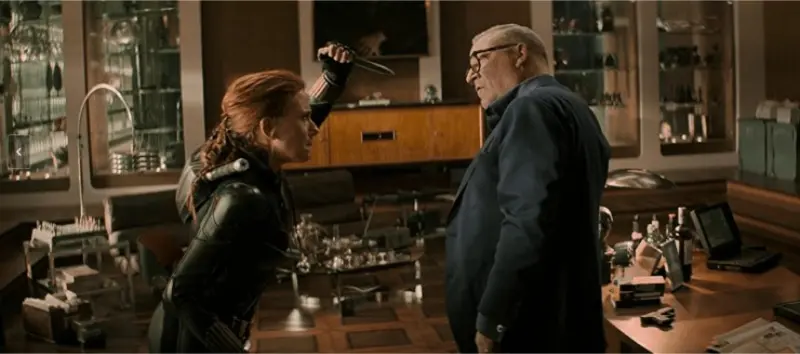
Dreykov’s pheromone lock, which stops Widows from attacking him if they smell him, is ridiculous. The idea that a scent can override training or free will is hard to swallow, and the movie doesn’t explain how it’s implemented. It feels like a cheap plot trick to protect the villain.
Worse, the solution—Natasha breaking her own nose to block the smell—is absurdly convenient. It undermines the threat and makes the whole concept feel like a gimmick that falls apart under scrutiny.
The Action Sequences (Perfect Sense)

The action in ‘Black Widow’ is top-notch. From the Budapest chase to the prison breakout, the fights are intense and well-choreographed. Natasha and Yelena’s teamwork shines, with moves that feel true to their training as Widows.
The stunts are grounded enough to feel real but big enough to thrill. The bridge fight and the final Red Room battle blend spy grit with Marvel spectacle. These scenes make the movie exciting and show Natasha as a skilled fighter.
The Widows’ Instant Recovery (Zero Sense)
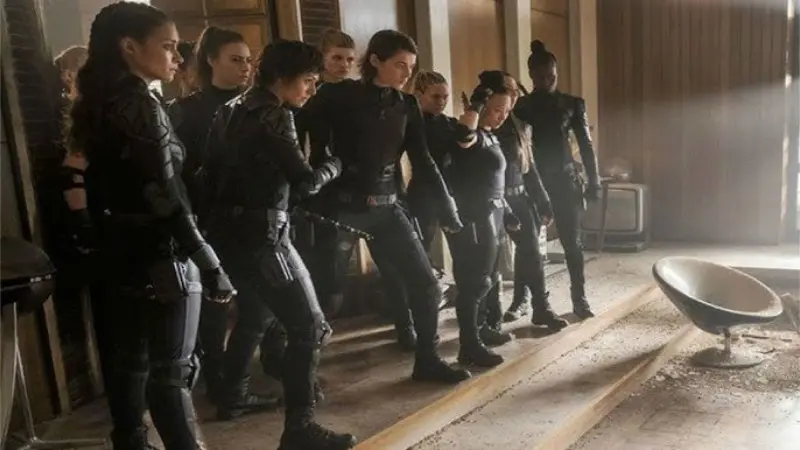
When the Widows are freed from mind control, they snap back to normal instantly. After years of brainwashing and trauma, you’d expect some confusion or emotional struggle, but the movie skips this. They just join the fight without hesitation.
This rushed resolution feels unrealistic. The Widows’ lack of depth or aftermath undermines the story’s stakes. It’s a missed chance to show the lasting impact of the Red Room’s cruelty, making their freedom feel too easy.
Exploring Natasha’s Past (Perfect Sense)
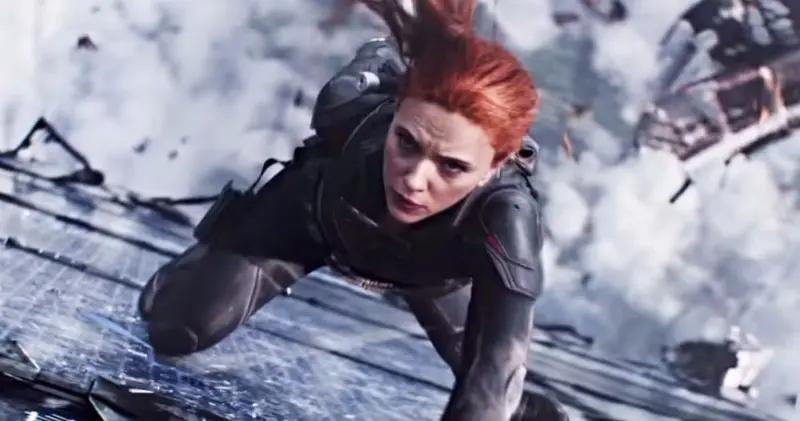
The movie’s dive into Natasha’s history is spot-on. It shows her childhood in Ohio, her Red Room training, and her defection, filling in gaps fans wanted to see. These flashbacks add depth to her character without slowing the pace.
The Ohio scenes, especially, hit hard. Young Natasha’s bond with Yelena and their fake family life show what she lost. This backstory makes her choices in the present feel more personal and ties the movie to her broader Marvel journey.
What’s your take on ‘Black Widow’—which moments made sense to you, and which left you confused? Share your thoughts in the comments!