5 Things About ‘Spider-Man’ That Made Zero Sense and 5 Things That Made Perfect Sense


Spider-Man (2002) kicked off the modern superhero movie era with a bang. Directed by Sam Raimi, it brought Peter Parker’s story to life with heart, action, and memorable moments that hooked audiences. But, like any movie, it has flaws that leave you scratching your head and strengths that hold up even today.
This list dives into five things in Spider-Man that don’t add up and five that hit the mark perfectly. From plot holes to spot-on character choices, we’ll break it down in a way that’s clear and honest. Let’s swing into it.
Green Goblin’s Mask (Zero Sense)
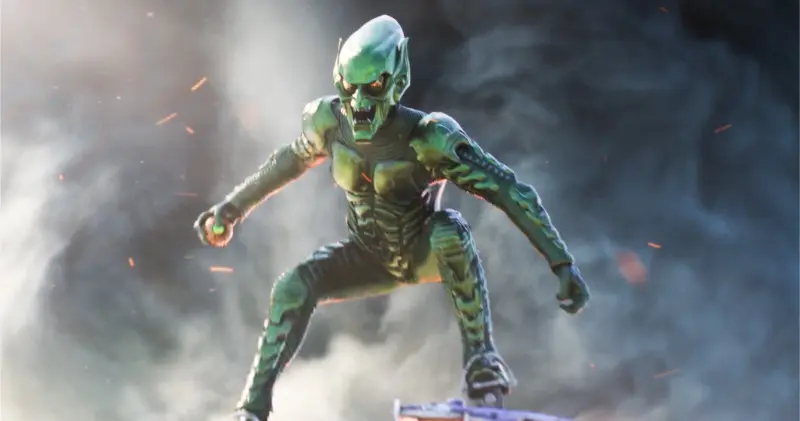
The Green Goblin’s suit, especially the mask, looks stiff and cartoonish. Norman Osborn’s high-tech armor should feel menacing, but the static plastic face kills the vibe. It limits Willem Dafoe’s ability to show emotion, which is a shame given his acting chops. A more flexible or open-faced design could’ve made the villain scarier.
Fans still debate why the movie went with such a clunky look. Test audiences reportedly didn’t mind, but the mask feels like a toy commercial compared to the comic’s sleek, expressive Goblin. It’s a head-scratcher that weakens one of the film’s biggest threats.
Peter’s Quick Mastery of Web-Slinging (Perfect Sense)
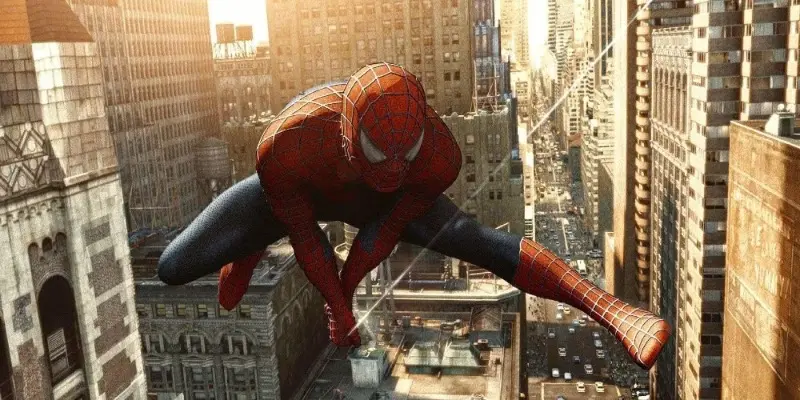
Peter Parker figures out web-slinging almost instantly after getting his powers. It’s believable because he’s a smart, athletic teen with newfound strength and reflexes. The movie shows him testing his abilities with excitement, making his learning curve feel natural.
The web-slinging scenes are a highlight, blending practical effects and early CGI to capture the thrill of swinging through New York. Peter’s quick adaptation sets up his confidence as Spider-Man, grounding his transformation in a way that clicks with his character.
Aunt May’s Hospital Recovery (Zero Sense)
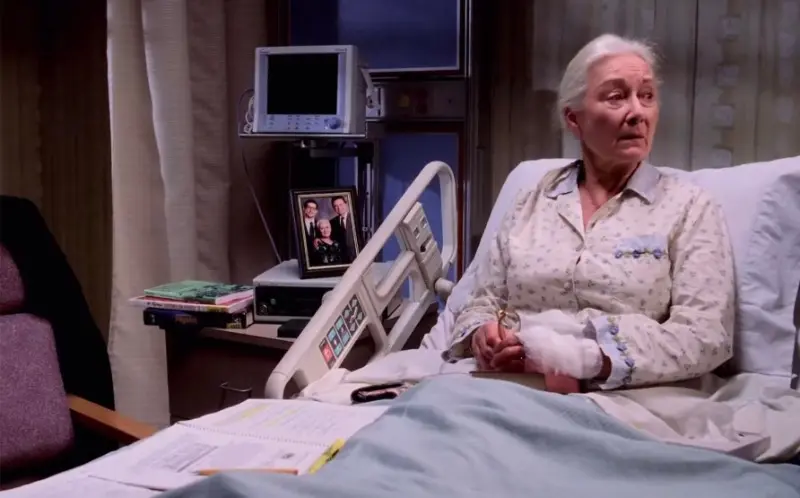
Aunt May gets blasted by the Green Goblin and ends up in the hospital, but her recovery is barely addressed. One minute she’s frail and injured; the next, she’s back home acting fine with no explanation. It feels rushed and glosses over a serious attack.
The movie doesn’t show her healing process or how it affects Peter long-term. This lack of follow-up makes the attack feel like a cheap plot device to raise stakes, leaving viewers confused about her sudden bounce-back.
Peter’s Moral Dilemma (Perfect Sense)
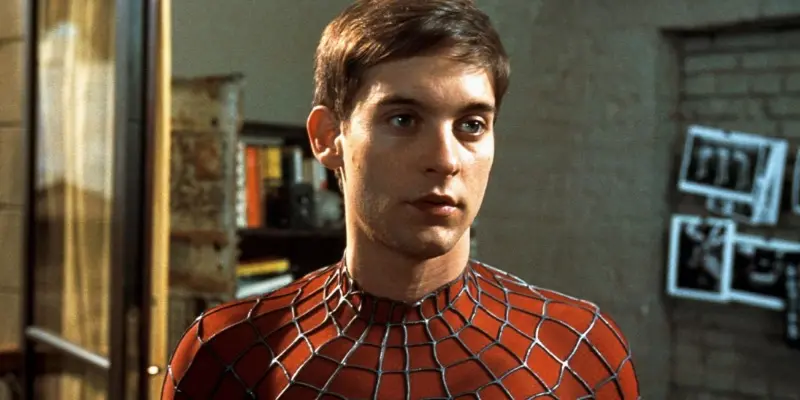
Peter’s guilt over Uncle Ben’s death drives his choice to become Spider-Man. The movie nails this by showing how his inaction leads to tragedy, making his “with great power comes great responsibility” mantra feel earned. It’s a core part of his character that resonates.
Tobey Maguire’s performance captures Peter’s internal struggle perfectly. His quiet moments of grief and resolve show why he keeps fighting, even when it costs him personally. This emotional anchor makes the story relatable and timeless.
The Wrestling Match Money (Zero Sense)
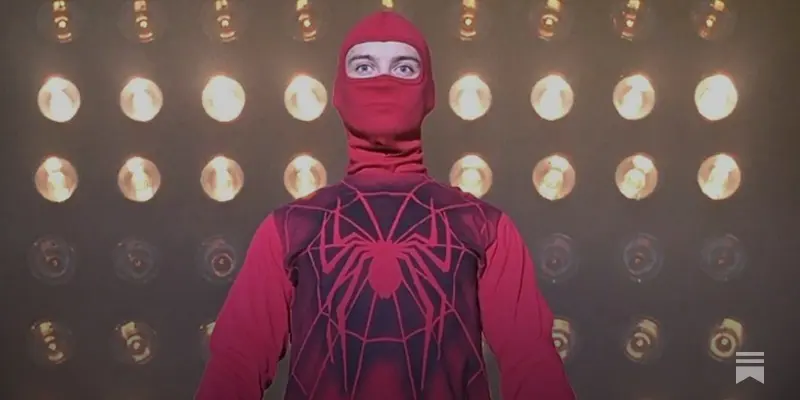
Peter joins a wrestling match to win $3,000 for a car but gets cheated out of the full amount. The promoter gives him $100, claiming he didn’t follow the rules. Why would Peter, desperate for cash, just walk away without a fight?
This scene sets up the robber incident that leads to Uncle Ben’s death, but Peter’s passivity feels forced. A kid as smart and scrappy as him would’ve argued harder for the money he earned, making this moment feel like lazy writing.
New York’s Unity (Perfect Sense)
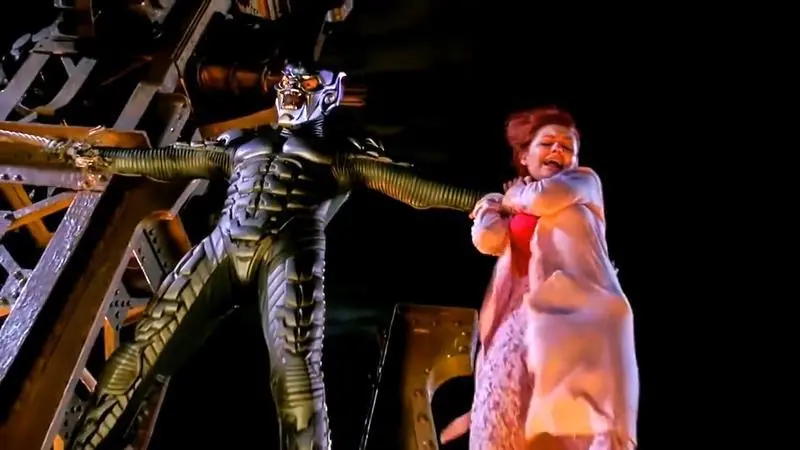
When Spider-Man battles the Green Goblin on the bridge, New Yorkers step up to help by throwing objects at the villain. This scene captures the city’s gritty, communal spirit, especially post-9/11, when the film was released. It feels authentic and moving.
The moment shows Spider-Man as a hero of the people, not just a lone vigilante. It grounds the fantastical story in a real sense of community, making the stakes feel personal for everyone involved.
The Organic Web-Shooters (Zero Sense)
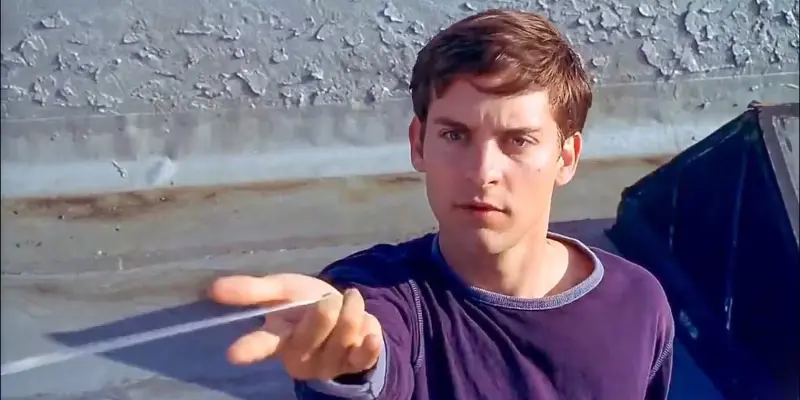
Peter’s organic web-shooters, where webs come straight from his wrists, don’t make much sense. The comics show him inventing mechanical shooters, tying into his science nerd persona. Why would a spider bite randomly give him this specific ability?
The movie skips explaining how his body produces endless webbing or why it works so perfectly. It feels like a shortcut to avoid tech-heavy exposition, but it undermines Peter’s ingenuity and leaves a big question mark.
Mary Jane’s Character Arc (Perfect Sense)
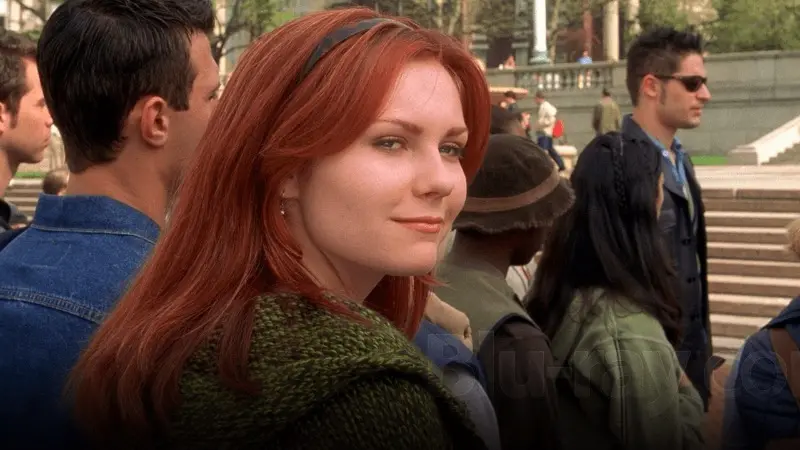
Mary Jane starts as a dreamer stuck in a tough life, drawn to Peter’s kindness over flashier guys. Her growth from chasing popularity to valuing real connection feels genuine. Kirsten Dunst’s performance adds warmth and depth to her role.
The movie sets up her bond with Peter as a slow burn, rooted in their shared history. Her arc pays off when she chooses him over a life of shallow glamour, making their romance a strong emotional core.
The Goblin’s Plan to Recruit Spider-Man (Zero Sense)
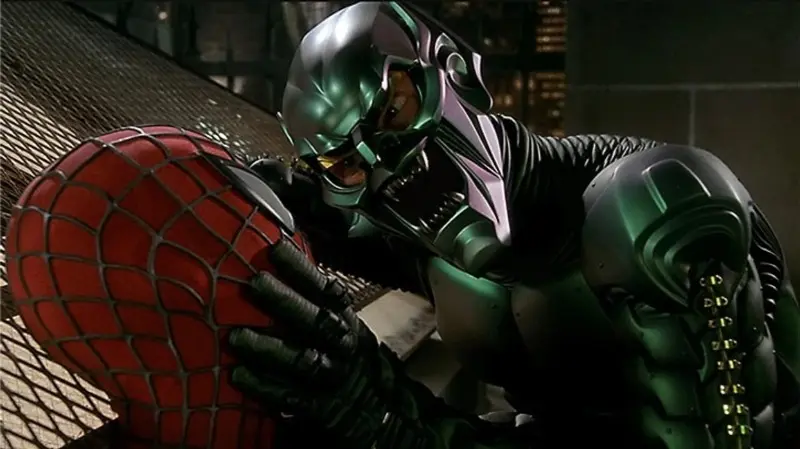
The Green Goblin tries to convince Spider-Man to join him in ruling New York. This plan falls flat because Norman knows Peter’s a good kid who’d never go for it. It’s a weird detour that doesn’t fit the Goblin’s chaotic, vengeful personality.
The scene drags on with unconvincing dialogue, and Peter’s quick rejection makes it feel pointless. A smarter villain would’ve focused on breaking Spider-Man, not pitching a doomed partnership that feels out of character.
Uncle Ben’s Death Scene (Perfect Sense)
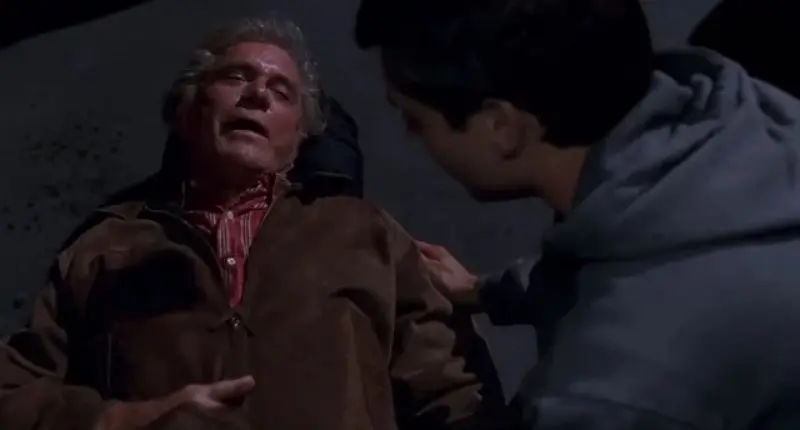
Uncle Ben’s death is the heart of Spider-Man and lands with gut-wrenching impact. The movie sets it up so Peter’s choice to let the robber go directly leads to the tragedy, hammering home his responsibility. It’s a pivotal moment that shapes his heroism.
Cliff Robertson’s warm, wise performance as Ben makes the loss hit hard. The simple, human interaction between him and Peter before the tragedy feels real, ensuring the scene’s emotional weight carries through the whole film.
What’s your take on Spider-Man’s hits and misses—share your thoughts in the comments!