5 Ways ‘X-Men’ Aged Poorly (And 5 Ways It Aged Masterfully)

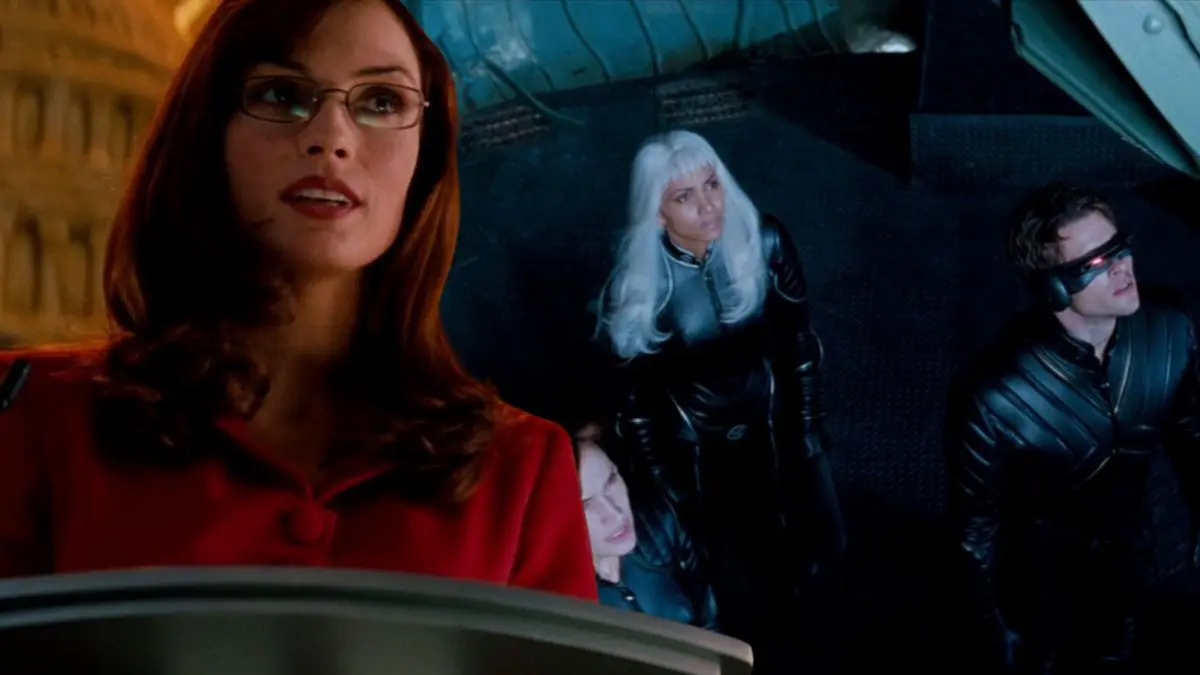

The X-Men movie from 2000 kicked off a superhero franchise that changed cinema. It brought mutants like Wolverine and Professor X to the big screen, setting the stage for the superhero boom. But not everything about it holds up today. Some parts feel dated or clumsy by modern standards. Others, though, remain timeless and show why the film still matters. Let’s dive into five ways X-Men hasn’t aged well and five ways it still shines.
This listicle breaks down the good and the bad, looking at the film’s visuals, story, and impact. From outdated effects to groundbreaking themes, here’s how X-Men stacks up 25 years later.
Dated Visual Effects (Aged Poorly)
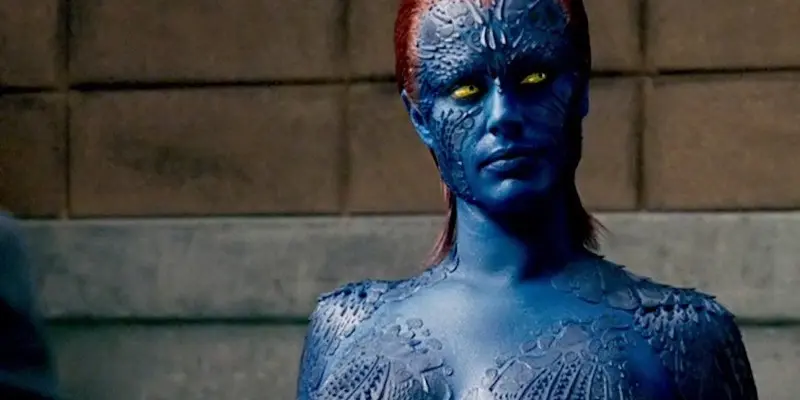
The special effects in X-Men were impressive for their time. Powers like Storm’s lightning or Magneto’s metal manipulation looked cool in 2000, but they feel basic now. CGI was still new, and some scenes, like Wolverine’s claws or Toad’s tongue, look clunky compared to today’s sleek visuals. The budget was tight, and it shows in the rough edges of certain action sequences.
Modern audiences expect smoother, more realistic effects. Films like Avengers: Endgame or even later X-Menentries have raised the bar. The early CGI in X-Men can pull viewers out of the story, making it hard to stay immersed. It’s a reminder of how far technology has come.
Groundbreaking Team Dynamics (Aged Masterfully)
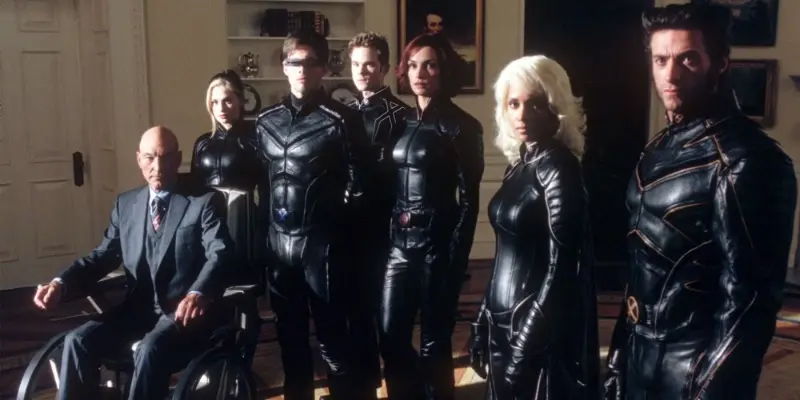
The chemistry between the X-Men team feels fresh even today. Hugh Jackman’s Wolverine, Patrick Stewart’s Professor X, and Ian McKellen’s Magneto create a strong core. Their interactions—Wolverine’s gruff attitude clashing with Cyclops or Xavier’s calm leadership—build a believable team. The film nails the balance of personalities, making the group dynamic engaging.
This focus on character relationships set a standard for superhero team-ups. Later films, like The Avengers, owe a debt to X-Men for showing how to make a diverse team click. The banter and tension still hold up, keeping viewers invested in the characters’ bonds.
Simplistic Villain Plan (Aged Poorly)

Magneto’s evil scheme in X-Men feels thin by today’s standards. His plan to turn humans into mutants using a machine powered by Rogue is ambitious but lacks depth. The stakes feel small compared to later superhero films with world-ending threats. It’s also unclear how Magneto’s plan would actually work or why it’s practical.
Modern superhero movies often have more complex villain motives. Films like Black Panther or Joker give antagonists richer backstories and goals. Magneto’s plan, while dramatic, comes off as cartoonish now, missing the nuance audiences expect.
Timeless Social Commentary (Aged Masterfully)

X-Men tackles themes of prejudice and identity that still resonate. The mutants’ struggle mirrors real-world issues like discrimination and acceptance. Scenes like Senator Kelly’s anti-mutant speech or Rogue’s fear of her powers hit hard. The film uses its sci-fi premise to talk about humanity in a way that feels universal.
This focus on social issues keeps X-Men relevant. Its message about embracing differences speaks to today’s debates on equality and inclusion. The story’s heart lies in its characters’ fight for a better world, and that never gets old.
Stiff Fight Choreography (Aged Poorly)
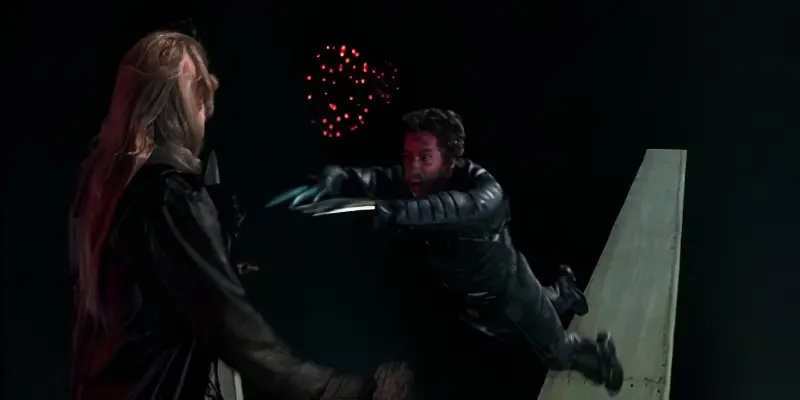
The action scenes in X-Men feel slow and awkward now. Fights, like Wolverine and Cyclops against Sabretooth, lack the polish of modern superhero battles. The choreography is basic, with stiff punches and minimal flair. It’s clear the film was made before action sequences became a centerpiece of the genre.
Compare this to Captain America: Civil War or Logan, where fights are fast and dynamic. The clunky combat in X-Men doesn’t match the energy audiences expect today. It’s a product of its time, before superhero films mastered slick action.
Iconic Casting Choices (Aged Masterfully)
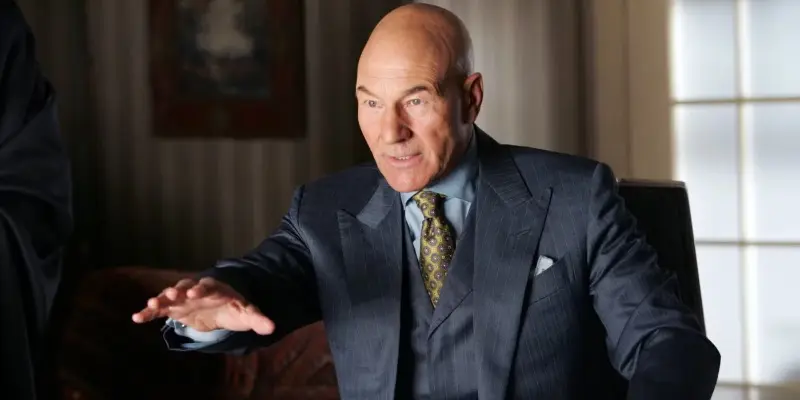
The casting in X-Men is near-perfect and still stands out. Hugh Jackman as Wolverine became a legend, defining the character for a generation. Patrick Stewart and Ian McKellen bring gravitas to Xavier and Magneto, making their rivalry epic. Even smaller roles, like Anna Paquin’s Rogue, feel authentic and memorable.
These performances set a high bar for superhero casting. Jackman’s Wolverine, in particular, became the blueprint for gritty heroes. The actors’ chemistry and commitment make the characters feel alive, even decades later.
Clunky Dialogue (Aged Poorly)

Some of the dialogue in X-Men feels forced and cheesy today. Lines like “What do they call you? Wheels?” or Toad’s quips sound awkward. The script tries to be witty but often lands flat, especially in quieter moments. It lacks the polish of later superhero films with sharper writing.
Modern audiences are used to tighter scripts in films like Guardians of the Galaxy. The clunky exchanges in X-Men can break immersion, reminding viewers of the film’s early-2000s roots. Better writing could have elevated the story further.
Bold World-Building (Aged Masterfully)
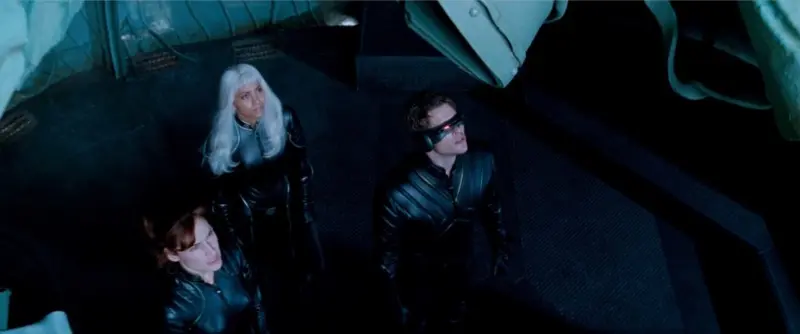
X-Men introduced a complex world of mutants and humans in a way that feels fresh. It sets up the mutant school, the Brotherhood, and the broader conflict without overwhelming viewers. The film balances action with lore, laying the foundation for a franchise. It makes the world feel lived-in and real.
This approach inspired countless superhero films. The way X-Men weaves its universe into a tight story remains a strength. It’s still a great example of how to launch a franchise without feeling bloated.
Limited Character Depth (Aged Poorly)

Many characters in X-Men feel underdeveloped. Outside of Wolverine, Xavier, and Magneto, others like Storm, Cyclops, or Jean Grey get little focus. Their backstories are thin, and their motivations are vague. This makes it hard to connect with the full team.
Later superhero films give ensembles more depth. Avengers: Infinity War balances multiple characters with clear arcs. X-Men’s thin character work feels like a missed opportunity, especially with such a rich roster.
Pioneering Superhero Tone (Aged Masterfully)
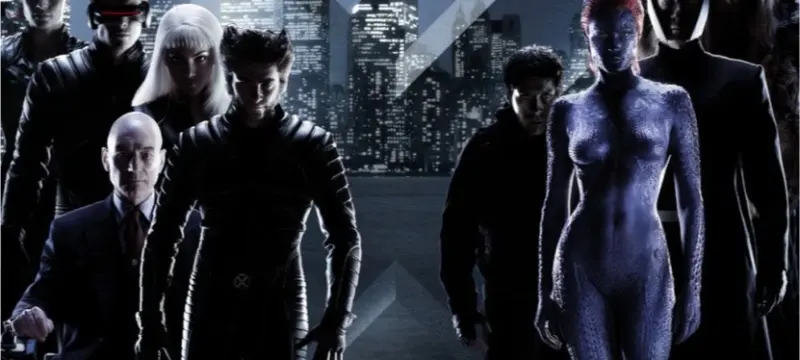
X-Men nailed a serious yet accessible tone that defined the genre. It avoids the camp of earlier superhero films and treats mutants with respect. The mix of drama, action, and heart feels authentic. It proved superheroes could be grounded and appeal to wide audiences.
This tone paved the way for the Marvel Cinematic Universe and beyond. X-Men showed that comic book films could be emotional and relatable, not just flashy. Its influence on the genre’s evolution is undeniable.
What’s your take on how X-Men (2000) holds up today—share your favorite moments or biggest gripes in the comments!