5 Ways ‘X-Men: First Class’ Aged Poorly (And 5 Ways It Aged Masterfully)

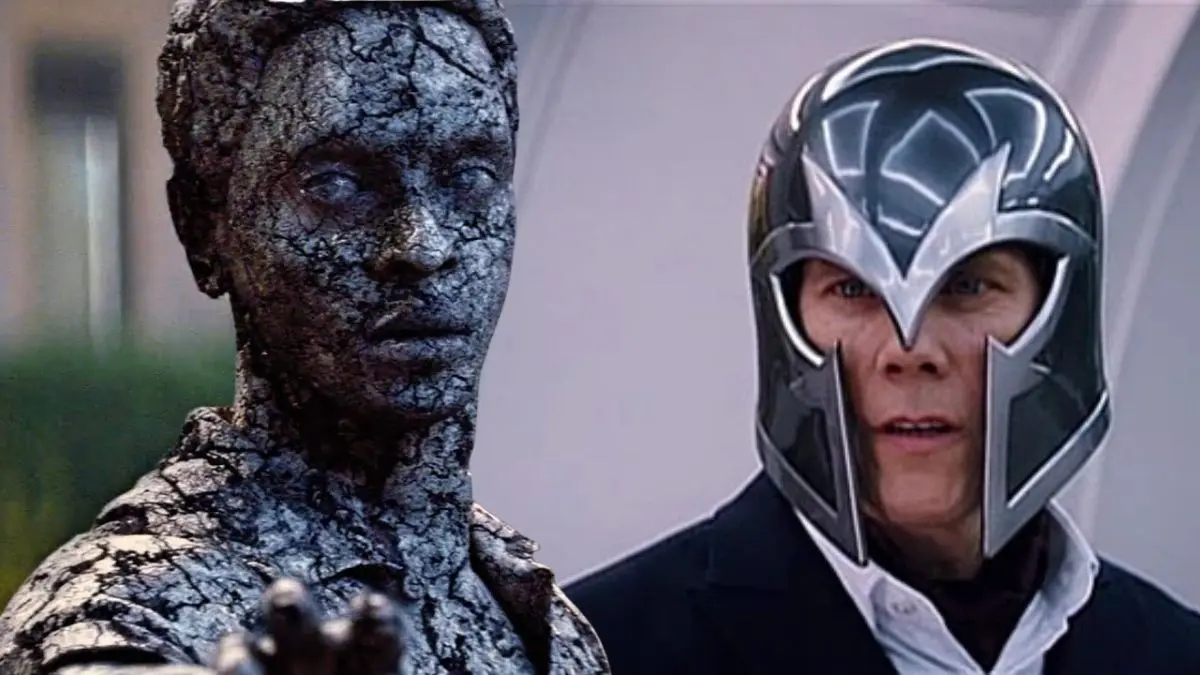

‘X-Men: First Class’ hit theaters in 2011, kicking off a new chapter for the mutant franchise. It introduced younger versions of iconic characters like Charles Xavier and Erik Lehnsherr, blending historical events with superhero action. Fans loved the fresh take, but not every element holds up today. Some parts feel dated, while others shine brighter with time.
The movie’s mix of bold choices and flaws makes it a fascinating case study. By examining what works and what doesn’t, we can see why this film remains a pivotal part of the X-Men saga. Let’s dive into five ways ‘X-Men: First Class’ (2011) hasn’t aged well and five ways it still feels masterful.
Dated Visual Effects (Aged Poorly)

The visual effects in ‘X-Men: First Class’ were ambitious for their time. Scenes like Magneto lifting a submarine or Mystique’s shape-shifting looked impressive in 2011 but now appear clunky. The CGI lacks the polish of modern blockbusters, with some sequences feeling stiff or artificial.
This is most noticeable in action-heavy moments, like the final battle. Compared to today’s seamless effects in superhero films, these visuals can pull viewers out of the story. Technology has advanced, and what once wowed audiences now feels like a product of its era.
Strong Character Chemistry (Aged Masterfully)
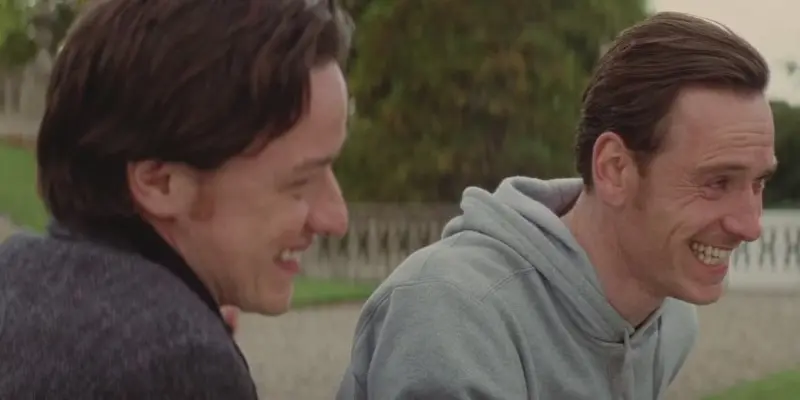
The bond between Charles Xavier and Erik Lehnsherr, played by James McAvoy and Michael Fassbender, is a highlight. Their friendship-turned-rivalry feels raw and real, grounding the film’s emotional core. The actors’ performances bring depth to their ideological clash.
This dynamic carries the movie and remains its strongest asset. Even years later, their scenes together—whether debating or fighting—hold up as some of the best in the franchise. The human connection transcends the superhero genre.
Stereotypical Female Roles (Aged Poorly)
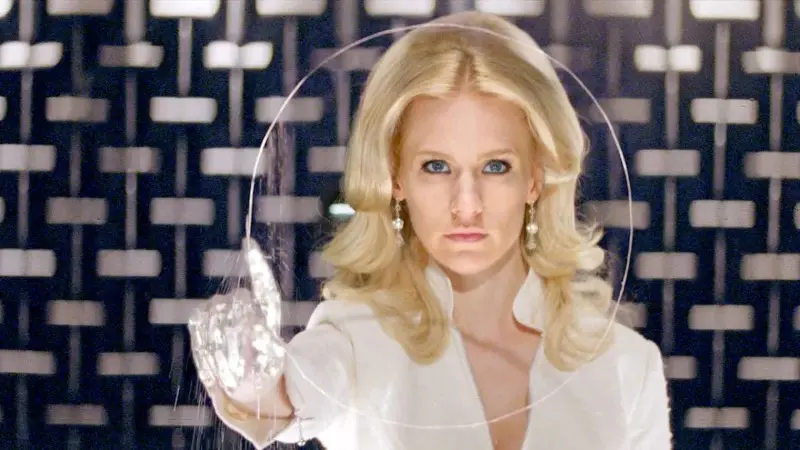
The film’s treatment of female characters, like Mystique and Emma Frost, feels outdated. They’re often reduced to eye candy or plot devices, with little agency. Mystique’s arc revolves around her appearance, while Emma Frost is underused despite her potential.
Modern audiences expect more nuanced female characters. Compared to recent superhero films with strong, complex women, these portrayals feel shallow. The lack of depth in their roles stands out as a missed opportunity.
Historical Setting Done Right (Aged Masterfully)

The 1960s Cold War backdrop is a brilliant choice. The Cuban Missile Crisis ties the mutant conflict to real-world stakes, making the story feel grounded. The period costumes and settings add a unique flavor.
This historical integration still feels fresh. It gives the film a distinct identity within the X-Men series. The blend of mutant drama with real history keeps the narrative engaging and timeless.
Weak Villain Motives (Aged Poorly)

Sebastian Shaw, the main villain, lacks compelling motivation. His plan to trigger a nuclear war feels cartoonish and vague. Kevin Bacon’s performance is fun, but the character’s goals don’t hold up under scrutiny.
Today’s audiences prefer villains with clear, relatable drives. Shaw’s generic “take over the world” vibe feels flat compared to nuanced antagonists in newer films. This weakens the stakes and makes the conflict less engaging.
Stellar Casting Choices (Aged Masterfully)
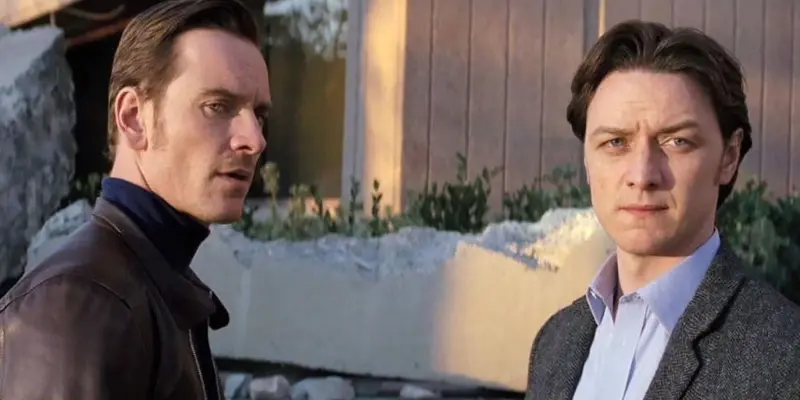
The cast, from McAvoy and Fassbender to Jennifer Lawrence and Nicholas Hoult, is a standout. Each actor brings energy and depth to their roles, making the characters memorable. The ensemble feels perfectly balanced.
Years later, the casting remains a high point. These actors, many of whom became bigger stars, elevate the film. Their talent ensures the characters resonate, keeping the movie relevant.
Overreliance on Tropes (Aged Poorly)
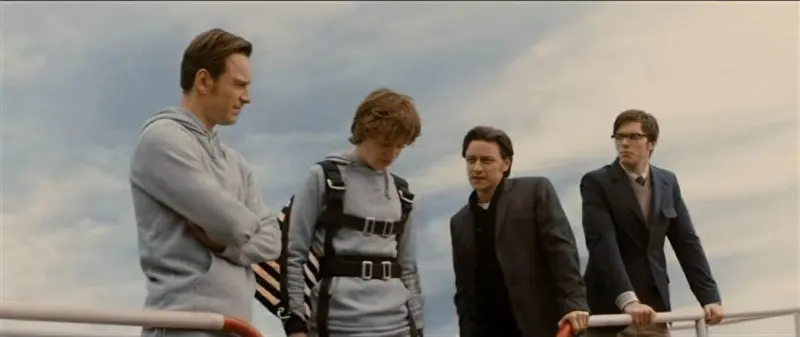
The film leans heavily on superhero clichés, like the training montage or the “team assembles” arc. These moments felt standard in 2011 but now seem predictable. The formulaic structure stands out more today.
Modern superhero films often break from tradition, offering fresh storytelling. ‘X-Men: First Class’ sticks to a familiar playbook, which can feel uninspired compared to bolder entries in the genre.
Emotional Depth in Themes (Aged Masterfully)

The film’s exploration of identity and acceptance is powerful. Mutants grappling with their differences mirror real-world struggles, giving the story weight. Charles and Erik’s opposing views on humanity add complexity.
This thematic depth keeps the movie relevant. Its focus on prejudice and self-acceptance resonates just as strongly today. The universal themes make it more than just a superhero flick.
Uneven Character Development (Aged Poorly)
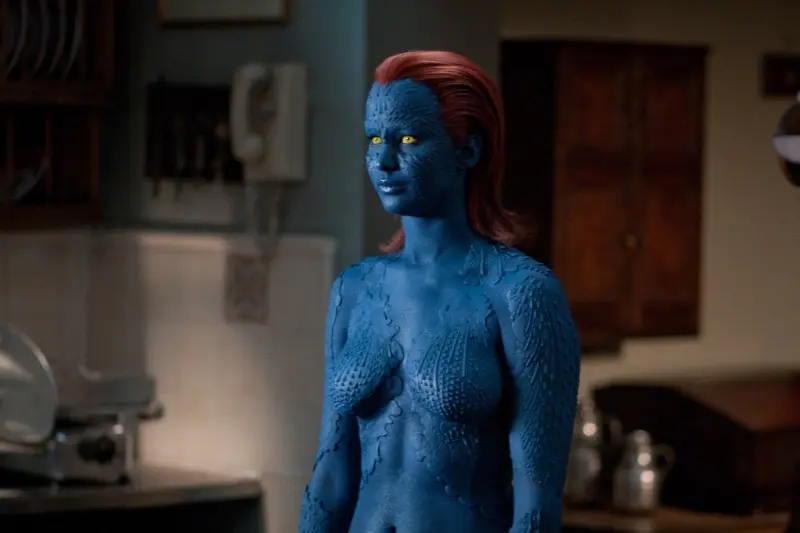
Outside of Charles, Erik, and Mystique, other characters get shortchanged. Mutants like Havok or Banshee have minimal growth, feeling like set dressing. Their arcs are rushed or underdeveloped.
Today’s audiences notice when ensemble casts aren’t fully fleshed out. Compared to films that balance large casts well, this uneven focus feels like a flaw. It limits the story’s emotional impact.
Bold Origin Story (Aged Masterfully)
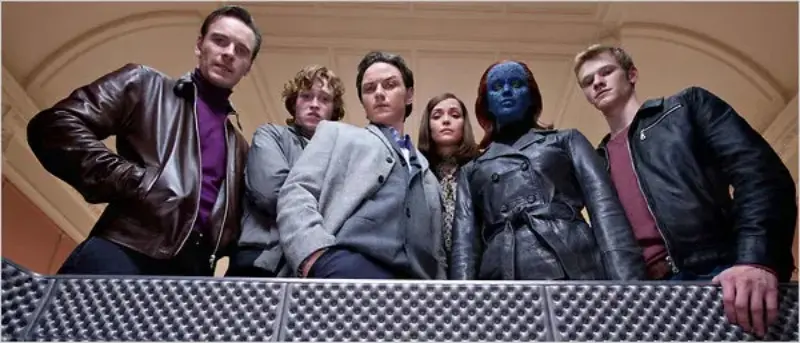
Rebooting the X-Men with a prequel was a risky move, but it pays off. The film reintroduces beloved characters in a fresh way, laying a strong foundation for future stories. It feels both nostalgic and new.
This approach still impresses. The origin story balances respect for the franchise’s roots with a modern spin. It remains a compelling starting point for the prequel series.
What’s your take on how ‘X-Men: First Class’ has aged—share your thoughts in the comments!