Award-Winning Films That “No One” Actually Saw When They First Released


The world of movies is full of surprises. Some films become massive hits, seen by millions of people around the globe. They make a lot of money and become part of our shared culture. We quote their lines and remember their iconic scenes for years to come. These are the blockbusters that dominate the box office and conversations.
However, there is another category of films that is just as interesting. These are the movies that win major awards and receive praise from critics, but for some reason, they don’t attract a large audience in theaters. They might have a difficult story, a strange title, or simply get lost in a sea of bigger releases. These films are celebrated for their quality and artistry, yet many people have never even heard of them, let alone seen them.
The Shawshank Redemption (1994)
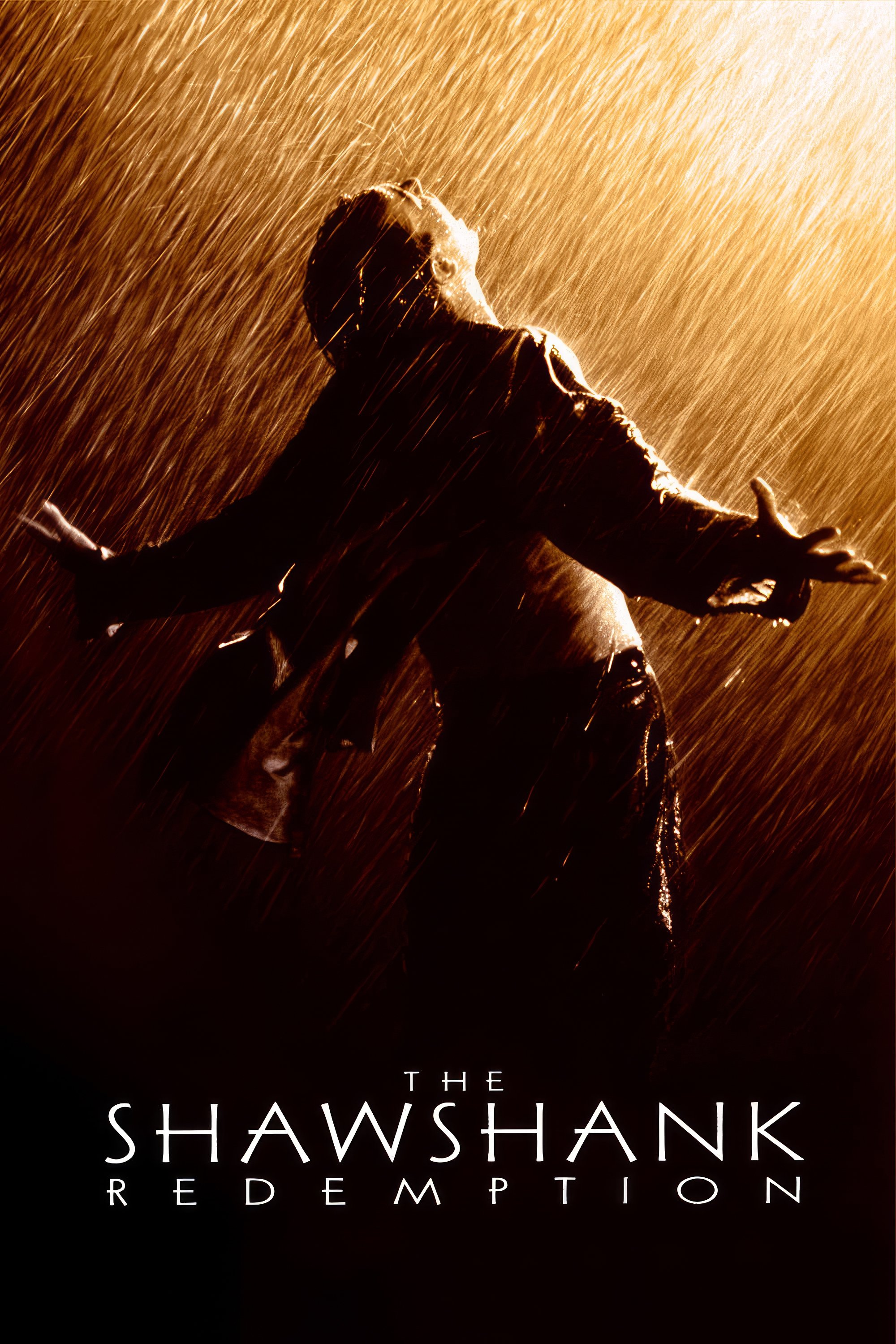
Considered one of the greatest films ever made, The Shawshank Redemption tells the story of a banker who is wrongly convicted of murder and sentenced to life in a brutal prison. Over many years, he forms a strong friendship with another inmate and holds on to hope. The film was nominated for seven Academy Awards, including Best Picture.
Despite its critical acclaim, the movie was a box office disappointment when it was first released. The title was considered confusing by some, and it struggled to compete with other major films of that year, like Forrest Gump and Pulp Fiction. It was only after it was released on VHS and began airing on television that it found the massive audience it has today, becoming a beloved classic.
Children of Men (2006)
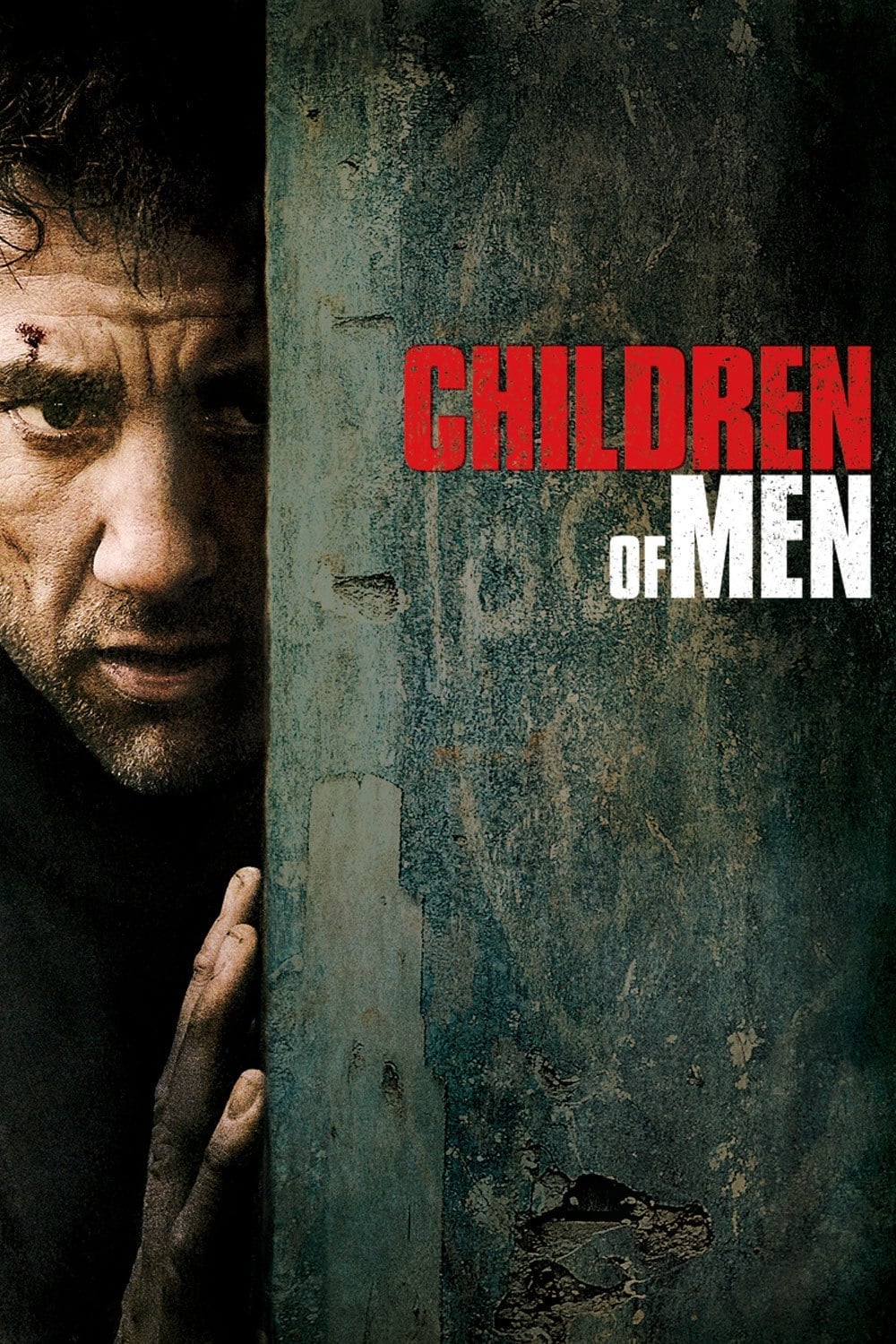
This science fiction thriller is set in a future where humans have lost the ability to have children, pushing society to the brink of collapse. The story follows a former activist who is tasked with protecting a miraculously pregnant woman, the only hope for humanity’s survival. The film was praised for its stunning cinematography and direction and received three Oscar nominations.
Even with glowing reviews, Children of Men did not perform well at the box office. Its dark and intellectual dystopian theme may have been a hard sell for audiences at the time. Over the years, however, it has gained a strong following among film fans and is now considered one of the best science fiction movies of the 21st century.
The Assassination of Jesse James by the Coward Robert Ford (2007)
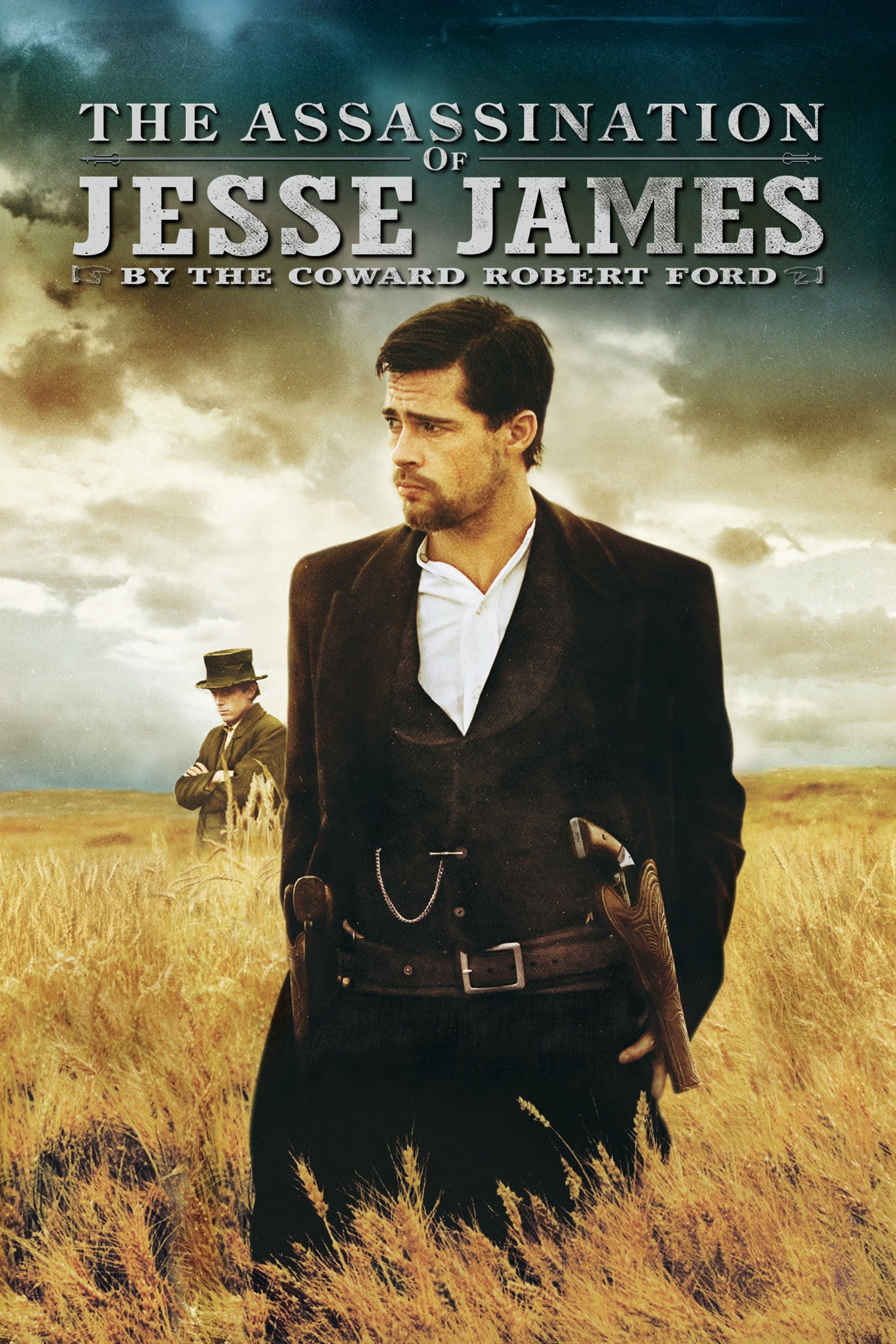
This Western drama explores the complex relationship between the infamous outlaw Jesse James and a young man who joins his gang, Robert Ford. The film is a slow-burn character study that focuses on fame, obsession, and betrayal. Brad Pitt’s performance as Jesse James and Casey Affleck’s as Robert Ford were highly praised, and the film received two Oscar nominations.
The movie’s long and unusual title may have kept some viewers away, and it struggled to find a wide audience in theaters, making back only about half of its production budget. Despite its commercial failure, it was lauded by critics and has since become a respected modern Western, admired for its beautiful visuals and thoughtful storytelling.
Fight Club (1999)

Based on the popular novel, Fight Club is about an insomniac office worker who, looking for a way to change his life, crosses paths with a devil-may-care soap maker. Together, they form an underground fight club that evolves into something much more complex and dangerous. The film, directed by David Fincher, became a cultural phenomenon.
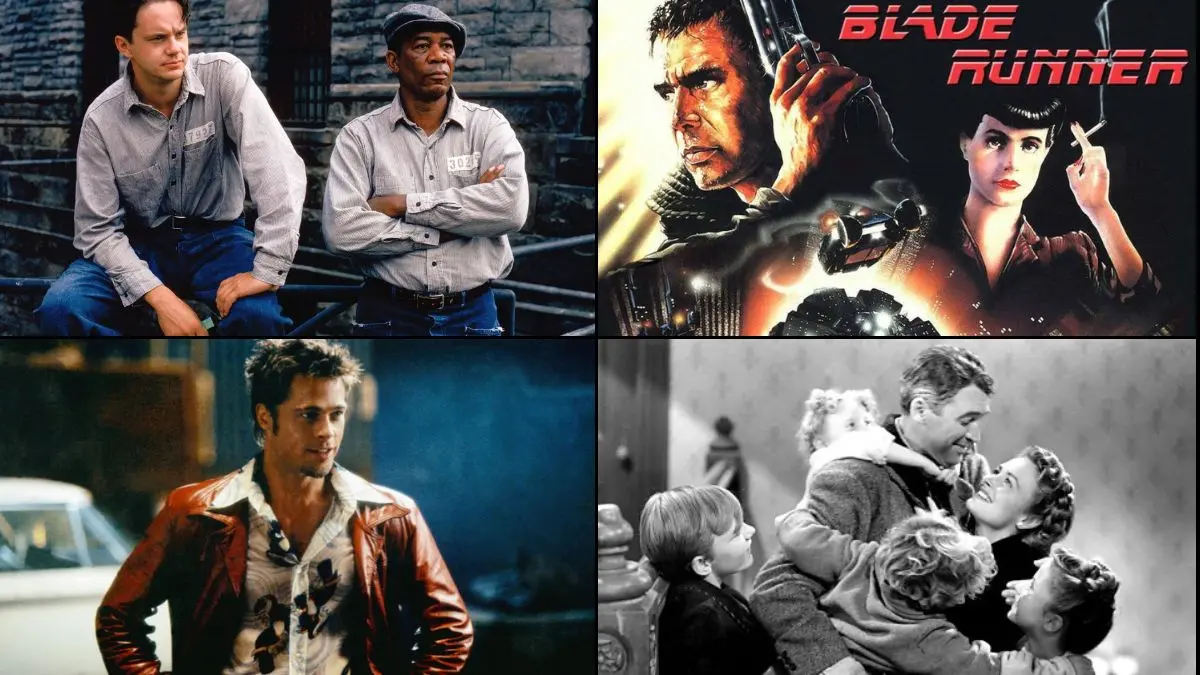
Surprisingly, Fight Club underperformed at the box office during its initial run. Marketing was a challenge, and the studio struggled to convey the film’s dark humor and anti-consumerist themes. It found its true audience on VHS and DVD, where it became a massive hit and a cult classic, with its posters adorning countless dorm room walls.
Moonlight (2016)
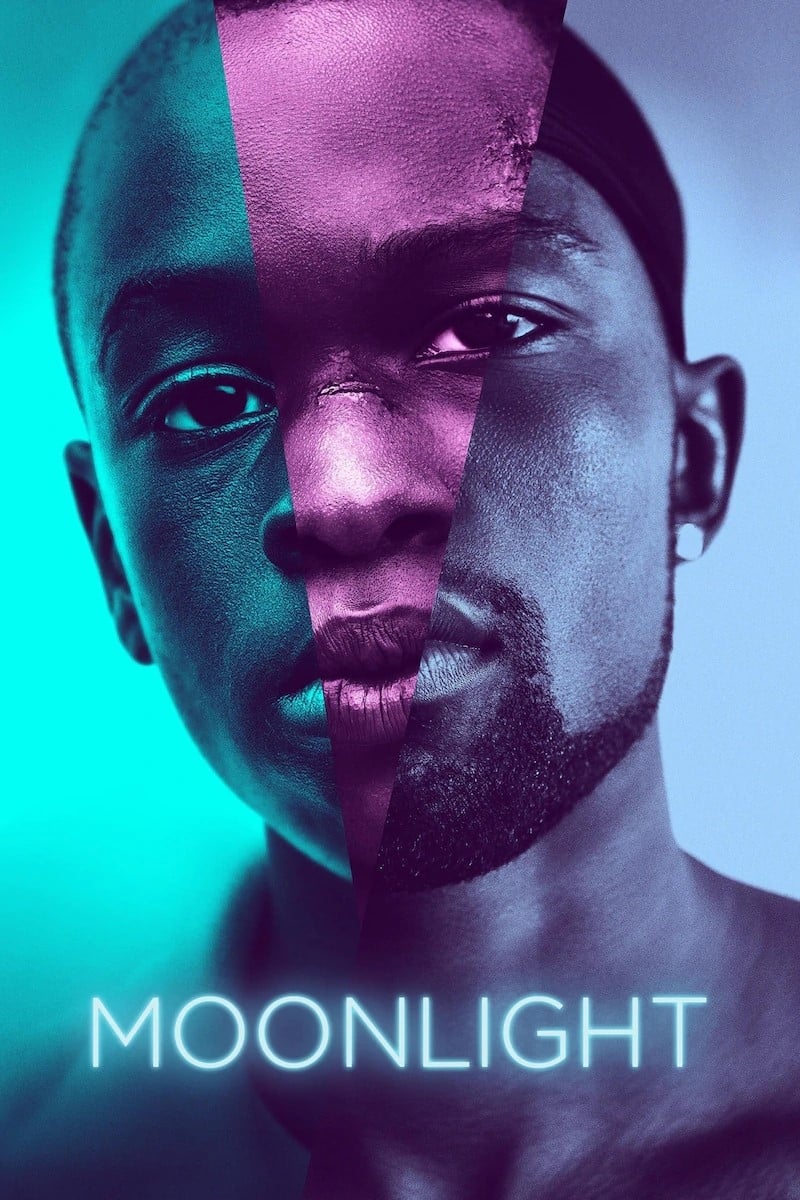
This powerful and intimate drama tells the story of a young African American man named Chiron through three defining chapters of his life. It explores his struggles with identity, sexuality, and the difficult environment he grows up in. Moonlight was a critical triumph, winning the Academy Award for Best Picture.
Although it won the biggest prize in Hollywood, Moonlight had one of the lowest box office totals for a Best Picture winner. It was produced on a very small budget and did not have a wide theatrical release, which limited its audience. The film’s subject matter was also seen as challenging for mainstream viewers, but its incredible artistry and moving story have secured its place as a landmark film.
The Hurt Locker (2008)

This intense war thriller follows a U.S. Army bomb disposal team during the Iraq War. The film focuses on the psychological toll of the job, particularly on a reckless new team leader who seems addicted to the adrenaline of combat. Directed by Kathryn Bigelow, the film won six Academy Awards, including Best Picture and Best Director.
Despite sweeping the Oscars, The Hurt Locker was not a box office hit. It never ranked high in weekly box office charts and earned just enough to cover its production budget. The difficult subject of the Iraq War made it a tough film for many to watch, but its critical success cemented its reputation as one of the most important war films of its time.
Birdman or (The Unexpected Virtue of Ignorance) (2014)
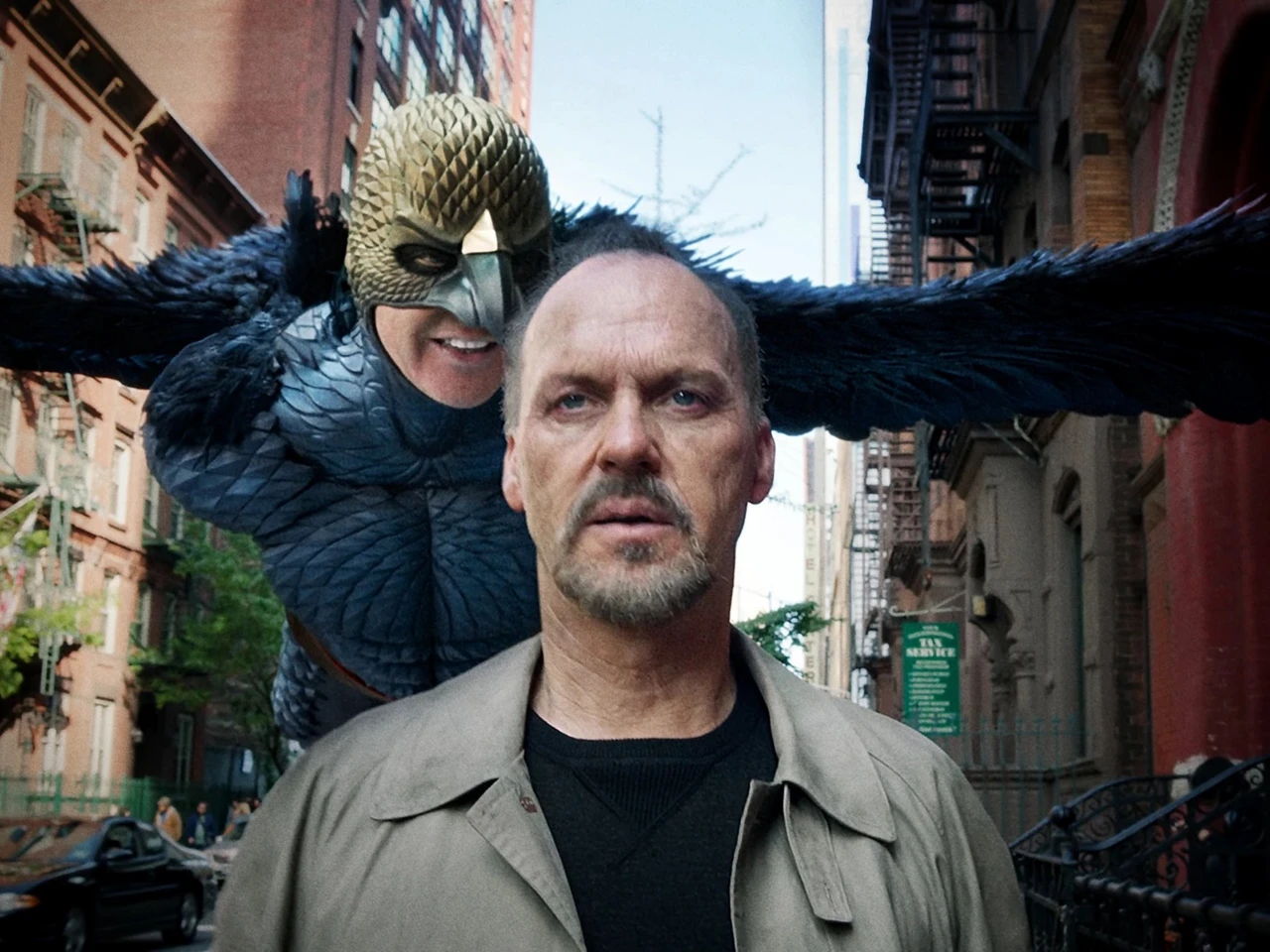
Birdman stars Michael Keaton as a faded actor, famous for playing a superhero, who tries to mount a serious Broadway play to reinvent his career. The film is known for its unique style, appearing as if it were shot in one continuous take. It was a critical darling, winning four Oscars, including Best Picture and Best Director.
While the film was a financial success relative to its budget, its box office earnings were modest compared to other Best Picture winners. Its surreal and artistic style made it less accessible to a mass audience. Nevertheless, critics and film enthusiasts praised its originality and technical brilliance, making it a highly discussed film in cinephile circles.
The Last Emperor (1987)
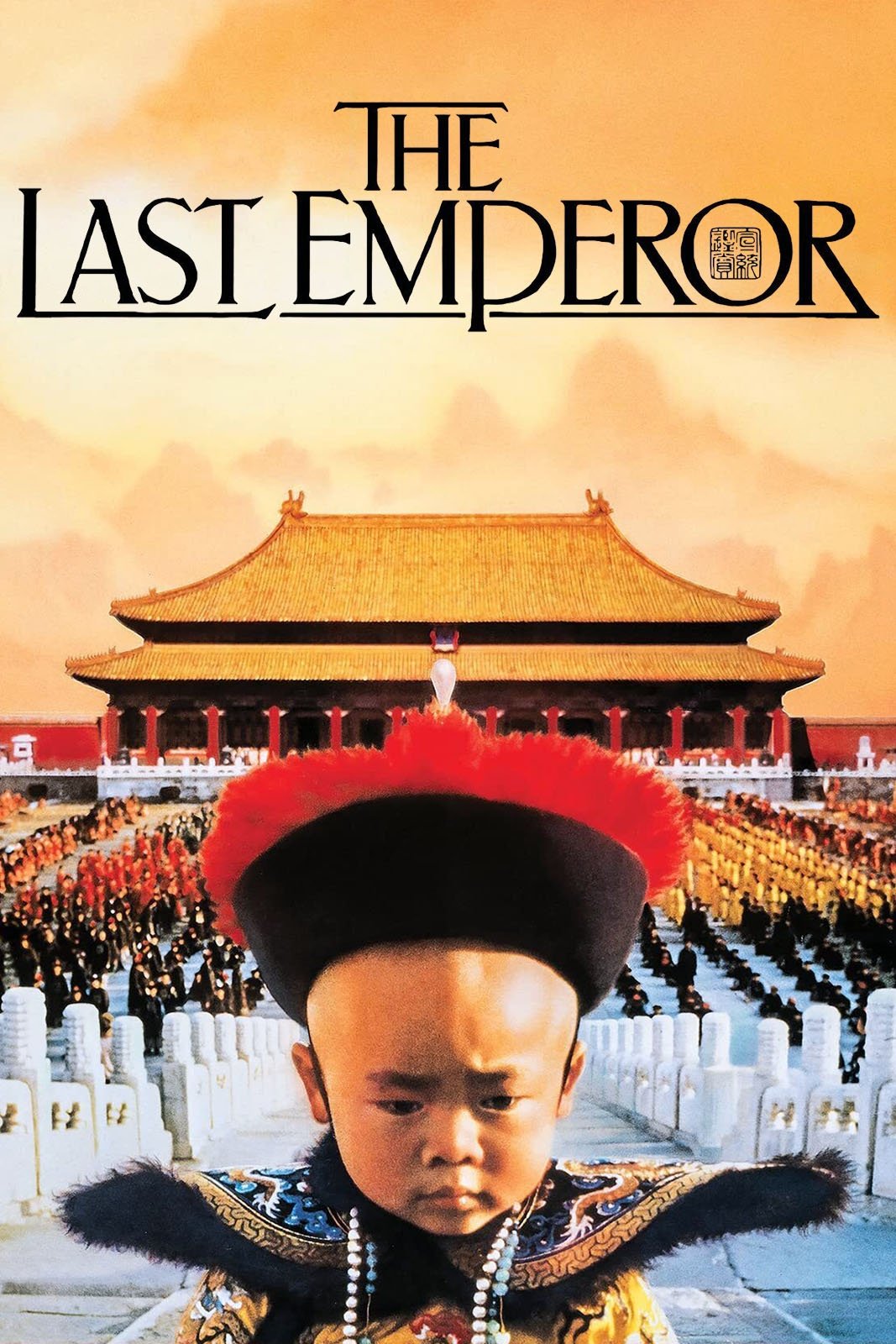
This epic historical drama tells the true story of Puyi, the last emperor of China, from his opulent childhood in the Forbidden City to his imprisonment and political re-education by the Communist government. The film was a massive critical success, winning all nine of the Academy Awards it was nominated for, including Best Picture.
Even with its Oscar sweep, The Last Emperor was not a major box office draw initially. It took a long time in theaters to even crack the top ten, and its ticket sales only saw a significant increase after it won the Oscar. The long runtime and historical subject matter likely made it a niche film for many moviegoers.
The Artist (2011)
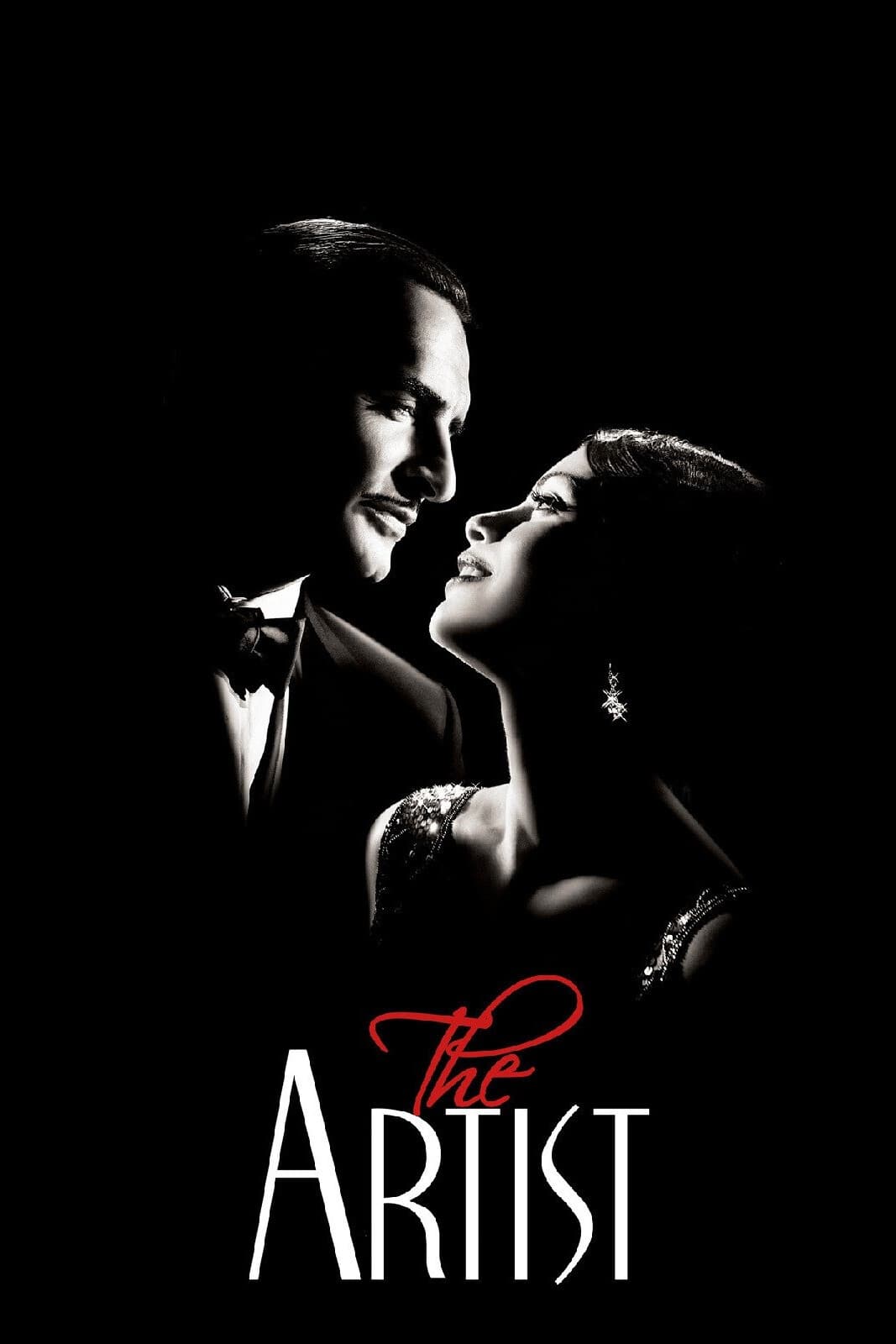
A tribute to the silent film era, The Artist is a black-and-white movie that tells the story of a silent film star whose career declines with the arrival of “talkies,” while a young actress he helps becomes a star. The film was a sensation at awards shows, winning five Oscars, including Best Picture.
Despite its awards success and charm, The Artist remains a film that many people have heard of but few have actually seen. As a modern silent film, it was a novelty that intrigued critics but was a hard sell for the general public who were used to sound and color. It remains a forgotten Best Picture winner for many.
Tom Jones (1963)
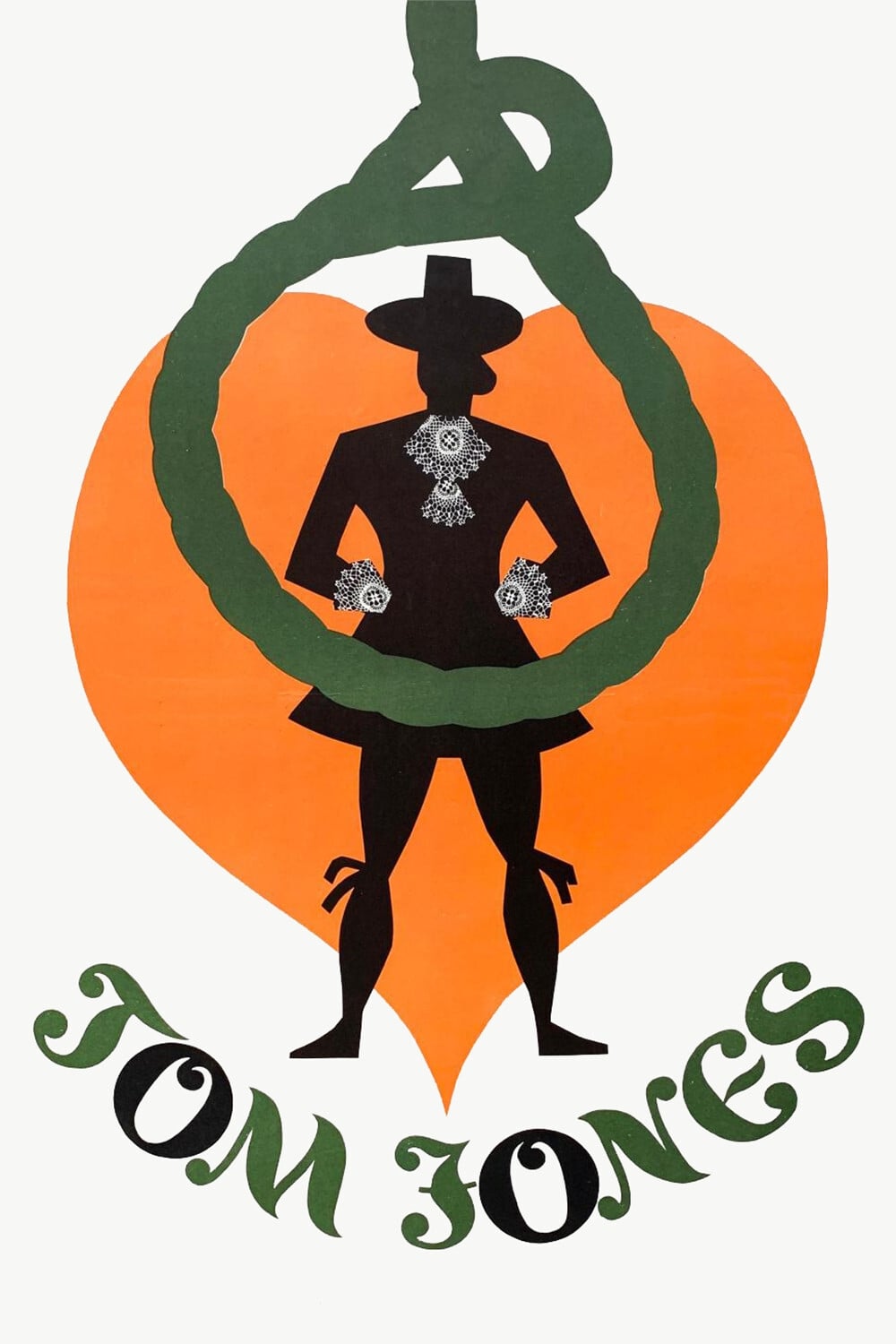
This historical comedy follows the adventures of a charming and roguish young man in 18th-century England as he navigates high society and numerous romantic escapades. The film was celebrated for its playful tone and energetic style, and it won four Academy Awards, including Best Picture.
Today, Tom Jones is not a widely remembered Best Picture winner. Its humor and style, which felt fresh and daring in 1963, now seem dated to many modern viewers. The film’s once-risqué content is tame by today’s standards, causing it to fade into relative obscurity compared to other classics from the era.
The Great Ziegfeld (1936)

This biographical musical tells the life story of Florenz Ziegfeld Jr., the famous Broadway producer known for his extravagant stage shows, the Ziegfeld Follies. At over three hours long, the film is known for its lavish and spectacular musical numbers. It won three Academy Awards, including Best Picture.
While influential in shaping the biopic genre, The Great Ziegfeld is largely forgotten by modern audiences. Its excessive length and focus on a historical Broadway figure make it less appealing to contemporary tastes. The film is now primarily remembered as an early example of the Academy’s fondness for big, expensive productions.
The English Patient (1996)
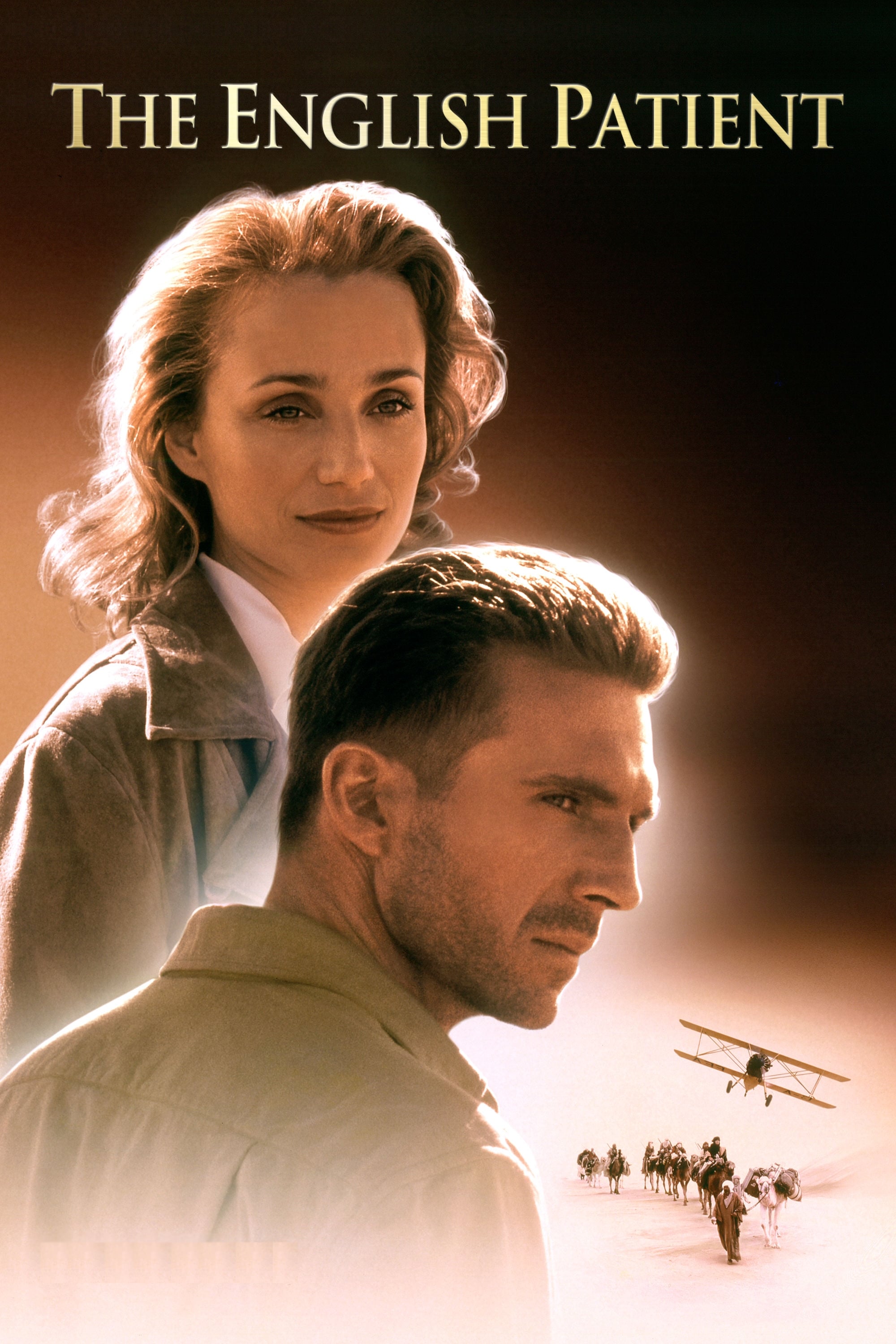
Set during World War II, this romantic drama follows a badly burned man who tells his life story to a young nurse caring for him. Through flashbacks, he reveals a tale of love, betrayal, and loss in North Africa. The film was a critical powerhouse, winning nine Academy Awards, including Best Picture.
Though it was a major awards winner, The English Patient is often cited as a film that many found long and slow. Its nearly three-hour runtime and deliberate pace have made it a punchline in popular culture, most famously in an episode of the TV show Seinfeld. For many, it’s a respected film they don’t feel the need to watch.
Driving Miss Daisy (1989)
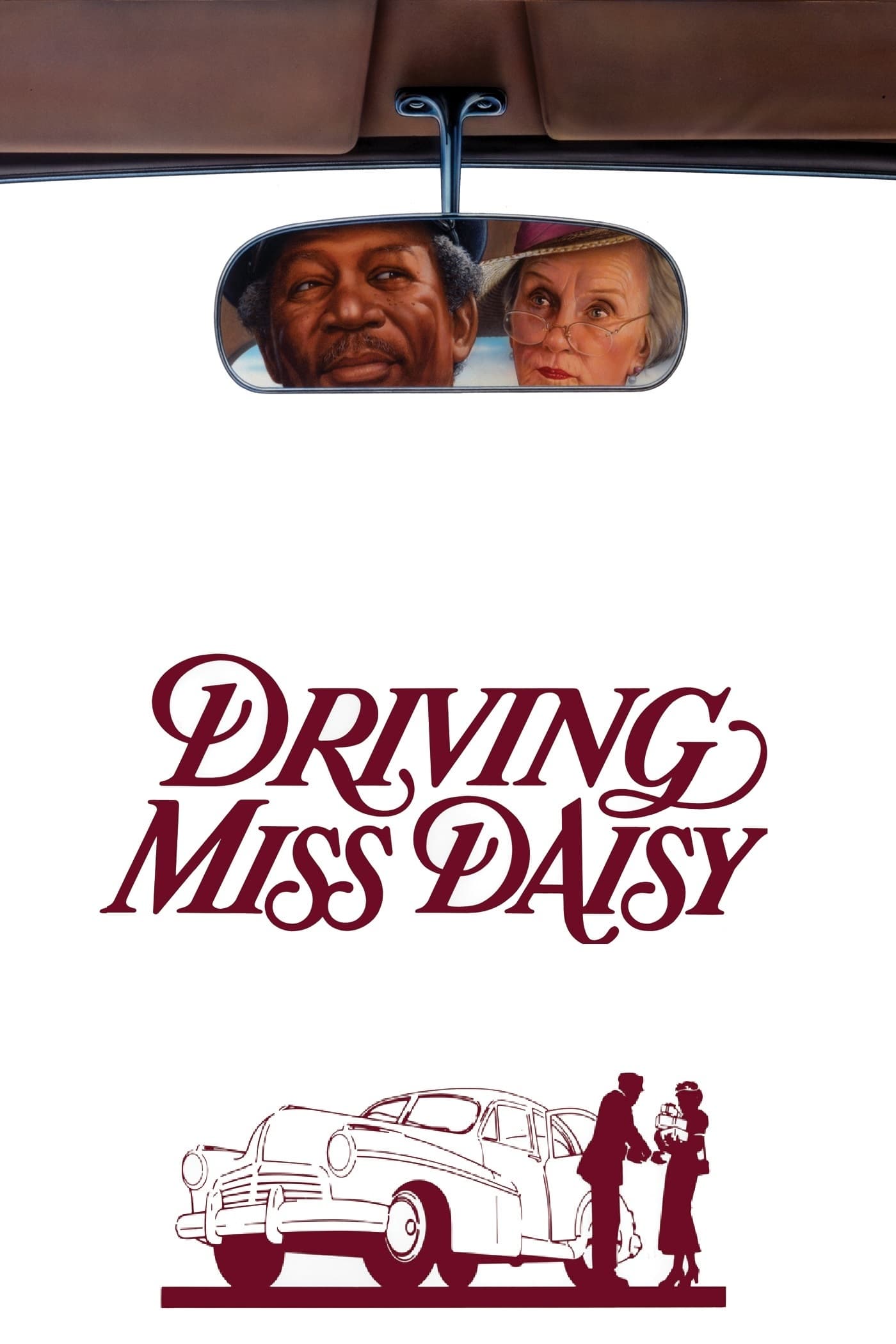
This film tells the story of the decades-long relationship between an elderly Southern Jewish woman and her African American chauffeur. Over the years, they overcome their differences and prejudices to form a deep friendship. The movie won four Academy Awards, including Best Picture.
While a decent box office success, Driving Miss Daisy is often considered one of the least memorable Best Picture winners. Its gentle, character-focused story is seen as somewhat dull compared to more dramatic or action-packed films. The release of the more critically acclaimed Green Book in 2018, which has a similar theme, has pushed this film further into obscurity.
It’s a Wonderful Life (1946)
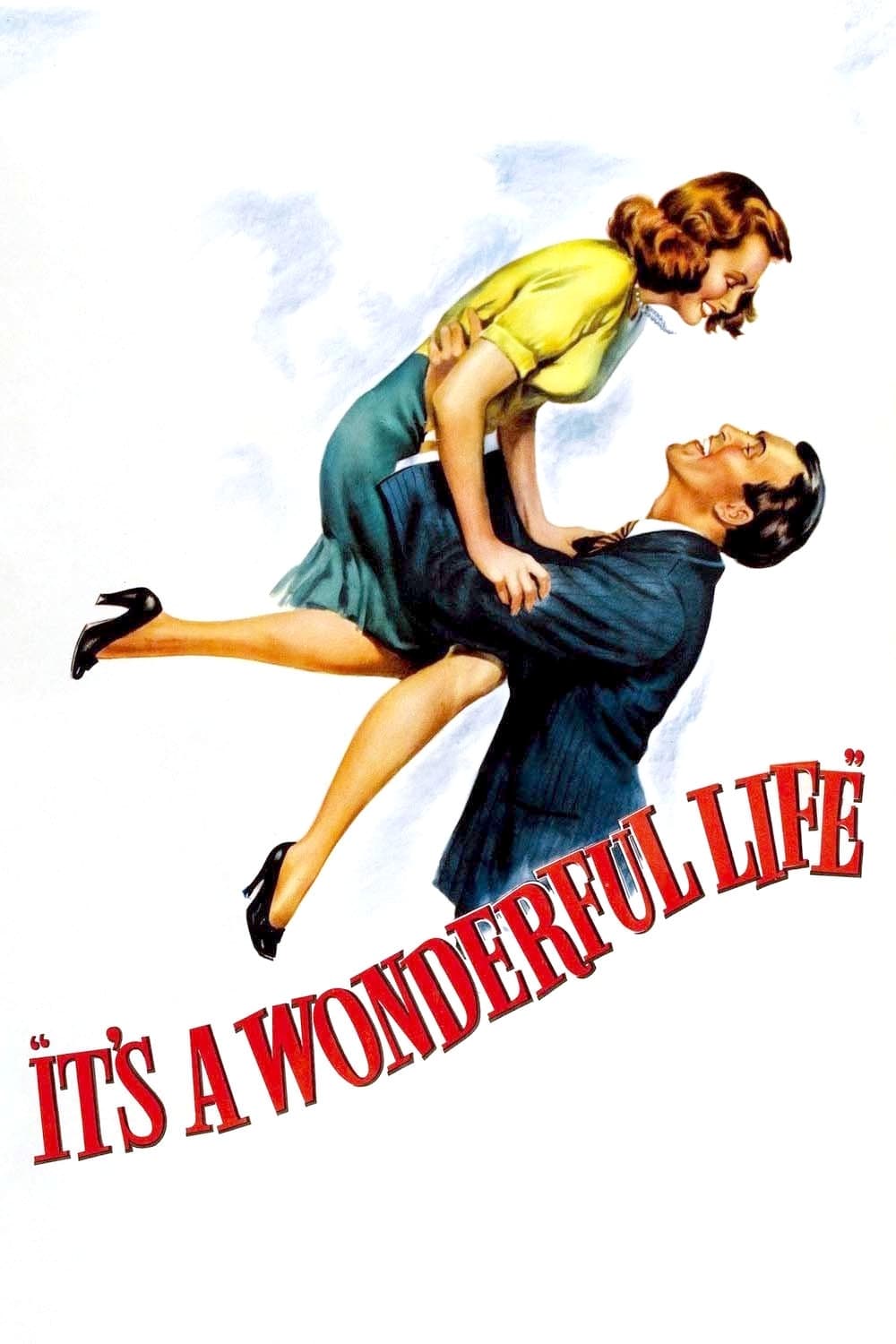
This beloved Christmas classic tells the story of George Bailey, a man who has given up his dreams to help others in his community. On Christmas Eve, a guardian angel shows him what life would have been like if he had never been born. The film was nominated for five Academy Awards, including Best Picture.
It may be hard to believe now, but It’s a Wonderful Life was a box office failure when it was first released. It lost the studio money and was largely forgotten for decades. Its resurgence came in the 1970s when its copyright lapsed, allowing TV stations to air it for free during the holiday season, turning it into the timeless classic it is today.
Citizen Kane (1941)
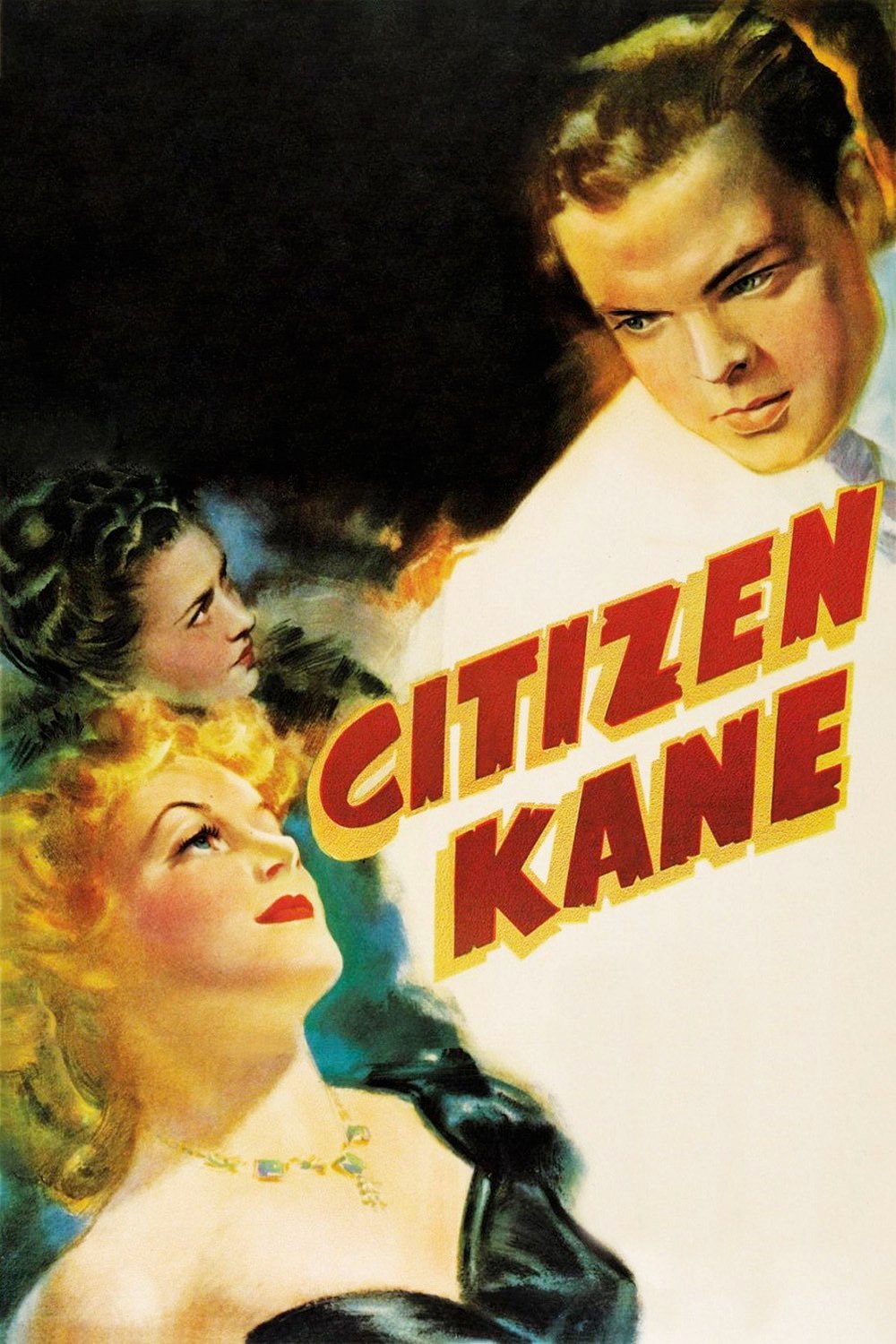
Often topping lists of the greatest films ever made, Citizen Kane is about the life and legacy of a wealthy newspaper magnate, told through the investigations of a newsreel reporter. Directed by and starring Orson Welles, it was revolutionary for its filmmaking techniques. The film was nominated for nine Academy Awards and won for Best Original Screenplay.
Despite its legendary status among critics and filmmakers, Citizen Kane was a commercial flop upon its release. The powerful newspaper publisher William Randolph Hearst, who believed the film was based on him, used his influence to sabotage it. As a result, it was not widely seen by audiences at the time and only gained its masterpiece status years later.
Blade Runner (1982)
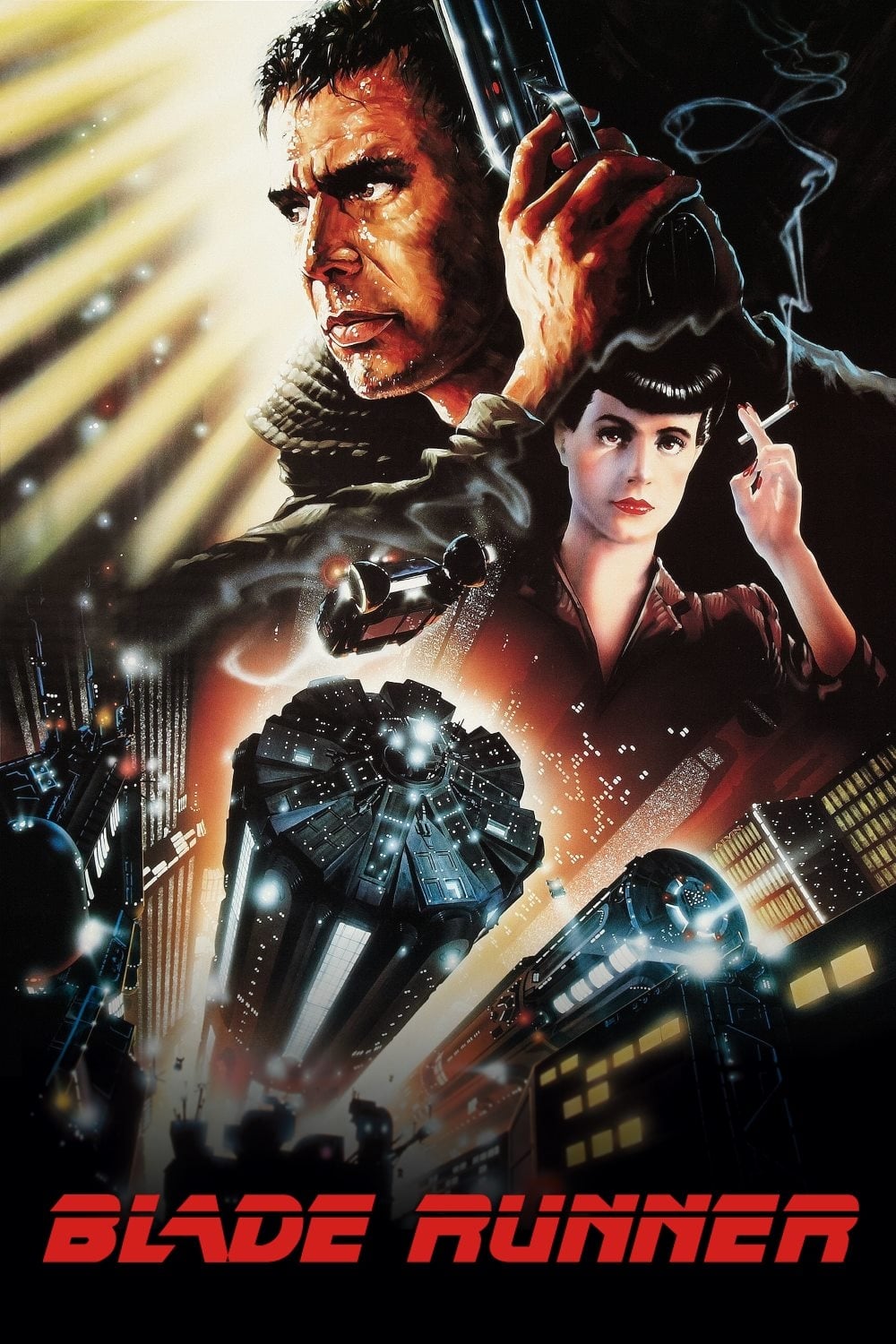
This iconic sci-fi noir is set in a dystopian 2019 Los Angeles, where a burnt-out cop is tasked with hunting down bioengineered beings known as replicants. The film is celebrated for its stunning visual style and philosophical themes about what it means to be human. It was nominated for two Academy Awards for its art direction and visual effects.
When it was first released, Blade Runner was a box office disappointment in the United States. Audiences and critics were divided, with some finding its pace slow and its story confusing. It gained a cult following over time through home video and is now considered a landmark of the science fiction genre, praised for its deep influence on countless other films.
The Iron Giant (1999)
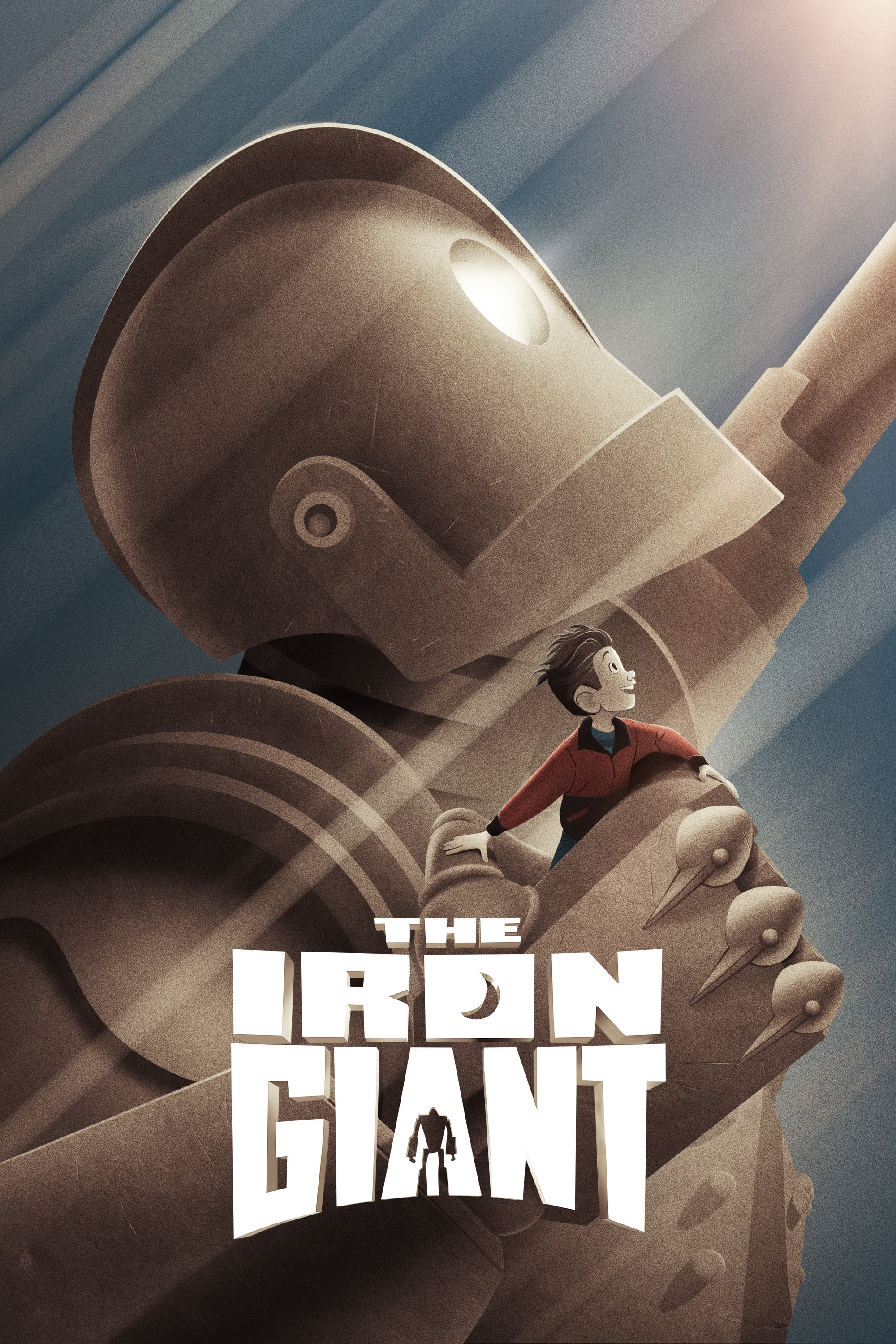
This animated film is set in 1957 during the Cold War and tells the story of a young boy who discovers a giant alien robot. He befriends the robot and must protect it from a paranoid government agent who wants to destroy it. The film won numerous Annie Awards, the highest honors in animation.
Despite receiving overwhelmingly positive reviews, The Iron Giant was a major box office failure. The studio had low expectations for the film and did not market it effectively. It has since become a beloved cult classic, praised for its beautiful animation and heartfelt story about friendship and peace.
The Station Agent (2003)
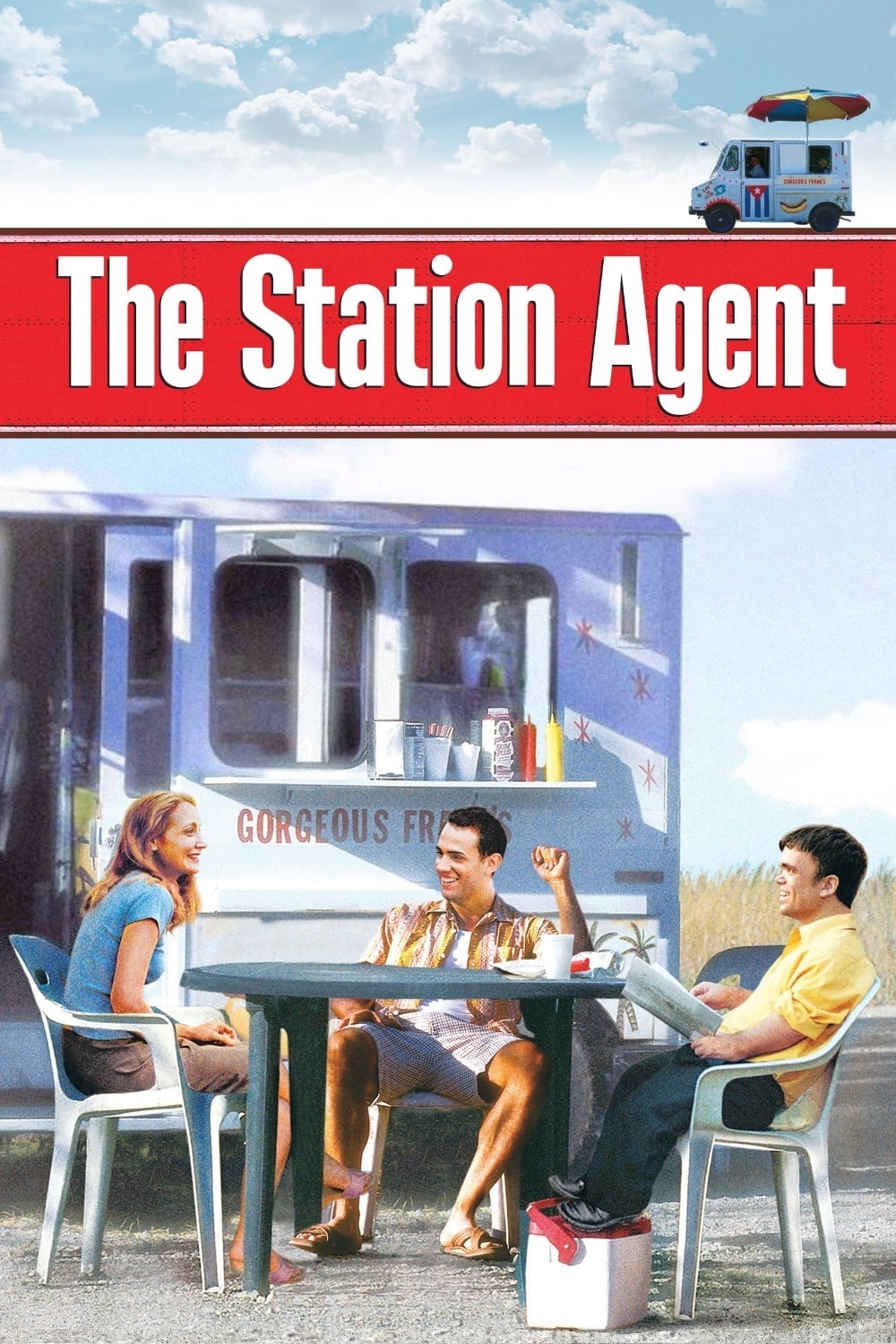
This indie comedy-drama centers on a man with dwarfism who inherits an abandoned train depot in rural New Jersey. He hopes to live a life of solitude but unexpectedly forms friendships with a talkative hot dog vendor and a grieving artist. The film won the Audience Award at the Sundance Film Festival and a Screen Actors Guild Award for its cast.
As a small independent film, The Station Agent had a very limited theatrical release and was not seen by a wide audience. Its quiet, character-driven story was a hit with critics who praised its humor and heart. It remains an underrated gem known for its excellent performances, particularly from Peter Dinklage in his breakout role.
A Separation (2011)

This Iranian film tells the story of a middle-class couple who are faced with a difficult decision: leave the country for a better life for their daughter, or stay in Iran to care for a parent with Alzheimer’s. Their conflict leads to a series of unforeseen and dramatic consequences. The film won the Oscar for Best Foreign Language Film.
As a foreign language film with a complex and intense marital drama at its core, A Separation was not a movie for the casual viewer. Despite universal acclaim from critics for its powerful storytelling and acting, it reached a relatively small audience outside of the international film circuit. It is regarded as one of the best films of the 21st century.
The Great Beauty (2013)
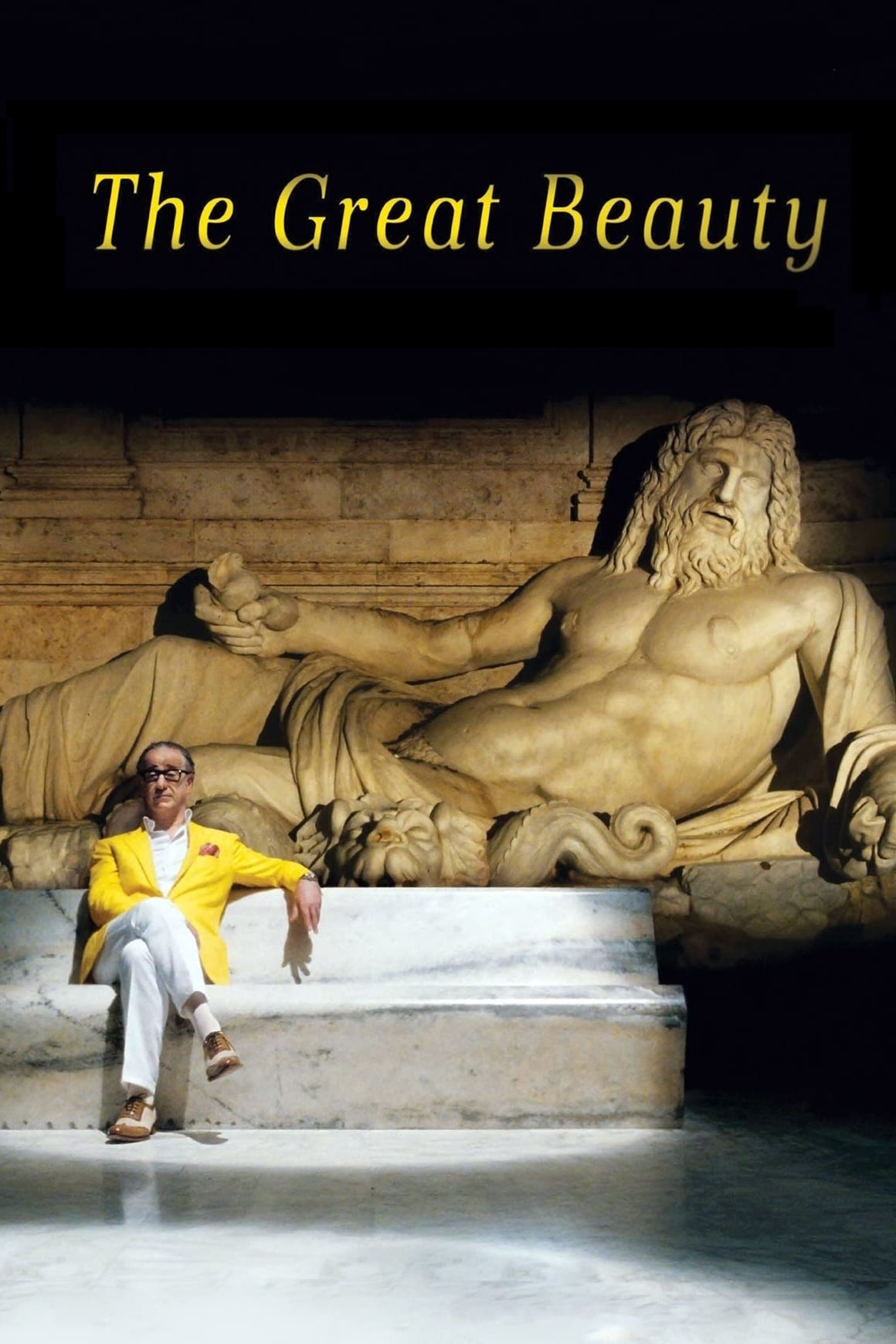
This Italian film follows an aging journalist and socialite as he reflects on his life of extravagant parties and shallow relationships in Rome. The movie is a visually stunning and often surreal exploration of art, memory, and regret. It won the Academy Award, Golden Globe, and BAFTA for Best Foreign Language Film.
Like many foreign films, The Great Beauty‘s audience was largely confined to art-house cinema patrons. Its opulent style and philosophical themes made it a favorite among critics but a challenging watch for a mainstream audience. The film is celebrated for its breathtaking cinematography and its poignant look at a life of excess.
Paper Moon (1973)
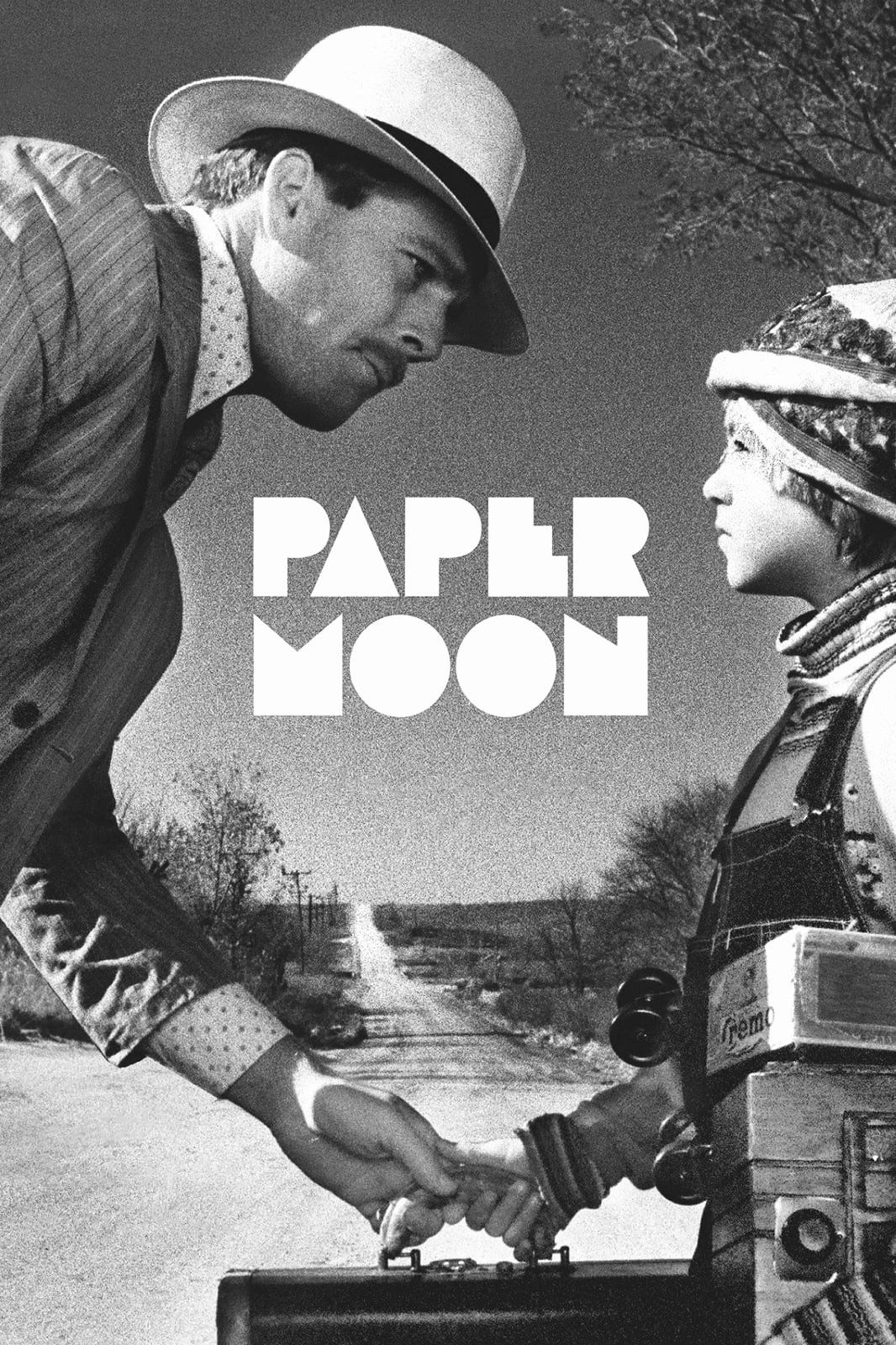
Set during the Great Depression, this black-and-white comedy-drama stars real-life father and daughter Ryan and Tatum O’Neal. A con man finds himself saddled with a nine-year-old girl who may or may not be his daughter, and the two team up to swindle their way across the American Midwest. Tatum O’Neal won an Oscar for Best Supporting Actress for her role.
Despite its critical success and an Oscar win, Paper Moon is not as well-remembered today as other films from its era. Its black-and-white cinematography and period setting might make it feel less accessible to modern viewers. It remains a highly-regarded classic among film buffs but is often overlooked by the general public.
Ordinary People (1980)
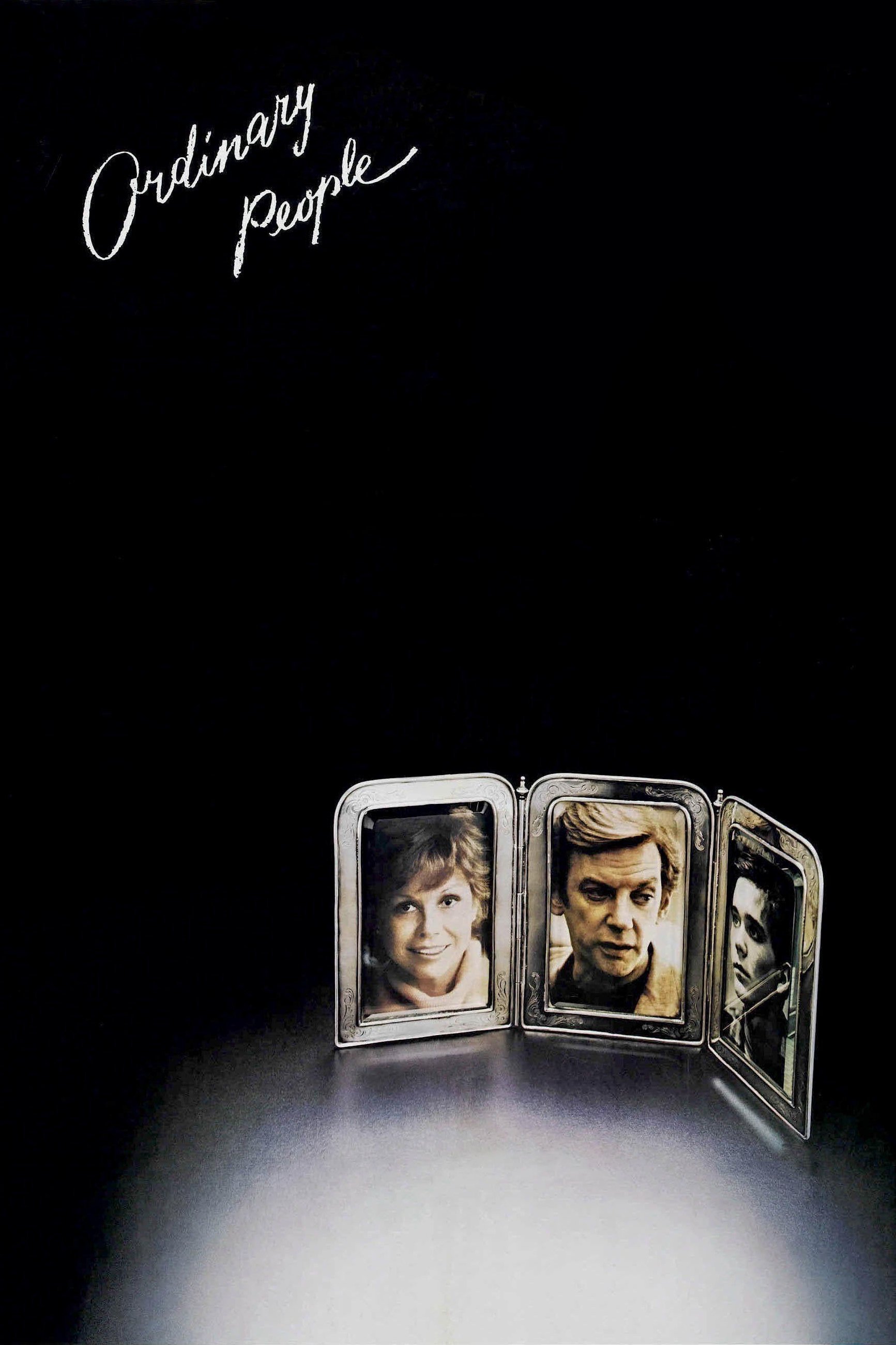
This family drama explores the emotional fallout after the accidental death of one son and the suicide attempt of another. The film focuses on the strained relationships between the surviving son, his mother, and his father as they struggle to cope with their grief. It won four Academy Awards, including Best Picture.
While it won the top Oscar, Ordinary People is often overshadowed in popular memory by another nominee that year, Raging Bull. The film’s heavy subject matter of family trauma and mental health makes it a difficult watch. It is highly respected for its powerful performances but remains a film that many people admire from a distance rather than seek out.
The Best Years of Our Lives (1946)
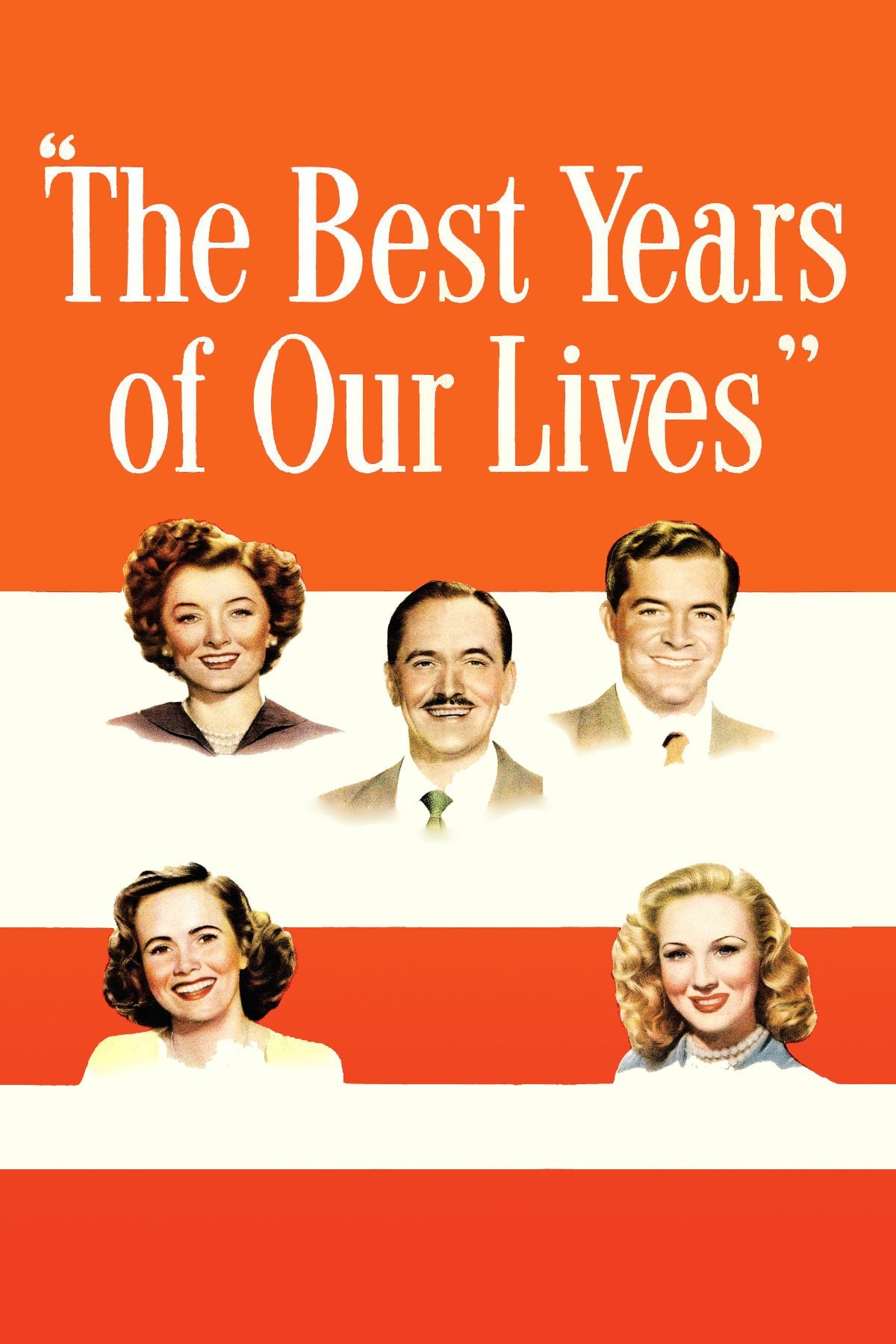
This drama follows three U.S. servicemen as they return home to a small American town after World War II and struggle to adjust to civilian life. The film deals with issues like post-traumatic stress and disability. It won seven Academy Awards, including Best Picture.
A huge hit in its time, The Best Years of Our Lives has since faded from the popular consciousness. In the era before streaming, classic black-and-white films were often only seen on late-night television. As a result, this once-celebrated movie about the aftermath of war is not widely seen by today’s audiences.
Wings (1927)
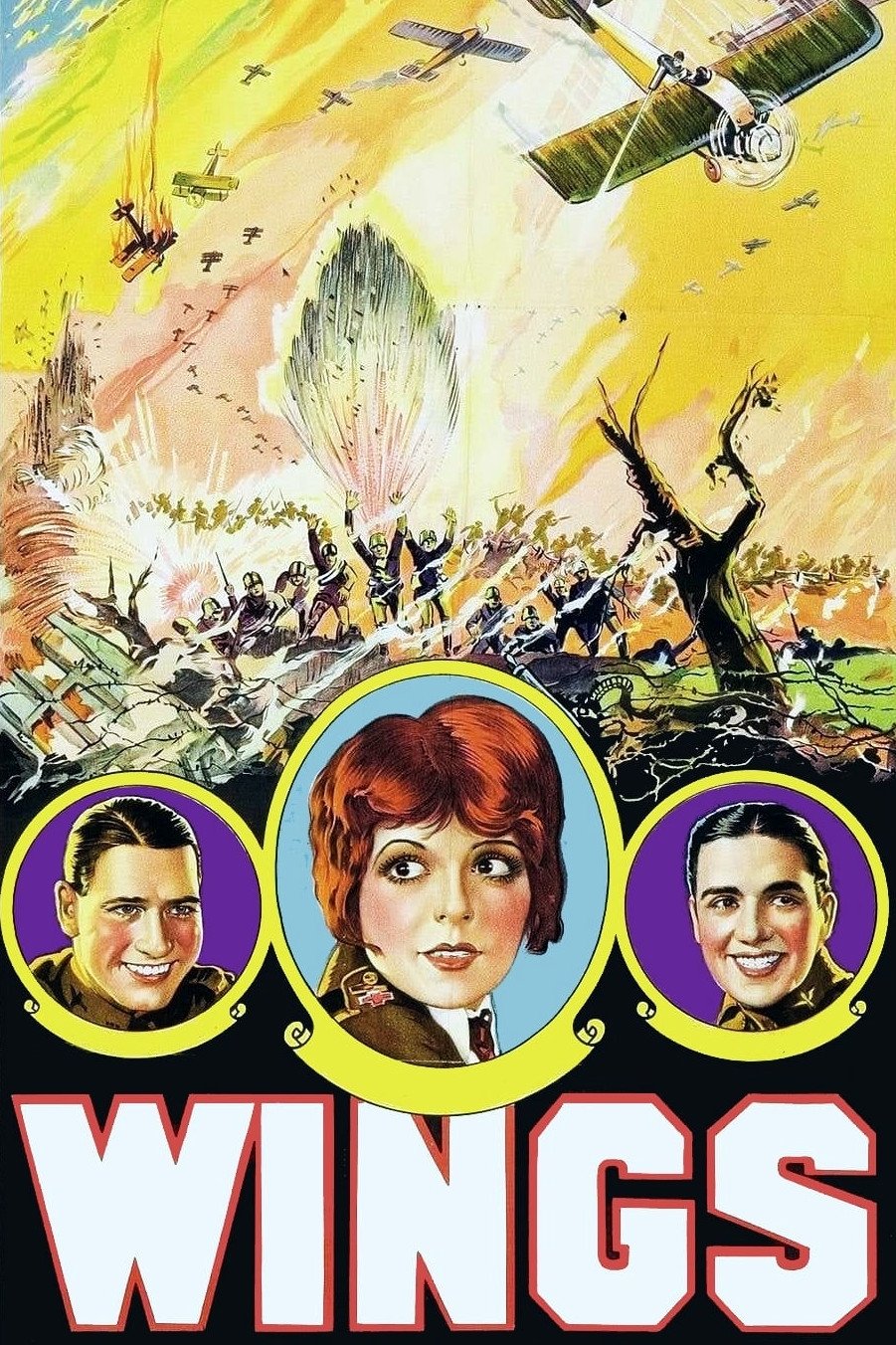
This silent film is about two young men from the same town who are in love with the same woman and become fighter pilots in World War I. Known for its realistic aerial combat scenes, it was a technical marvel for its time. Wings won the very first Academy Award for Best Picture.
Being a silent film from nearly a century ago is the primary reason Wings is not widely seen today. While historically significant as the first-ever Best Picture winner, audiences tend to be unfamiliar with silent movies. It remains a film mostly watched by students of cinema history.
Cimarron (1931)

An early Western epic, Cimarron tells the story of a family that settles in an Oklahoma boomtown and participates in the major historical events of the American West over several decades. The film won three Academy Awards, including Best Picture.
Cimarron is often cited as one of the least-deserving Best Picture winners. Modern critics and audiences point to its dated storytelling and problematic depictions of race. It defeated Charlie Chaplin’s masterpiece City Lights for the top Oscar, a decision that has contributed to its reputation as a forgettable and flawed classic.
Cavalcade (1933)
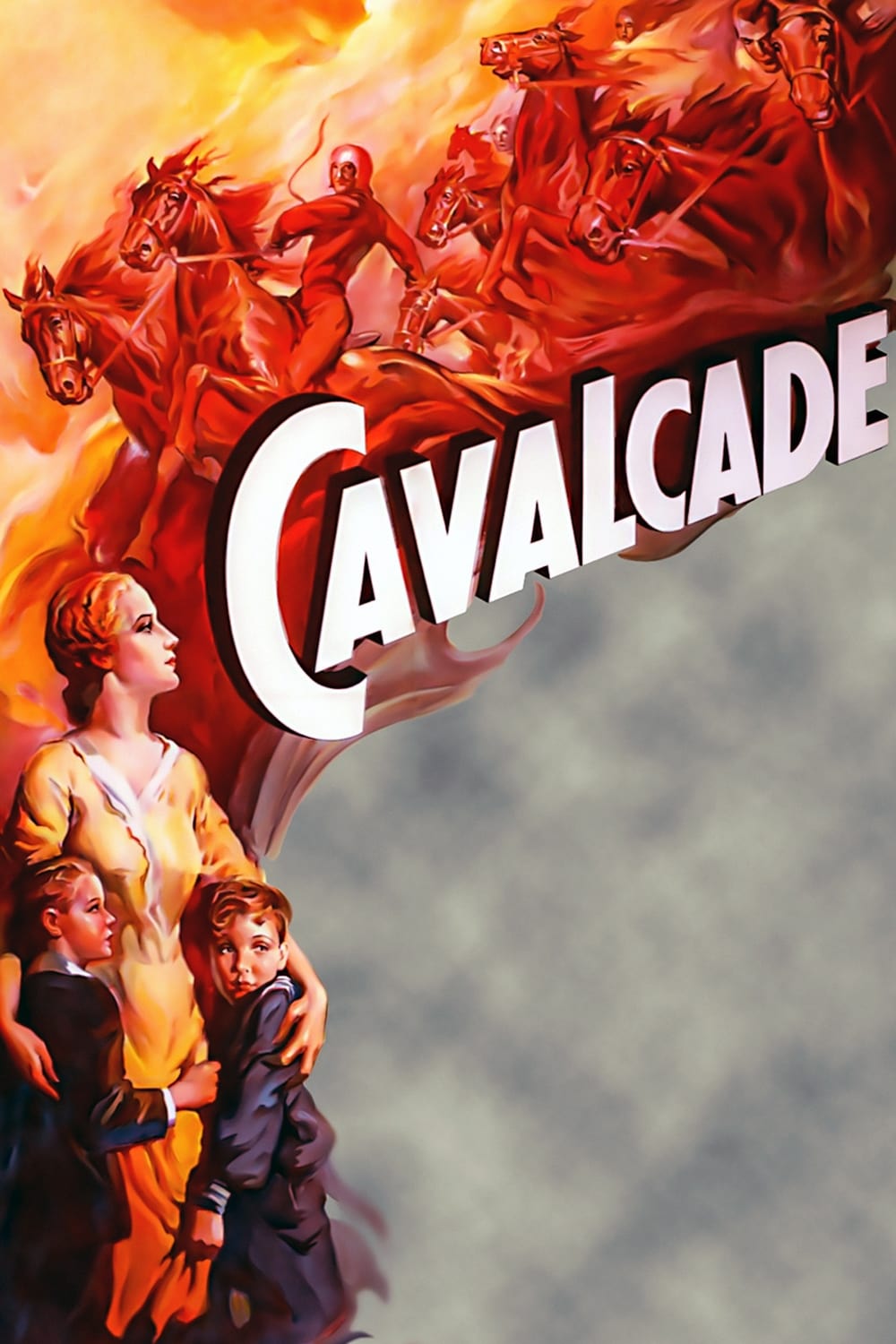
This film follows the lives of a wealthy London family and their servants from New Year’s Eve 1899 to 1933, showing how their lives are affected by major historical events like the sinking of the Titanic and World War I. It won three Academy Awards, including Best Picture.
Like many early Oscar winners, Cavalcade is not well-known today. Its episodic, historical-survey style of storytelling can feel dry to contemporary viewers. The film is now mostly a historical footnote, an example of the kind of prestigious literary adaptation that once dominated the Academy Awards.
Sunrise: A Song of Two Humans (1927)
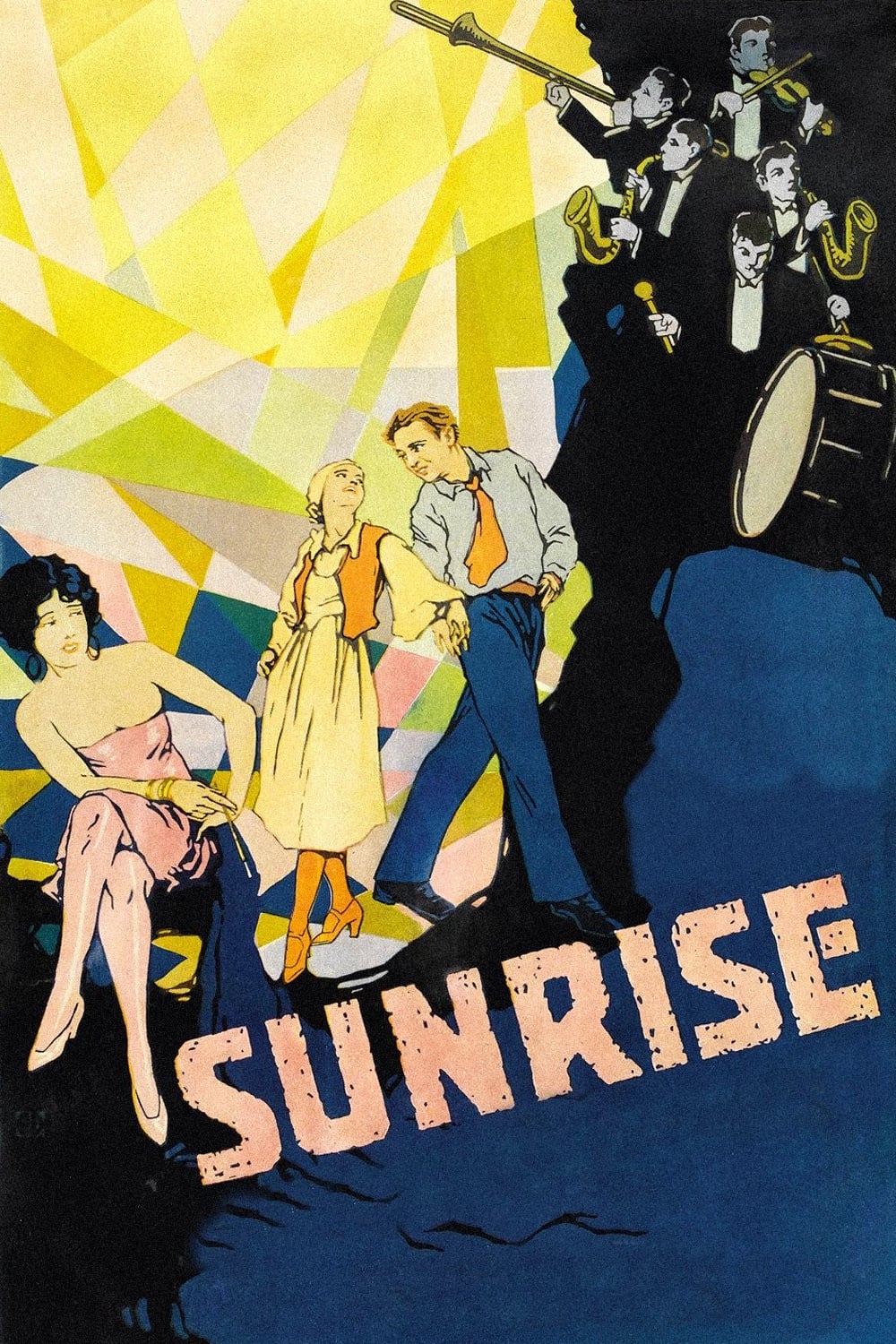
This silent film tells a simple story of a farmer who is seduced by a woman from the city and plots to drown his wife. However, he cannot go through with it, and he and his wife rediscover their love for each other during a trip to the city. It won a special Oscar for Unique and Artistic Picture at the first Academy Awards.
Though considered a masterpiece of the silent era by film historians, Sunrise is rarely watched outside of film classes. Its status as a silent film makes it a hard sell for general audiences. The movie is celebrated for its visual innovation and emotional power but remains largely unseen.
The French Connection (1971)
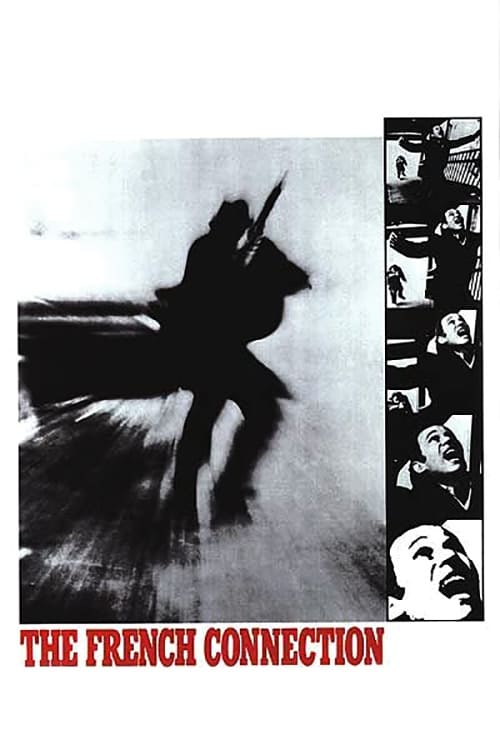
This gritty crime thriller follows two New York City narcotics detectives who stumble upon a massive heroin smuggling operation. The film is famous for its realistic tone and one of the most thrilling car chase sequences in movie history. It won five Academy Awards, including Best Picture.
While highly influential and critically acclaimed, The French Connection is not as popular with general audiences as other 70s Best Picture winners like The Godfather or Rocky. Its morally ambiguous hero and downbeat ending make it a less crowd-pleasing film. It is respected as a classic of the New Hollywood era but often passed over by casual movie fans.
Patton (1970)
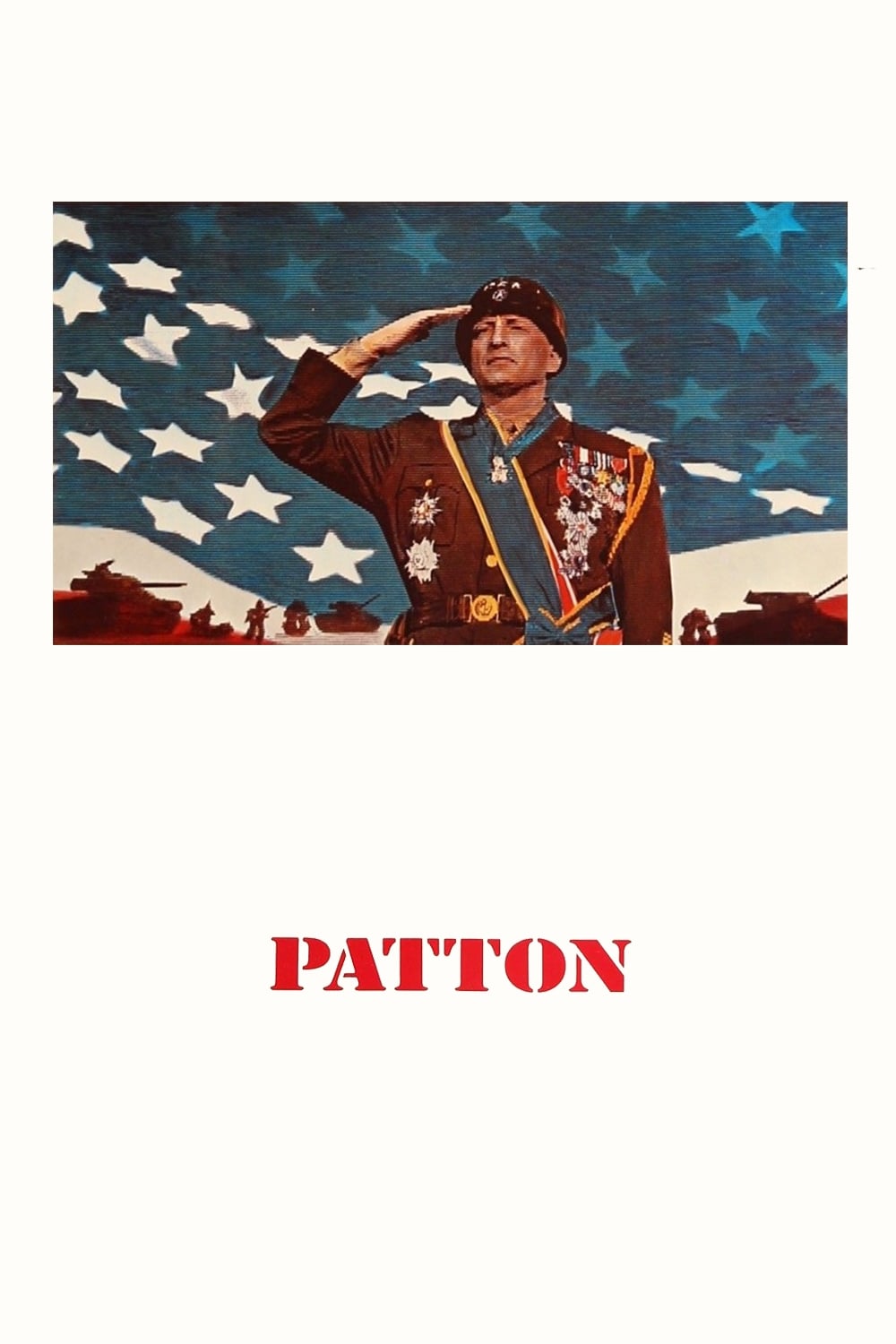
This biographical war film depicts the controversial and brilliant career of U.S. General George S. Patton during World War II. The movie is anchored by a powerful lead performance from George C. Scott, who famously refused his Oscar for Best Actor. The film won seven Academy Awards, including Best Picture.
Despite its Oscar success, Patton does not have the same cultural impact as other major war films. Its long runtime and focus on a single historical figure make it a hard sell for many modern viewers. While it features iconic scenes and a commanding performance, it remains a film that is more respected than watched.
Chariots of Fire (1981)
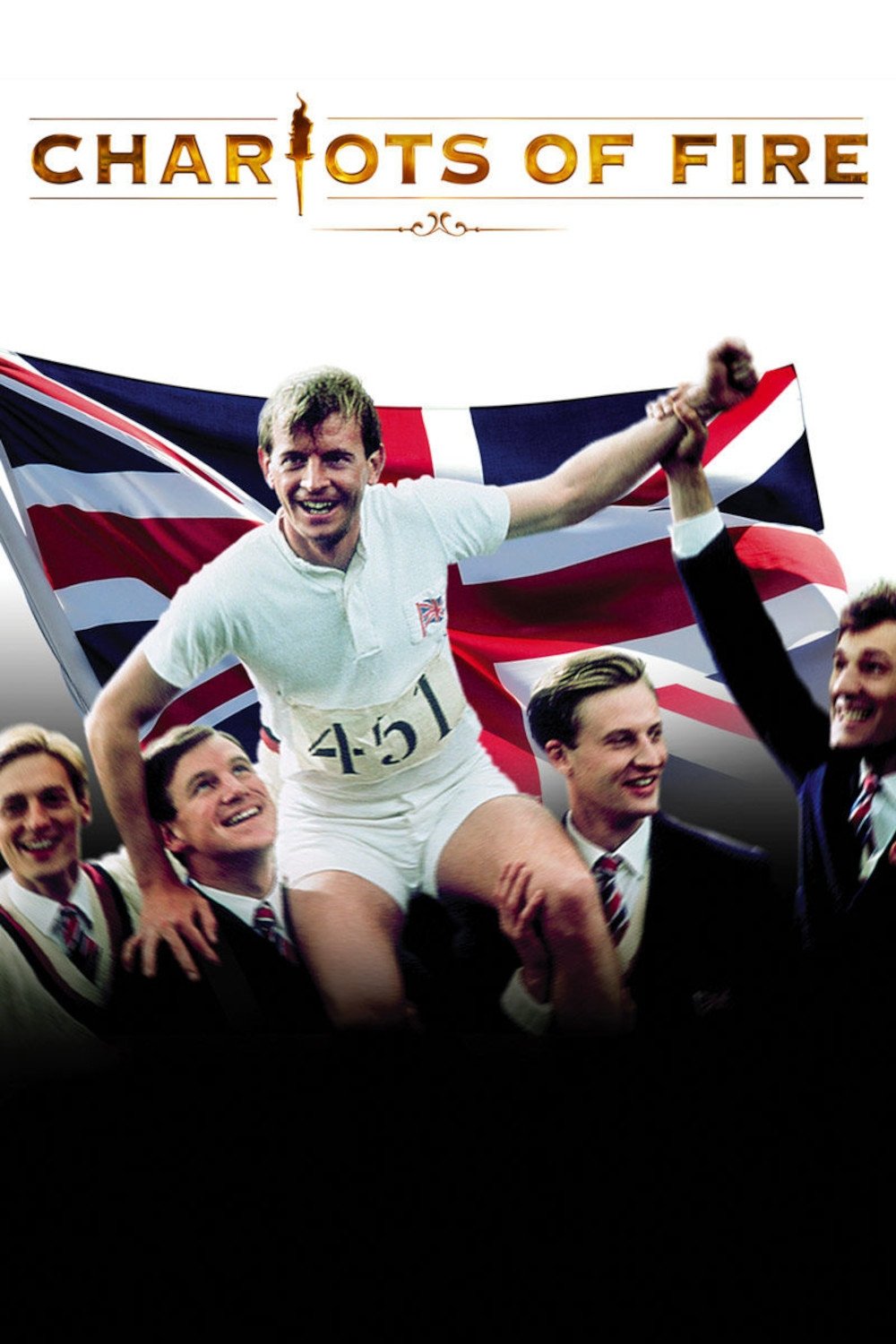
Based on a true story, this film follows two British track athletes, one a devout Scottish Christian and the other an English Jew, as they compete in the 1924 Olympics. The film is famous for its iconic musical score by Vangelis. It won four Academy Awards, including Best Picture.
Chariots of Fire is often considered a surprise Best Picture winner, beating out more favored films like Reds and Raiders of the Lost Ark. While its inspirational story and memorable music were popular, the film itself is sometimes seen as stuffy and dated. Many people know the theme song but have never seen the movie itself.