5 Things About ‘Aquaman’ That Made Zero Sense and 5 Things That Made Perfect Sense

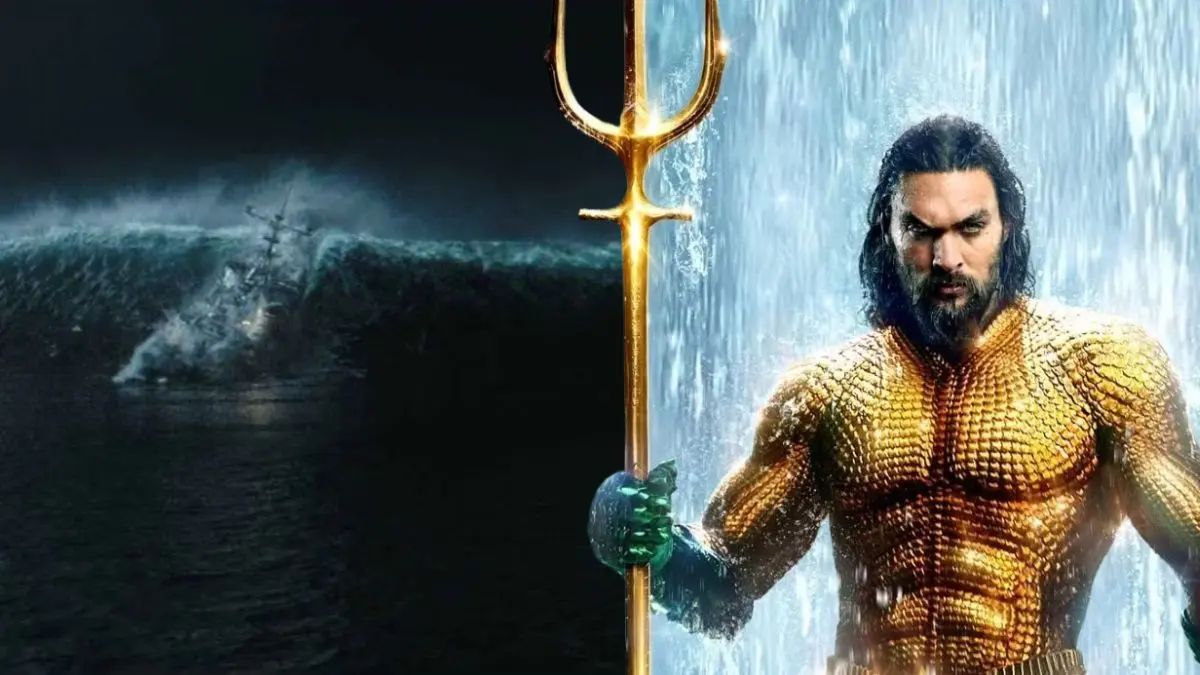

Arthur Curry’s first solo outing gave us bright colors, big action, and wild ocean worlds. It was fun and bold. It also raised questions that are hard to ignore.
Some choices felt rushed or shaky. Others were smart and earned. Here are five that made zero sense and five that made perfect sense—taking turns, point by point.
Zero Sense: A Drop of Water Unlocks an Ancient Device
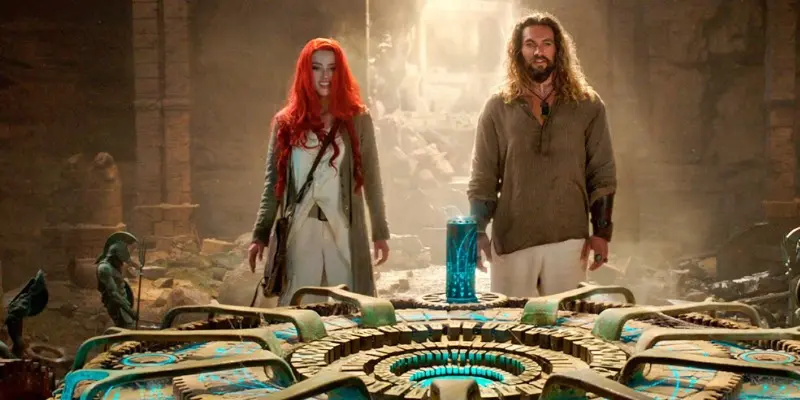
The desert clue needs only a small splash to start a complex hologram. That feels too easy. Ancient tech that survives ages and dust yet works from a canteen pour is a stretch.
It sets up a joke, but the logic is weak. If any water works, random humidity or a brief rain could have triggered it long ago.
Perfect Sense: Orm’s Motive Against Pollution
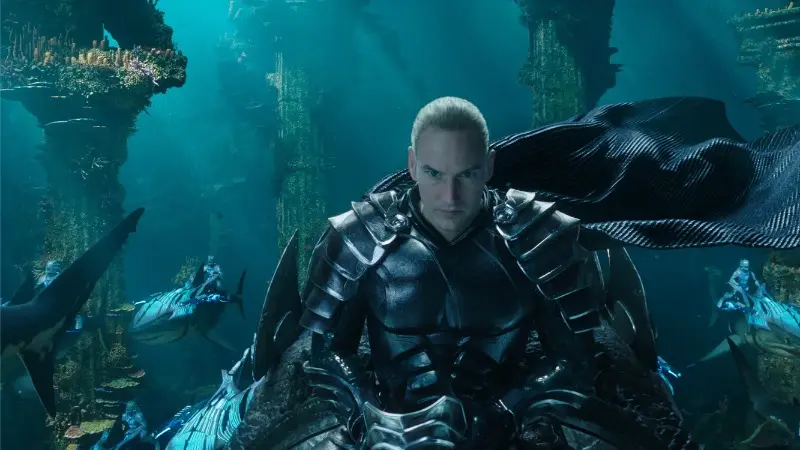
Orm wants to punish the surface for dumping trash and poison into the sea. That anger is clear and grounded. It fits a leader who sees daily harm to his people.
It also gives the story a real-world stake. The ocean’s health explains why his war plan has support, even if his methods go too far.
Zero Sense: Black Manta Builds a Super-Suit Overnight
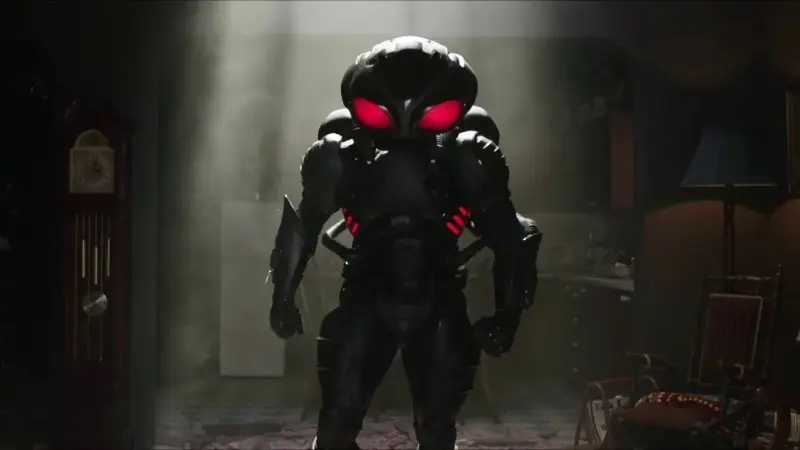
Manta takes alien-like Atlantean gear and turns it into a working battle suit fast. He reverse-engineers power cores and optics with little trial and error shown.
High-tech upgrades should take time, testing, and failures. Here, it looks like a quick montage. The result is cool, but not believable.
Perfect Sense: Arthur’s Link to Sea Life
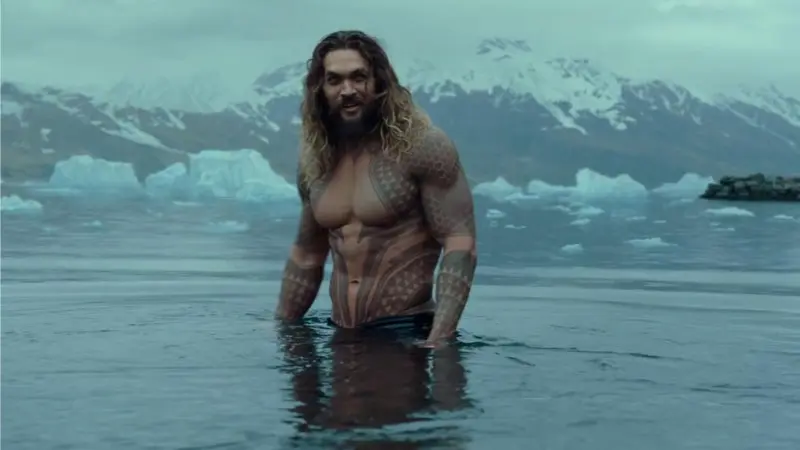
Young Arthur speaks to fish. Later, he commands a giant guardian creature. This tracks with his core power and the character from the comics.
The movie pays this off in the final battle. His bond with sea life is not a gimmick; it is the key to victory and leadership.
Zero Sense: Travel Times Across the Globe
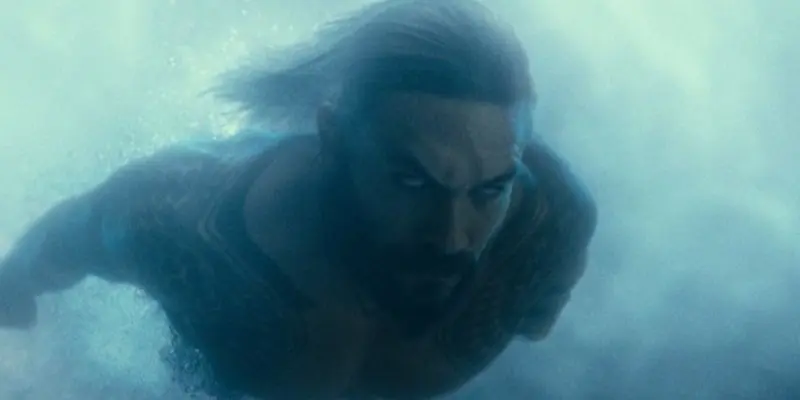
The heroes jump from the Sahara to Sicily to far-off seas in what feels like hours. There is little sense of flights, fuel, or planning.
This breaks the chase logic. The world seems small, and danger loses weight when distances vanish between scenes.
Perfect Sense: Atlantean Strength and Gear Underwater
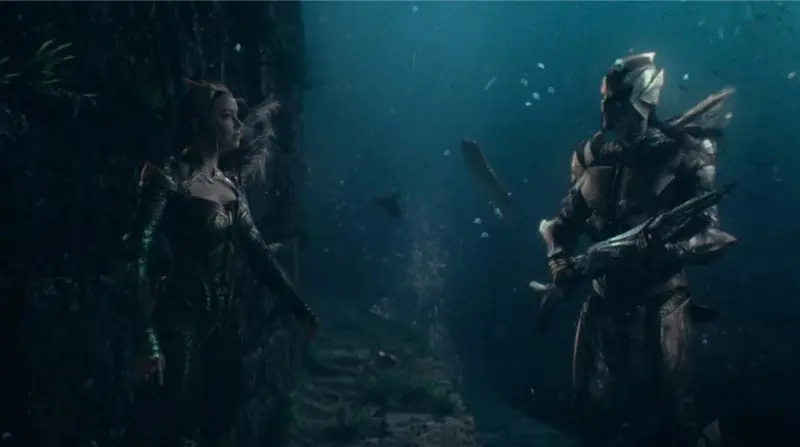
Atlanteans are faster and tougher in the ocean. Their armor and vehicles are built for pressure and speed. That explains why regular weapons struggle against them.
The film shows this in chases and fights. It sells the idea that the ocean is their home turf, and they own it.
Zero Sense: Air Bubbles for Talking
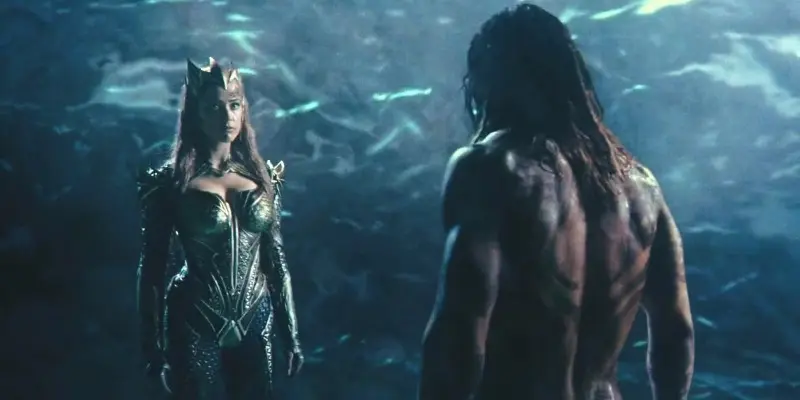
Sometimes characters speak underwater with no issue. Other times they make air bubbles to talk. The rules shift between scenes.
That inconsistency stands out. A clear system would help the world feel real, even in a fantasy setting.
Perfect Sense: The Ring of Fire Duel and Politics
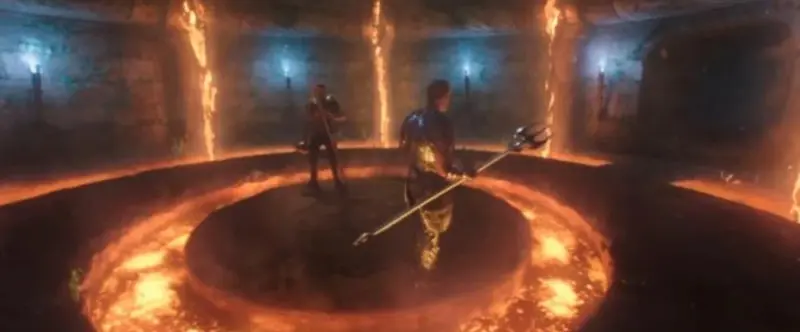
A formal challenge decides who leads. It is public, ritualized, and bound by rules. That fits a proud, ancient society with strong traditions.
It also advances the plot. Arthur cannot just claim a throne; he has to face a trial the people respect.
Zero Sense: The Tidal Wave’s Missing Fallout
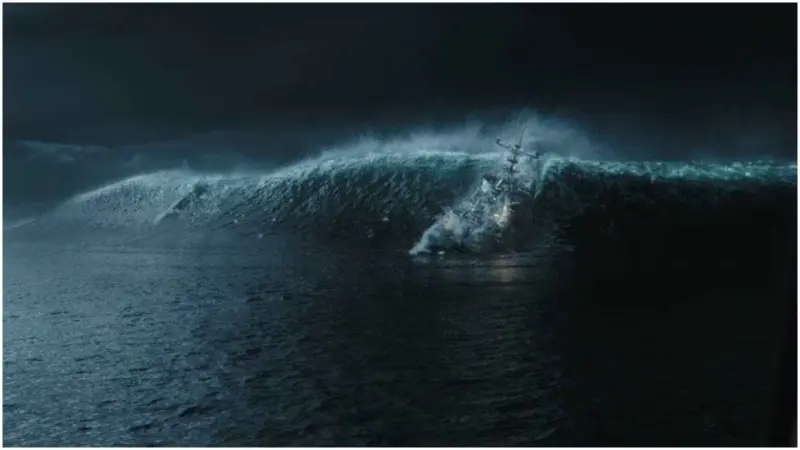
A massive wave slams the coast, flips trucks, and floods roads. After that, we see little about damage, rescue, or a response.
The human cost should be huge. Skipping the fallout makes the event feel like a set piece, not a world-changing disaster.
Perfect Sense: The Trident Test as a Worthiness Trial
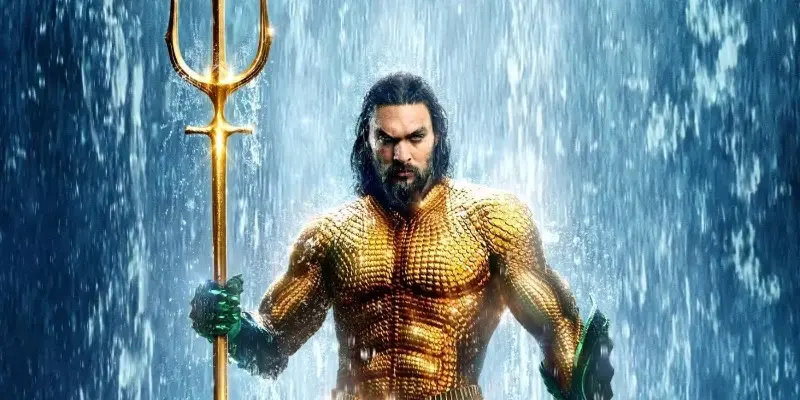
Only the true king can claim the relic. The guard beast stands down when Arthur proves himself. This is a clean, mythic rule.
It ties to his identity and duty. He wins not just by force but by character, which fits a hero’s path.
Share your own “that worked” and “no way” moments from Aquaman in the comments—let’s compare notes wave by wave.