5 Things About the ”Fast & the Furious’ Franchise That Made Zero Sense & 5 Things That Made Perfect Sense


The ‘Fast & the Furious’ franchise built a giant world from street races, robberies, and spy missions. It has big action and loud cars. It also has twists, retcons, and wild physics. Some choices click. Some do not.
This list looks at both sides. It calls out moves that broke logic. It also explains choices that kept the series strong. The goal is clear: show what worked and what didn’t.
Zero Sense: Cars That Ignore Physics
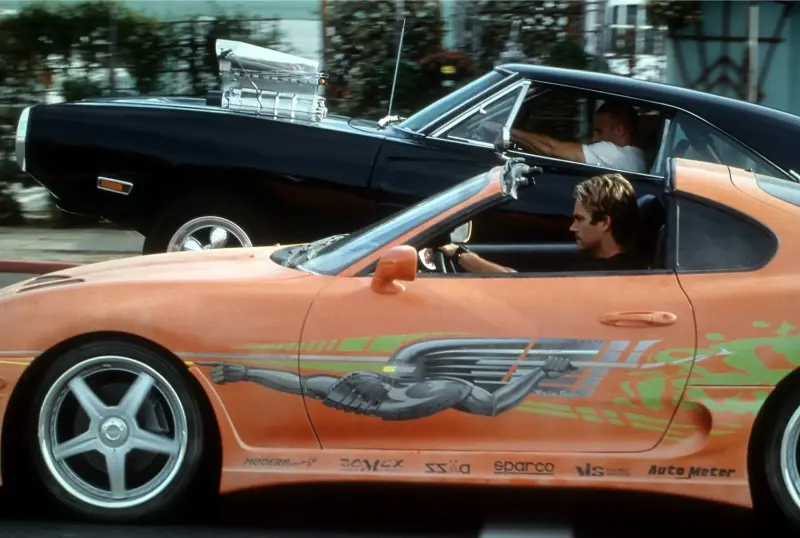
The set pieces often break basic rules. A safe dragged through Rio streets in ‘Fast Five’, a plane-drop of cars in ‘Furious 7’, and a rocket car reaching orbit in ‘F9’ push beyond belief. The ice chase with a submarine in ‘The Fate of the Furious’ adds to it. The cars act like superheroes.
Big stunts are part of the brand, but some jumps and crashes have no real cost. Cars flip, spin, and land without damage that makes sense. Drivers walk away like nothing happened. It kills tension.
Perfect Sense: The Shift From Street Racing to Heists and Spy Jobs
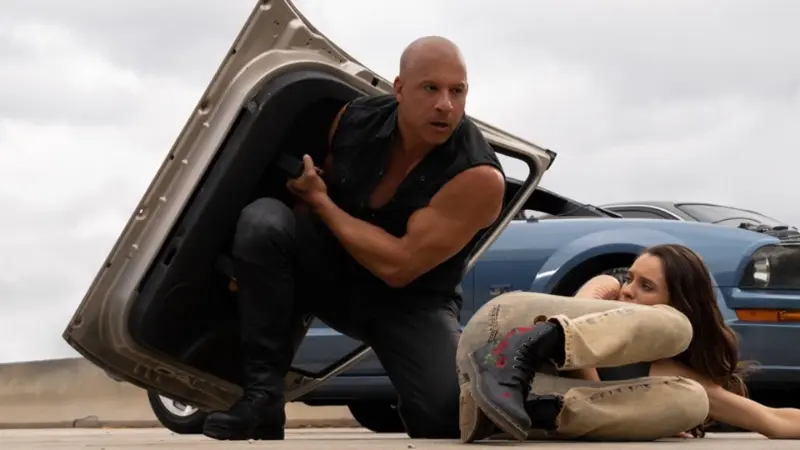
The story moved from local races to global missions. That opened the door to larger threats and new stakes. It kept the series fresh after early films. New settings also brought new cars and gear.
This change grew the audience. Heists in ‘Fast Five’ set the tone for later stories. The team-based approach fit the characters. It gave everyone a role on each job.
Zero Sense: The Han Timeline Tangle

Han dies in ‘Tokyo Drift’ but then appears alive in later entries set before that movie. Then a mid-credits twist ties his crash to a villain. Later, a new reveal explains he faked his death with help. The order is hard to follow.
The shuffle creates confusion about when things happen. It also changes motives across films. Fans had to track many retcons. The timeline loses clarity.
Perfect Sense: Keeping ‘Family’ as the Core Theme
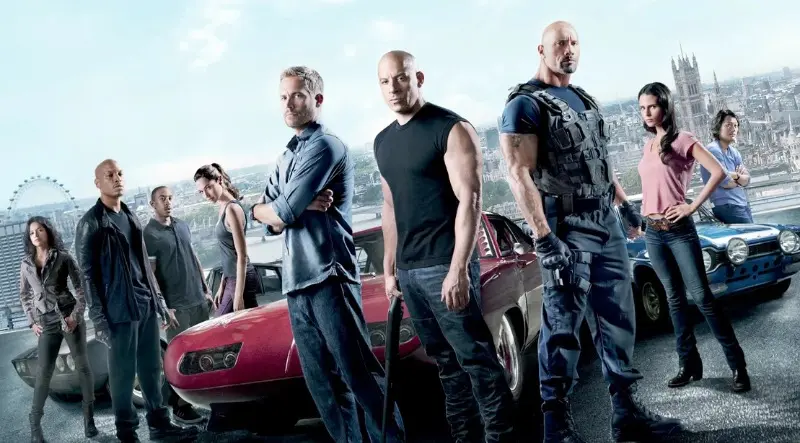
The core idea is simple: chosen family. Dom protects his crew, and the crew protects him. Barbecues, toasts, and promises repeat across films. This gives the story a steady heart.
When plots get bigger, the family theme grounds them. It explains why people take risks and forgive. It also gives emotional payoffs during wins and losses. The audience knows what the characters value.
Zero Sense: Letty’s Amnesia Fix

Letty returns with memory loss, then slowly remembers after more missions. The recovery happens at convenient times. It often shows up when the plot needs a push. The science behind it is thin.
It undercuts earlier stakes around her fate. Big choices are undone by a simple cure. The switch from enemy to ally happens fast. It feels like a shortcut.
Perfect Sense: Building a Global, Diverse Crew
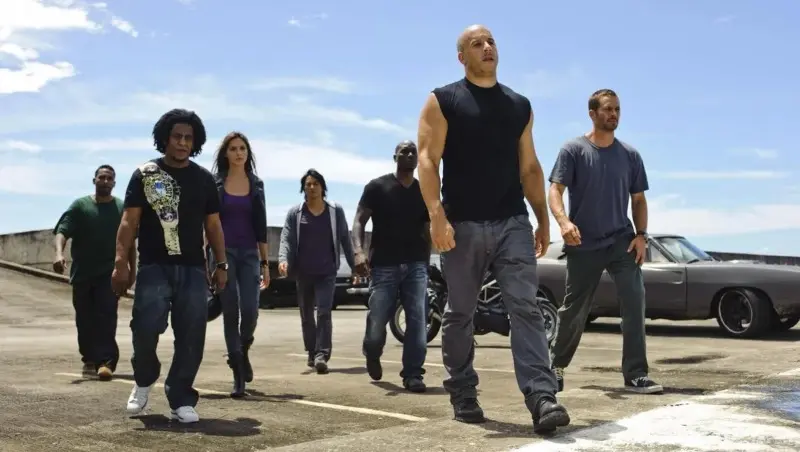
The team includes people from many places and backgrounds. That fits a story set around the world. It also reflects car culture, which is broad and mixed. Viewers can see someone like them on screen.
New members join with specific skills. A driver, a tech, a planner, and a heavy hitter each add value. This makes missions feel like team puzzles. It also keeps group scenes lively.
Zero Sense: Law and Consequences That Disappear
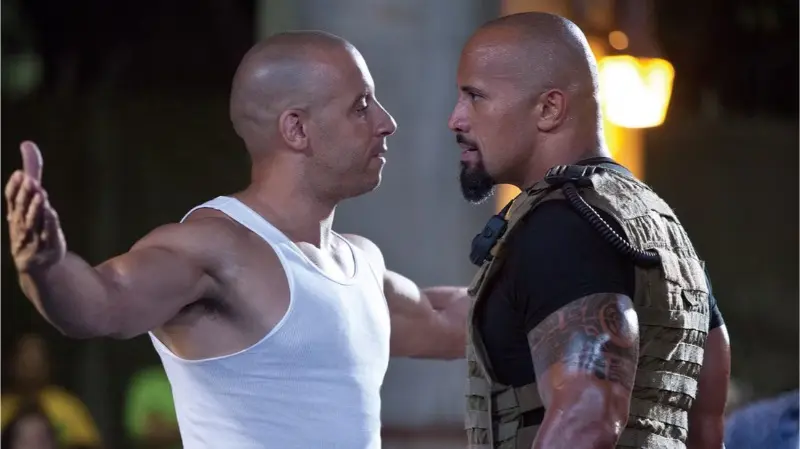
The crew faces huge charges after major crimes. Yet later, records get cleared or ignored. They move freely with help from secret contacts. The legal system bends too easily.
There is little lasting fallout from public chaos. Cities take damage and then the story moves on. It removes real-world weight from the action. That weakens suspense.
Perfect Sense: Using Fan-Favorite Returns to Boost Momentum
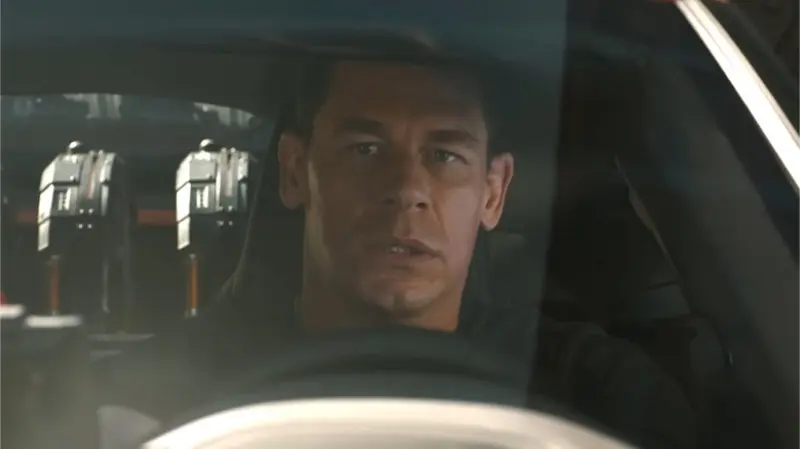
Bringing back popular characters keeps interest high. When a loved character returns, fans care more. It pays off long threads and feeds audience goodwill. It also creates new story paths.
These comebacks help reset energy after cast changes. They fill gaps and spark fresh pairings. The franchise uses this to keep continuity alive. It rewards long-time viewers.
Zero Sense: Villains Become Best Friends Overnight
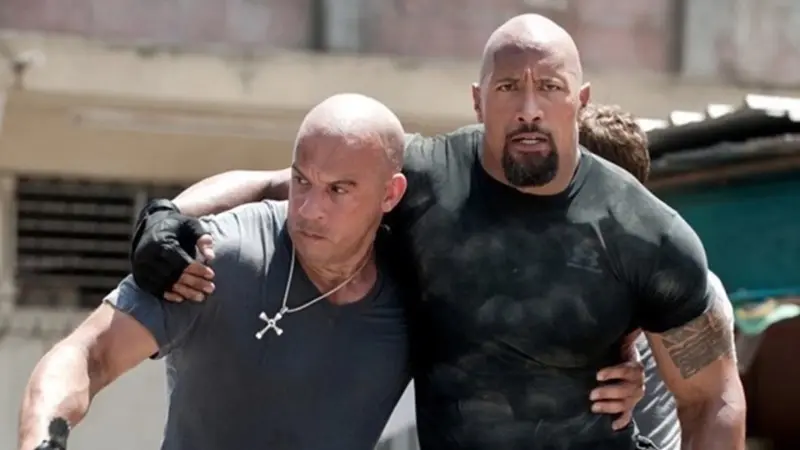
Former enemies join the crew with little pushback. A character who hunted the team is soon at the table. Serious harm gets smoothed over fast. The quick trust feels unearned.
This jump hurts the moral logic. Past acts should be harder to forgive. The change works for jokes and action. It does not work for character history.
Perfect Sense: Big, Crowd-Pleasing Set Pieces as the Brand
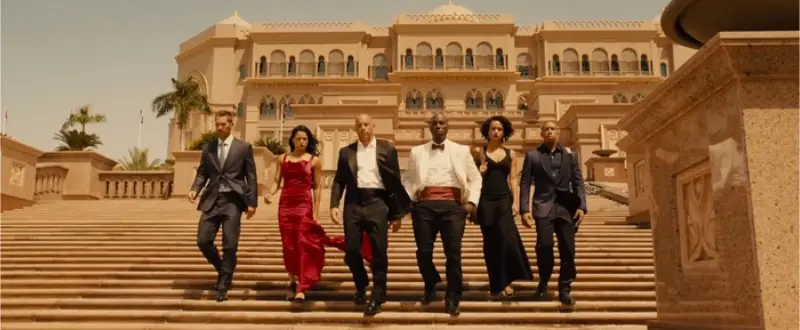
The series sells spectacle. Huge chases, bold heists, and wild escapes are the promise. People buy tickets to see the next big swing. The films deliver that again and again.
Making set pieces the main course is smart. Each movie needs one or two unforgettable moments. That keeps the brand clear and strong. Viewers know what they will get.
Tell us which ‘Fast & the Furious’ moments made sense to you and which didn’t in the comments.