5 Ways ‘The Lion King’ Aged Poorly (And 5 Ways It Aged Masterfully)

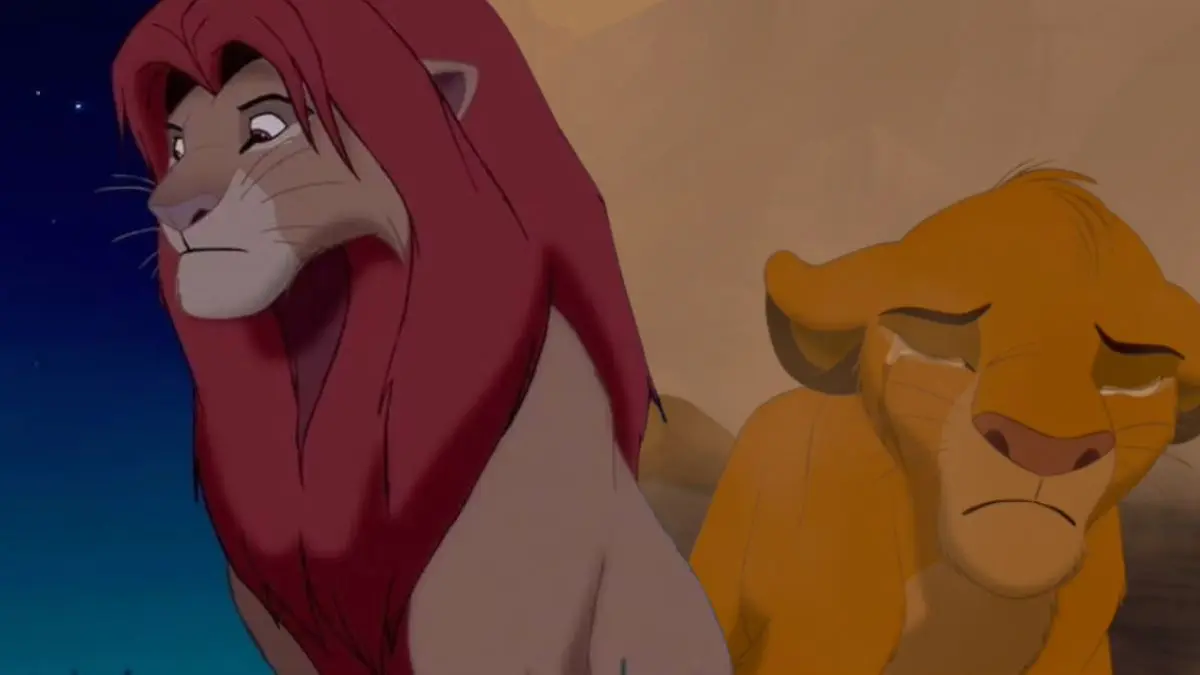

‘The Lion King’ is a landmark. It shaped how many people think about animated films. Its story is simple and strong. Its images and songs still stick in the mind.
Time also changes how we see it. Some parts feel out of step today. Other parts look better than ever. Here are both sides, side by side.
Aged Poorly: Limited roles for the lionesses
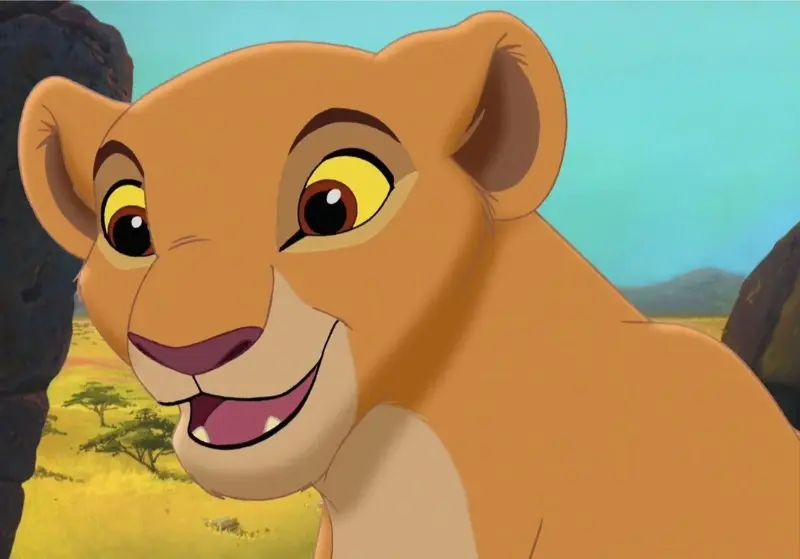
Nala, Sarabi, and the lionesses are brave, but the story gives them little say. Most key choices come from Simba, Mufasa, and Scar. The pride’s power looks real, yet it often sits in the background.
Nala pushes Simba to go home, but her own goals are thin. Sarabi shows strength, yet she stays on the edge of the plot. Today, many viewers expect more agency and more scenes from their point of view.
Aged Masterfully: Hand-drawn beauty and visual storytelling
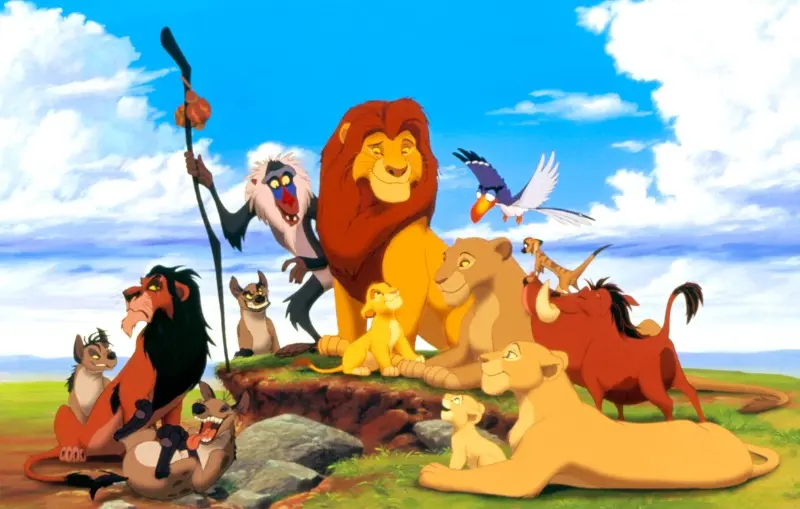
The opening panorama, the color shifts, and the staging are clear and bold. You can read the mood from the sky and the shadows. Every frame makes the world feel alive.
The film uses simple shapes and clean motion. It lets shots breathe. The visual language is easy to follow, even for kids, and still looks rich on a big screen.
Aged Poorly: Accent and class coding in the hyenas
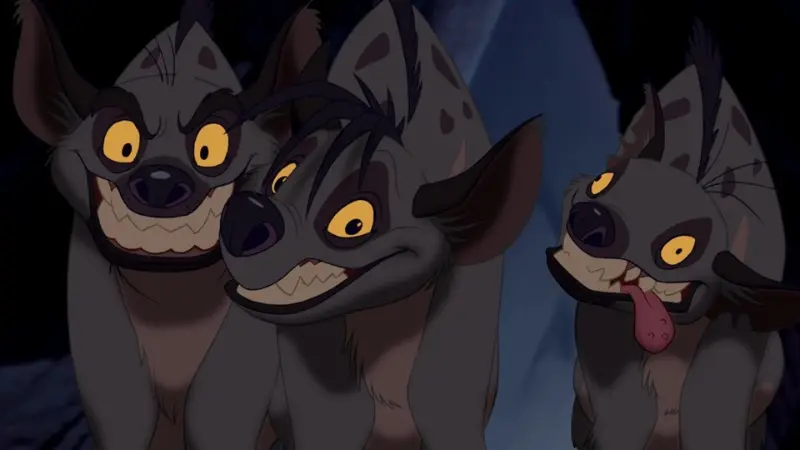
The hyenas are comic and menacing, but their voices and slang mark them as “outsiders.” That coding can read as a joke at the expense of certain groups. It also ties “wrongness” to how a character talks.
This makes the story’s moral lines look neat but shallow. The divide between the royal pride and the scavengers is blunt. Many viewers now spot the class and cultural signals and question the message.
Aged Masterfully: Songs and score that endure
The songs land fast and stay with you. They carry plot and character, not just mood. You can hum them after one listen.
The score gives the story size and heart. It blends with the songs so the film moves as one piece. Big moments feel earned because the music leads you there.
Aged Poorly: The ‘Hakuna Matata’ debate
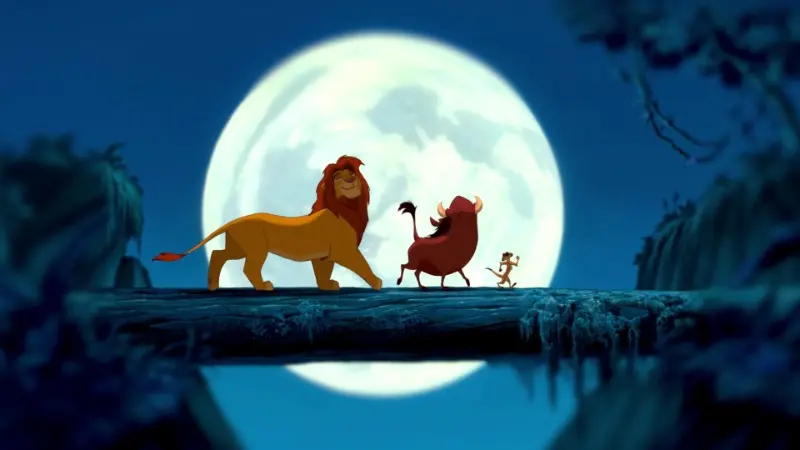
The phrase is joyful and catchy. But its use as a brand sparked criticism over owning words from a living language. Fans and linguists have raised fair questions about power and profit.
The line still works inside the story. Yet outside the film, it shows how a pop hit can blur respect and control. That debate is louder now.
Aged Masterfully: Grief, guilt, and growth told clearly
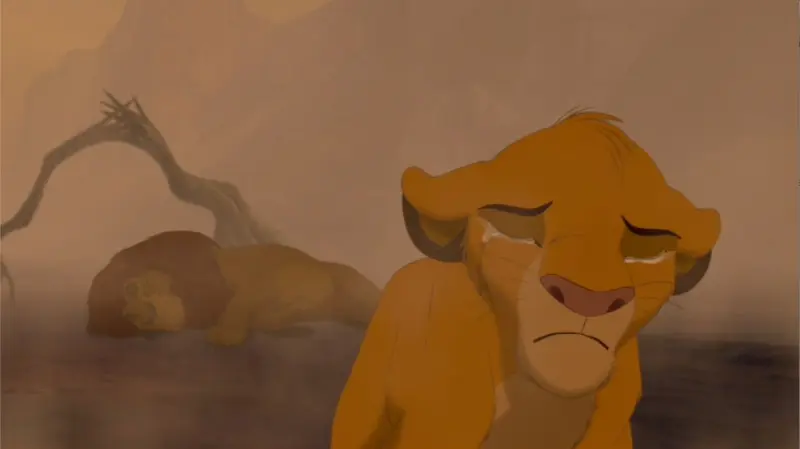
Simba runs from pain, then faces it. The arc is plain and human. Kids grasp it, adults feel it.
The film treats loss with care. It shows how memory guides action. The lesson is not preachy: you can change, but you must choose.
Aged Poorly: The “natural order” and royal destiny
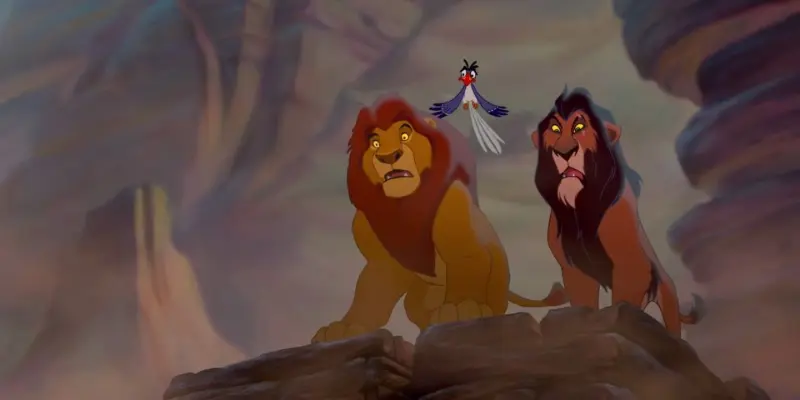
The story links good rule with birthright. Nature “balances” when the right king sits on the rock. That can sound like “power is moral if it is inherited.”
Modern audiences question that idea. They ask about consent, voice, and shared duty. The film does not leave much room for those ideas.
Aged Masterfully: Voice acting and character design
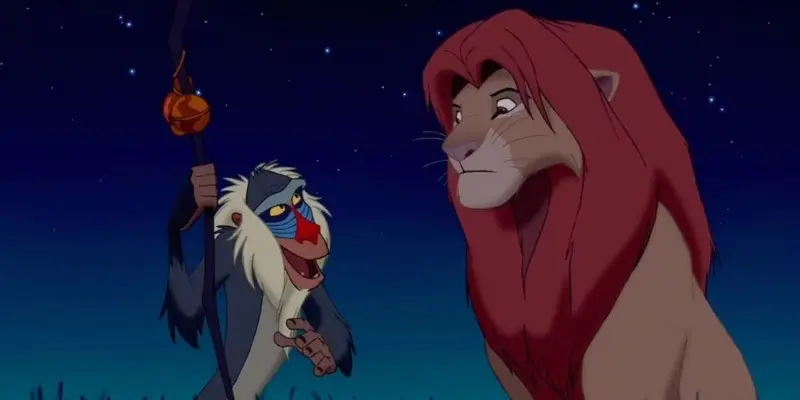
James Earl Jones gives Mufasa weight. Jeremy Irons makes Scar sly and sharp. Timon and Pumbaa bring light without breaking the tone.
The faces and silhouettes are clean and distinct. You know who is speaking even in a wide shot. That clarity helps jokes and drama land every time.
Aged Poorly: Queer-coded villain tropes
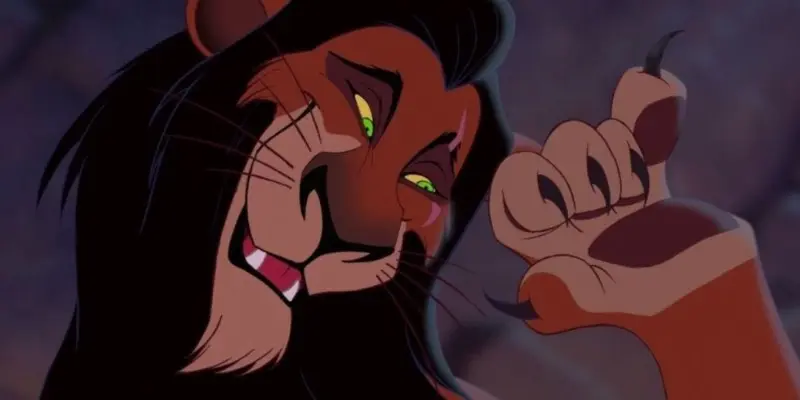
Scar’s style and manner lean on old tropes that link queerness with deceit or weakness. This coding shows up in his posture, voice, and grooming. It is a pattern seen in many past villains.
Viewers now spot this faster and call it out. It narrows what “bad” looks like and who gets to be complex. It also limits how “different” can be shown on screen.
Aged Masterfully: Lasting cultural reach on stage and beyond
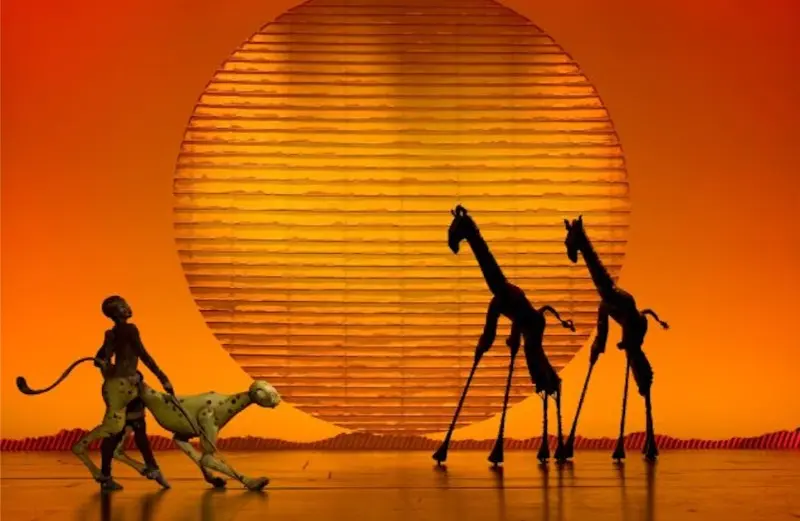
The stage musical turned masks, puppets, and movement into a fresh vision. It brought new artists and audiences to the story. Tours and local shows keep it alive worldwide.
Merch, memes, and family re-watches give it constant new life. Few films connect across ages like this one. The brand stays strong without losing the heart of the tale.
Share your own take: which parts of ‘The Lion King’ hold up for you, and which ones don’t—drop your thoughts in the comments.