The Best-Rated Movies of 1984


The year 1984 was an incredible time for movies, delivering a fantastic mix of blockbuster hits and profound cinematic stories that have stuck with us for decades. It was a year where science fiction took a giant leap forward with groundbreaking special effects, and comedies had everyone in stitches with their wit and charm. Filmmakers were not afraid to take risks, telling stories that were both entertaining and thought-provoking, leaving a lasting impact on popular culture. From epic adventures to heartfelt dramas, the films of this year captured the imagination of audiences around the world and set a high bar for the years to come.
Many of the movies from 1984 have become timeless classics, still celebrated and enjoyed today. It was a year that launched franchises, made actors into superstars, and gave us some of the most quotable lines in movie history. Whether it was the thrill of a supernatural comedy, the intensity of a futuristic thriller, or the emotional journey of a historical drama, there was something for everyone. The sheer variety and quality of the films released in this single year are a testament to the creativity and talent that defined the 80s movie scene, creating a cinematic legacy that continues to influence and inspire.
‘Amadeus’ (1984)
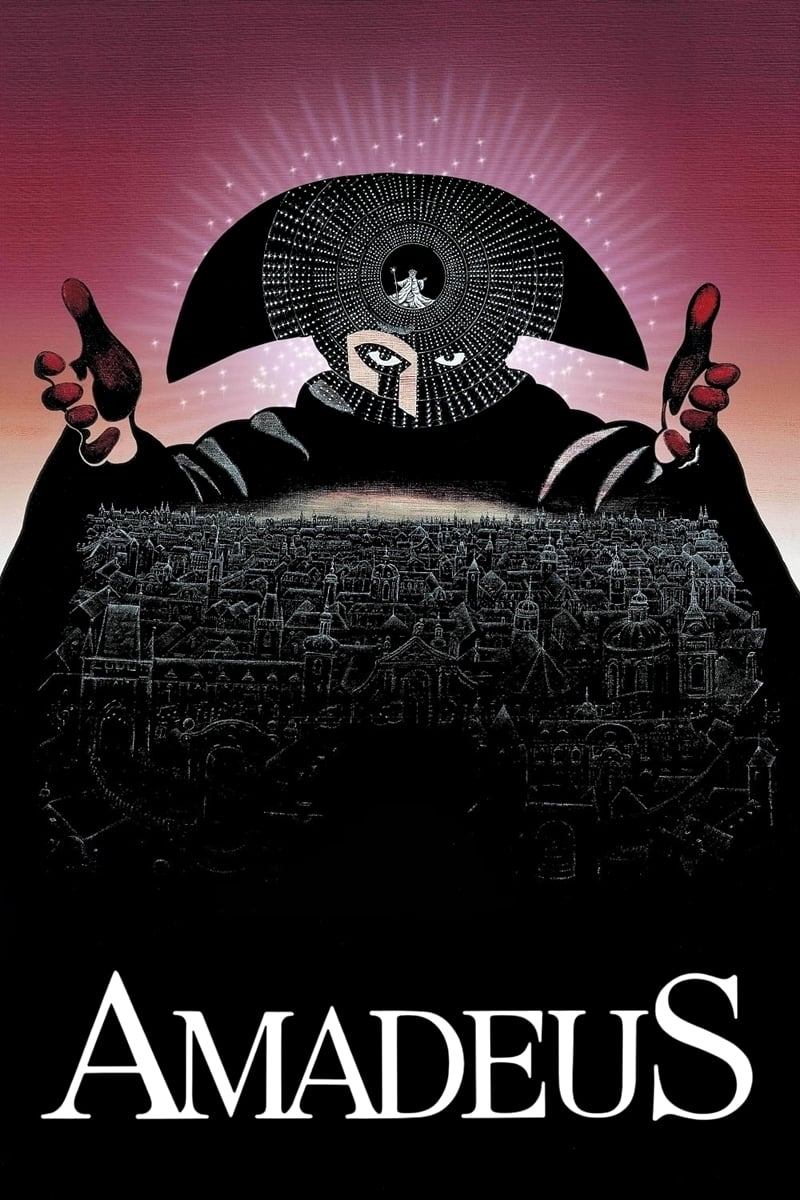
‘Amadeus’ tells the dramatic story of Wolfgang Amadeus Mozart through the eyes of his jealous rival, Antonio Salieri. The film begins with an elderly Salieri in an asylum, confessing to a priest that he was responsible for Mozart’s death. The story then flashes back to their time in Vienna, where Salieri, the court composer for Emperor Joseph II, is stunned by Mozart’s genius but also repulsed by his crude and childish behavior. F. Murray Abraham won an Academy Award for his portrayal of Salieri, and Tom Hulce earned a nomination for his role as the brilliant but boisterous Mozart.
Directed by Milos Forman and based on the stage play by Peter Shaffer, the movie was a critical and commercial success. It won eight Academy Awards, including Best Picture, Best Director, and Best Actor for Abraham. The film is celebrated for its stunning costume design, breathtaking cinematography, and its incredible use of Mozart’s music, which serves as the powerful soundtrack to the story of obsession and genius.
‘Once Upon a Time in America’ (1984)
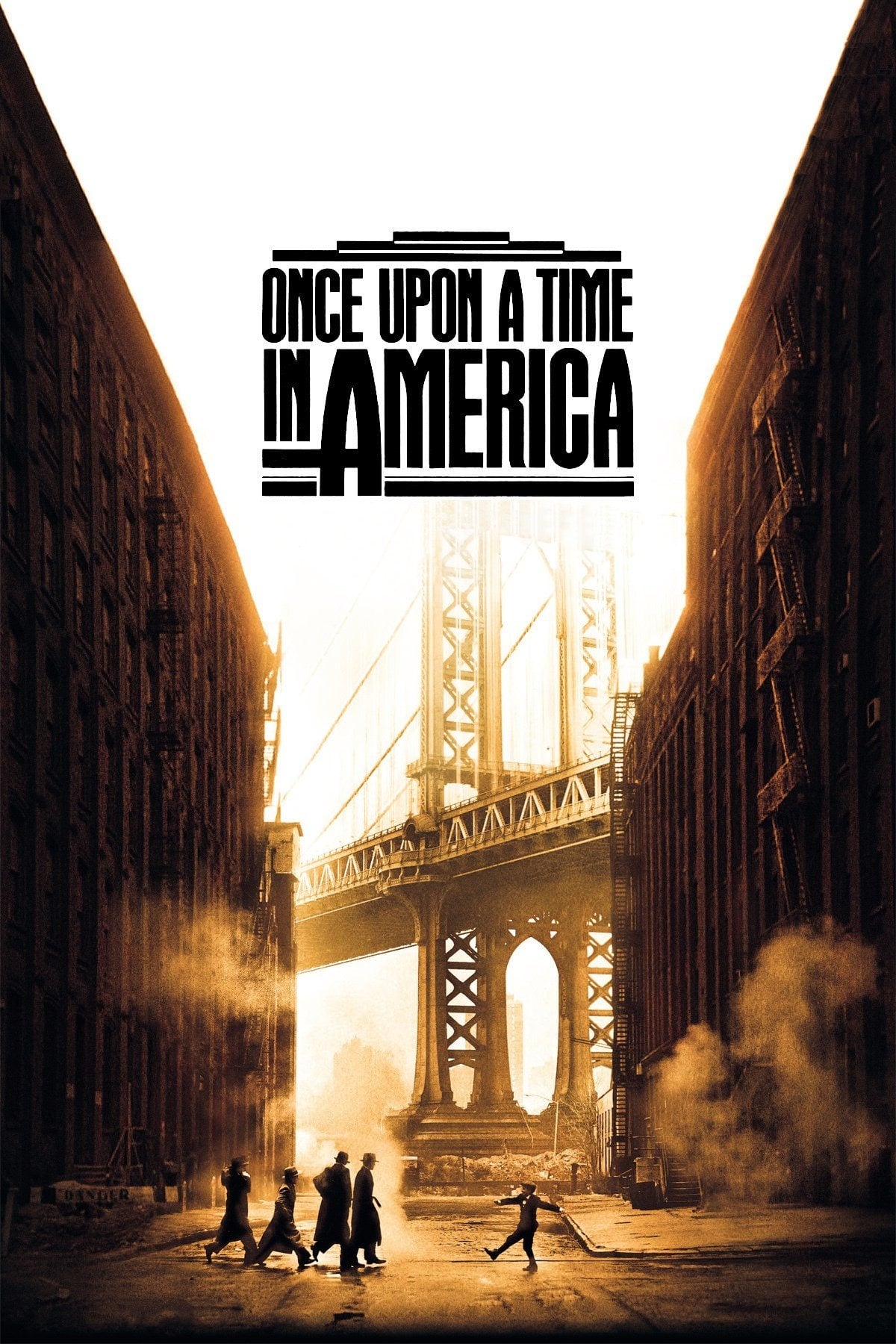
‘Once Upon a Time in America’ is a sprawling epic that chronicles the lives of a group of Jewish friends from a New York City ghetto over several decades. The film, directed by Sergio Leone, follows David “Noodles” Aaronson and his friends from their childhood days of petty crime in the 1920s to their rise as powerful gangsters during Prohibition. The narrative is presented in a non-linear fashion, shifting between different time periods of Noodles’ life. The cast features Robert De Niro as Noodles and James Woods as his ambitious best friend, Max.
This was the final film directed by the legendary Sergio Leone, and it is known for its complex, multi-layered story and its lengthy runtime. The movie explores themes of friendship, betrayal, memory, and the passage of time. The powerful score was composed by Ennio Morricone, a frequent collaborator with Leone, whose music adds to the film’s poignant and nostalgic atmosphere.
‘Paris, Texas’ (1984)
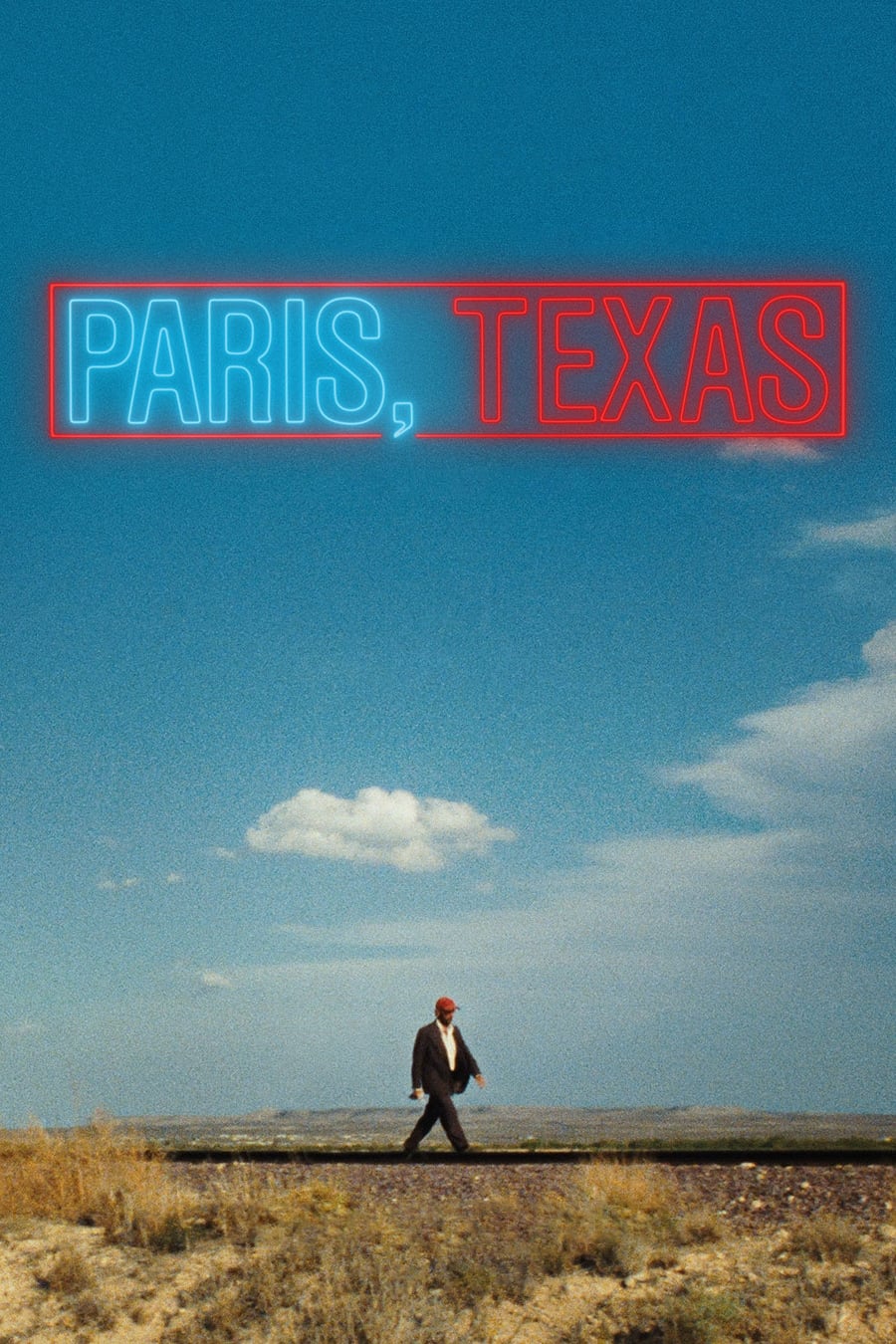
‘Paris, Texas’ is a deeply moving road movie directed by Wim Wenders. It follows the journey of a man named Travis, played by Harry Dean Stanton, who wanders out of the desert after being missing for four years. He is picked up by his brother, Walt, and slowly begins to reconnect with the world and his past. Travis eventually sets out on a quest to find his estranged wife, Jane, portrayed by Nastassja Kinski, and reunite her with their young son.
The film won the prestigious Palme d’Or at the Cannes Film Festival and was praised for its stunning cinematography by Robby Müller, which beautifully captures the vast landscapes of the American Southwest. The screenplay was written by Sam Shepard, and the film features a memorable slide-guitar score by Ry Cooder. It’s a quiet, meditative film that explores themes of loss, redemption, and the difficulty of human connection.
‘Nausicaä of the Valley of the Wind’ (1984)
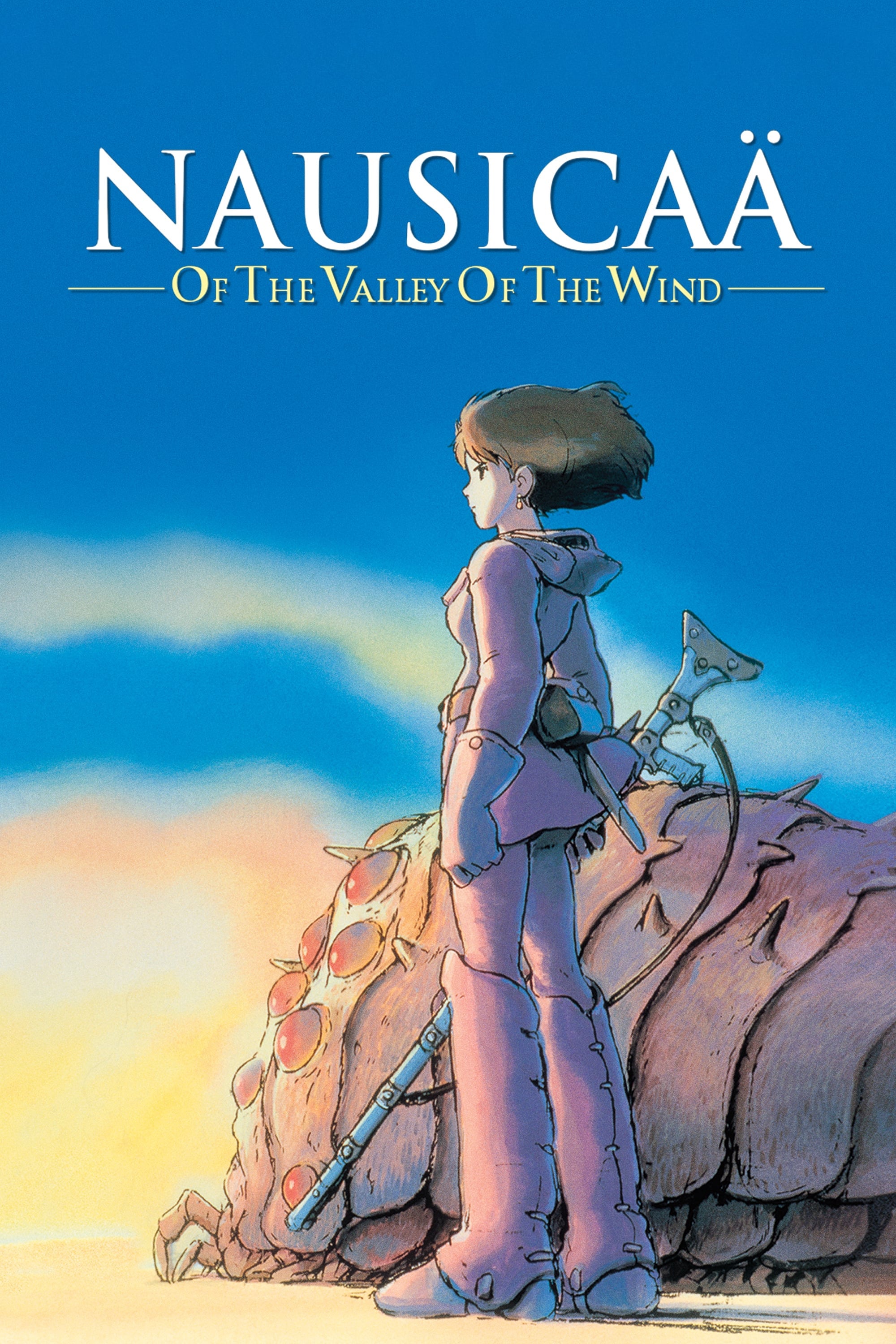
‘Nausicaä of the Valley of the Wind’ is an animated post-apocalyptic fantasy film written and directed by the acclaimed Hayao Miyazaki. The story is set a thousand years after a global war has devastated civilization and created a vast toxic jungle teeming with giant mutant insects. The film’s heroine, Nausicaä, is the princess of the Valley of the Wind, a peaceful kingdom that lives on the edge of the jungle. She is a compassionate and skilled pilot who seeks to understand the jungle and find a way for humanity to coexist with it.
Though it was released before the official founding of Studio Ghibli, the film is often considered the first feature from the celebrated animation studio. It deals with complex themes such as pacifism, environmentalism, and humanity’s relationship with nature. The film was praised for its beautiful animation, imaginative world-building, and its compelling and courageous female protagonist.
‘The Terminator’ (1984)
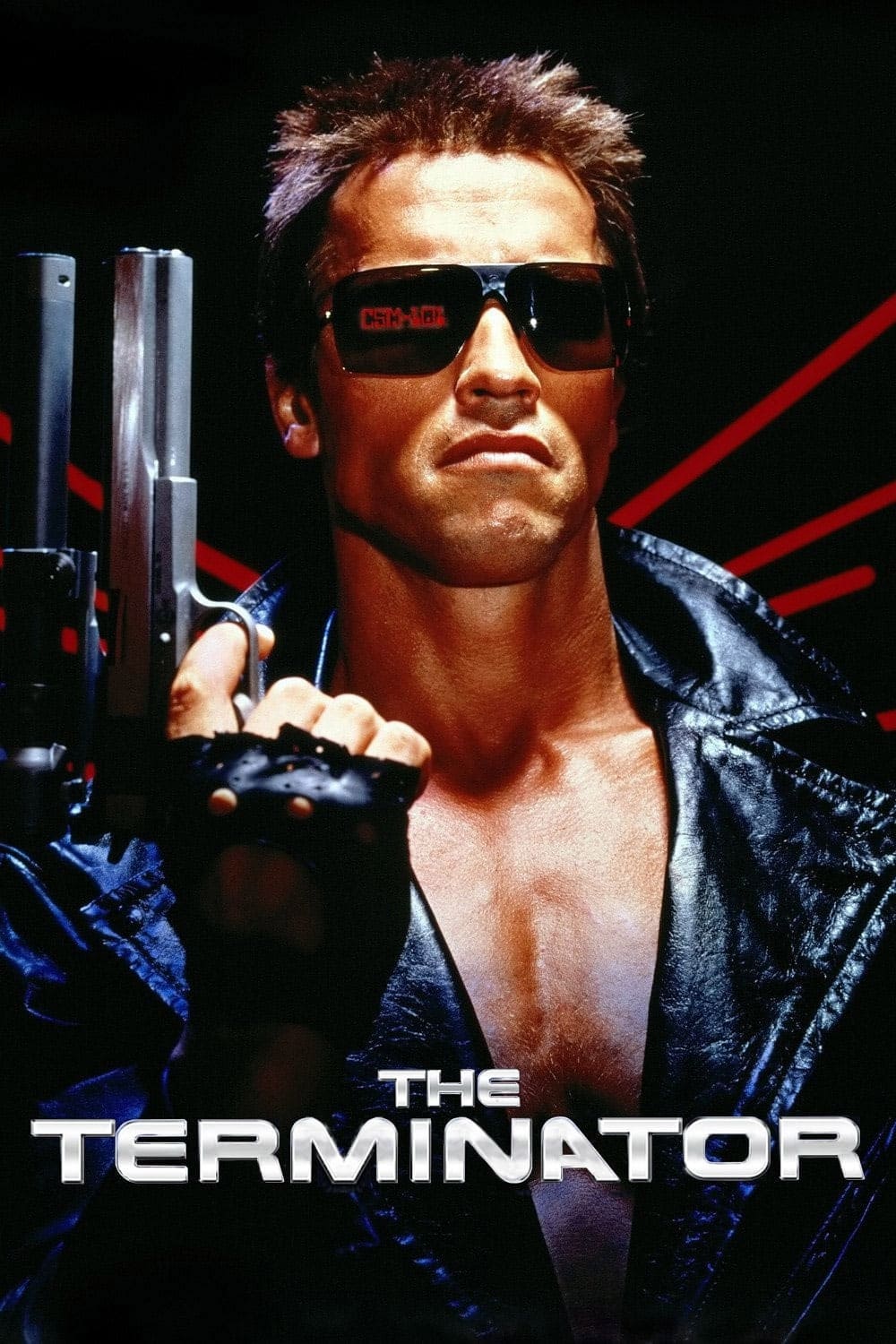
‘The Terminator’ is a relentless science fiction thriller directed by James Cameron that became a cultural phenomenon. Arnold Schwarzenegger stars as the title character, a cyborg assassin sent back in time from 2029 to 1984 to kill Sarah Connor, played by Linda Hamilton. Sarah’s unborn son is destined to lead humanity in a future war against the machines. A human soldier from the future, Kyle Reese, portrayed by Michael Biehn, is also sent back to protect her.
The film’s combination of intense action, a compelling story, and groundbreaking special effects made it a massive success. It launched James Cameron’s career as a major filmmaker and solidified Arnold Schwarzenegger’s status as an action superstar. The movie’s dark, gritty tone and its themes of fate and technology created a franchise that continues to captivate audiences.
‘This Is Spinal Tap’ (1984)
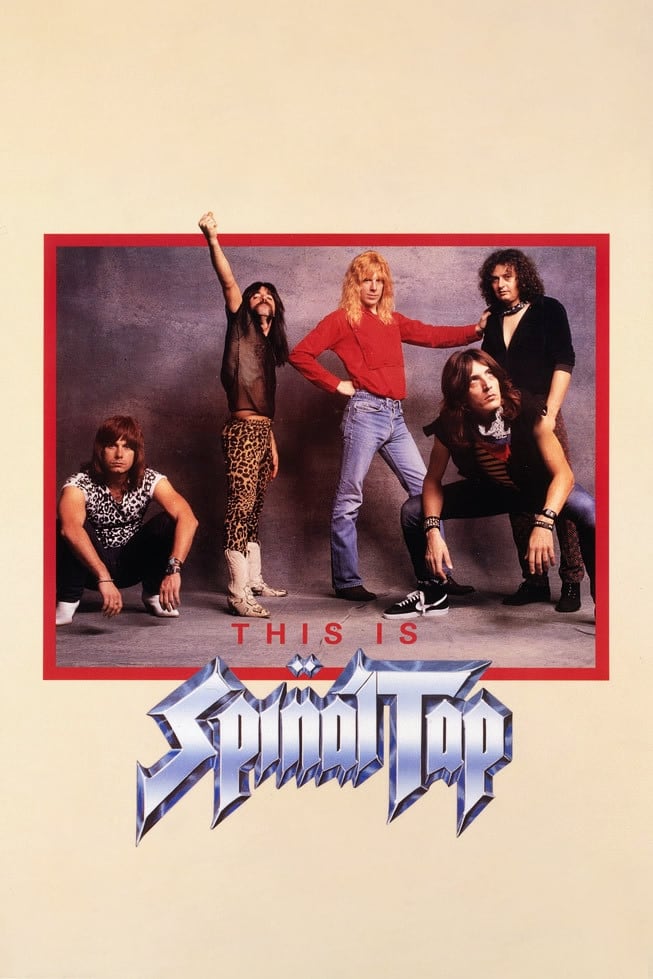
‘This Is Spinal Tap’ is a pioneering mockumentary that satirizes the world of rock and roll. Directed by Rob Reiner, the film follows the fictional British heavy metal band Spinal Tap on their disastrous American tour. The band members, played by Michael McKean, Christopher Guest, and Harry Shearer, are portrayed with hilarious deadpan humor as they deal with everything from tiny Stonehenge props to exploding drummers. Rob Reiner also appears in the film as the documentarian Marty Di Bergi.
The movie is largely improvised and is famous for its endlessly quotable lines and iconic comedic scenes, like the amplifier that “goes to eleven.” It perfectly captured the excesses and absurdities of rock stardom with such accuracy that many viewers initially believed Spinal Tap was a real band. The film has since become a cult classic and is considered one of the greatest comedy films ever made.
‘The Killing Fields’ (1984)
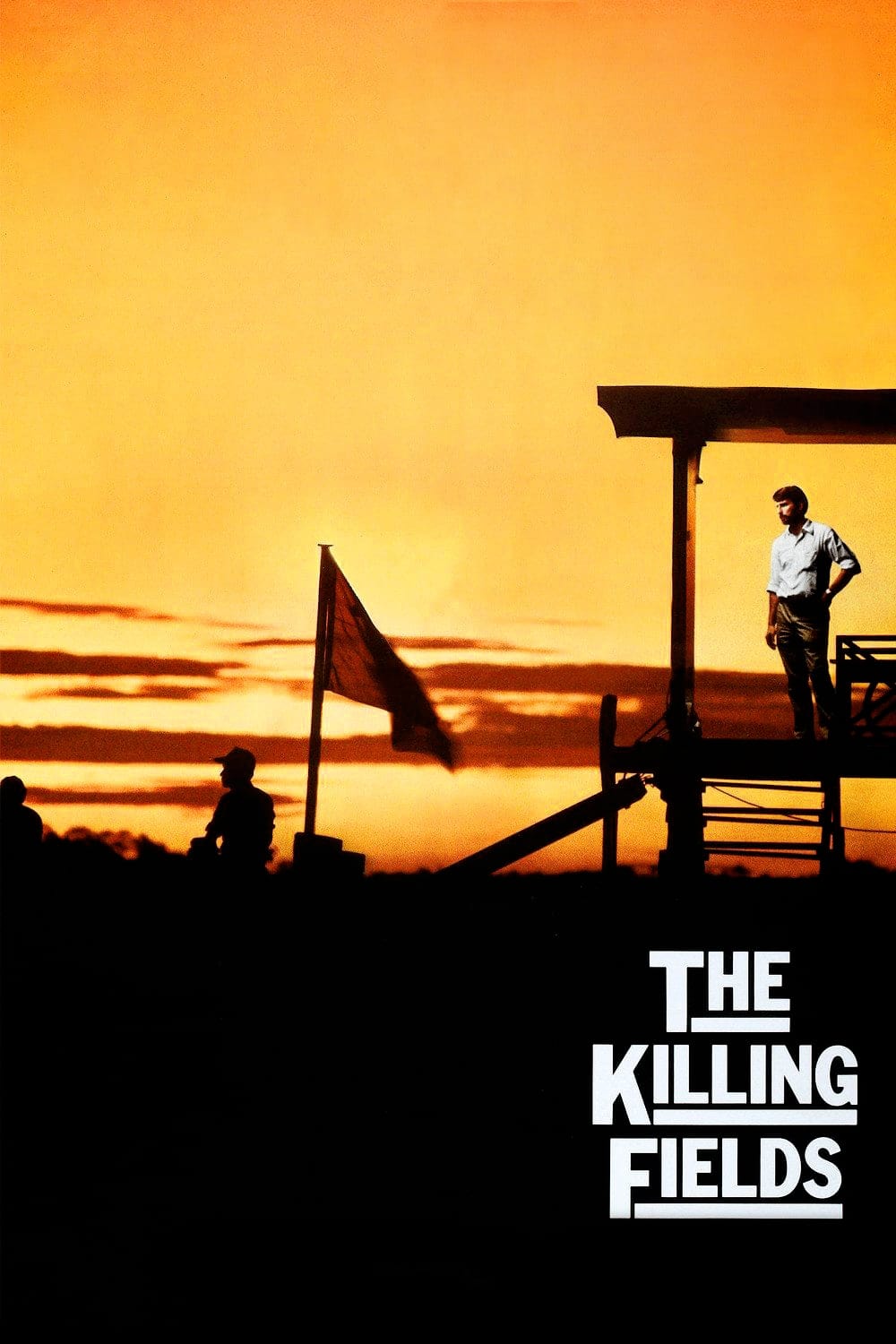
‘The Killing Fields’ is a powerful and harrowing biographical drama directed by Roland Joffé. The film is based on the real-life experiences of two journalists, Cambodian Dith Pran and American Sydney Schanberg, during the Khmer Rouge’s brutal regime in Cambodia in the 1970s. Sam Waterston plays Schanberg, a New York Times correspondent, and Dr. Haing S. Ngor, a survivor of the Cambodian genocide, gives an Oscar-winning performance as Pran.
The movie vividly depicts the horrors of the civil war and the subsequent genocide, as Pran is separated from his friend and forced to endure the brutal labor camps. It’s a story of survival, friendship, and the profound impact of war. The film won three Academy Awards, including Best Supporting Actor for Ngor, who had no prior acting experience, and was also praised for its stunning cinematography and powerful musical score by Mike Oldfield.
‘Ghostbusters’ (1984)
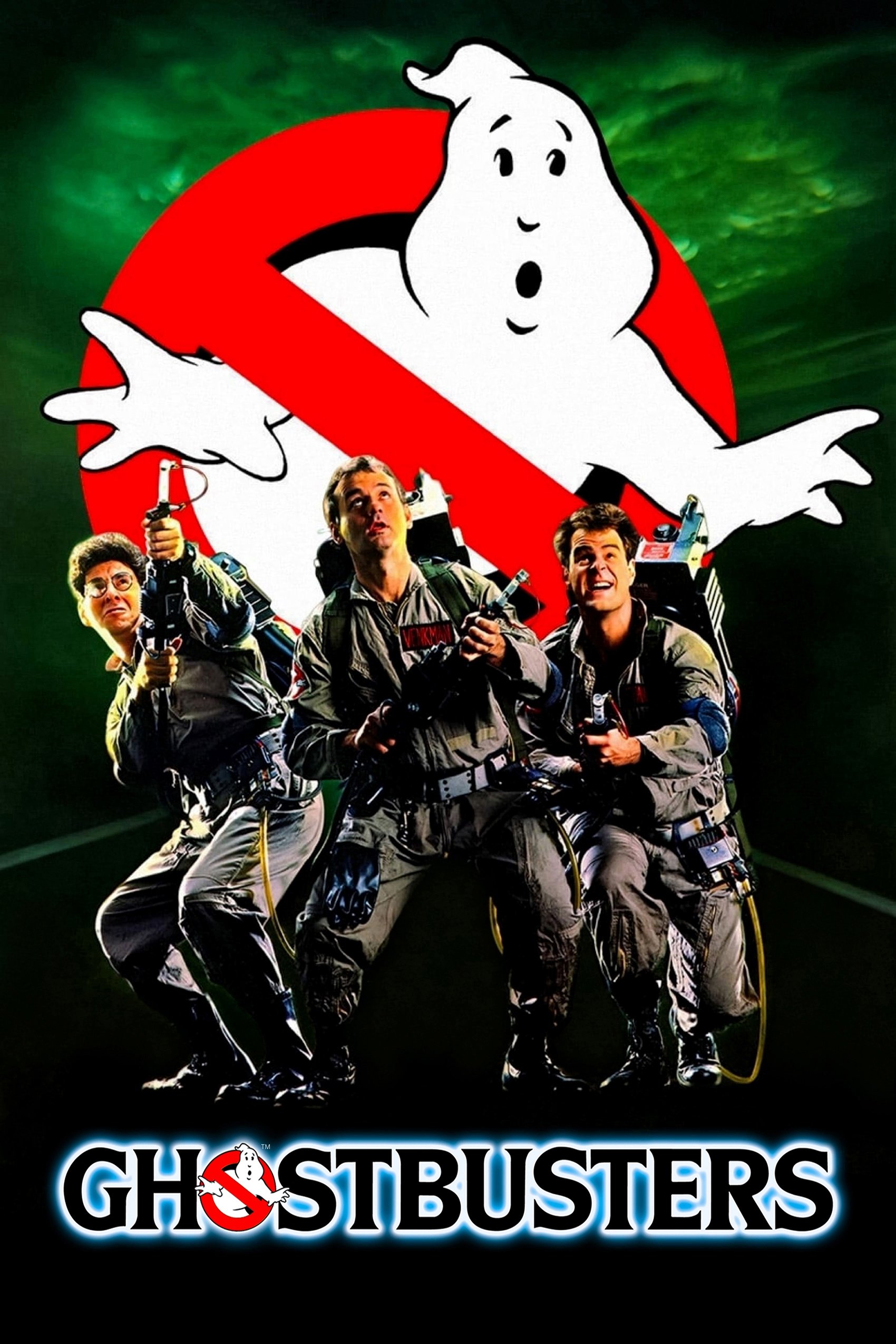
‘Ghostbusters’ is a supernatural comedy that became a massive cultural touchstone of the 1980s. Directed by Ivan Reitman, the film follows three eccentric parapsychologists, played by Bill Murray, Dan Aykroyd, and Harold Ramis, who start a ghost-catching business in New York City. Along with their fourth recruit, played by Ernie Hudson, they must save the city from a supernatural apocalypse. The film also stars Sigourney Weaver as a client who becomes possessed and Rick Moranis as her nerdy neighbor.
The movie was a huge box office success, praised for its perfect blend of comedy, action, and special effects. The witty script, co-written by Aykroyd and Ramis, and the charismatic performances of the cast made it an instant classic. The film’s theme song by Ray Parker Jr. also became a number-one hit, and the movie’s logo is one of the most recognizable in film history.
‘A Nightmare on Elm Street’ (1984)
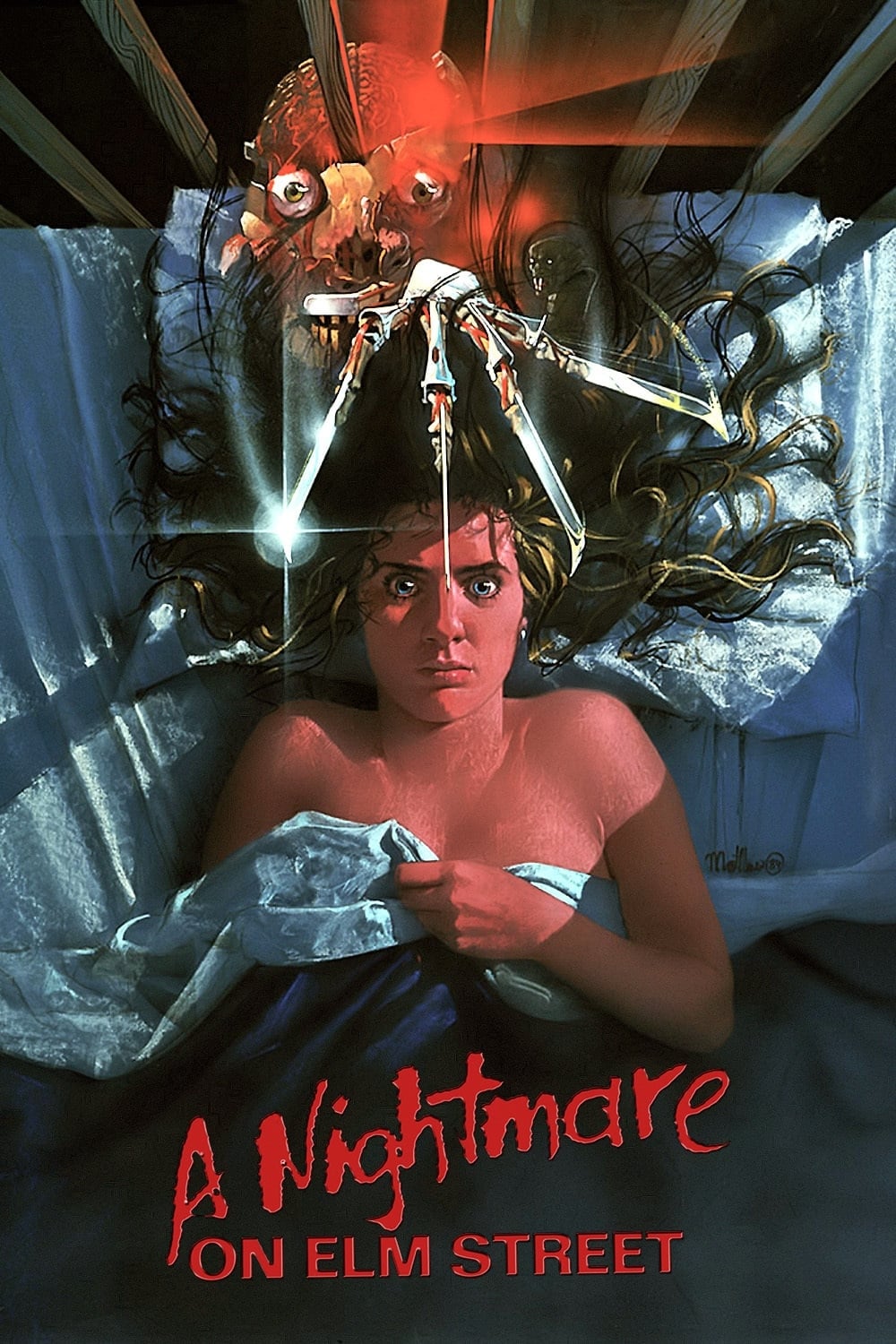
‘A Nightmare on Elm Street’ is an inventive and terrifying horror film written and directed by Wes Craven. The movie introduced the world to one of the most iconic horror villains of all time, Freddy Krueger, a vengeful spirit of a child murderer who attacks teenagers in their dreams. Robert Englund plays the disfigured, razor-gloved killer, while Heather Langenkamp stars as Nancy Thompson, the resourceful teenager who decides to fight back.
Craven’s film blurred the lines between dreams and reality, creating a surreal and frightening experience for audiences. It was a commercial success that revitalized the slasher genre and spawned a long-running franchise. The film is also notable for featuring the feature film debut of Johnny Depp, who plays Nancy’s boyfriend.
‘Blood Simple’ (1984)
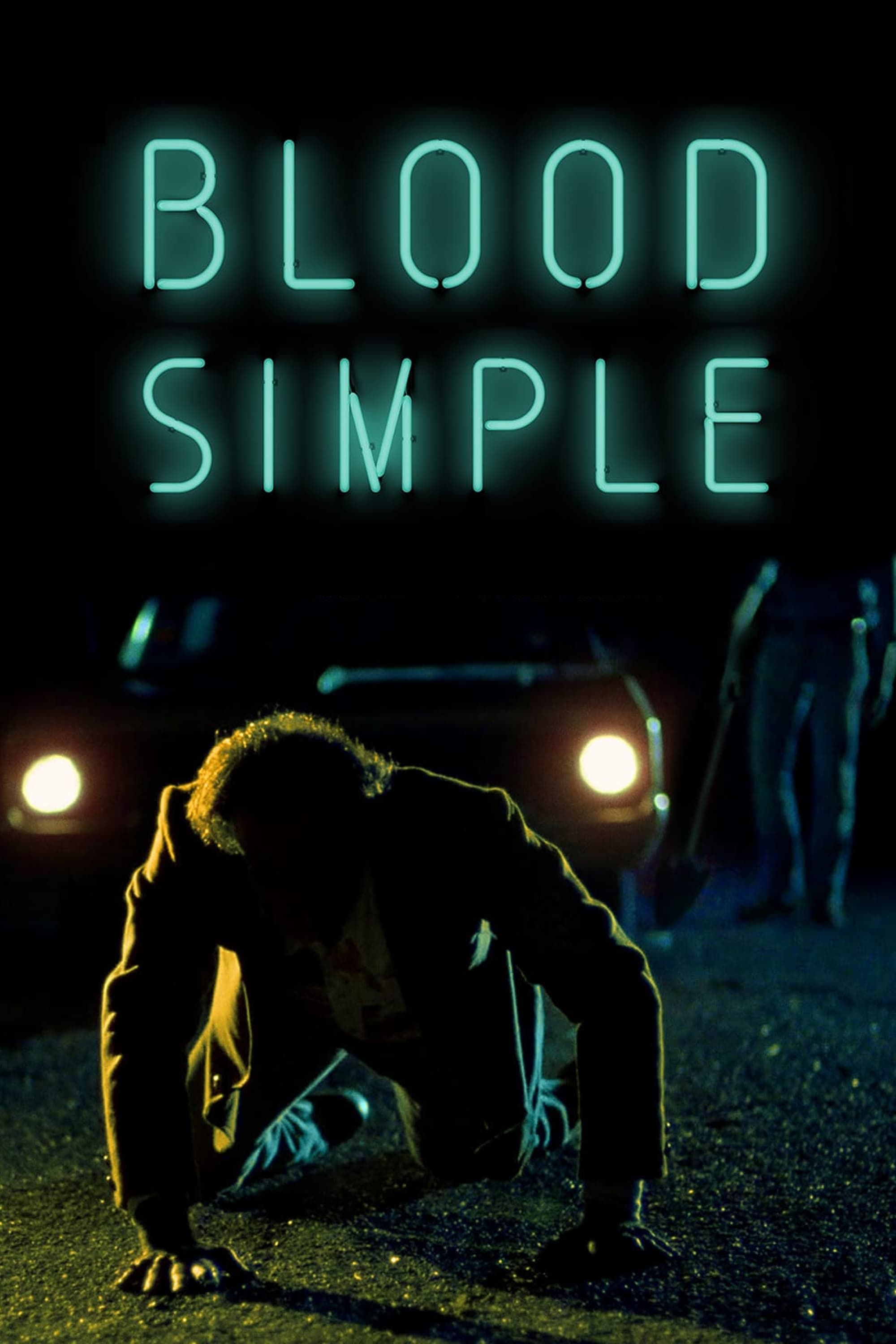
‘Blood Simple’ is a stylish and dark neo-noir thriller that marked the directorial debut of Joel and Ethan Coen. The film tells the story of a jealous bar owner in Texas who hires a shady private detective to kill his wife and her lover. However, the plan goes horribly wrong, leading to a complex web of deceit, double-crosses, and murder. The cast includes John Getz, Frances McDormand in her first film role, and M. Emmet Walsh as the menacing private investigator.
The film was highly praised for its clever script, tense atmosphere, and innovative cinematography. The Coen Brothers’ distinctive visual style and dark sense of humor were already on full display in their first feature. ‘Blood Simple’ was an independent film that gained critical acclaim and helped launch the celebrated careers of its directors and its leading actress.
‘Indiana Jones and the Temple of Doom’ (1984)
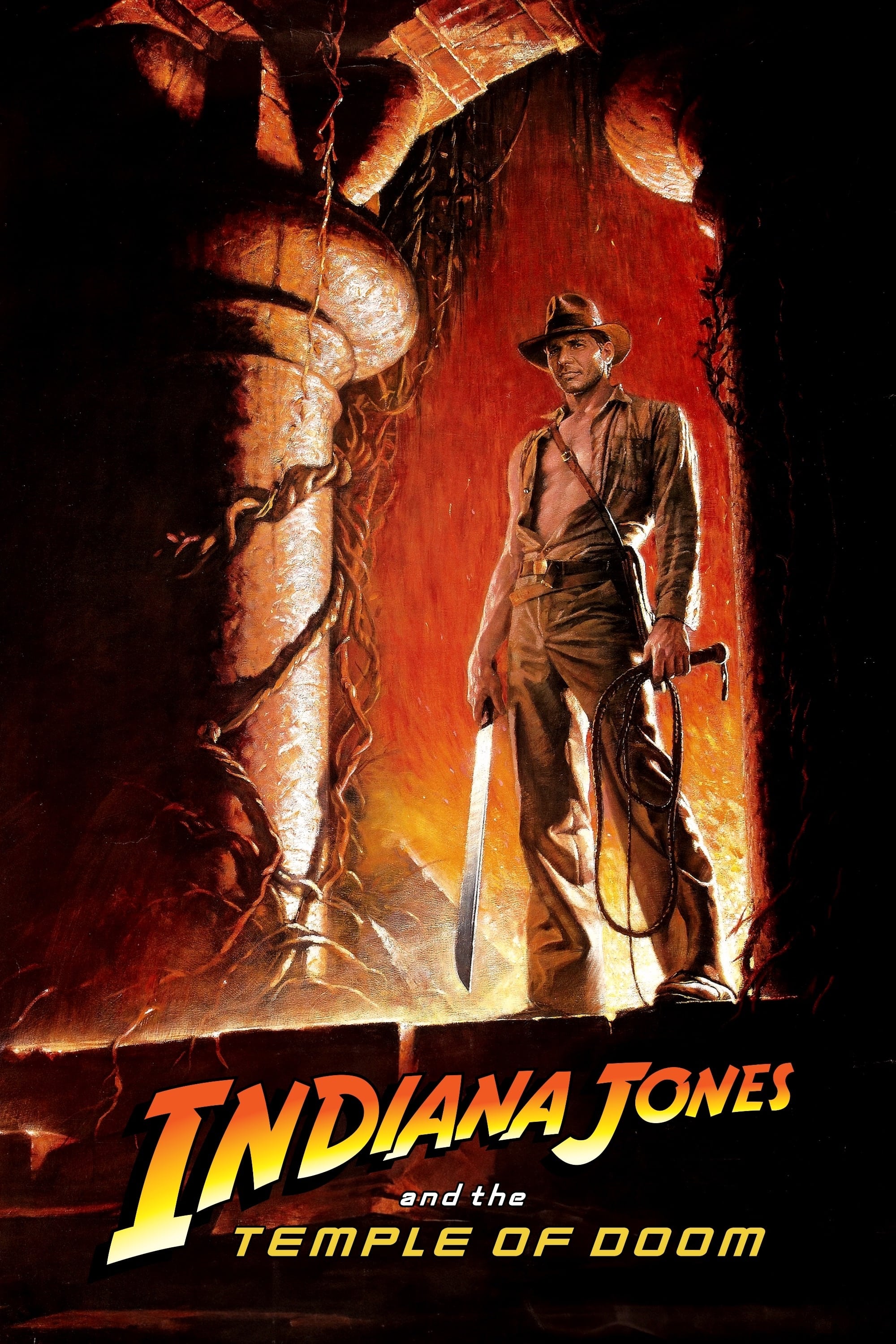
‘Indiana Jones and the Temple of Doom’ is a thrilling action-adventure film directed by Steven Spielberg. Serving as a prequel to ‘Raiders of the Lost Ark’, the story finds archaeologist Indiana Jones, played once again by Harrison Ford, in India. Along with his young sidekick Short Round and a nightclub singer named Willie Scott, Indy uncovers a sinister cult that has enslaved children in a remote palace.
The movie is known for its darker tone and more intense action sequences compared to its predecessor, which led to the creation of the PG-13 rating. Despite some controversy over its depiction of Indian culture, the film was a major box office success. It features spectacular set pieces, including a memorable mine cart chase, and continues the thrilling adventures that made the character an icon.
‘Beverly Hills Cop’ (1984)

‘Beverly Hills Cop’ is an action-comedy that cemented Eddie Murphy’s status as a major movie star. Murphy plays Axel Foley, a smart-mouthed and reckless Detroit detective who travels to Beverly Hills to investigate the murder of his best friend. His street-smart, rule-breaking style clashes hilariously with the by-the-book procedures of the Beverly Hills Police Department. Judge Reinhold and John Ashton co-star as the two detectives assigned to keep an eye on him.
Directed by Martin Brest, the film was a massive commercial success and the highest-grossing film of the year in the United States. It perfectly blended action and comedy, driven by Eddie Murphy’s charismatic and energetic performance. The film’s synth-pop soundtrack, particularly the instrumental theme “Axel F” by Harold Faltermeyer, also became incredibly popular.
‘Gremlins’ (1984)
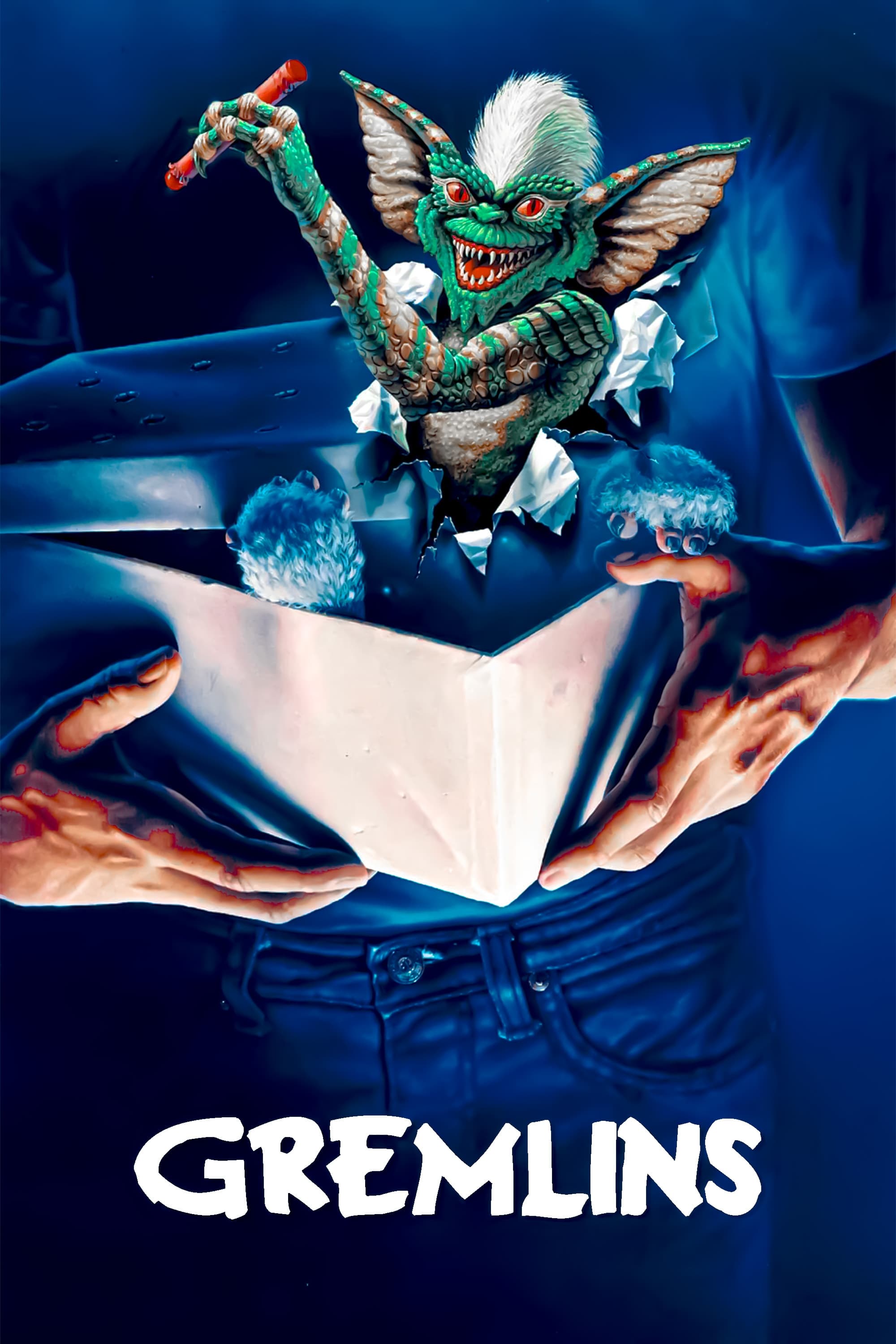
‘Gremlins’ is a unique and beloved horror-comedy directed by Joe Dante and produced by Steven Spielberg. The story follows a young man named Billy who receives a strange and adorable creature called a Mogwai as a Christmas present. He is given three important rules for its care, but when he accidentally breaks them, the cute pet spawns a horde of mischievous and destructive little monsters that wreak havoc on his small town.
The film is known for its clever mix of dark humor, creature feature horror, and Christmas movie charm. It was a box office hit but also generated some controversy for its level of violence in a PG-rated film, contributing to the creation of the PG-13 rating. The movie became a pop culture staple, praised for its inventive story and the memorable creature designs by Chris Walas.
‘The Karate Kid’ (1984)
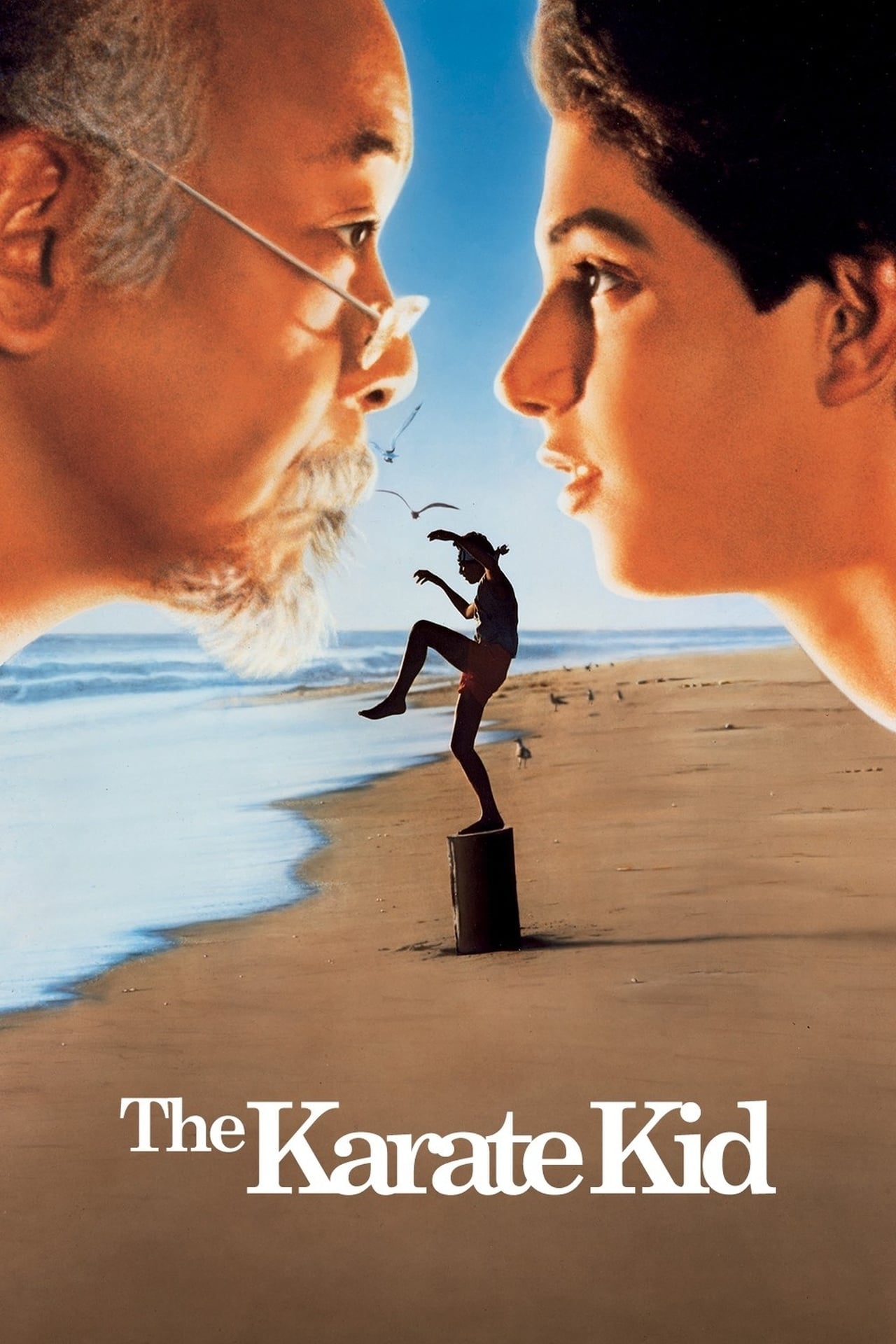
‘The Karate Kid’ is an inspiring and beloved martial arts drama directed by John G. Avildsen, who also directed ‘Rocky’. The film tells the story of Daniel LaRusso, a teenager who moves to a new town and is targeted by a group of bullies who study at the aggressive Cobra Kai dojo. Daniel finds an unlikely mentor in his apartment’s handyman, Mr. Miyagi, who teaches him the true meaning of karate through unconventional training methods. Ralph Macchio stars as Daniel, and Pat Morita earned an Oscar nomination for his iconic role as Mr. Miyagi.
The movie was a huge commercial and critical success, praised for its heartfelt story, memorable characters, and exciting tournament finale. It became a cultural phenomenon, popularizing martial arts and inspiring a generation with its underdog story and messages of perseverance and balance. The film’s success led to several sequels and a popular modern-day television series.
‘A Passage to India’ (1984)
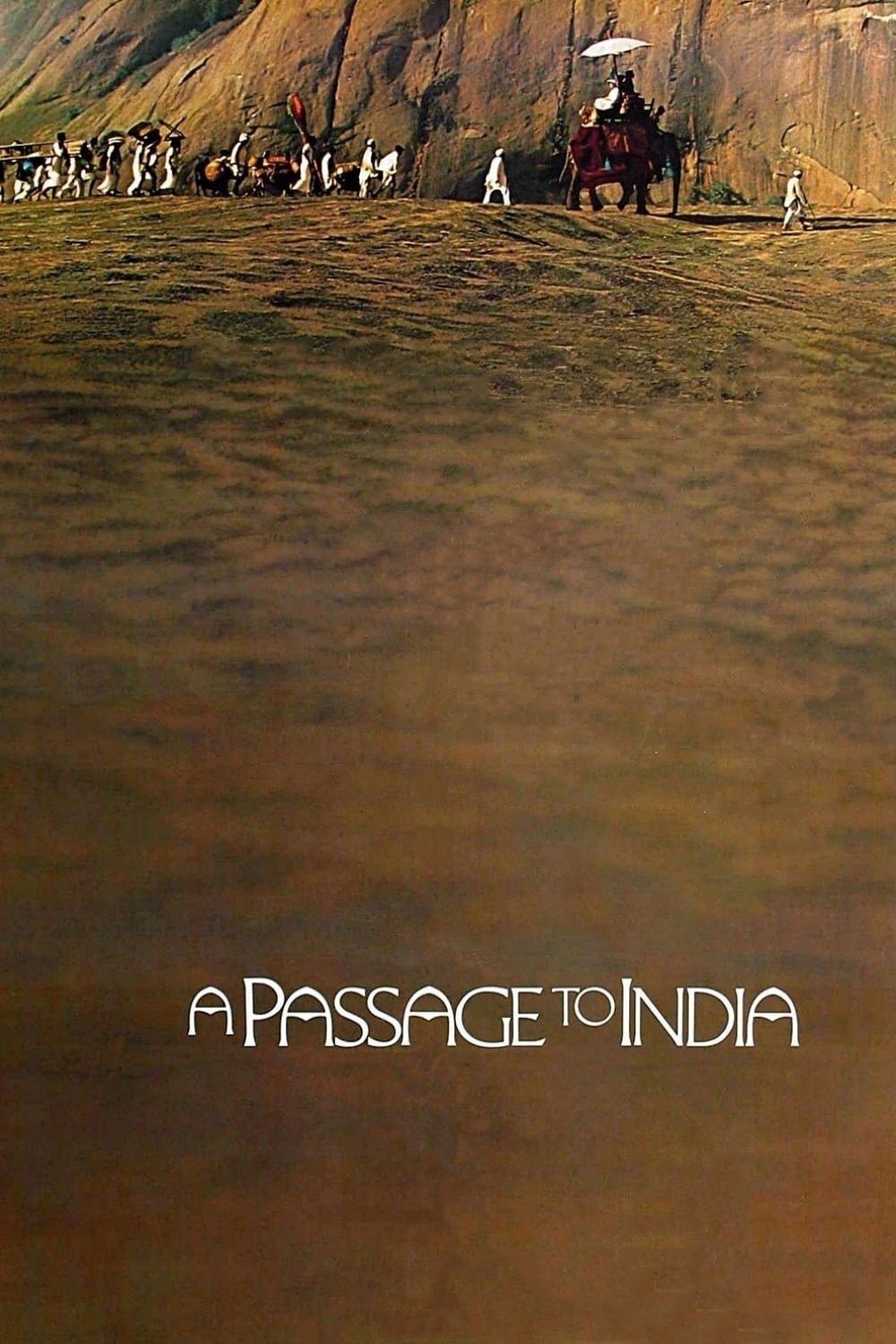
‘A Passage to India’ is a critically acclaimed historical drama directed by the legendary David Lean, in what would be his final film. Based on the novel by E.M. Forster, the story is set in 1920s British-ruled India and explores the cultural tensions between the English and the local population. The plot centers on a young Englishwoman who accuses an Indian doctor of assault after a trip to the Marabar Caves, leading to a highly charged trial that exposes the deep-seated prejudices of the colonial society.
The film features a distinguished cast, including Judy Davis, Victor Banerjee, and Peggy Ashcroft, who won the Academy Award for Best Supporting Actress for her performance. The movie was praised for its beautiful cinematography, which captures the stunning landscapes of India, and for Lean’s masterful direction. It received numerous accolades and is considered a powerful examination of colonialism and cultural misunderstanding.
‘Starman’ (1984)
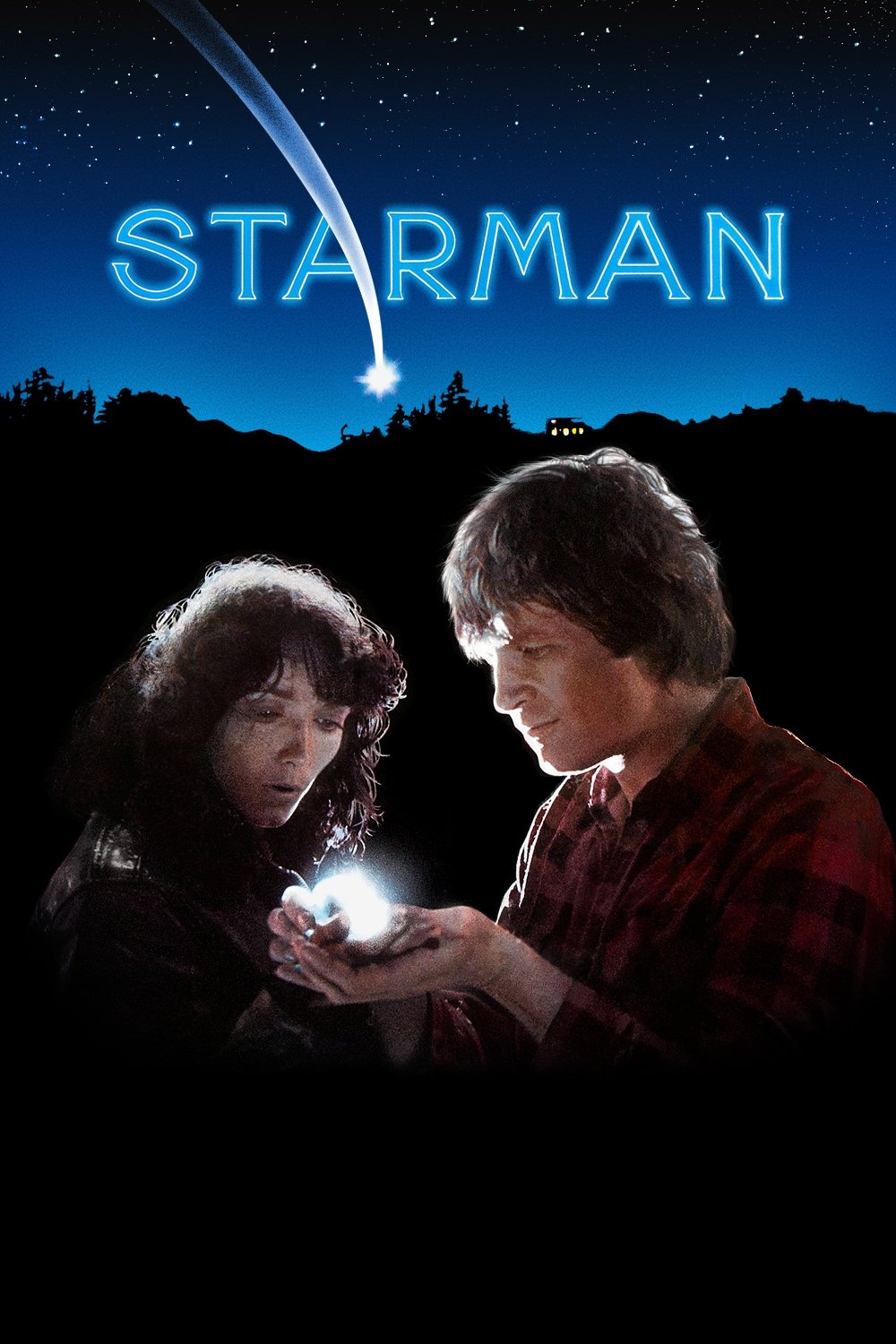
‘Starman’ is a science fiction romance directed by John Carpenter, offering a more gentle and heartfelt take on the alien visitor story. Jeff Bridges stars as an alien who crash-lands on Earth and takes the form of a young widow’s recently deceased husband. Karen Allen plays the widow, Jenny, who is initially terrified but eventually agrees to help the gentle alien travel across the country to a rendezvous point for his rescue.
Jeff Bridges received an Academy Award nomination for Best Actor for his touching and nuanced performance, where he convincingly portrays an alien learning to be human. The film was praised for its emotional depth, its focus on the relationship between the two main characters, and its departure from the more horror-oriented films John Carpenter was known for. It’s a hopeful and moving story about love and connection.
‘Birdy’ (1984)
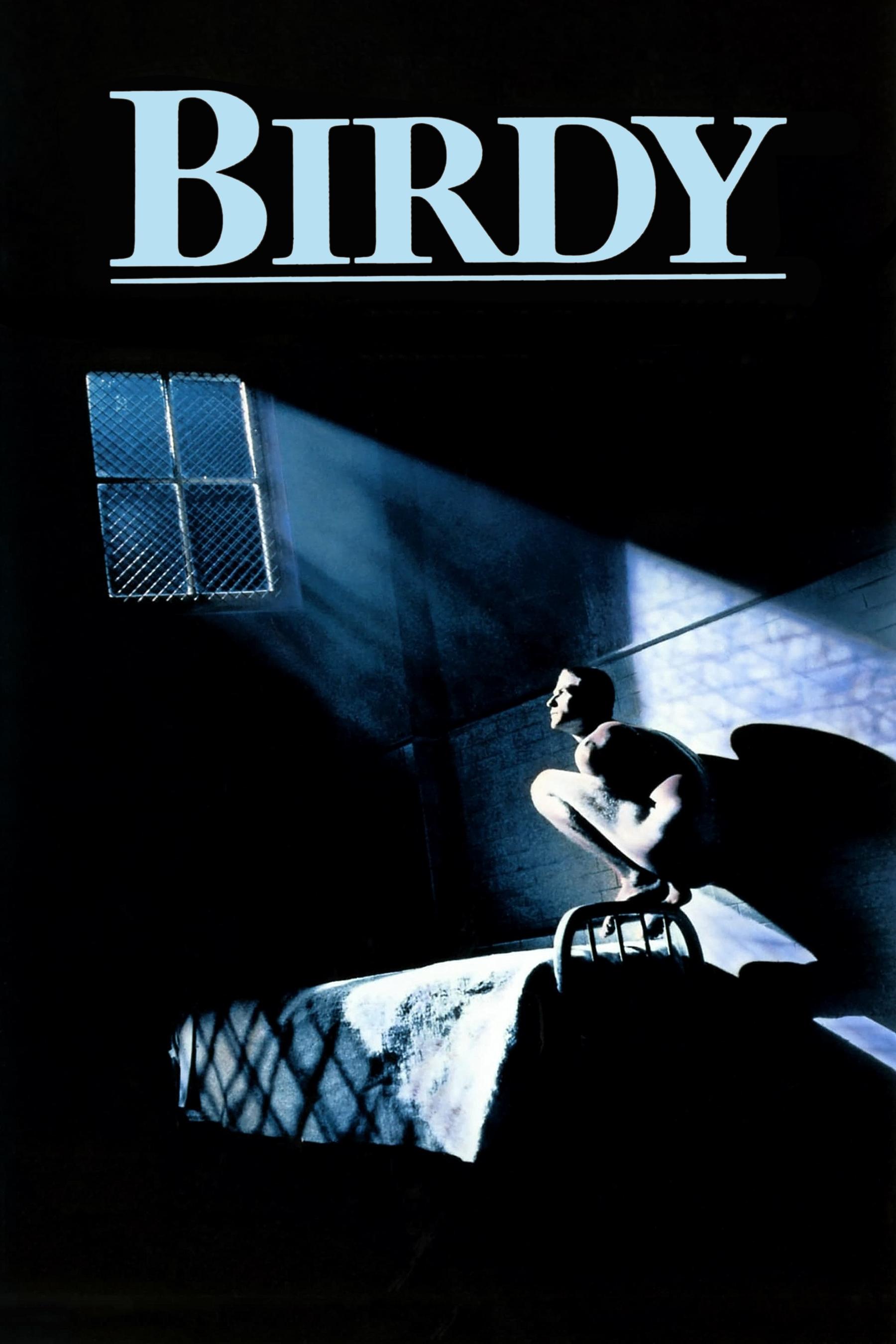
‘Birdy’ is a powerful drama directed by Alan Parker, based on the novel by William Wharton. The film tells the story of two childhood friends from Philadelphia who are both deeply affected by their experiences in the Vietnam War. Matthew Modine plays Birdy, a quiet and eccentric young man obsessed with birds, who has become catatonic and is confined to a military hospital. Nicolas Cage portrays his best friend Al, who is physically wounded but tries to break through to Birdy by reliving their shared memories.
The film is known for its compelling performances from its two young leads and its unique narrative structure, which intercuts scenes from the present in the hospital with flashbacks to their youth. It’s a poignant exploration of friendship, trauma, and the psychological wounds of war. The movie won the Grand Prix Spécial du Jury at the 1984 Cannes Film Festival.
‘Sixteen Candles’ (1984)
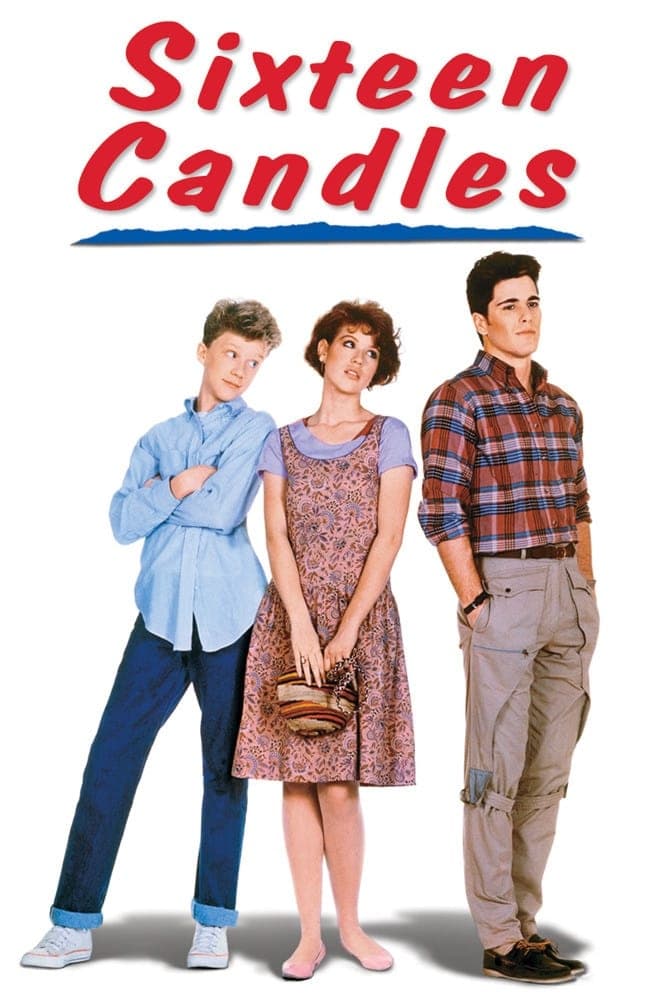
‘Sixteen Candles’ is a classic teen comedy that marked the directorial debut of John Hughes. The film follows high school sophomore Samantha “Sam” Baker on her sixteenth birthday, which her family completely forgets in the chaos of her older sister’s wedding. As Sam navigates the indignities of her forgotten birthday, she also has to deal with her crush on the popular senior Jake Ryan and the persistent attentions of a geeky freshman known as “The Geek.” Molly Ringwald stars as Sam, with Anthony Michael Hall as the Geek and Michael Schoeffling as Jake.
The movie was a breakout hit that helped define the teen film genre of the 1980s. It was praised for its humor, its relatable portrayal of teenage angst and social hierarchies, and for launching the careers of its young cast members. ‘Sixteen Candles’ established John Hughes as a prominent voice for the teenage generation, leading to a string of other successful and beloved high school films.
‘Top Secret!’ (1984)
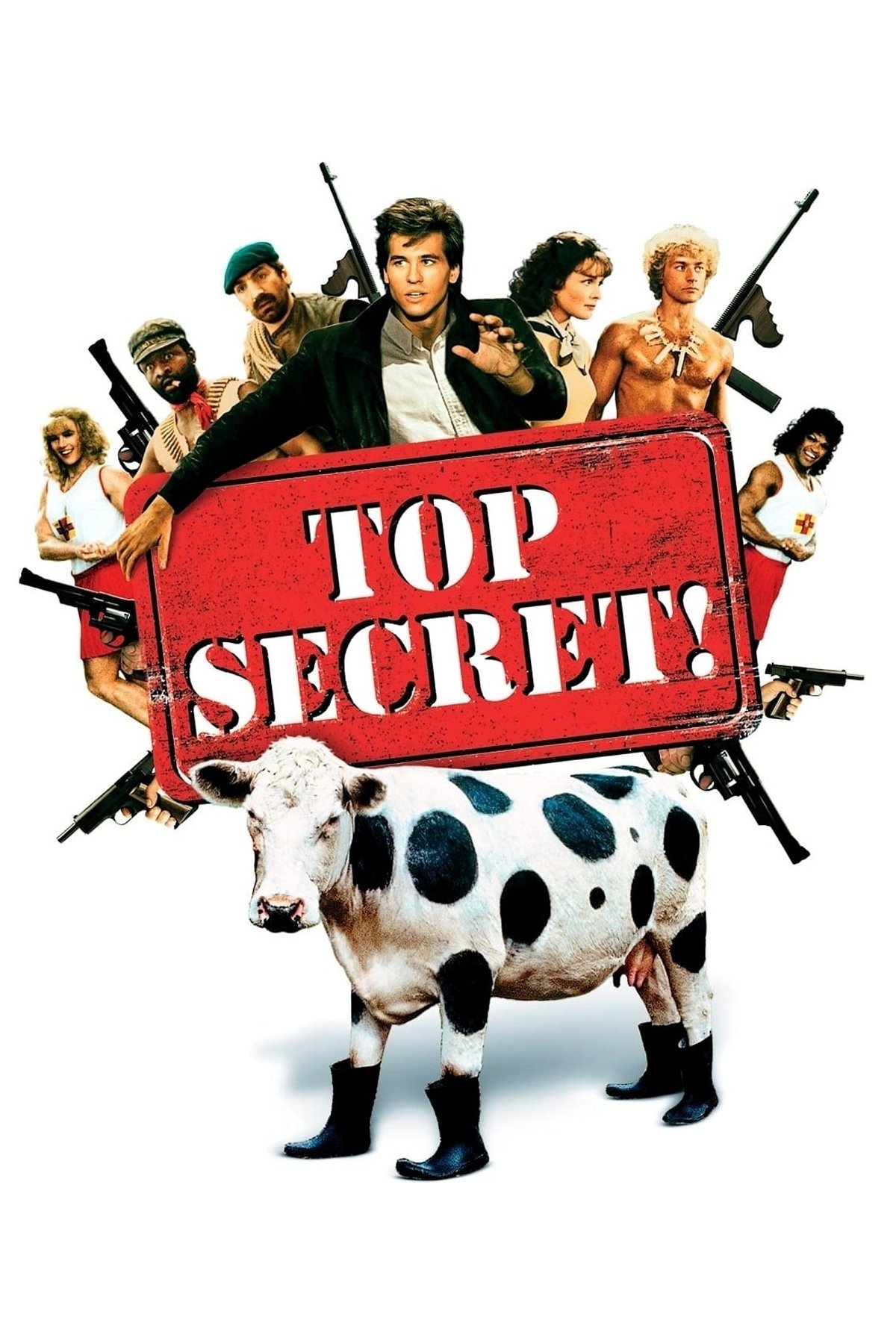
‘Top Secret!’ is a zany spoof comedy from the directing trio of Jim Abrahams, David Zucker, and Jerry Zucker, the same team behind ‘Airplane!’. The film is a parody of Elvis Presley musicals and World War II spy movies. Val Kilmer makes his feature film debut as Nick Rivers, an American rock and roll singer who travels to East Germany for a cultural festival. He soon becomes entangled with the local resistance movement and must help them rescue a brilliant scientist from the clutches of the oppressive government.
The movie is packed with the rapid-fire gags, visual puns, and absurd humor that the filmmakers are famous for. It features many memorable and surreal scenes, including an entire sequence filmed underwater. While it wasn’t as big of a box office hit as ‘Airplane!’, the film has gained a dedicated cult following over the years and is celebrated for its clever and relentless comedy.
‘Romancing the Stone’ (1984)
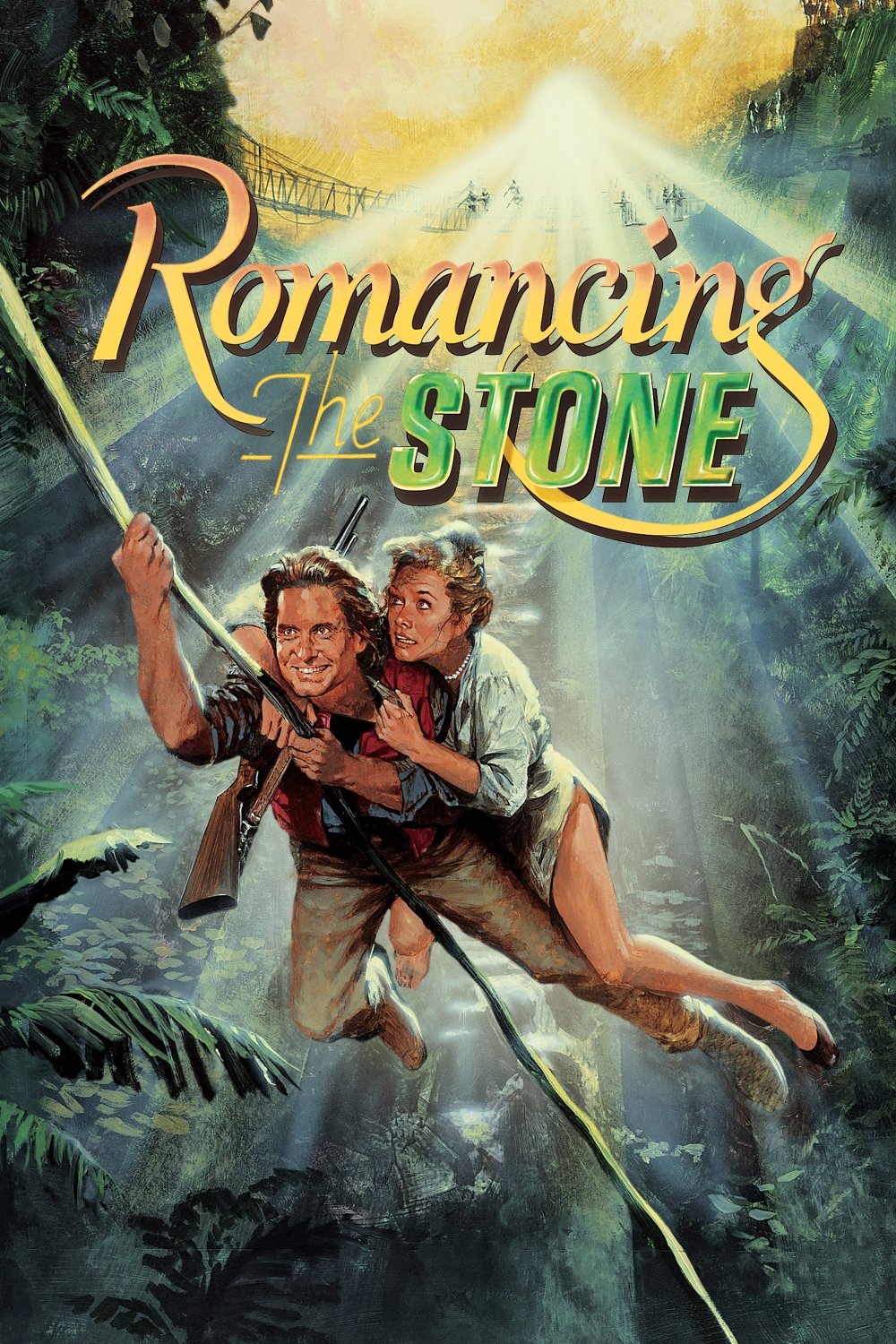
‘Romancing the Stone’ is a romantic adventure comedy directed by Robert Zemeckis. Kathleen Turner stars as Joan Wilder, a shy romance novelist whose quiet life is turned upside down when her sister is kidnapped in Colombia. Joan travels to South America to deliver a treasure map as ransom and finds herself on a thrilling adventure in the jungle. She reluctantly teams up with Jack T. Colton, a cocky American adventurer played by Michael Douglas, to save her sister and find the treasure.
The film was a major box office success, praised for the fantastic chemistry between Turner and Douglas, and its perfect blend of action, comedy, and romance. Danny DeVito also provides a memorable performance as a bumbling antiquities smuggler who is also after the treasure. The movie’s success established its stars as major Hollywood players and led to a sequel, ‘The Jewel of the Nile’.
‘The Natural’ (1984)
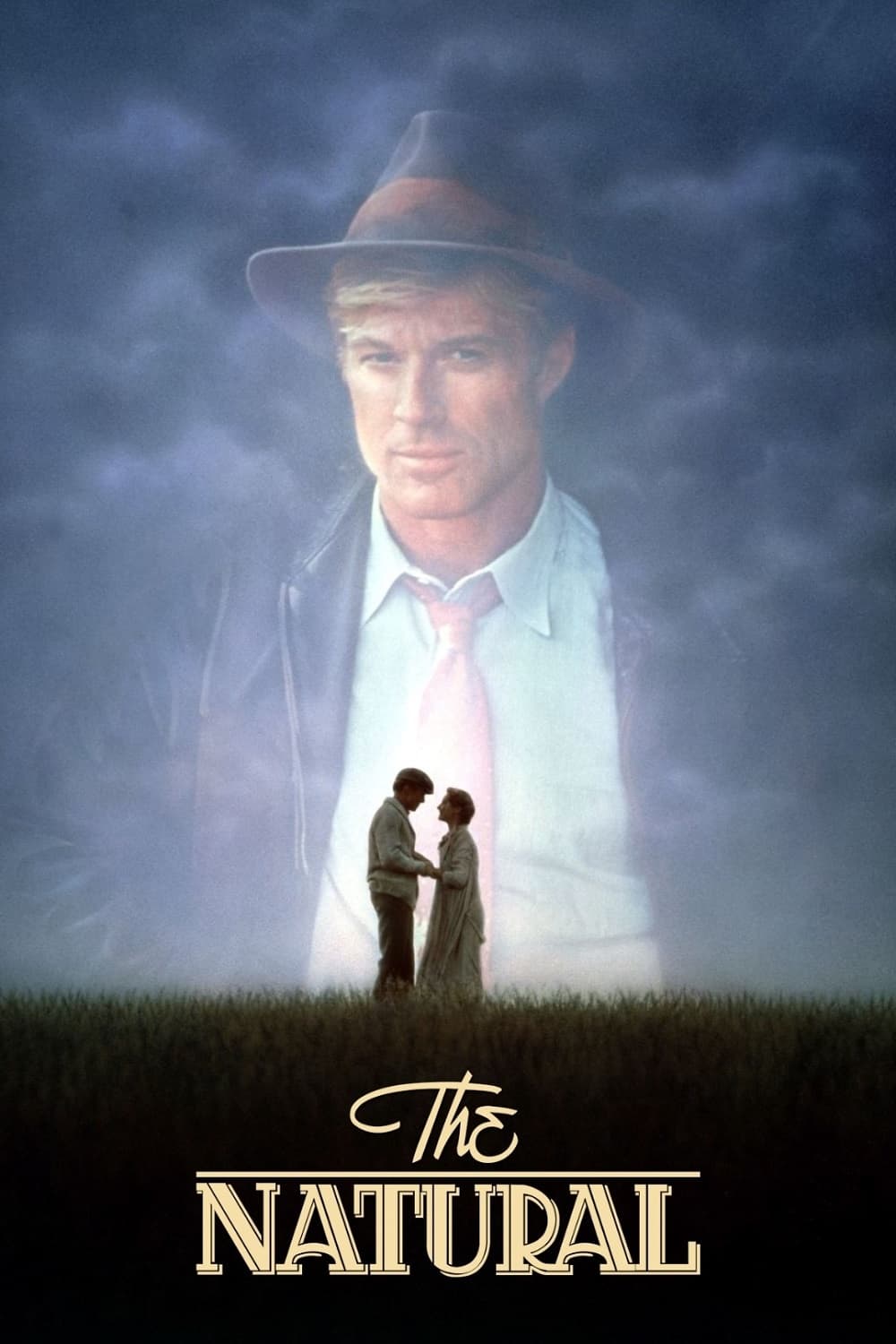
‘The Natural’ is a mythic baseball drama directed by Barry Levinson and based on the novel by Bernard Malamud. Robert Redford stars as Roy Hobbs, a mysterious middle-aged rookie with a powerful talent who comes out of nowhere to lead a struggling 1930s baseball team to victory. The film’s story is told through flashbacks, revealing the tragic event that derailed his promising career as a young man. The supporting cast includes Glenn Close, Robert Duvall, and Kim Basinger.
The movie is a visually stunning and nostalgic tribute to America’s pastime, celebrated for Caleb Deschanel’s beautiful cinematography and Randy Newman’s iconic, soaring musical score. It’s a classic tale of redemption and second chances that captures the legendary quality of baseball heroes. The film was a critical and commercial success, earning four Academy Award nominations.
‘Splash’ (1984)
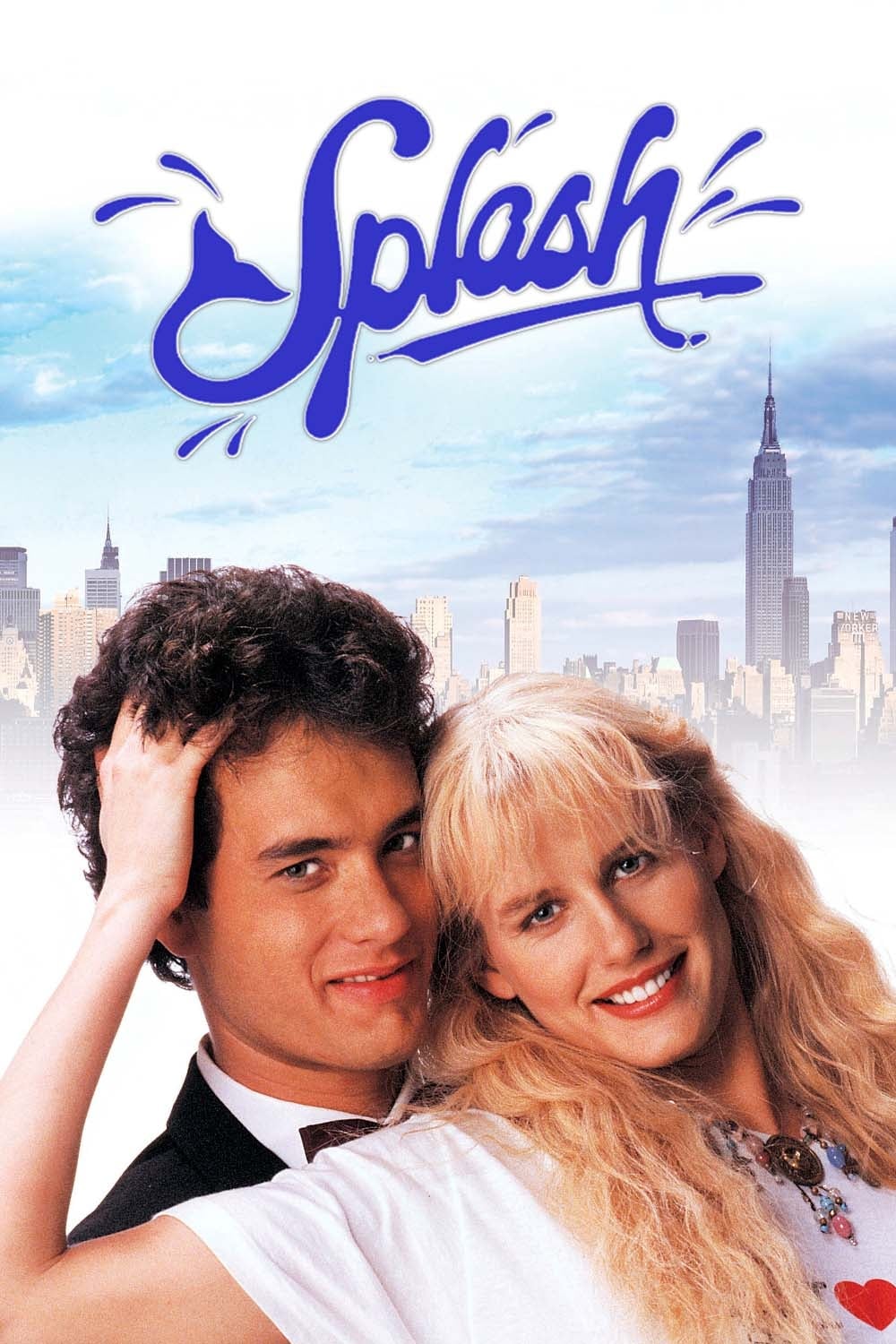
‘Splash’ is a charming romantic comedy directed by Ron Howard that became a surprise hit. Tom Hanks stars as Allen Bauer, a man who, as a boy, was saved from drowning by a young mermaid. Twenty years later, he is rescued again by the same mermaid, who comes ashore in New York City to find him. The mermaid, played by Daryl Hannah, sprouts legs on dry land and the two fall in love, but their romance is complicated by her secret and a determined scientist trying to expose her.
The film was the first release from Disney’s Touchstone Pictures label and was praised for its sweet, funny, and heartfelt story. It launched Tom Hanks and Daryl Hannah into stardom and also features memorable supporting performances from John Candy as Allen’s hilarious brother and Eugene Levy as the obsessed scientist. The screenplay was nominated for an Academy Award.
‘Repo Man’ (1984)
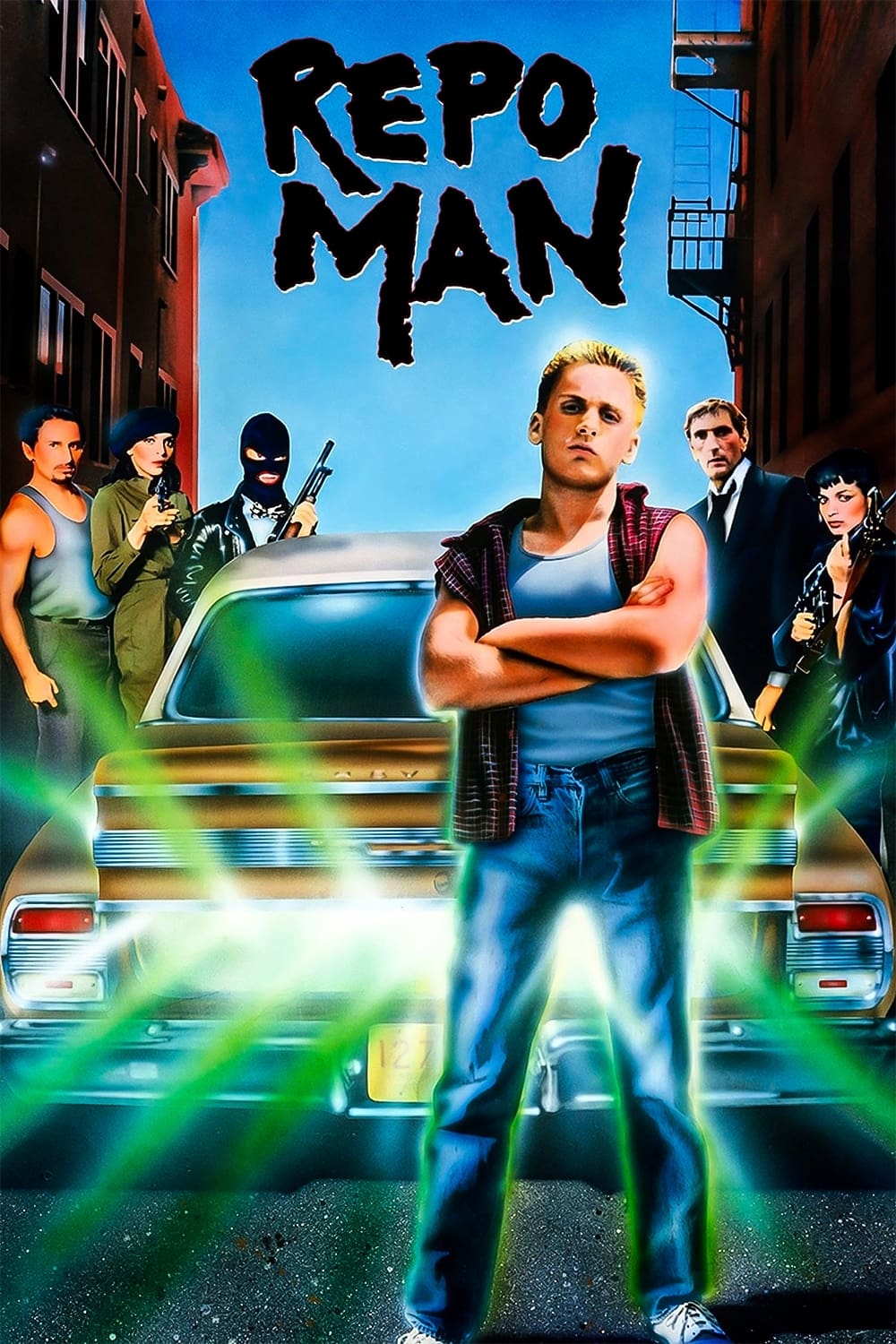
‘Repo Man’ is a quirky and unique cult classic written and directed by Alex Cox. The film is a blend of punk rock attitude, science fiction, and dark comedy. Emilio Estevez stars as Otto, a disaffected suburban punk who gets a job as a repossession agent. He is mentored by a veteran repo man named Bud, played by Harry Dean Stanton. Their lives take a strange turn when they get involved in the search for a mysterious 1964 Chevy Malibu that may have something otherworldly in its trunk.
The movie is known for its satirical commentary on consumer culture and the Reagan era, as well as its surreal plot and deadpan humor. It features a highly influential punk rock soundtrack with songs from bands like Iggy Pop, Black Flag, and Suicidal Tendencies. ‘Repo Man’ became a significant film in the independent cinema of the 1980s.
‘Footloose’ (1984)
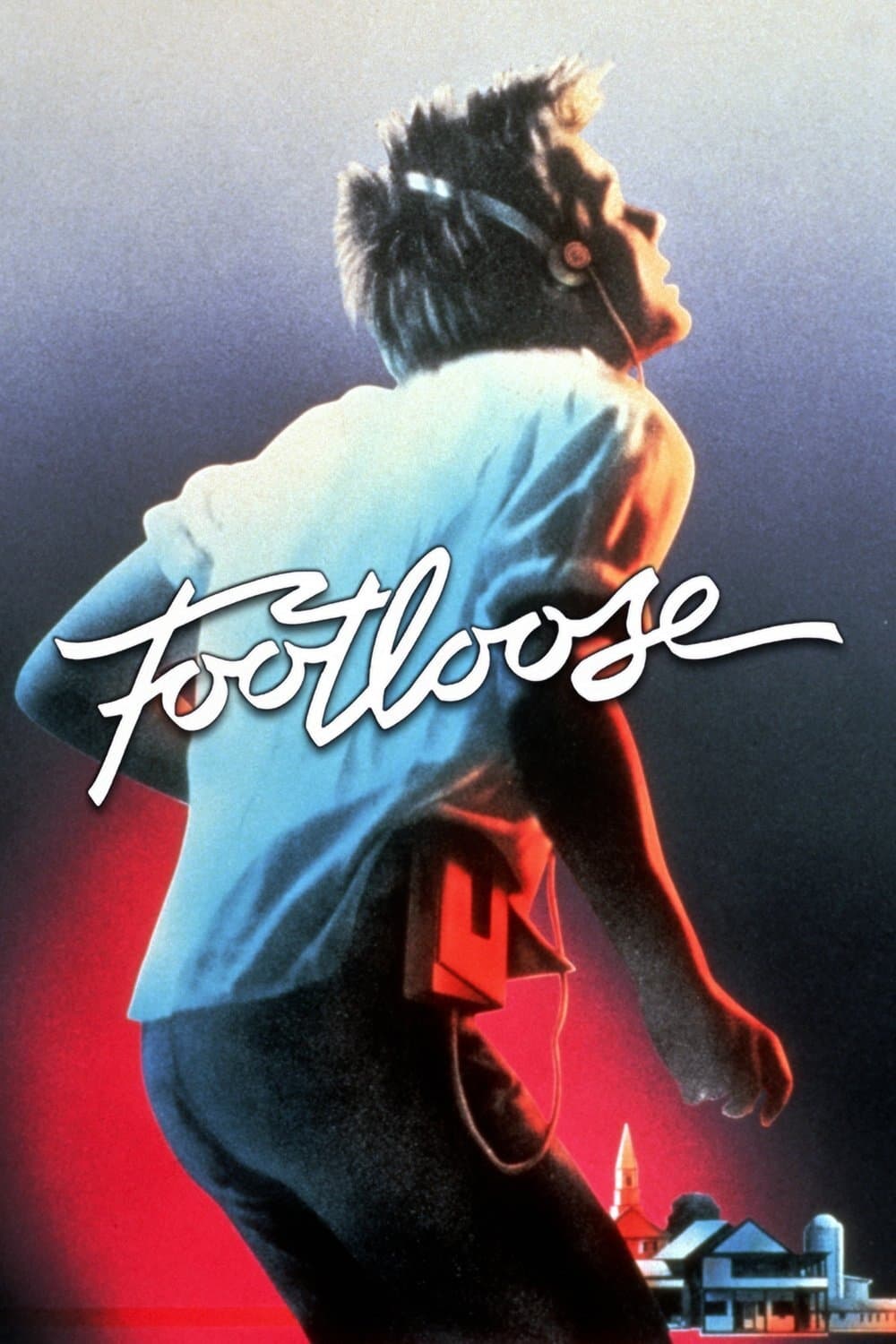
‘Footloose’ is a popular musical drama that captured the spirit of youthful rebellion. Kevin Bacon stars as Ren McCormack, a teenager from Chicago who moves to a small, conservative town where dancing and rock music have been banned. Ren challenges the town’s strict rules and its influential minister, played by John Lithgow, as he tries to bring dancing back to the high school prom. Lori Singer plays the minister’s rebellious daughter who becomes Ren’s love interest.
Directed by Herbert Ross, the film was a massive box office success, largely thanks to its energetic dance sequences and its hit-filled soundtrack. The title song by Kenny Loggins and “Let’s Hear It for the Boy” by Deniece Williams both became number-one hits. The movie’s story of fighting for self-expression resonated with young audiences and made it a defining film of the decade.
‘Purple Rain’ (1984)
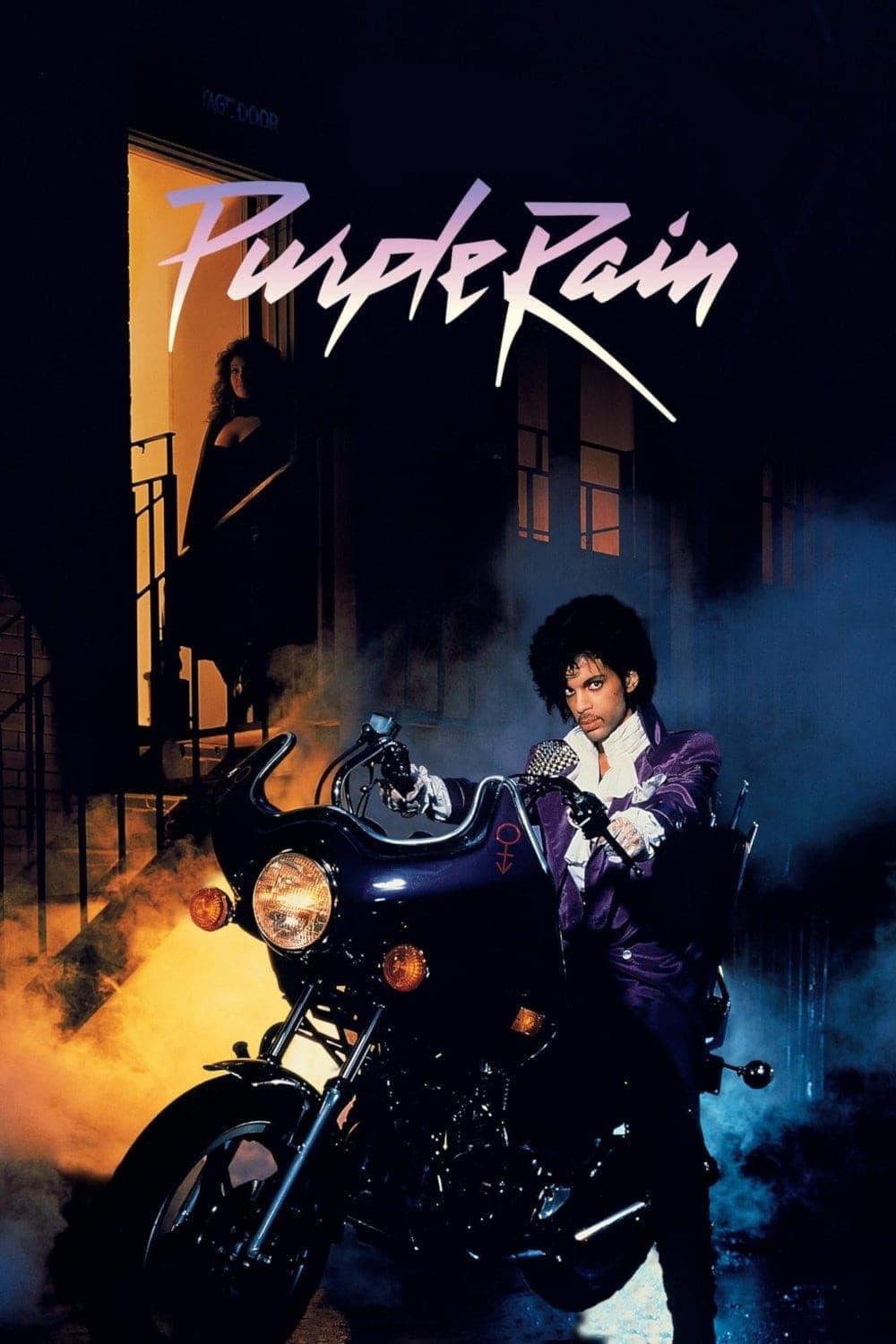
‘Purple Rain’ is a rock musical drama that serves as a starring vehicle for the musician Prince in his acting debut. The film tells the story of “The Kid,” a talented but troubled young musician in Minneapolis who struggles with a difficult home life and a rivalry with another local band. He navigates his rising career and a passionate romance with a singer named Apollonia. The film features extended musical performances by Prince and his band, The Revolution.
The movie was a huge commercial success, and its accompanying soundtrack album became a global phenomenon, selling millions of copies and winning an Academy Award for Best Original Song Score. The film is a vibrant showcase of Prince’s immense talent as a musician and performer, and it cemented his status as a cultural icon. The concert sequences are electrifying, capturing the energy of his live shows.
‘The Last Starfighter’ (1984)
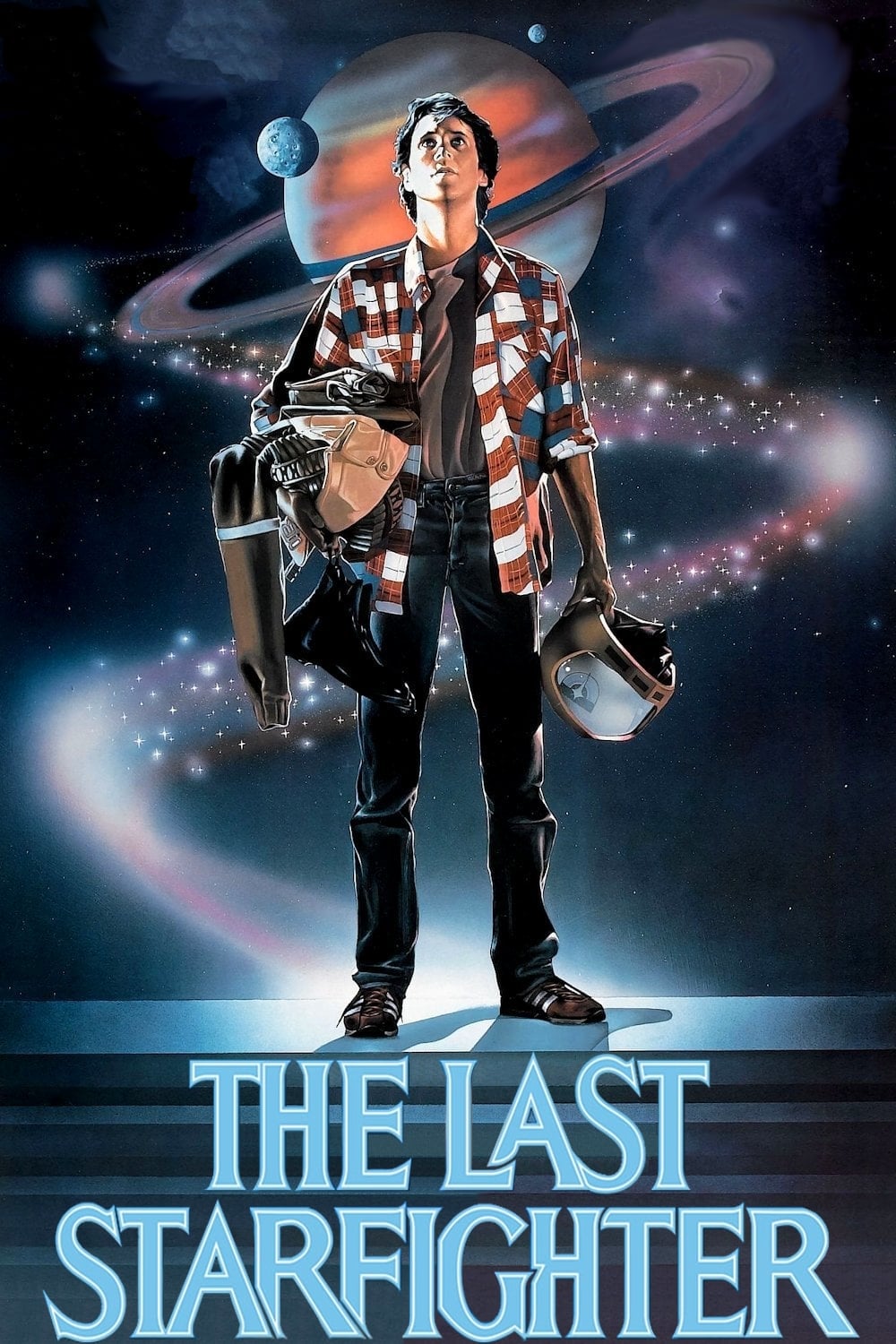
‘The Last Starfighter’ is a fun and imaginative science fiction adventure. Lance Guest stars as Alex Rogan, a teenager living in a trailer park who becomes the record-holder on an arcade game called ‘Starfighter’. He soon discovers that the game was actually a training and recruitment tool for an interstellar defense force. He is then whisked away to another planet to become a real starfighter and help defend the galaxy from an alien invasion.
Directed by Nick Castle, the film is notable for being one of the first movies to use extensive computer-generated imagery (CGI) for its special effects, particularly for the spaceships and battle sequences. It’s a classic underdog story with a charming, wish-fulfillment premise that appealed to audiences. Robert Preston co-stars in his final feature film role as the charismatic alien recruiter.
‘2010’ (1984)
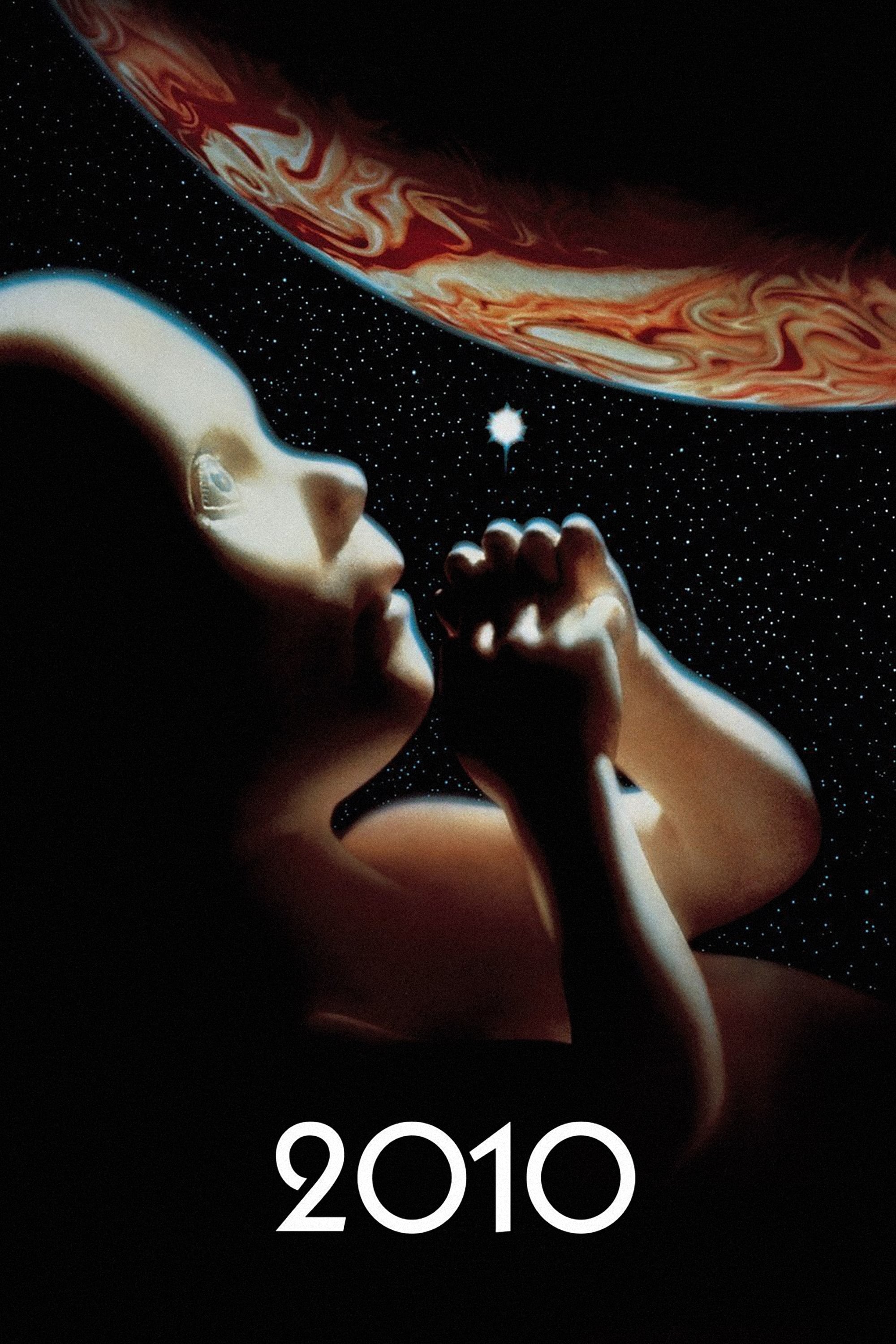
‘2010: The Year We Make Contact’ is the science fiction sequel to Stanley Kubrick’s landmark film ‘2001: A Space Odyssey’. Directed by Peter Hyams and based on the novel by Arthur C. Clarke, the story follows a joint American-Soviet mission sent to Jupiter to investigate the mysterious failure of the Discovery One mission and the strange monolith discovered in orbit. Roy Scheider stars as Dr. Heywood Floyd, a character from the first film, and the mission also includes the return of the sentient computer HAL 9000.
While not aiming for the same enigmatic artistry as Kubrick’s original, the film is a well-regarded and straightforward sci-fi thriller. It provides more concrete answers to some of the mysteries of the first film and was praised for its impressive visual effects and tense Cold War-era storyline. The cast also includes John Lithgow, Helen Mirren, and Bob Balaban.
‘Streets of Fire’ (1984)

‘Streets of Fire’ is a stylish rock and roll action film directed by Walter Hill. Described as “A Rock & Roll Fable,” the movie is set in a timeless, gritty cityscape and blends elements of musicals, westerns, and action films. The story follows a mercenary named Tom Cody who returns to his old neighborhood to rescue his rock star ex-girlfriend after she is kidnapped by a ruthless biker gang. Michael Paré stars as Cody, Diane Lane plays the singer Ellen Aim, and Willem Dafoe portrays the villainous gang leader.
The film is celebrated for its unique visual style, featuring rain-soaked, neon-lit streets, and its killer rock soundtrack composed by Ry Cooder and Jim Steinman. While it didn’t perform well at the box office upon its release, it has since become a beloved cult classic. The movie also features supporting roles from Rick Moranis and Amy Madigan.
‘Police Academy’ (1984)
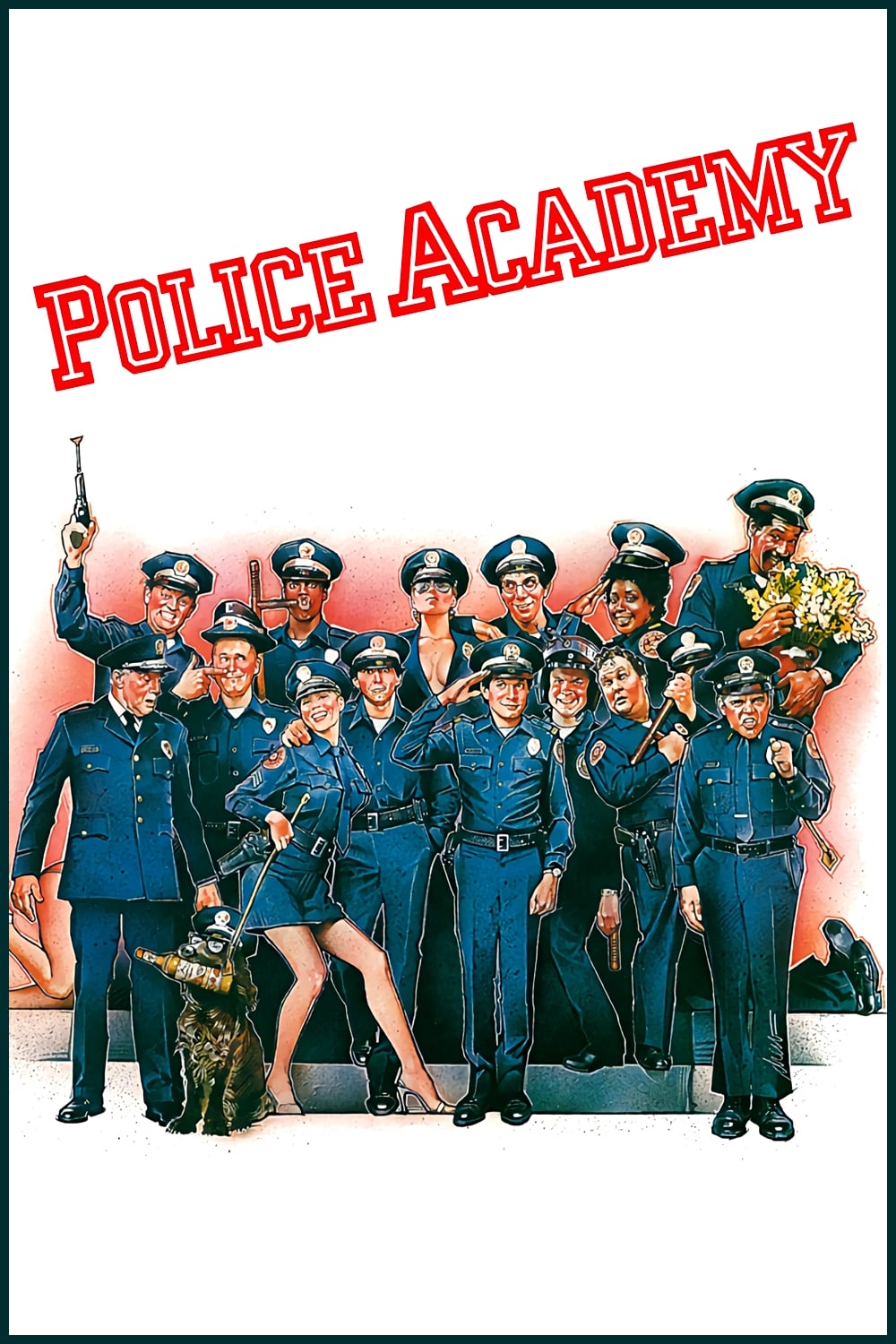
‘Police Academy’ is a slapstick comedy that became a massive commercial success and launched a long-running franchise. The film’s premise involves a newly-elected mayor who, in an effort to create a more diverse police force, declares that the police academy must accept all applicants regardless of their physical or mental fitness. The result is a chaotic class of misfits and oddballs who must endure the grueling training, much to the dismay of their hard-nosed instructors. Steve Guttenberg stars as the charming troublemaker Carey Mahoney.
Directed by Hugh Wilson, the movie is filled with lowbrow humor, sight gags, and memorable characters, including the sound-effects-making Larvell Jones and the gun-obsessed Eugene Tackleberry. It was a huge hit with audiences, leading to six sequels and a television series. The film’s lighthearted and silly approach to comedy made it a staple of 1980s cinema.
‘Red Dawn’ (1984)

‘Red Dawn’ is an action-war film that presents a startling alternate history scenario. The movie begins with the shocking invasion of a small Colorado town by Soviet and Cuban forces, marking the start of World War III. A group of high school students escapes into the mountains and forms a guerrilla resistance movement, calling themselves the “Wolverines” after their school mascot. The young cast includes Patrick Swayze, Charlie Sheen, C. Thomas Howell, Lea Thompson, and Jennifer Grey.
Directed by John Milius, the film was notable for its intense action and its premise, which tapped into Cold War anxieties. It was the first film to be released with a PG-13 rating. Despite mixed reviews from critics, ‘Red Dawn’ was a commercial success and has developed a cult following over the years for its unapologetic patriotism and action-packed story.
What are your favorite movies from 1984 that you think should have made the list?