5 Things About ‘The Usual Suspects’ That Made Zero Sense and 5 Things That Made Perfect Sense


Some parts of ‘The Usual Suspects’ twist your brain on purpose. Other parts raise questions that procedure and common practice can answer. Laying out both sides helps separate deliberate misdirection from details that do not line up with how things usually work.
Here are five things that strain credibility and five that track with real world methods and narrative logic. Spoilers are unavoidable because the film hides its most important information inside a long interview and a late reveal.
Zero Sense: The lineup puts the crew together
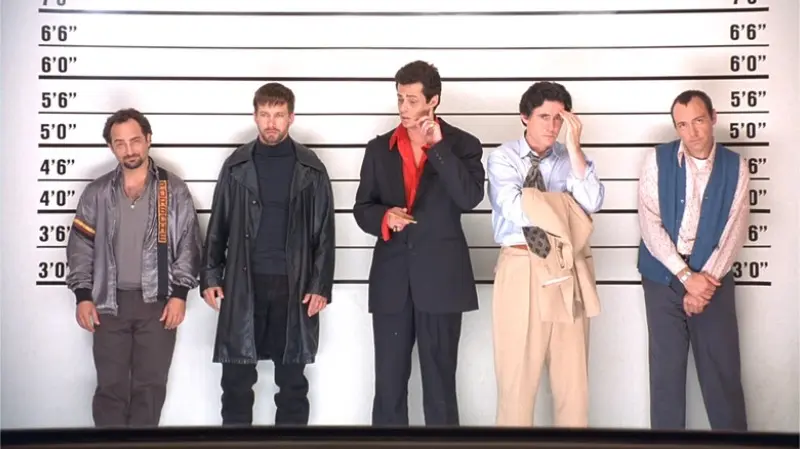
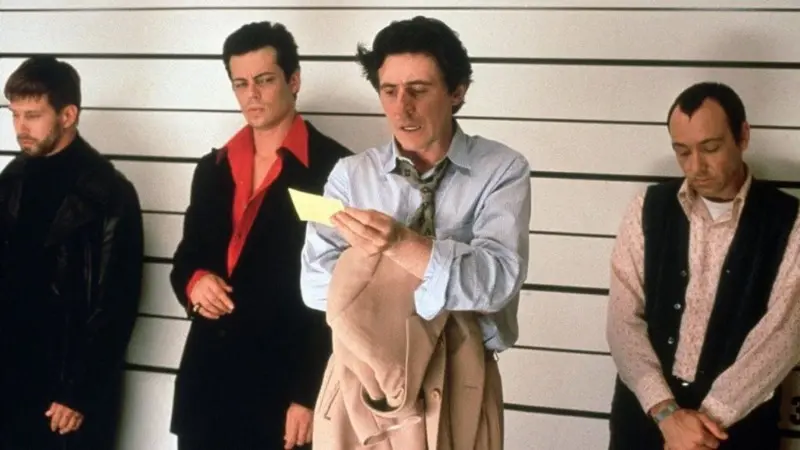
Police lineups exist to test an eyewitness identification using controlled conditions. Standard practice keeps suspects apart and limits their ability to talk, since contact can enable collusion and intimidation. Allowing unrelated suspects to banter during a lineup invites contamination of the process and weakens any identification that follows.
Holding suspects together afterward also risks conspiracy charges becoming easier to prove for the wrong reasons. Departments typically separate detainees, monitor conversations, and log movement to preserve an unimpeachable chain of events. The setup shown in the story makes it far easier for a new crew to form under the radar.
Perfect Sense: Verbal’s immunity deal
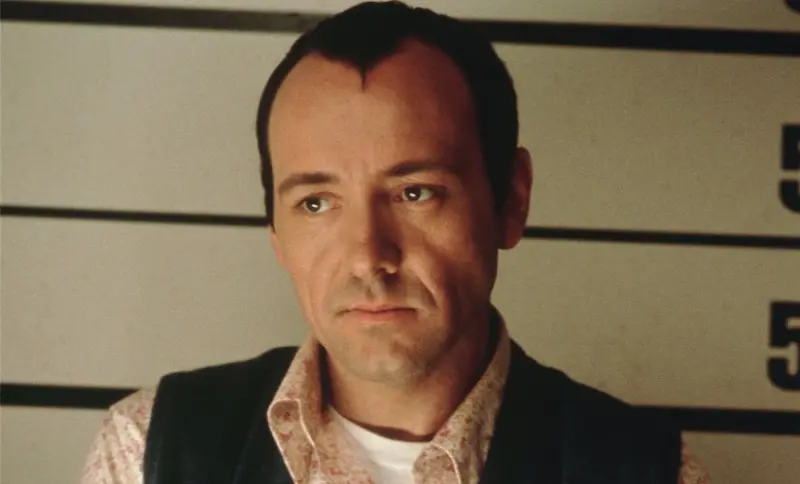
Prosecutors sometimes offer transactional or use immunity to secure testimony that clarifies a violent event when physical evidence is confused or incomplete. If a witness is a minor participant with limited exposure, an immunity grant can be faster than building a full case through forensic reconstruction. This is common when a single coherent account may unlock a timeline after an explosion or fire.
Immunity agreements come with conditions that can be revoked if the witness lies or withholds material facts. The interview framework shown around Verbal Kint reflects how a deal can pressure a witness to speak while still protecting the state’s interest in the truth. The paperwork and presence of multiple agencies fit how a high profile case would be managed.
Zero Sense: The Kobayashi identity goes unchecked
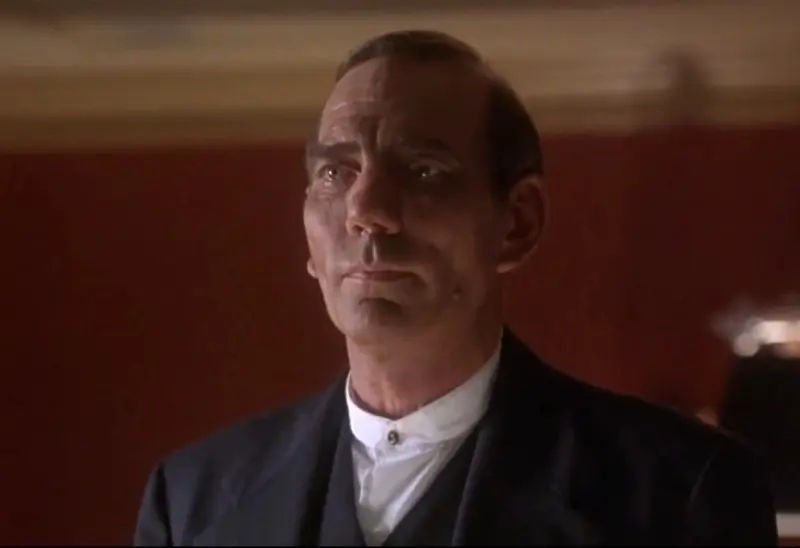
The name Kobayashi in Verbal’s story is lifted from items visible in the interview room. Investigators ordinarily run quick checks on unusual names across driver records, immigration databases, and local business filings. A lack of matching records would prompt a deeper look before the name is treated as a reliable anchor for leads.
Brands on mugs and folders are common in offices and should not carry evidentiary weight without corroboration. Treating such a name as a real fixer without rapid verification gives a fabricated narrative room to grow. Simple cross checks could have flagged the alias as weak.
Perfect Sense: The unreliable narrator structure
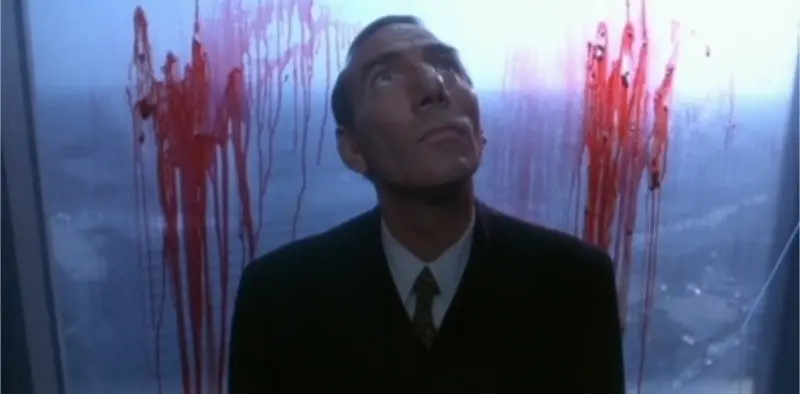
The film uses an unreliable narrator to bind unrelated details into a single account. This device works by feeding the listener verifiable fragments mixed with invented bridges, which makes the whole story feel plausible. The closing montage that links names and places to office clutter demonstrates how a false narrative can be built from nearby prompts.
Unreliable narration also explains contradictions that surface later. When facts turn out to be recycled from the room, investigators can retroactively map which parts were plausible because they matched general knowledge and which parts were fabricated because they relied on unverified specifics. That is a recognized storytelling method that mirrors how real interviews can be manipulated.
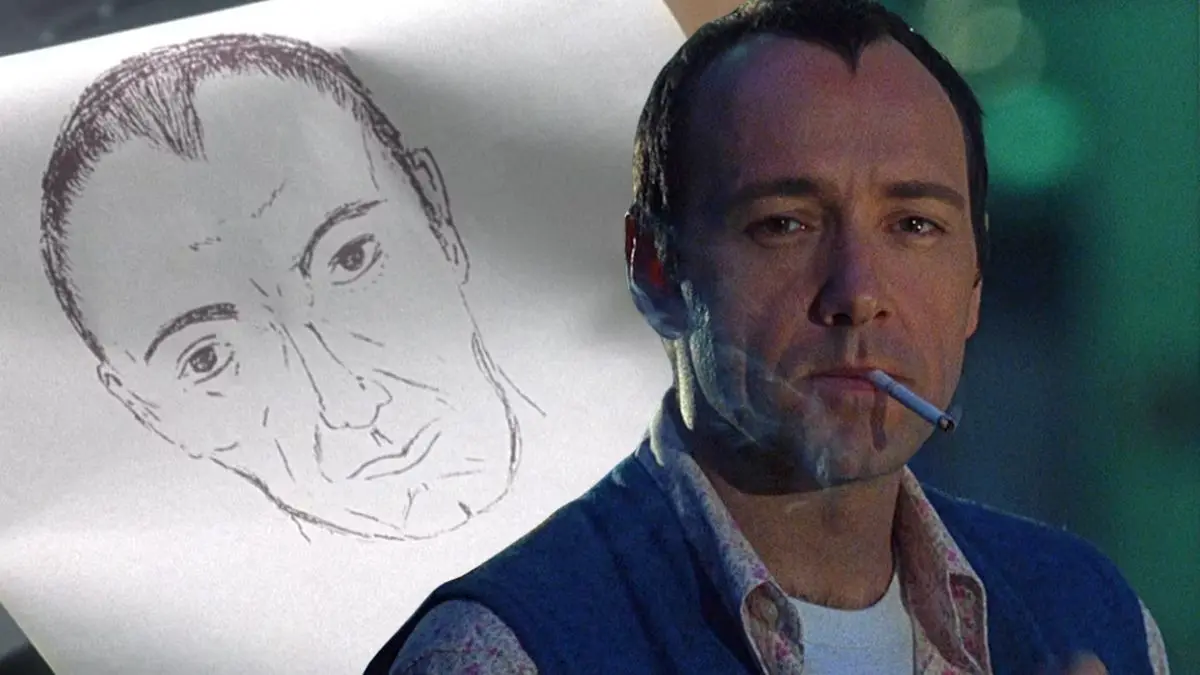
Zero Sense: The late composite sketch
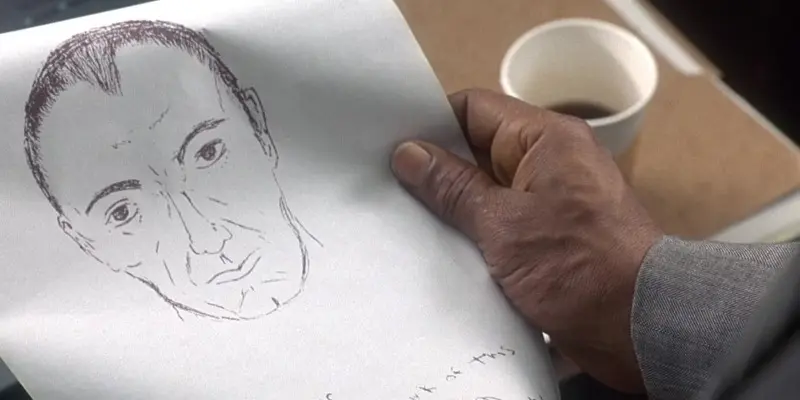
A burn victim survives and describes the perpetrator. In major incidents, hospitals and police usually coordinate quickly so a sketch artist or photo array can be prepared as soon as the patient can communicate. Faxing or distributing the sketch to the command post or precinct would be prioritized before a key witness is released.
If the sketch matches the person being interviewed, a routine watch order goes out and holding the subject a bit longer becomes standard. The delayed arrival of the sketch after the release creates a timing gap that standard interagency communication protocols are designed to avoid.
Perfect Sense: The disappearing limp
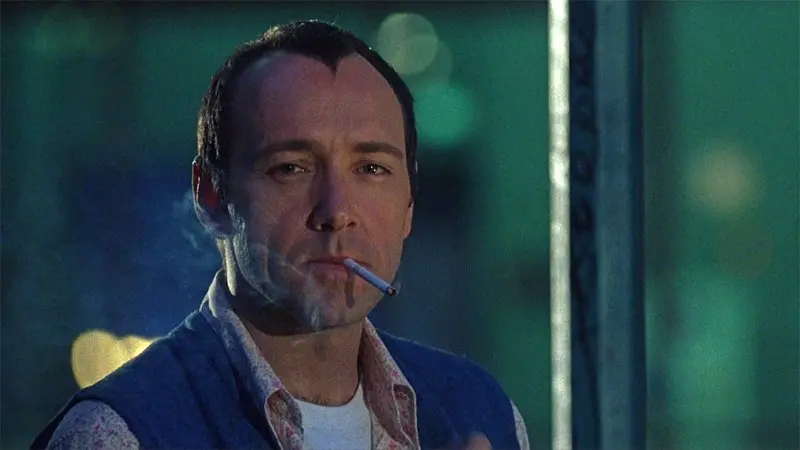
Malingering can defeat casual observation when no thorough medical exam is performed. A convincing limp and a contracted hand can be imitated by altering gait mechanics and finger positioning. Without imaging, neurologic testing, or a documented injury history, a practiced subject can pass through intake with a persuasive disability.
Interview rooms are not clinics, and custody staff focus on safety over diagnostics. If a subject presents consistent physical cues and paperwork shows no need for urgent care, the cues may go unchallenged. The final walk away illustrates how easily mannerisms can be dropped once surveillance attention fades.
Zero Sense: The ship job logistics as told
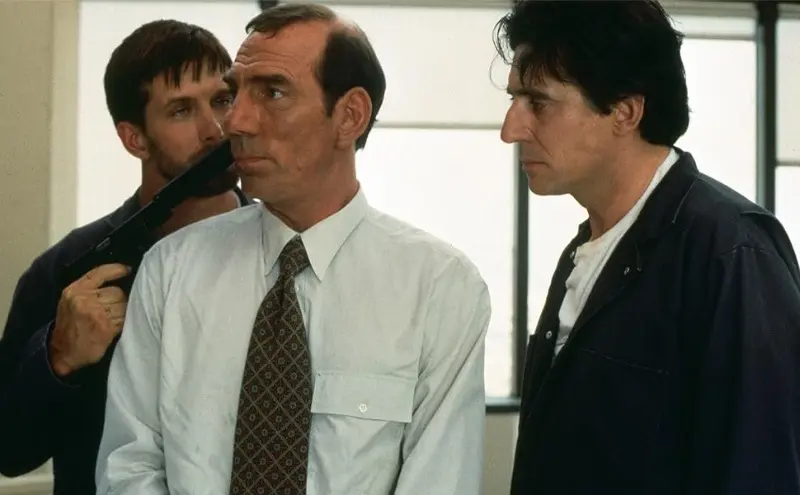
Verbal’s account mixes objectives that do not align with typical criminal logistics at a commercial port. Describing a mission to burn a vessel, eliminate armed guards, and locate a specific witness all at once ignores how compartmentalized crews usually handle such risks. Separate teams handle fire, extraction, and lookout in operations that aim to reduce noise and confusion.
The story also glides past access control and staging. Ports track vehicle entries, contractor lists, and night operations through badging and cameras. A single ad hoc crew assaulting a moored ship while chasing a moving target on board would face predictable choke points like gangways and muster stations that demand a clearer plan than the one described.
Perfect Sense: Keaton’s pull back into crime
Keaton is presented as an ex cop with a corruption record who is trying to go straight through a restaurant venture and a relationship with an attorney. People with a recent criminal past face financing hurdles and scrutiny that can shut down legitimate paths. That context makes him vulnerable to pressure that exploits his history.
The frame at the start provides leverage that can pull a person with limited options back into familiar networks. Old contacts offer quick money and logistical support that clean avenues do not. The film uses that pressure to explain how a reluctant figure ends up leading a risky crew again.
Zero Sense: One narrative dominates the case file
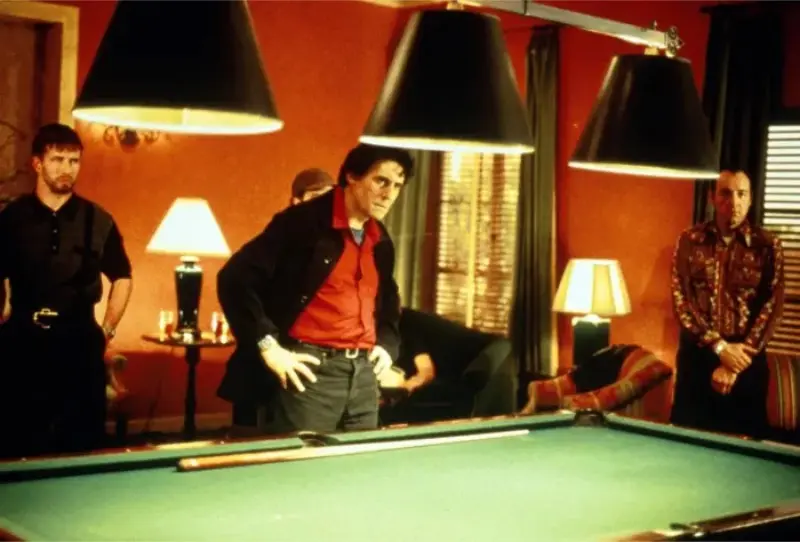
Good casework stacks independent sources such as phone records, ballistics, camera pulls, and financial traces against any single witness account. Relying on one storyteller to resolve a multi homicide explosion invites confirmation bias, especially when names and firms from the account cannot be verified within basic databases. A balanced file places the narrative beside hard timelines derived from calls and movement logs.
Interview technique also calls for breaking long monologues into verifiable segments and pausing to corroborate each part. Cycling back with control questions and fresh photos can expose fabrications. Giving a single narrator an uninterrupted runway risks swapping analysis for momentum.
Perfect Sense: The title and theme line up
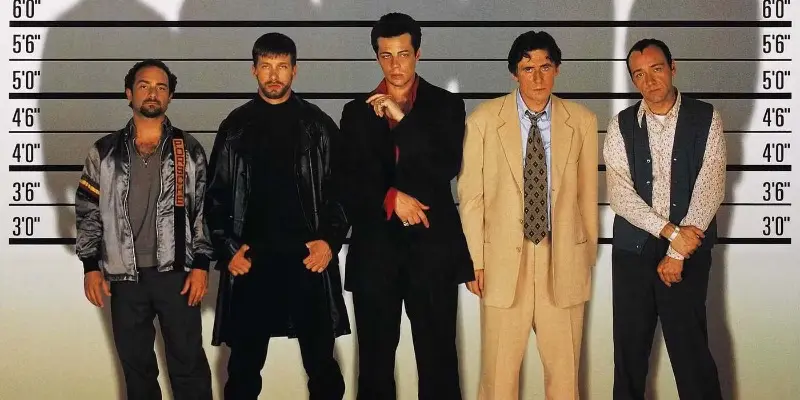
The phrase in the title echoes a classic line about rounding up the usual suspects. The film opens with a literal lineup, then keeps returning to the idea that investigators latch onto familiar faces while the real mover hides in plain sight. That theme helps explain why institutional focus drifts toward the men in the room and away from a figure who never sits for questioning.
The structure also mirrors common investigative shortcuts. When pressure mounts, agencies concentrate on known offenders who fit an easy story. The title primes the audience for that habit, and the plot demonstrates how a clever narrator can steer that habit to a desired end.
Share which parts of ‘The Usual Suspects’ worked for you and which did not in the comments.