Cillian Murphy Reveals the “Revolutionary” Movie That Gave Him a “Massive Epiphany”

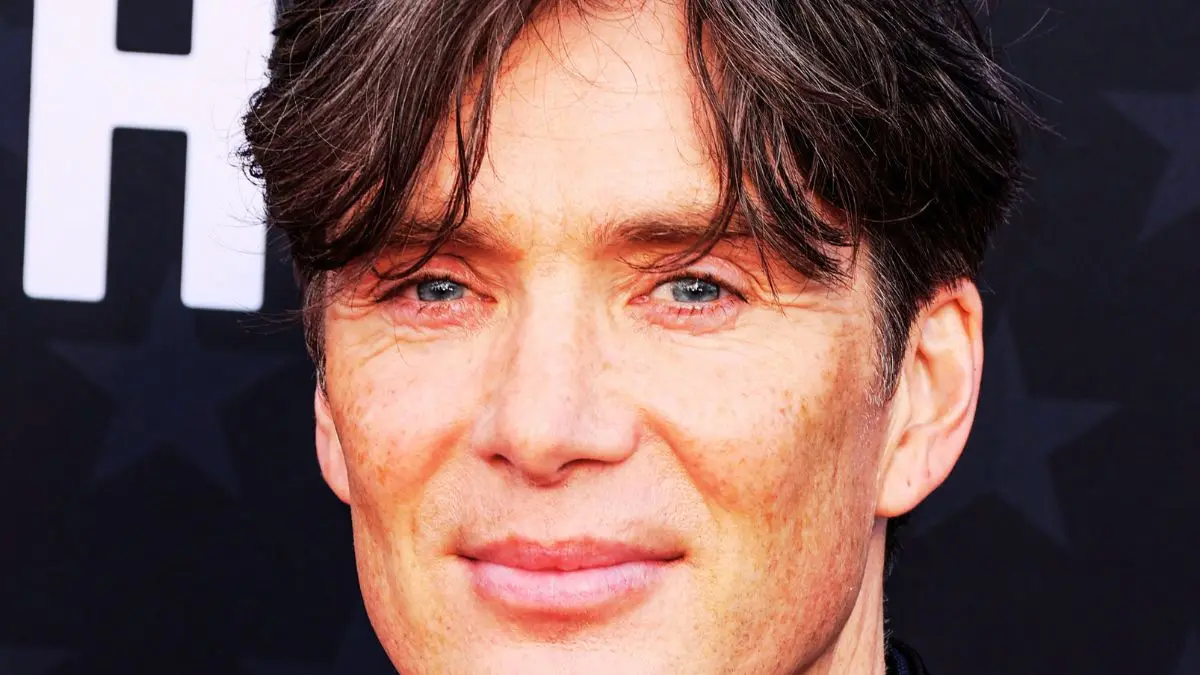

Cillian Murphy has often spoken about how one film completely changed his approach to acting, and that movie was The Wind That Shakes the Barley. The actor returned to his home country to star as Damien O’Donovan, a young man who joins the IRA alongside his brother, in the acclaimed film directed by Ken Loach, one of Britain’s most celebrated social realist filmmakers.
Murphy’s performance was widely praised, with critics highlighting the depth he brought to a character torn between family loyalty and the call of justice. Every choice Damien makes carries weight, and Murphy conveyed that struggle with remarkable intensity.
Reflecting on the experience in an interview with The Irish Times, Murphy described the film as a turning point in his career. “That was the massive epiphany moment for me, because of the nature of how Ken shoots,” he said.
“We didn’t have a script, and because you didn’t know what was coming you couldn’t analyse it or prepare. You just had to let go, be available and be in the moment.”
Murphy admitted that before working with Loach, he had a tendency to overthink his performances and criticize himself harshly. “It was revolutionary for me, and I’ve applied that to all work that I’ve done since,” he said. “It was the most valuable lesson I’ve ever learned on a set.”
Ken Loach is widely recognized as a legendary director. Rising to prominence in the 1960s with groundbreaking TV plays like Cathy Come Home and Up the Junction, Loach has focused on the lives of working-class people, often highlighting government failures and social injustices.
His films, including Poor Cow and Kes, have consistently combined social critique with powerful storytelling.
The Wind That Shakes the Barley became the most popular independent Irish film ever released in Ireland, earning €377,000 in its opening weekend and €2.7 million by August 2006. It also received strong critical acclaim.
Rotten Tomatoes reported that 90% of 117 critics gave the film positive reviews, noting, “Bleak and uncompromising, but director Ken Loach brightens his film with gorgeous cinematography and tight pacing, and features a fine performance from Cillian Murphy.” Metacritic scored it 82 out of 100 based on 30 reviews.
Critics widely praised both the story and Loach’s direction. The Daily Telegraph called it a “brave, gripping drama” and said Loach is “part of a noble and very English tradition of dissent.” The Times described the film as showing Loach “at his creative and inflammatory best” and gave it four out of five stars.
The Daily Record of Scotland also gave it four out of five, describing it as “a dramatic, thought-provoking, gripping tale that, at the very least, encourages audiences to question what has been passed down in dusty history books.”
For Murphy, the film was not just a career highlight but a personal revelation, teaching him to trust the moment and fully inhabit his characters. These insights were shared in interviews with The Irish Times and remain a key moment in his artistic journey.
Have something to add? Let us know in the comments!