5 Things About ‘Top Gun’ That Made Zero Sense and 5 Things About It That Made Perfect Sense

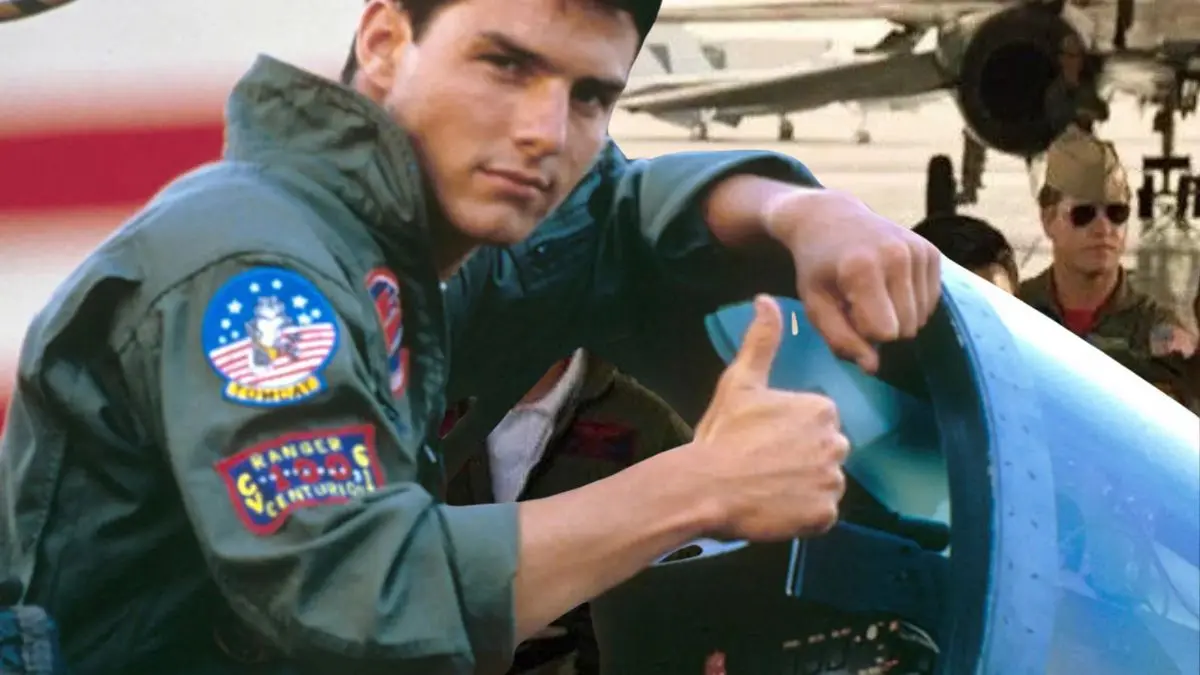

‘Top Gun’ packs a lot of speed and style into a tight story about training, teamwork, and the pressure of flying high performance jets. The movie blends real procedures with Hollywood choices, and that mix creates moments that feel authentic alongside scenes that bend how the Navy actually works.
Here are five things that strain realism and five that line up with how carrier aviation and the Fighter Weapons School operate. Each point focuses on what the film shows on screen and how that compares to real world rules, technology, and training culture.
Zero Sense: Buzzing the tower
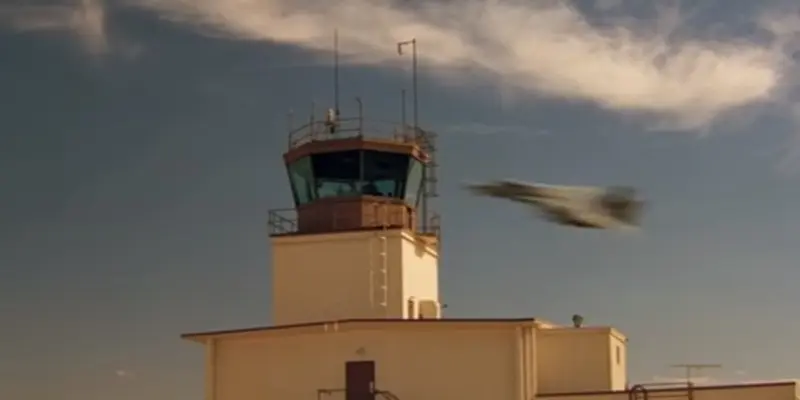
The movie shows a low level pass over the control tower after a denied flyby request. Real Navy flight rules treat low passes over occupied facilities as hazardous behavior that triggers immediate administrative action and a flight status review.
At a training command, a move like that would be documented, debriefed, and likely lead to temporary grounding and removal from sorties. Repeated instances during a course would risk disqualification from the program and reassignment away from flight duties.
Perfect Sense: The school itself
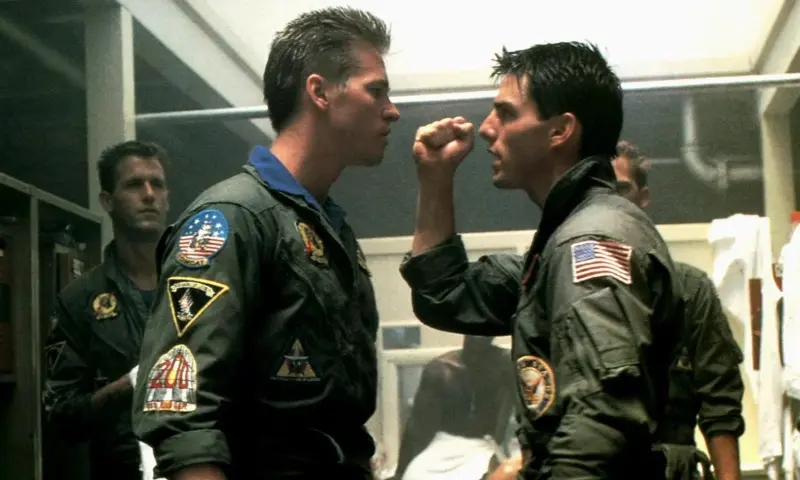
‘Top Gun’ is built around the Navy Fighter Weapons School and shows classroom briefs, instructor led tactics, and dissimilar air combat training. The structure with academics, preflight briefs, and detailed debriefs mirrors how the school improves fleet tactics.
The film also highlights instructor pilots who teach standard game plans and energy management while flying aircraft chosen to simulate opposing tactics. That combination of dedicated adversaries and rigorous debrief culture reflects the mission of the program to raise combat proficiency across the fleet.
Zero Sense: The MiG 28
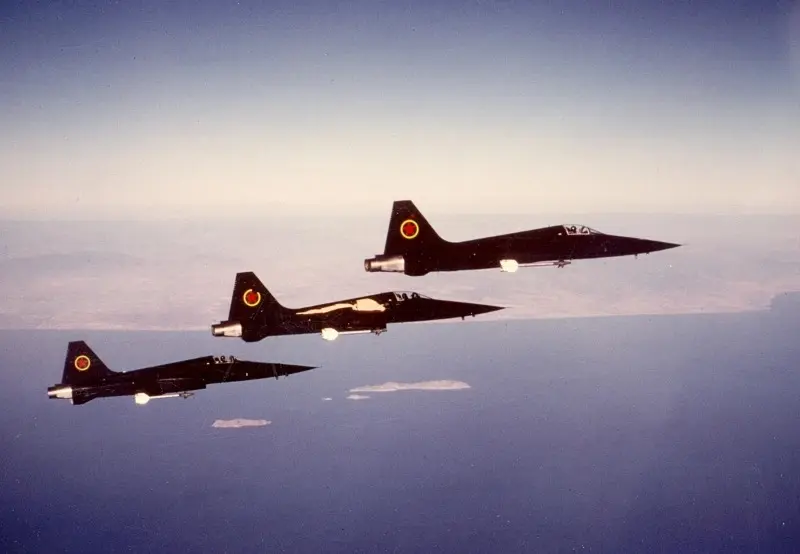
The film introduces a MiG 28 as the opposing fighter even though no such designation exists in Soviet or NATO naming. The aircraft on screen are American F 5 variants painted to represent a threat jet for clarity in training and storytelling.
During real intercepts, aircrews work with controllers to establish identification and follow specific rules before any engagement. A scenario with anonymous black jets and immediate weapons use without clear identification does not reflect standard procedures.
Perfect Sense: F 14 crew roles
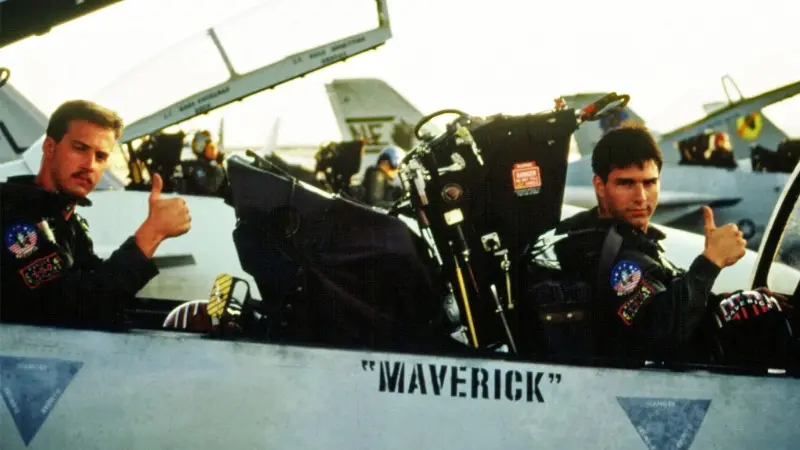
The F 14 carries a pilot up front and a radar intercept officer in the rear seat, and the movie shows that division of labor in the cockpit. The RIO manages the radar, handles communications, and supports weapon employment so the pilot can focus on flying and visual maneuvering.
Calls for radar locks, tone cues, and communication about bandit position match how crews coordinate tasks in a fast moving fight. This depiction of shared workload captures how two person crews manage complex sensors and weapons while maintaining situational awareness.
Zero Sense: Student and instructor romance

The movie portrays a student in a relationship with a civilian instructor who evaluates his performance. Training commands use policies that restrict relationships between students and anyone directly involved in grading to prevent conflicts of interest.
Even with a contractor or civilian expert, a relationship during a course would require disclosure and a change in the evaluative chain. Continuing as a student while dating an instructor would raise integrity concerns and could lead to removal from the course.
Perfect Sense: Ejection in a flat spin
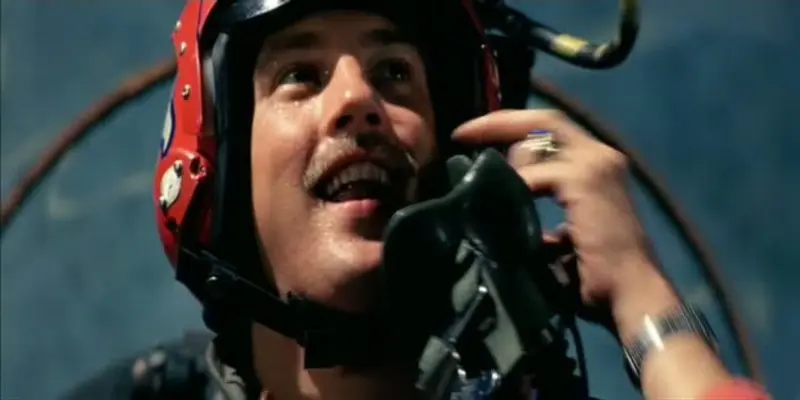
A flat spin disrupts airflow over the fuselage and tail, which can delay canopy separation and affect ejection seat trajectories. The film’s sequence shows an uncontrollable spin after wake turbulence followed by a command ejection, which aligns with known risks in unrecoverable departures.
The F 14 uses sequenced ejection to prevent seat collision, yet unusual attitudes can still create dangerous canopy and airflow interactions. The tragedy depicted arises from real aerodynamic hazards that escape training rules and can overcome well designed safety systems.
Zero Sense: From school straight to combat
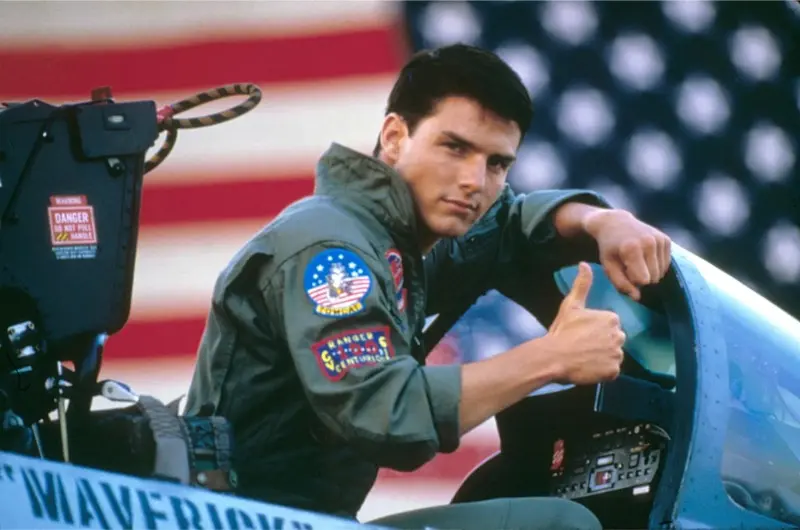
The story sends recent students from the school directly into a real world intercept as if the training unit can deploy at once. In practice, graduates return to their carrier air wings and squadrons, which hold the alert status and man operational missions.
Fleet squadrons assign crews, aircraft, and maintenance support for alert launches based on readiness plans. Launching a freshly graduated student who is not integrated with a squadron into a high stakes intercept would not align with normal operational tasking.
Perfect Sense: Carrier launch and recovery
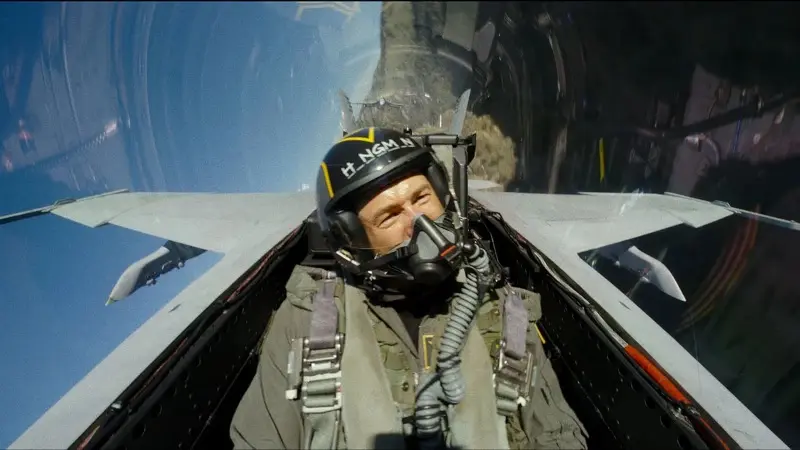
The movie shows catapult crews arming the jet on the waist and bow cats, directors guiding aircraft with hand signals, and a launch using a holdback fitting and shuttle. These details match how carriers calculate catapult settings for aircraft weight and wind to achieve safe flyaway speed.
Recovery footage includes tailhooks engaging arresting wires while landing signal officers monitor approach path and grades. Colored shirts on deck identify roles such as ordnance, fuel, and plane captains, which accurately reflects carrier deck organization.
Zero Sense: Near collisions in training fights
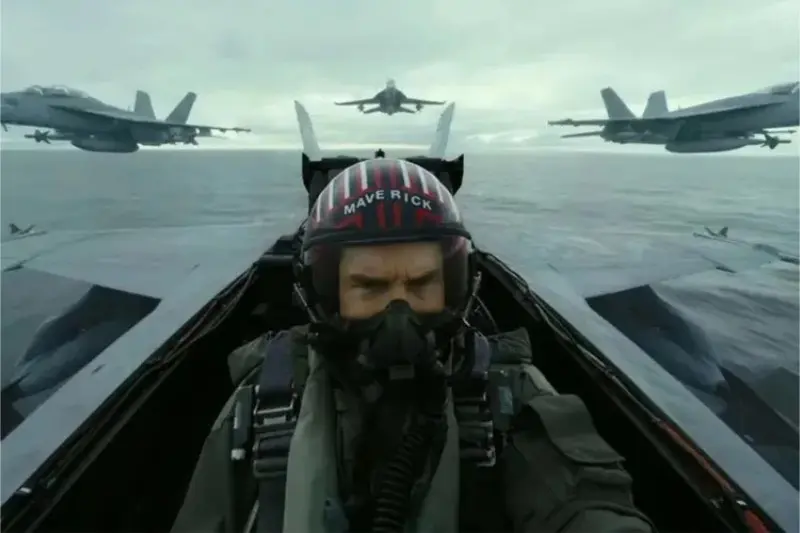
Training scenes depict merges and crossing passes within a few feet during high energy maneuvering. Actual training rules require minimum separation, altitude floors, and termination calls when aircraft lose sight or enter unsafe geometry.
Dissimilar air combat training uses a protective bubble around each jet to prevent midair risk. Passes that close would trigger an immediate knock it off and a safety review, not a continued engagement.
Perfect Sense: Call signs and debrief culture
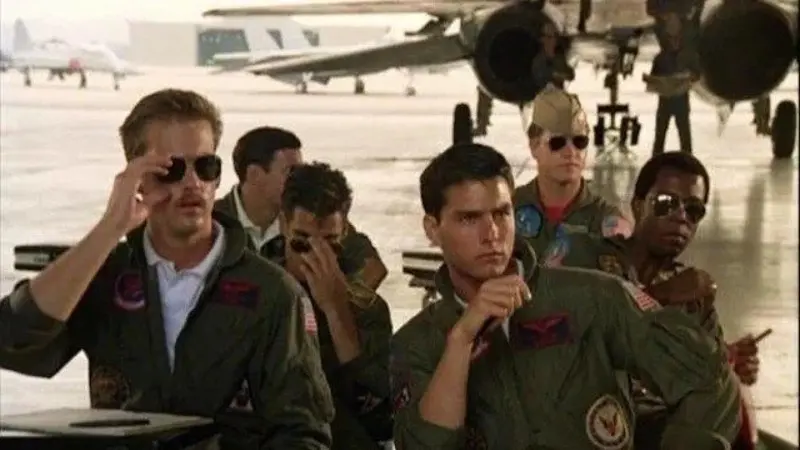
The film’s use of call signs for pilots and RIOs reflects a long standing tradition that supports clear radio comms and unit identity. Crews use the call signs in the air and on the deck to simplify coordination under stress.
Post flight debriefs with frank assessments and tape review match the heart of the program. The emphasis on what happened, why it happened, and how to fix it in the next sortie captures the learning cycle that drives tactical improvement.
Share your favorite sense or nonsense moment from ‘Top Gun’ in the comments and tell us what we should analyze next.