5 Ways ‘Superman 1978’ Aged Poorly (& 5 Ways It Aged Masterfully)

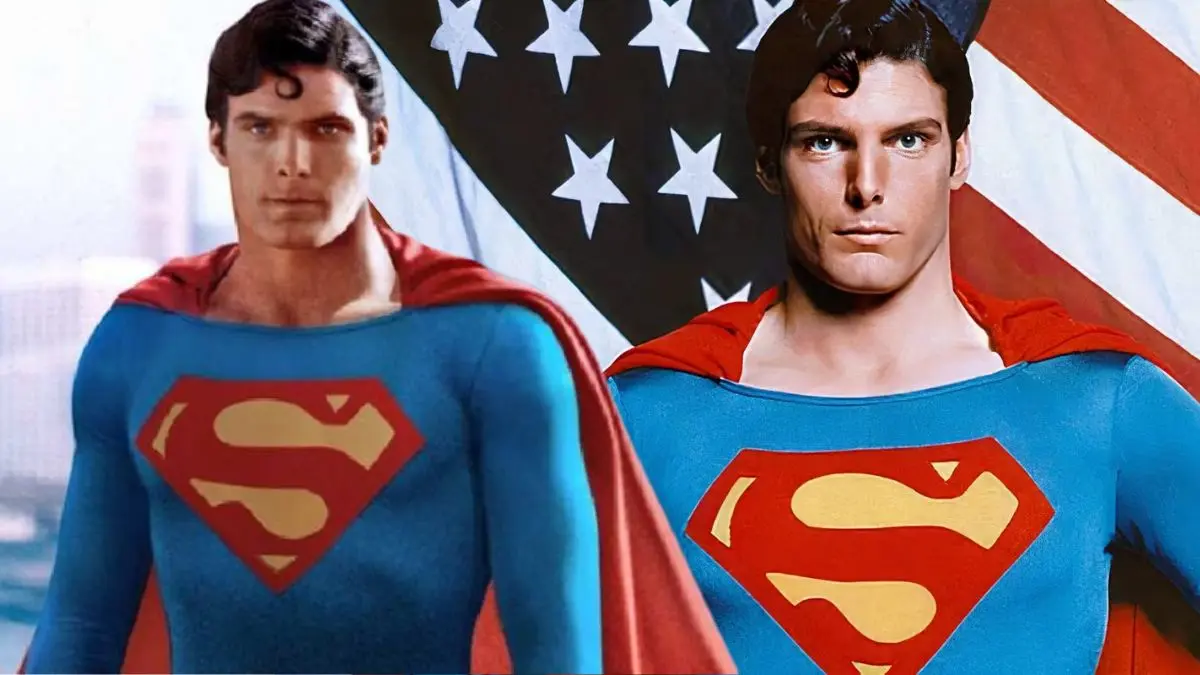

When ‘Superman’ arrived in cinemas it placed a comic book icon at the center of a large scale production with global reach. Audiences met a carefully built world that moved from a gleaming alien prologue to small town Americana and then to a bustling city, with a cast and crew assembled from both sides of the Atlantic to pull it off.
This look back focuses on the parts that show their age and the parts that continue to work for new viewers. You will find details on how the film was made, how it tells its story, and how it shaped the comic book features that followed, with specifics from sets, stunts, visual effects, and distribution.
Aged Poorly: Early optical compositing shows its seams
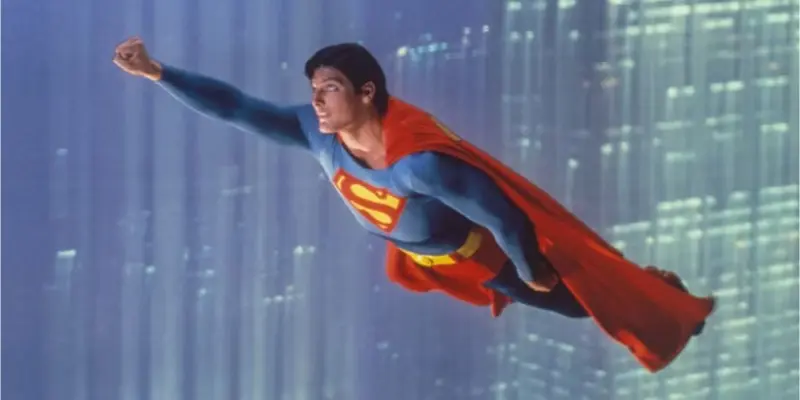
The production used optical printers, blue screen, and the Zoptic front projection system developed by Zoran Perisic to combine live action with background plates for flight. These processes created multiple generations of film elements which can add grain and slight color fringing around figures on modern displays.
Wire rigs and traveling mattes also left minor matte lines in some wide shots when the elements were rephotographed. When viewed in high resolution releases the differences in sharpness between foreground and background elements are easier to spot because optical duplication reduces detail compared with original camera negatives.
Aged Masterfully: Christopher Reeve’s transformation technique
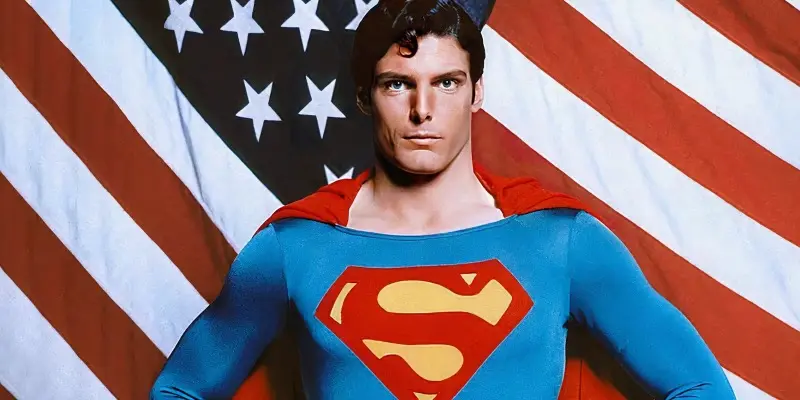
Christopher Reeve trained for the role with strength coach David Prowse and added significant body mass while keeping a lean frame. Costuming and posture work allowed him to present two distinct silhouettes without relying on elaborate makeup.
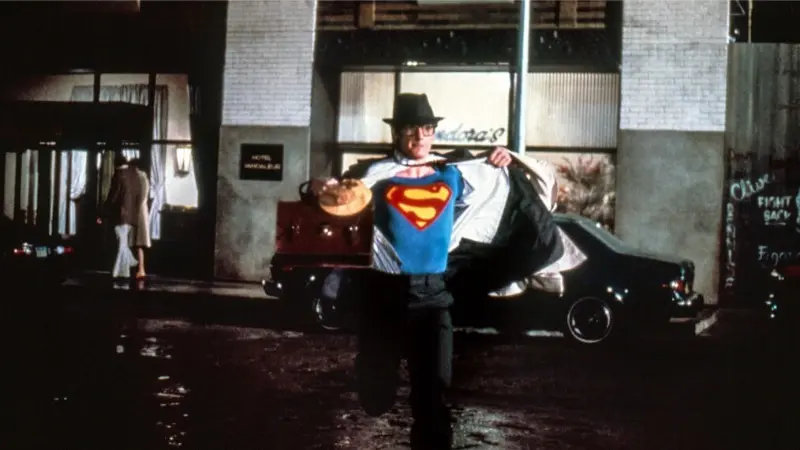
He modulated voice, eye line, and gait to separate Clark Kent scenes from ‘Superman’ scenes in the same setting. The physical approach became a reference point for later screen versions and it provided a clear on set method any camera team could capture without special editing tricks.
Aged Poorly: Newsroom tools freeze the story in a pre digital era
The Daily Planet floor shows typewriters, carbon paper, rotary phones, and pneumatic message systems that were standard in late seventies offices. Reporters hand deliver copy to editors and photo desks rather than filing through email or content management software.
Breaking updates arrive by wire service and radio rather than mobile alerts or social platforms. This snapshot of workflow reflects a period before portable computers and it locks story beats to a pace built around physical documents and in person meetings.
Aged Masterfully: World building through design and cinematography

Production designer John Barry created a crystalline Krypton that used reflective surfaces and minimal geometry built at Pinewood stages. Cinematographer Geoffrey Unsworth used soft diffusion and controlled highlights to give the prologue an ethereal sheen.
Smallville sequences were filmed on location in the Canadian prairies to capture open skies and long roads while Metropolis scenes used New York streets and large scale sets to evoke a bustling newsroom and city core. The contrast across these spaces helps the narrative mark each phase of the character journey with a distinct look.
Aged Poorly: The time reversal finale complicates continuity
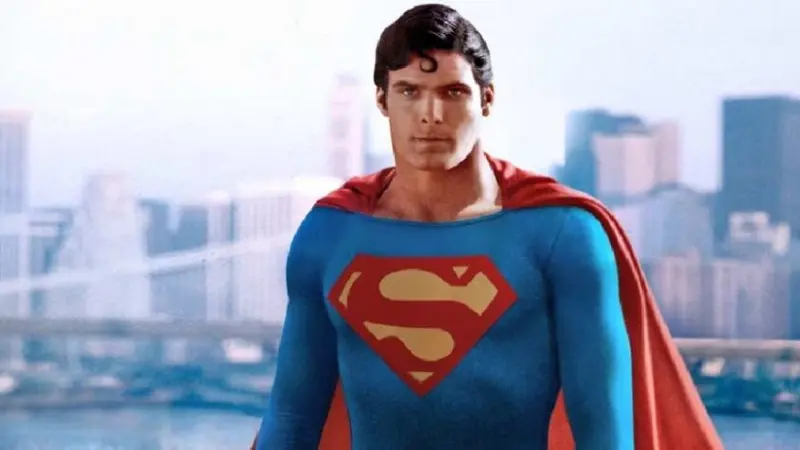
The climax shows ‘Superman’ circling Earth to roll back recent events and restore people and property after the missile crisis. The device resets a key loss and erases damage within the same runtime rather than carrying consequences into later scenes.
Later entries such as ‘Superman II’ and ‘Superman Returns’ handle consequences and timelines in different ways and the ending sits apart from those approaches. The choice has made cross film continuity more complex for editors and archivists who assemble recuts and restorations.
Aged Masterfully: The helicopter rescue blends multiple in camera methods
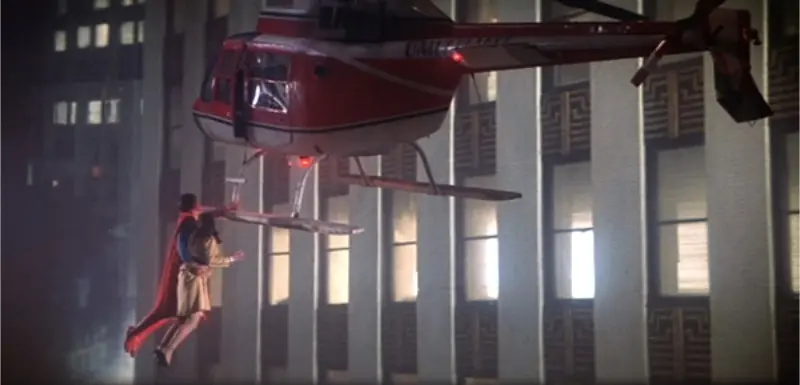
The Daily Planet rooftop incident combines full size sets with location plates, wire work, and front projection to place actors and miniatures in the same sequence. Stunt performers and rigging teams coordinated with visual effects crews to match eyelines and camera moves so that cuts link cleanly.
The production layered practical wind, falling debris gags, and rear projection traffic plates under controlled lighting to maintain continuity when cutting between stage and street material. The integration of these elements created a showcase for contemporary effects craftsmanship and stands as a clear example of late seventies action staging.
Aged Poorly: Gender dynamics reflect older newsroom norms
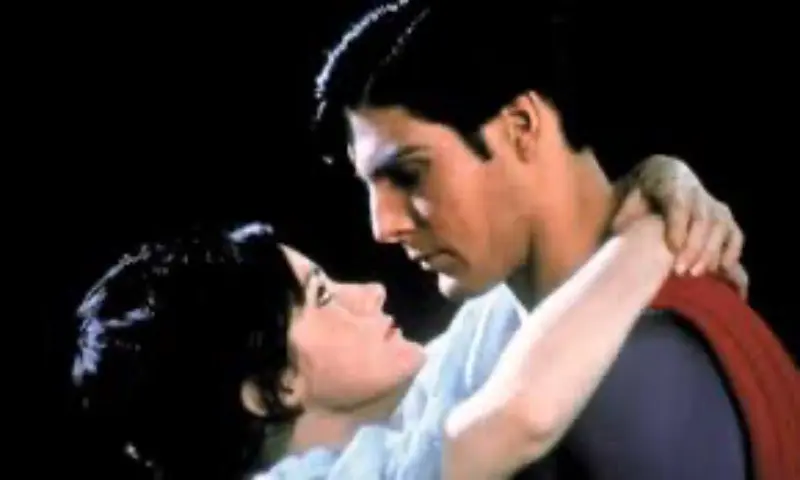
Lois Lane is introduced as a top reporter but the plot repeatedly routes her into peril that requires intervention and it places office humor on her spelling quirks and habits. Miss Teschmacher and the henchman Otis are framed with broad comedic beats that mirror variety show character types of the period.
Later television and film entries such as ‘Lois & Clark’, ‘Smallville’, and ‘Supergirl’ present professional settings with different boundaries and mentorship styles and they give Lois and other women more investigative autonomy within the newsroom. The comparison shows how workplace storytelling shifted in mainstream comic based media over the following decades.
Aged Masterfully: Ambition of a two film production plan
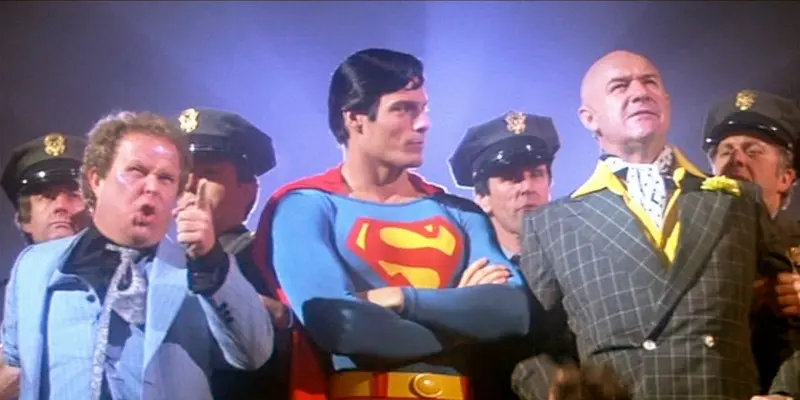
The producers set up a shoot that covered ‘Superman’ and large portions of ‘Superman II’ during the same period to control sets, costumes, and actor schedules. This plan allowed large sequences like the Krypton material to be amortized across two scripts which reduced rebuilds and setup time.
The approach foreshadowed later back to back projects such as ‘The Lord of the Rings’ and other franchises that stage consecutive installments under a single production umbrella. It offered a template for handling large casts and complex visual effects workflows before digital tools were standard.
Aged Poorly: Lex Luthor’s land scheme belongs to a specific era
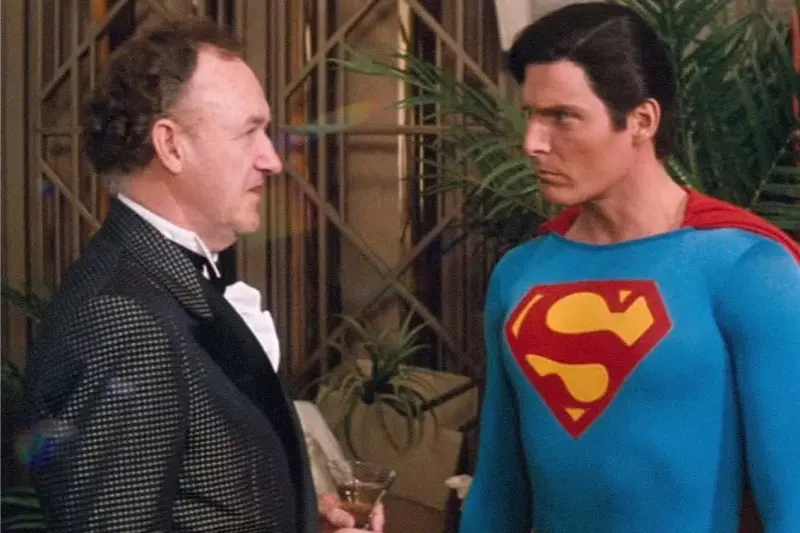
The central criminal plot focuses on real estate speculation along the California coast using hijacked missiles and fault line maps. The scheme relies on a monopoly style vision of land wealth and it uses broadcast hijacks and map rooms rather than modern finance or network intrusion.
Later portrayals of the character in films like ‘Man of Steel’ shift attention to corporate influence, scientific research, and media manipulation as instruments of power. The contrast places the plan within a set of seventies anxieties about infrastructure and development.
Aged Masterfully: Cultural impact and theatrical success
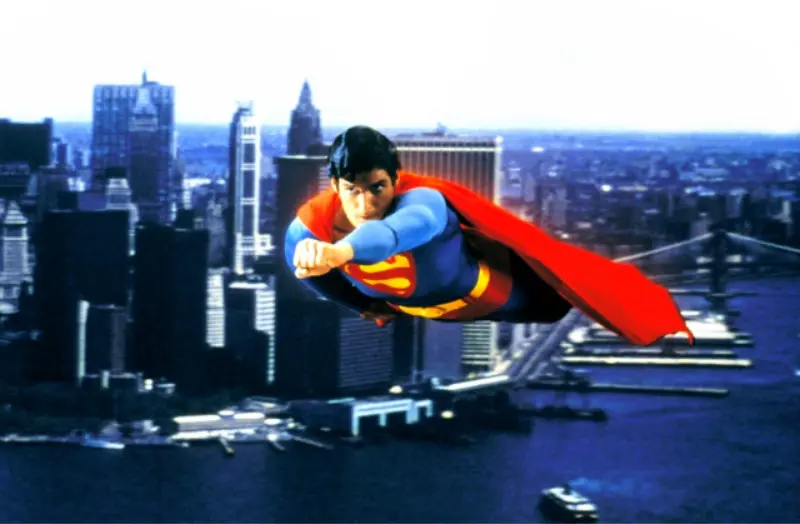
The release became a major box office event for comic based cinema and it established the viability of large scale superhero features for global audiences. The production mounted a wide campaign with trailers, posters, and merchandise that introduced the cast and the tone to viewers across many markets.
Its success cleared a path for follow ups and for later series such as ‘Batman’, ‘Spider-Man’, ‘Wonder Woman’, and ‘Man of Steel’ to launch with confidence in cinemas. The film also encouraged studios to maintain archives and restoration programs for comic book properties as long term library assets.
Share your thoughts on which parts of ‘Superman’ hold up best for you and which ones feel most rooted in their time in the comments.