


Actors Hollywood Pushed—But Audiences Didn’t Bite


Studios regularly scout for the next bankable leading man, give them big franchises, and hope audiences show up, but not every push turns into long-term star power. The actors below landed high profile launches, headlined would-be tentpoles, or were positioned as the face of new series, only to see the momentum cool. Many kept working steadily and shifted to supporting roles, television, or prestige projects where they found a better fit. This is a look at the campaigns behind the names and how the box office and follow ups shaped their paths.
Taylor Kitsch
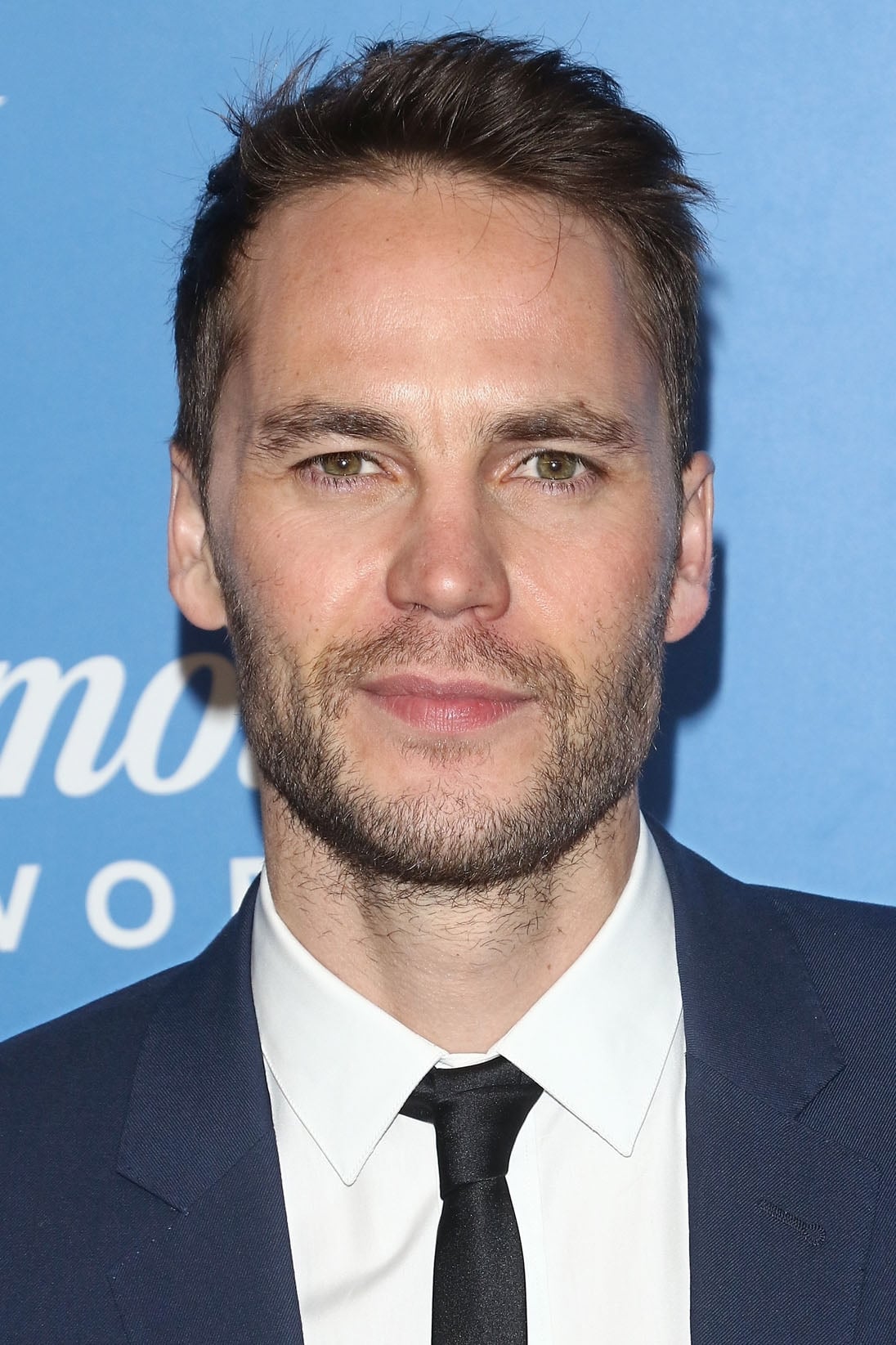
Disney built a major sci fi rollout around him with ‘John Carter’ and he followed with the board game blockbuster attempt ‘Battleship’. Both releases underperformed in North America compared to their budgets and marketing spend. He kept busy with projects like ‘Savages’ and television work that earned stronger notices. The early tentpole losses made studios more cautious about positioning him as a first choice lead for wide releases.
Jai Courtney
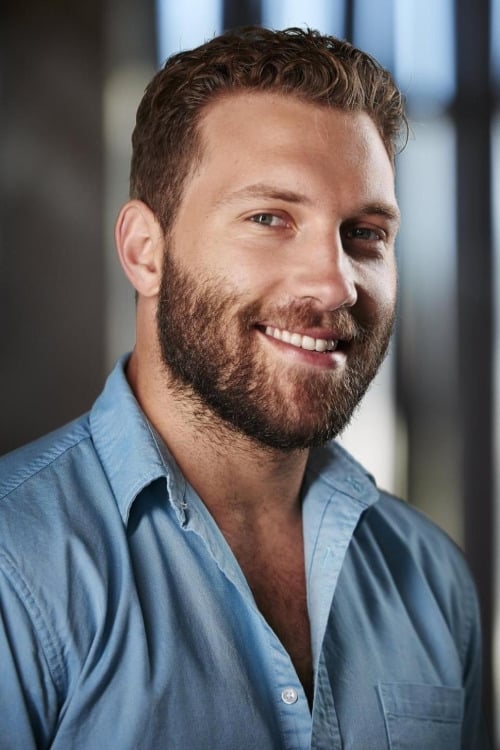
He was slotted into legacy brands with ‘A Good Day to Die Hard’ and ‘Terminator Genisys’ to test action hero appeal. Neither film sparked sustained interest in new sequels anchored by him. He moved into ensemble franchises like ‘Suicide Squad’ while taking stage and television roles. The results showed reliability as part of a cast rather than a singular theatrical draw.
Sam Worthington
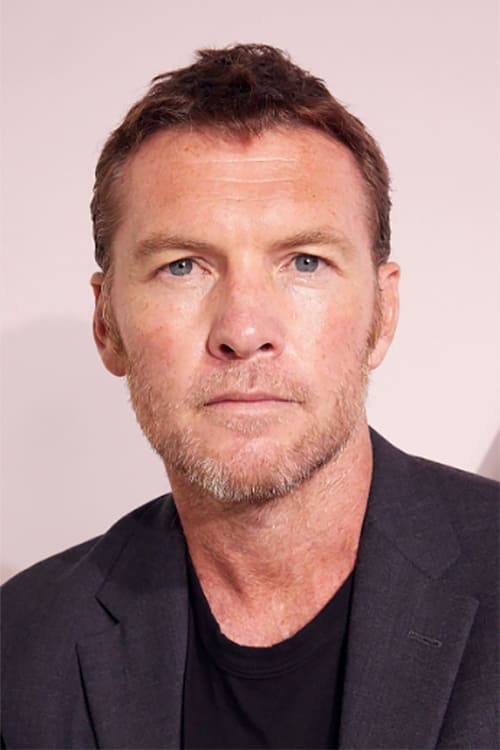
He fronted ‘Avatar’ and then carried ‘Clash of the Titans’ and ‘Wrath of the Titans’ as a mythic action lead. Outside of that universe, vehicles like ‘Man on a Ledge’ did not convert him into a consistent opener. He later focused on character parts and continued work in the expanding ‘Avatar’ saga. The career arc illustrates how one record breaking franchise can coexist with modest returns elsewhere.
Alex Pettyfer
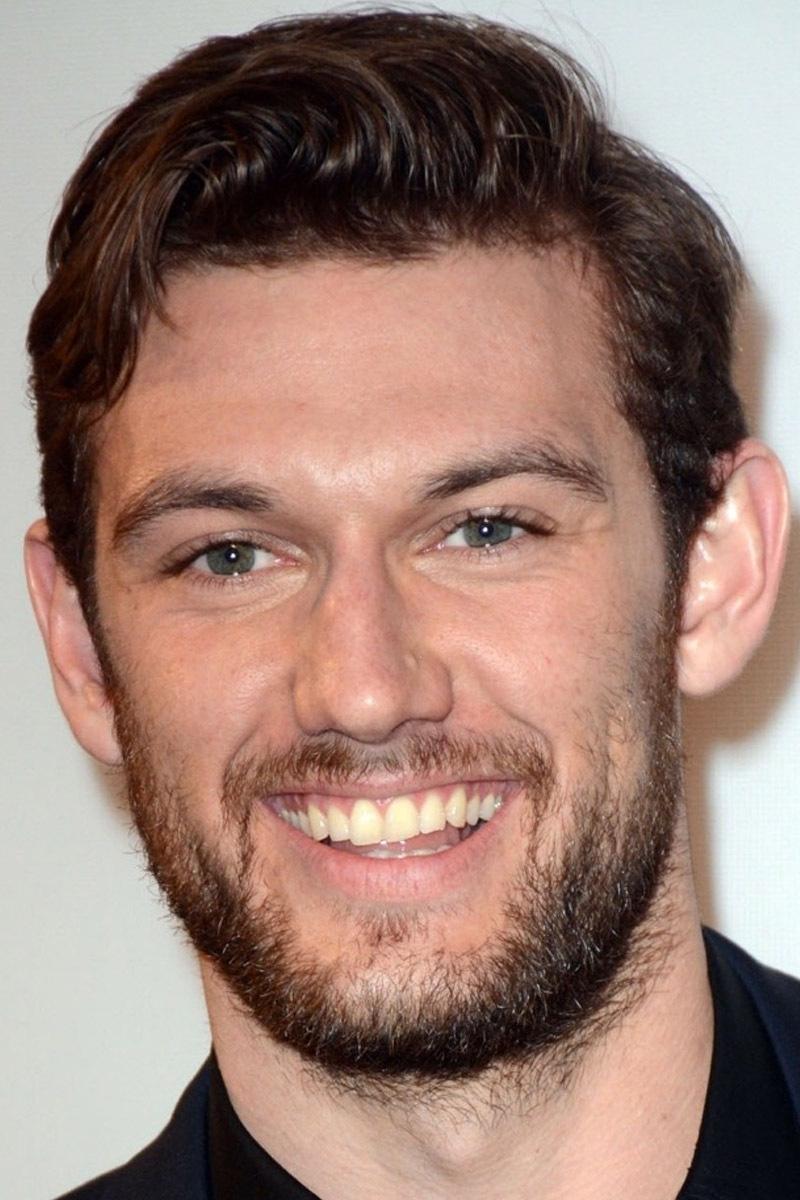
Studios aimed teen and young adult audiences at him with ‘I Am Number Four’ and the modern fairy tale ‘Beastly’. Neither launch kicked off a durable franchise or strong sequel pipeline. He pivoted to supporting roles and smaller films after the early tests. The initial strategy highlighted visibility but did not translate into wide appeal at the box office.
Kellan Lutz
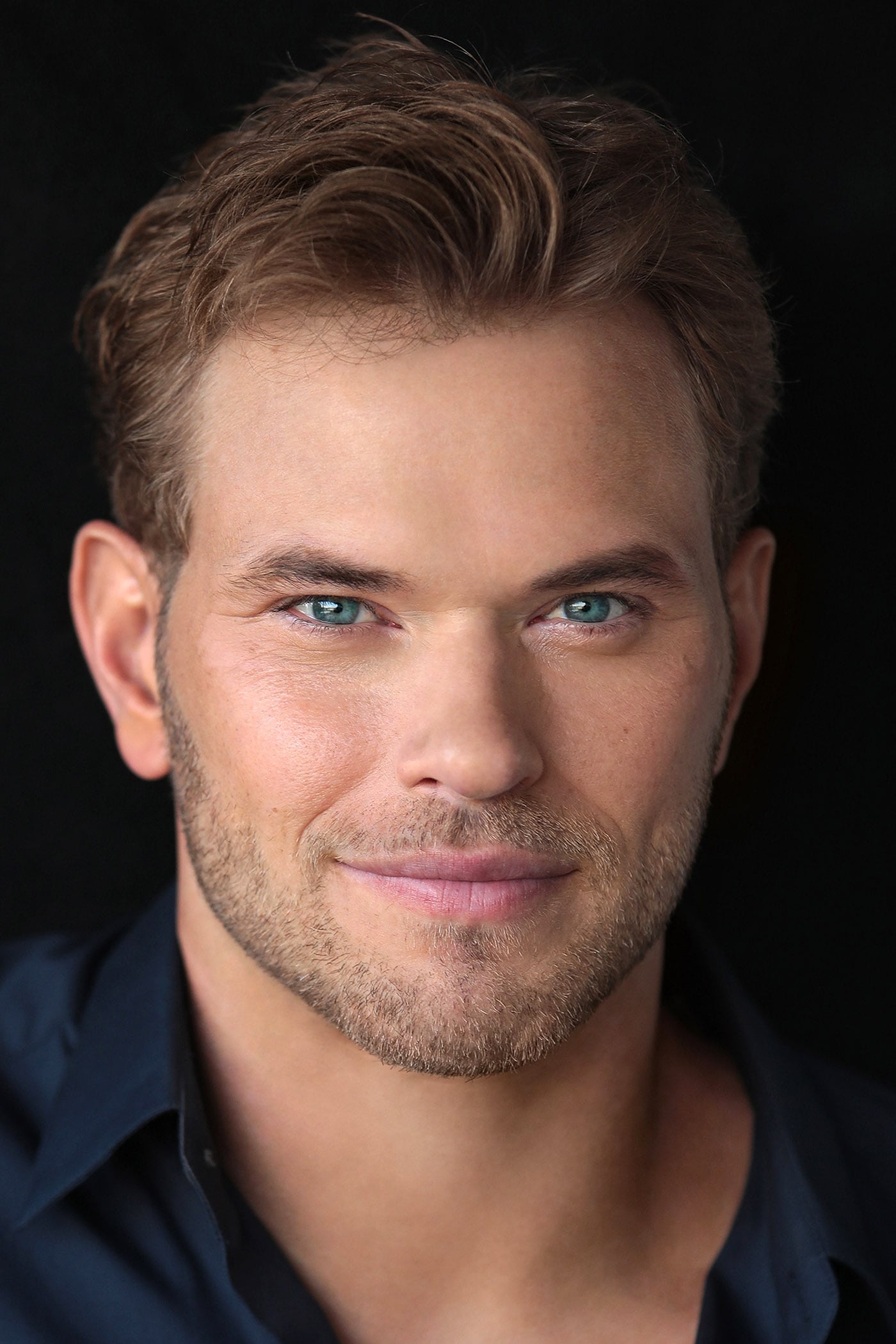
Post ‘Twilight’ momentum set him up to headline ‘The Legend of Hercules’ and voice ‘Tarzan’. The sword and sandal play struggled against competition and interest cooled quickly. He found steadier footing with television guest turns and action ensembles. The attempt showed that franchise adjacency does not automatically confer leading status.
Garrett Hedlund
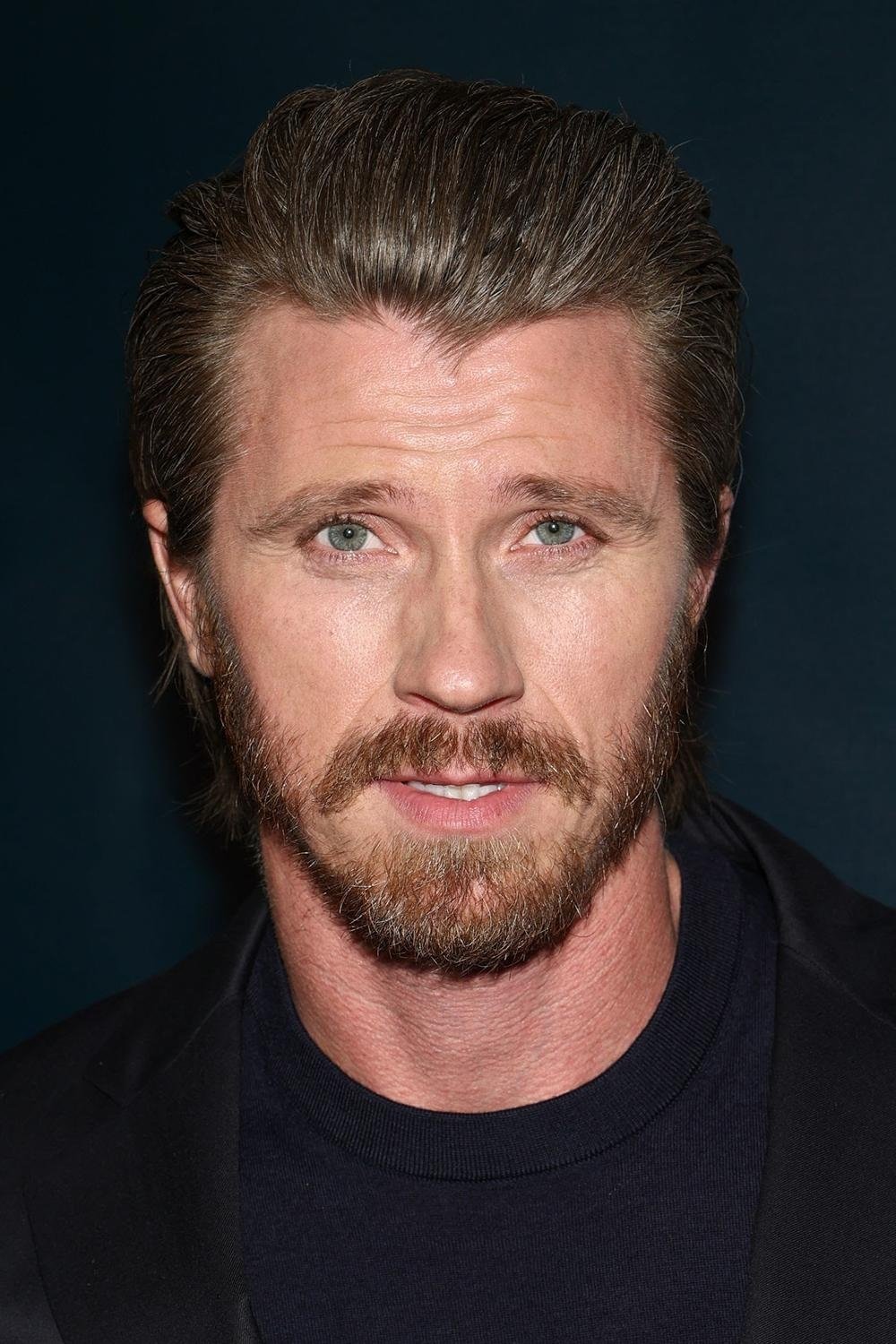
Disney positioned him as the face of ‘Tron: Legacy’ and later paired him with music drama territory in ‘Country Strong’. Big family fantasy ‘Pan’ did not connect, limiting future tentpole offers. He continued with supporting turns in literary adaptations and streaming series. The results nudged his career toward character driven work rather than major spectacle leads.
Charlie Hunnam
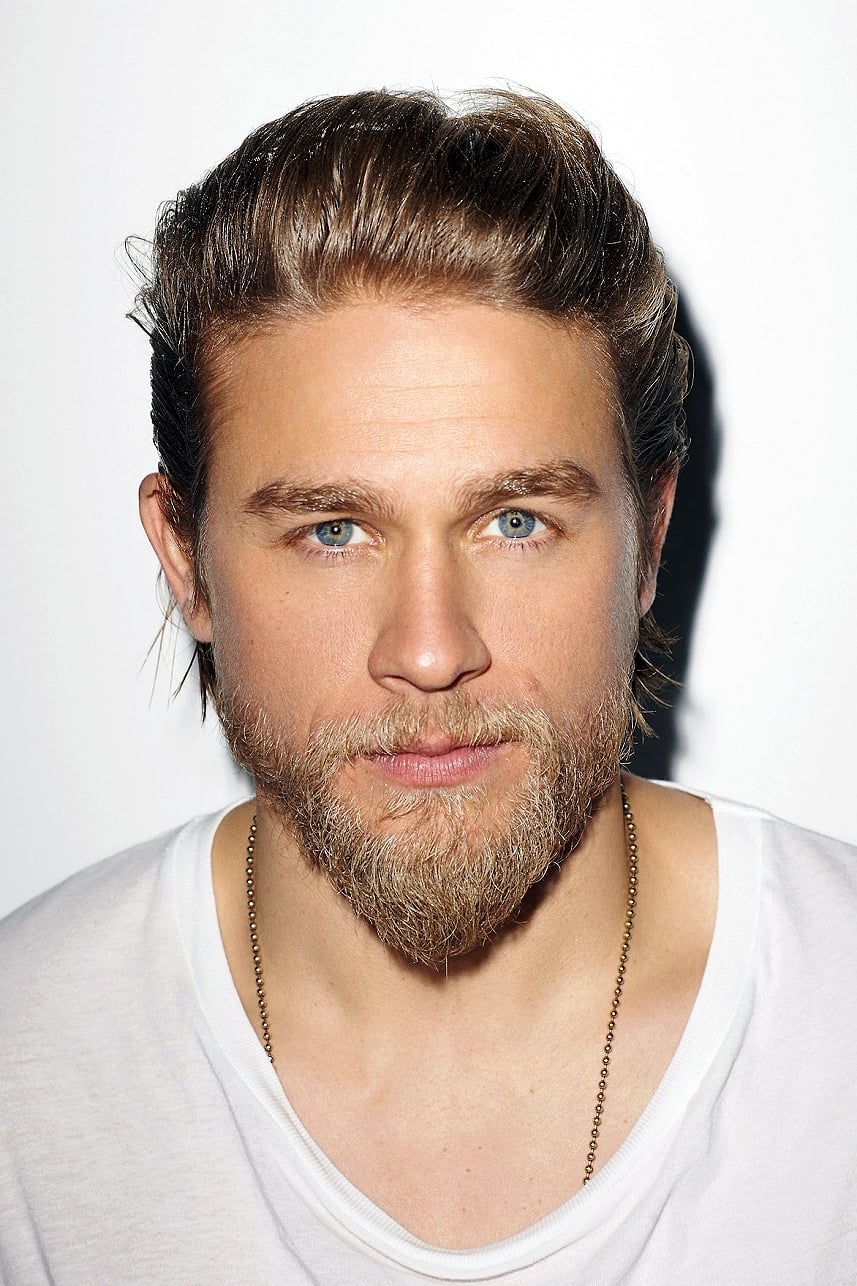
After a breakout on television he took swings at film stardom with ‘Pacific Rim’ and ‘King Arthur: Legend of the Sword’. The original monster robot film built a cult following but the medieval reboot missed expectations. He shifted toward mid budget thrillers and international productions. The pivot emphasized roles that play to intensity over box office scale.
Armie Hammer
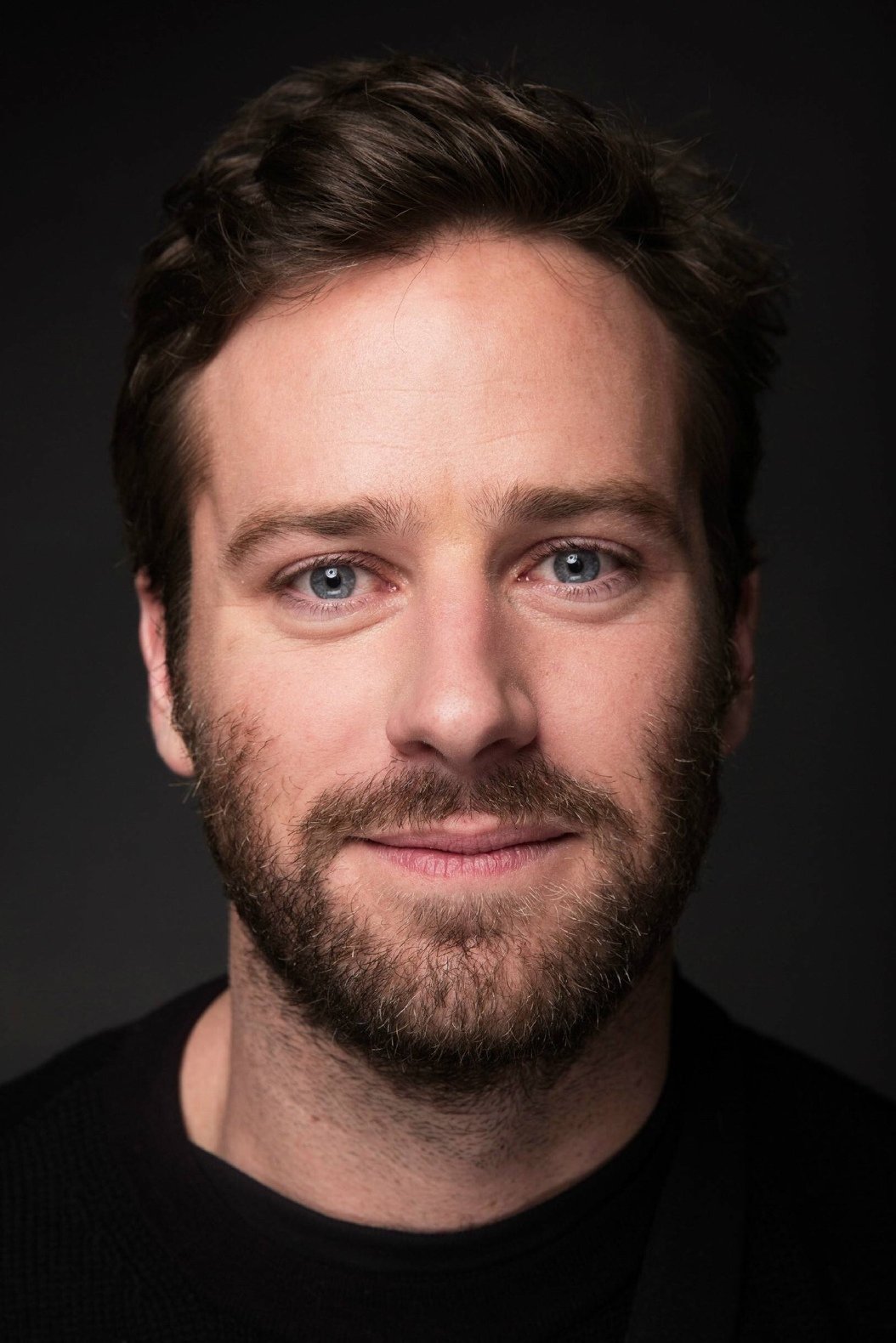
He headlined ‘The Lone Ranger’ opposite a marquee co star and later teamed for spy revival ‘The Man from U.N.C.L.E.’. Both titles struggled to ignite franchises despite heavy promotion. He found critical momentum in smaller dramas before stepping back from high profile projects. The big swing launches did not deliver the sustained commercial base studios hoped for.
Dane DeHaan

He moved from indie acclaim to studio bets with ‘The Amazing Spider Man 2’ and space opera ‘Valerian and the City of a Thousand Planets’. The superhero outing faced franchise turbulence and the original sci fi epic fell short globally. He regrouped with character roles and prestige television. The shift underscored a better fit with offbeat material than large canvases.
Brenton Thwaites
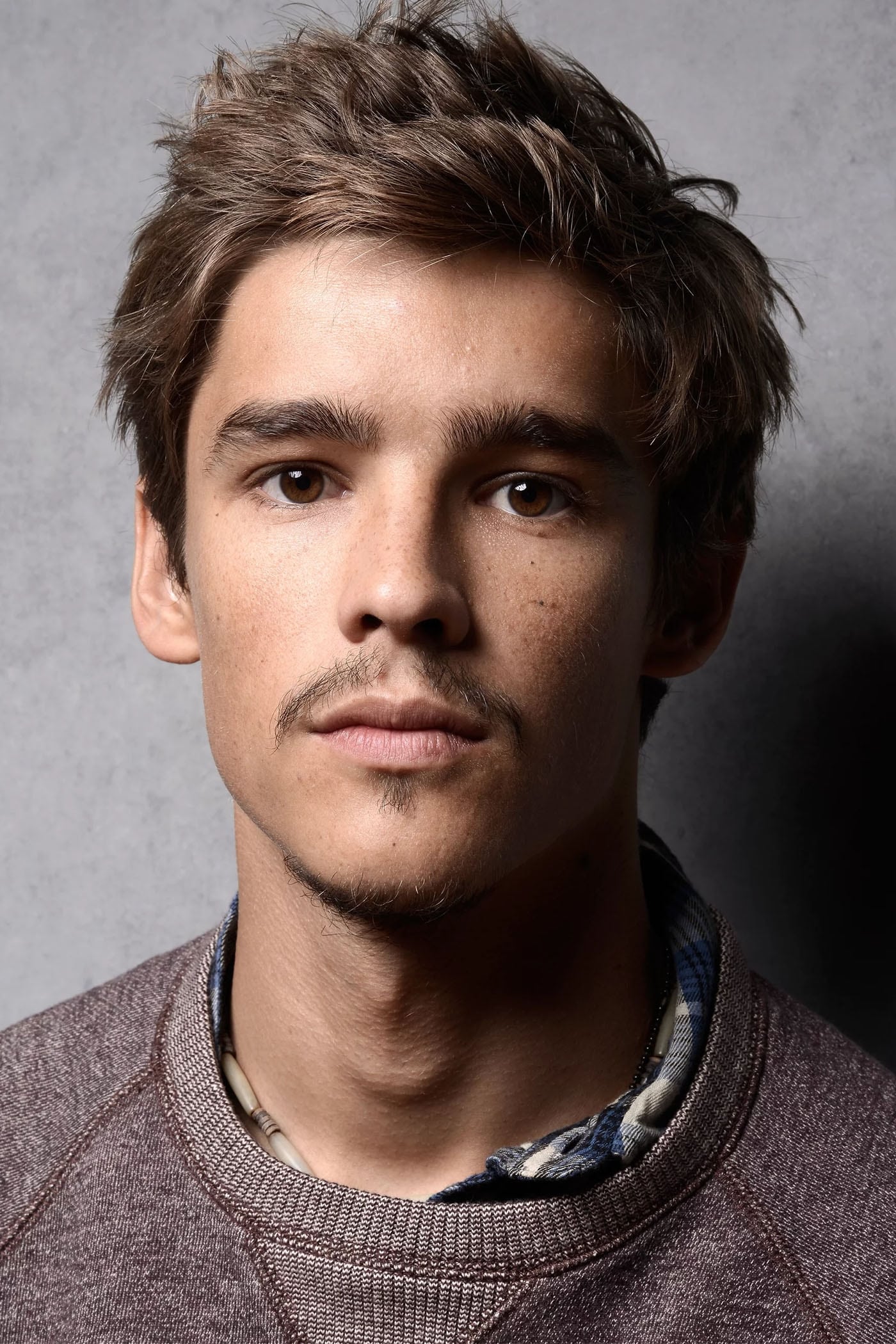
He was tapped for YA adaptation ‘The Giver’ and fantasy adventure fare like ‘Gods of Egypt’. A supporting spot in ‘Pirates of the Caribbean: Dead Men Tell No Tales’ added franchise exposure without a breakout. He later secured a steady audience on television with ‘Titans’. The track record pointed to stability on the small screen rather than theatrical leads.
Kit Harington
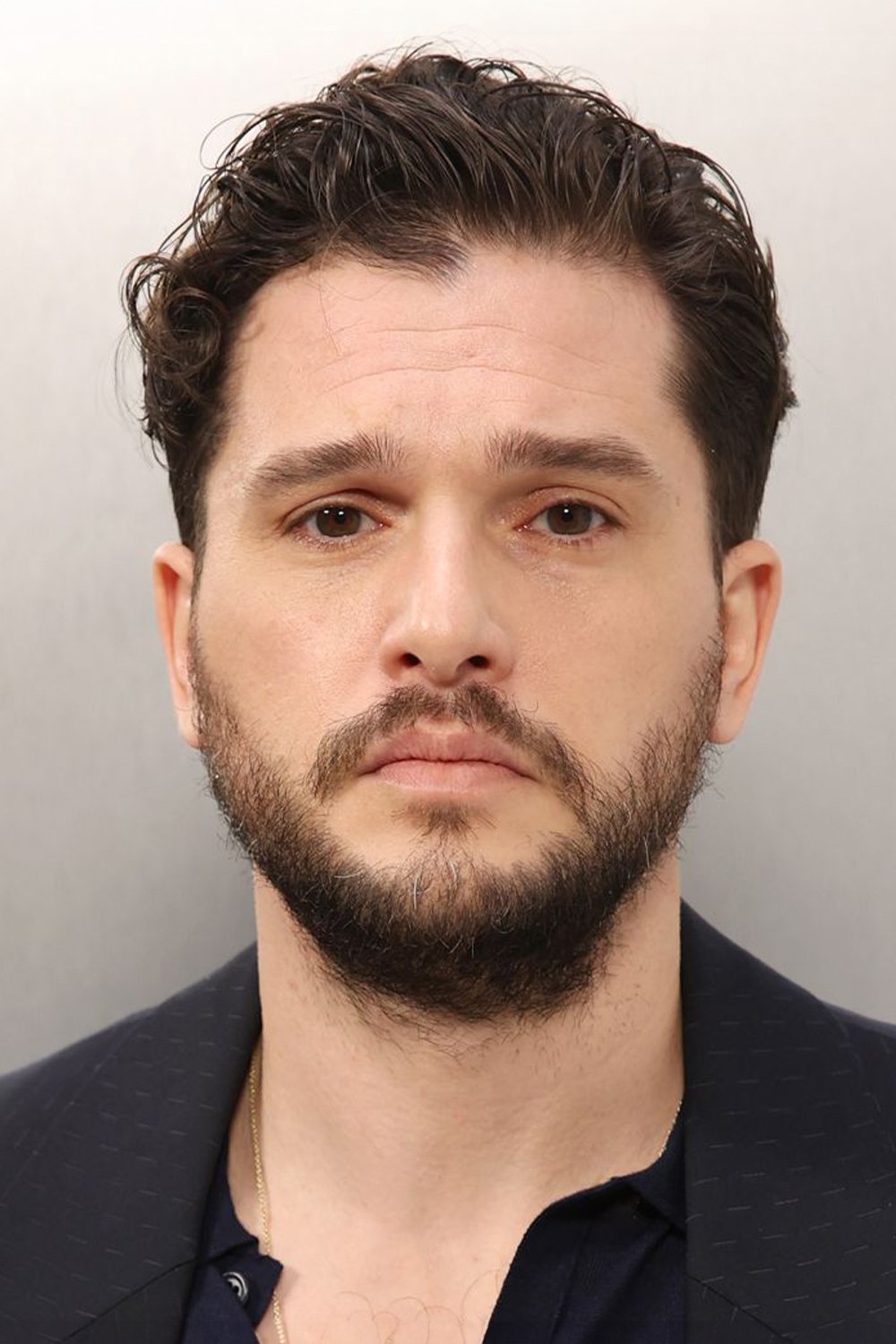
Studios tried to transfer his series fame to films with disaster epic ‘Pompeii’. A delayed release for ‘Seventh Son’ further blunted momentum. He continued with voice work, stage appearances, and ensemble projects while returning to event television. The attempts showed that TV popularity does not always convert to moviegoer turnout.
Theo James
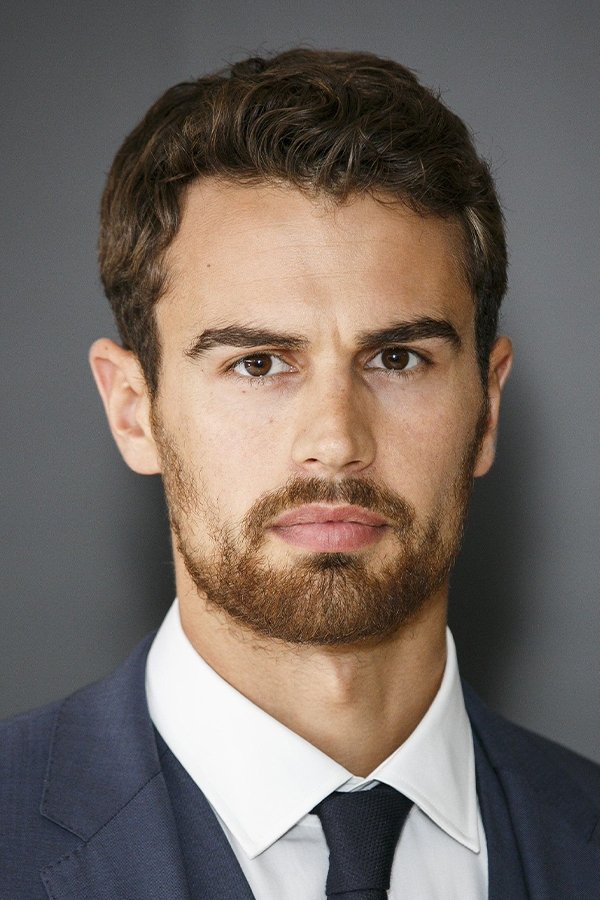
He co led the ‘Divergent’ series which launched with promise before later entries lost traction. The planned finale shifted away from a big theatrical finish as interest waned. He rebuilt with prestige and genre television that highlighted strengths in layered roles. The career path moved away from franchise dependence toward selective projects.
Jack Huston
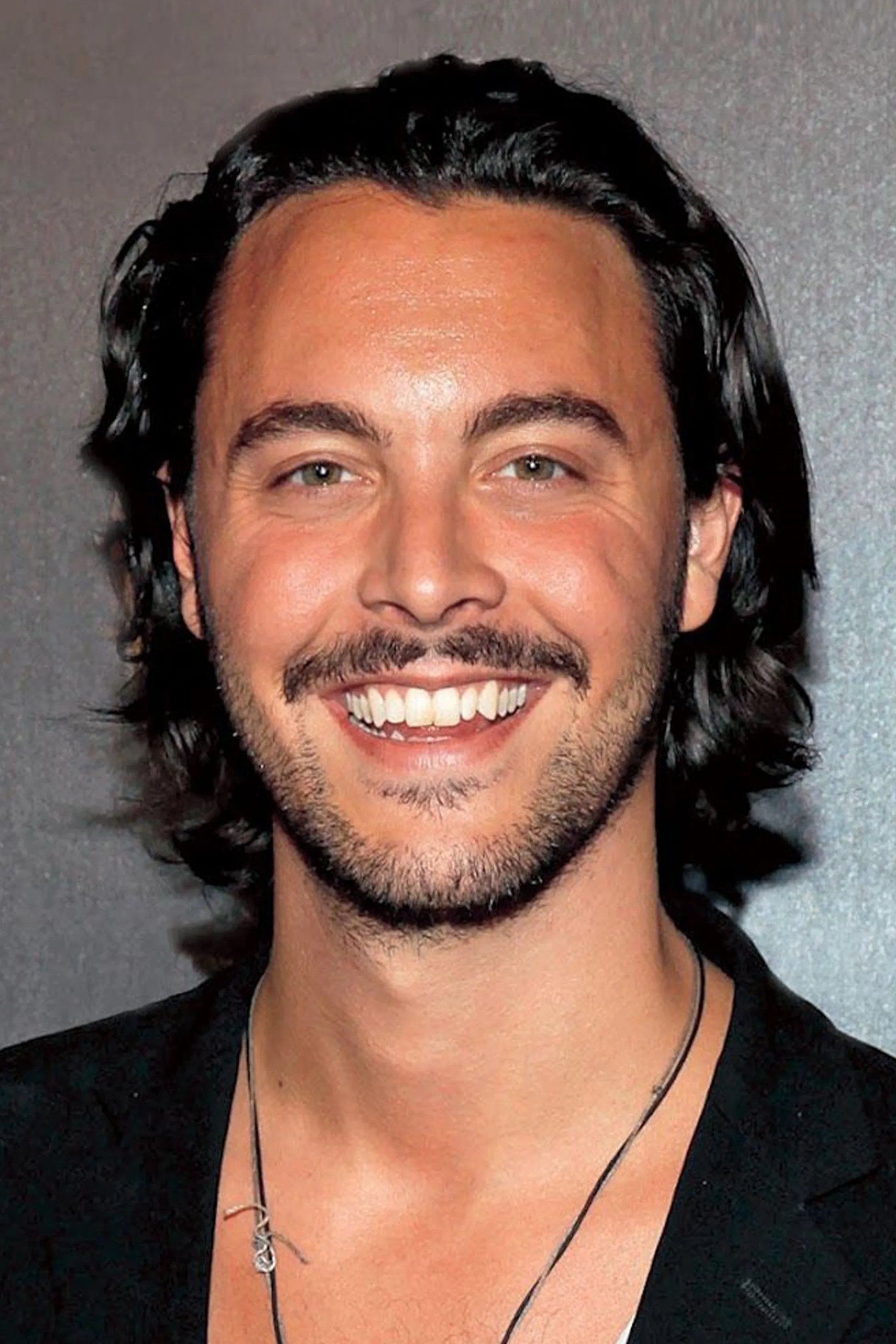
The studio gave him a classic remake showcase with ‘Ben Hur’. The film’s soft performance limited follow ons at that budget level. He continued with ensemble roles in crime dramas and streaming features. The play demonstrated how a remake’s reception can quickly recalibrate casting momentum.
Luke Bracey

He took the lead in the ‘Point Break’ remake aimed at relaunching an action brand for a new generation. The film under delivered and did not spawn further installments. He kept working in romances and thrillers with modest box office expectations. The trajectory suggests a better lane in targeted genre releases.
Alden Ehrenreich
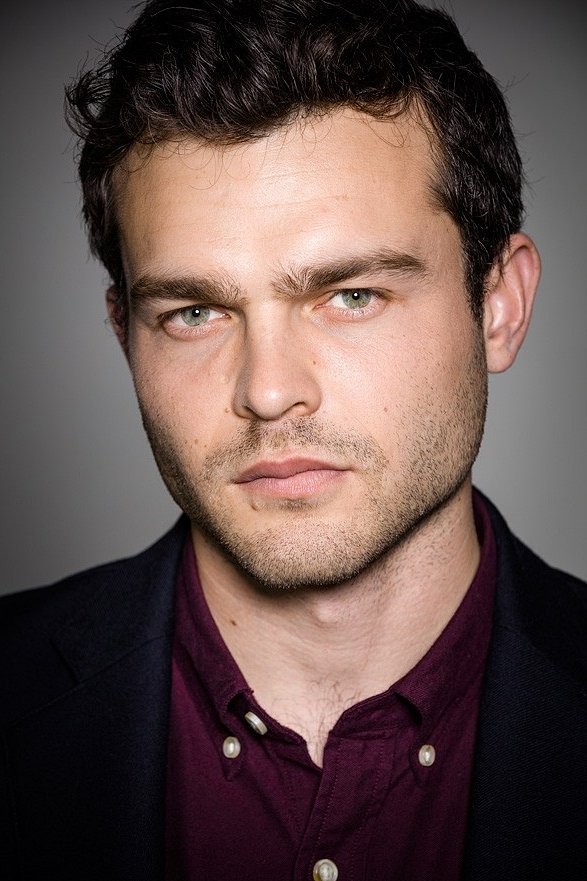
He inherited a marquee role in ‘Solo: A Star Wars Story’ which landed below expectations for the brand. The outcome cooled talk of sequels centered on his version of the character. He rebounded with acclaimed work in television and standout supporting turns in films like ‘Oppenheimer’. The post franchise strategy emphasized range over scale.
Scott Eastwood
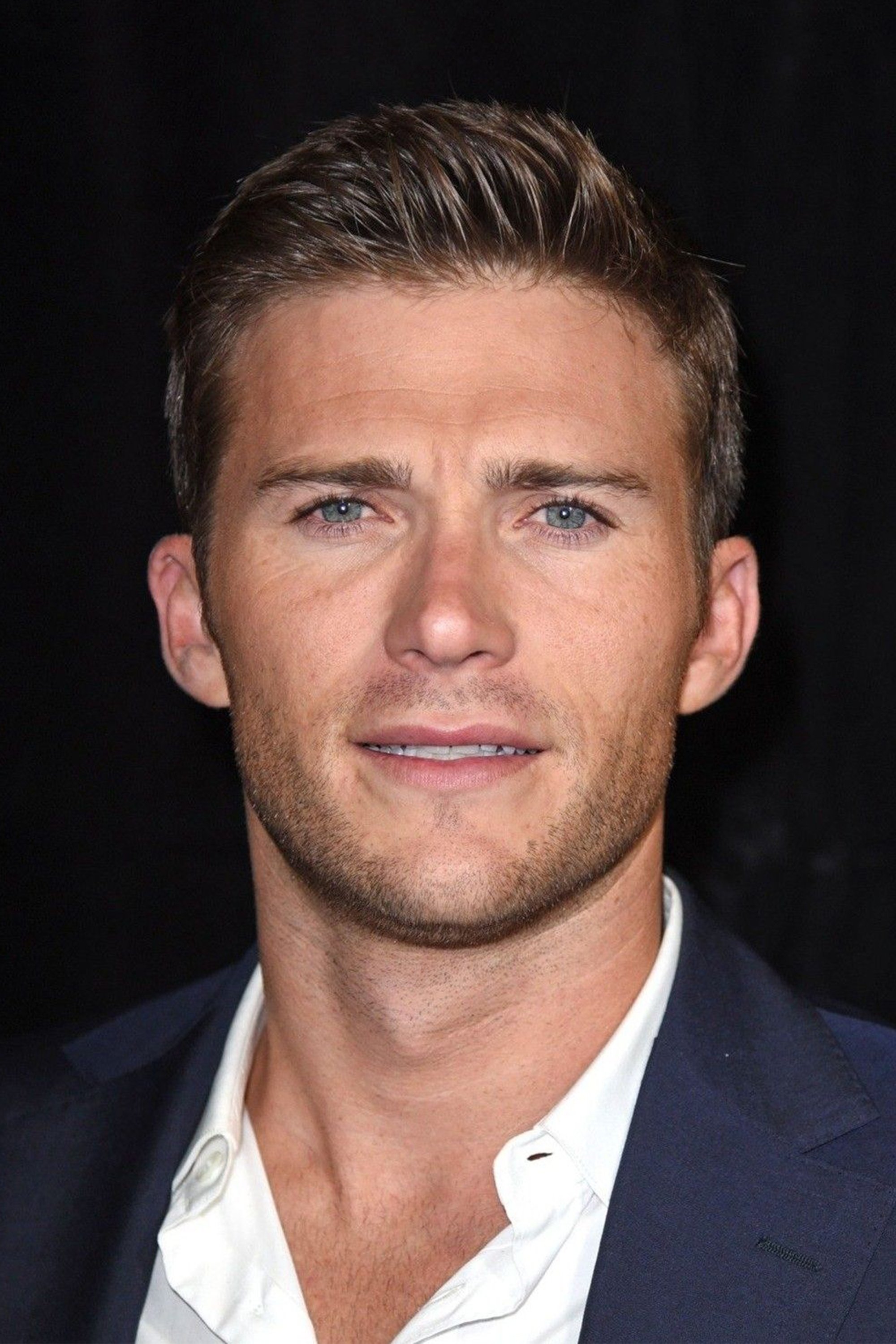
Studios tried him in visible slots around franchises with parts in ‘Suicide Squad’ and ‘Pacific Rim Uprising’ before leading smaller thrillers. The attempts to center him in wide releases did not generate strong opening weekends. He continued to appear in action ensembles and streaming titles. The pattern showed reliability within a cast rather than as a theatrical headliner.
Share the names you think belong here and tell us who you would add in the comments.

