


Actors Who Are Advocating Against Islamophobia

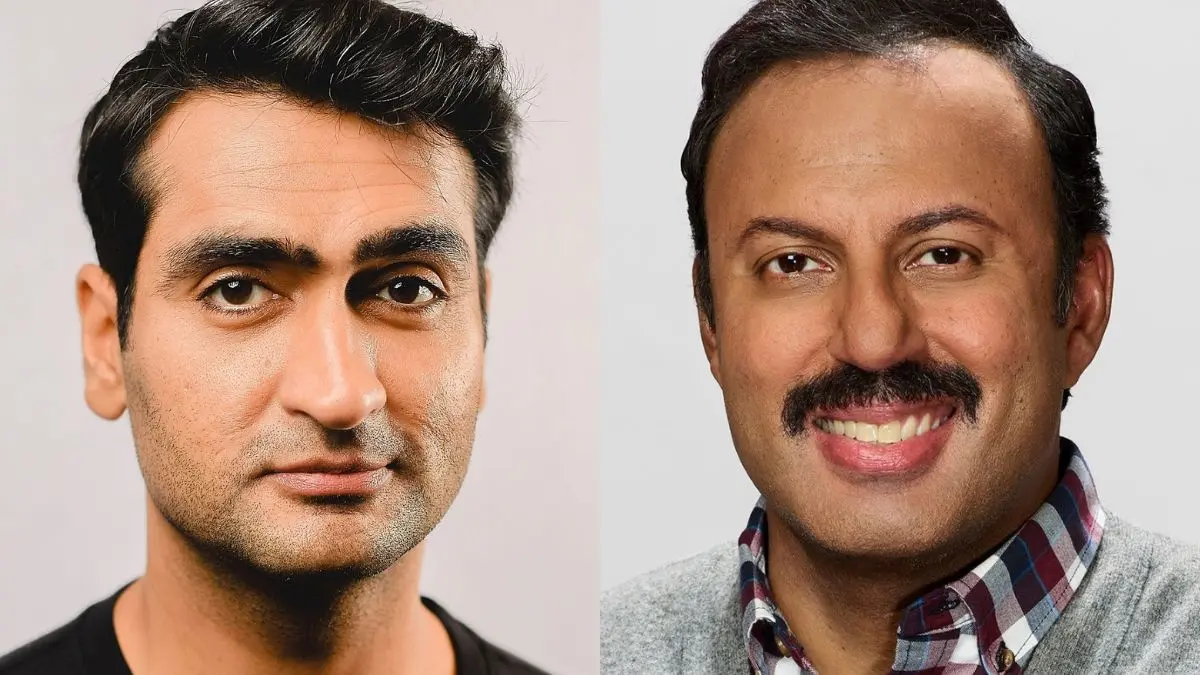


Public figures shape conversations, and these actors have used their platforms to push back against anti Muslim hate with concrete projects, speeches, and community work. From funding inclusion initiatives to creating shows that humanize Muslim life, they focus on practical steps that change hiring, storytelling, and everyday awareness. Many speak from personal experience and channel it into campaigns that train studios, support civil rights groups, and educate audiences. Here are male actors who have put in visible work against Islamophobia through policy advocacy, storytelling, or on the ground efforts.
Riz Ahmed
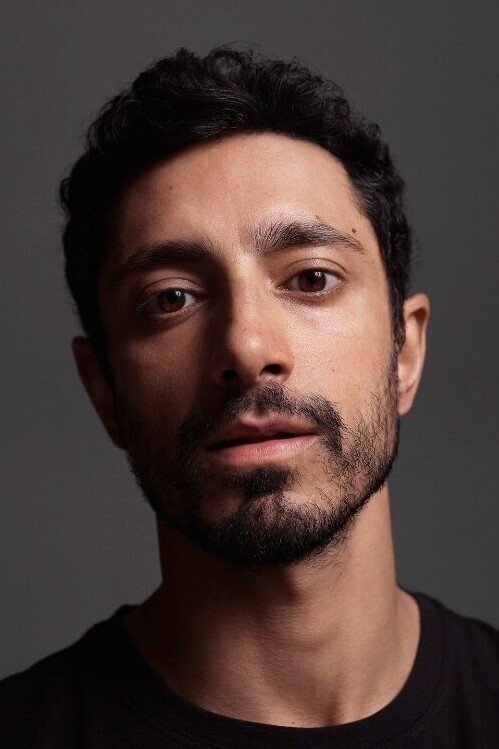
Riz Ahmed has been one of the most active voices against anti Muslim prejudice in entertainment and public life. He helped launch a Blueprint for Muslim Inclusion with partners in philanthropy and academia that provides hiring toolkits and scholarship funds for Muslim talent. His short film ‘The Long Goodbye’ and his essay collection have been used in classrooms and community workshops to discuss the real world impact of hate. He has delivered high profile speeches about representation that resulted in grants for Muslim writers and fellows.
Mahershala Ali
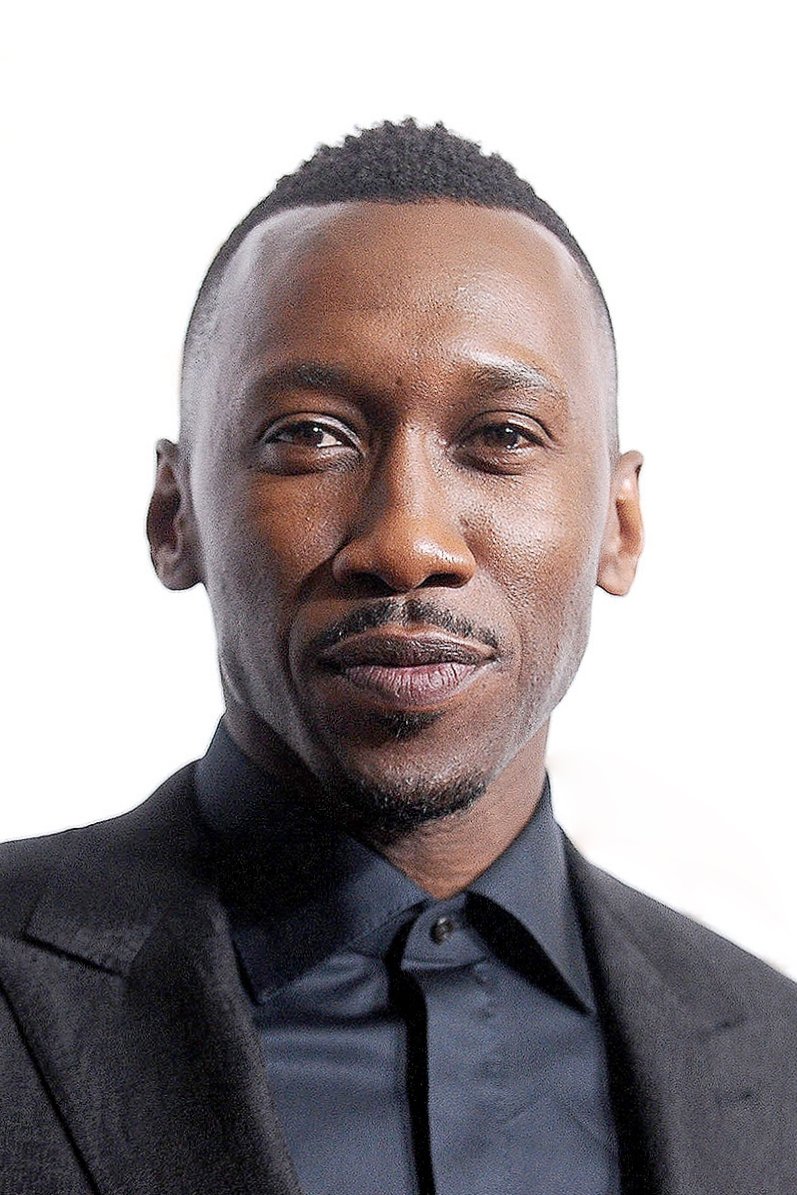
Mahershala Ali has spoken openly about being a Muslim actor and how respectful storytelling can reduce stigma. He has appeared in interfaith conversations that highlight common ground and discourage scapegoating after major news events. Ali has supported civil rights and voter protection groups whose work includes tracking anti Muslim incidents and providing legal hotlines. He often points back to nuanced roles as proof that representation changes how communities are perceived.
Kumail Nanjiani
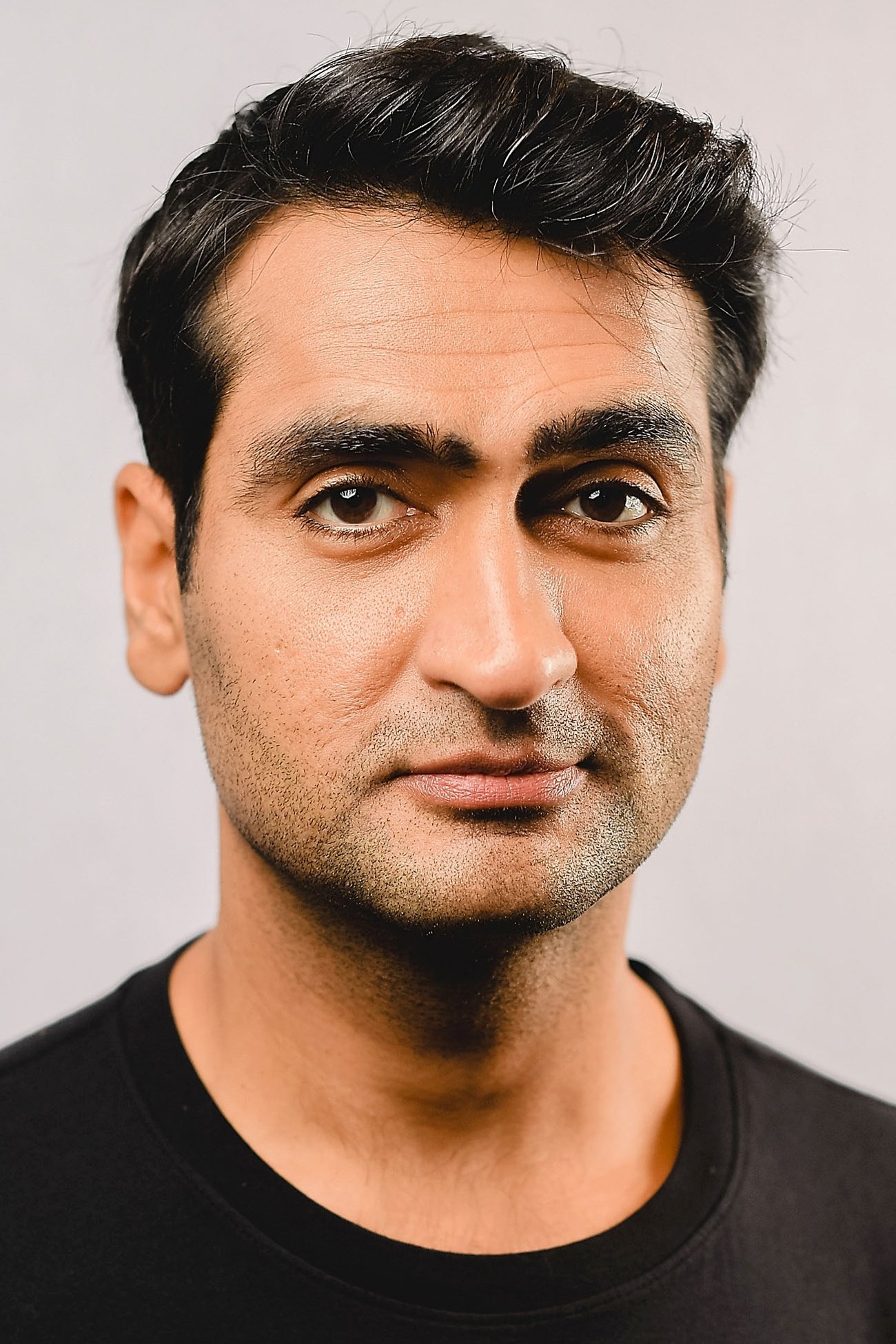
Kumail Nanjiani has used mainstream stages to address everyday Islamophobia through humor and direct messaging. He has supported organizations that combat hate crimes and has encouraged viewers to report incidents to local civil rights groups. In interviews around projects like ‘The Big Sick’ he described profiling experiences and explained how media depictions shape public attitudes. He has participated in benefit shows that raised funds for immigrant and refugee legal aid.
Ramy Youssef
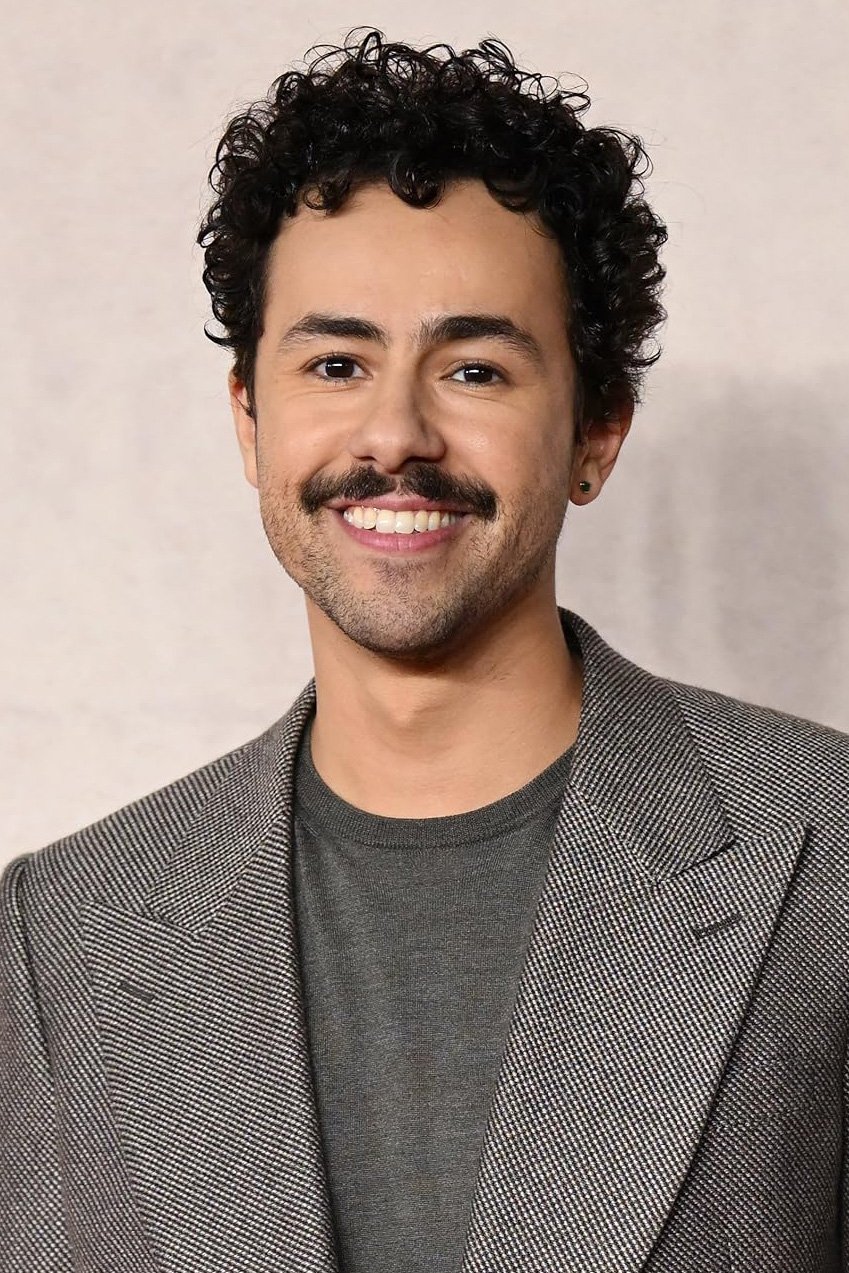
Ramy Youssef created ‘Ramy’ to show Muslim family life with specificity and empathy. The series hired Muslim writers and consultants and made space for faith centered stories that are rarely shown on television. He has worked with community partners to host screenings and discussions that address bias and identity. Youssef also supports mental health and social service groups that serve Muslim communities in North America.
Hasan Minhaj
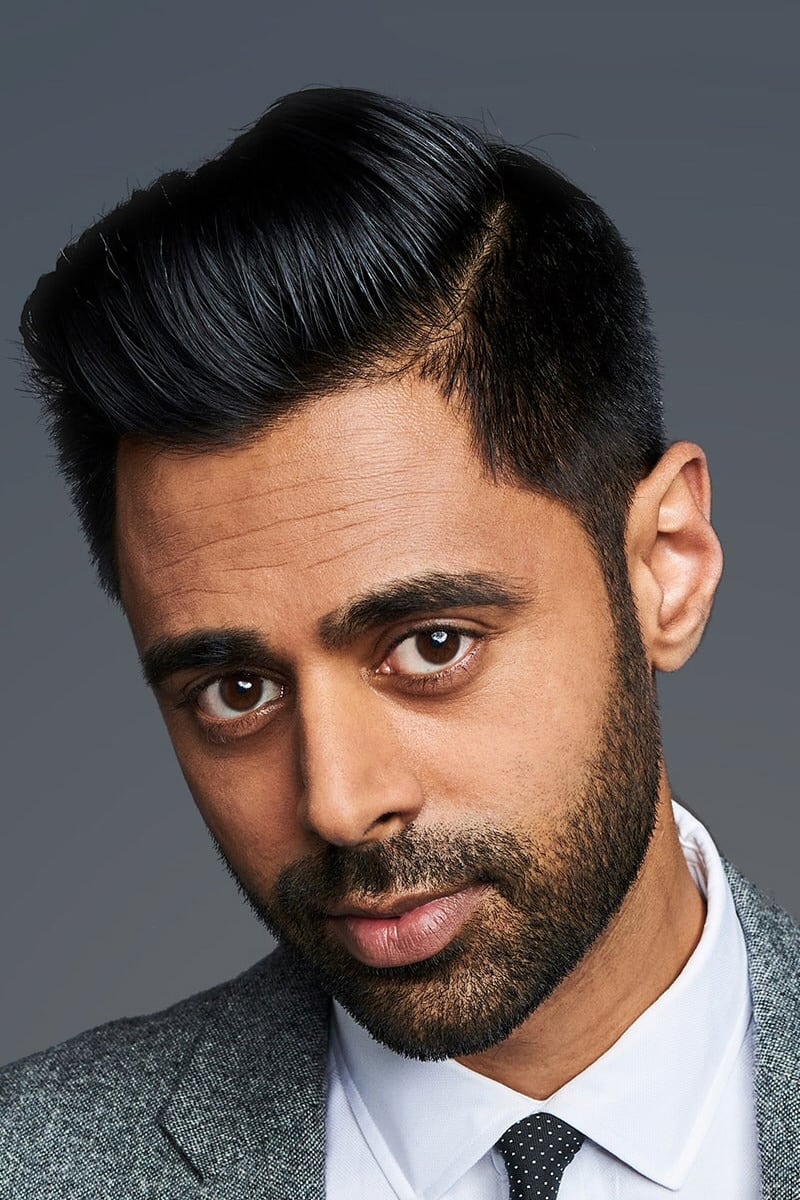
Hasan Minhaj has produced episodes and stand up material that break down policies and rhetoric that fuel anti Muslim bias. He has collaborated with advocacy groups to translate complex issues into accessible explainer segments. Minhaj has headlined fundraisers for civil liberties organizations that challenge discriminatory surveillance and travel restrictions. He often provides audiences with action steps like contacting lawmakers or supporting pro bono legal networks.
Aziz Ansari
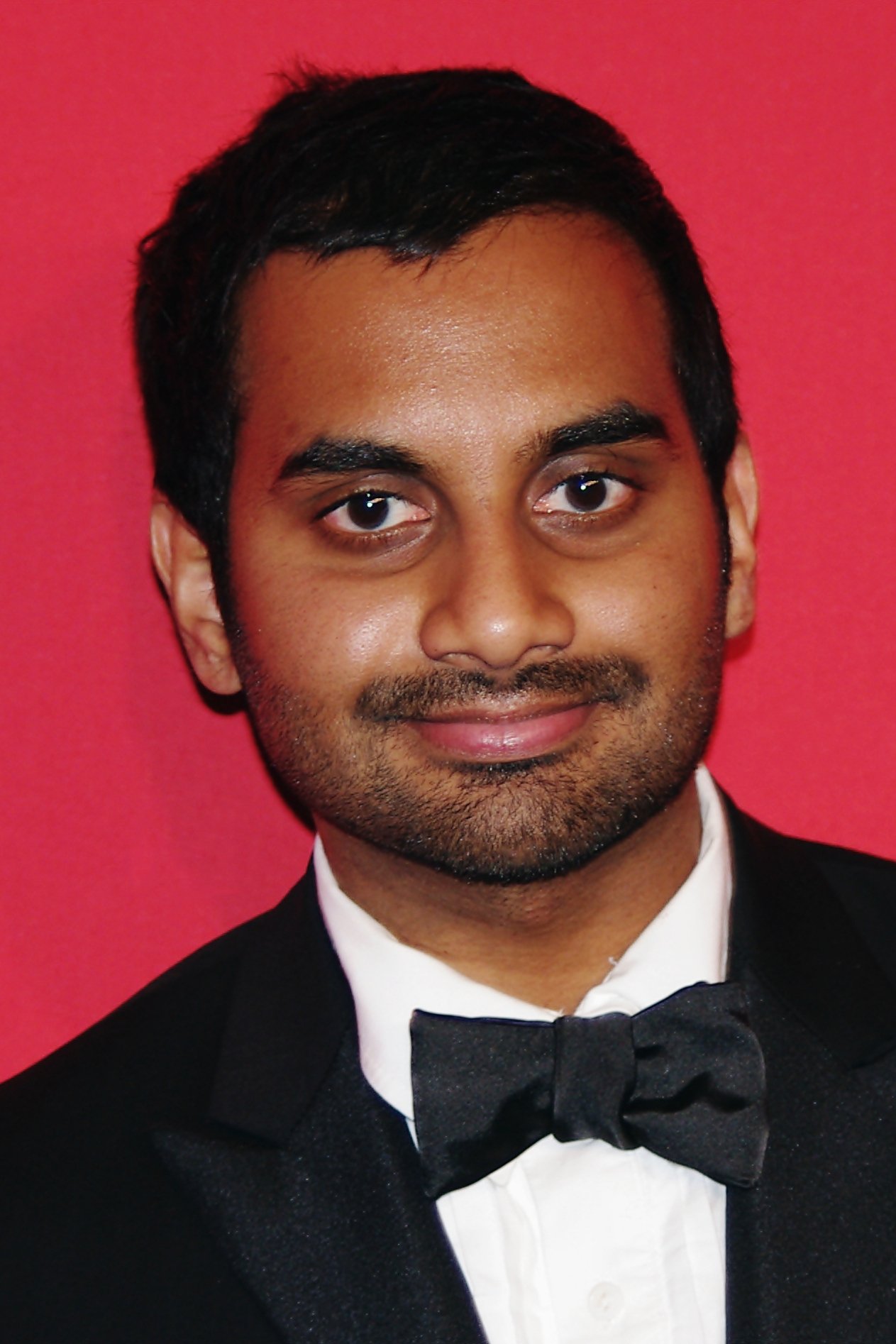
Aziz Ansari addressed Islamophobia on national television and encouraged viewers to get to know their Muslim neighbors. He has supported campaign efforts that promote interfaith cooperation and anti bullying resources in schools. Ansari has used interviews and essays to describe growing up Muslim in the United States and how small acts of inclusion can shift culture. He has also backed voter education drives that push back on fear based politics.
Dev Patel

Dev Patel has spoken about harmful stereotypes of South Asian and Middle Eastern characters and how they can fuel bias against Muslim communities. He has chosen projects that complicate one dimensional portrayals and has advocated for more diverse writers in development rooms. Patel supports global education and humanitarian relief groups that partner with faith led organizations on the ground. He frequently points to casting and writers room decisions as places where change starts.
Kal Penn
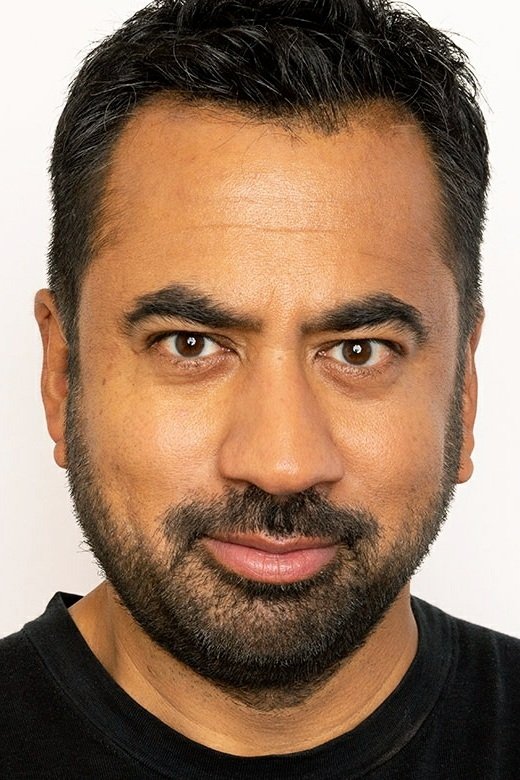
Kal Penn has combined entertainment work with public service to counter misinformation about Muslim Americans. He has organized online fundraisers for refugee and civil liberties groups after policy announcements that targeted Muslim travelers. Penn uses his platforms to share helplines and resources for reporting hate incidents. He has participated in campus and community town halls that connect students with legal advocates.
Omar Sy
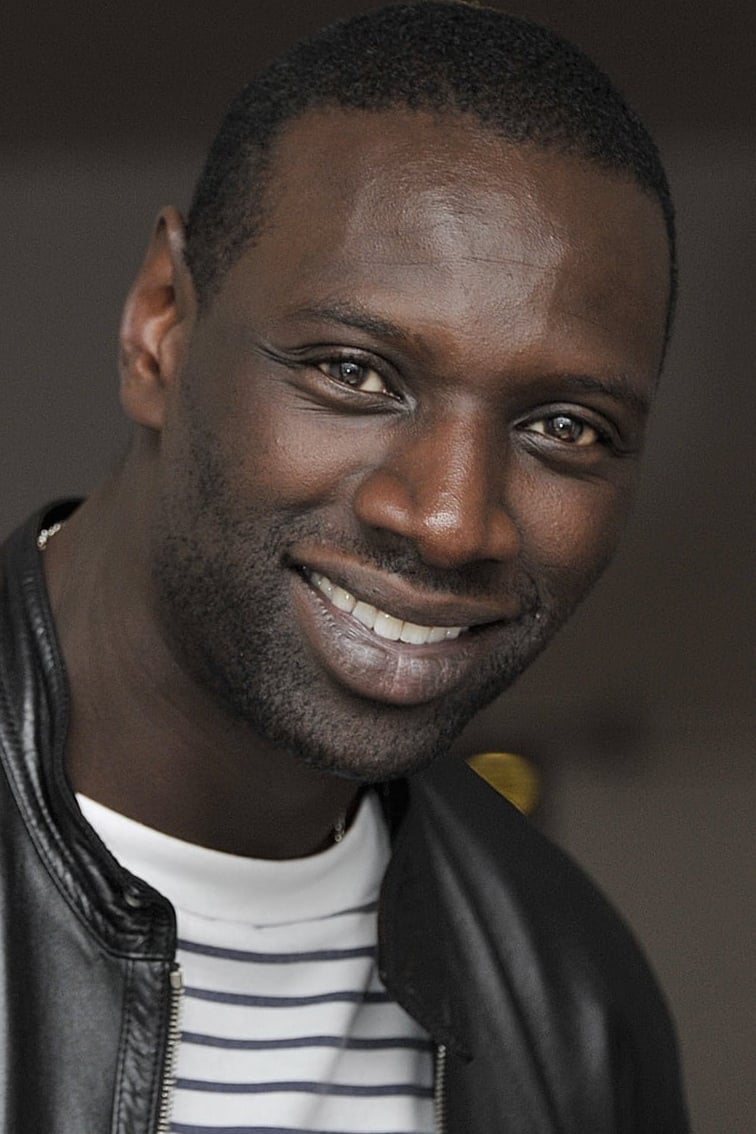
Omar Sy has used his prominence in French cinema to speak against discrimination facing Muslim communities in France. He supports civic initiatives that focus on equal opportunity and youth programs in neighborhoods with large immigrant populations. Sy has amplified campaigns that document hate crimes and call for accountability from public officials. He continues to promote stories that highlight dignity and everyday life rather than stereotypes.
Mo Amer
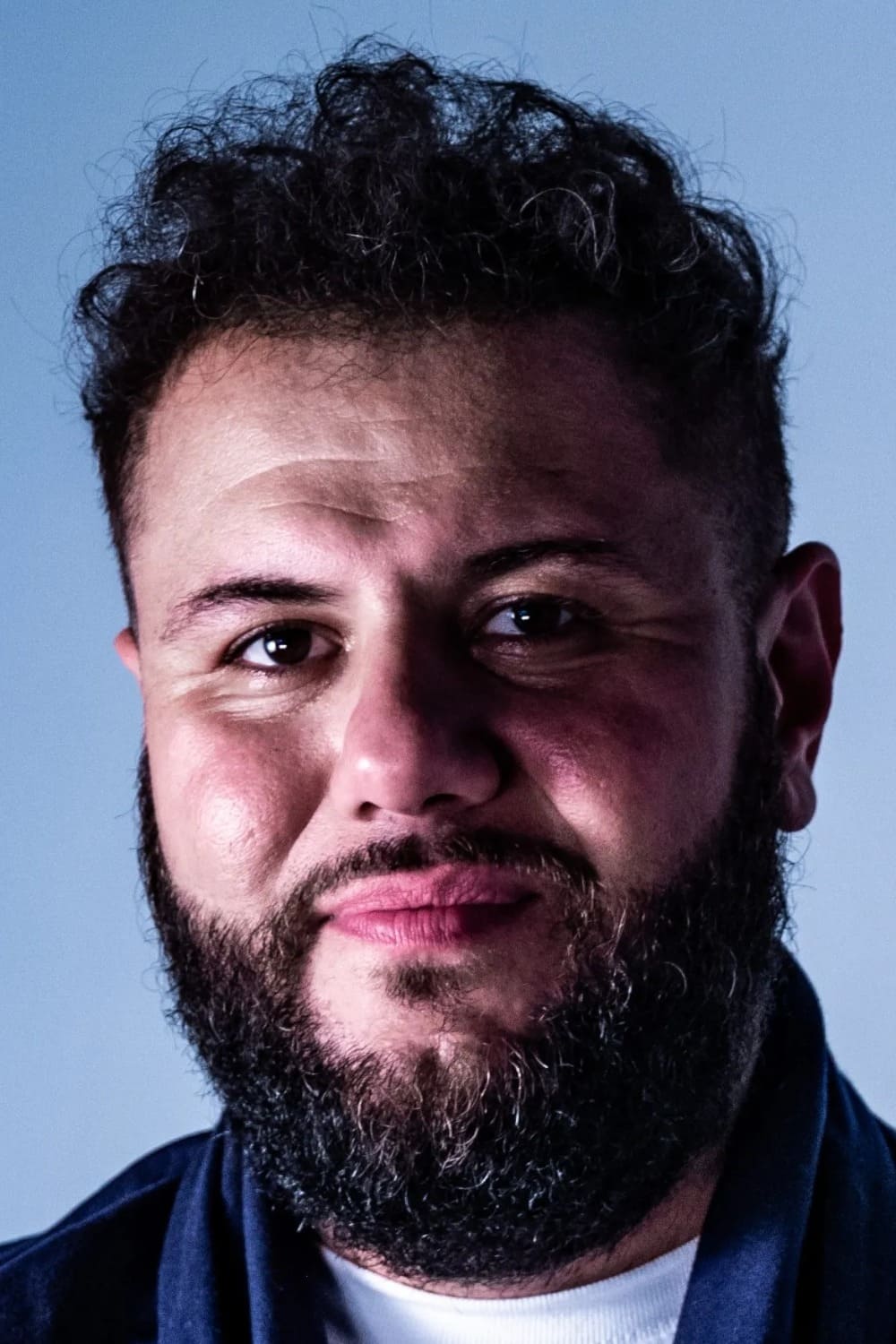
Mo Amer builds his comedy and acting work around real immigrant and Muslim American experiences. His series ‘Mo’ draws on family history and has been used by community groups to spark conversations about identity and belonging. He performs benefit shows for legal aid organizations that assist asylum seekers and refugees. Amer frequently shares practical resources for immigrants navigating paperwork and court appearances.
Rizwan Manji
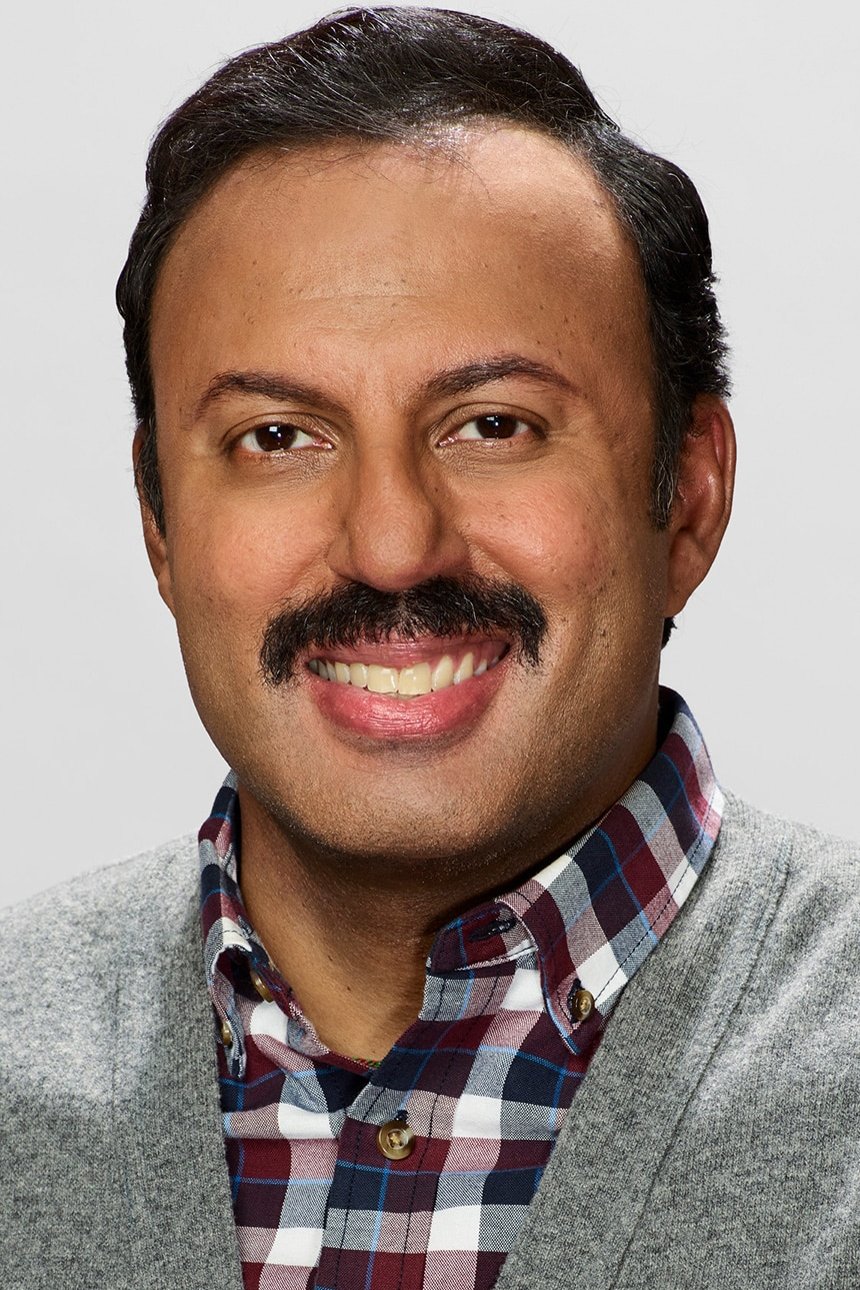
Rizwan Manji has engaged directly with audiences about accents, character names, and cultural framing in television. He has collaborated with advocacy groups to improve guidance for writers and casting teams on Muslim and South Asian representation. Manji participates in panels that share best practices for sensitivity reads and community consultation. He emphasizes that small production choices can prevent harmful tropes from reaching screens.
Shah Rukh Khan
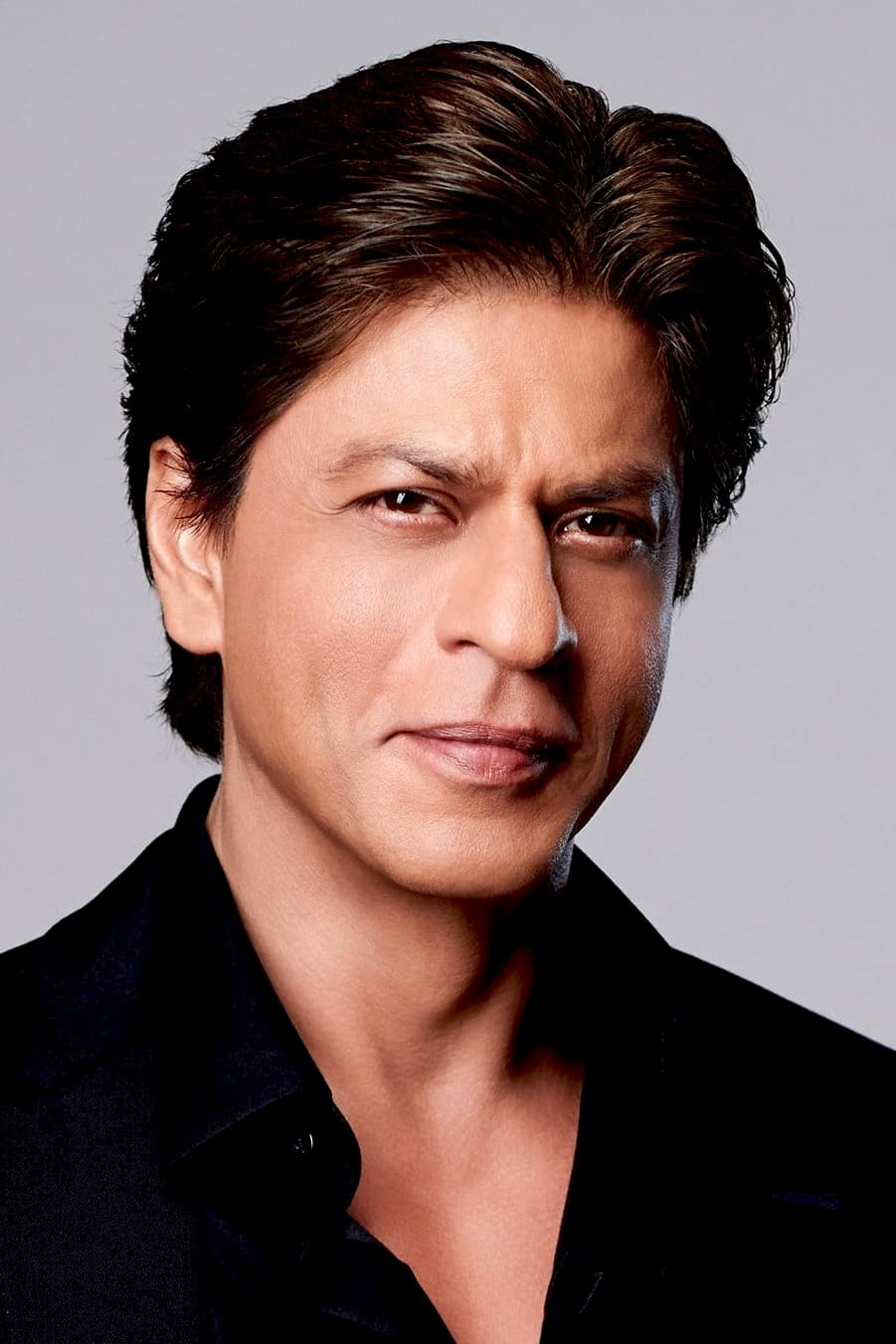
Shah Rukh Khan has spoken publicly about religious harmony in India and has urged fans to reject hate directed at Muslim communities. He supports education and health charities that serve people across faith lines and often uses large public events to reinforce messages of unity. Khan backs initiatives that promote interfaith dialogue and youth opportunity as long term answers to prejudice. His global reach helps normalize Muslim identity for audiences worldwide.
Aamir Khan
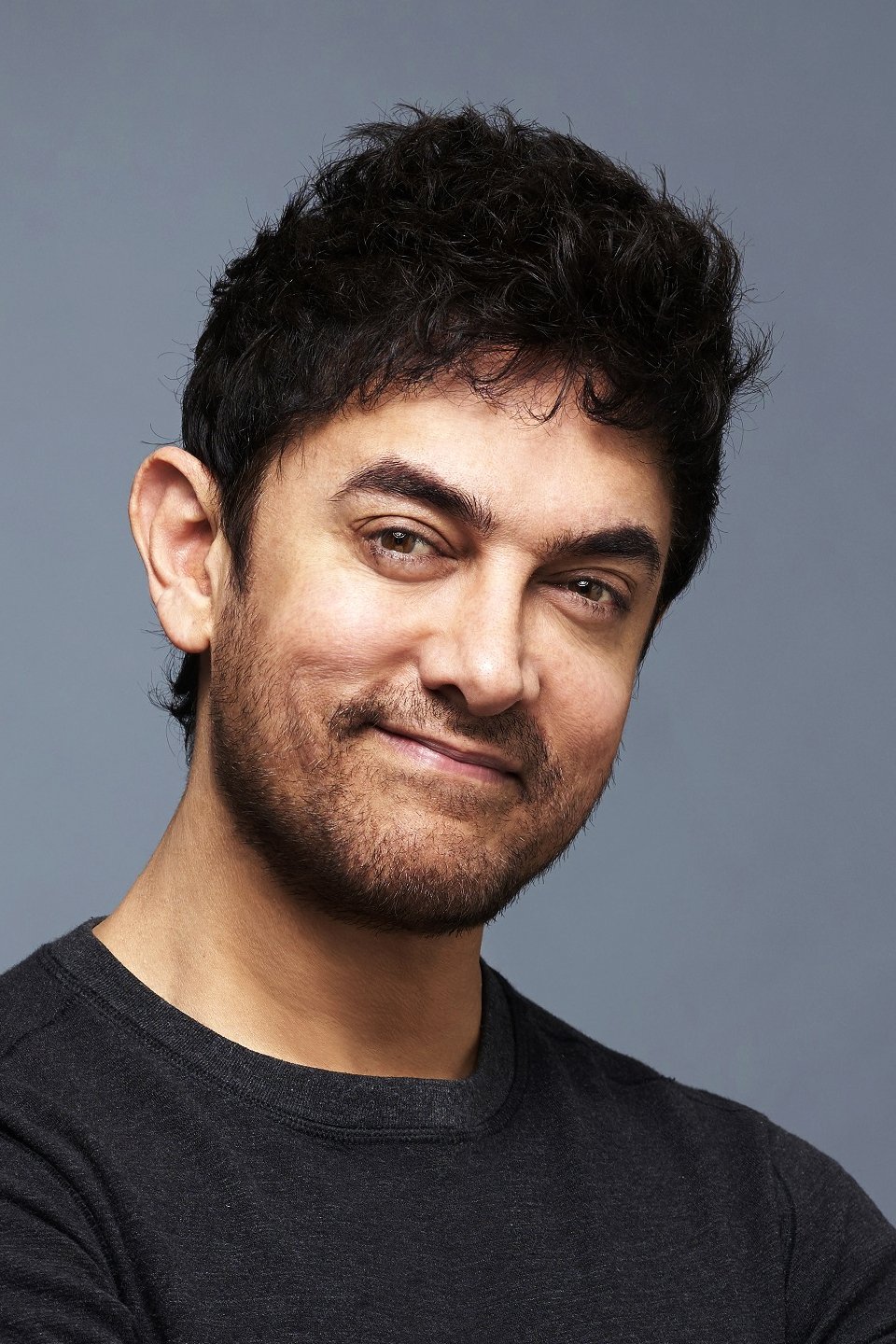
Aamir Khan has consistently addressed social issues in India and has raised concerns about growing intolerance that affects Muslim citizens. His talk show ‘Satyamev Jayate’ highlighted community solutions and encouraged viewers to participate in local reforms. Khan’s philanthropy funds education and water projects that bring diverse communities together. He has urged public figures and media creators to avoid narratives that stigmatize minorities.
Rami Malek
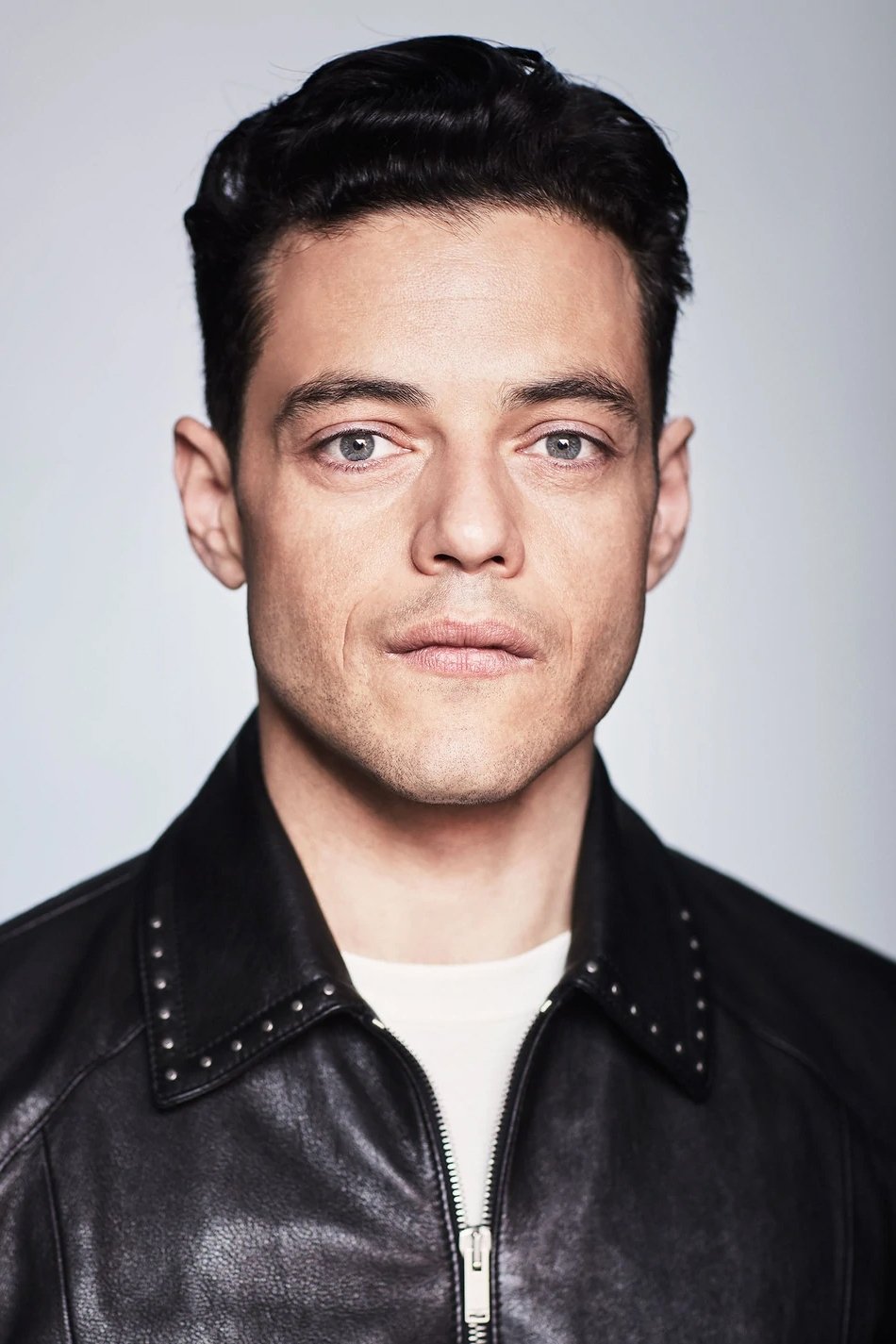
Rami Malek has discussed the portrayal of Arabs and Muslims in film and the impact that has on public perception. He has supported conversations within the industry about moving beyond typecasting to more human centered roles. Malek participates in mentorship programs that open doors for underrepresented creators. He often points to script development and character research as places where change can be measured.
Share which advocates or actions you think make the biggest difference in the comments.

