


Actors Who Are Calling for Ceasefire or Humanitarian Aid in Gaza


Around the world, a number of high-profile male actors have publicly urged an immediate ceasefire and more humanitarian access for civilians in Gaza. Their actions range from signing open letters to political leaders, speaking on major broadcast platforms, wearing visible symbols on red carpets, and directing followers to donate to relief groups working on the ground. While each has spoken in his own way, the common thread is a call to protect civilians, release hostages, and allow life-saving aid into the enclave. Here are some of the notable voices and what they actually did.
Riz Ahmed
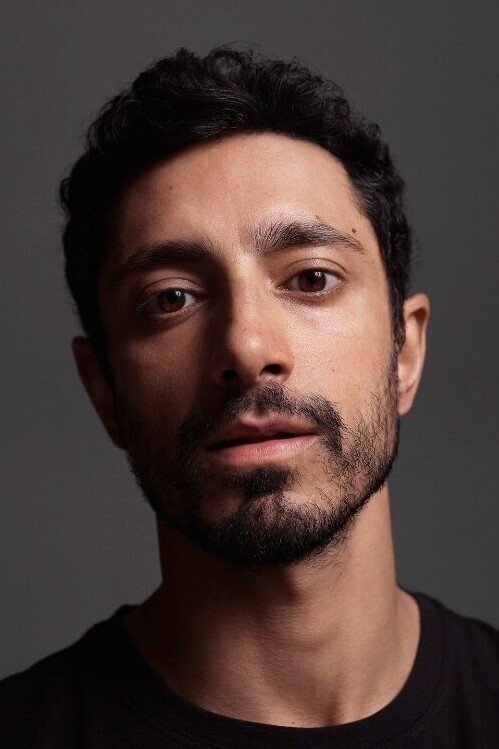
Riz Ahmed issued a widely shared statement urging leaders to push for a ceasefire and for humanitarian aid to reach civilians, framing the appeal around protecting all lives. He joined campaigns amplifying donation drives for relief organizations assisting people displaced by the conflict. In the U.K., he fronted messaging connected to a humanitarian appeal that asked the public to give to emergency response efforts. His name appeared among entertainment figures who signed letters pressing for an end to bombing and safe release of hostages.
Ramy Youssef
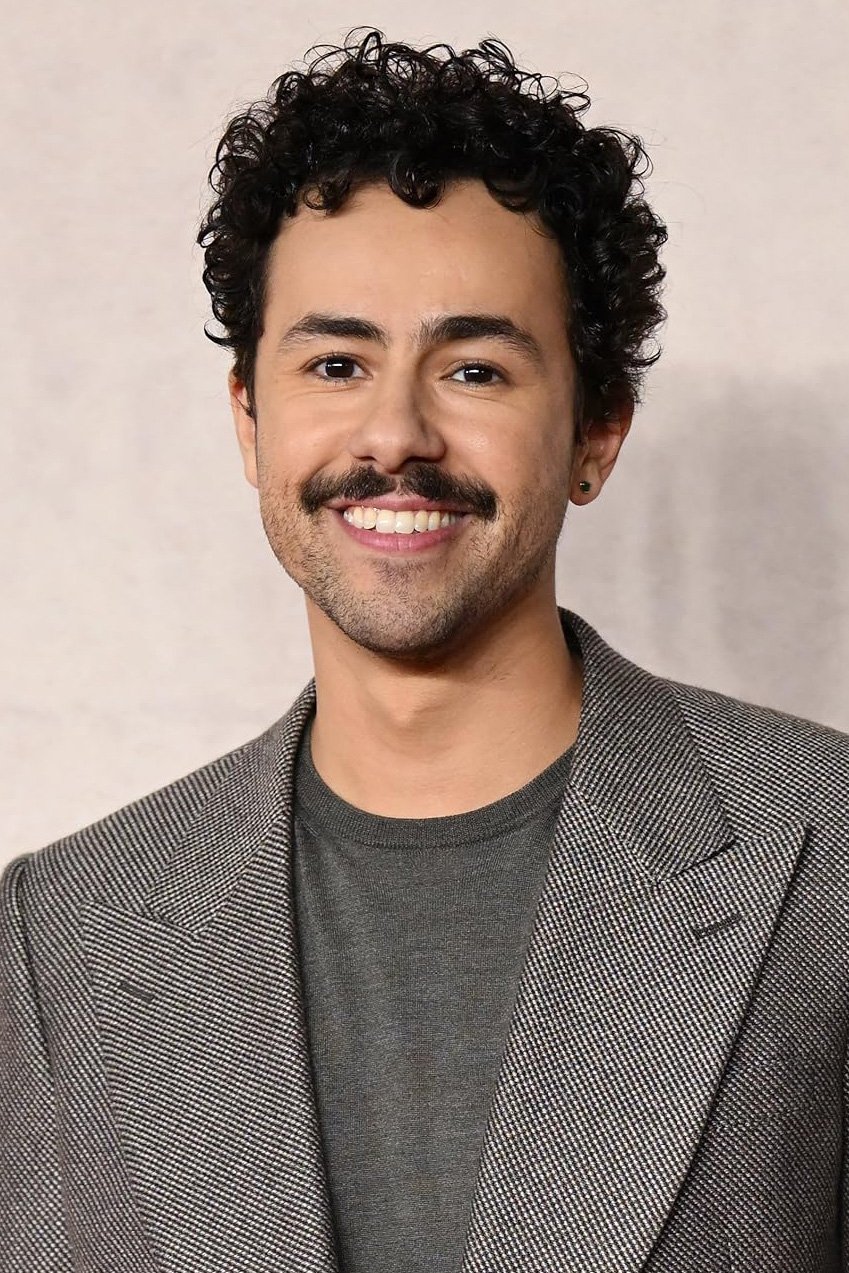
Ramy Youssef used a prime-time platform to ask for peace and the safe return of hostages, closing his ‘Saturday Night Live’ monologue with a direct prayer for a free Palestine and an end to suffering. He was already vocal at major industry events, where he spoke about wanting a permanent ceasefire. That television moment drew wide coverage and helped carry the plea to a mainstream audience. It also tied his advocacy to a broader push from artists calling for humanitarian access.
Mark Ruffalo
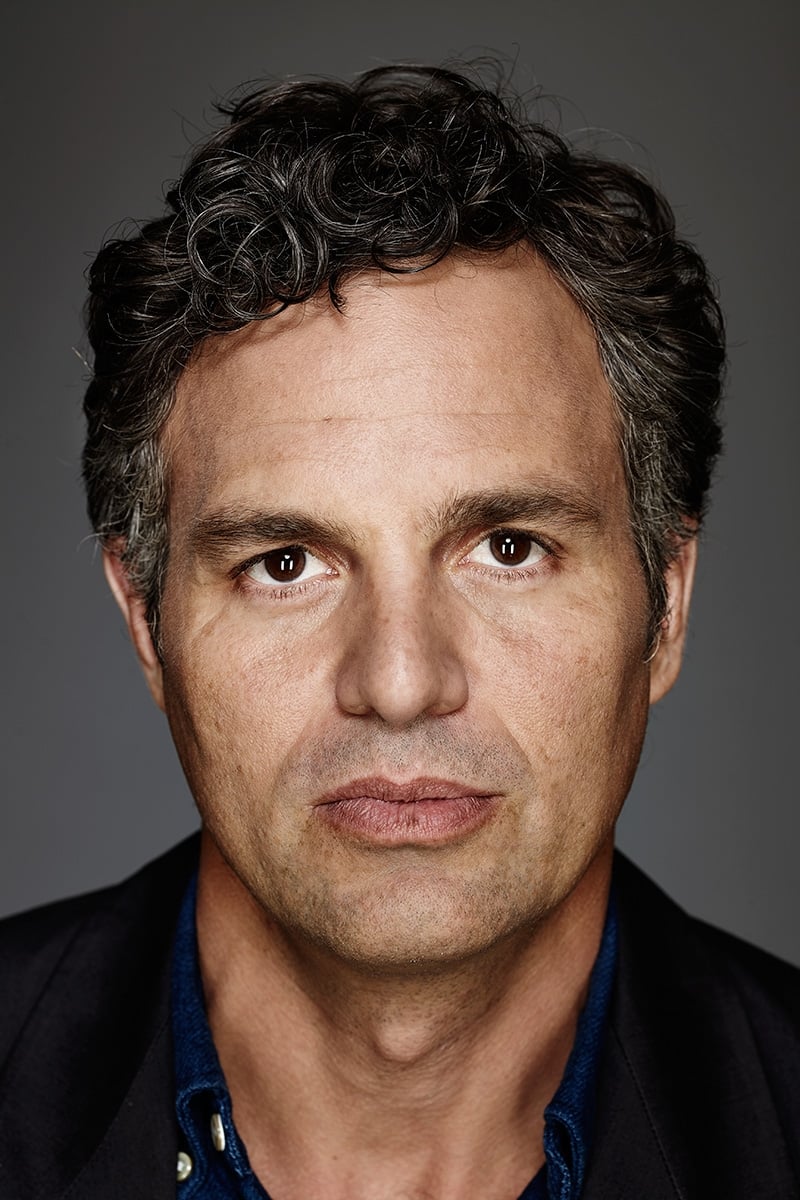
Mark Ruffalo publicly called for a ceasefire and urged steps to protect civilians and return hostages, repeating that message during awards-season interviews and on his social channels. He wore a recognizable red pin associated with an artists’ campaign advocating ceasefire and aid access, bringing the symbol to major red carpets. In media appearances, he pressed governments to prioritize humanitarian law and de-escalation. His remarks kept the issue in front of entertainment press and general audiences.
Steve Coogan
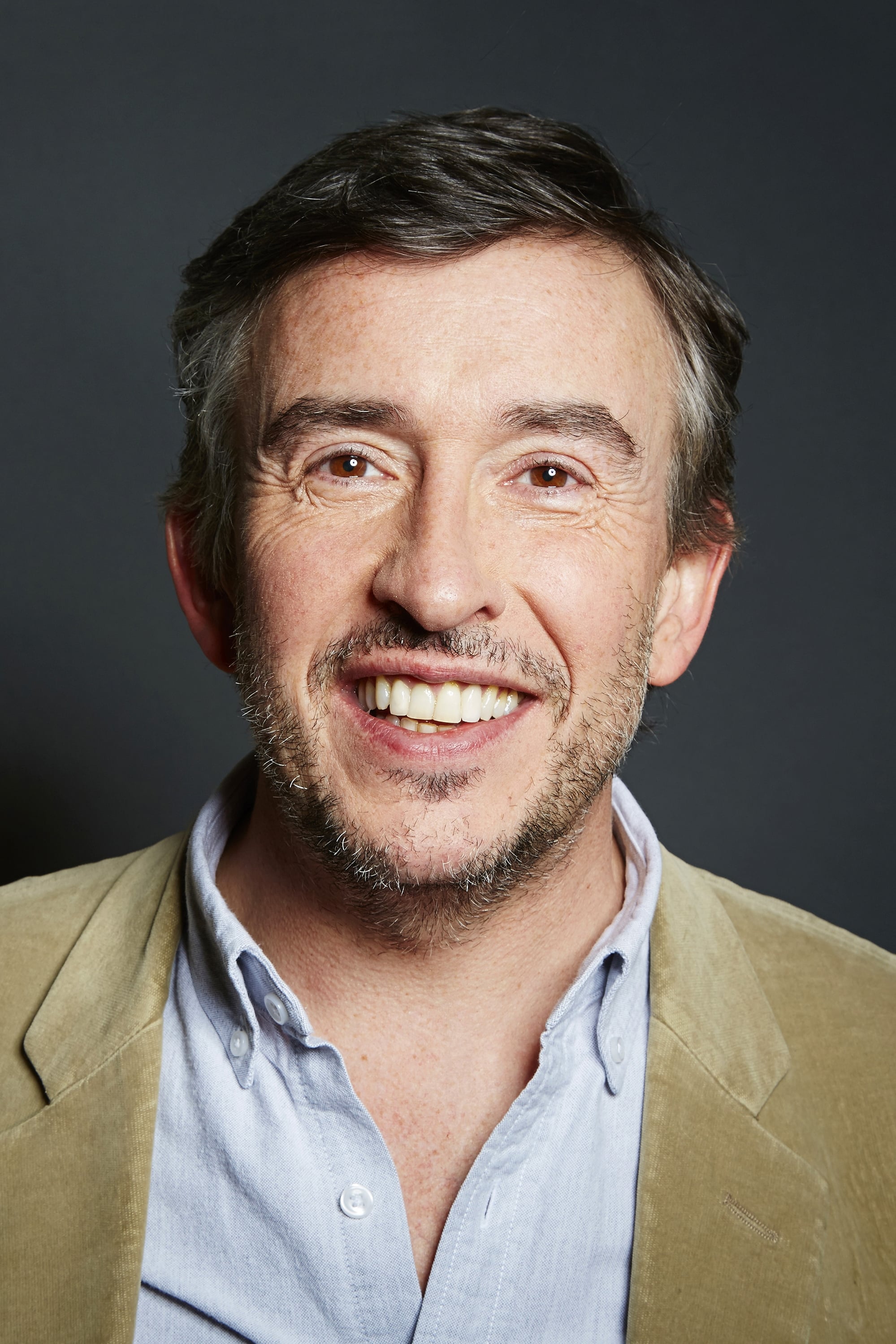
Steve Coogan was among U.K. actors who signed an open letter calling for an immediate ceasefire and for governments to stop enabling siege conditions in Gaza. The letter asked officials to push for humanitarian access and de-escalation. Media coverage listed him alongside other prominent signatories from film and television. The campaign contributed to sustained pressure from cultural figures in Britain.
Joaquin Phoenix
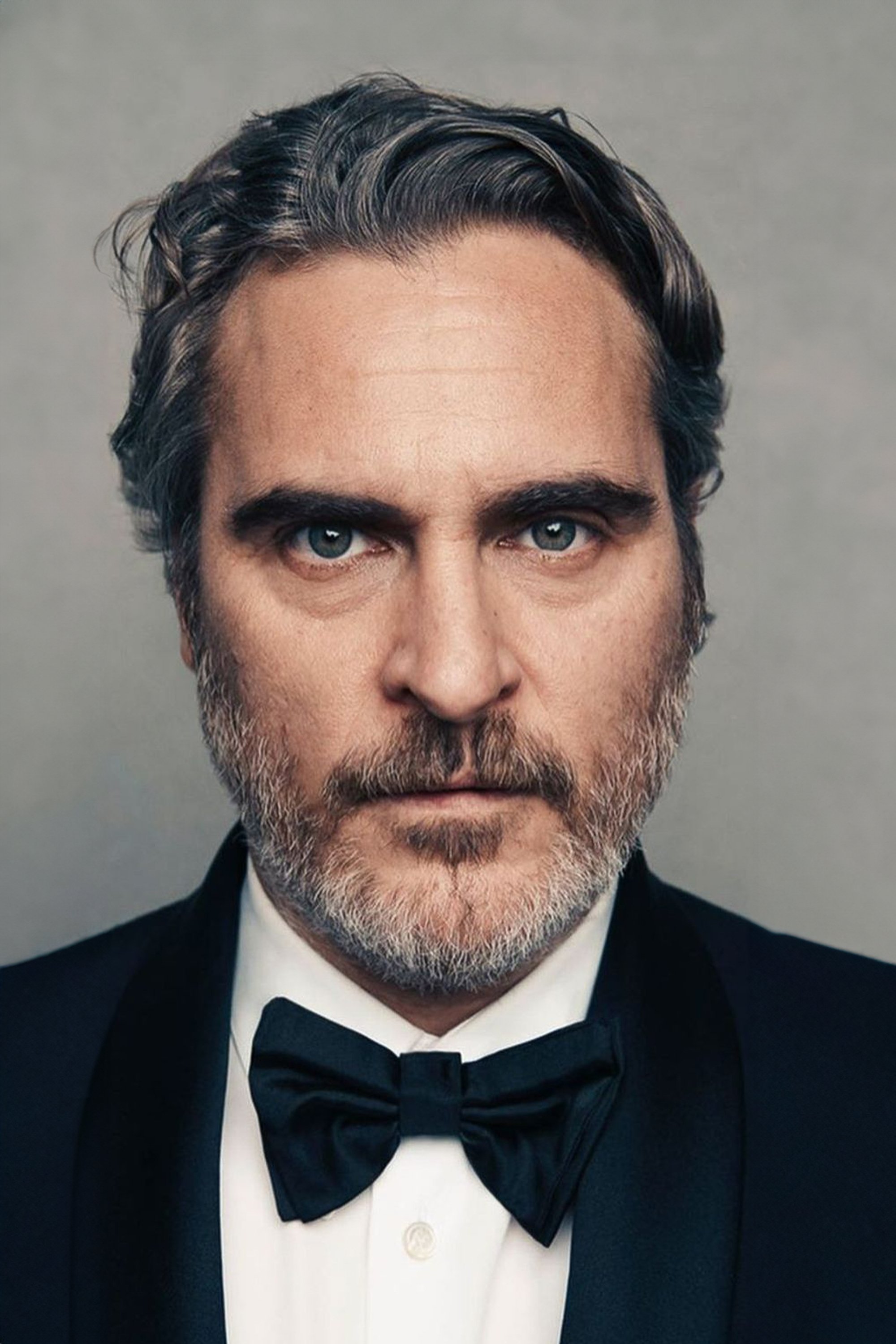
Joaquin Phoenix joined entertainment figures who signed an open letter to U.S. leaders urging a ceasefire, release of captives, and the opening of corridors for humanitarian aid. His name continued to appear in related appeals during awards season, when artists highlighted the need to protect civilians. He later added his signature to a letter supporting colleagues who spoke against using identity to justify the occupation, reiterating calls for ceasefire and aid. These actions kept his advocacy connected to on-the-ground relief needs.
Pedro Pascal
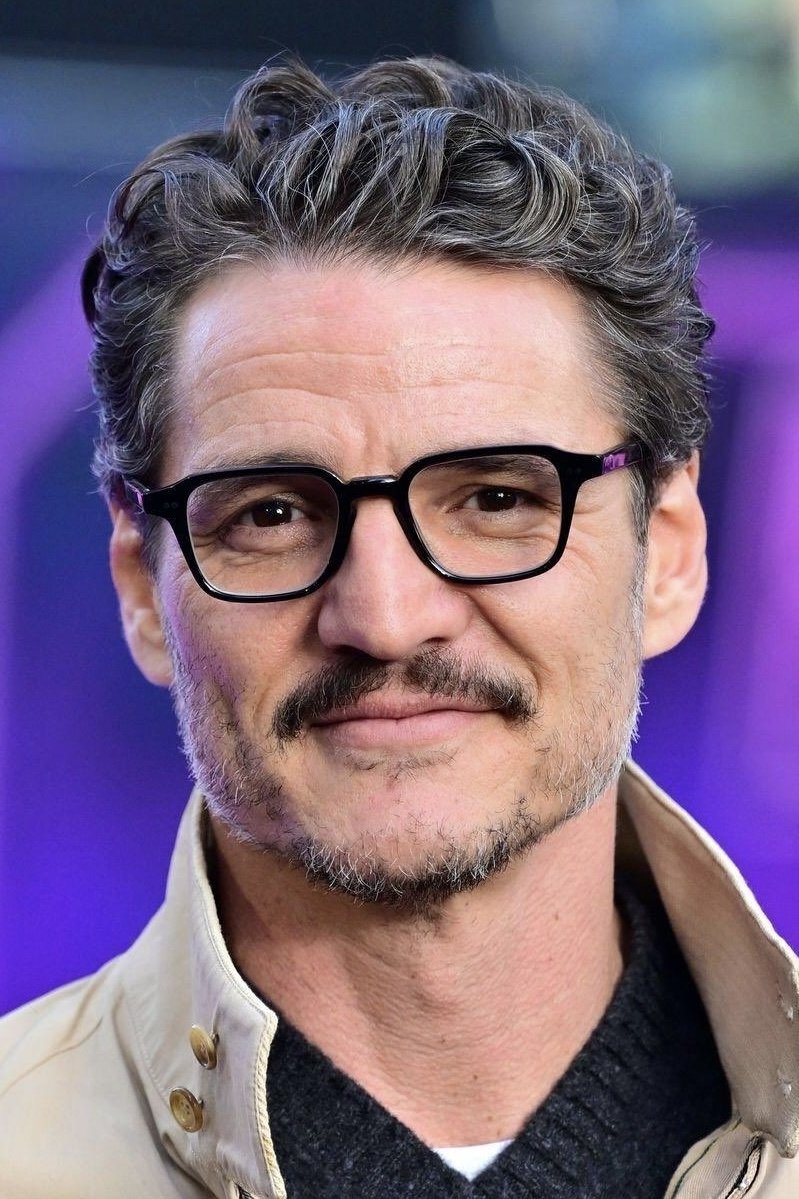
Pedro Pascal used Instagram to call for a ceasefire and directed followers to donate to medical assistance groups working in Gaza. Coverage documented his posts and noted his repeated use of the platform to keep attention on humanitarian needs. He amplified journalists’ safety concerns and urged engagement with verified relief organizations. His updates helped drive donation conversations among a large online audience.
John Cusack
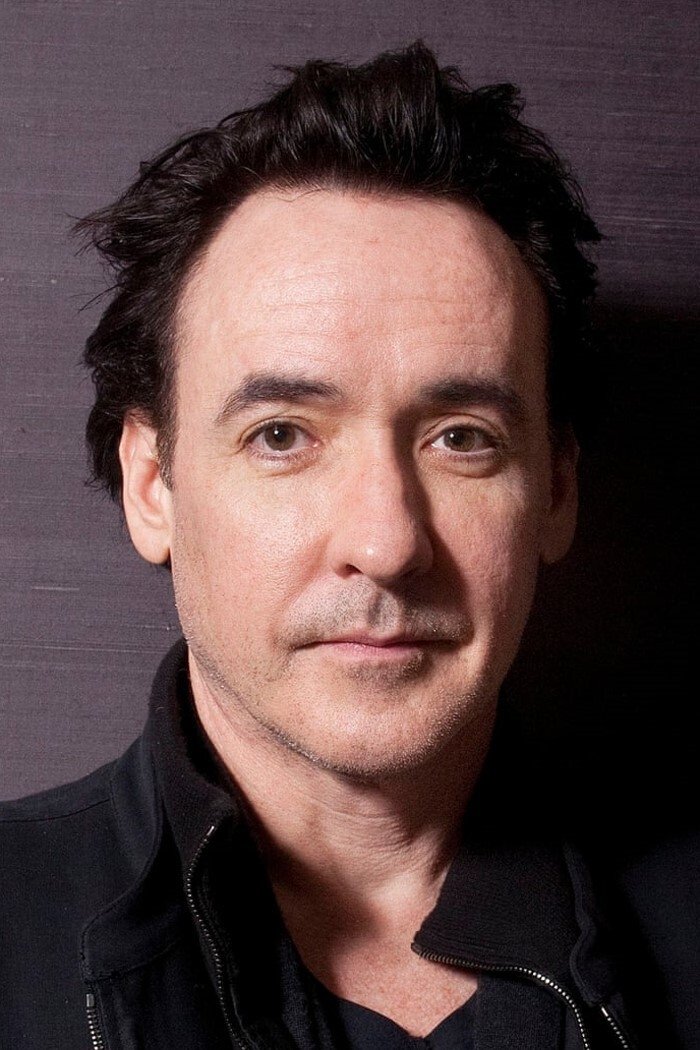
John Cusack appeared among entertainment names tied to artists’ ceasefire campaigns that asked for civilian protection, hostage releases, and the delivery of aid. His participation aligned with efforts that encouraged leaders to de-escalate and open humanitarian corridors. Public lists and campaign materials placed him with actors pressing for nonmilitary solutions. That visibility connected his advocacy to organized appeals circulating in the industry.
Charles Dance

Charles Dance signed a U.K. letter that urged a ceasefire and condemned policies contributing to the blockade, with specific language about allowing aid into Gaza. News stories highlighted him alongside fellow British actors who supported the statement. The sign-on was part of a broader cultural response pressuring officials to take humanitarian steps. His inclusion gave the letter added profile across film audiences.
Peter Mullan
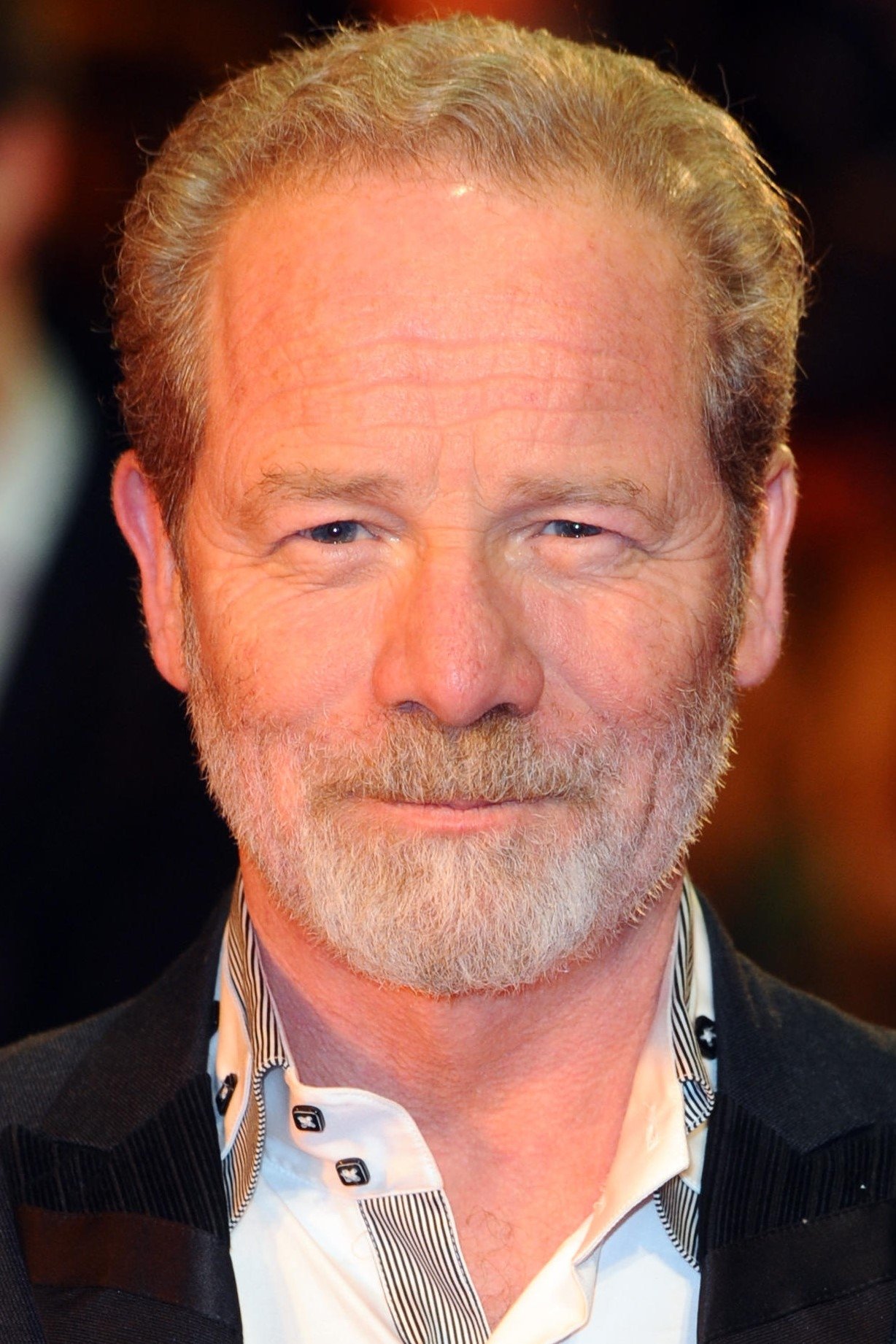
Peter Mullan’s name appeared on the same U.K. open letter that called for an immediate end to bombardment and for governments to facilitate humanitarian relief. Reporting at the time grouped him with a long list of actors and artists making the request. The letter’s organizers said the goal was to stop the siege and ensure basic assistance could reach civilians. His participation connected Scotland’s film talent to the campaign.
Khalid Abdalla
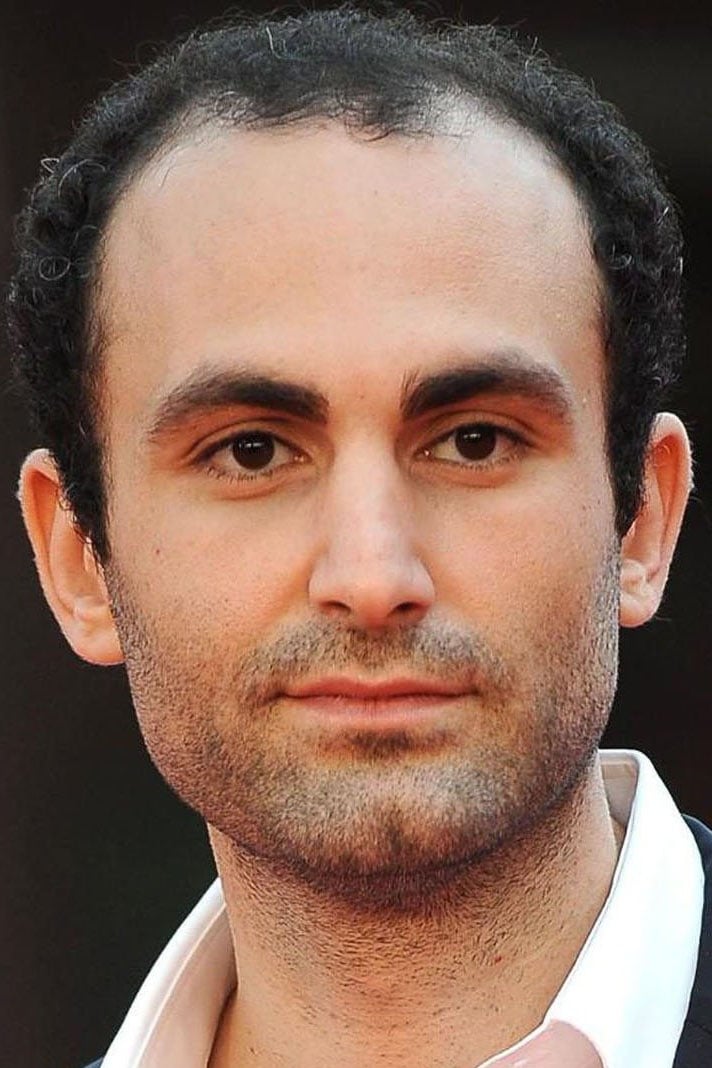
Khalid Abdalla joined British cultural figures urging a ceasefire through a public letter that pressed officials to take responsibility for humanitarian access. Coverage noted his signature among actors known to international audiences. The appeal emphasized ending the siege and protecting civilians. It also encouraged immediate steps to enable aid deliveries.
Jon Stewart
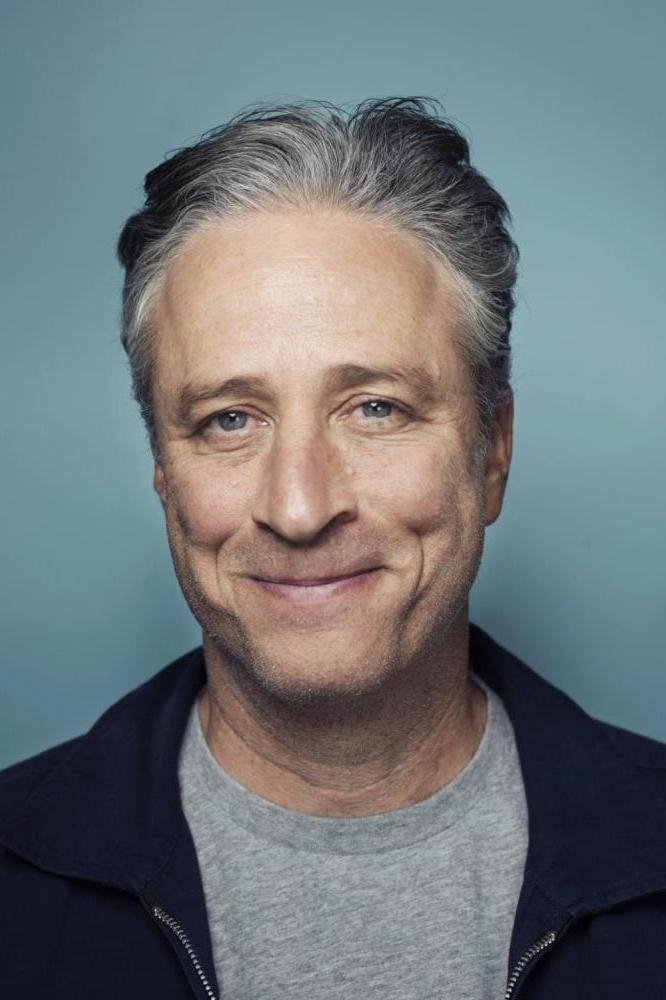
Jon Stewart was listed among signatories on a high-profile letter urging the U.S. government to push for an immediate ceasefire and facilitate humanitarian aid corridors. Entertainment outlets described the appeal’s priorities as stopping bombing, freeing hostages, and protecting noncombatants. His inclusion helped the message reach a broad U.S. audience familiar with his work in television and film. The letter added momentum to similar calls from artists’ groups.
David Oyelowo
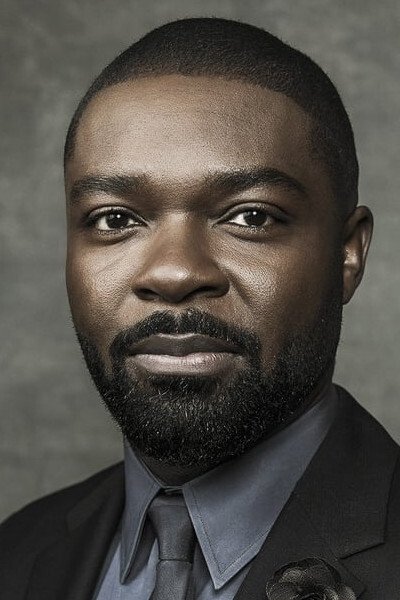
David Oyelowo’s name appeared in roundups of artists aligned with ceasefire appeals that called for protecting civilians and delivering aid. These campaigns specified the urgent need for safe humanitarian access to Gaza. His participation placed him among actors channeling public attention toward relief-focused measures. The collective approach helped normalize the language of ceasefire and aid in entertainment coverage.
Viggo Mortensen
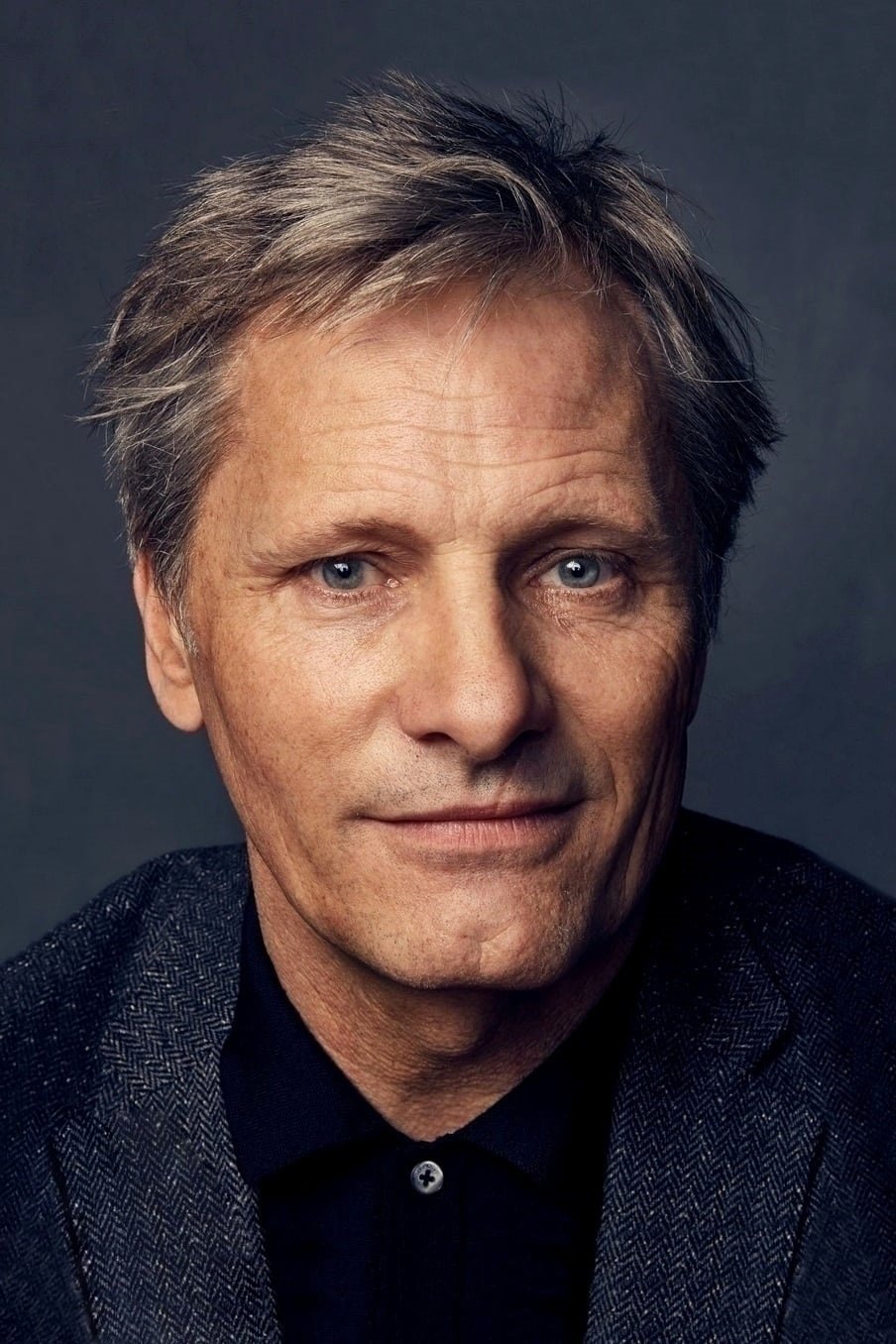
Viggo Mortensen has been listed with artists supporting ceasefire initiatives and humanitarian access, including campaigns that used visible red pins during awards season to keep the message in view. Those efforts linked the symbolism to concrete demands such as freeing hostages and opening corridors for aid. His participation tied a long career in international cinema to a highly publicized humanitarian cause. Public summaries connected the campaign to multiple relief groups.
Gael García Bernal
Gael García Bernal has appeared among artists who supported open letters and social campaigns urging an immediate ceasefire and expanded humanitarian access. He has used his public platforms to amplify relief organizations and information about aid corridors. His participation linked Latin American film communities to the broader international push for civilian protection. Coverage underscored how global the coalition of signatories had become.
Joe Alwyn
Joe Alwyn participated in a humanitarian appeal that asked the public to donate toward emergency relief for people affected by the conflict, backing the call with a message that emphasized not looking away from the crisis. The campaign highlighted how funds would support medical care, shelter, and essential supplies. It also tracked how quickly donations were being distributed to partner organizations. His involvement brought additional attention to the fundraising effort.
Share other actors you’ve seen speaking up for a ceasefire or for humanitarian aid in Gaza in the comments so we can add them.

