Actors Who Began Acting After 50 (on Screen)


Starting a screen career beyond 50 is rare, but it does happen—and when it does, the results can reshape how people think about opportunity in film and TV. The men below weren’t just “late bloomers”; they actually began professional on-camera acting after turning 50, or their first credited on-screen role arrived after that milestone even if they’d appeared uncredited before.
To keep things clear, this list leans on two buckets: iron-clad starters whose first screen jobs came at 50+ and a small set who logged their first credited screen role after 50 (even if a stray uncredited appearance existed earlier). Either way, each entry shows that a late start can still lead to a real screen career.
Sydney Greenstreet
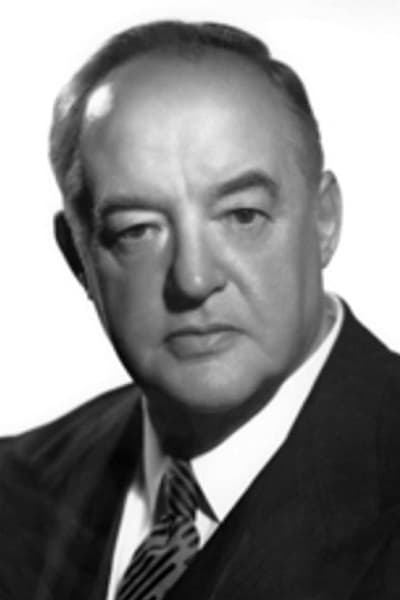
Before cameras ever rolled on him, Sydney Greenstreet spent decades on stage in Britain and the U.S. His film debut arrived in his early sixties, and that first appearance immediately established him as a specialist in urbane heavies and cool tacticians.
From that late launch he stacked a compact, influential run of studio films, often opposite marquee stars in classics like ‘The Maltese Falcon’. The concentration of work over a single decade became a model of how a late start can still yield a definitive screen legacy.
Burt Mustin
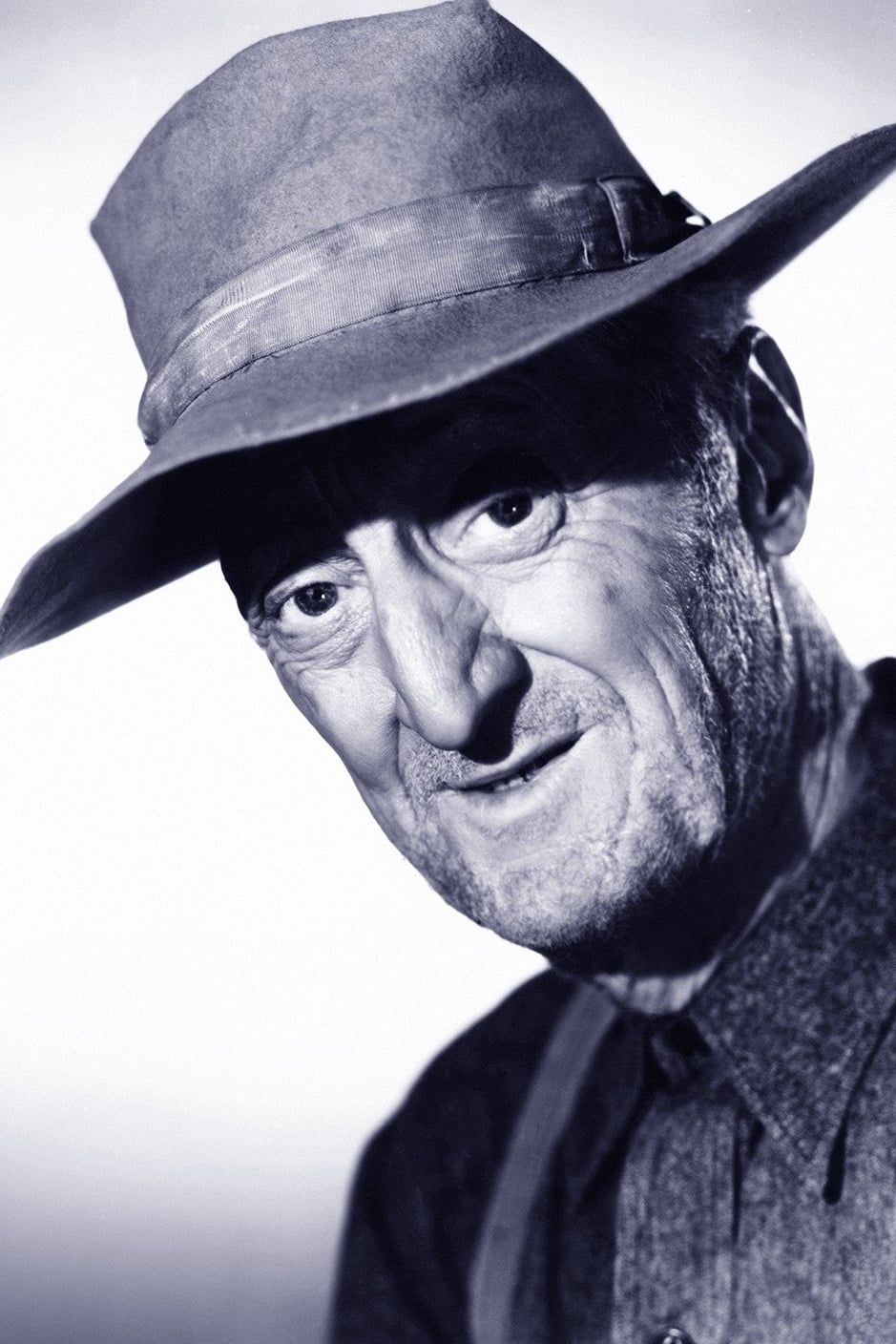
Burt Mustin moved into professional screen acting at 67 after other careers and community performing. Casting directors quickly discovered he could deliver authentic, unforced portrayals of elders in everyday settings.
Across the following decades he became a fixture of anthology series, sitcoms, and modest studio features, playing neighbors, shopkeepers, and town stalwarts. His career demonstrates how television’s episodic churn created steady space for dependable older newcomers.
Chief Dan George
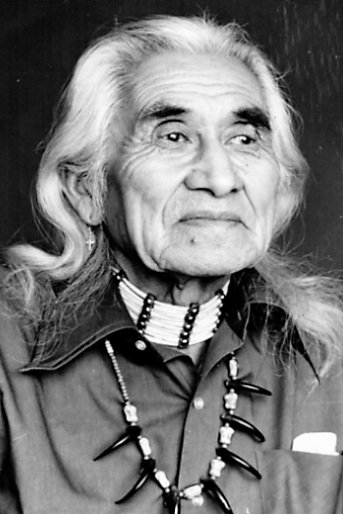
A respected leader and craftsman long before show business, Chief Dan George first acted for Canadian television at 60. That introduction led to feature work that showcased a quiet authority rare in mainstream Westerns of the time.
He continued with roles that drew on cultural knowledge and gentle humor, appearing in films and series that needed a grounded elder presence. His late start broadened the range of Indigenous representation on screen.
Saginaw Grant
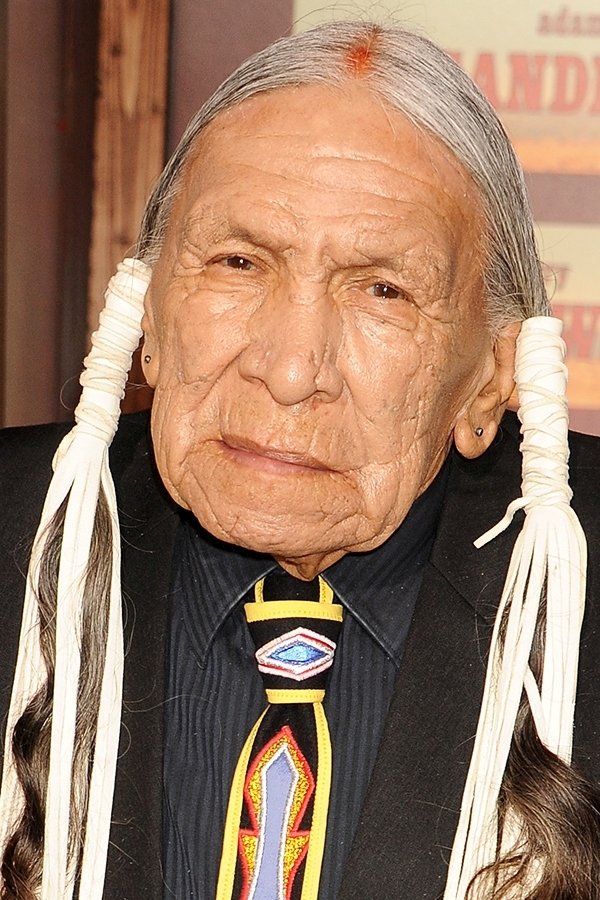
Saginaw Grant, a U.S. Marine Corps veteran and Hereditary Chief of the Sac and Fox Nation, began screen acting in his early fifties. His earliest appearances led to recurring work as community leaders, elders, and spiritual guides.
Over time he split his energy between performance, dancing, and speaking engagements, building a résumé that linked cultural stewardship with steady character roles on film and television.
Lee Strasberg
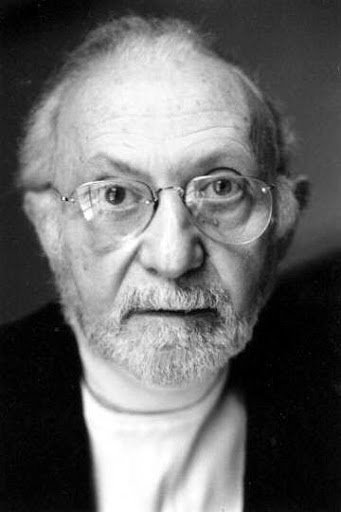
Best known for shaping generations of performers as a teacher and studio head, Lee Strasberg didn’t become a credited film actor until his early seventies. His first credited role presented him as a figure of immense, contained power—precisely the quality directors sought from him on camera.
Subsequent roles remained selective but significant, often leveraging his reputation for forensic attention to behavior. His example shows that deep craft can cross from the classroom to the lens late in life.
John Houseman
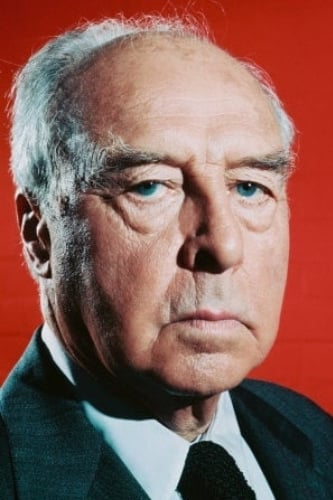
John Houseman’s public identity was forged as a producer and educator, not as an actor. His credited screen acting career effectively began in his seventies with a professorial role that turned him, almost overnight, into an in-demand character player.
From there he worked steadily in features and television, bringing patrician clarity to thrillers, period pieces, and contemporary dramas. It was a second career that only truly began after most people retire.
J.J. Murphy
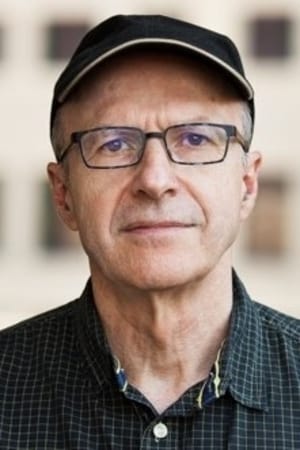
A Northern Irish stage veteran, J. J. Murphy moved to the screen in his mid-fifties, first appearing in Irish and U.K. productions. That shift opened a path to features and high-profile series that valued his weathered presence and calm delivery.
His screen work—often small but memorable—illustrates how regional industries can absorb seasoned theatre actors into camera roles late in life and keep them working.
Abe Vigoda
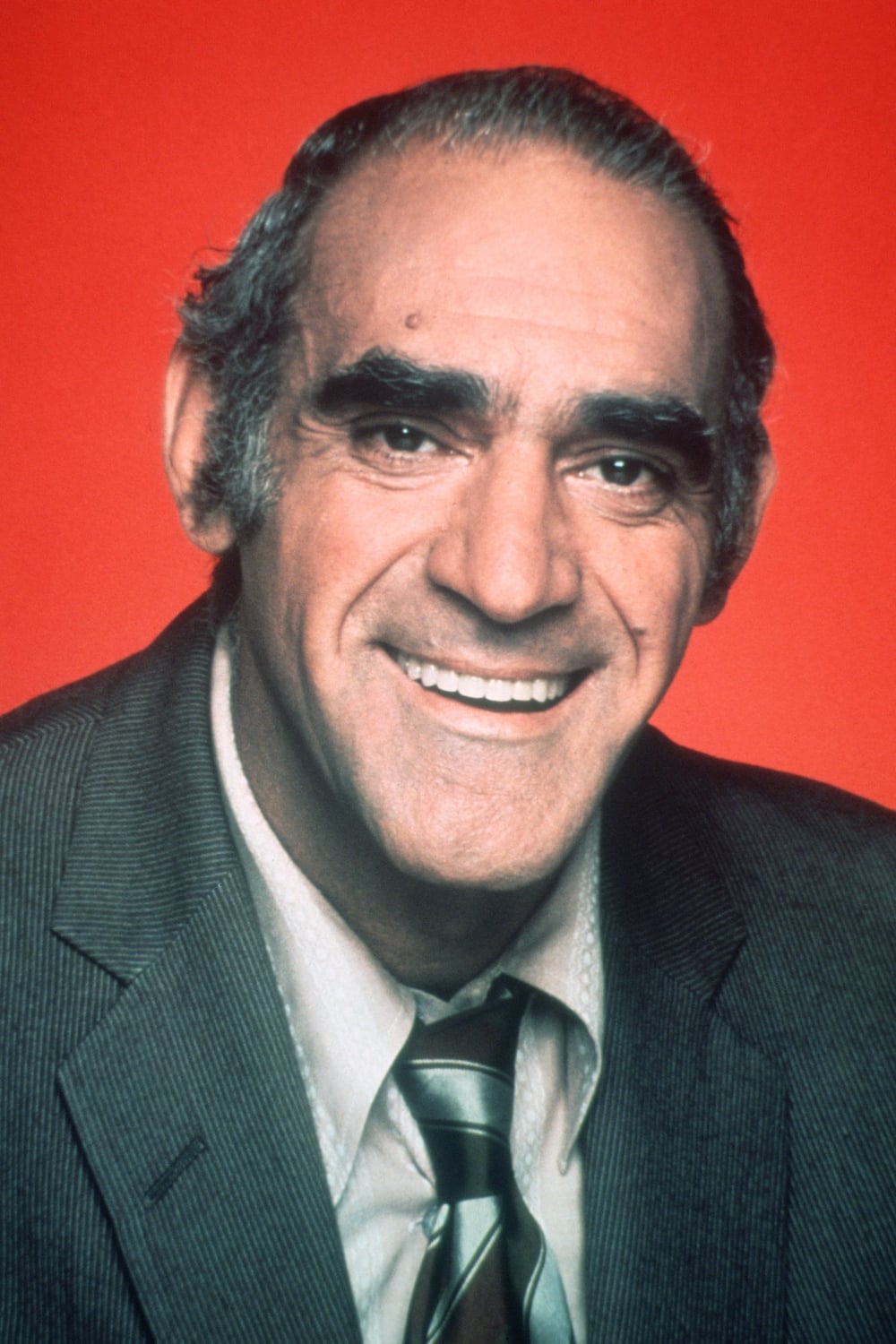
Abe Vigoda built his reputation on stage and then stepped into film and television around his fiftieth birthday, which led to a recognizable presence in crime sagas and network comedies. The transition showed how stage-honed restraint plays on camera even for late entrants.
After that break, he balanced features with long-running TV work, becoming synonymous with world-weary wit. While his first major film came right at 50, the on-camera career that followed grew entirely in his fifties and beyond.
Richard Farnsworth
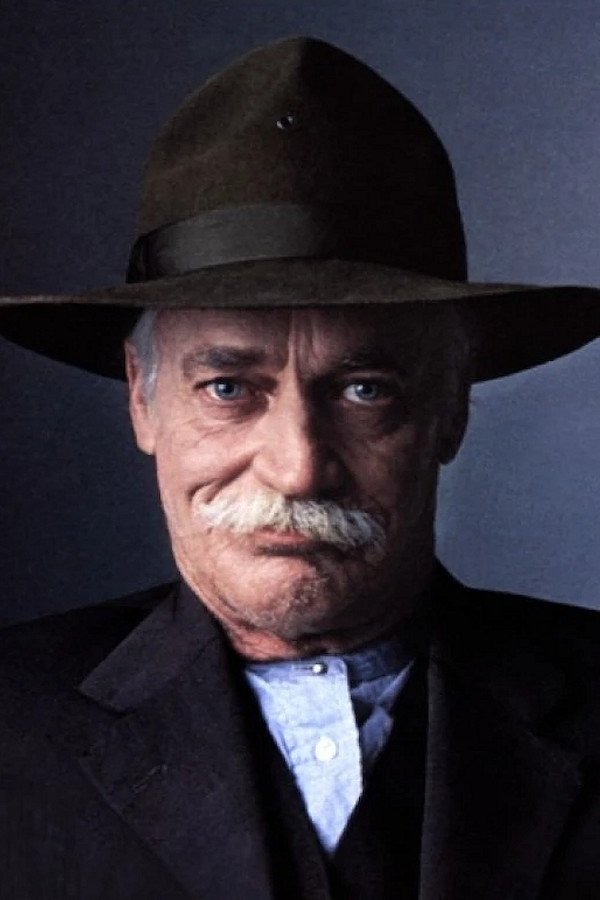
Richard Farnsworth spent decades as a stuntman before easing into credited acting roles later in life. That unusual pivot gave his characters a quiet authenticity, especially in Western and rural stories where physical know-how matters.
As his acting slate expanded, so did the nuance of the roles he was offered, culminating in performances that foregrounded gentleness over bravado—an uncommon arc for someone who arrived from the stunt world.
Dave Johns
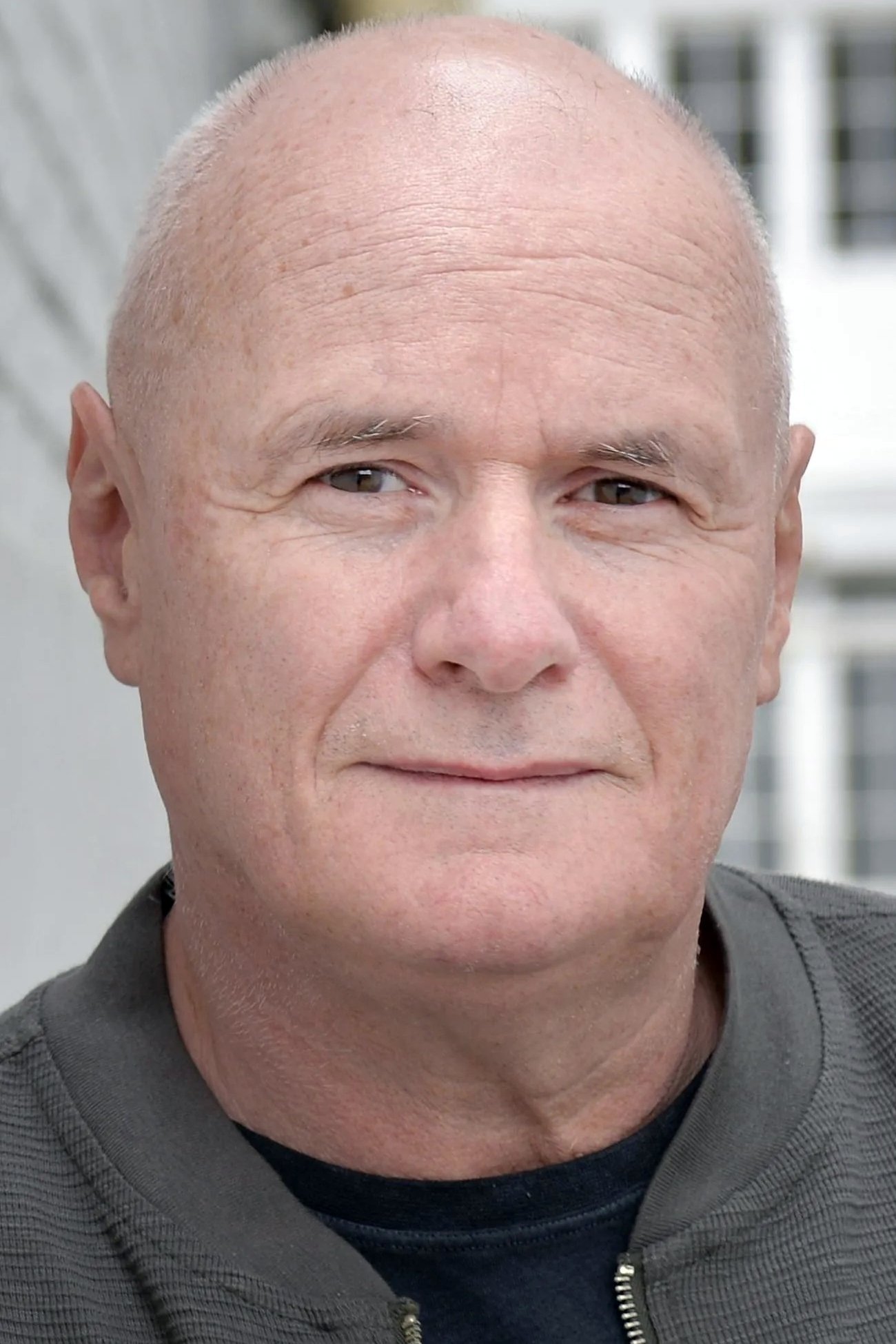
Dave Johns worked as a stand-up comic for years before taking his first screen lead just shy of 60. That debut introduced him to international audiences and reset expectations about first-time film actors at that age.
Since then he has continued to appear in films and series that use his lived-in quality for working-class protagonists and mentors. The move from clubs to cameras after 50 remains a modern example of a late start that stuck
Share the late-start names you’d add—who else genuinely began on camera after 50 and built a real screen career?