


Actors Who Concealed Their Ethnicity to Succeed in Hollywood

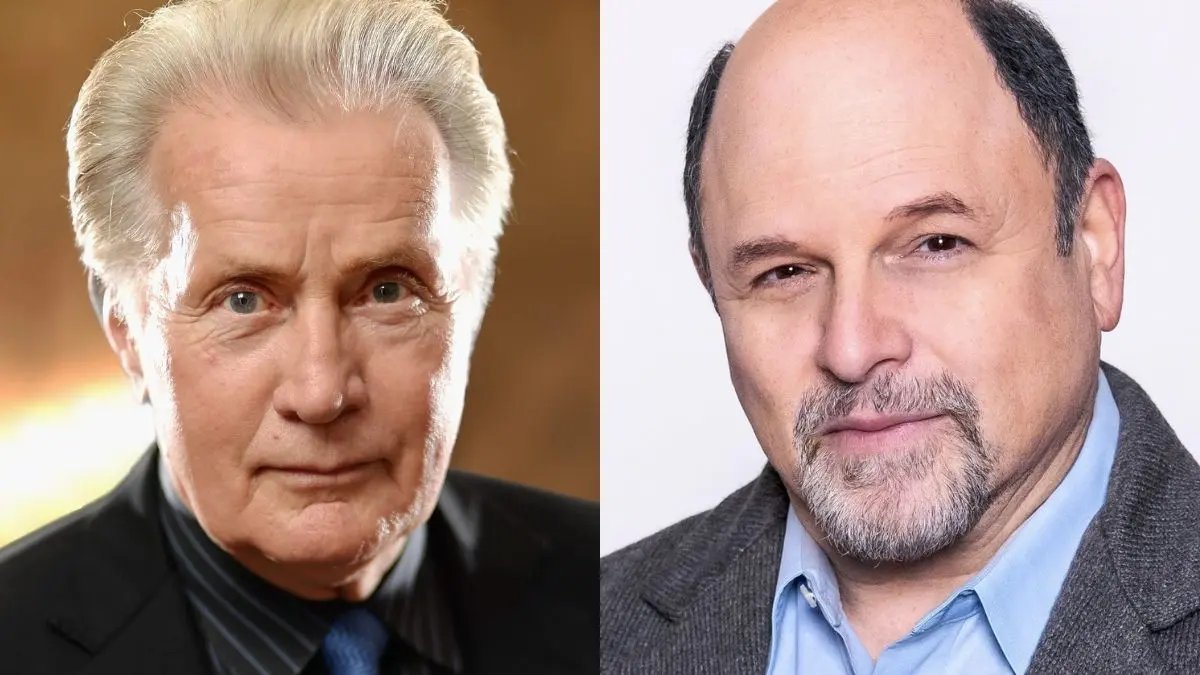


Hollywood’s early gatekeepers often pushed performers to downplay immigrant roots or change names that signaled a specific background. Many male actors adopted Anglicized identities to make casting easier, avoid bias, or fit studio marketing. Their choices reveal how the industry once treated ethnicity as a hurdle rather than a strength. Here are notable examples and the practical reasons behind their stage names.
Martin Sheen
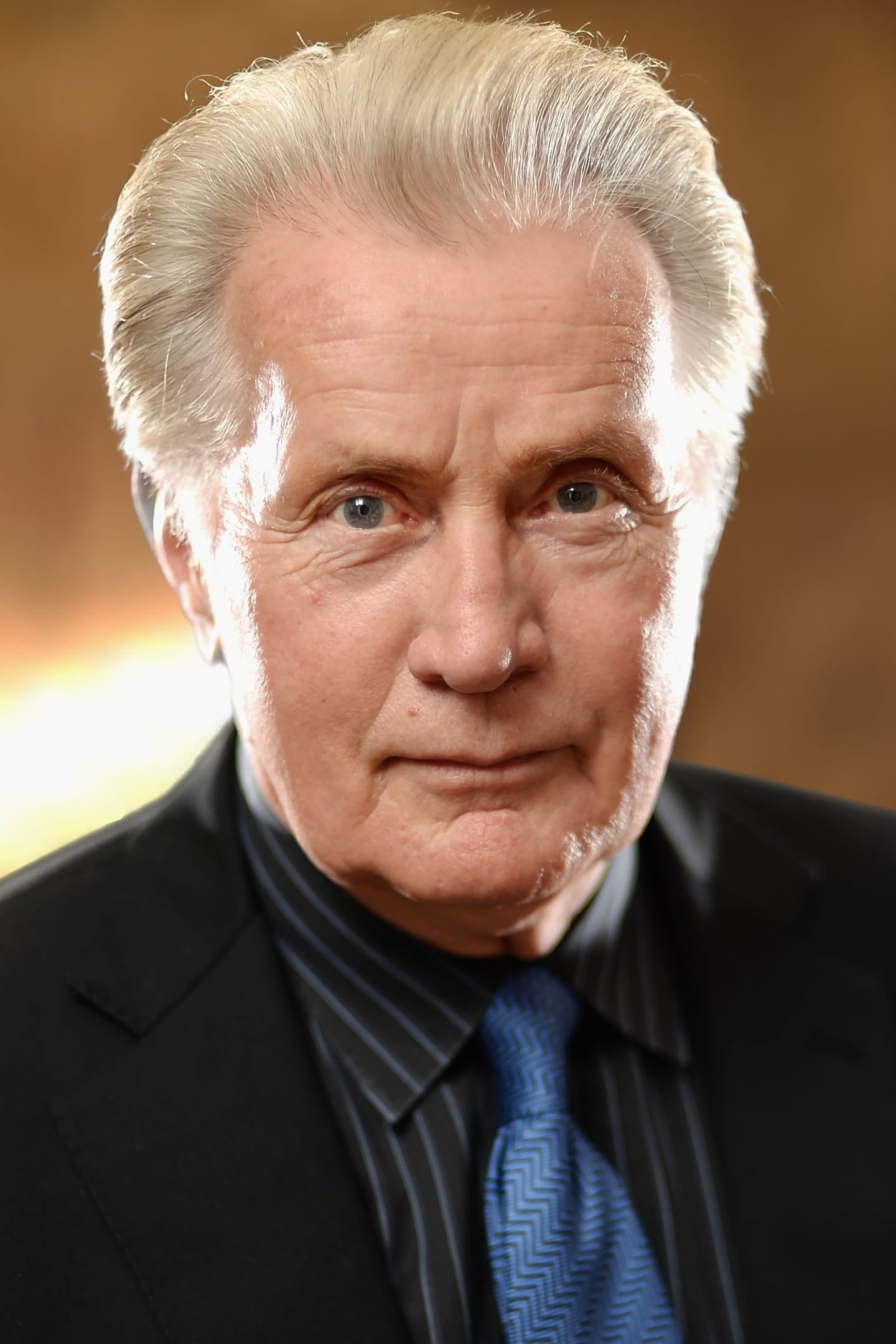
Born Ramón Antonio Gerardo Estévez in Ohio, he chose the stage name Martin Sheen while starting out in New York theater. He has explained that he struggled to get auditions when using his birth name. The switch helped him access mainstream roles and establish a long career on stage and screen. He kept his legal name and has discussed the choice publicly as a response to industry bias at the time.
Ben Kingsley
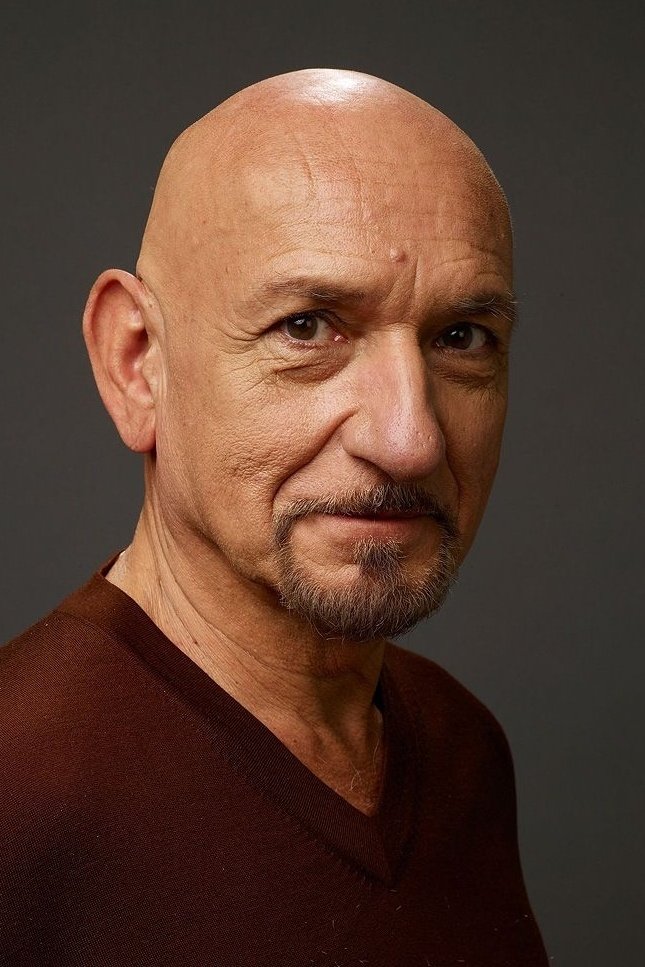
Ben Kingsley was born Krishna Bhanji to an Indian father and English mother. Early in his career he adopted an English stage name to avoid typecasting and to secure broader opportunities in British theater and film. The name change occurred before his major screen breakthroughs and became permanent professionally. He has spoken about the practical pressures young actors faced when their names signaled a specific ethnicity.
Tony Curtis
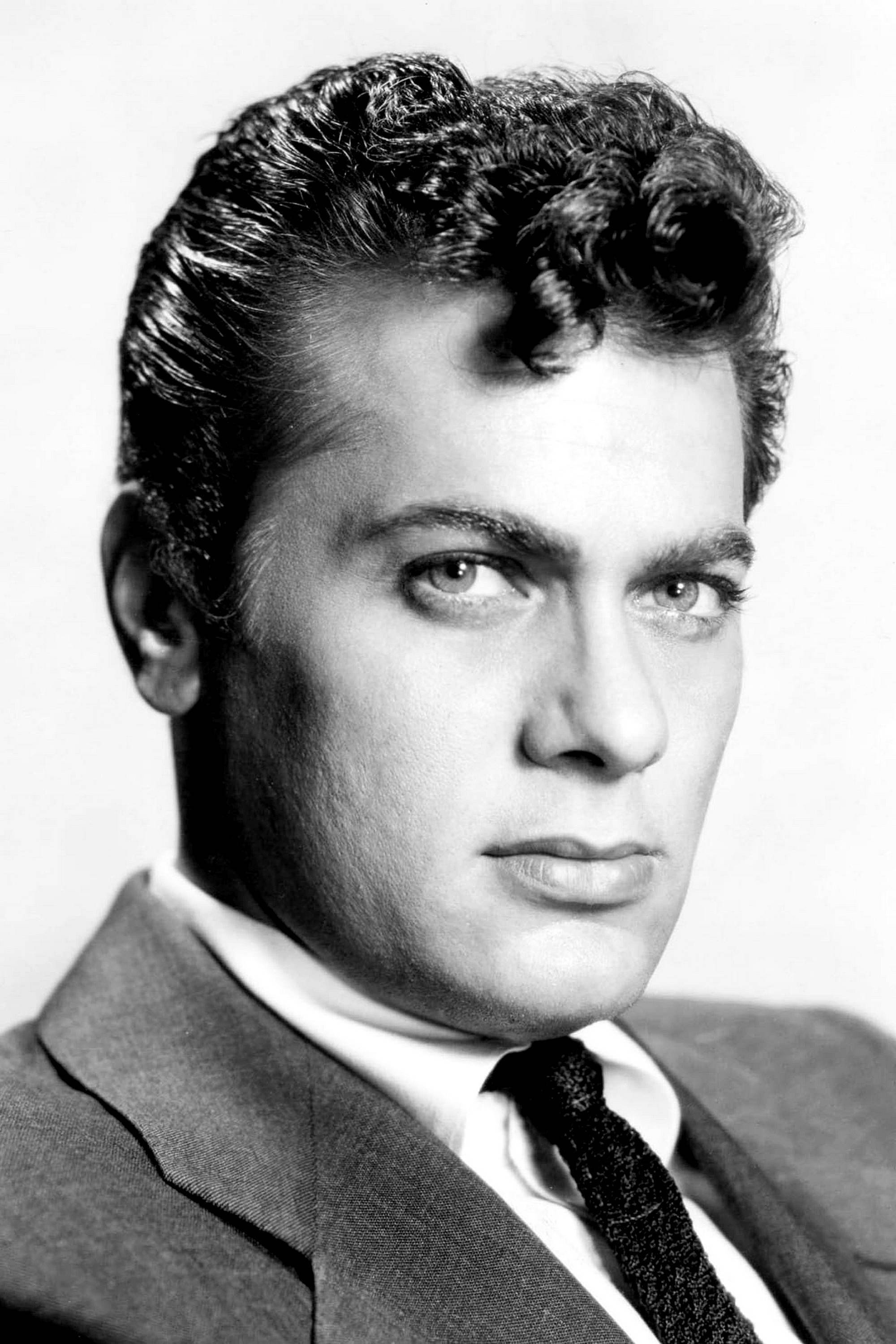
Tony Curtis entered the studio system as Bernard Schwartz, the son of Hungarian Jewish immigrants. Universal pushed him to adopt a short, marketable name that sounded less ethnic. The rebrand aligned with the studio’s publicity strategy and opened doors to leading man roles. He later acknowledged how common such changes were for actors of his background.
Kirk Douglas
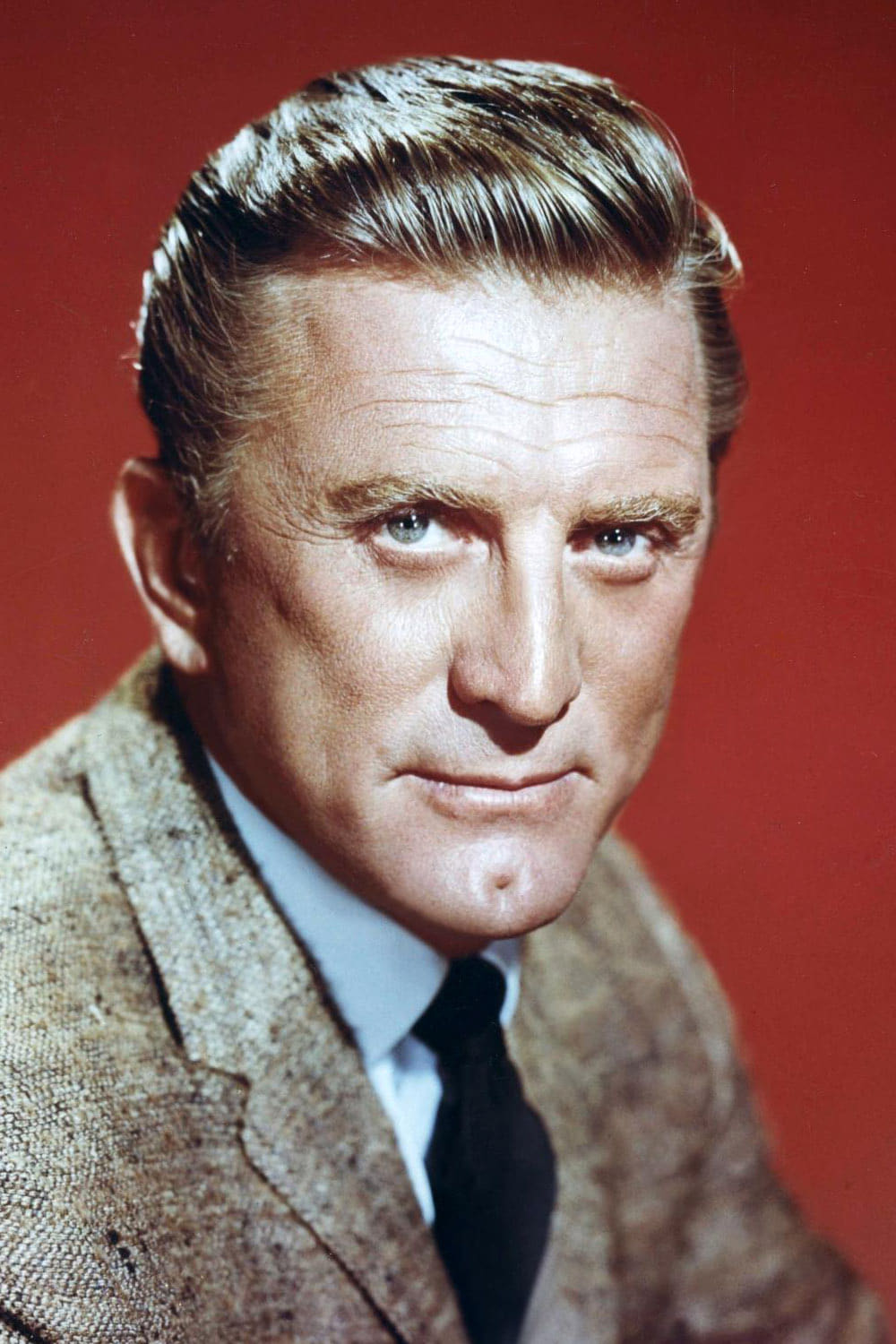
Kirk Douglas began life as Issur Danielovitch and also used Isidor Demsky as a young performer. Agents and producers encouraged a simpler, less identifiably Jewish name as he pursued stage and film work. The shift to Kirk Douglas matched studio-era norms and made billing and promotion easier. He openly wrote about the change and his family heritage in his memoirs.
Edward G. Robinson
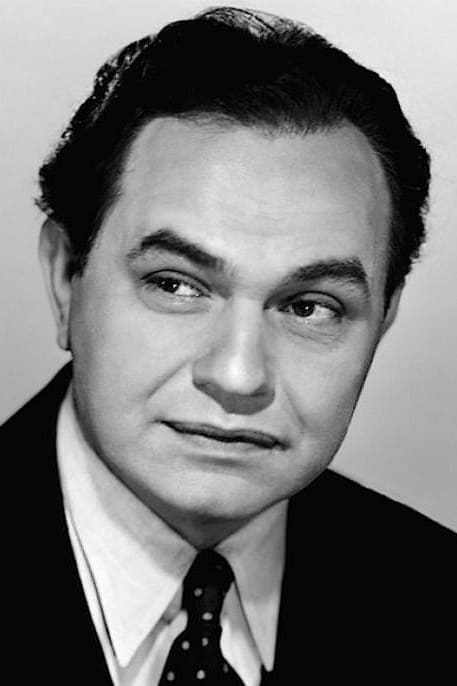
Born Emanuel Goldenberg in Romania, he immigrated to the United States and built a career on stage before film. He adopted Edward G. Robinson to better fit American playbills and to avoid prejudice in casting offices. The name helped him transition into Hollywood crime dramas and character parts. He later emphasized his roots while reflecting on his career path.
Paul Muni
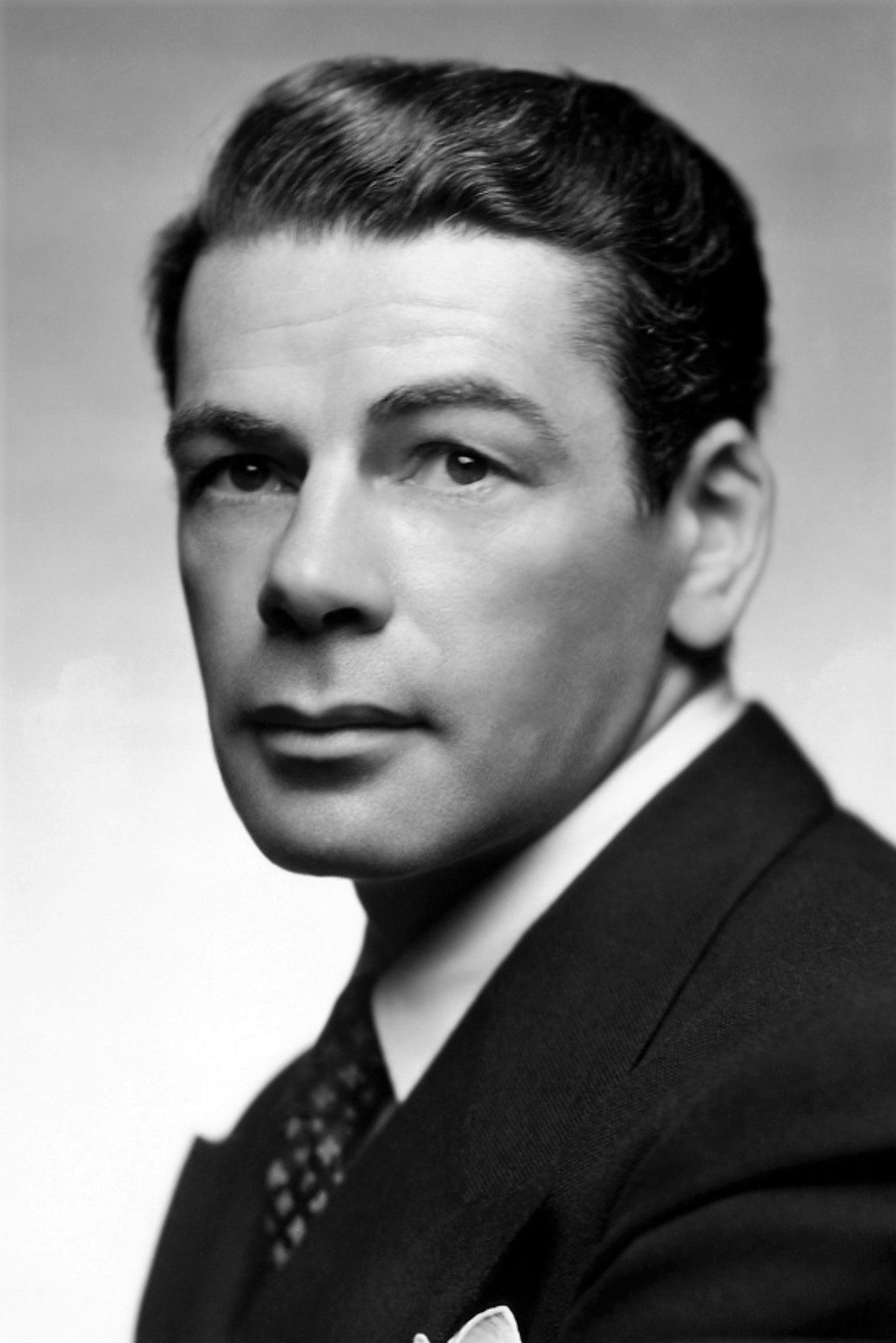
Paul Muni was born Frederich Meshilem Meier Weisenfreund and began acting in Yiddish theater. He shortened and Anglicized his name to move into English-language productions. The adjustment made it easier for producers to promote him to broader audiences. It also allowed him to cross from ethnic stages into mainstream studio features.
John Garfield
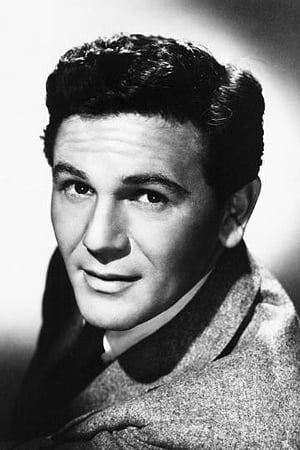
John Garfield started as Jacob Garfinkle in New York’s theater scene. As he moved toward film, he adopted a streamlined name that casting directors found more neutral. The change mirrored a wider industry habit of smoothing out ethnic identifiers. It helped him secure the intense urban roles that defined his screen image.
Leslie Howard
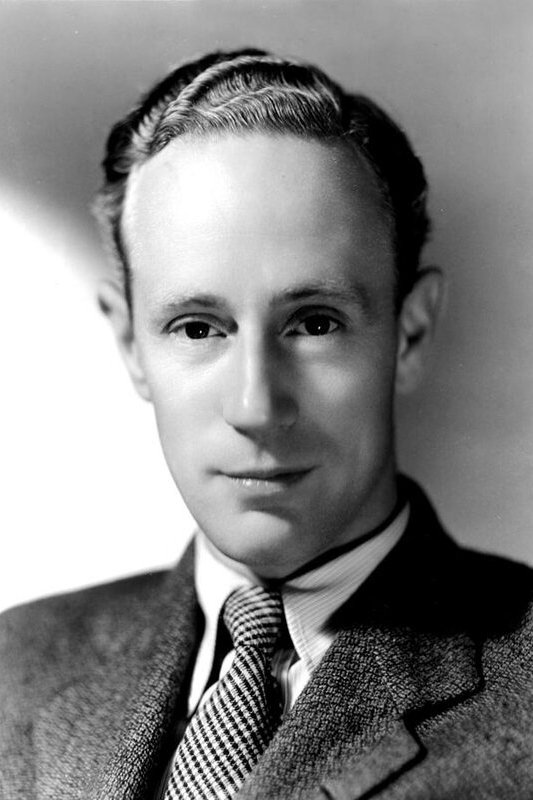
Leslie Howard was born Leslie Howard Steiner in London to a Hungarian Jewish father. Early publicity materials dropped the surname Steiner to avoid calling attention to his background. The simplified name fit the genteel leading man image that studios promoted. It also made international marketing and credits more straightforward.
Peter Lorre
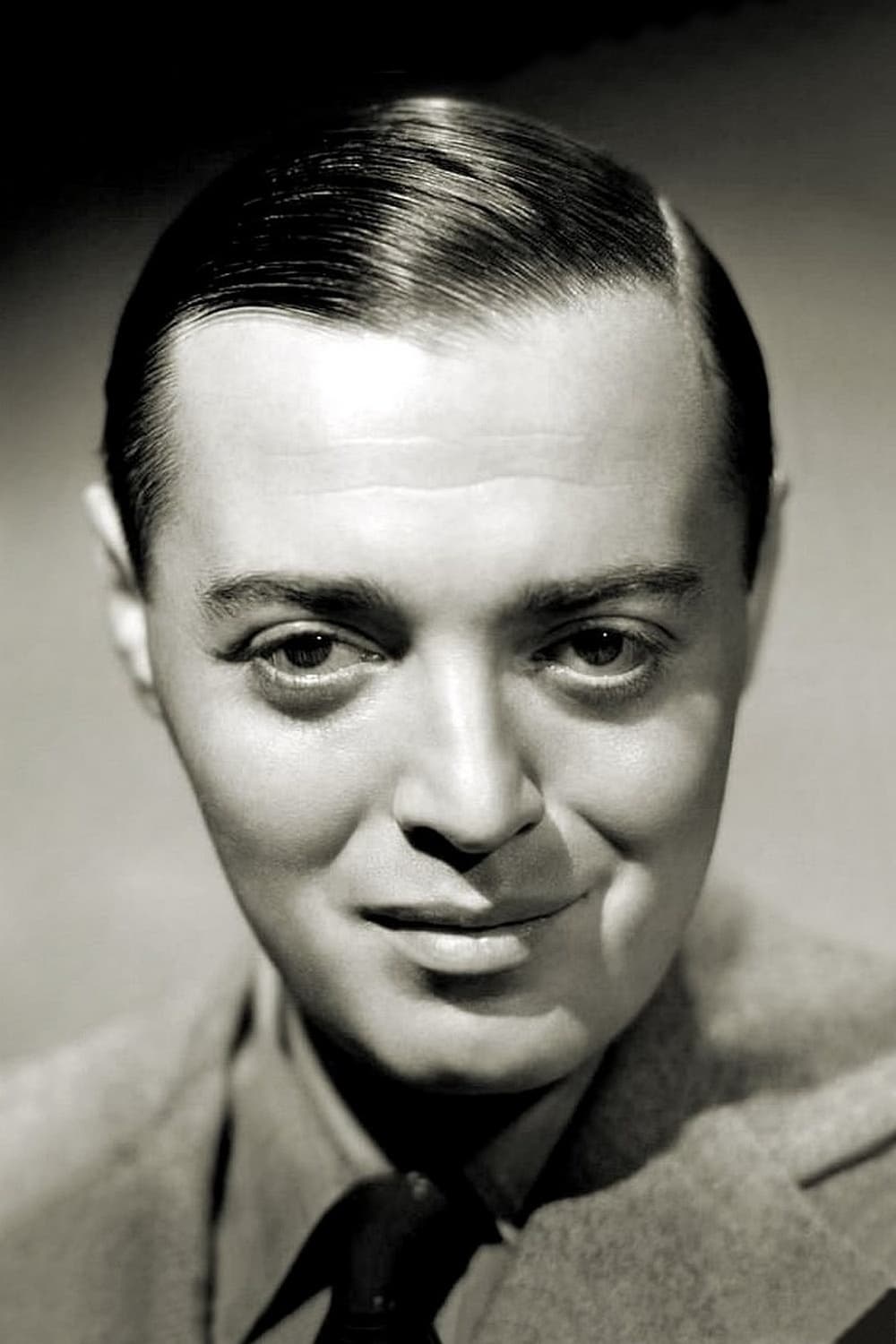
Peter Lorre began as László Löwenstein and worked in German theater and film before Hollywood. He adopted Peter Lorre on the European stage, choosing a name that producers and audiences could easily pronounce. The change eased his transition across markets and languages. It remained his professional identity when he arrived in the American studio system.
Charles Bronson
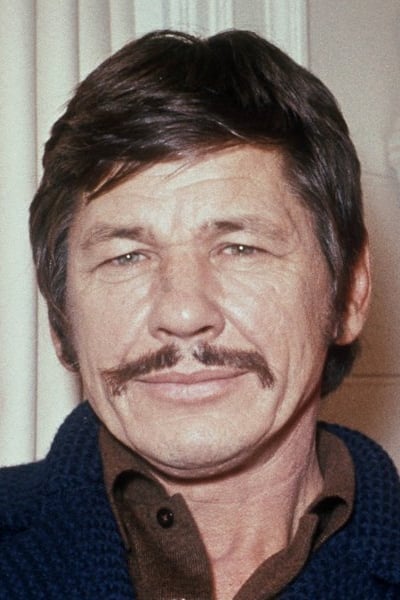
Charles Bronson was born Charles Buchinsky to a Lithuanian American family. During the Red Scare, he was advised to adopt a less Eastern European sounding name to avoid suspicion and barriers to casting. The adjustment coincided with his move into higher profile roles. It reflected a climate where even surnames could trigger professional obstacles.
Michael Landon
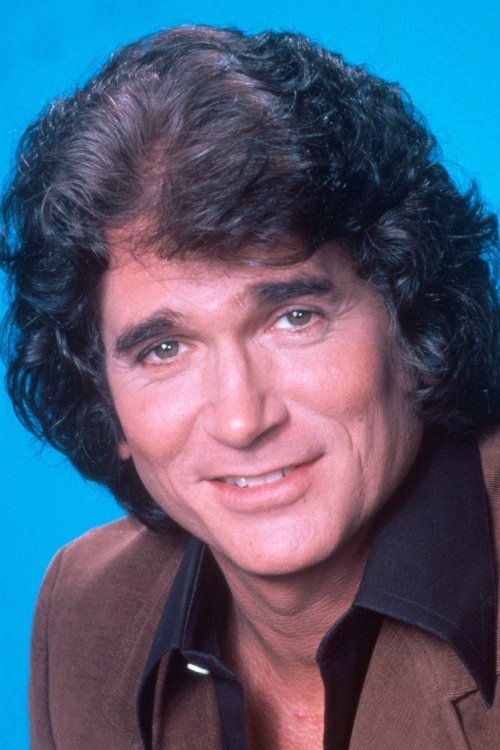
Michael Landon entered show business as Eugene Maurice Orowitz. He adopted a brief, all-American stage name that agents and producers believed would broaden his appeal. Publicity at the time rarely highlighted his Jewish background. The new name helped him move from athletics and bit parts into leading television roles.
Jerry Lewis
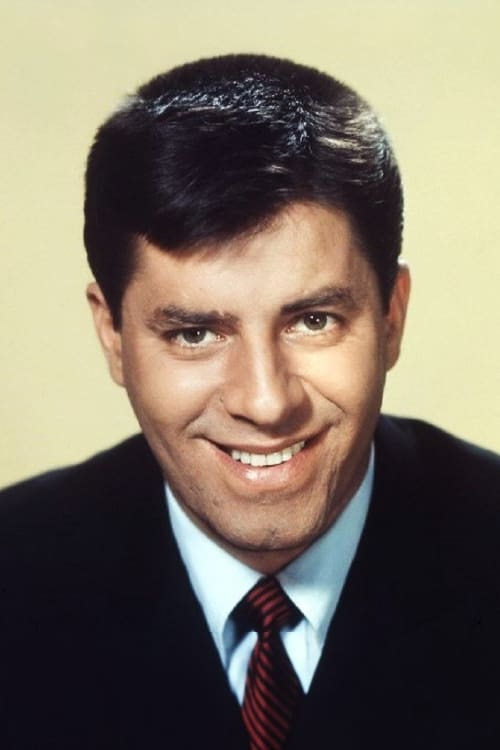
Jerry Lewis was born Joseph Levitch to a family of entertainers. He adopted Jerry Lewis early on to fit marquee space and to present a more neutral identity on national stages. The simplified name supported touring, nightclub billing, and film promotion. It also kept attention on his act rather than on ethnic cues in his surname.
Jack Benny
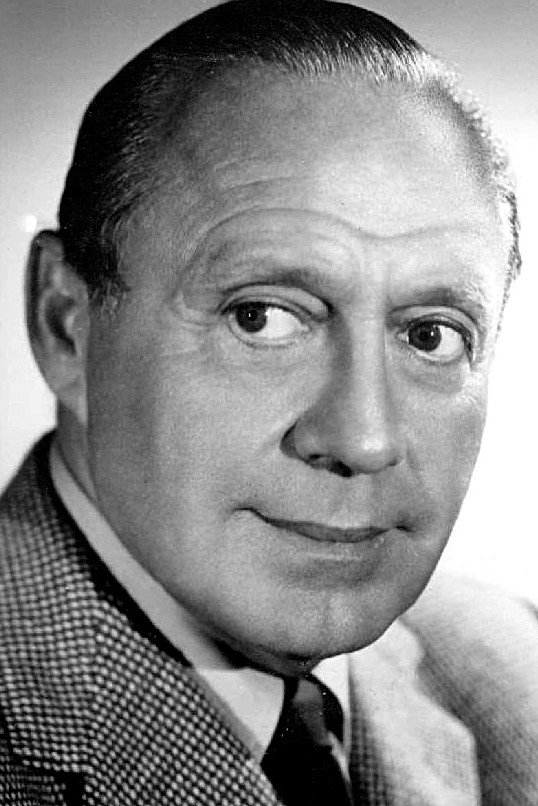
Jack Benny began as Benjamin Kubelsky, performing on violin and in vaudeville. He switched to Jack Benny to avoid confusion with other performers and to present a broadly marketable persona. The change helped him transition from stage to radio and then to film and television. It masked the immigrant resonance of his birth name in an era wary of difference.
Jason Alexander
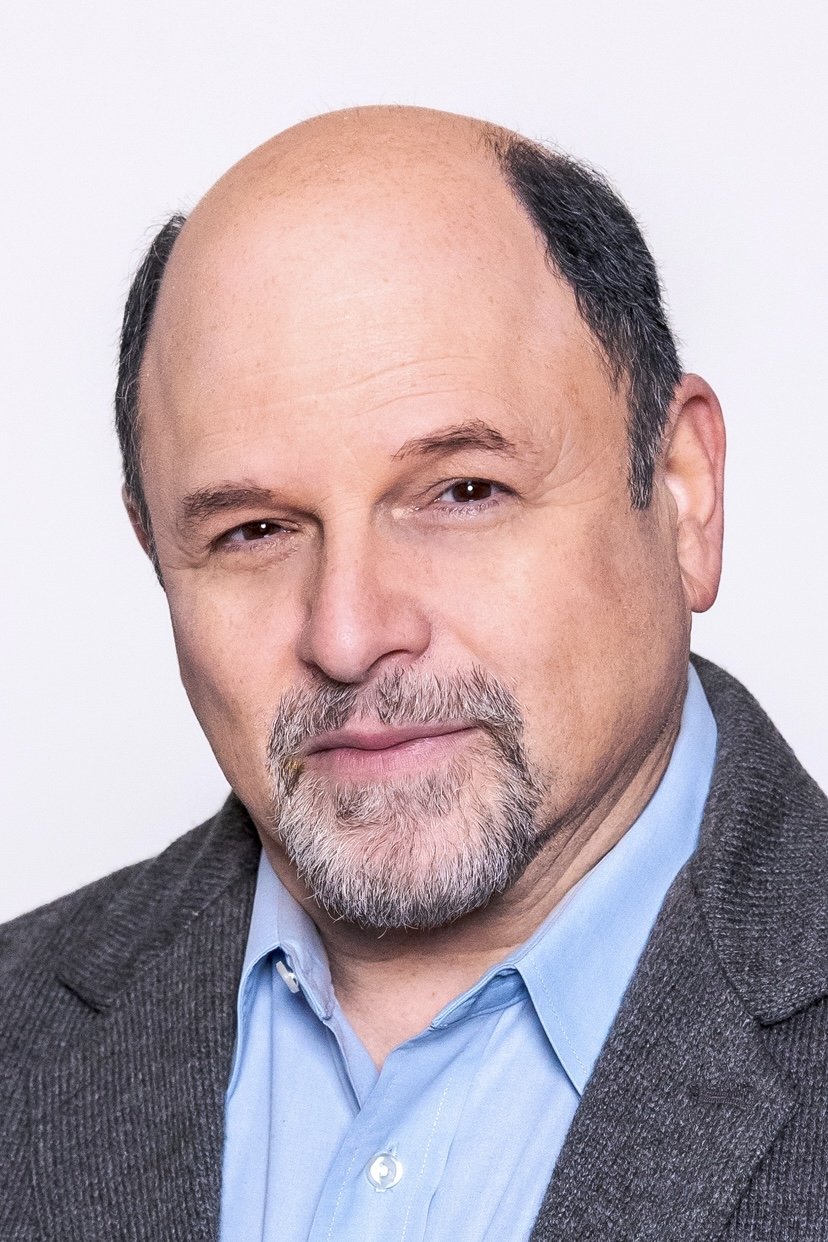
Jason Alexander was born Jay Scott Greenspan and started using a shorter stage name while training and auditioning. The new name was easier for casting lists, playbills, and on-air credits. It also muted assumptions that might limit the range of parts he was offered. The professional identity stuck as his screen career grew.
Dean Martin
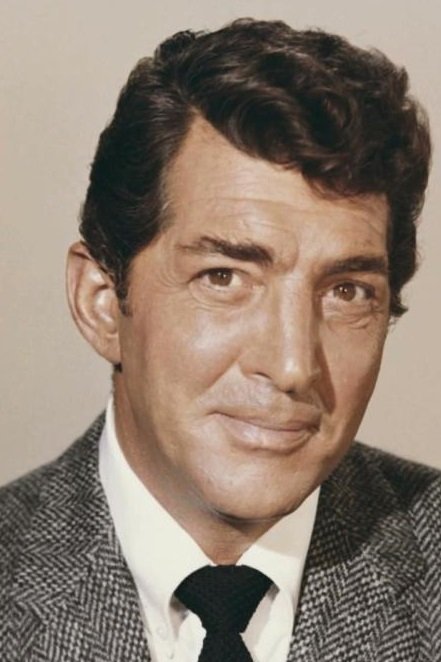
Dean Martin entered show business as Dino Paul Crocetti, the son of Italian immigrants. He adopted Dean Martin to fit English-language billing and to appeal to national radio and film audiences. The streamlined name made promotion simpler across clubs, records, and movies. It helped him cross from ethnic niche circuits into mainstream stardom.
Share your thoughts and any other examples you think belong on this list in the comments.

