


Actors Who Have Been Body Shamed

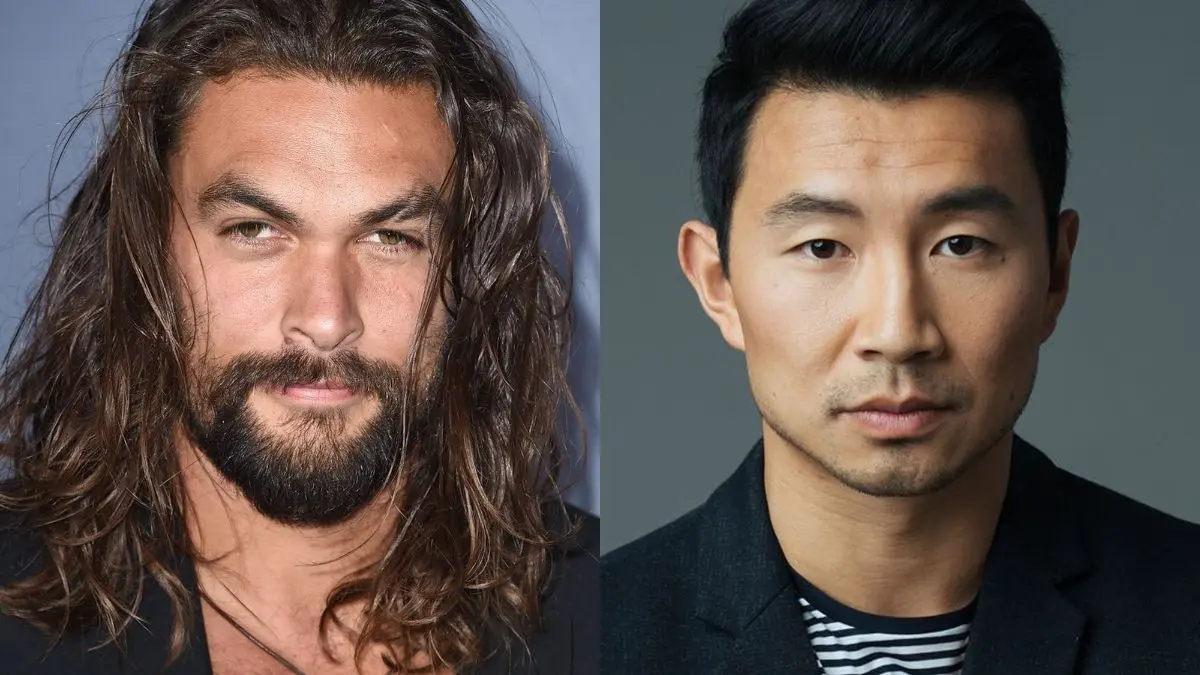


Body shaming affects men in entertainment too, and many actors have spoken publicly about the scrutiny placed on their bodies. The examples below highlight real situations where appearance-based comments, headlines, or social media reactions followed roles, red-carpet moments, or candids. They show how training demands, sudden transformations, and off-duty photos can become talking points that overshadow work. Each entry notes the context in which the comments surfaced and how the actor addressed or navigated the attention.
Brendan Fraser
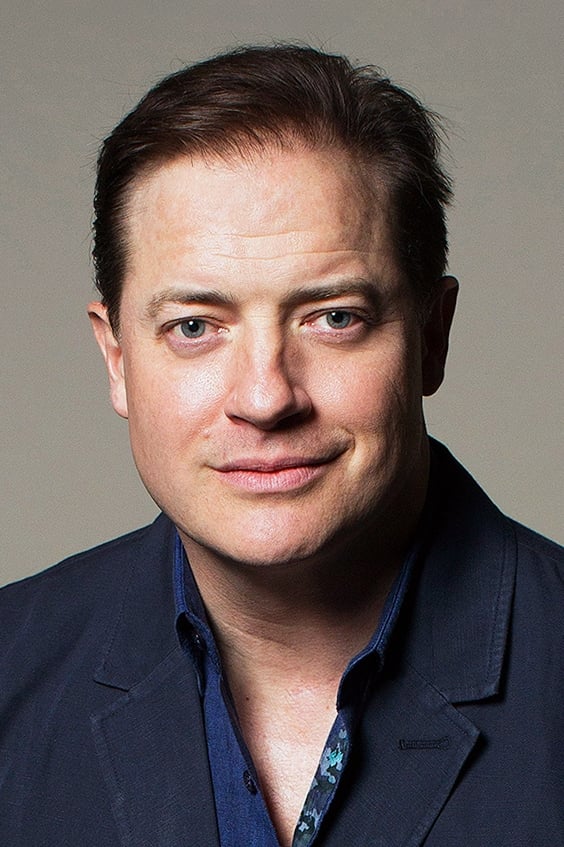
Brendan Fraser faced intense commentary around his changing appearance after a hiatus from major studio work. Conversations resurfaced during awards-season press for ‘The Whale’, with online discussion often veering from performance to weight. He has described long-term health issues and recovery from injuries that affected his physique. Interviews around his comeback repeatedly noted how coverage of his body contrasted with his earlier action-image from films like ‘The Mummy’.
Jonah Hill
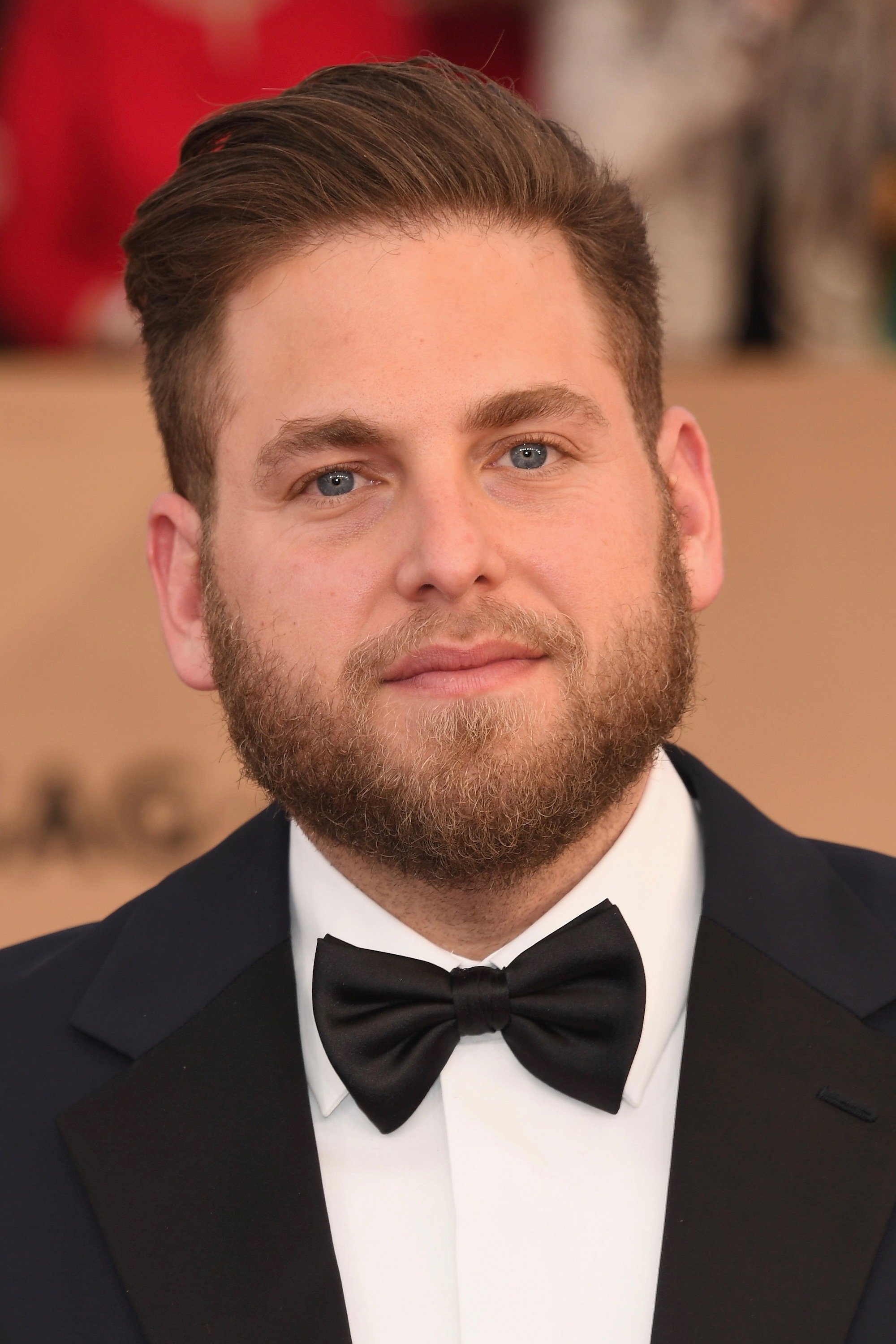
Jonah Hill has repeatedly been targeted by tabloids and social media for weight fluctuations, even as his roles expanded from comedies to dramas like ‘Moneyball’. He publicly asked fans and media to stop commenting on his body, regardless of whether he had gained or lost weight. The scrutiny continued after he took up surfing and shared photos, prompting him to address boundaries around appearance talk. He has linked body-focused commentary to broader issues of privacy and mental health.
Kumail Nanjiani
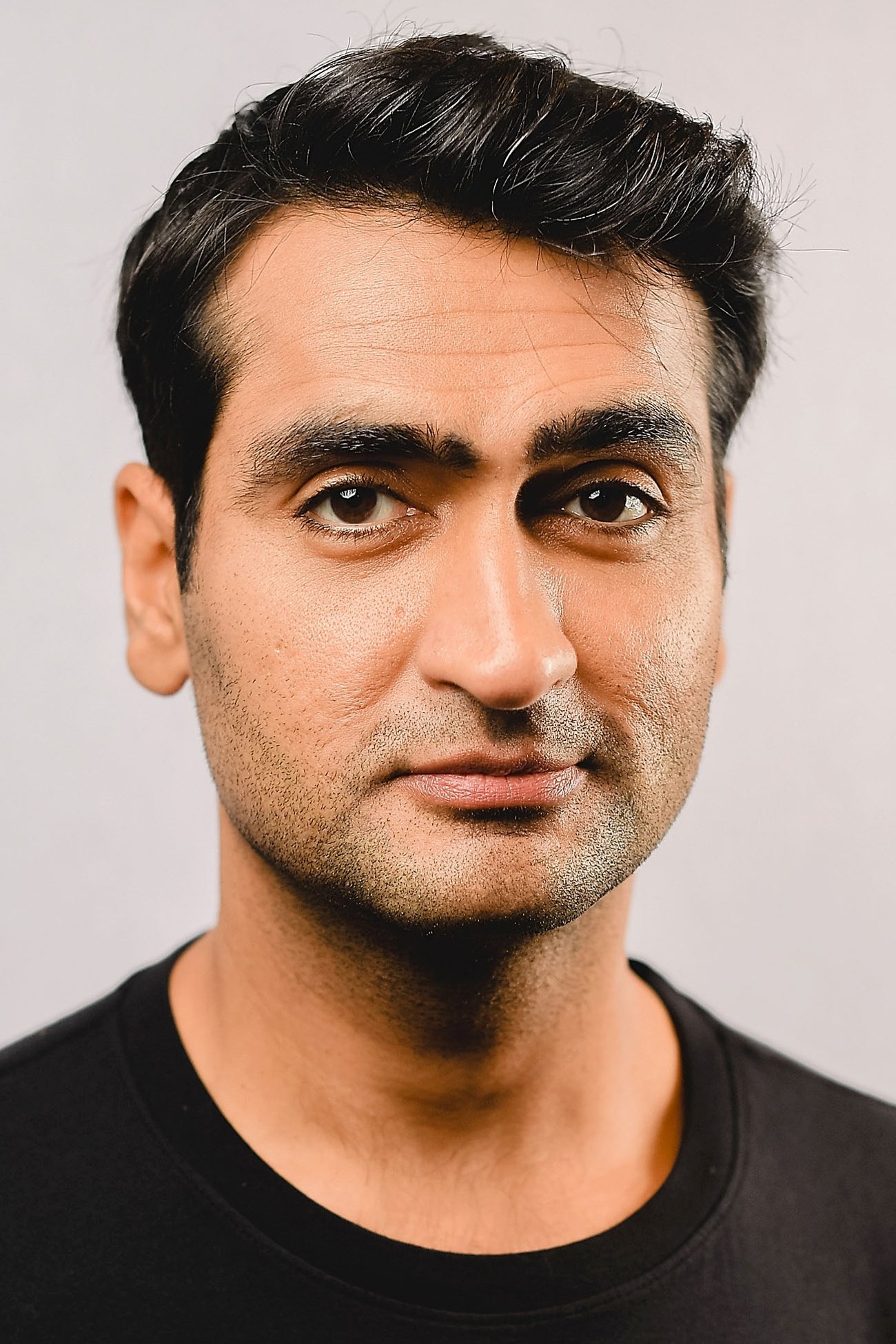
Kumail Nanjiani’s muscular transformation for ‘Eternals’ led to a wave of online reactions that included praise but also suspicion and negative comments about how he achieved it. He has said that attention to his physique eclipsed discussion of his acting work. The sudden change drew think pieces about Hollywood standards for superhero bodies targeting men as well. Nanjiani has acknowledged the extensive training and nutrition regimen that the role required.
Chris Pratt
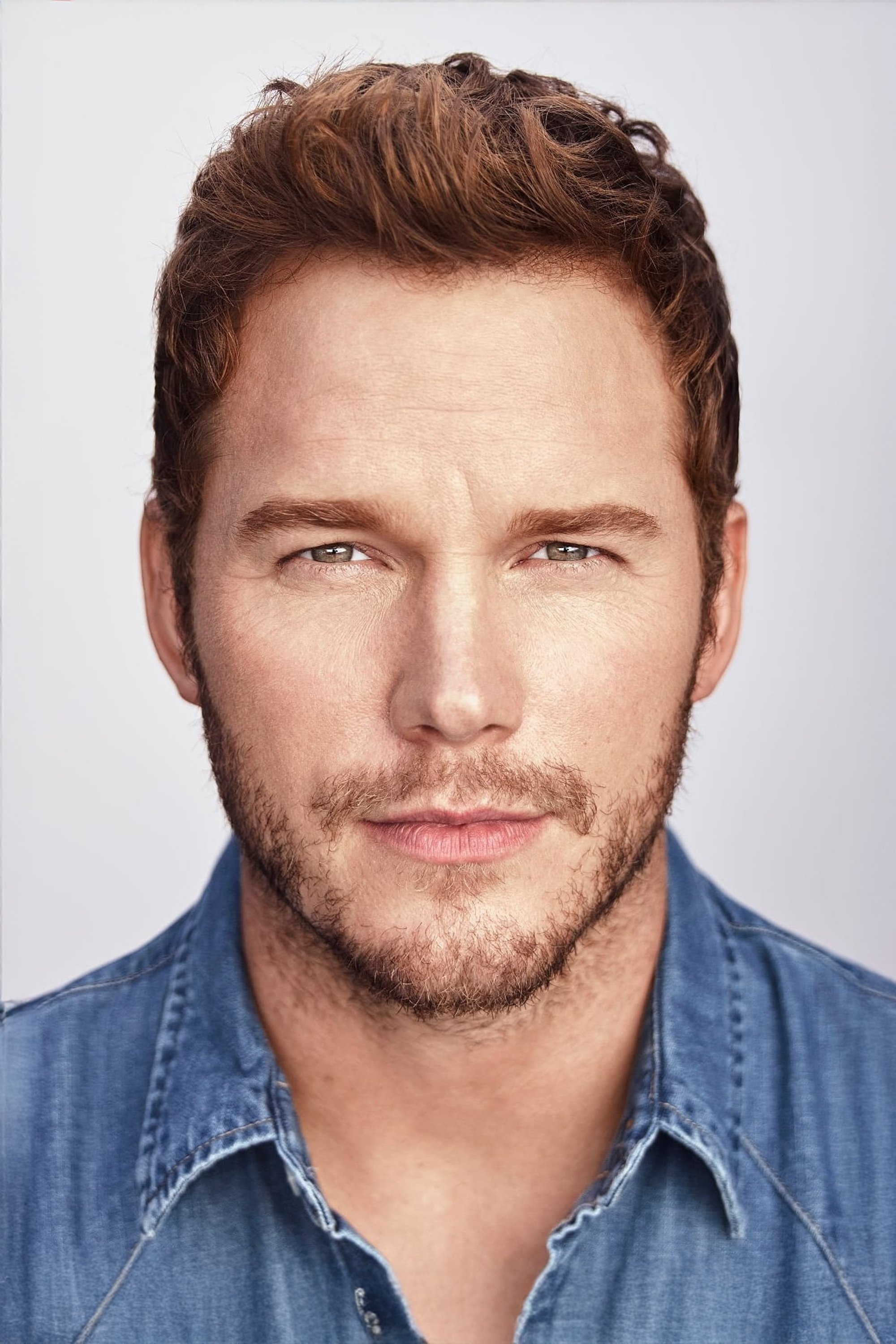
Chris Pratt’s shift from his sitcom look in ‘Parks and Recreation’ to an action-ready physique for ‘Guardians of the Galaxy’ brought comparisons that often mocked his earlier weight. Paparazzi photos and press items contrasted “before” and “after” images to frame his success story in body terms. He has discussed strict diets and gym routines tied to franchise schedules. Coverage regularly returned to his size whenever he moved between comedic and action roles.
Zac Efron
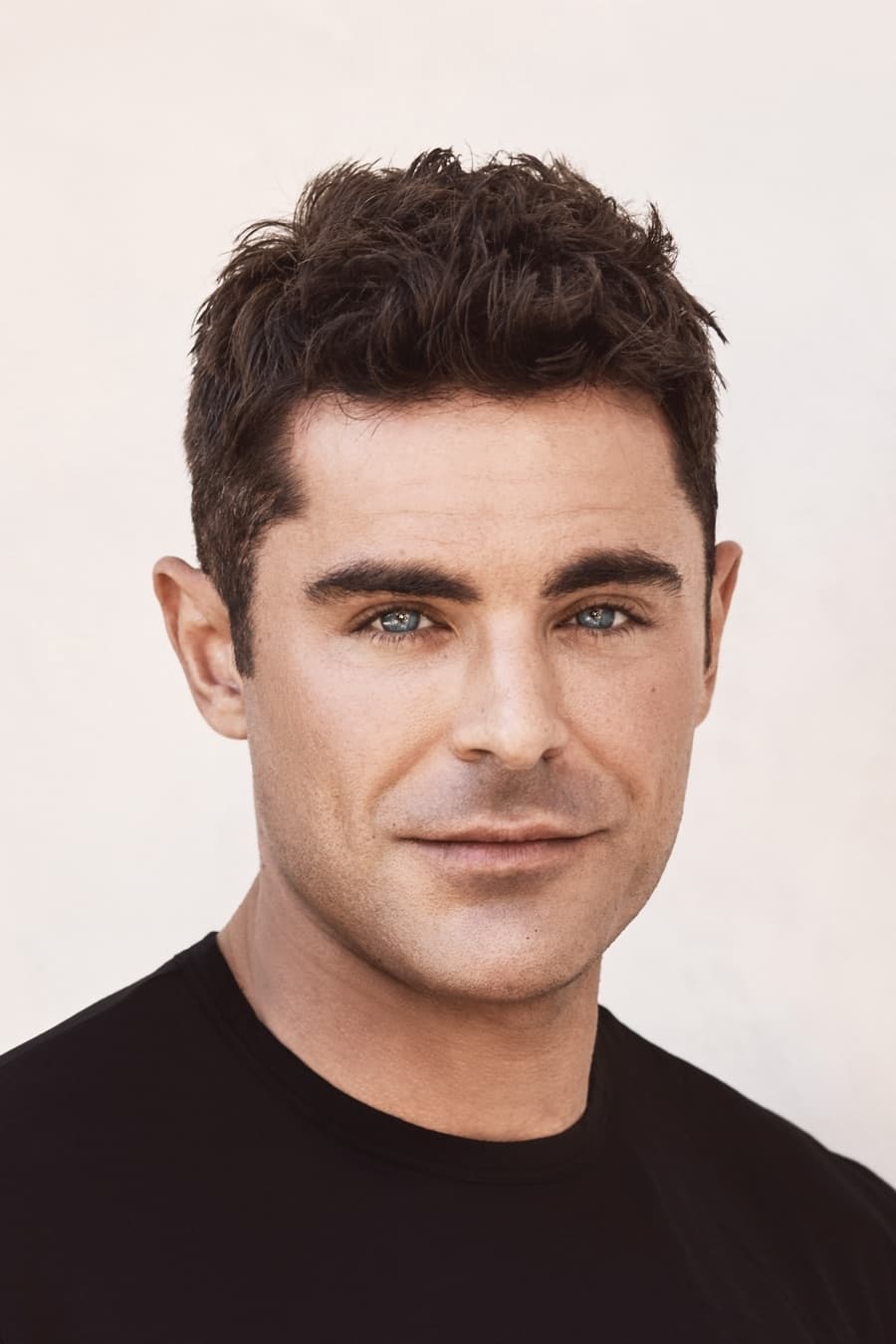
Zac Efron experienced scrutiny over dramatic definition in projects like ‘Baywatch’, followed by criticism when later photos showed a more relaxed look. He has spoken about the unsustainable routines used to achieve extremely low body fat for shirtless scenes. Separate speculation about facial changes also prompted commentary that strayed into body-shaming territory. Efron has described rebalancing fitness with health after demanding shoots.
Robert Pattinson

Robert Pattinson received online teasing when he joked in an interview about not following a strict workout plan for ‘The Batman’, which spiraled into body-focused commentary. Early production chatter fixated on whether he would match superhero conditioning norms. He later trained for the role, but discussion often emphasized his physique over performance notes. Pattinson’s remarks highlighted the expectation that leading men maintain a specific build for comic-book films.
Jason Momoa
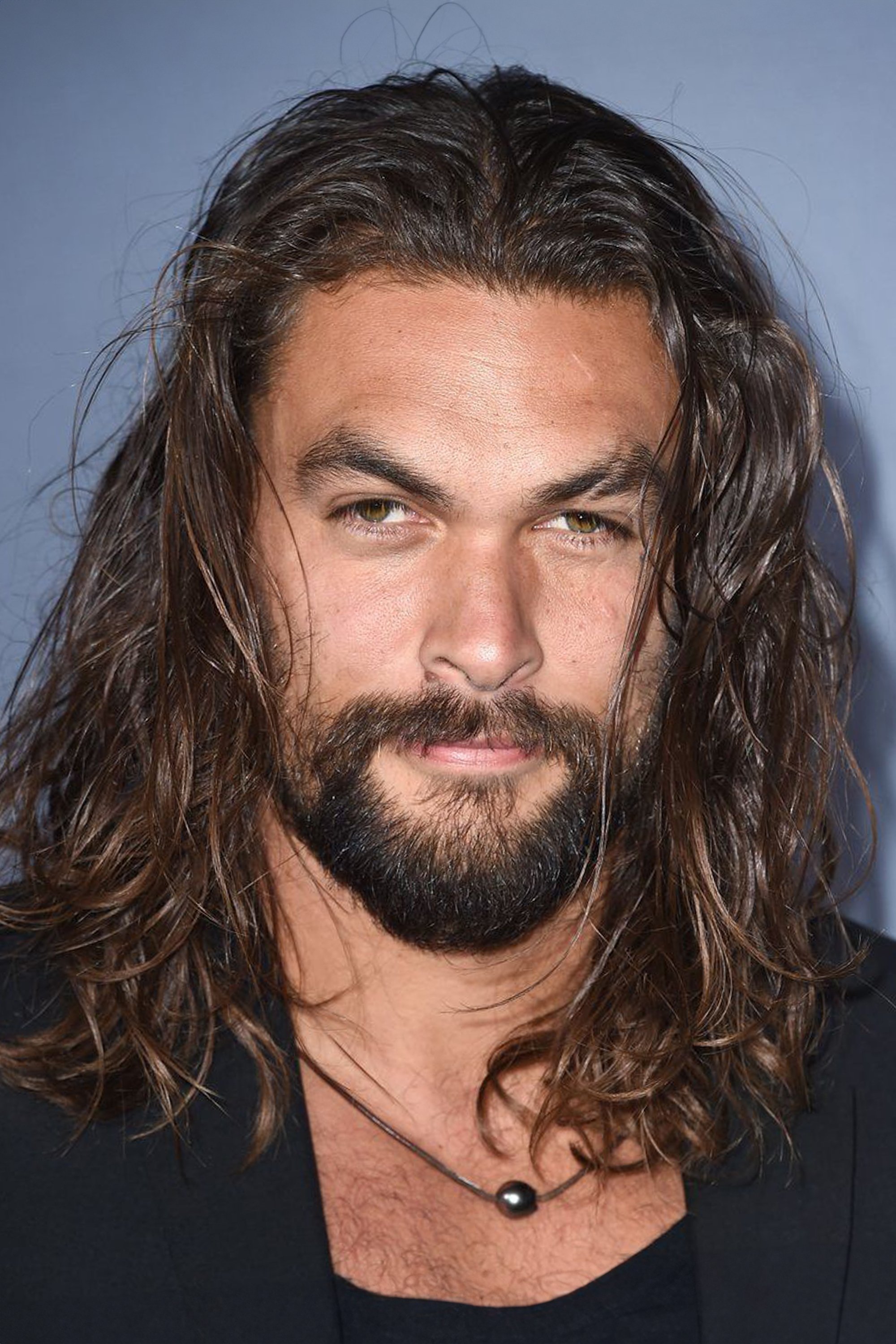
Jason Momoa was labeled with “dad bod” headlines when vacation photos circulated that did not match his ‘Aquaman’ build. The candids generated comparisons to his peak conditioning during press tours. He has noted the difference between off-season maintenance and preparation for a superhero sequel. Coverage illustrated how a single set of images can drive body narratives for male stars.
David Harbour
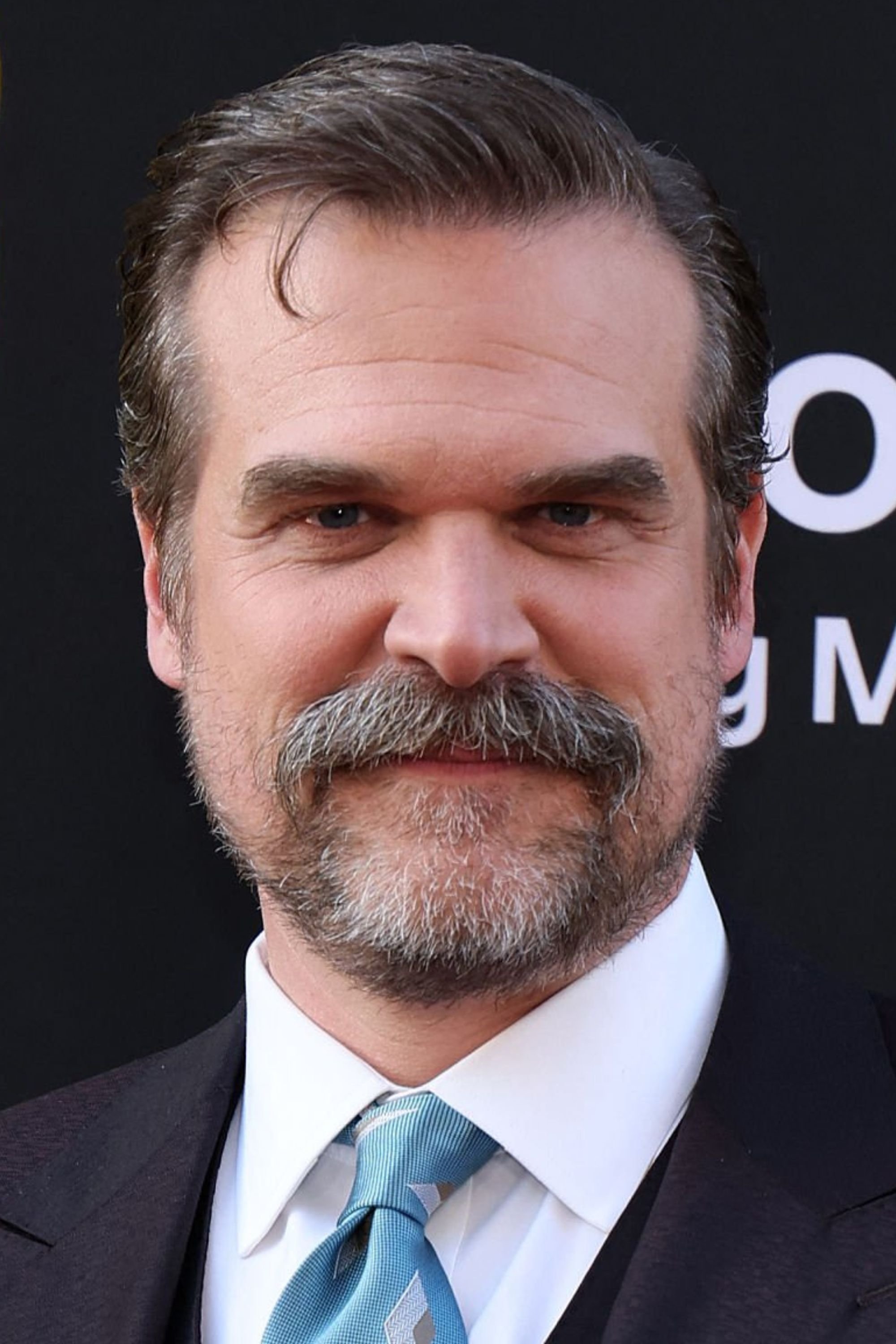
David Harbour has talked about the attention around his size on ‘Stranger Things’ and the physical transformation he undertook for later seasons and for ‘Black Widow’. Interviews detailed calorie tracking, training, and the toll of rapid changes. Body-related comments about his character’s look became a common thread in online discussion. Harbour has connected the conversation to the pressures actors face when roles require visible shifts.
Russell Crowe
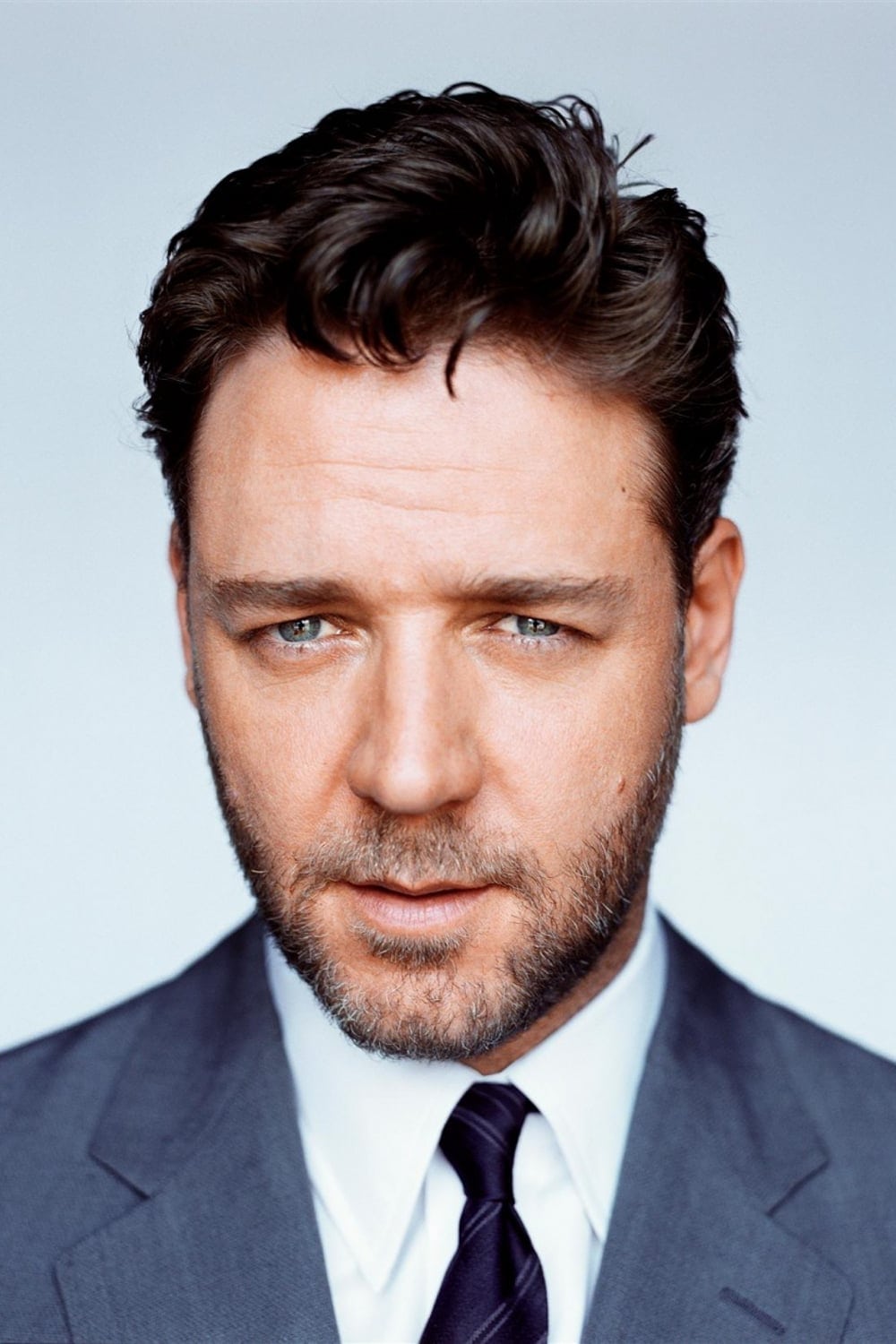
Russell Crowe has long been a tabloid target for weight-related critiques, especially in off-duty photos between projects. Articles frequently contrasted his athletic look from films like ‘Gladiator’ with later candid images. He has addressed age, lifestyle, and role preparation as factors that change appearance over time. The cycle repeated around roles that did not require a trim build, underscoring differing expectations by genre.
Vin Diesel
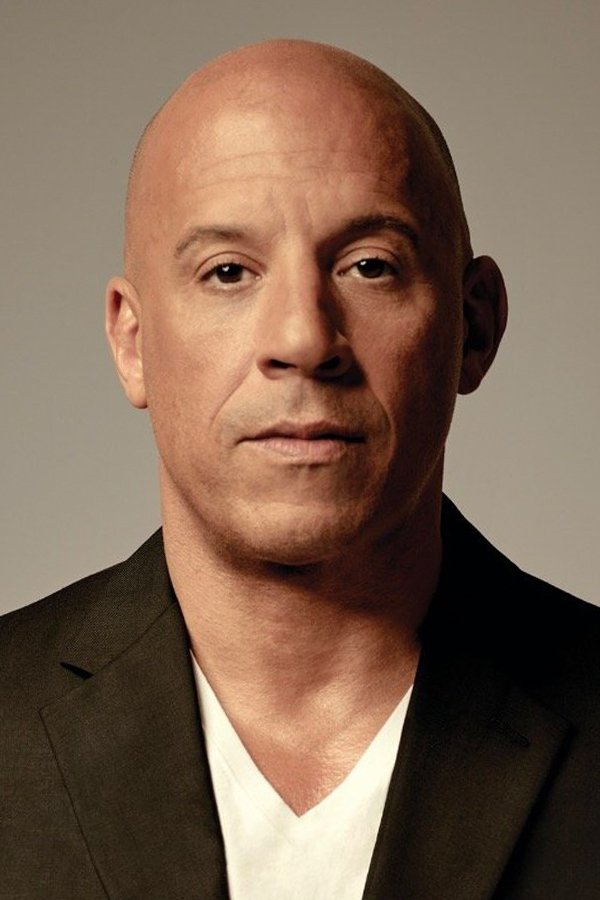
Vin Diesel experienced “dad bod” coverage when paparazzi shots diverged from his usual action-star silhouette. The images triggered widespread memes and body-focused headlines. He responded by posting his own photos and pointing to variations that occur outside production schedules. Subsequent franchise entries refocused attention on the conditioning he returns to for stunts and set pieces in ‘Fast & Furious’ installments.
James Corden
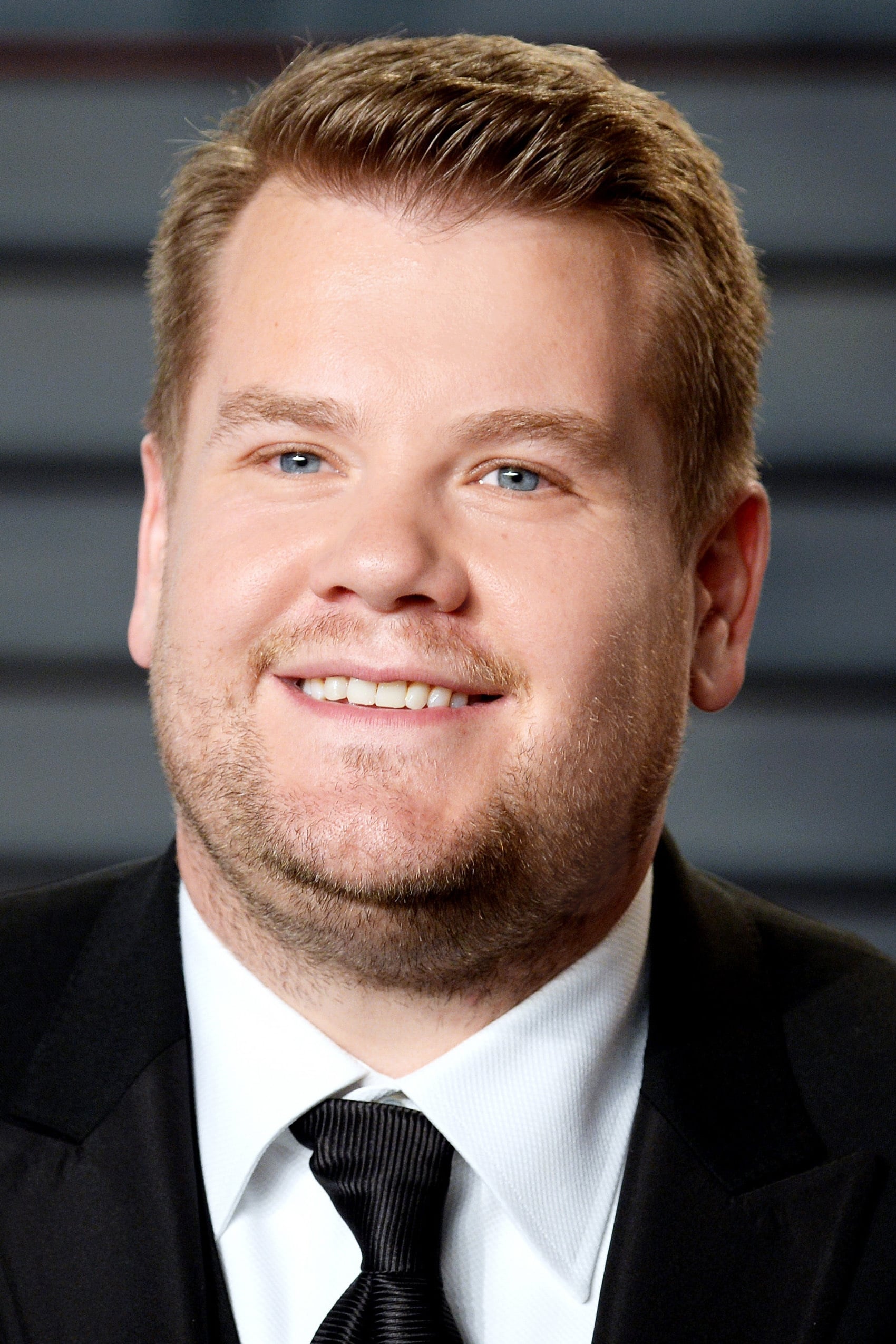
James Corden, known primarily for television hosting, has also acted in films and stage productions and has been a frequent target of fat-shaming. Media segments and social posts often framed jokes around his size rather than specific performances. He has discussed using structured programs to manage weight while urging the press to avoid appearance-based humor. His public comments helped foreground how body talk affects male entertainers across mediums.
Simu Liu

Simu Liu’s physique for ‘Shang-Chi and the Legend of the Ten Rings’ drew both admiration and critical chatter about unrealistic standards. He shared training footage and addressed how stunt work and martial arts practice shaped his build. Online comparisons to other superheroes invited nitpicking about definition and size. Liu used interviews to emphasize preparation and the team effort behind on-screen results.
Henry Cavill
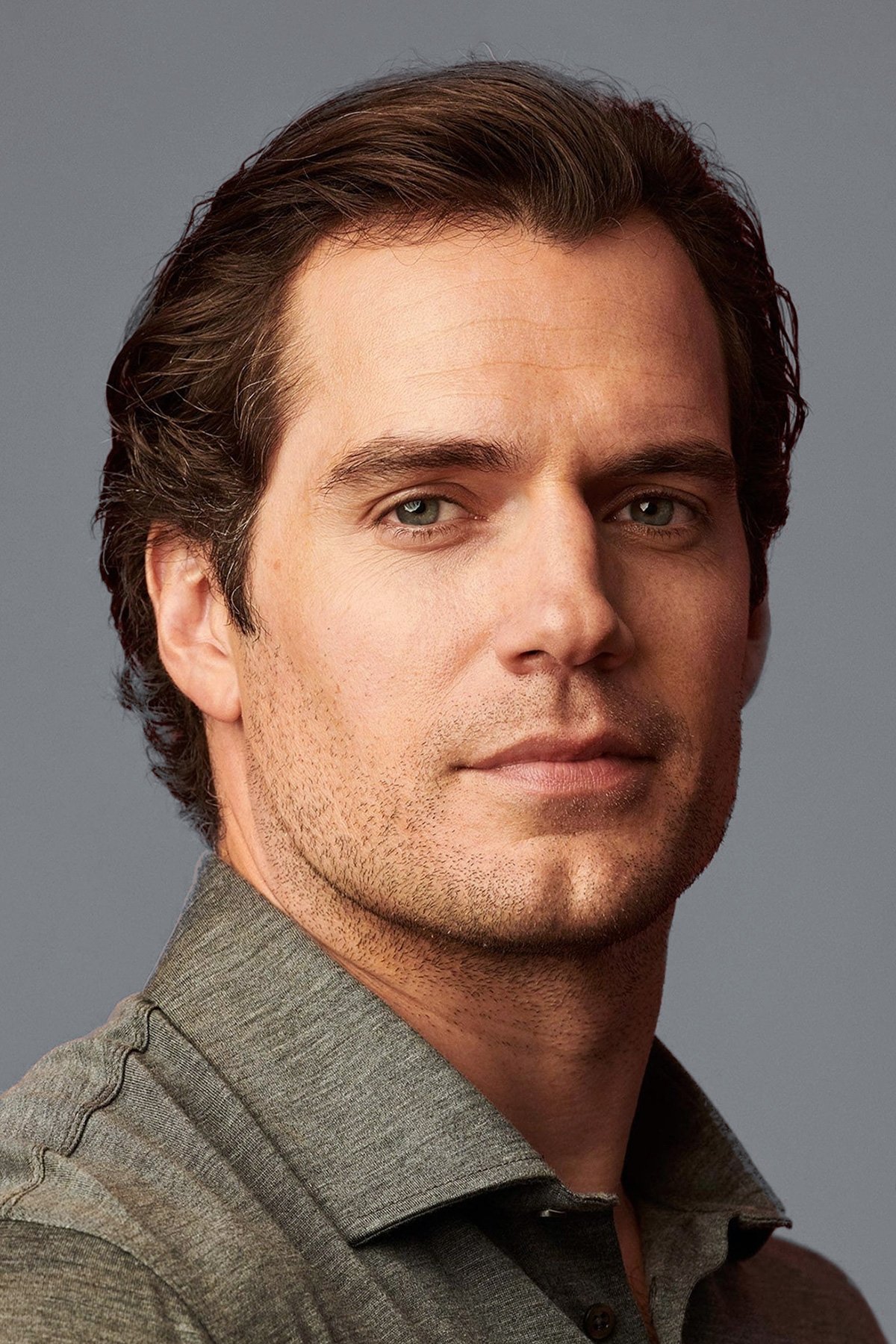
Henry Cavill’s roles in ‘Man of Steel’ and ‘The Witcher’ established a muscular screen image that led to ongoing scrutiny whenever he appeared less conditioned between projects. He has described dehydration techniques used for shirtless scenes and cautioned that such looks are temporary. Photos outside of filming prompted commentary that framed small changes as newsworthy. Cavill has repeatedly explained the planning needed to cycle between training phases and recovery.
Hugh Jackman
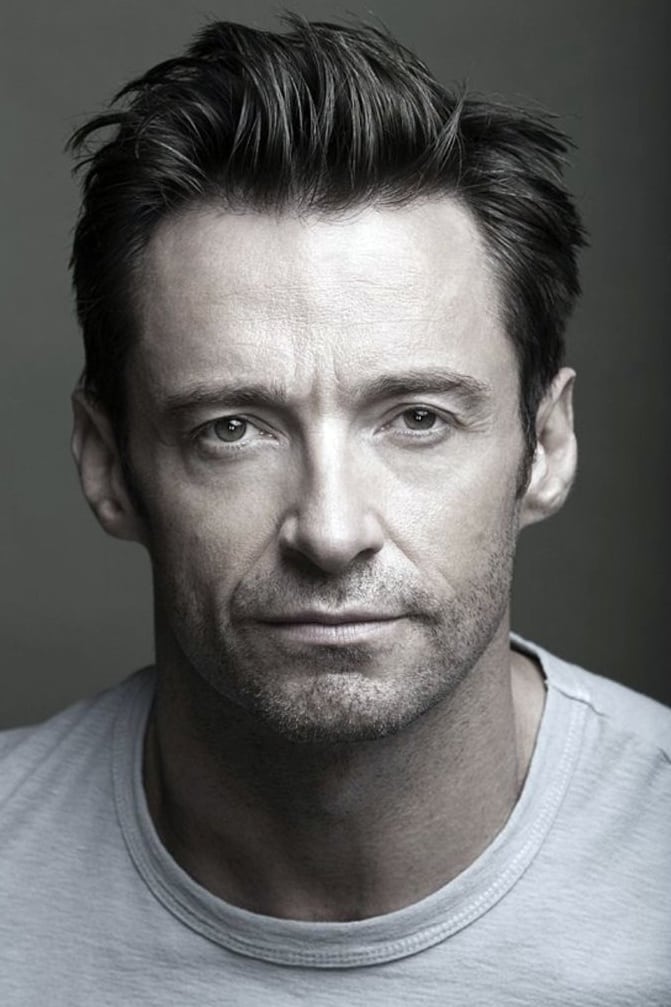
Hugh Jackman’s long run as Wolverine involved extreme conditioning that became a public talking point, including questions when he was not at peak definition. He has detailed careful nutrition and timing methods for scenes requiring maximum vascularity. Media and fans often compared candid appearances to promotional stills. Jackman has acknowledged the short-term nature of those looks and the importance of health between films featuring ‘X-Men’ characters.
Ben Affleck
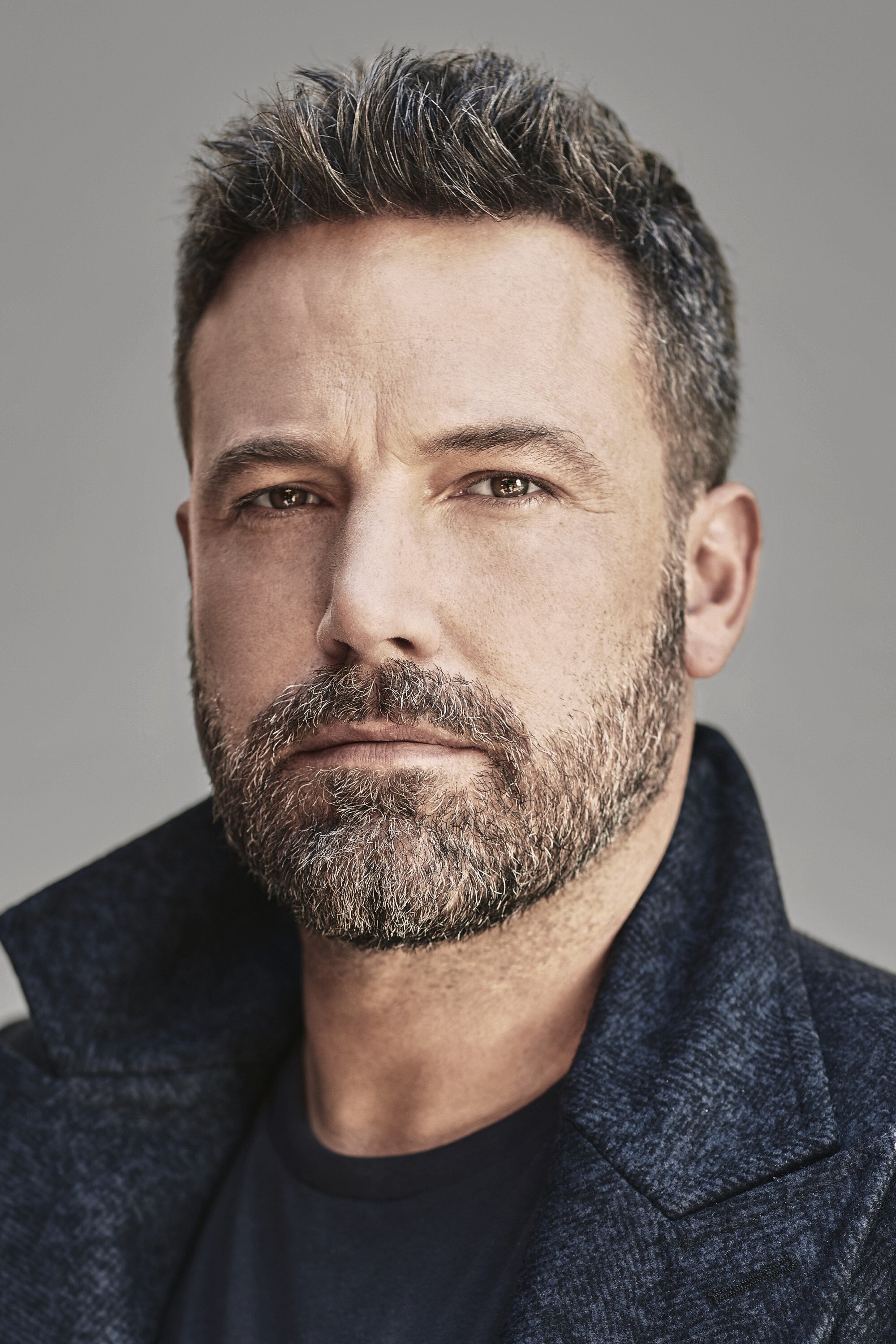
Ben Affleck encountered body-centered critiques around his casting and paparazzi coverage during and after ‘Batman v Superman: Dawn of Justice’. Headlines contrasted gym-built press images with relaxed off-duty photos. He has discussed training cycles and the challenges of maintaining a superhero frame while balancing other projects. The conversation resurfaced whenever new candid images appeared during franchise-related speculation.
Leonardo DiCaprio
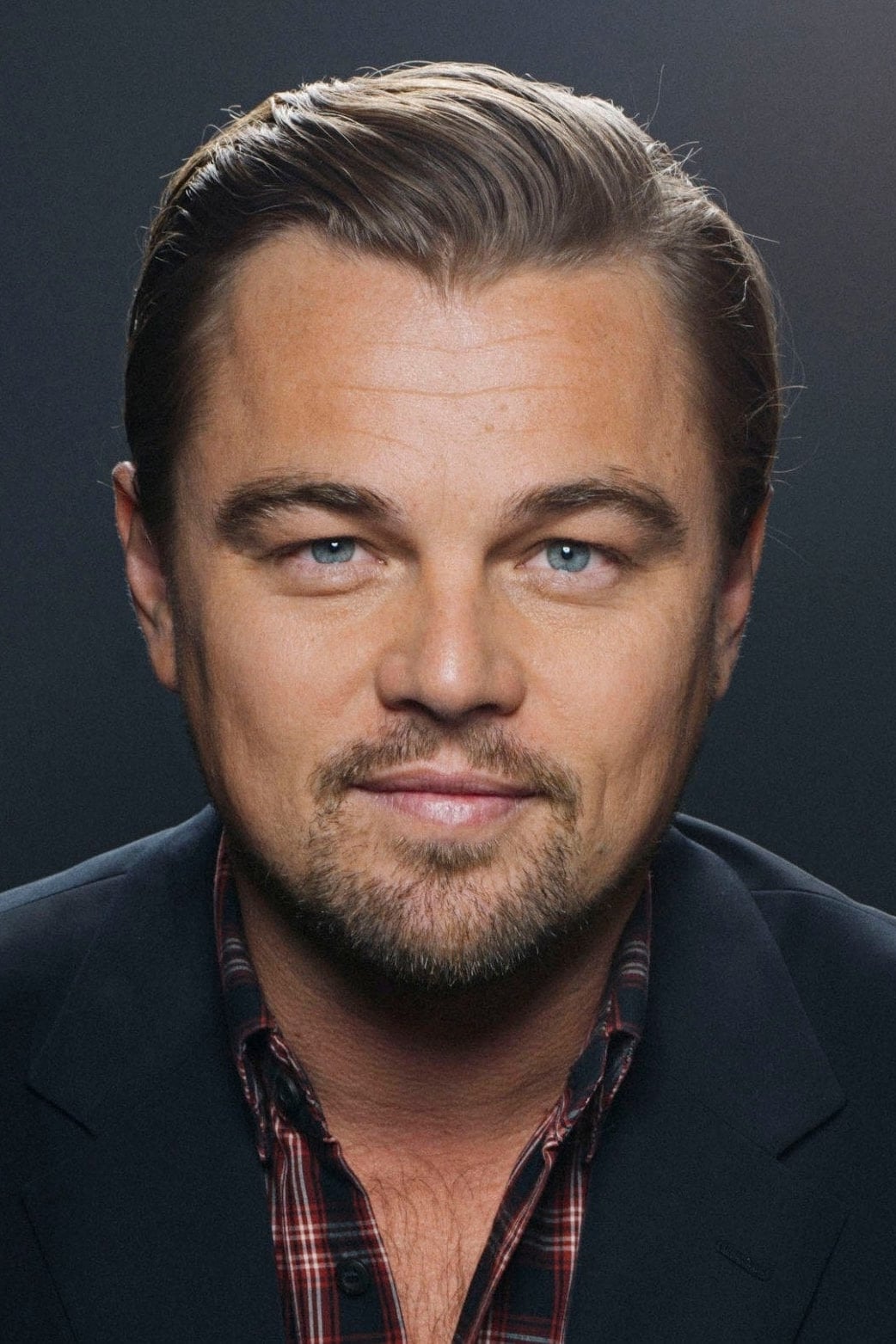
Leonardo DiCaprio has been a frequent target of tabloid “dad bod” headlines when beach photos surface between projects. Coverage often contrasts his relaxed off-duty look with earlier action roles like ‘The Revenant’ and ‘Inception’. Social media memes tend to drown out discussion of ongoing philanthropic work or producing credits. The pattern usually resets when a new film campaign refocuses attention on performance rather than physique.
Christian Bale
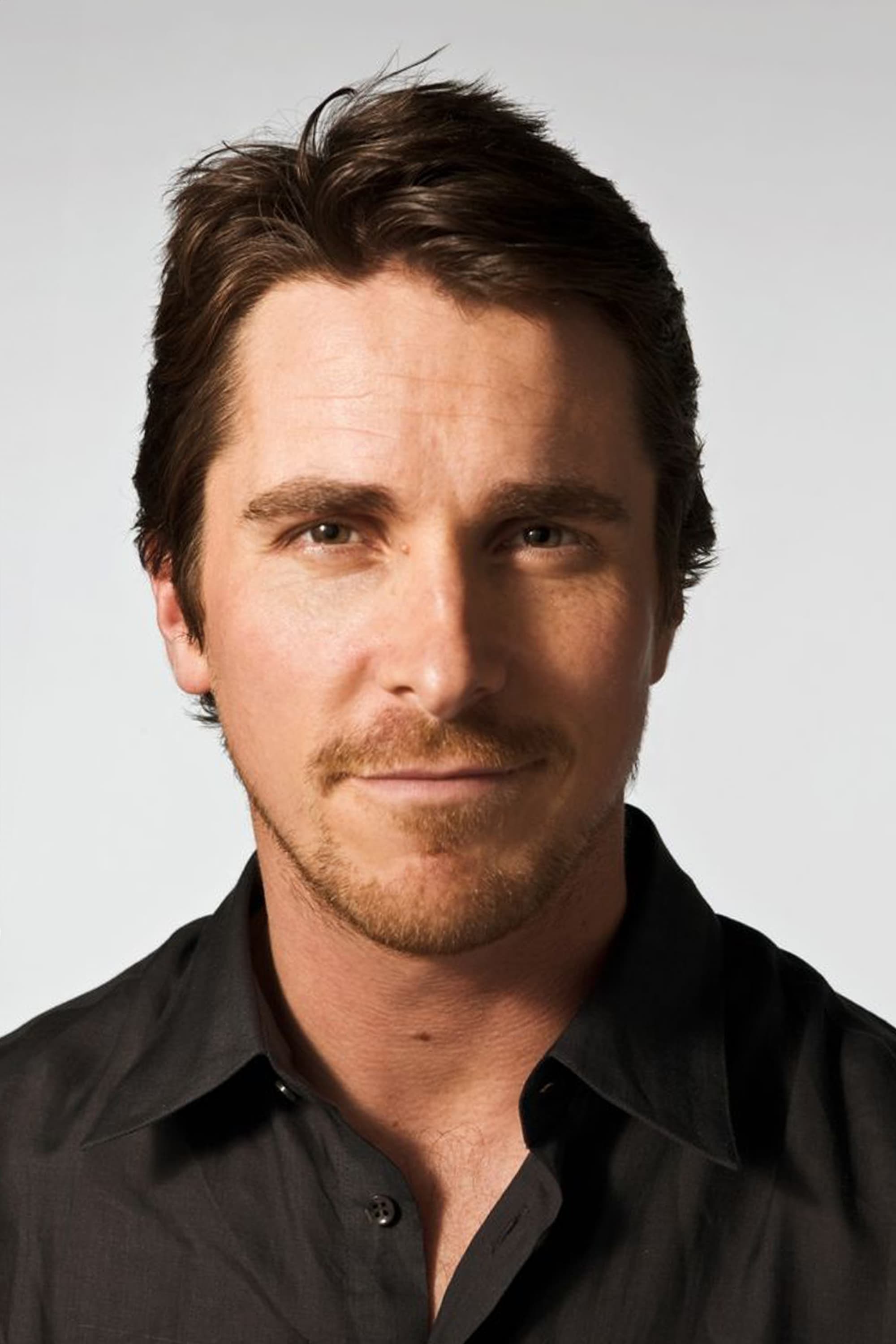
Christian Bale’s extreme weight changes for roles have sparked constant commentary that sometimes crosses into body shaming. He dropped to a skeletal frame for ‘The Machinist’ and later bulked up dramatically for ‘Batman Begins’, which led to speculation about health rather than craft. Later shifts for ‘American Hustle’ and ‘Vice’ brought renewed focus on his size over the work. Bale has said these transformations require medical oversight and careful planning with long recovery periods.
Jared Leto
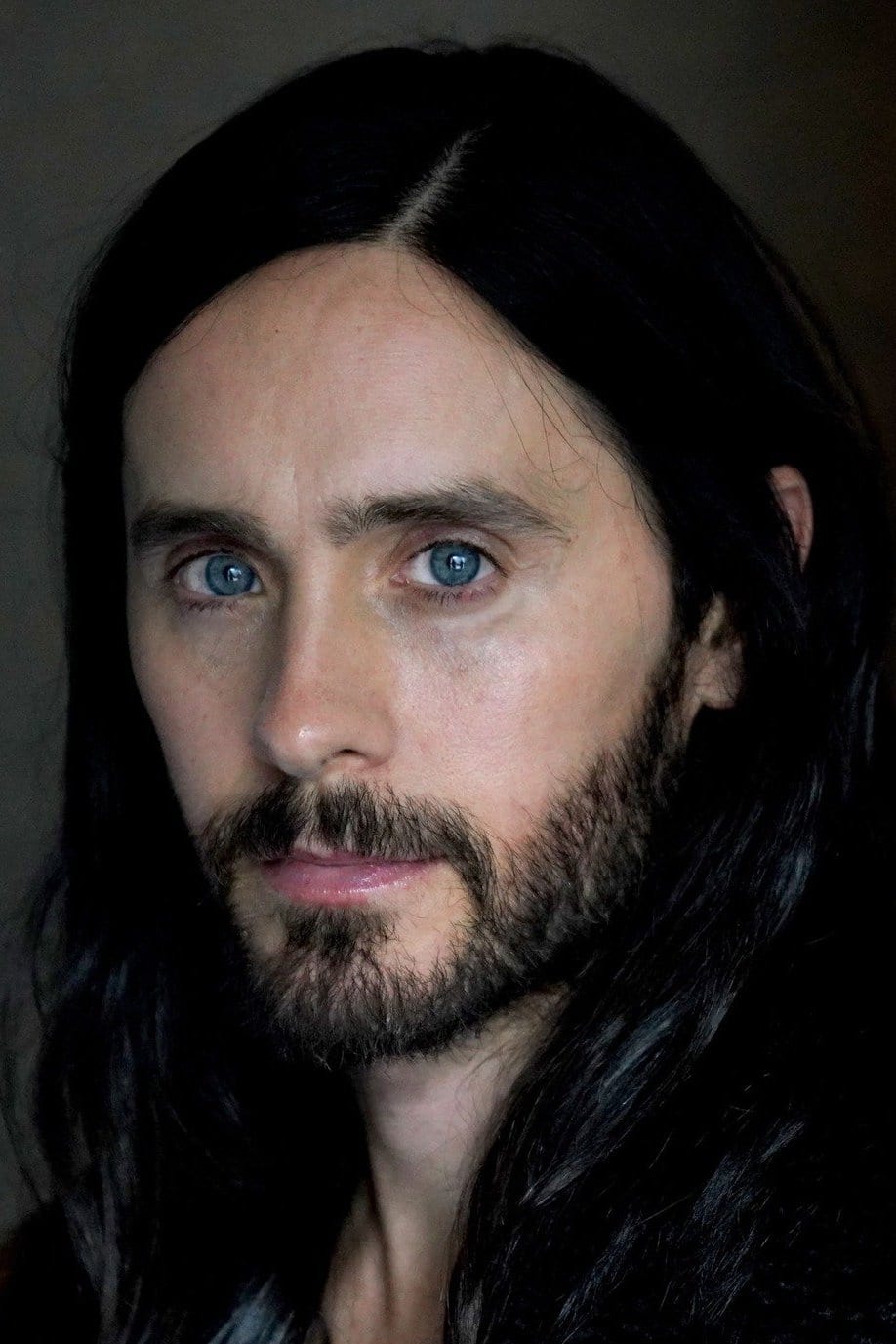
Jared Leto’s gains and losses for character work have drawn online fixation that often ignores the production context. He put on significant weight for ‘Chapter 27’, which prompted both shock and ridicule in press cycles. Later projects like ‘Dallas Buyers Club’ flipped the narrative to rapid loss, again triggering body-focused reactions. Interviews around those films have emphasized nutrition and supervision while pointing out the toll of abrupt changes.
Pierce Brosnan
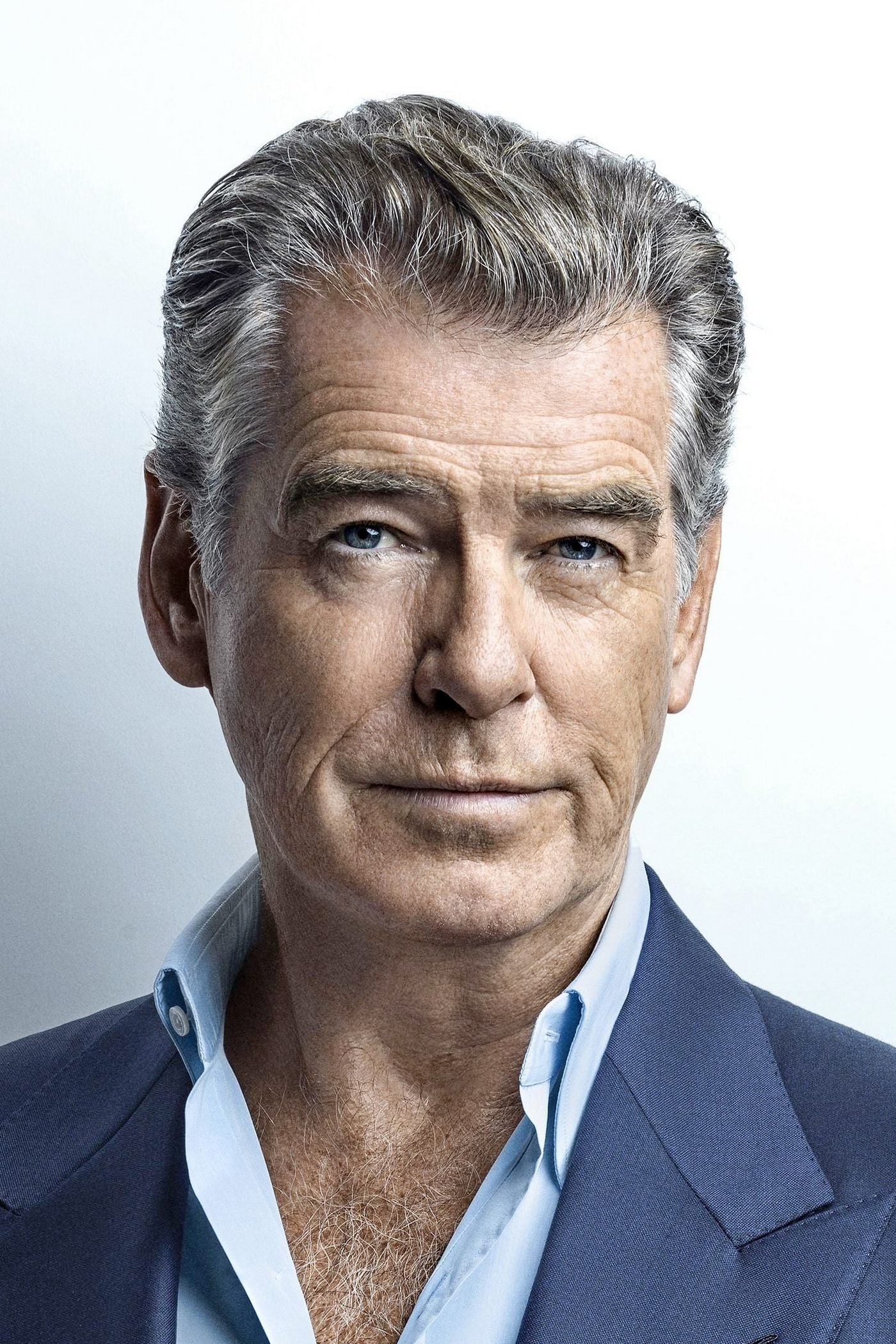
Pierce Brosnan faced “dad bod” coverage when vacation photos circulated that differed from his James Bond era image. Articles tended to compare candid shots with stylized promotional stills from ‘GoldenEye’ and later entries. He has continued to work in diverse roles that do not require a spy-level physique. The conversation typically reappears whenever new beach photos trend.
Seth Rogen
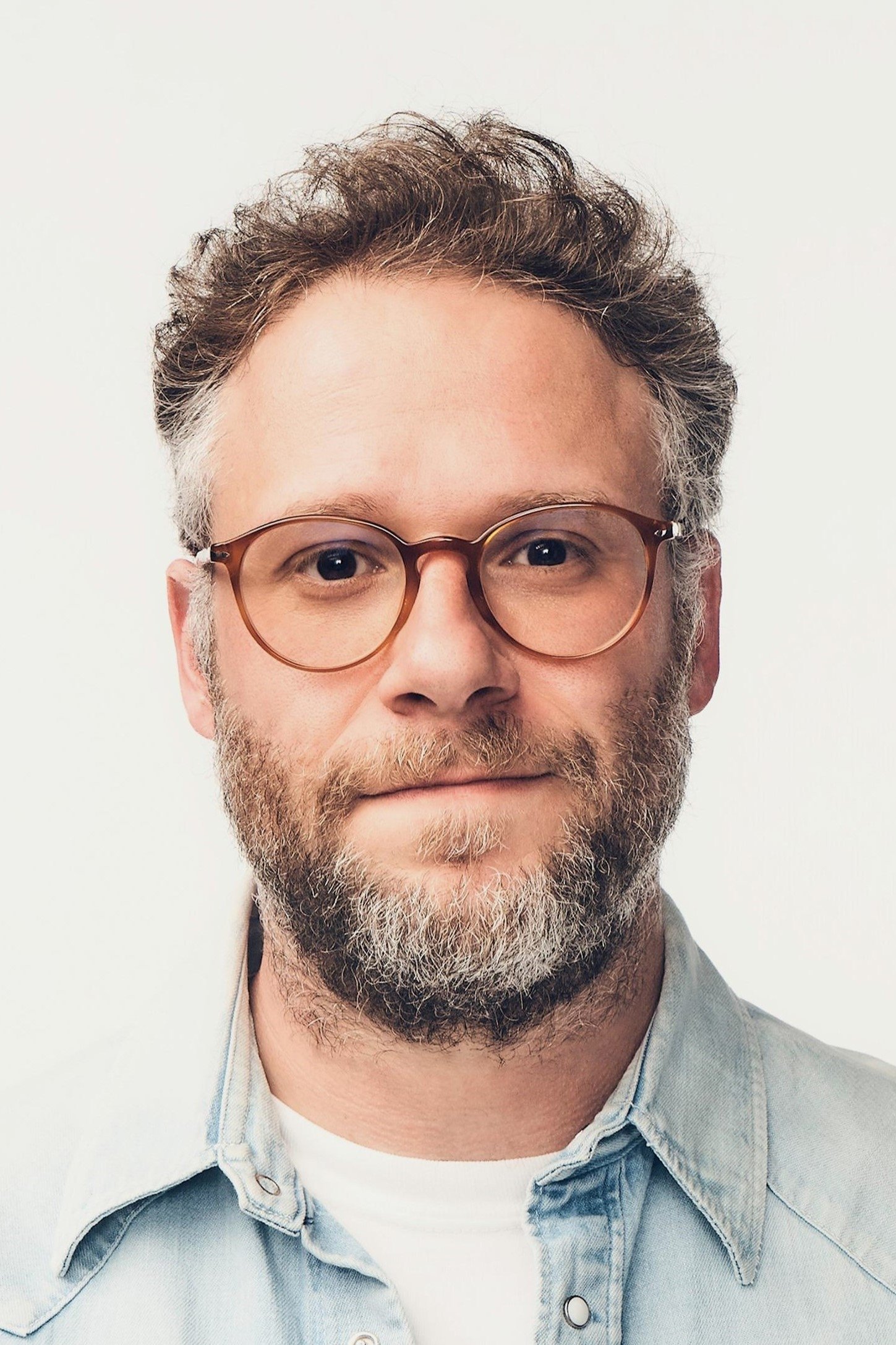
Seth Rogen has long been the subject of weight-related jokes that overshadow his output as a writer and producer. Press pieces often frame body talk around transitions between comedies like ‘Superbad’ and projects where he slimmed down. He has discussed sustainable habits without turning his size into a publicity hook. Rogen’s responses highlight how humor about appearance can normalize shaming.
Jason Segel
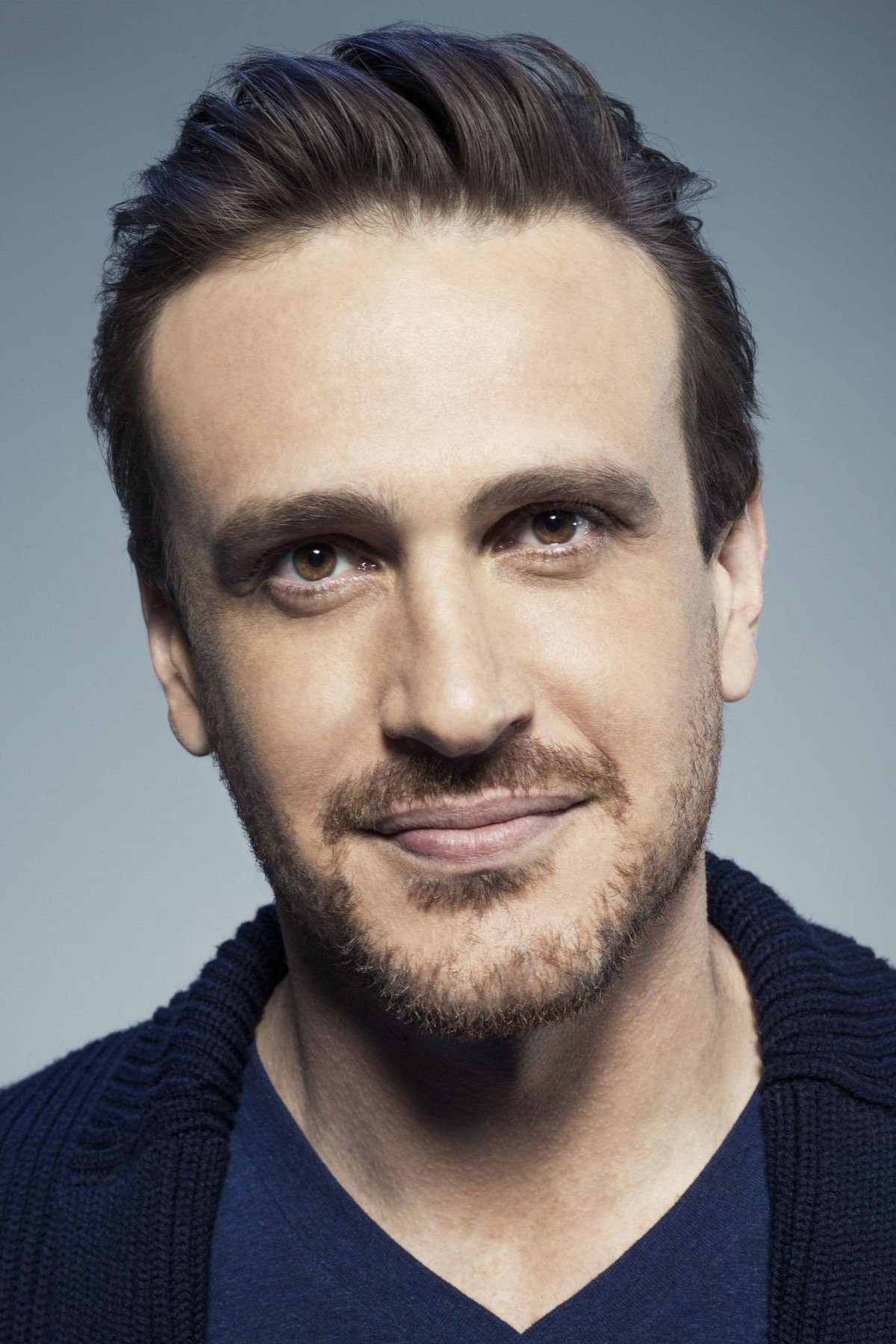
Jason Segel experienced widespread commentary tied to shirtless scenes in ‘Forgetting Sarah Marshall’ and later paparazzi coverage. Interviews noted that training for rom-com leads shaped his diet and routine for a period. Off-season photos then triggered a wave of body-focused posts that eclipsed new work. Segel has described balancing health with roles that do not hinge on physique.
Gerard Butler
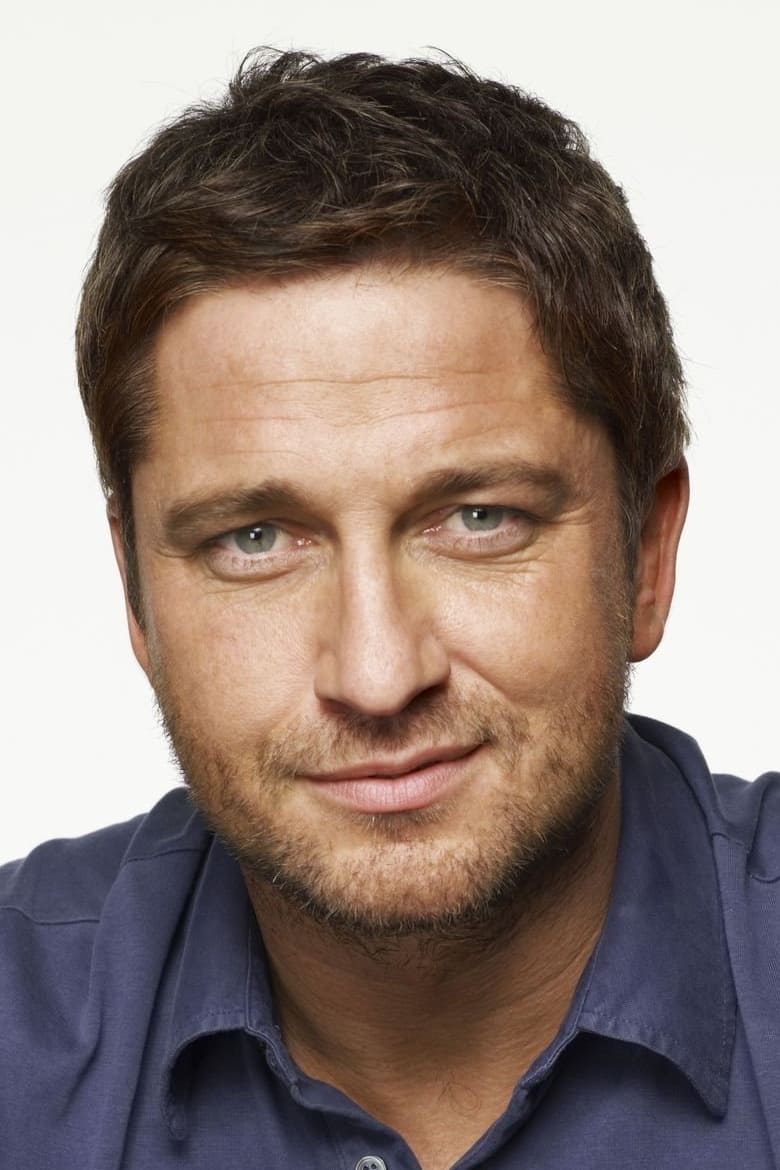
Gerard Butler’s physique became a public yardstick after the shredded look of ‘300’. When later images showed a more typical build, online chatter labeled it as backsliding rather than normal fluctuation. He has explained injuries and schedule demands that change how he trains between action films. Coverage often returns to side-by-side comparisons that reduce his career to one early benchmark.
Chris Hemsworth
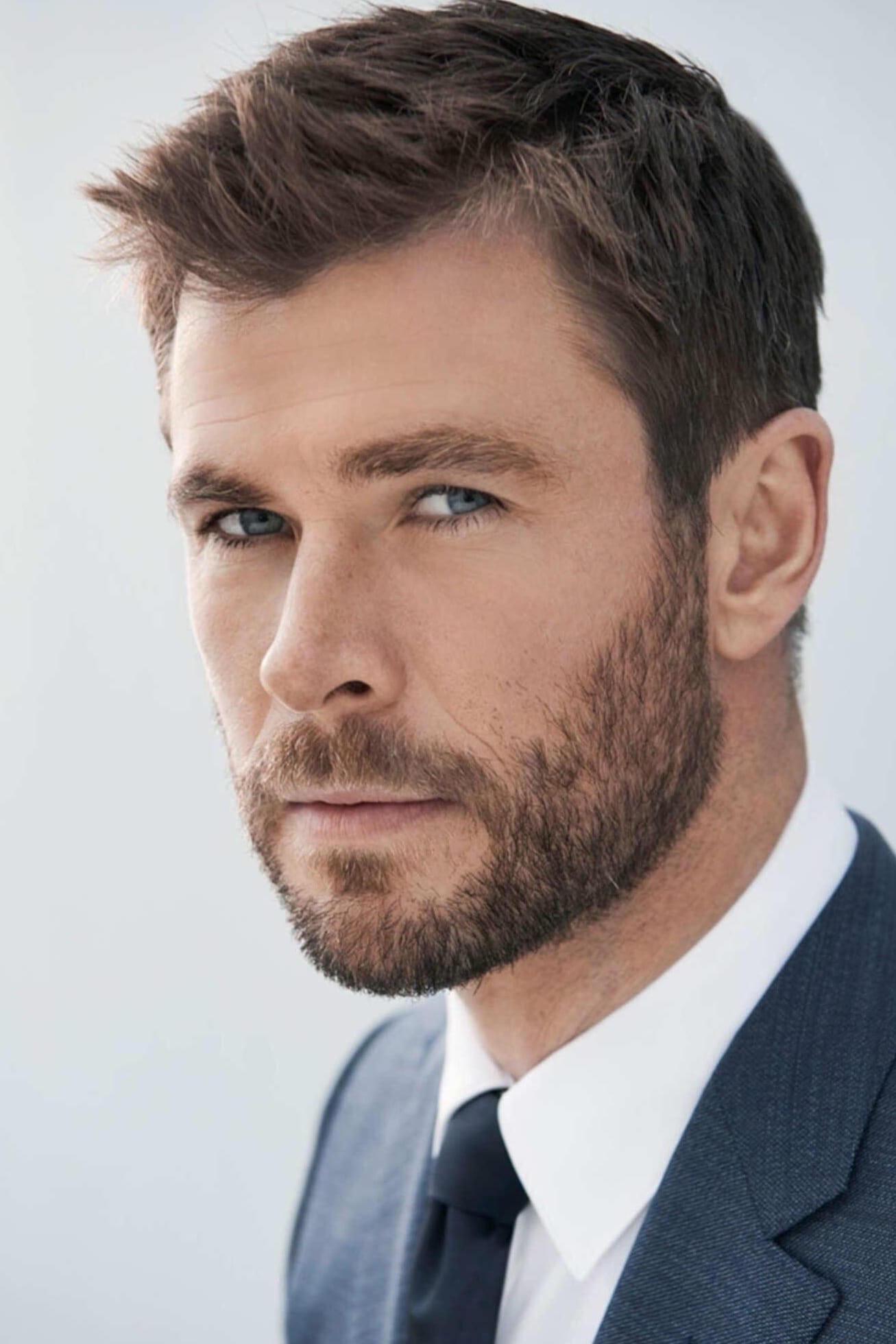
Chris Hemsworth is frequently measured against the peak conditioning he displays in ‘Thor’ films. Off-cycle photos can prompt speculation that he has “lost size,” even when not preparing for a superhero shoot. He has spoken about periodized training and nutrition to avoid burnout. Features about his routines sometimes get spun into unrealistic expectations for year-round definition.
Mark Wahlberg
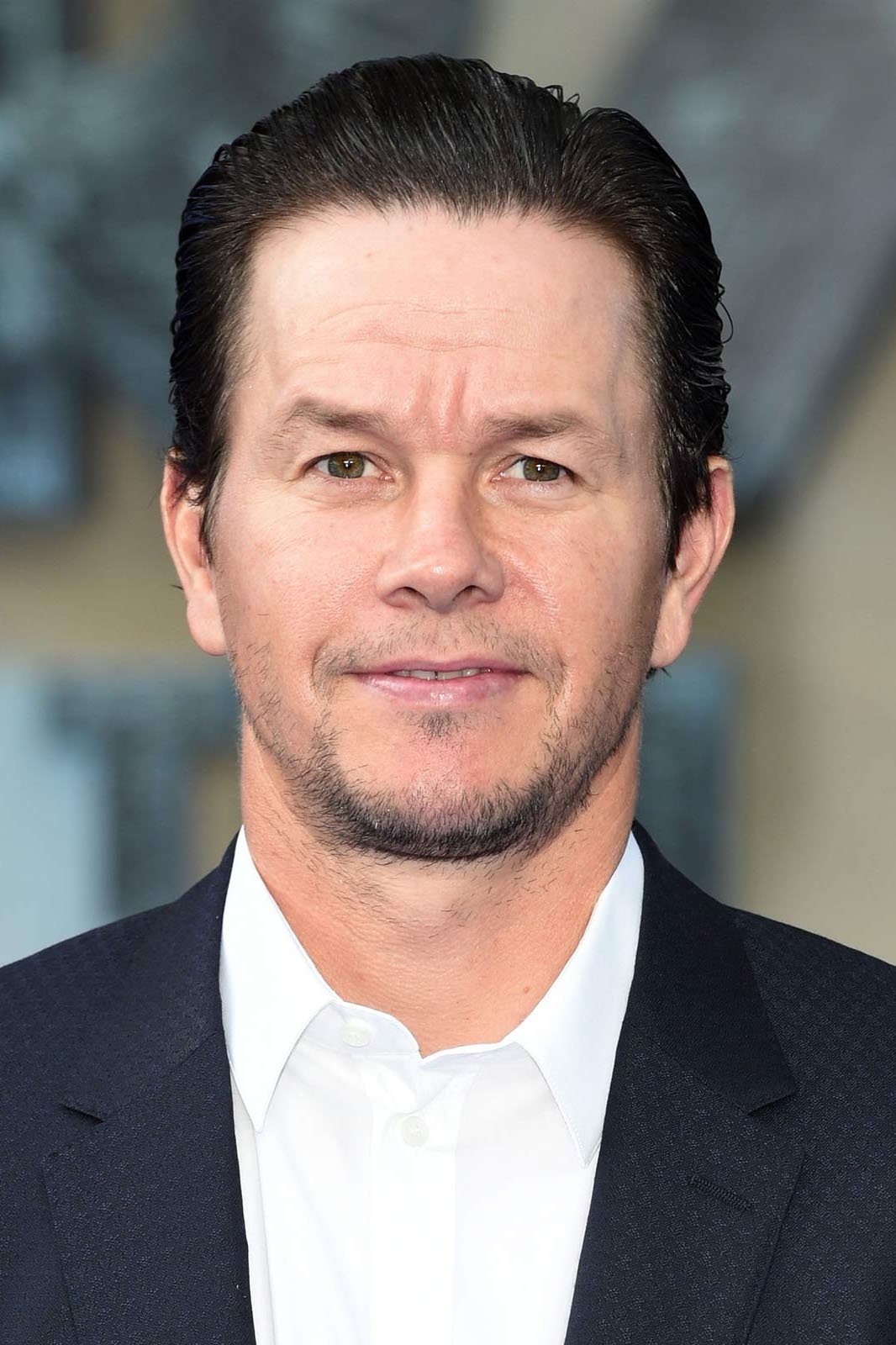
Mark Wahlberg drew heavy attention for rapid weight gain to play a boxer-turned-priest in ‘Father Stu’. Headlines treated the change as a spectacle rather than a role requirement. He later discussed the challenge of gaining quickly and then returning to his baseline for other projects. The episode reignited broader debate about transformations and body talk in press coverage.
Jesse Plemons

Jesse Plemons has been targeted by unkind remarks about his size during awards seasons and press tours. Stories often frame his body as a contrast to roles in projects like ‘Fargo’ and ‘The Power of the Dog’. He has continued to choose parts that prioritize character work over physical type. Commentary about appearance tends to spike whenever red-carpet photos circulate.
Val Kilmer
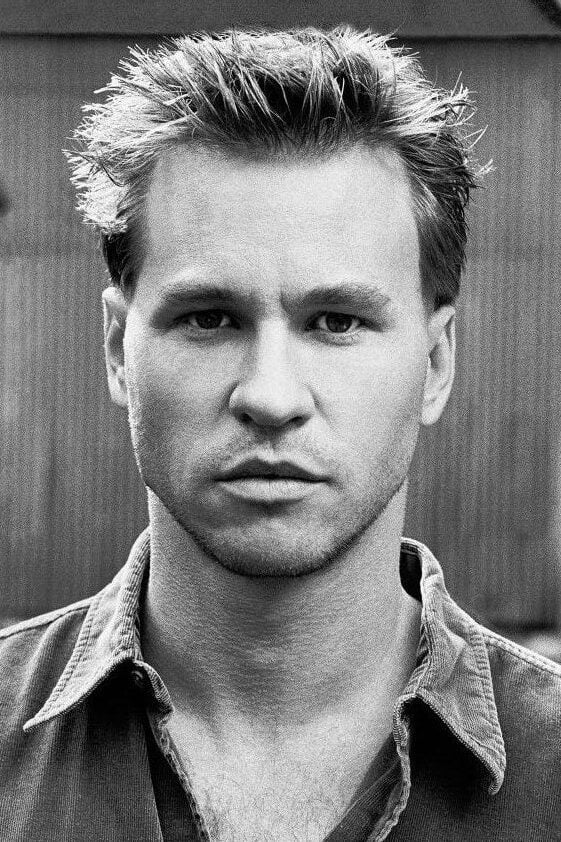
Val Kilmer endured tabloid scrutiny about weight and health while he quietly managed serious medical issues. Coverage frequently recycled unflattering candids rather than acknowledging his recovery process. Later appearances, including ‘Top Gun: Maverick’, brought attention back to his legacy on screen. The earlier body-focused narratives illustrate how health contexts get lost in quick-hit headlines.
Ethan Suplee
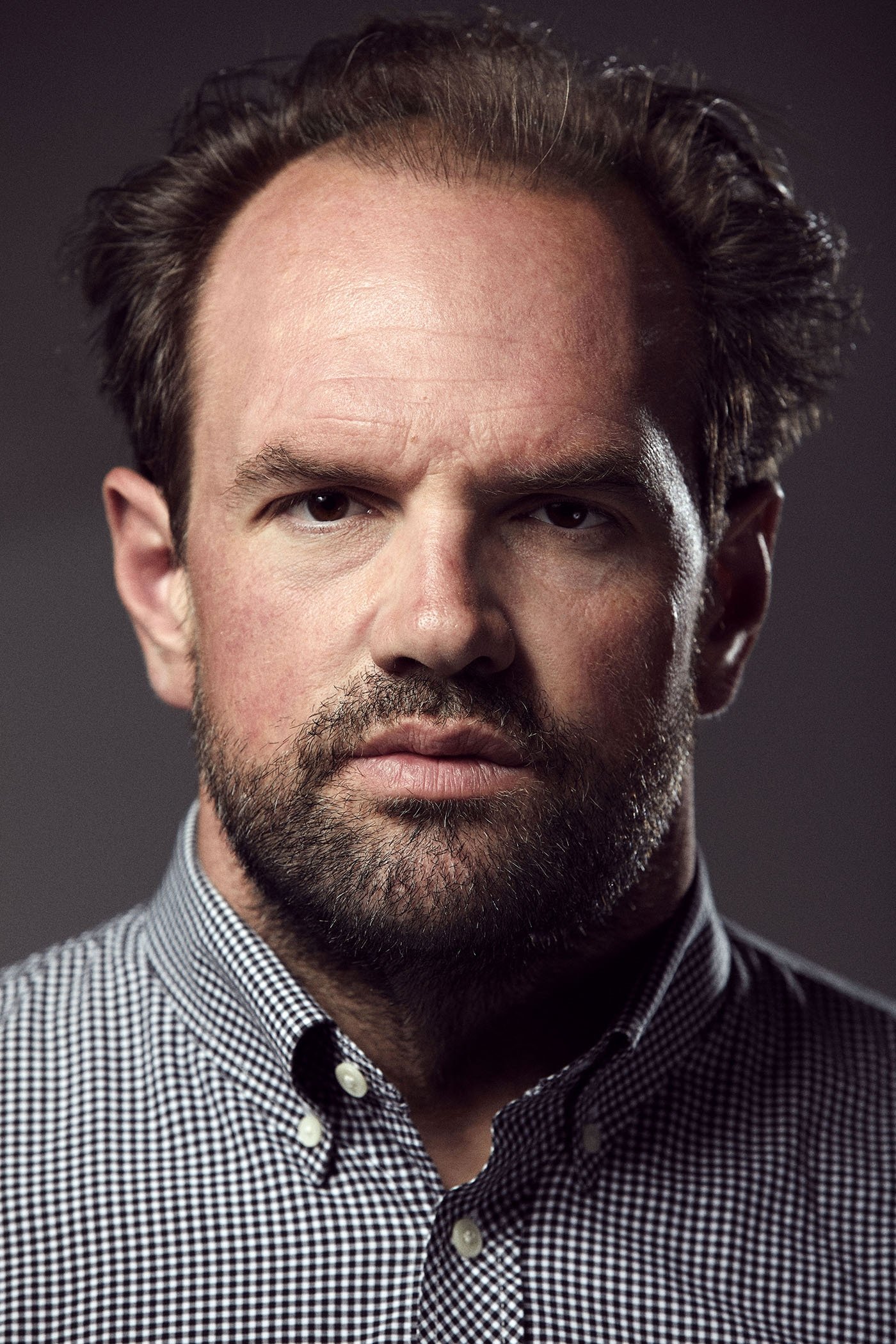
Ethan Suplee experienced years of fat-shaming tied to early roles before documenting a major fitness transformation. Public reaction swung from ridicule to intrusive curiosity about his new build. He has emphasized long-term consistency and realistic goals rather than extreme short-term tactics. Suplee often points out how both ends of the reaction still objectify the subject.
Grant Gustin

Grant Gustin was body shamed after an early suit photo for ‘The Flash’ led to claims he looked too thin for a superhero. He responded by asking for empathy and explaining the realities of costume fittings during production. The incident highlighted how pre-release images can spark unfair expectations. Later seasons showed incremental changes that matched training and schedule needs.
Tyler James Williams
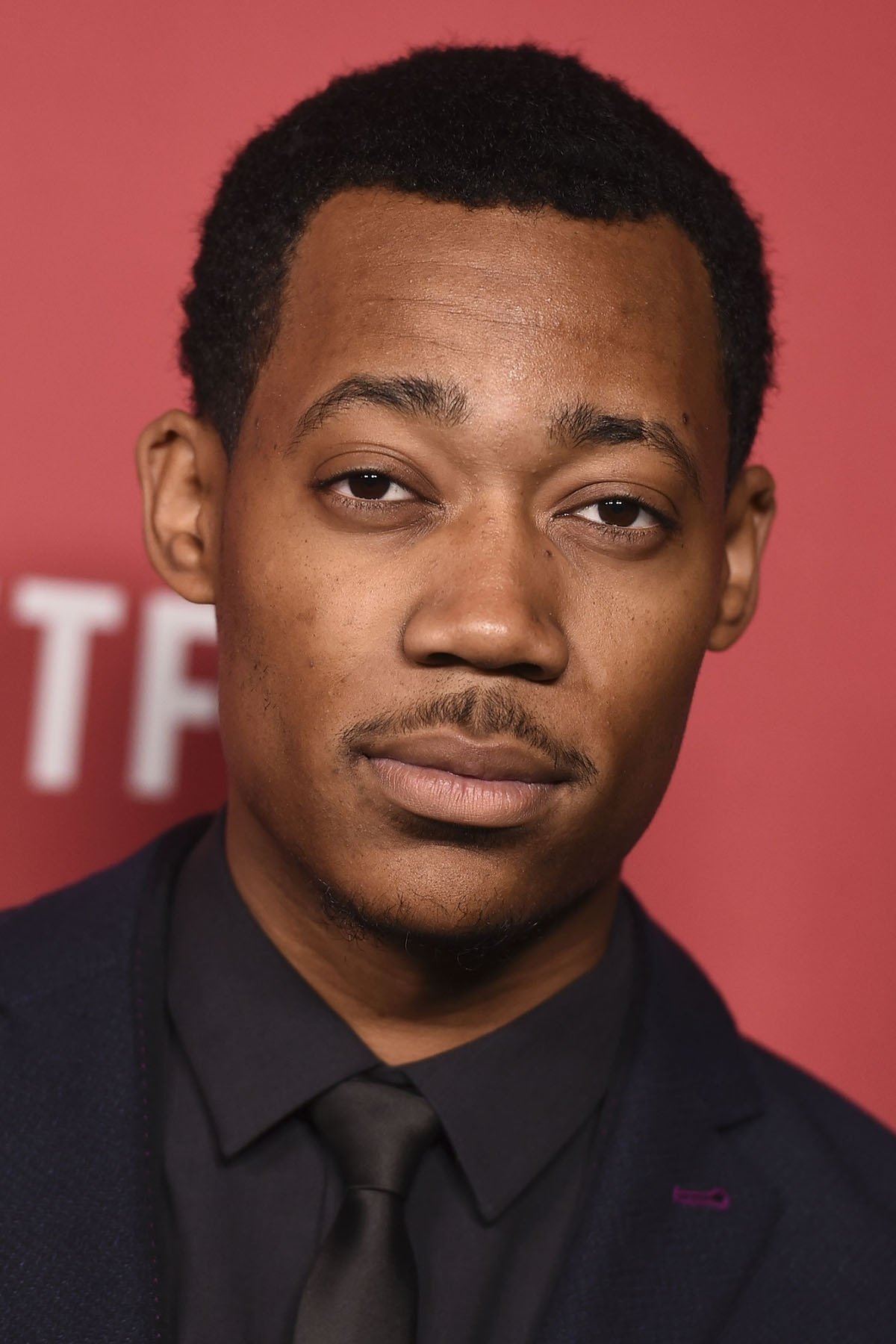
Tyler James Williams addressed body shaming when comments about being too thin surfaced during ‘Abbott Elementary’ publicity. He explained that his frame and health markers are monitored and that unsolicited criticism can be harmful. His message underscored how men can face pressure from both weight gain and weight loss narratives. The response reframed the conversation toward respectful boundaries.
James Gandolfini
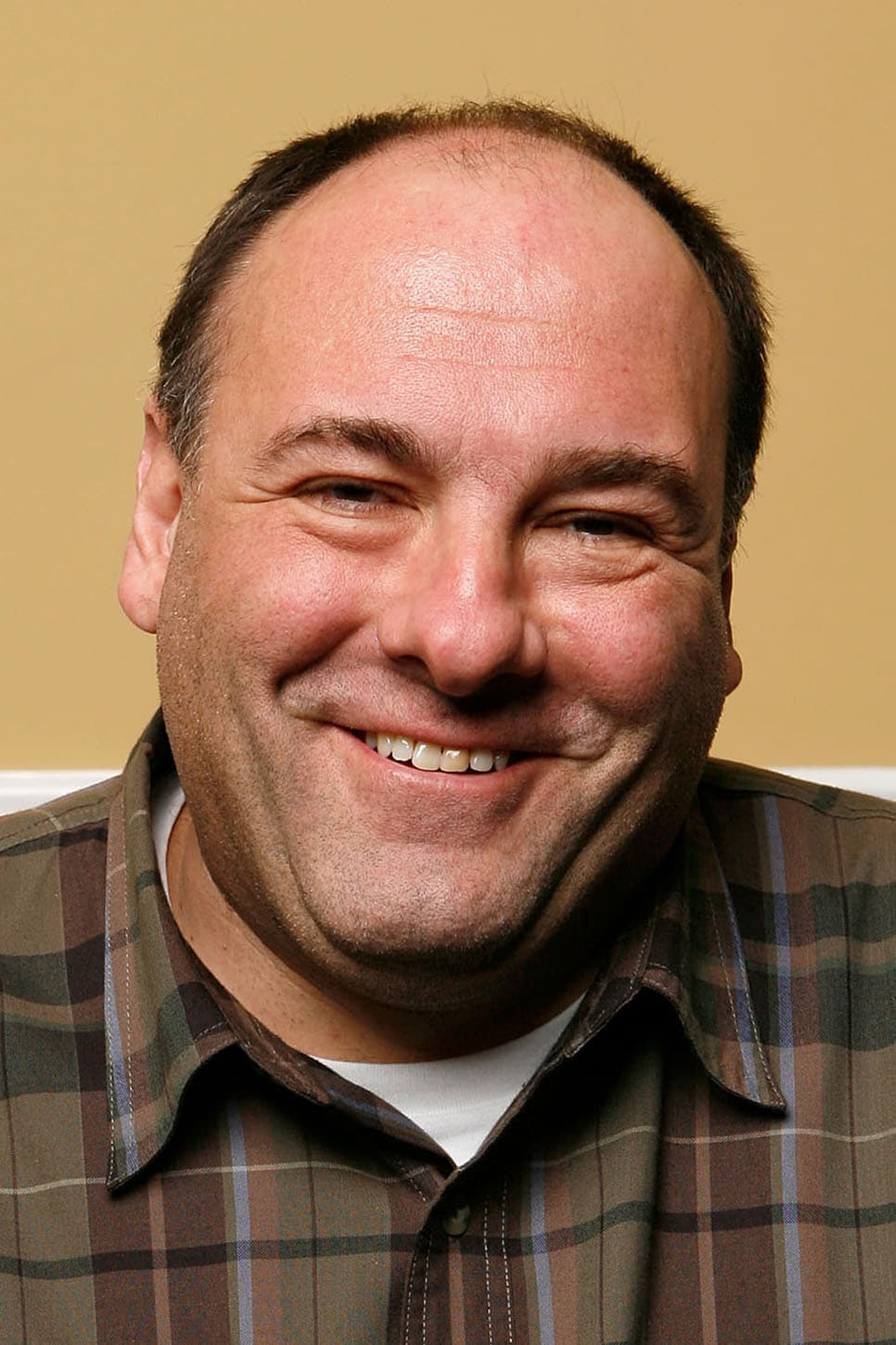
James Gandolfini faced persistent weight-based jokes and commentary throughout and after ‘The Sopranos’. Media narratives often tied his size to character identity while overlooking range in film and stage work. Interviews with colleagues have noted how coverage fixated on appearance instead of craft. The pattern became a reference point for how body talk can trail male actors for years.
Wentworth Miller
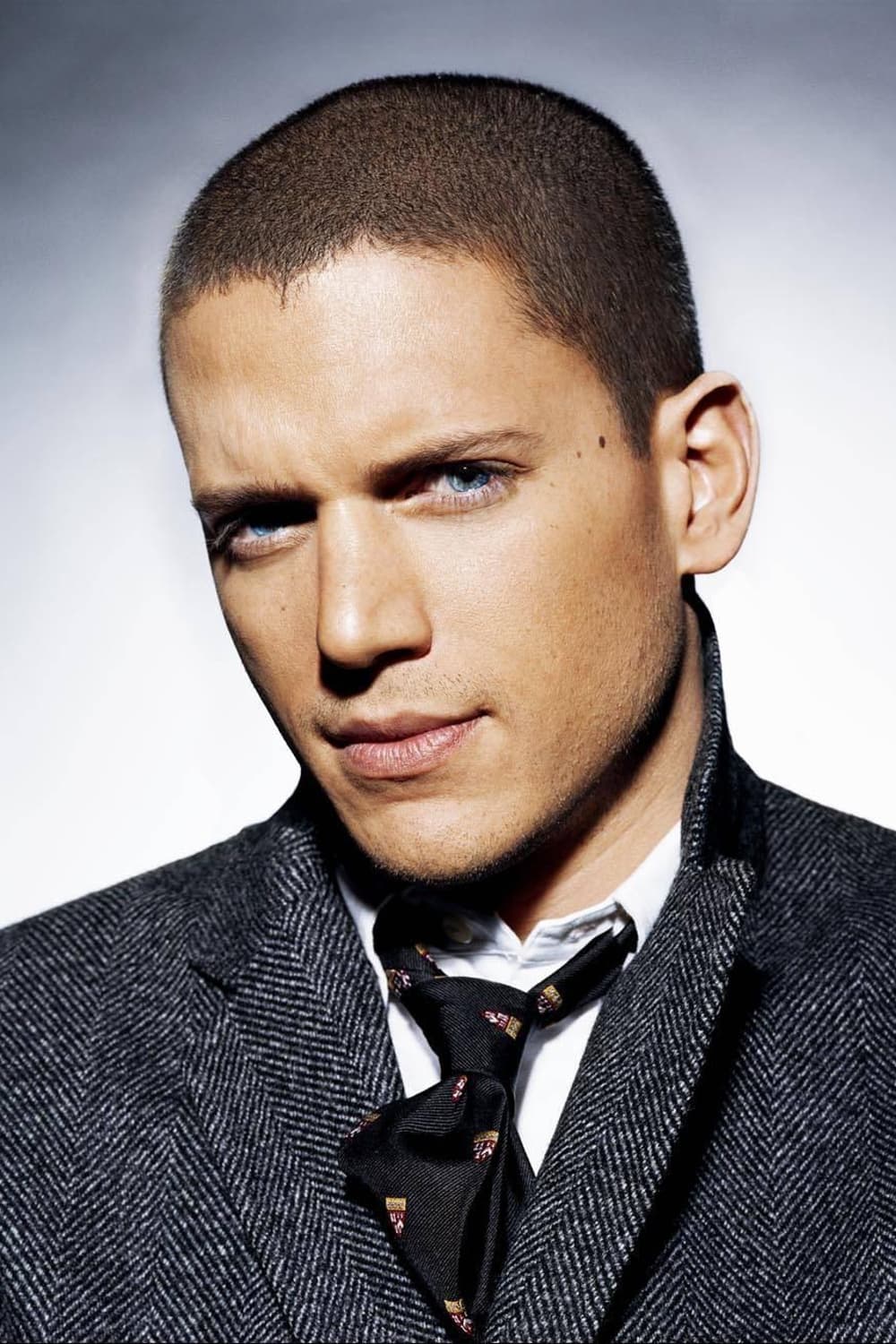
Wentworth Miller was mocked online when paparazzi photos showed weight gain after ‘Prison Break’. A viral meme led him to explain he had been struggling with depression at the time. His response shifted the discussion to mental health and the impact of public ridicule. The incident is now a reference point for how body shaming intersects with wellness.
Daniel Craig
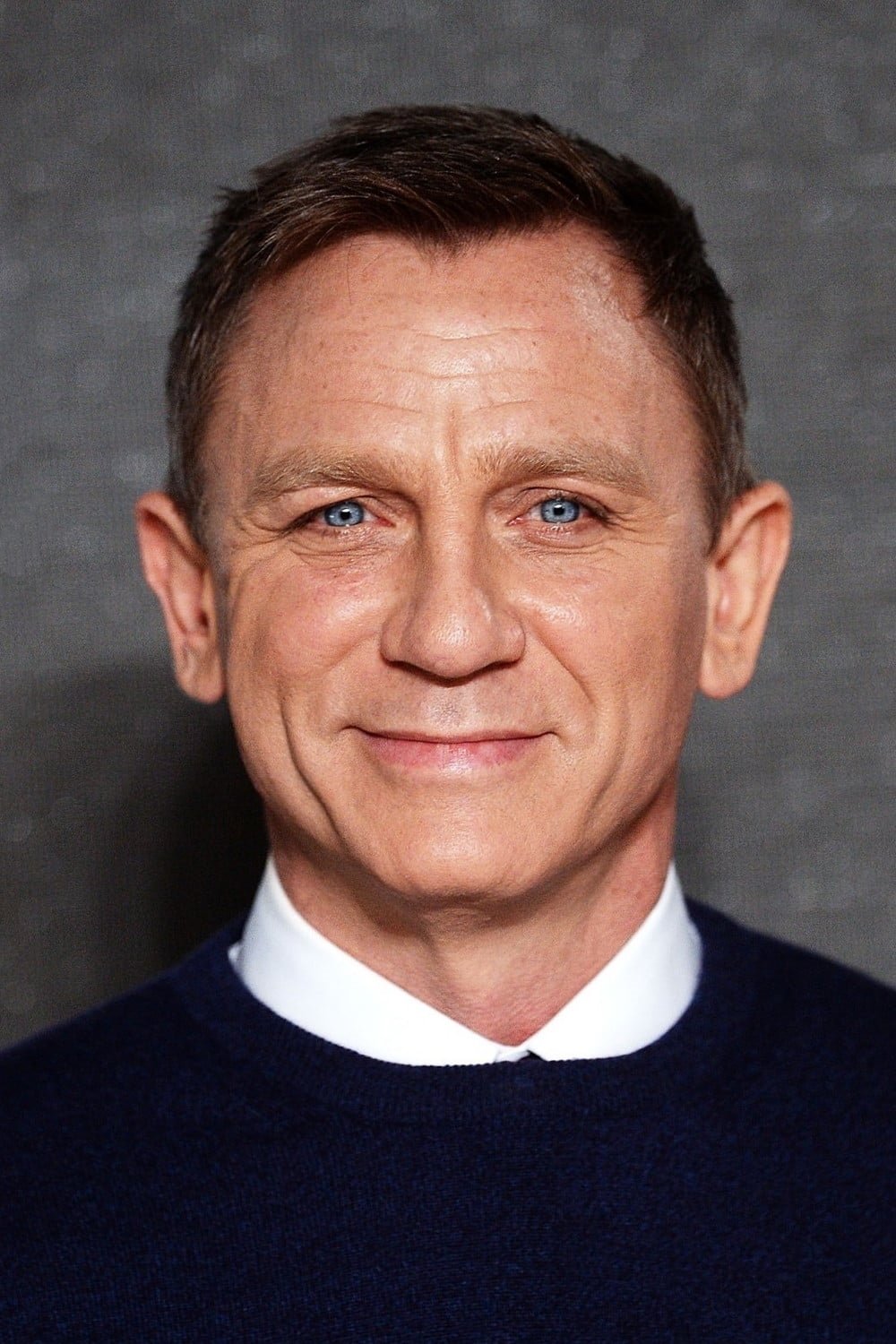
Daniel Craig faced beach photo comparisons that contrasted his ‘Casino Royale’ look with later candid images. Tabloids used the shots to claim he no longer matched the iconic spy physique. Craig has spoken about the intense training phases required for Bond films and the reality of off-cycle conditioning. The coverage often resurfaces whenever new candid photos appear.
Channing Tatum
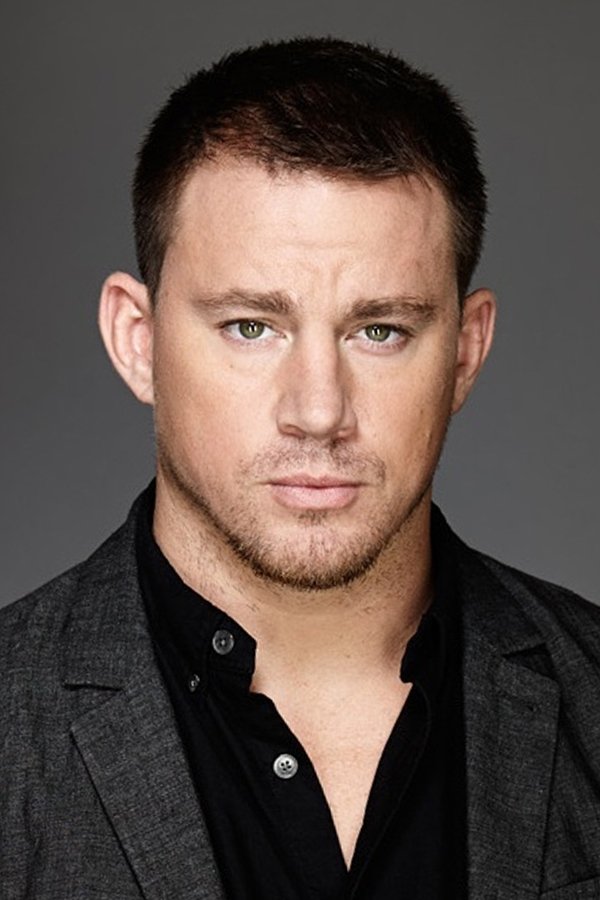
Channing Tatum got a wave of headlines when he appeared less lean between ‘Magic Mike’ projects. He explained that staying in stage-ready shape is not sustainable outside specific shoots. Interviews described the diet and gym schedule needed to return to dance performance form. The conversation tends to spike around rehearsal periods and promotional tours.
Daniel Radcliffe

Daniel Radcliffe dealt with body commentary when shirtless theater roles and ‘Harry Potter’ press overlapped. Photos highlighting body hair and gym progress became a talking point beyond the work itself. He has noted how fixation on his appearance can distract from performance. The pattern repeats when new stage projects require revealing costumes.
Tom Holland
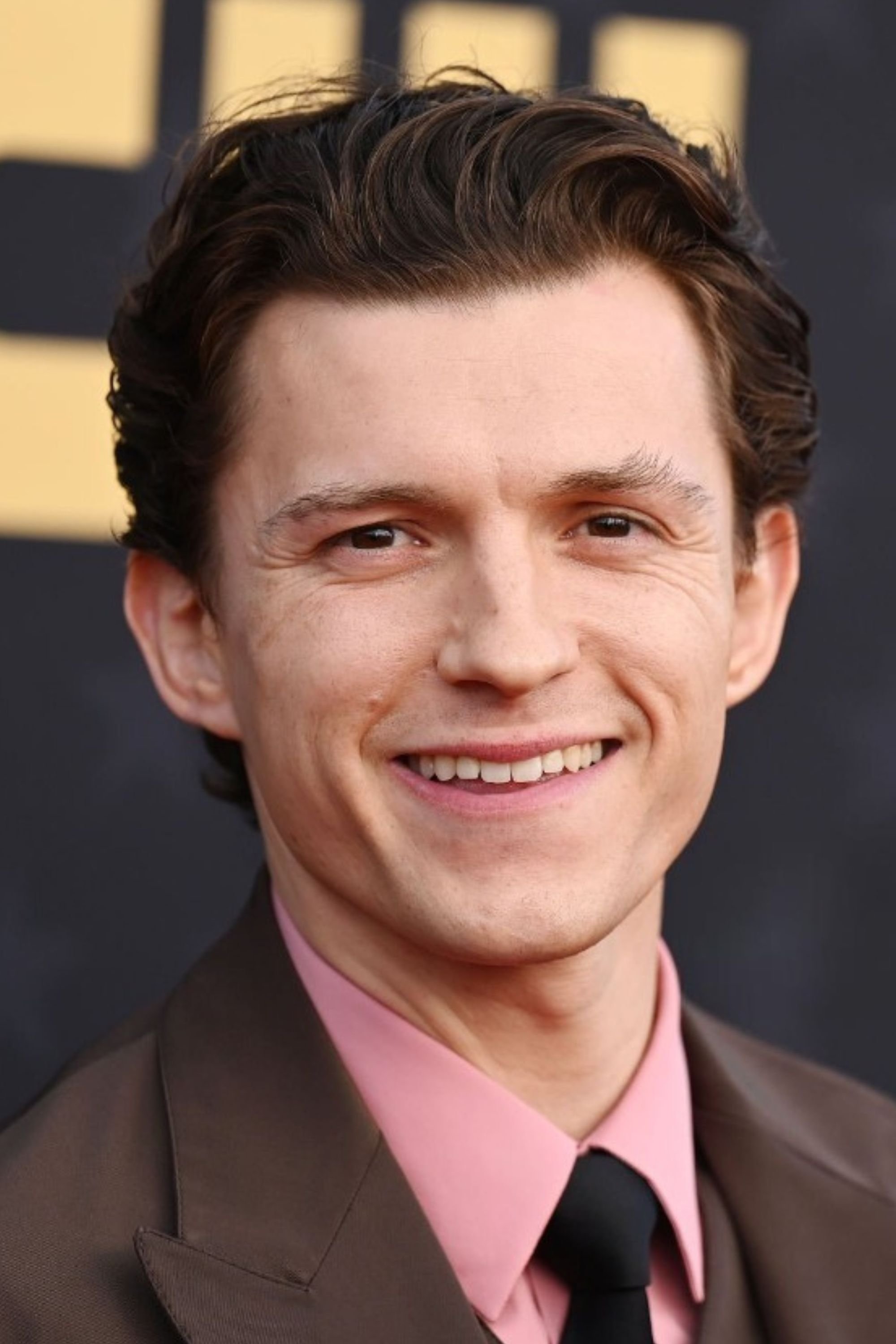
Tom Holland heard claims that he looked too small to play a superhero when ‘Spider-Man’ launched. Early costume images drew nitpicks about size that ignored his acrobatic training. He documented preparation that focused on mobility and stunt readiness rather than mass. Later appearances quieted some of the chatter but the comments reemerge with each new suit reveal.
Kit Harington

Kit Harington has described pressure to look a certain way during ‘Game of Thrones’ filming. Shirtless scenes invited scrutiny that reduced complex story moments to body talk. He has discussed how conditioning cycles were planned around production demands. Public conversation about his physique often spiked during premiere weeks.
John Travolta
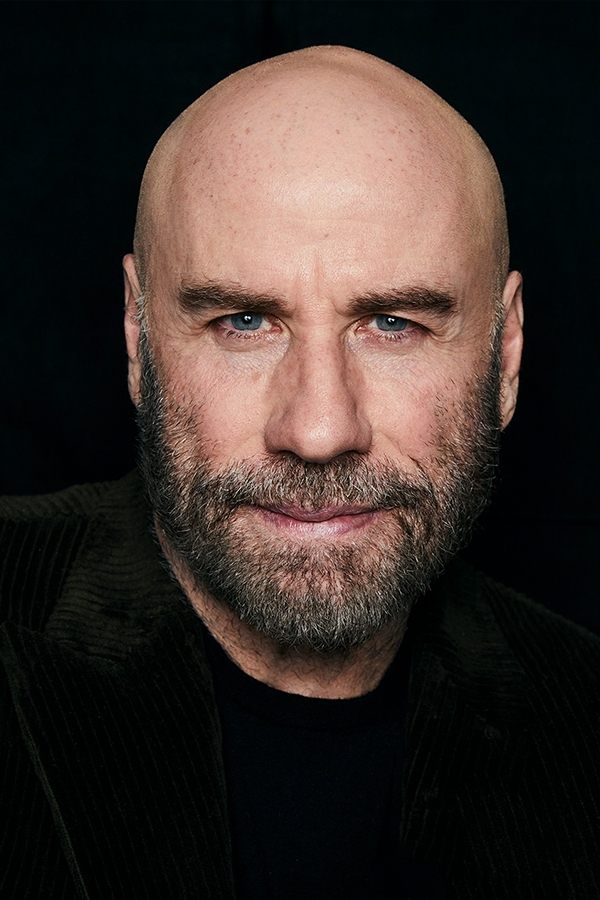
John Travolta has been a tabloid target for weight fluctuations captured in candid photos. Stories regularly compare his look to earlier dance and action roles like ‘Saturday Night Fever’ and ‘Face Off’. He continues to alternate between roles that do and do not require strict conditioning. The body-centered headlines usually return during high profile appearances.
Steven Seagal
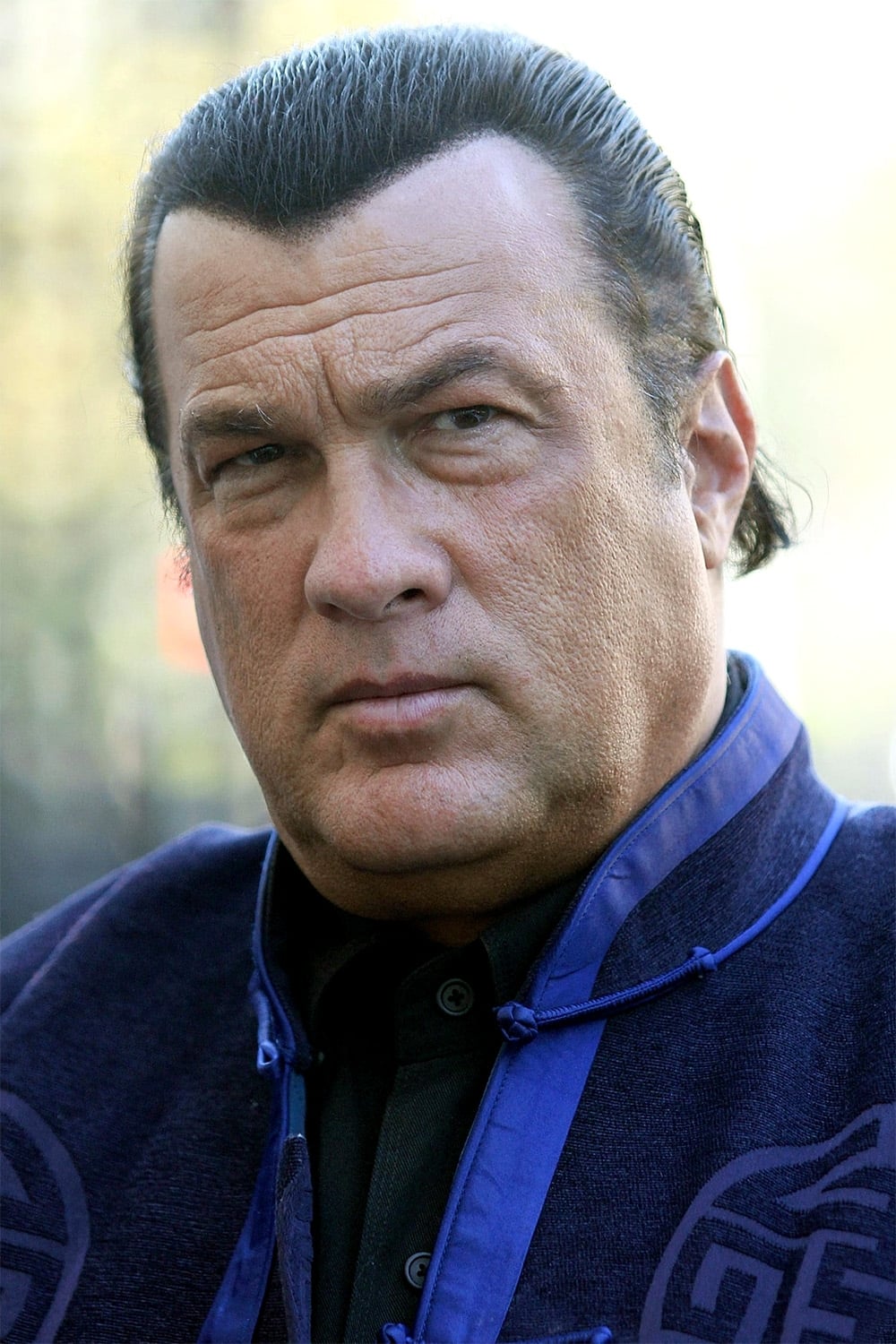
Steven Seagal has been mocked for weight gain in later career stages. Paparazzi clips and stills are often contrasted with his early action image. Coverage tends to focus on size rather than the projects he promotes. The narrative reappears with each new public event or set photo.
Vince Vaughn
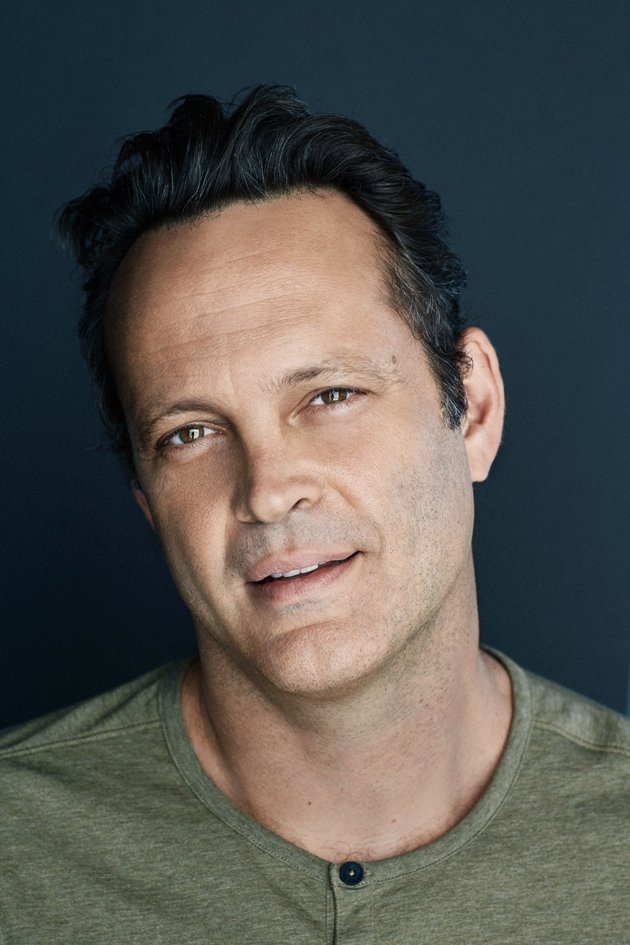
Vince Vaughn has faced jokes about his size during press tours for comedies and dramas. Media items often frame his physique as a punchline that overshadows projects. Red carpet photos spur renewed commentary that ignores role requirements. Vaughn generally keeps discussion on the films while the cycle repeats with new releases.
Matthew McConaughey
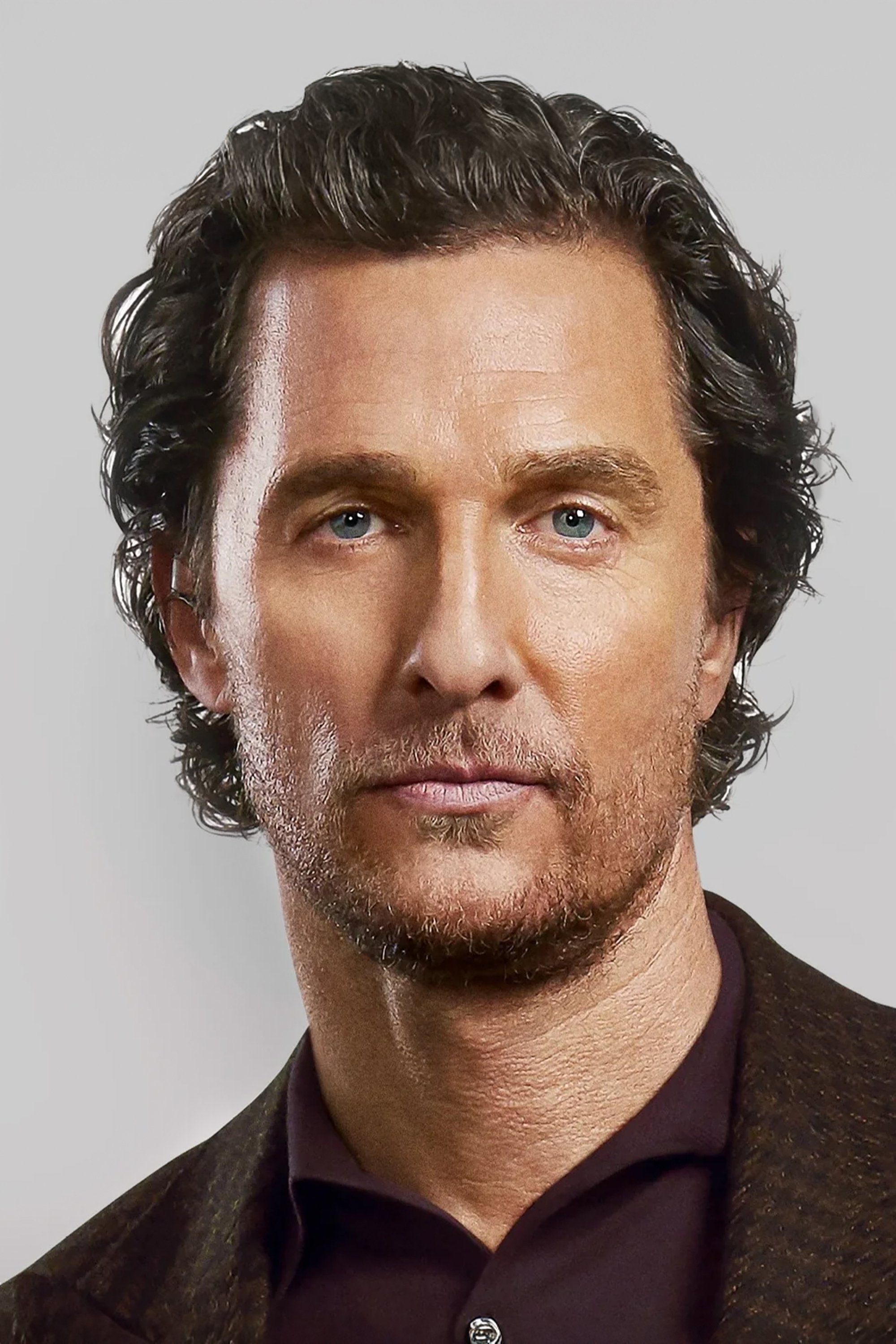
Matthew McConaughey’s drastic weight loss for ‘Dallas Buyers Club’ and later regains drew intense attention. After the project he fielded stories that treated his changing size as spectacle. He has detailed the medical supervision involved and the challenge of returning to baseline. The arc is frequently cited when transformations are debated in entertainment.
Dev Patel

Dev Patel was labeled too lanky early in his career after ‘Slumdog Millionaire’. Training for action heavy projects like ‘Lion’ preparation and later ‘Monkey Man’ shifted the narrative to his build. Social media still swings between praise and nitpicking depending on new photos. Patel has focused interviews on the skills and choreography behind the change.
Orlando Bloom
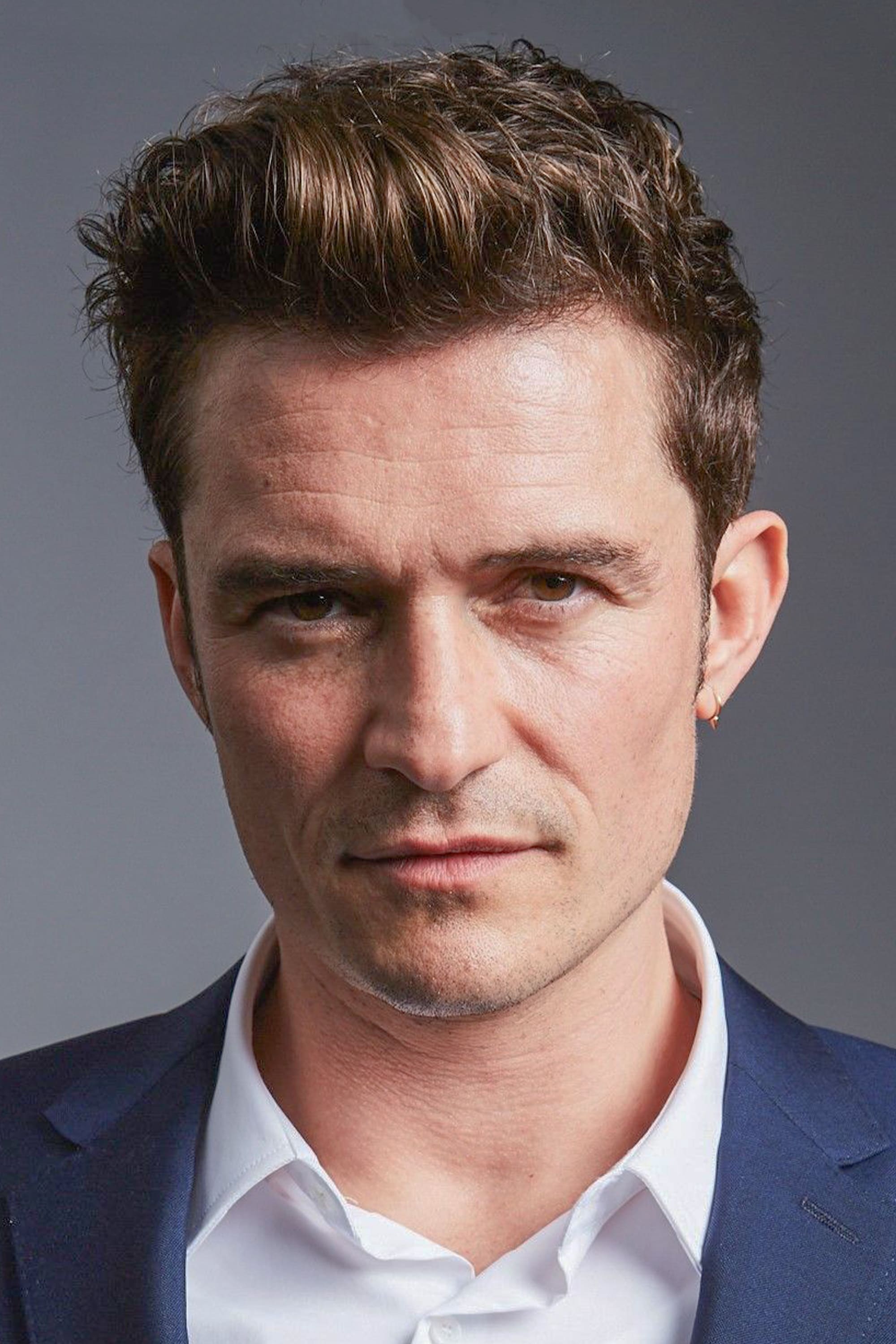
Orlando Bloom has been subjected to commentary around shirtless paparazzi photos from vacations. Articles compare his candid look with stylized fantasy roles like ‘The Lord of the Rings’. He alternates between endurance sports and lighter training depending on schedules. The body talk tends to peak whenever beach images trend.
Penn Badgley
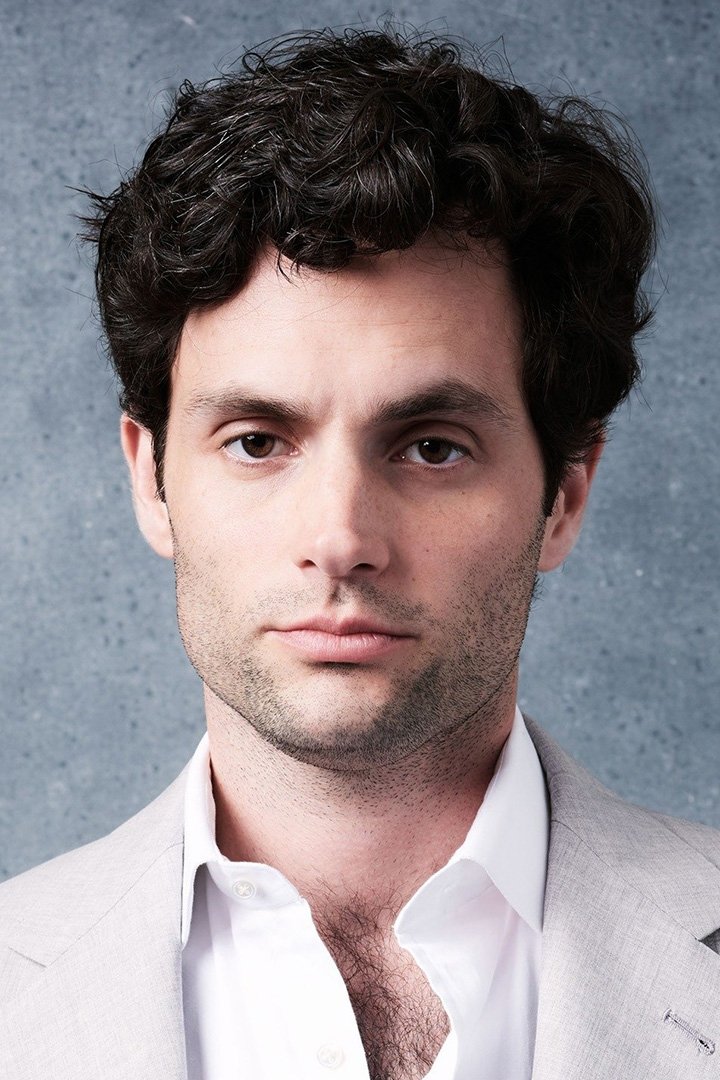
Penn Badgley addressed pressure to appear shirtless for ‘You’ and explained why he limits those scenes. Early seasons prompted chatter that linked romantic lead status to a specific build. He reframed the discussion around consent and healthy expectations on set. Public reaction showed how body standards affect male actors in contemporary television.
Chris Pine
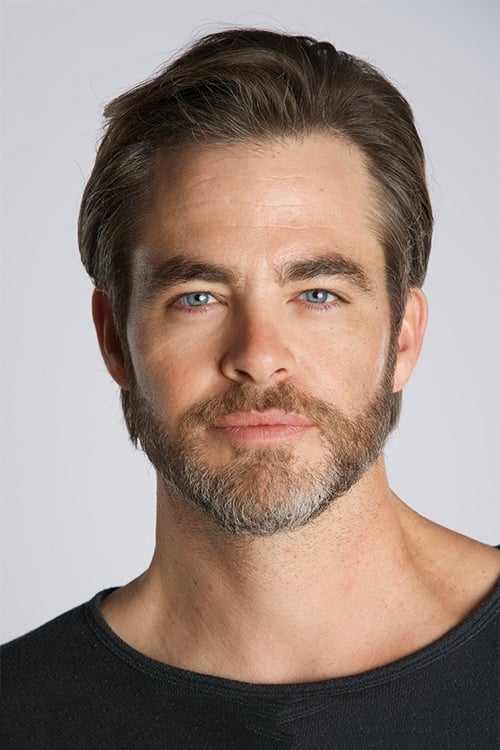
Chris Pine encountered “dad bod” headlines when boat photos circulated between action projects. Coverage compared the candids with his look in films like ‘Star Trek’. He has noted that conditioning ramps up only when a role calls for it. The conversation tends to fade once promotional stills replace paparazzi shots.
Joaquin Phoenix
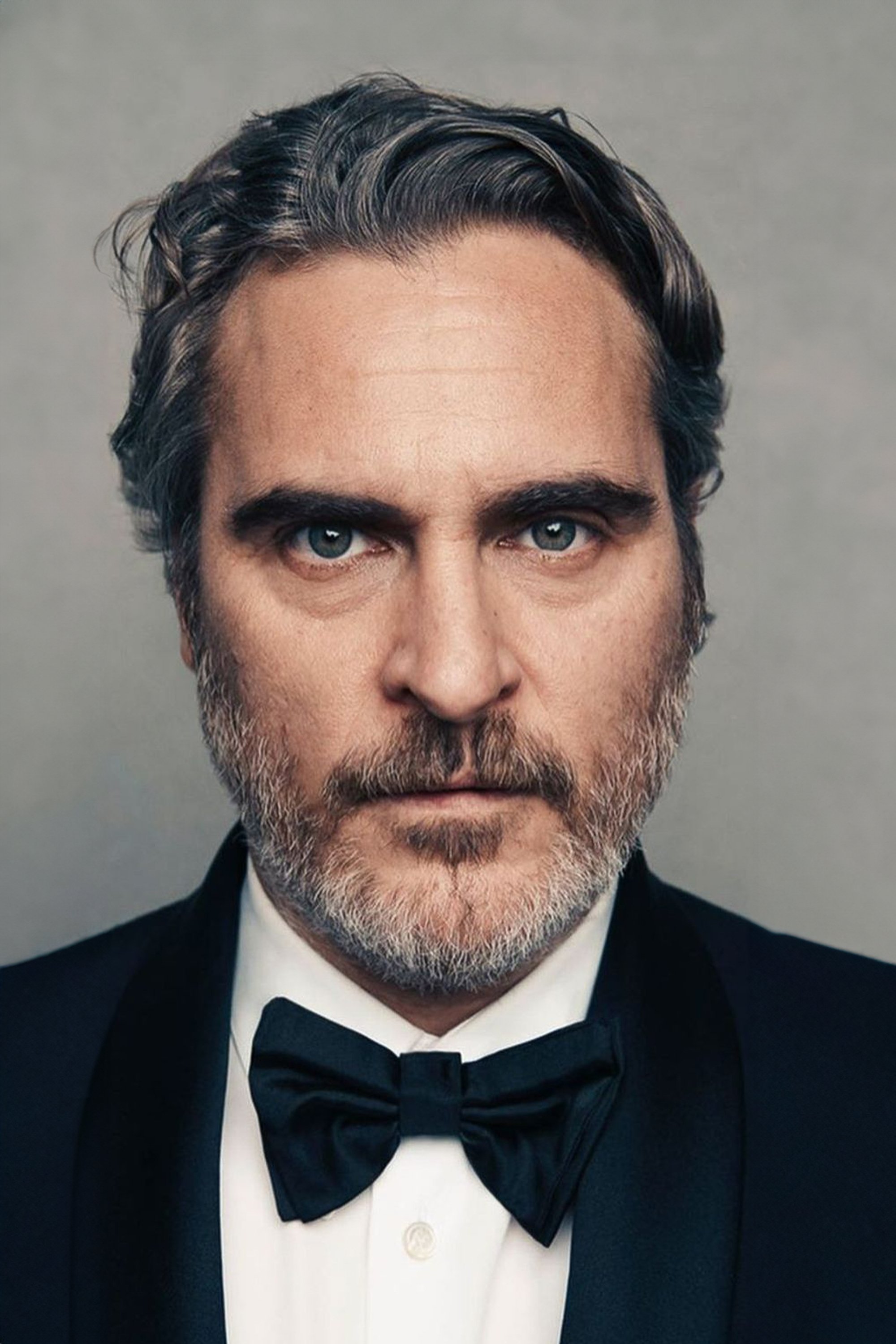
Joaquin Phoenix’s extreme weight loss for ‘Joker’ drew widespread attention that sometimes veered into body shaming. After filming he discussed the structured plan used to manage the change. Later appearances invited commentary about the pace of regaining weight. The response illustrated how rapid transformations attract intrusive speculation even after the work is complete.
Share other examples you’ve seen in the comments and tell us which moments you think changed how people talk about body standards for men in Hollywood.

