Actors Who Left Hollywood for Health or Happiness


Stepping away from the spotlight is rarely simple, but some actors have done it to prioritize well-being, family, or a quieter life. Their decisions often came after decades of intense schedules, public scrutiny, or serious health concerns, and they show that even the most recognizable faces sometimes choose a different path.
Below are notable male actors who intentionally paused or ended mainstream careers for health or personal happiness. Each one had a distinct reason—caregiving, chronic illness, creative burnout, or a desire for normalcy—and their choices reshaped how fans remember their work and how they define success beyond the box office.
Rick Moranis
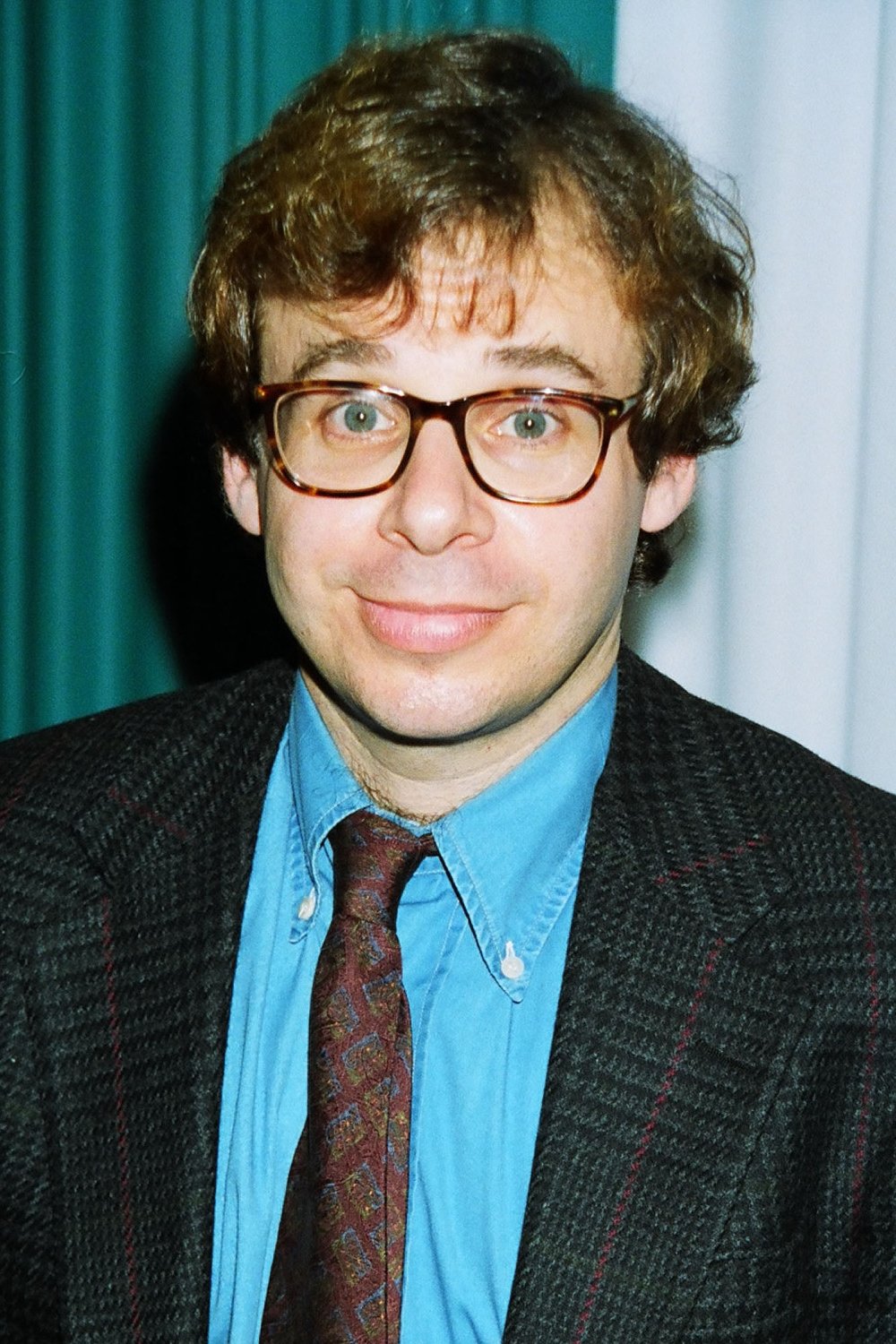
Rick Moranis stepped back from on-camera work after the death of his wife, devoting himself to raising their children and keeping a low public profile. Known for family favorites like ‘Honey, I Shrunk the Kids’ and ‘Parenthood’, he turned down high-visibility opportunities so he could be present at home, occasionally recording voice roles that fit his new routine.
Over the years he kept his creative spark alive with selective projects, including comedy music and voice acting, but maintained his decision to avoid the grind of film sets. His gradual, limited re-engagement underscored that his priority remained family life and personal balance rather than a full-scale return to Hollywood.
Gene Hackman
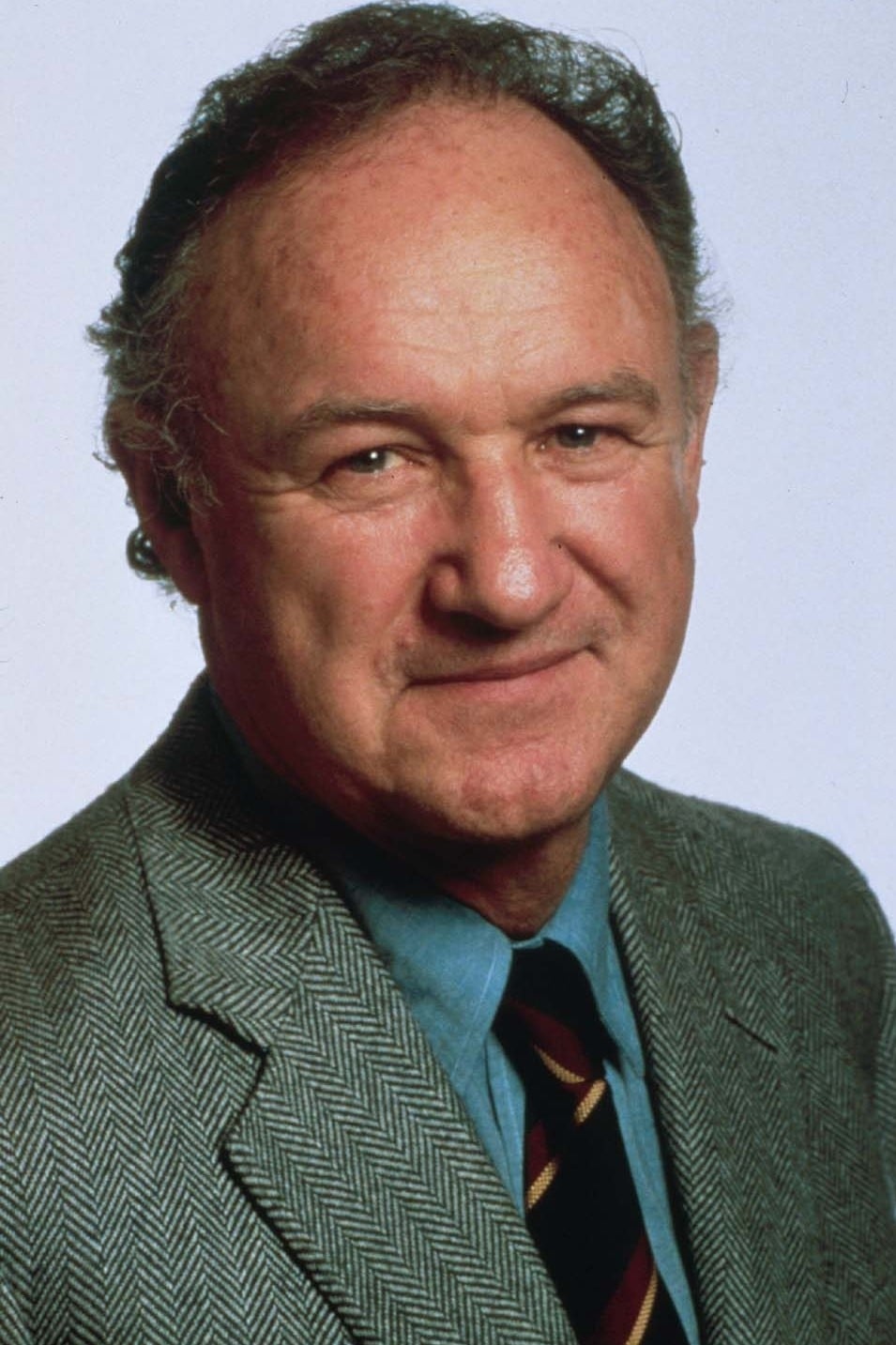
Gene Hackman retired from acting after a celebrated career that included ‘The French Connection’ and ‘Unforgiven’. He cited the toll that production schedules and travel take, choosing instead to focus on writing and a quieter life away from set demands.
Post-retirement, he co-authored several novels and occasionally appeared for interviews about filmmaking, but he consistently declined new film roles. The shift allowed him to manage his time, protect his health, and channel his storytelling into prose rather than on-screen performance.
Daniel Day-Lewis
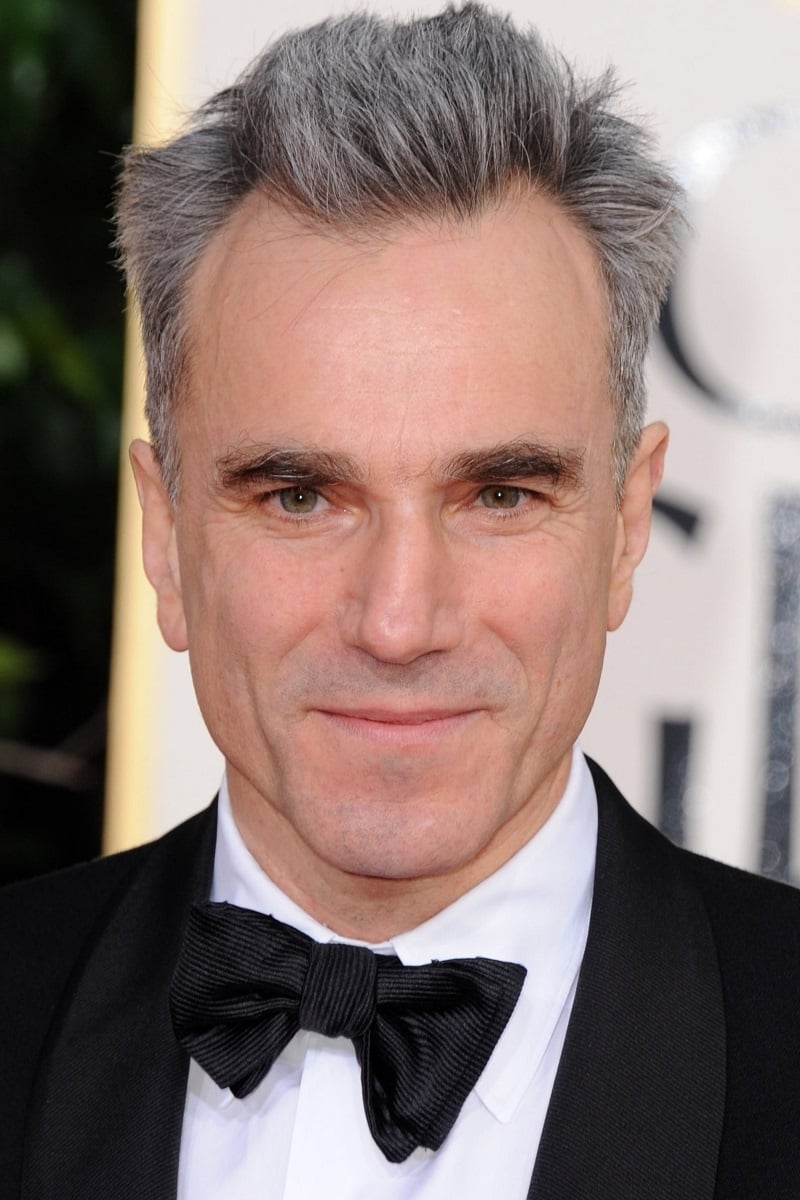
Daniel Day-Lewis announced his retirement after completing ‘Phantom Thread’, stating through representatives that he would no longer make films. Known for immersive work in ‘My Left Foot’ and ‘There Will Be Blood’, he withdrew without offering detailed public reasons, framing the choice as personal and final.
He has kept a notably private life since then, refraining from public appearances except for occasional arts events. The decision reflected a desire to step away from the intense preparation and emotional demands that characterized his approach to acting.
Joe Pesci
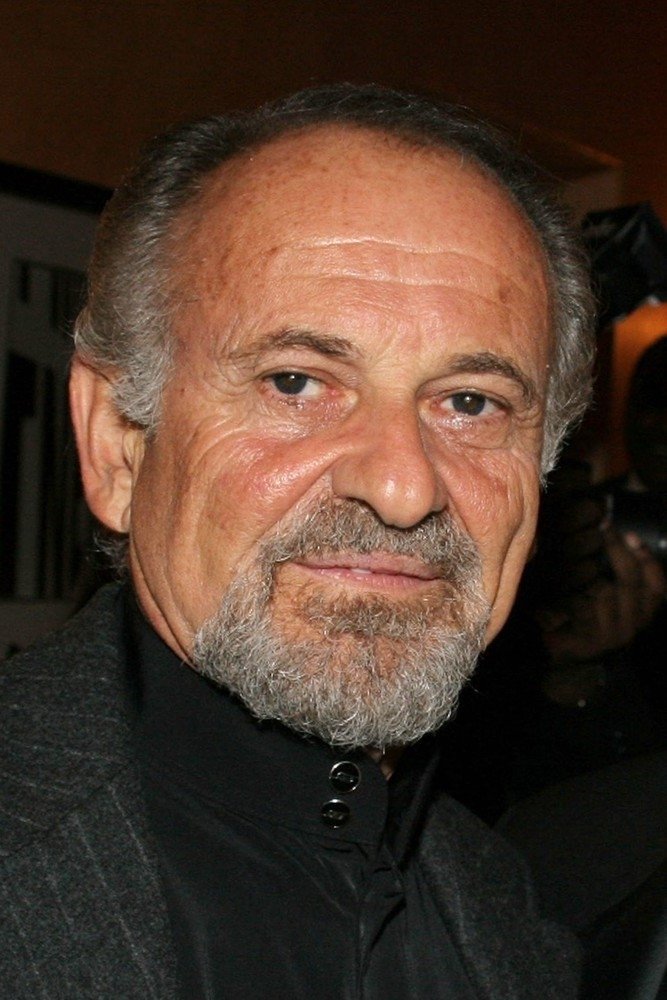
Joe Pesci largely stepped away from acting after years of acclaimed performances in ‘Goodfellas’ and ‘Casino’. He focused on personal interests, including music, and limited his work to rare, hand-picked appearances that didn’t require sustained time on set.
During his semi-retirement he released albums and collaborated selectively with longtime colleagues. The measured pace allowed him to stay connected to performing while preserving the low-key lifestyle he prefers outside Hollywood.
Michael J. Fox
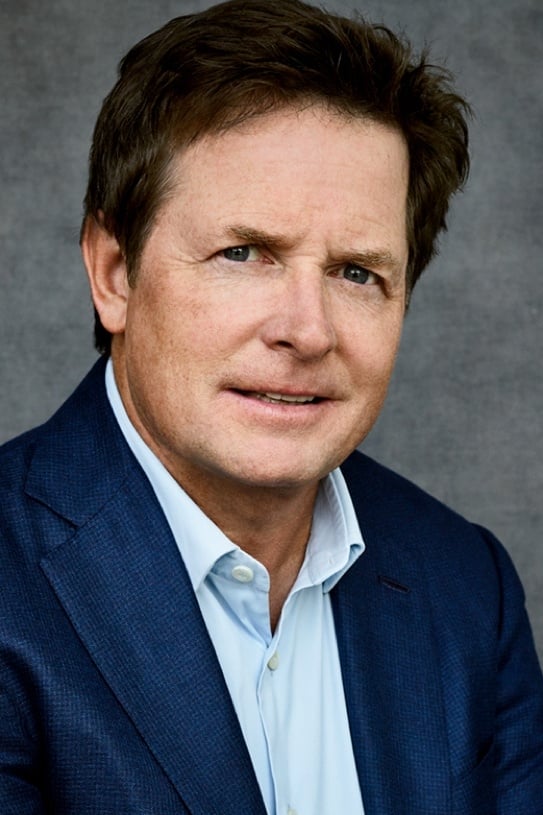
Michael J. Fox reduced and eventually ended most acting work due to Parkinson’s disease, after years of managing symptoms while appearing in projects like ‘Spin City’ and ‘The Good Wife’. He founded and actively leads a major research foundation supporting Parkinson’s research, redirecting his energy toward advocacy and philanthropy.
He has written memoirs detailing the realities of living with a neurodegenerative condition and has made occasional cameo appearances when feasible. Prioritizing health and impact beyond entertainment became the core of his life, with public efforts centered on funding research and supporting the patient community.
Bruce Willis
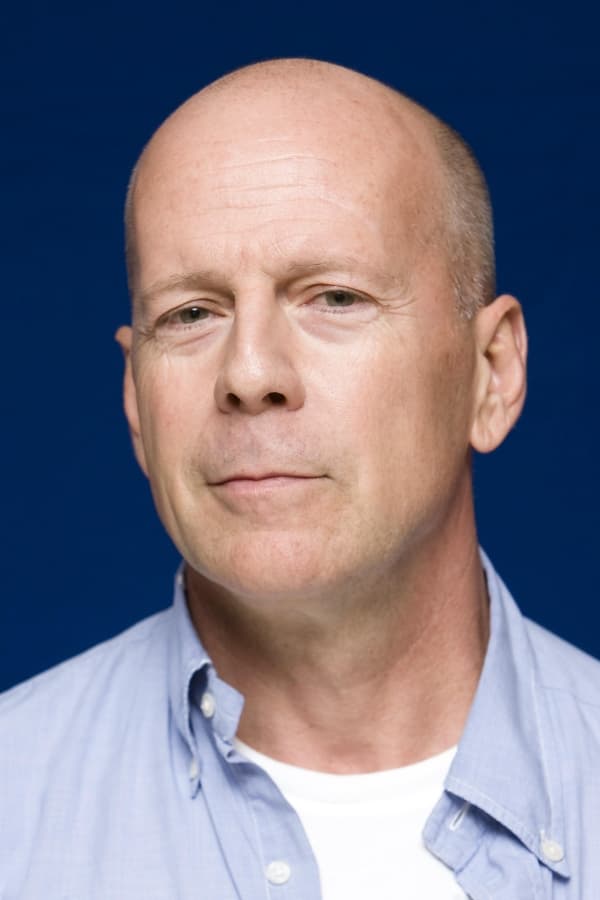
Bruce Willis’s family announced his retirement from acting following a diagnosis of aphasia, later clarified as frontotemporal dementia. Known for ‘Die Hard’ and ‘The Sixth Sense’, he shifted entirely to private life as his condition progressed, with relatives providing health updates to set expectations and protect his privacy.
The move prompted colleagues and fans to highlight workplace accommodations and early signs that may accompany language and cognitive disorders. His departure from sets emphasized the importance of medical evaluation and family support when neurological conditions affect communication and performance.
Cary Grant
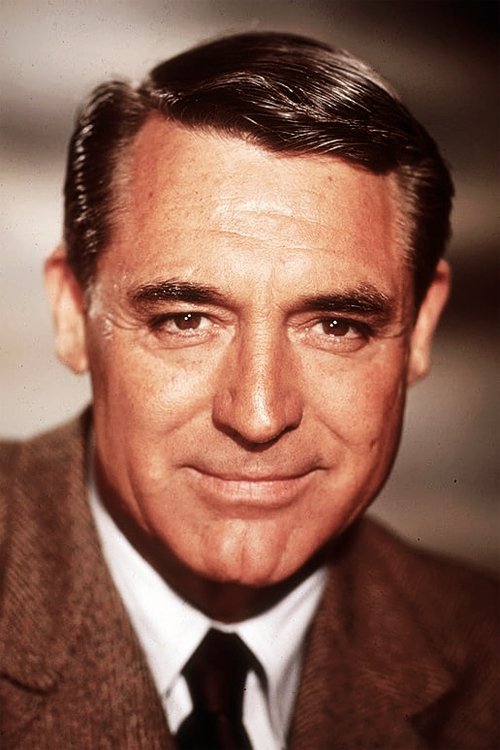
Cary Grant retired from films at the height of his popularity after welcoming his daughter, stepping back to focus on fatherhood and business interests. His classics like ‘North by Northwest’ and ‘Bringing Up Baby’ continued to grow in stature, but he declined offers that would have required a return to demanding production schedules.
He stayed connected to audiences through speaking engagements and company work while maintaining a stable home life. The choice reflected a deliberate pivot toward personal happiness and away from the relentless cycle of studio projects and publicity.
Jack Gleeson

Jack Gleeson, widely recognized for his role in ‘Game of Thrones’, stepped away from screen acting after the show’s early seasons, explaining that the public attention and pace didn’t match the life he wanted. He returned to academics and theatre, choosing small-scale stage work and collaborative projects outside major studio systems.
His later appearances were sparse and community-oriented, underscoring a preference for creative control and modest settings. By setting strict boundaries, he preserved a healthier relationship with performance and avoided the pressures that accompany large franchises.
Jake Lloyd
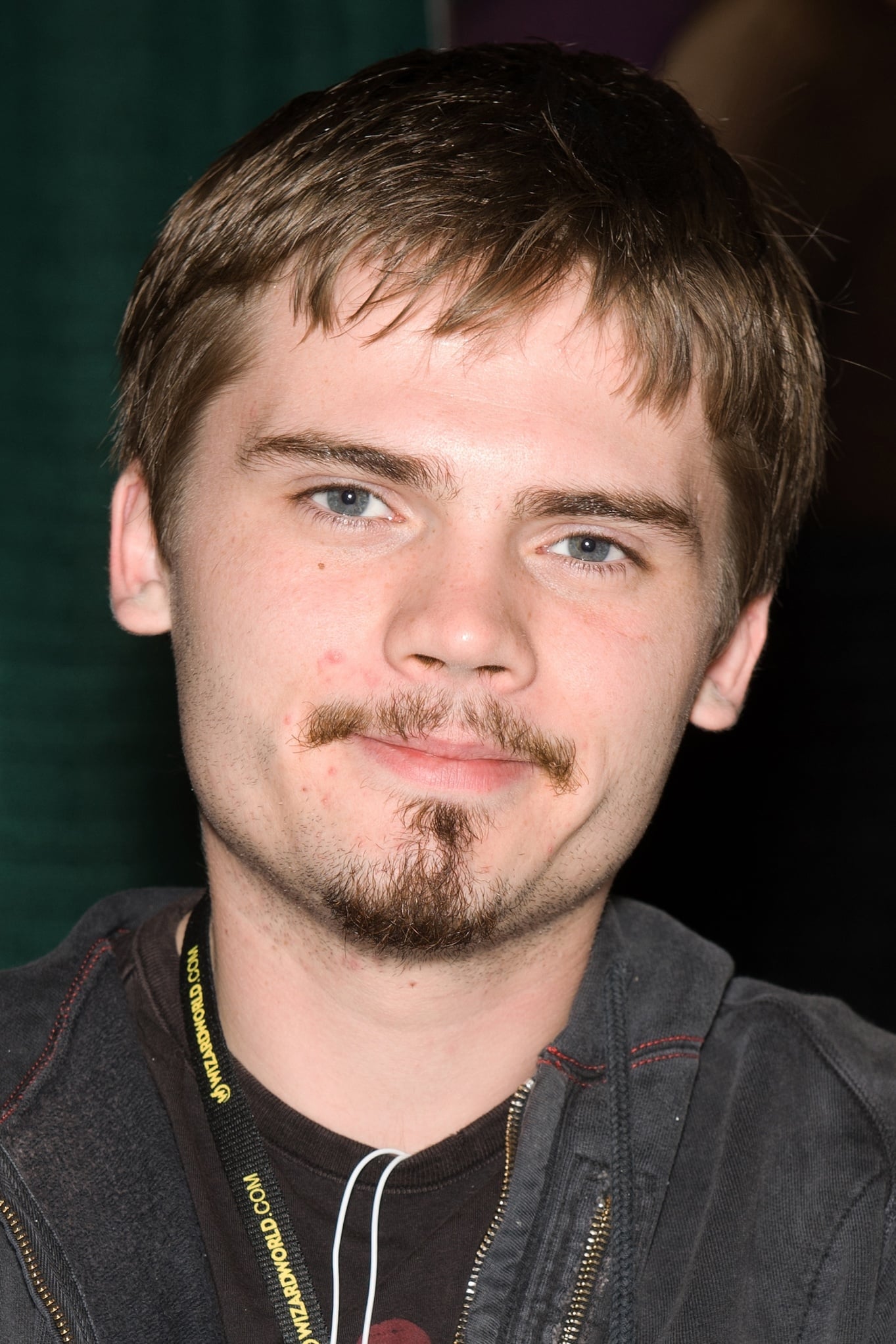
Jake Lloyd left acting after early fame tied to ‘Star Wars: Episode I – The Phantom Menace’, pointing to bullying and mental-health stress connected to sudden celebrity. The transition away from sets was part of a broader effort by his family to protect his privacy and support treatment.
Over time, public updates from relatives have focused on his well-being rather than any industry plans. The emphasis has remained on mental-health care and stability, illustrating how early fame can carry lasting personal challenges that require long-term support.
Macaulay Culkin
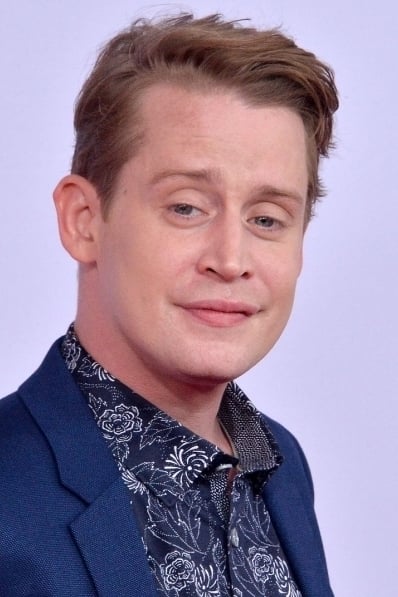
Macaulay Culkin stepped back from Hollywood after the intense child-star period defined by ‘Home Alone’ and ‘My Girl’, choosing to live more privately and explore music and independent projects. He limited acting to occasional, offbeat appearances that aligned with his interests rather than mainstream expectations.
As an adult he structured his work to avoid overexposure, engaging in creative ventures on his own terms, including a satirical website and podcasting. The recalibrated pace helped preserve his well-being while keeping a light connection to entertainment.
Jonathan Taylor Thomas
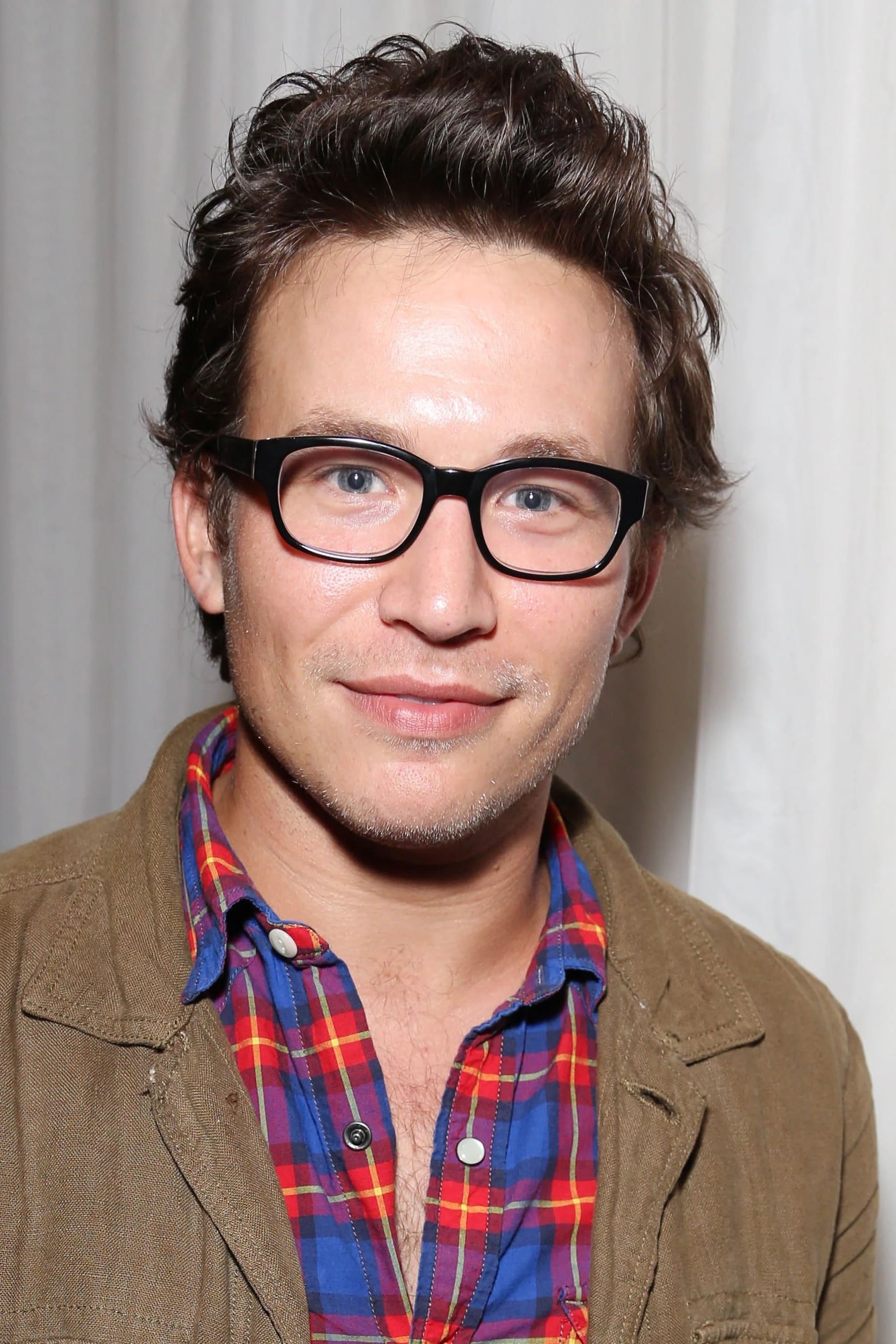
Jonathan Taylor Thomas intentionally paused his on-screen career after success with ‘Home Improvement’ and ‘The Lion King’, returning to school and later pursuing short guest spots rather than full-time roles. The break was framed as a choice to prioritize education and a normal life outside constant production.
His later appearances were brief and carefully chosen, often tied to reunions with former collaborators. The long hiatus reflected a sustained commitment to privacy and balance over the visibility that comes with regular network or film work.
Dave Chappelle
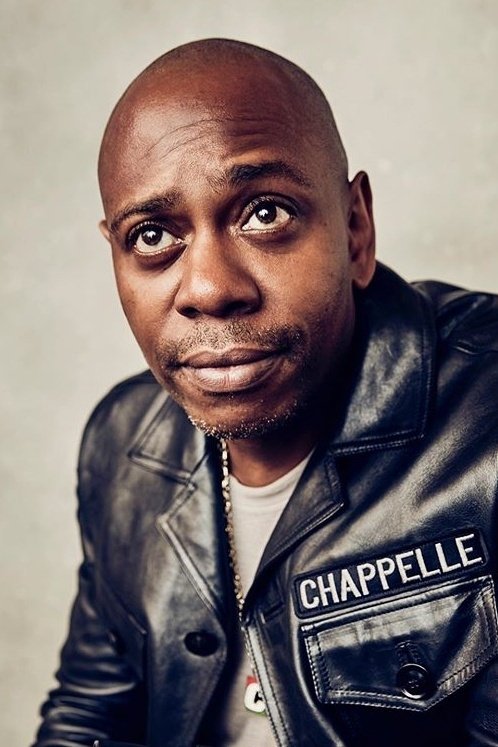
Dave Chappelle famously walked away from ‘Chappelle’s Show’ during production, relocating to Ohio to step out of the Hollywood machinery and regain personal clarity. Though best known as a comedian, he has substantial acting credits, including ‘A Star Is Born’ and ‘The Nutty Professor’, and his hiatus was a deliberate move to protect his mental and creative health.
He rebuilt his career around stand-up and small-venue sets before returning on his own terms, scheduling work in ways that preserved family life and autonomy. The shift demonstrated a model of success that prioritizes control over pace, content, and environment rather than traditional studio commitments.
If you have other examples or personal favorites who chose health or happiness over Hollywood, share your thoughts in the comments!