


Actors Who Needed Therapy After a Role

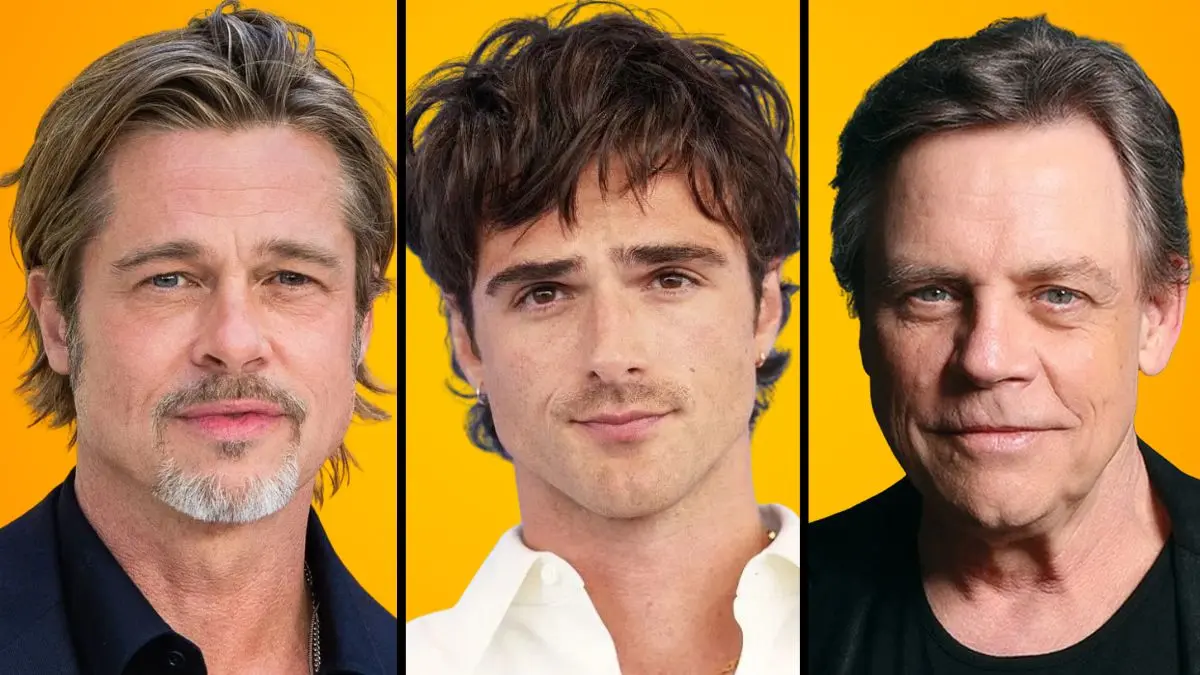


Method acting and deep immersion into complex characters often take a significant toll on the mental health of performers. Many actors find that the boundaries between their own identities and the roles they play become blurred during long production schedules. The psychological weight of portraying trauma or darkness can lead to lasting emotional challenges that require professional support. Understanding the experiences of these individuals provides insight into the intense dedication required for high level storytelling. These male actors have all spoken about their journeys toward recovery after finishing particularly demanding projects.
Rami Malek
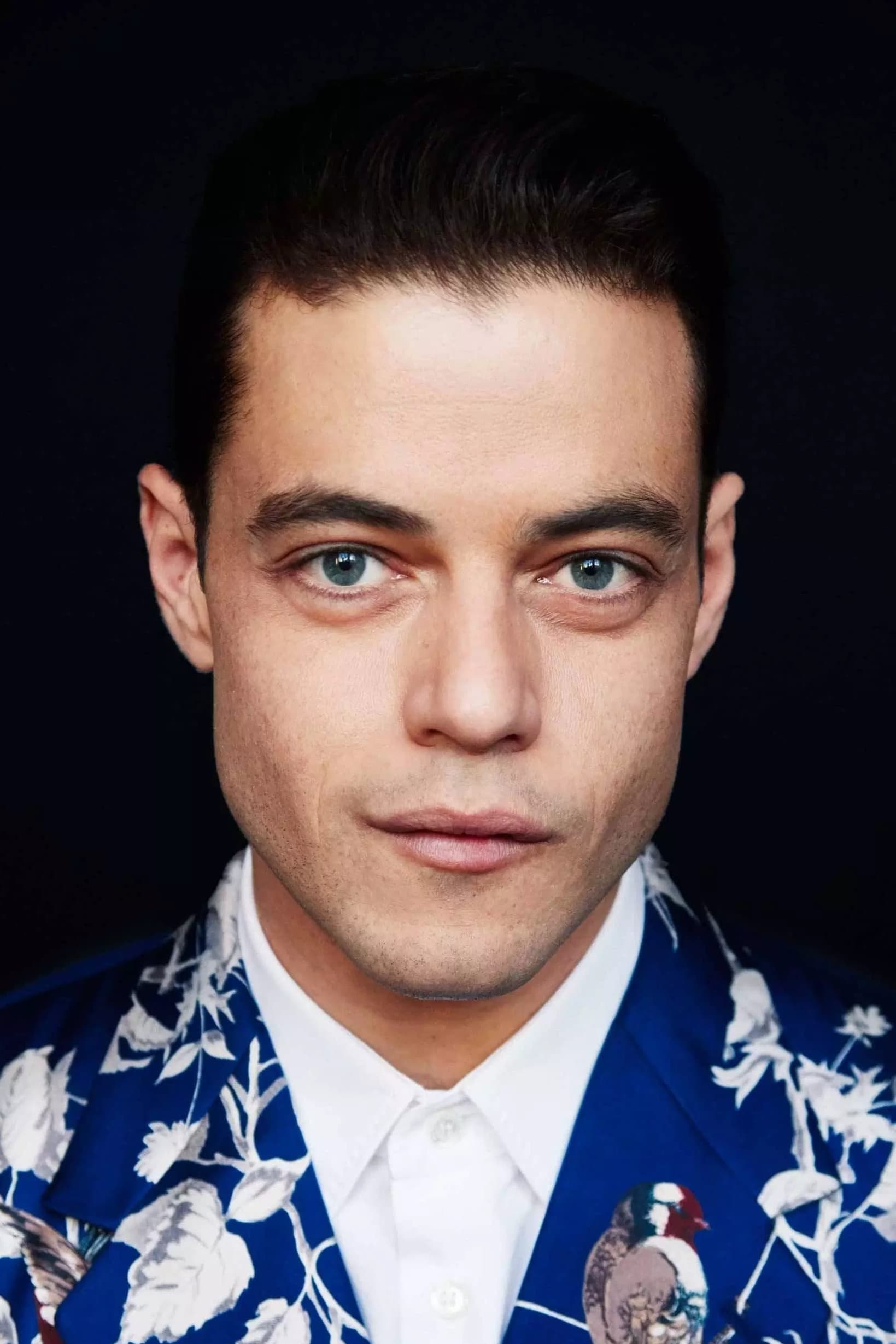
The actor transformed himself to portray Freddie Mercury in the biographical film ‘Bohemian Rhapsody’. He wore prosthetic teeth and studied the singer’s movements extensively to capture his unique stage presence. This level of immersion made it difficult for him to leave the character behind after the production concluded. Malek described the process of becoming such an iconic figure as both rewarding and mentally exhausting. He had to work hard to find his own voice and personality again once the project was over.
Nicholas Hoult
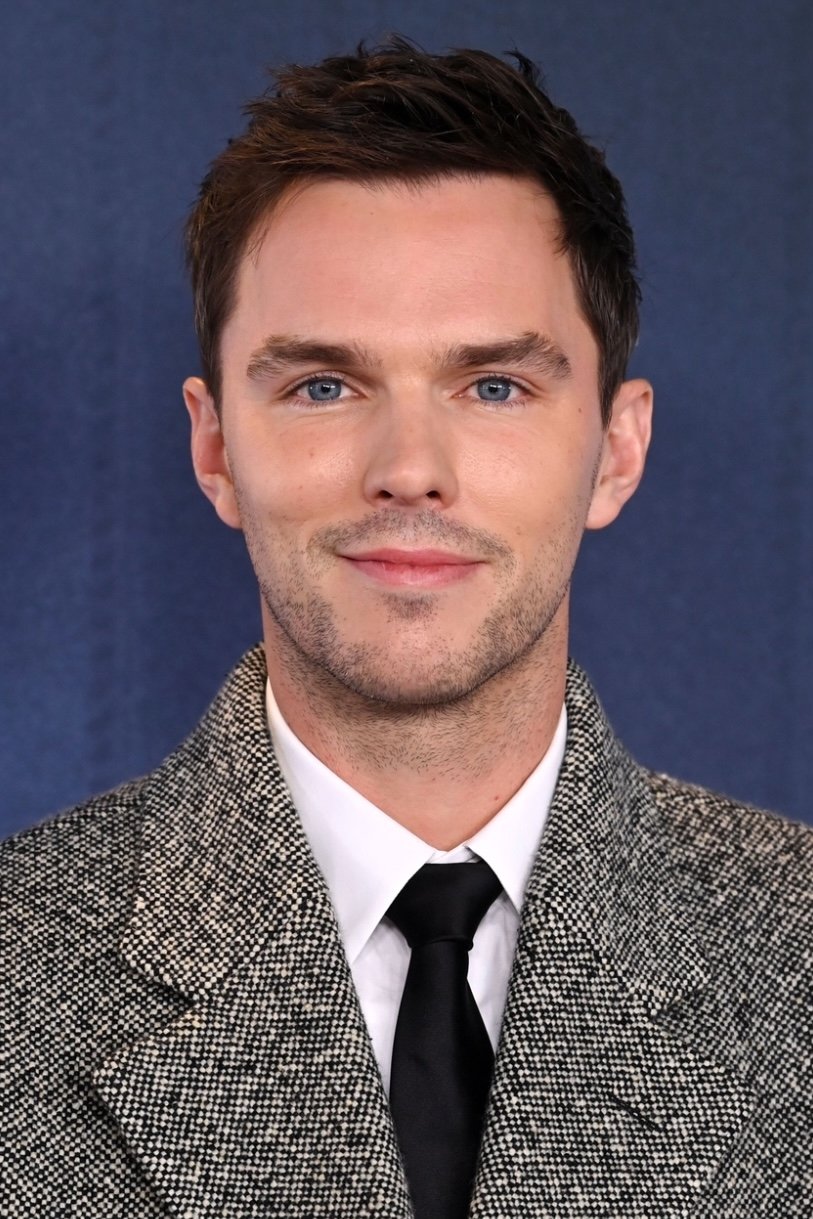
Playing a character with such high energy and dark humor in ‘The Great’ required a lot of mental stamina. The actor found that the constant shifts between comedy and tragedy were taxing on his emotional state. He often felt drained after long days of portraying the erratic behavior of his character. Hoult focused on mindfulness and taking breaks to ensure he did not carry the role’s intensity into his personal life. He has spoken about the importance of maintaining a healthy distance from the figures he portrays on screen.
Mark Hamill
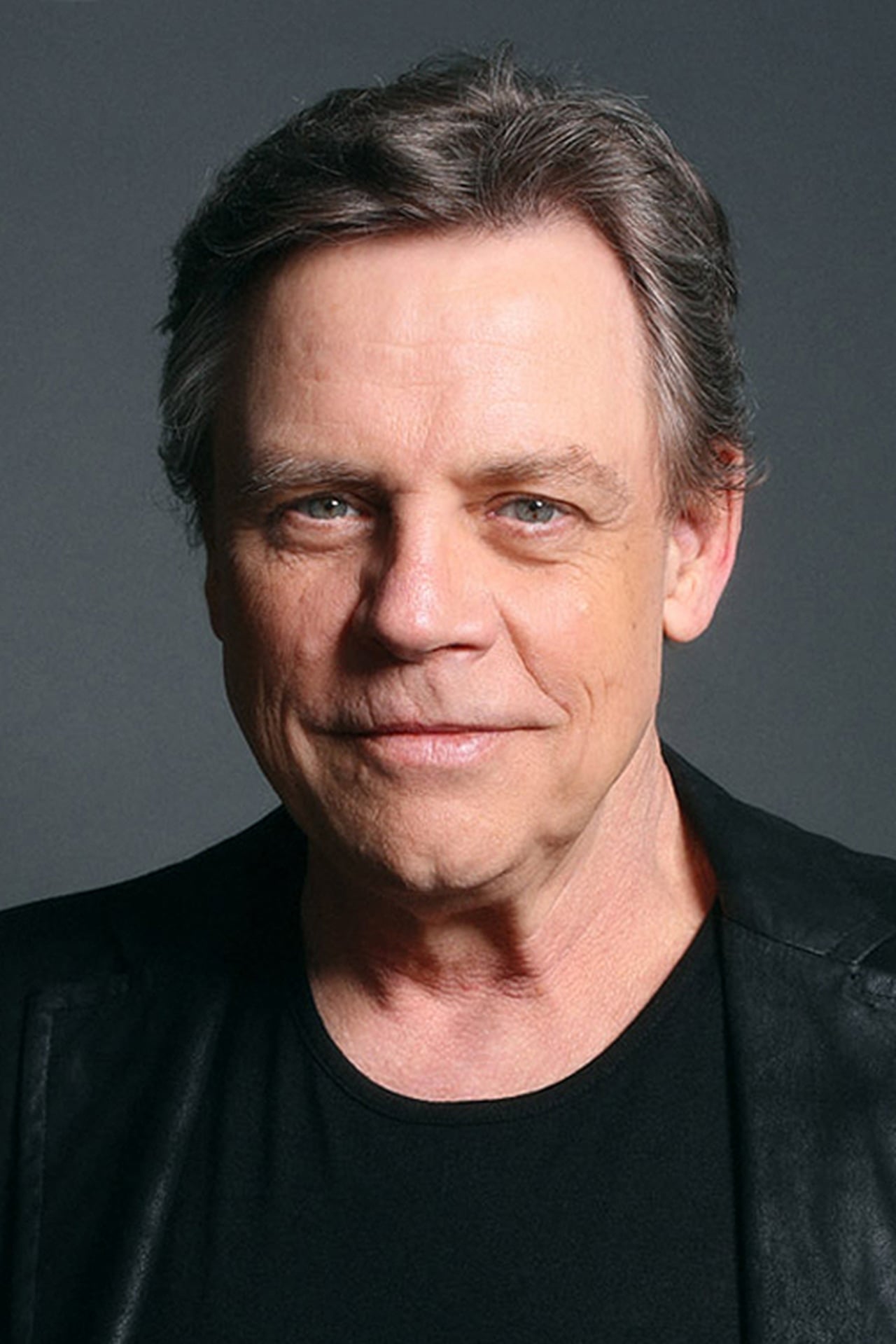
The immense fame and pressure associated with playing Luke Skywalker in ‘Star Wars’ had a lasting impact on the actor. He faced significant challenges in separating his own identity from one of the most famous heroes in cinematic history. The sudden transition from an unknown performer to a global icon caused a great deal of personal stress. Hamill worked through these feelings over the years to embrace his legacy while maintaining his own mental well-being. He has been open about the psychological journey of living with such a massive cultural character for decades.
Sean Penn
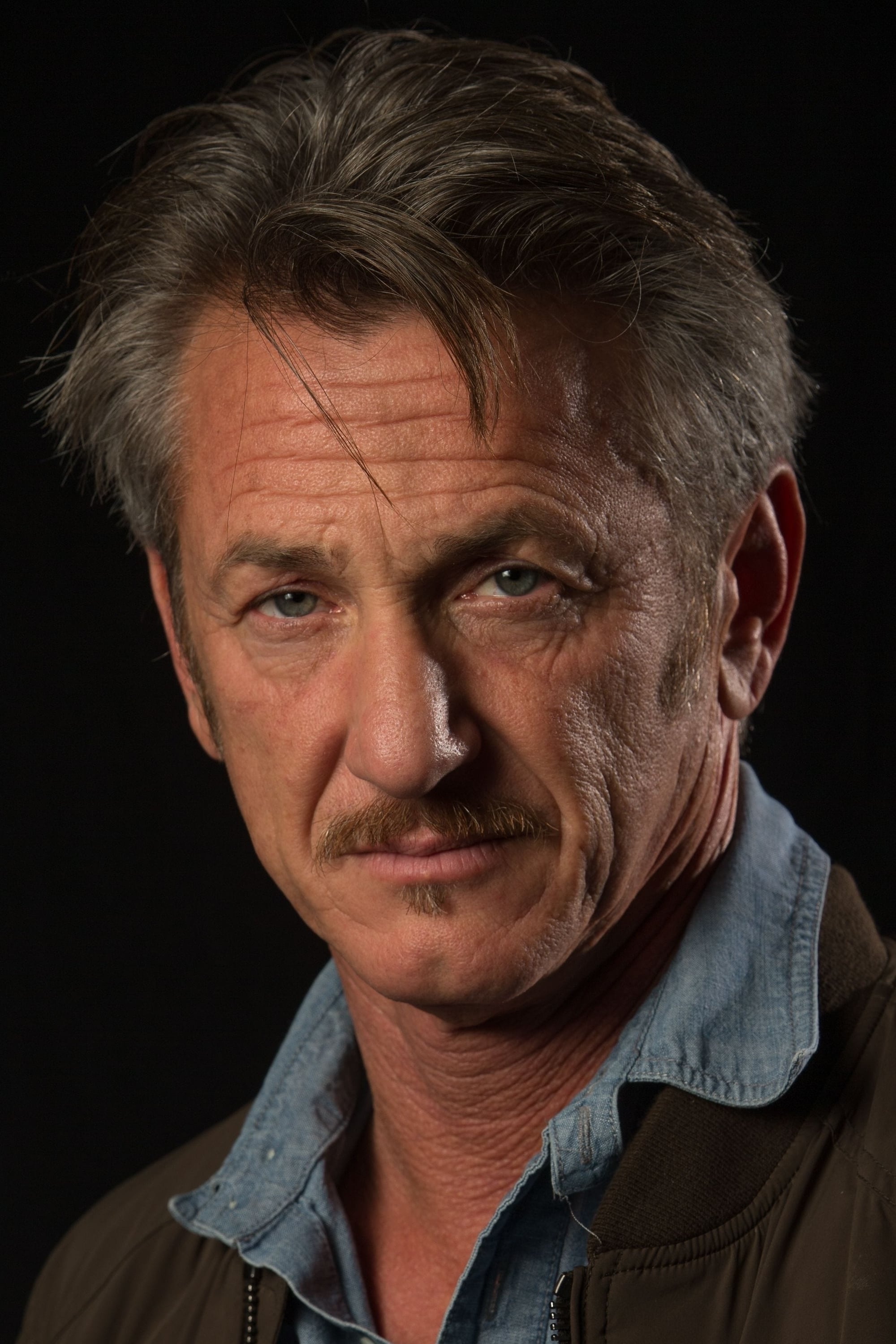
Portraying a grieving father in the film ‘Mystic River’ required the actor to tap into very dark and painful emotions. The intensity of the role stayed with him long after the scenes were finished. He explored deep themes of loss and vengeance that took a toll on his mental outlook during the shoot. Penn has often been known for his intense approach to acting which can lead to emotional exhaustion. He found that he needed time to decompress and process the heavy material once the film was completed.
Brad Pitt
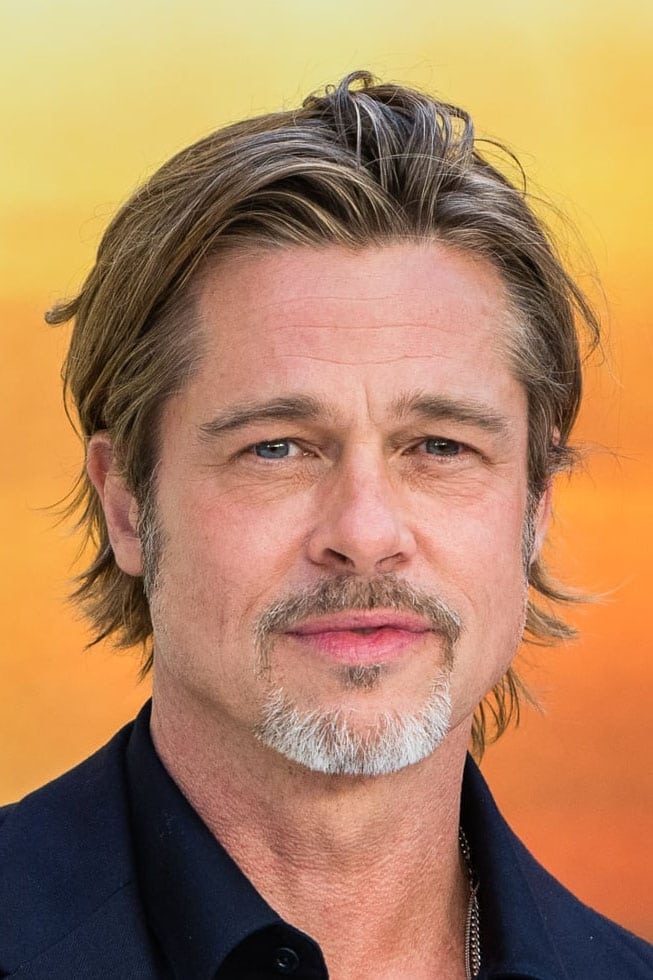
The dark and gritty atmosphere of the crime thriller ‘Seven’ was difficult for the actor to endure throughout the production. He played a detective hunting a serial killer in a world that felt constantly bleak and oppressive. The emotional weight of the film’s shocking conclusion was particularly hard to shake off. Pitt has mentioned that the experience of filming in such a somber environment affected his mood for some time. He emphasized the importance of finding balance after working on such intense and disturbing projects.
Ryan Reynolds
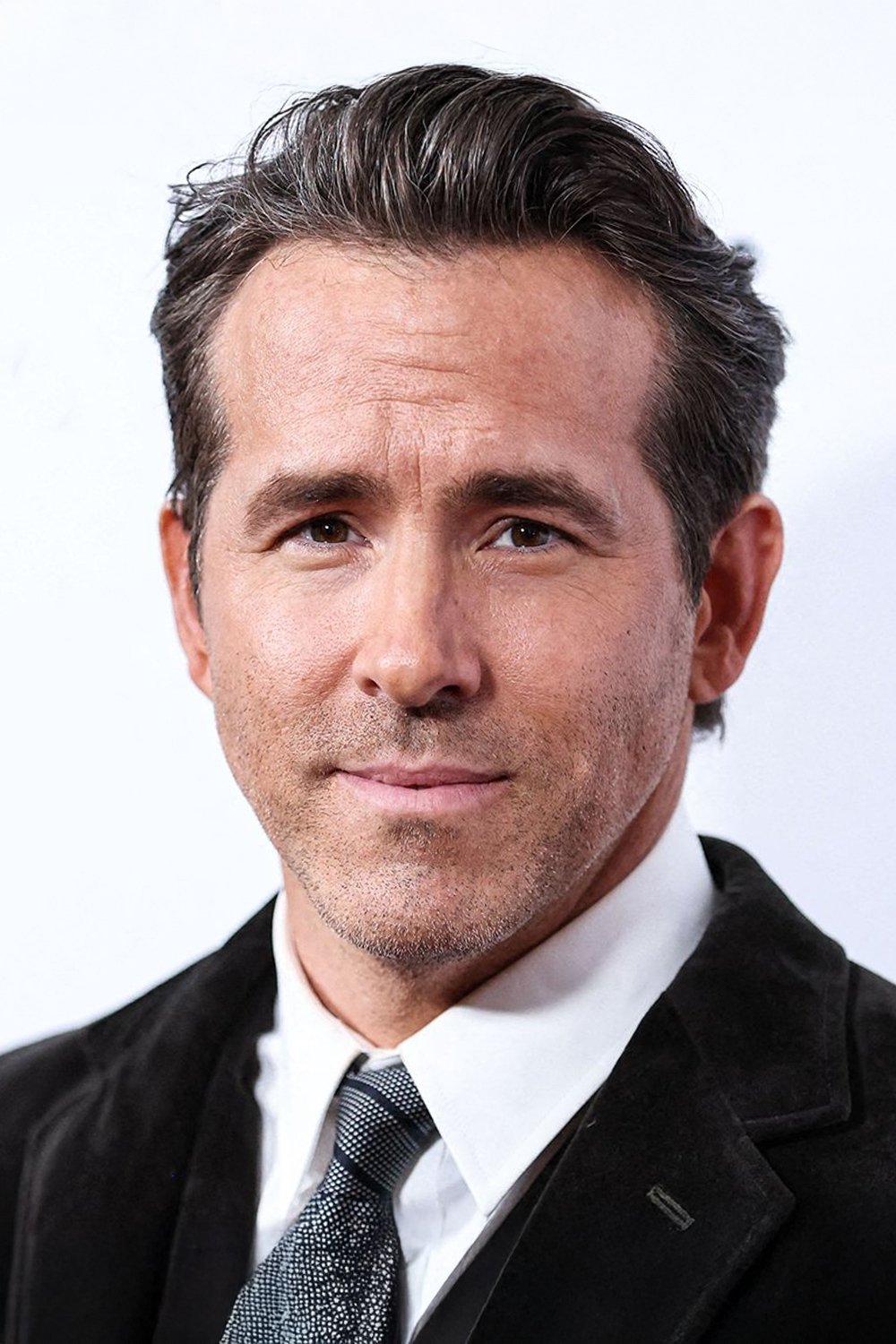
The actor experienced severe anxiety during the development and filming of the first ‘Deadpool’ movie. He felt a massive amount of pressure to satisfy fans and ensure the character was portrayed correctly. This stress manifested in physical and mental exhaustion that required him to seek support. Reynolds has been very transparent about his struggles with anxiety and how the high stakes of the project exacerbated his condition. He utilized professional help to manage his mental health while navigating the success of the franchise.
Jacob Elordi
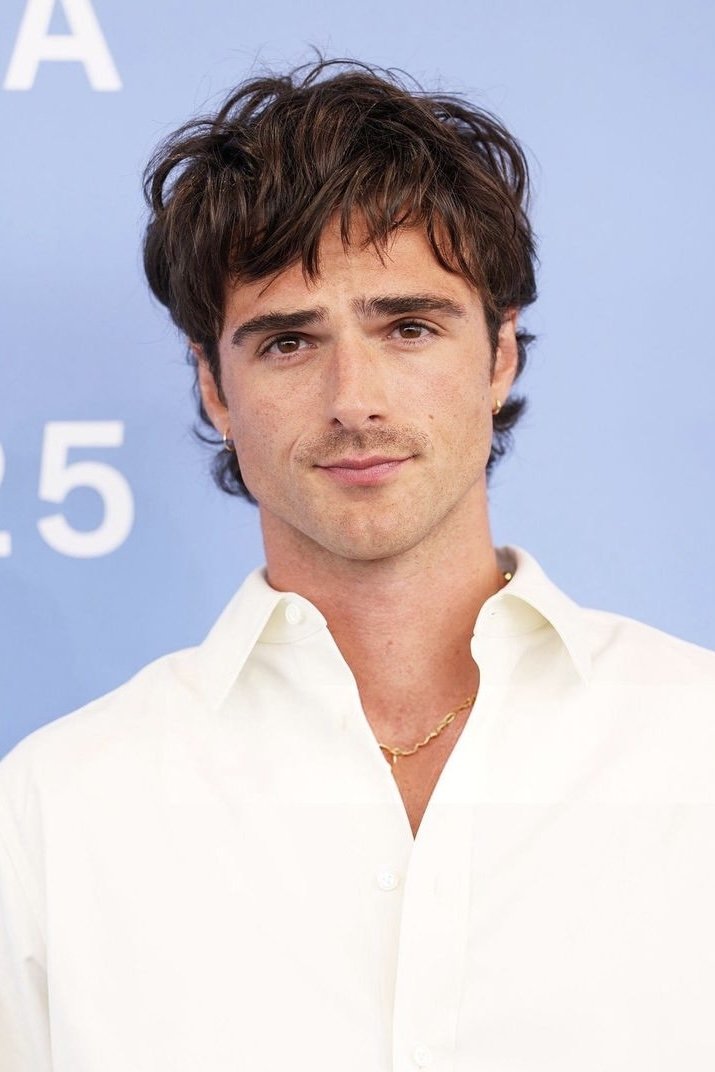
Playing the role of Nate Jacobs in the series ‘Euphoria’ involves exploring themes of toxic masculinity and intense anger. The actor found that inhabiting such a dark and often disliked character was mentally taxing. He frequently felt a sense of isolation while filming the more aggressive and emotional scenes. Elordi has discussed the need to step away from the character to preserve his own peace of mind. He uses various techniques to ensure that the darkness of the role does not affect his daily life.
Barry Keoghan
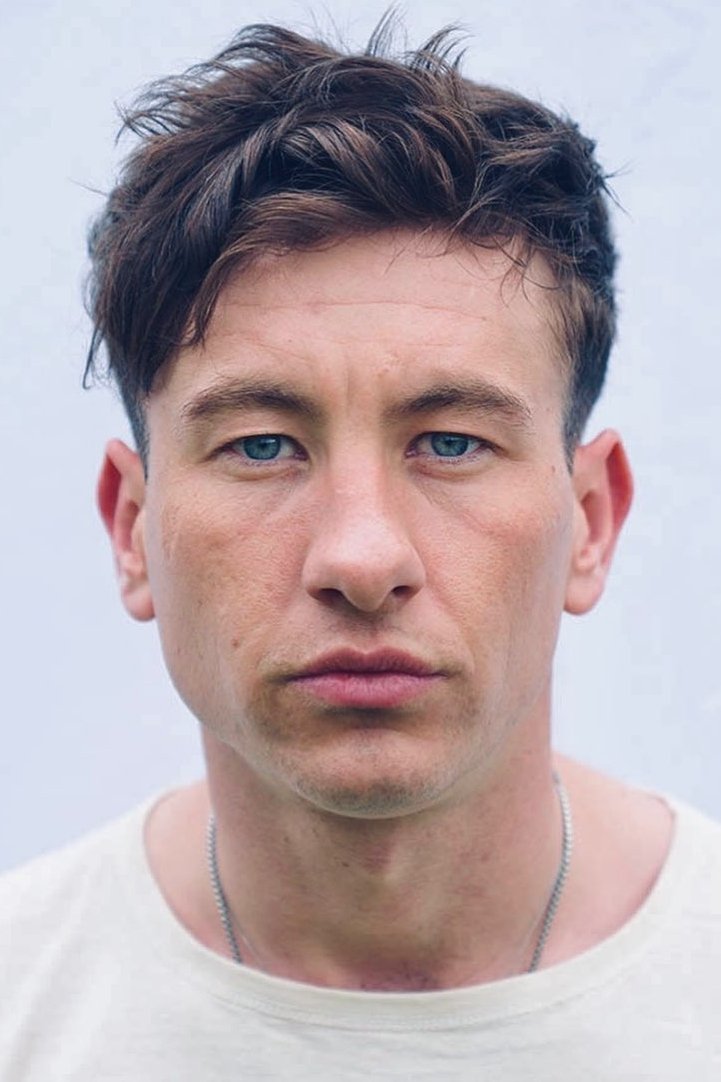
The actor took on a very unsettling role in the psychological thriller ‘The Killing of a Sacred Deer’. His performance required a cold and calculated demeanor that was far removed from his actual personality. The disturbing nature of the plot and his character’s actions created a heavy mental burden during the shoot. Keoghan found it necessary to engage in activities that grounded him in reality after long days on set. He has acknowledged that such intense roles require a significant amount of mental preparation and recovery.
Willem Dafoe
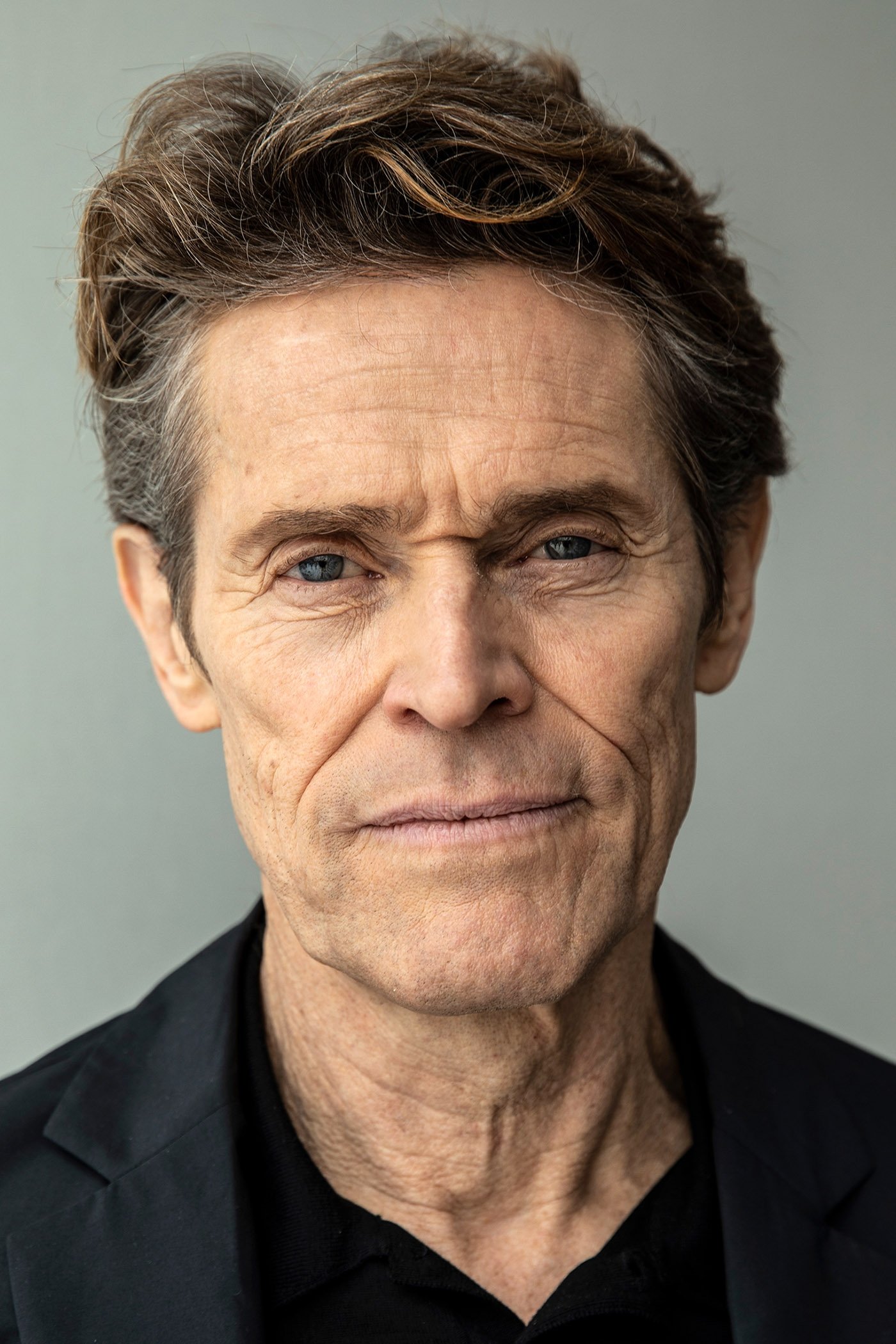
Filming the psychological horror movie ‘The Lighthouse’ was a grueling experience for the veteran actor. He performed in harsh weather conditions and engaged in many physically and mentally demanding scenes. The isolation of the setting and the descent into madness depicted in the script left a mark on his well-being. Dafoe worked through the exhaustion by focusing on the artistic value of the project while acknowledging its difficulty. He noted that the intense environment made it hard to fully disconnect from the character’s mental state.
Colin Farrell
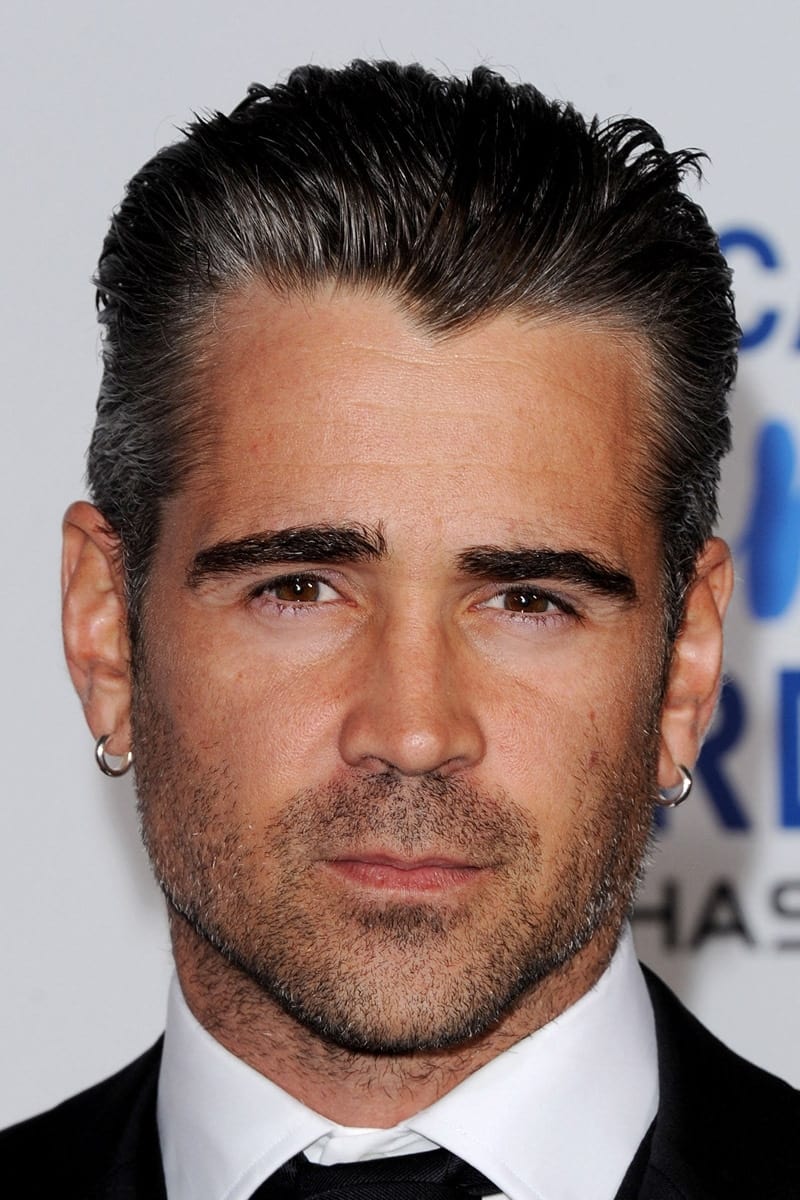
The actor took on a dark and physically demanding role in the series ‘The North Water’. He played a brutal character in a story set in the Arctic which required him to inhabit a very grim headspace. The combination of the freezing environment and the character’s violent nature was mentally draining. Farrell has spoken about the difficulty of shedding such a heavy role after the production ended. He focused on his family and personal routine to return to his normal state of mind.
Daniel Day-Lewis
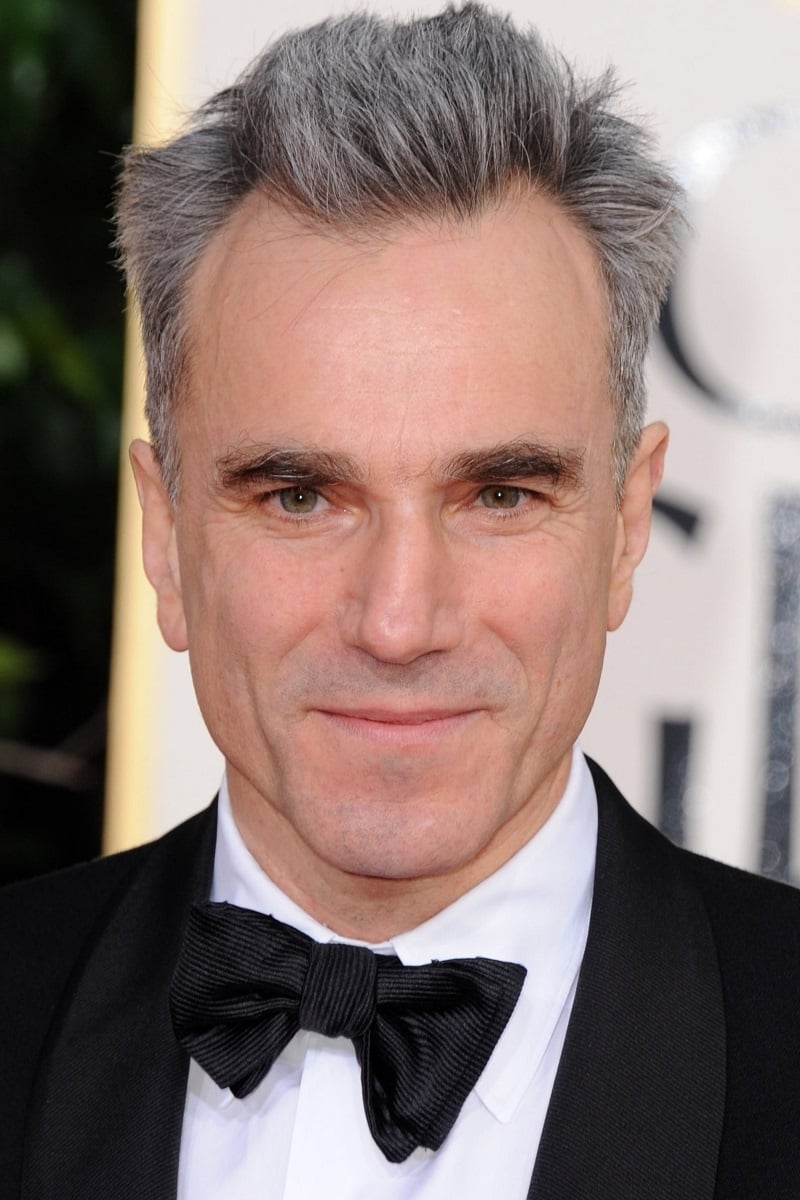
Known for his extreme method acting, the actor often experiences a profound mental toll after his roles. While filming ‘Gangs of New York’, he stayed in character as Bill the Butcher and even caught pneumonia because he refused to wear modern clothing. This level of dedication makes the transition back to his own life incredibly difficult. He has frequently taken long breaks between films to recover from the psychological and physical strain. Day-Lewis eventually decided to retire from acting to focus on a more peaceful lifestyle.
Adam Driver
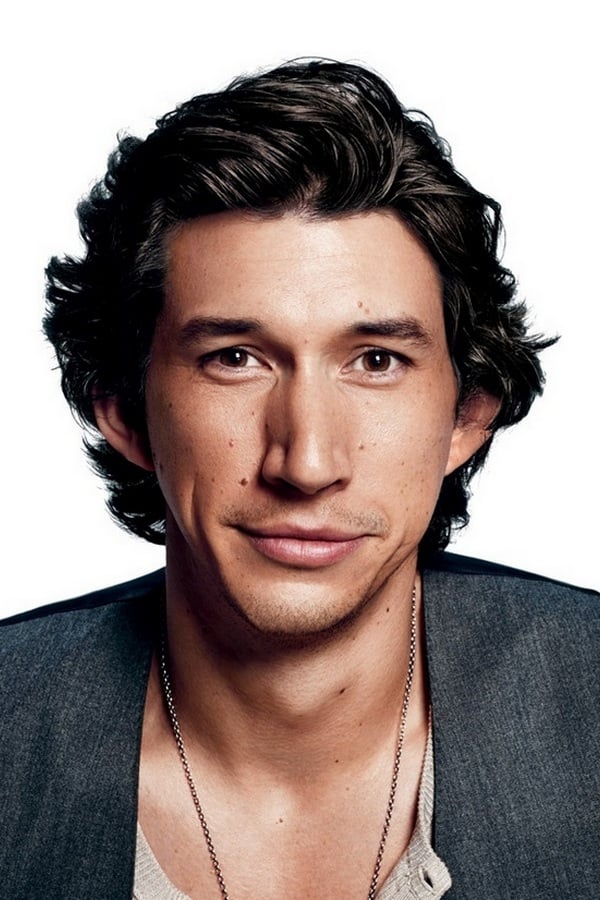
The actor underwent a significant physical transformation and stayed in a somber headspace for the film ‘Silence’. He played a Jesuit priest facing extreme religious persecution and physical hardship. The isolation and the weight of the character’s spiritual struggle were mentally taxing. Driver has mentioned how the intensity of the project stayed with him long after he left the set. He found that he needed time to mentally and physically recover from the grueling demands of the role.
Tom Hanks
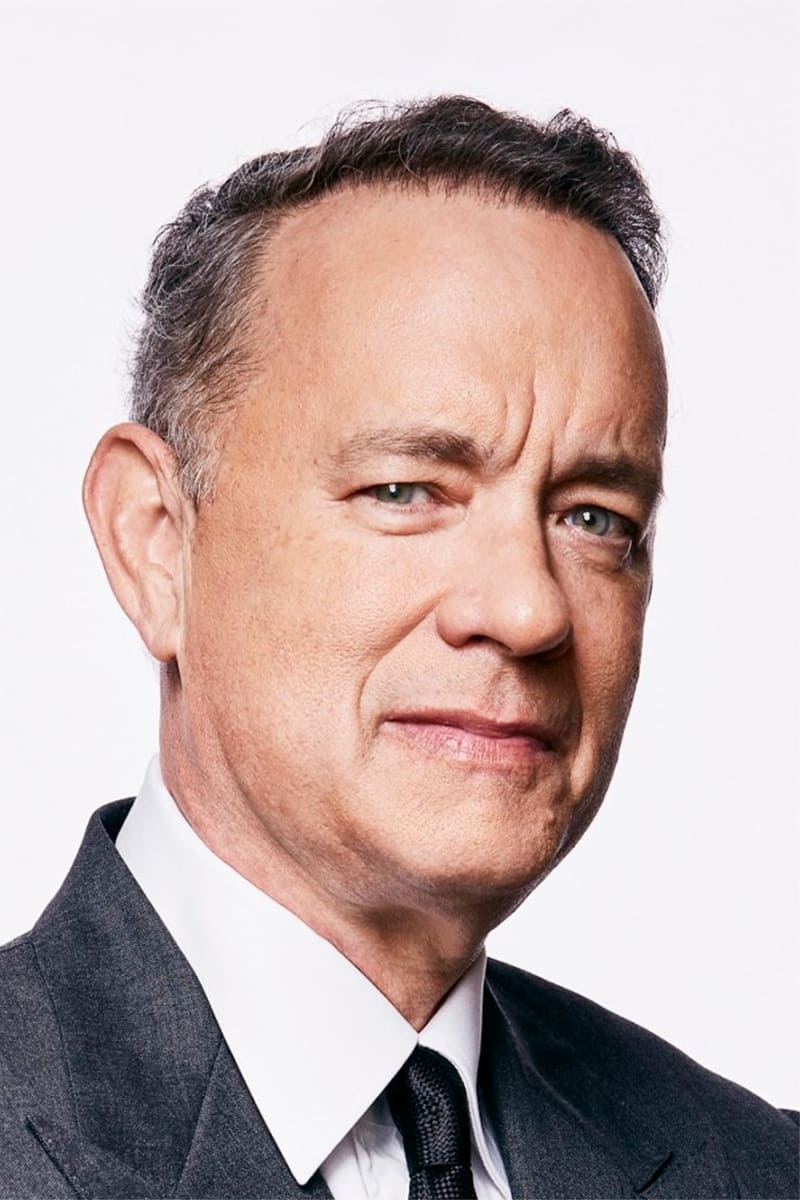
The physical and psychological isolation required for the film ‘Cast Away’ was a major challenge for the actor. He spent a long time filming alone on an island which led to feelings of genuine loneliness and stress. The weight loss and the focus on survival created a mental burden that was hard to ignore. Hanks has discussed the toll that the project took on his overall well-being and his sense of reality. He needed a period of rest and reconnection with his loved ones to move past the experience.
Leonardo DiCaprio
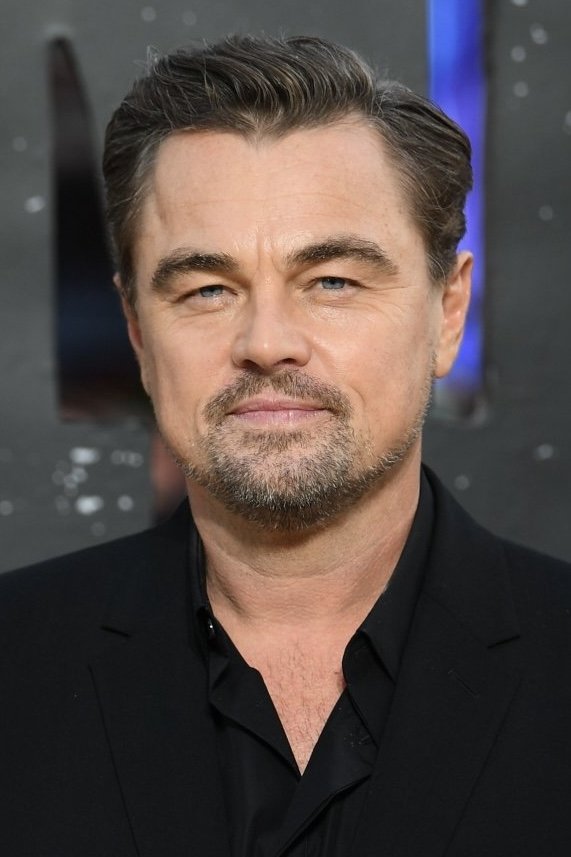
The actor faced extreme conditions while filming ‘The Revenant’ which included eating raw bison liver and sleeping in animal carcasses. These experiences were meant to create a realistic portrayal of survival but they also caused significant mental and physical strain. The constant exposure to freezing temperatures and the isolation of the locations added to the difficulty. DiCaprio has described the production as one of the hardest things he has ever done in his career. He sought ways to decompress and recover after the long and arduous shoot was finally finished.
Javier Bardem
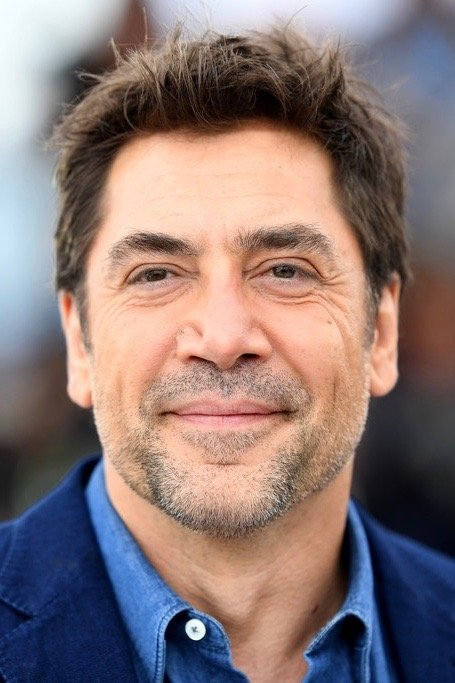
Playing the cold-blooded killer Anton Chigurh in ‘No Country for Old Men’ was a difficult experience for the actor. He struggled with the character’s lack of empathy and the violent nature of the story. The unsettling haircut he had to wear also contributed to a feeling of being disconnected from himself. Bardem has expressed that the dark energy of the role was something he was eager to leave behind. He focused on lighter projects and personal time to shake off the influence of the character.
Johnny Depp
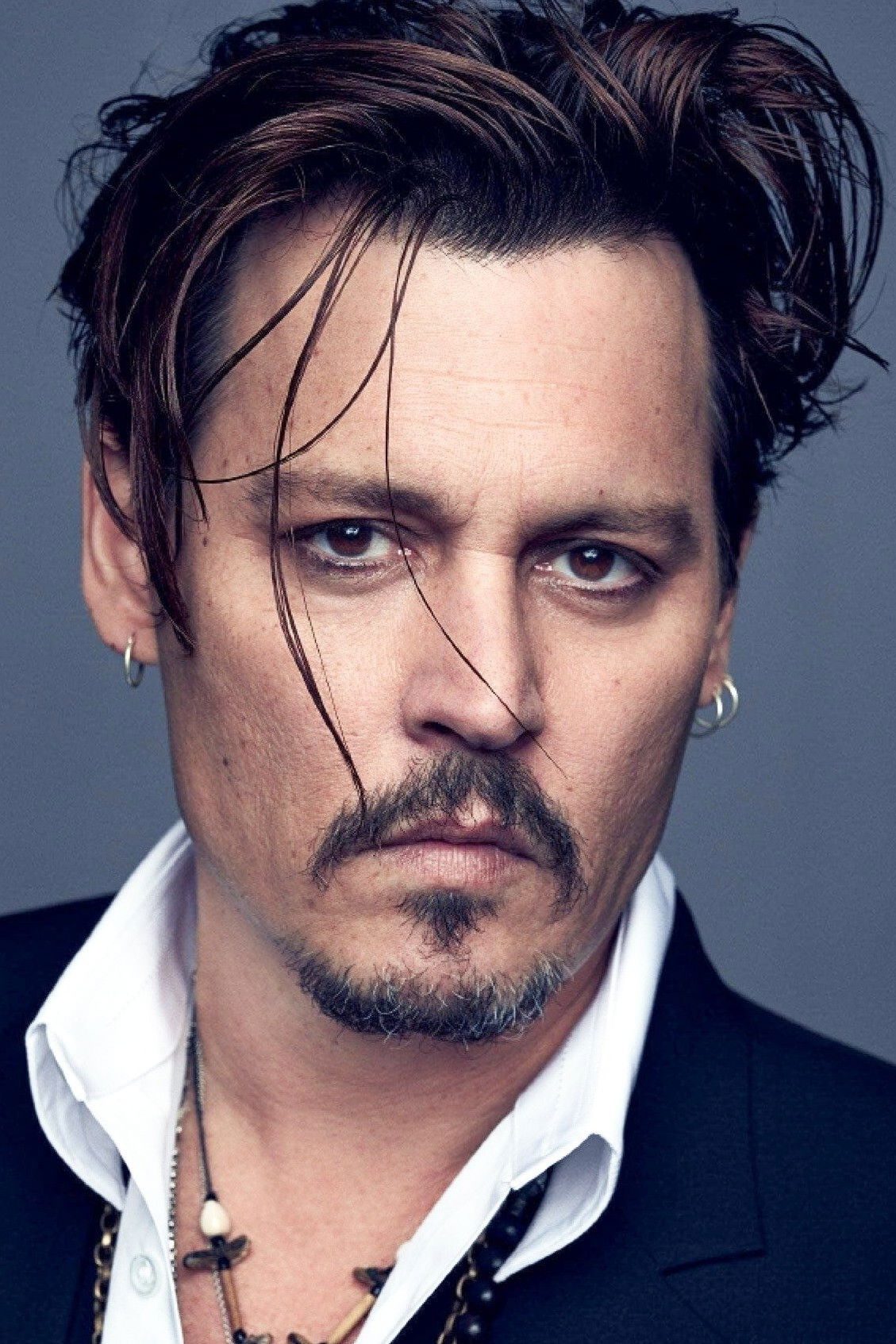
The actor became so immersed in the role of Hunter S. Thompson for ‘Fear and Loathing in Las Vegas’ that he struggled to find his own identity again. He spent months living with the author to learn his mannerisms and way of thinking. This deep level of method acting led to him adopting Thompson’s habits and speech patterns long after filming ended. Depp has spoken about the challenge of separating himself from the colorful but chaotic personality of the character. He needed a conscious effort and time to return to his usual self.
Ralph Fiennes
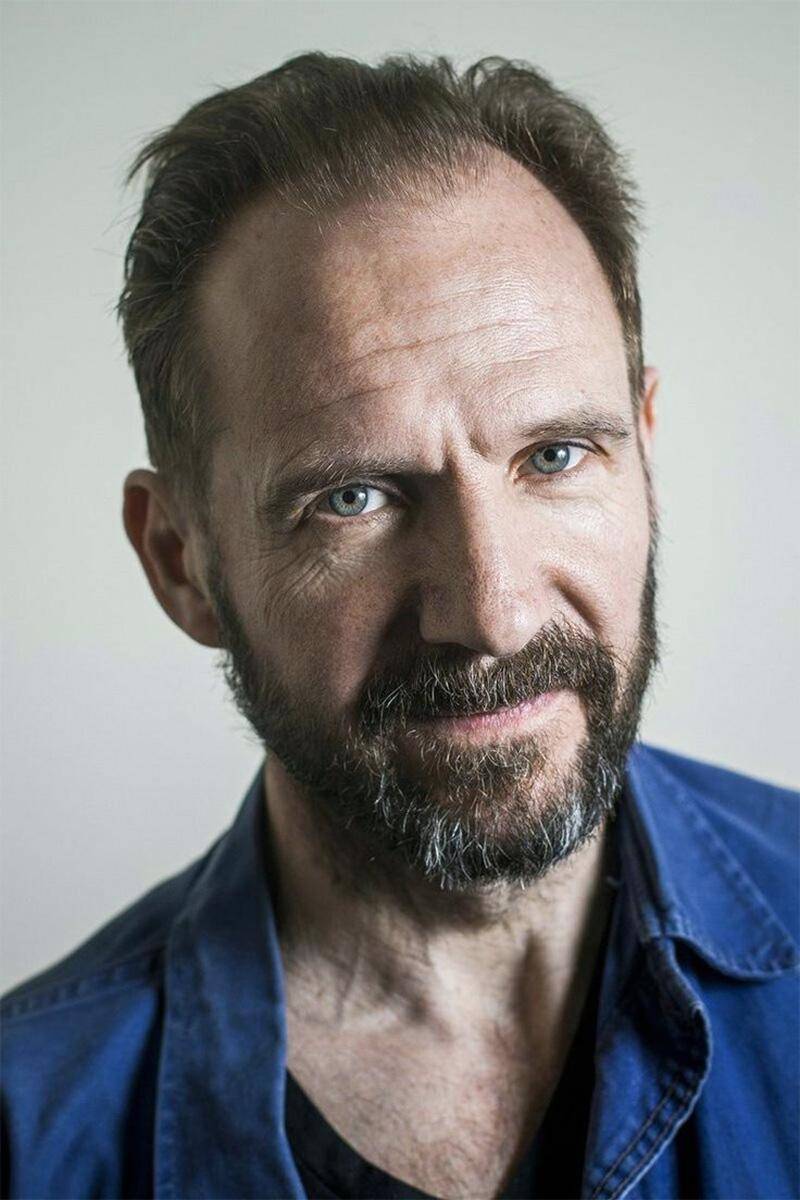
Portraying the Nazi commandant Amon Goeth in ‘Schindler’s List’ had a profound psychological impact on the actor. He had to inhabit the mind of a man responsible for horrific acts of violence and cruelty. The process of understanding such evil was deeply disturbing and left him feeling emotionally numb. Fiennes found it difficult to look at himself or his work without feeling the weight of the history he was depicting. He sought professional and personal ways to process the trauma of playing such a heinous figure.
Malcolm McDowell
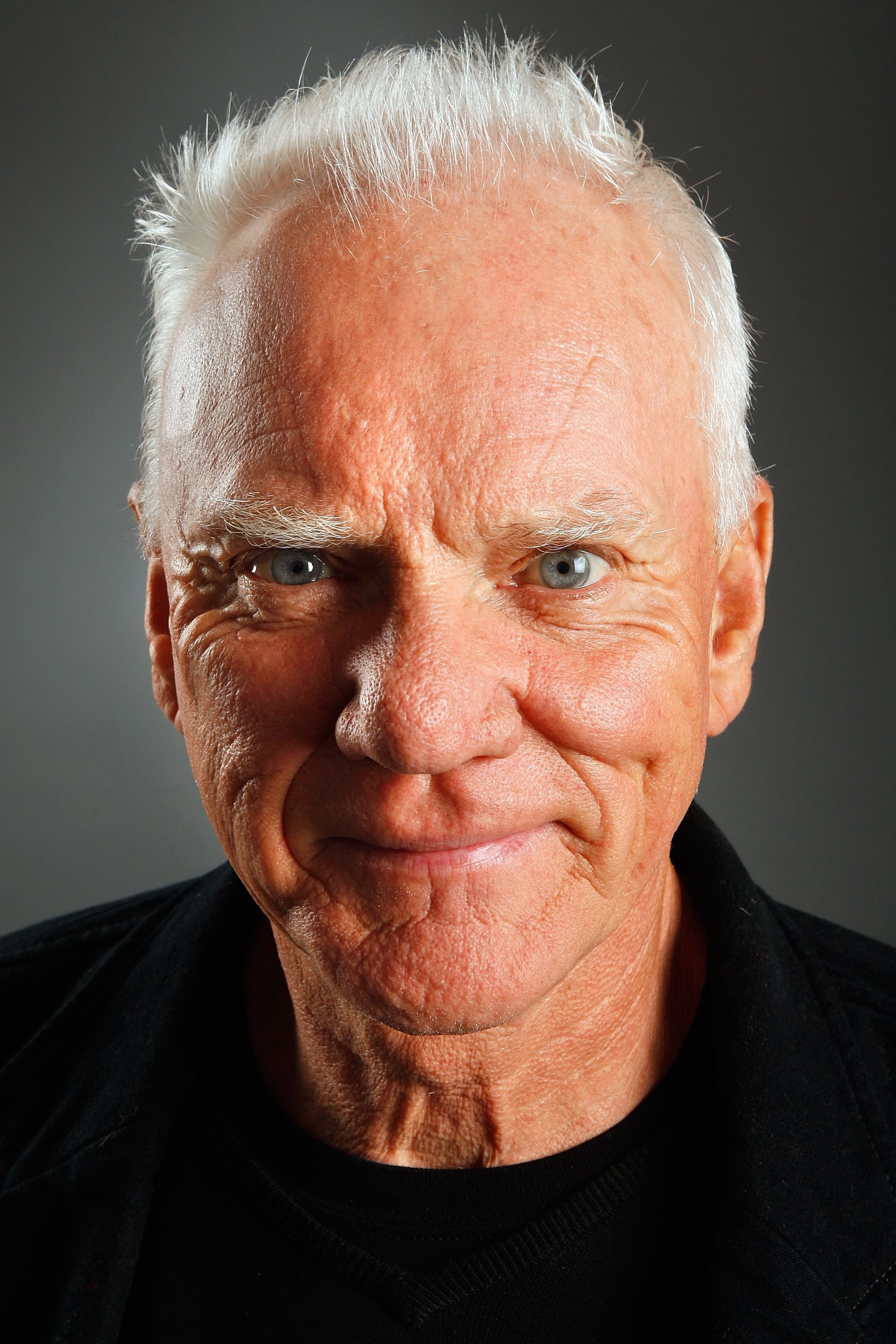
The filming of ‘A Clockwork Orange’ was a traumatic experience for the actor both physically and mentally. He suffered real injuries during the famous conditioning scenes and was subjected to intense psychological stress. The character’s violent and antisocial behavior was a heavy burden to carry throughout the production. McDowell has discussed how the role changed his life and how long it took to recover from the ordeal. He remained associated with the character for decades which added another layer of complexity to his recovery.
Forest Whitaker
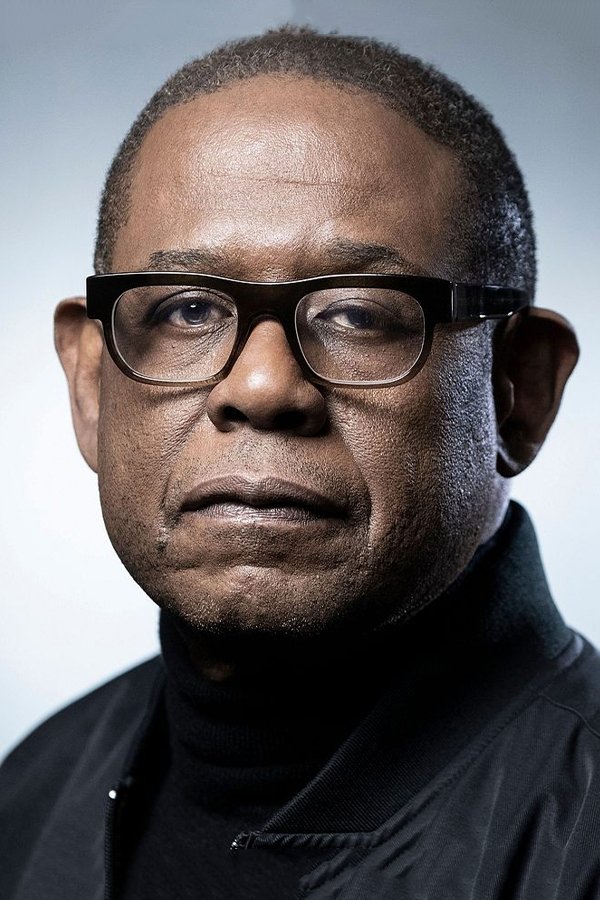
To play the dictator Idi Amin in ‘The Last King of Scotland’, the actor stayed in character for the entire duration of the shoot. He spoke in the character’s voice and adopted his worldview to provide an authentic performance. This constant immersion made it very difficult for him to switch back to being himself. Whitaker has said that he had to work specifically with a therapist to help shed the character after the movie was done. He found that the darkness of the role had taken a strong hold on his psyche.
Cillian Murphy
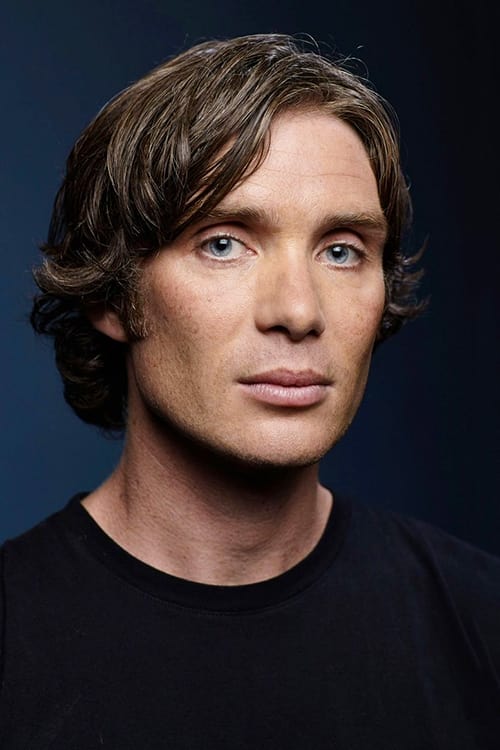
The actor underwent a rigorous process to prepare for his leading role in the film ‘Oppenheimer’. He lost weight and spent a lot of time in isolation to understand the heavy burden of the man who created the atomic bomb. The gravity of the historical events and the character’s internal conflict were mentally exhausting. Murphy has noted that he needed a significant break to decompress and spend time with his family after the project. He stressed that playing such a complex and world-changing figure required a serious mental recovery period.
Zac Efron
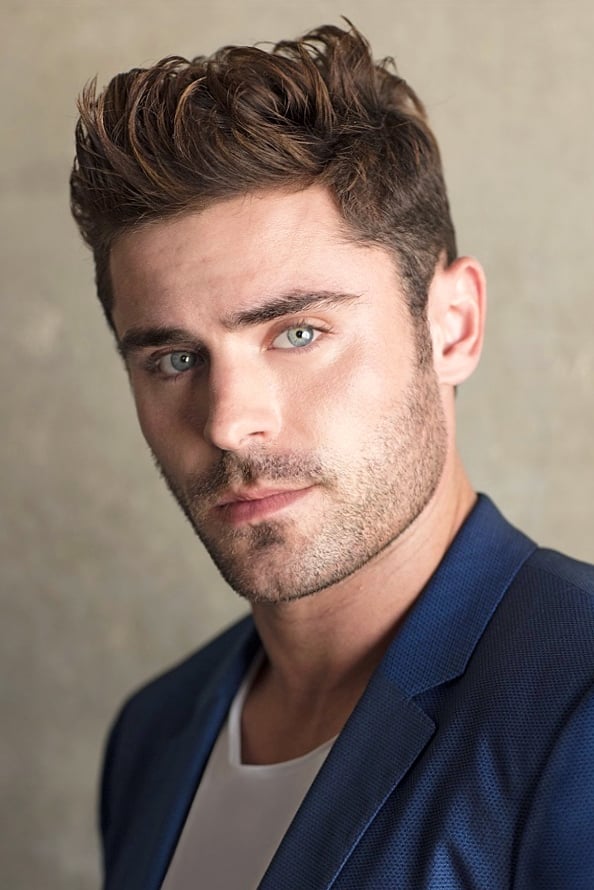
Playing the serial killer Ted Bundy in ‘Extremely Wicked, Shockingly Evil and Vile’ was a major departure for the actor. He found it challenging to portray someone who committed such terrible acts while maintaining a charming exterior. The mental strain of exploring Bundy’s psychology and the horrific crimes he committed was significant. Efron has spoken about using spiritual practices and therapy to help him disconnect from the role. He felt it was essential to cleanse his mind of the darkness he had to inhabit for the performance.
Paul Mescal
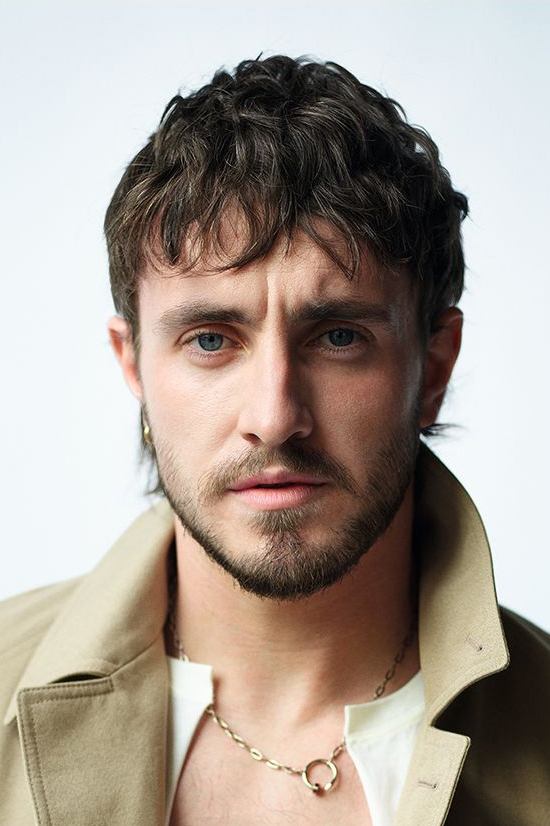
The emotional vulnerability required for the series ‘Normal People’ was taxing for the young actor. He played a character dealing with intense feelings of love, depression, and social anxiety. The raw nature of the performance meant that he was often in a very fragile state while on set. Mescal has talked about the importance of going to therapy to help manage the feelings that the role brought to the surface. He found that professional support was key to maintaining his mental health during and after the production.
Penn Badgley
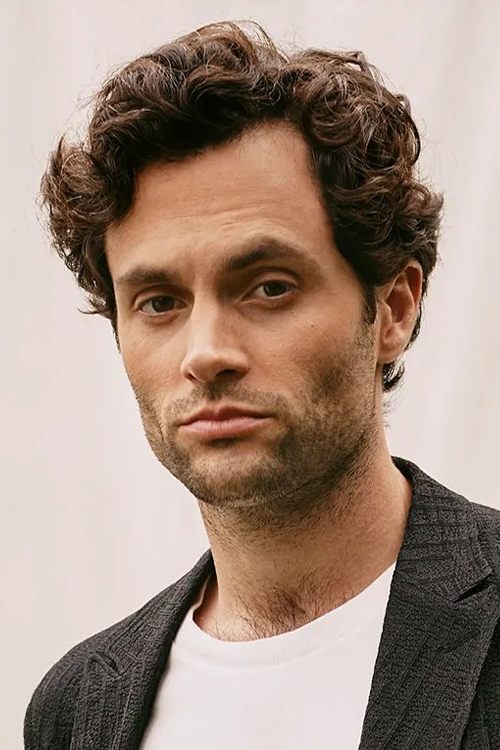
The actor has frequently expressed his discomfort with the character Joe Goldberg in the series ‘You’. Playing a stalker and murderer who justifies his actions requires a very dark mindset. He has noted that the role can be mentally draining because of the constant focus on manipulation and violence. Badgley often speaks out to remind fans that his character is not a hero to help maintain a boundary between himself and the role. He utilizes personal time and reflection to shake off the negative energy of the show.
Robert Pattinson
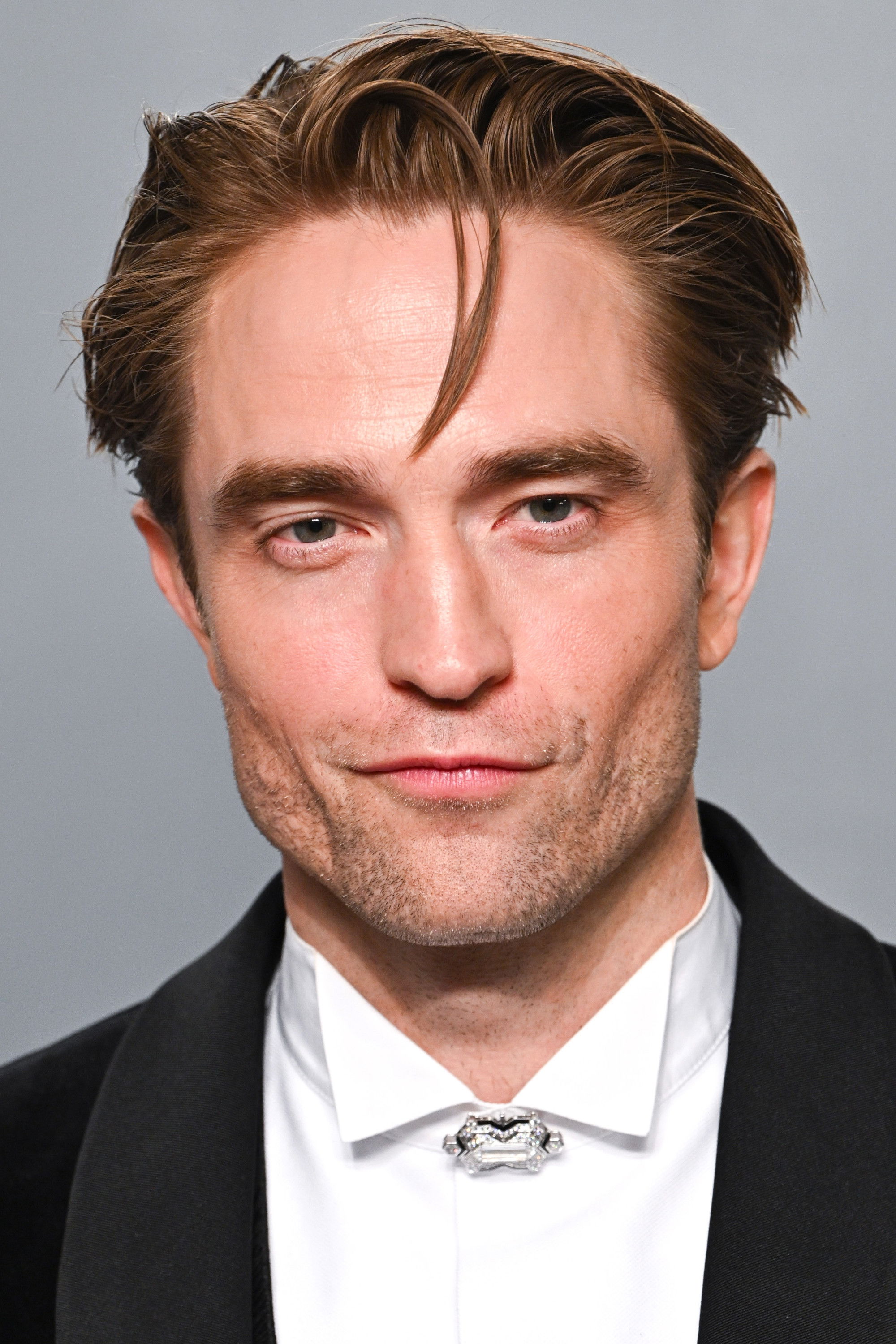
While filming ‘The Lighthouse’, the actor went to extreme lengths to inhabit his character’s descent into madness. He would reportedly make himself dizzy or even vomit before scenes to achieve a state of true distress. This physical and mental strain was difficult to sustain over the course of the production. Pattinson has joked about his intense methods but also acknowledged the toll they took on his well-being. He found that the isolation of the shoot made it even harder to return to a normal headspace.
Dylan O’Brien
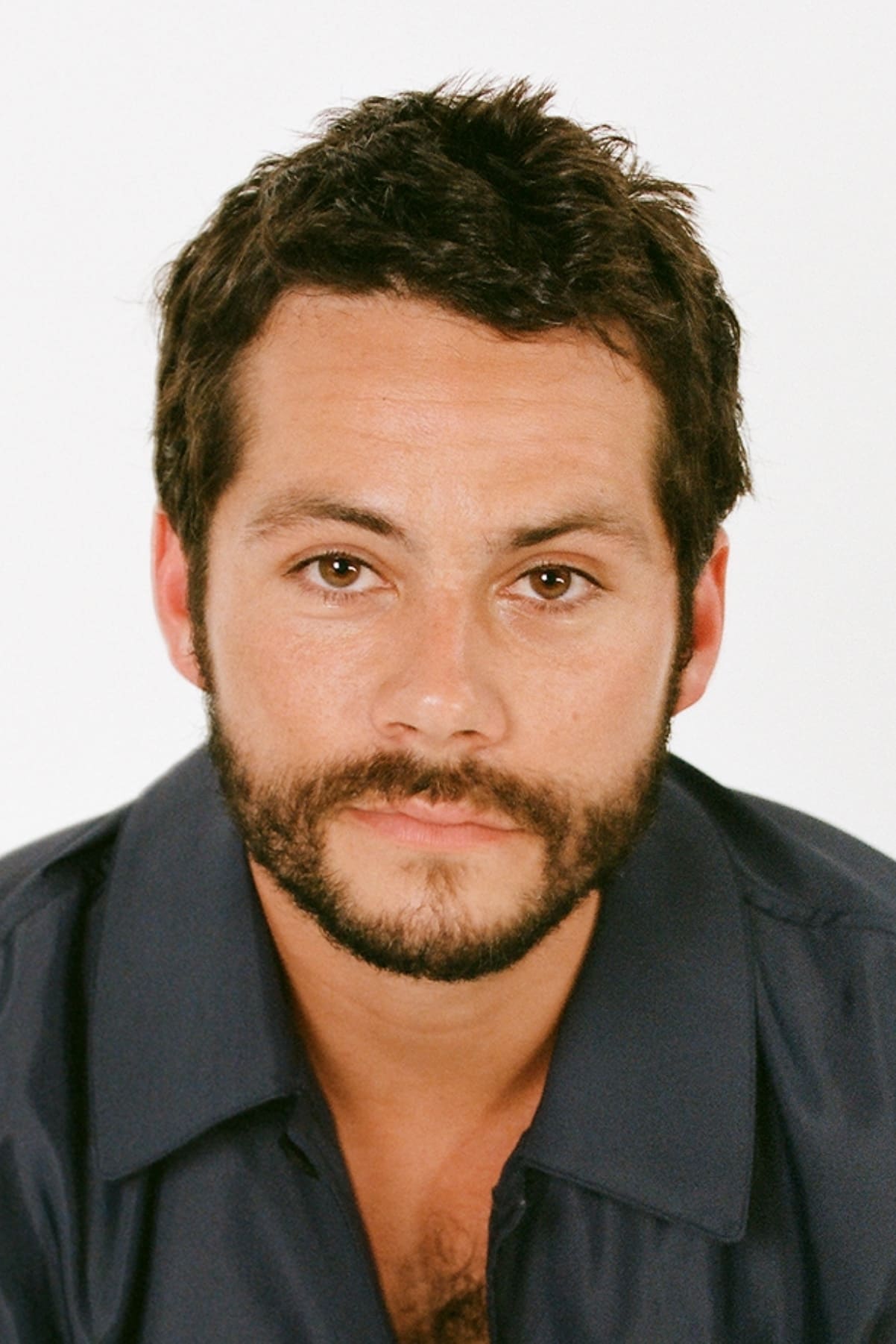
The actor suffered a serious accident on the set of ‘Maze Runner: The Death Cure’ that had long-term mental health consequences. He experienced physical trauma as well as significant anxiety and post-traumatic stress during his recovery. The process of returning to finish the film was an immense psychological challenge that required professional help. O’Brien has been very open about how the experience changed his perspective on safety and mental health. He worked hard to overcome his fears and rebuild his confidence as a performer.
Jeremy Irvine

The actor played a victim of torture in ‘The Railway Man’ and insisted on experiencing some of the hardships himself. He underwent waterboarding and other intense physical stresses to make his performance more authentic. These experiences led to a period of psychological distress that was difficult to manage. Irvine has spoken about the nightmares and the mental exhaustion that followed the shoot. He realized that the intensity of the role had a much deeper impact than he had initially expected.
Andrew Garfield
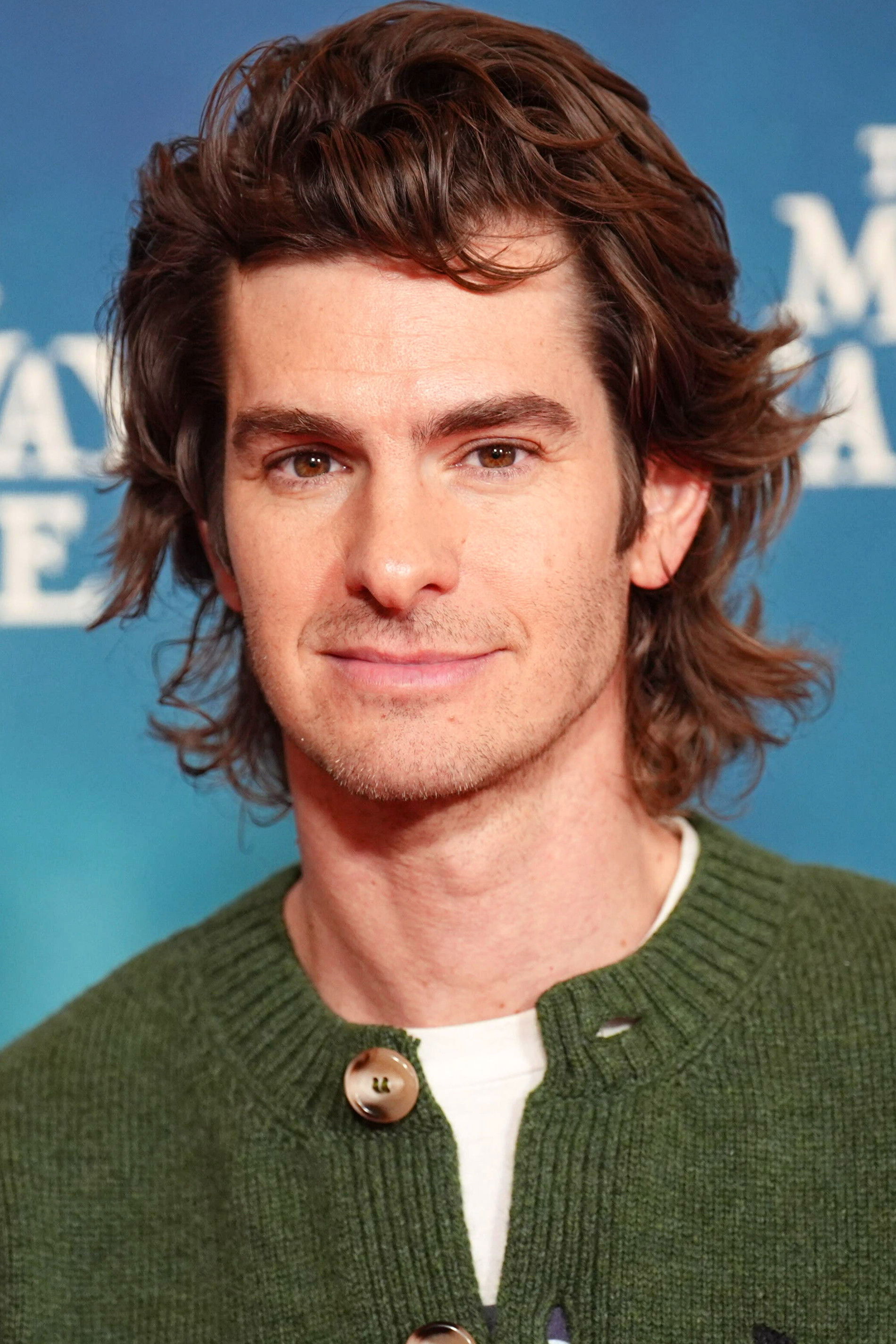
To prepare for his role as a priest in ‘Silence’, the actor practiced celibacy and fasting for an extended period. He also spent time in a silent retreat to understand the spiritual devotion of his character. This level of commitment led to a state of extreme physical and mental sensitivity. Garfield has described the experience as transformative but also incredibly difficult to move on from. He needed time to reintegrate into his normal life and find balance after such a focused and isolated journey.
Jamie Dornan
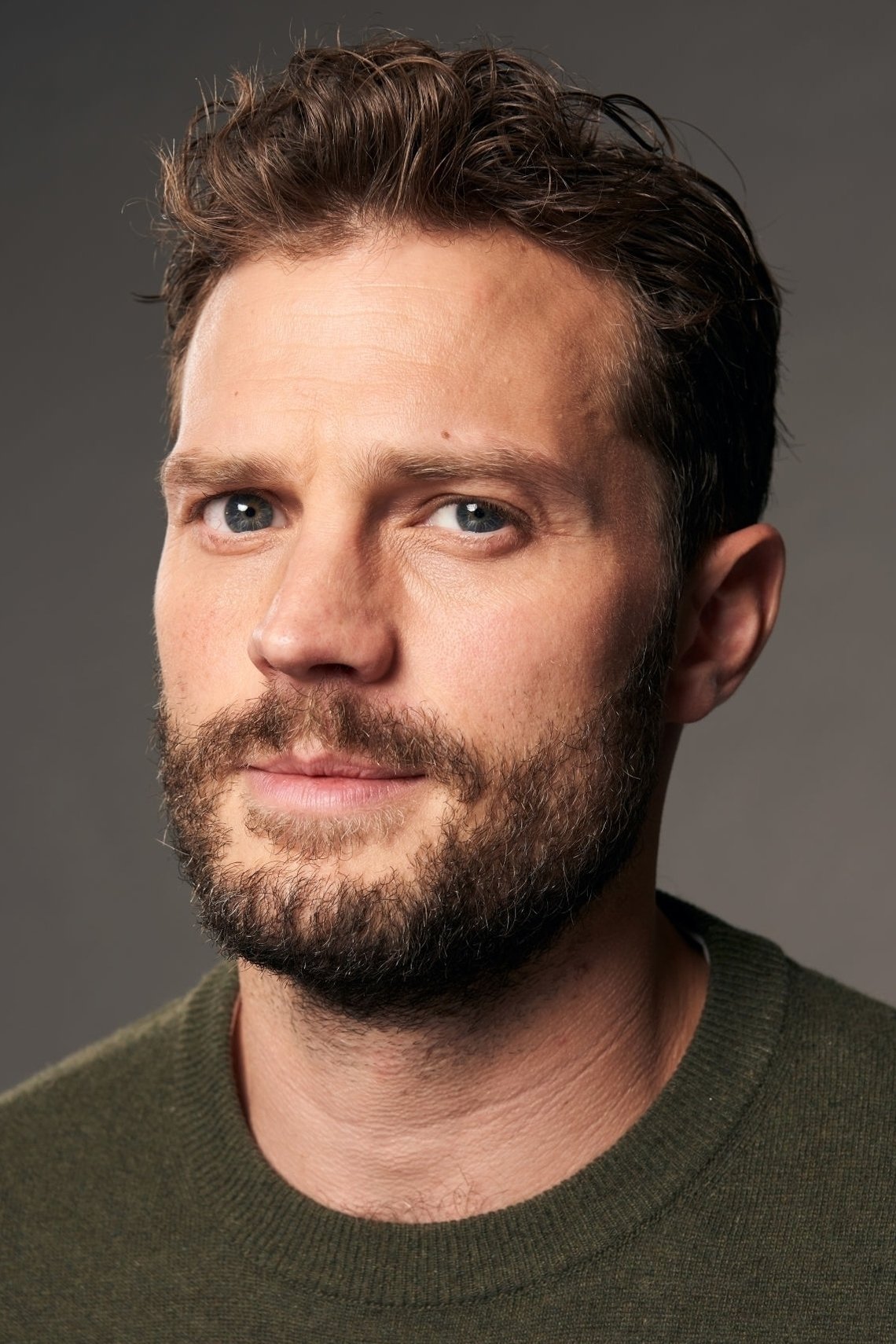
Playing the serial killer Paul Spector in ‘The Fall’ required the actor to explore a very dark and disturbing mindset. He even admitted to following a woman off a train once to get into the predatory headspace of the character. This action caused him a great deal of guilt and mental discomfort afterward. Dornan found it necessary to separate himself completely from the role once the cameras stopped rolling to protect his mental health. He has spoken about the importance of not letting such a dark character influence his real-life personality.
Bob Hoskins
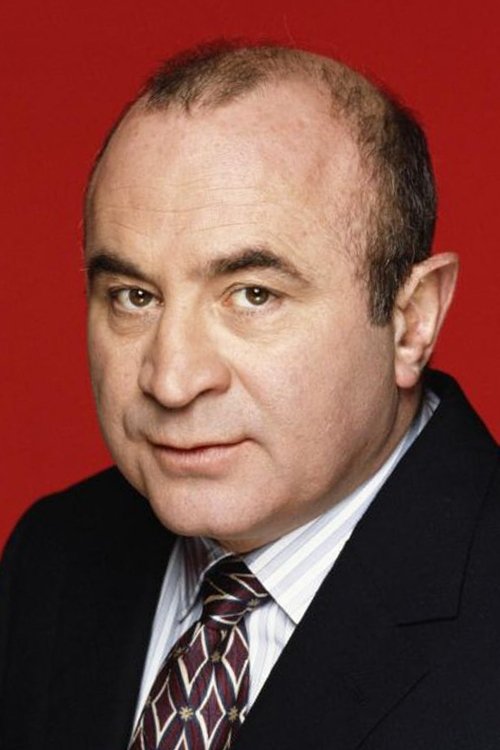
The actor spent so much time filming with imaginary characters in ‘Who Framed Roger Rabbit’ that he began to hallucinate. He would see cartoon characters in his daily life even when he was not on the movie set. This psychological phenomenon was a result of the intense focus required for the groundbreaking visual effects. Hoskins was eventually advised by doctors to take a break from acting to allow his mind to recover. He found that the mental strain of interacting with nothingness had a lasting effect on his brain.
Christian Bale
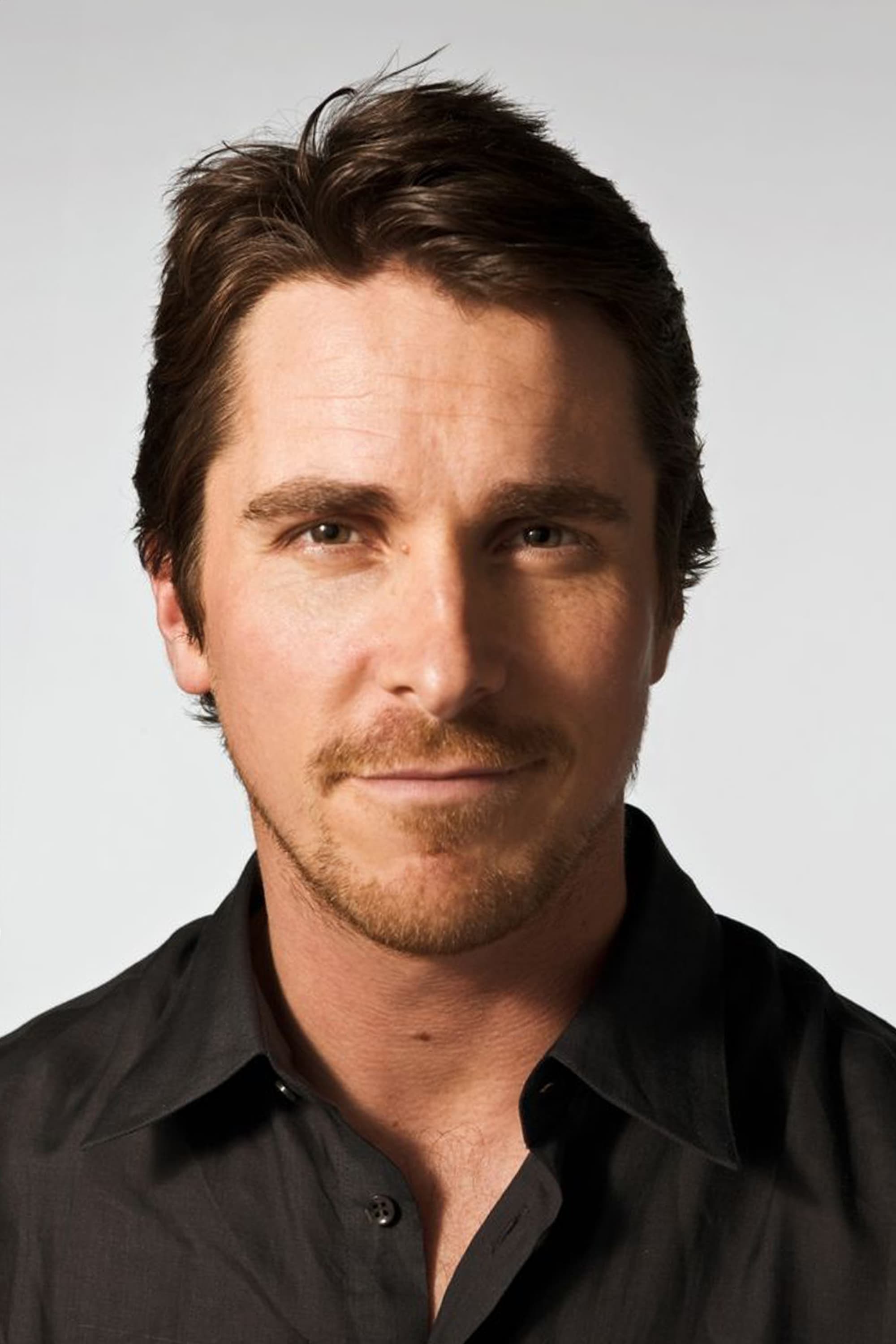
The actor is famous for his extreme physical transformations, such as the dangerous weight loss he underwent for ‘The Machinist’. Being severely underweight and deprived of sleep for months created a state of mental instability. He found that his moods and cognitive functions were significantly affected by the physical demands of the role. Bale has acknowledged that these methods are not sustainable and take a huge toll on his health. He often requires a long period of rest and proper nutrition to recover his mental and physical strength.
Jim Carrey

The actor became so possessed by the spirit of Andy Kaufman for ‘Man on the Moon’ that he refused to be called by his own name. He stayed in character constantly and even caused trouble on set to mimic Kaufman’s disruptive behavior. This total loss of identity left him feeling confused and empty once the film was finished. Carrey has spoken about the existential crisis he faced while trying to find himself again. He used this experience to explore his own spirituality and the nature of the self.
Alex Wolff

The actor experienced a form of post-traumatic stress after filming the intense horror movie ‘Hereditary’. He spent long hours in a state of extreme fear and grief to portray the character’s emotional breakdown. The disturbing themes of the film and the intensity of the performance left him feeling mentally scarred. Wolff has noted that the role stayed with him for a long time and affected his sleep and general well-being. He emphasized the need for actors to have support systems when dealing with such heavy material.
Will Smith
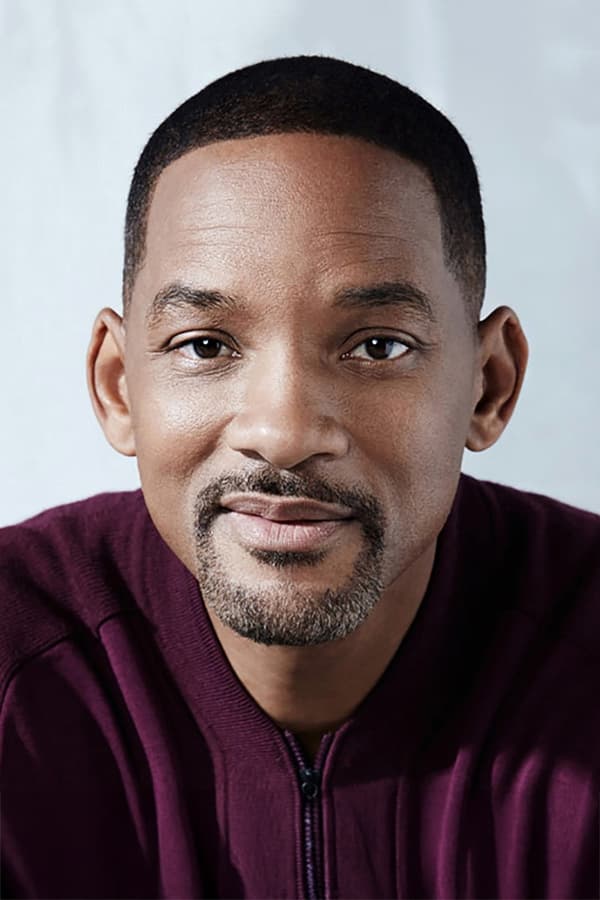
Playing a man who escapes slavery in the film ‘Emancipation’ was a deeply emotional and taxing experience for the actor. He felt the weight of history and the trauma of the character’s journey throughout the production. The physical challenges of the shoot combined with the psychological impact of the story were overwhelming at times. Smith has shared that he sought spiritual and professional guidance to help him process the intense feelings. He wanted to ensure that he could honor the story without losing his own sense of peace.
Shia LaBeouf
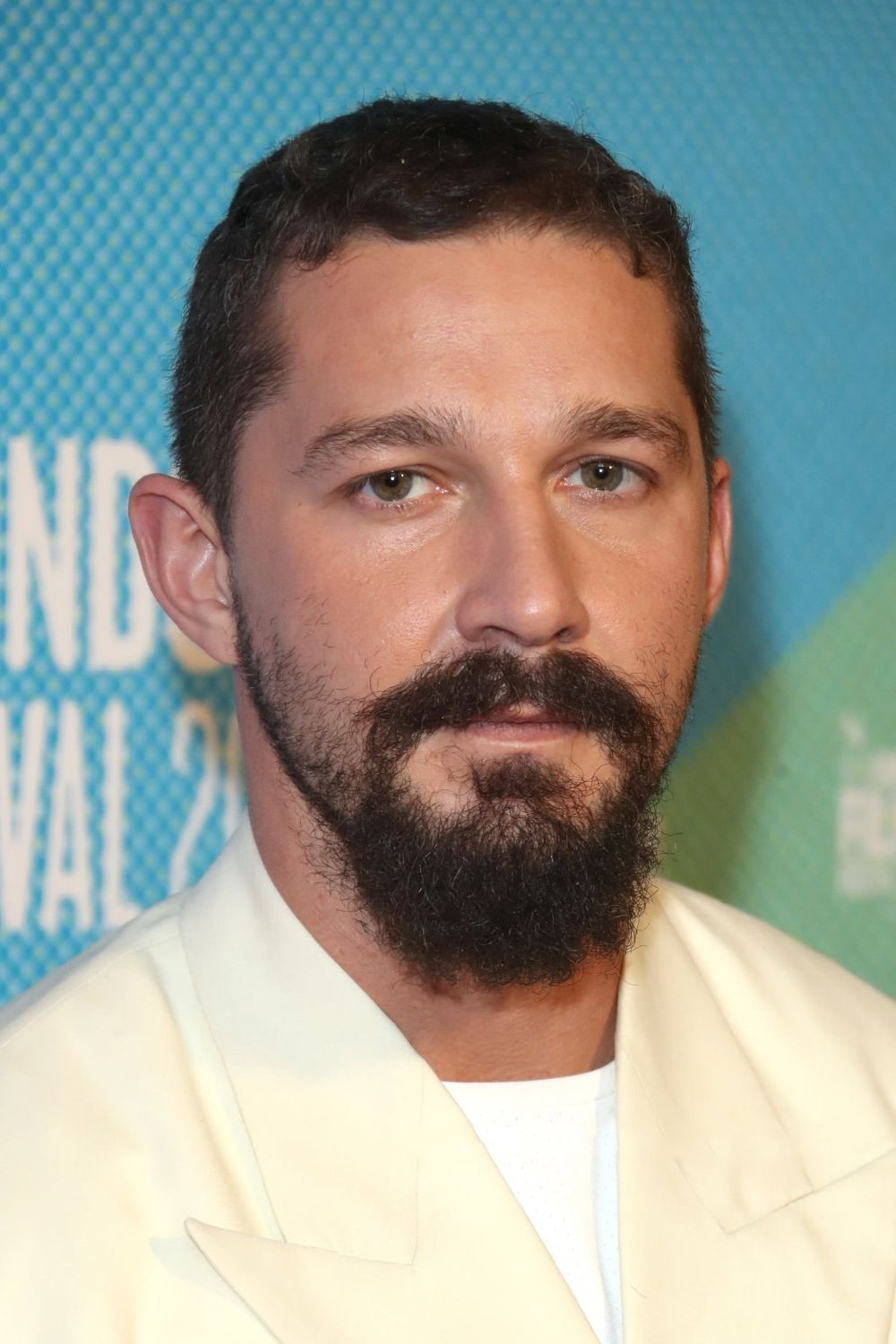
The actor is known for his extreme commitment to roles, such as when he pulled out his own tooth for ‘Fury’. His intense focus often leads to a blurring of lines between himself and the characters he plays. This approach has contributed to several public struggles with his mental health and behavior. LaBeouf has spent time in various treatment programs to address the underlying issues exacerbated by his work. He has reflected on the need to find a healthier way to approach his craft.
Adrien Brody
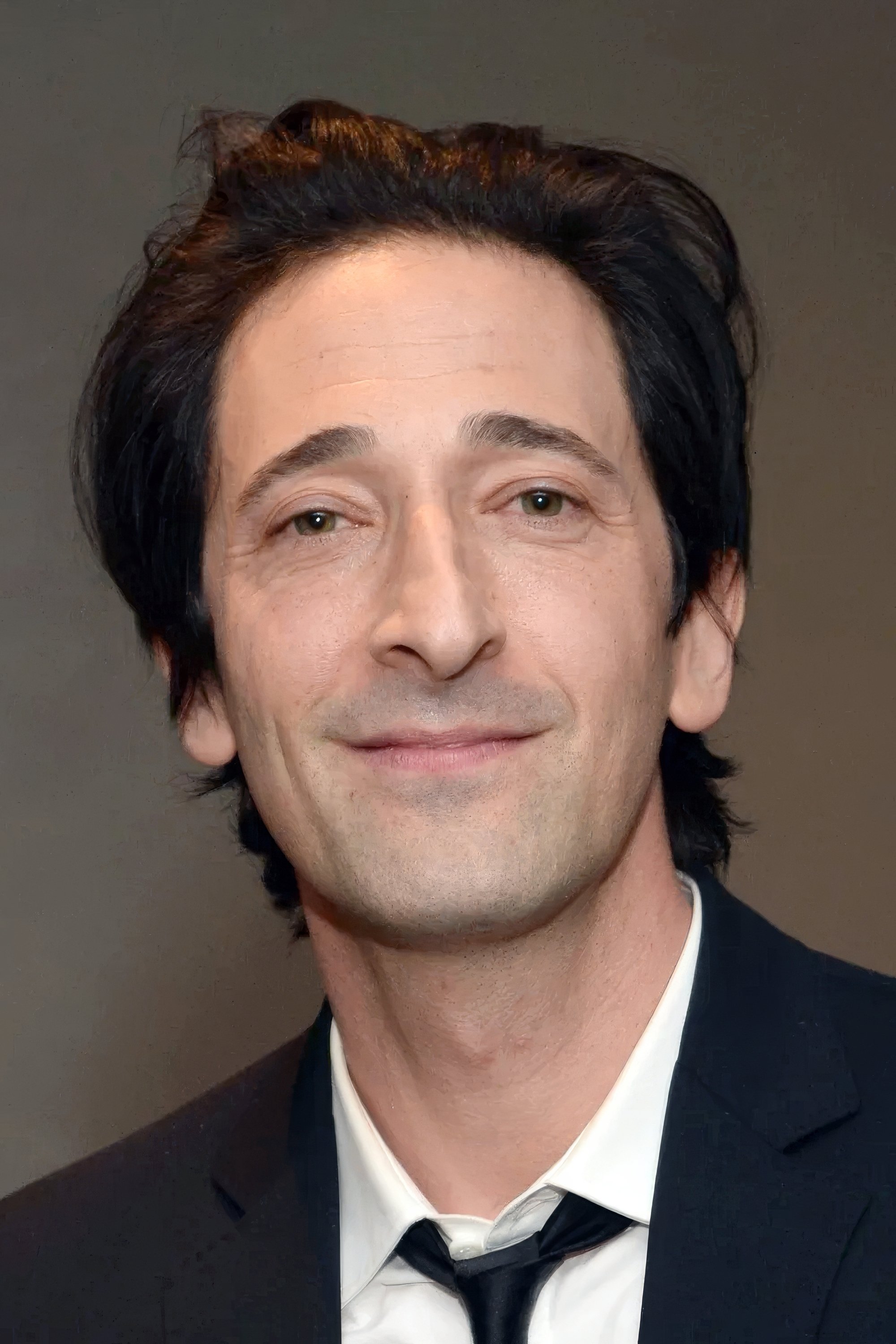
To prepare for his Oscar-winning role in ‘The Pianist’, the actor gave up his apartment, sold his car, and disconnected from his life. He wanted to feel the true sense of loss and isolation experienced by his character during the Holocaust. This extreme dedication led to a deep depression that lasted for a year after the film was completed. Brody has spoken about the difficulty of coming back to reality after being in such a dark place for so long. He realized that the emotional journey had changed him in fundamental ways.
Tom Holland
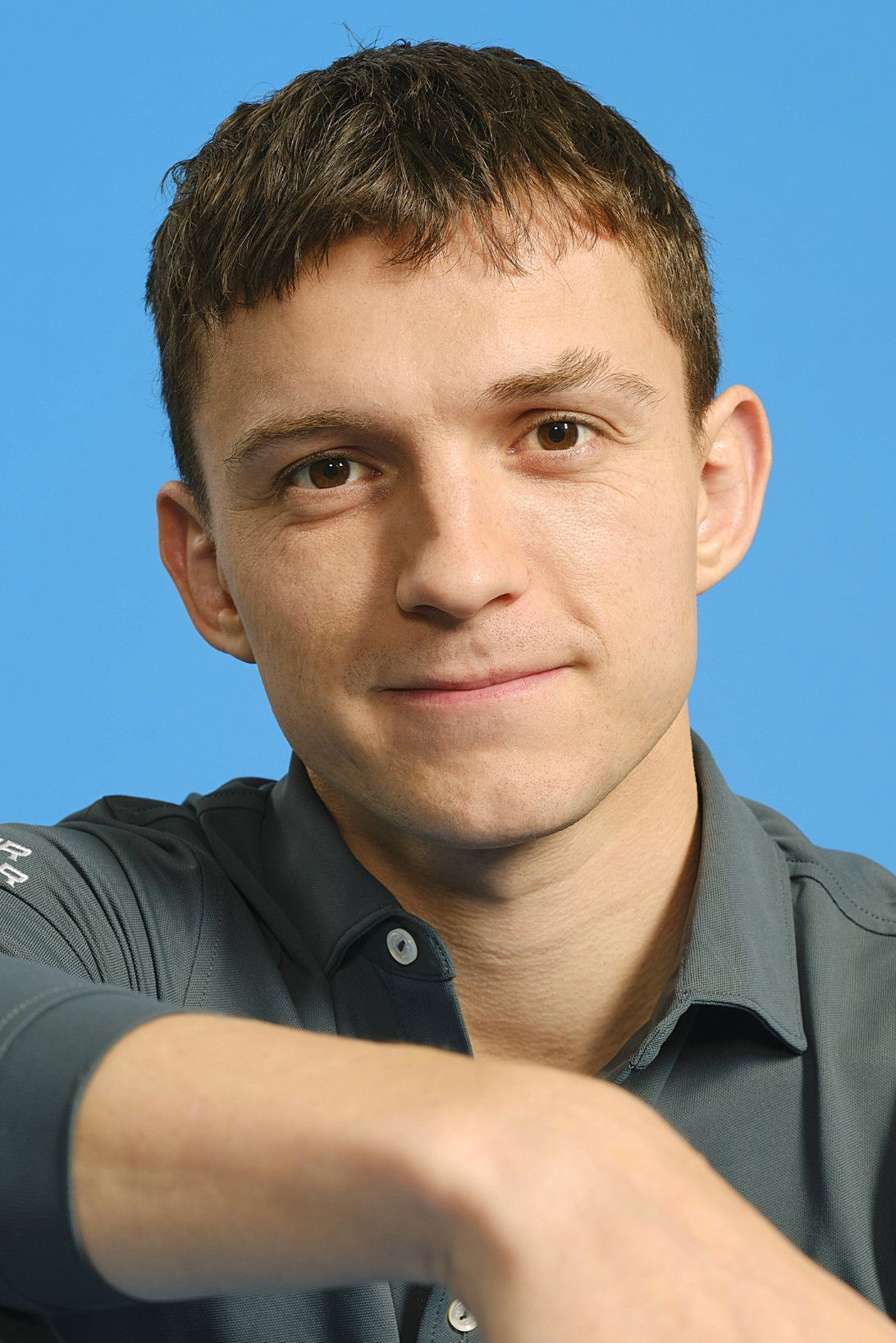
The actor took a year-long break from his career after filming the intense psychological thriller ‘The Crowded Room’. He played a character with multiple personalities which required him to explore complex mental states. The experience was so taxing that he felt he needed time to focus on his own mental health and recovery. Holland has been very vocal about the importance of taking breaks and seeking help when work becomes overwhelming. He wanted to ensure he was in a good place before taking on any new challenges.
Val Kilmer
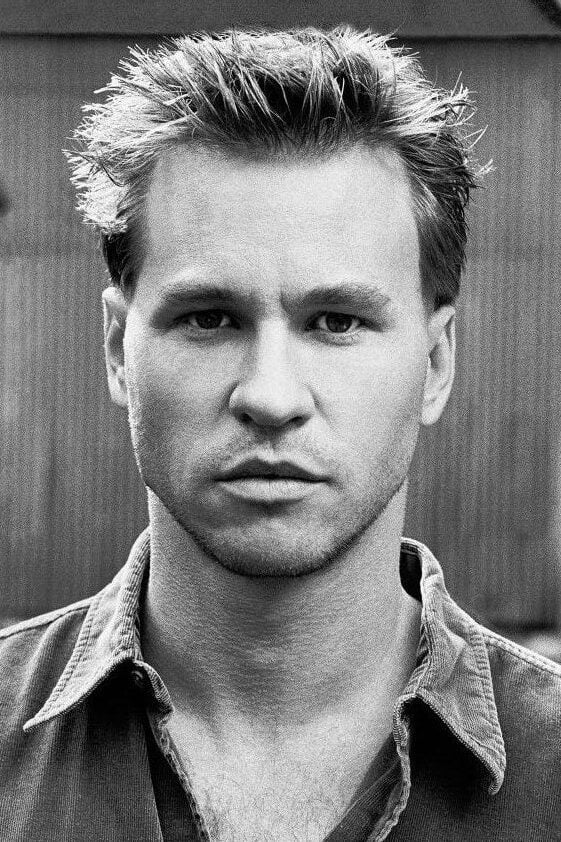
The actor became so obsessed with playing Jim Morrison in ‘The Doors’ that he reportedly needed therapy to stop being him. He spent a year dressing like Morrison and learning every detail of his life and music. When the film ended, he found that he was still using the singer’s mannerisms and speech patterns. Kilmer has discussed the struggle of reclaiming his own identity after such an all-consuming role. He had to consciously work to distance himself from the rock star persona.
Michael B. Jordan
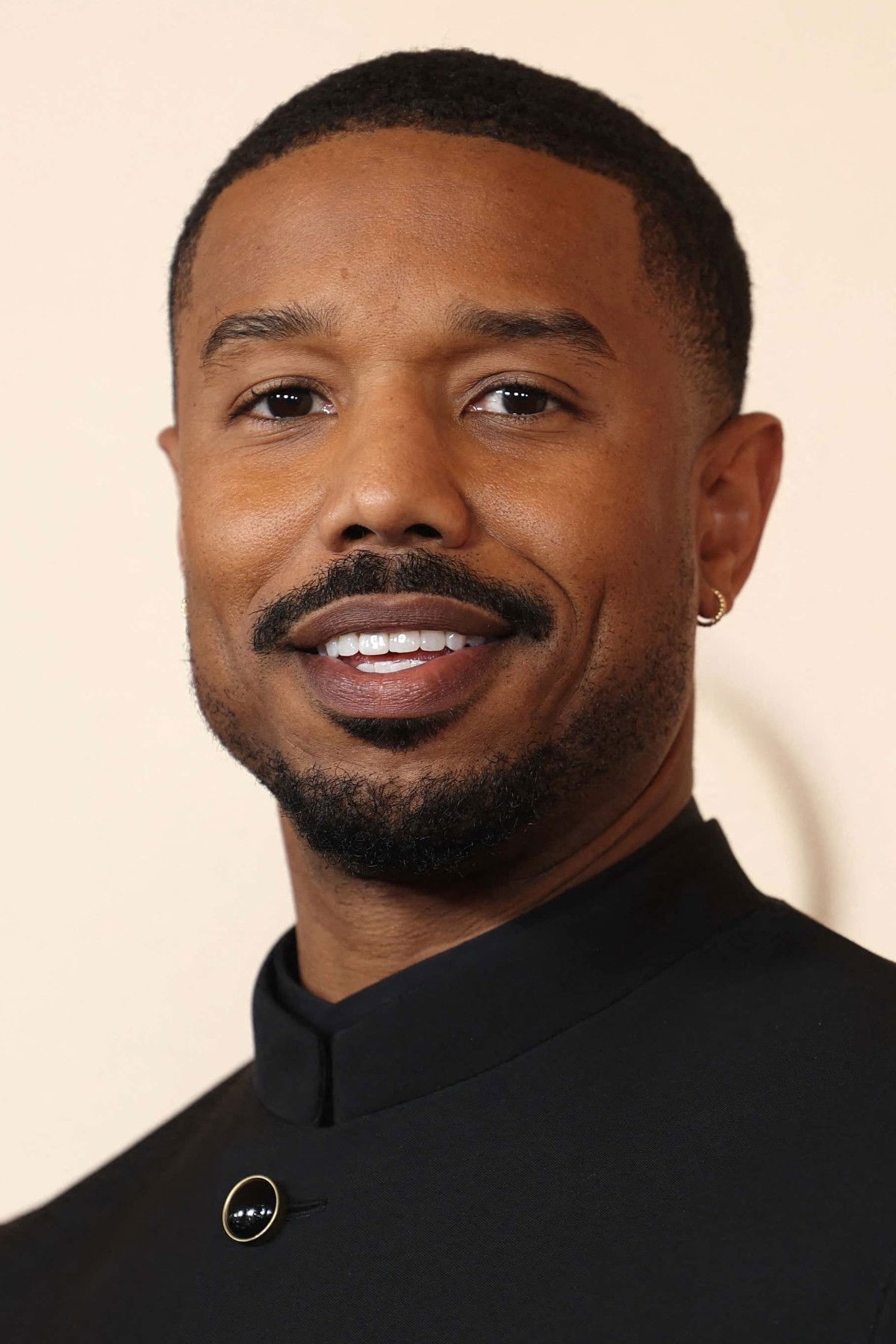
Playing the villain Erik Killmonger in ‘Black Panther’ required the actor to inhabit a state of extreme loneliness and anger. He isolated himself from his friends and family to better understand the character’s pain. After the movie was finished, he found that he could not easily let go of those negative emotions. Jordan has stated that he went to therapy to help process the feelings and return to his normal self. He encouraged others to seek help when they feel their work is affecting their mental health.
Evan Peters

The actor has frequently played dark and disturbing characters, but his role in ‘Monster: The Jeffrey Dahmer Story’ was particularly difficult. He spent months researching the horrific crimes and stayed in a somber headspace to portray the serial killer. The intensity of the project and the backlash it received added to his mental strain. Peters has expressed a desire to play lighter roles in the future to protect his well-being. He has taken significant time off to decompress and focus on his personal life.
Bill Skarsgård

Playing the terrifying clown Pennywise in the ‘It’ movies had a strange effect on the actor’s subconscious. He reported having vivid and disturbing dreams involving the character long after the production was over. The process of transforming into such a monstrous figure was mentally exhausting and unsettling. Skarsgård had to find ways to shake off the character’s influence and return to his own reality. He compared the experience to being in a very strange relationship that was hard to end.
Kit Harington

The actor experienced a significant mental health struggle following the conclusion of the epic series ‘Game of Thrones’. He played the role of Jon Snow for nearly a decade and found the pressure of the final seasons overwhelming. The intense public scrutiny and the emotional weight of his character’s journey led him to seek professional treatment. He utilized the time after filming to focus on his well-being and recovery in a wellness facility. This period of reflection allowed him to address personal issues that were exacerbated by his sudden fame and the show’s demanding schedule.
Austin Butler
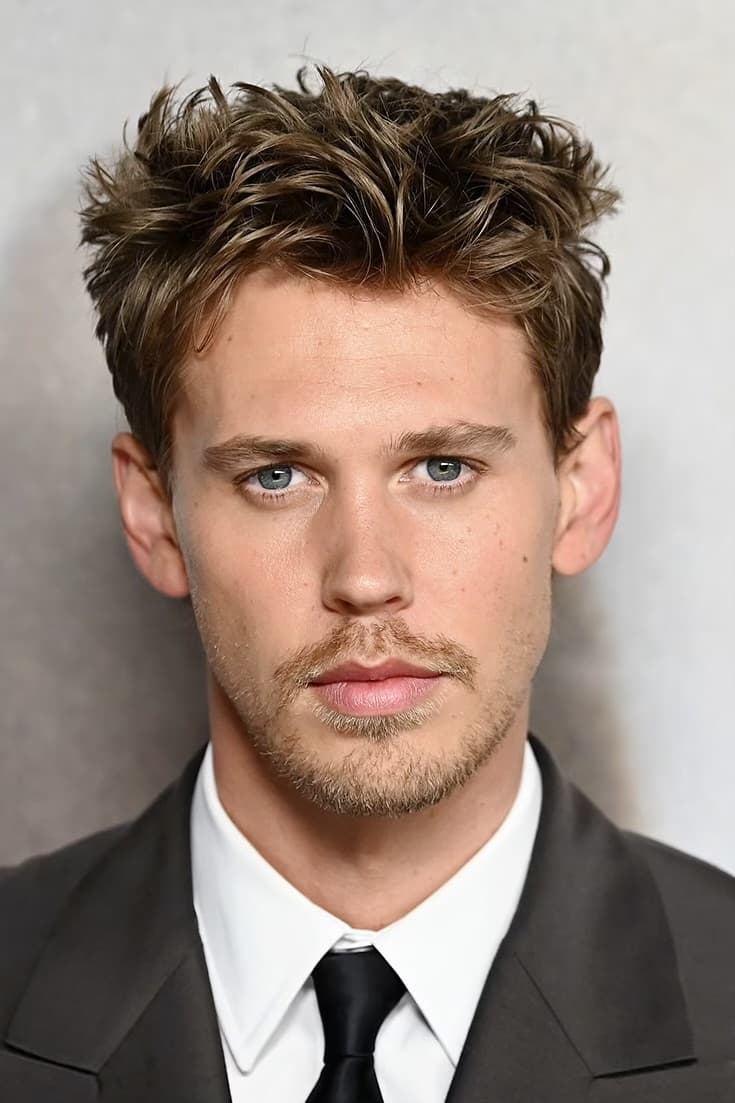
The actor spent several years completely immersed in the role of Elvis Presley for the biographical film ‘Elvis’. He spoke in the singer’s voice and adopted his movements so thoroughly that he struggled to stop after the project ended. This deep commitment led to a loss of his own identity and significant physical exhaustion. Butler has spoken about the challenge of finding himself again and the need for a quiet period of recovery. He had to work through the mental toll of living as another person for such an extended period of time.
Joaquin Phoenix
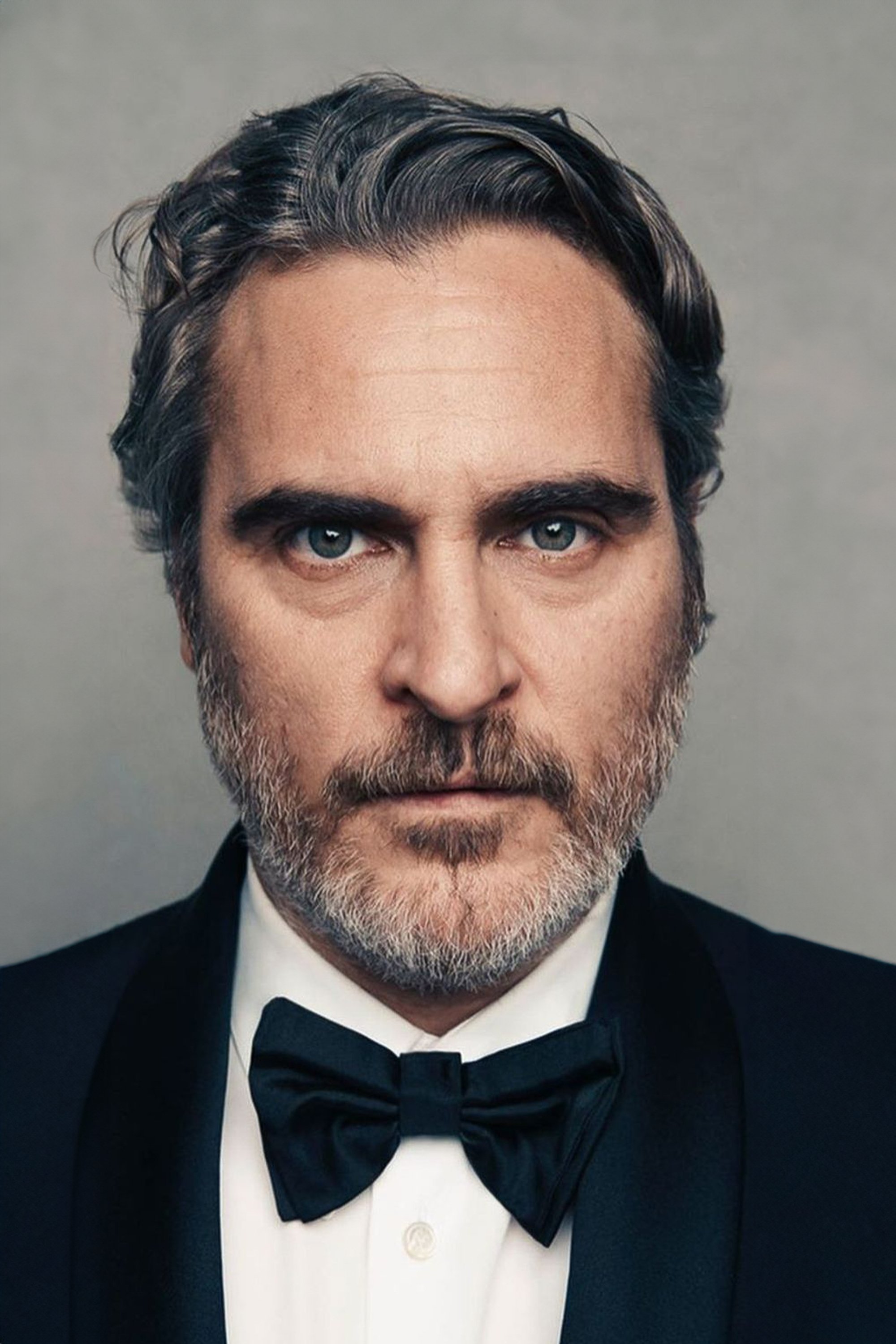
To prepare for his performance in ‘Joker’, the actor underwent a drastic physical and mental transformation. He lost a significant amount of weight in a short period which he claimed affected his psychology. Phoenix spent a long time studying videos of people with pathological laughter to perfect the character’s condition. The darkness of the role required him to explore difficult emotions that lingered after production ended. He has often discussed the need for mental recovery after playing such taxing characters.
Heath Ledger
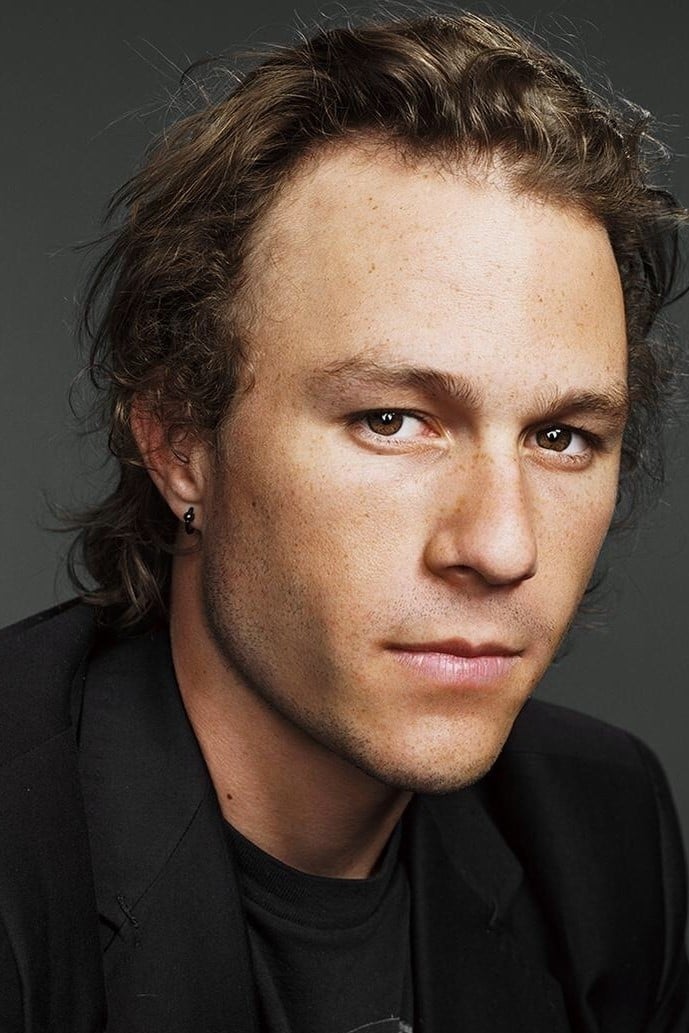
The actor became deeply immersed in the role of the Joker for the film ‘The Dark Knight’. He reportedly isolated himself in a hotel room for weeks to develop the character’s unsettling laugh and personality. This intense preparation led to significant sleep issues and mental exhaustion. Ledger spoke about the difficulty of turning off the character after the cameras stopped rolling. His dedication to the psychological complexity of the villain left a lasting impact on his well-being.
Matthew McConaughey
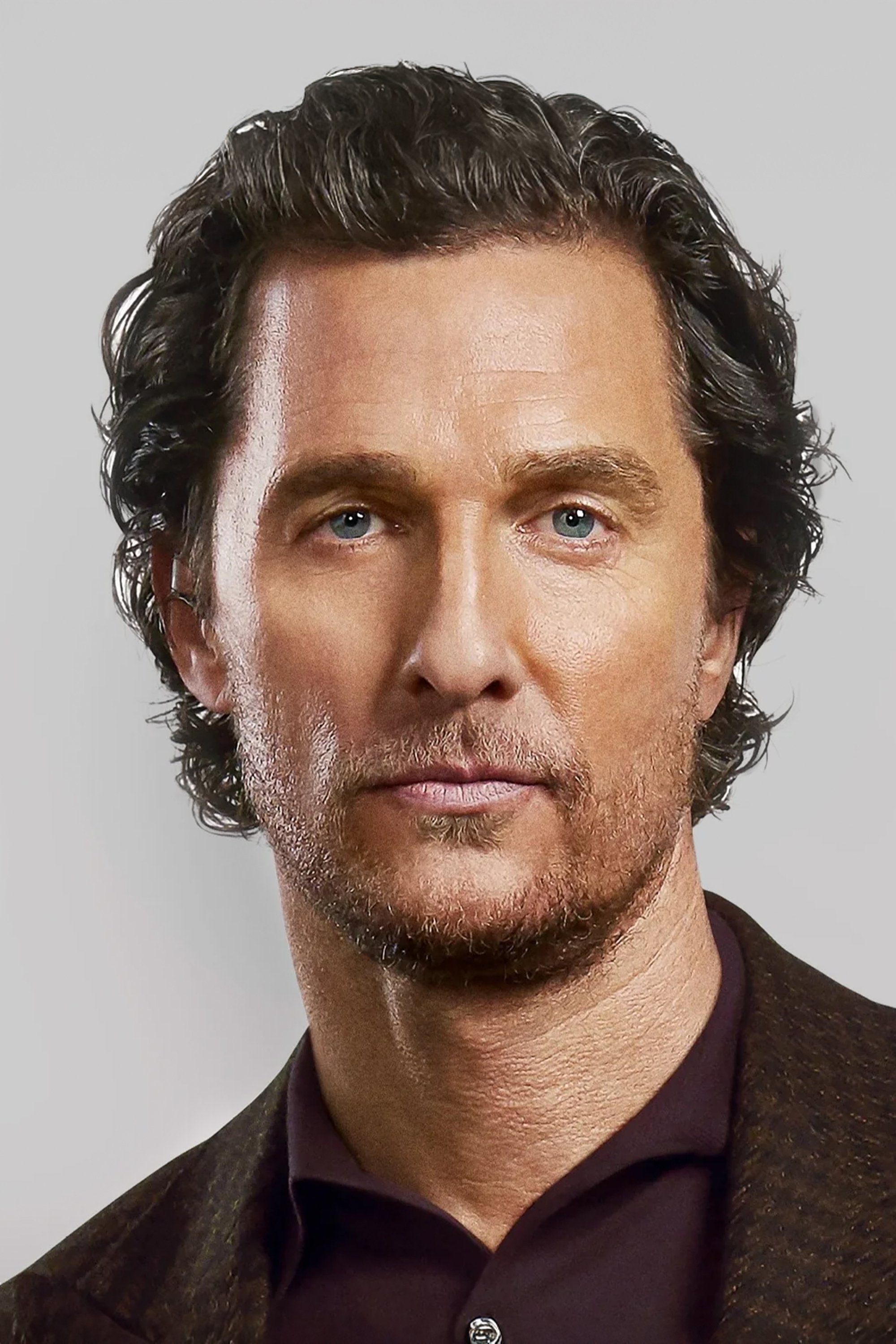
For his role in ‘Dallas Buyers Club’, the actor lost a massive amount of weight and stayed in a very intense headspace. He played a man facing a terminal illness which required him to confront themes of mortality and desperation every day. The physical transformation and the emotional weight of the story were incredibly taxing. McConaughey has noted that it took a long time for his body and mind to return to a healthy state. He utilized a disciplined approach to recovery to ensure he could move past the experience effectively.
Please share your thoughts on these intense and dedicated performances in the comments.

