


Actors Who Quit Hollywood To Pursue Other Interests

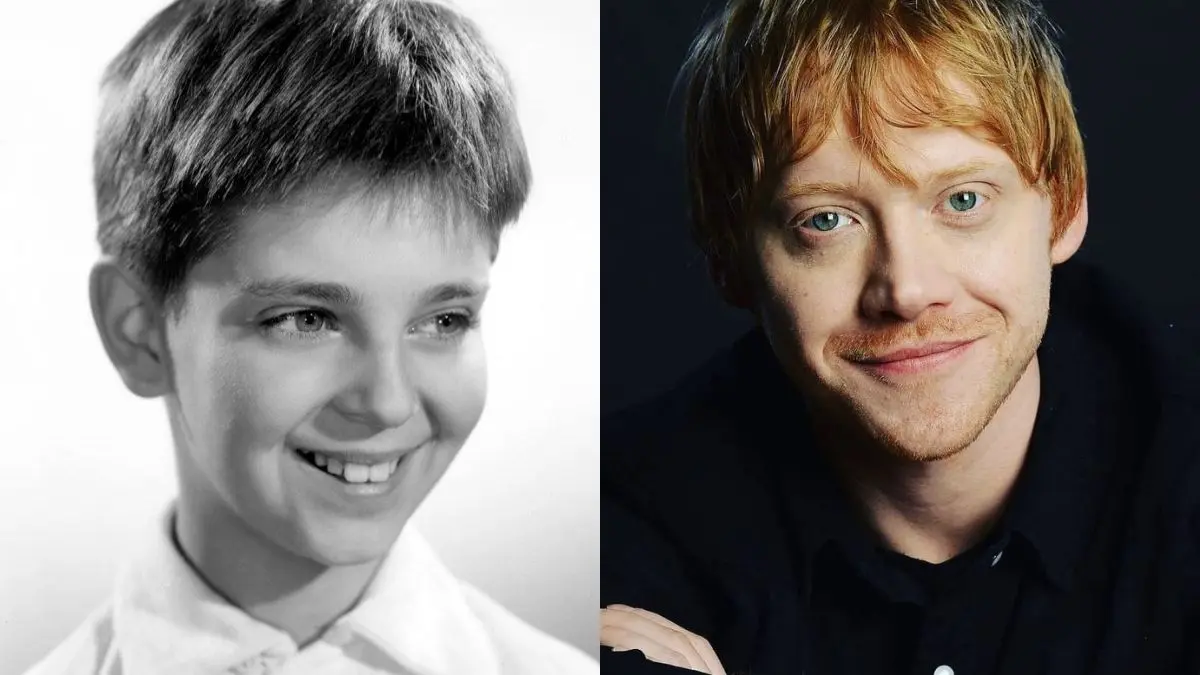


Plenty of well known leading men have stepped away from film and TV to put their time into very different paths. Some shifted into public service or business, while others followed long standing passions like craftsmanship, music, or motorsport. A few returned to the screen later, but their detours show how careers can evolve far beyond red carpets. Here are notable examples and what they chose to do instead.
Rick Moranis
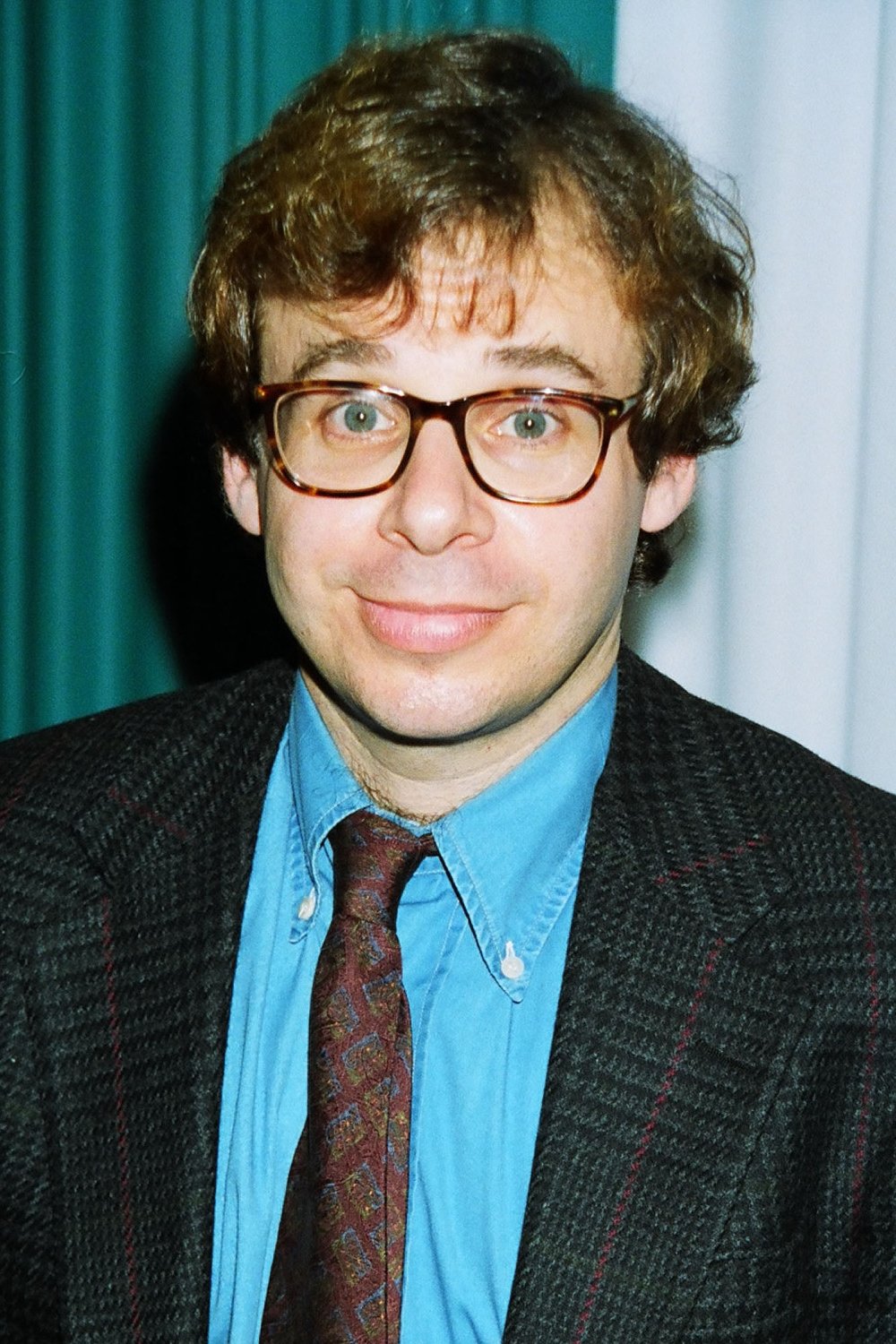
Rick Moranis paused his acting career to focus on raising his children after his wife passed away. He stayed out of on camera roles for many years and only did occasional voice work. During that time he lived privately in New York and avoided the typical industry circuit. His return projects have been selective and scheduled around family life.
Gene Hackman
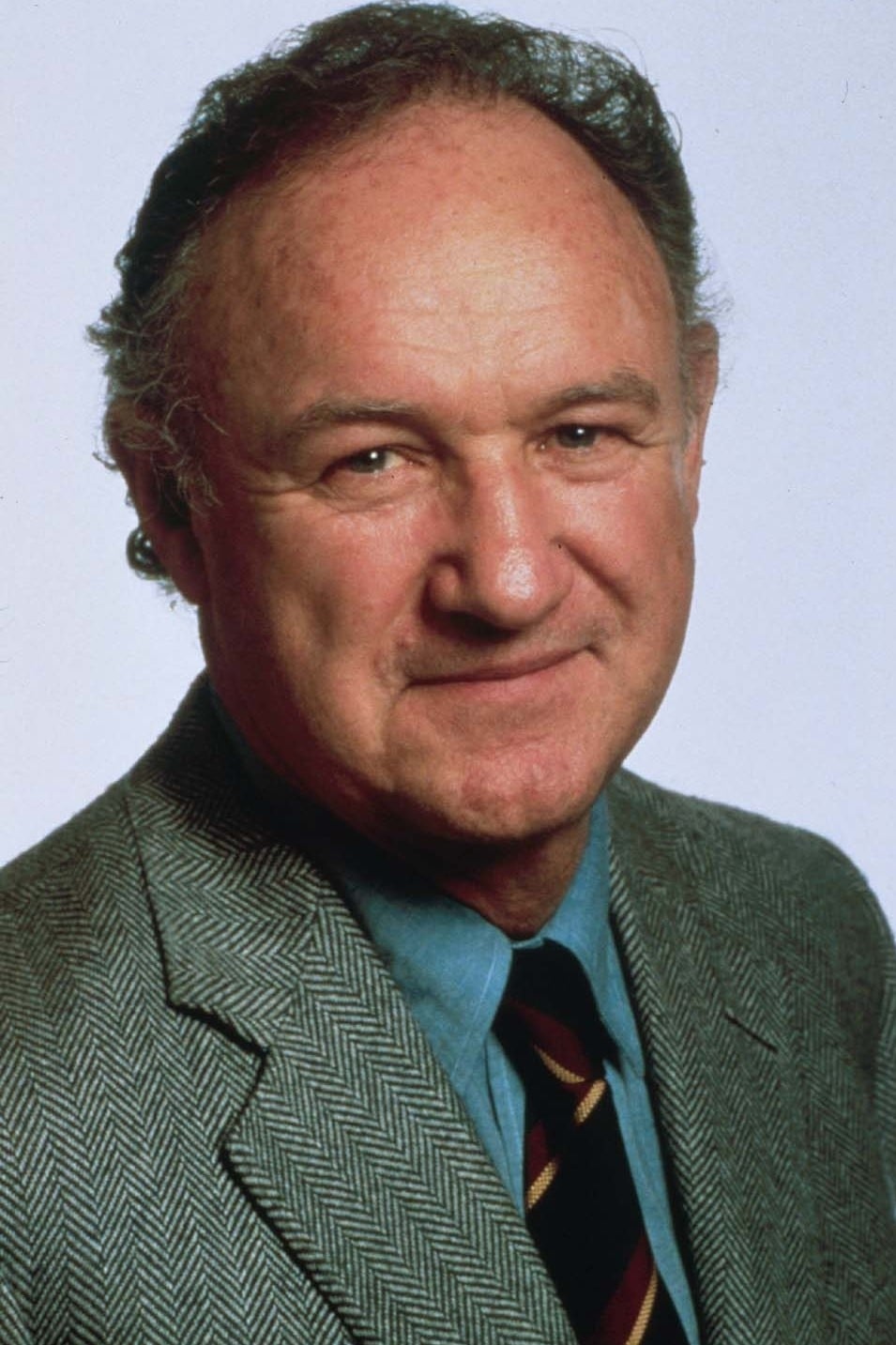
Gene Hackman retired from acting and turned to writing novels. He has co authored multiple historical fiction books with maritime and Western settings. He also devoted time to painting and a quieter life away from film sets. Public appearances became rare as he concentrated on his writing routine.
Daniel Day-Lewis
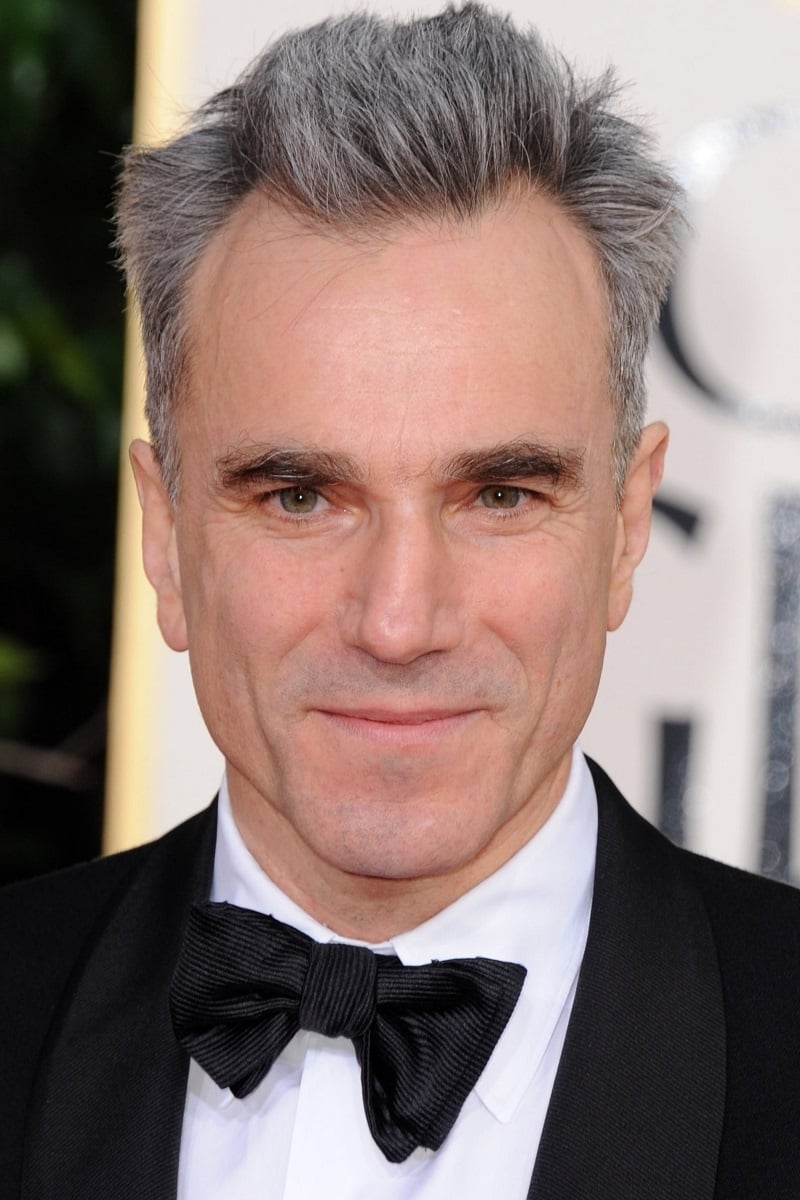
Daniel Day-Lewis stepped away from acting and spent extended time learning traditional shoemaking. He worked in workshops in Italy and Ireland to study the craft under experienced artisans. The focus was on hand work and precision rather than publicity. He later announced his retirement from acting and kept his private pursuits out of the spotlight.
Joe Pesci
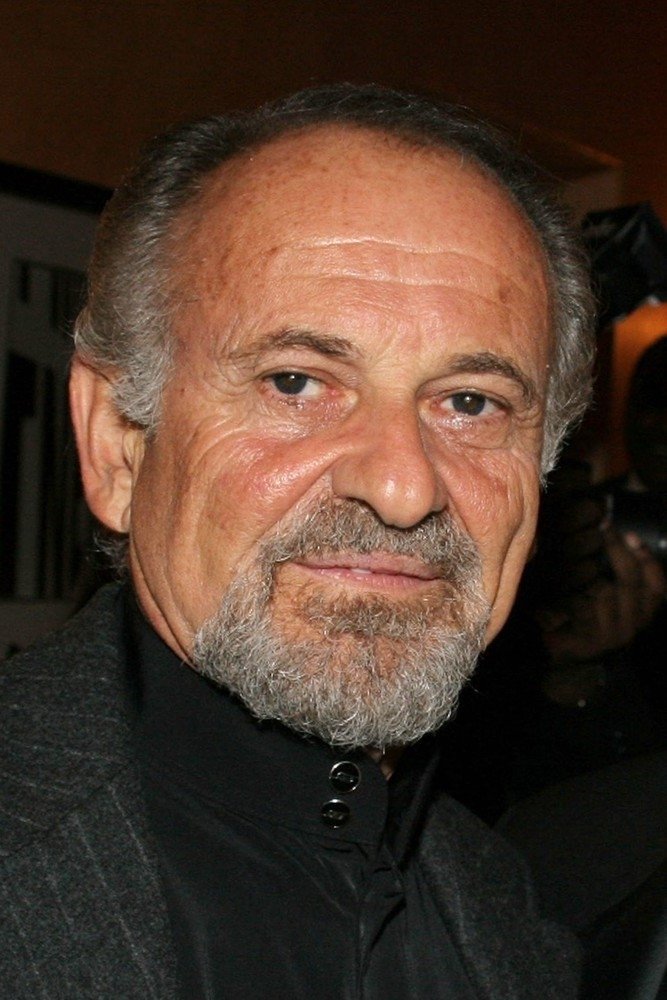
Joe Pesci walked away from regular acting work to focus on music. He released albums and performed standards that reflected his interests as a singer. Away from sets he preferred a low profile and spent more time on golf and personal projects. Film appearances became occasional events rather than a steady schedule.
Michael Schoeffling
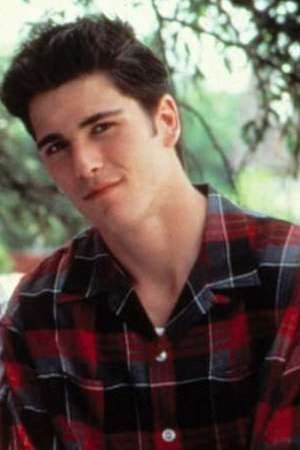
Michael Schoeffling left acting and opened a custom furniture business. He built pieces by hand and ran a small operation serving local clients. His work centered on cabinetry and tables using solid wood. He remained outside the entertainment press and kept the business modest and craft driven.
Peter Ostrum
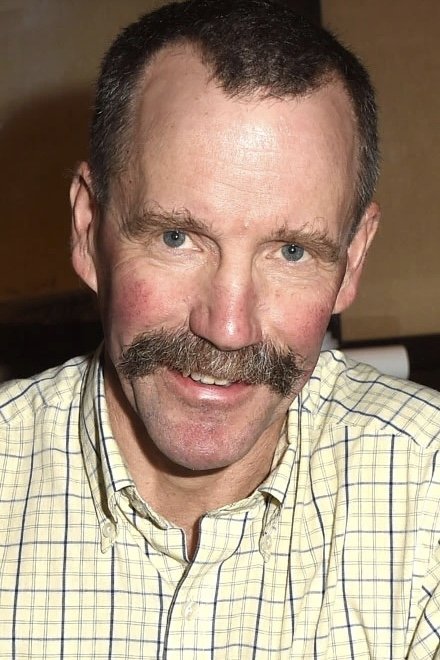
Peter Ostrum made a single film appearance as the star of ‘Willy Wonka and the Chocolate Factory’ and then chose a different path. He studied veterinary medicine and became a large animal veterinarian. His work focuses on dairy cattle and farm calls in rural communities. He has spoken about enjoying the problem solving and client relationships that veterinary practice requires.
Frankie Muniz
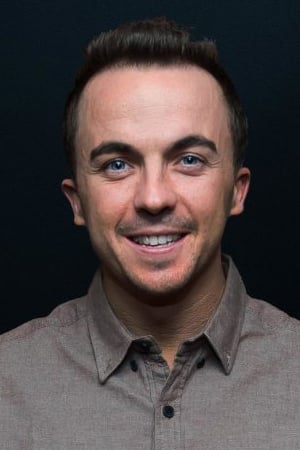
Frankie Muniz shifted his attention to professional auto racing. He competed in open wheel series and stock cars and logged laps at tracks across the United States. Outside racing he played drums for touring bands and managed health recovery after injuries. His screen roles became occasional while motorsport took center stage.
Dylan Sprouse

Dylan Sprouse stepped back from Hollywood to study and later launched a business. He co founded All-Wise Meadery in Brooklyn and learned production, packaging, and taproom operations. The company developed traditional and experimental meads and hosted events for local patrons. Acting resumed later alongside his responsibilities as an entrepreneur.
Kal Penn
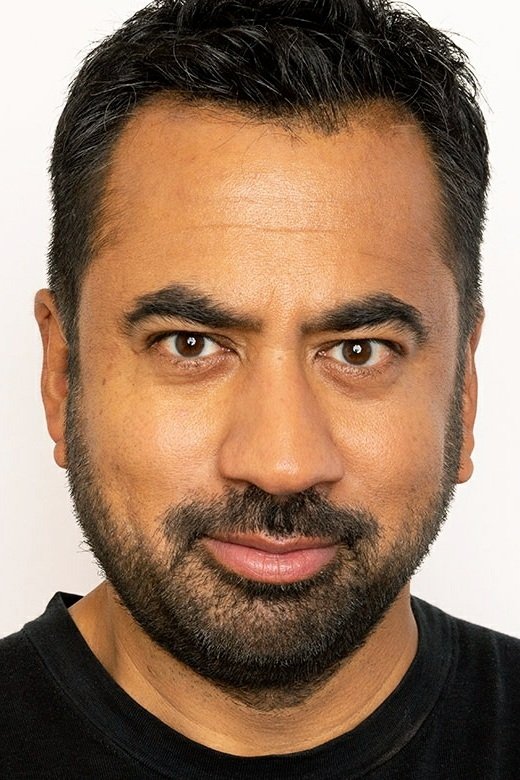
Kal Penn left acting for a full time post in public service. He worked in the White House Office of Public Engagement on outreach and youth programs. The role involved community events, travel, and policy communication. He later returned to screen work while continuing to engage in civic projects.
Arnold Schwarzenegger
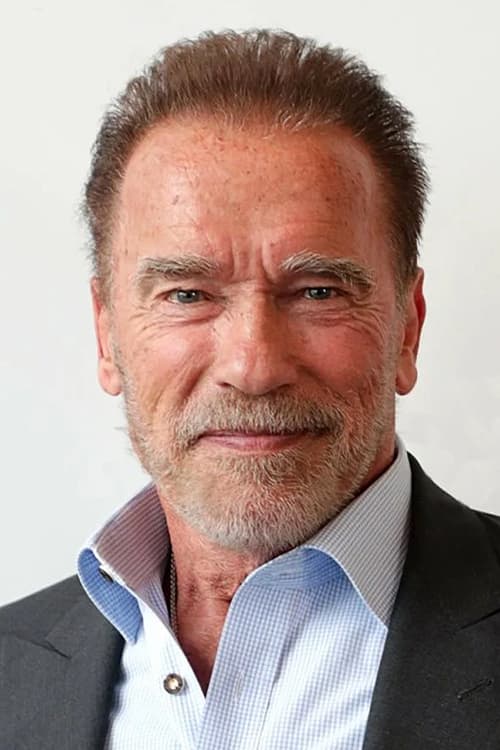
Arnold Schwarzenegger paused his film career to serve as Governor of California. His focus shifted to state budgeting, infrastructure, and environmental initiatives. Public schedules, briefings, and negotiations replaced film sets and stunt rehearsals. After his terms he returned to entertainment and philanthropic work.
Jeff Cohen
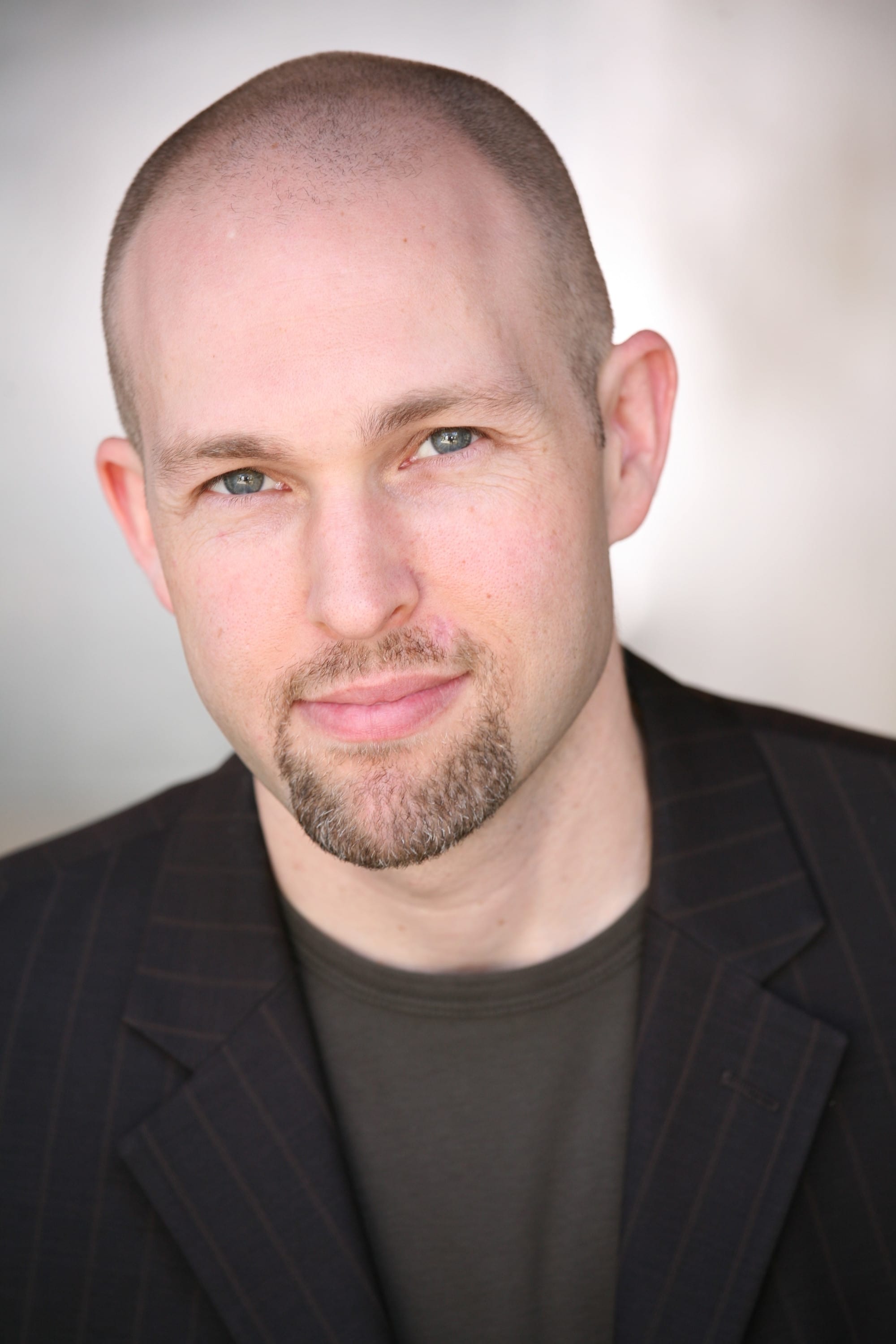
Jeff Cohen moved from child acting in ‘The Goonies’ to a career in law. He studied business and legal practice and co founded a firm specializing in entertainment clients. His work includes contract negotiations and talent representation. He built a reputation as a dealmaker for actors and creators.
Jack Gleeson

Jack Gleeson stepped away from mainstream television after ‘Game of Thrones’ ended for his character. He returned to university studies and co founded a small theatre company in Dublin. The company staged intimate productions with collaborative casts and crews. He concentrated on education and local theatre rather than large scale screen projects.
Hayden Christensen
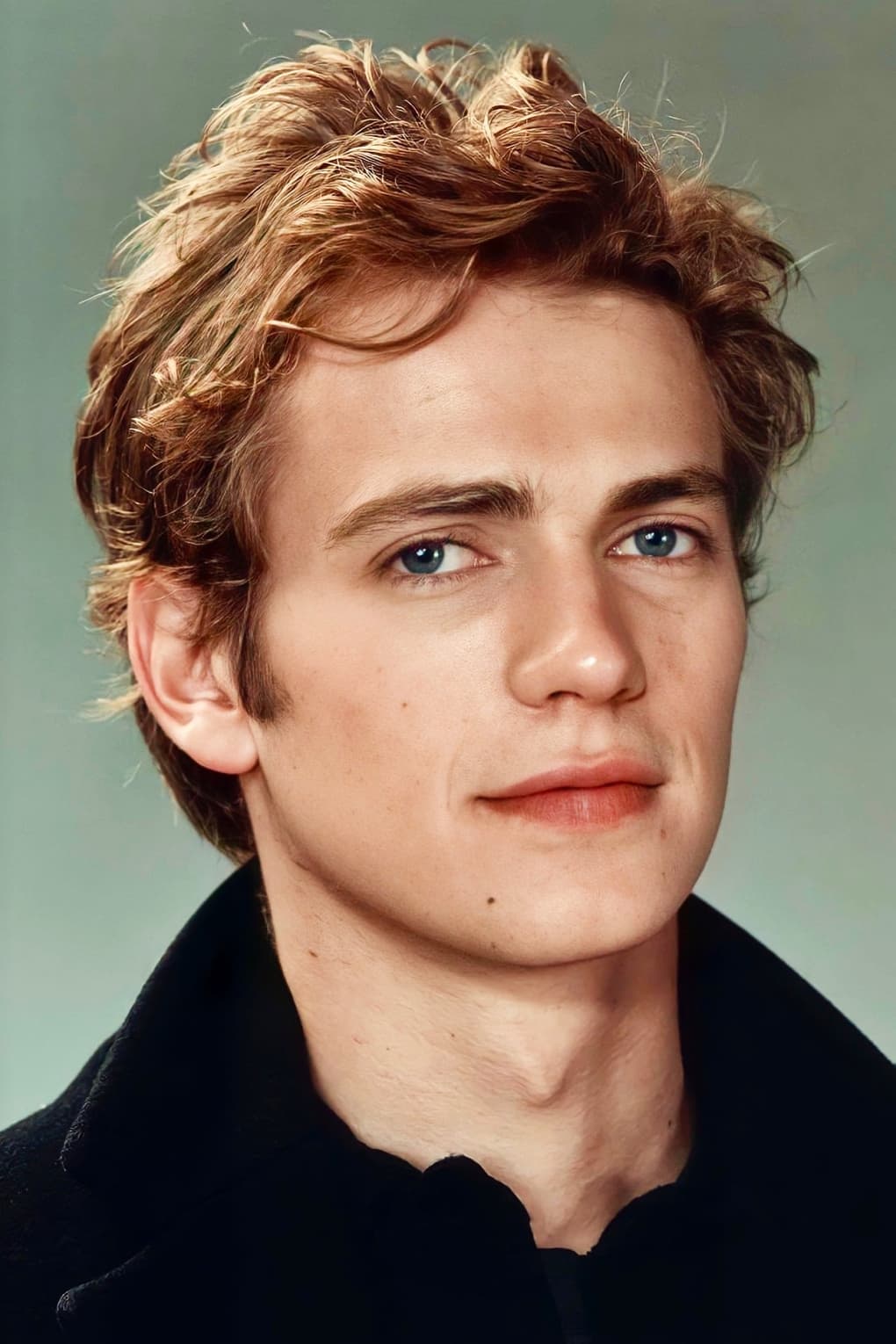
Hayden Christensen bought farmland in Ontario and devoted more time to agriculture. He worked on property restoration and day to day tasks like fencing and crop planning. The move allowed him to reduce time in Los Angeles and focus on self directed projects. Acting returned later alongside his life on the farm.
Freddie Prinze Jr.
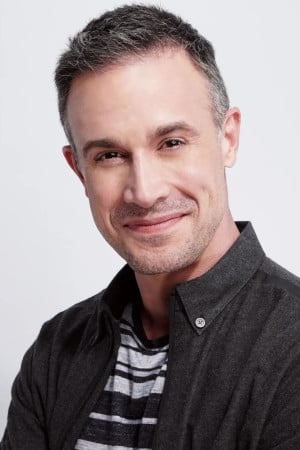
Freddie Prinze Jr. stepped behind the scenes at WWE as a producer and creative contributor. He helped develop storylines and worked with performers on segments. Outside television he explored cooking, published a cookbook, and hosted food focused content. Acting roles slowed while writing and culinary work expanded.
Jonathan Taylor Thomas
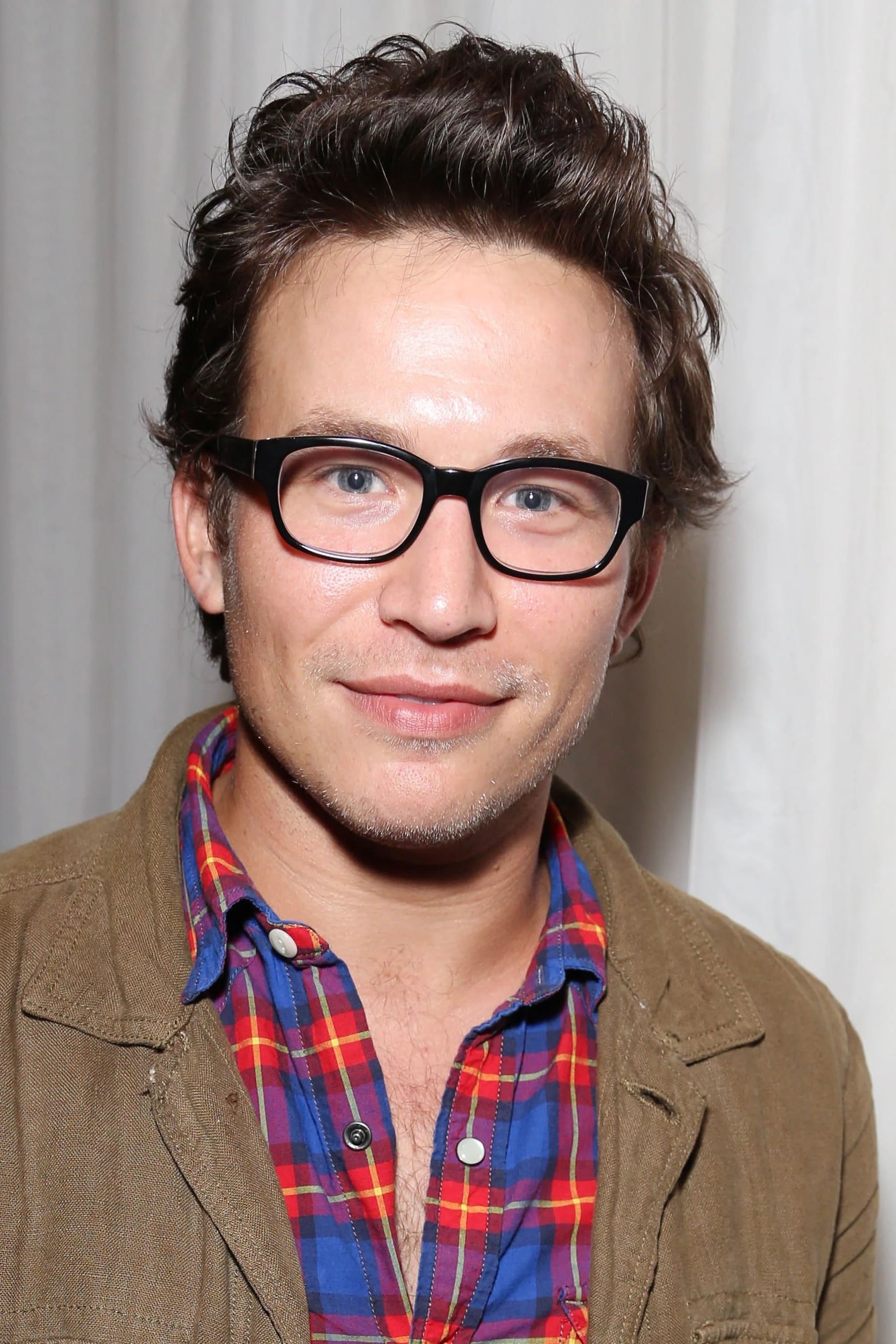
Jonathan Taylor Thomas left the long running schedule of ‘Home Improvement’ to prioritize education. He attended classes at several universities and studied literature and history. Voice and guest roles were rare as he kept a low profile. He later tried writing and directing projects on a small scale.
Cary Grant
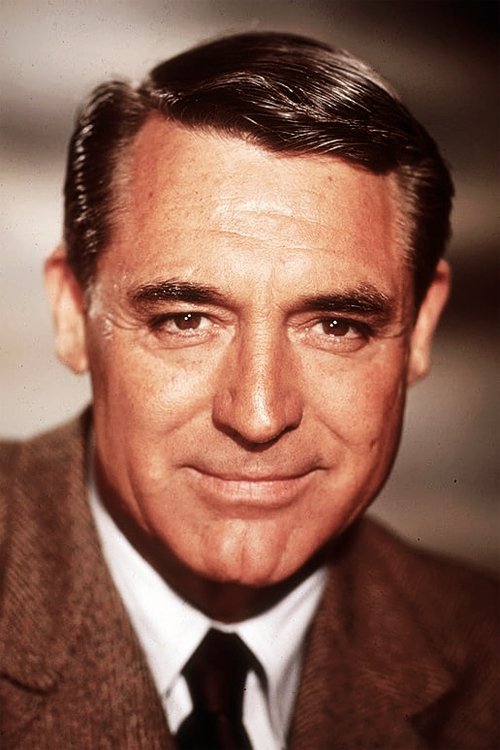
Cary Grant retired from acting in the 1960s and moved into business and corporate consulting. He served on the board of Fabergé and advised several companies on branding and marketing. Public speaking and travel for those roles replaced film sets and awards shows. He also focused on family life and charitable engagements while keeping a low profile.
Sean Connery
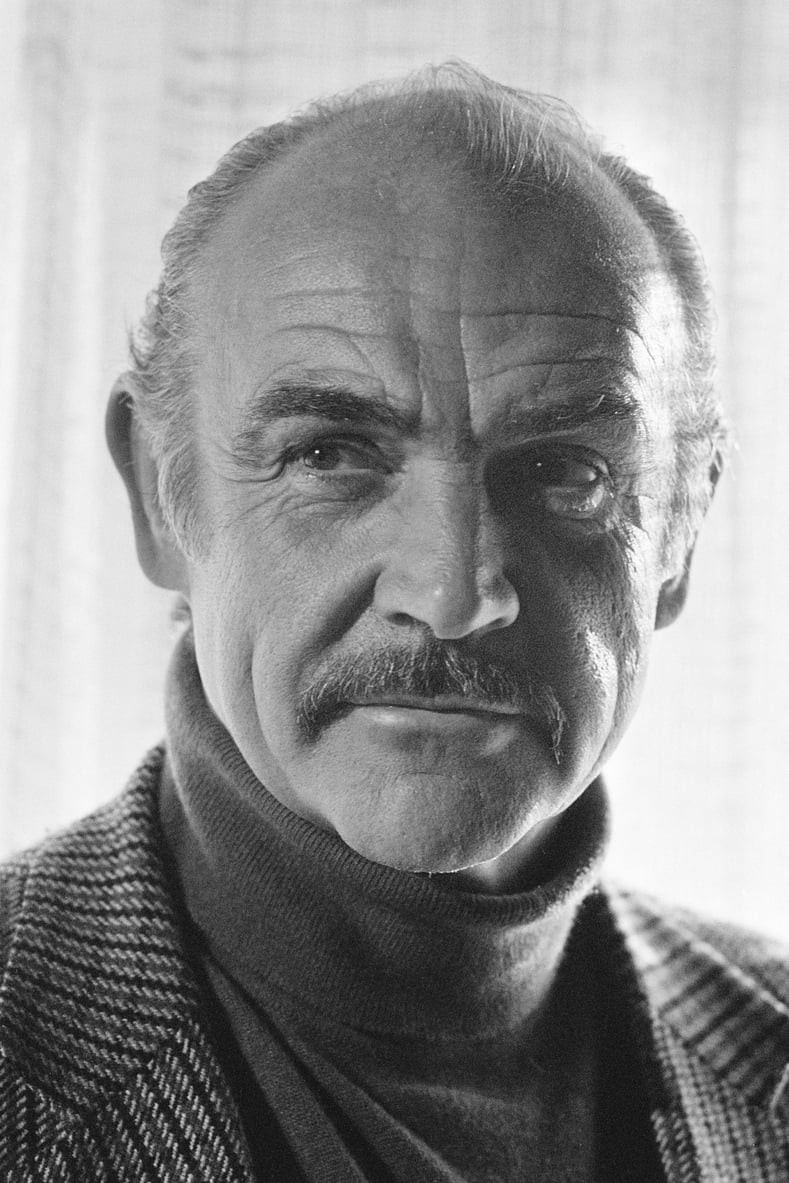
Sean Connery stepped away from screen work and settled into a private life centered on family and philanthropy. He spent much of his time in the Bahamas and Scotland and supported cultural and educational causes. Golf and charitable tournaments became regular fixtures on his calendar. He avoided industry events and declined new roles as he maintained retirement.
Gene Wilder
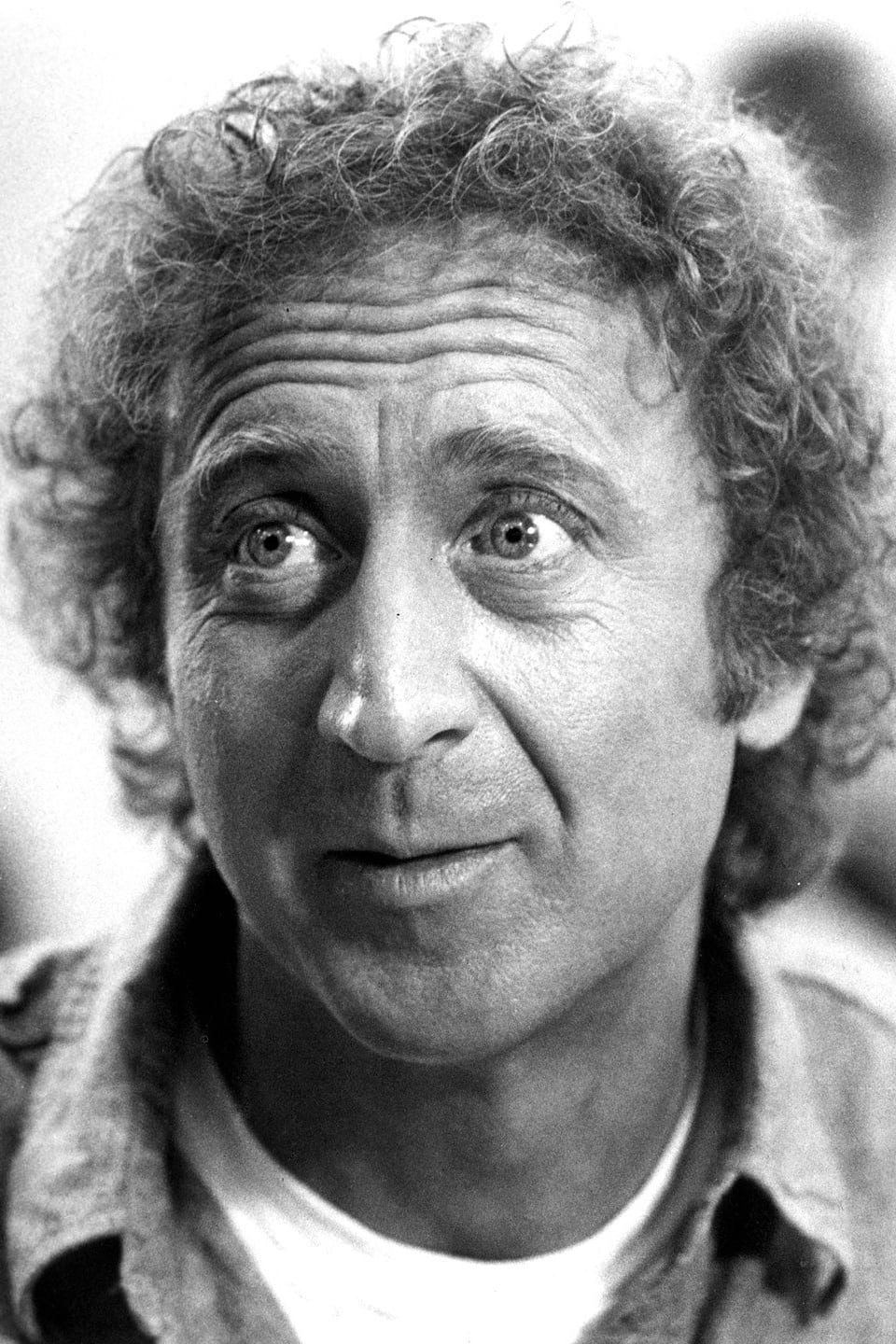
Gene Wilder left acting and devoted himself to writing and painting. He published multiple books of fiction and a memoir while keeping public appearances minimal. His days were organized around a steady writing routine and time in his art studio. He also supported cancer awareness initiatives and literary events.
Lyle Waggoner
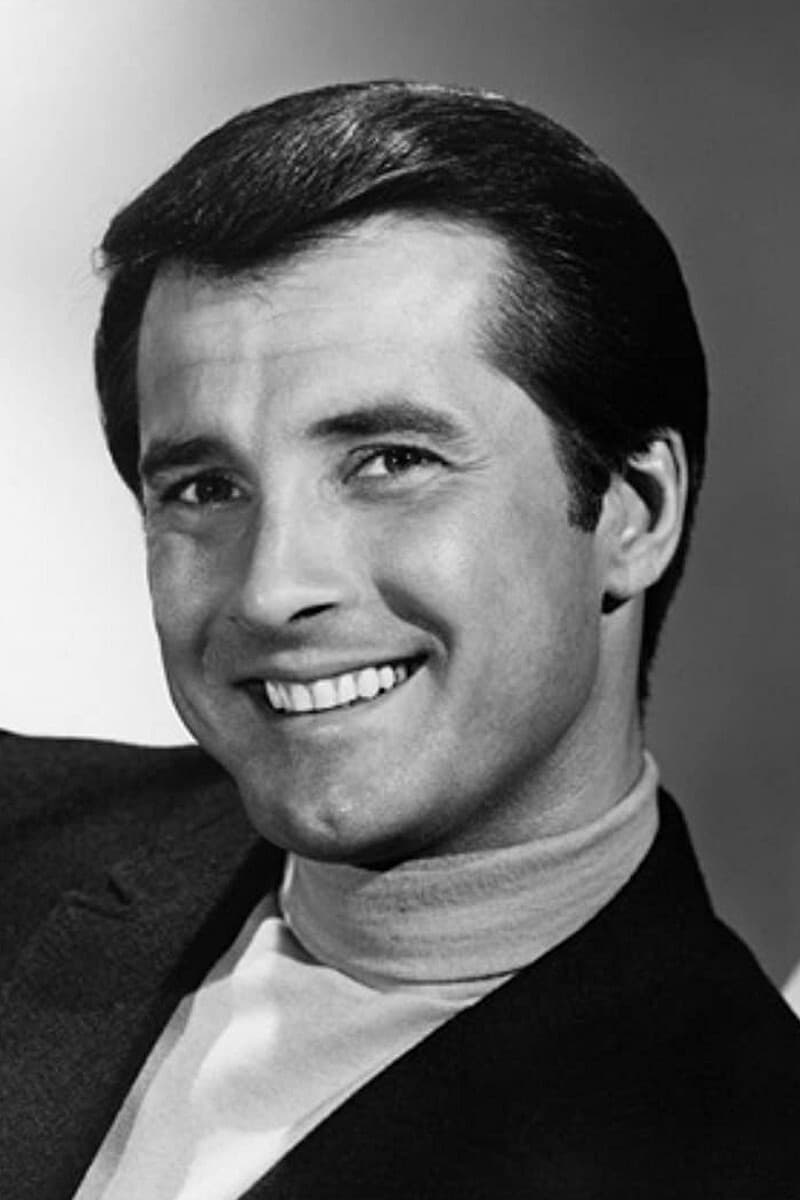
Lyle Waggoner pivoted from acting to entrepreneurship by founding Star Waggons. The company designed and rented custom trailers for film and television productions. He focused on manufacturing, logistics, and client services rather than performing. The business grew into a major on location supplier for studios and networks.
Danny Lloyd
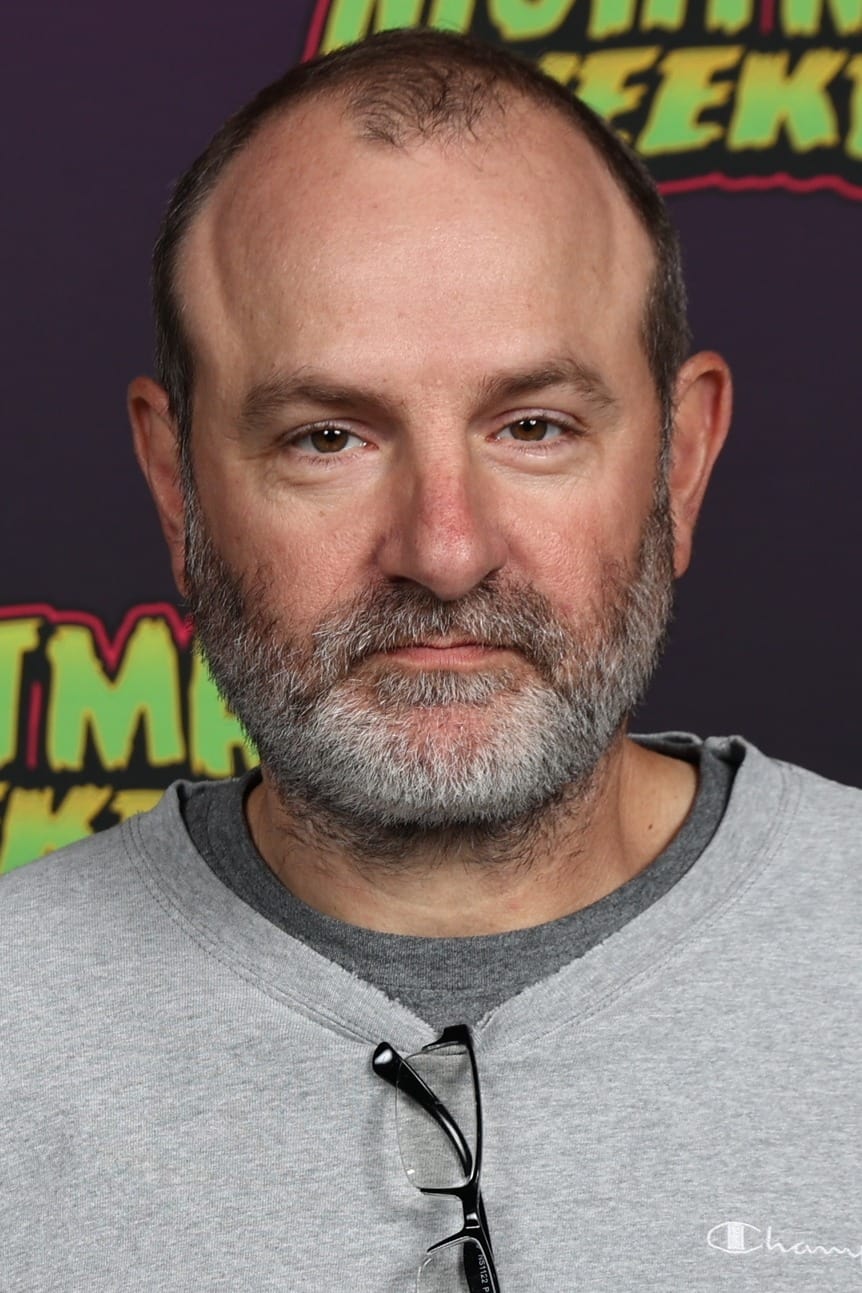
Danny Lloyd, known for ‘The Shining,’ chose an academic path instead of continuing in film. He studied science and became a college professor teaching biology. His work includes classroom instruction, lab supervision, and student advising. He has occasionally discussed child acting in interviews while keeping the focus on education.
Bronson Pinchot
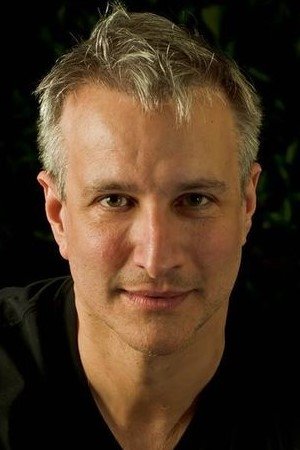
Bronson Pinchot stepped away from steady acting and immersed himself in historic restoration. He purchased and rehabilitated 19th century properties and learned period correct techniques. Carpentry, plasterwork, and materials research filled his days more than auditions. He later documented aspects of the work on home renovation programming.
Nate Richert
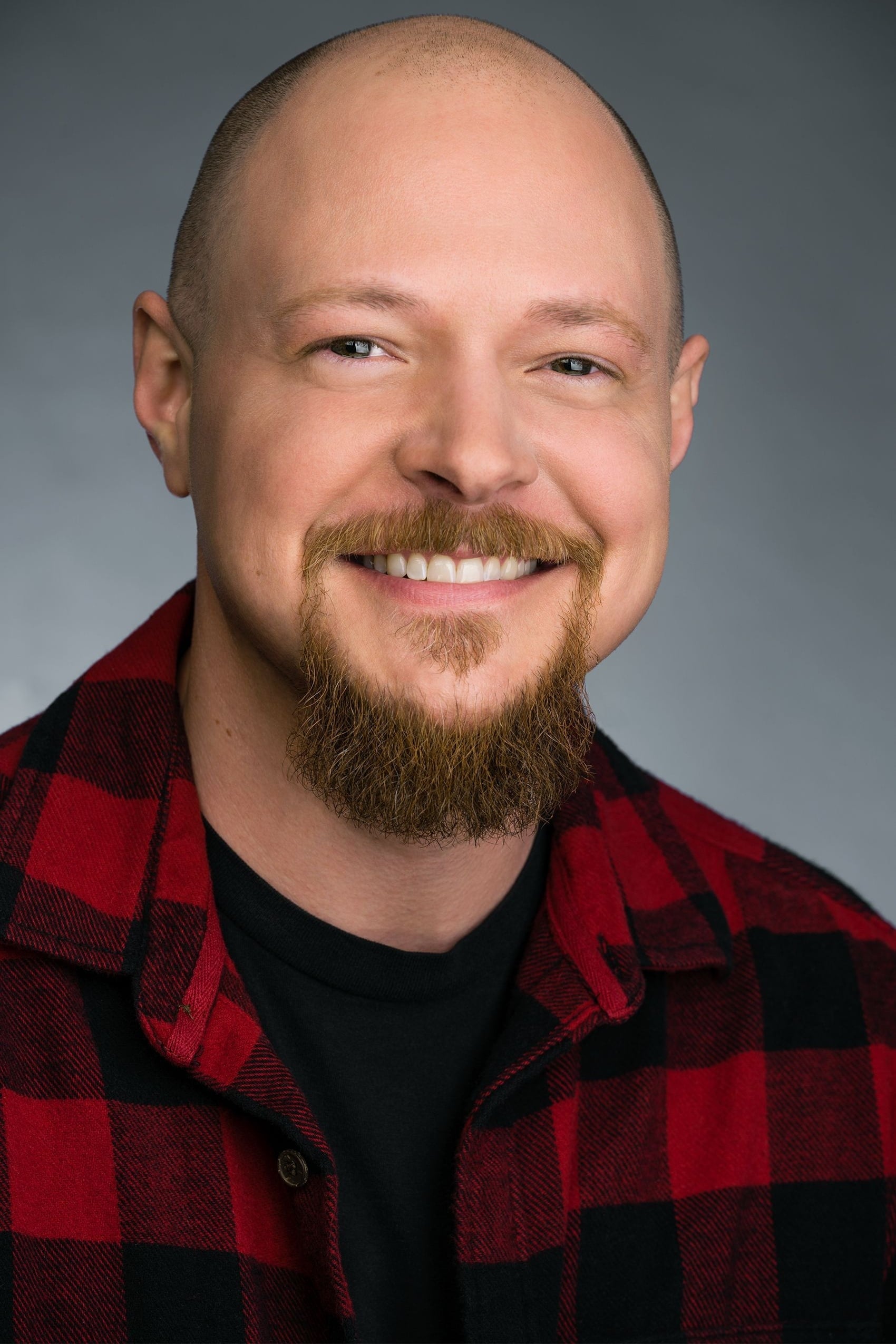
Nate Richert moved on from ‘Sabrina the Teenage Witch’ and concentrated on music. He wrote and performed original songs and played small venues and online sessions. Away from entertainment he also worked regular jobs to support his projects. Acting became occasional while recording and gigs took priority.
Erik Estrada
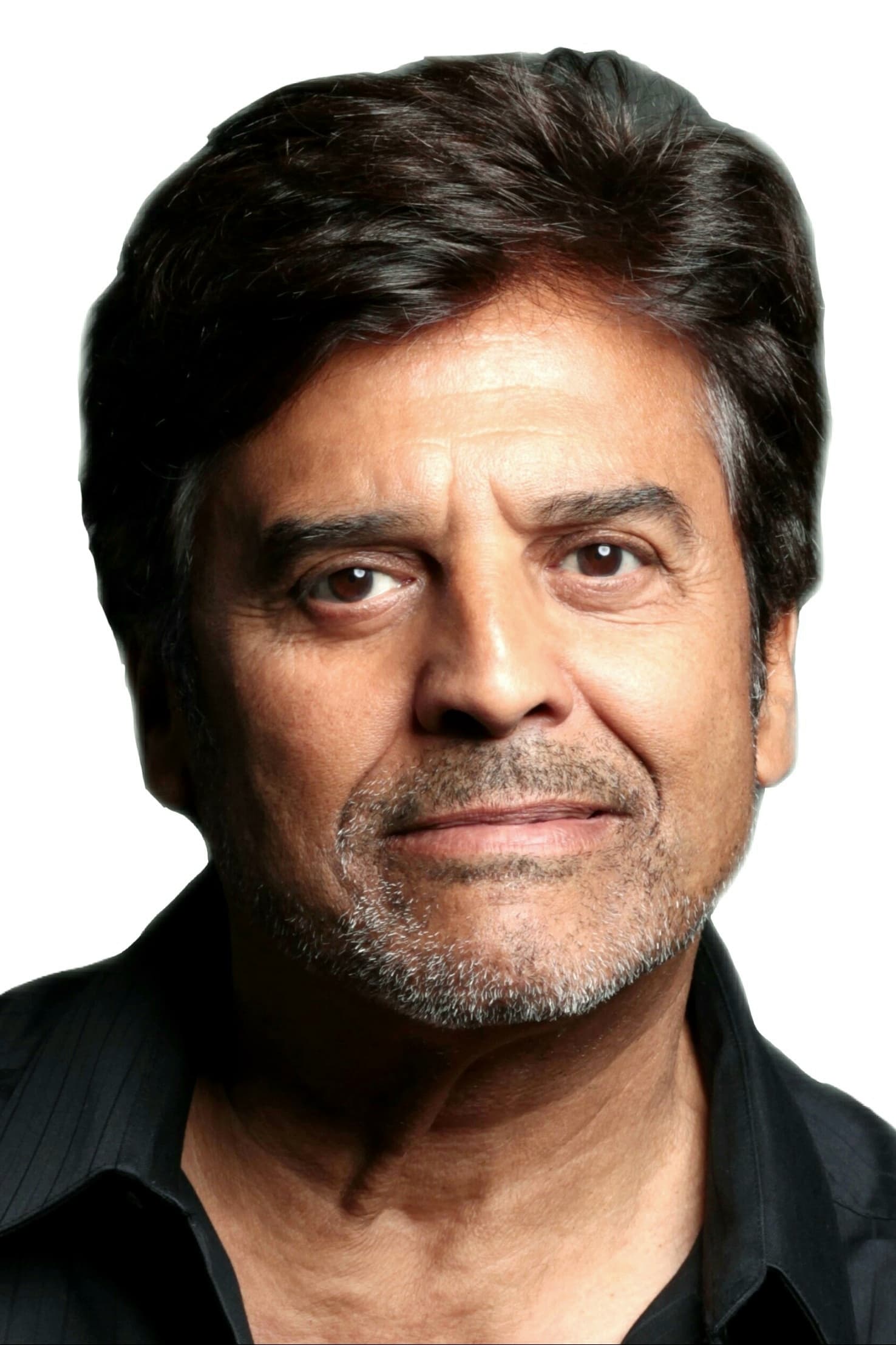
Erik Estrada transitioned into public safety work as a reserve police officer. He trained with departments in several jurisdictions and appeared at community outreach events. His duties emphasized child protection programs and anti internet exploitation education. He continued to support law enforcement causes while limiting acting commitments.
Charlie Korsmo
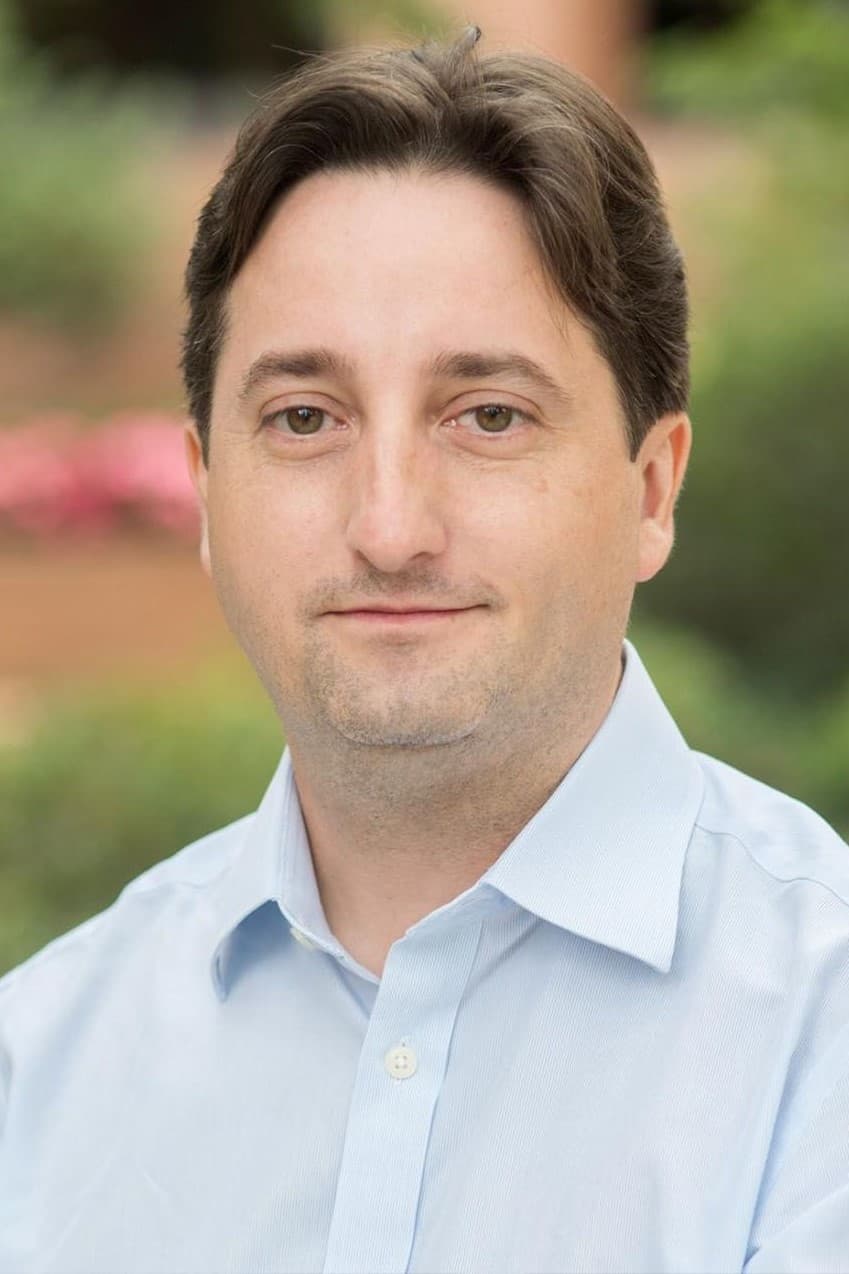
Charlie Korsmo left acting, earned a physics degree, and later graduated from law school. He worked in public policy roles and entered legal practice. He eventually became a law professor teaching corporate finance and related topics. His professional focus shifted to academia and legal scholarship rather than film.
Josh Saviano
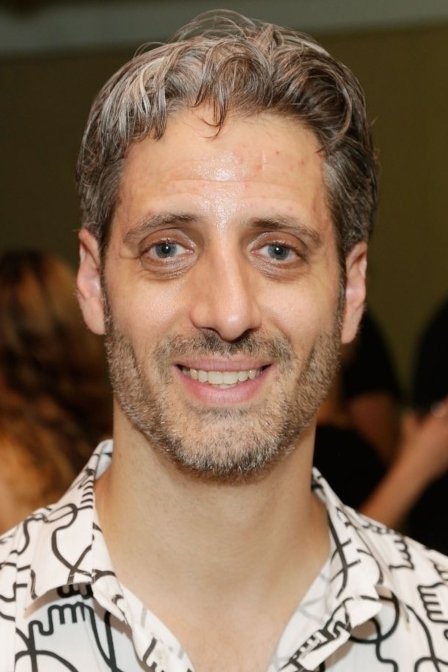
Josh Saviano stepped away from screen roles to build a legal and advisory career. He became an attorney and advised clients in branding and entertainment business matters. He founded ventures that help artists and companies with strategy and corporate development. His work centers on contracts, partnerships, and growth planning.
Omri Katz
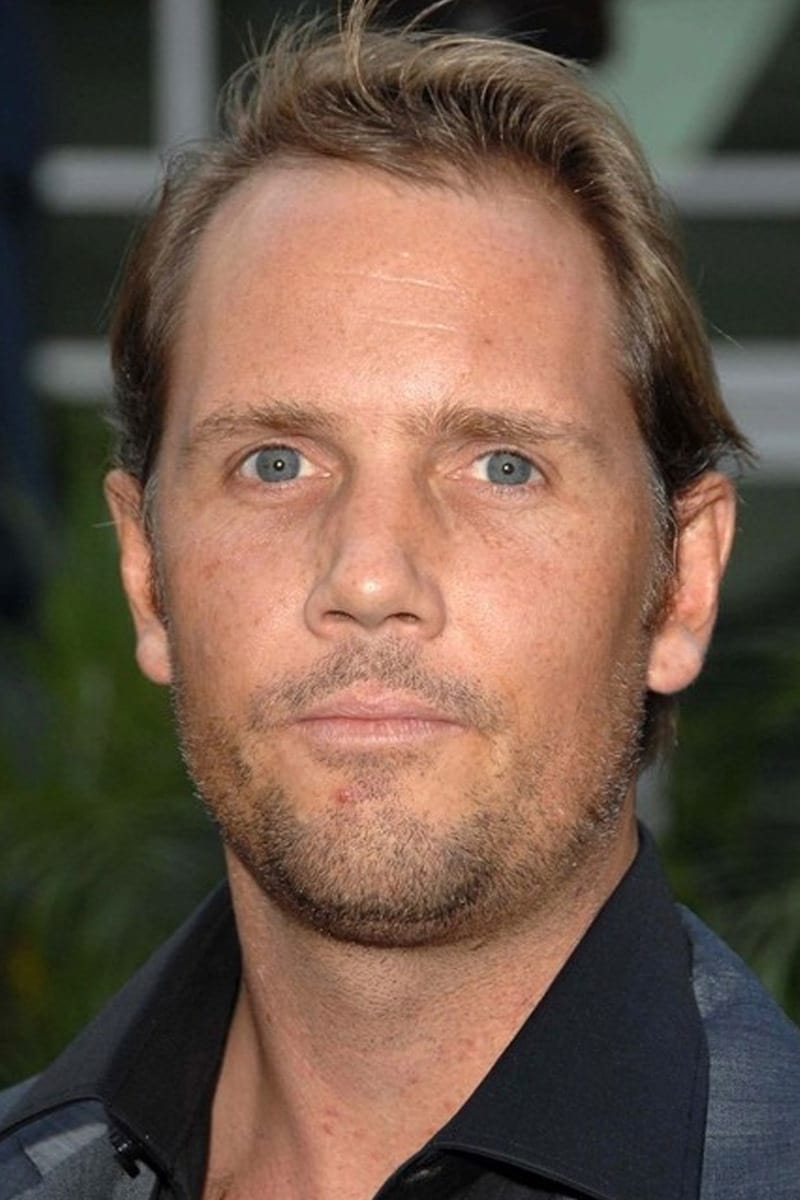
Omri Katz exited acting and trained as a hairdresser before branching into entrepreneurship. He worked in salons and later collaborated on cannabis related business efforts. His projects involved product development and brand promotion. He maintained a private lifestyle apart from premieres and industry campaigns.
Barret Oliver
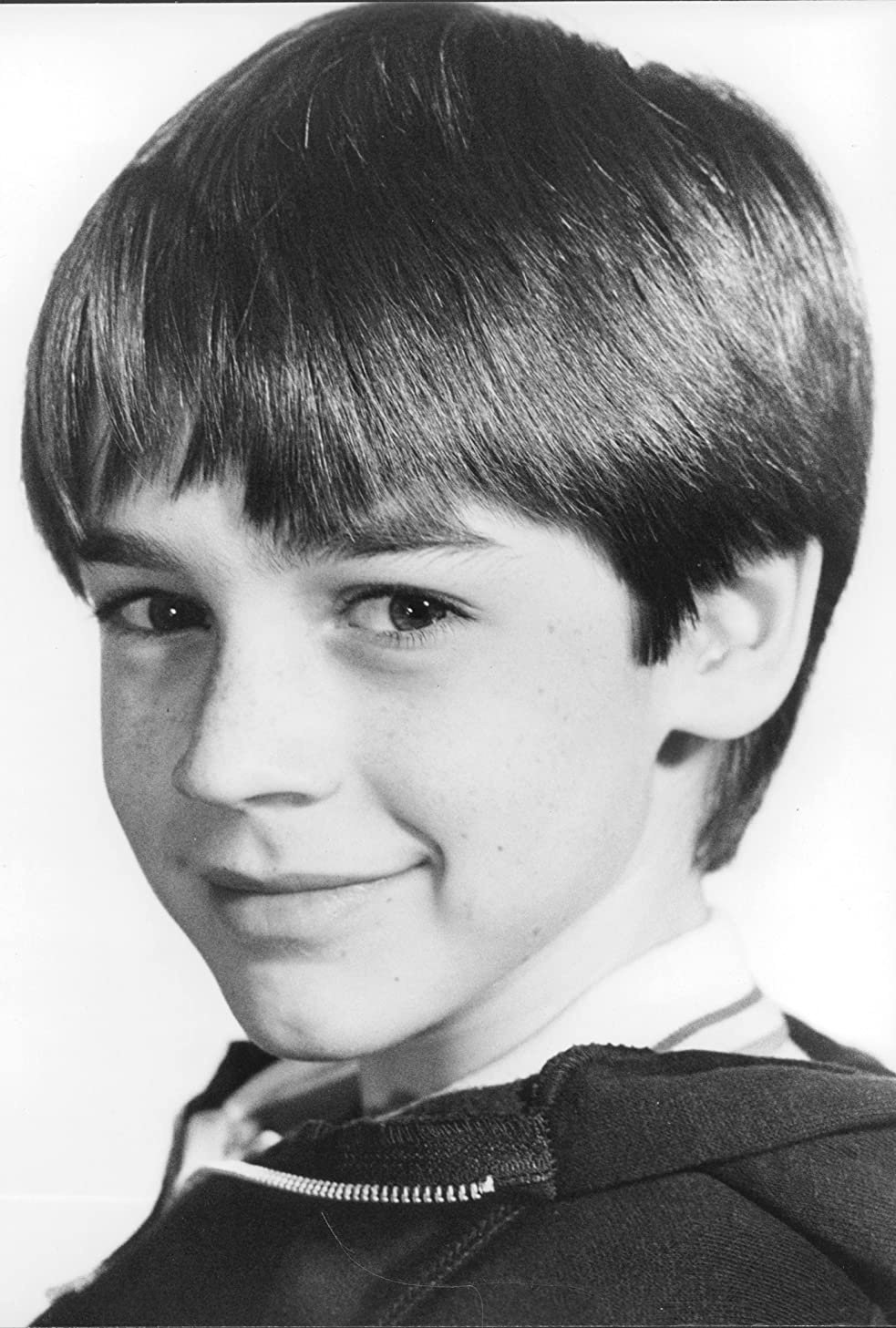
Barret Oliver turned from child acting to photography and photo history. He specialized in 19th century processes such as collodion and Woodburytype. Exhibitions, workshops, and restoration projects replaced auditions. He also published writing on historical techniques and taught advanced darkroom methods.
Angus T. Jones

Angus T. Jones stepped back from ‘Two and a Half Men’ and focused on education and personal pursuits. He enrolled at the University of Colorado Boulder and kept a low public profile. Later he worked behind the scenes with a media and management venture. Acting appearances became rare as school and business took precedence.
Andrew Shue
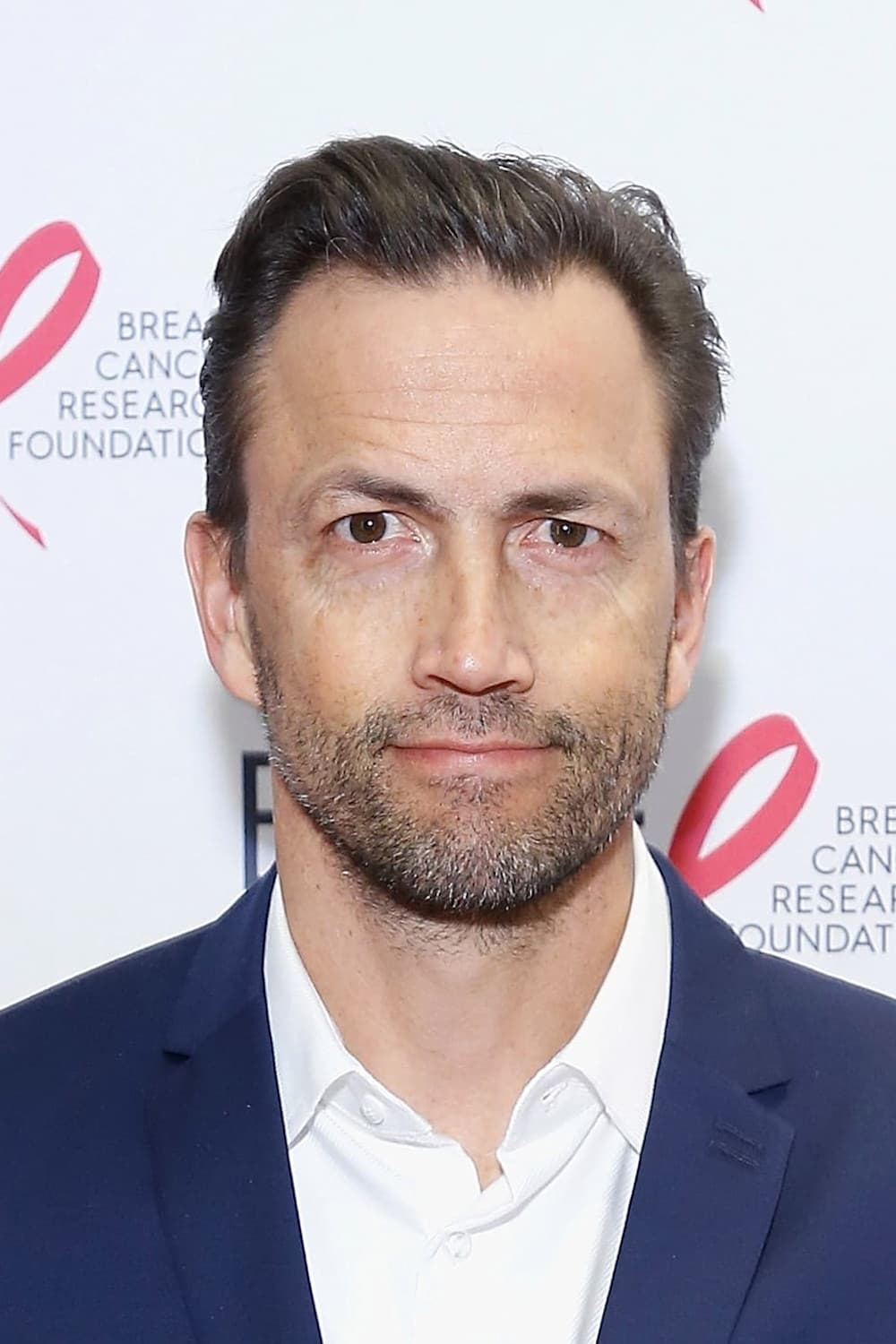
Andrew Shue left regular acting and co founded the digital media company CaféMom, which evolved into CafeMedia. He also helped launch the nonprofit DoSomething to encourage youth volunteerism. His day to day work centered on company growth, partnerships, and social impact programs. Public visibility shifted from red carpets to entrepreneurship and philanthropy.
Gene Simmons

Gene Simmons reduced acting cameos to concentrate on business and licensing ventures. He expanded brand partnerships, merchandising programs, and reality production built around music properties. Speaking engagements and investments took priority over film roles. His schedule revolved around deal making and brand management rather than sets.
Macaulay Culkin
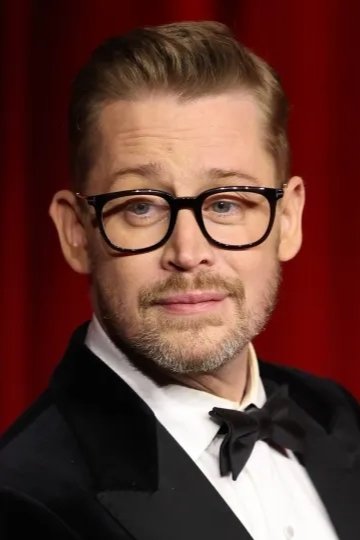
Macaulay Culkin stepped away from acting as a teenager and focused on life outside the studio system. He later formed the comedy rock project The Pizza Underground and toured with parody sets built around familiar songs. He launched the lifestyle and humor site Bunny Ears and contributed writing and podcasts. Much of his time was spent on music and creative projects that were independent of film and television schedules.
Tommy Rettig
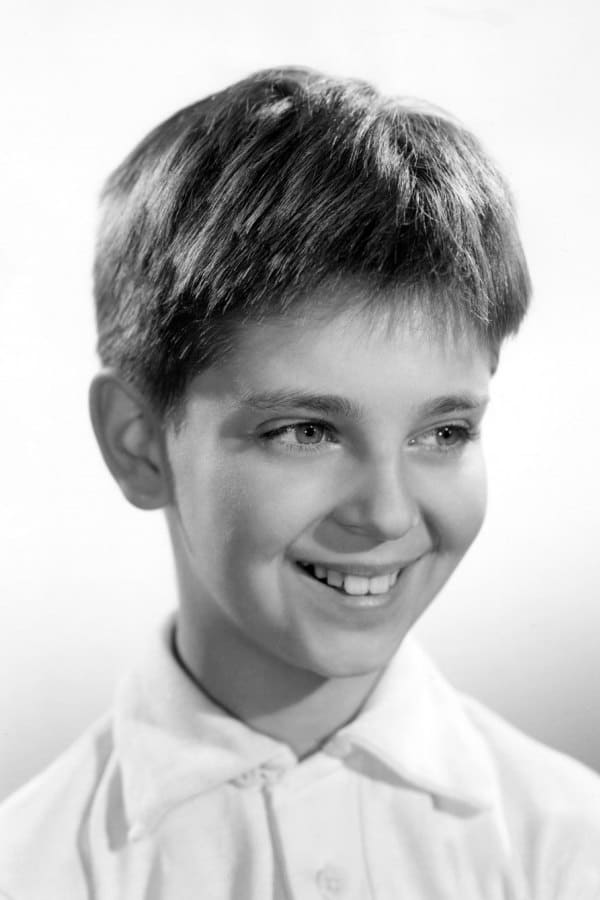
Tommy Rettig moved on from child stardom on ‘Lassie’ and built a career in computing. He worked as a programmer and consultant during the early personal computer era. His projects included database applications and technical writing that helped businesses modernize workflows. He also advised clients on software licensing and implementation.
Danny Bonaduce
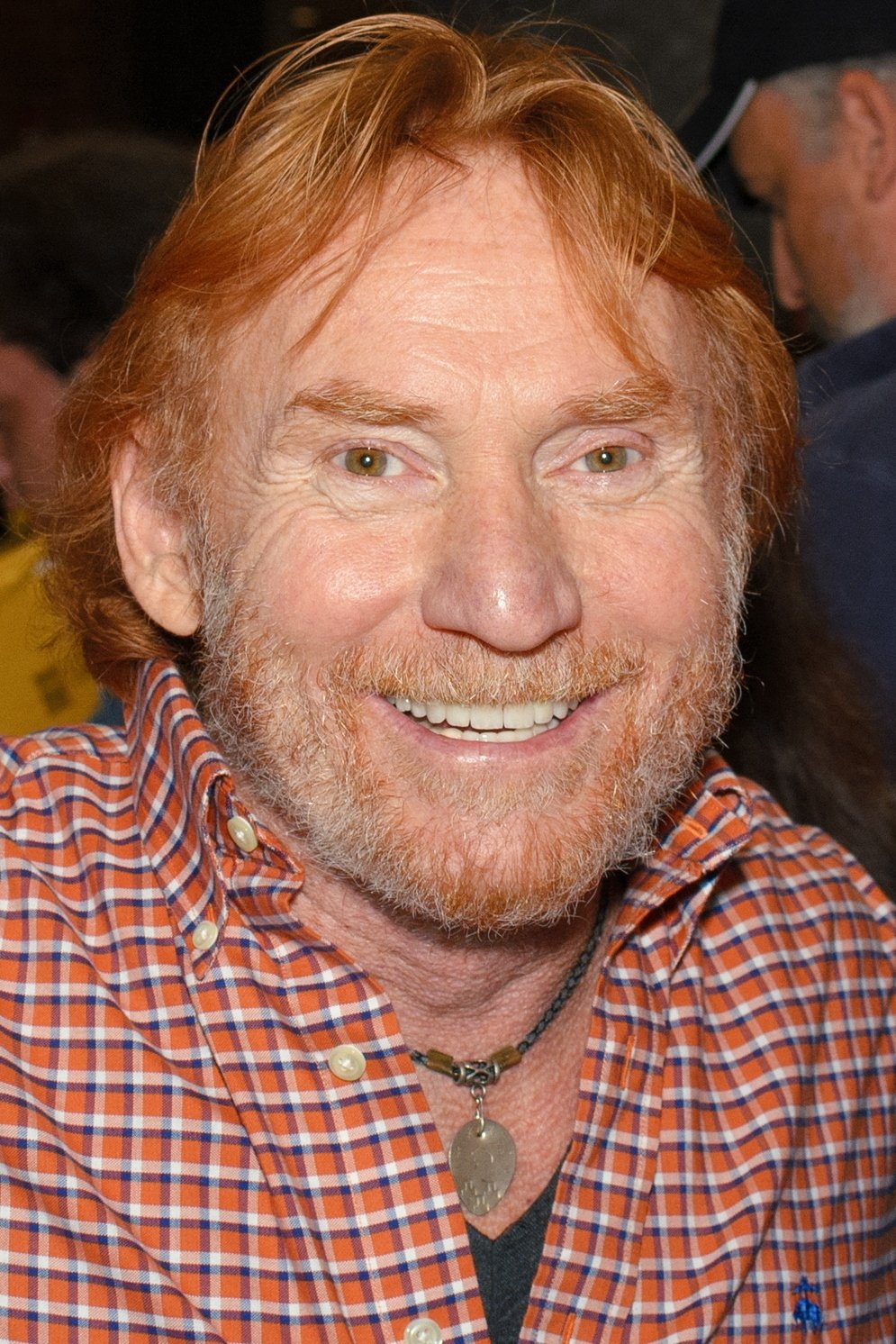
Danny Bonaduce shifted from screen work to a long run in radio. He hosted morning shows in major markets and developed a daily routine built around live broadcasting. Public appearances centered on station events and charity promotions. Television became occasional while radio production, interviews, and audience engagement took priority.
Austin St. John

Austin St. John stepped away from acting after ‘Mighty Morphin Power Rangers’ and trained as a medic. He worked as a paramedic and responded to emergency calls for local agencies. Contract assignments later sent him overseas in support roles that relied on field medicine. His professional life focused on medical service rather than set work.
Robert Iler
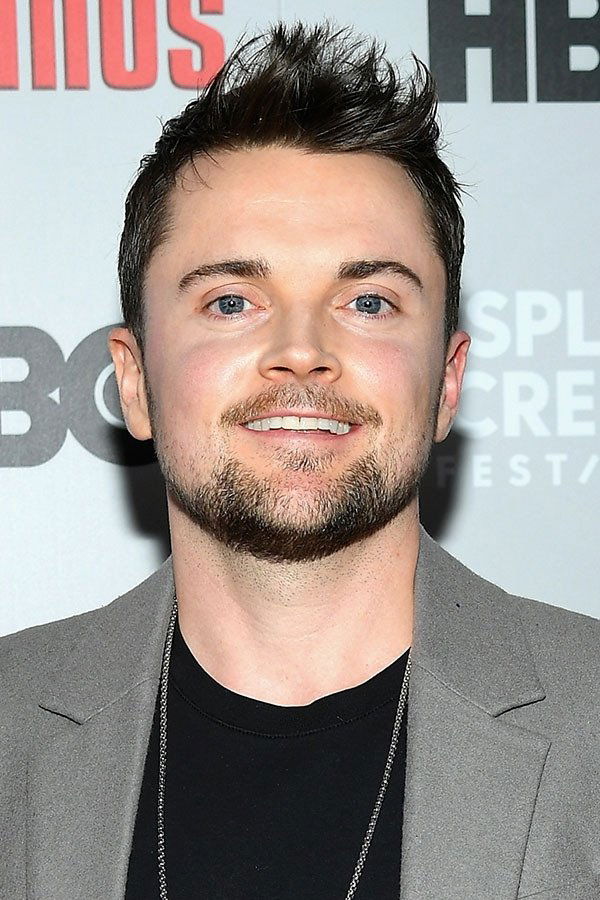
Robert Iler left acting after ‘The Sopranos’ and found a new path in poker and podcasting. He spent time improving his tournament skills and played regularly. He co created a talk show format with fellow actors and focused on scheduling recordings and guest coordination. Entertainment work became conversation based rather than scripted roles.
Cary Guffey
Cary Guffey moved on from ‘Close Encounters of the Third Kind’ and entered the financial services field. He trained as an advisor and built a client base in his home state. Day to day responsibilities involved planning sessions and portfolio reviews. His public profile centered on community work and professional certifications rather than film appearances.
Alex D. Linz
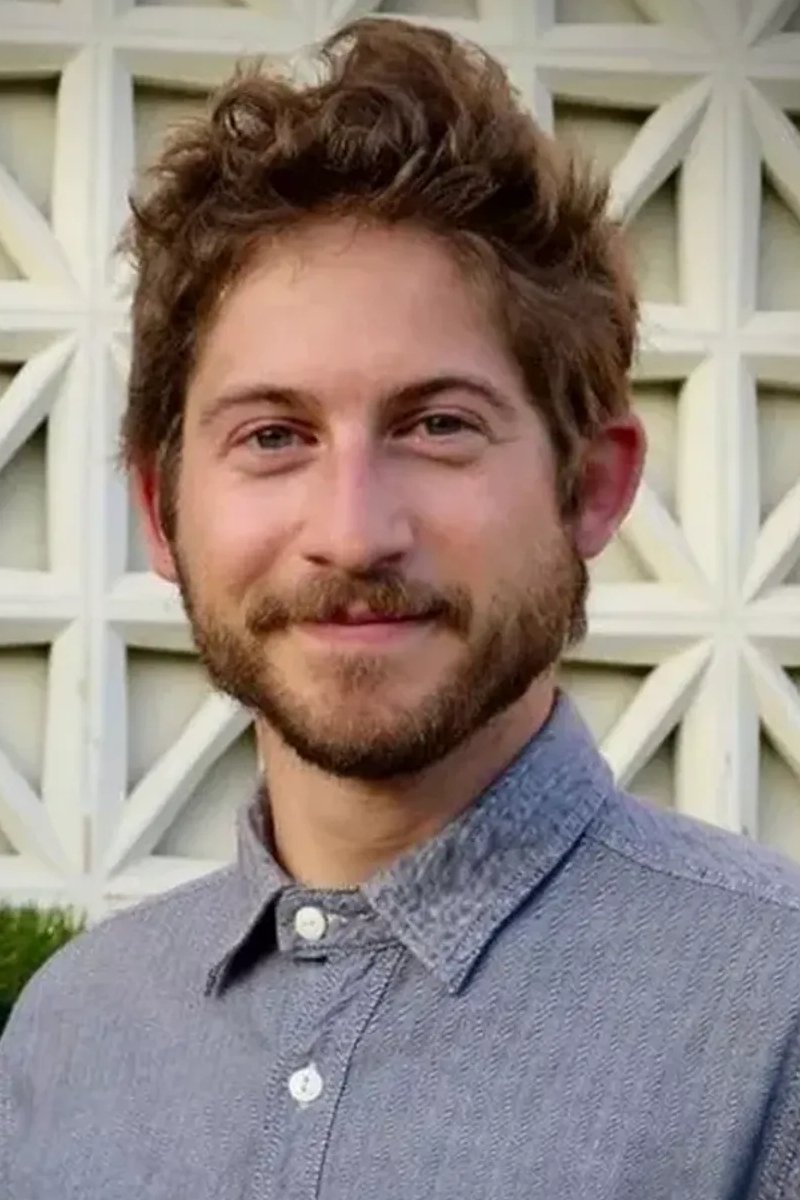
Alex D. Linz stepped away from acting and pursued higher education in the sciences and public policy. He worked in research roles connected to transportation and urban planning. Projects included data analysis, field studies, and coordination with academic teams. His contributions focused on mobility and infrastructure rather than screen projects.
Erik von Detten
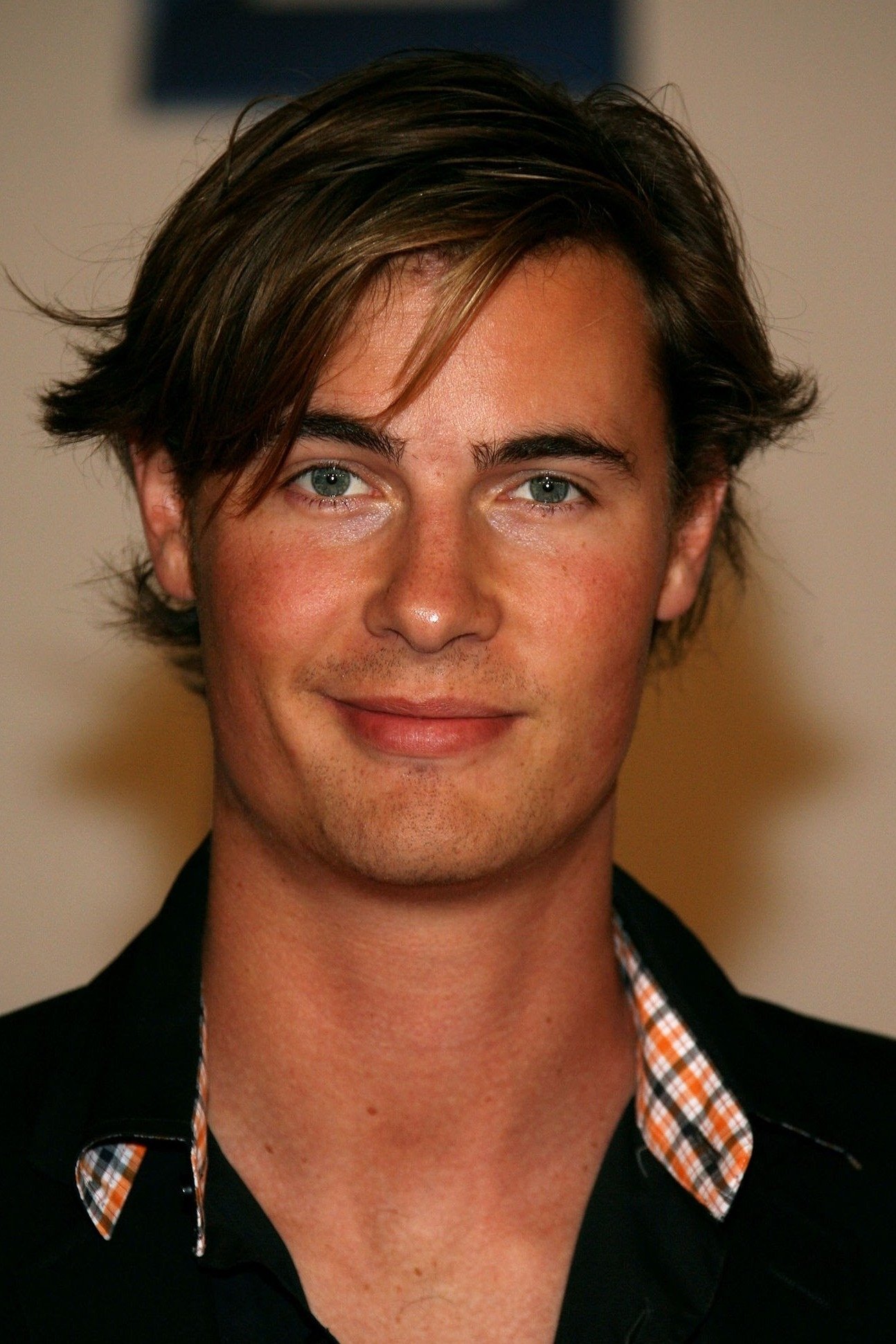
Erik von Detten eased out of acting and took roles in the finance sector. He joined a brokerage operation and learned client development and account management. Office schedules replaced set call times as he built a stable professional routine. Public updates centered on family life and work milestones rather than new releases.
Jason David Frank
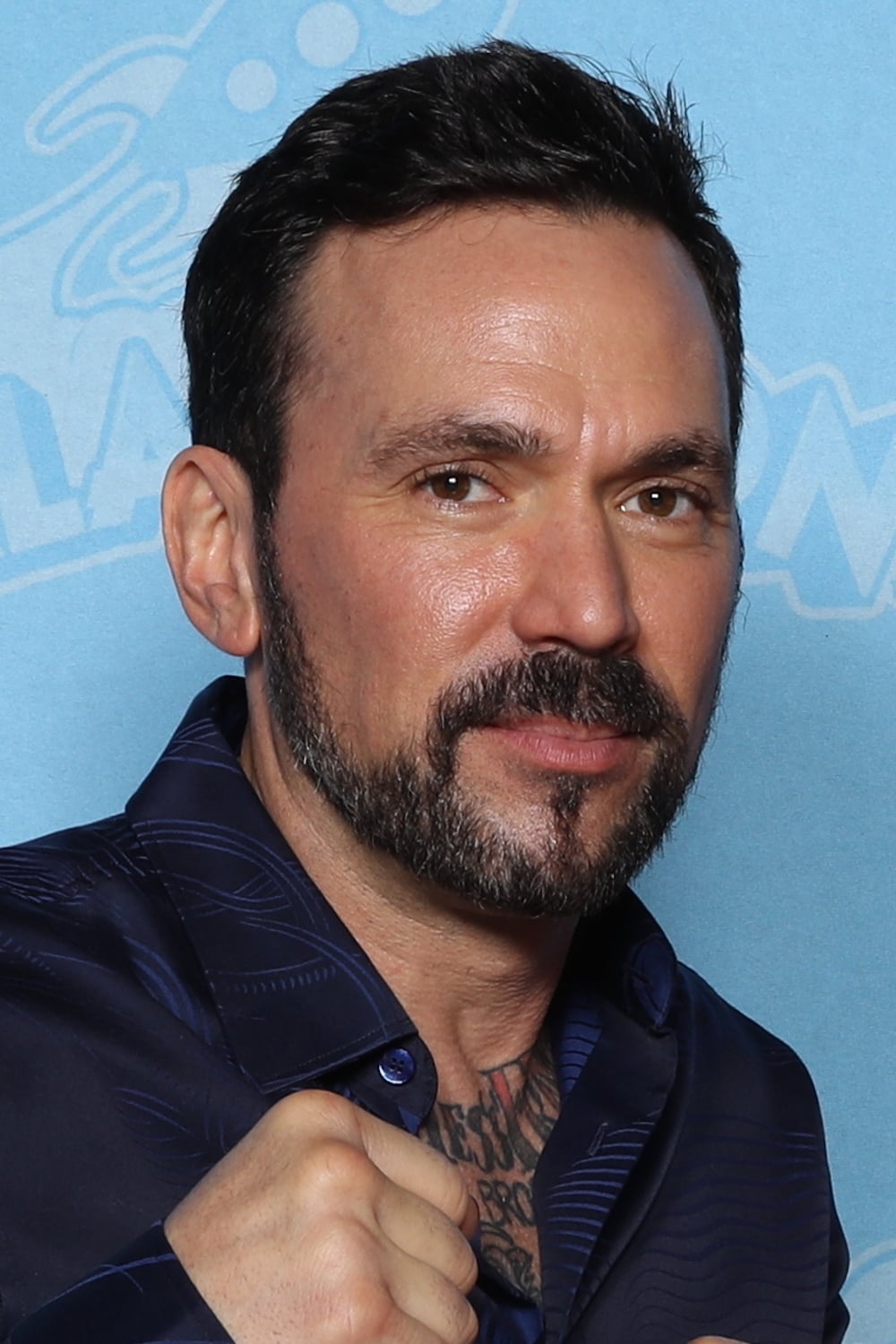
Jason David Frank moved from television to martial arts entrepreneurship. He operated schools, taught classes, and promoted his hybrid system known as Toso Kune Do. He also competed in mixed martial arts events that required dedicated training and coaching. Most of his schedule focused on students, seminars, and gym operations.
Jet Li
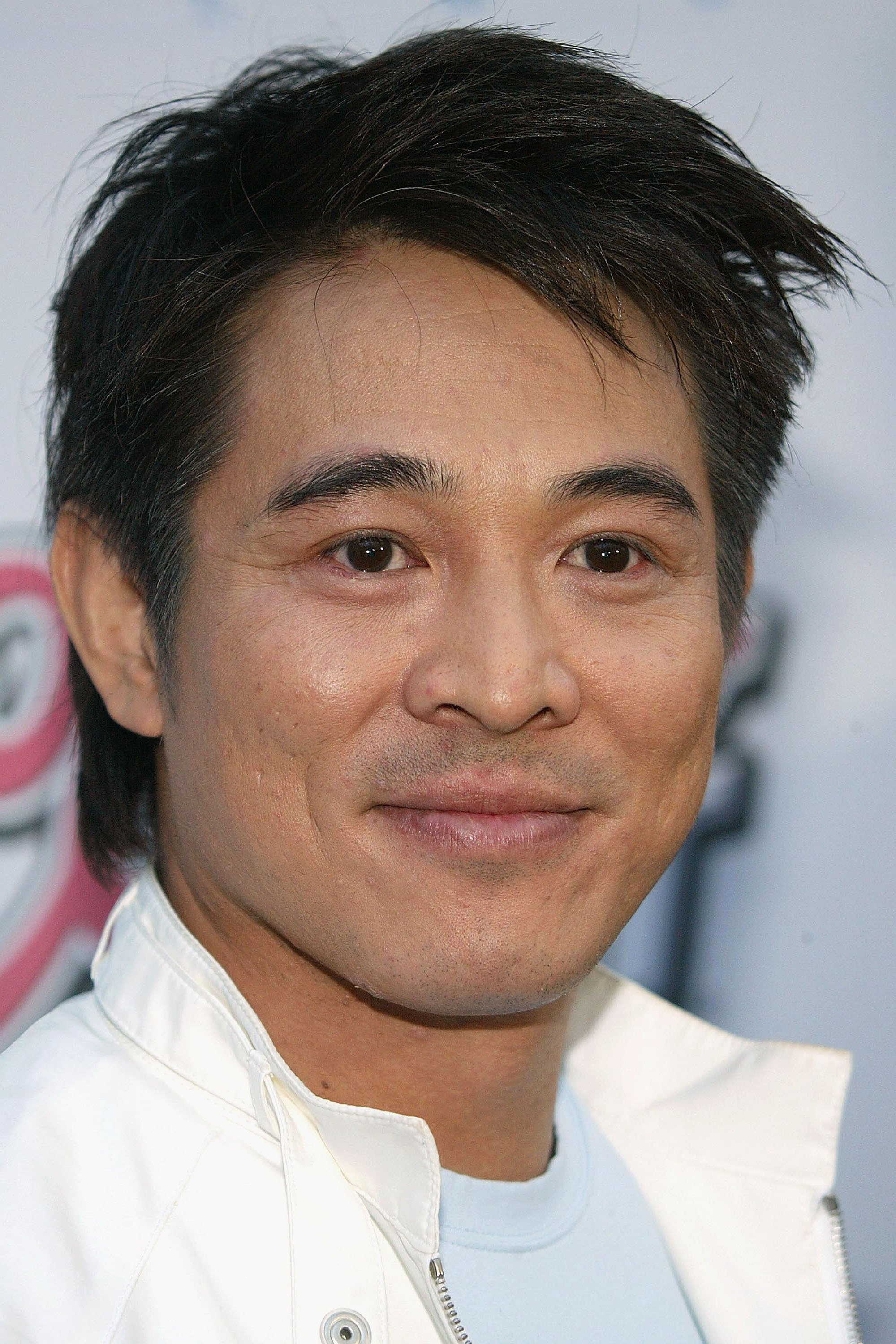
Jet Li reduced his acting workload and concentrated on philanthropy and public service. He founded the One Foundation to support disaster relief and child welfare initiatives. His efforts involved fundraising, program oversight, and collaborations with international partners. Health management and charity work took precedence over film roles for extended periods.
Robert Redford
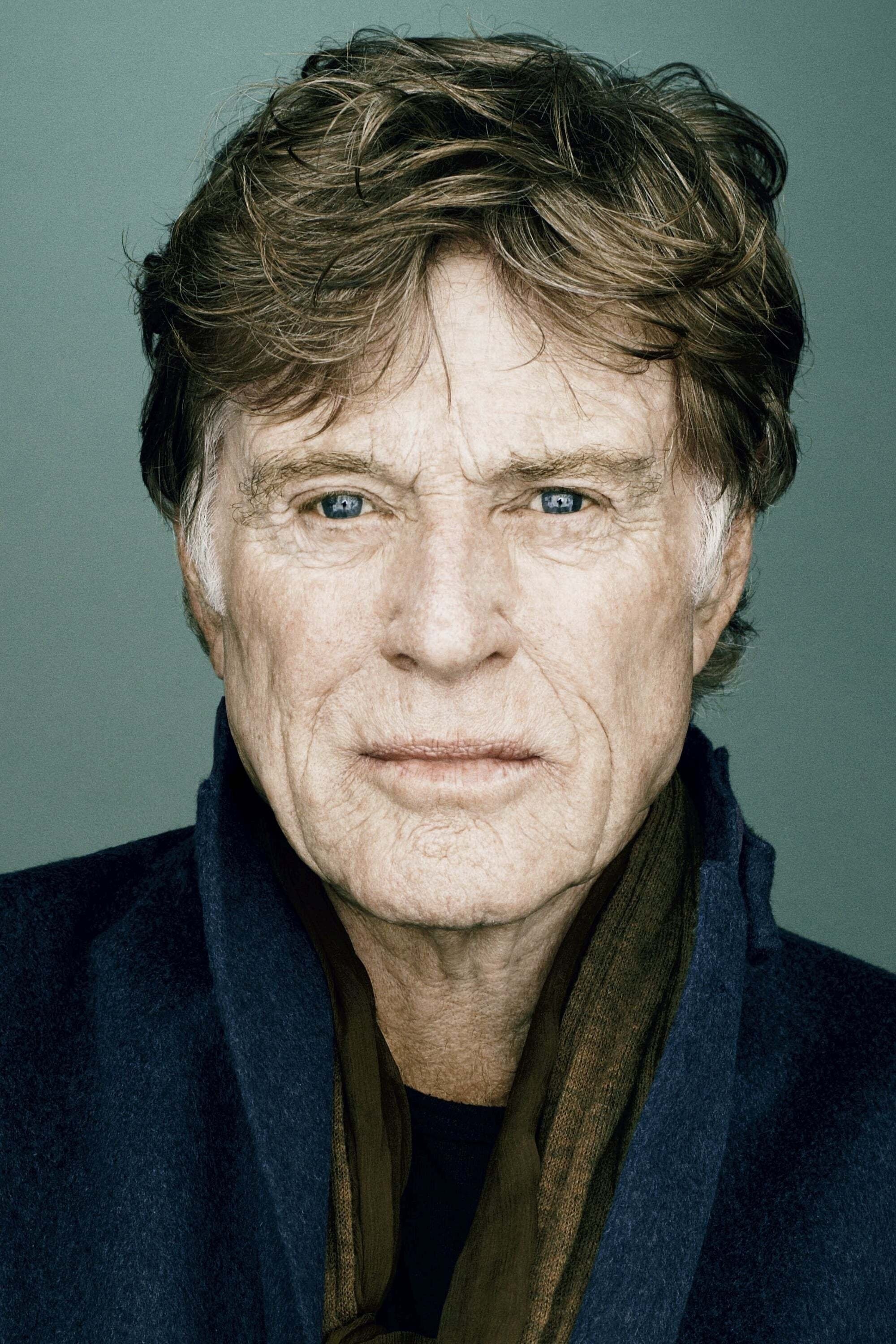
Robert Redford stepped back from on camera work to develop the Sundance Institute and related festivals. He focused on mentoring programs, artist labs, and year round support for independent storytellers. Environmental advocacy occupied much of his public schedule through campaigns and nonprofit partnerships. His time became centered on institution building and conservation.
Paul Newman
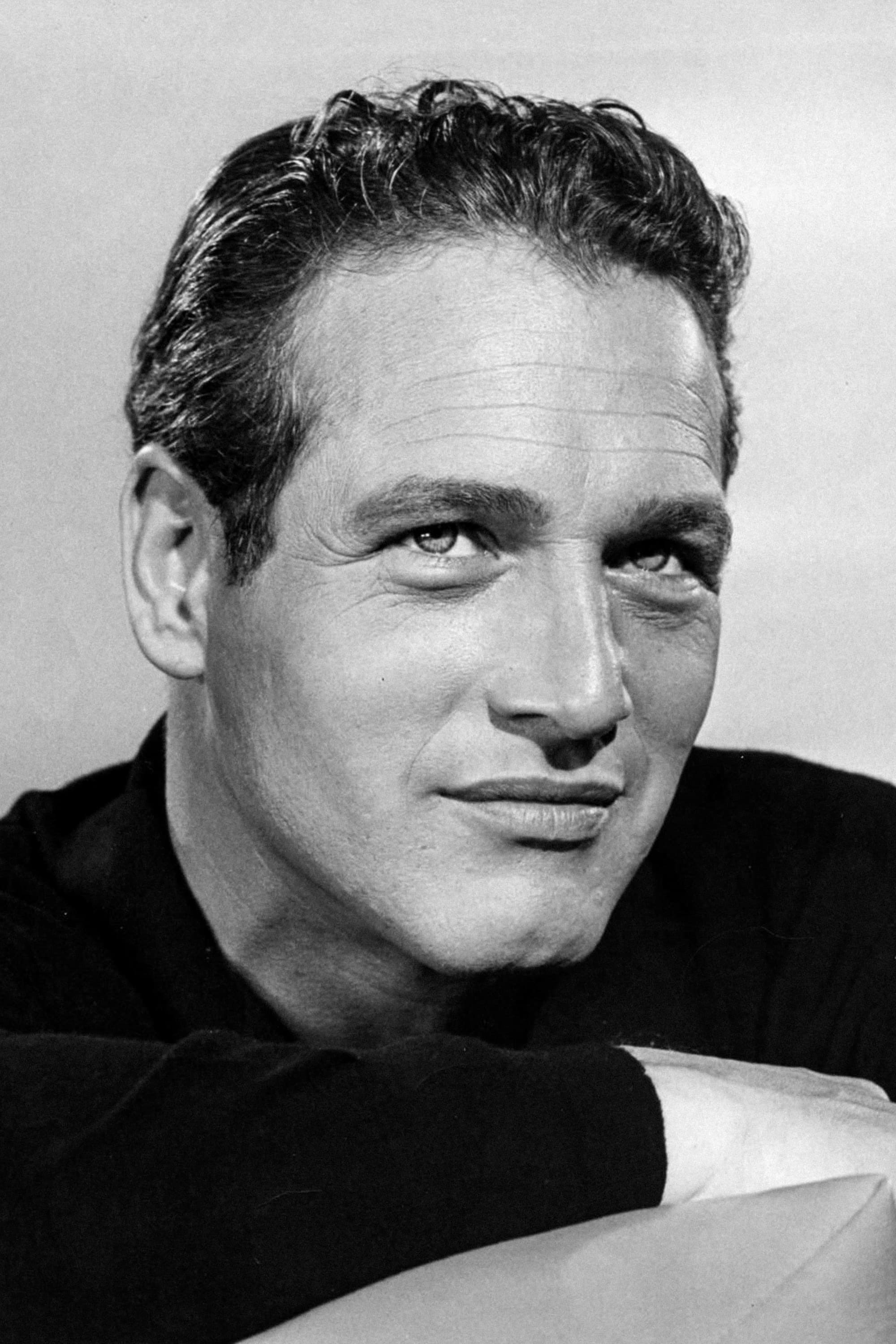
Paul Newman devoted significant energy to professional auto racing and team ownership. He co owned an open wheel program that competed at the highest levels and required constant management. He launched Newman’s Own food products and directed profits to charitable grants. Business operations and racing schedules often took priority over new roles.
Viggo Mortensen
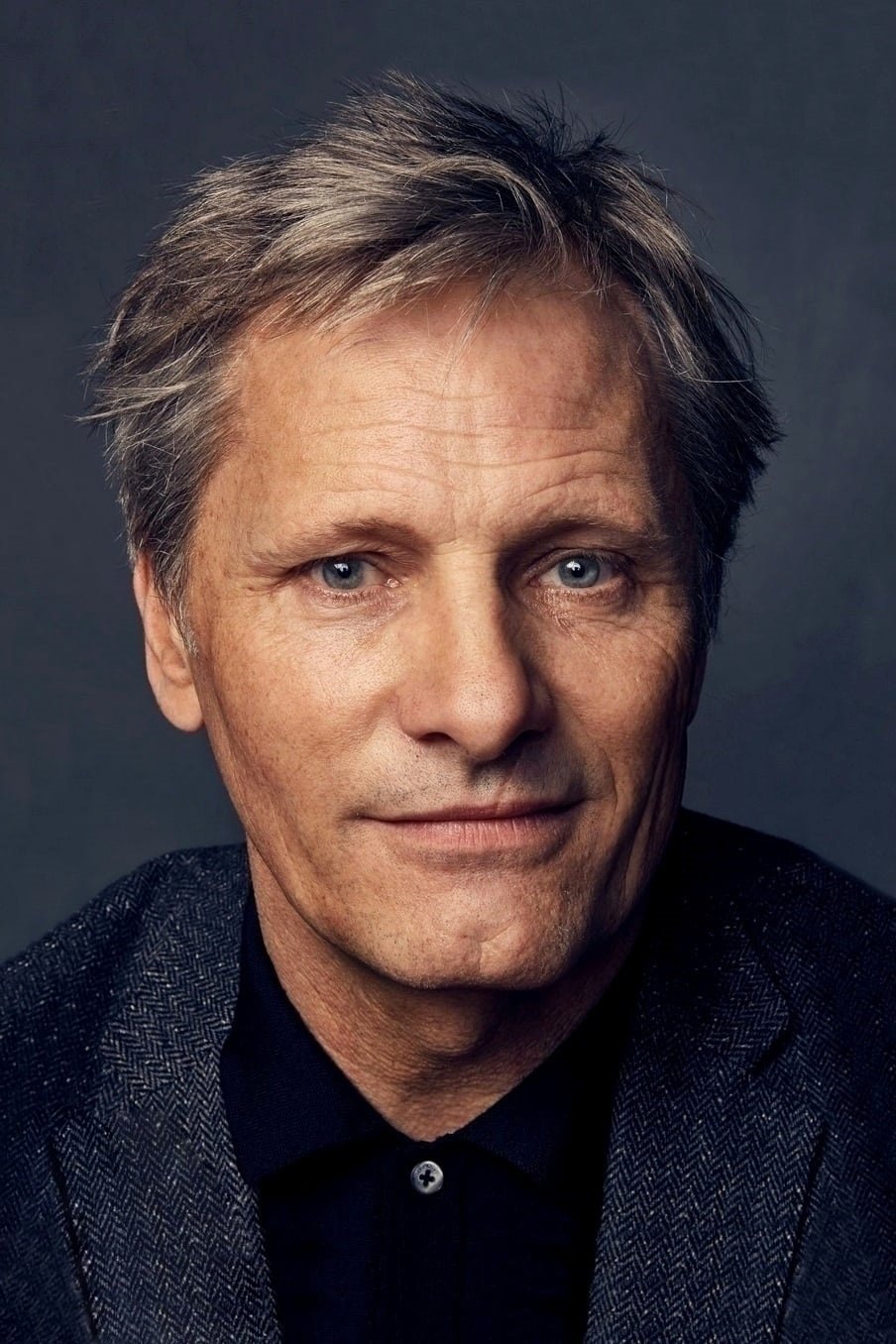
Viggo Mortensen shifted attention to publishing, poetry, and visual art. He founded Perceval Press to produce books by writers and artists who might be overlooked by larger houses. Exhibitions, recordings, and readings filled his calendar between occasional screen projects. He divided time among writing, painting, and music with minimal focus on traditional studio work.
Chris Tucker

Chris Tucker stepped away from frequent film roles and built a career around stand up comedy. He toured internationally with live shows that required constant writing and rehearsal. Benefit events and humanitarian travel added structure to his offstage schedule. Film appearances became selective while he concentrated on touring and producing specials.
Rupert Grint
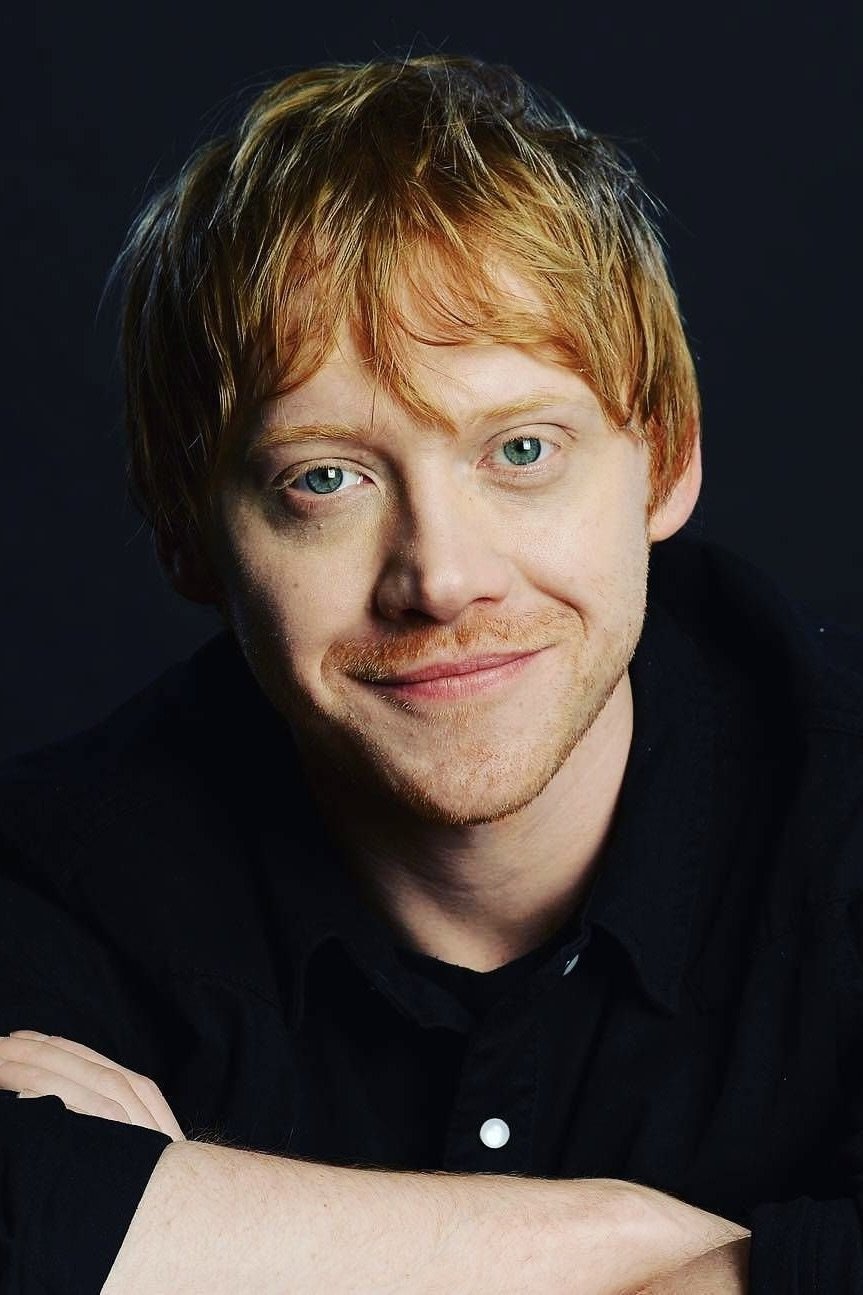
Rupert Grint invested in property and hospitality ventures after his long run in ‘Harry Potter’ films. He managed renovations and local business interests in his home region. He also spent time on personal projects that did not involve casting or studio commitments. Acting later resumed alongside ongoing real estate work.
Share your picks for actors who made the most interesting pivots in the comments.

