


Actors Who Refuse Green-Screen Work


Some actors make a point of chasing real locations, real sets, and real stunts, choosing practical filmmaking over digital backdrops whenever possible. They talk about how physical environments help them lock into character, and they pick projects that let them work that way. Many of them train for demanding action or collaborate closely with stunt teams so scenes can be captured in camera. Here are male actors known for pushing to minimize green-screen work and keep the action grounded.
Tom Cruise
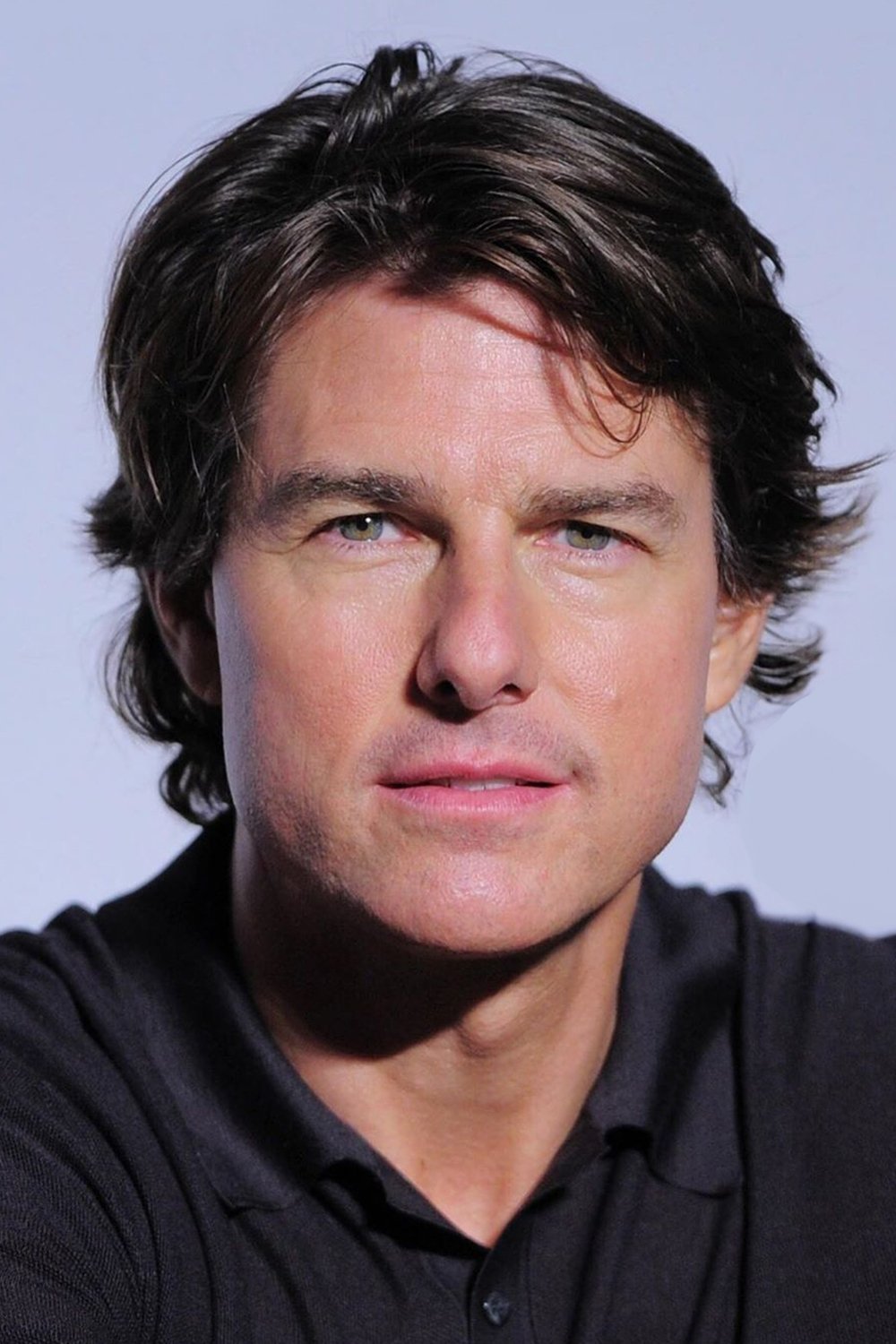
Cruise builds action sequences around practical stunts that can be photographed for real. He trains to perform set pieces himself and works with crews to design rigs that capture authentic movement. Productions like ‘Top Gun: Maverick’ and the ‘Mission Impossible’ series prioritized real aircraft, real locations, and on-set choreography. The goal is to reduce digital stand-ins so performance and environment feel connected.
Jackie Chan
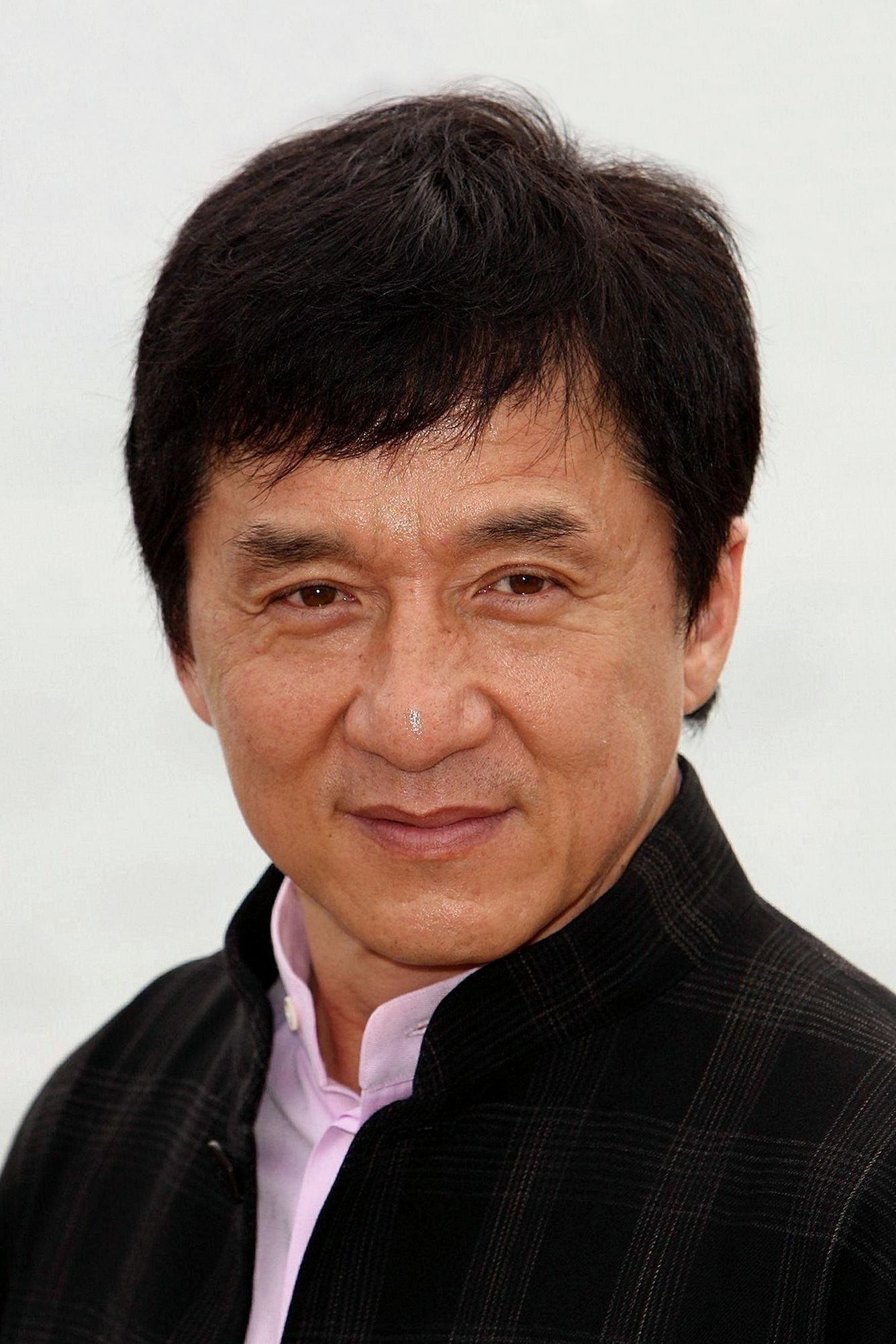
Chan’s action style is rooted in physical comedy and complex stunt design that plays out in wide shots. He relies on inventive use of props and real locations, often coordinating large stunt teams to get a gag right in camera. Movies such as ‘Police Story’ and ‘Project A’ showcase practical risk and meticulous timing rather than digital composites. His approach champions the audience seeing the performer and the environment in one continuous space.
Jason Statham
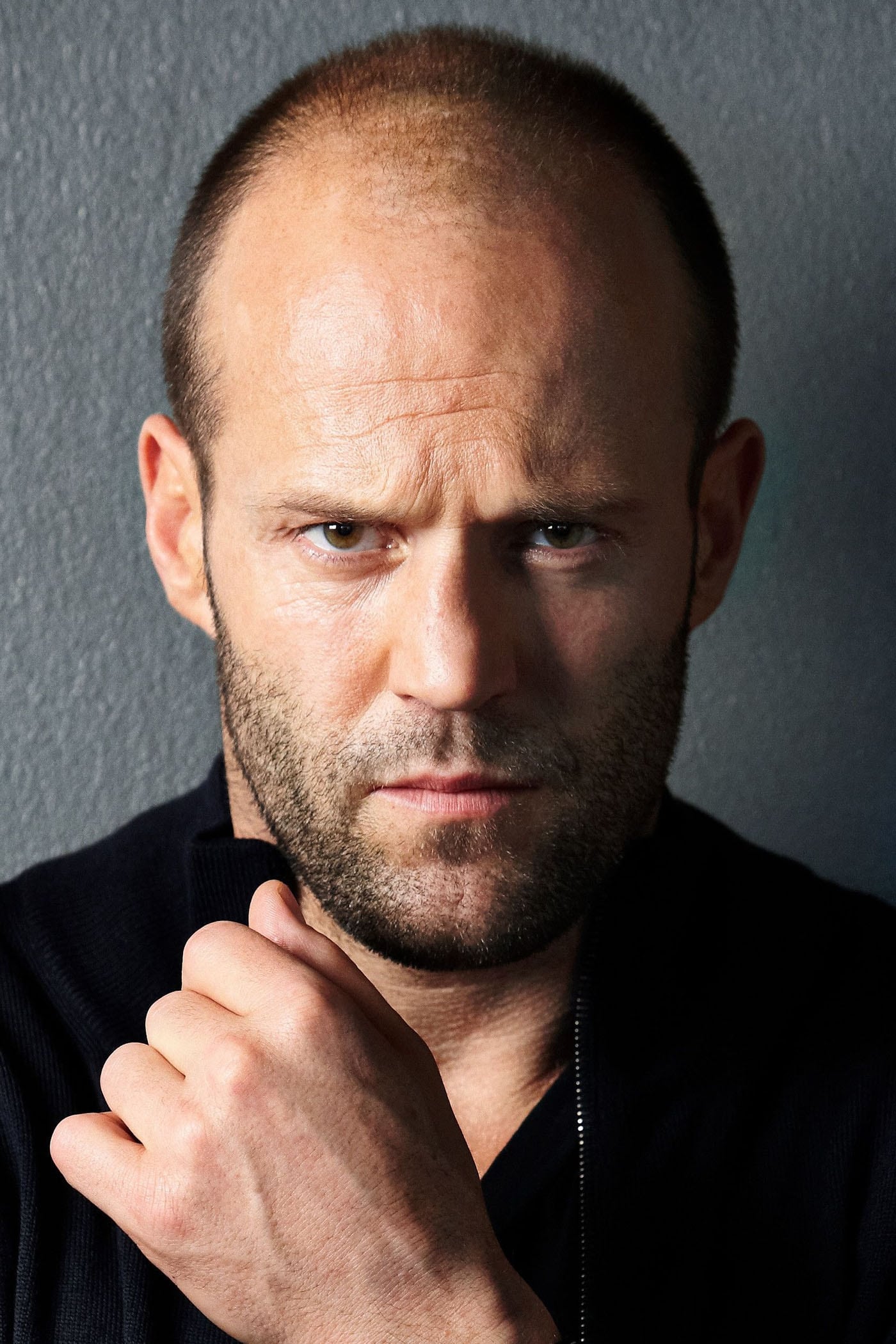
Statham is vocal about preferring grounded stunt work and clear physical choreography. He collaborates with stunt coordinators to favor real hits, falls, and vehicle work that do not need heavy digital aid. Films like ‘The Transporter’ and ‘Crank’ highlight practical driving and fight sequences built for camera. This keeps the set tactile so he can respond to real movement and props.
Daniel Craig
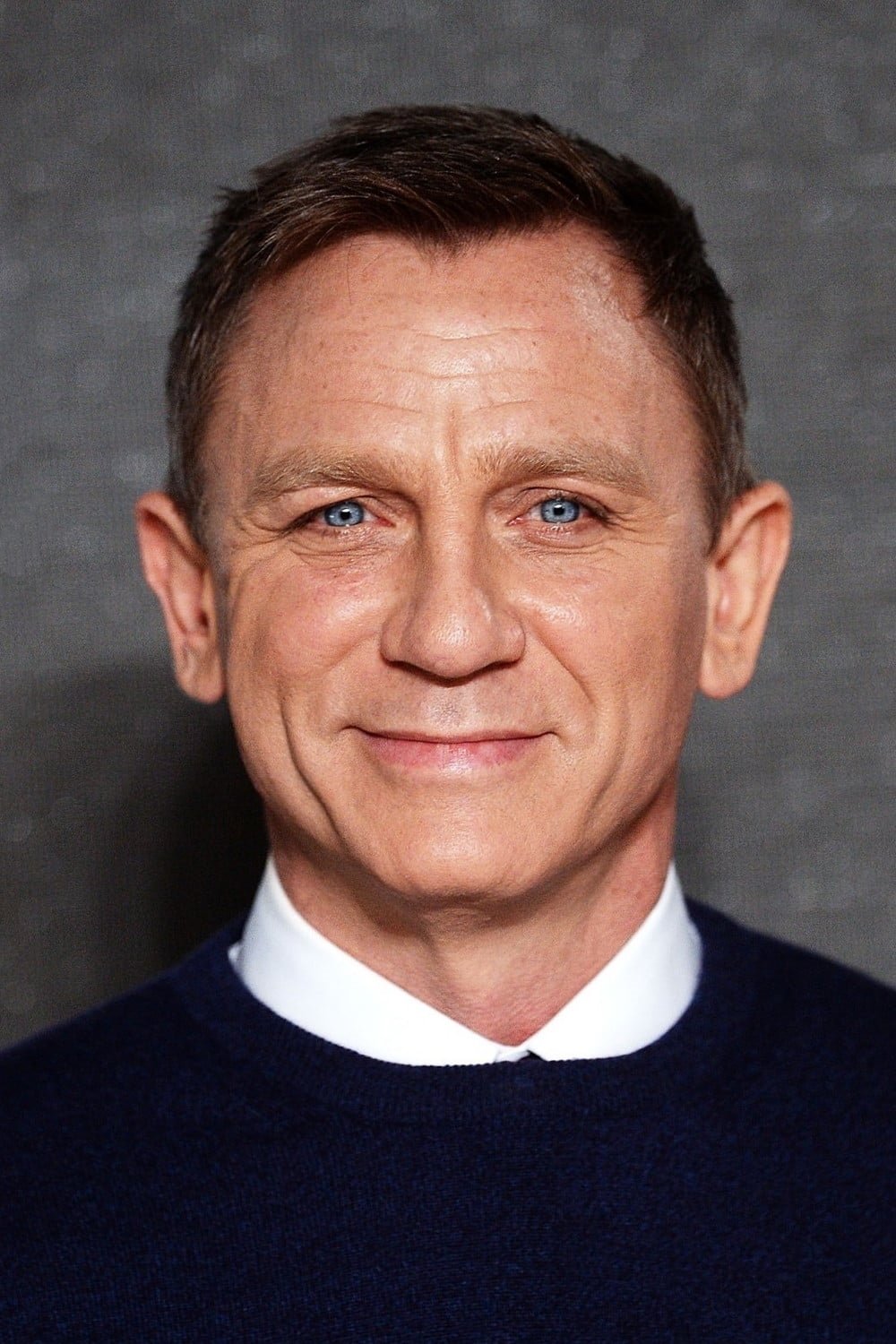
Craig’s tenure as Bond emphasized on-location stunt work and practical effects. He trained extensively for foot chases, close-quarters fights, and high-impact scenes staged in real environments. Entries like ‘Casino Royale’ and ‘Skyfall’ leaned on detailed stunt design to limit reliance on green screen. That approach supported a grounded tone that matched his take on the character.
Matt Damon
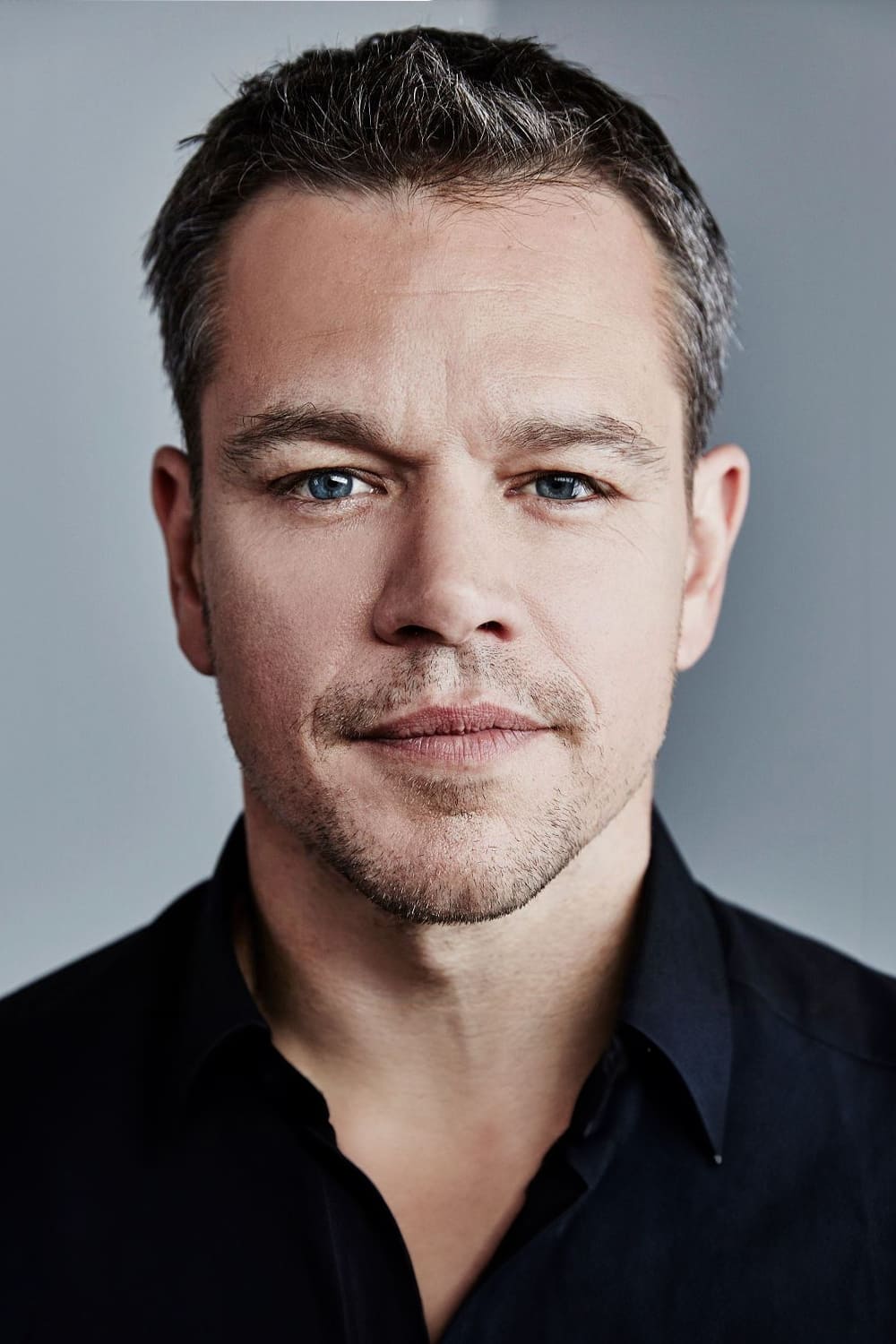
Damon’s action roles often prioritize real-world staging and handheld coverage. The ‘Bourne’ films use practical fights, car chases, and location shoots to maintain immediacy without digital backdrops. He has discussed how working in actual spaces helps calibrate performance and blocking. The productions design sequences so the camera can witness authentic cause and effect.
Keanu Reeves
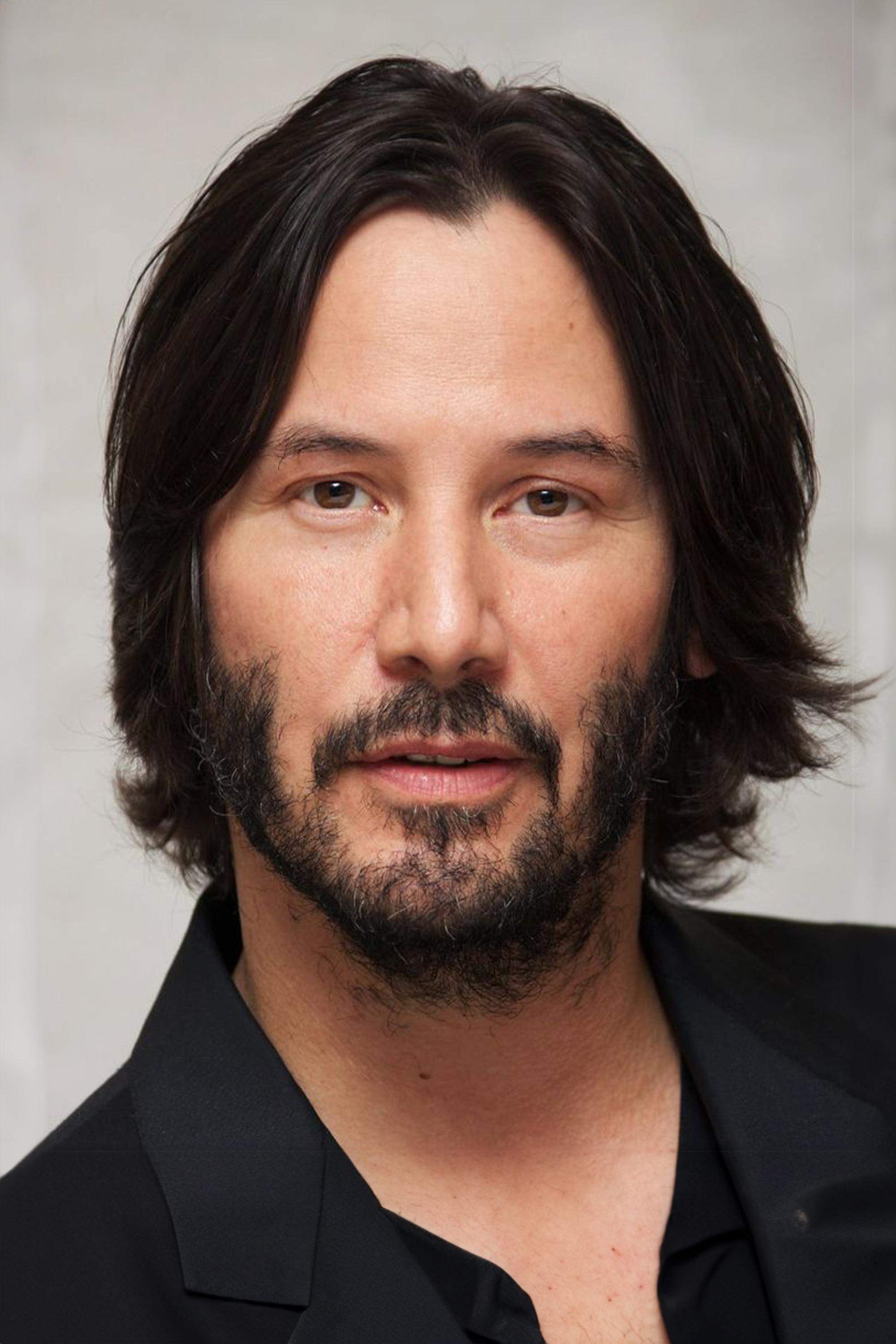
Reeves commits to extensive weapons and martial arts training so scenes can be captured in camera. The ‘John Wick’ series focuses on practical choreography, real reloads, and long takes that reduce the need for digital stitching. He works with stunt teams to rehearse complex sequences until they play cleanly for the lens. The emphasis is on authentic body mechanics rather than green-screen composites.
Christian Bale
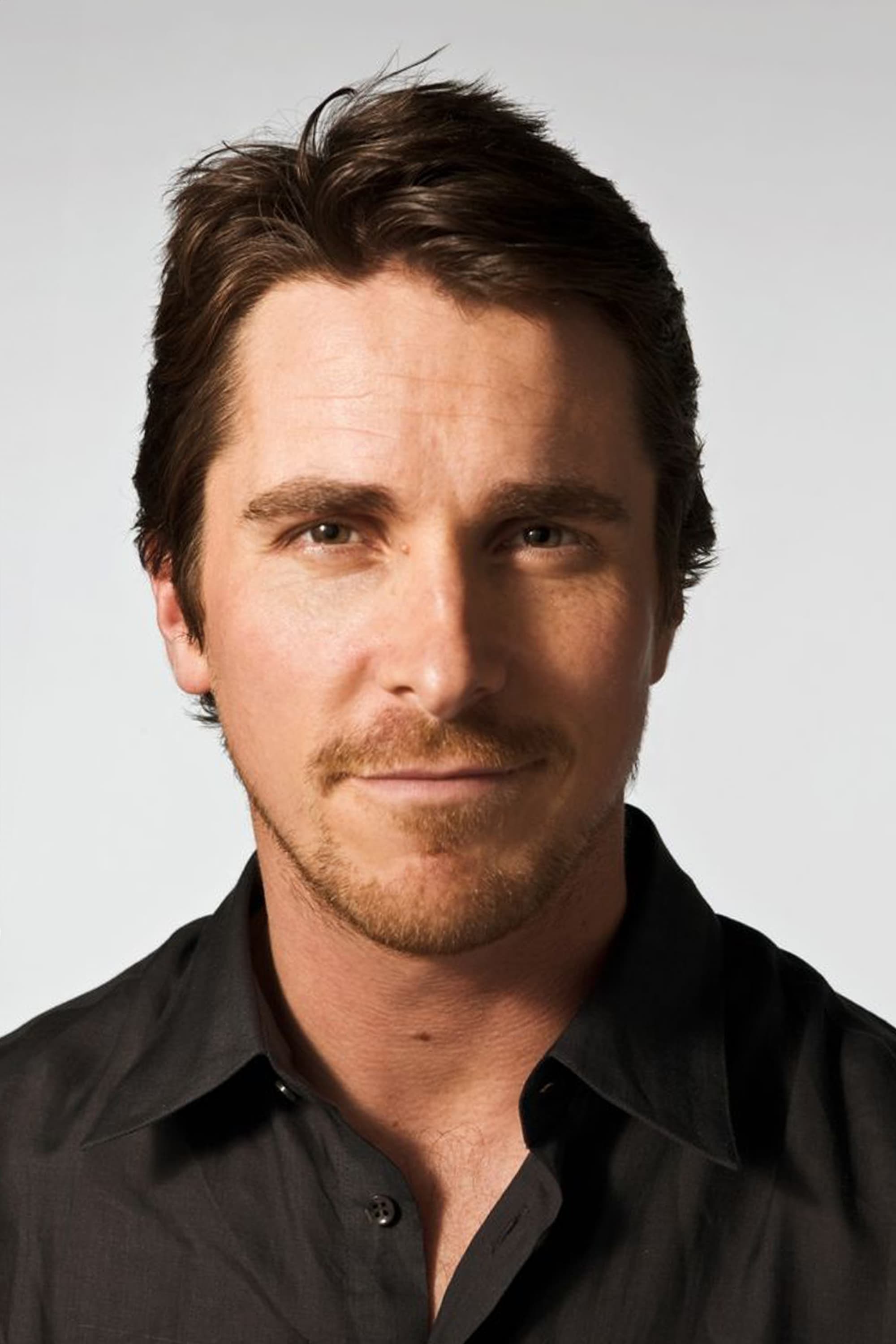
Bale favors immersive sets and practical builds that let him interact with the environment. Projects like ‘The Dark Knight’ used large-scale special effects, real vehicles, and in-camera spectacle to ground the action. He has spoken about the value of physical space in shaping performance choices. Productions are planned to keep digital augmentation as a support tool rather than the backbone.
Donnie Yen

Yen’s background in martial arts leads to choreography designed for real-time capture. Films such as ‘Ip Man’ showcase extended exchanges where timing and technique are visible without digital embellishment. He works to stage scenes on tangible sets that let strikes, footwork, and reactions read clearly. The result is action that relies on discipline rather than green-screen assembly.
Tony Jaa
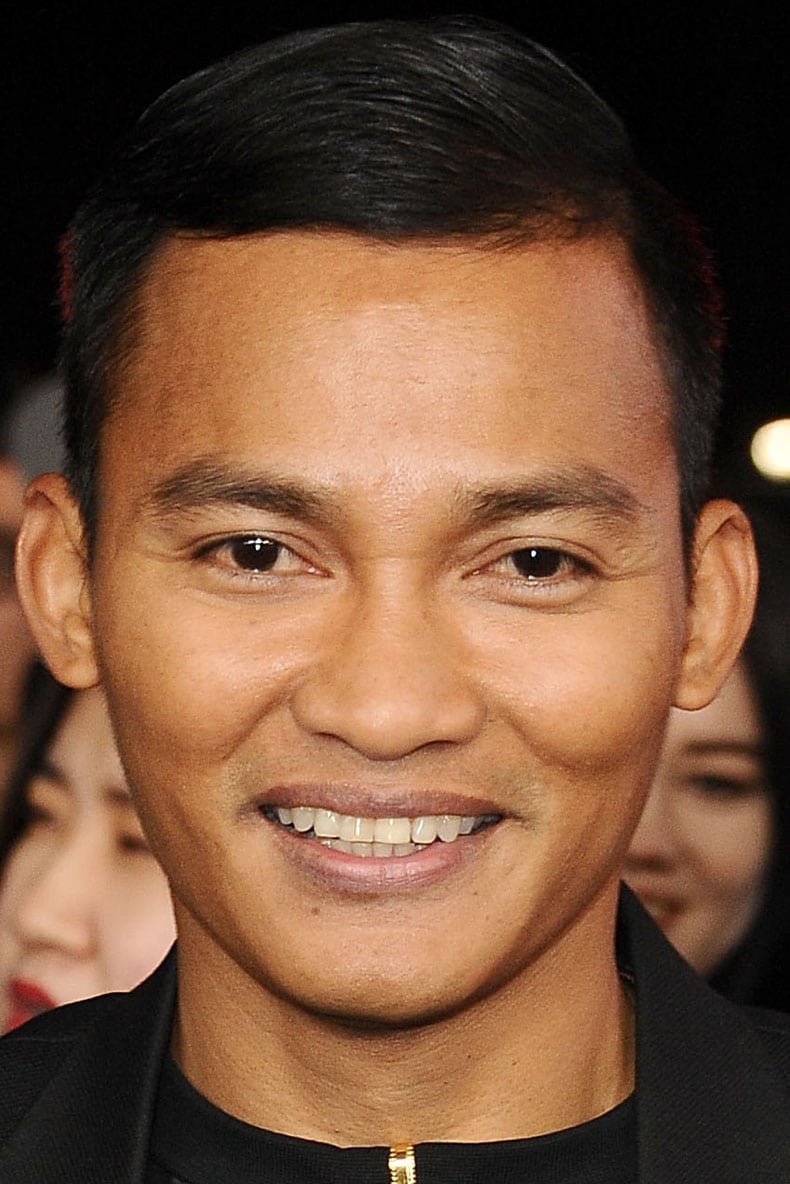
Jaa’s breakout work centered on authentic stunts and contact-driven fighting. Titles like ‘Ong-Bak’ and ‘The Protector’ highlight bone-crunching techniques, long takes, and real acrobatics. Sets are arranged for safe but practical impact, keeping the camera witness to the performer. His brand is built on minimizing digital shortcuts in favor of visible athleticism.
Scott Adkins
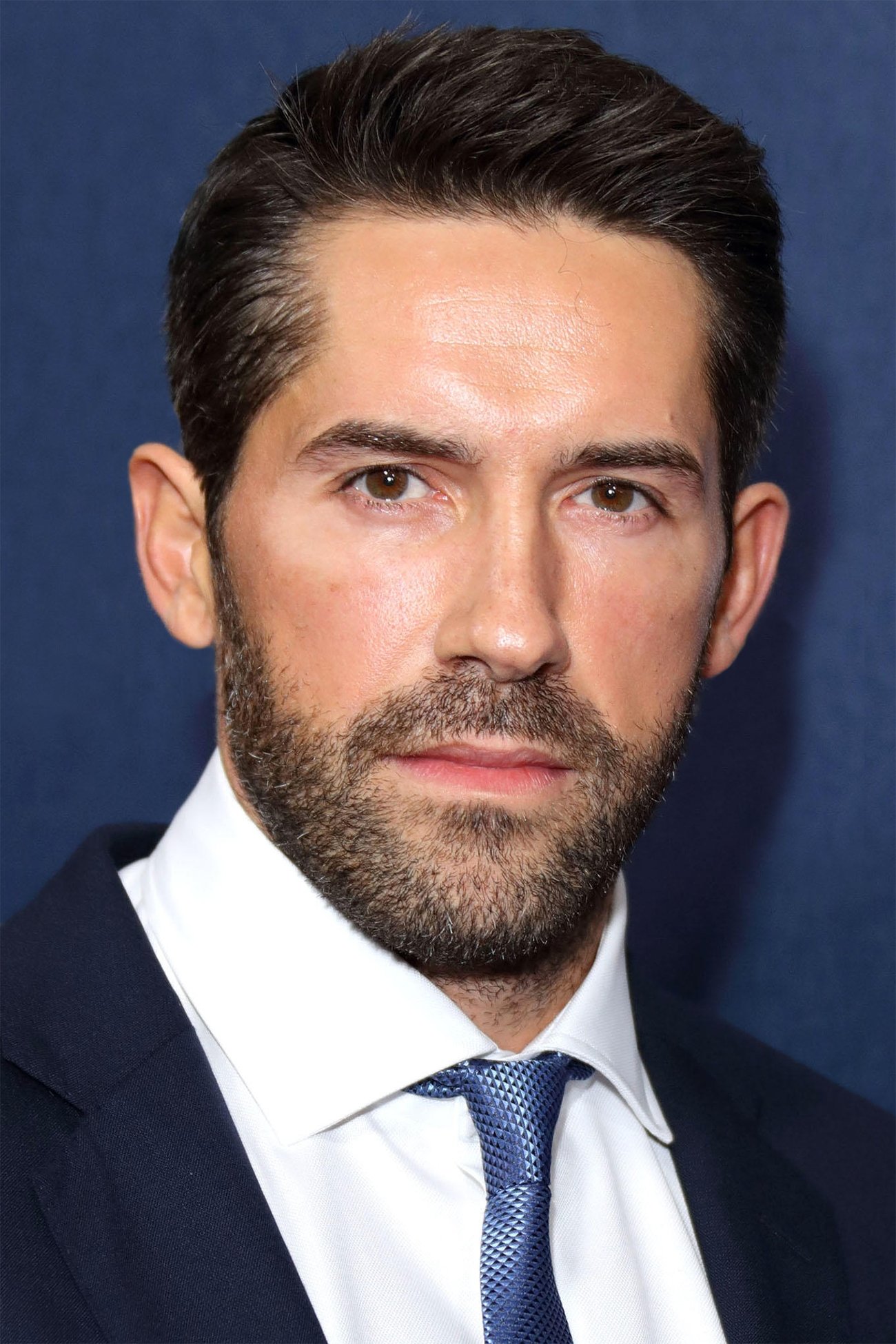
Adkins combines martial arts with careful stunt planning so sequences can be photographed cleanly. Projects like ‘Undisputed III: Redemption’ and ‘Accident Man’ build fights that emphasize technique over visual effects. He trains with stunt teams to make hits, throws, and falls read on camera without heavy compositing. The production approach keeps environments physical to support precision timing.
Sylvester Stallone
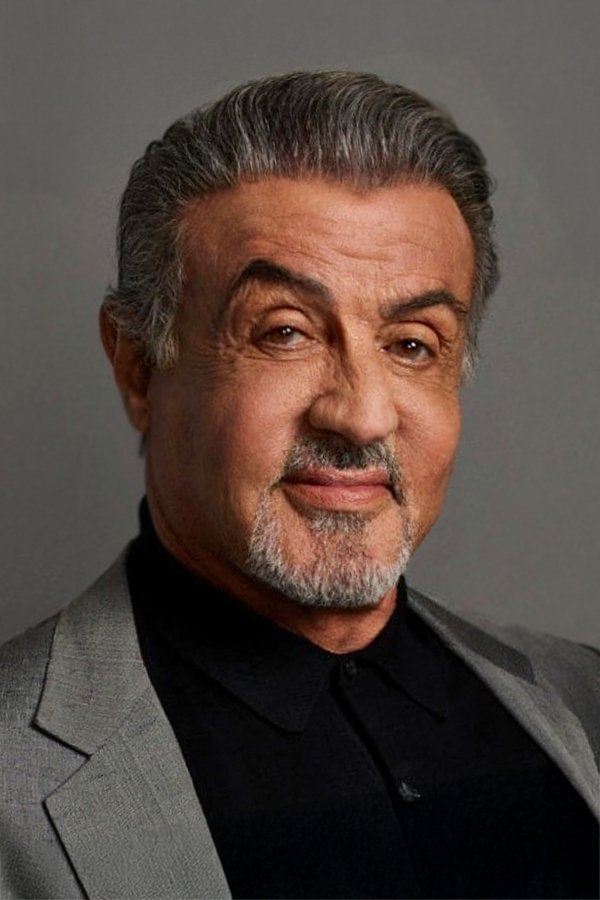
Stallone’s action films often lean on practical pyrotechnics, sets, and stunt work. Franchises like ‘Rambo’ and ‘The Expendables’ showcase old-school filmmaking techniques prioritized during production. He pushes for tangible elements that performers can engage with in the moment. This keeps sequences rooted in real terrain and practical effects rather than screens.
Arnold Schwarzenegger
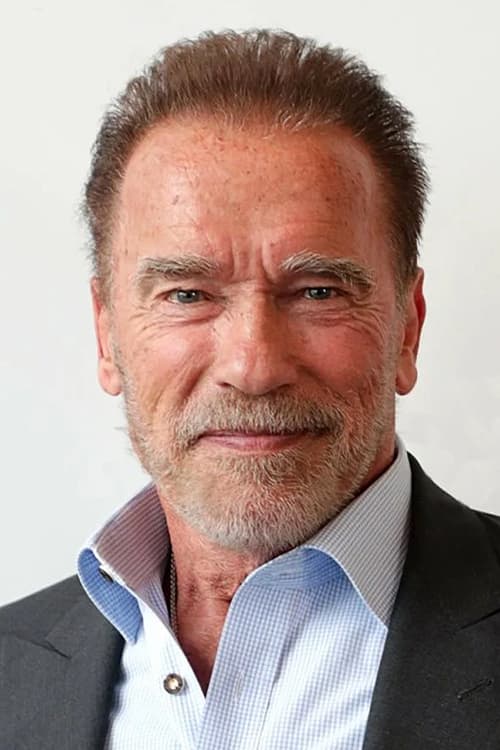
Schwarzenegger’s classic action roles were built around real sets, vehicles, and pyrotechnics. Films like ‘Commando’ and ‘True Lies’ prioritized physical locations and practical spectacle for large sequences. He has maintained an interest in grounded action design even as effects technology evolved. Productions aim to capture as much as possible in camera before any digital touch-up.
Harrison Ford
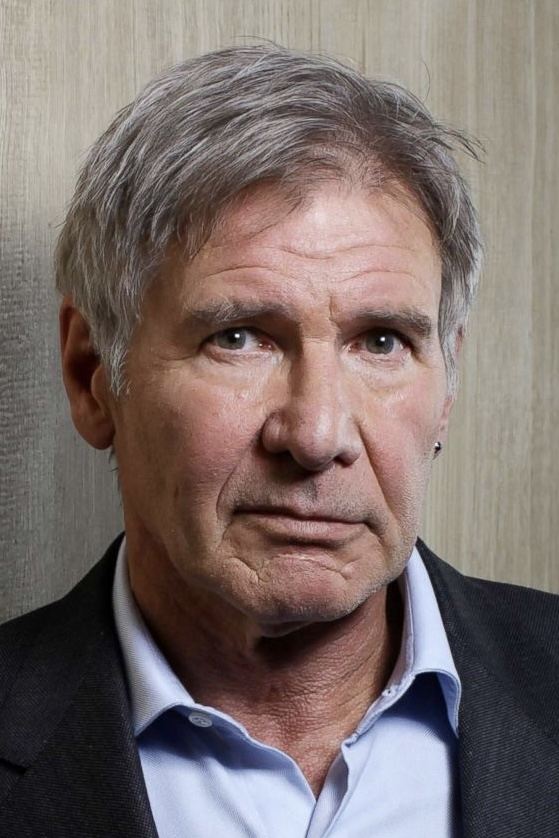
Ford is associated with adventure storytelling that favors lived-in sets and practical effects. The ‘Indiana Jones’ series is known for real locations, physical props, and in-camera stunts designed to feel tactile. He often speaks about how interacting with actual environments supports character work. The filmmaking approach limits green-screen reliance to maintain an old-school texture.
Viggo Mortensen
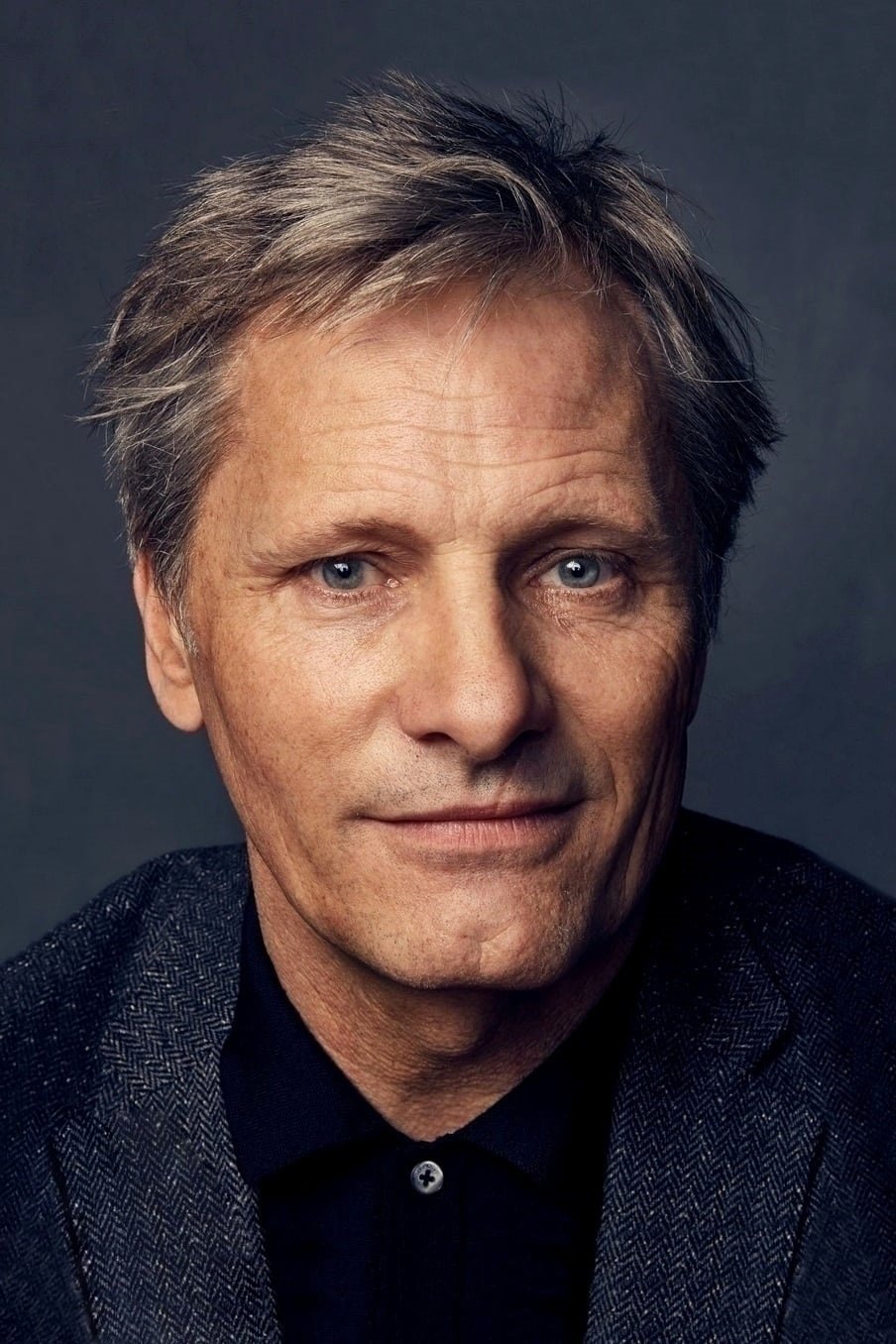
Mortensen gravitates toward productions that build detailed sets and tangible worlds. In ‘The Lord of the Rings’ he trained for riding and swordwork that could be filmed on location with practical elements. He values props and environments that respond to real light and weather. This reduces the need for digital stand-ins and keeps performances grounded.
Tom Hardy
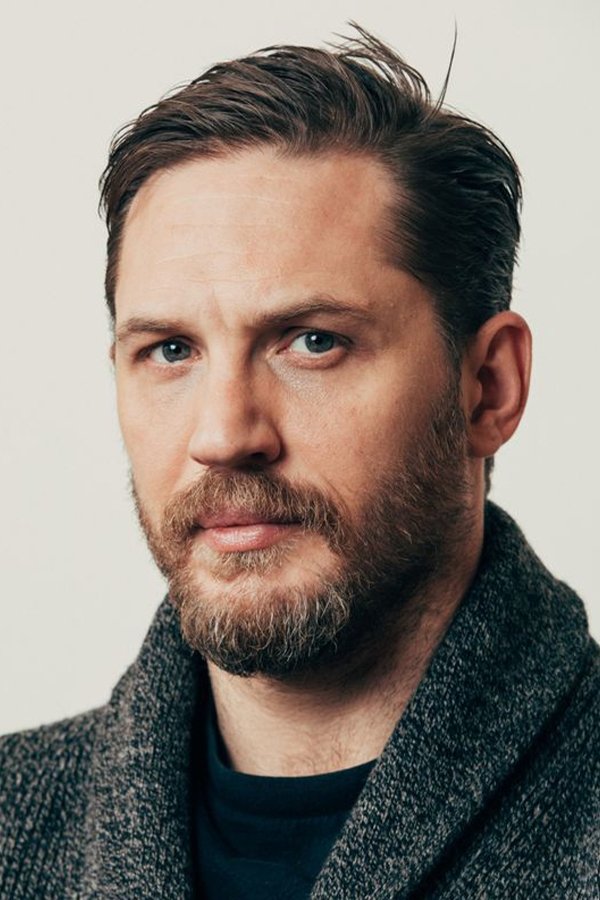
Hardy’s action projects frequently emphasize on-set rigs and practical stunt coordination. ‘Mad Max: Fury Road’ is a showcase for real vehicles, choreographed chases, and large practical builds captured by multiple cameras. He works within physical spaces that inform movement and timing. The approach aims to keep digital work as enhancement rather than the primary method.
Leonardo DiCaprio
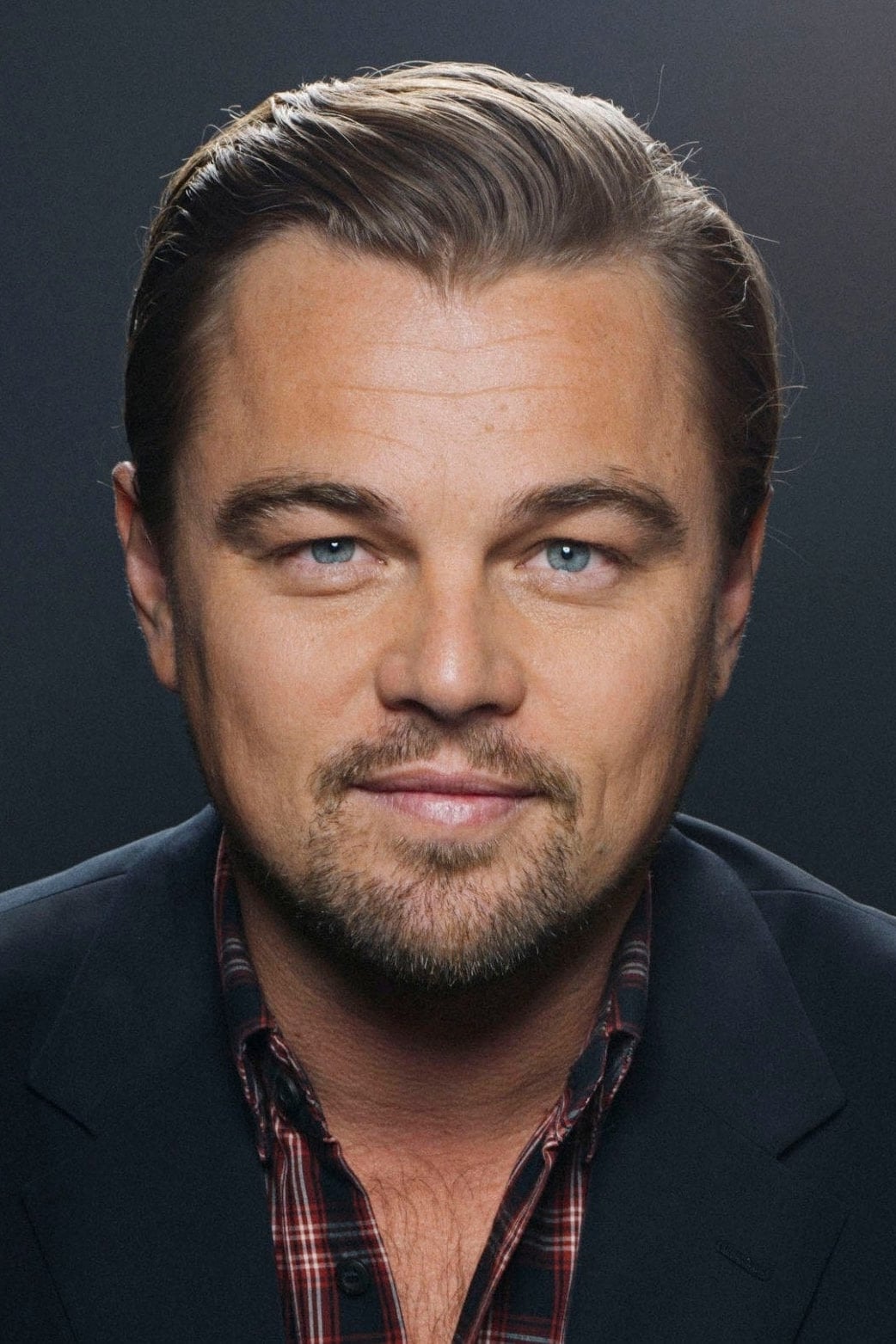
DiCaprio gravitates toward productions that emphasize real locations and natural light so scenes play truthfully in camera. On ‘The Revenant’ he worked in harsh outdoor conditions that minimized the need for digital backdrops. ‘Inception’ built large rotating corridors and collapsing sets to capture impossible effects practically. His preference for tangible environments supports blocking and performance that respond to real space.
Hugh Jackman
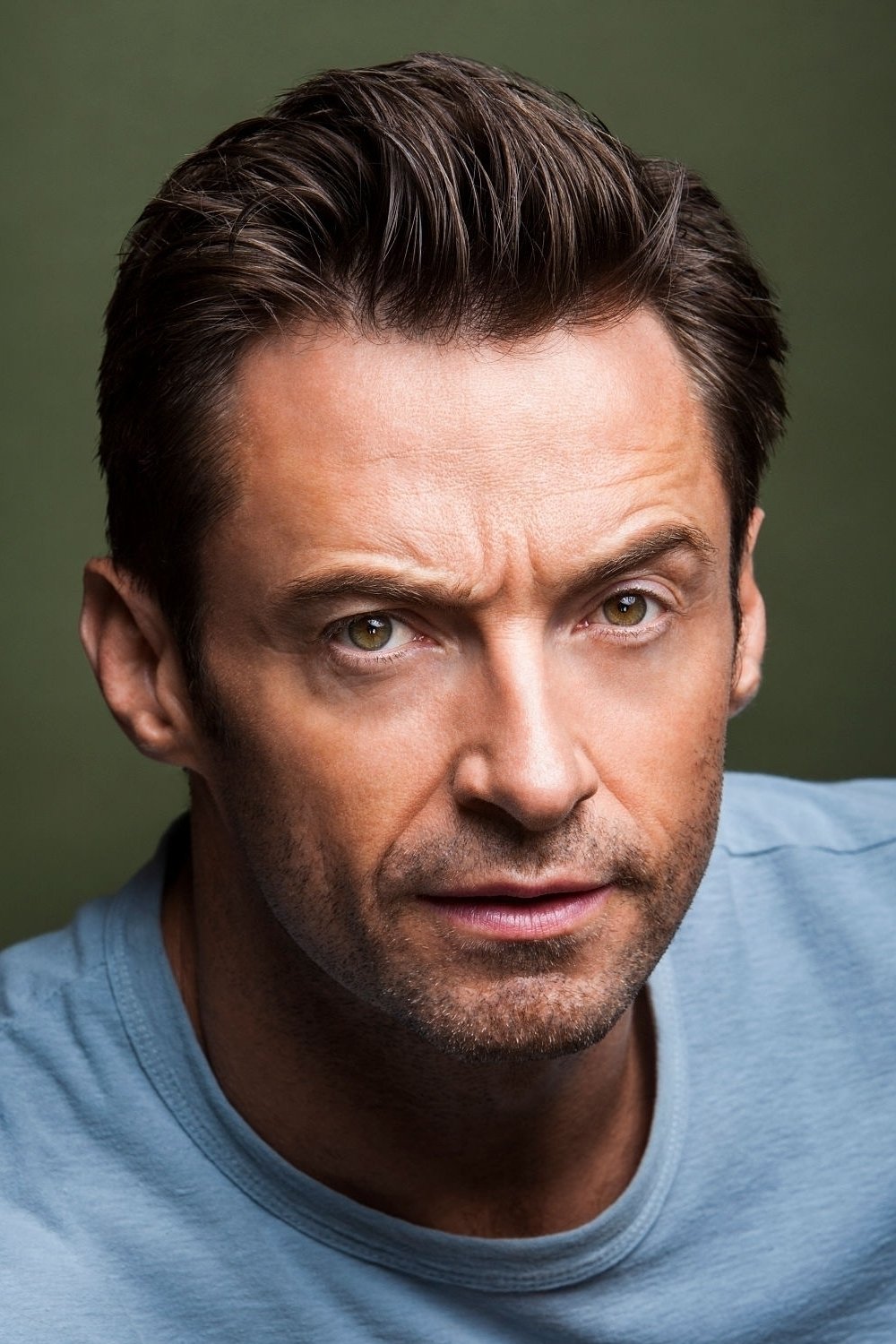
Jackman trained extensively for stunt-heavy work so filmmakers could stage longer takes without digital stitching. ‘The Wolverine’ and ‘Logan’ leaned on grounded choreography and on-location photography to keep action tactile. He often rehearses weapons handling and movement so sequences can be captured cleanly. Productions design sets to let him interact with real props and terrain rather than stand-ins.
Chris Hemsworth
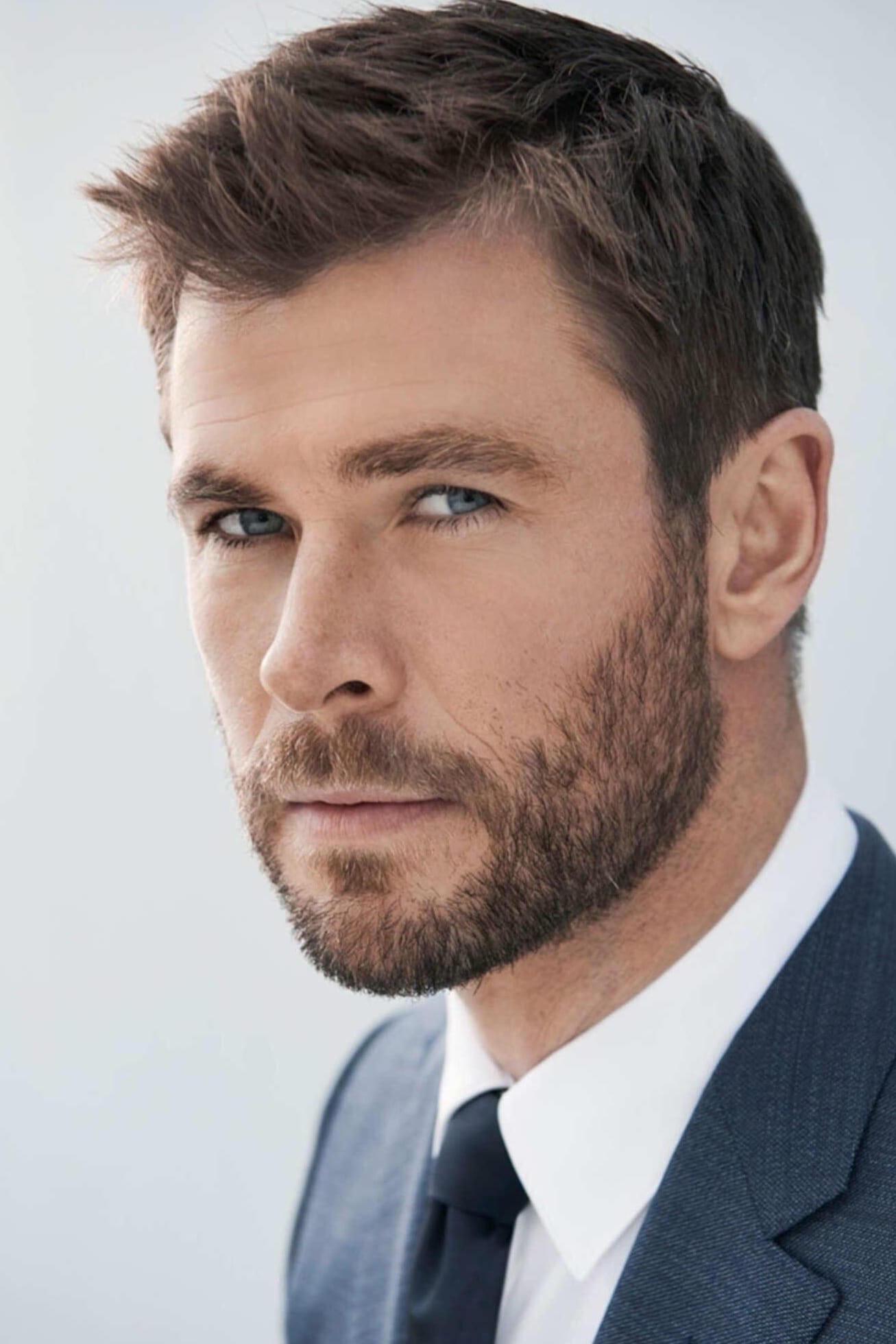
Hemsworth’s action projects frequently plan intricate camera moves around practical fighting and vehicle work. In ‘Extraction’ he performed sustained action passages on location with minimal compositing. The team built set pieces to support long, continuous shots that favor real world geography. This approach allows physical timing and contact to read clearly without relying on green-screen stages.
Jeremy Renner
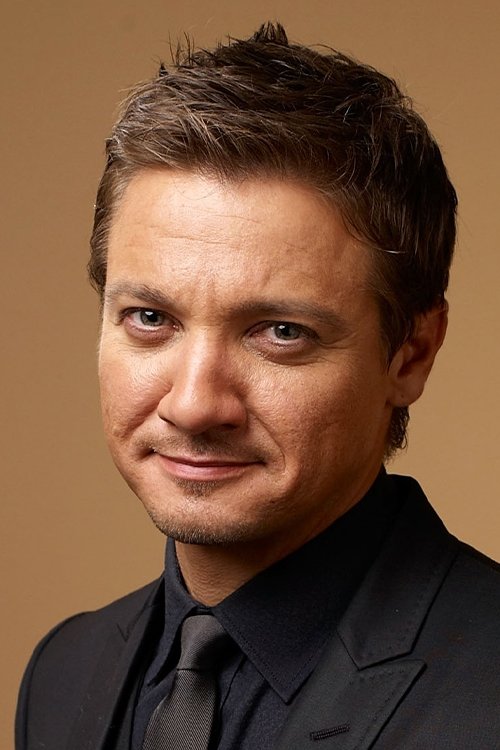
Renner’s roles emphasize practical stunt collaboration and location-intensive shoots. ‘The Hurt Locker’ was filmed in real desert environments that shaped authentic movement and reactions. His work on ‘Mission: Impossible – Ghost Protocol’ included sequences designed around real-world rigs and architecture. Productions prioritize in-camera coverage so he can engage with actual surroundings.
Clive Owen
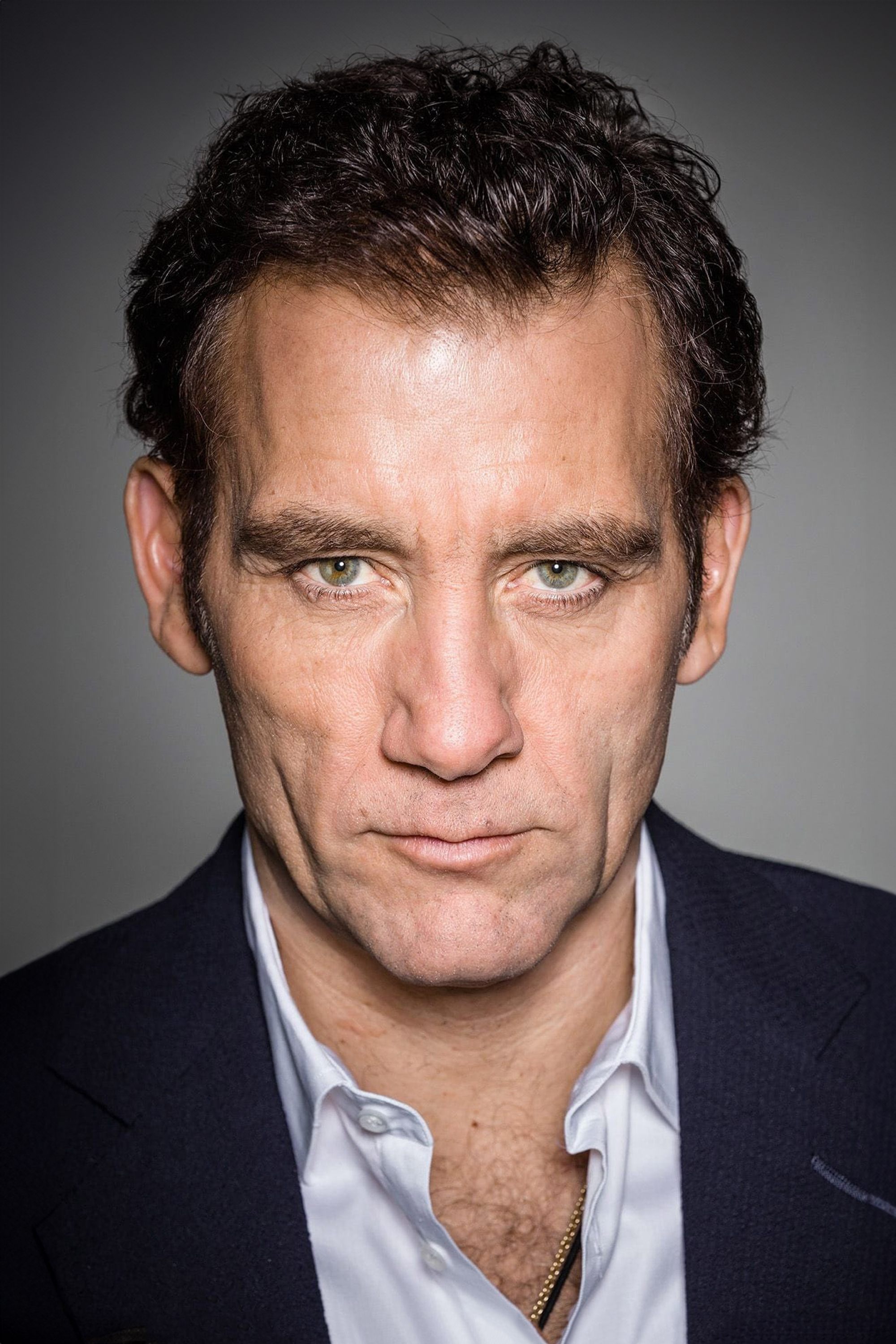
Owen is known for projects that stage complex action with practical effects and precise blocking. ‘Children of Men’ executed extended single-take sequences using physical rigs inside real vehicles and buildings. Location photography and practical squibs replaced digital stand-ins across key scenes. This methodology keeps performances anchored to tangible space and light.
Iko Uwais
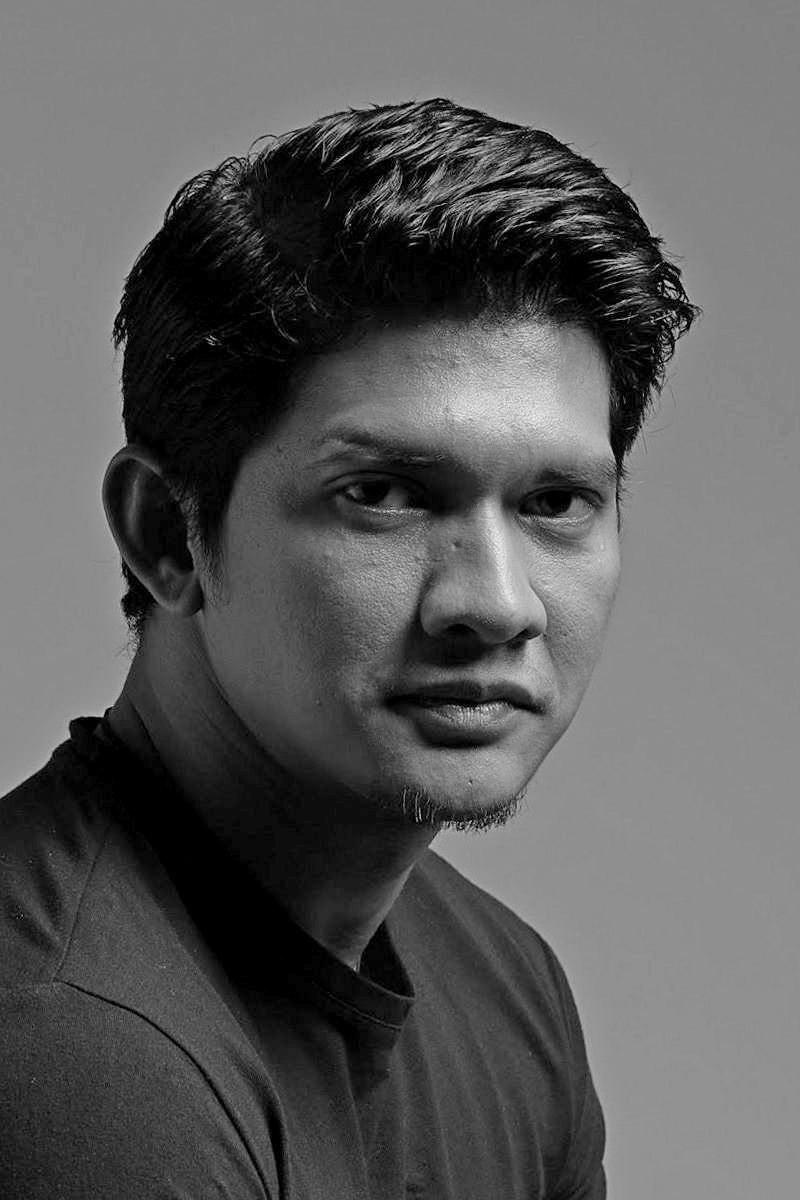
Uwais brings authentic silat technique to sets built for real-time capture. ‘The Raid’ focused on contact-driven choreography and confined locations that favored in-camera storytelling. He trains with stunt teams to ensure hits and reactions read without heavy digital aid. The production style relies on practical impacts and clear geography instead of green-screen assembly.
Jet Li
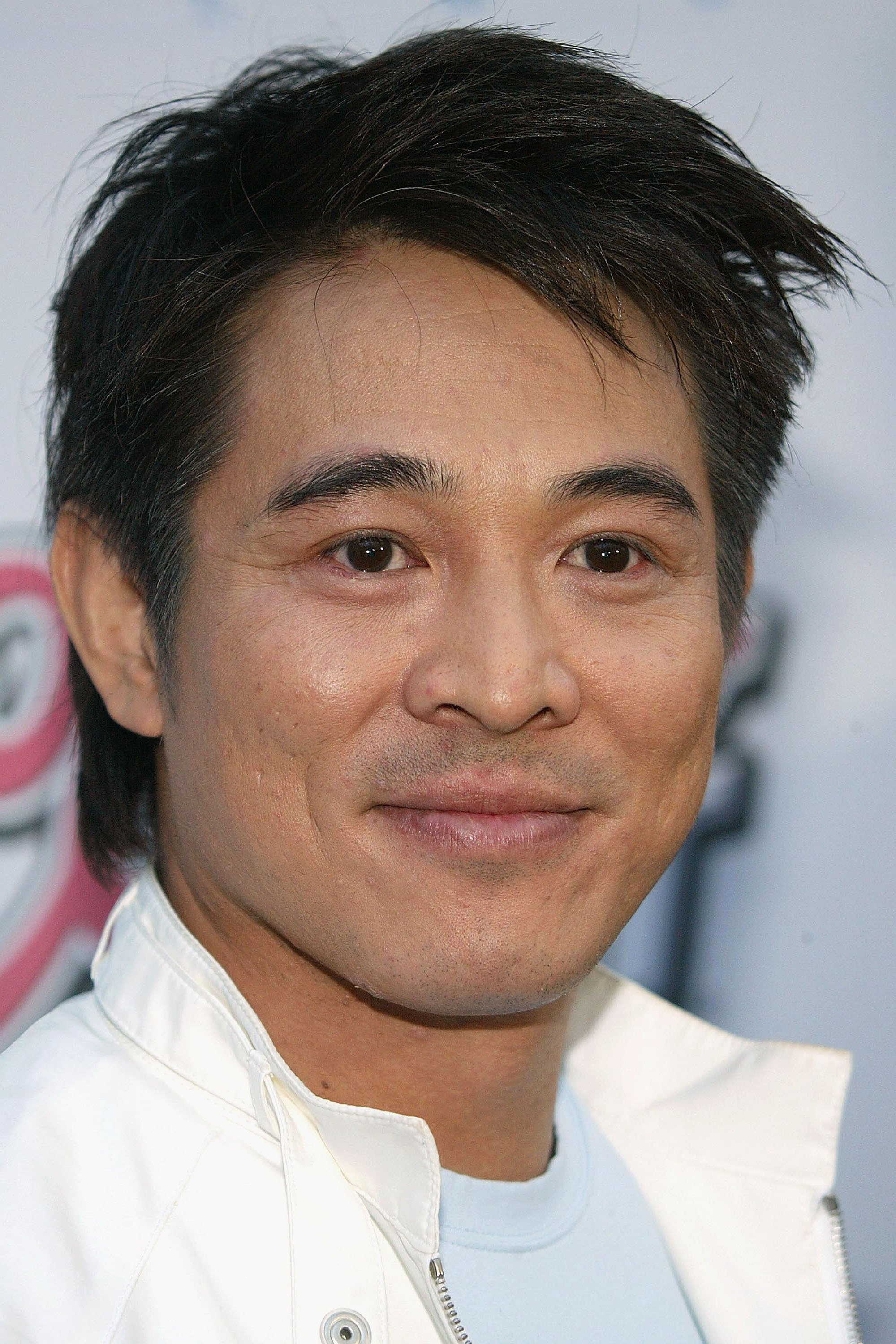
Li’s martial arts films frequently use practical wire work and on-set choreography to highlight technique. ‘Once Upon a Time in China’ and ‘Fearless’ staged fights with real props and carefully designed sets. He collaborates closely with action directors so movements can be photographed in wide shots. The process reduces digital alteration and preserves the rhythm of real performance.
Kurt Russell
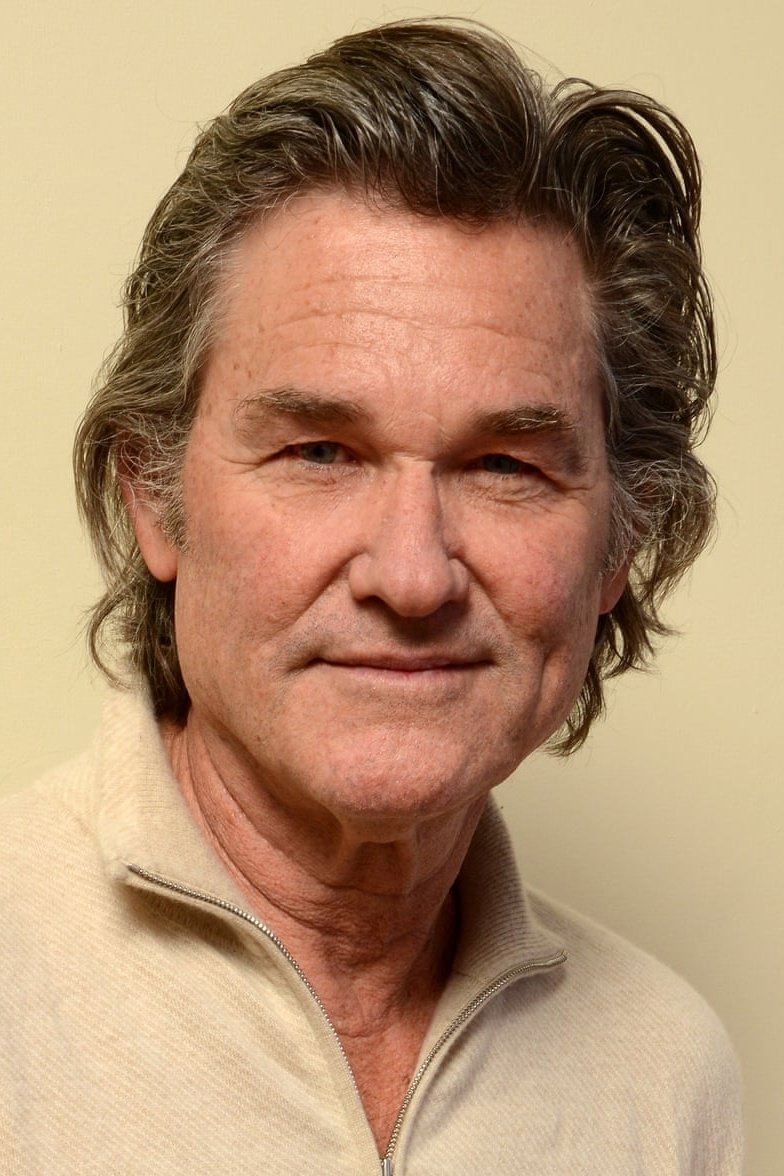
Russell has long associated with productions that favor real sets, vehicles, and pyrotechnics. Films like ‘Escape from New York’ and ‘Bone Tomahawk’ leaned on built environments and location work to ground scenes. Action beats are staged with practical effects so the camera can capture cause and effect. This keeps performances tied to physical surroundings rather than digital backdrops.
Mel Gibson
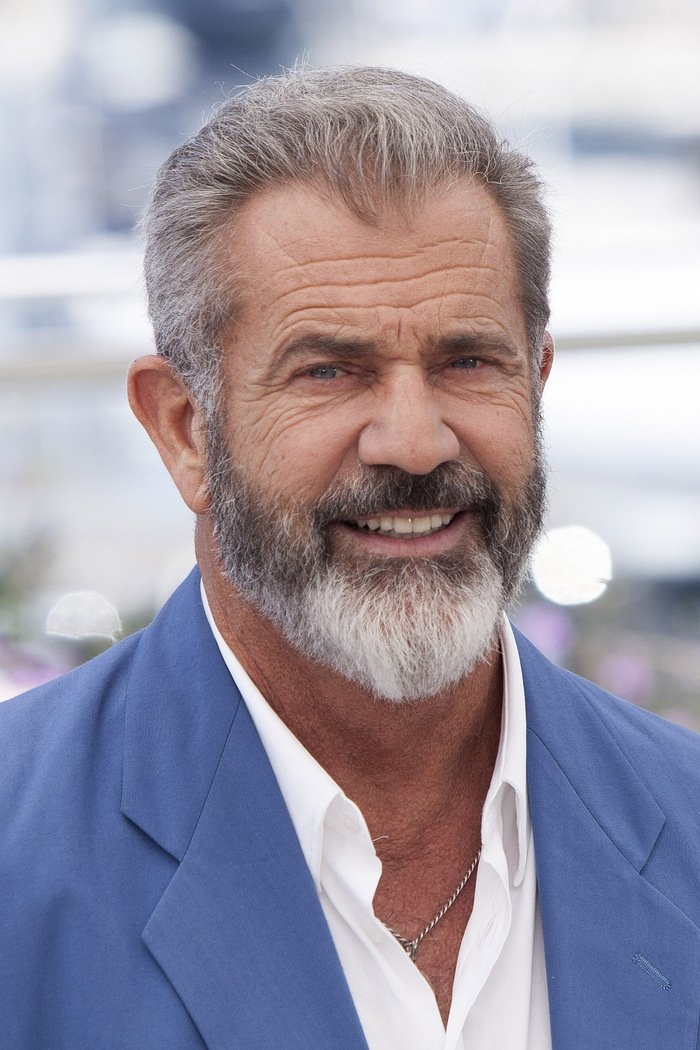
Gibson’s action and period projects typically foreground practical builds and on-location photography. As a performer in films such as ‘Braveheart’ and ‘We Were Soldiers’ he worked within large physical sets and real terrain. The approach supports sweeping sequences captured with practical effects and real extras. Productions aim to minimize green screen and preserve natural atmospherics.
Michael Fassbender

Fassbender has pursued stunt training to enable practical capture of demanding sequences. ‘Assassin’s Creed’ incorporated real parkour and coordinated falls to reduce reliance on digital replication. He often works on sets designed to allow full body performance in continuous takes. This framework helps maintain consistent light and spatial logic without heavy compositing.
Henry Cavill
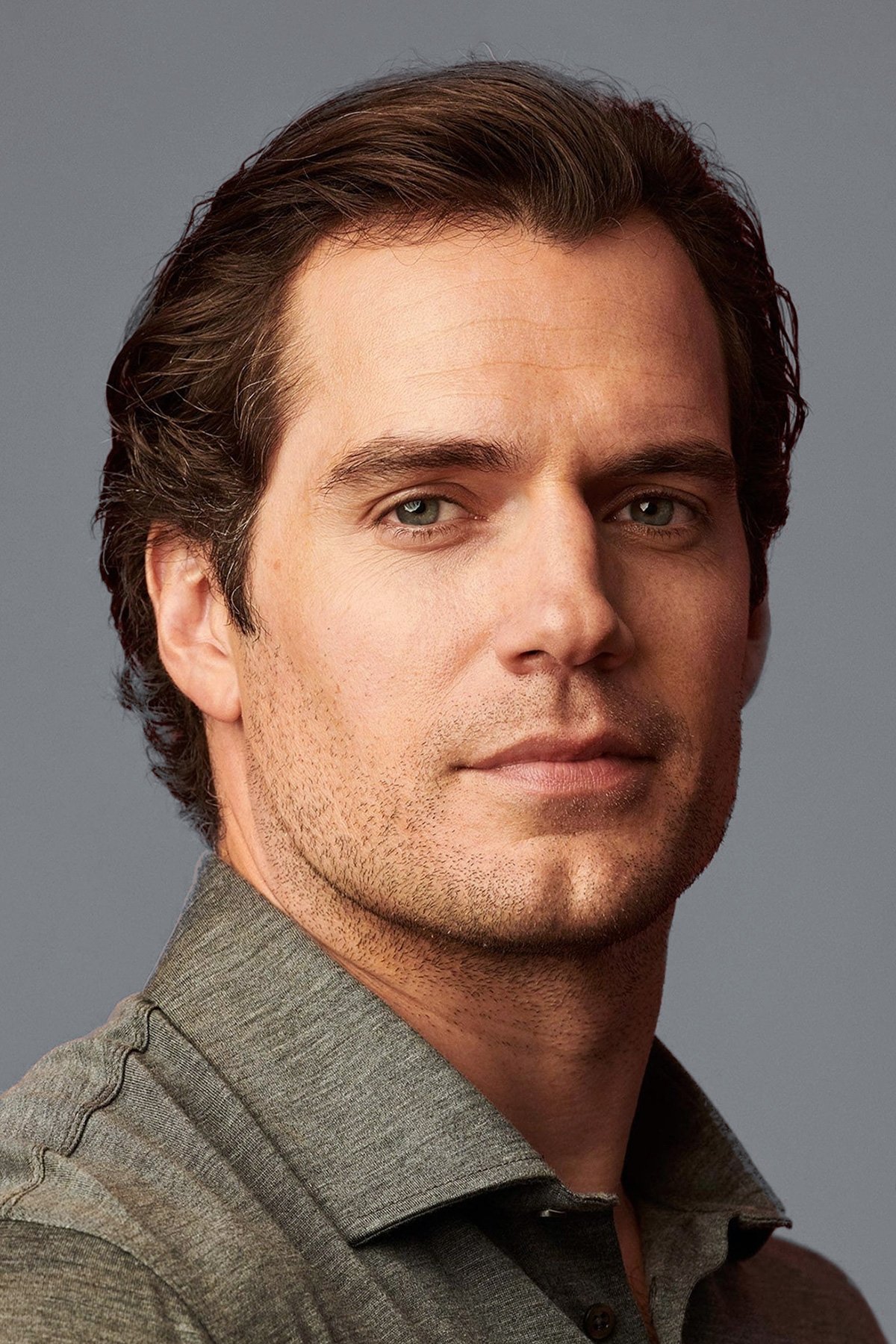
Cavill trains for on-set combat and movement so scenes can be filmed with minimal digital intervention. In ‘Mission: Impossible – Fallout’ the bathroom fight was built around practical choreography and enclosed set pieces. He prepares for weapons handling and physical exchanges that hold up in wide shots. Productions use real locations to anchor momentum and make impacts read cleanly.
Russell Crowe
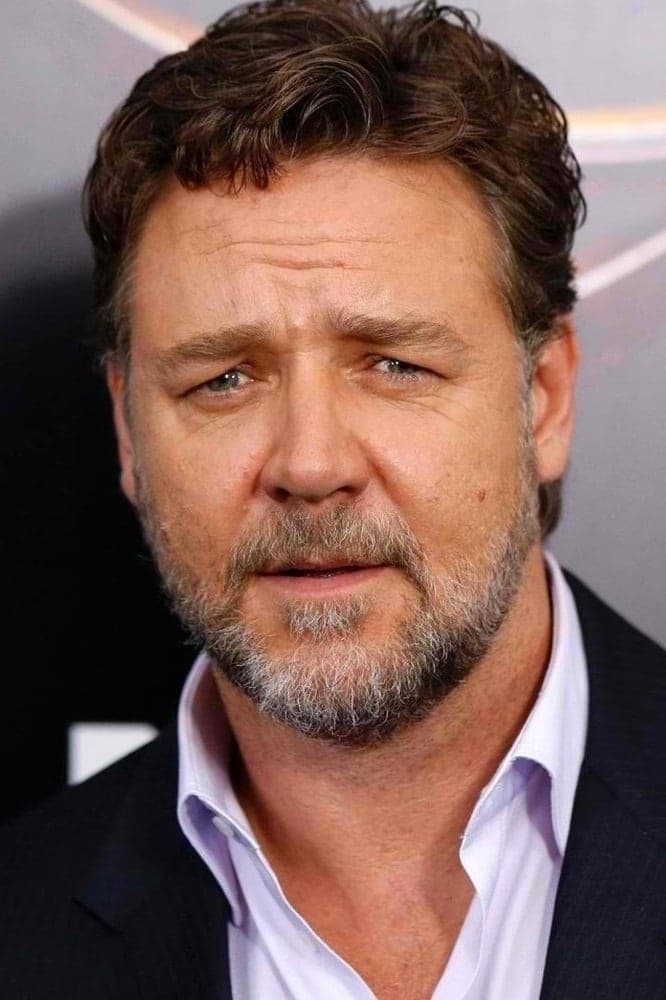
Crowe’s historical and action work often centers on large practical builds and location photography. ‘Gladiator’ coordinated fight scenes in physical arenas with extensive stunt planning. Costume, props, and sets are treated as performance partners to reduce digital stand-ins. This keeps intensity grounded in tactile environments.
Denzel Washington

Washington’s action thrillers tend to emphasize practical choreography and real settings. ‘The Equalizer’ films staged close-quarters fights and environmental improvisation inside built locations. He collaborates with stunt coordinators to craft sequences that play in camera without heavy effects. The preference is for physical coverage that lets character choices unfold in real space.
Mark Wahlberg
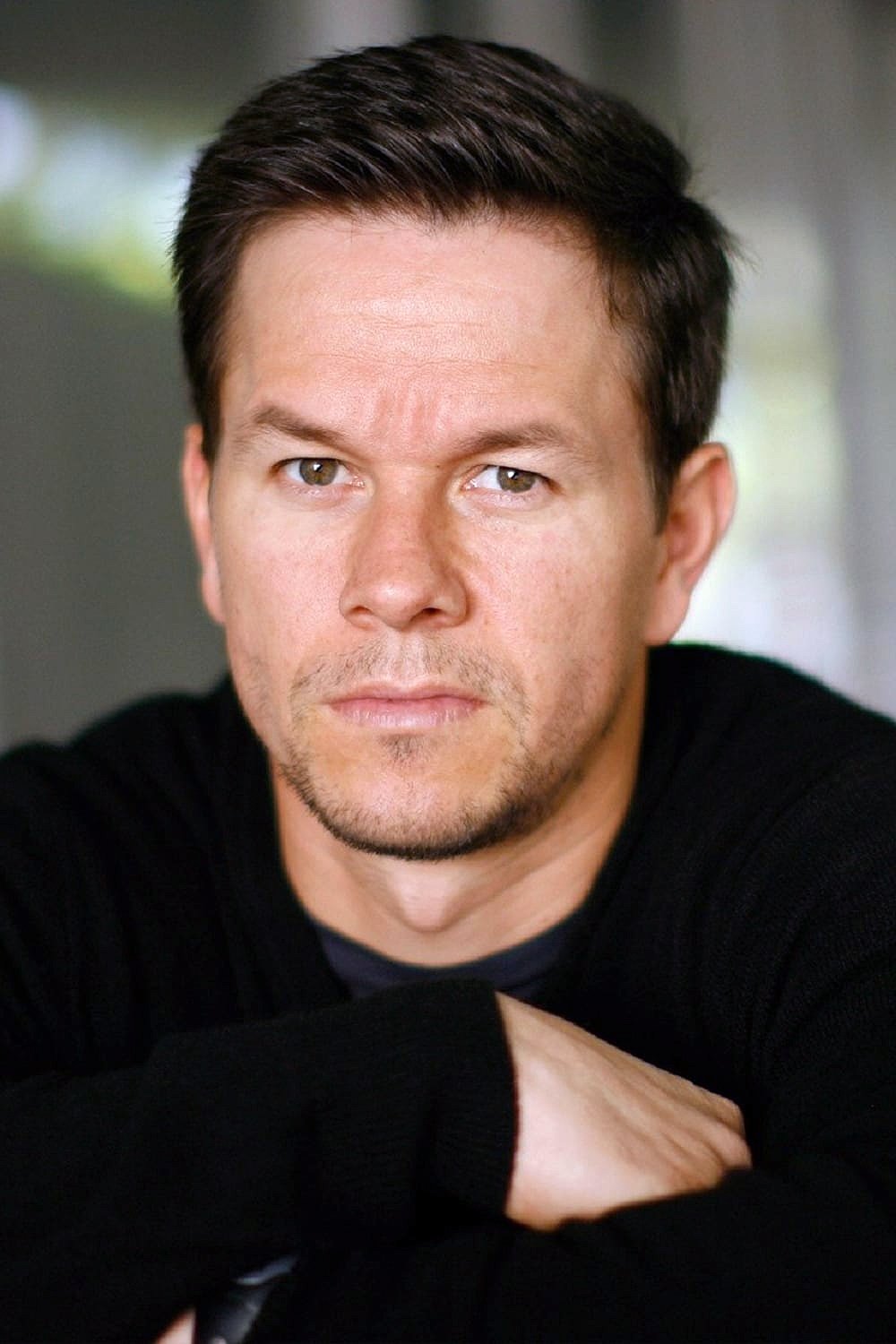
Wahlberg frequently works on productions that prioritize authenticity through practical effects and on-site shoots. ‘Lone Survivor’ employed real terrain, practical squibs, and grounded movement to keep tension immediate. Vehicle and tactical sequences are rehearsed to stand up in wide coverage. The process limits green-screen reliance while preserving realistic textures.
Liam Neeson
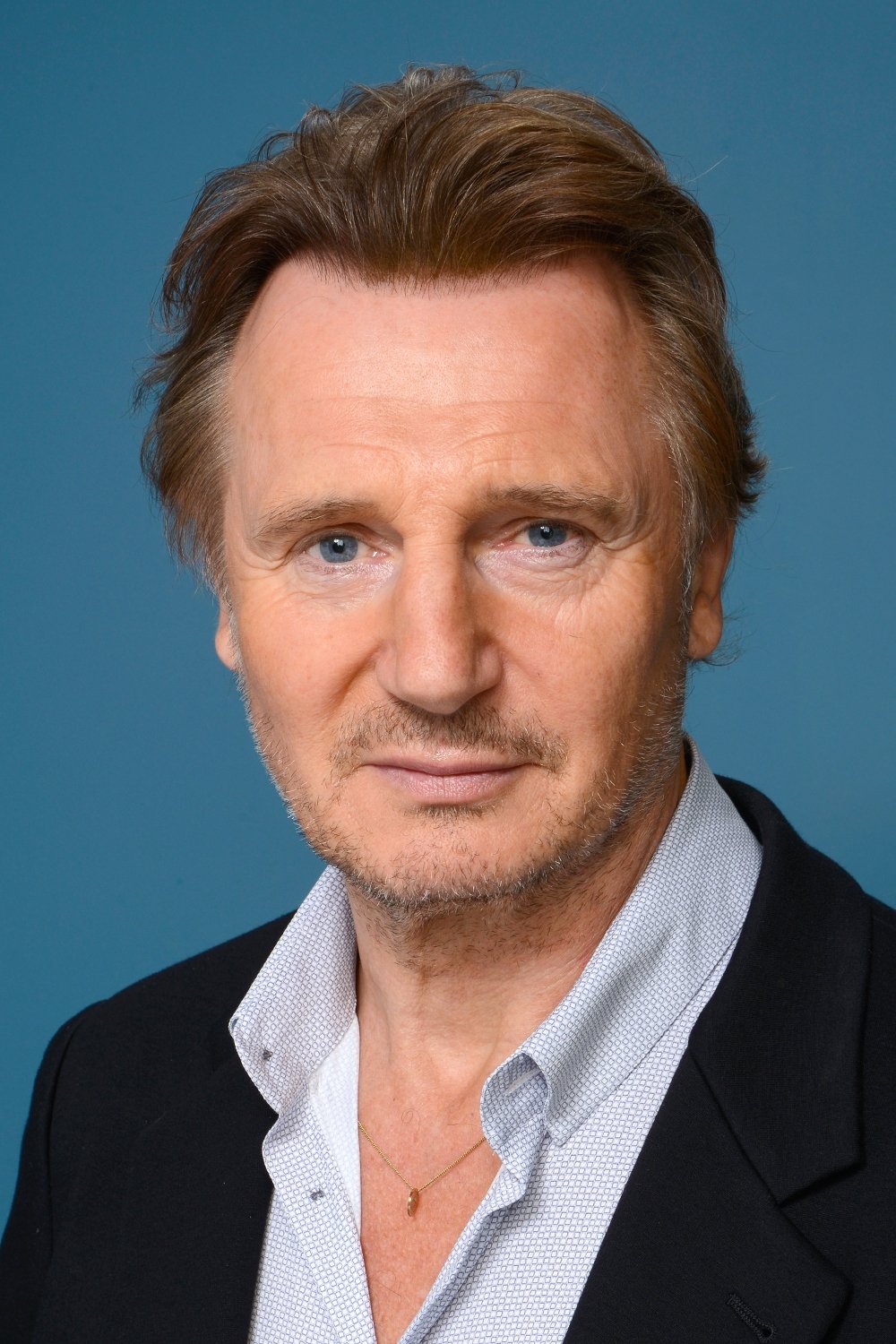
Neeson’s late-career action films focus on practical stunts and location-heavy production schedules. ‘Taken’ used clear, in-camera choreography that relied on timing and physical performance. Sets and vehicles are arranged to support straightforward coverage without digital reconstruction. This approach preserves coherent geography and minimizes green-screen usage.
Cillian Murphy
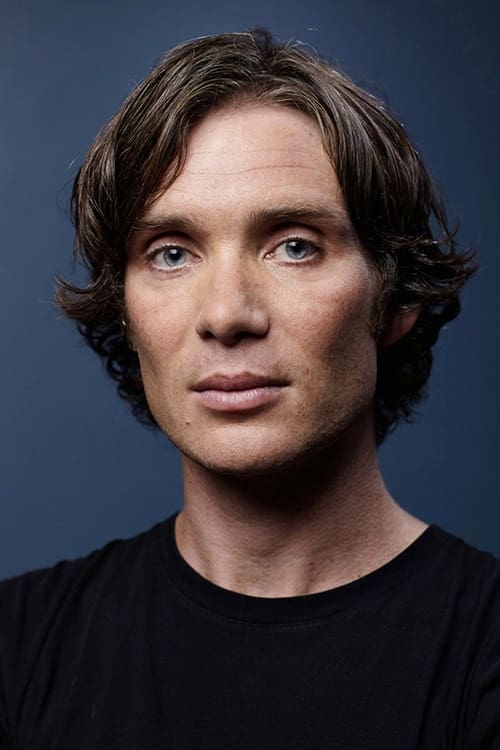
Murphy frequently collaborates on productions that build scenes around real locations and in-camera effects. ‘Oppenheimer’ used practical techniques and live pyrotechnic setups to capture visual phenomena without digital backdrops. Nolan projects like ‘Dunkirk’ emphasized real aircraft, ships, and coastal environments for authenticity. Working in physical spaces helps maintain consistent light and geography through extended takes.
John David Washington
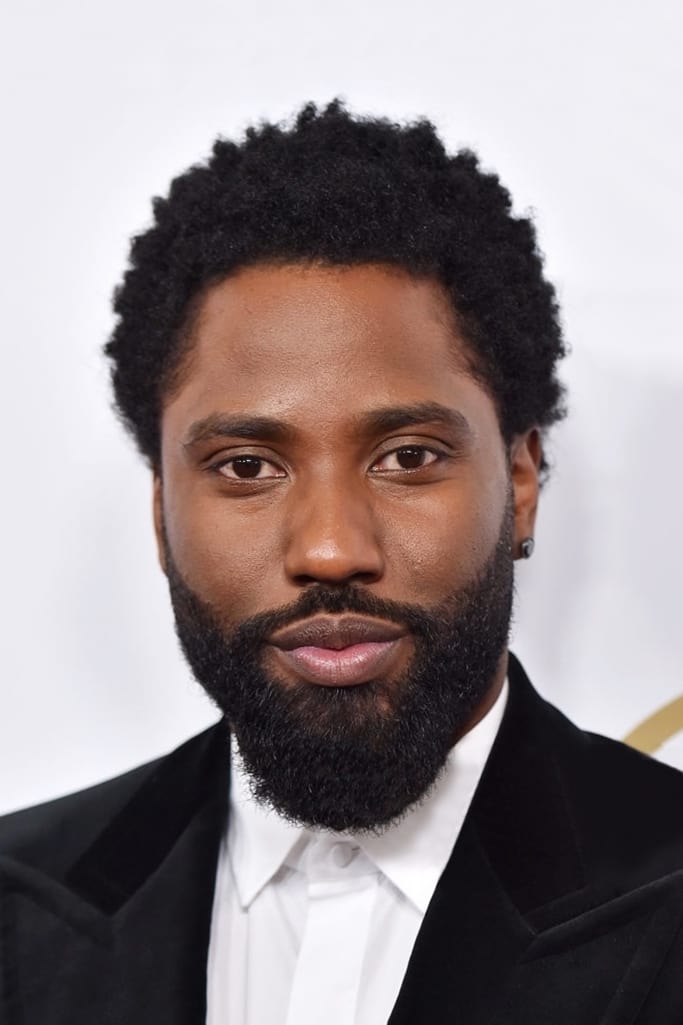
Washington trained for sustained action passages that could be photographed on location. ‘Tenet’ staged large set pieces with real vehicles, aircraft, and built environments to keep interactions tangible. He worked within choreographed fights and foot chases designed for continuity in camera. The approach limited green-screen reliance while preserving clear spatial logic.
Karl Urban
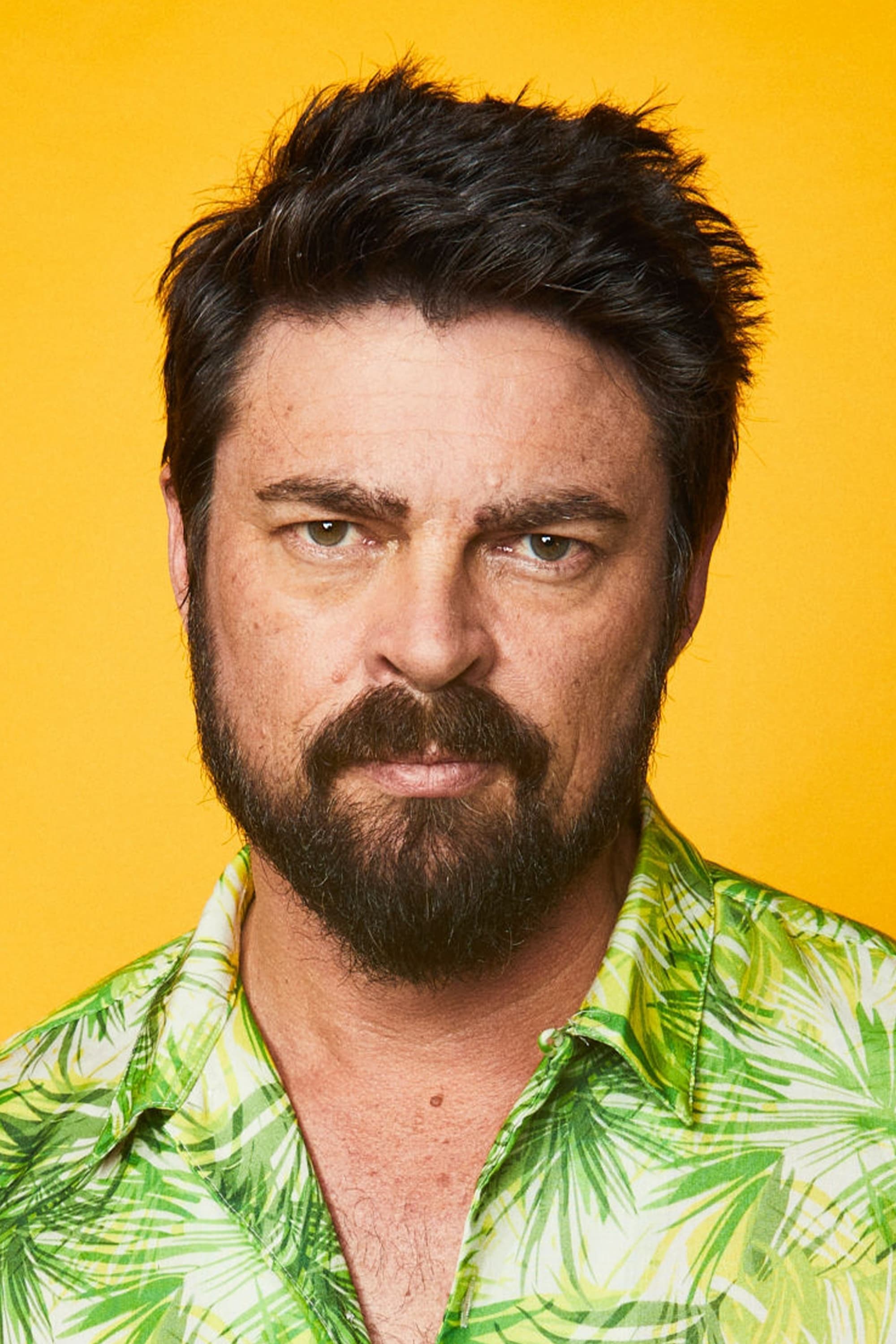
Urban’s action roles highlight grounded stunt work and practical set builds. ‘Dredd’ constructed layered interiors and used physical effects to sell impact and movement. On ‘The Boys’ he performs in real locations and detailed sets to keep scenes grounded. Productions favor in-camera coverage so body mechanics and timing read without heavy compositing.
Mads Mikkelsen
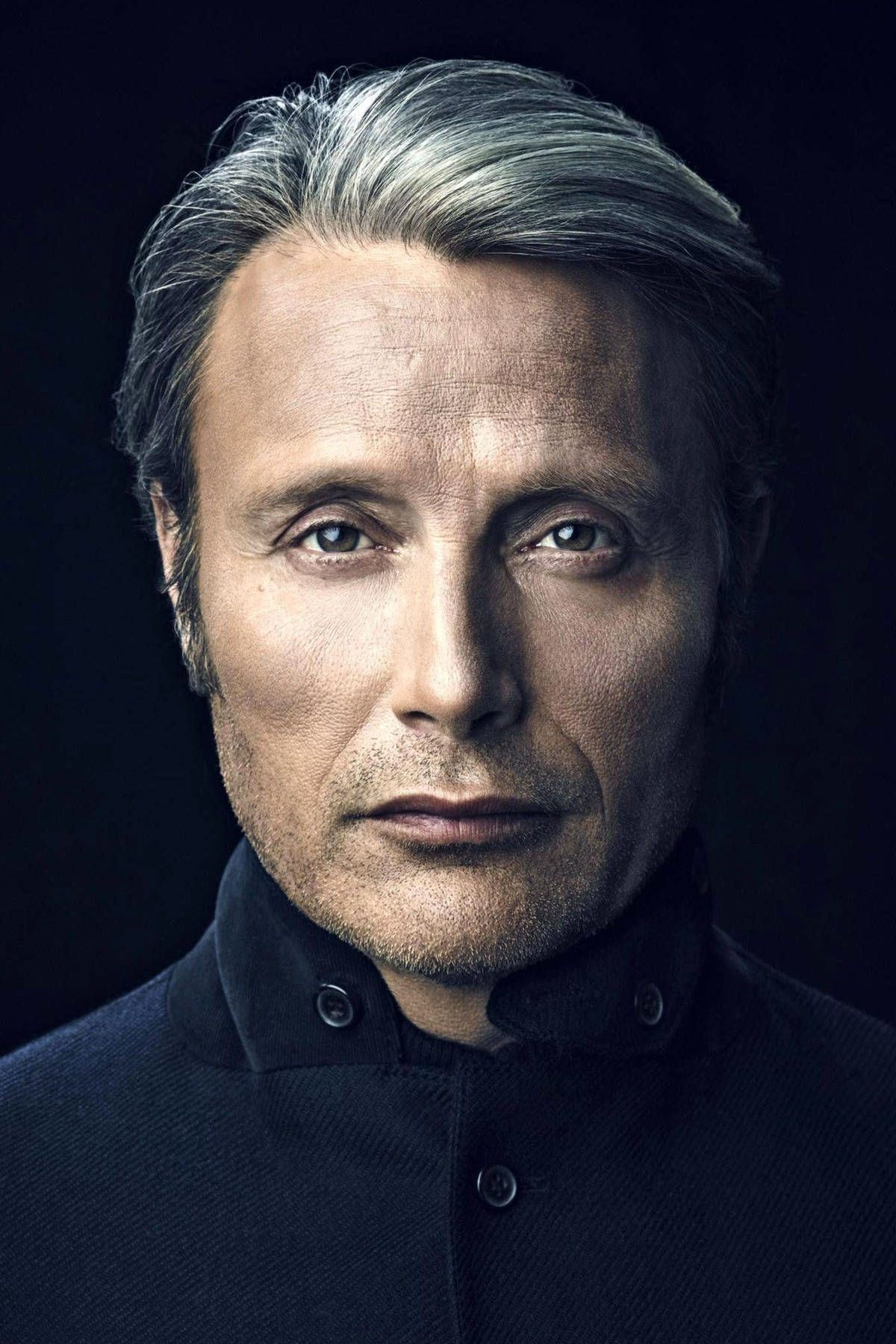
Mikkelsen gravitates toward films that capture performance in rugged, real-world conditions. ‘Arctic’ was shot in harsh environments where survival elements were staged practically. ‘Valhalla Rising’ relied on natural landscapes and physical staging to anchor the atmosphere. He works closely with crews to let the surroundings inform blocking and performance.
Idris Elba
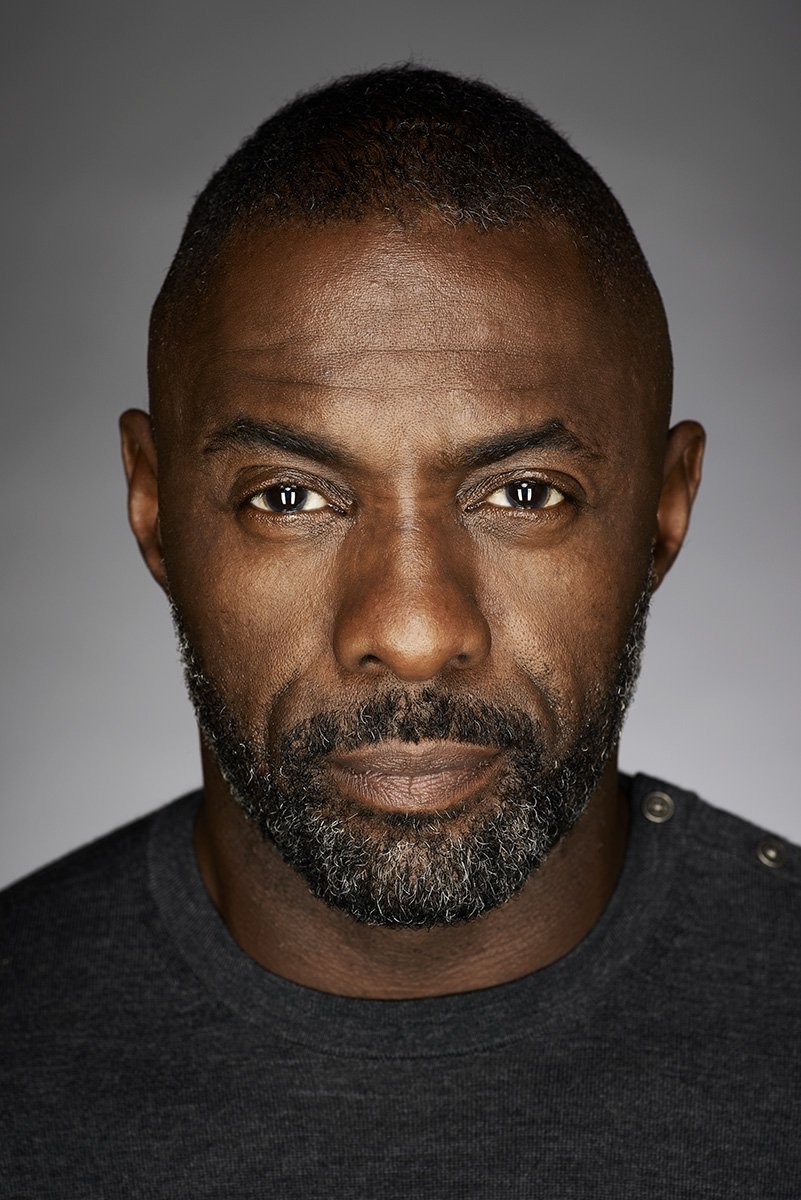
Elba’s projects often emphasize practical stunt coordination and location photography. ‘Beasts of No Nation’ filmed in real terrain with minimal digital reconstruction around combat scenes. ‘Luther’ favors real London locations and tightly staged action for clear, in-camera coverage. Vehicle and fight work is designed for physical continuity across multiple angles.
Gerard Butler
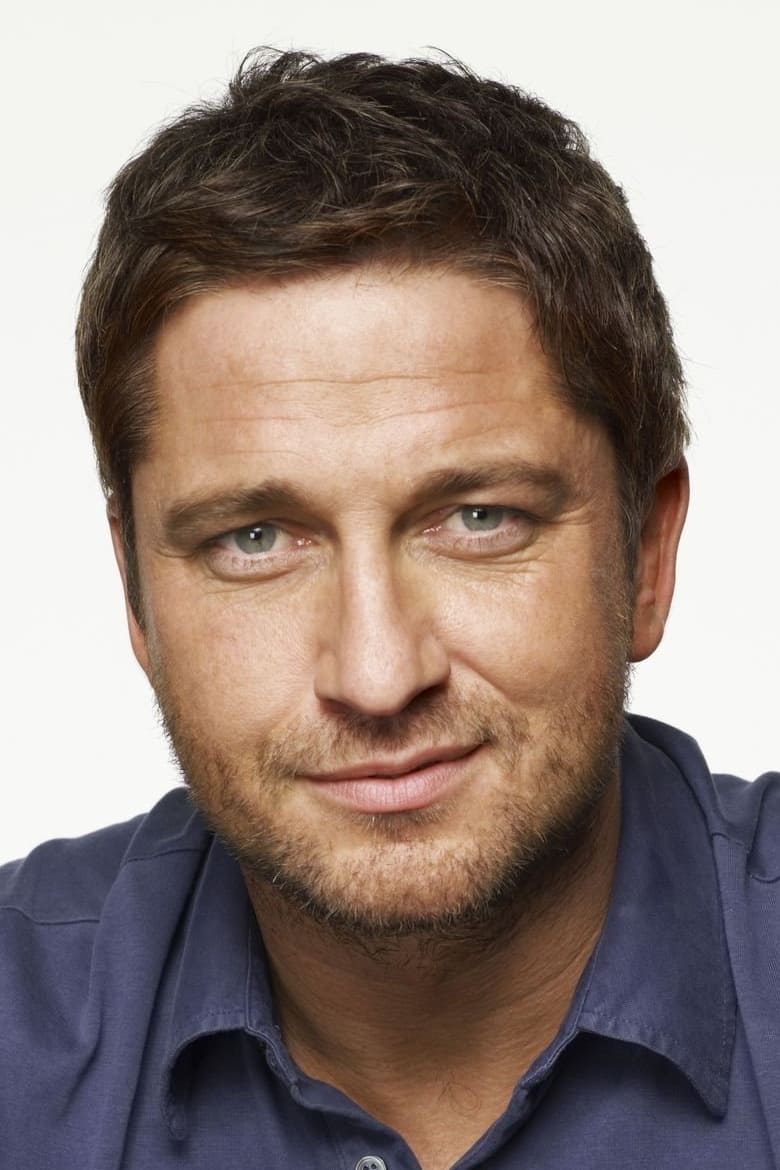
Butler collaborates on action thrillers that prioritize practical pyrotechnics and on-set rigs. ‘Angel Has Fallen’ staged explosions, weapons work, and chases with coordinated stunt teams. ‘Greenland’ built large physical sets and used real locations to ground disaster sequences. The aim is to capture as much as possible in camera and keep digital work as support.
Michael B. Jordan
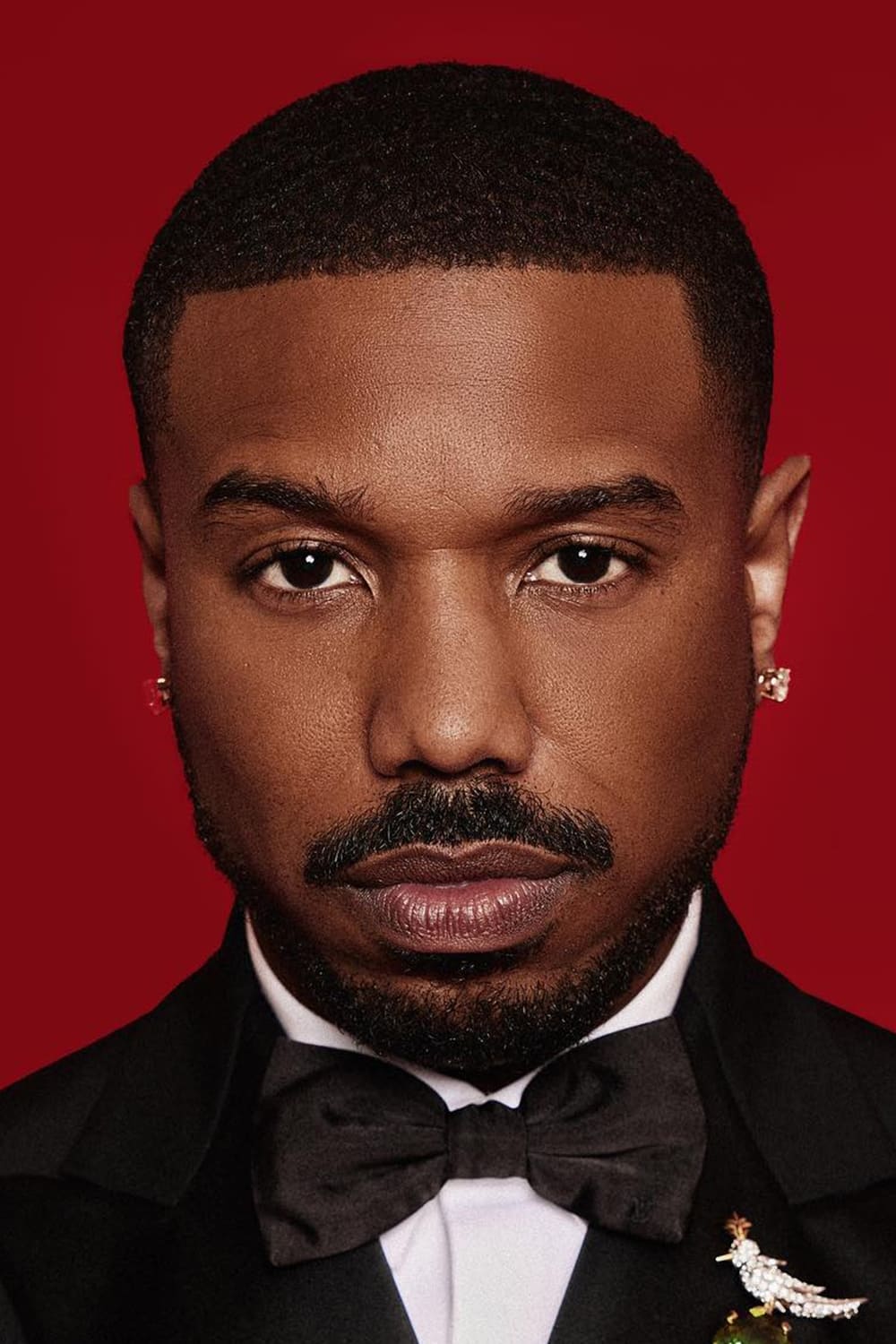
Jordan trains extensively so boxing and fight scenes can play out in wide, continuous shots. ‘Creed’ and ‘Creed II’ staged rounds with real ring geography, practical camera moves, and choreographed contact. He rehearses combinations and footwork to reduce the need for digital stitching. The production design centers on tangible sets that enhance timing and rhythm.
Sean Bean
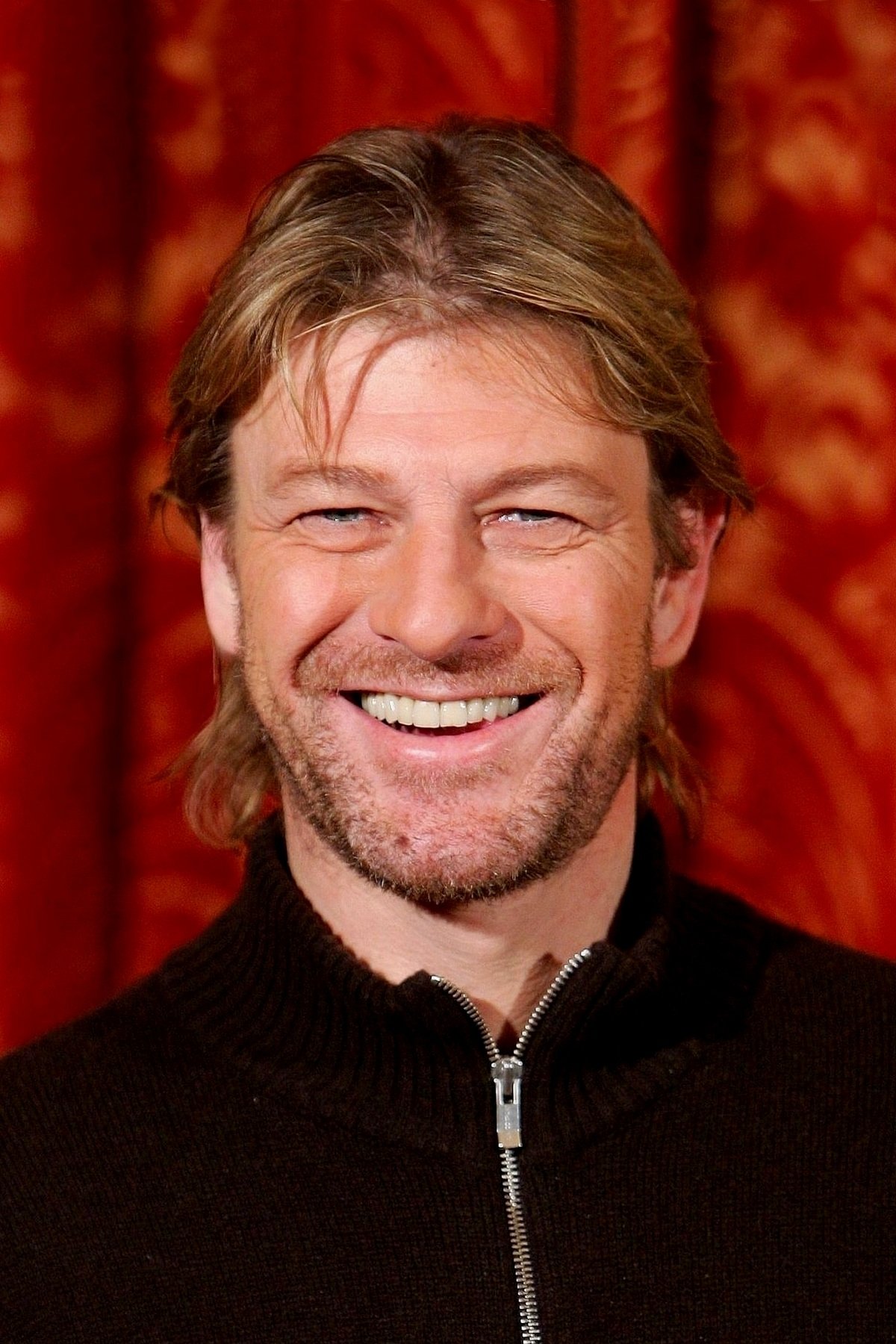
Bean’s historical and action work leans on practical builds and real landscapes. The ‘Sharpe’ series filmed battle sequences with physical extras, squibs, and period props. In ‘The Lord of the Rings’ he performed across large New Zealand locations and constructed sets that minimized screen-based backdrops. The practical approach supports readable movement and cause and effect.
Ryan Gosling
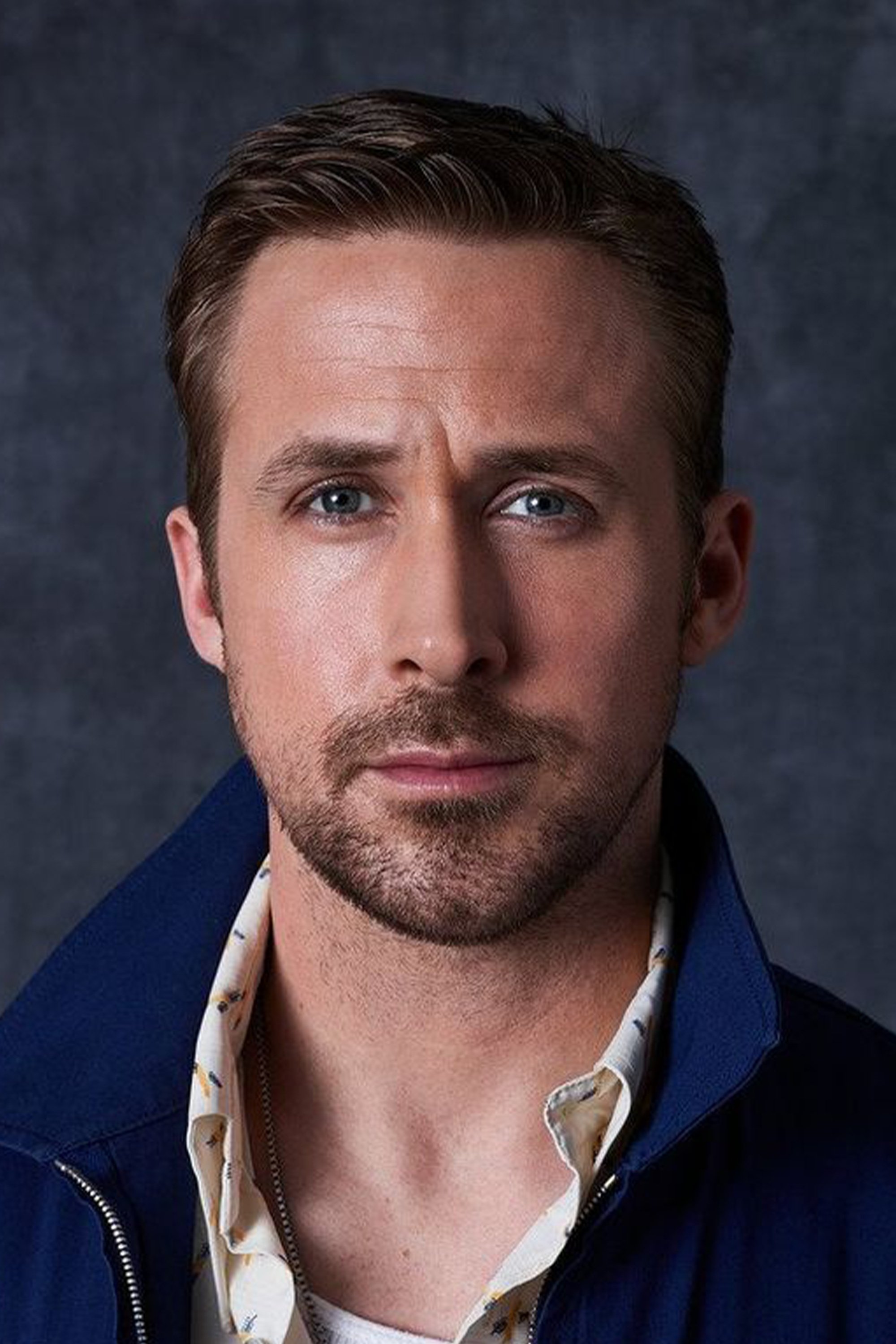
Gosling’s action roles often favor on-location photography and practical vehicle work. ‘Drive’ captured night streets with real car rigs and in-car camera placements for grounded motion. ‘The Fall Guy’ celebrated stunt craft with in-camera gags, high falls, and precision driving coordinated by veteran teams. Productions set up physical beats so performance reacts to real momentum and space.
Shia LaBeouf
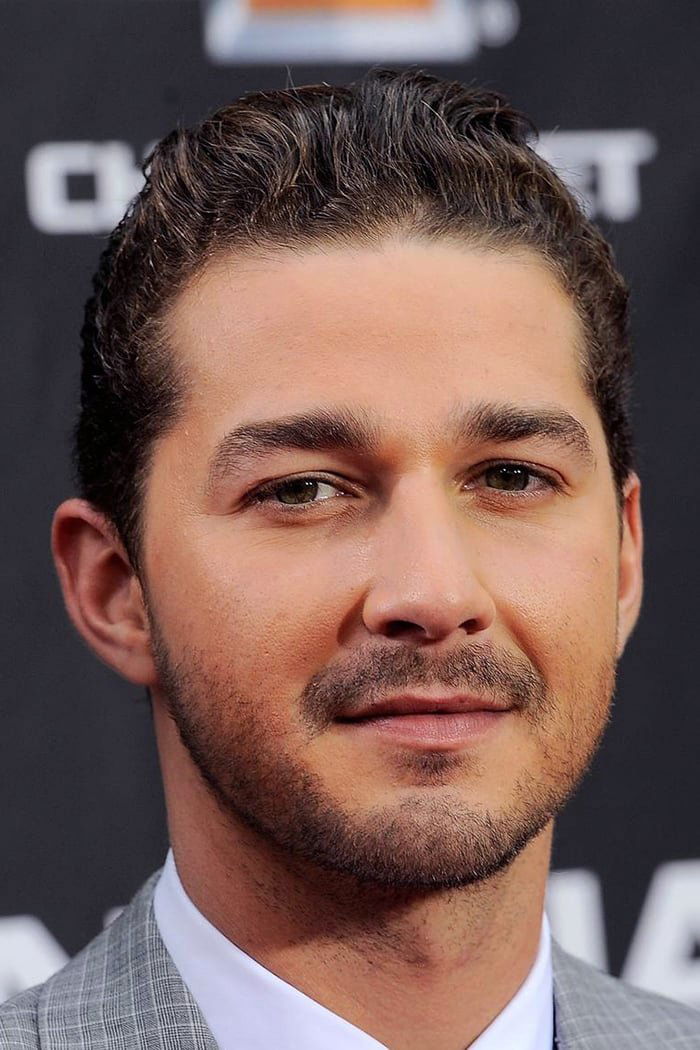
LaBeouf prepared for military sequences staged with real equipment and practical effects. ‘Fury’ filmed inside working tanks and used pyrotechnics and squibs to sell combat impact. Cast members trained together so movements and communication would play naturally for the lens. The result prioritized in-camera coverage that preserved the weight of the machinery.
Ken Watanabe

Watanabe is associated with large-scale productions that rely on real sets and locations. ‘The Last Samurai’ used extensive period builds, horsework, and battlefield choreography staged practically. ‘Letters from Iwo Jima’ filmed in rugged outdoor environments that shaped blocking and performance. This approach supports continuity in light, weather, and spatial orientation.
Colin Farrell
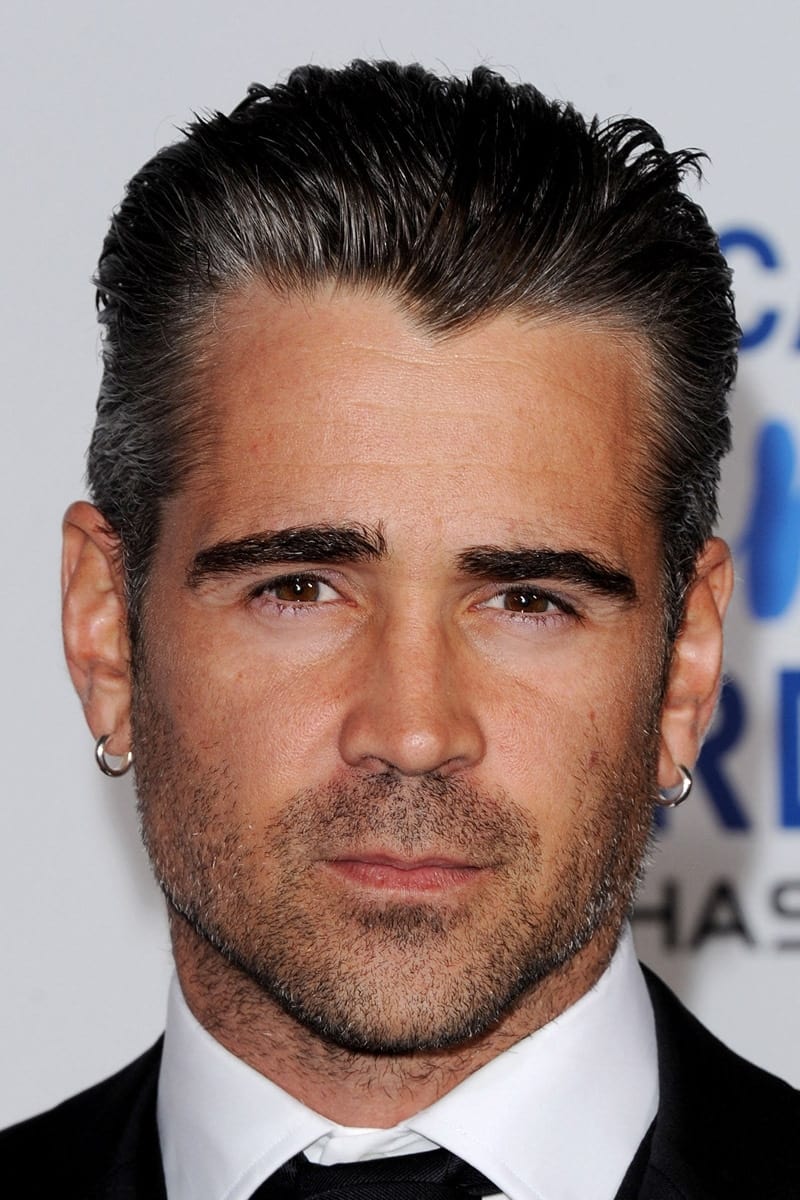
Farrell’s projects often shoot in real cities and constructed interiors that reduce digital stand-ins. ‘In Bruges’ embraced on-location streets and historic sites to shape movement and timing. ‘The Batman’ built expansive sets and used practical rain and vehicles to anchor chase sequences. Scenes are staged so the camera can capture performance within tangible architecture.
Alan Ritchson
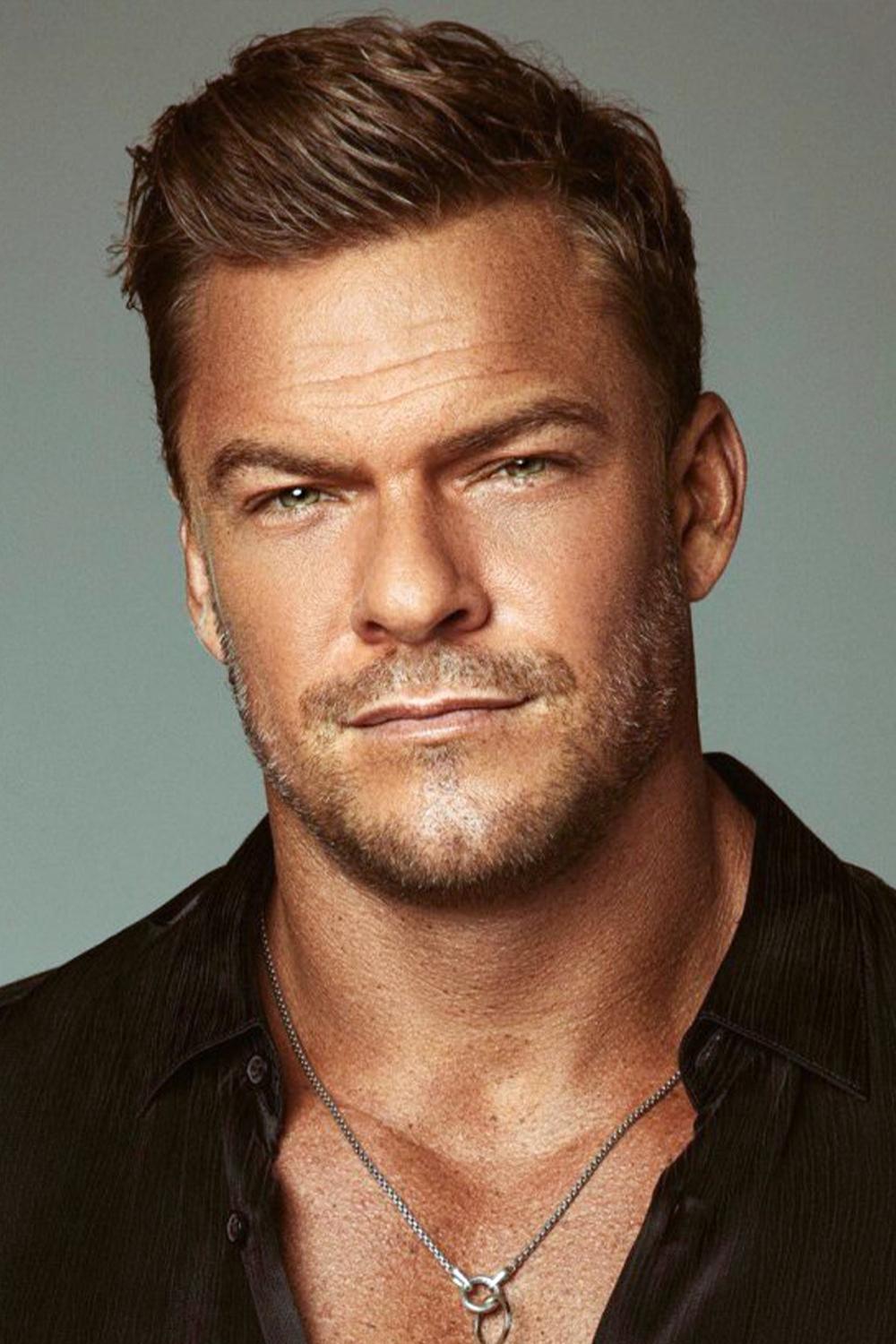
Ritchson performs fight work designed for clean, in-camera readability. ‘Reacher’ emphasizes real locations and practical choreography that highlights leverage and body mechanics. He trains for throws, grapples, and strikes that hold up in wider framing. The production choices minimize green-screen inserts and preserve clear geography.
Mark Dacascos
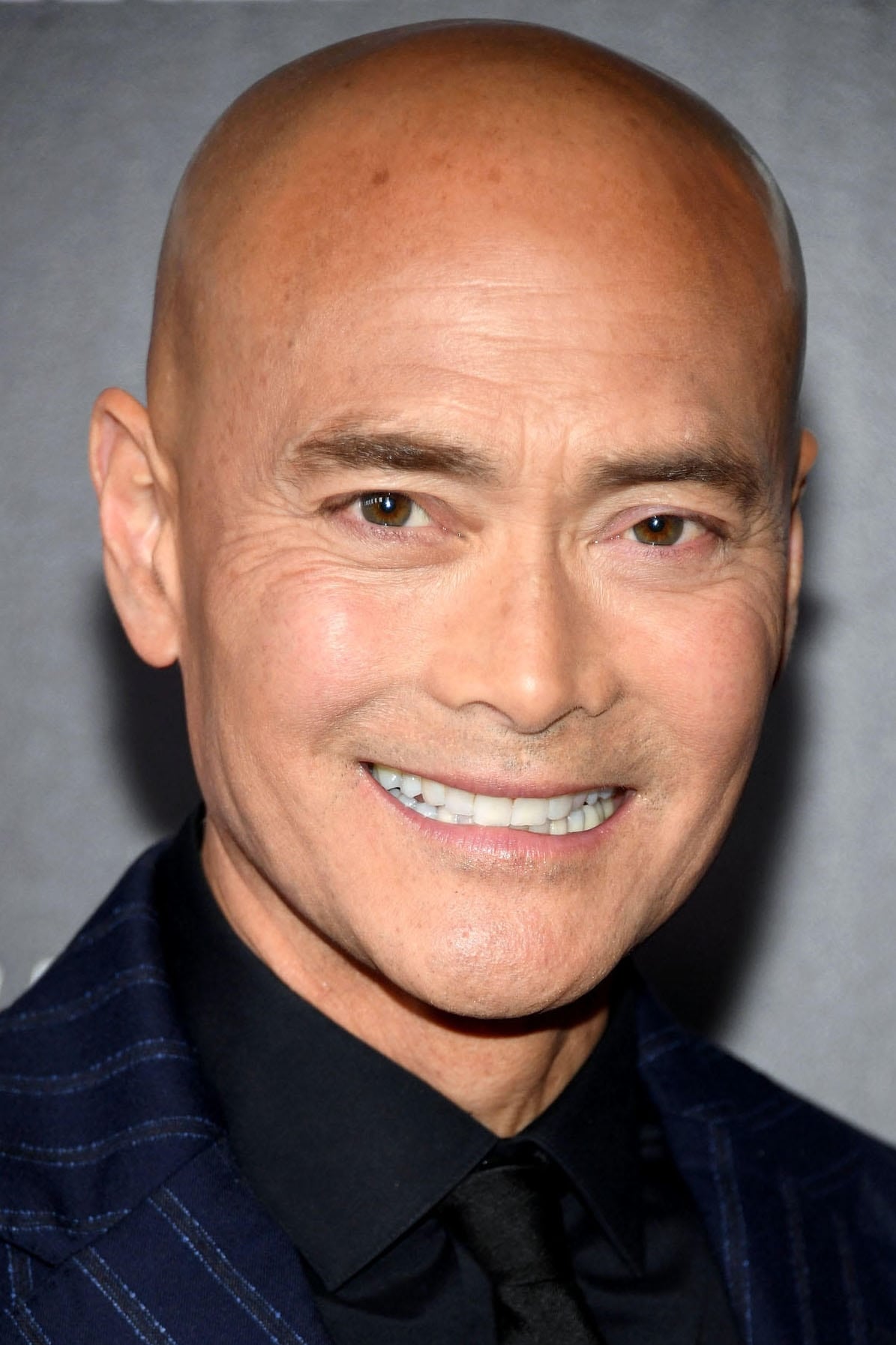
Dacascos brings martial arts technique to sets optimized for practical capture. ‘Only the Strong’ highlighted capoeira with extended combinations photographed in real spaces. In ‘John Wick: Chapter 3 – Parabellum’ he trained alongside stunt teams to execute precise exchanges for the camera. Productions plan coverage so impacts, footwork, and reactions read without compositing.
Share your favorites from this list and tell us which performances felt most real in the comments.

