


Actors Who Refuse Stunt Doubles

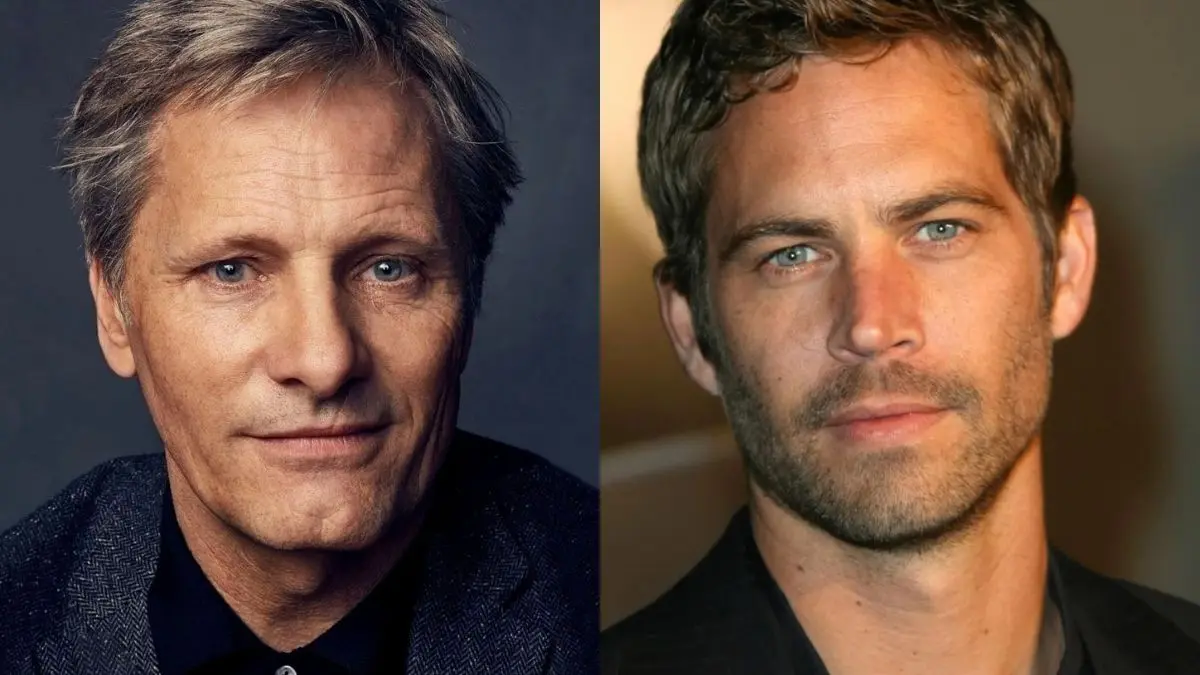


Some actors are known for jumping into the action themselves, training for months and learning specialized skills so the tough scenes look authentic on screen. They take on falls, fights, dives, and high speed chases that many productions normally hand to a double. The result is a filmography full of practical set pieces and behind the scenes stories about bruises and broken bones. Here are male stars who regularly take on their own stunt work and the notable projects where they did it.
Jackie Chan
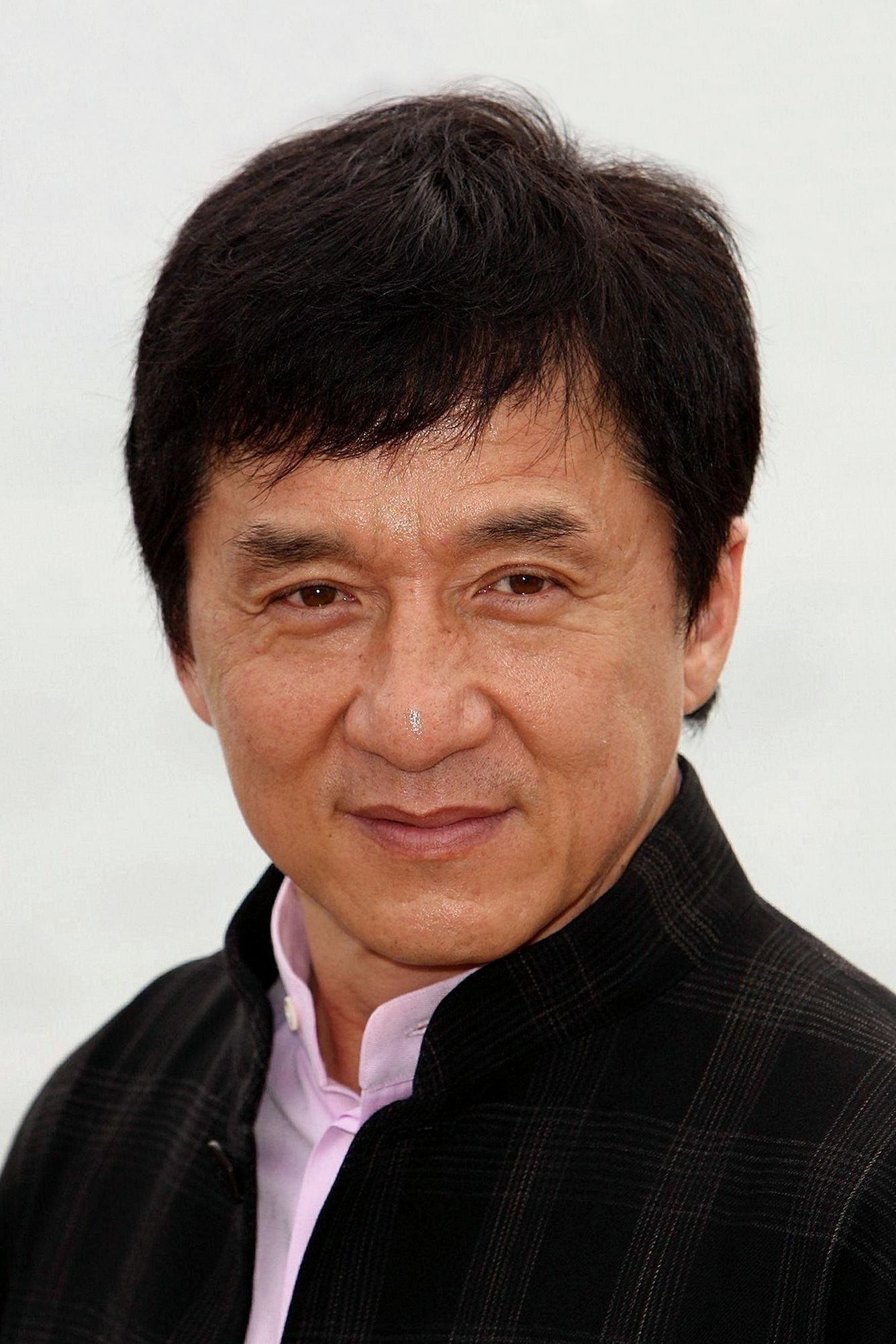
Jackie Chan built his career on doing his own stunts, often choreographing complex sequences with the Jackie Chan Stunt Team. He performed balcony drops, sliding down a pole covered in lights, and leaping between moving vehicles in films like ‘Police Story’, ‘Project A’, and ‘Rumble in the Bronx’. Many of his movies end with outtakes showing injuries and repeated attempts. His approach influenced action filmmaking across Asia and Hollywood.
Tom Cruise
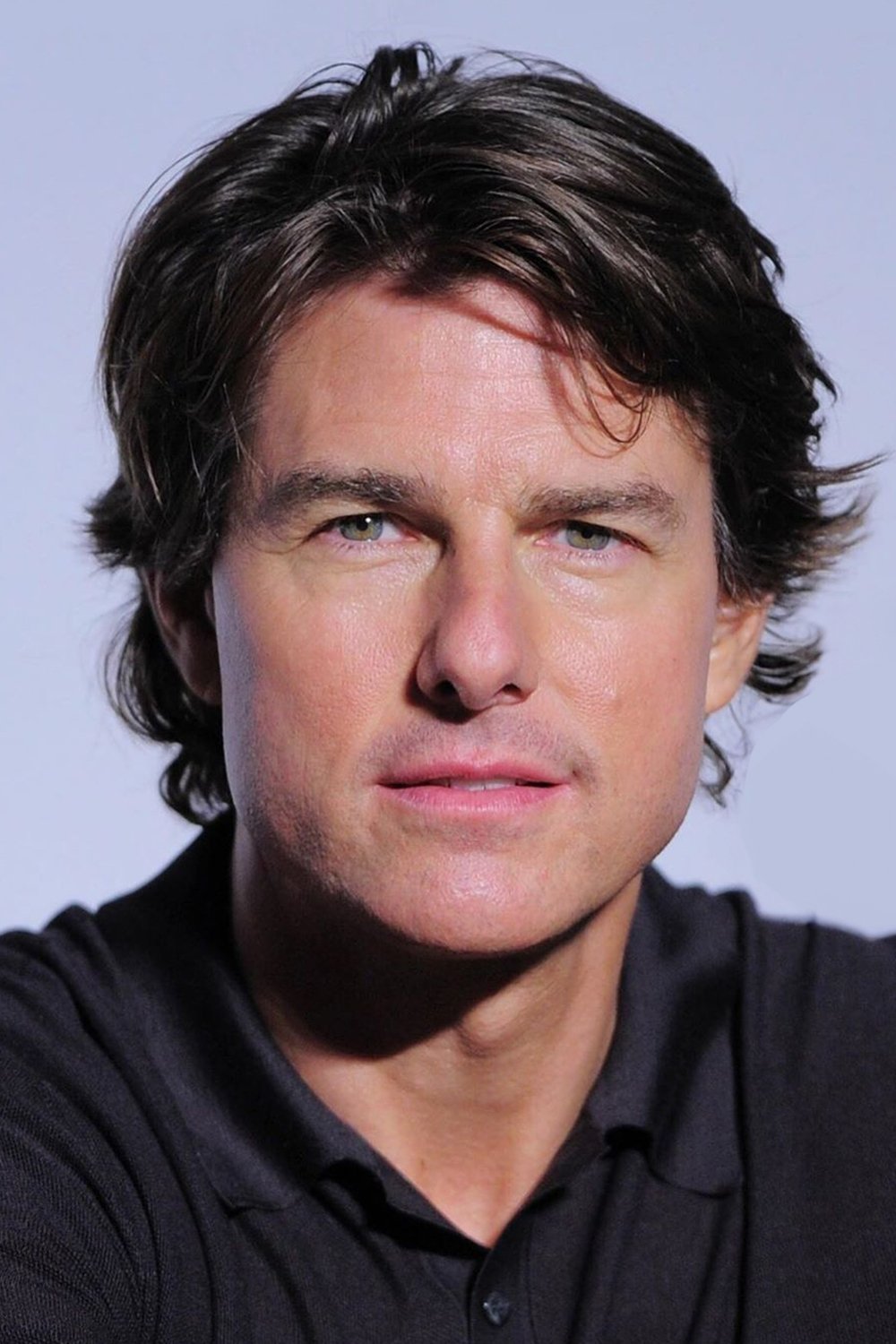
Tom Cruise trains extensively to perform high risk set pieces himself in the ‘Mission Impossible’ series. He learned to fly a helicopter for ‘Mission Impossible Fallout’ and performed the high altitude jump sequence after specialized training. He hung from the side of an airborne plane in ‘Mission Impossible Rogue Nation’. He also completed a motorcycle cliff jump for ‘Mission Impossible Dead Reckoning Part One’ after months of preparation.
Keanu Reeves
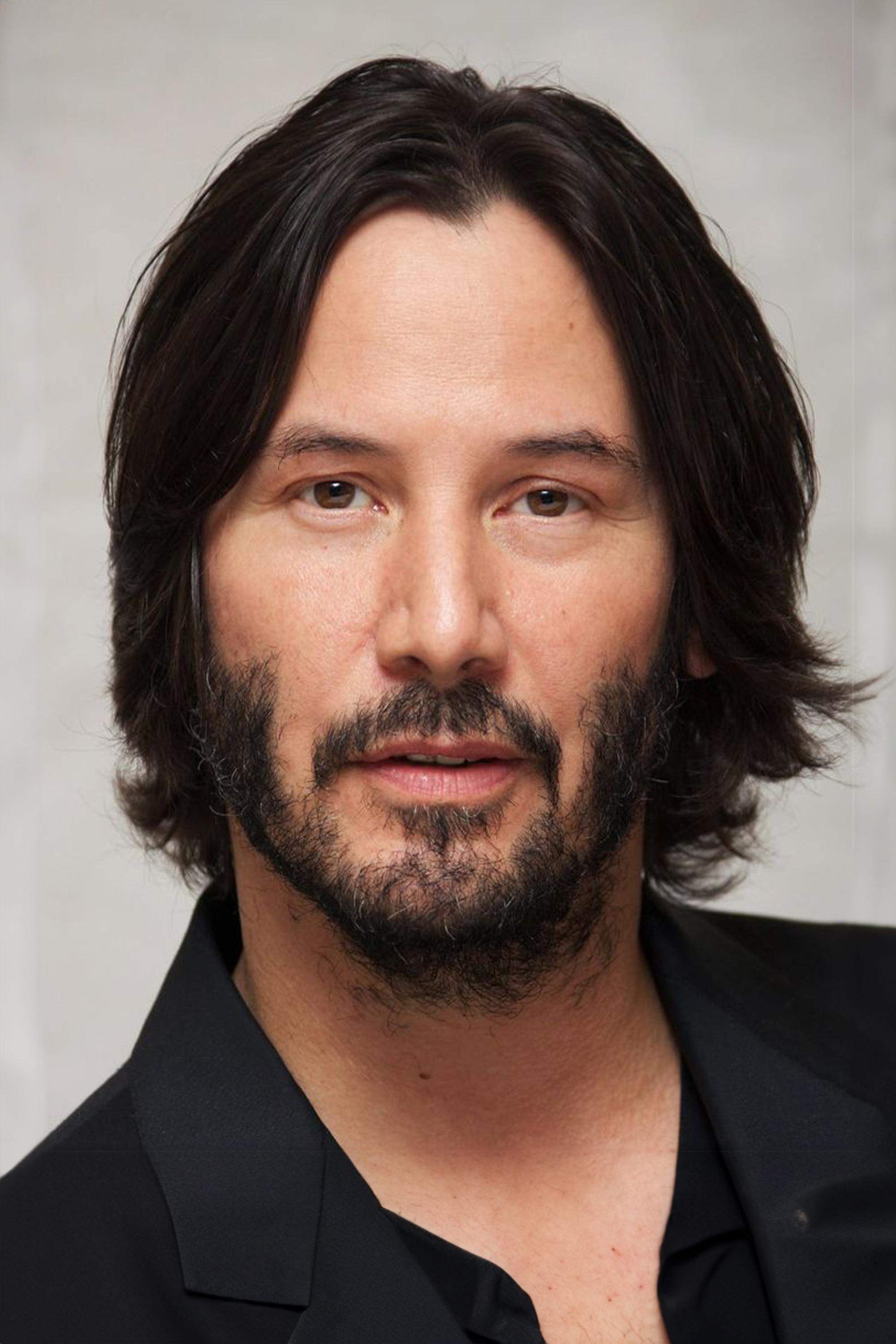
Keanu Reeves performs firearm, driving, and hand to hand choreography across the ‘John Wick’ films after intensive training. He completed tactical courses to handle long takes and complex reloads on camera. He also did much of the motorcycle work in ‘John Wick Chapter 3 Parabellum’ and returned for similar sequences in ‘John Wick Chapter 4’. His preparation includes judo and jiu jitsu drills that carry into the fight scenes.
Jason Statham
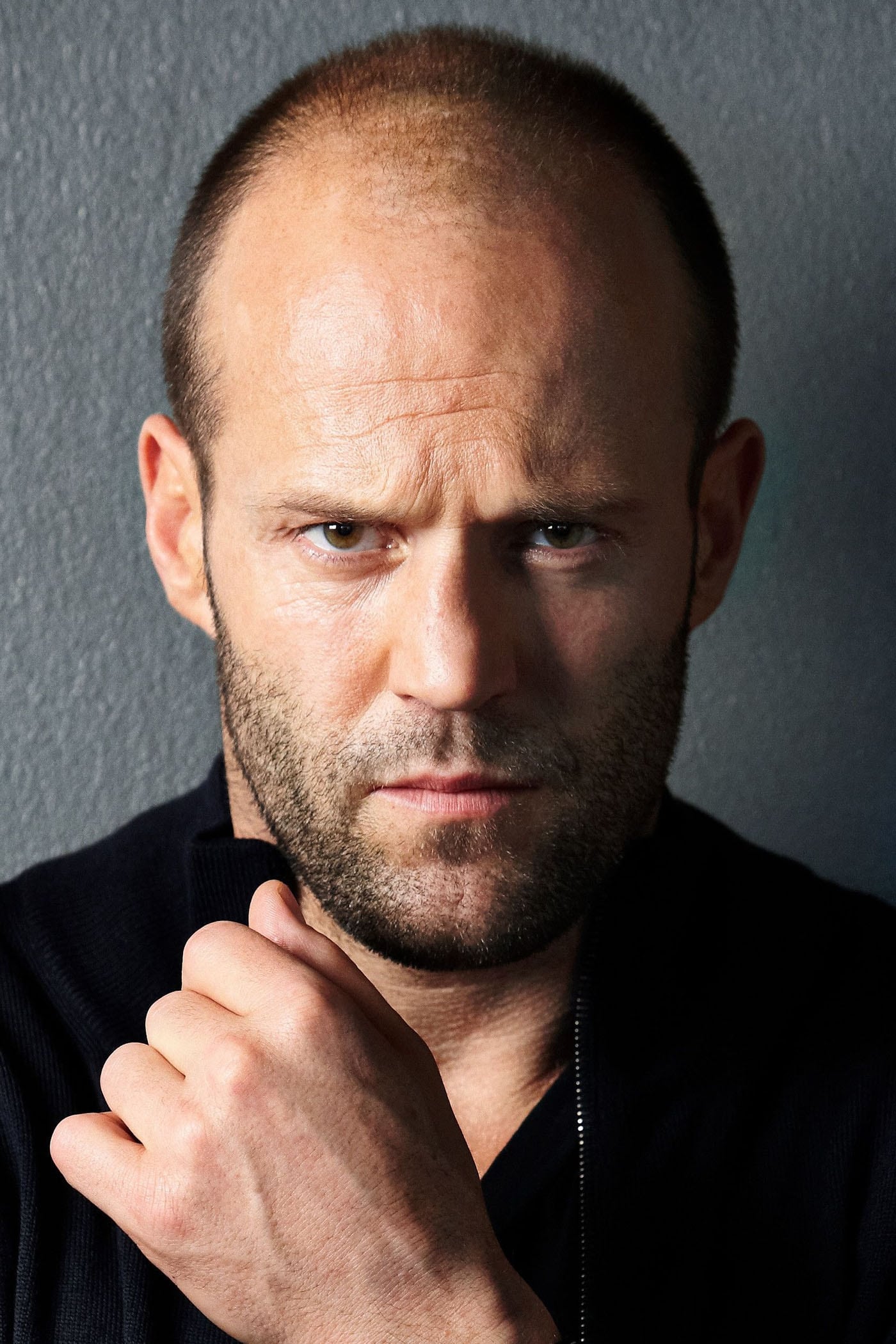
Jason Statham’s background in diving and martial arts supports his on screen stunt work. He performed fight scenes and driving sequences in ‘The Transporter’ and ‘Crank’ with minimal doubling. He handled underwater action in ‘The Meg’ and practical gags across the ‘Fast and Furious’ entries. He regularly trains with stunt teams to keep timing and safety precise.
Tony Jaa
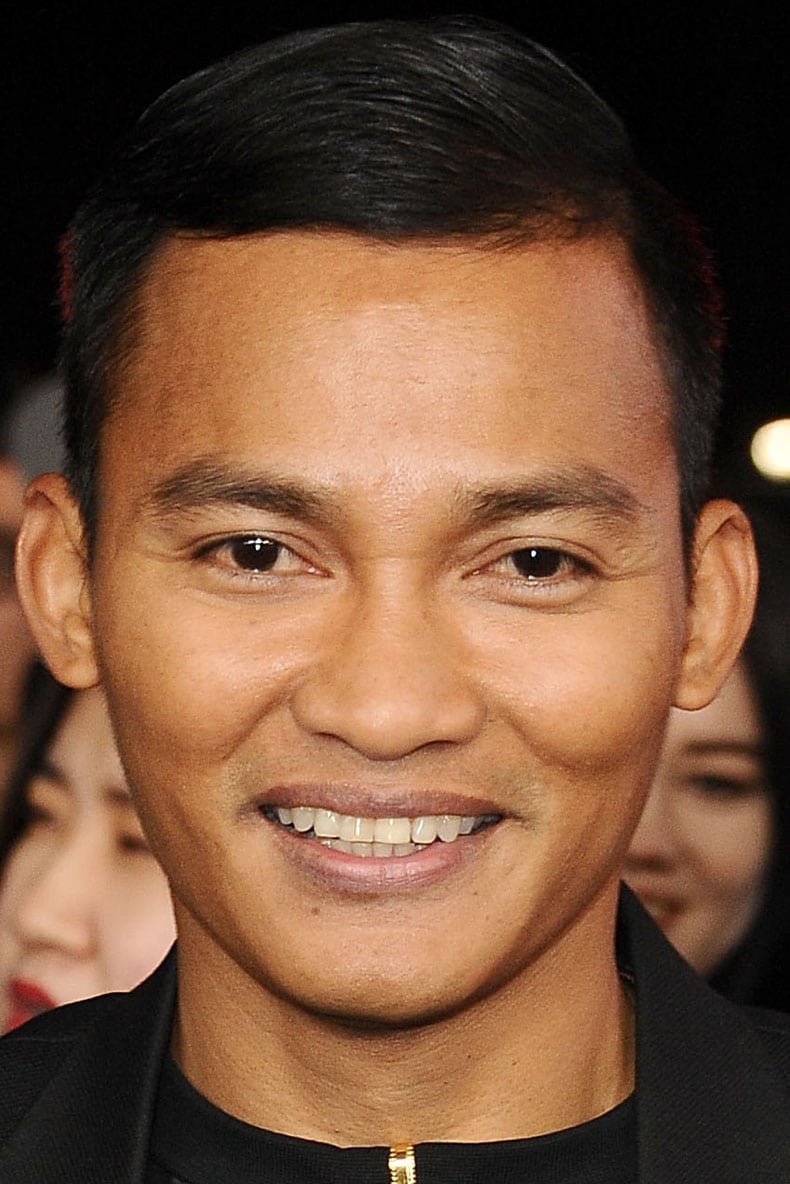
Tony Jaa is known for performing acrobatic and bone crunching stunts without wires or CGI in early work like ‘Ong Bak’. He executed running rooftop chases, full contact elbows and knees, and flaming set pieces. He continued Muay Thai centered stunt work in ‘Tom Yum Goong’. His choreography emphasizes real impact and long unbroken takes.
Donnie Yen
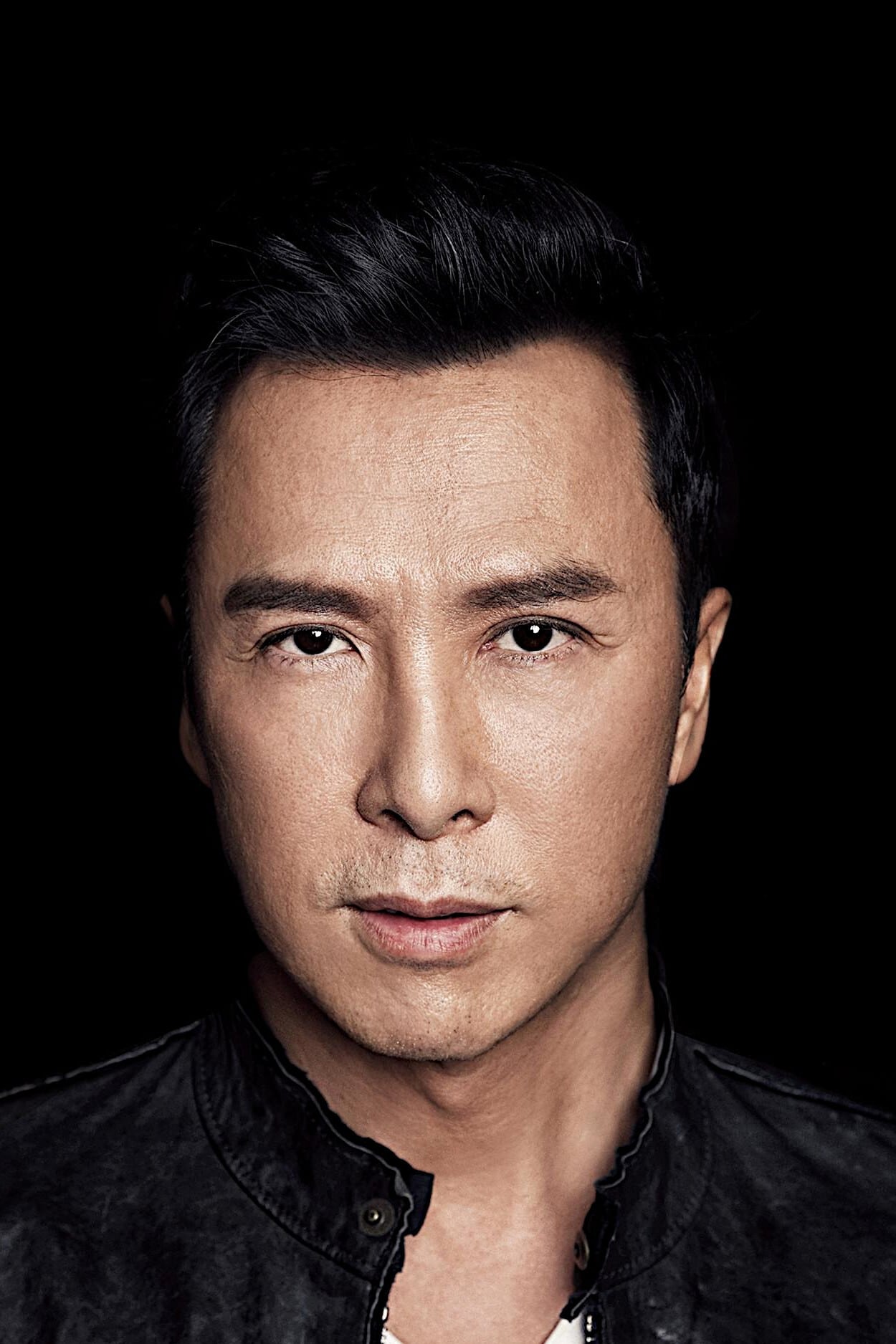
Donnie Yen leads action design and frequently steps in for demanding scenes himself. In ‘Ip Man’ he showcased precise wing chun exchanges against multiple opponents in tight spaces. He also performed weapon based choreography in ‘Flash Point’ and ‘SPL’. His process pairs speed training with rhythm drills to keep the camera and performers in sync.
Bruce Lee
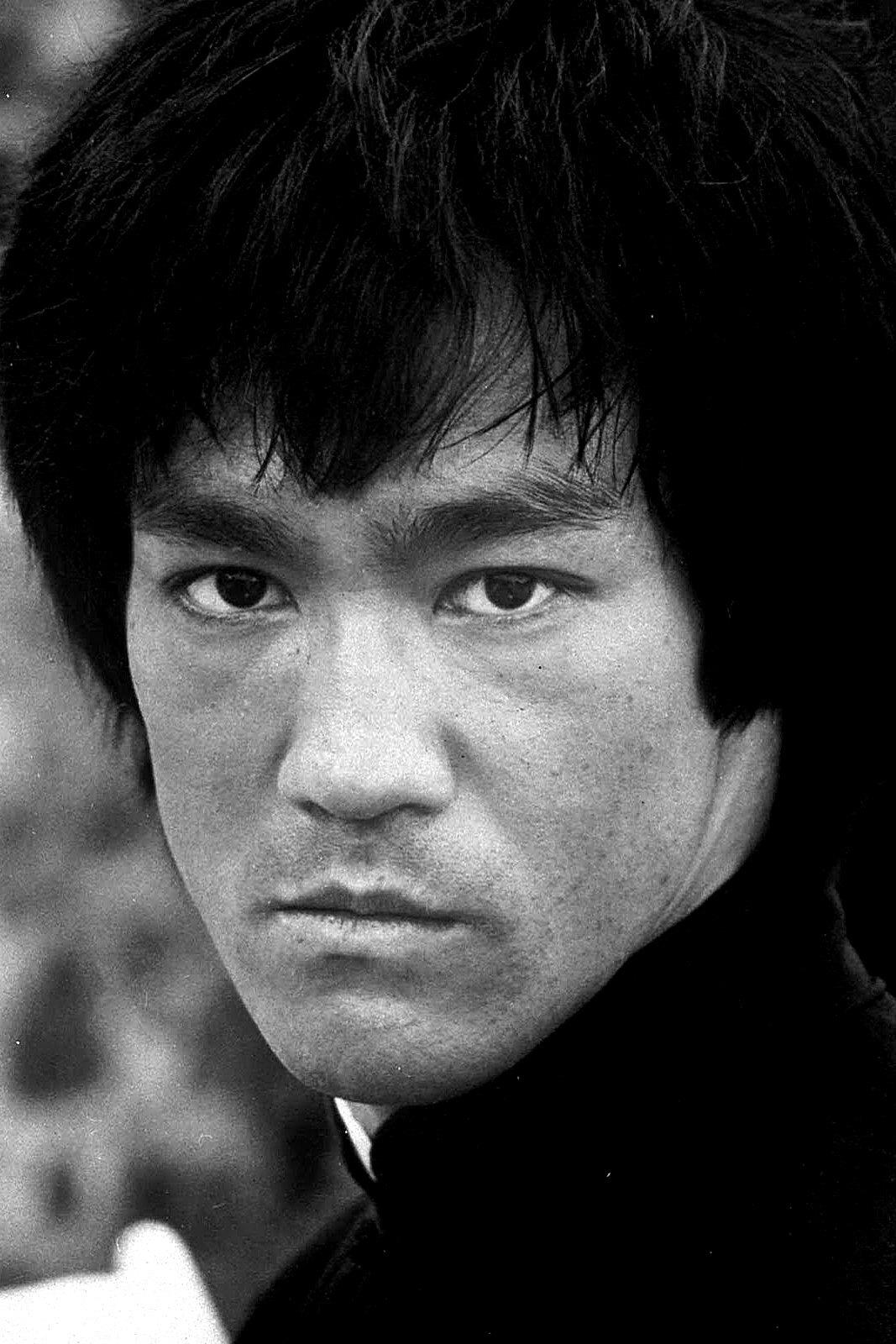
Bruce Lee’s films featured fight scenes he designed and executed with full control over timing and movement. In ‘Enter the Dragon’ and ‘The Way of the Dragon’ he performed the action that highlighted his speed and power. He adjusted choreography on set to capture strikes clearly for audiences. His methods shaped the standards for martial arts cinema.
Jet Li
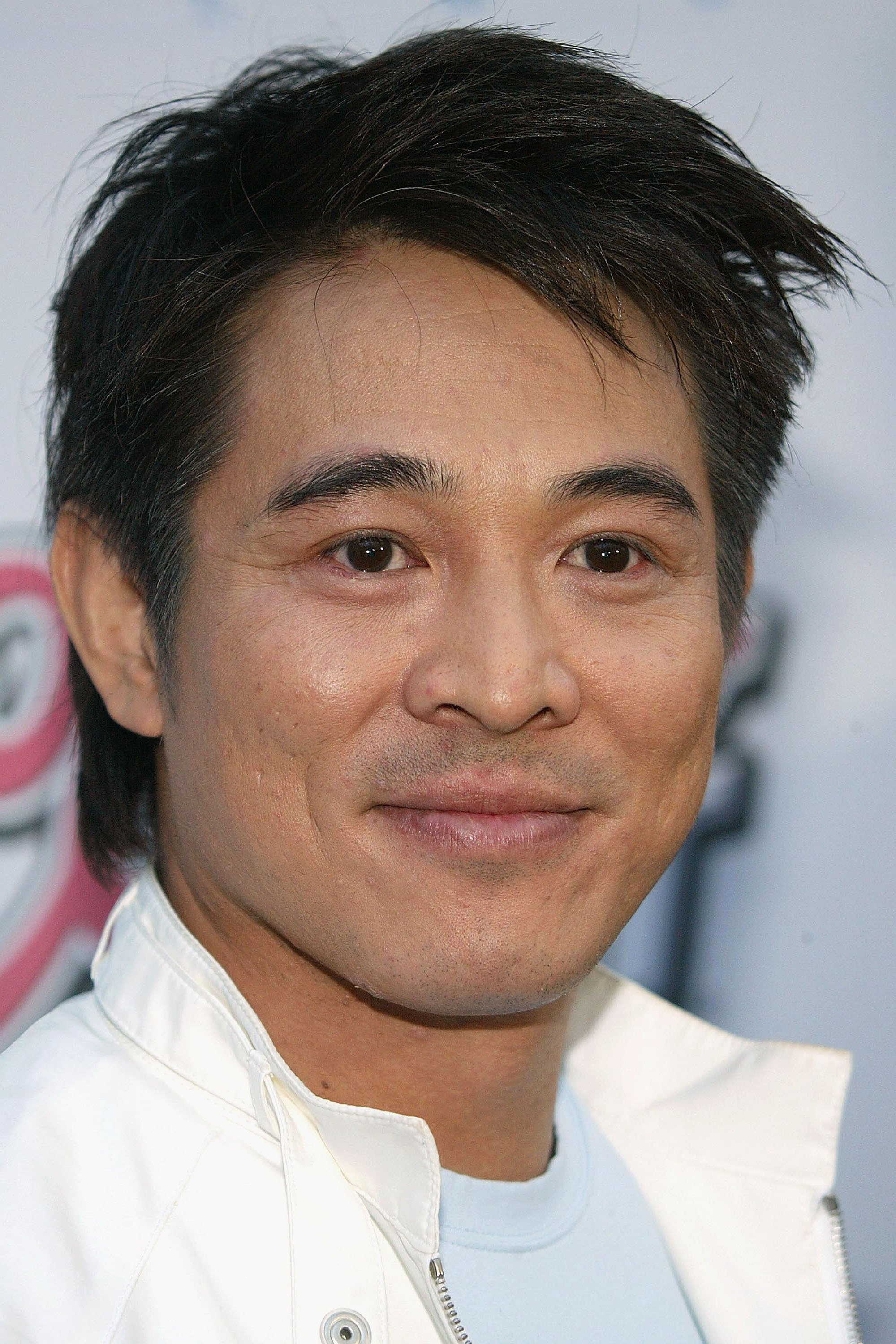
Jet Li brought wushu mastery to screen and performed wire assisted but physically demanding sequences himself. In ‘Once Upon a Time in China’ and ‘Fist of Legend’ he handled intricate exchanges at high speed. He also blended weapon forms with unarmed choreography to create flowing fights. His preparation focuses on flexibility and precision rather than brute force.
Daniel Craig
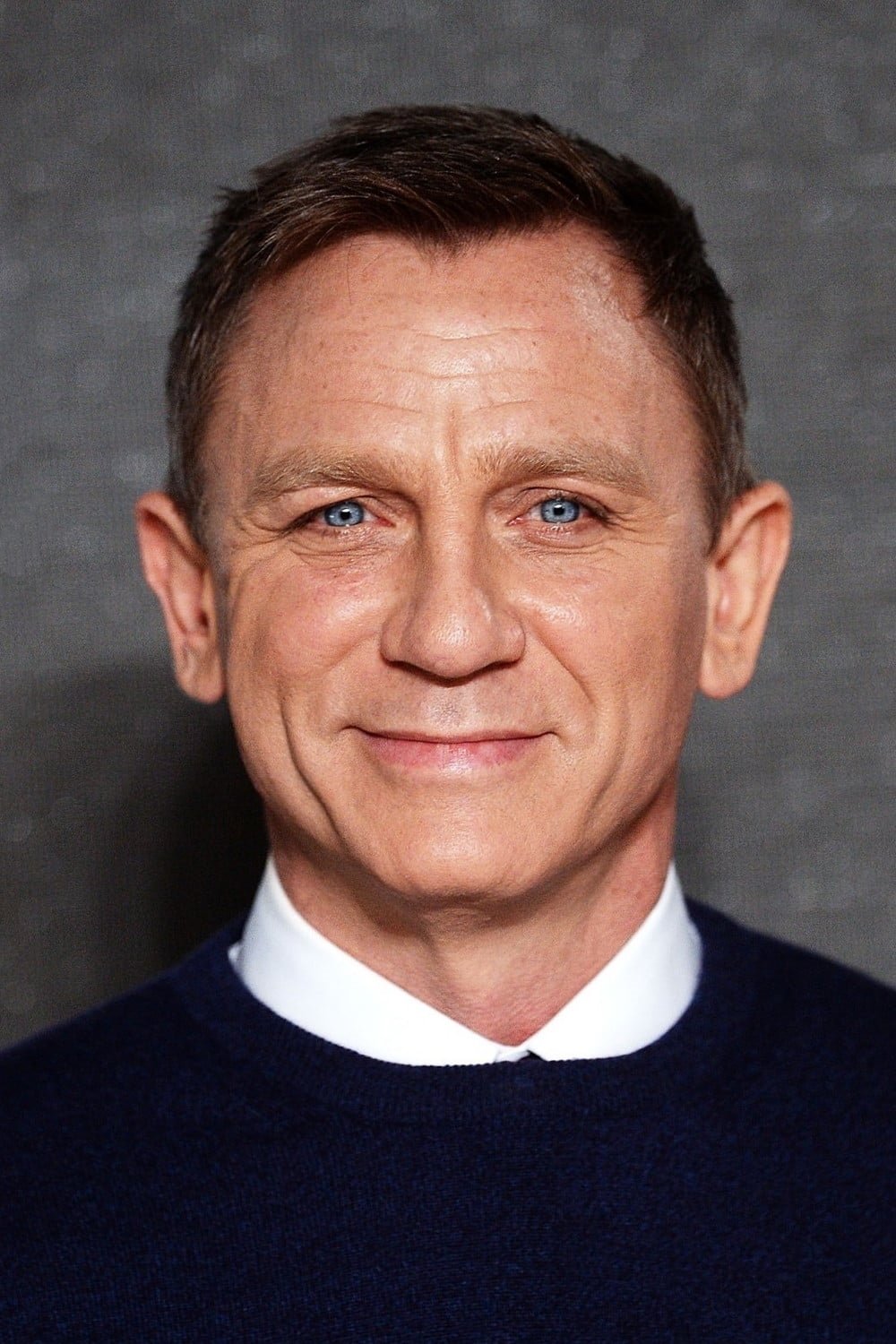
Daniel Craig undertook significant stunt work throughout his run as James Bond. He performed rooftop chases, train fights, and water work in films like ‘Casino Royale’ and ‘Skyfall’. He trained for tactical shooting and close quarters combat to keep action scenes cohesive. Production teams adapted set pieces to match his physical approach.
Harrison Ford
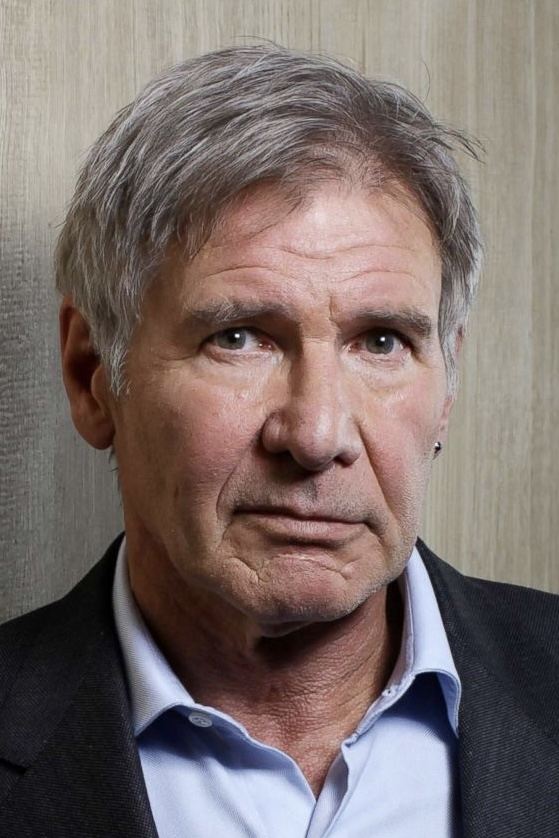
Harrison Ford took on practical stunts in adventure and sci fi classics. In ‘Raiders of the Lost Ark’ he completed chase sequences involving trucks and horseback work. He also engaged in physical brawls and practical gags across the ‘Indiana Jones’ series. His commitment to real locations and tangible props helped define the franchise’s feel.
Sylvester Stallone
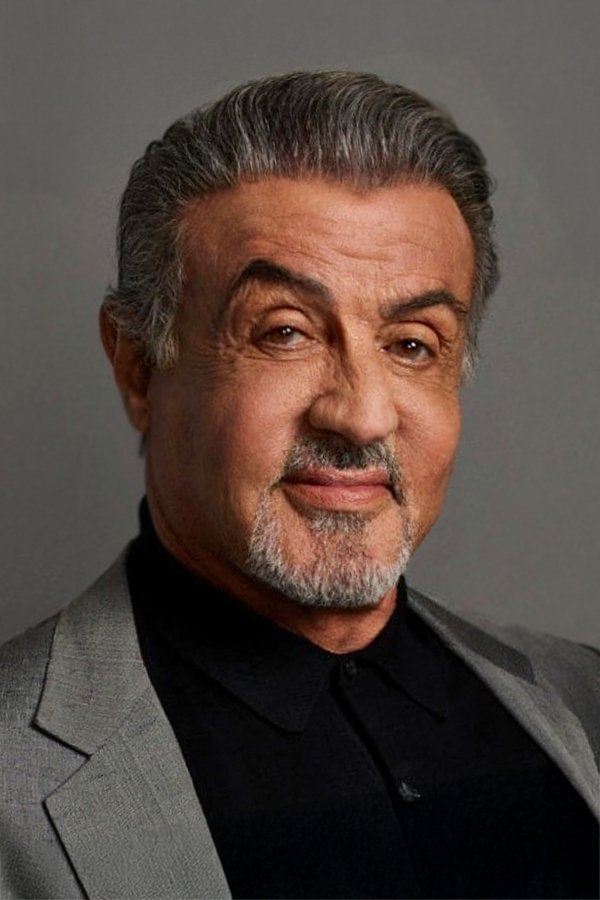
Sylvester Stallone performed fight and stunt work across the ‘Rocky’ and ‘Rambo’ series. Training camps prepared him for extended boxing sequences that demanded endurance and timing. He also handled falls, explosions, and weapons choreography in the ‘Rambo’ films. Injuries on set became part of the production lore and showed how far he pushed physically.
Scott Adkins
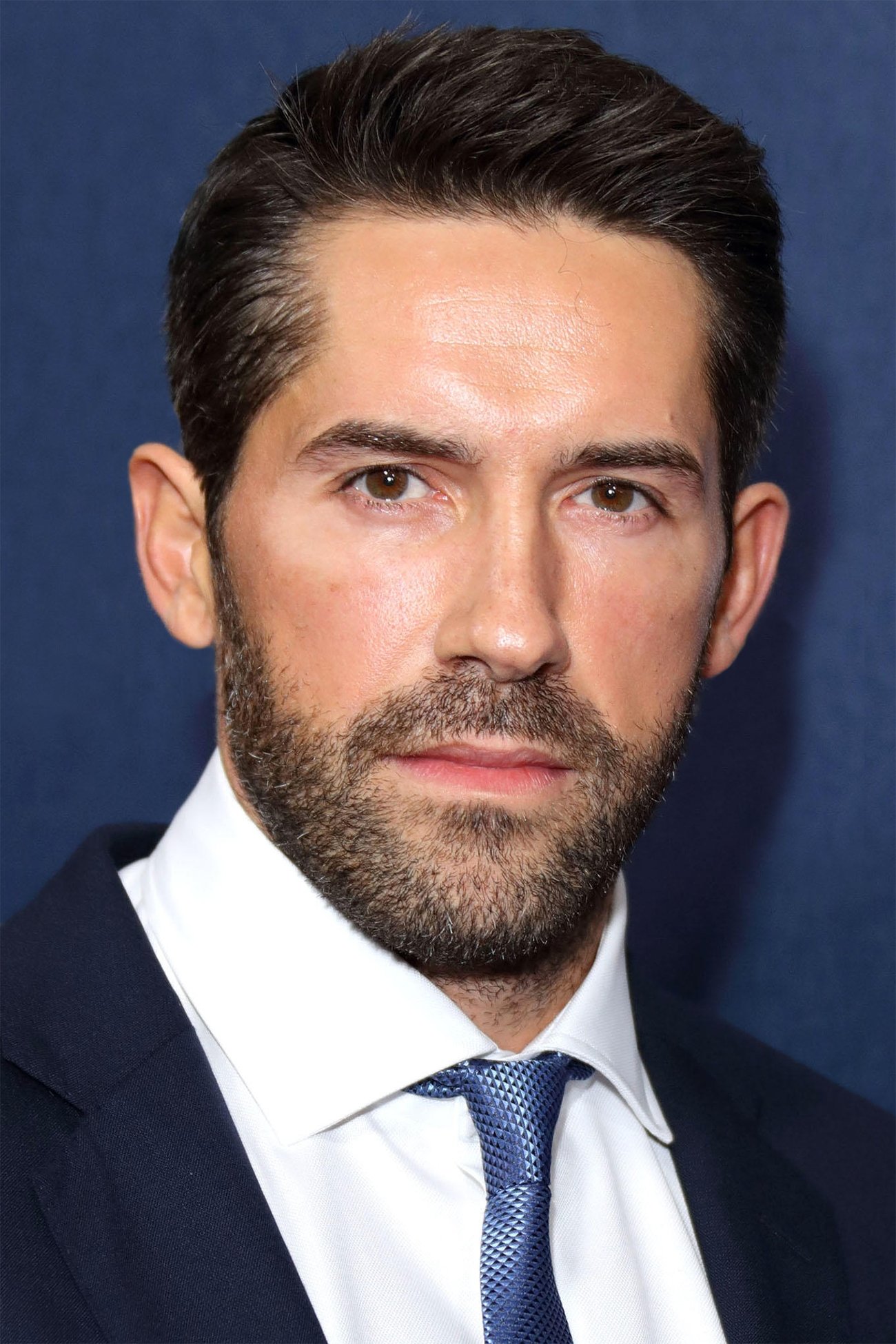
Scott Adkins combines gymnastics and martial arts to deliver high difficulty moves without relying on doubles. In ‘Undisputed III Redemption’ and ‘Boyka Undisputed’ he performed spinning kicks and acrobatic takedowns in long takes. He also choreographed sequences for indie action projects to maximize practical impact. His work often prioritizes clean technique that reads clearly on camera.
Viggo Mortensen
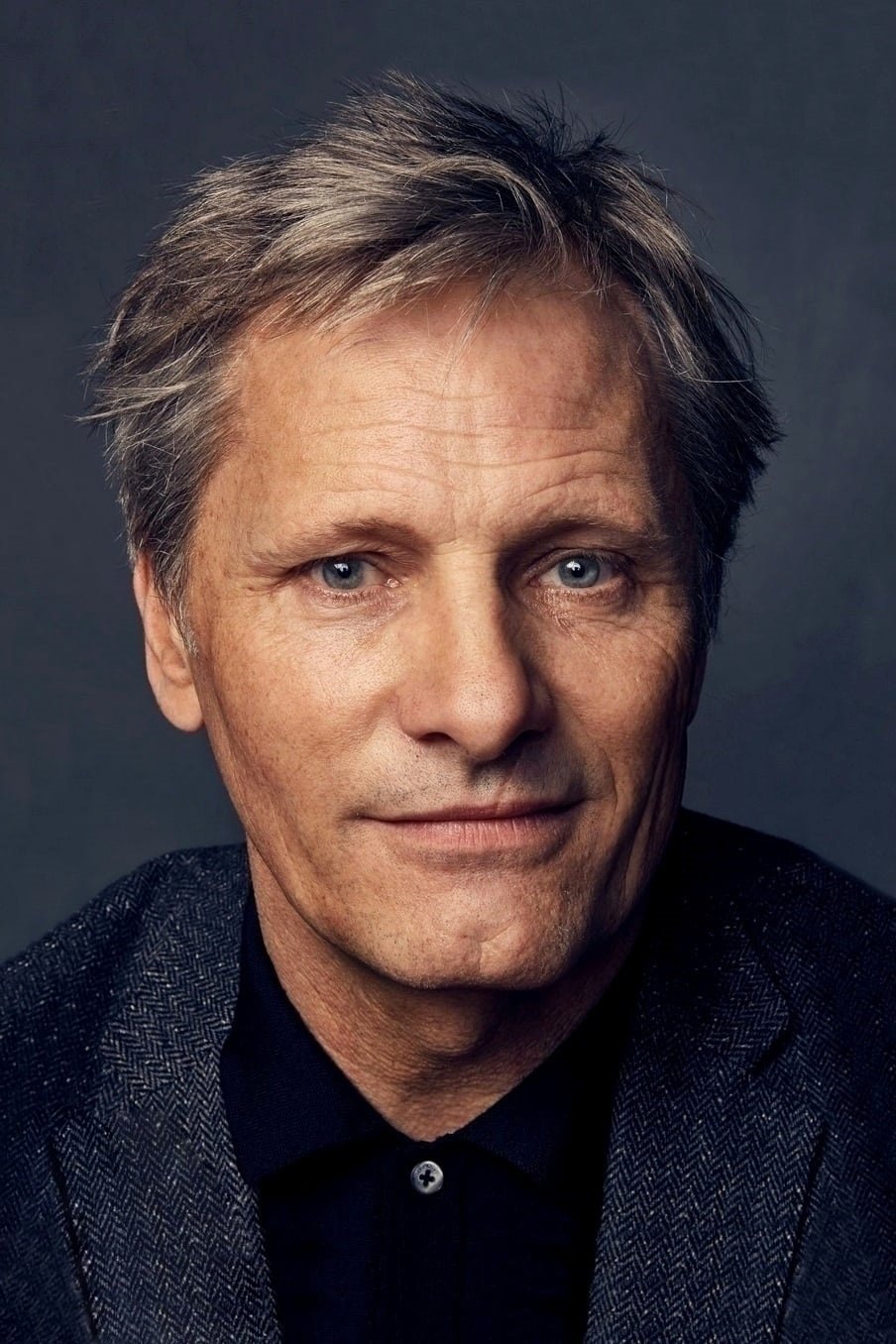
Viggo Mortensen undertook horseback riding, sword fighting, and grueling location work with minimal doubling. In ‘The Lord of the Rings’ trilogy he trained in multiple weapon forms to handle extended battles. He performed water and mountain sequences under harsh conditions to keep scenes consistent. He maintained the same gear and horse between projects to preserve continuity.
Harold Lloyd
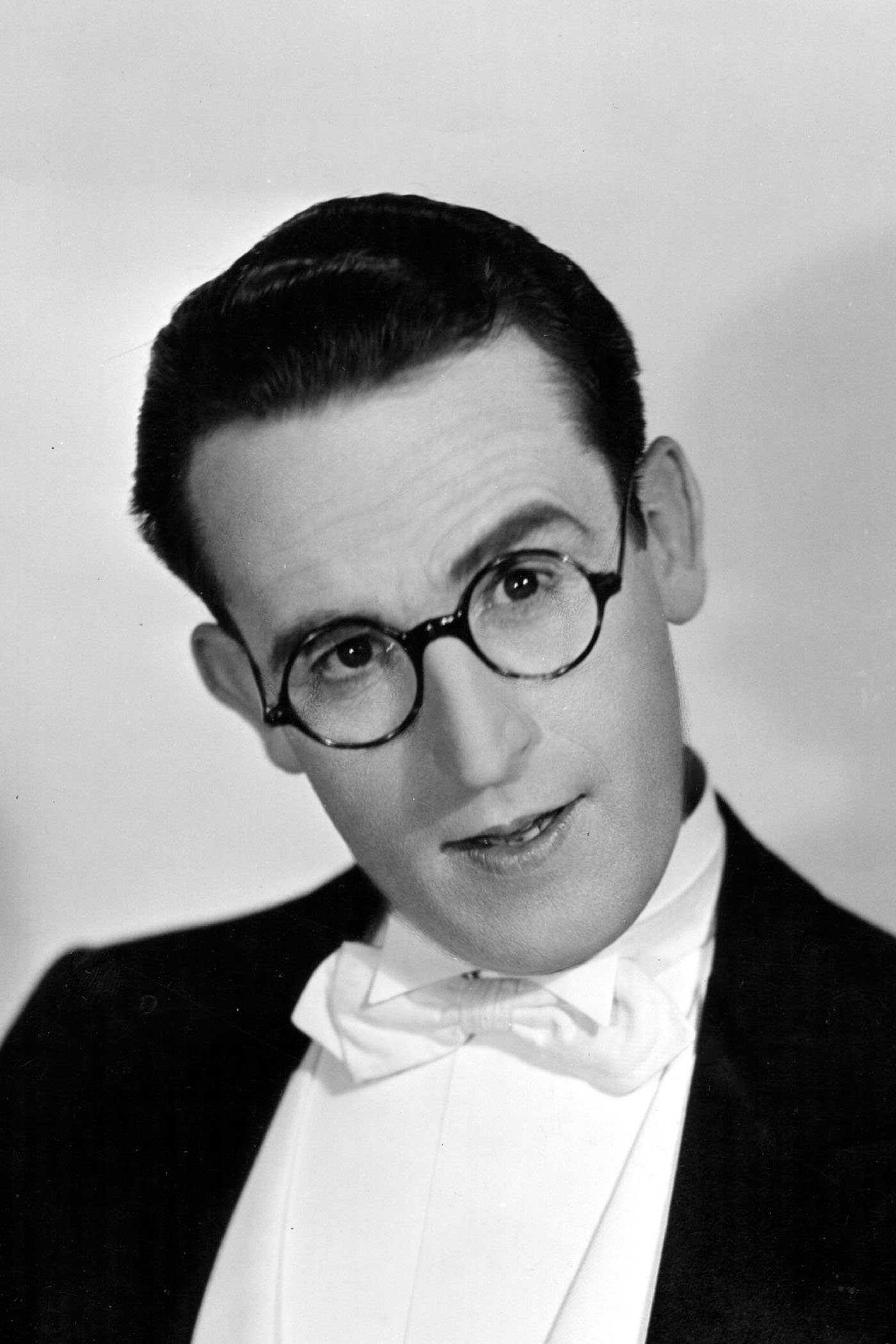
Harold Lloyd is famous for silent era set pieces that he performed himself with practical effects and real heights. The clock hanging sequence in ‘Safety Last’ remains one of cinema’s most recognized stunts. He frequently choreographed physical comedy that required precise falls and climbs. Protective platforms and camera angles were used, but the physical risk and execution were his.
Buster Keaton
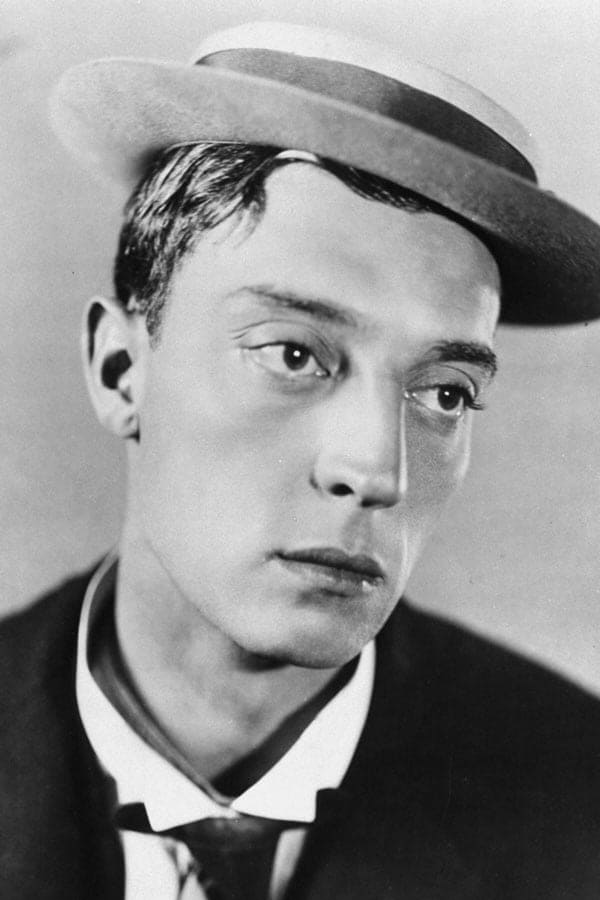
Buster Keaton engineered and performed his own dangerous gags throughout the silent era. He executed the falling house façade bit in ‘Steamboat Bill Jr.’ using precise measurements and no visual effects. He staged full speed locomotive work in ‘The General’ and river rescues in ‘Our Hospitality’. His productions built custom rigs so the camera could capture the stunts in wide shots.
Charlie Chaplin
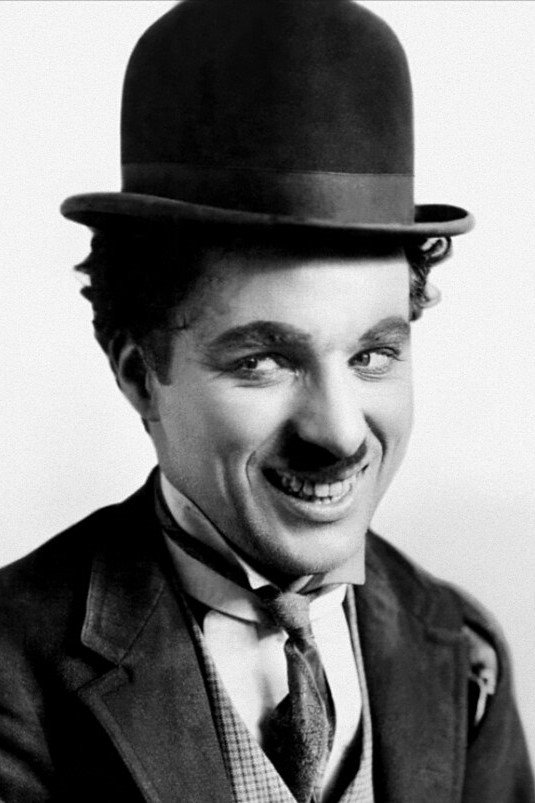
Charlie Chaplin choreographed acrobatic sequences himself across multiple films. He handled skating on the edge of a drop in ‘Modern Times’ and rooftop chases in ‘The Kid’. He performed cable car and tight space gags in ‘City Lights’ with carefully plotted camera positions. Sets were constructed to exact dimensions so he could repeat complex falls safely.
Jean-Claude Van Damme
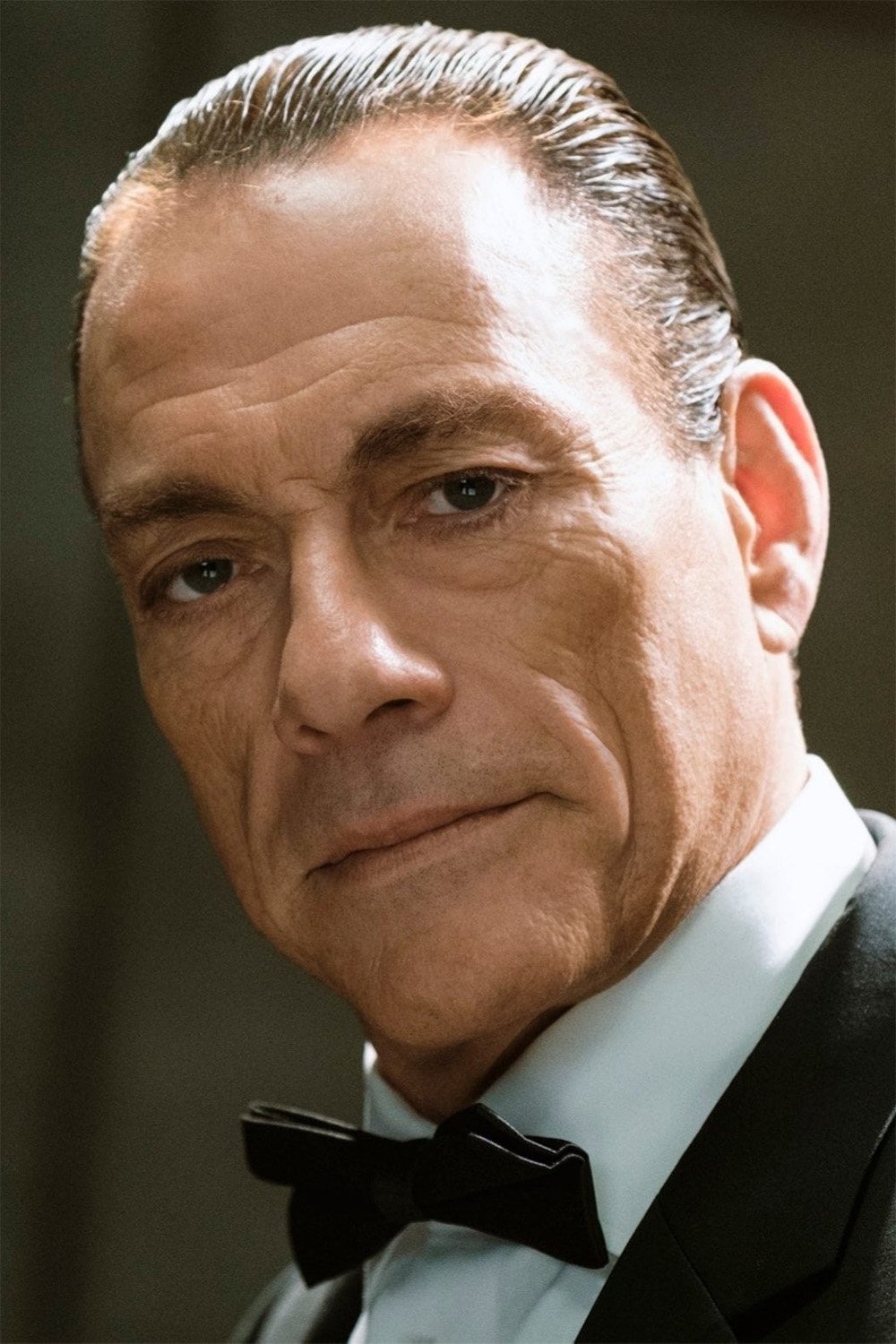
Jean-Claude Van Damme performed most of his fight choreography and flexibility driven moves on camera. He handled high kicking exchanges and the famous splits between moving objects in ‘Bloodsport’ and ‘Timecop’. He completed long take brawls with minimal doubling in ‘Lionheart’ and ‘Hard Target’. Training blocks covered timing with stunt partners to keep impacts readable.
Iko Uwais
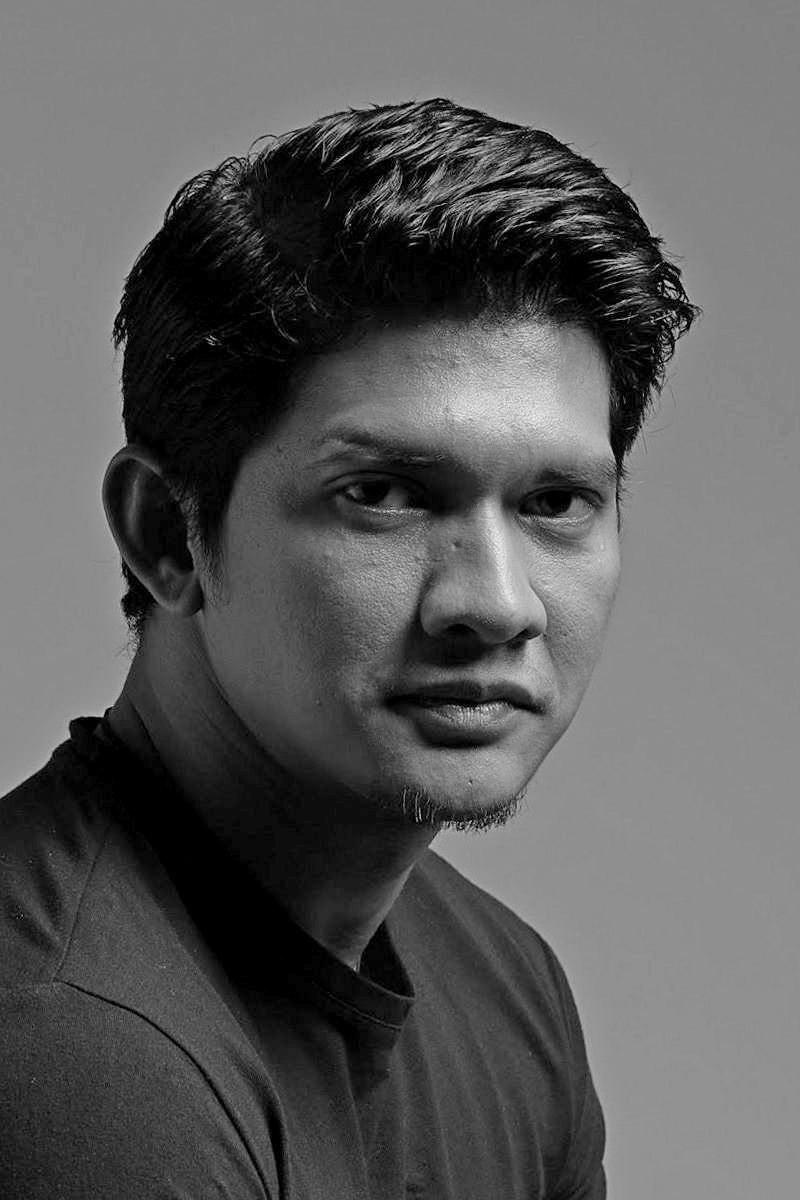
Iko Uwais performs screen silat with real speed and complexity in major set pieces. He led stairwell and hallway fights without doubling in ‘The Raid’ and ‘The Raid 2’. He coordinated with choreographers to design multi opponent sequences that stay in frame. His preparation includes weapons transitions that carry through entire scenes.
Yuen Biao

Yuen Biao came up through the Peking Opera School and performs high fall and acrobatic work himself. He completed rooftop chases and precision flips in ‘Knockabout’ and ‘Prodigal Son’. He frequently partnered with Sammo Hung and Jackie Chan to design intricate team stunts. Wire assists were used sparingly while the core landings remained practical.
Dolph Lundgren
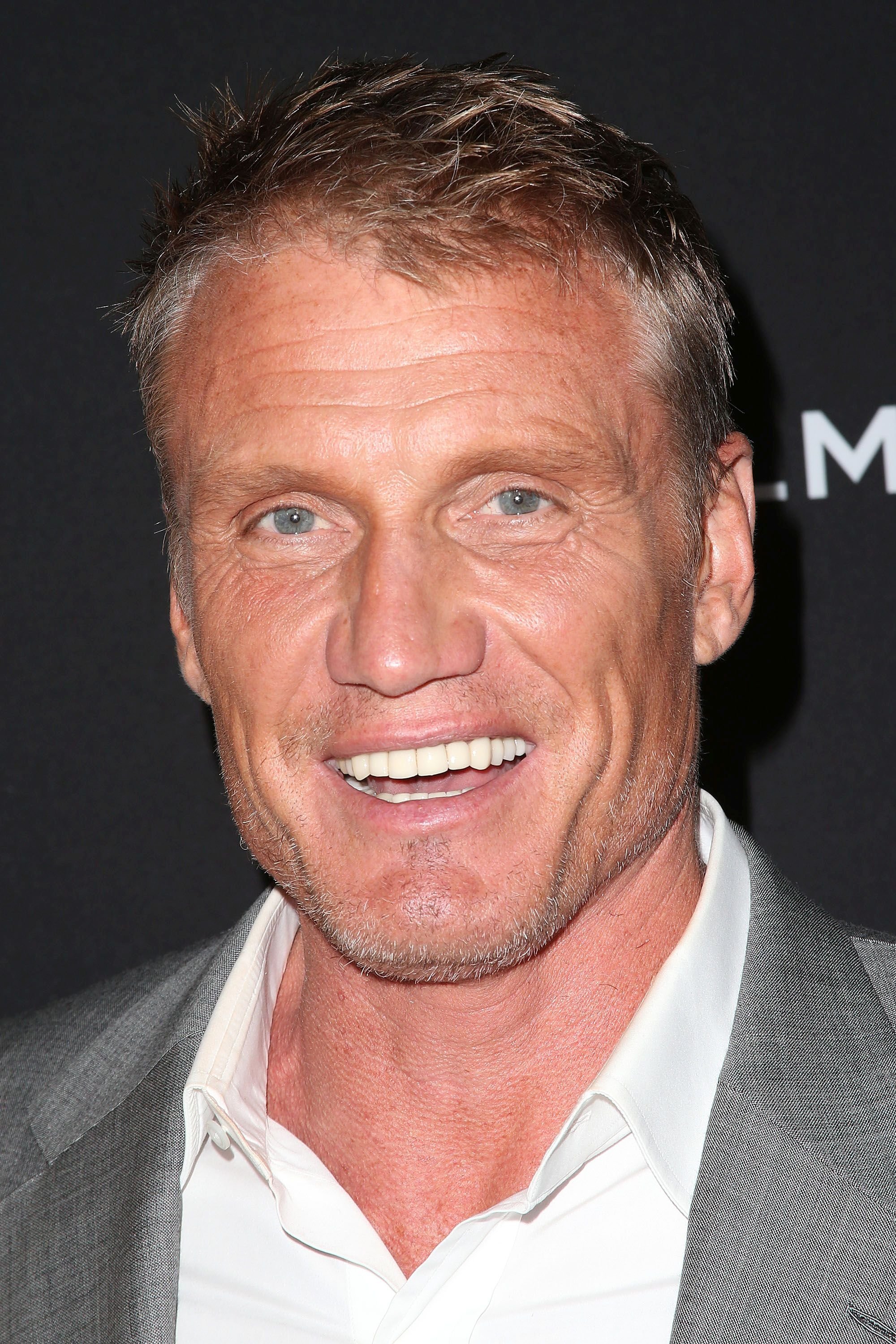
Dolph Lundgren performed many of his fight scenes and physical gags across action projects. He handled practical explosions and hand to hand exchanges in ‘Universal Soldier’ and ‘The Expendables’. He trained with choreographers to keep combinations fast while staying on marks. Underwater and cold weather sequences were completed with minimal doubling.
Mel Gibson
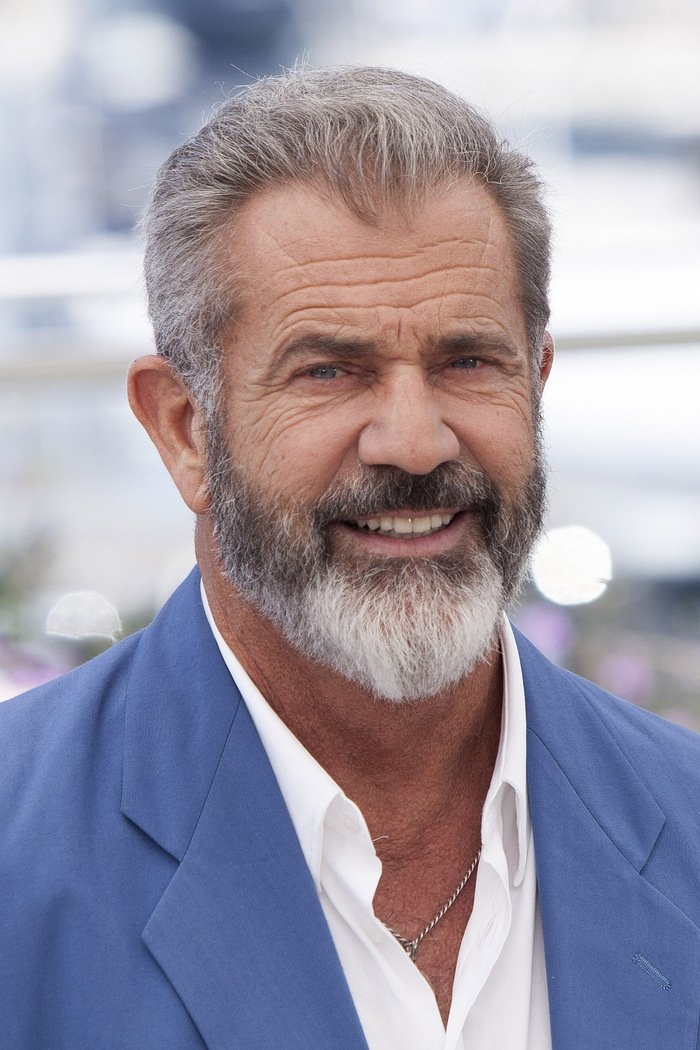
Mel Gibson took on practical stunts and rough fight choreography in multiple productions. He performed car and foot chases in ‘Mad Max’ entries and executed weapon work in ‘Braveheart’. He often coordinated with second unit teams to keep camera setups wide during impacts. Safety prep covered horse riding drills and shield line movement.
Nicolas Cage
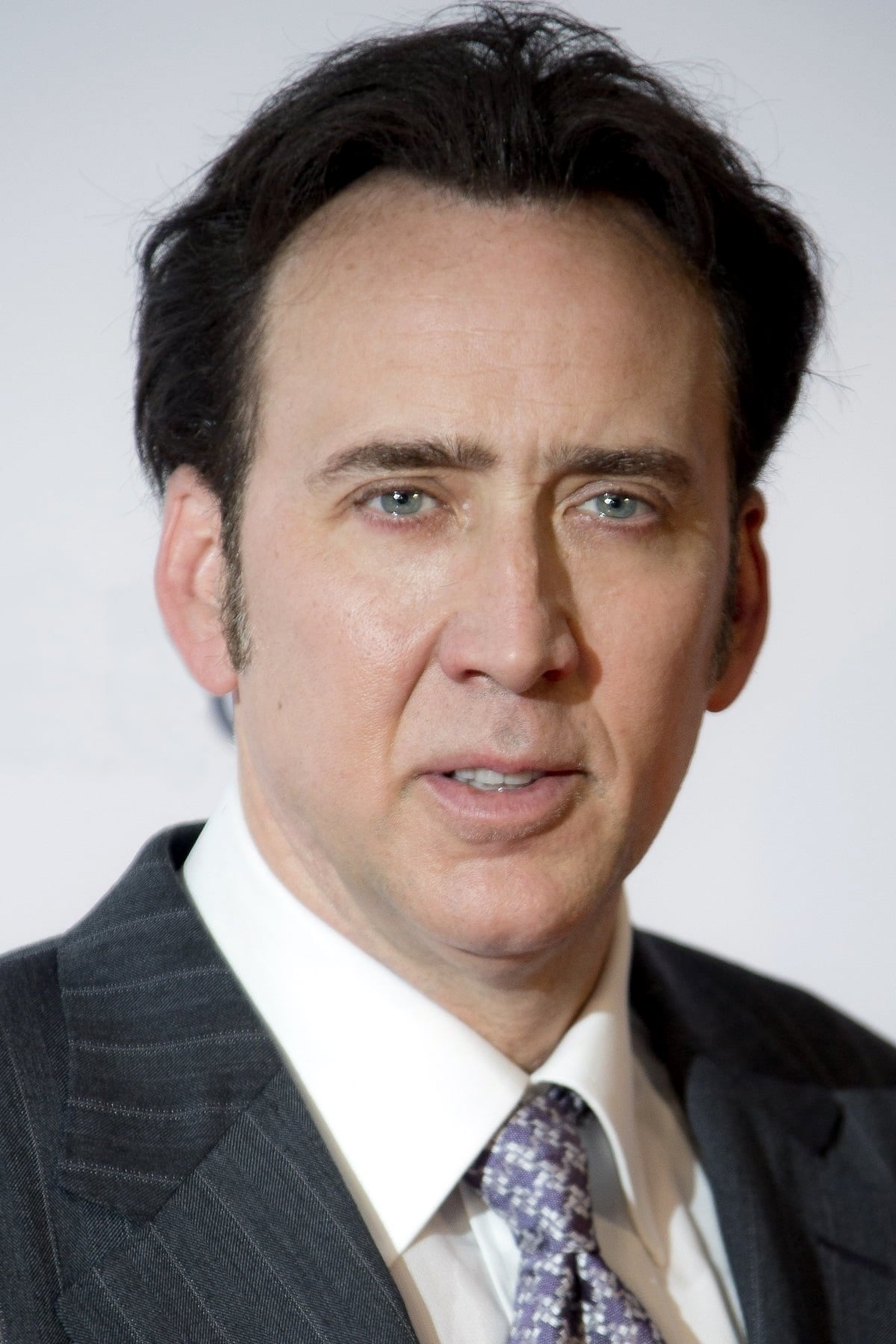
Nicolas Cage performs many of his action beats and vehicle work himself. He handled high speed driving and foot pursuits in ‘Gone in 60 Seconds’ and ‘The Rock’. He completed extended fight scenes during ‘Face/Off’ with limited doubling. Productions scheduled extra rehearsal time so he could run full sequences in real locations.
Hugh Jackman
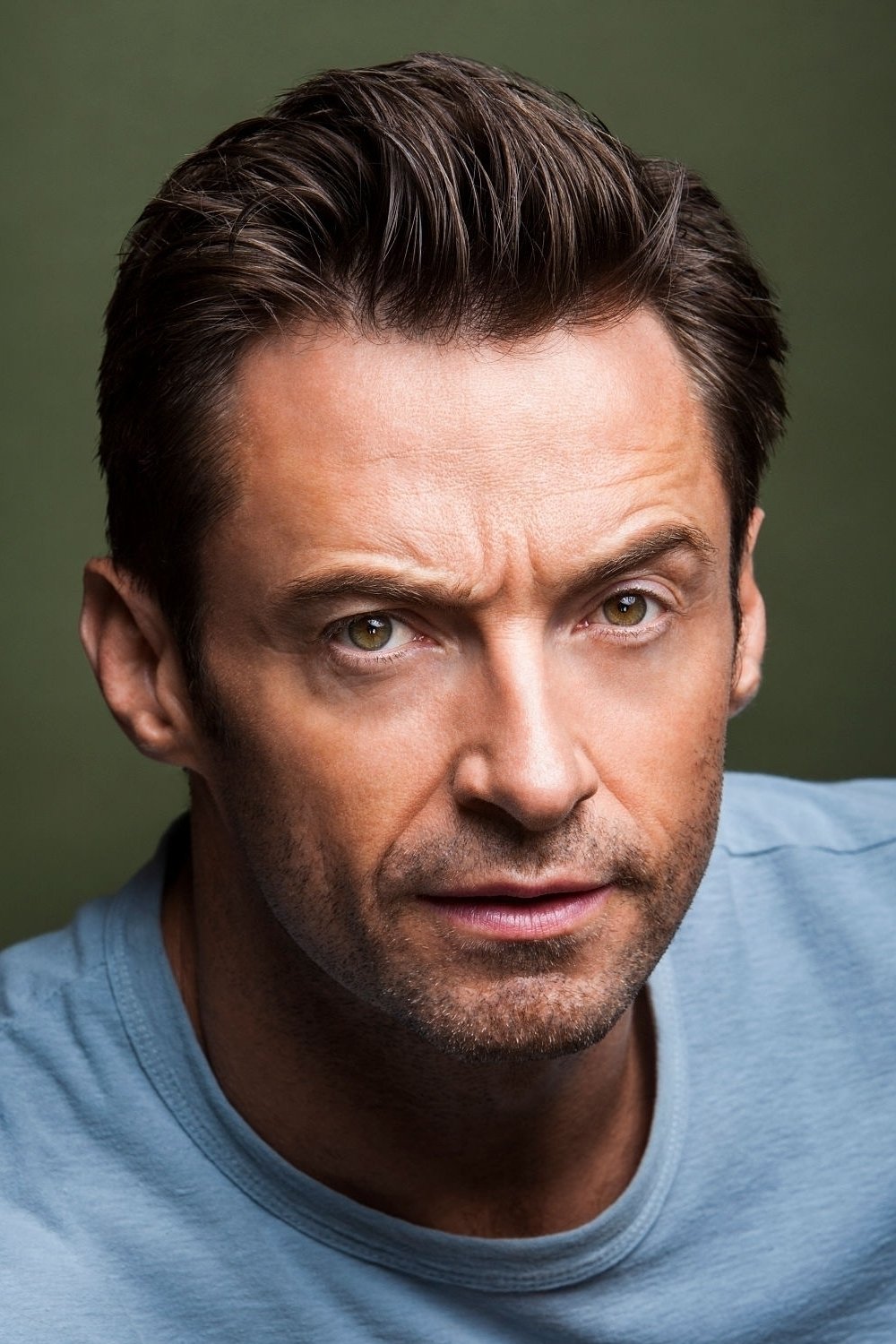
Hugh Jackman carried out significant physical stunts and fight choreography during the ‘X-Men’ films. He rehearsed blade handling and close quarters exchanges to keep cuts minimal. He performed wire assisted leaps and falls while maintaining continuity across scenes. Conditioning blocks were planned around shoot days to manage fatigue during long fights.
Tom Holland
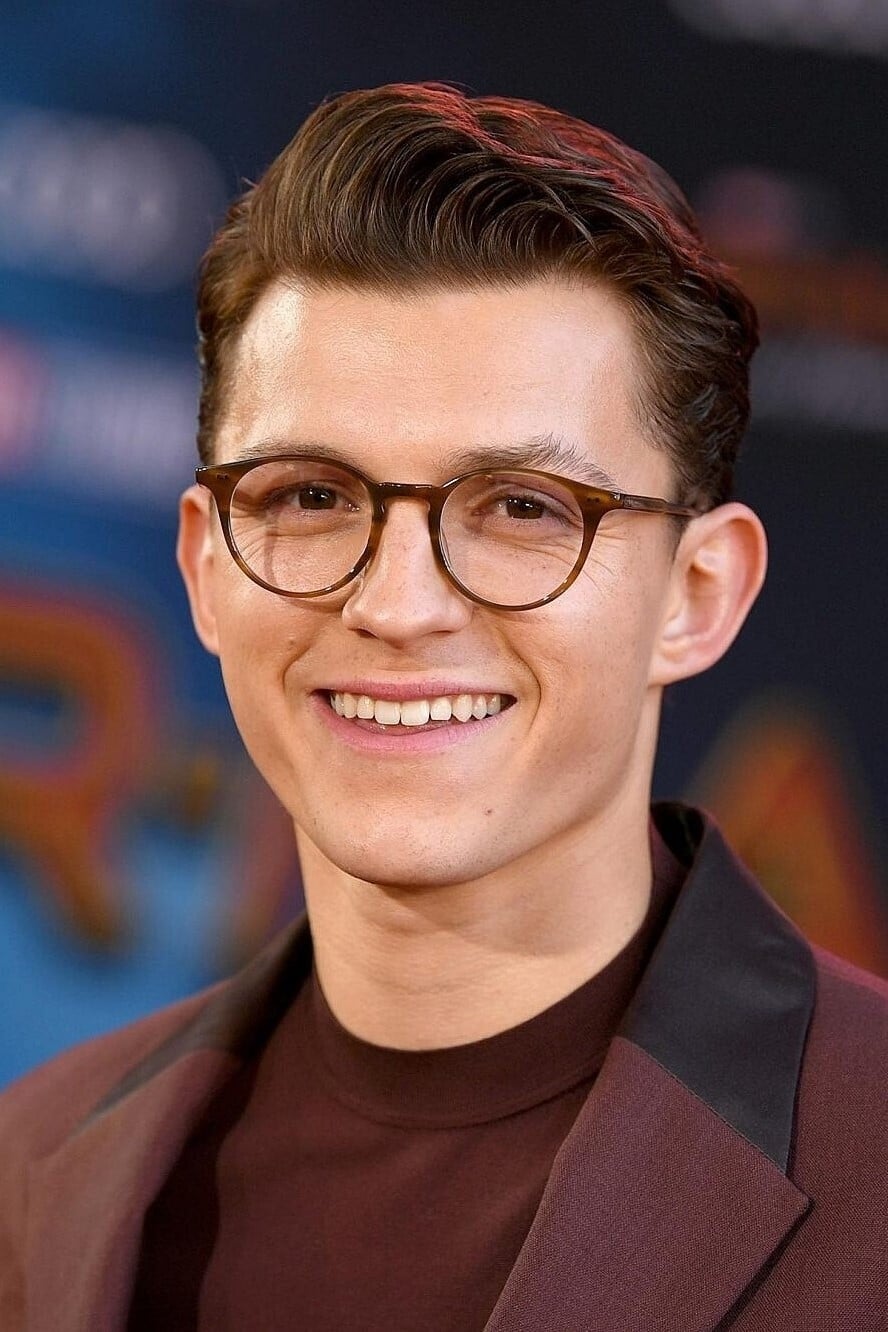
Tom Holland brings gymnastics training to his on screen stunt work. He performed wall runs, flips, and close quarters fights with minimal doubling in ‘Spider Man Homecoming’ and later entries. He handled wire assisted swings combined with practical landings. Rehearsals focused on seamless transitions between suit acting and action beats.
Stephen Amell
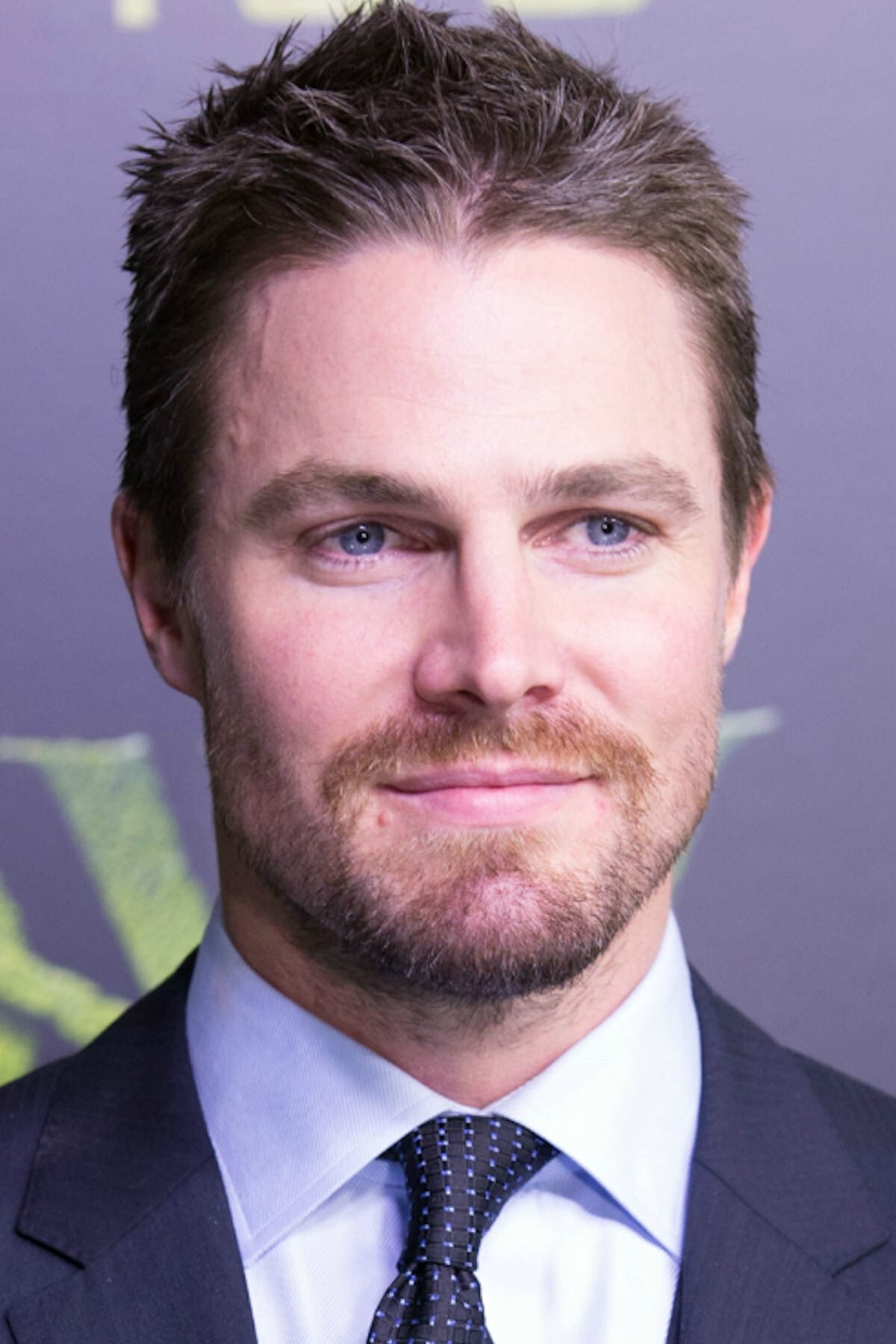
Stephen Amell completed many parkour moves and fight scenes himself on television. On ‘Arrow’ he ran obstacle course style sequences and executed bar work in the lair set. He rehearsed multi opponent fights designed for long takes in tight hallways. The production built safe surfaces so he could repeat falls across multiple angles.
Paul Walker
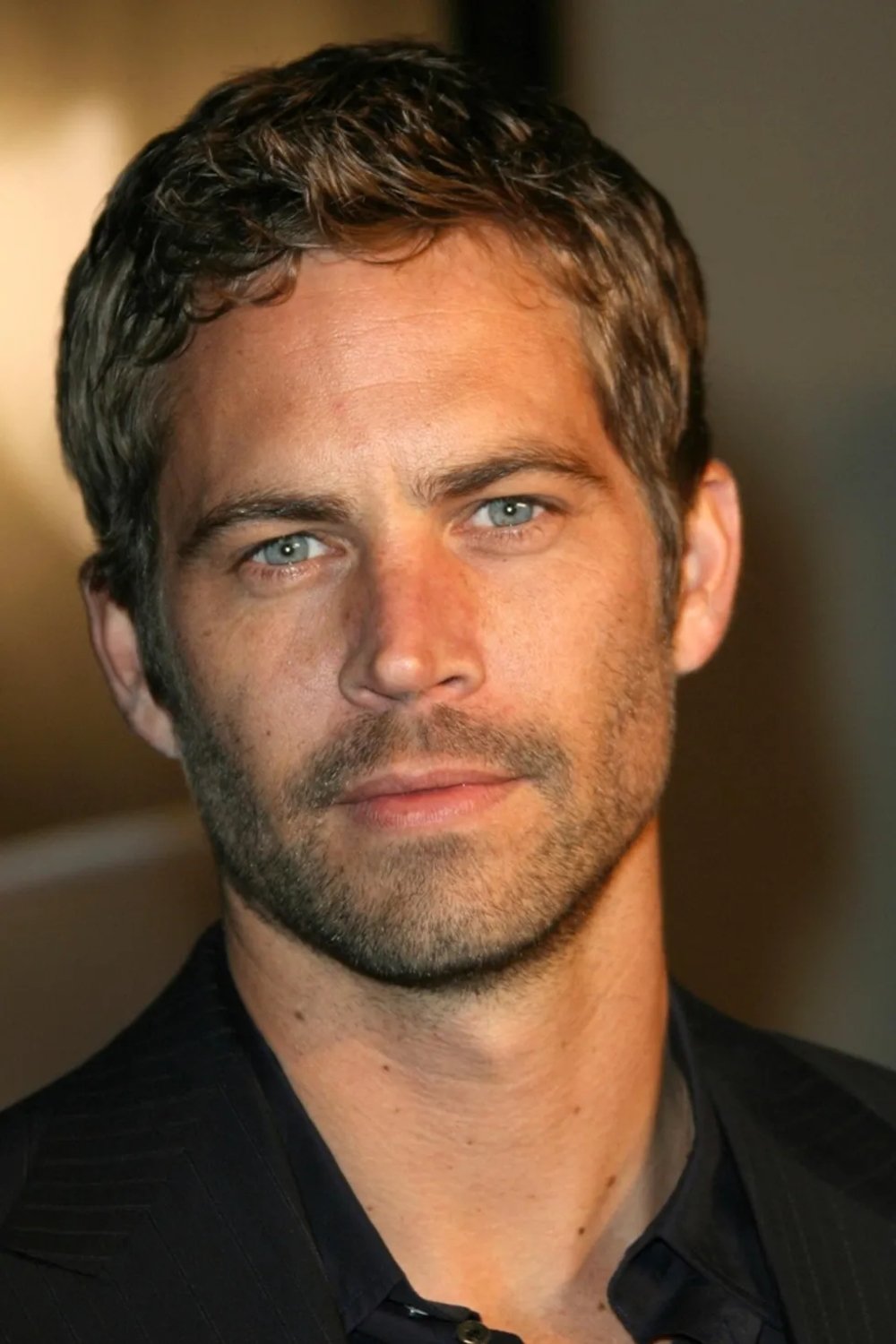
Paul Walker handled a notable amount of driving work and foot chases in the ‘Fast and Furious’ series. He trained with stunt drivers to execute drifts and precise stops for camera positions. He performed rooftop jumps and vehicle transitions when practical. Coordination focused on matching car speeds to lens choices for clarity.
Henry Cavill
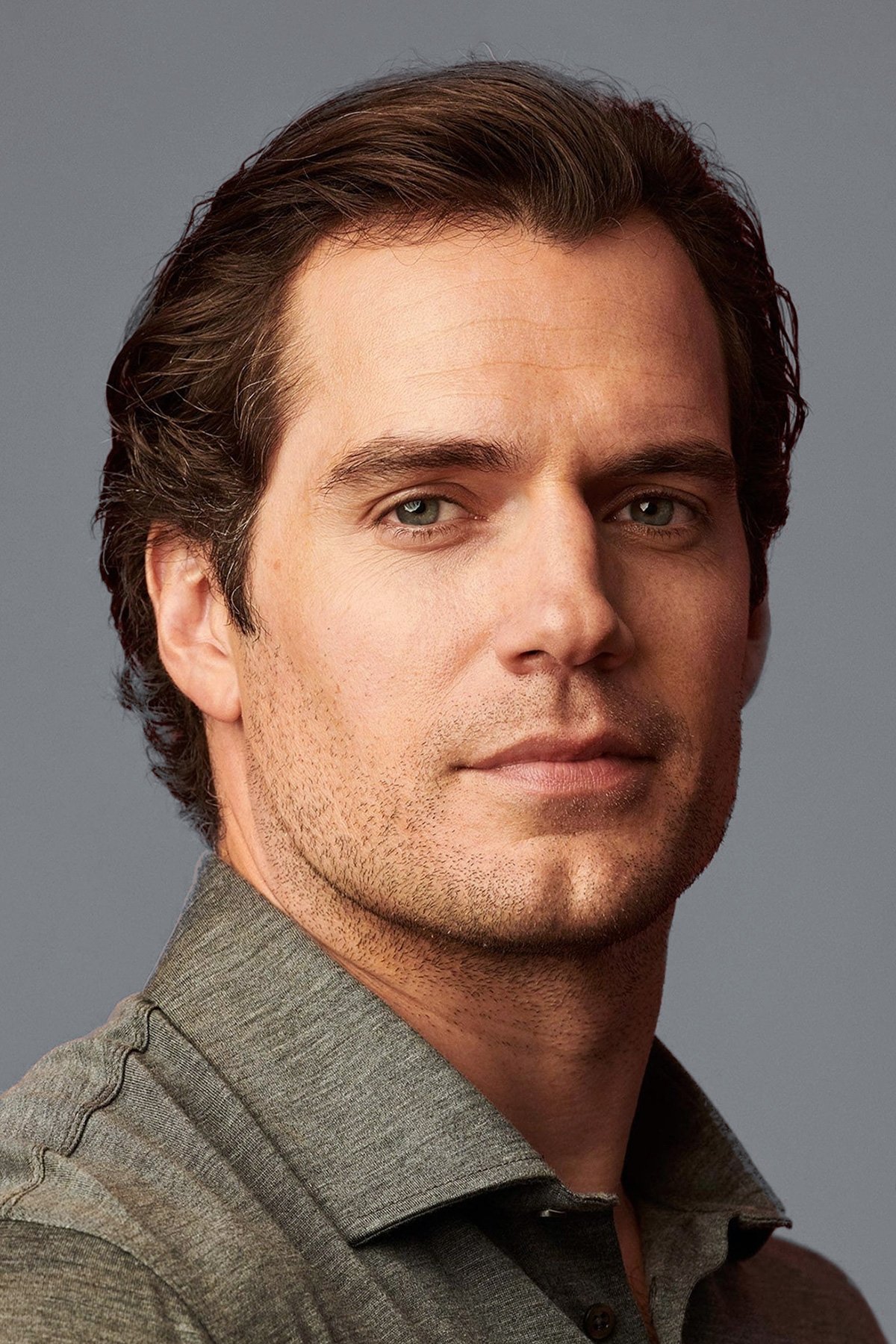
Henry Cavill performed rigorous fight and movement sequences across action roles. In ‘Mission Impossible Fallout’ he executed bathroom and rooftop fights with heavy contact choreography. He trained for sword work and stunt falls on ‘The Witcher’ to keep edits minimal. Prep included weapon draws and resets to sustain long takes.
Jason Momoa
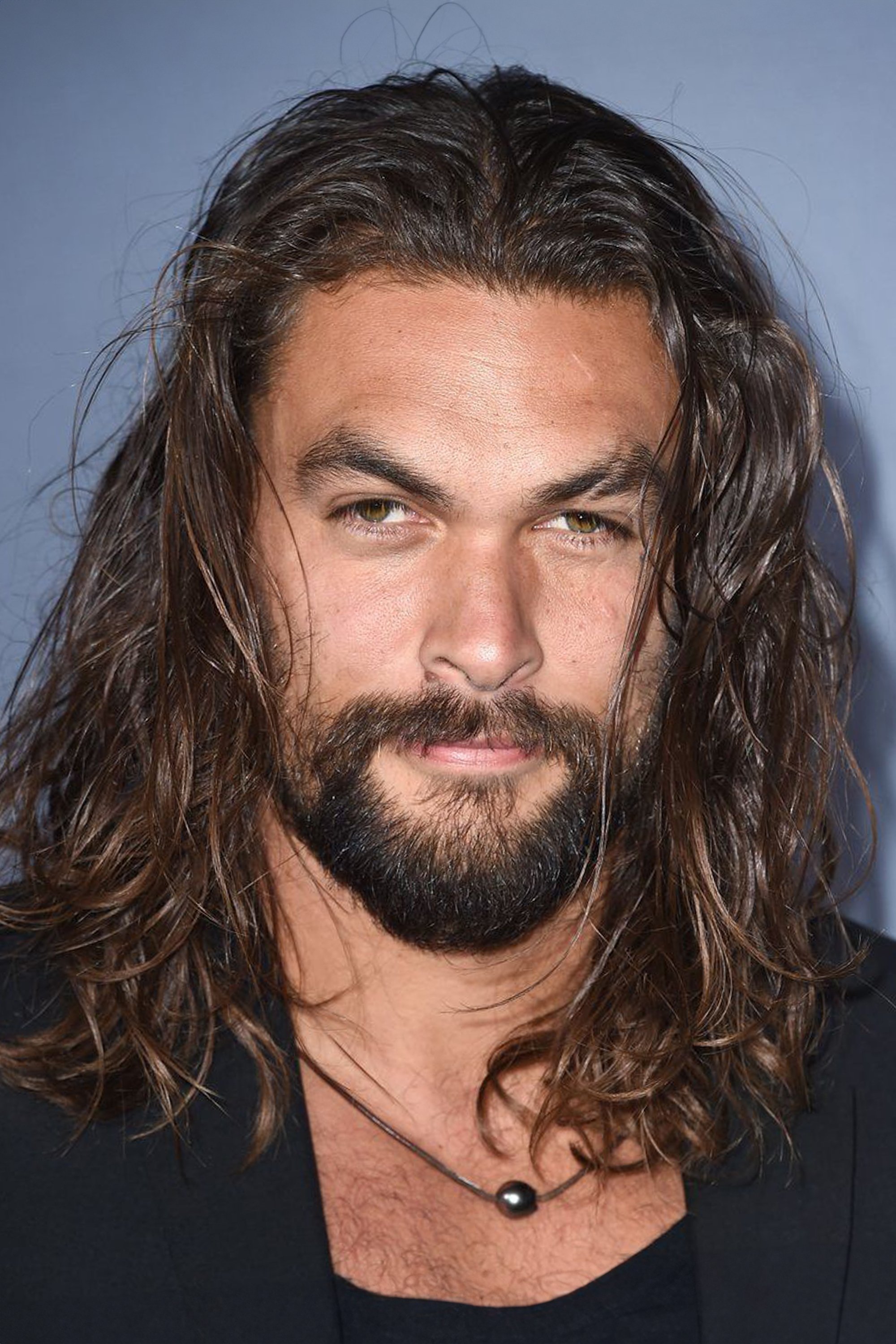
Jason Momoa undertakes water, climbing, and combat stunts in his projects. He completed trident work and extended fight beats in ‘Aquaman’ with limited doubling. He performed motorcycle riding and practical brawls in ‘Fast X’. Conditioning and stunt rehearsals emphasized grip strength and safe landings for repeated takes.
Mark Wahlberg
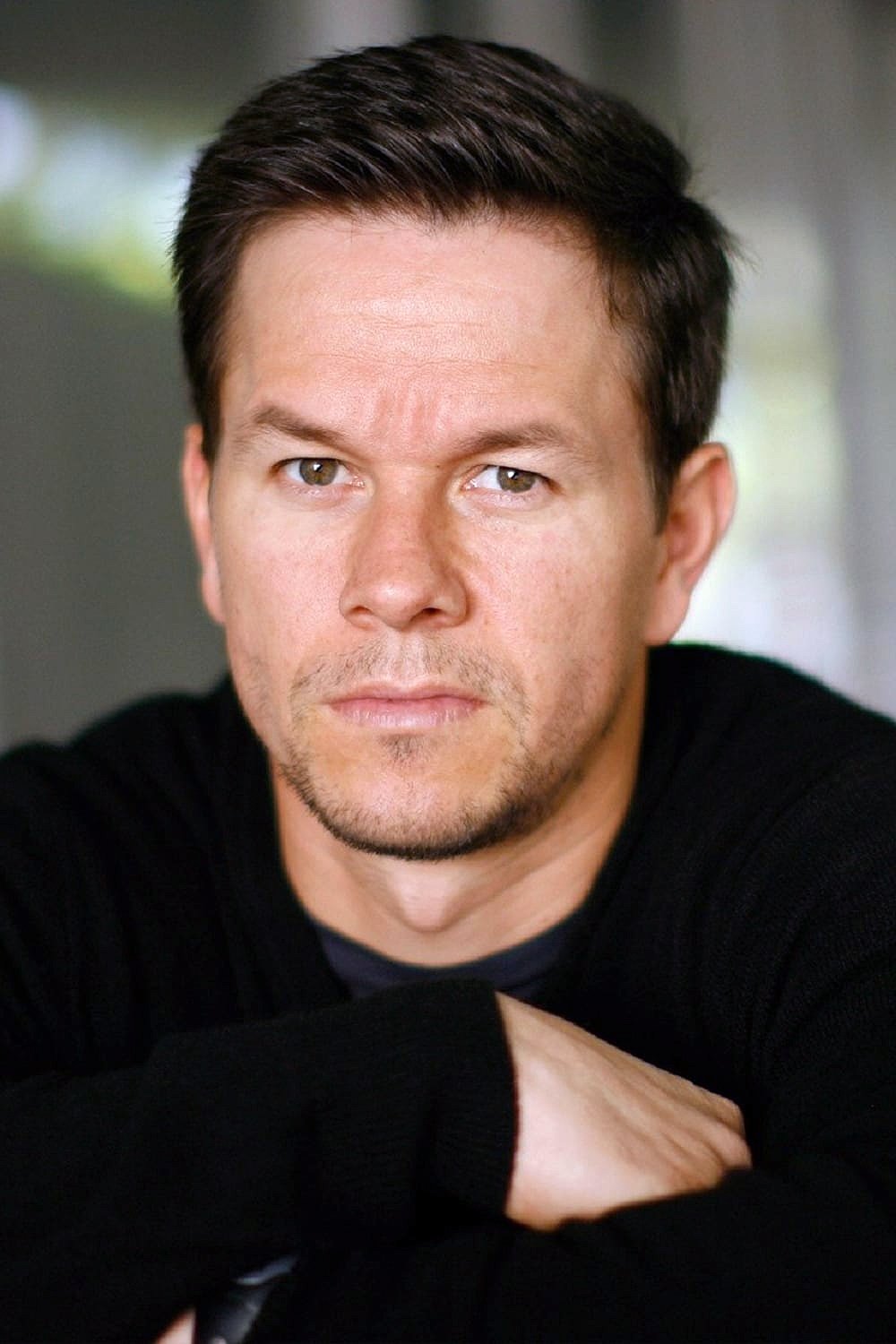
Mark Wahlberg takes on practical action beats that include fights, foot chases, and driving in projects like ‘Lone Survivor’ and ‘Patriots Day’. He trained with tactical teams to move safely through tight interiors while handling weapons for extended takes. He rehearsed rooftop pursuits and coordinated close quarters hits so cameras could stay wide. Car work is planned with precision marks so he can repeat maneuvers across multiple angles.
Jeremy Renner
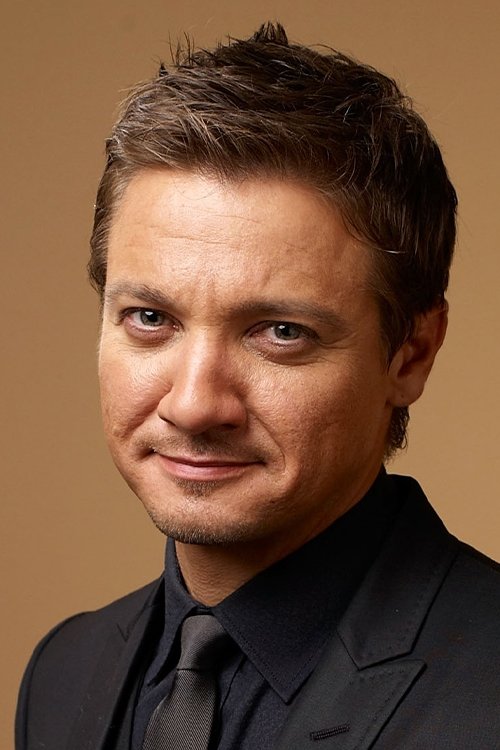
Jeremy Renner performs demanding foot chases and hand to hand exchanges across ‘The Bourne Legacy’ and entries in ‘Mission Impossible’. He trained for vertical movement and careful wire assists so he could traverse ledges and mechanical shafts. Fight scenes were built around timing and breath control to hold longer shots. He also drilled transitions between firearms and grappling to keep continuity smooth.
Matt Damon
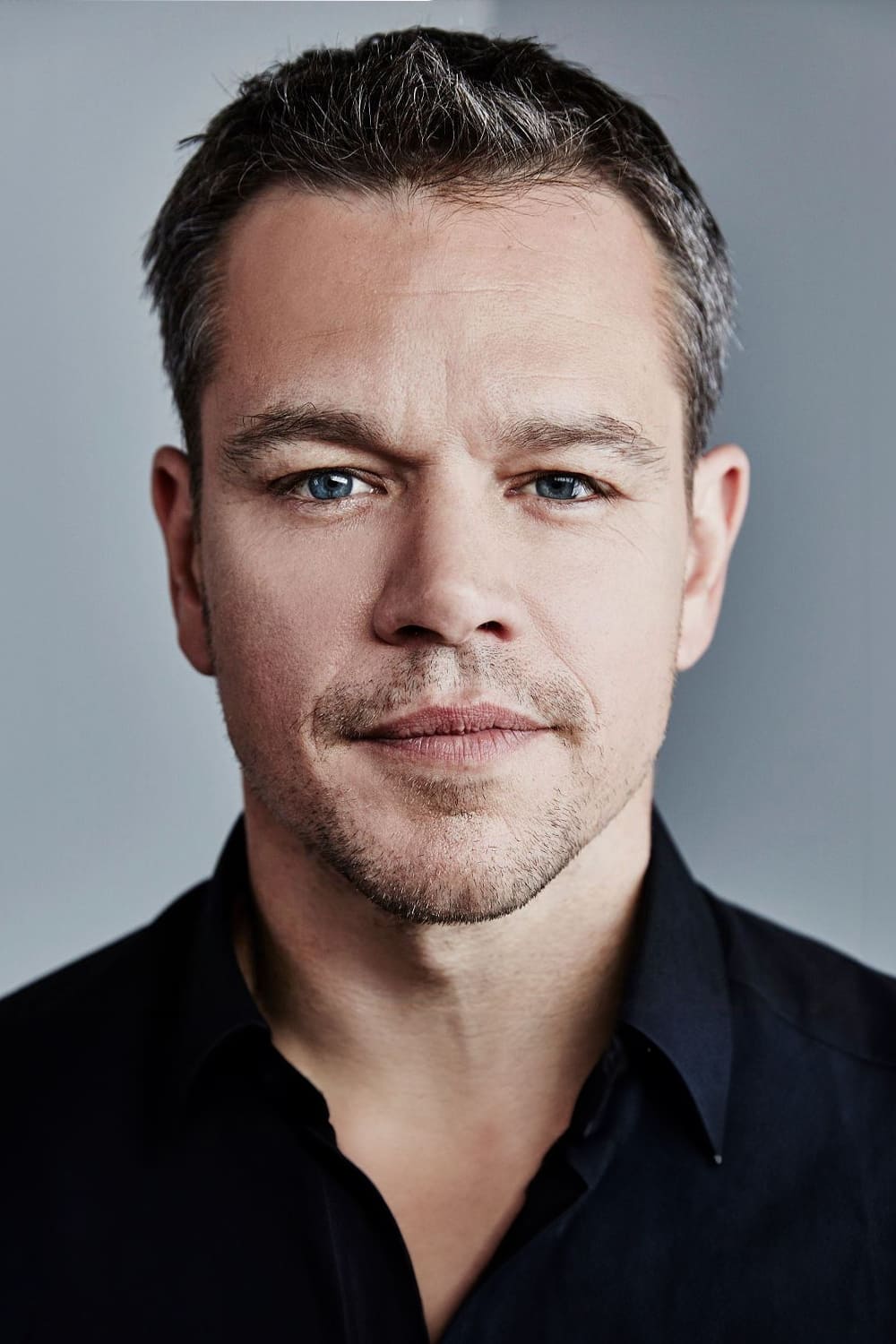
Matt Damon completed sustained close quarters combat and urban chases for the ‘Bourne’ series. He trained in striking and joint control that reads clearly on camera without heavy cuts. He rehearsed stairwell and rooftop routes so a scene could play through in a single movement path. Car sequences were coordinated with stunt teams while he handled interior driving beats that match exterior plates.
Chris Hemsworth
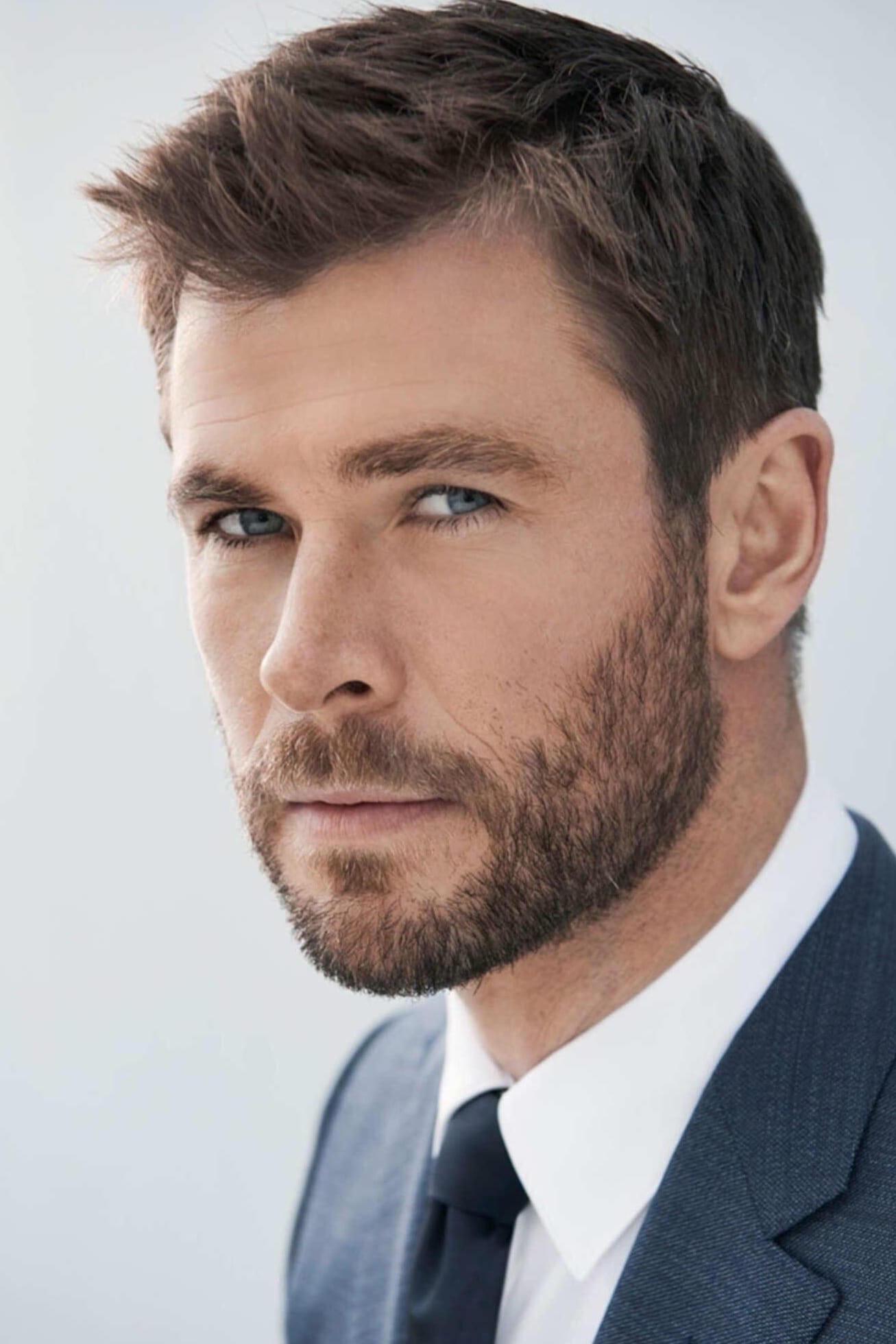
Chris Hemsworth trained for long take action in ‘Extraction’ and returned to similar one shot design in its follow up. He worked through room to room clears that blend grappling with strikes while maintaining camera sightlines. Vehicle segments were choreographed so he could move from car to foot pursuit without breaking rhythm. Sword and hammer work in ‘Thor’ entries used practical impacts that carry across edits.
Dwayne Johnson
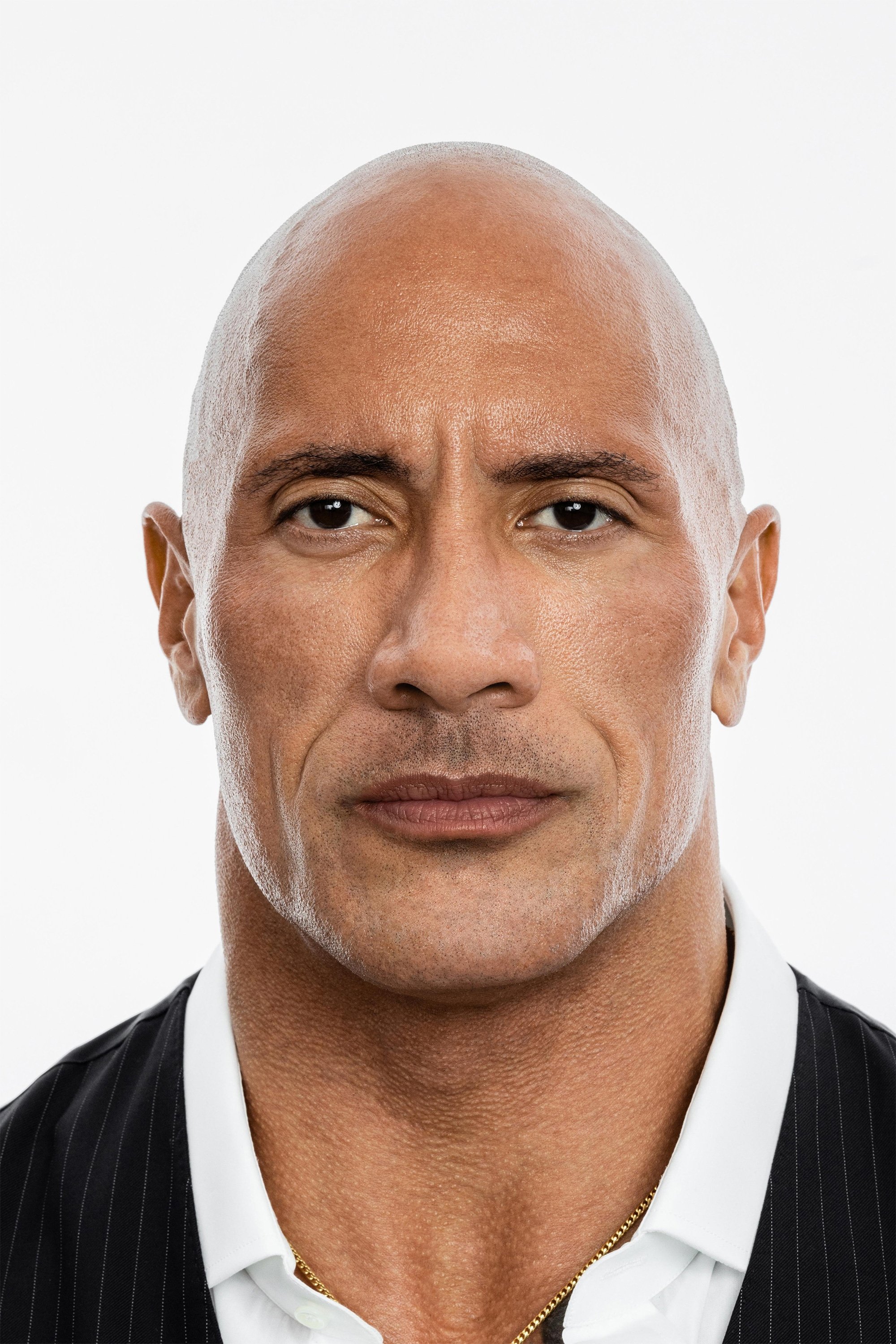
Dwayne Johnson performs extensive fight choreography and controlled power moves in franchises like ‘Fast and Furious’ and titles such as ‘Skyscraper’. He drills lift and throw mechanics to move partners safely during heavy contact beats. He also rehearses climbing and balance sequences on large practical sets. Vehicle and facility runs are mapped so his movement speed stays consistent for continuity.
Arnold Schwarzenegger
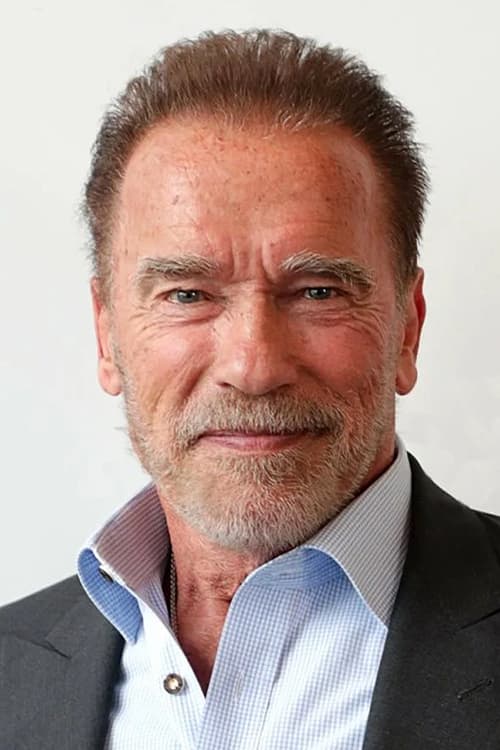
Arnold Schwarzenegger handled physical brawls, weapon exchanges, and practical set gags in films such as ‘Commando’ and ‘Predator’. He trained to manage heavy prop weapons while maintaining camera framing. He performed on moving vehicles and industrial sets where timing with pyrotechnics mattered. Rehearsals focused on repeatable footwork for multi angle coverage.
Taron Egerton
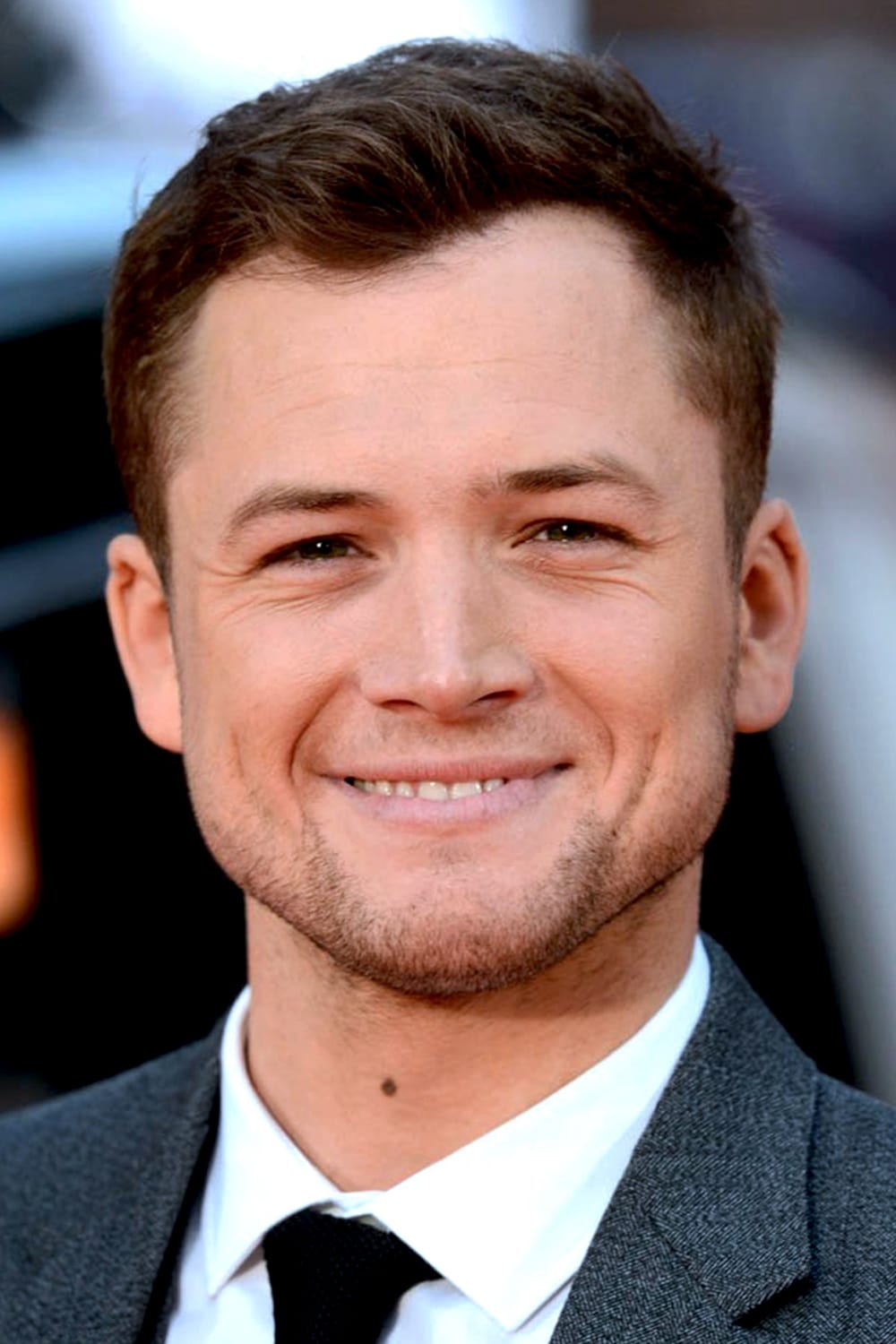
Taron Egerton trained for precise striking patterns and acrobatic transitions in ‘Kingsman The Secret Service’ and its sequel. He worked through long hallway and pub fights designed to play in extended takes. He practiced car spins and controlled slides that connect to exits into foot chases. Wire assists were integrated with practical landings to keep the movement grounded.
Daniel Radcliffe
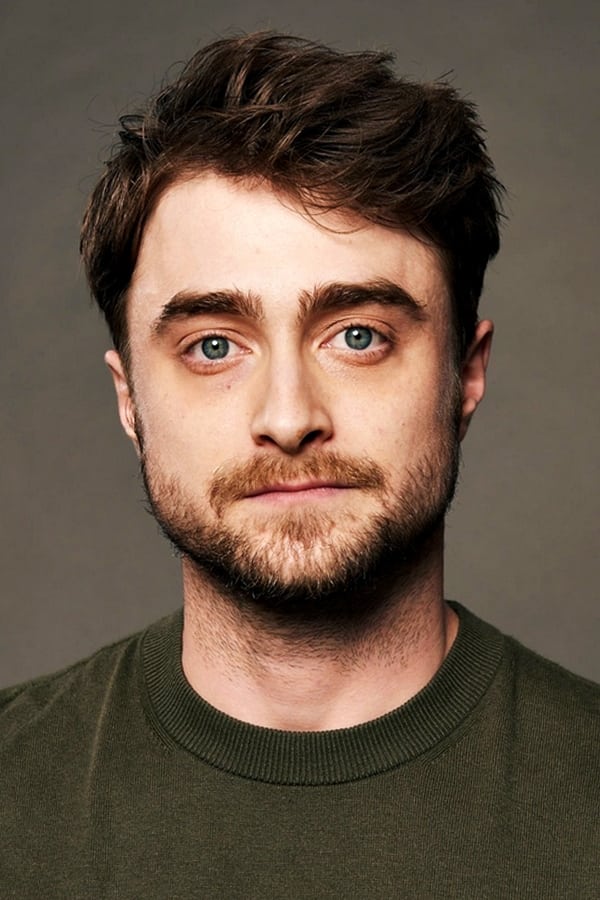
Daniel Radcliffe performed wire work, wand exchanges, and practical impacts across the ‘Harry Potter’ series. He trained to hit timing marks during duels so visual effects could layer without hiding movement. He rehearsed harness jumps for corridor and courtyard beats. Water tank and wind stage sessions prepared him for extended underwater and airborne moments.
Christian Bale
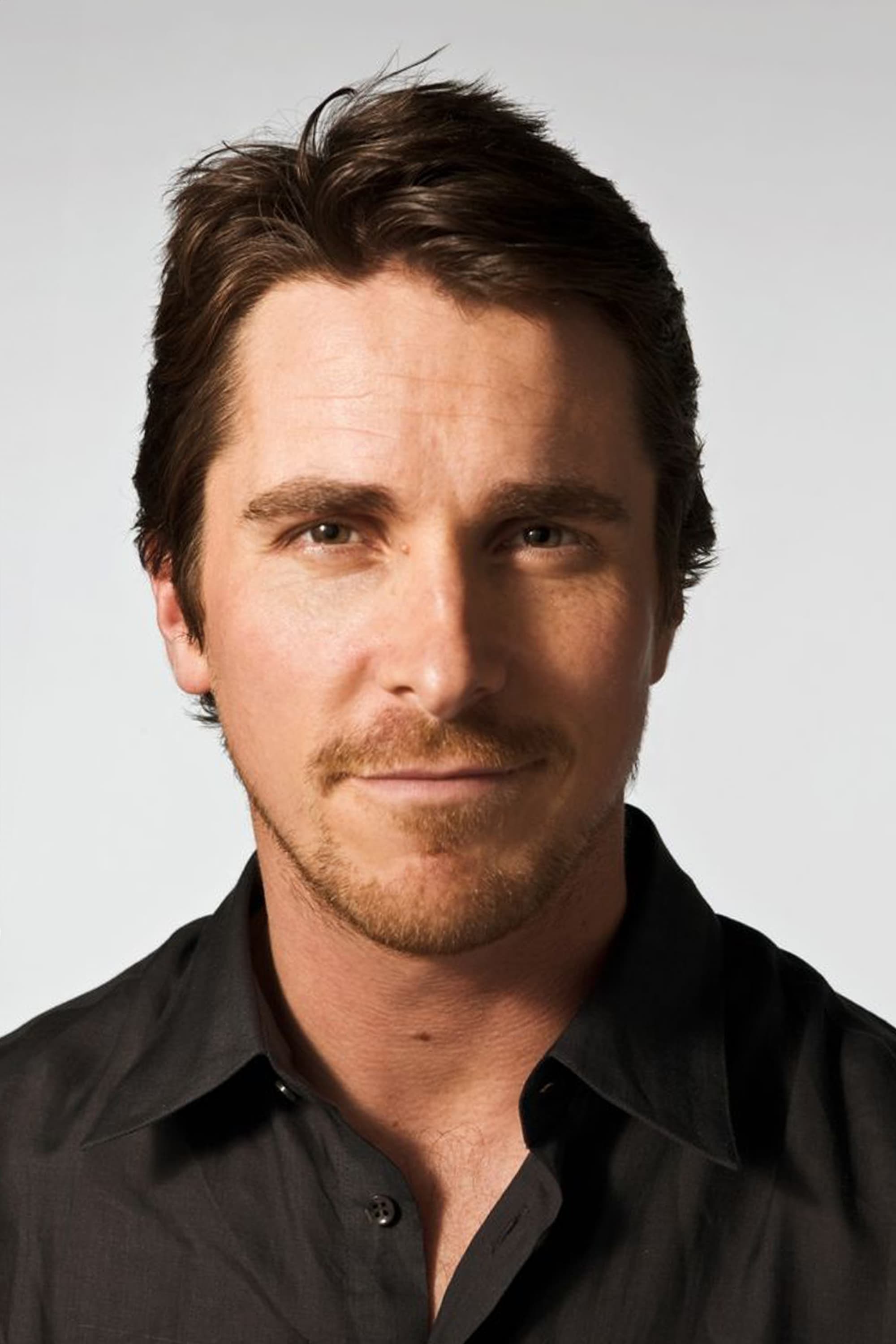
Christian Bale executed practical fights, stealth movement, and interior brawls in ‘Batman Begins’ and later installments. He trained in short burst striking systems that work in confined spaces. He also rehearsed grapple drops and ledge transitions with minimal cuts. Driving and motorcycle segments were coordinated to match his body position across edits.
Tom Hardy
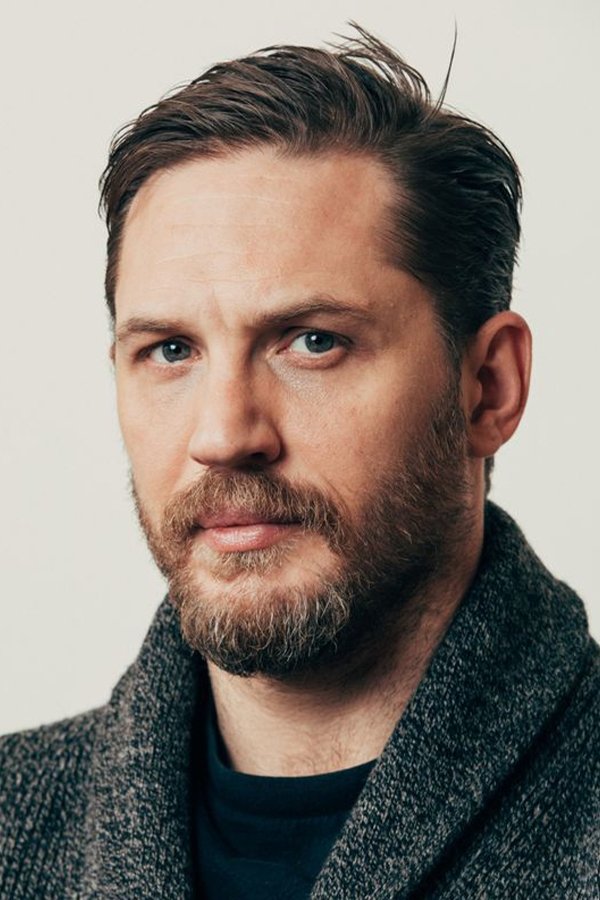
Tom Hardy undertook heavy contact choreography in ‘Warrior’ and close quarters brawls in ‘The Dark Knight Rises’. He trained for clinch control and camera facing strikes that maintain character posture. He performed harness pulls and vehicle rig exits for ‘Mad Max Fury Road’ while keeping continuity with dust and costume. Conditioning blocks were timed with shoot schedules to hold takes without visible fatigue.
Ryan Reynolds
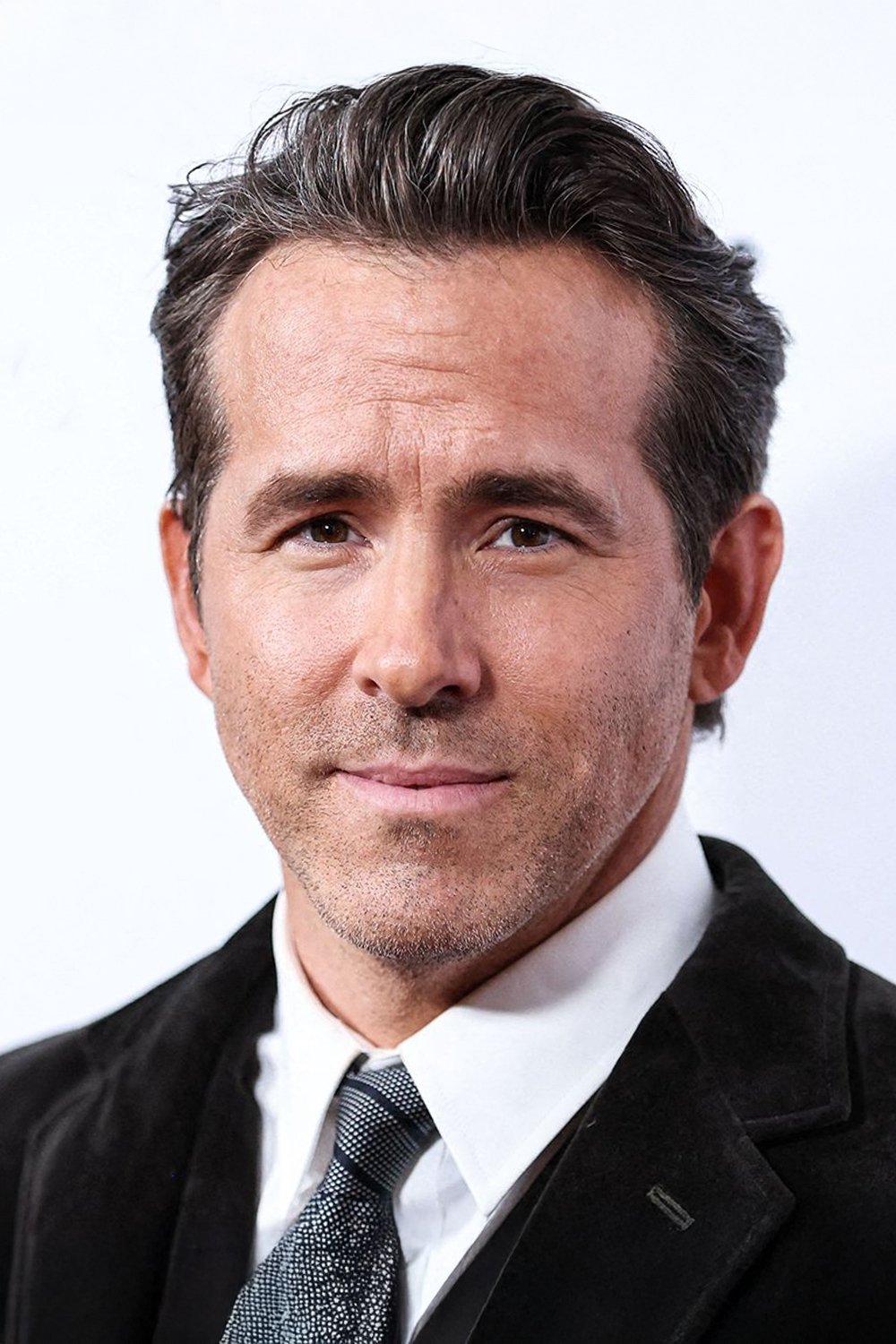
Ryan Reynolds trained for precision gun handling and tumbling in ‘Deadpool’ and expanded into vehicle and parkour beats in ‘6 Underground’. He rehearsed mask work to sell hits while maintaining clear sight lines for dialogue. Wire assisted flips were paired with practical rolls to keep momentum. Fight scenes were staged in longer phrases so jokes and movement could land together.
Hrithik Roshan
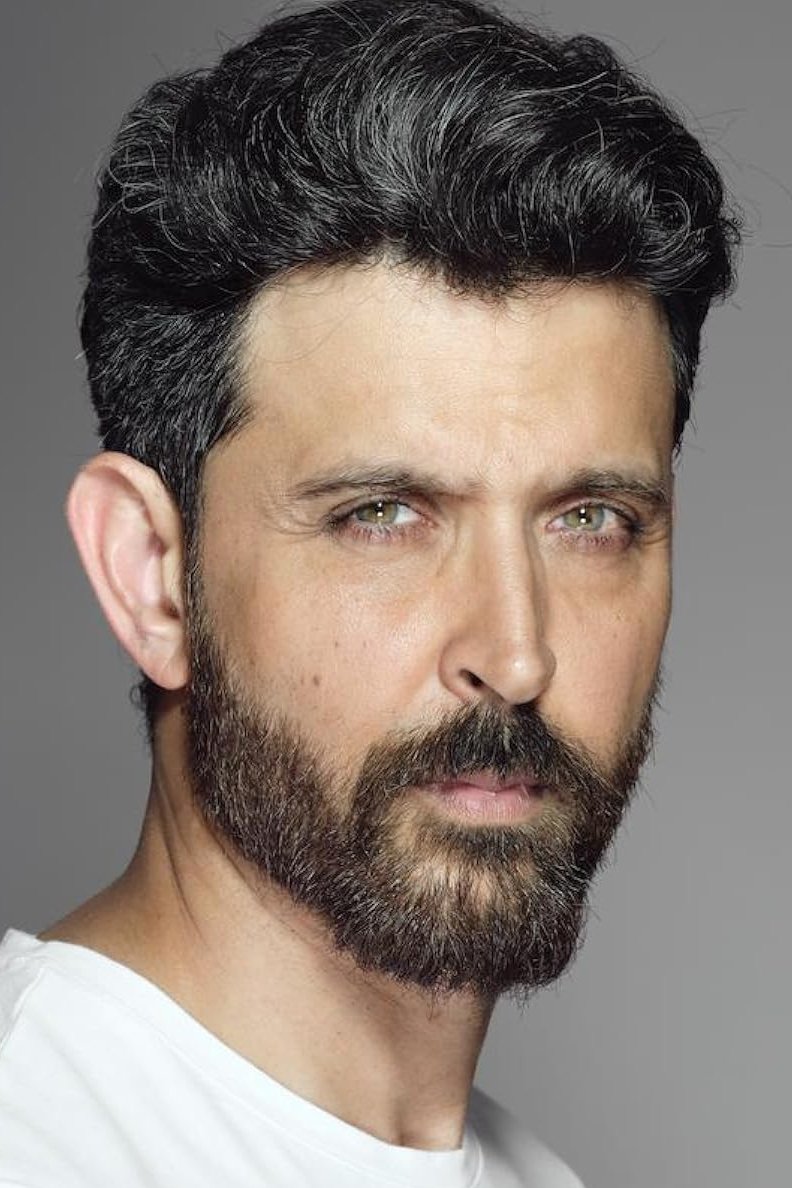
Hrithik Roshan performs high speed chases, rooftop runs, and aerial beats in films such as ‘Bang Bang’ and ‘War’. He trains in parkour and mixed striking to connect sequences without reliance on heavy cutting. Water and motorcycle units are scheduled so he can link practical stunts across multiple sets. Harness drills support jumps that end in clean ground recoveries.
Akshay Kumar
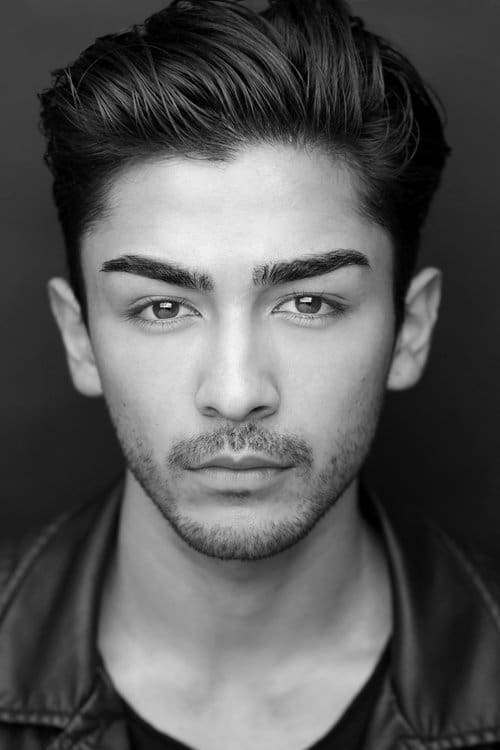
Akshay Kumar is known for practical stunt work across the ‘Khiladi’ line and action titles like ‘Baby’ and ‘Holiday’. He trains for controlled high falls, moving vehicle jumps, and extended fight chains. He rehearses balance sequences on elevated rigs so cameras can hold wider frames. Safety planning includes repeated walkthroughs that sync with lens changes.
Tiger Shroff
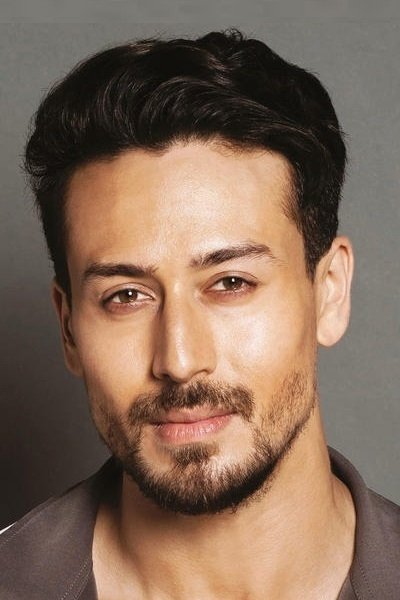
Tiger Shroff performs acrobatics, wall runs, and long form fights in projects like ‘Baaghi’ and ‘War’. He trains in tricking and gymnastics so transitions between kicks and flips remain smooth. He practices controlled landings on hard surfaces for wide shots. Chase scenes are mapped with exact takeoff points to repeat moves reliably.
Vidyut Jammwal
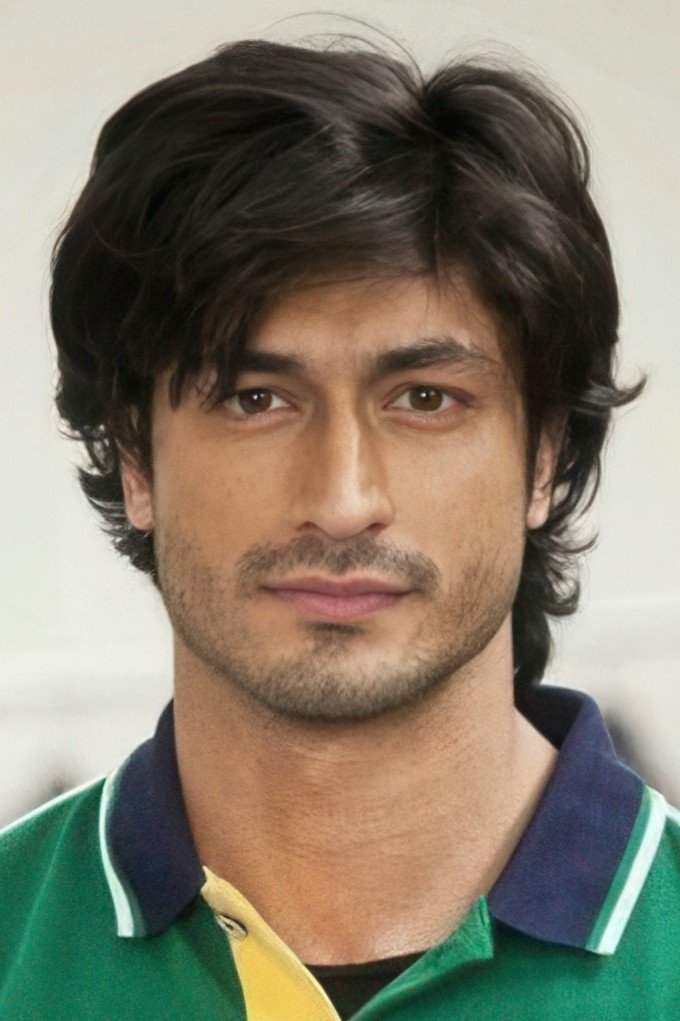
Vidyut Jammwal showcases Kalaripayattu based stunts in the ‘Commando’ series and similar action films. He performs weapon disarms, climbing sequences, and rapid joint locks without hiding behind edits. He drills flexibility and low stances so strikes read in wide frames. Multi opponent fights are arranged as continuous phrases that he can reproduce across coverage.
Share which on screen stunt commitment impressed you most in the comments.

