


Actors Who Tanked Their Own Movies With Bad PR

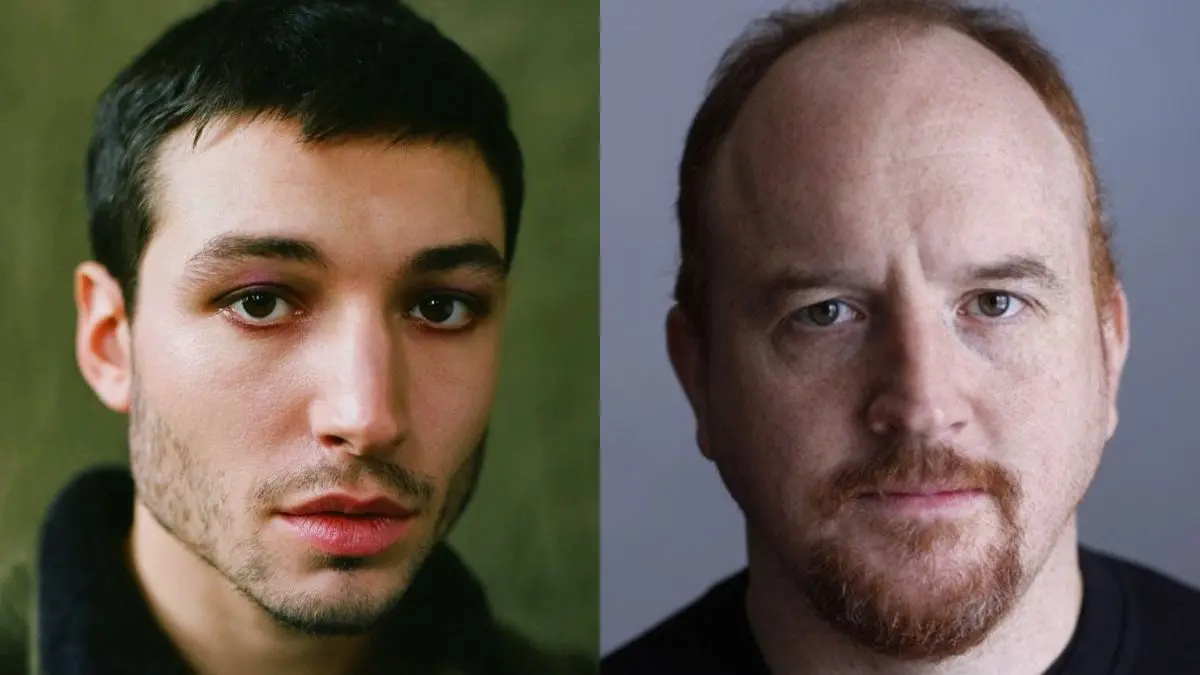


Bad press can derail months of marketing, and a few high-profile missteps have shown how quickly controversy can swallow a film’s momentum. Here are cases where an actor’s off-screen headlines collided with release plans, awards campaigns, or box office performance, leaving studios to rewrite rollouts, minimize appearances, or even pull movies entirely.
Ezra Miller

Publicized legal issues and erratic behavior dominated conversation ahead of the release of ‘The Flash’. The studio limited traditional press opportunities and arranged a tightly controlled premiere appearance. International marketing leaned on supporting players and the broader brand instead of star-driven promotion. The film opened to intense scrutiny over the lead’s off-screen conduct rather than the movie itself.
Armie Hammer
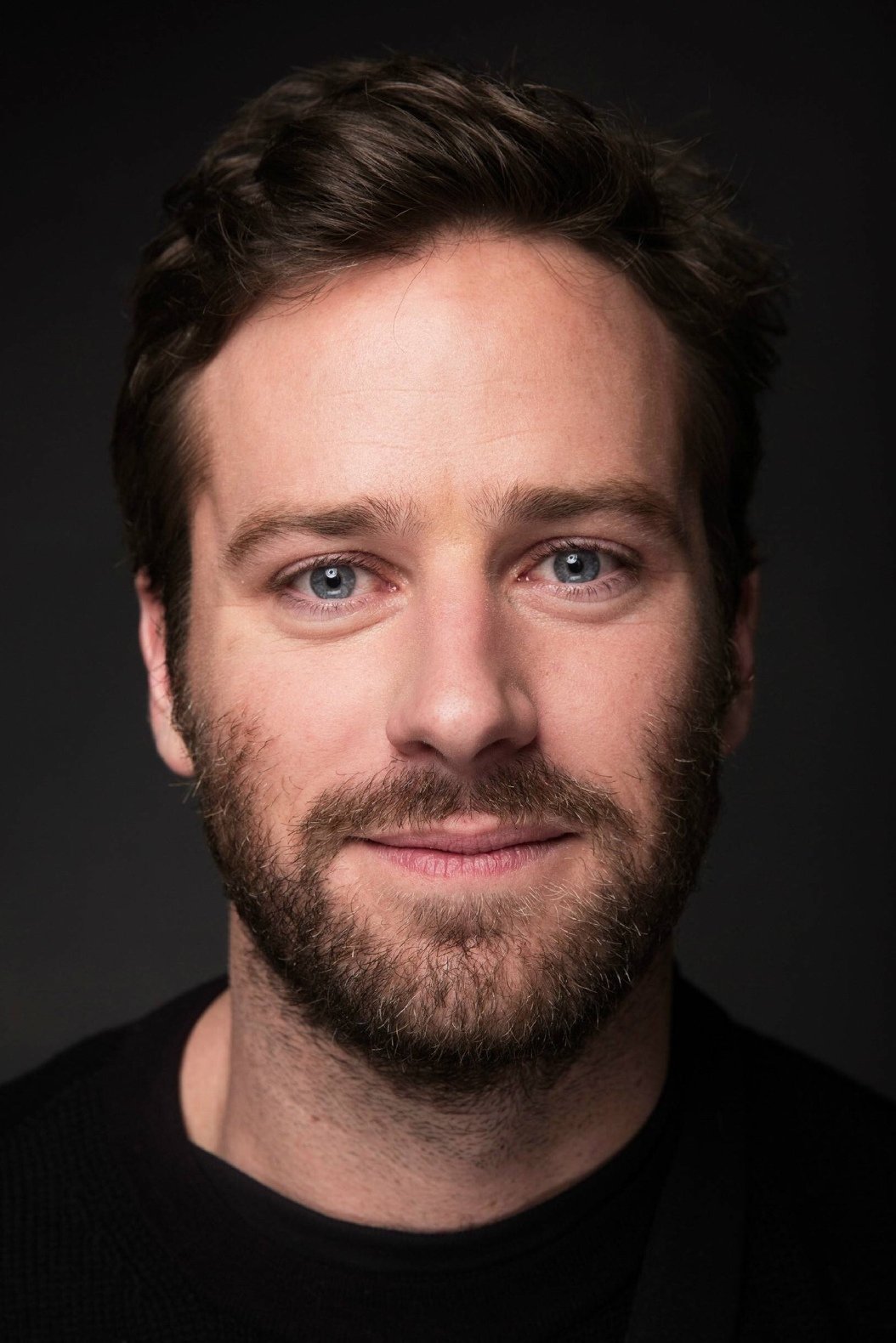
Allegations that surfaced before the release of ‘Death on the Nile’ created a marketing crisis. Trailers and posters downplayed his presence despite his key role, and the release date shifted amid wider fallout. Press tours focused on ensemble members while avoiding questions about him. The film’s conversation stayed tied to controversy throughout its run.
Nate Parker
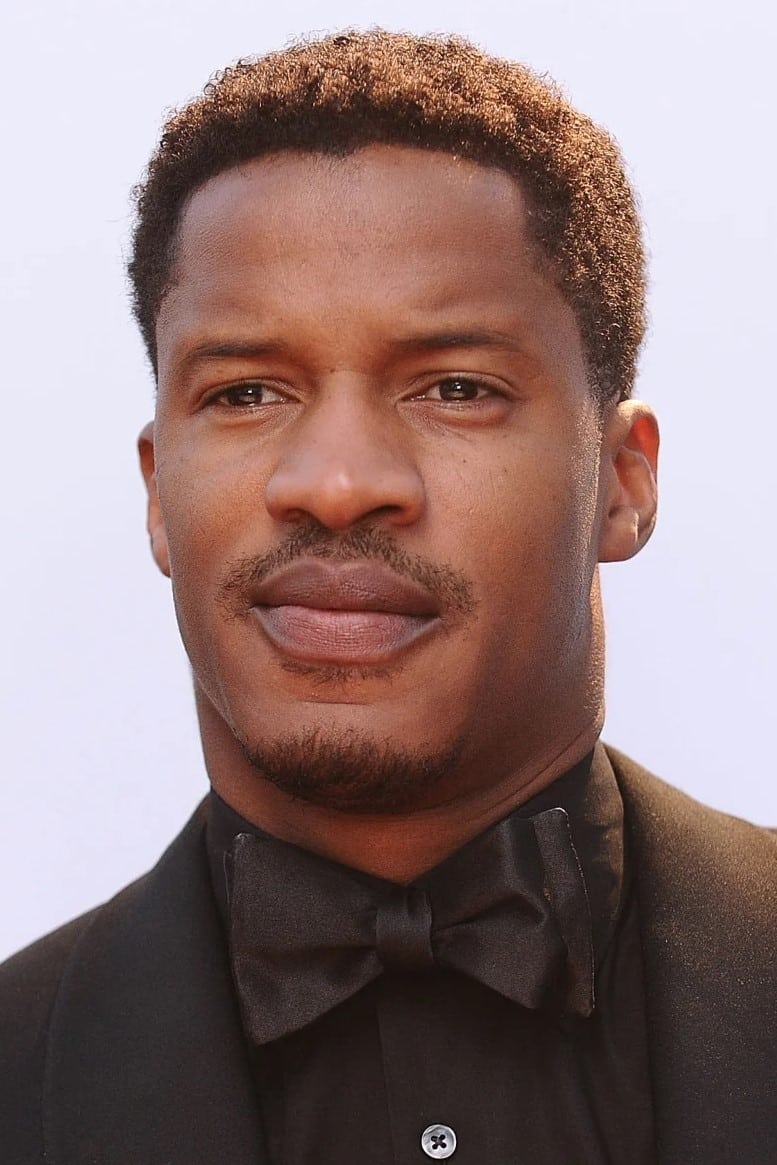
Past allegations resurfaced just as ‘The Birth of a Nation’ was building awards momentum. Q&A events turned into crisis-management sessions, and major festivals became dominated by questions about the director-star rather than the movie. Several organizations scaled back promotional support and appearances. The theatrical rollout cooled quickly as the headlines persisted.
Kevin Spacey
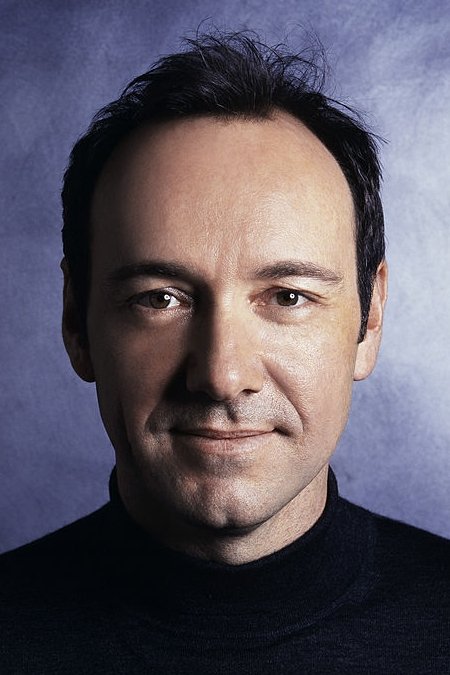
In the wake of misconduct allegations, his completed projects faced abrupt changes. ‘All the Money in the World’ reshot his entire role with a new actor shortly before release, reshaping marketing materials on a tight timeline. Another title, ‘Billionaire Boys Club’, arrived with minimal promotion and extremely limited theatrical engagement. The emphasis shifted from prestige positioning to damage control.
Shia LaBeouf
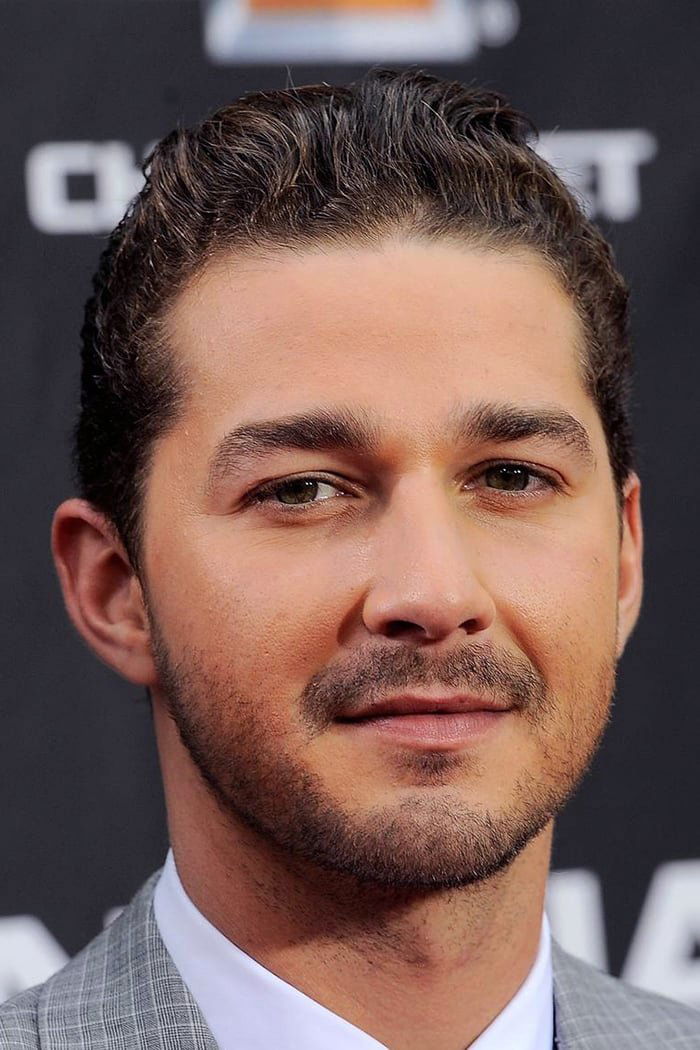
A string of public incidents and plagiarism controversies overshadowed several releases. During ‘Nymphomaniac’ publicity, red-carpet antics and performance-art stunts became the dominant narrative. Subsequent projects struggled to secure conventional press windows without the conversation drifting back to off-screen behavior. Distributors often narrowed promotional plans to avoid unpredictable interviews.
Johnny Depp
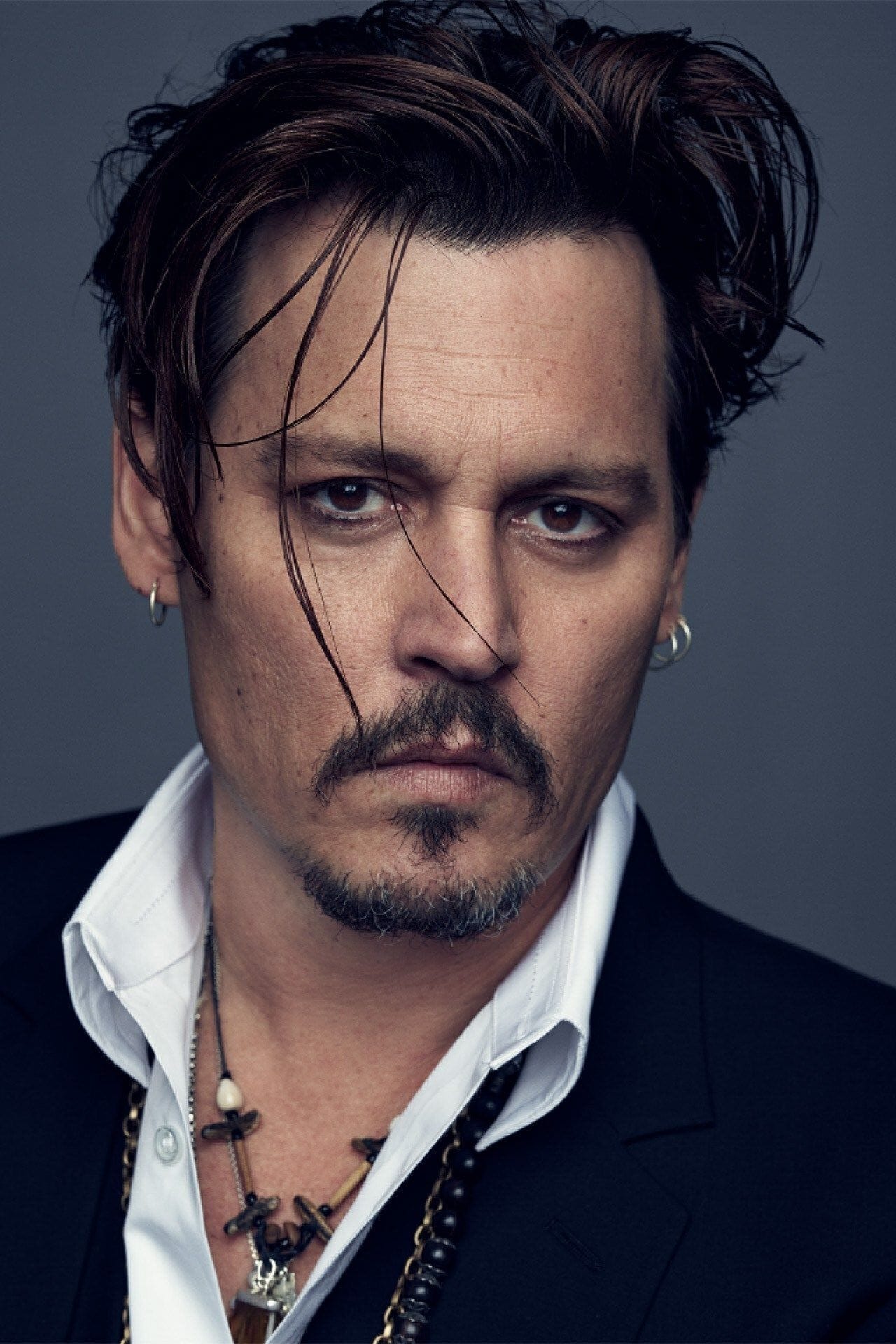
Legal battles and tabloid coverage complicated release strategies on multiple films. ‘City of Lies’ saw its planned rollout disrupted as the studio reassessed timing and marketing angles. Later projects were publicized with careful messaging and selective appearances to avoid legal spillover. International campaigns emphasized ensemble casts and directors over star-centric pushes.
Mel Gibson
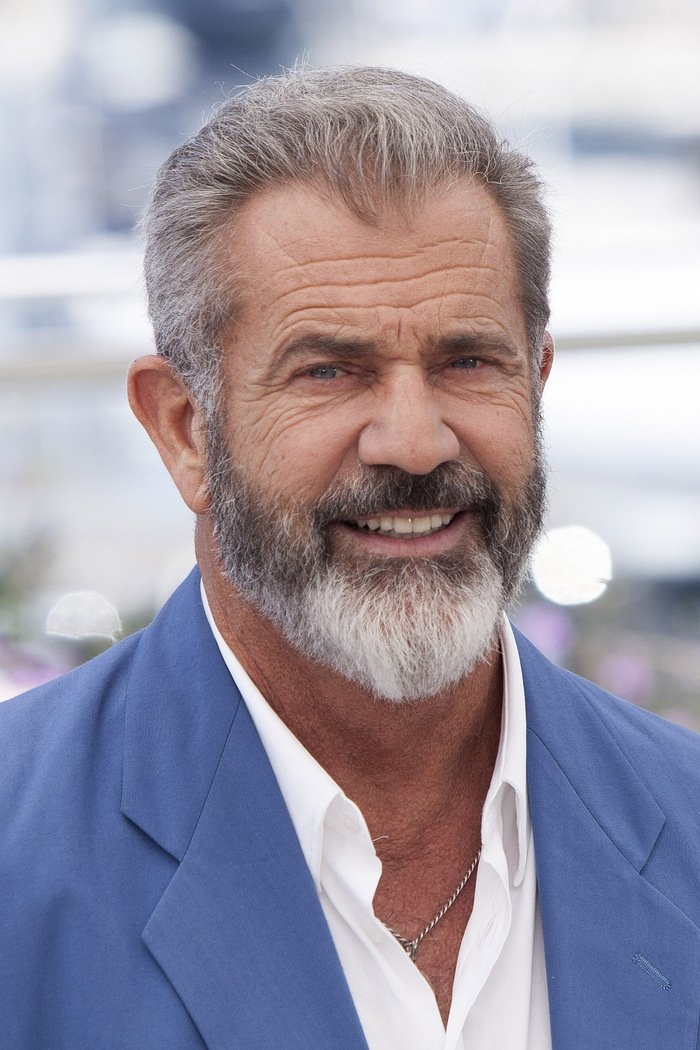
Following widely reported incidents, studios approached his starring vehicles with caution. ‘Edge of Darkness’ and later appearances were promoted with limited interview access and carefully managed press. Some partners distanced marketing from his public image and leaned on genre hooks instead. Awards conversations evaporated as publicity stayed defensive.
James Franco
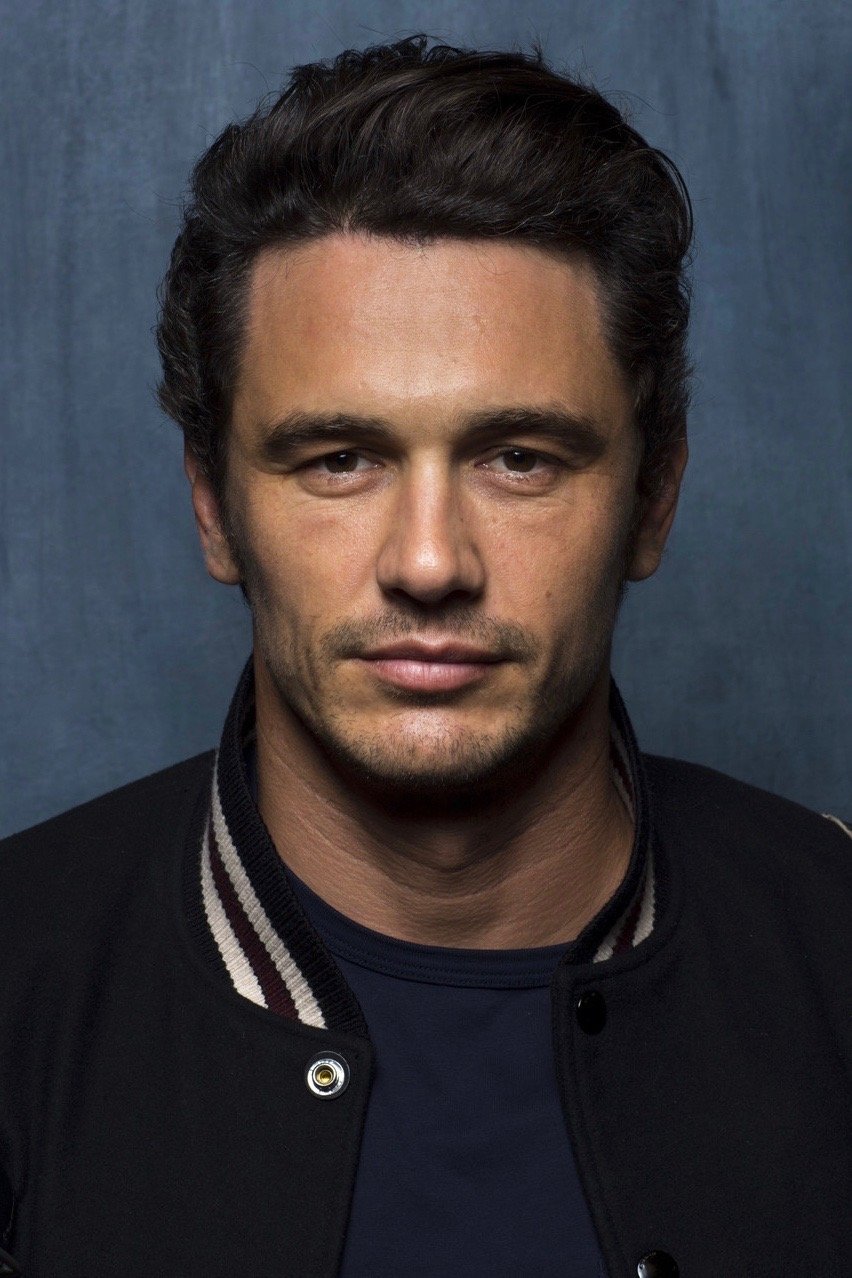
Allegations surfaced at a critical moment for ‘The Disaster Artist’ during awards season. Campaign events scaled back and some endorsements were withdrawn. Projects in the pipeline paused or changed course, and festival plans were reevaluated. Public discussion centered on off-screen issues instead of the film’s creative merits.
Will Smith
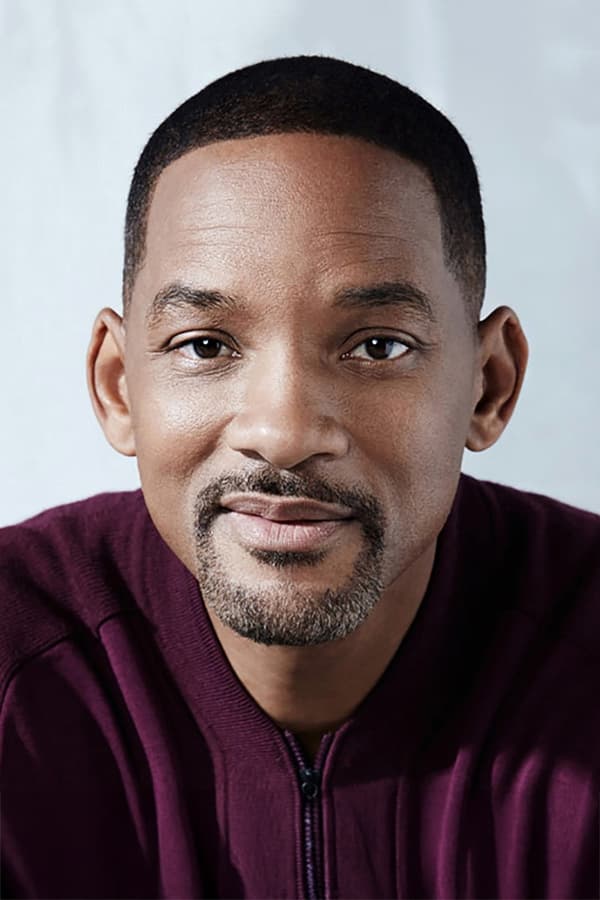
The Oscars incident reshaped the promotional environment for ‘Emancipation’. Theatrical plans were adjusted and the film received a restrained campaign with limited media exposure. Industry conversations focused on his conduct and potential industry repercussions. Awards positioning gave way to a low-profile release strategy.
Ben Affleck
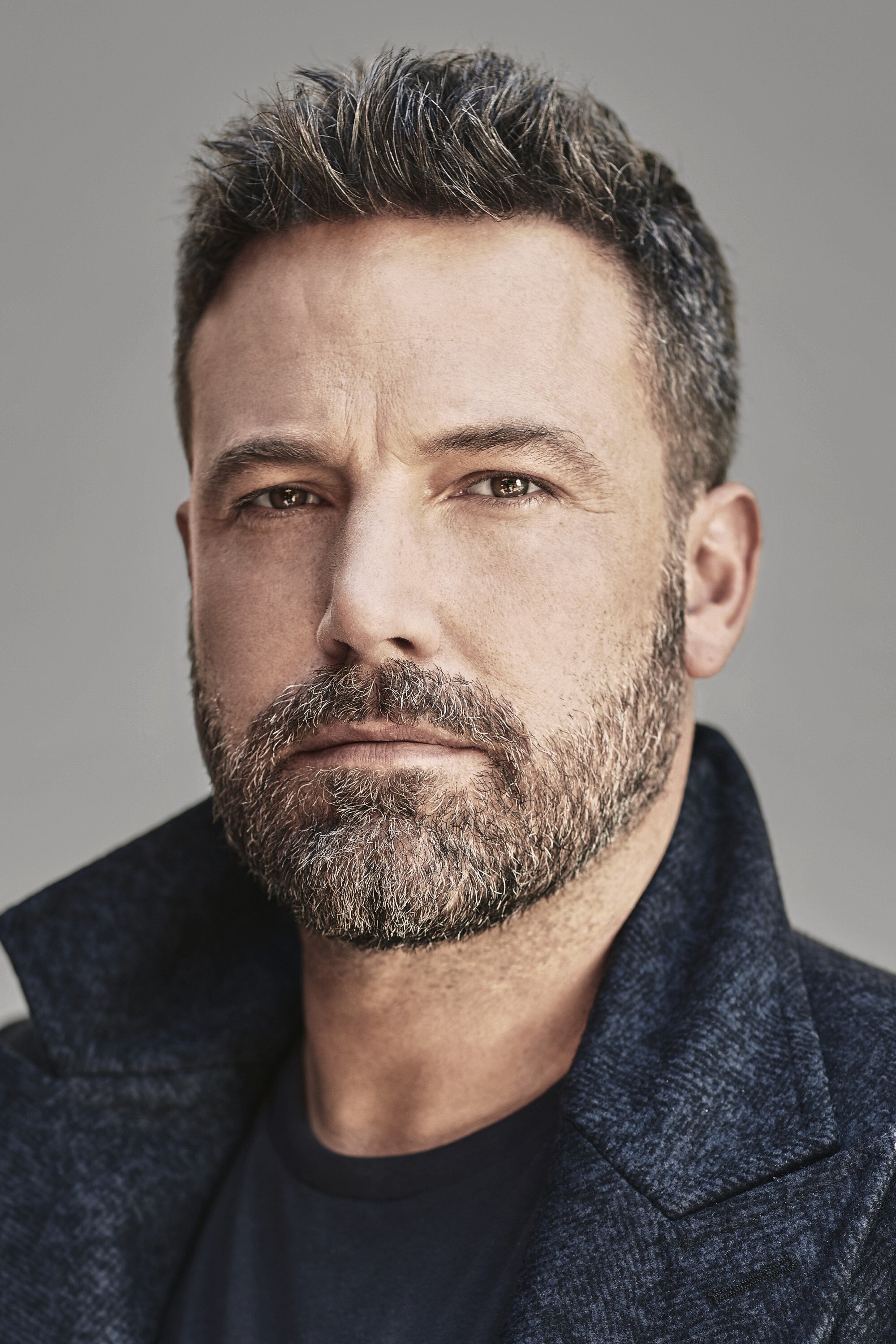
The media frenzy around his highly public relationship created a difficult backdrop for ‘Gigli’. Coverage fixated on celebrity saturation rather than the movie’s content. Press tours struggled to redirect attention, and marketing pivots could not escape the tabloid narrative. The film quickly became synonymous with off-screen headlines.
Tom Cruise
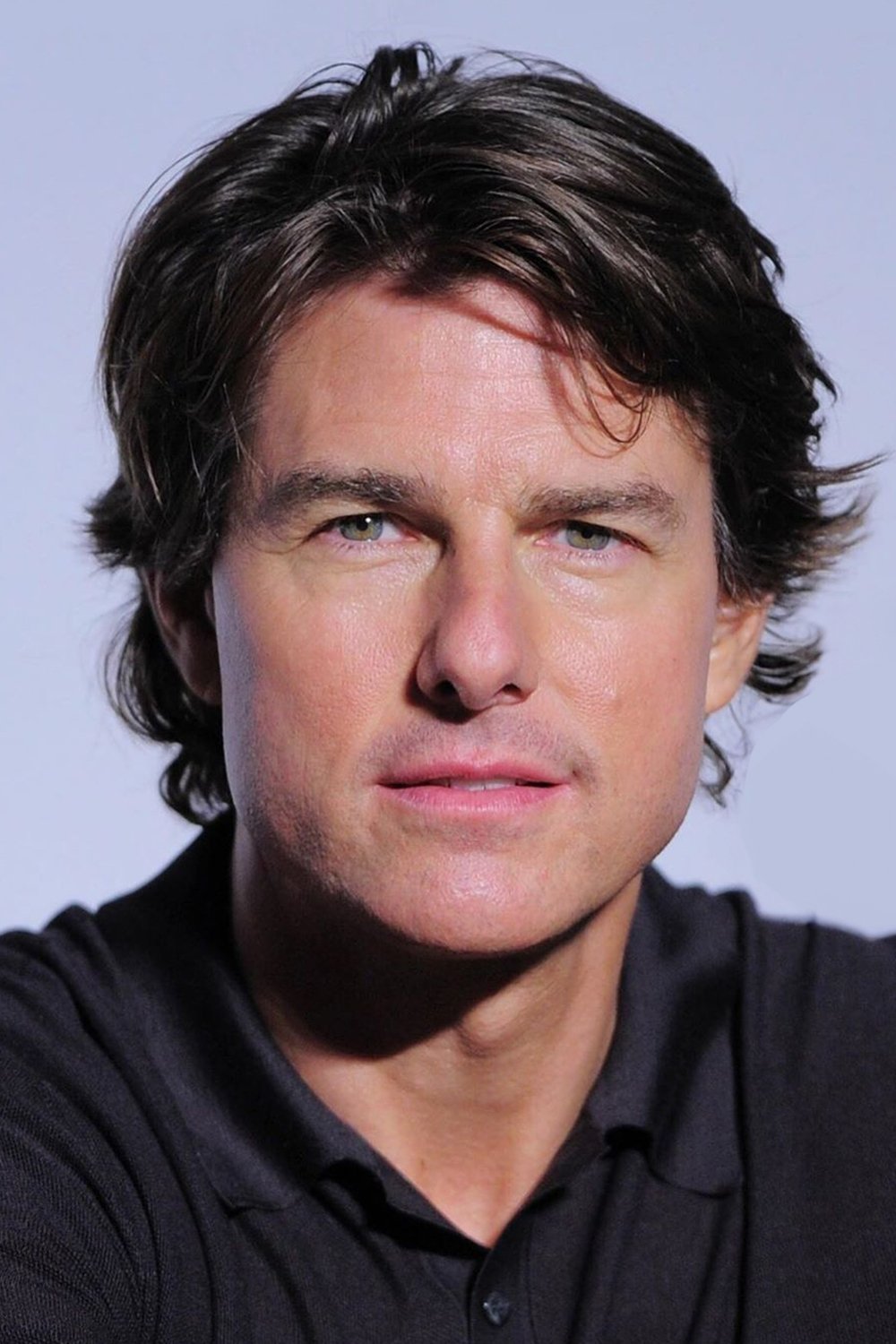
Highly publicized personal interviews and attention on his beliefs coincided with the lead-up to ‘Mission: Impossible III’. Industry watchers noted a shift from traditional star promotion to a more guarded press plan. Studio relationships were publicly strained during that period, complicating messaging. The campaign worked to re-center conversation on the franchise’s set pieces rather than personal publicity.
Jared Leto
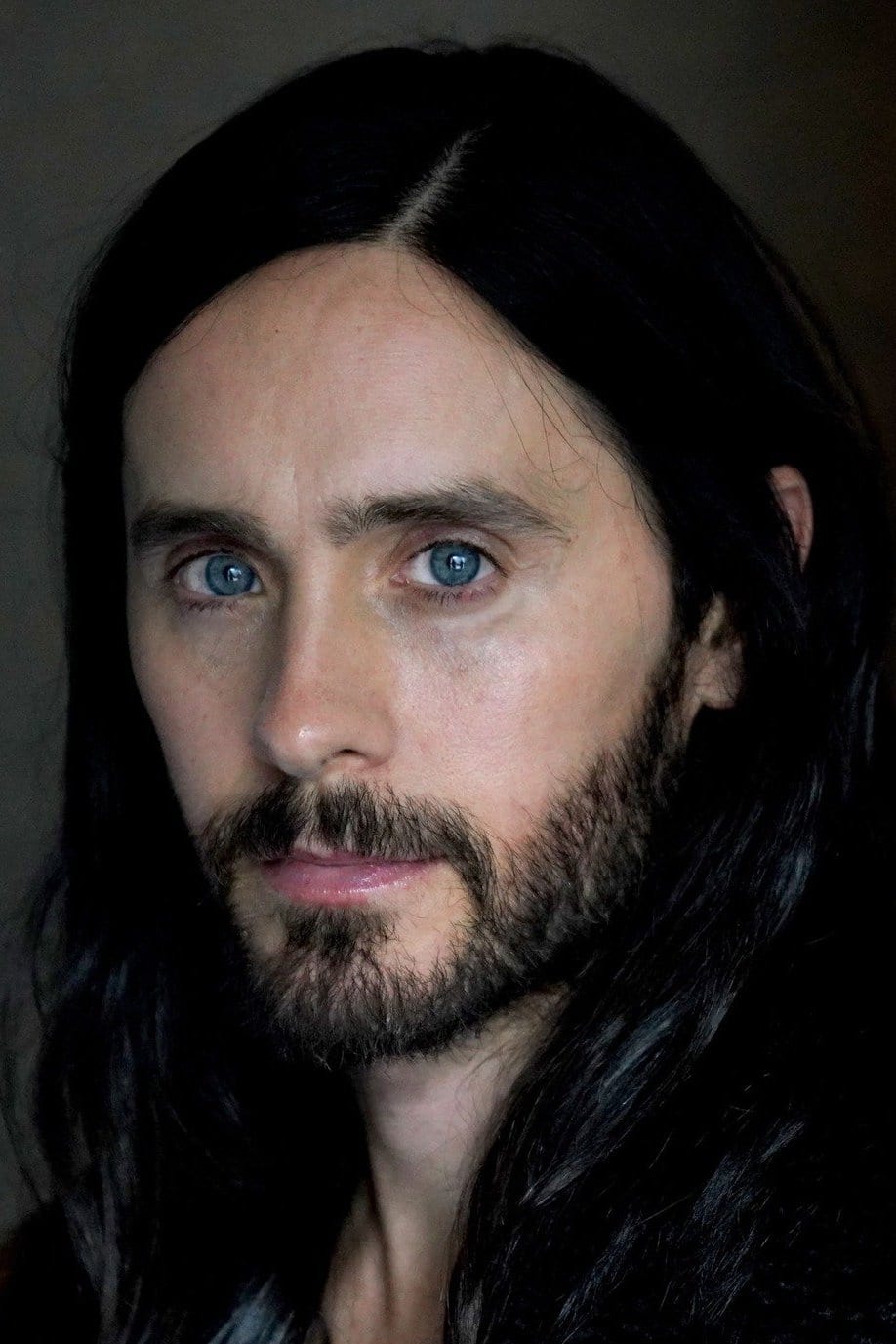
Stories about extreme method practices from earlier projects resurfaced during ‘Morbius’ promotion. Social chatter fixated on behind-the-scenes anecdotes instead of the film’s superhero hook. A meme-driven re-release became a punchline, drawing attention for the wrong reasons. Standard talk-show rounds delivered limited upside as online discourse stayed negative.
Kirk Cameron
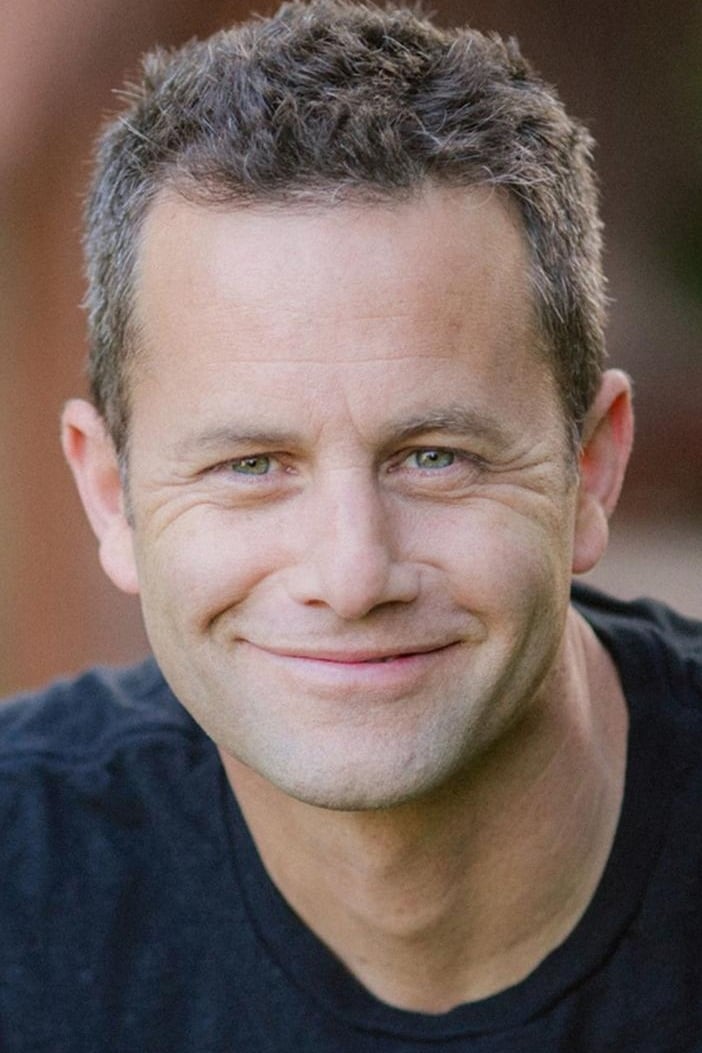
His push encouraging fans to manipulate ratings ahead of ‘Saving Christmas’ drew backlash. The strategy generated headlines about the tactic rather than the movie. Review aggregations and audience forums became battlegrounds, hurting word-of-mouth. The conversation around authenticity overshadowed seasonal marketing efforts.
John Travolta
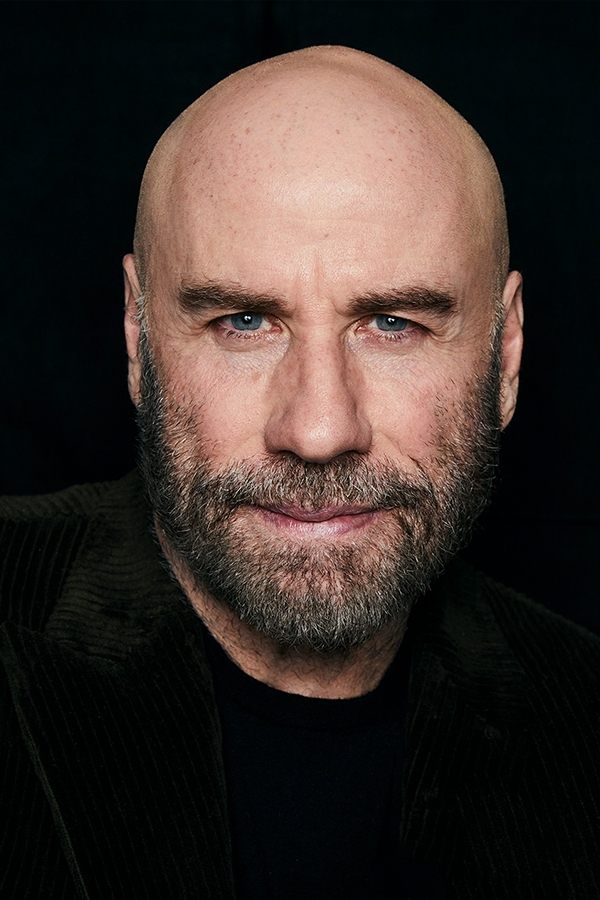
Aggressive counter-messaging against critics for ‘Gotti’ dominated the press cycle. A campaign positioning the movie as misunderstood shifted attention from the film itself to a feud with reviewers. Partnerships touted unconventional distribution and discount programs, which became the story. The result was minimal mainstream traction beyond the PR dust-up.
Louis C.K.
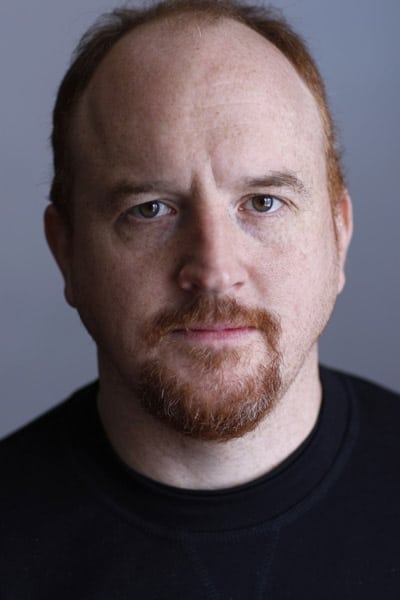
After misconduct stories broke, the release of ‘I Love You, Daddy’ was canceled shortly before it reached theaters. Exhibitors and distributors withdrew support, and screenings were pulled from schedules. Promotional materials were shelved and awards plans ended abruptly. The film effectively disappeared from the marketplace as controversy overtook any publicity.
Ansel Elgort

Allegations that surfaced before the release of ‘West Side Story’ reshaped the publicity plan. Interviews were limited and press questions focused on the controversy instead of the production. Marketing materials emphasized the ensemble and the director. Red carpet coverage centered on safety protocols and media access rather than promotional talking points.
Jonathan Majors
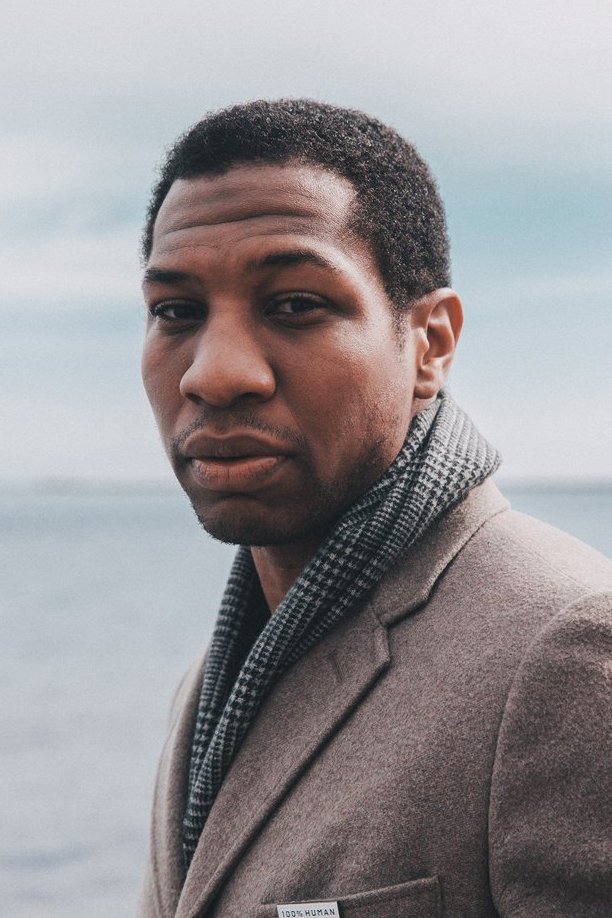
Legal proceedings and public statements changed the rollout for ‘Magazine Dreams’. The distributor paused and then removed the film from its scheduled release. Festival buzz shifted to coverage of the case and industry responses. Publicists adjusted appearances while exhibitors waited for clarity.
Matt Damon
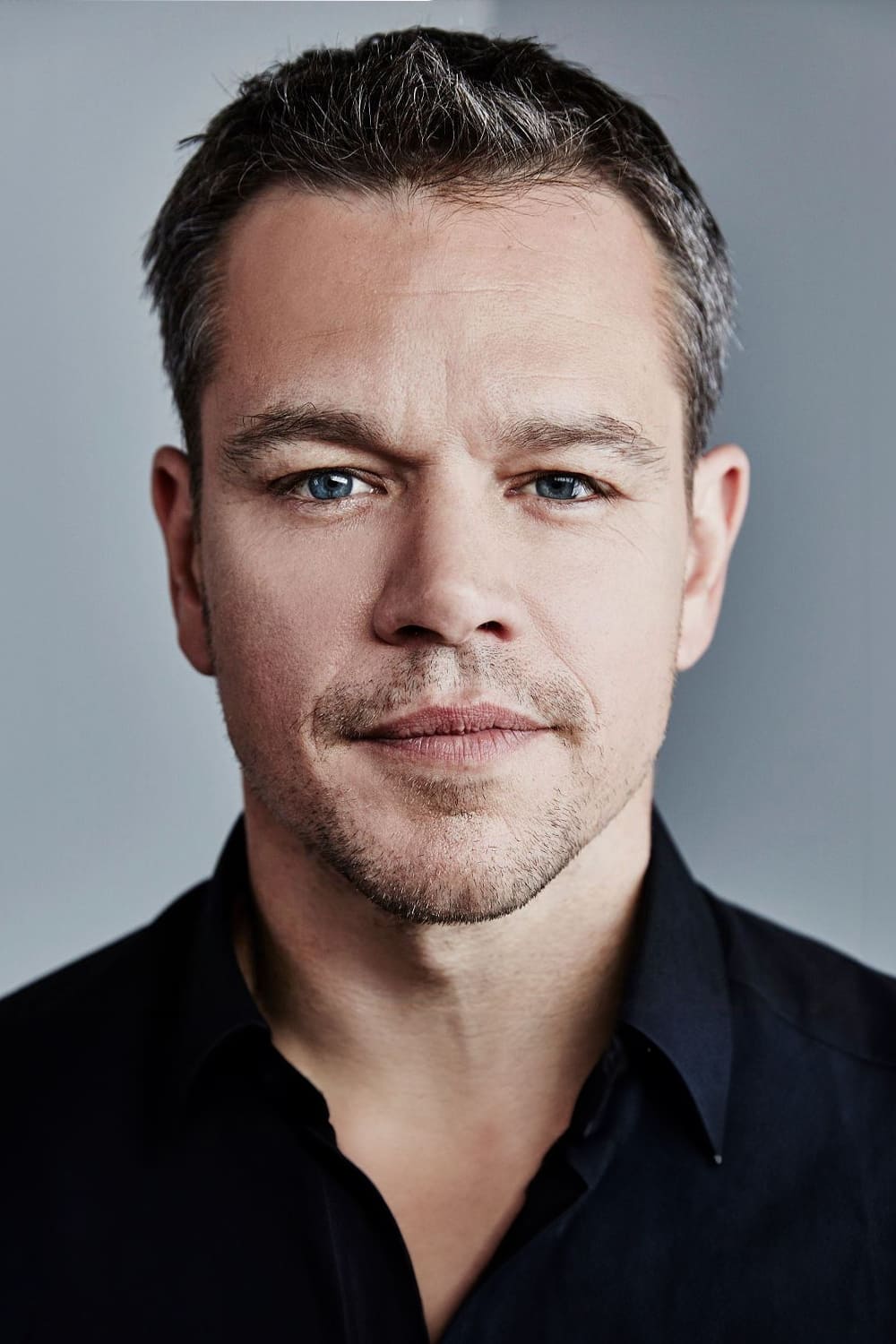
Comments made during the press window for ‘Downsizing’ drew widespread criticism. Interviews turned toward the remarks and away from the film’s themes. The studio recalibrated messaging and leaned on co-stars to carry segments. Talk show bookings addressed the controversy first, which redirected attention from the movie.
Mark Wahlberg
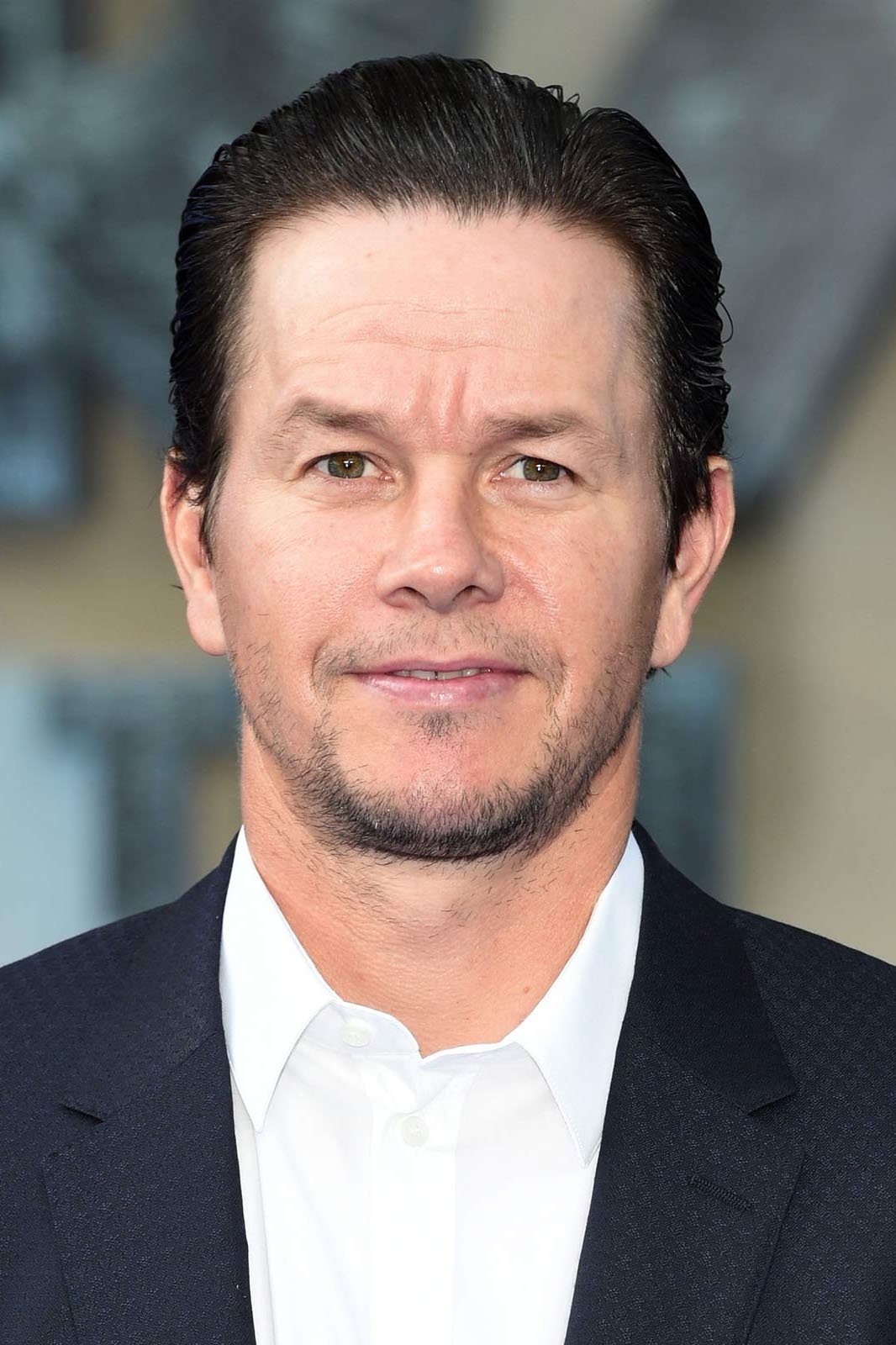
A pay disparity story tied to ‘All the Money in the World’ dominated headlines after reshoots. The narrative around compensation overshadowed the release and awards campaign. Public discussion focused on donations and contract details. Marketing tried to pivot back to the thriller but interviews opened with the controversy.
Charlie Sheen
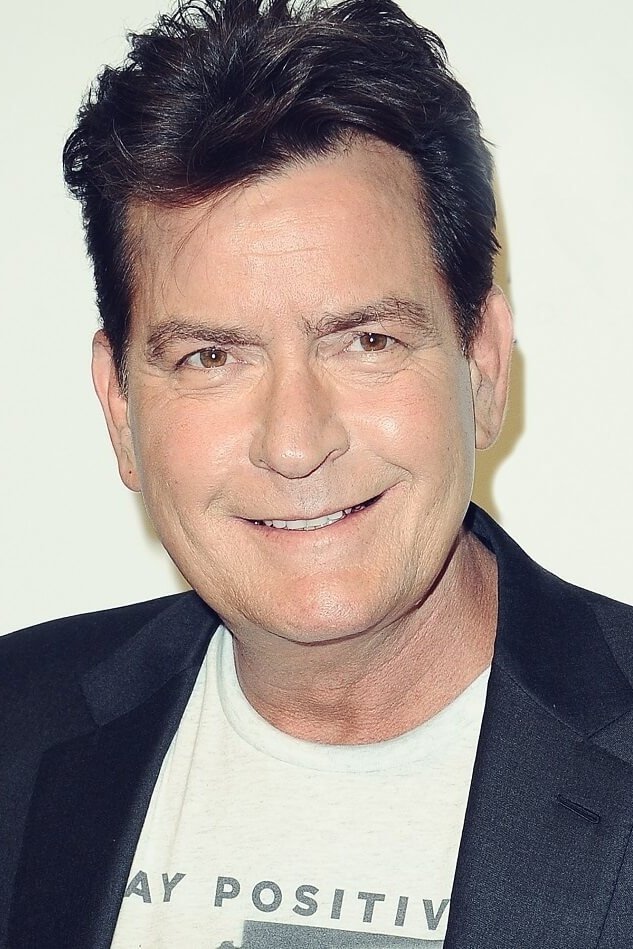
Public struggles during the period around ‘A Glimpse Inside the Mind of Charles Swan III’ pulled focus from the film. Coverage of personal issues overtook normal press beats. Promotional appearances required careful coordination to avoid disruptions. The movie’s conversation online centered on the off-screen saga.
Wesley Snipes
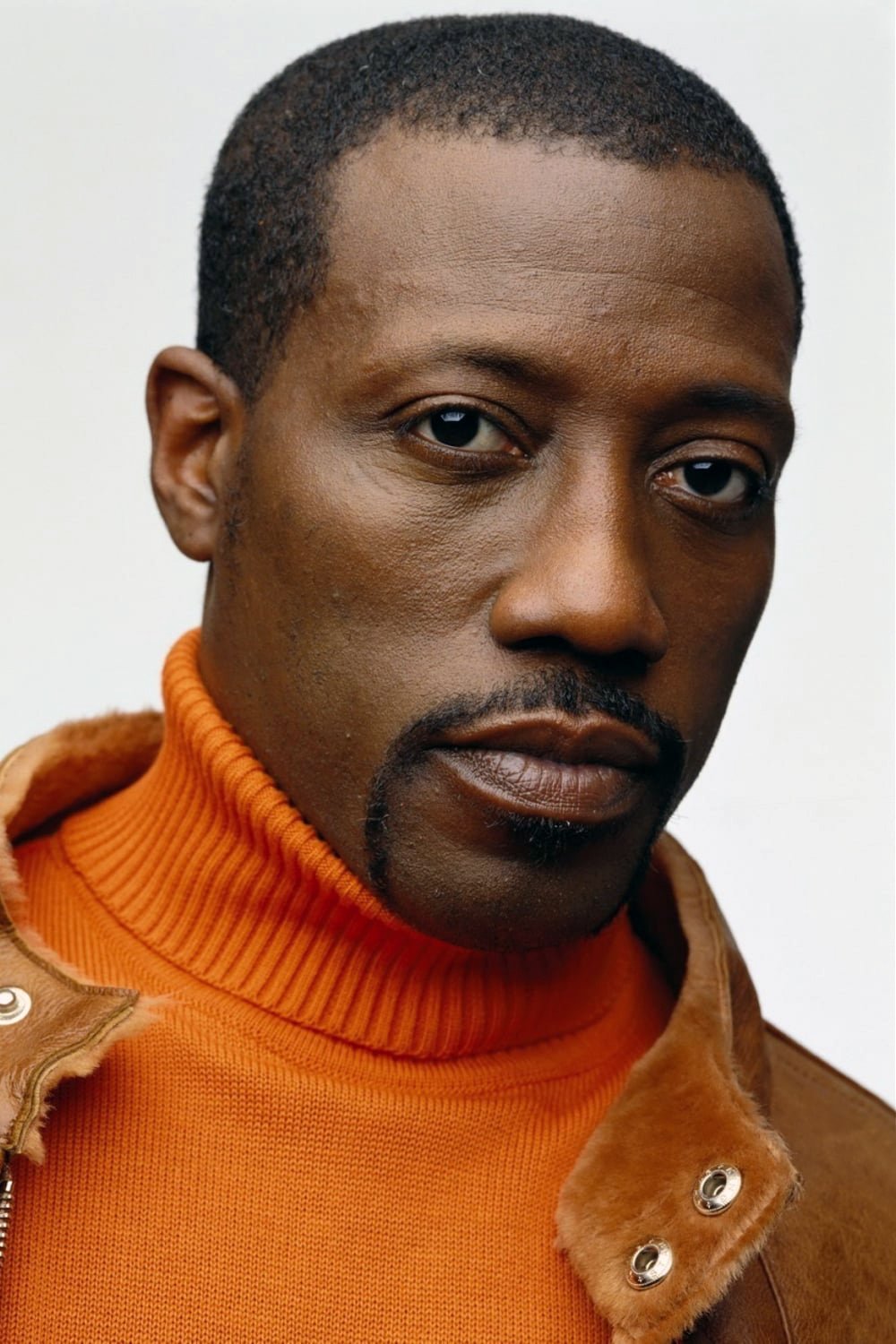
Tax and legal troubles lingered as delayed projects like ‘Gallowwalkers’ finally reached audiences. The film arrived with minimal promotion and limited theatrical play. Distributors used quiet releases and video platforms instead of press tours. Interviews that did occur revisited legal history rather than the movie.
Cuba Gooding Jr.
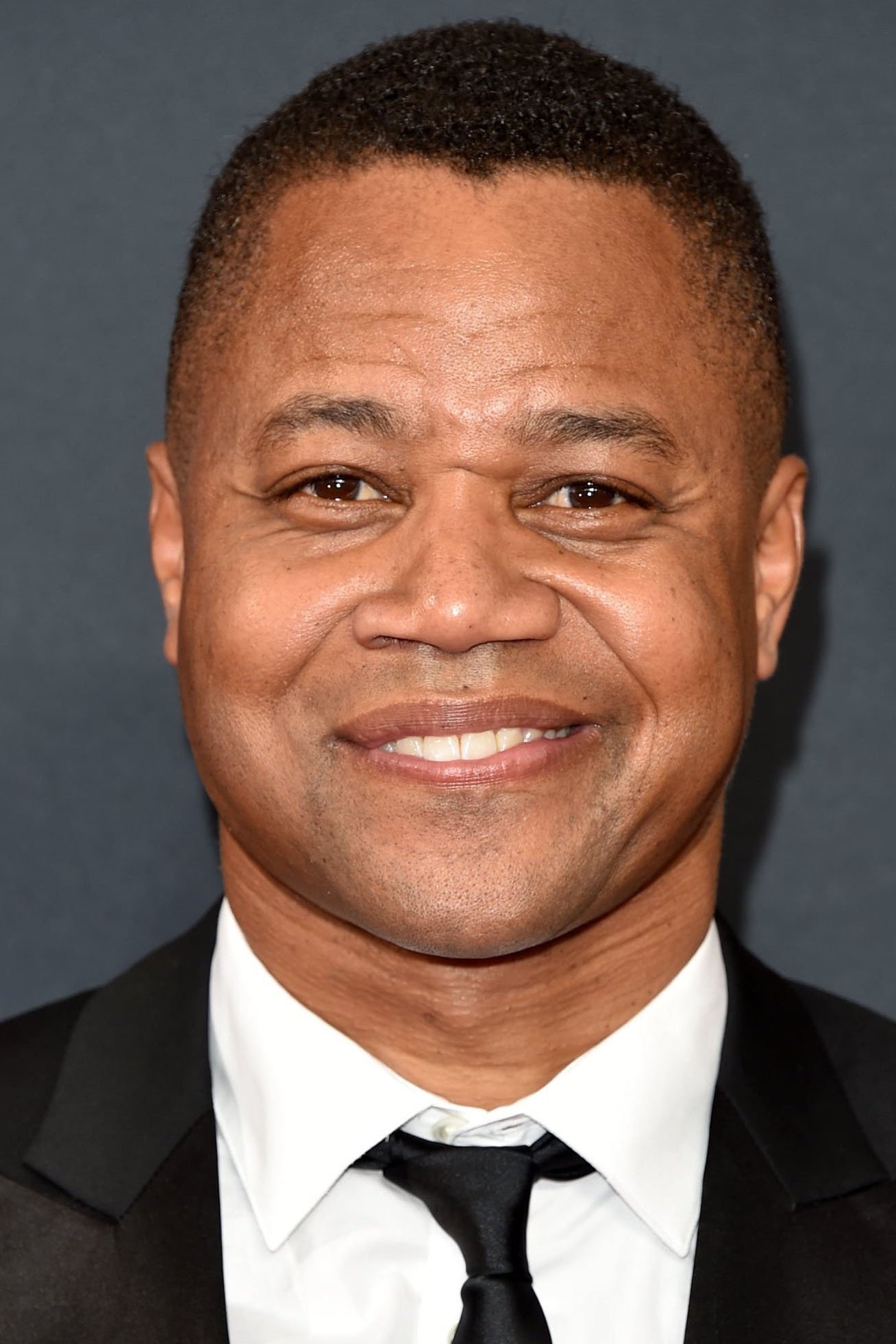
Multiple legal cases coincided with small theatrical releases such as ‘Bayou Caviar’. Publicity concentrated on court updates and scheduling changes. Media training and interview availability were narrowed. Theater counts and marketing spends stayed modest as coverage remained tied to legal proceedings.
Steven Seagal
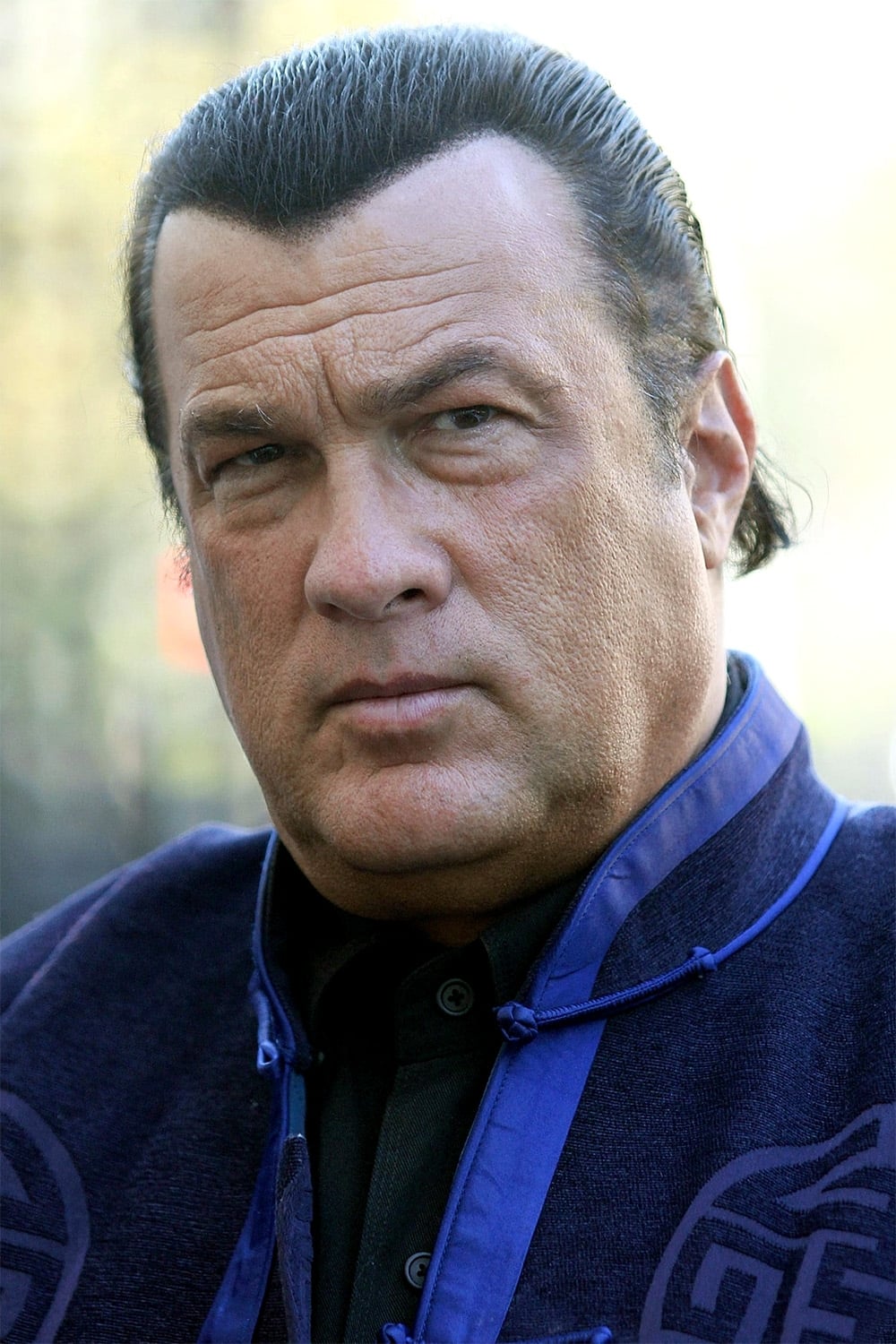
Allegations and political headlines affected the visibility of late-period titles like ‘Contract to Kill’. Campaigns bypassed traditional talk shows and stuck to targeted digital runs. International sales materials foregrounded genre elements while muting star promotion. Many releases shifted to video on demand with little press.
Alec Baldwin
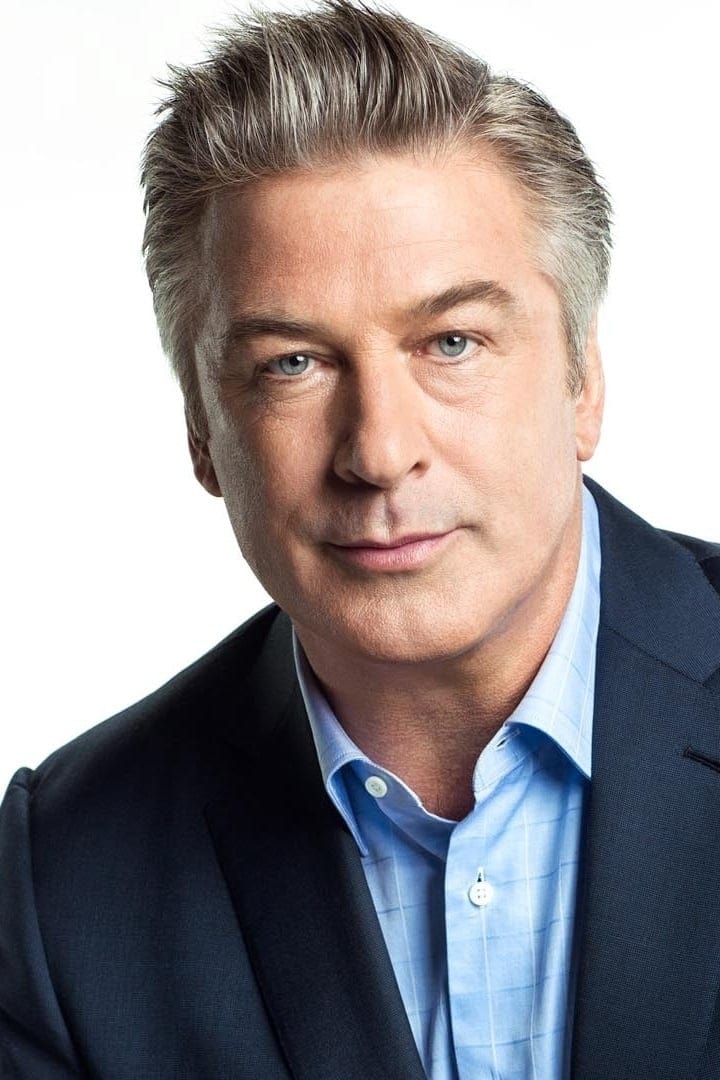
The on-set shooting connected to ‘Rust’ overshadowed his subsequent film appearances. Interviews about unrelated projects were dominated by questions about safety and liability. Distributors shortened press days and limited open-ended Q&A formats. Coverage of legal developments often replaced standard promotional features.
Logan Paul
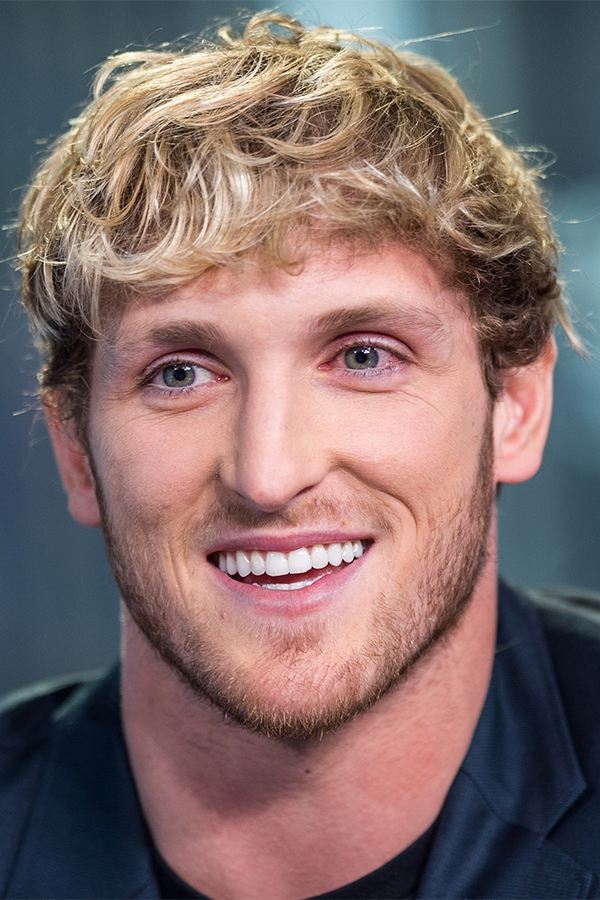
After a widely criticized video, his feature ‘The Thinning: New World Order’ saw its release plan disrupted. The platform paused the project and reworked how it would be presented. Marketing avoided live interviews that might invite off-topic questions. The conversation around the film stayed focused on creator conduct policies.
Chris Brown
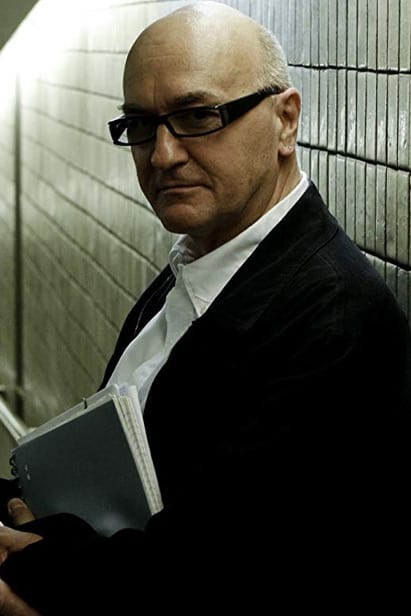
Ongoing legal and public controversies followed releases like ‘Takers’ and ‘Battle of the Year’. Radio and television bookings were selective to manage audience response. Campaigns emphasized ensemble casts and choreography over star branding. Media questions repeatedly returned to court updates and past incidents.
Emile Hirsch

An assault case tied to a festival appearance preceded the rollout of titles such as ‘Ten Thousand Saints’. Press invitations were trimmed and interviews steered away from personal topics. Festival programmers fielded questions about including or excluding his work. Coverage attached the case to each new release.
Jonathan Rhys Meyers

A series of airport and alcohol-related incidents accompanied smaller film launches. Publicists balanced wellness updates with limited promotional windows. Distributors relied on quiet digital releases rather than wide theatrical pushes. Interviewers frequently asked about recovery status instead of the projects.
Mickey Rourke
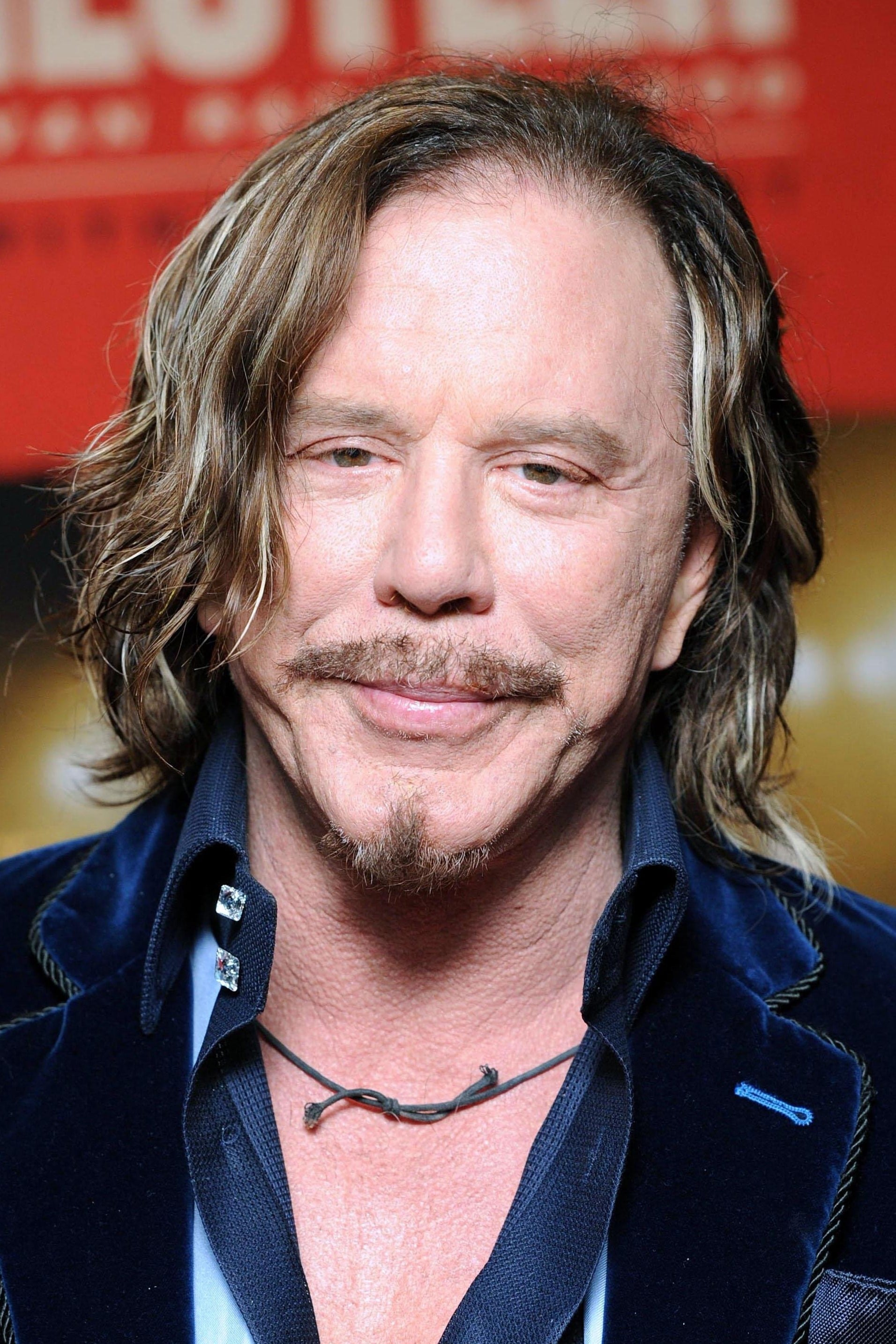
Behind-the-scenes disputes and public spats dogged later indie features like ‘Passion Play’. Theatrical release was brief and promotion light. Coverage emphasized production troubles and distribution changes. Q&A sessions navigated questions about conflicts more than craft.
Russell Crowe
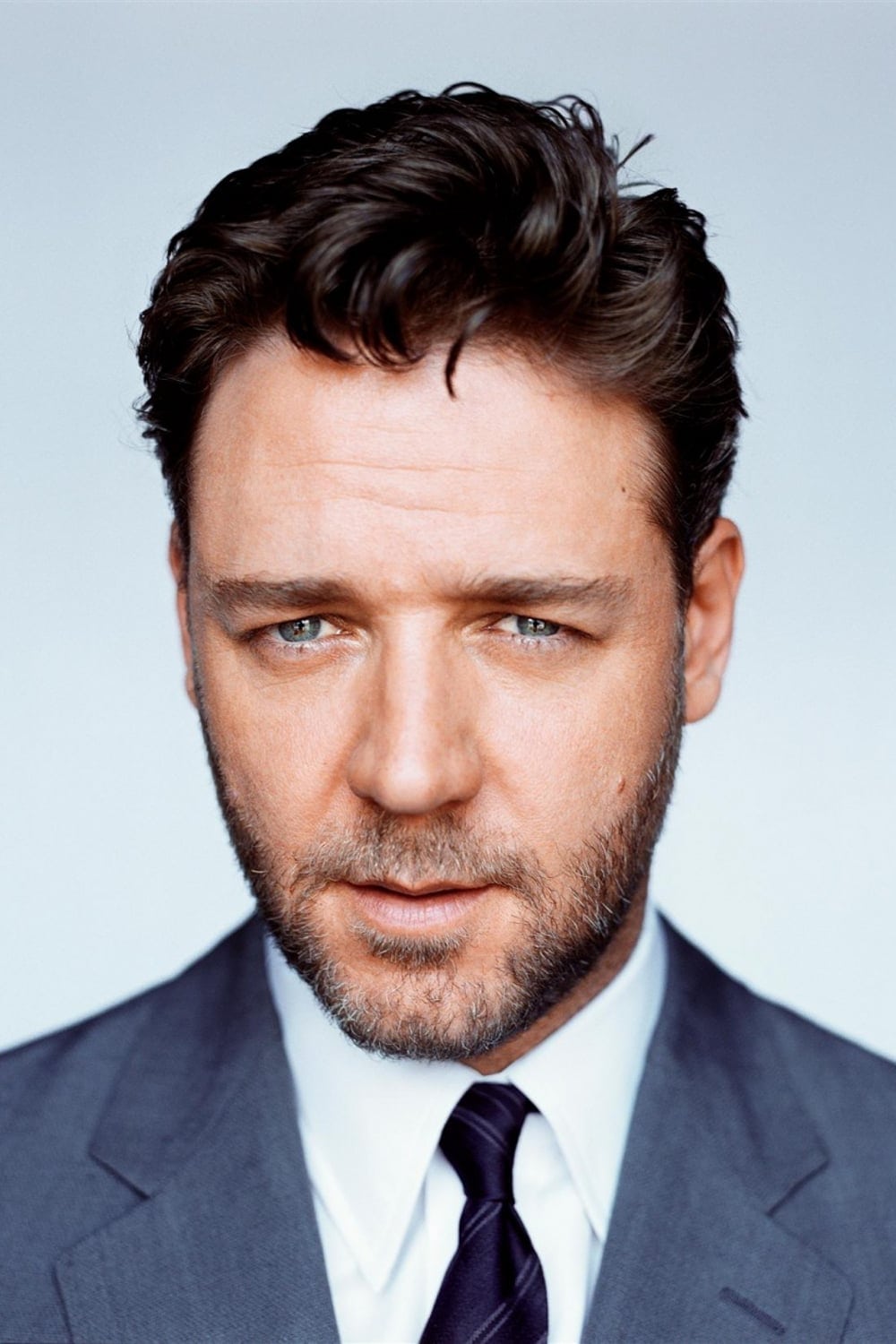
A highly publicized hotel incident landed during the rollout of ‘Cinderella Man’. Interviews opened with questions about the arrest and legal follow-up. The studio shifted attention to the director and supporting cast. Media narratives framed the release through the lens of the off-screen episode.
Miles Teller
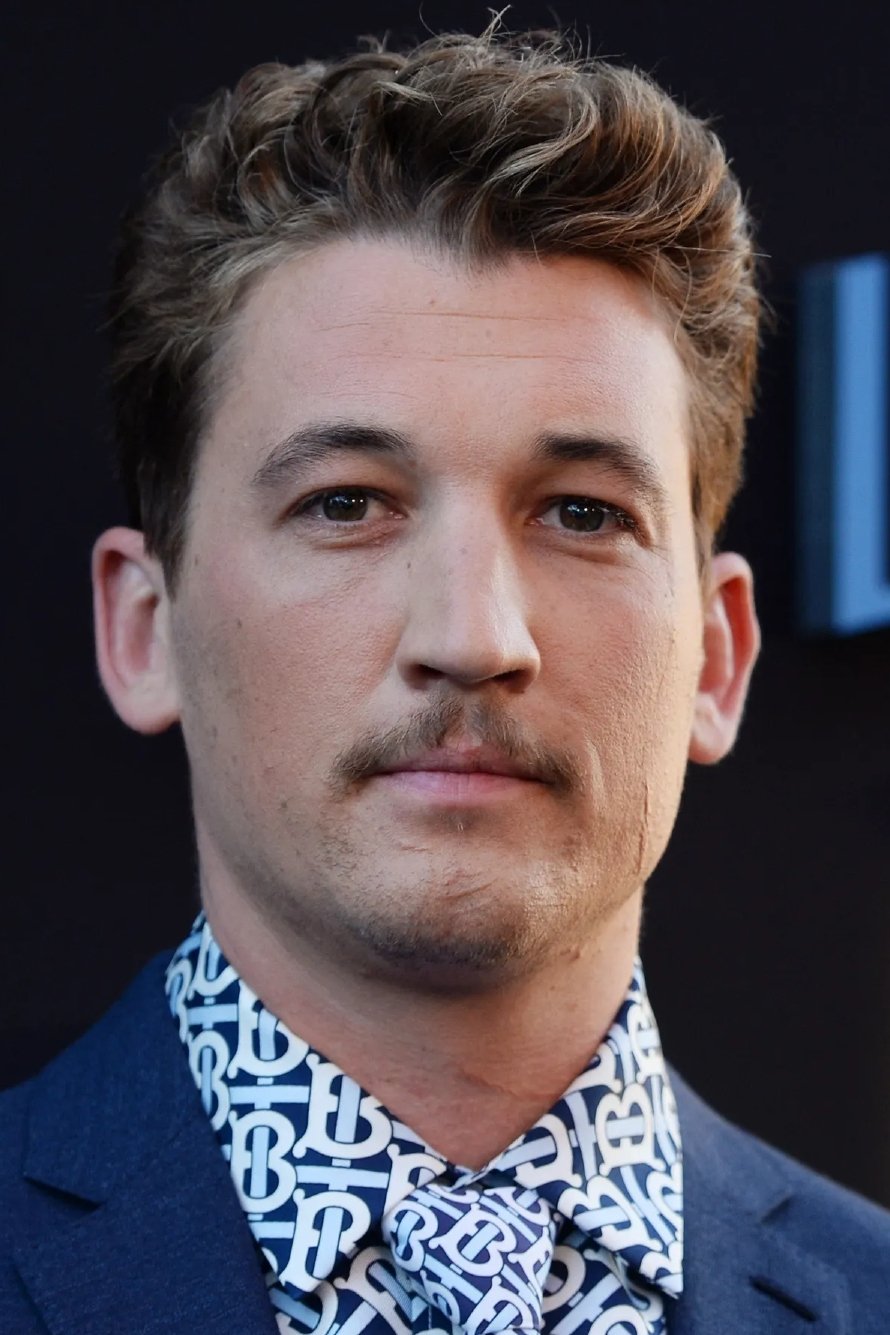
A controversial magazine profile and rumors about on-set behavior followed him into the rollout of ‘Fantastic Four’. Interviews frequently opened with questions about attitude and reliability. Marketing struggled to keep the focus on the ensemble and the reboot’s premise. The conversation around professionalism often overshadowed standard superhero promotion beats.
Casey Affleck
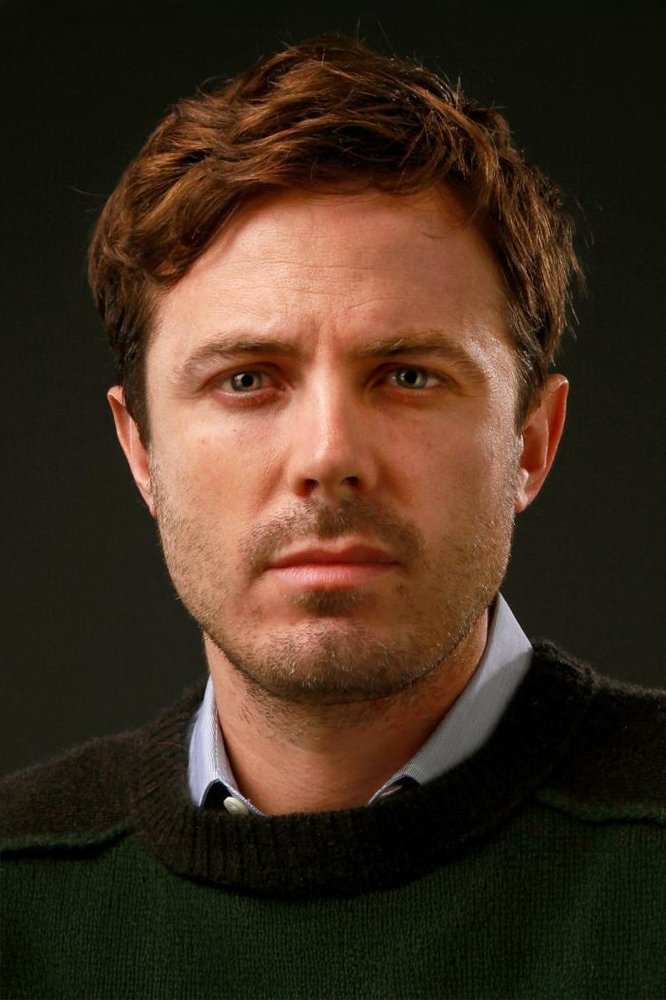
Misconduct allegations resurfaced around the time he was promoting projects after a major awards run. Press tours for films like ‘A Ghost Story’ faced questions unrelated to the releases. Some public appearances were pared back and interview formats became tightly managed. Coverage repeatedly returned to the allegations rather than the films’ creative angles.
Michael Fassbender

Old allegations reappeared during publicity for titles such as ‘Assassin’s Creed’. Reporters asked about personal history before discussing the movie’s production. Publicists emphasized co-stars and behind-the-scenes craft to redirect attention. Festival and talk show coverage mixed box office prospects with the revived controversy.
T.J. Miller
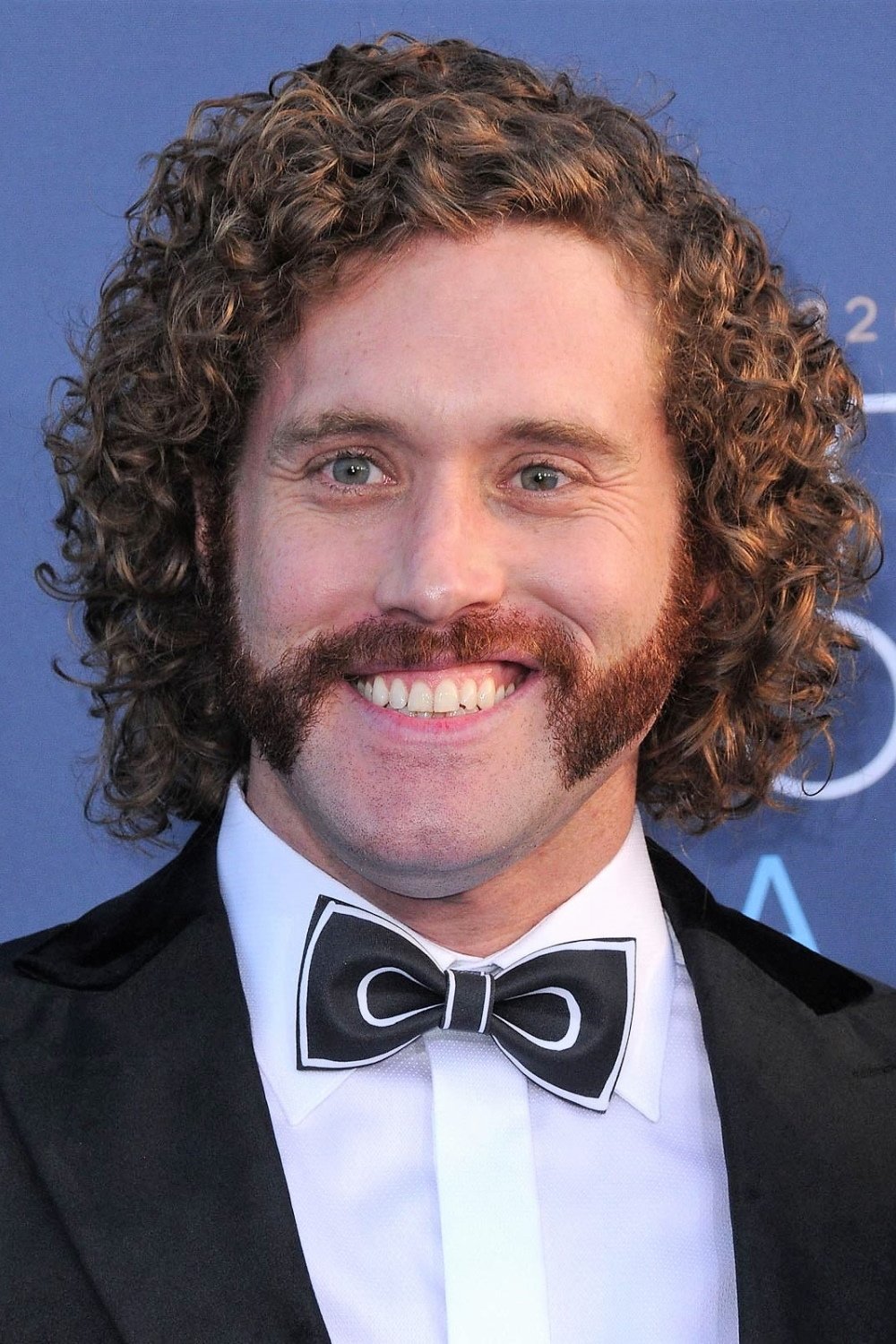
Legal disputes and harassment claims overshadowed promotional windows for films like ‘The Emoji Movie’ and ‘Ready Player One’. A bomb threat incident added more negative headlines to the cycle. Media bookings were selective to avoid off-topic questioning. The online conversation tied each new appearance back to the ongoing issues.
Val Kilmer
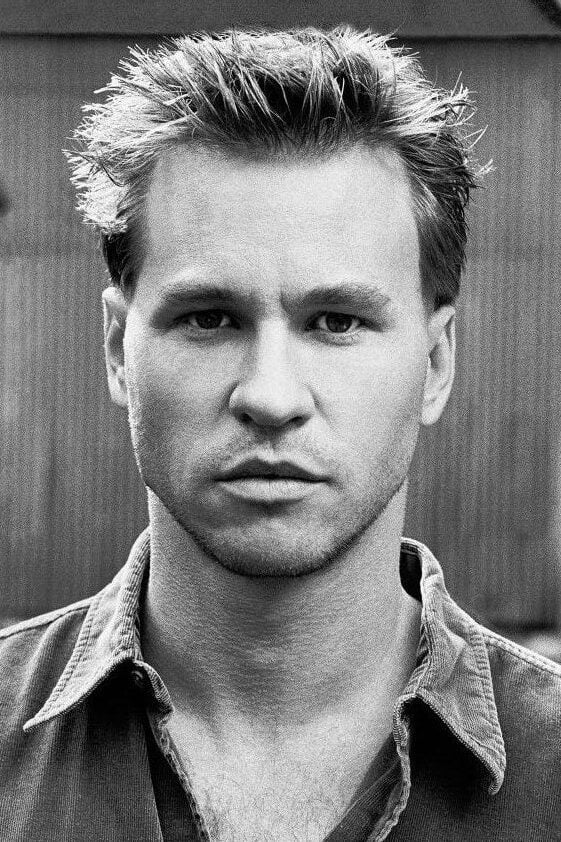
Reports of difficult on-set behavior from earlier productions resurfaced during the promotion of films like ‘The Island of Dr. Moreau’. Articles revisited production chaos instead of plot and performances. Studios leaned on trailers and visuals over extended interview tours. The dominant narrative became behind-the-scenes turmoil rather than the release at hand.
Edward Norton
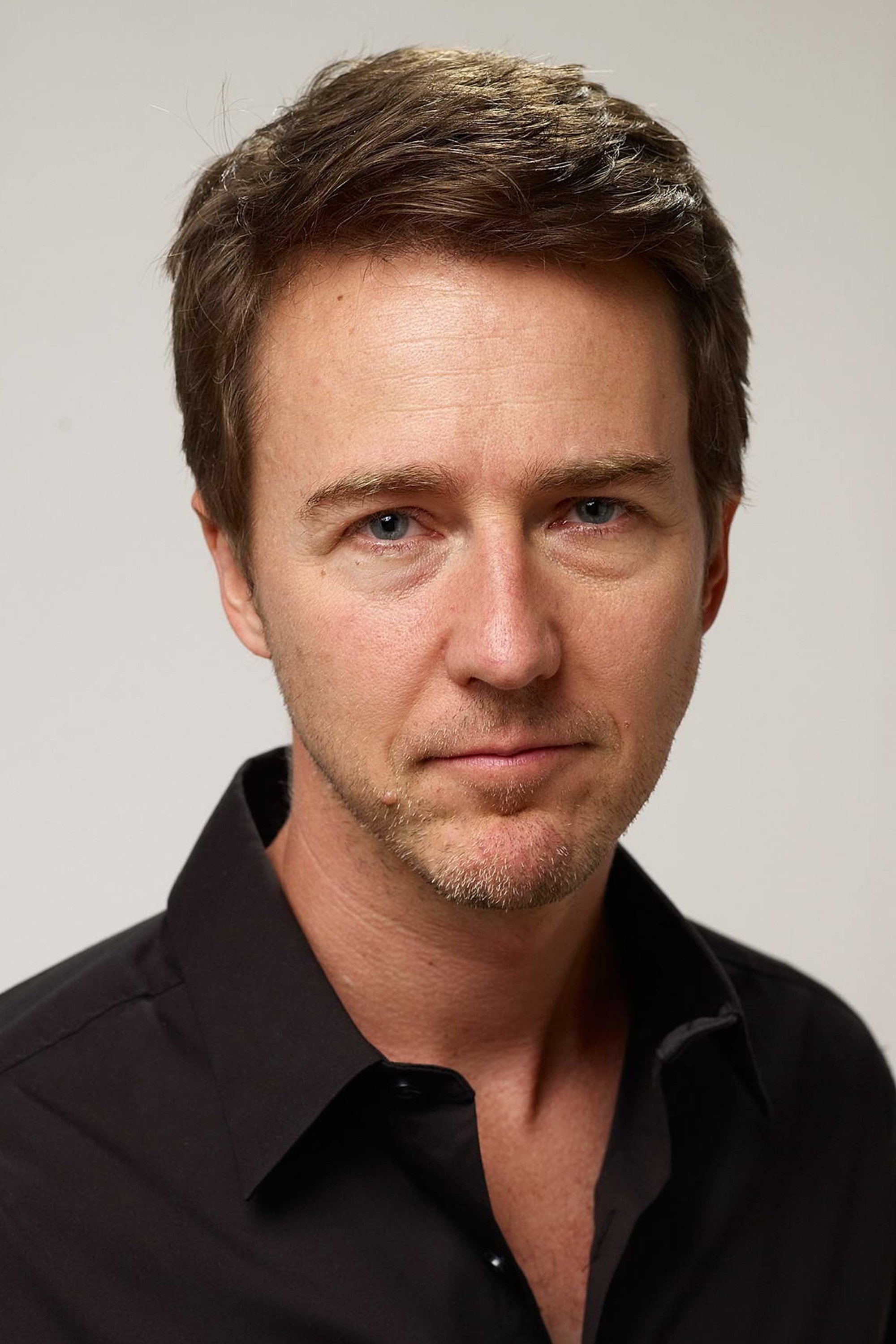
Stories about creative control battles trailed him into the launch of ‘The Incredible Hulk’. Coverage focused on editing disputes and studio relations. Interviews spent time clarifying production narratives instead of selling the character and tone. The film’s PR cycle became a case study in behind-the-scenes negotiation.
Paul Reubens
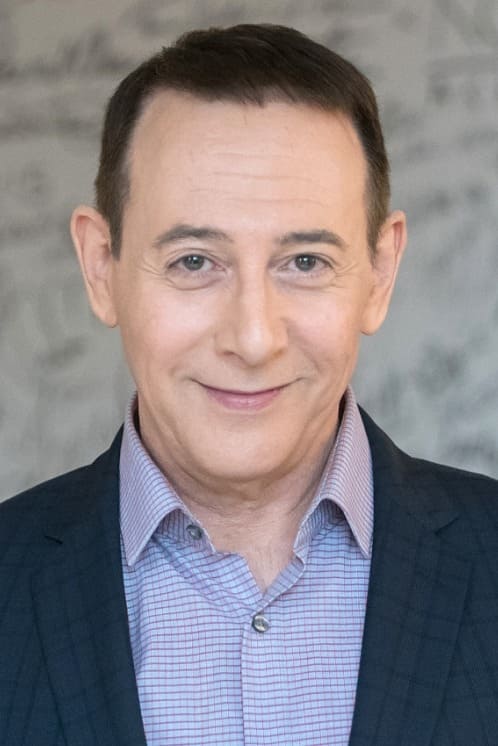
Legal trouble in the early nineties cast a long shadow over later acting projects. When films arrived, interviews often revisited that moment before discussing the work. Distributors kept campaigns modest and carefully scripted. Public attention regularly drifted to the past instead of the new roles.
Tom Sizemore
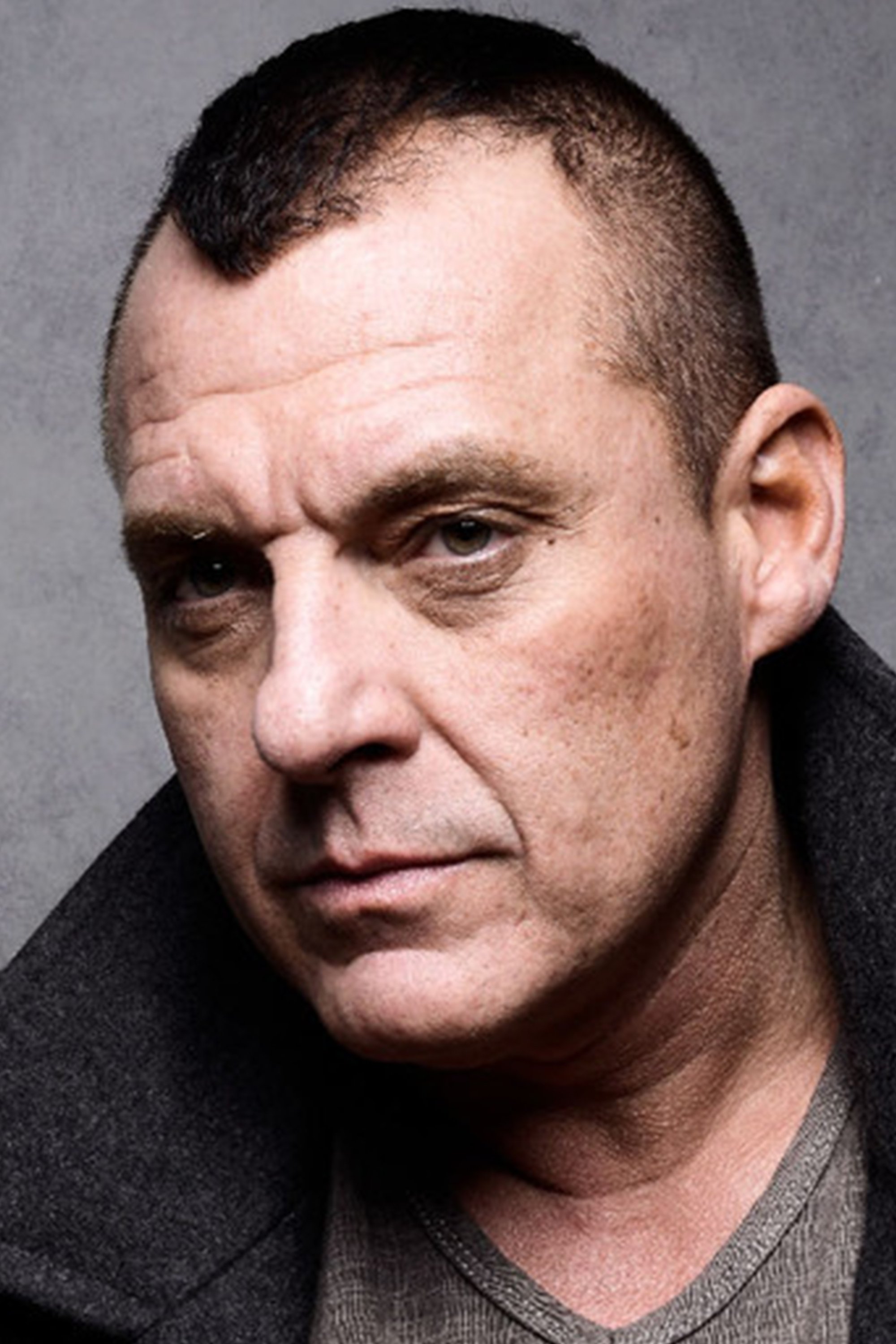
A series of arrests and rehab stints framed the publicity surrounding his releases. Distributors shifted strategy toward limited theatrical and video platforms. Press pieces centered on recovery and legal updates. Film coverage repeatedly linked back to off-screen issues rather than storytelling or craft.
Josh Brolin
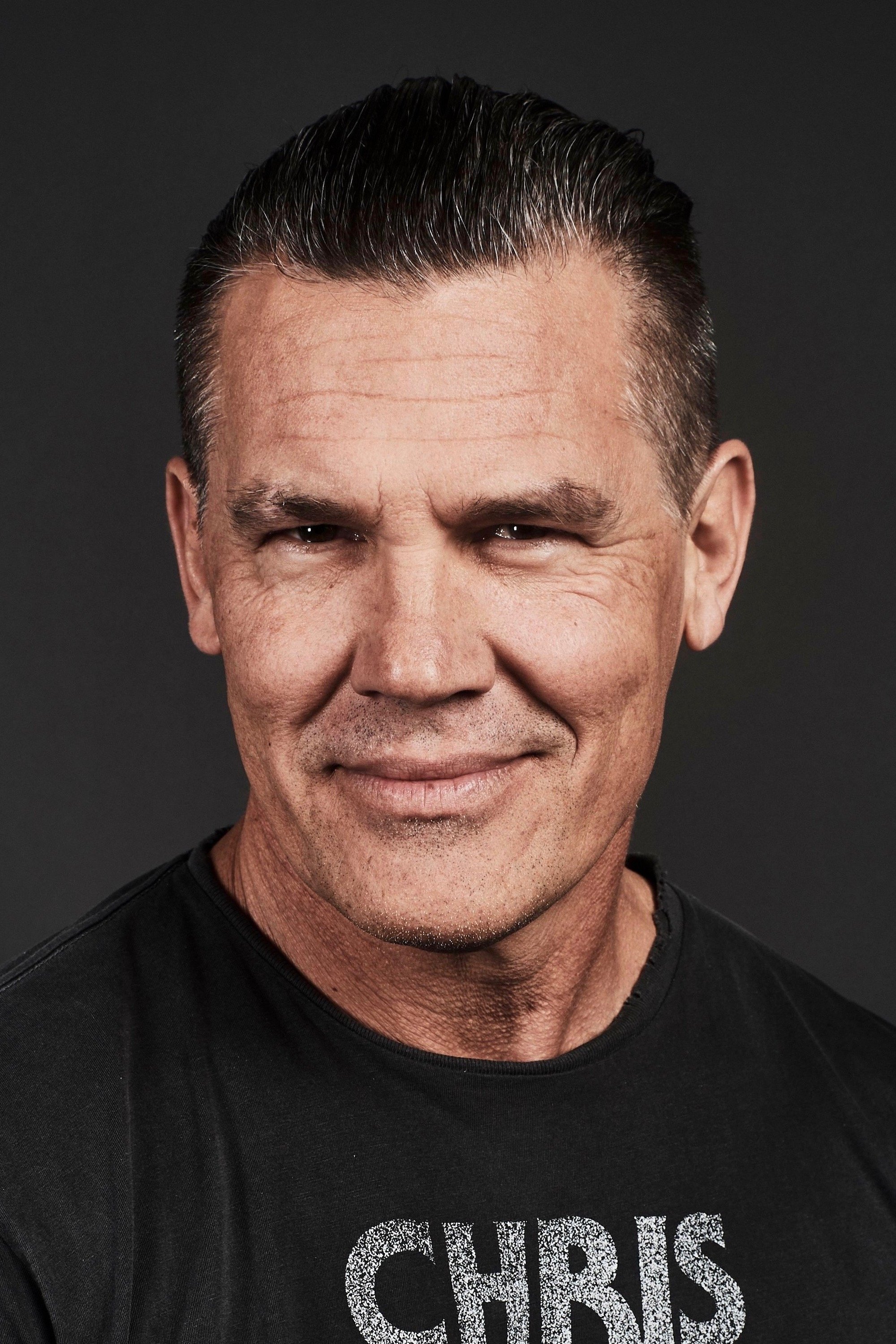
A widely publicized domestic incident and a DUI clustered around a few releases. Publicists navigated questions about those events during junkets. Media profiles blended personal headlines with box office projections. Promotional messaging worked to refocus attention on directors and ensembles.
Brad Pitt
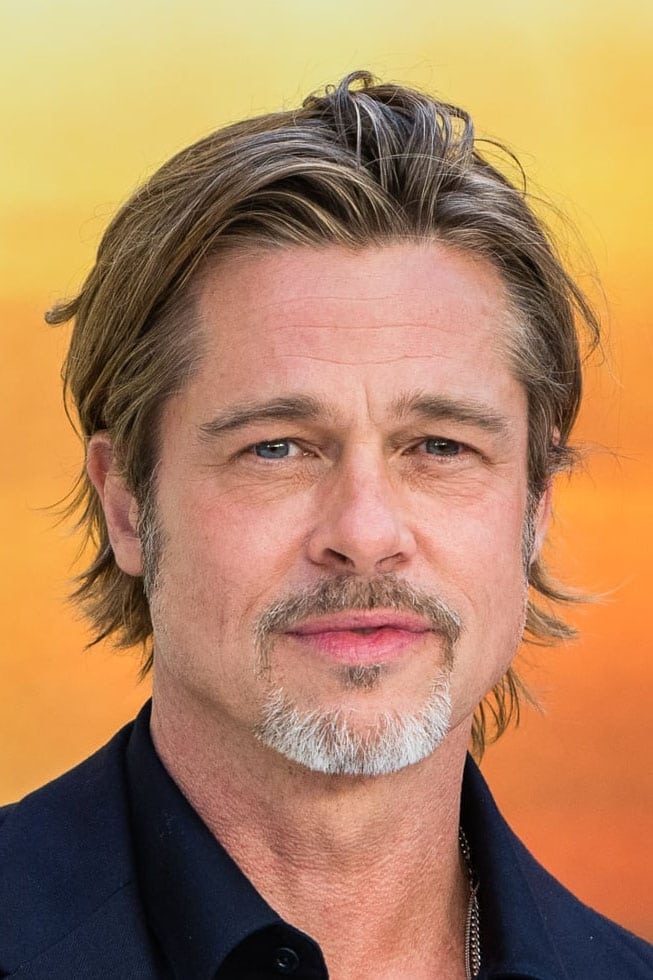
A highly publicized split and an investigation into a family incident dominated the rollout of ‘Allied’. Interviews turned to personal life and legal developments before the movie’s subject. The studio adjusted appearances and leaned on co-stars to carry coverage. Marketing struggled to keep the conversation on the film’s scale and craft.
Sean Penn
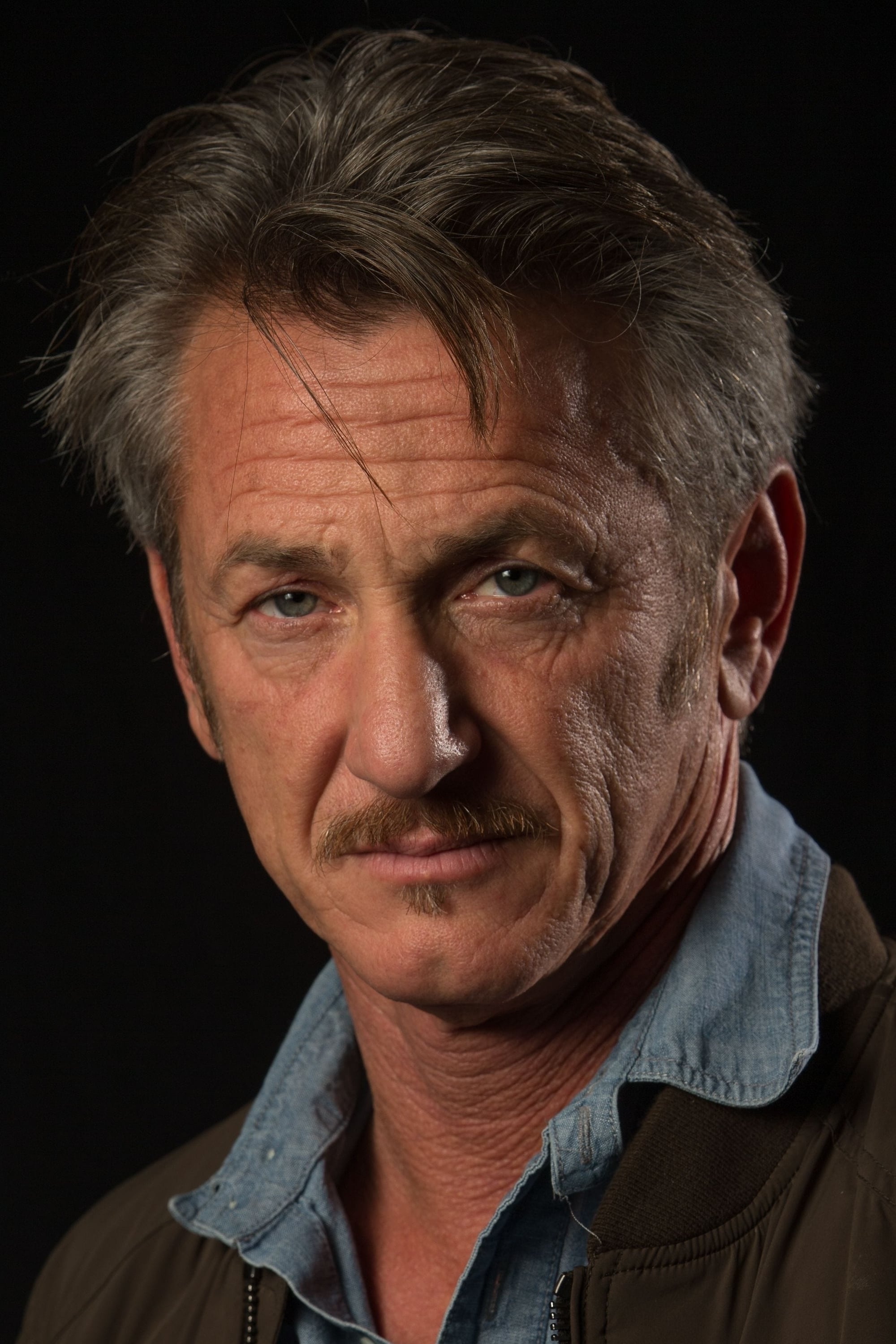
An interview involving a cartel figure became the story during the release period for ‘The Gunman’ and later projects. Press questions centered on journalistic ethics more than filmmaking. Publicists limited open-ended formats to avoid overshadowing the movies. The resulting discourse consumed valuable promotional oxygen.
Woody Allen
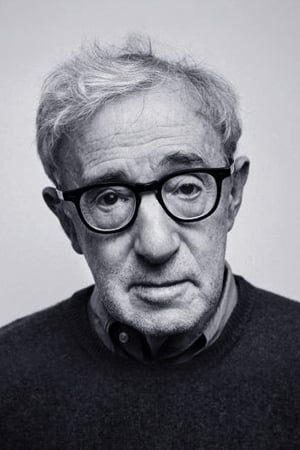
Longstanding allegations and legal disputes repeatedly impacted the distribution of projects like ‘A Rainy Day in New York’. A planned domestic release stalled as partners reconsidered commitments. Cast and crew statements became part of the news cycle. Coverage prioritized the controversy over the film’s content.
Terrence Howard
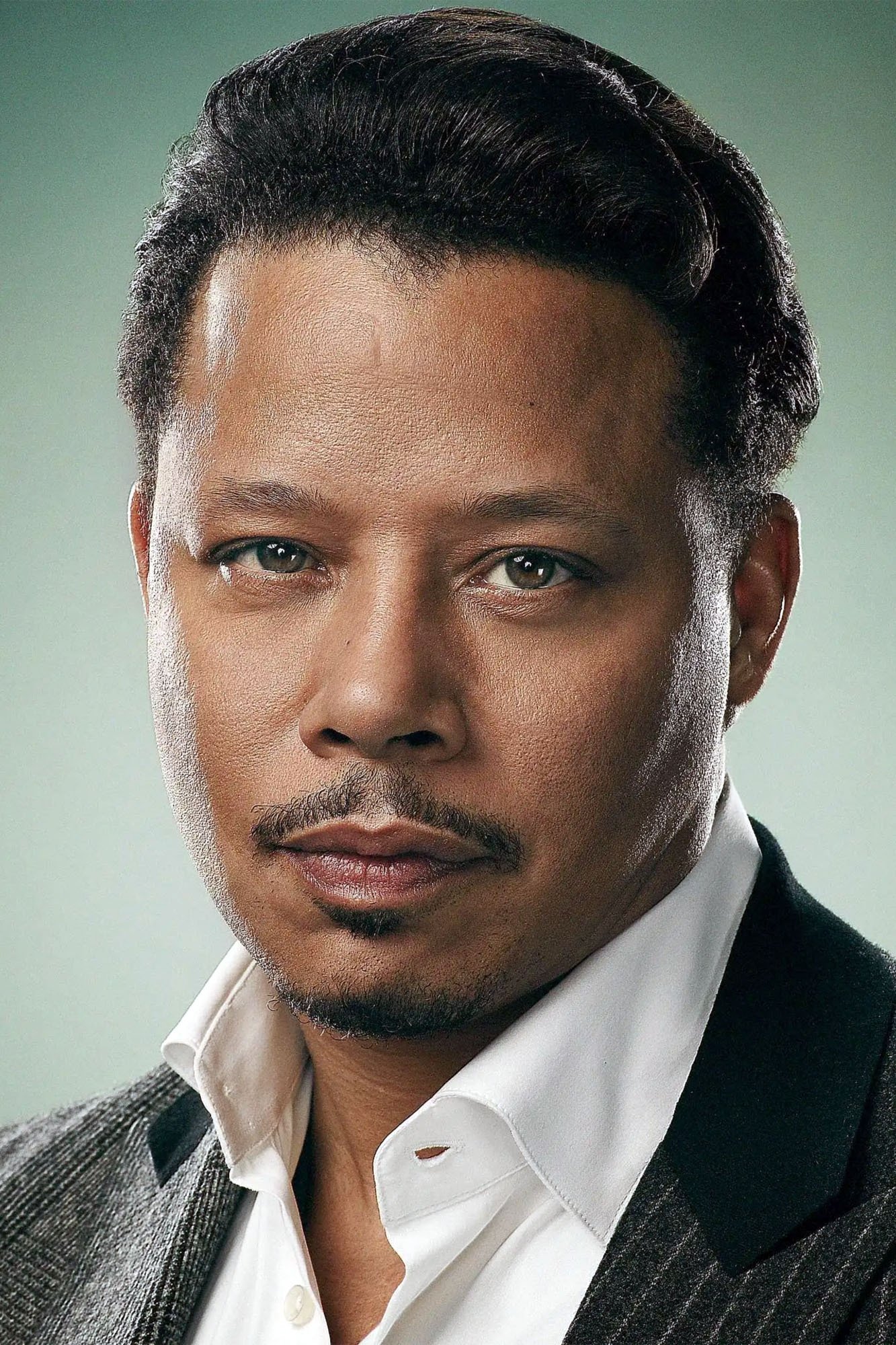
Reports about contract disputes and public comments lingered after his exit from a major franchise. Later films saw interviews revisit pay and professionalism. Campaigns emphasized directors and genre elements over star-led messaging. The off-screen narrative competed with every new project’s talking points.
Kevin Hart
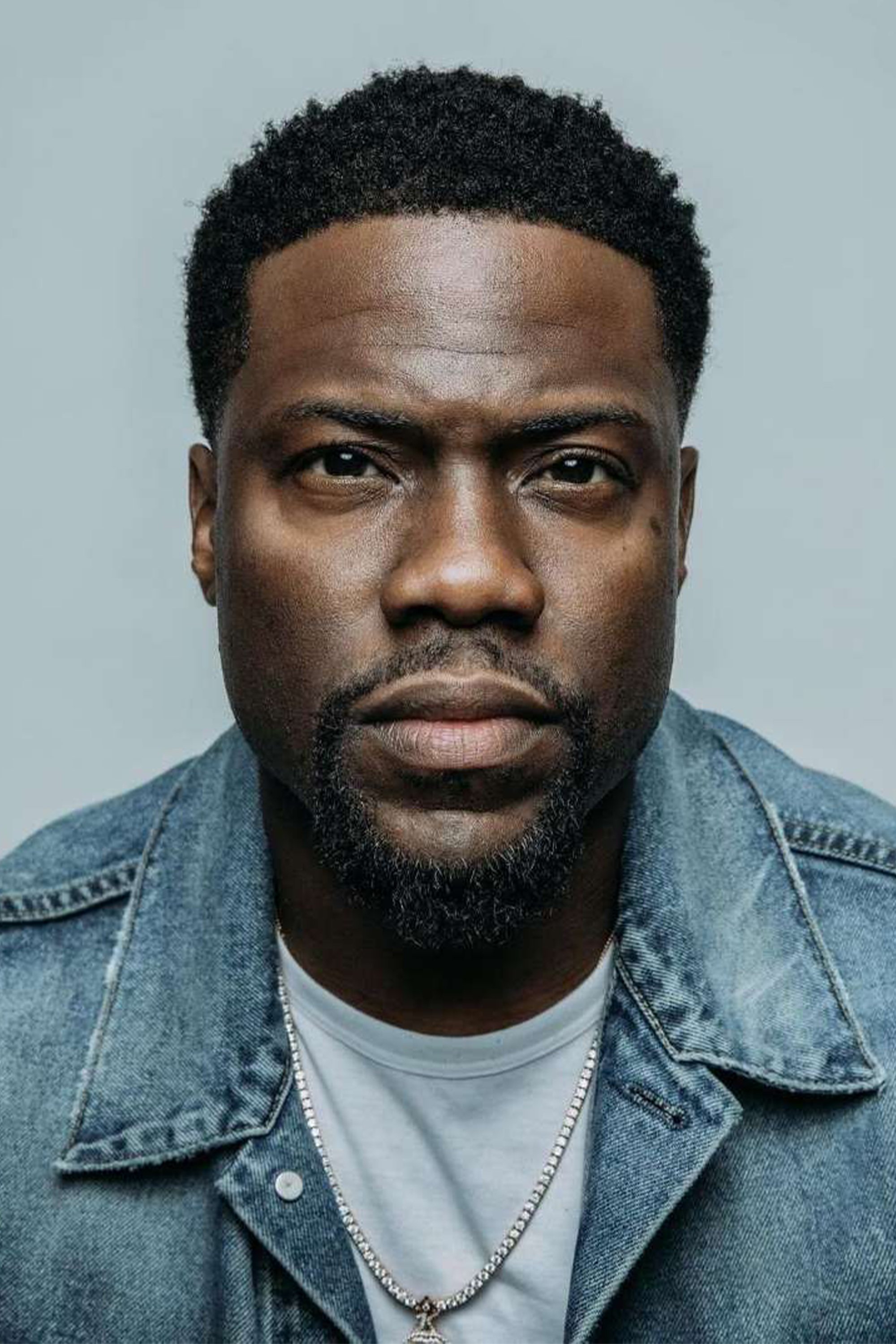
Old social media posts resurfaced during a period when ‘The Upside’ was nearing release. The controversy triggered a separate awards hosting debate that ate up headlines. Public appearances were recalibrated to keep attention on the film. Interviews began with the social media issue instead of the movie’s story.
Andy Dick
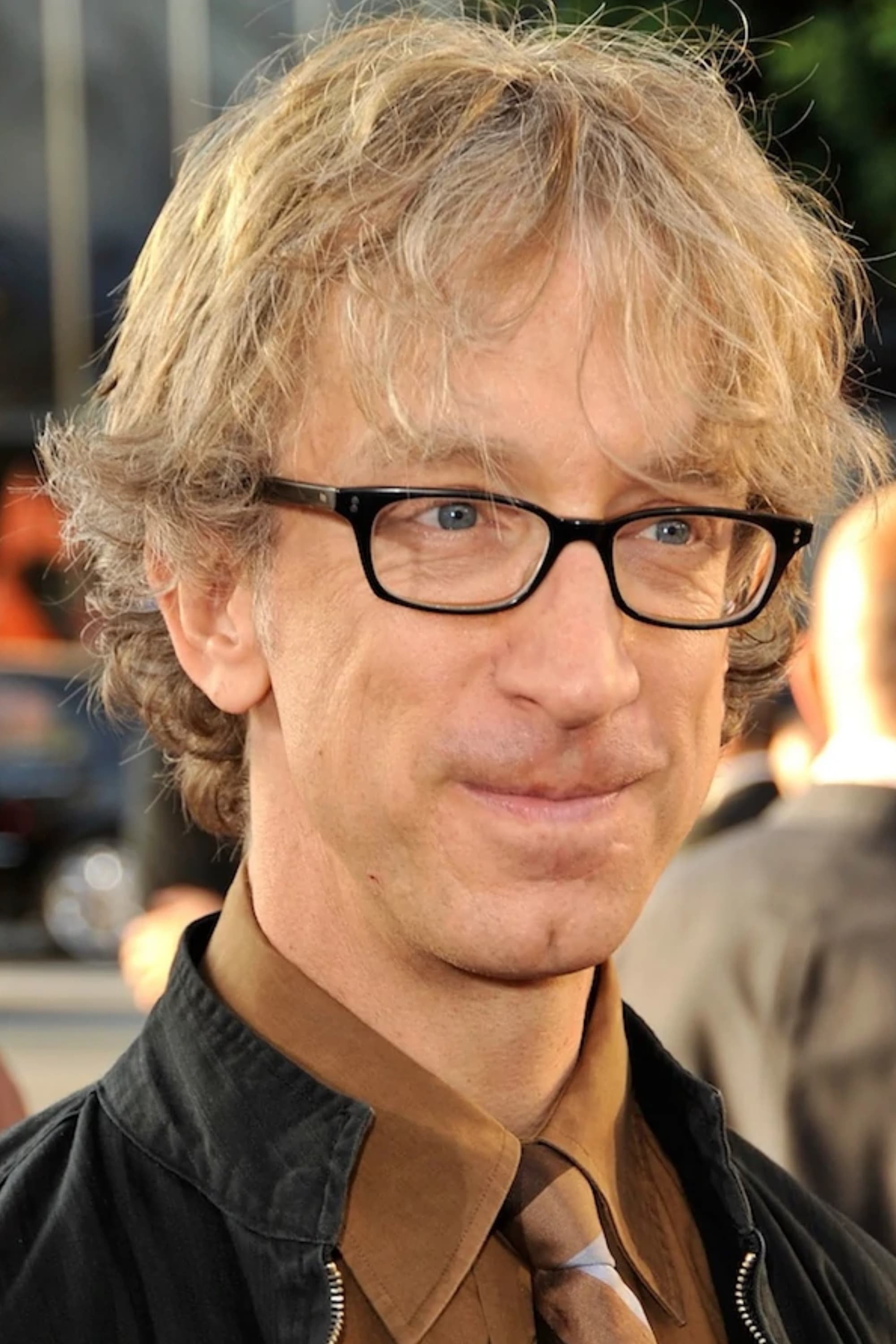
Multiple public incidents and accusations trailed him into small theatrical and video releases. Press outreach was limited and often bypassed mainstream outlets. Interviews that did occur centered on behavior rather than the projects. Distributors kept marketing quiet as coverage remained focused on off-screen conduct.
Share which examples you remember most and tell us in the comments if we missed anyone whose off-screen headlines changed a movie’s fate.

