


Actors Who Won Major Awards After 50

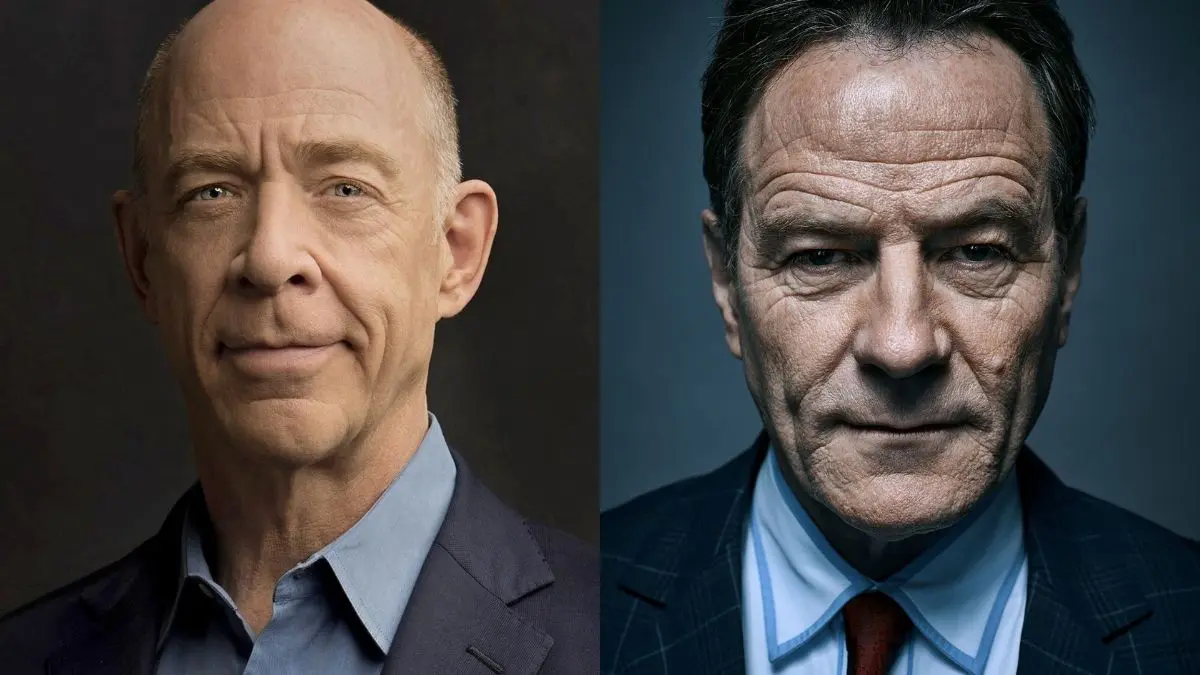


Some careers hit their stride later than people expect, and awards history is full of proof. Plenty of men collected industry-defining trophies well past 50, from Oscars to Emmys and Tonys. These wins often came from powerful roles that matched long years of craft with the right stories at the right time. Here are standouts who turned experience into hardware after the half-century mark.
Anthony Hopkins
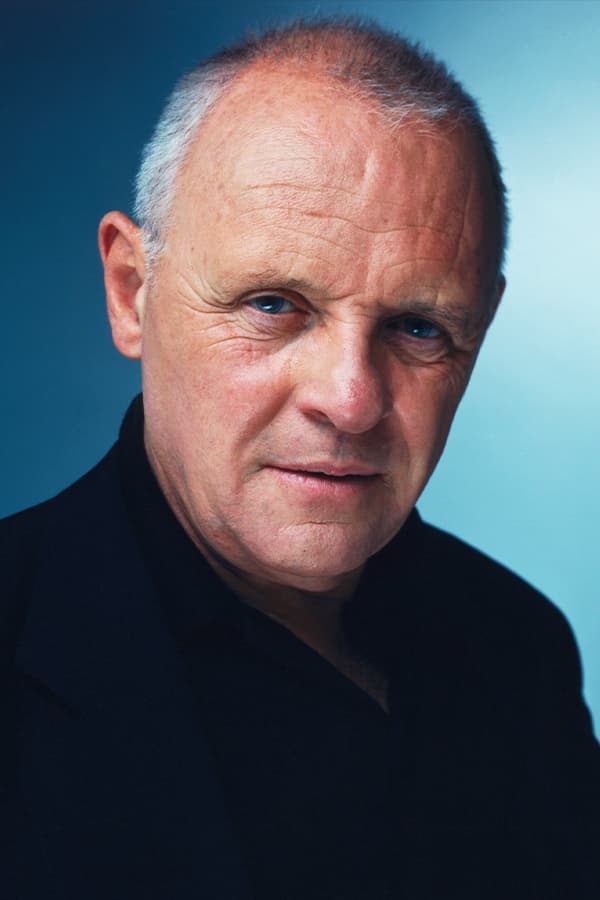
Anthony Hopkins won Best Actor for ‘The Silence of the Lambs’ at 54. He later became the oldest Best Actor winner when he won for ‘The Father’ at 83. He has also collected BAFTA honors for both performances. His late-career recognition includes additional nominations for films like ‘The Two Popes’ and ‘Armageddon Time’.
Robert Downey Jr.
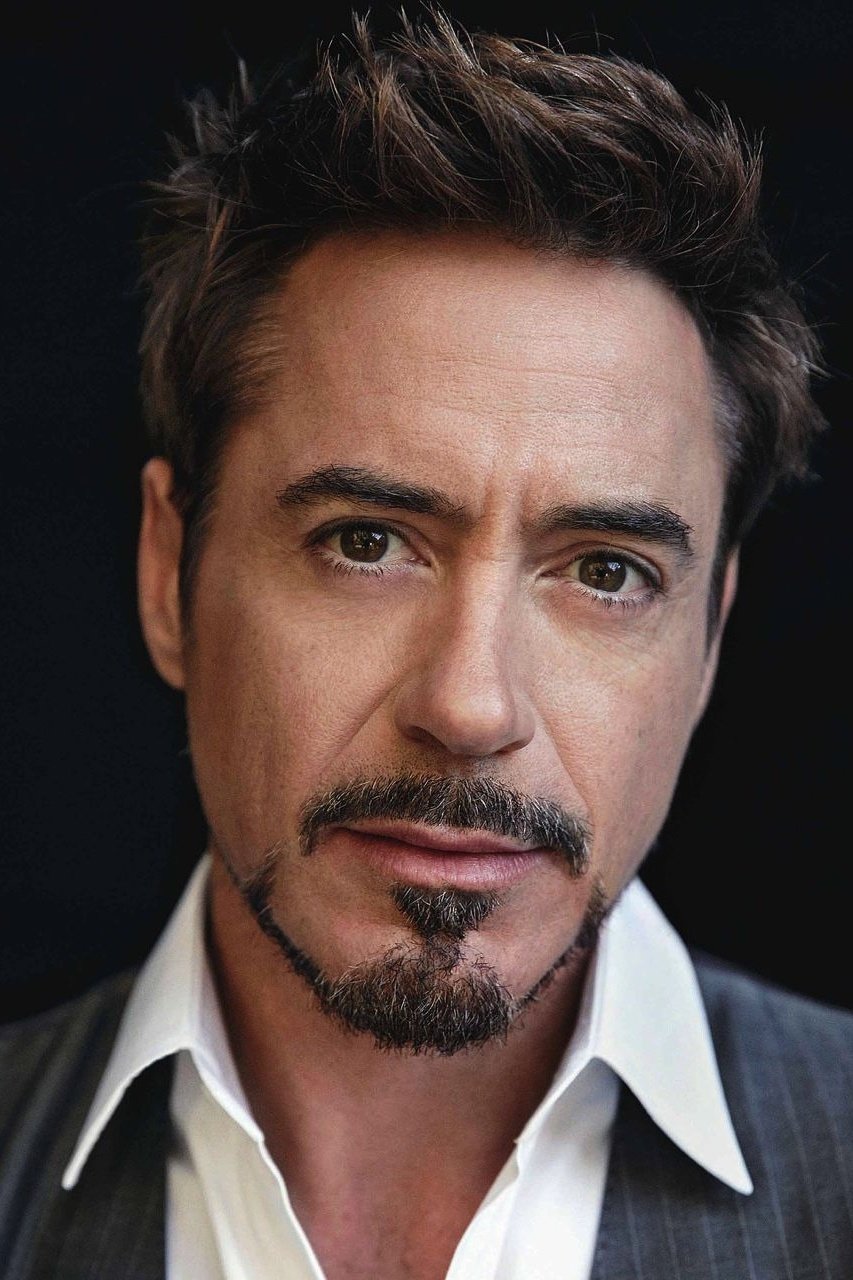
Robert Downey Jr. won Best Supporting Actor for ‘Oppenheimer’ in his late fifties. The performance capped a run of major nominations across film and television following his earlier comeback years. His win added to a career that already included multiple Golden Globe awards. It also marked his first competitive Oscar.
Brendan Fraser
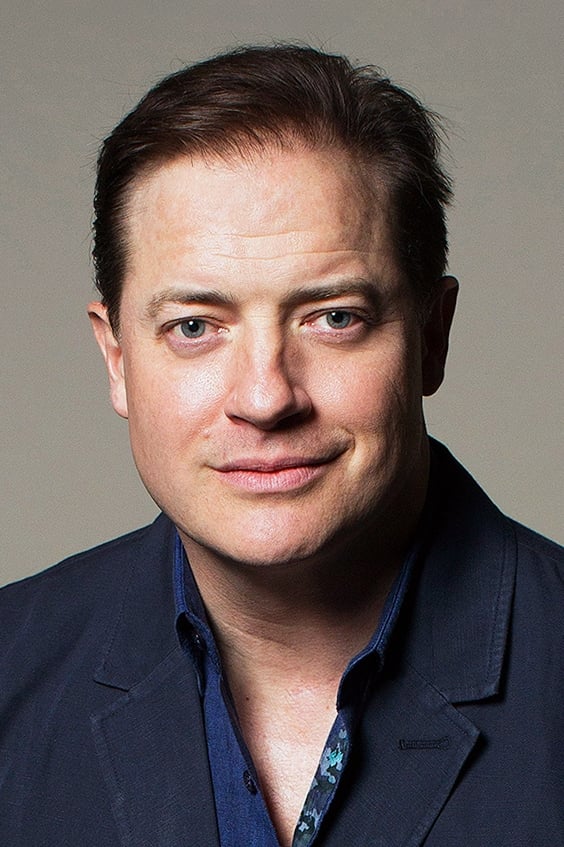
Brendan Fraser won Best Actor for ‘The Whale’ at 54. The role brought him a sweep of major prizes across the season, including awards from key critics’ groups. He had previously earned recognition for work in projects like ‘Gods and Monsters’ and ‘The Affair’. The Oscar placed him among a small group of winners who triumphed after long breaks from leading roles.
Ke Huy Quan
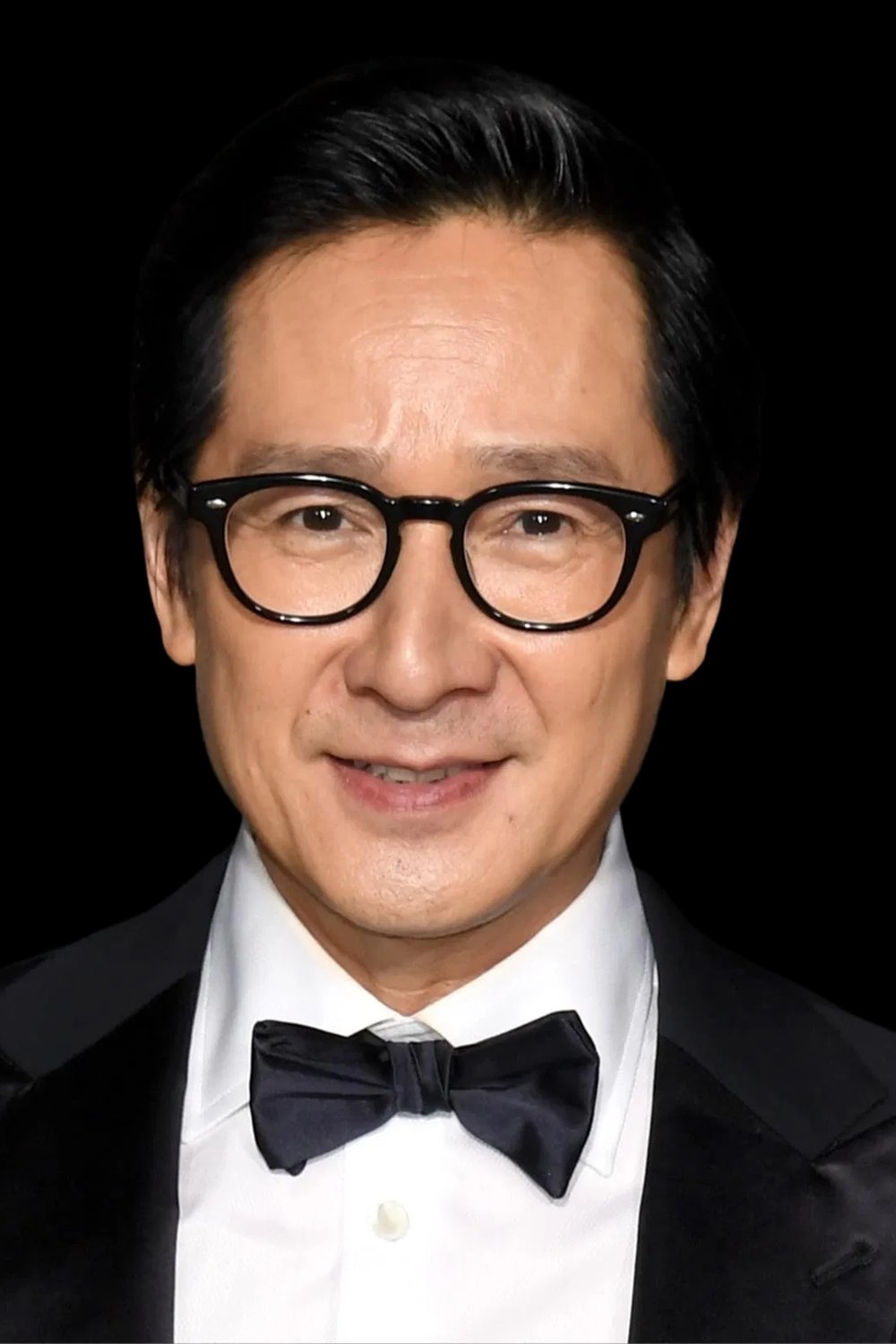
Ke Huy Quan won Best Supporting Actor for ‘Everything Everywhere All at Once’ at 51. The award followed a decades-long gap between on-screen roles that began with early work in ‘Indiana Jones and the Temple of Doom’ and ‘The Goonies’. His comeback also earned a Screen Actors Guild Award and a Golden Globe. The win made him one of the few former child actors to secure an Oscar later in life.
Troy Kotsur
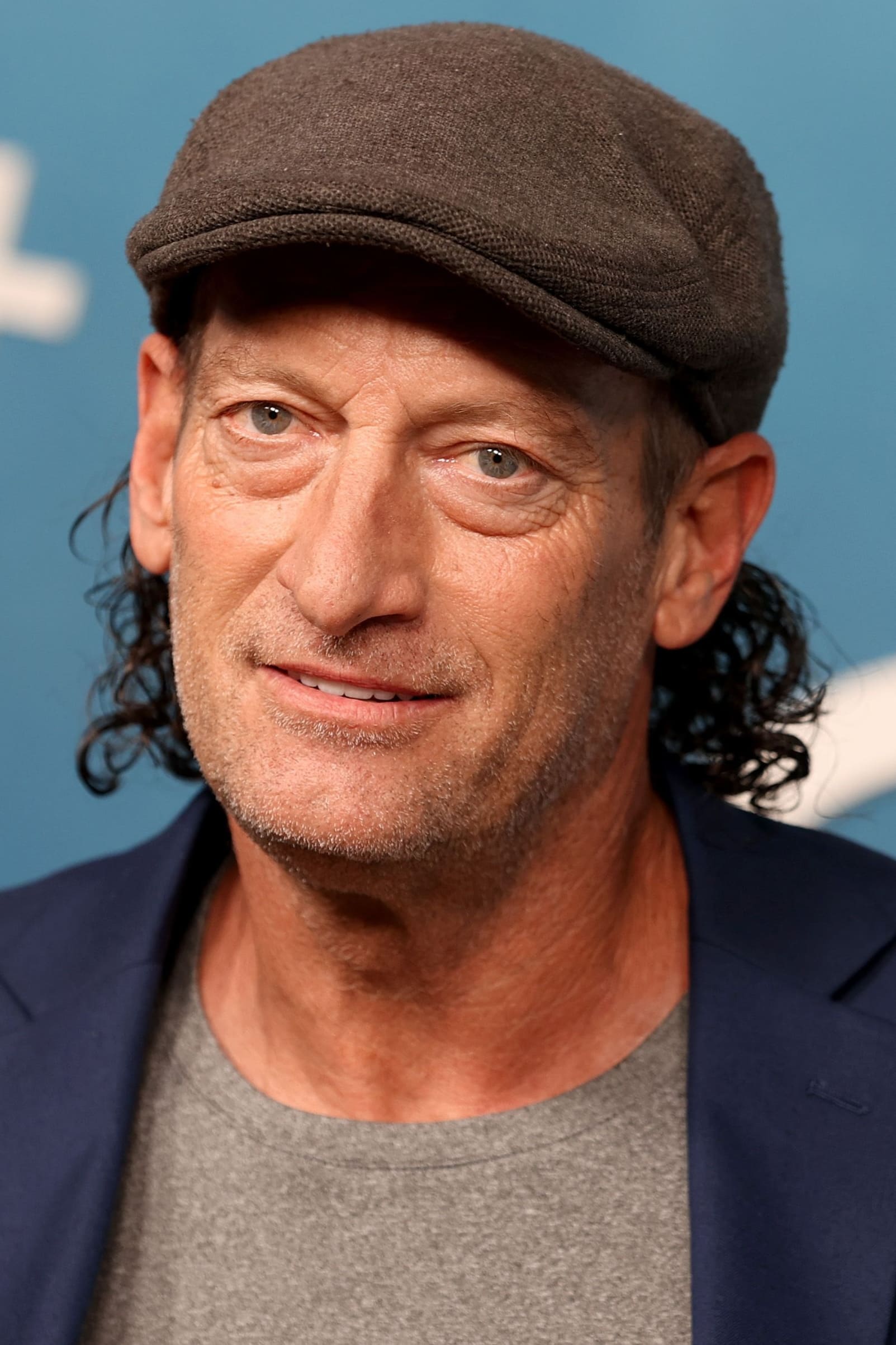
Troy Kotsur won Best Supporting Actor for ‘CODA’ at 53. He became the first deaf male actor to receive an Academy Award. His performance also earned BAFTA and Screen Actors Guild Awards. The industry recognition helped bring wider attention to Deaf talent and accessible production practices.
J.K. Simmons
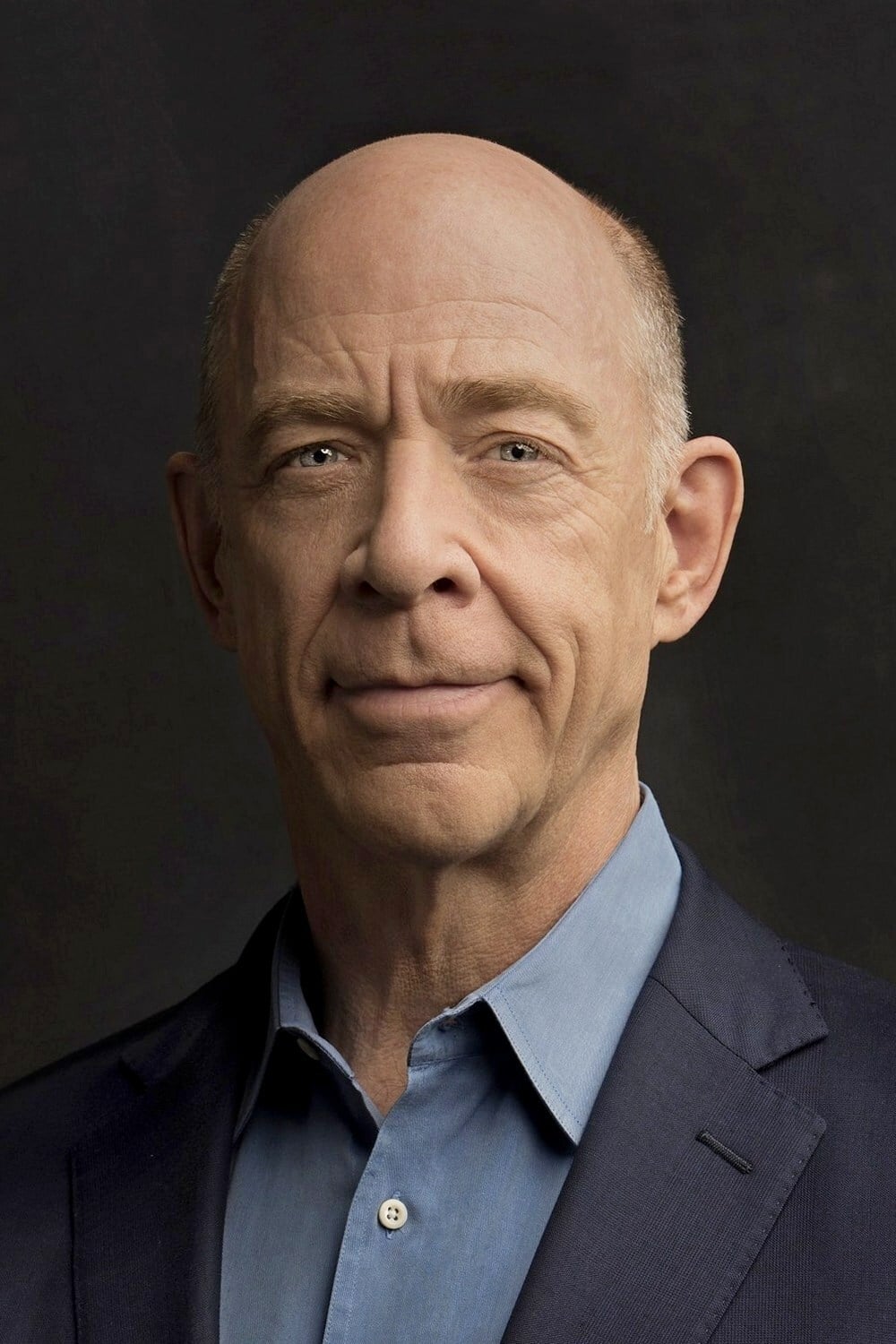
J. K. Simmons won Best Supporting Actor for ‘Whiplash’ at 60. His portrayal of a fearsome music instructor also earned a Golden Globe and a BAFTA. Before the Oscar, he had built a long résumé across ‘Oz’, ‘Spider-Man’, and ‘Juno’. The awards cemented his status as a go-to character actor with leading impact.
Mark Rylance
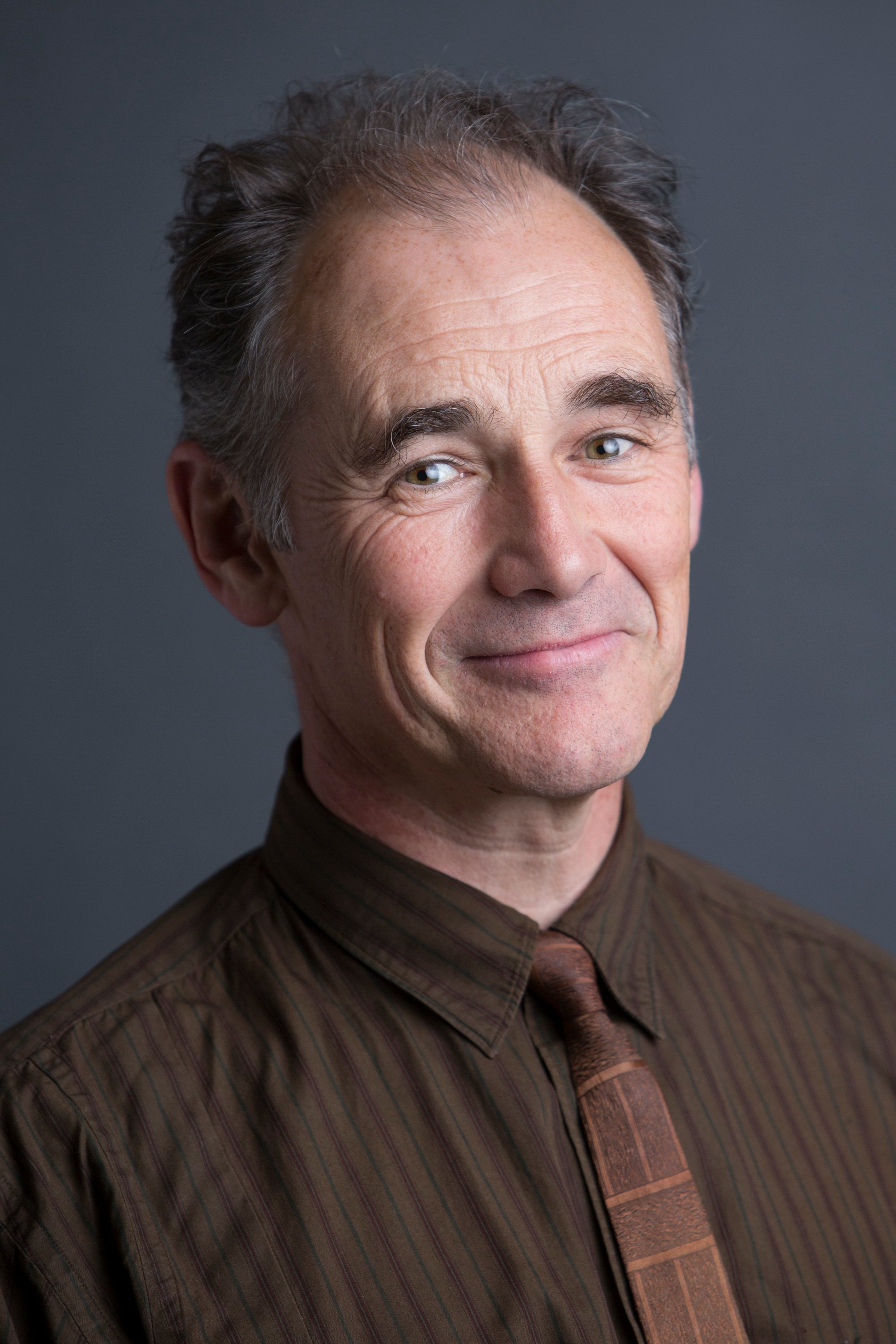
Mark Rylance won Best Supporting Actor for ‘Bridge of Spies’ at 56. The win arrived after an acclaimed stage career that included multiple Tony Awards. He followed it with an Oscar nomination for ‘The Trial of the Chicago 7’. His screen success paralleled celebrated theater performances in works like ‘Jerusalem’ and ‘Twelfth Night’.
Christoph Waltz

Christoph Waltz won Best Supporting Actor for ‘Inglourious Basterds’ at 53 and again for ‘Django Unchained’ at 56. Both roles were collaborations with Quentin Tarantino that showcased multilingual dialogue and precision timing. He also picked up Golden Globes for the same films. The awards launched a steady run of international projects.
Alan Arkin
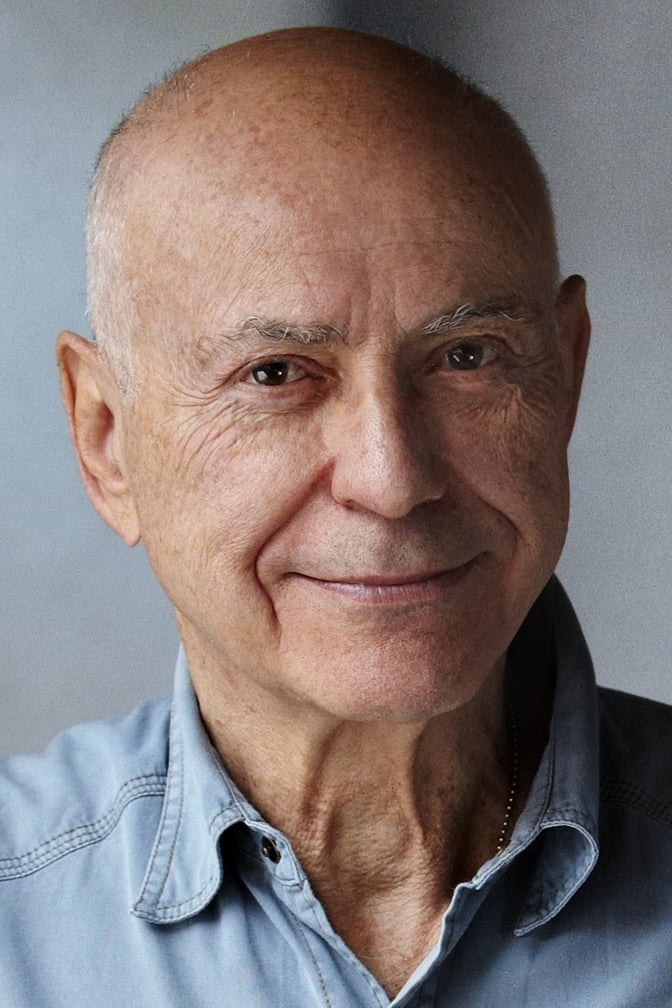
Alan Arkin won Best Supporting Actor for ‘Little Miss Sunshine’ at 72. The Oscar followed earlier nominations dating back to the late 1960s. He subsequently earned another nomination for ‘Argo’. His later career included acclaimed work in television projects such as ‘The Kominsky Method’.
Michael Caine
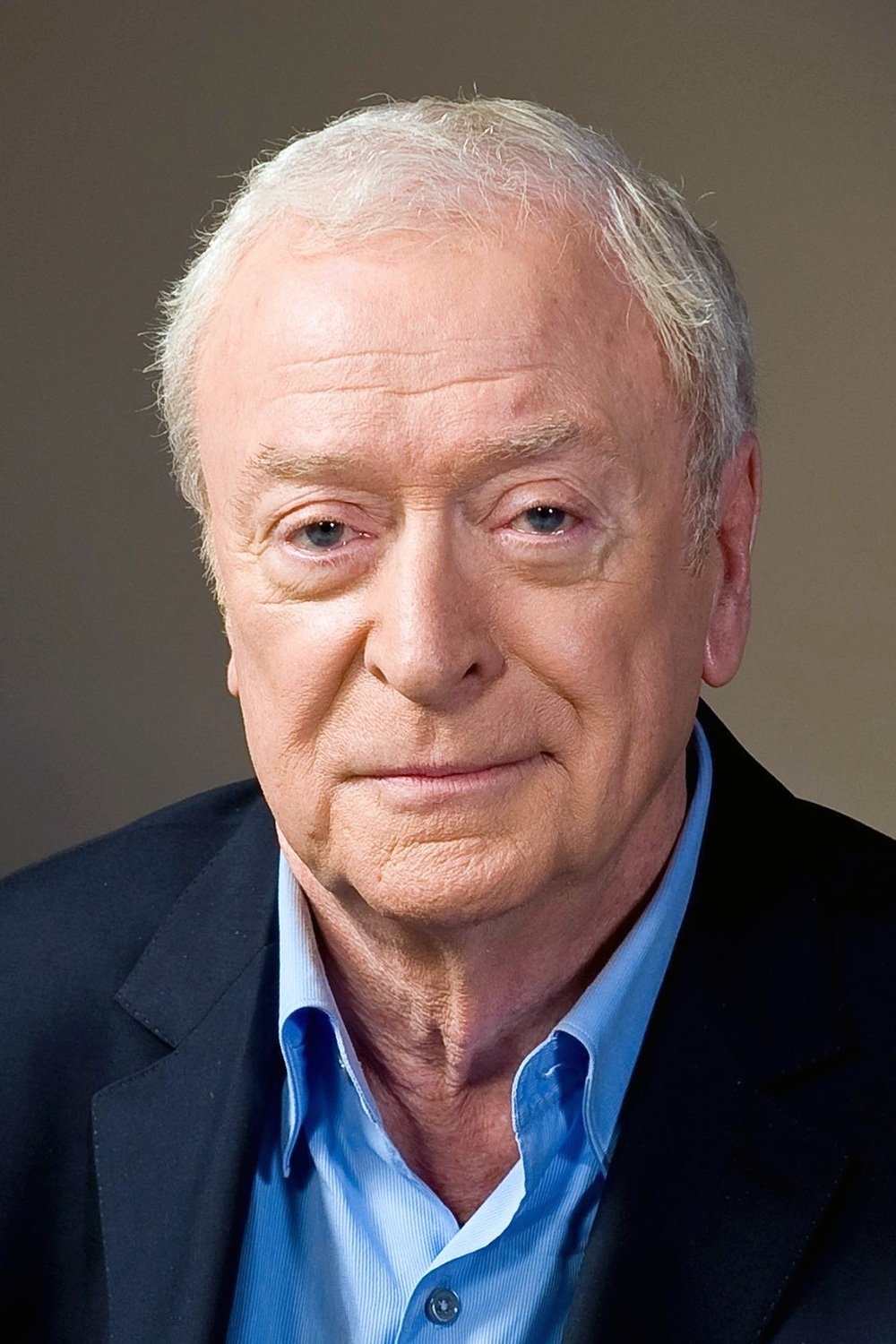
Michael Caine won Best Supporting Actor for ‘The Cider House Rules’ at 66. It was his second Oscar in the category after an earlier win for ‘Hannah and Her Sisters’. He continued to collect honors and nominations for roles in films like ‘The Quiet American’. His later work also spanned large-scale franchises including ‘The Dark Knight’.
Gene Hackman
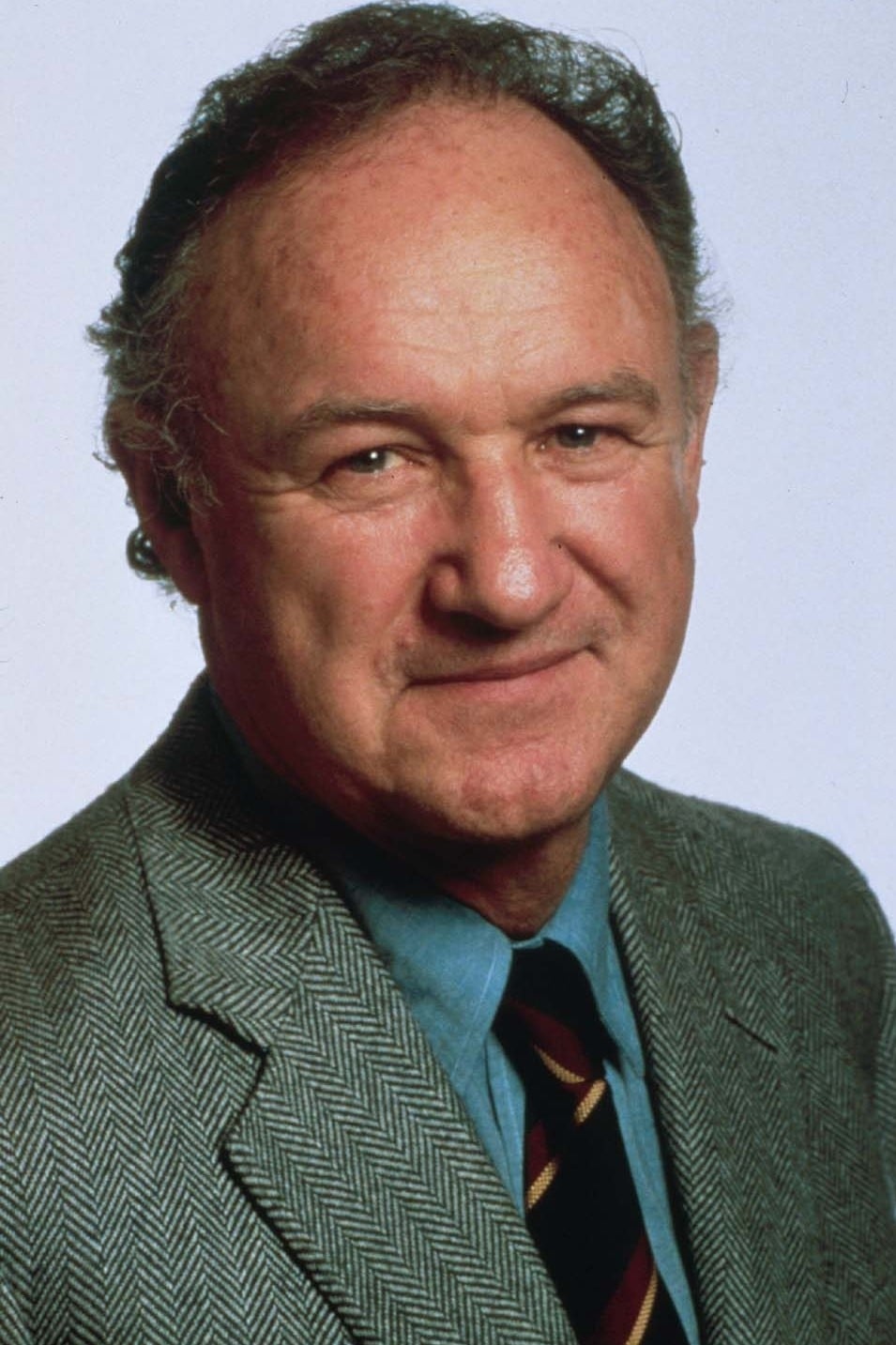
Gene Hackman won Best Supporting Actor for ‘Unforgiven’ at 63. The award came decades after his first Oscar in a different category. He added Golden Globes and BAFTA recognition for the same performance. The win capped a streak of memorable roles in films such as ‘Crimson Tide’ and ‘The Royal Tenenbaums’.
Paul Newman
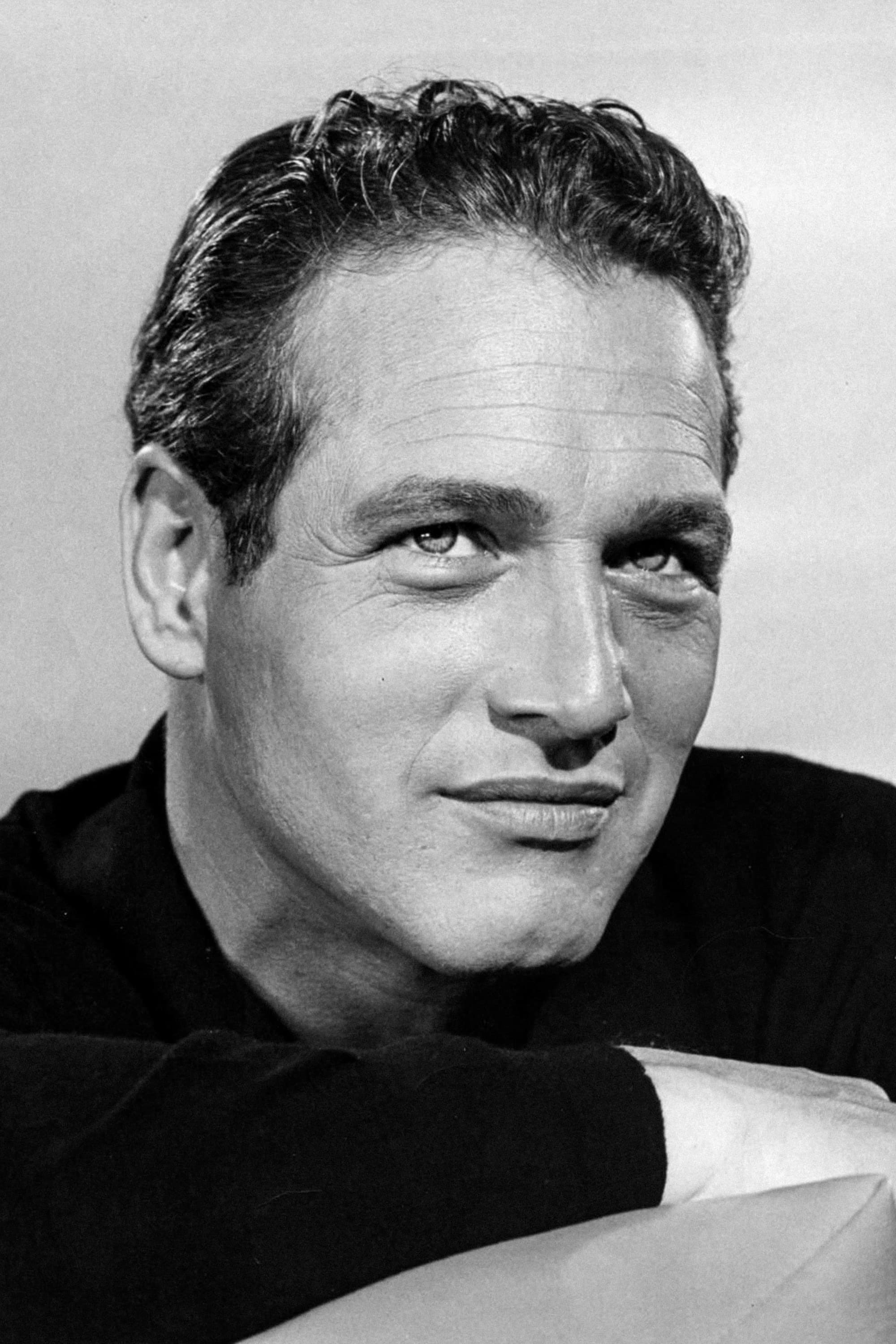
Paul Newman won Best Actor for ‘The Color of Money’ at 62. The Academy Award followed multiple nominations across earlier decades. He received additional recognition around the same period, including an Honorary Award and a humanitarian award from the industry. His late-career filmography also includes ‘Nobody’s Fool’ and ‘Road to Perdition’.
Sean Connery
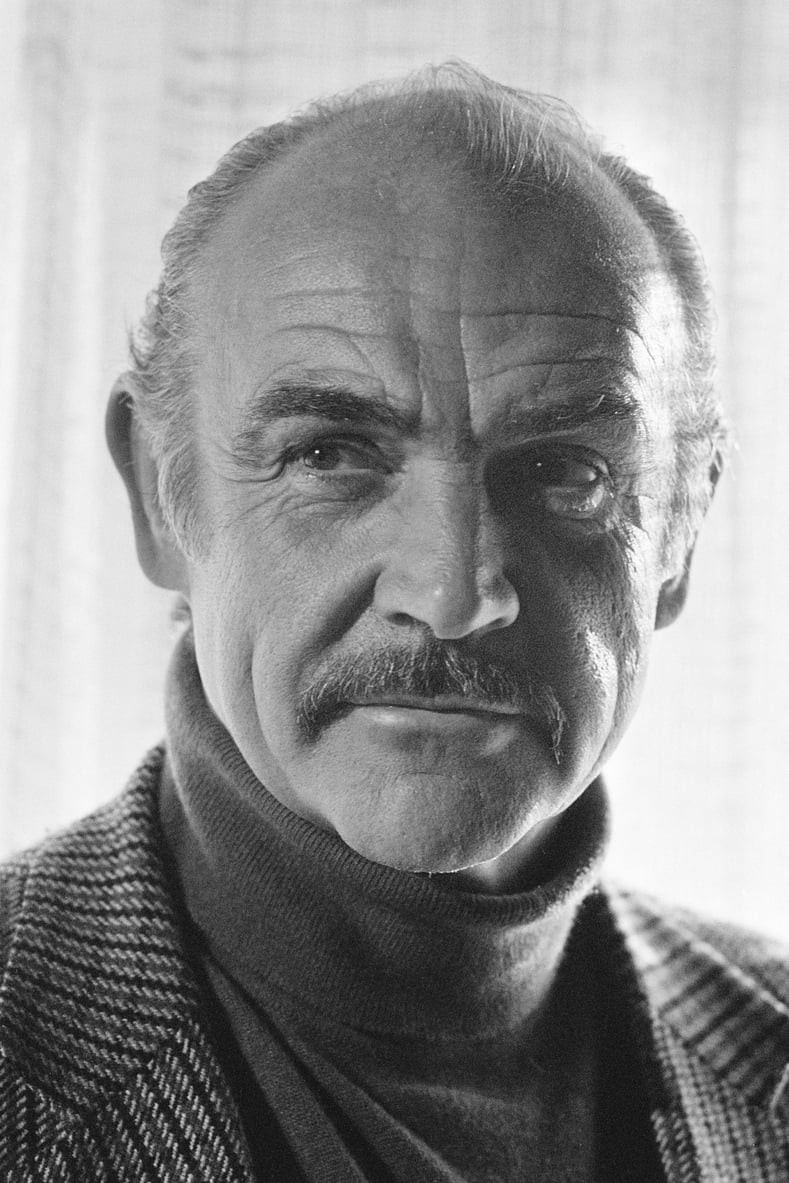
Sean Connery won Best Supporting Actor for ‘The Untouchables’ at 57. The performance also earned a Golden Globe. By that time he had already transitioned from the early ‘James Bond’ era to a range of roles in films like ‘The Name of the Rose’ and ‘Indiana Jones and the Last Crusade’. His award underscored a successful reinvention beyond franchise work.
Bryan Cranston
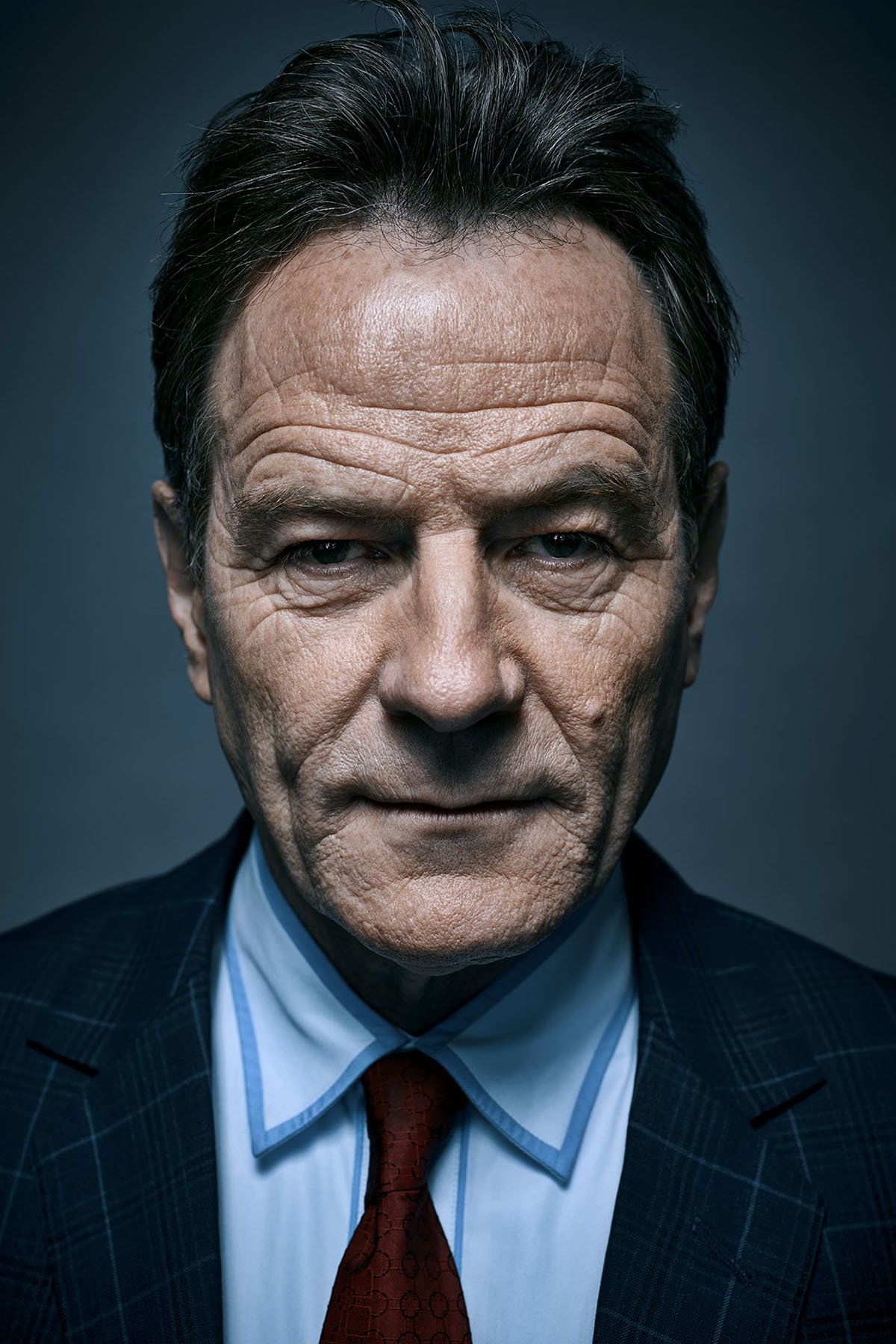
Bryan Cranston won his first Lead Actor Emmy for ‘Breaking Bad’ at 52 and added more wins in subsequent seasons. He later won a Tony Award for ‘Network’ on Broadway in his sixties. His television accolades also include a Golden Globe for the same series. These honors recognized both dramatic television and stage excellence well after 50.
Michael Keaton
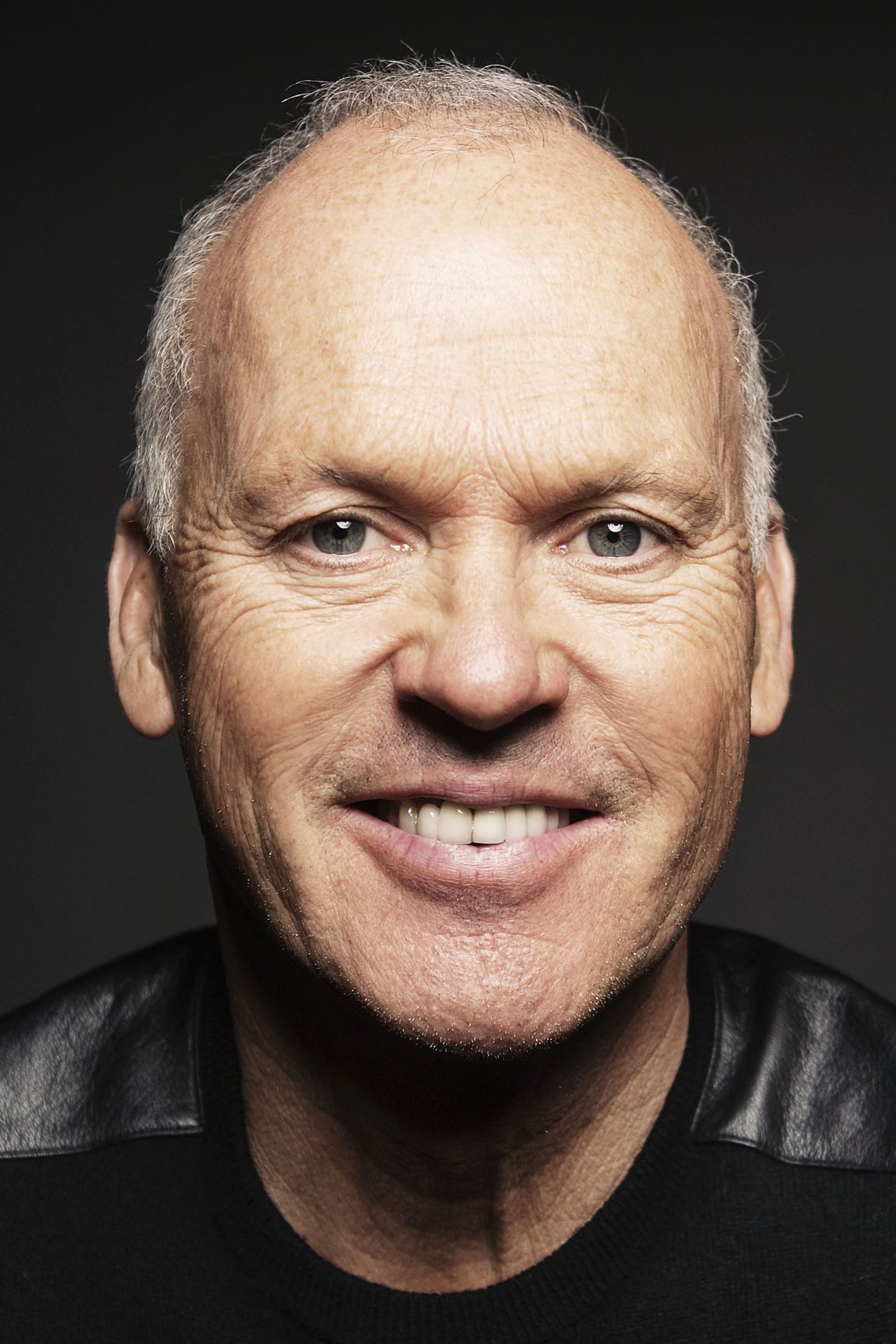
Michael Keaton won Lead Actor in a Limited Series at the Emmys for ‘Dopesick’ at 71. He also received a Golden Globe for the role. His awards followed earlier acclaim for films like ‘Birdman’ and ‘Spotlight’. The recognition highlighted his continued range across prestige television and feature films.
Gary Oldman
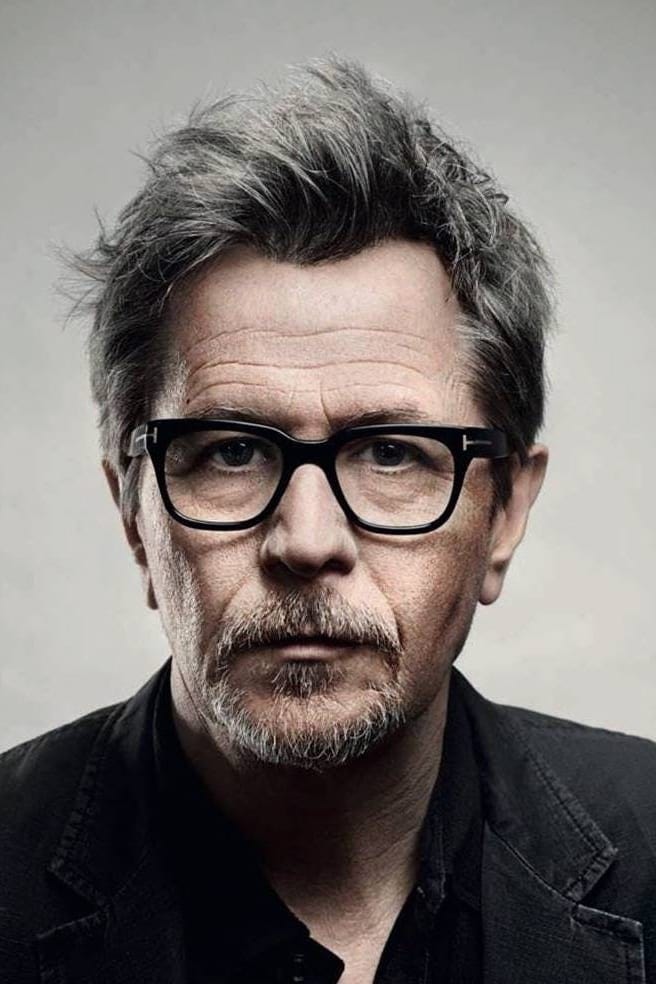
Gary Oldman won Best Actor for ‘Darkest Hour’ at 59. The performance also brought him a Golden Globe and a BAFTA, completing a rare awards-season sweep. Before that win he had multiple nominations across decades for films like ‘Tinker Tailor Soldier Spy’. The Oscar recognized a career that moved easily between prestige dramas and big franchise fare.
Jeff Bridges
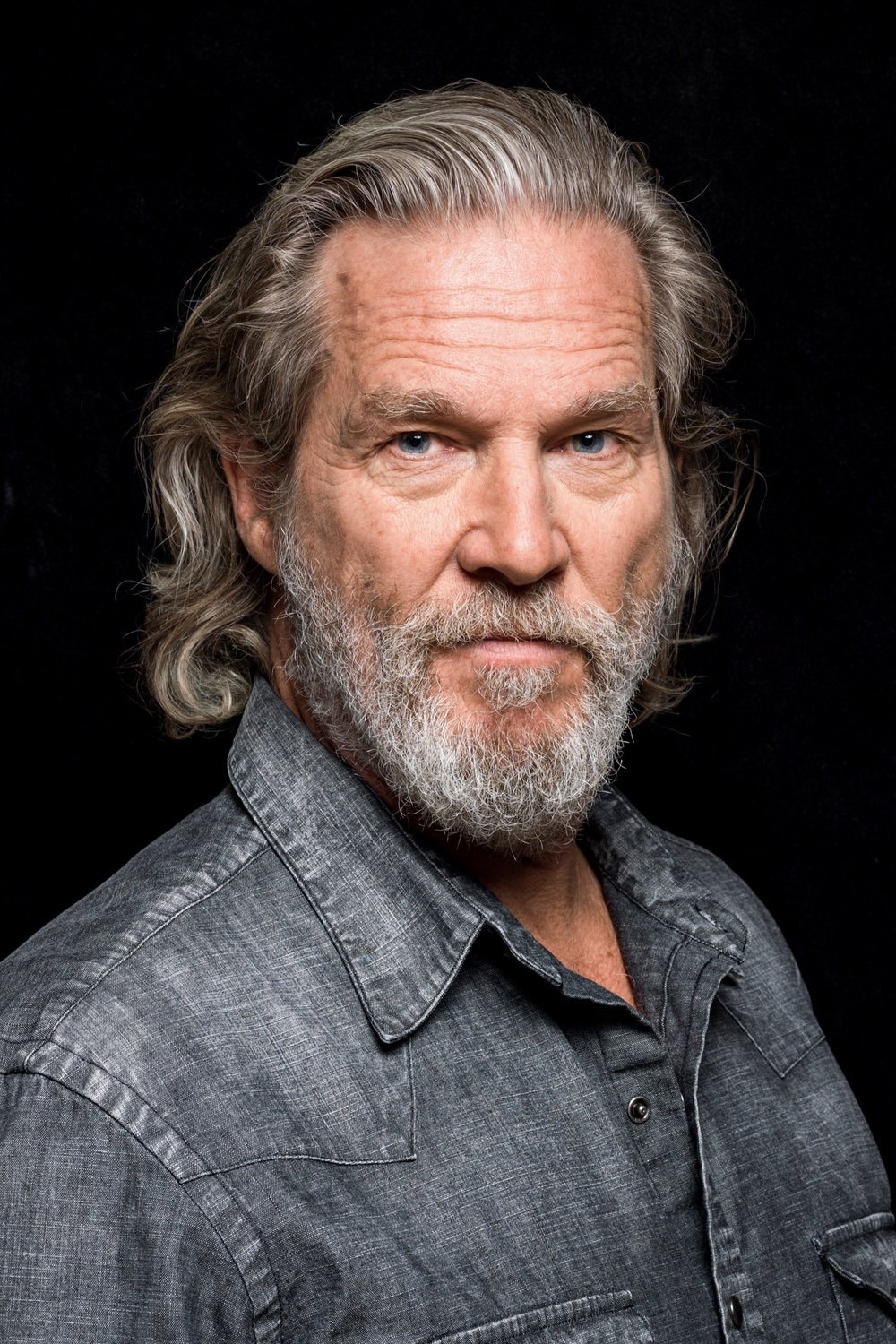
Jeff Bridges won Best Actor for ‘Crazy Heart’ at 60. He added a Golden Globe for the same role, sealing a long overdue coronation. Bridges had been nominated numerous times before for films such as ‘The Last Picture Show’ and ‘True Grit’. The win highlighted his standing as a dependable lead with deep musical and dramatic chops.
Morgan Freeman
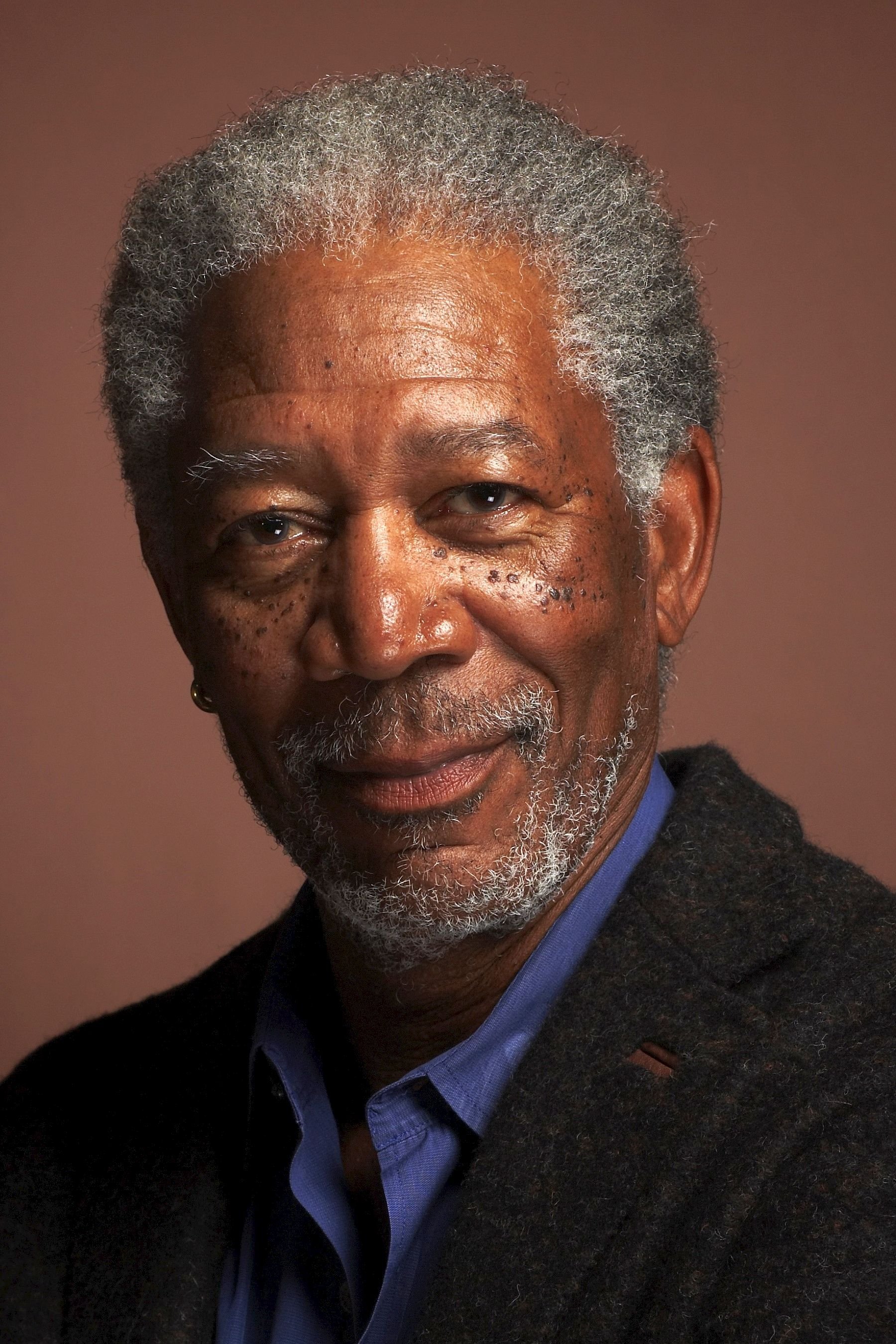
Morgan Freeman won Best Supporting Actor for ‘Million Dollar Baby’ at 67. The award followed earlier nominations for standout roles in ‘Driving Miss Daisy’ and ‘The Shawshank Redemption’. He also earned a Screen Actors Guild Award for the same performance. Freeman’s victory affirmed his reputation as a steady anchor across dramas and thrillers.
Al Pacino
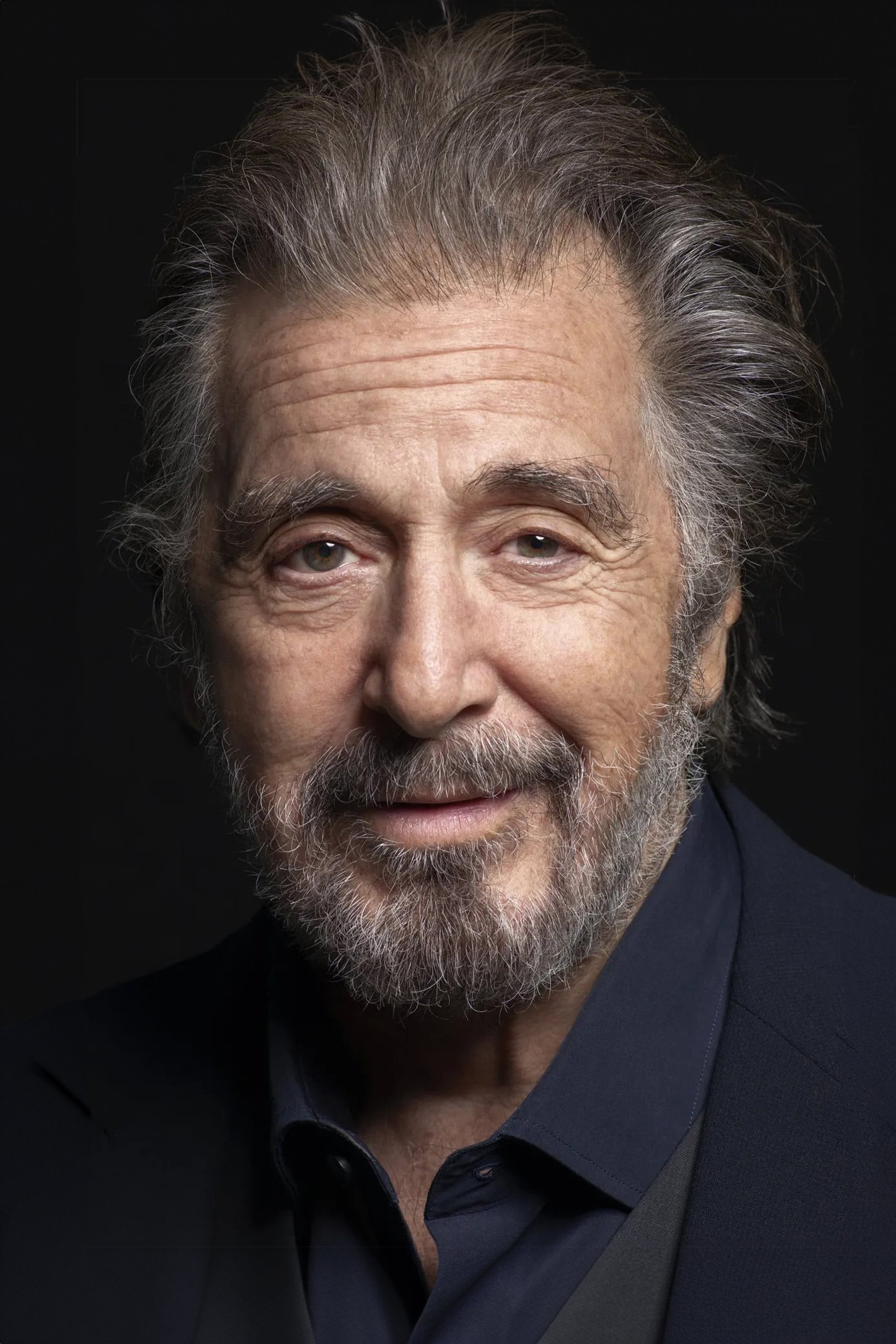
Al Pacino won Best Actor for ‘Scent of a Woman’ at 52. That win arrived after many earlier nominations that defined his filmography. He has also collected Primetime Emmys and a Tony, reflecting success across screen and stage. The Oscar underlined his ability to command character-driven stories later in his career.
Jack Nicholson
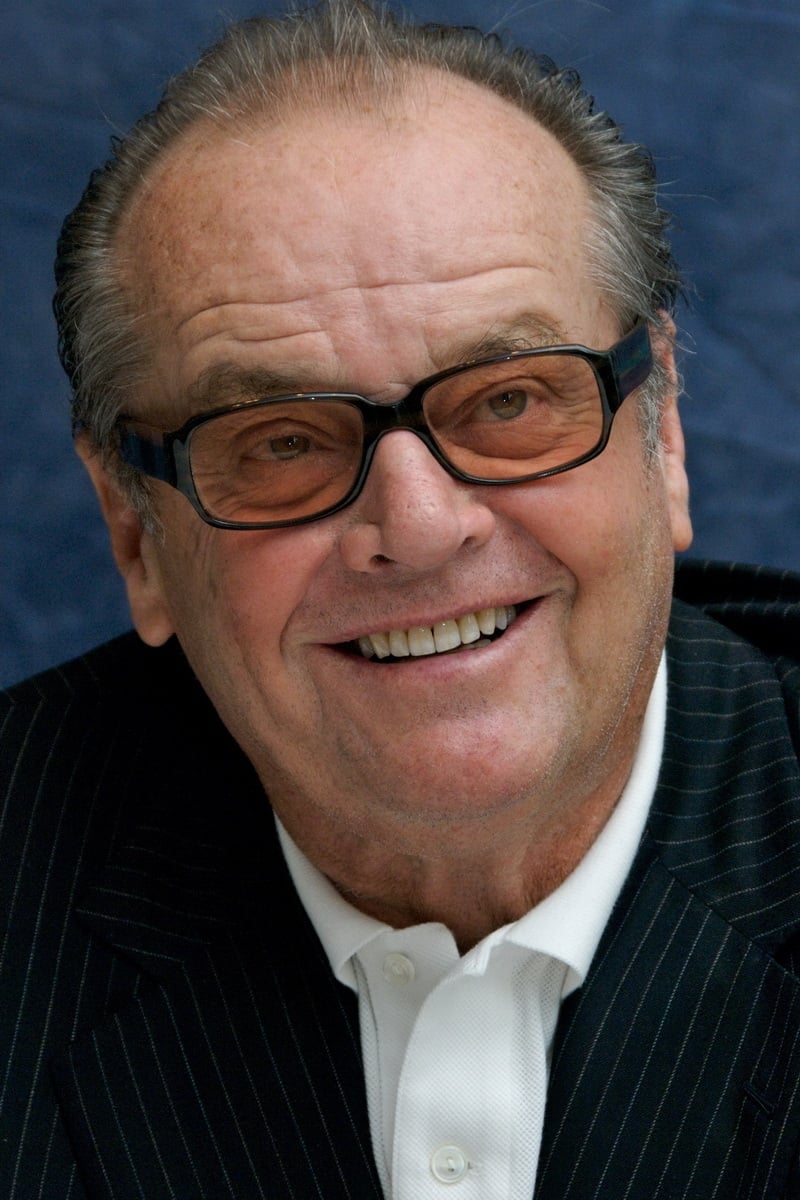
Jack Nicholson won Best Actor for ‘As Good as It Gets’ at 60. It was another major milestone after earlier Academy Awards that cemented his status. He also earned a Golden Globe for the same performance. The win showed his continued draw in character-led dramas and comedies well into later years.
Christopher Plummer
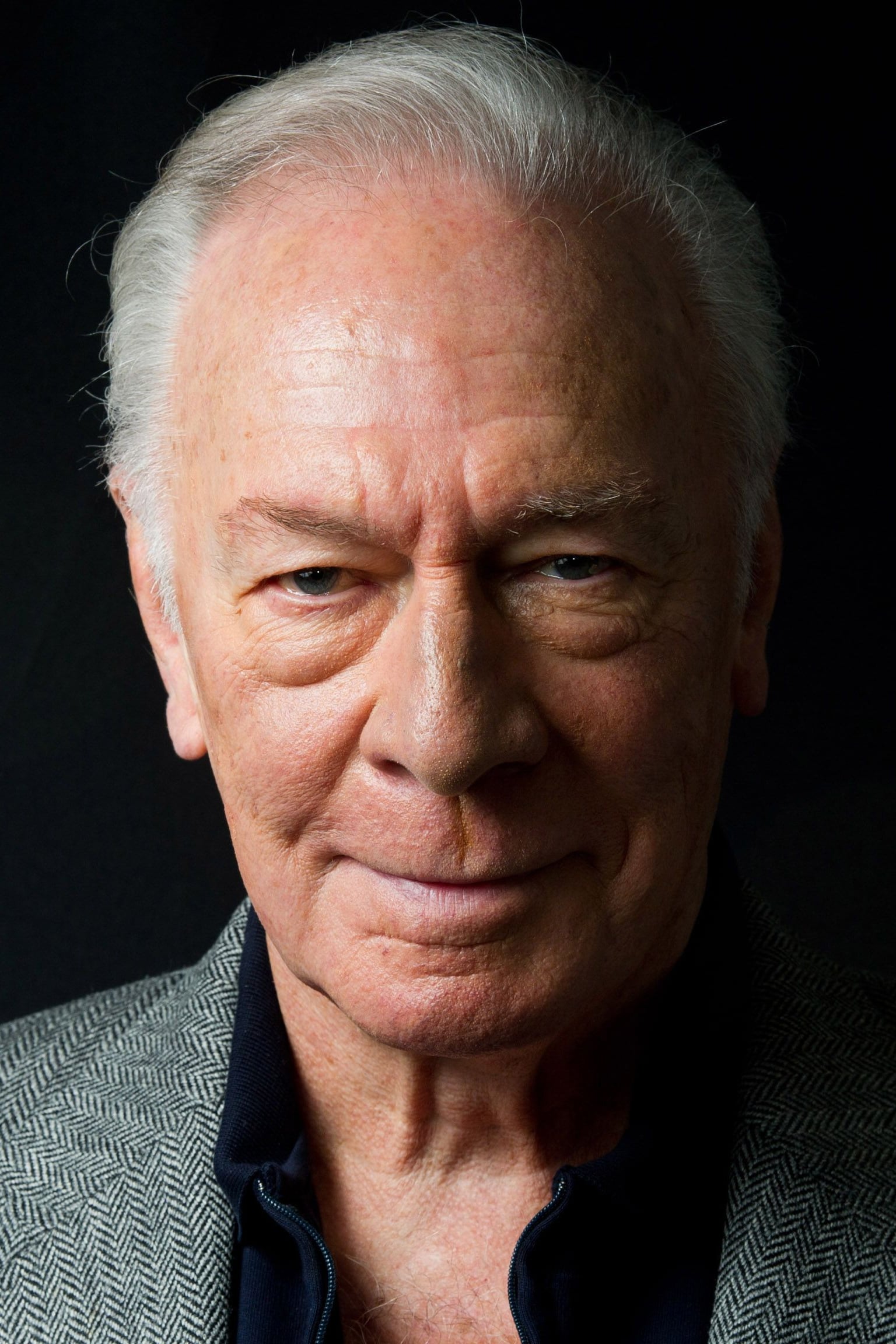
Christopher Plummer won Best Supporting Actor for ‘Beginners’ at 82. The victory made him the oldest acting winner in Academy history at the time. He also received a subsequent Oscar nomination for ‘All the Money in the World’. Plummer’s late-life recognition matched a prolific run in film and theater.
Jack Palance

Jack Palance won Best Supporting Actor for ‘City Slickers’ at 73. The role revitalized his screen presence for a new generation. He followed the Oscar with a memorable awards-season circuit that broadened his popularity. The win capped decades of work across westerns and action films.
Martin Landau
Martin Landau won Best Supporting Actor for ‘Ed Wood’ at 66. He also picked up a Screen Actors Guild Award for the same portrayal. Before the Oscar he had nominations for ‘Crimes and Misdemeanors’ and ‘Tucker’. Landau’s victory highlighted a career that balanced character parts with leading turns on television.
Don Ameche
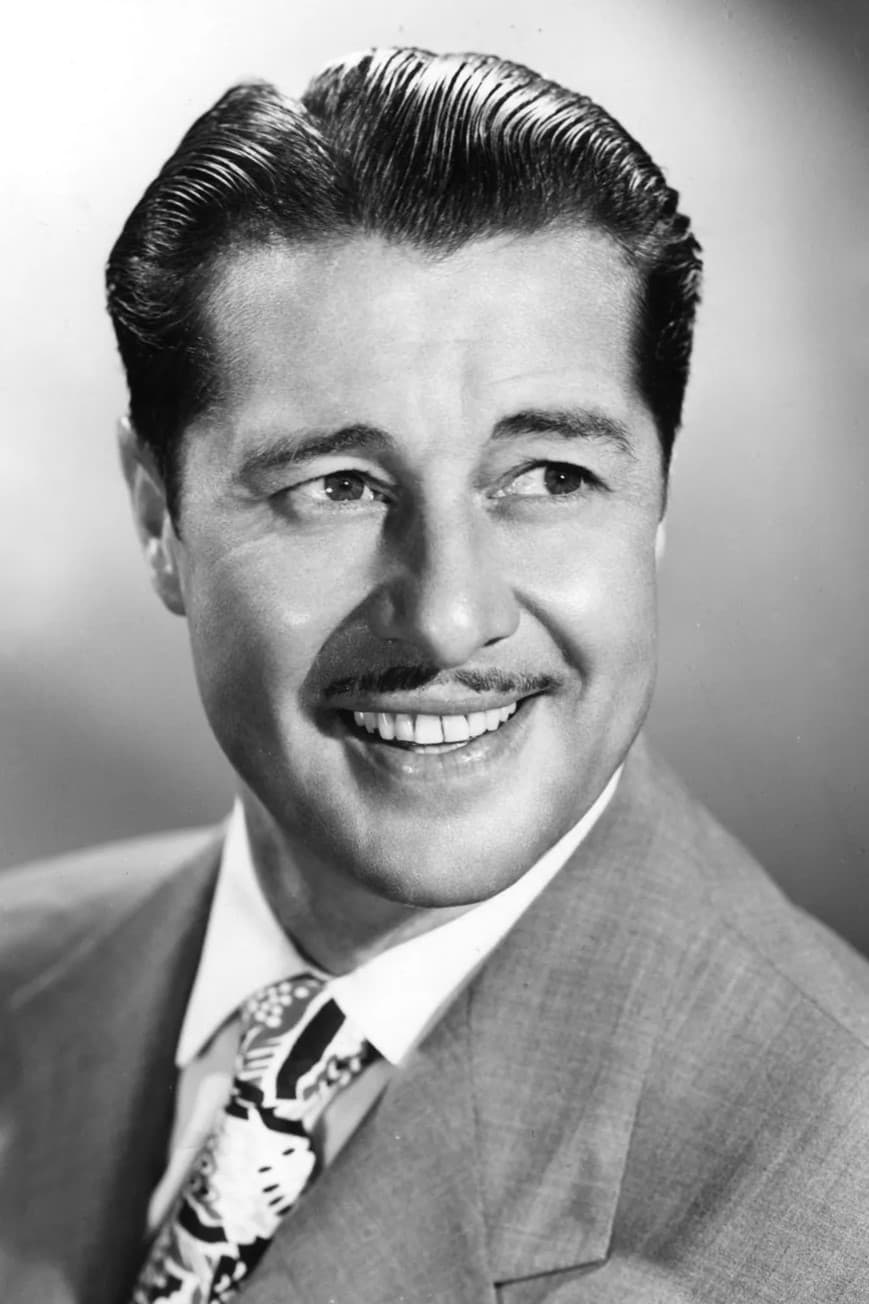
Don Ameche won Best Supporting Actor for ‘Cocoon’ at 76. The comeback performance reintroduced him to audiences after a long career that began in the studio era. He also earned Golden Globe recognition during that period. Ameche’s late accolade became a hallmark example of enduring relevance.
Peter Finch
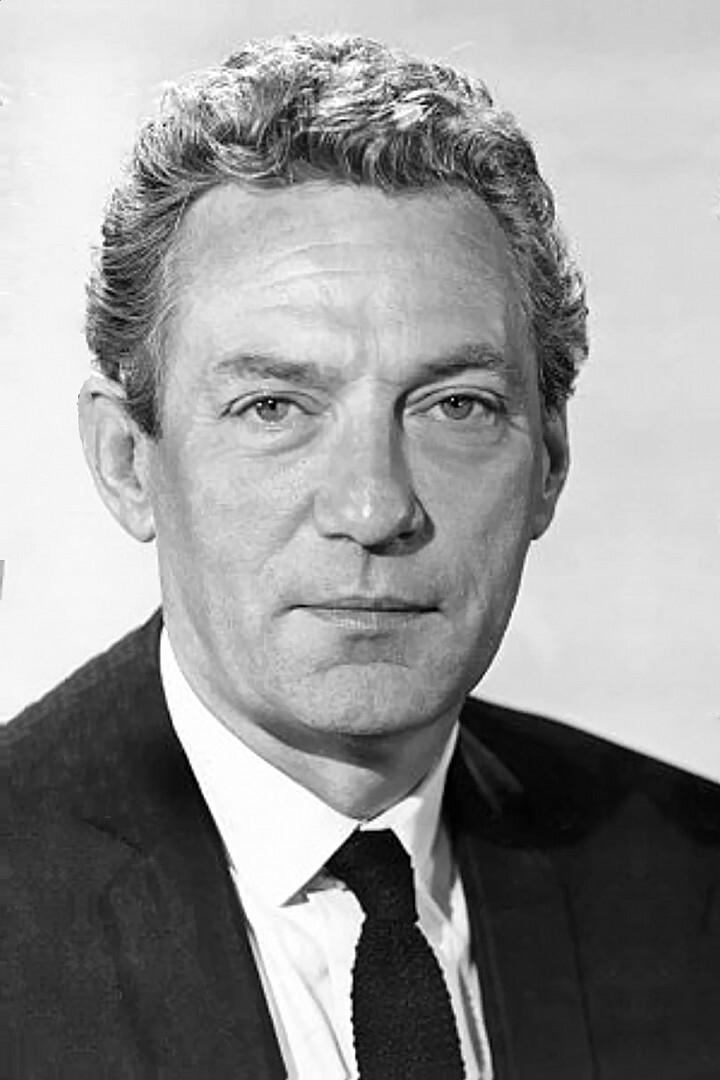
Peter Finch won Best Actor for ‘Network’ at 60. His award was given posthumously, making his achievement unique in Academy history. Finch had established a strong reputation in both British and Australian productions. The honor recognized a performance that left a lasting mark on screen satire.
George Clooney
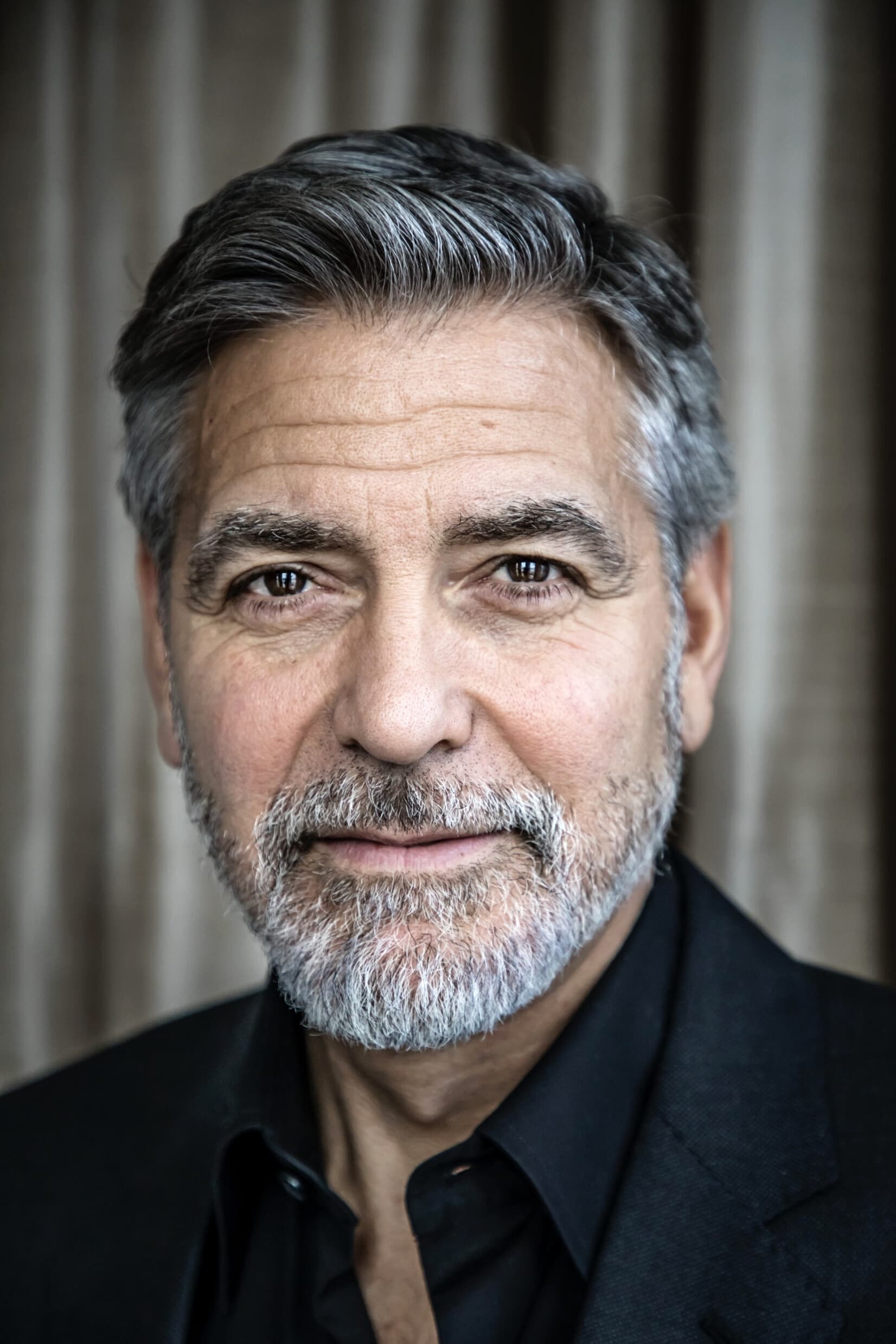
George Clooney won Best Picture as a producer of ‘Argo’ at 51. The win added to an earlier acting Oscar and broadened his profile behind the camera. He has also collected multiple Golden Globes across film and television. Clooney’s producing success underscored his range beyond on-screen roles.
Denzel Washington

Denzel Washington won a Tony Award for ‘Fences’ at 55. The stage triumph complemented his film awards and confirmed his cross-medium stature. He later returned to Broadway for additional acclaimed performances. The Tony strengthened an already decorated career with major recognition after 50.
John Lithgow
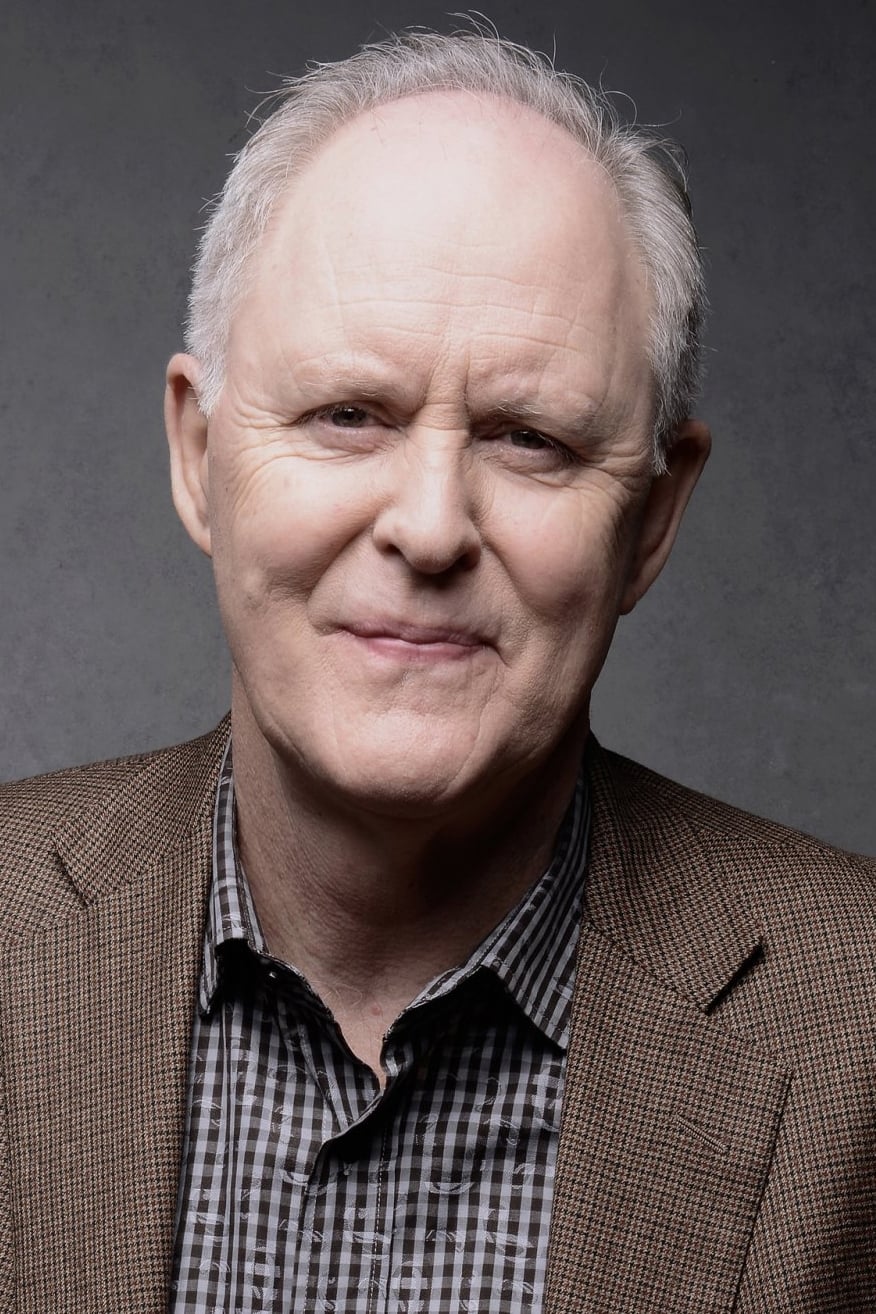
John Lithgow won a Primetime Emmy for ‘The Crown’ in his seventies. He had previously collected Emmys for comedy and guest roles, showing unusual breadth. The later win confirmed his authority in historical drama. Lithgow’s television success sits alongside regular success on stage.
Michael Douglas
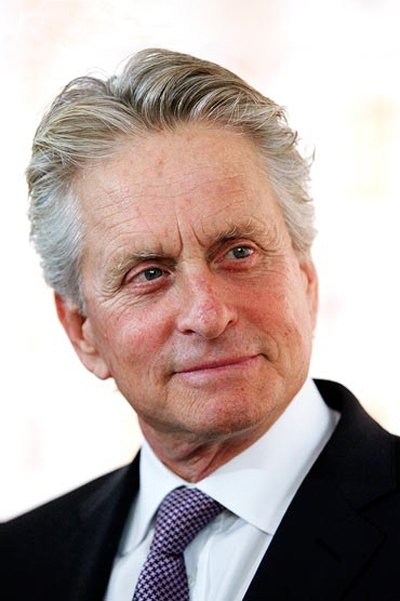
Michael Douglas won a Primetime Emmy and a Golden Globe for ‘Behind the Candelabra’ at 68. The project also earned him a Screen Actors Guild Award nomination. He had earlier earned an acting Oscar and a producing Oscar in earlier decades. The later awards underlined his continued pull in prestige television.
Jim Broadbent
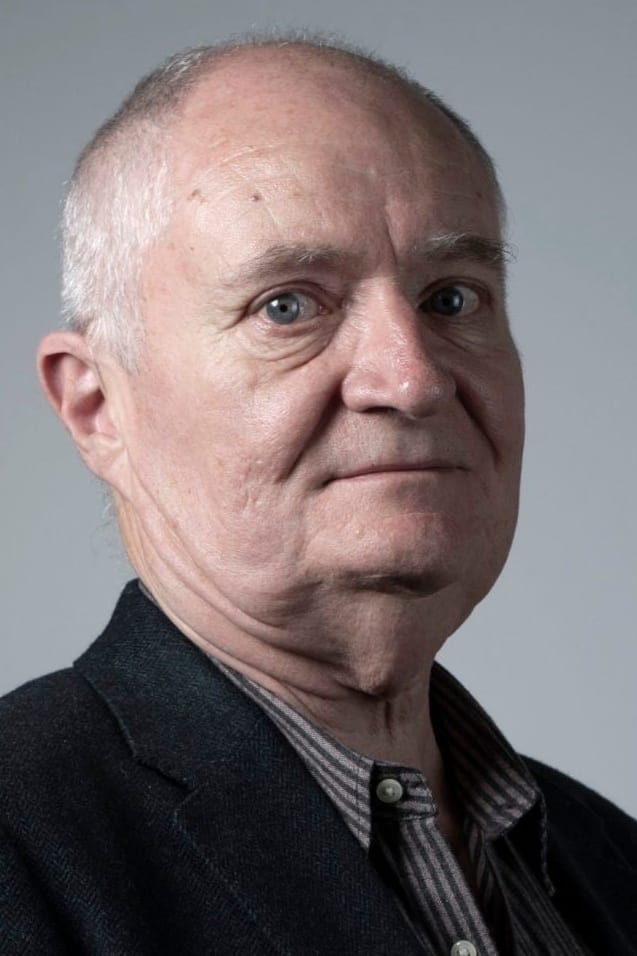
Jim Broadbent won Best Supporting Actor for ‘Iris’ at 52. He also captured a BAFTA and a Golden Globe that season for different performances. Broadbent’s career includes acclaimed roles in films like ‘Moulin Rouge’ and ‘Topsy-Turvy’. The Oscar recognized a versatile presence across comedies and period dramas.
Tommy Lee Jones
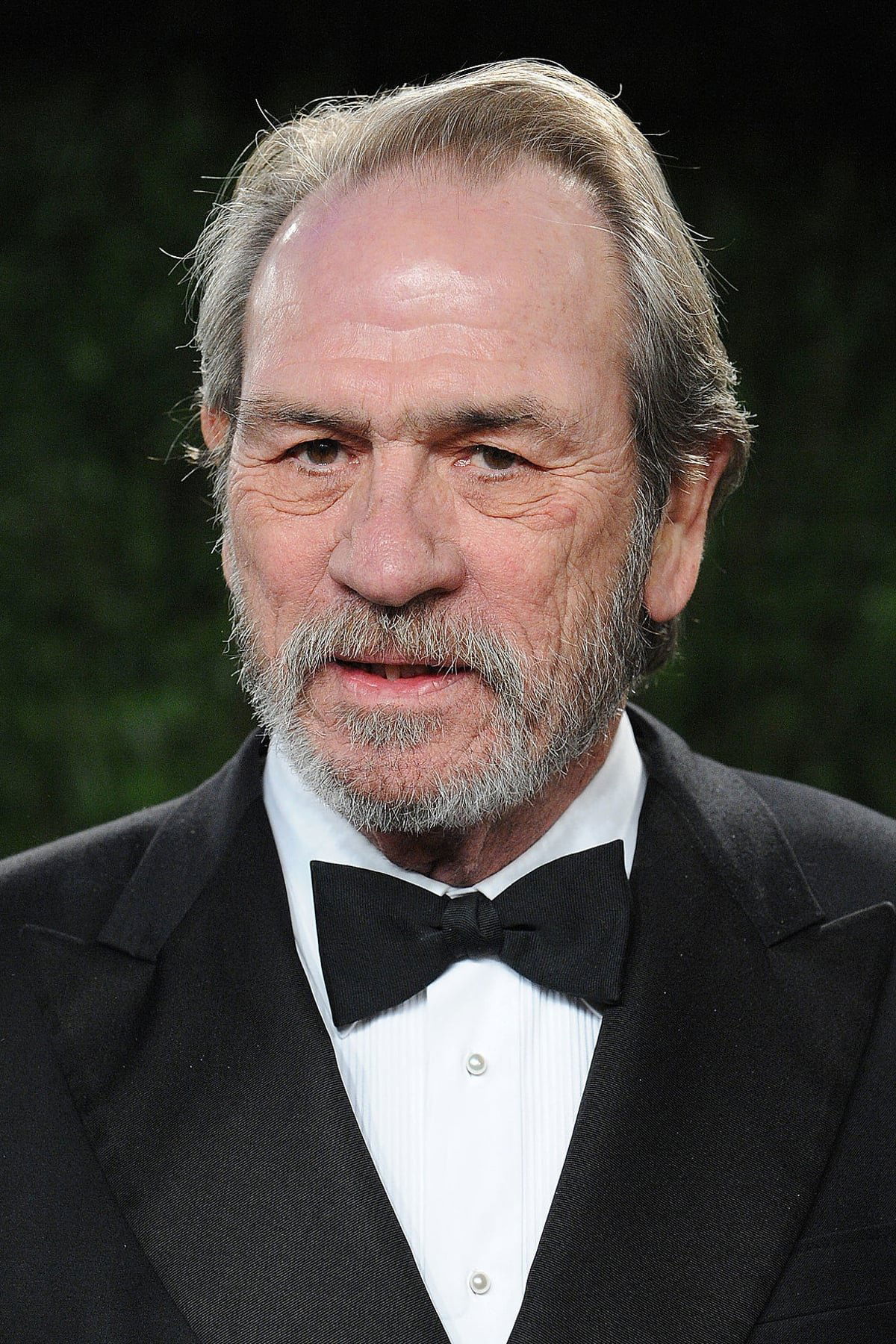
Tommy Lee Jones won Best Supporting Actor for ‘The Fugitive’ at 47 but continued to receive major nominations after 50, including an Oscar nod for ‘Lincoln’. His later recognition also included a Screen Actors Guild Award. The continued accolades reflected a reputation for commanding performances in both action and historical drama. Jones remained a fixture in prestige cinema long after his early success.
Sam Rockwell
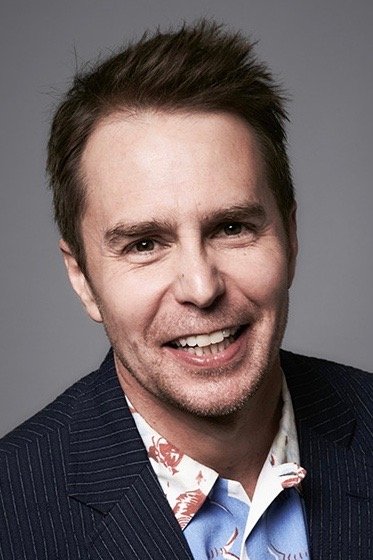
Sam Rockwell won Best Supporting Actor for ‘Three Billboards Outside Ebbing, Missouri’ at 49 and received another nomination the following year for ‘Vice’ at 50. His performances showed a mix of intensity and unpredictability that drew critical attention. He also earned major wins from BAFTA and the Golden Globes. The awards solidified his transition from character actor to recognized leading performer.
Willem Dafoe
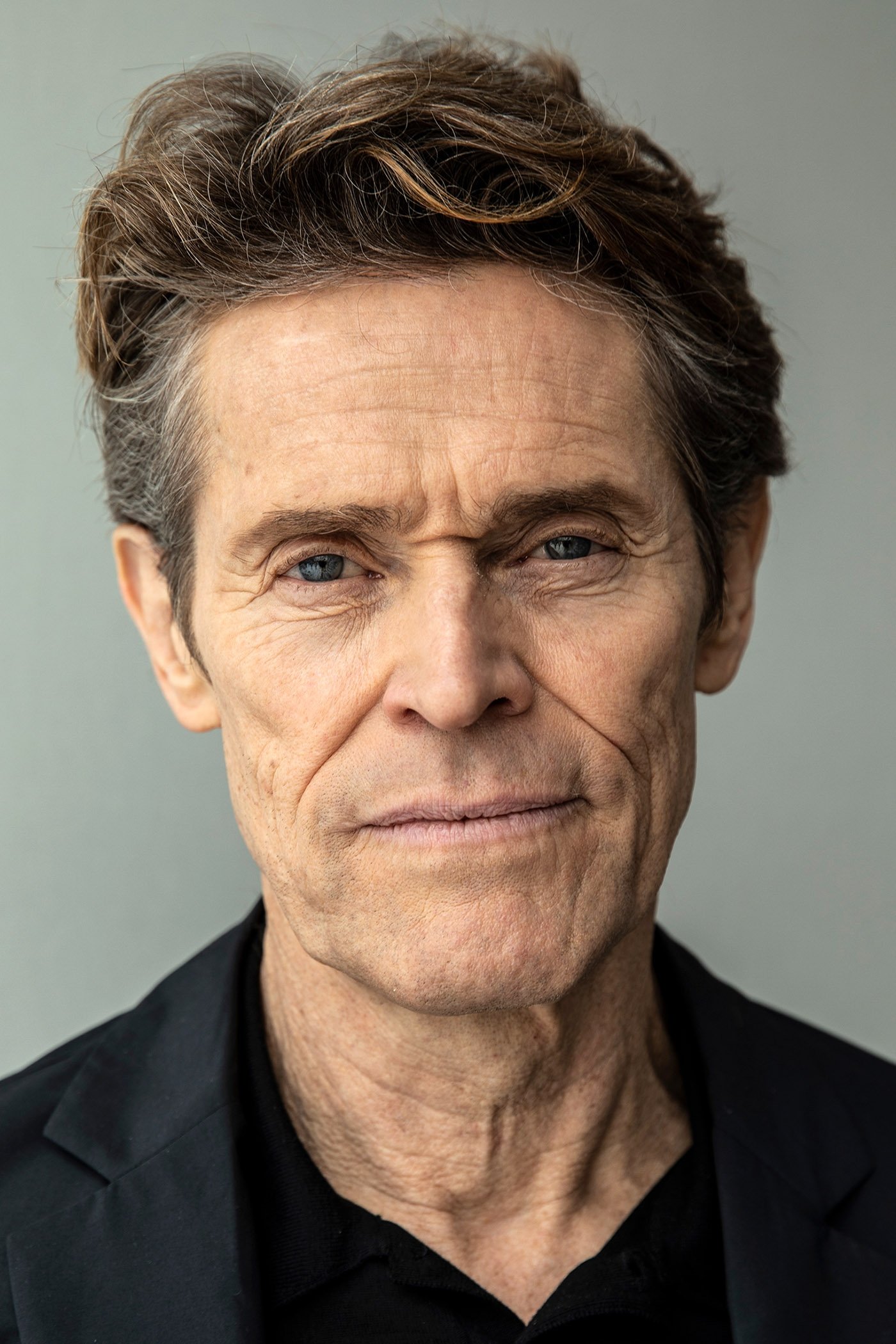
Willem Dafoe received an Academy Award nomination for ‘The Florida Project’ at 62, one of several late-career nods. He also earned acclaim from major critics’ associations for roles in ‘At Eternity’s Gate’ and ‘The Lighthouse’. These performances brought him top awards recognition across multiple international festivals. His later success proved his durability in art-house and mainstream cinema alike.
Forest Whitaker
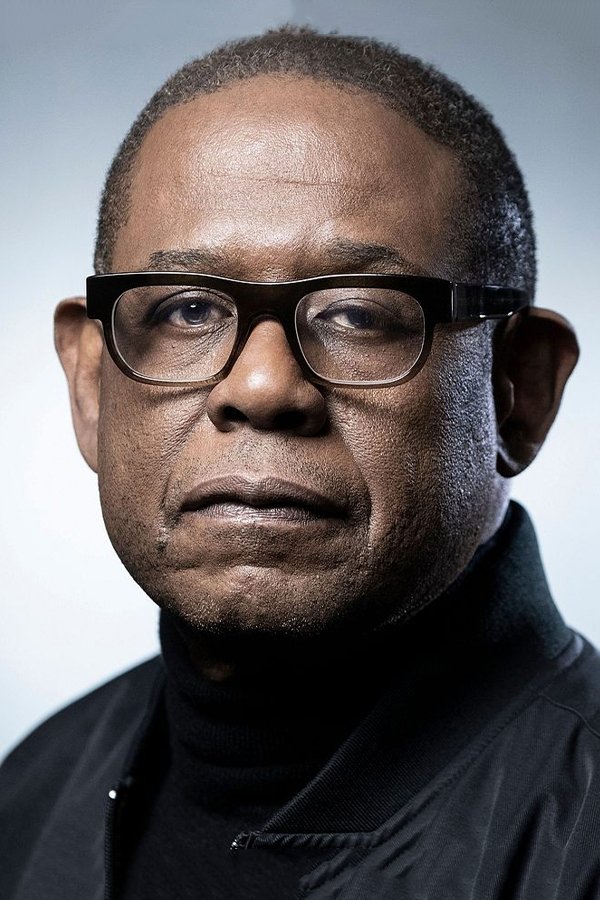
Forest Whitaker won Best Actor for ‘The Last King of Scotland’ at 45 and continued to earn significant recognition after 50. He received honors from Cannes, BAFTA, and the Golden Globes for that role. Later performances in films like ‘The Butler’ and ‘Respect’ extended his awards presence. Whitaker’s work maintained critical respect across both film and television.
Colin Firth
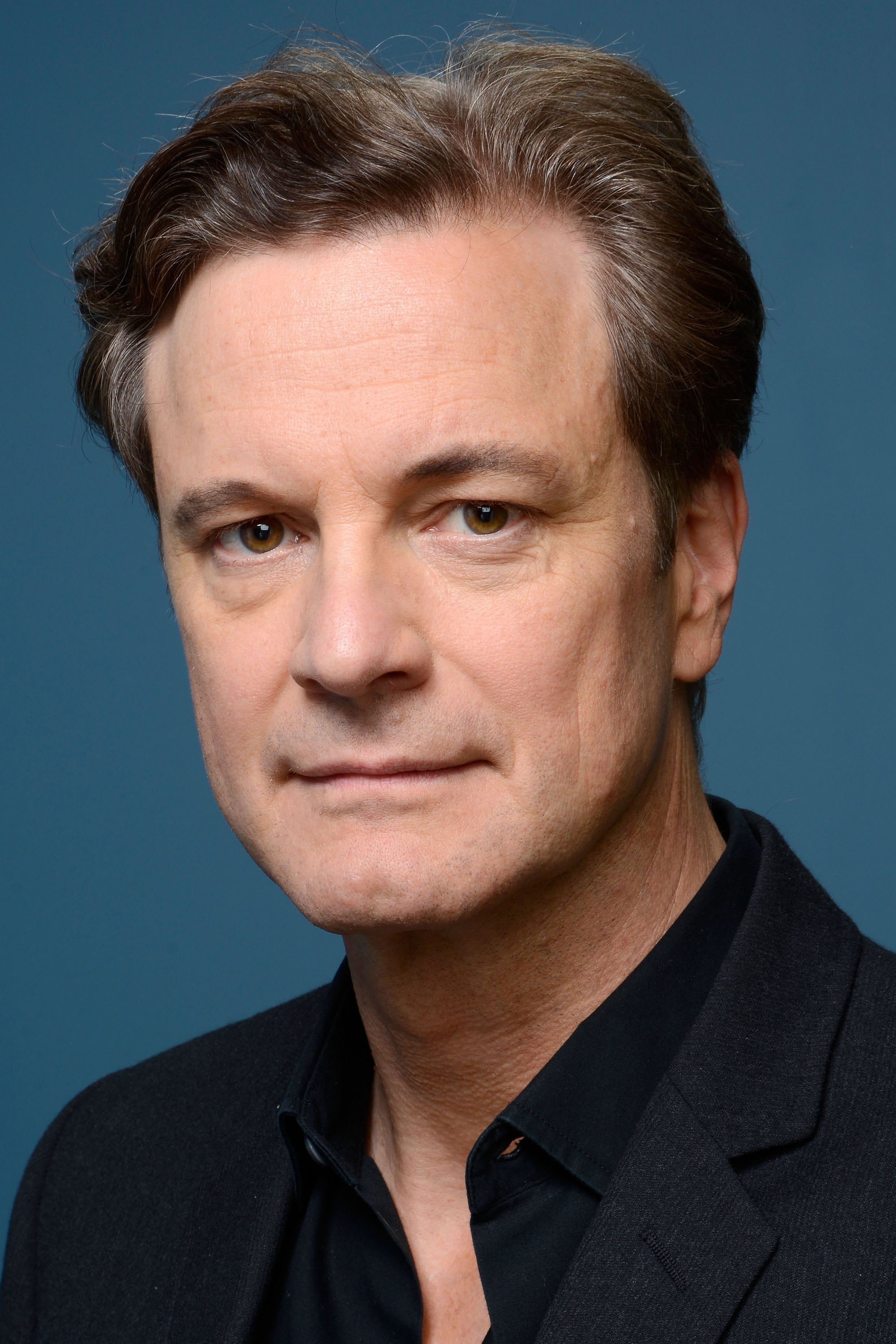
Colin Firth won Best Actor for ‘The King’s Speech’ at 50. The film also earned him a BAFTA and Golden Globe, giving him a clean sweep that year. He had previously been nominated for ‘A Single Man’, proving consistent acclaim leading into his fifties. The award confirmed his evolution from romantic leads to deeper dramatic roles.
Ben Kingsley
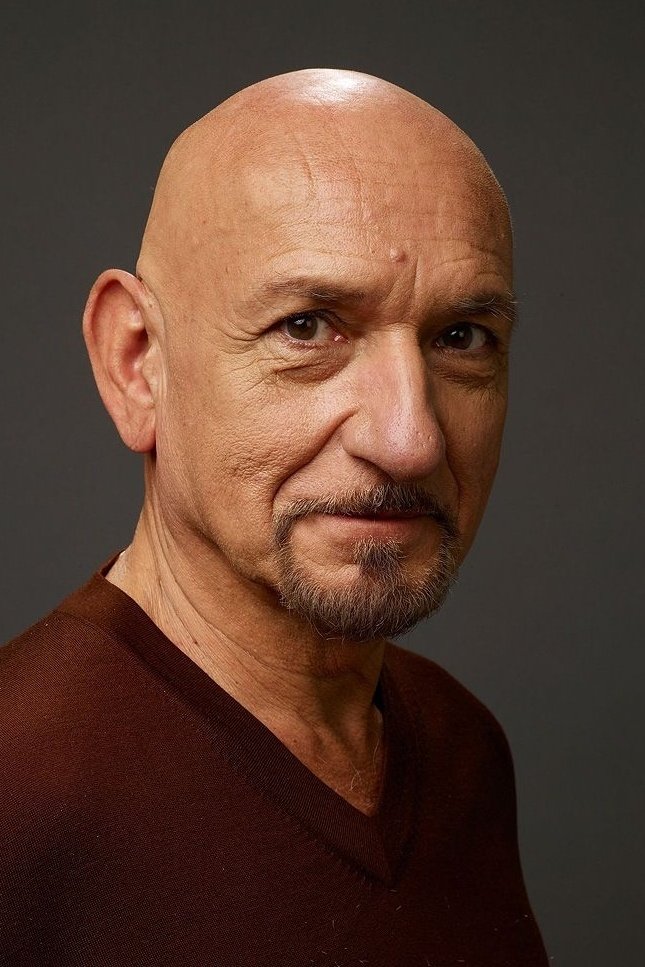
Ben Kingsley received multiple awards and nominations after turning 50, including an Oscar nod for ‘House of Sand and Fog’. He had already won an Academy Award for ‘Gandhi’, but his later work continued to earn recognition from BAFTA and Screen Actors Guild. Kingsley also received honors for performances in ‘Sexy Beast’ and ‘Bugsy’. His range across decades reflected rare longevity.
Richard Jenkins
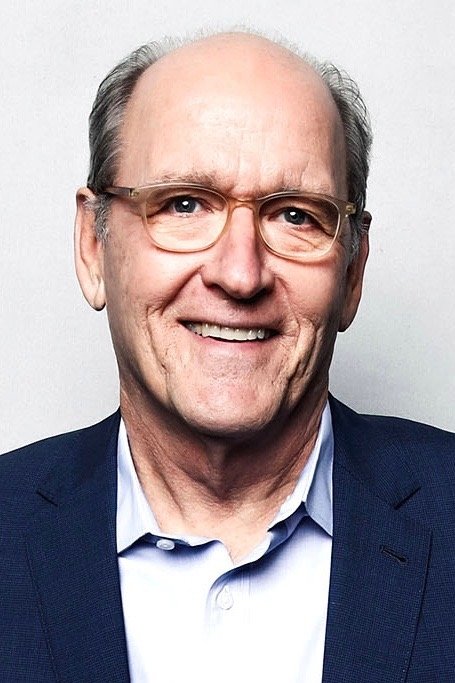
Richard Jenkins earned an Academy Award nomination for ‘The Visitor’ at 61 and later for ‘The Shape of Water’. He also received an Emmy for his work in ‘Olive Kitteridge’. Jenkins’ awards momentum came after decades of supporting roles in film and television. His recognition underscored a steady rise built on consistent, understated craft.
Hugh Grant
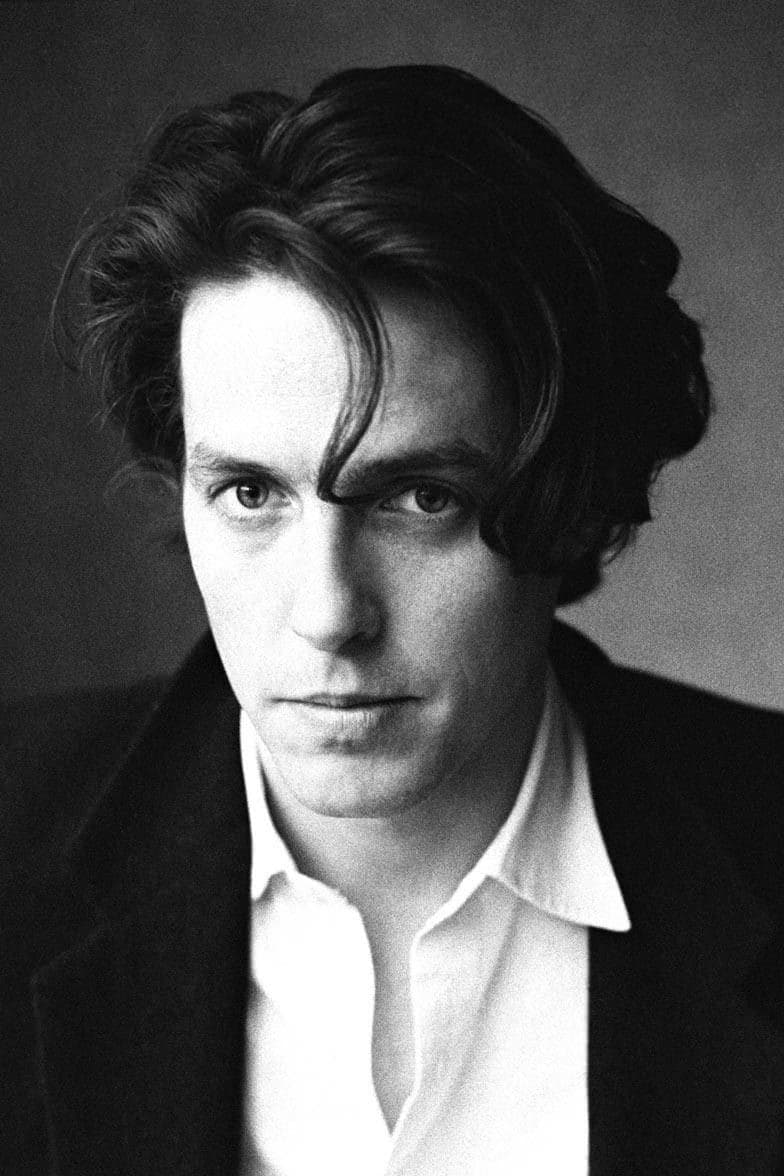
Hugh Grant received a Primetime Emmy and a Golden Globe nomination for ‘A Very English Scandal’ at 58. The recognition marked a shift from his earlier romantic comedy image. He also received BAFTA nominations for his later television work. The awards affirmed his late-career reinvention as a dramatic and darkly comedic performer.
Kevin Costner
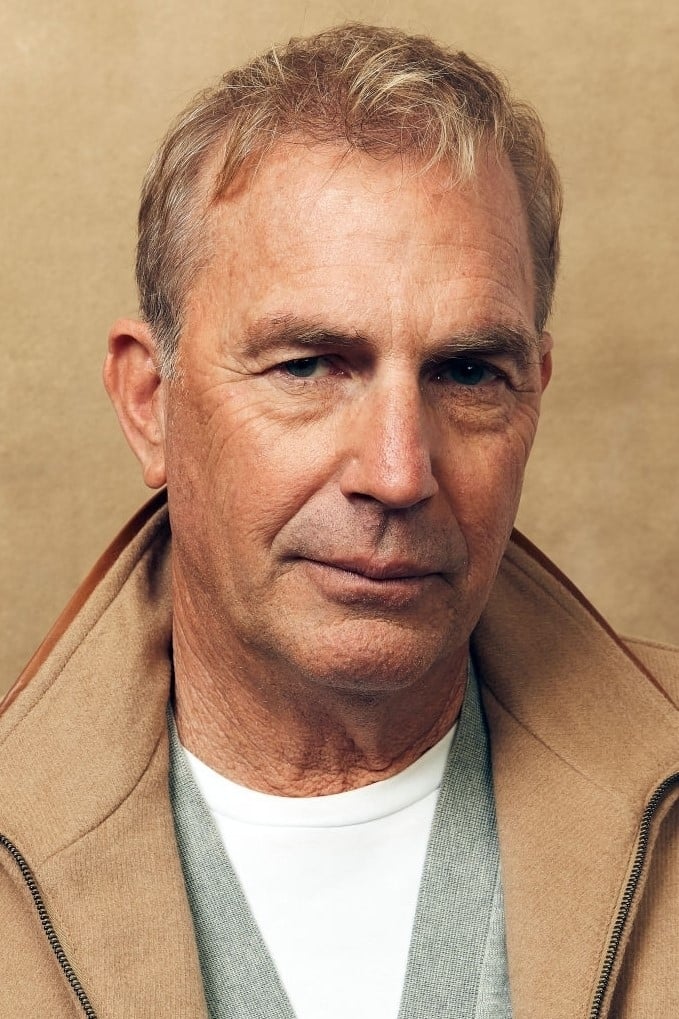
Kevin Costner won a Primetime Emmy and a Golden Globe for ‘Hatfields & McCoys’ at 57. His later success included awards for ‘Yellowstone’ and continued recognition as both actor and producer. Costner’s resurgence showed how television projects could refresh a film veteran’s legacy. The honors extended a career already rich with earlier Oscar wins.
Bill Murray
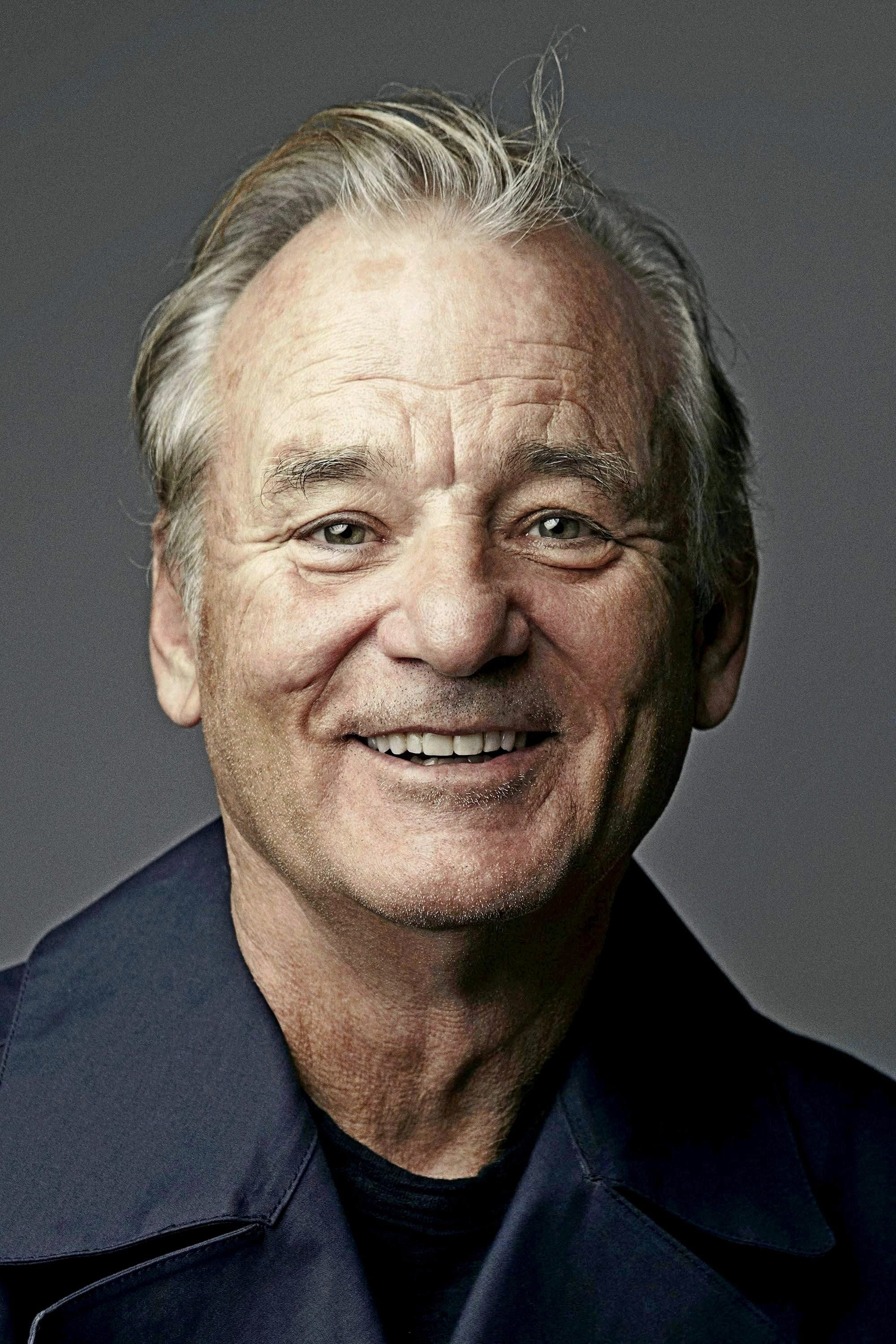
Bill Murray received major acclaim and several awards for ‘Lost in Translation’ at 53, including a Golden Globe and a BAFTA. Though he didn’t win the Oscar, the recognition revitalized his film career. He continued to receive nominations for later work in independent films. Murray’s late-career honors reinforced his dramatic depth beyond comedy.
Bryan Brown
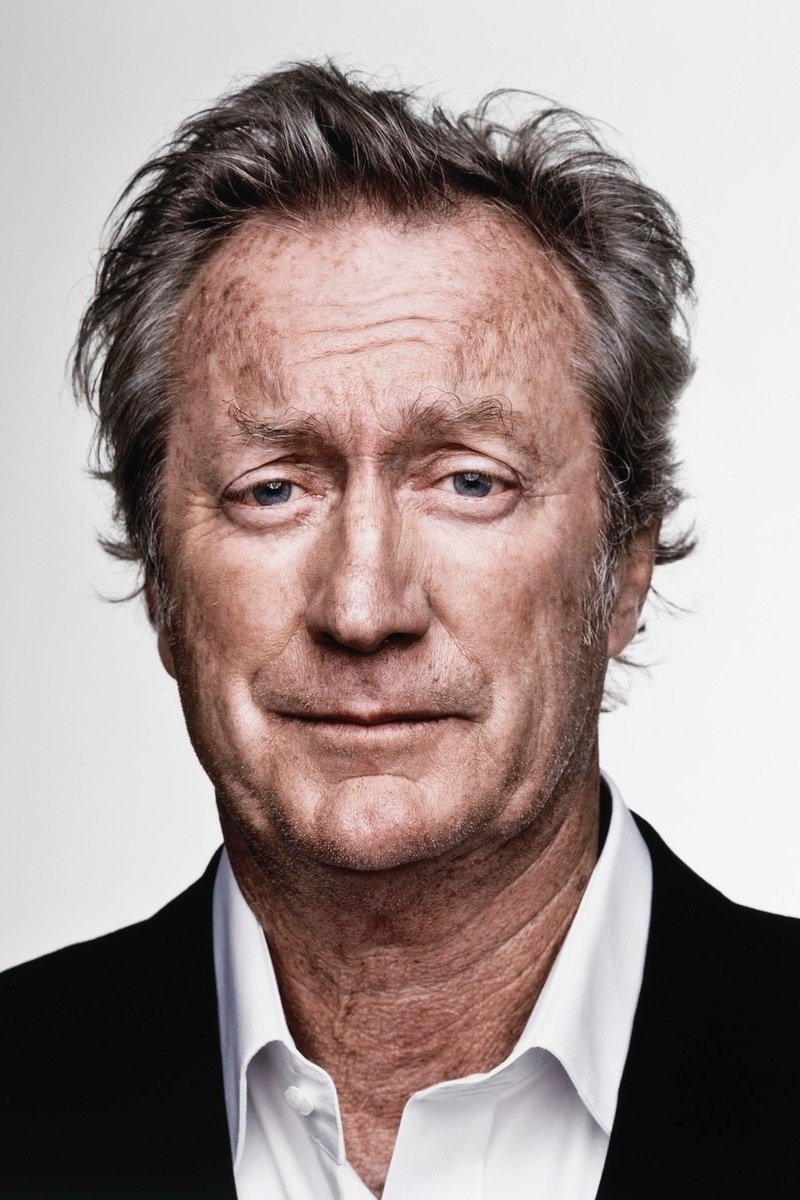
Bryan Brown received an Emmy Award for ‘The Thorn Birds’ early in his career but continued to earn Australian Academy and international nominations after 50. His later recognition came from roles in both film and television. These honors reflected his enduring popularity across decades. Brown remained a respected figure in both domestic and global productions.
Alec Baldwin
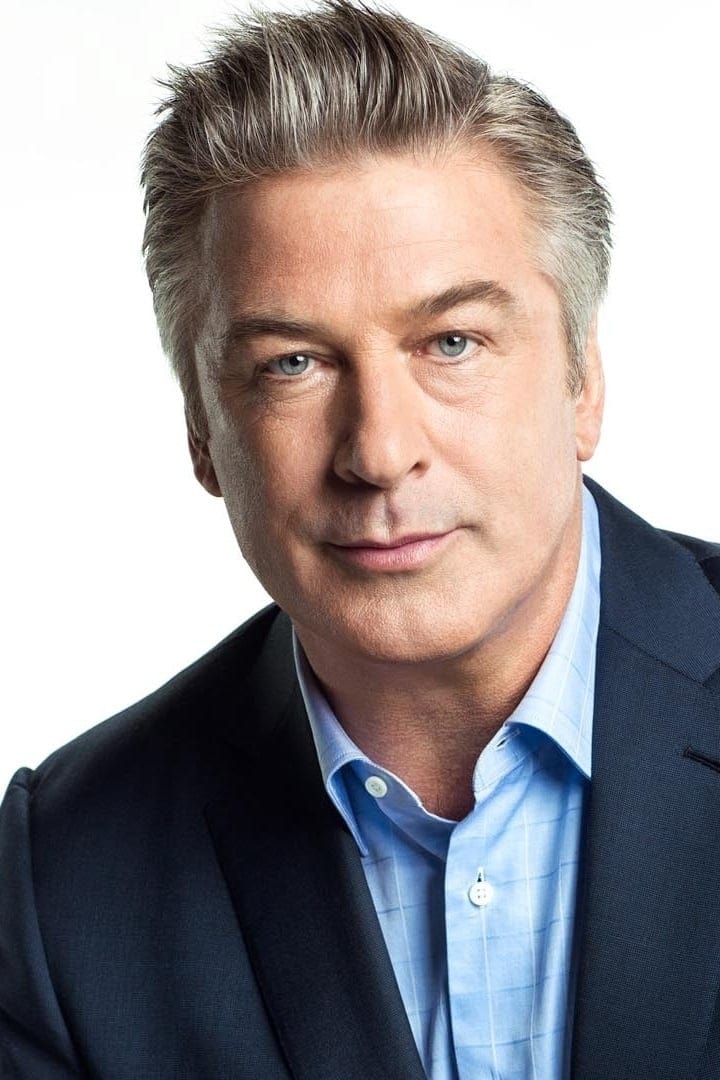
Alec Baldwin won multiple Primetime Emmys and Golden Globes for ’30 Rock’ starting at age 49 and continuing into his fifties. The recognition marked a resurgence following years of film work. His portrayal of Jack Donaghy became one of television’s most decorated comedic performances. The consistent awards success showcased his versatility in satire and drama.
Dustin Hoffman
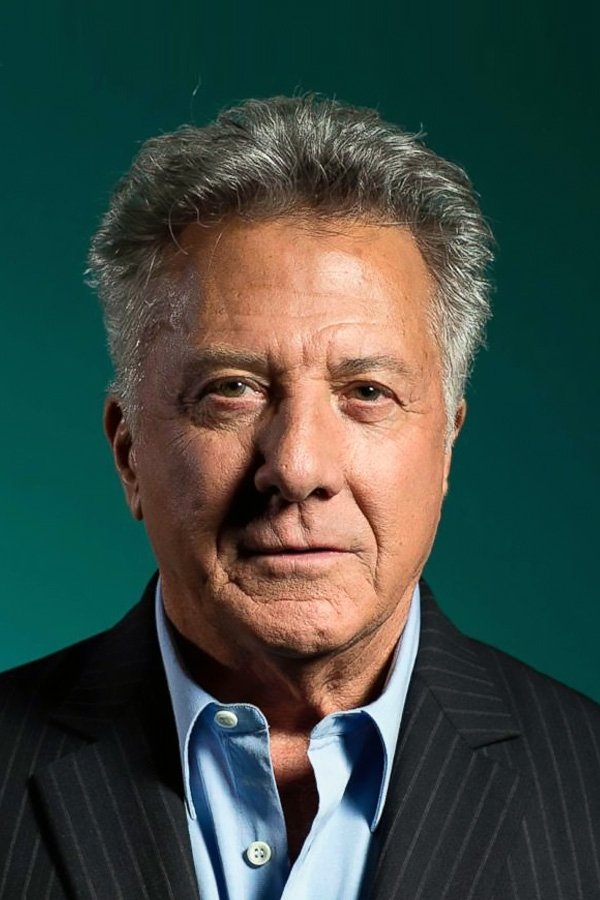
Dustin Hoffman won Best Actor for ‘Rain Man’ at 51. The award followed his earlier Oscar for ‘Kramer vs. Kramer’. He continued to receive Golden Globe nominations for later performances. Hoffman’s achievement demonstrated his ongoing relevance in major dramatic roles well into his fifties.
Jeremy Irons
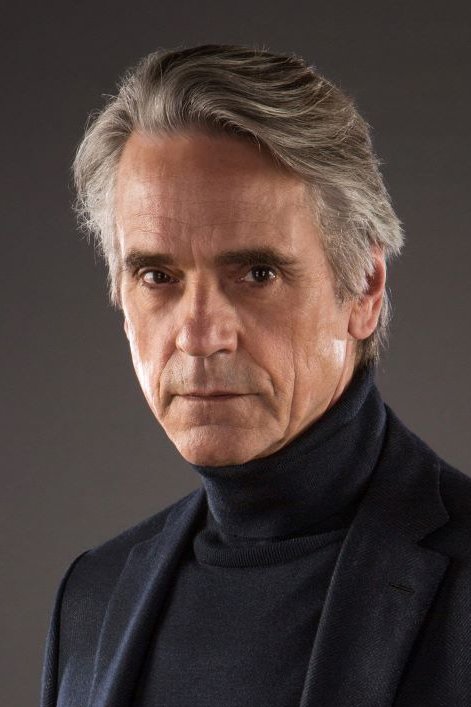
Jeremy Irons won an Emmy and a Golden Globe for ‘Elizabeth I’ at 58. The victories added to an Oscar he had earned earlier in his career. His later honors also included recognition for his stage work and television projects. Irons maintained an acclaimed presence across multiple mediums after 50.
Christoph Waltz
Christoph Waltz followed up his dual Oscar wins with several major nominations into his sixties. His work in international cinema continued to earn accolades from Cannes and European film festivals. He also received BAFTA recognition for performances in smaller independent films. Waltz’s continued awards presence showed how his career matured gracefully beyond his breakout roles.
Share the names you think we should add to this list in the comments.

