


Actors Whose Scandals Shut Down Productions

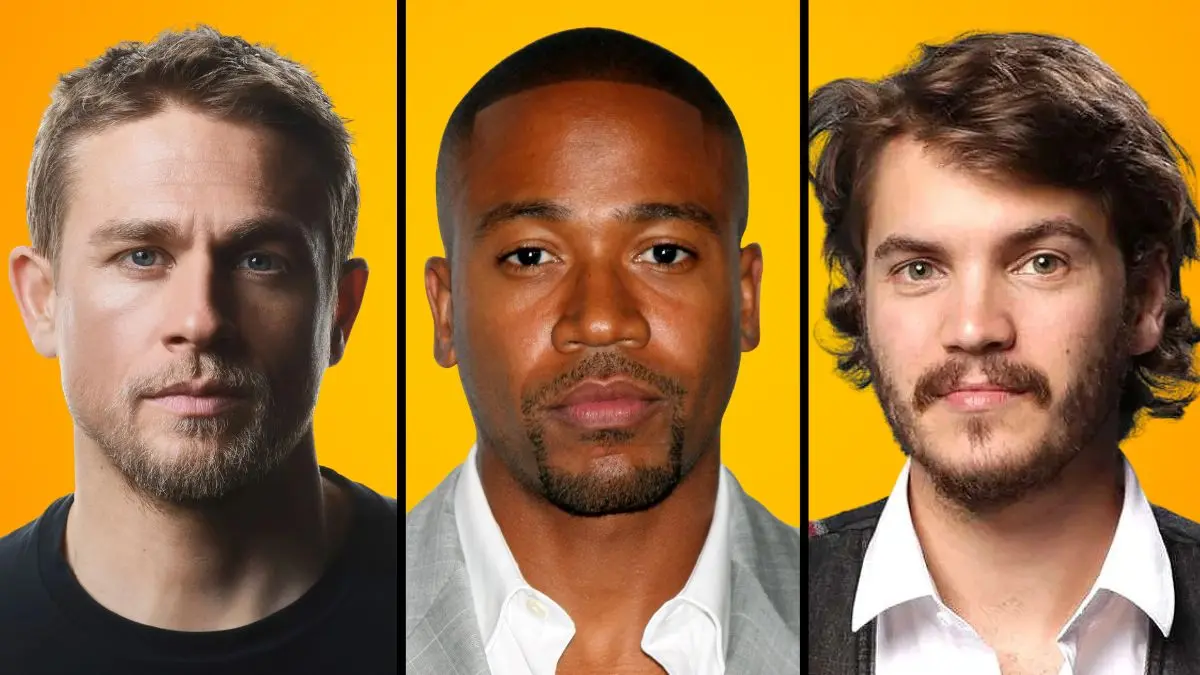


The entertainment industry often faces sudden disruptions when the personal lives or professional conduct of lead actors come into conflict with public expectations. These incidents can lead to immediate halts in production or the permanent cancellation of high profile projects. Producers must weigh the financial costs of a shutdown against the potential reputational damage of continuing a project. This list examines several male actors whose actions or circumstances resulted in significant production delays or closures.
Alec Baldwin
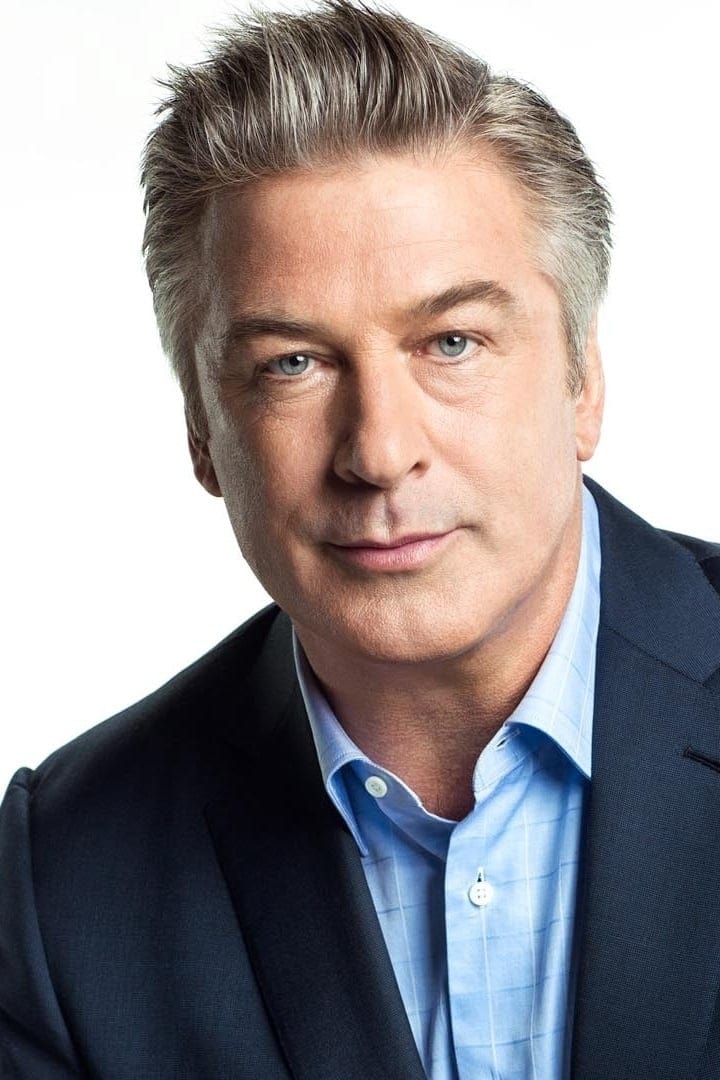
The production of the film ‘Rust’ came to a complete stop following a fatal shooting on set involving a prop firearm. Alec Baldwin was holding the weapon during a rehearsal when it discharged and resulted in a tragic loss of life. Investigators immediately cordoned off the location and halted all filming activities for over a year. The incident sparked a massive industry debate regarding safety protocols and the use of live ammunition in movies. Filming eventually resumed in a different state after legal settlements were reached.
Andrew Garfield
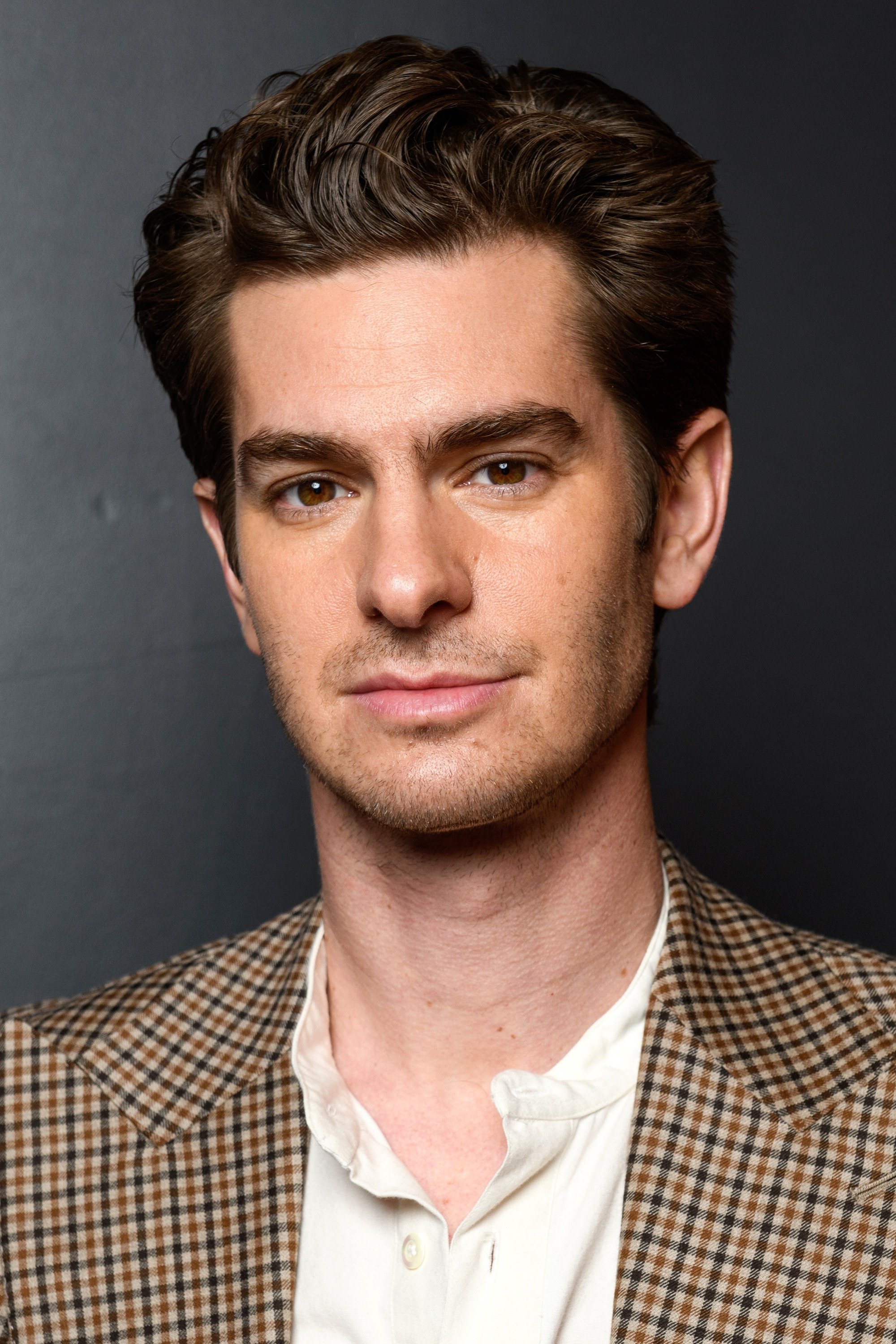
The future of ‘The Amazing Spider-Man’ franchise was thrown into uncertainty following behind the scenes tensions and the infamous Sony hack. Reports indicated that Andrew Garfield failed to attend a crucial corporate event where the third film was supposed to be announced. Sony executives chose to scrap the planned sequels and spinoffs while they negotiated a new deal with Marvel Studios. This decision effectively shut down the production of ‘The Amazing Spider-Man 3’ and the anticipated ‘Sinister Six’ movie. The character was eventually rebooted with a different actor in the Marvel Cinematic Universe.
Ansel Elgort
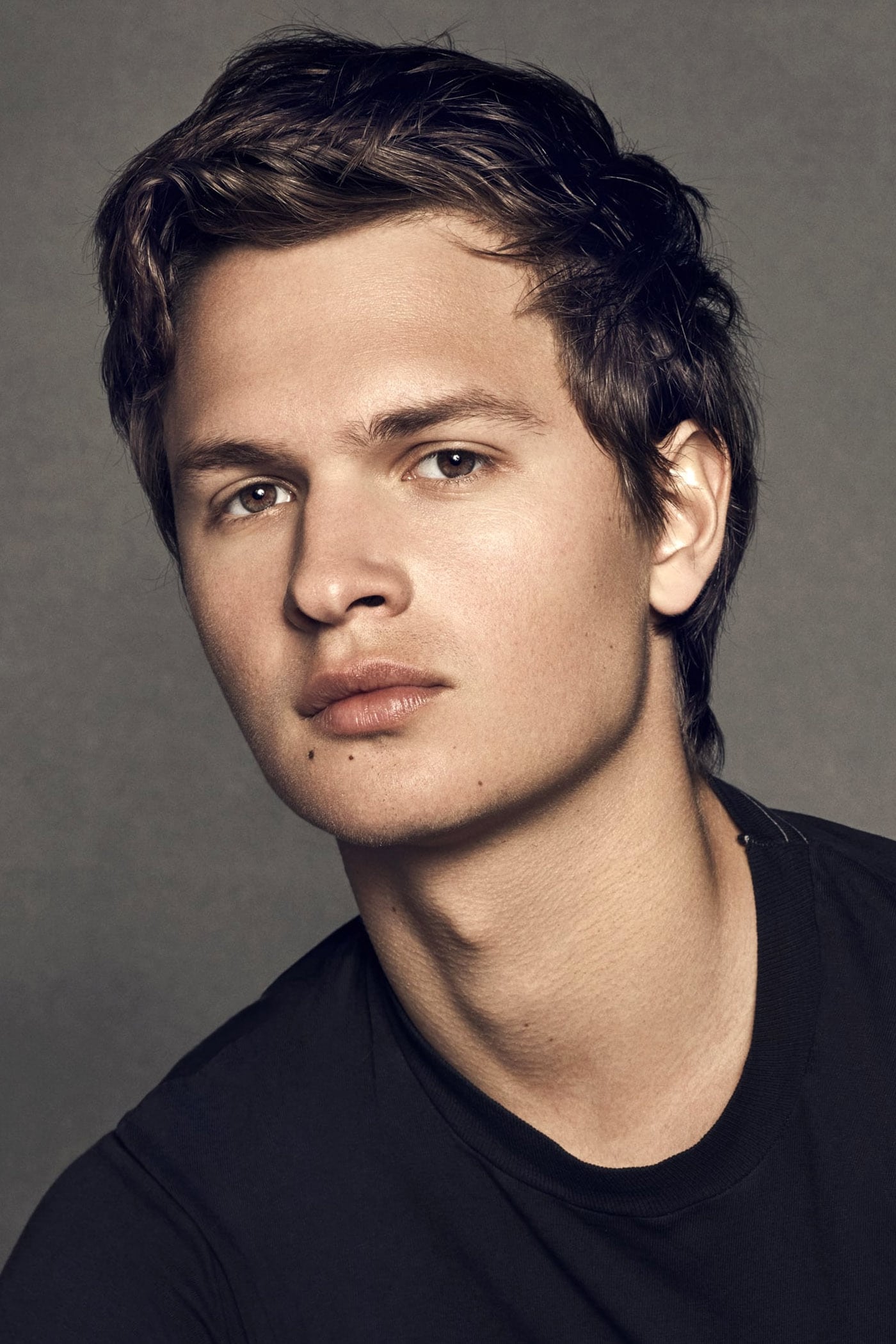
The production and marketing strategy for the film ‘West Side Story’ faced significant hurdles due to allegations made against the lead actor. Ansel Elgort became the subject of public scrutiny which led to concerns about the promotional tour for the big budget musical. While the movie was already filmed the studio had to navigate a complex press cycle that sought to avoid further controversy. There were also reports of delays in other projects associated with the actor as producers evaluated the situation. The film eventually moved forward but the surrounding discourse impacted its initial reception.
Armie Hammer
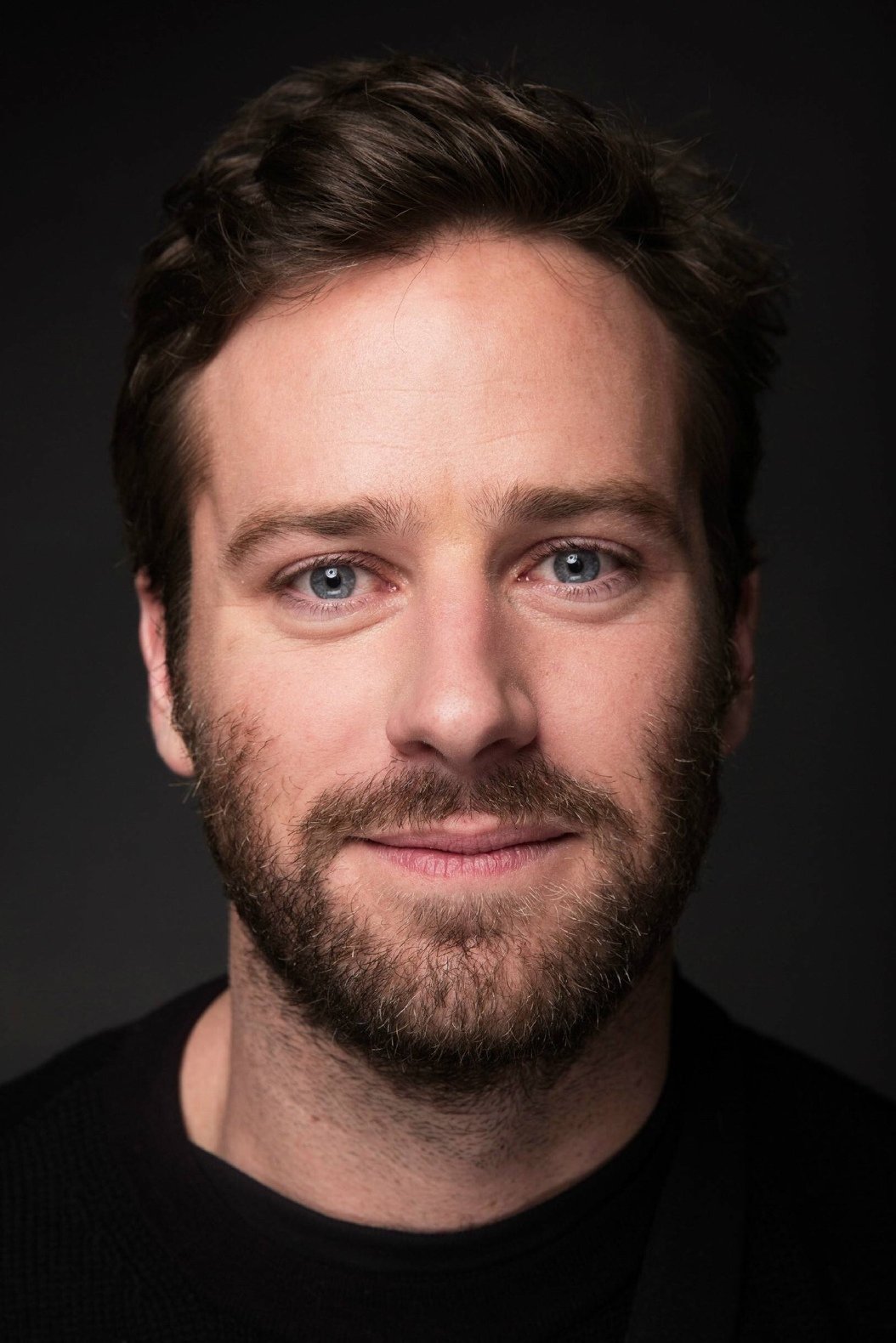
Multiple projects faced immediate shutdowns and recasting decisions following a series of social media scandals involving Armie Hammer. He was forced to exit the production of ‘Shotgun Wedding’ right before filming was scheduled to begin in the Dominican Republic. The television series ‘The Offer’ also had to pause its progress to find a replacement for his role. Producers worked quickly to minimize the financial impact of these sudden departures. These events led to a significant hiatus in the actor’s professional career.
Bill Cosby
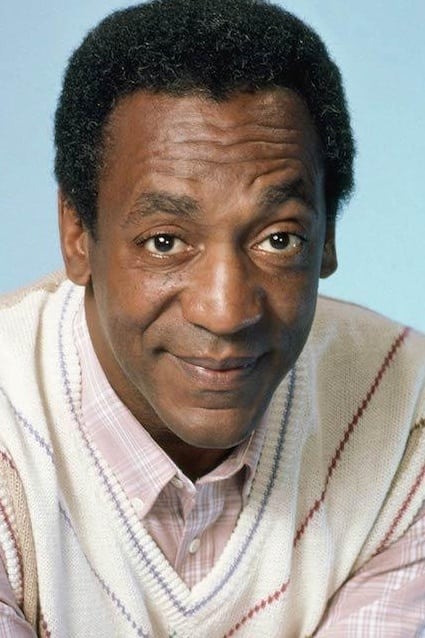
The production of a planned comedy series at NBC was abruptly halted following the resurfacing of numerous serious allegations. Bill Cosby was set to return to the network in a new family sitcom that was already in the early stages of development. The network decided to stop all work on the project to distance itself from the growing legal scandal. Syndicated reruns of his previous work were also pulled from various television stations around the country. This move marked the end of his long standing relationship with major television broadcasters.
Brandon Lee
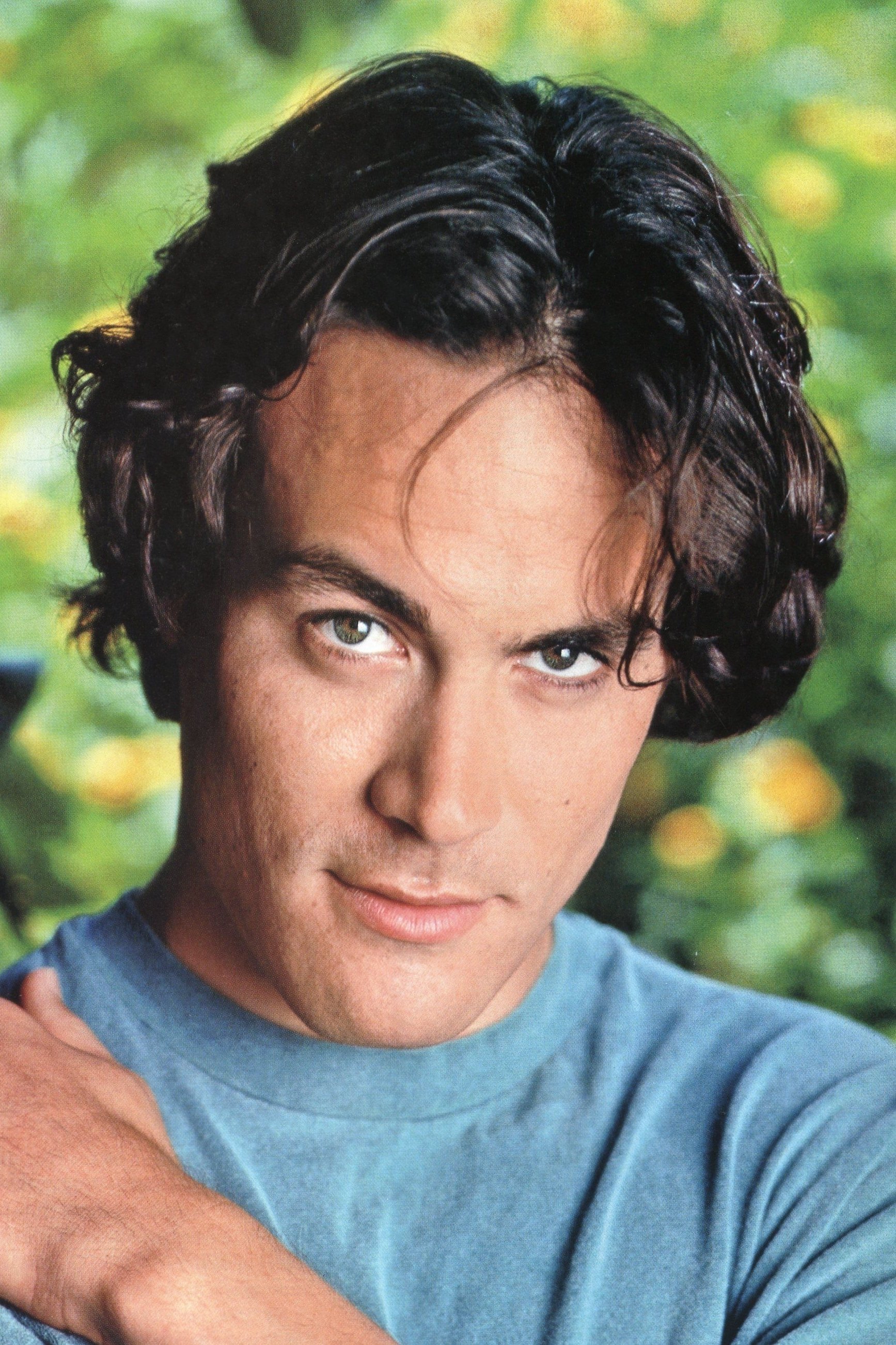
The production of ‘The Crow’ was suspended indefinitely following a tragic accident that claimed the life of Brandon Lee. A prop gun was improperly loaded and caused a fatal injury to the actor during one of the final scenes of the movie. The cast and crew were sent home while investigators and safety experts reviewed the circumstances of the event. Producers eventually decided to finish the film using body doubles and early digital effects to honor the actor’s work. The tragedy remains a significant moment in the history of cinema safety regulations.
Bruce Willis
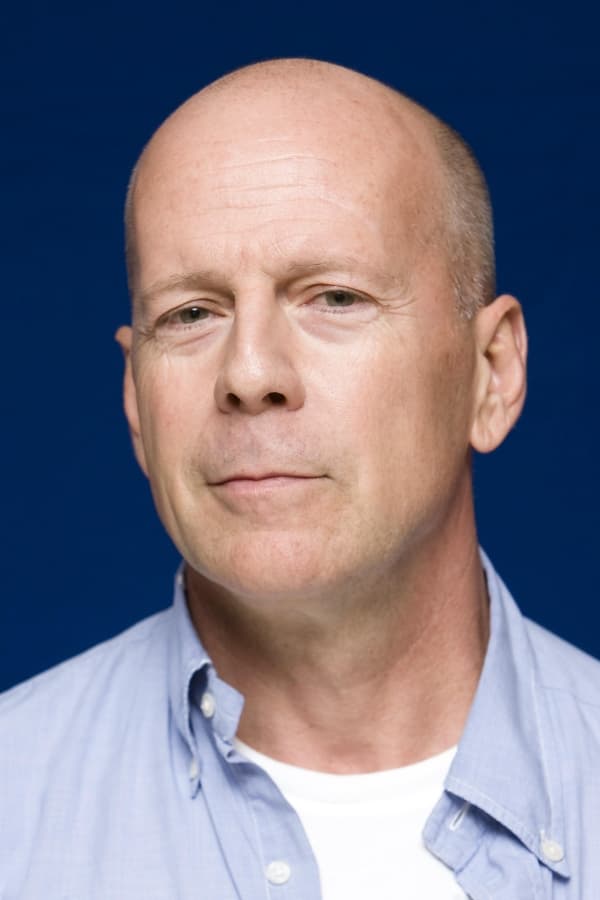
Several film projects experienced production challenges and eventual shutdowns as the health of Bruce Willis began to decline. The actor worked on numerous low budget action movies where filming schedules were drastically shortened to accommodate his condition. Eventually his family announced his retirement due to a diagnosis of aphasia and dementia. This led to the cancellation of any remaining projects in his development pipeline. The industry reflected on his massive career as his active participation in film production came to a permanent end.
Charlie Hunnam
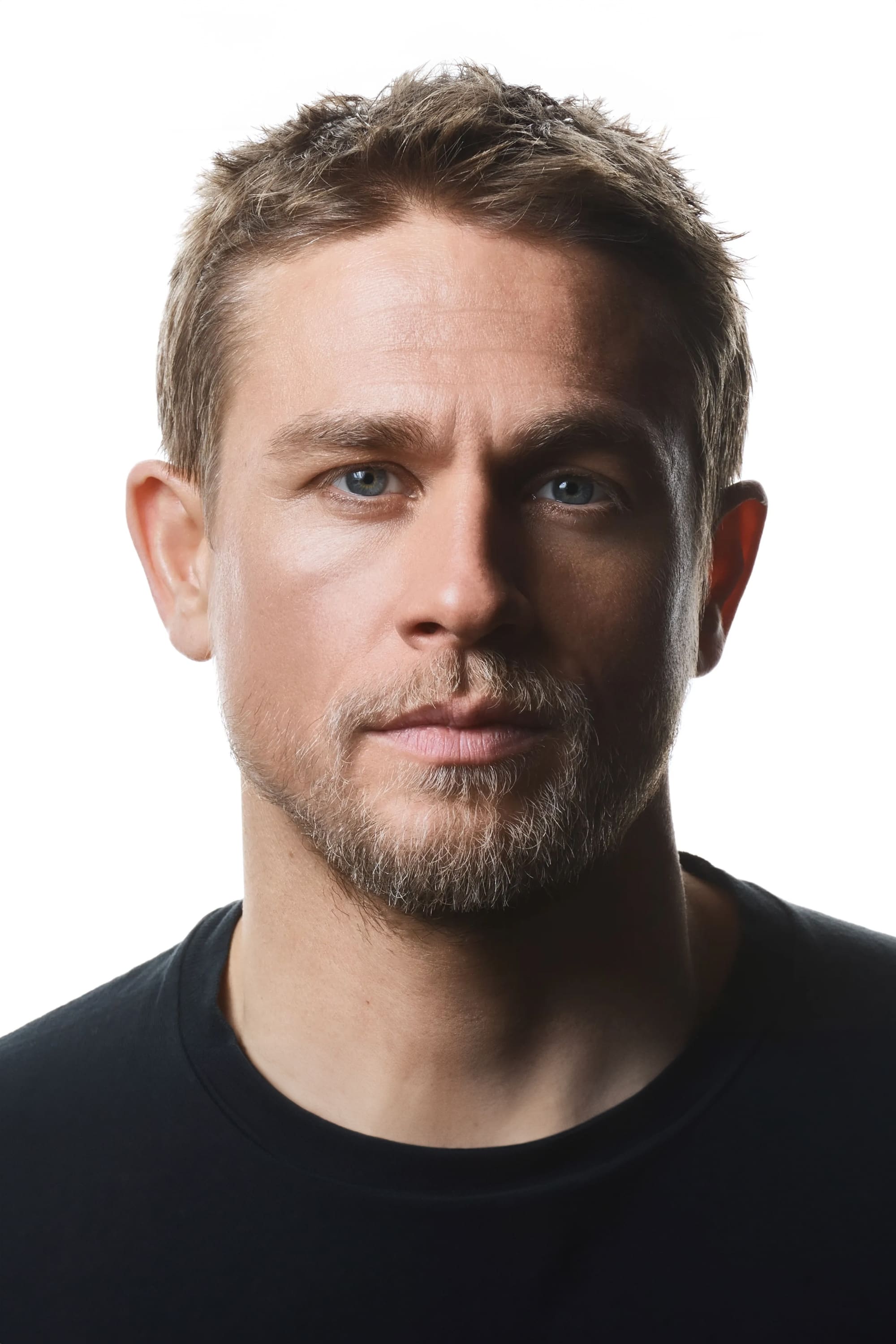
The production of ‘Fifty Shades of Grey’ faced an immediate delay when Charlie Hunnam decided to drop out of the lead role. He was originally cast as Christian Grey but he cited a busy schedule and personal reasons for his sudden departure. This forced the studio to halt pre-production activities while they searched for a new leading man. The start of filming was pushed back by several weeks to allow the new actor to prepare for the part. This casting change caused a ripple effect that shifted the entire release schedule for the film.
Charlie Sheen
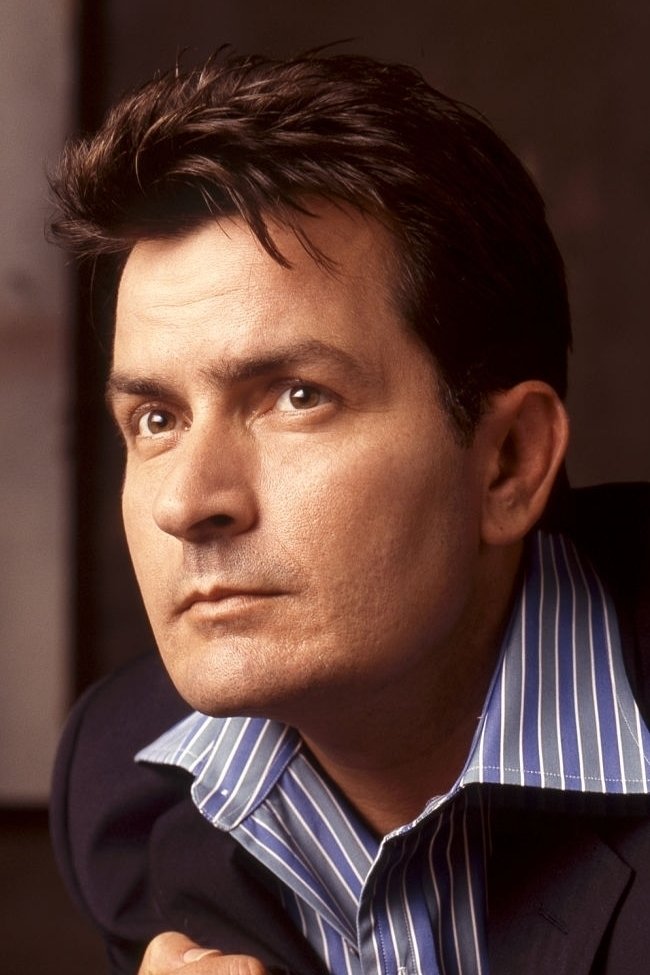
The highly successful sitcom ‘Two and a Half Men’ was forced into an unplanned hiatus due to the public behavior of Charlie Sheen. Production was initially paused to allow the actor to seek treatment but the situation escalated after several high profile media rants. Warner Bros. eventually made the decision to terminate his contract and shut down the remainder of the season. The show stayed dark for several months while producers planned a way to continue without its main star. The series eventually returned with a new character played by Ashton Kutcher.
Chris Noth
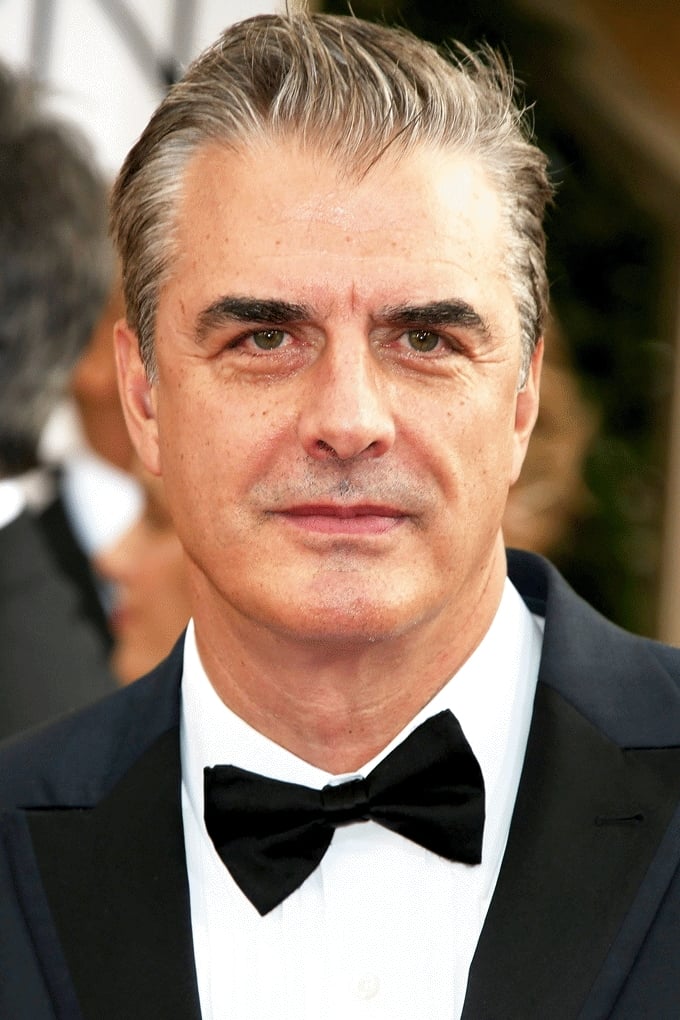
The television series ‘The Equalizer’ underwent significant production changes following allegations directed at Chris Noth. CBS and the production companies decided to remove the actor from the show immediately to address the situation. His character was written out of the series and his existing scenes in upcoming episodes were edited or removed. This required writers to quickly rework scripts to explain the sudden absence of a major character. The production continued but the narrative direction of the show was fundamentally altered.
Columbus Short
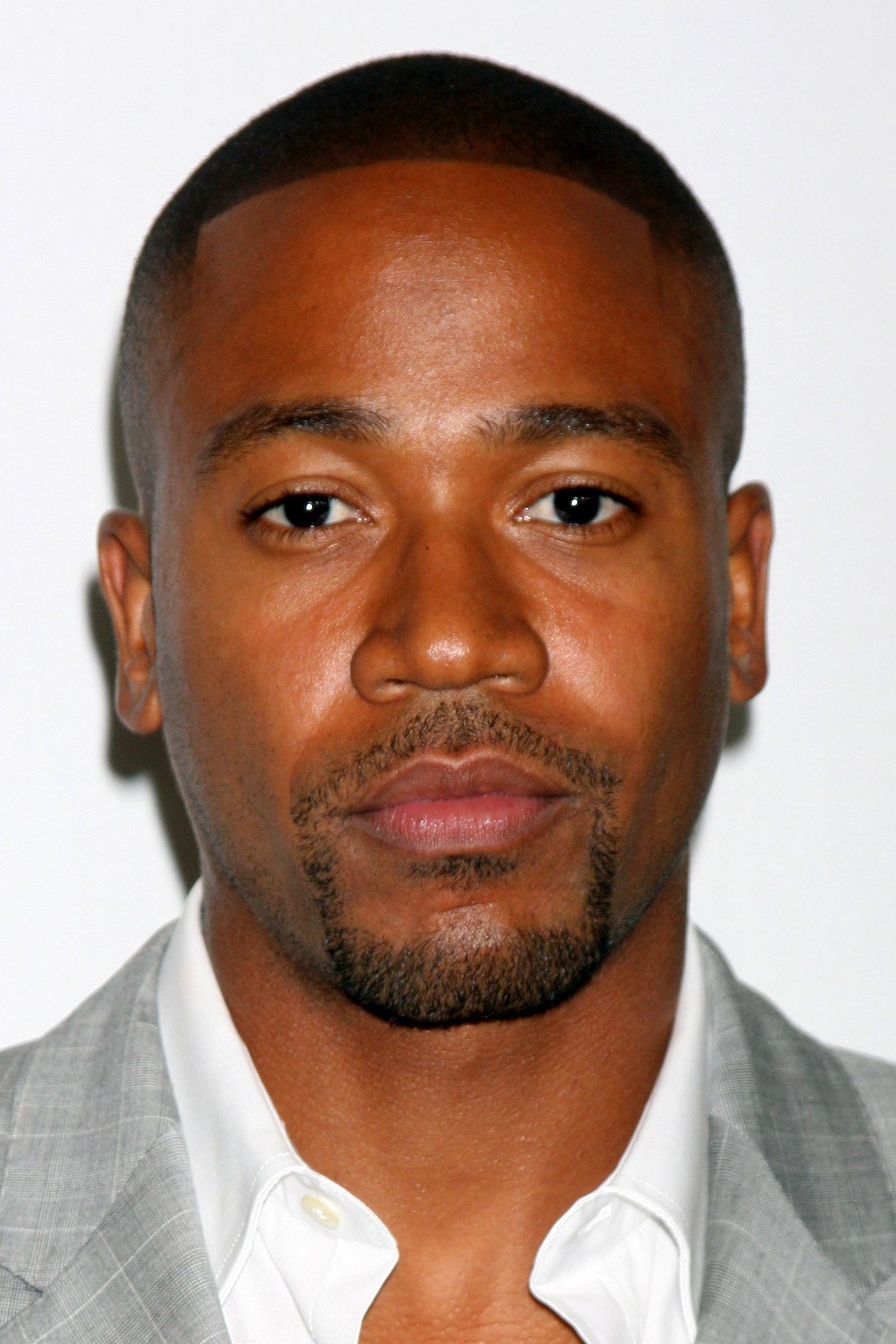
The hit series ‘Scandal’ faced internal disruptions when Columbus Short became involved in several legal and personal issues. Producers decided that the actor would not return for the fourth season of the political drama. His character was written out of the show in a way that allowed the story to move forward without his presence. The production team had to manage the fallout of his exit while maintaining the momentum of the popular series. This change required significant adjustments to the planned story arcs for the remaining cast.
Danny Masterson
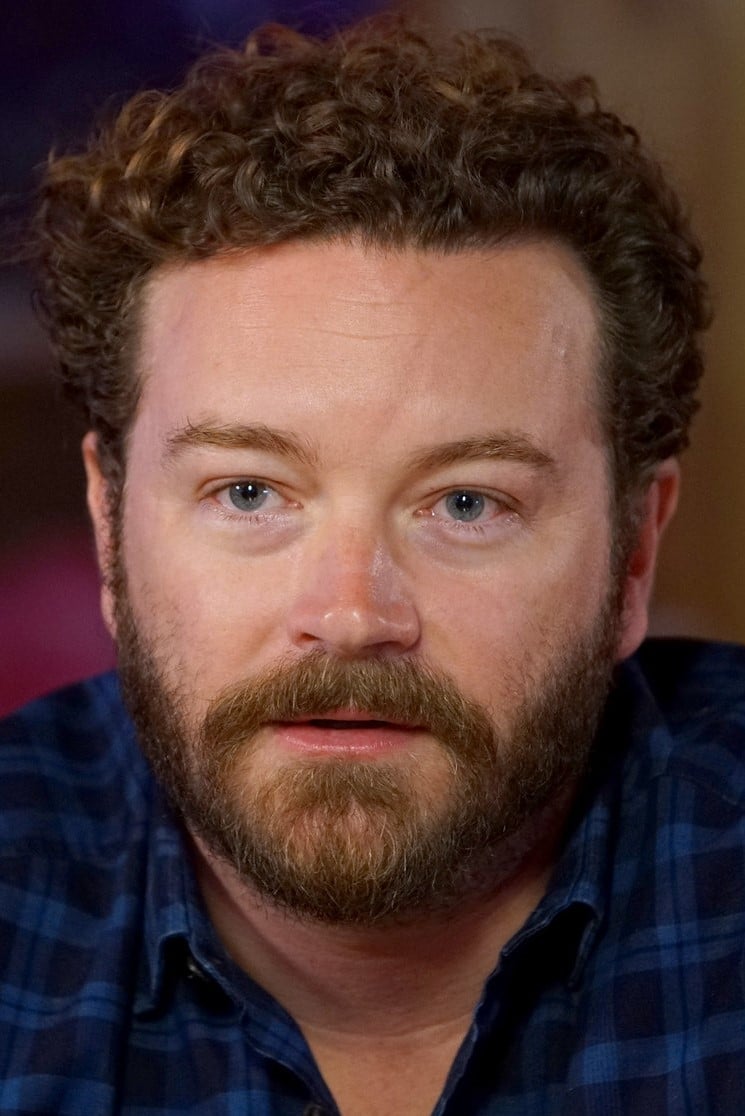
The production of the Netflix series ‘The Ranch’ was affected by the legal troubles surrounding Danny Masterson. After allegations against him were made public the streaming service decided to write his character out of the show. Production continued for a time but the focus of the series had to be shifted to other family members. The decision to remove him came after significant pressure from the public and advocacy groups. The actor’s involvement with the project ended permanently during its final seasons.
Dustin Hoffman
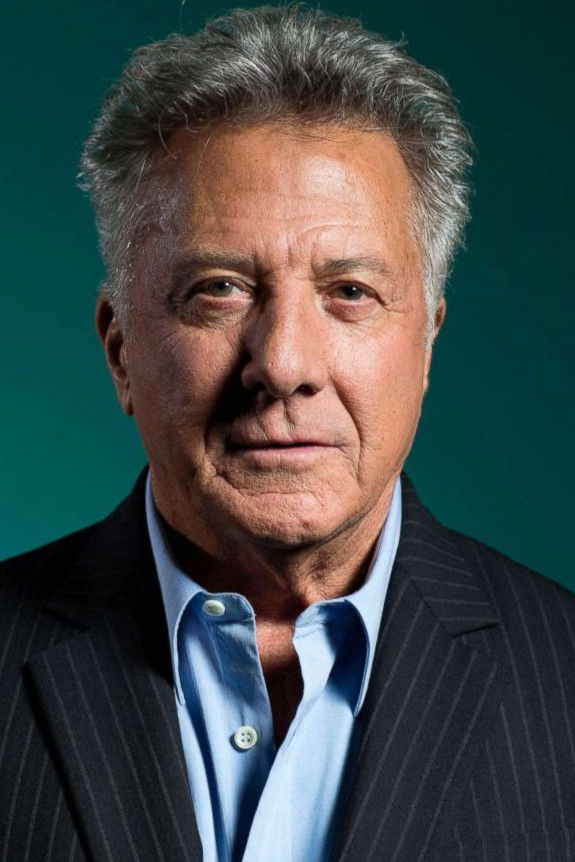
Several media projects associated with Dustin Hoffman faced delays or cancellations following a series of historical allegations. While some of his work was already completed the marketing and distribution plans were often scaled back. Producers of various independent projects reconsidered their associations with the veteran actor during this time. The public discourse surrounding his past behavior led to a quieter period in his professional life. These events reflected a broader shift in how the industry handles long standing professional reputations.
Edward Norton
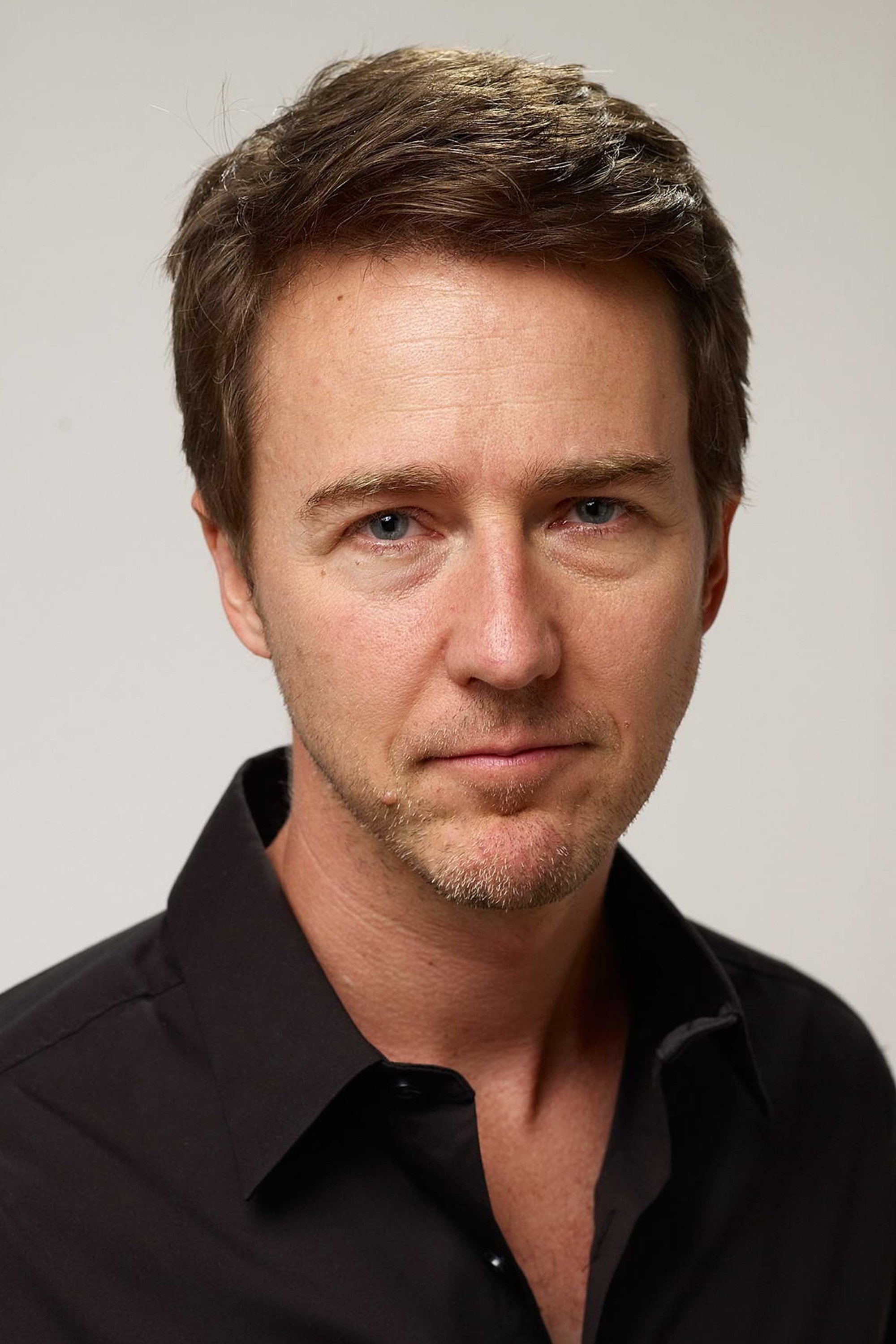
The production of ‘The Incredible Hulk’ and the subsequent plans for the character were disrupted by creative differences involving Edward Norton. While the film was completed his insistence on rewriting the script led to a breakdown in his relationship with Marvel Studios. The studio eventually decided to shut down any plans for him to return in future crossover films. This led to the recasting of the character for ‘The Avengers’ and all subsequent movies in the franchise. The decision marked a major turning point in the management of the burgeoning cinematic universe.
Emile Hirsch
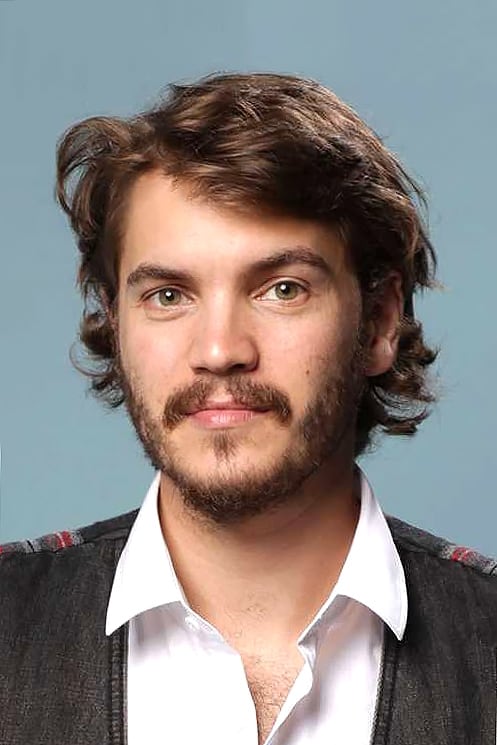
The actor faced a significant professional setback following an incident at the Sundance Film Festival. Emile Hirsch was involved in an altercation that led to legal consequences and a brief period of incarceration. This event caused several potential projects to halt their plans to work with him. Production companies were hesitant to proceed with films that featured him in leading roles. While he eventually returned to acting the scandal caused an immediate and noticeable pause in his career trajectory.
Ezra Miller
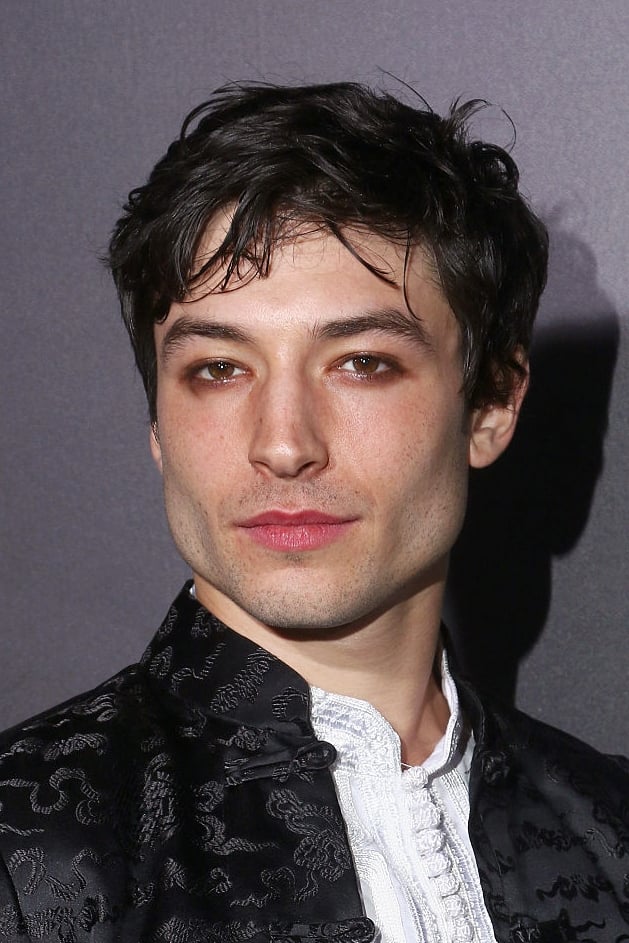
The filming and post production of ‘The Flash’ were overshadowed by a series of legal incidents and public controversies involving Ezra Miller. Warner Bros. faced immense pressure to either cancel the film or recast the lead role entirely. The studio decided to stick with the project but they had to delay the release and navigate a very difficult marketing campaign. Various other projects in the DC Extended Universe were also affected by the uncertainty surrounding the actor’s future. The production process became a case study in managing high stakes film assets during a crisis.
Frank Dillane
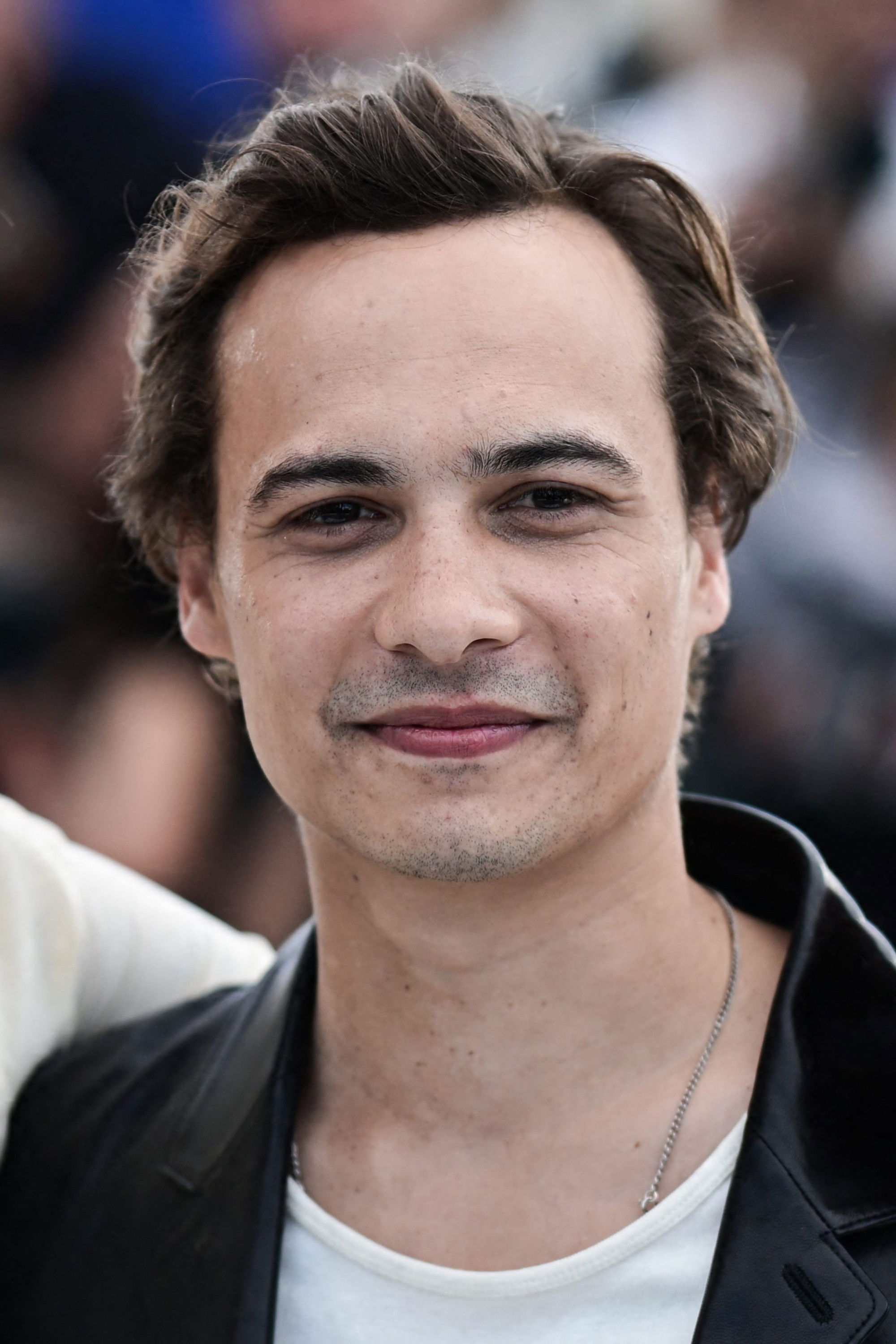
Production on ‘Fear the Walking Dead’ faced a moment of uncertainty following reports of an incident involving Frank Dillane on a studio lot. While the details were managed internally the situation required the production team to briefly pause and assess the impact on the filming schedule. The actor eventually left the series which forced the writers to create a significant exit for his character. This departure changed the family dynamic that had been the core of the show since its inception. The series continued with a new focus after his storyline concluded.
Hartley Sawyer
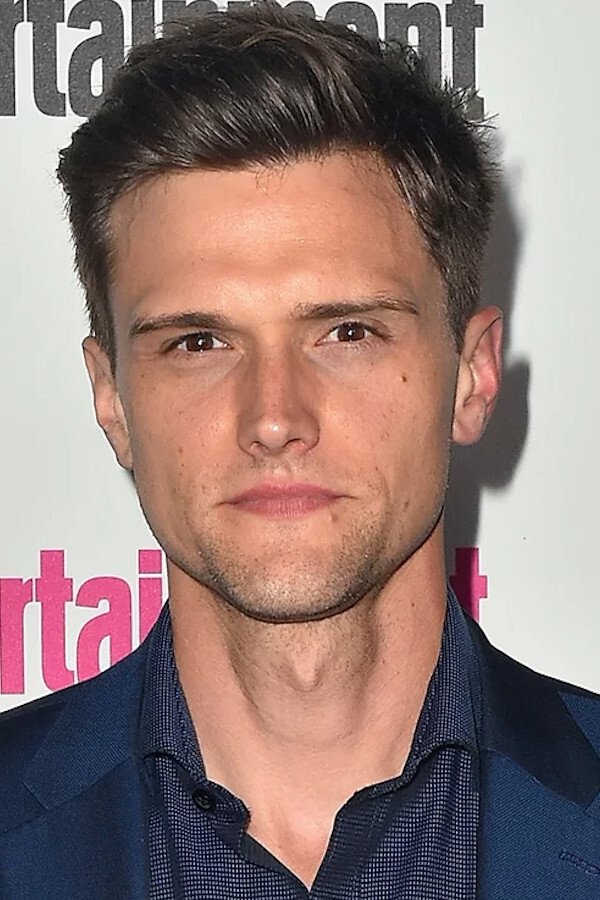
The television series ‘The Flash’ saw an immediate change in its cast after past social media posts by Hartley Sawyer were discovered. The production team and the network decided to fire the actor before the next season began. This forced the writers to remove his character Ralph Dibny from the show despite his prominent role in recent storylines. The sudden exit required creative solutions to address his absence without disrupting the overall plot. The show moved forward by focusing on other members of the superhero team.
Heath Ledger
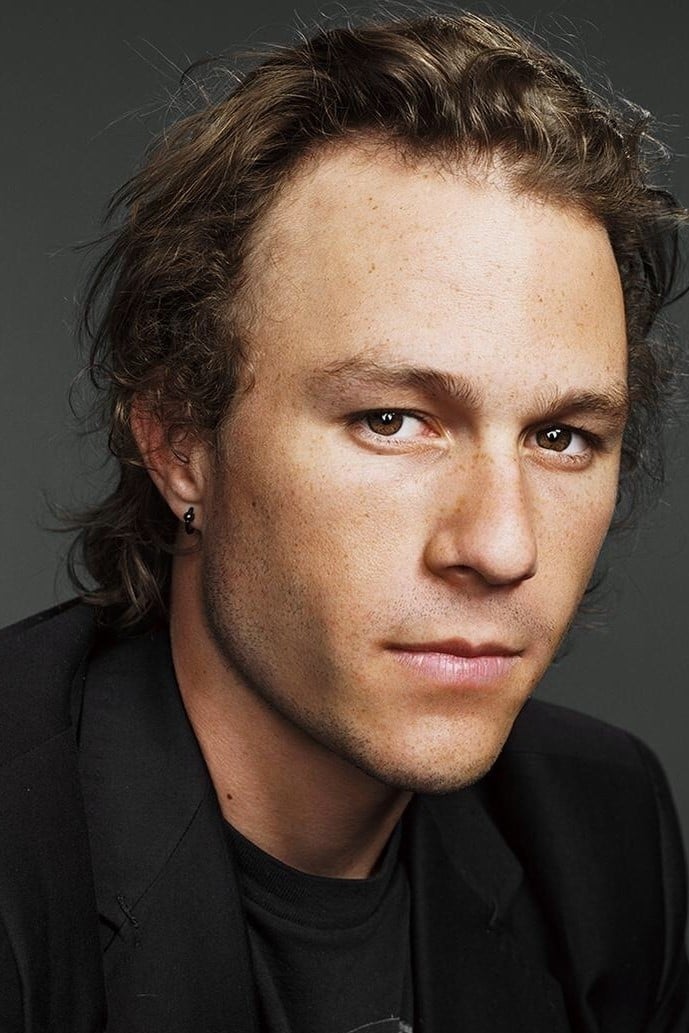
The production of ‘The Imaginarium of Doctor Parnassus’ was halted mid filming due to the unexpected death of Heath Ledger. Director Terry Gilliam was left with an incomplete film and a grieving cast and crew. Production was suspended for several months while the filmmakers decided whether to scrap the project or find a way to finish it. Eventually several of Ledger’s friends stepped in to play different versions of his character to complete the story. The film was finally released as a tribute to the actor’s final performance.
Isaiah Washington
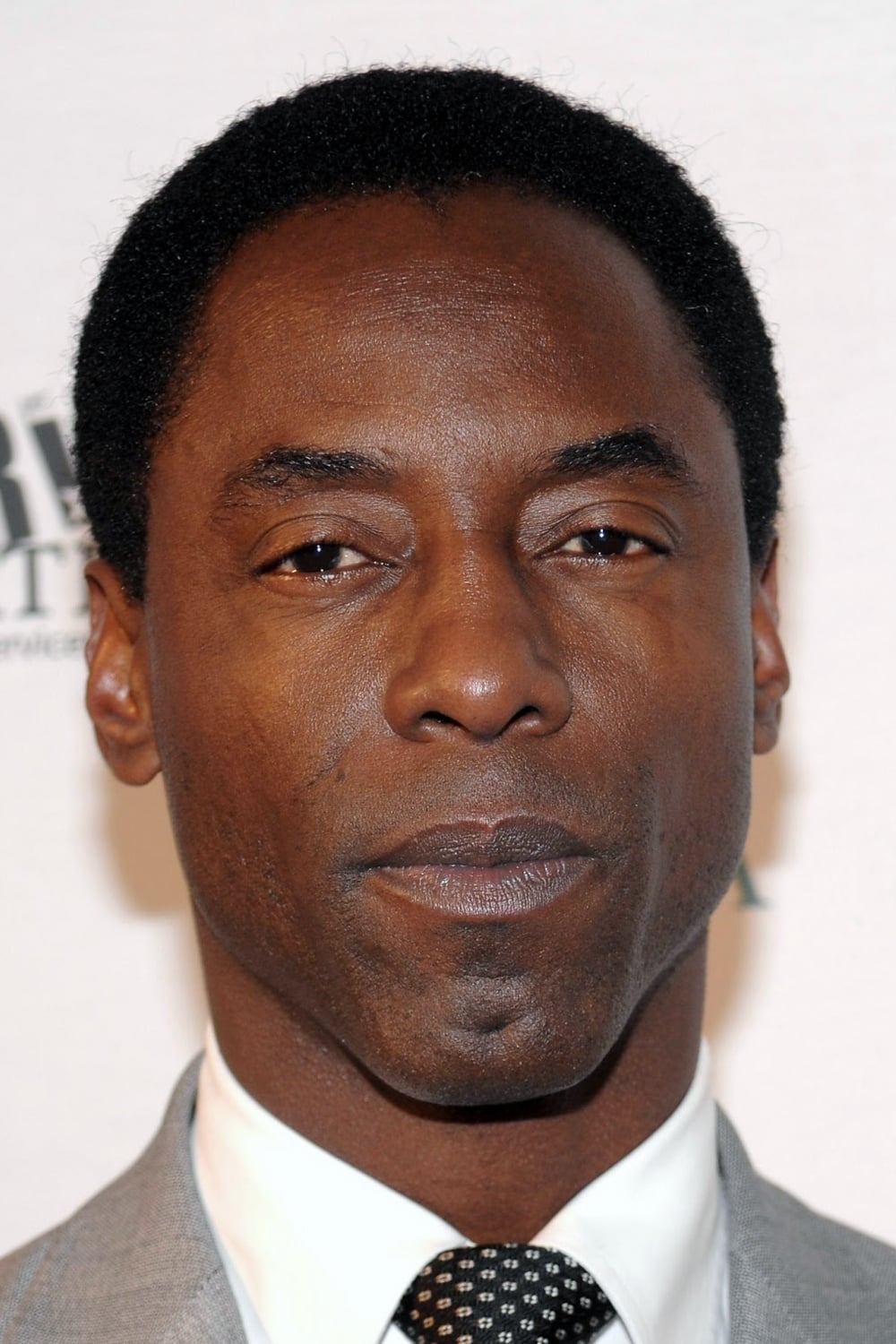
The hit medical drama ‘Grey’s Anatomy’ experienced a significant production shift after an on set altercation involving Isaiah Washington. Following the use of a slur during a disagreement with a co star the network decided not to renew his contract. The writers had to quickly develop a storyline that explained the sudden departure of Dr. Preston Burke. This change occurred just as the character was at the center of a major wedding plot. The incident led to new industry standards regarding workplace conduct and professional behavior.
James Dean
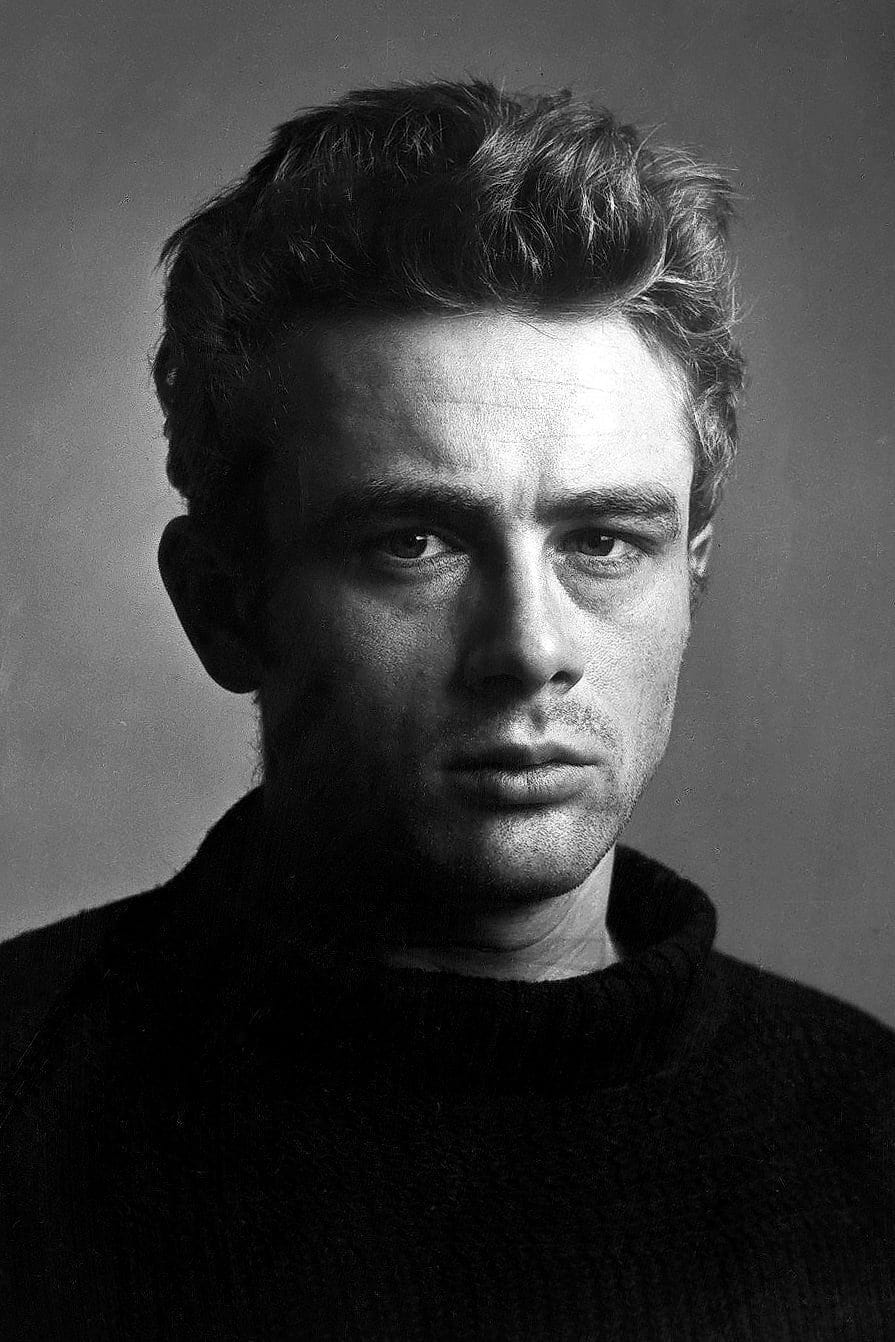
The filming of the movie ‘Giant’ was in its final stages when James Dean died in a high speed car accident. While most of his scenes were finished the production was forced to use a voice double for some of his remaining lines during post production. The tragedy cast a long shadow over the release of the film and changed the marketing strategy significantly. The studio had to manage the immense public mourning while completing the technical aspects of the movie. His death marked the end of a brief but incredibly influential acting career.
James Franco
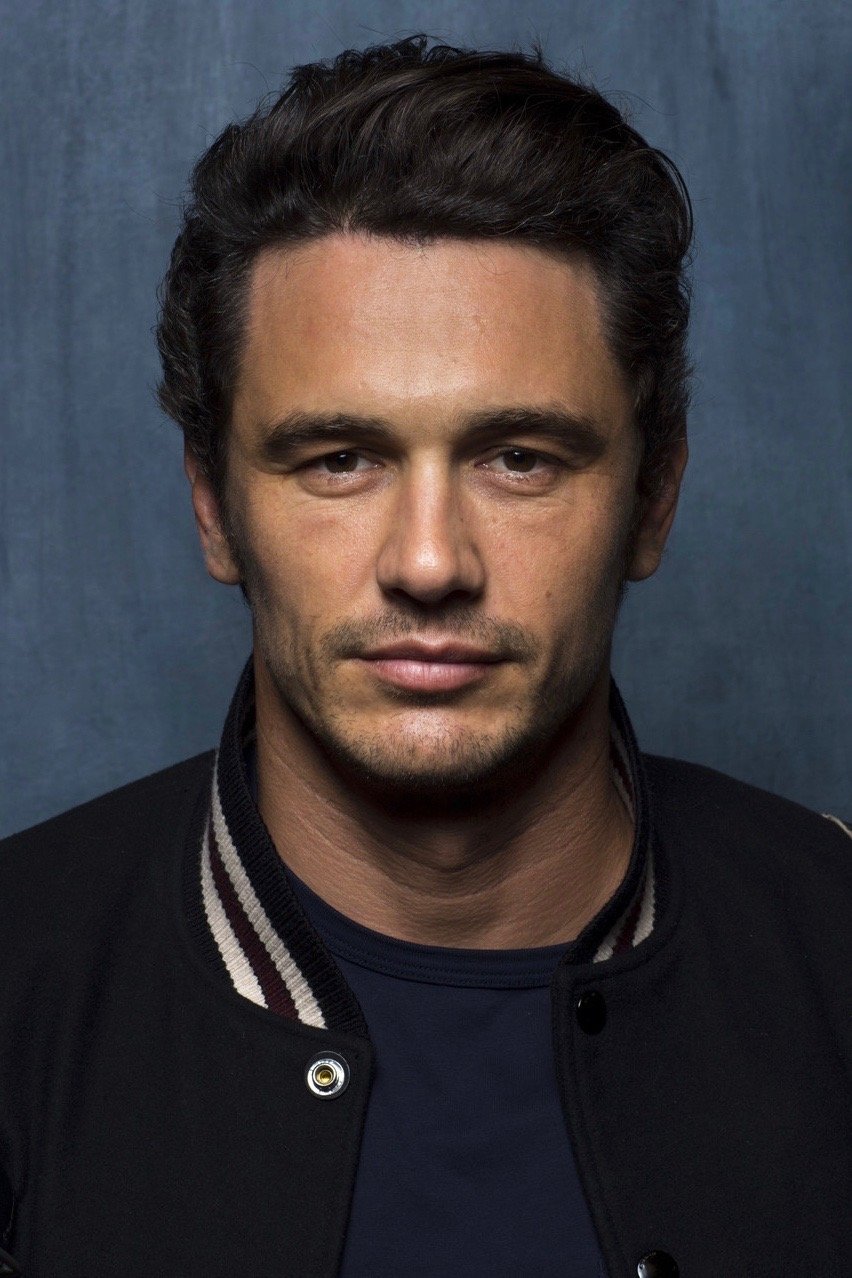
Several film and television projects involving James Franco were halted or scaled back following various public allegations. The promotion for his work on ‘The Disaster Artist’ was complicated by these events during the awards season. A planned sequel to one of his independent projects was reportedly canceled as investors withdrew their support. His presence in the television series ‘The Deuce’ also became a point of contention for viewers and critics. These disruptions led to a significant decrease in his visibility within the mainstream film industry.
Jeffrey Tambor
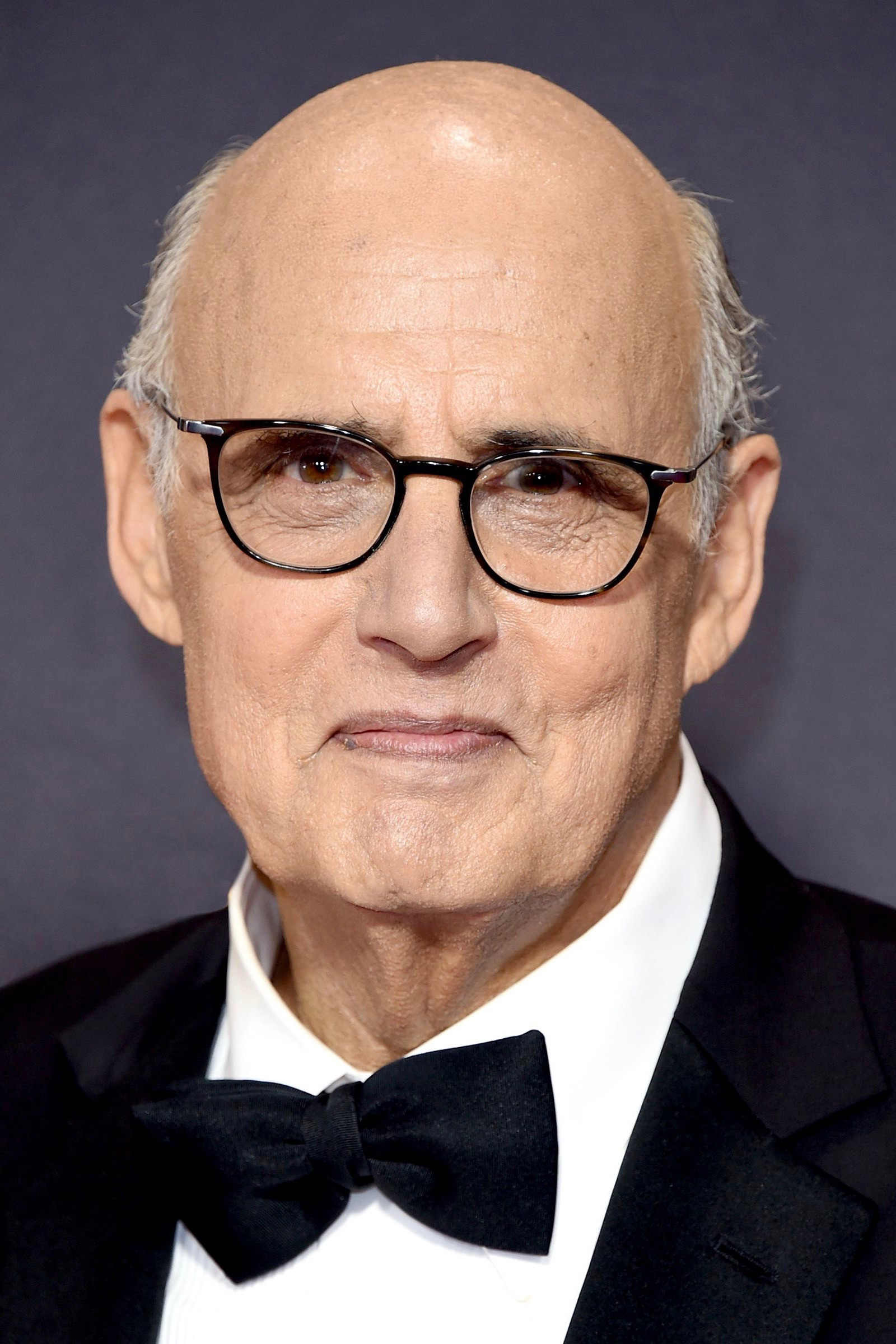
The production of the Amazon series ‘Transparent’ was thrown into turmoil following allegations of misconduct against Jeffrey Tambor. The studio launched an internal investigation which eventually led to the decision to fire the lead actor. This caused a long delay in production as the writers had to figure out how to continue the show without its central character. The final season was eventually turned into a musical movie that addressed his character’s death. The scandal effectively ended the show’s original format and narrative direction.
Jeremy Piven
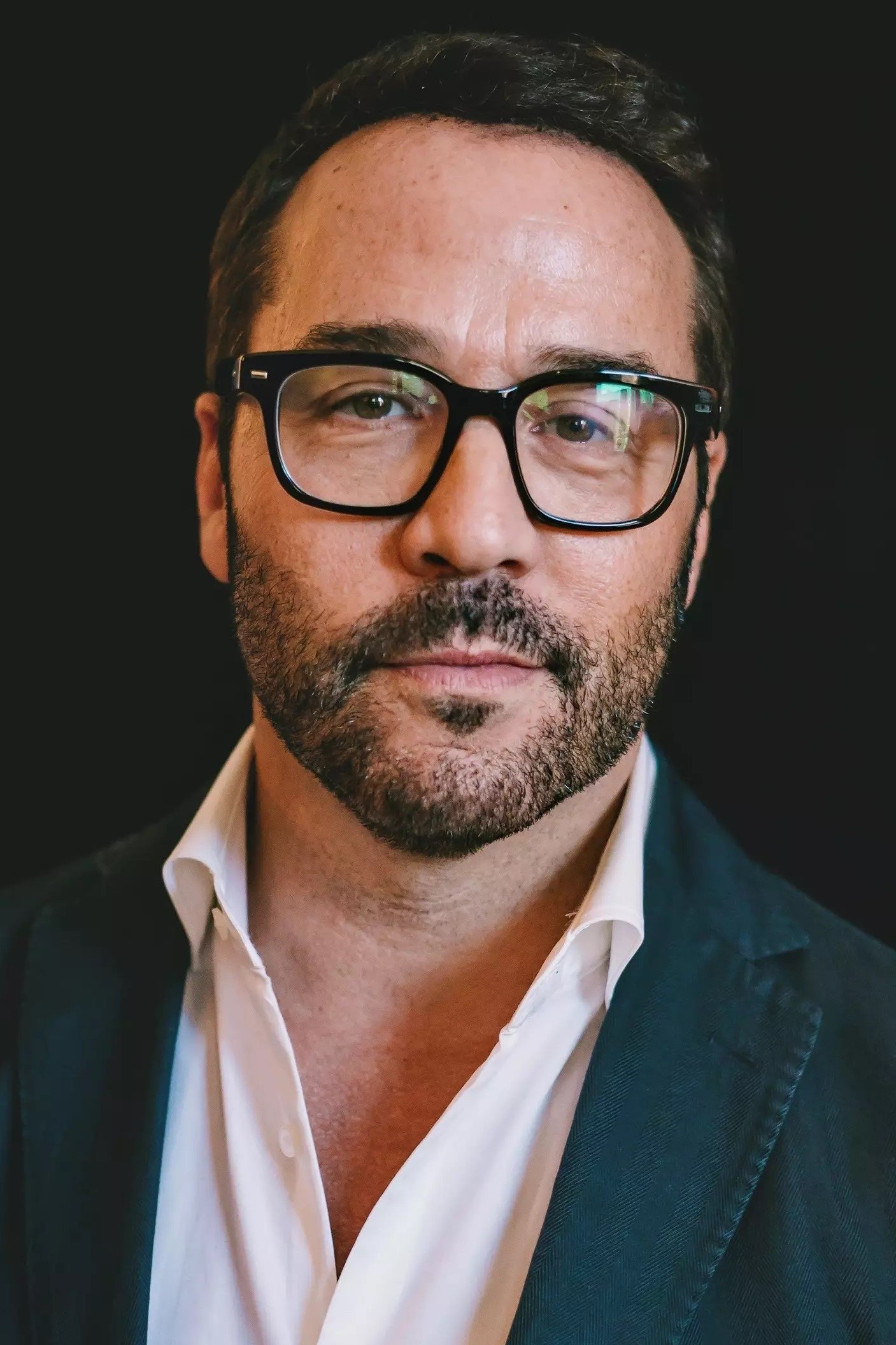
The freshman drama ‘Wisdom of the Crowd’ faced a sudden end when CBS decided not to order additional episodes following allegations against Jeremy Piven. While the network allowed the initial order of episodes to air they opted to stop production on any future installments. The actor denied the claims but the controversy made it difficult for the show to maintain its standing on the network schedule. This cancellation left the story unfinished and the crew without work. The series was officially taken off the air shortly after the news broke.
John Travolta
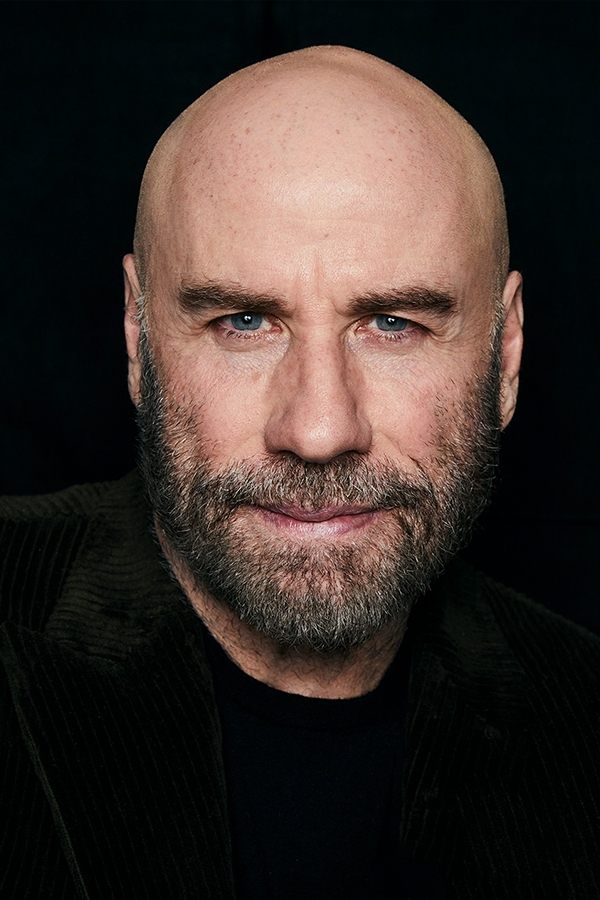
The production of the film ‘Gotti’ faced numerous delays and shutdowns over several years due to financing issues and legal disputes. John Travolta remained attached to the project through multiple changes in directors and production companies. At one point the film was pulled from the release schedule just days before it was supposed to debut. The studio had to navigate complex buy back agreements to secure the rights to the movie again. The film was eventually released after a very long and troubled production history.
Johnny Depp
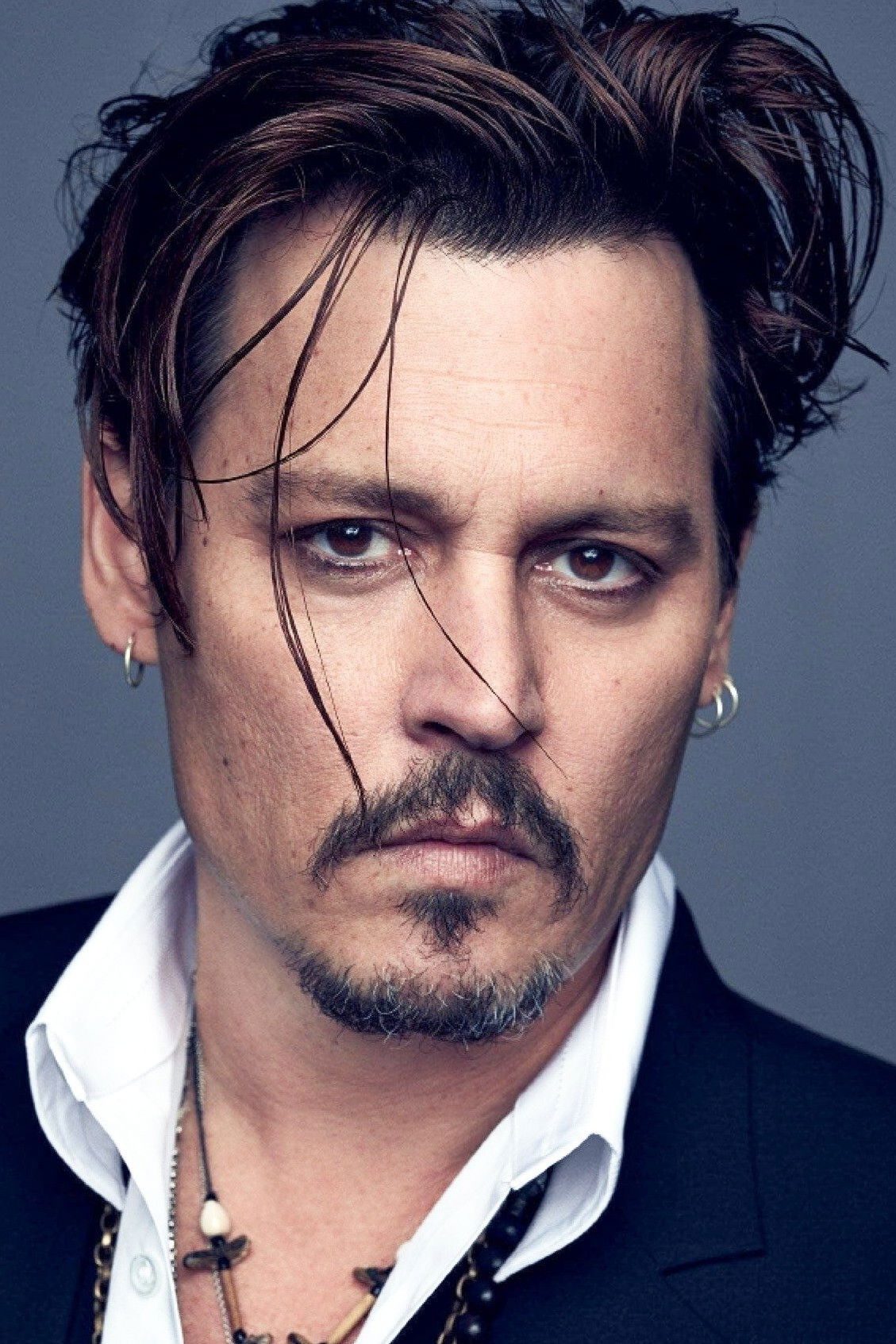
The ‘Fantastic Beasts’ franchise underwent a major casting change when Warner Bros. asked Johnny Depp to resign from his role as Grindelwald. This request came after a high profile legal battle in the United Kingdom that resulted in negative publicity for the actor. Production on the third film was briefly paused to find a replacement for the central villain. Mads Mikkelsen was eventually hired to take over the role for the remainder of the series. The transition required the studio to manage significant fan reactions and logistical challenges.
Jonathan Majors
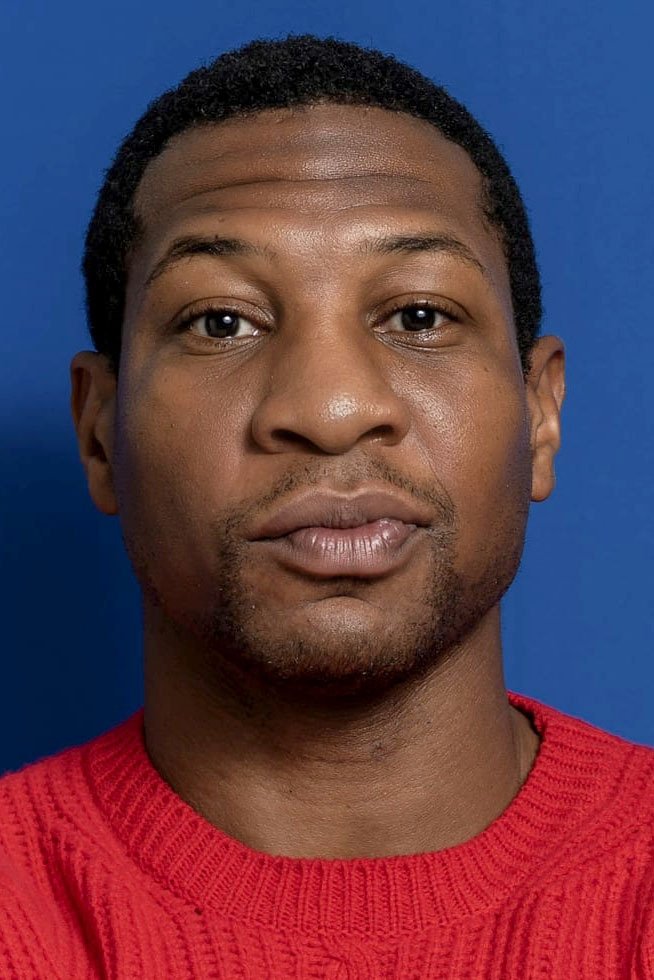
The Marvel Cinematic Universe faced a major production crisis following the legal troubles of Jonathan Majors. He had been cast as Kang the Conqueror a character intended to be the primary villain for several years of storytelling. Following his conviction the studio decided to sever ties with the actor and reevaluate their entire creative roadmap. This led to the postponement of several major film projects as writers worked to change the central plot. The situation forced a massive pivot in the highest grossing film franchise in history.
Jussie Smollett
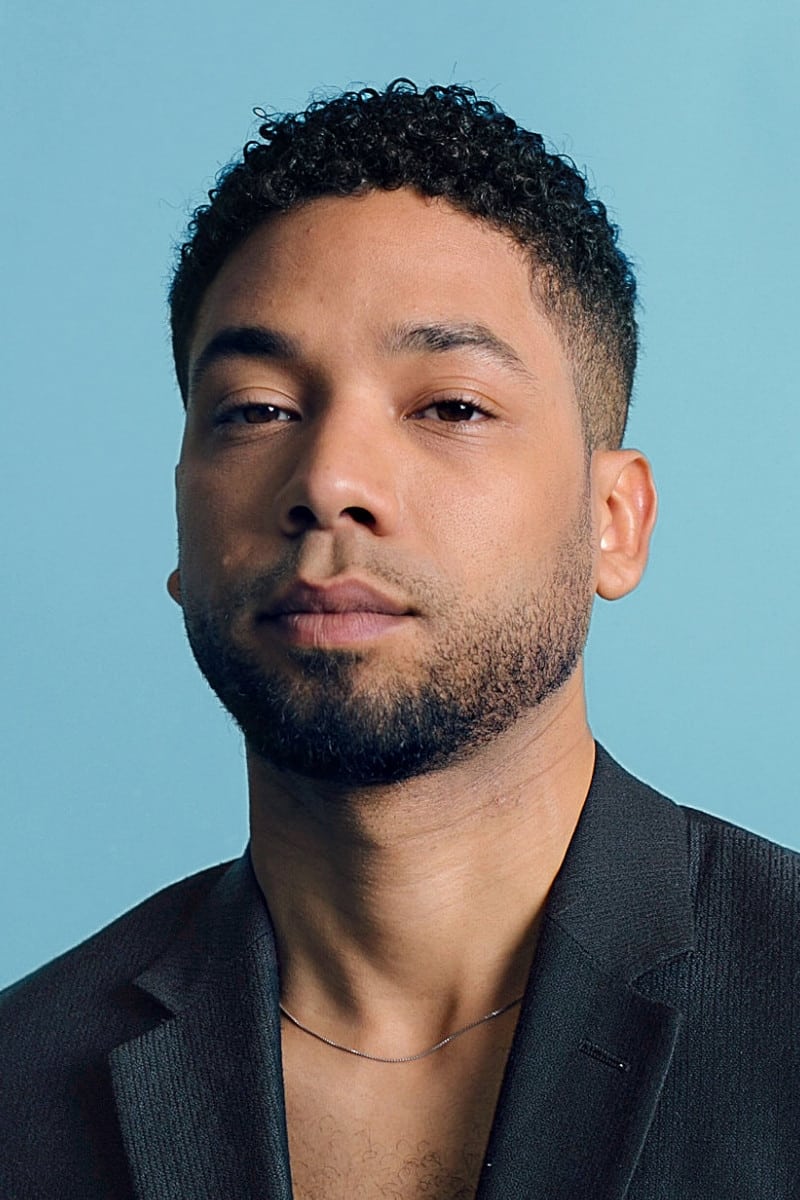
The production of the television series ‘Empire’ was heavily impacted by the legal case involving Jussie Smollett. After reports of an alleged attack were questioned by investigators the show’s producers decided to remove his character from the final episodes of the season. The production schedule was adjusted to accommodate the changing legal situation and the surrounding media frenzy. Ultimately the actor did not return for the final season of the show. The controversy became a major distraction for the cast and the network during the series’ conclusion.
Justin Roiland
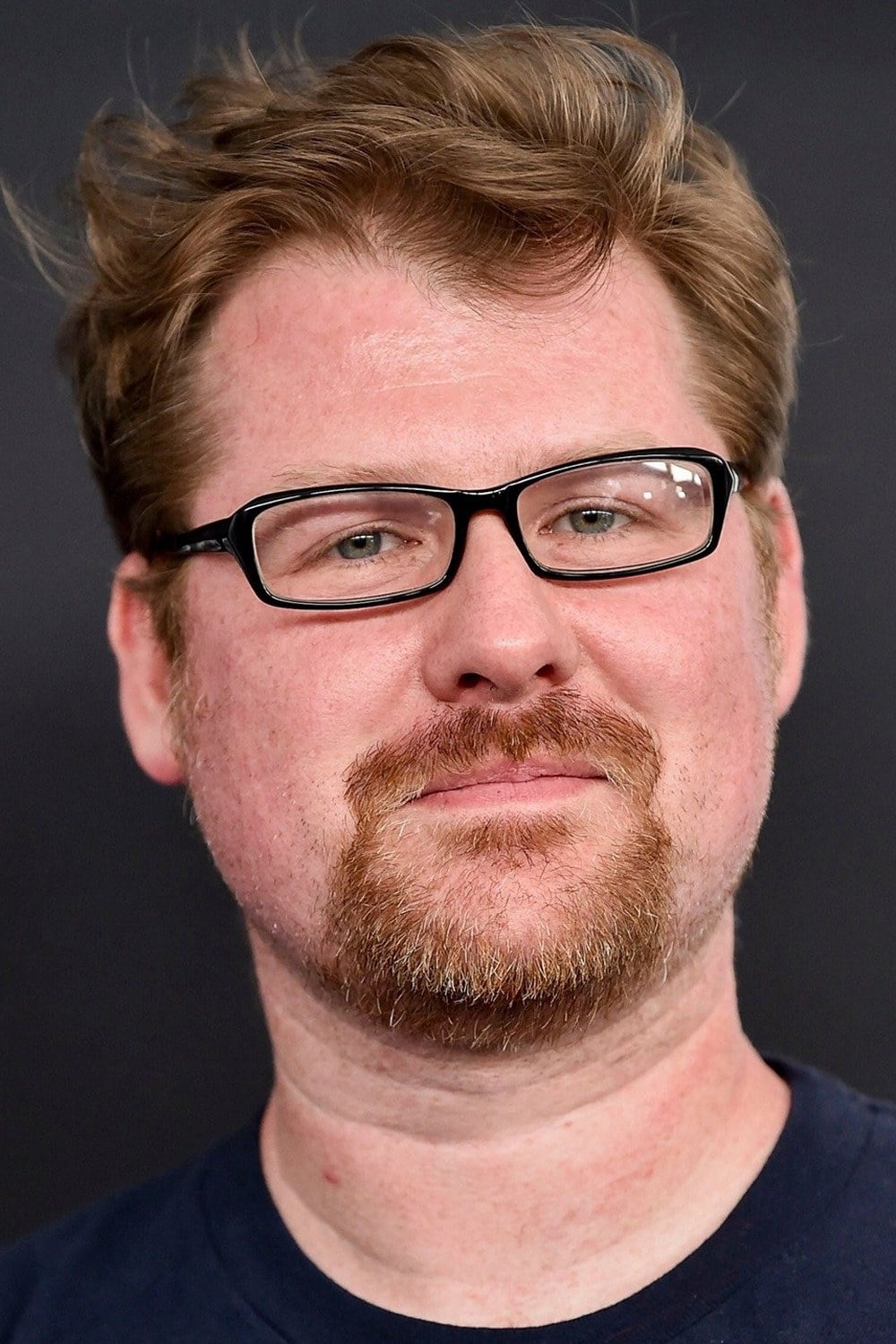
The production of ‘Rick and Morty’ and ‘Solar Opposites’ faced significant changes when Adult Swim and Hulu cut ties with Justin Roiland. As the co creator and primary voice actor for multiple lead characters his departure required a massive overhaul of the production process. The studios had to launch a worldwide search for new voice talent to mimic his specific performances. This led to delays in the release of new seasons while the technical transition was managed. The shows eventually continued with a new cast of voice actors in place.
Kevin Spacey
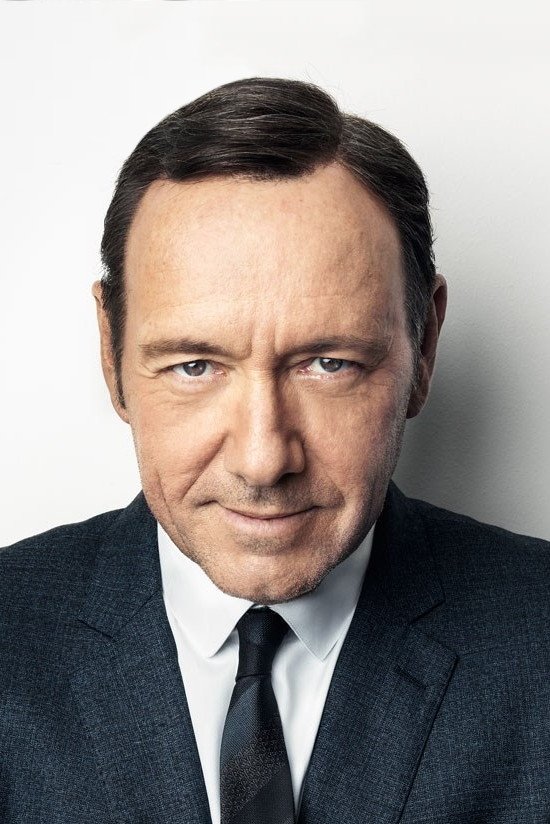
The final season of ‘House of Cards’ was halted and completely rewritten following the removal of Kevin Spacey from the cast. Netflix and the production company stopped filming immediately after allegations against the actor surfaced. They eventually decided to kill off his character and center the remaining episodes on his co star Robin Wright. This required months of additional work for the writing team and a significant shift in the production timeline. The scandal resulted in a shorter final season and a major financial loss for the studio.
Louis C.K.
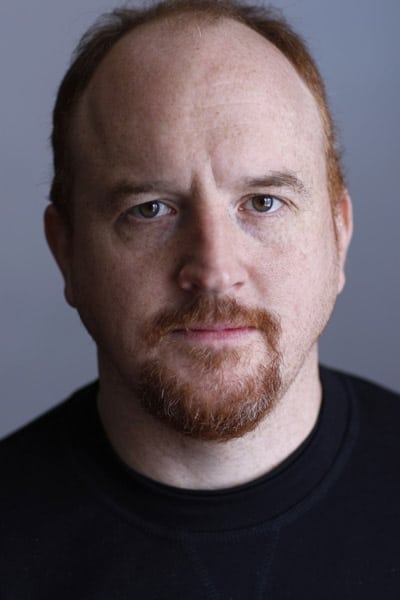
The production of the animated series ‘The Cops’ was canceled by TBS following a public scandal involving Louis C.K. He was set to write produce and star in the show which was already well into development. Additionally the release of his film ‘I Love You Daddy’ was scrapped just days before it was scheduled to hit theaters. Distribution companies and networks moved quickly to distance themselves from his various creative projects. The shutdown of these productions represented a significant loss of investment for the involved parties.
Marlon Brando
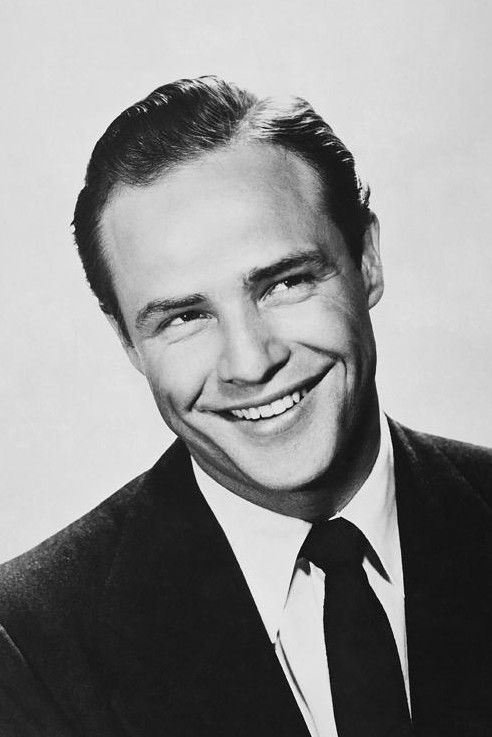
The filming of ‘The Island of Dr. Moreau’ is famous for its chaotic production which was partly caused by the behavior of Marlon Brando. The actor arrived on set unprepared and insisted on making numerous bizarre changes to his character and the script. His refusal to follow the original vision of the film led to the firing of the initial director and multiple production delays. The crew struggled to manage his eccentric demands while trying to keep the project on schedule. The resulting film is often cited as one of the most troubled productions in Hollywood history.
Mel Gibson
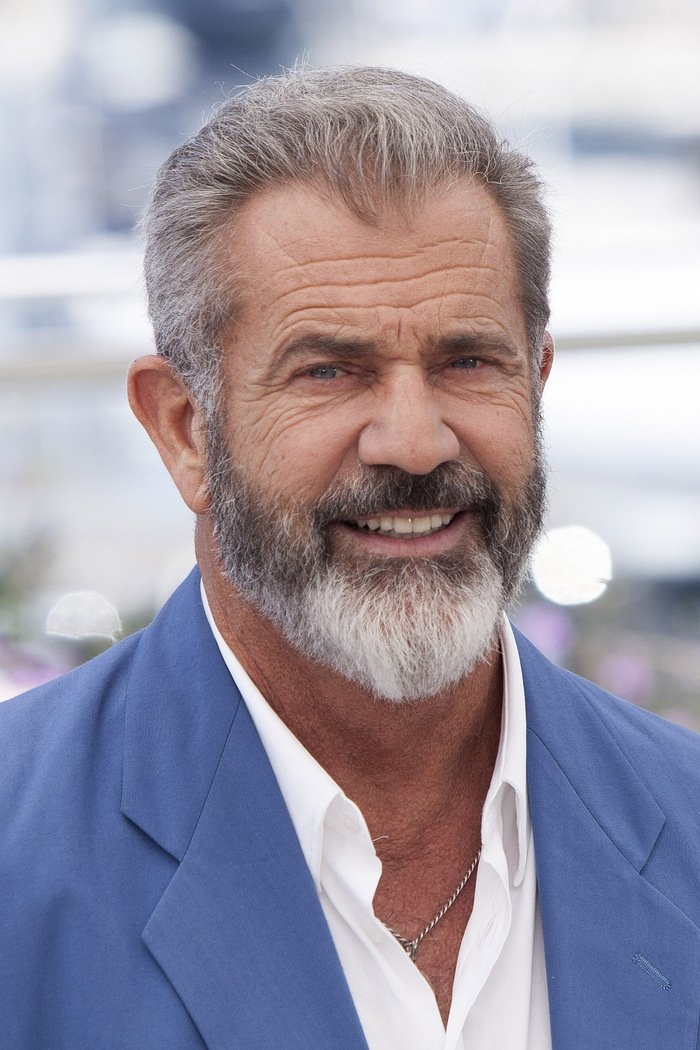
The production and distribution of several projects involving Mel Gibson were significantly delayed following his public controversies in the mid 2000s. Major studios became hesitant to work with him which led to a long period where he primarily focused on independent ventures. His involvement in a planned cameo for ‘The Hangover Part II’ was canceled after the cast and crew expressed their discomfort. It took several years for the industry to begin reintegrating him into mainstream high budget productions. The fallout from his personal scandals had a lasting impact on his professional standing.
Michael Pitt
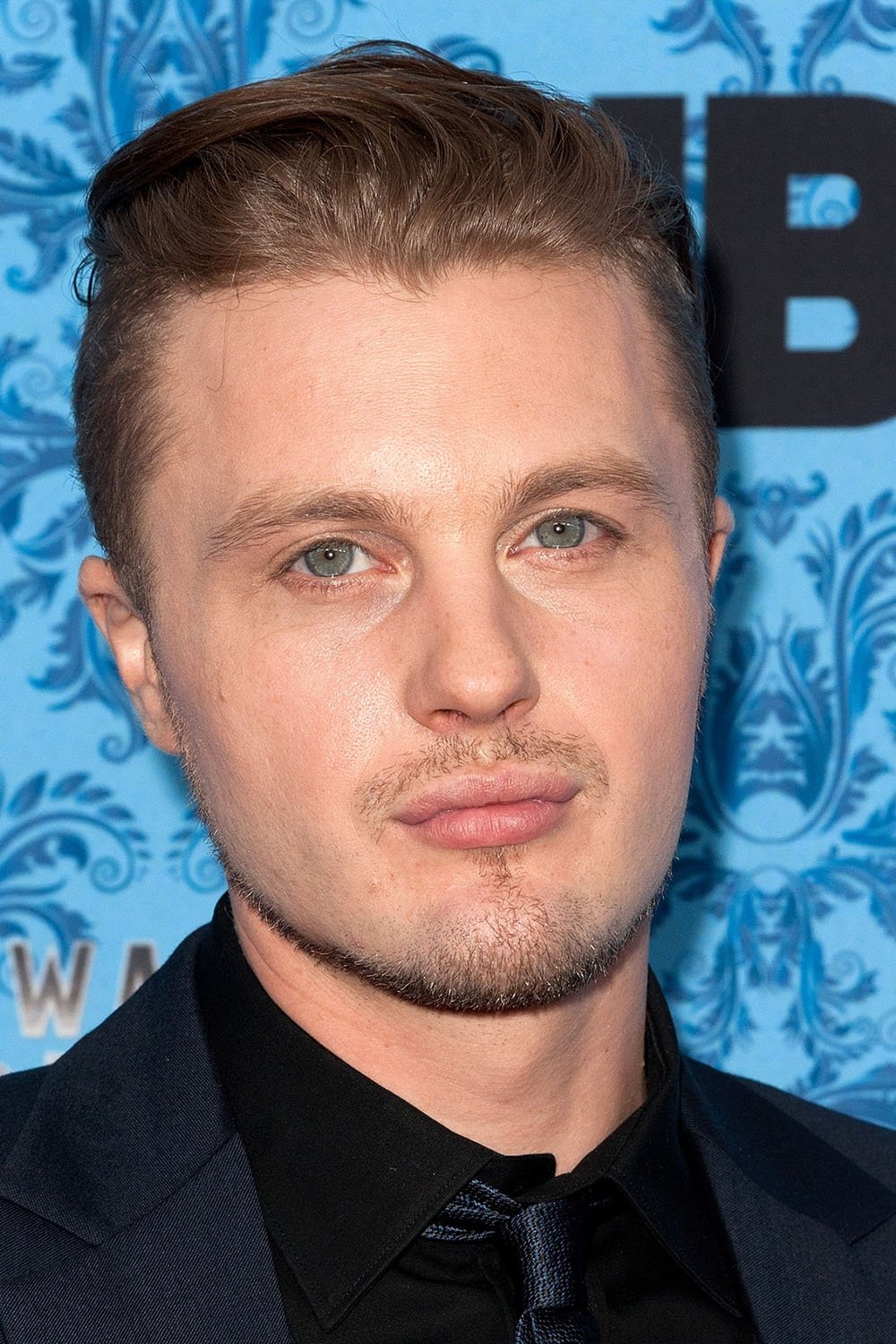
The television series ‘Hannibal’ had to recast the role of Mason Verger after Michael Pitt decided not to return for the third season. While the official reason was not a traditional scandal reports from the set suggested that production difficulties led to the change. The character was a major antagonist and his sudden absence required the show to find a new actor who could match the established performance. Joe Anderson took over the role which allowed the production to move forward with its planned storyline. This casting shift was one of the most notable changes in the show’s history.
Paul Walker
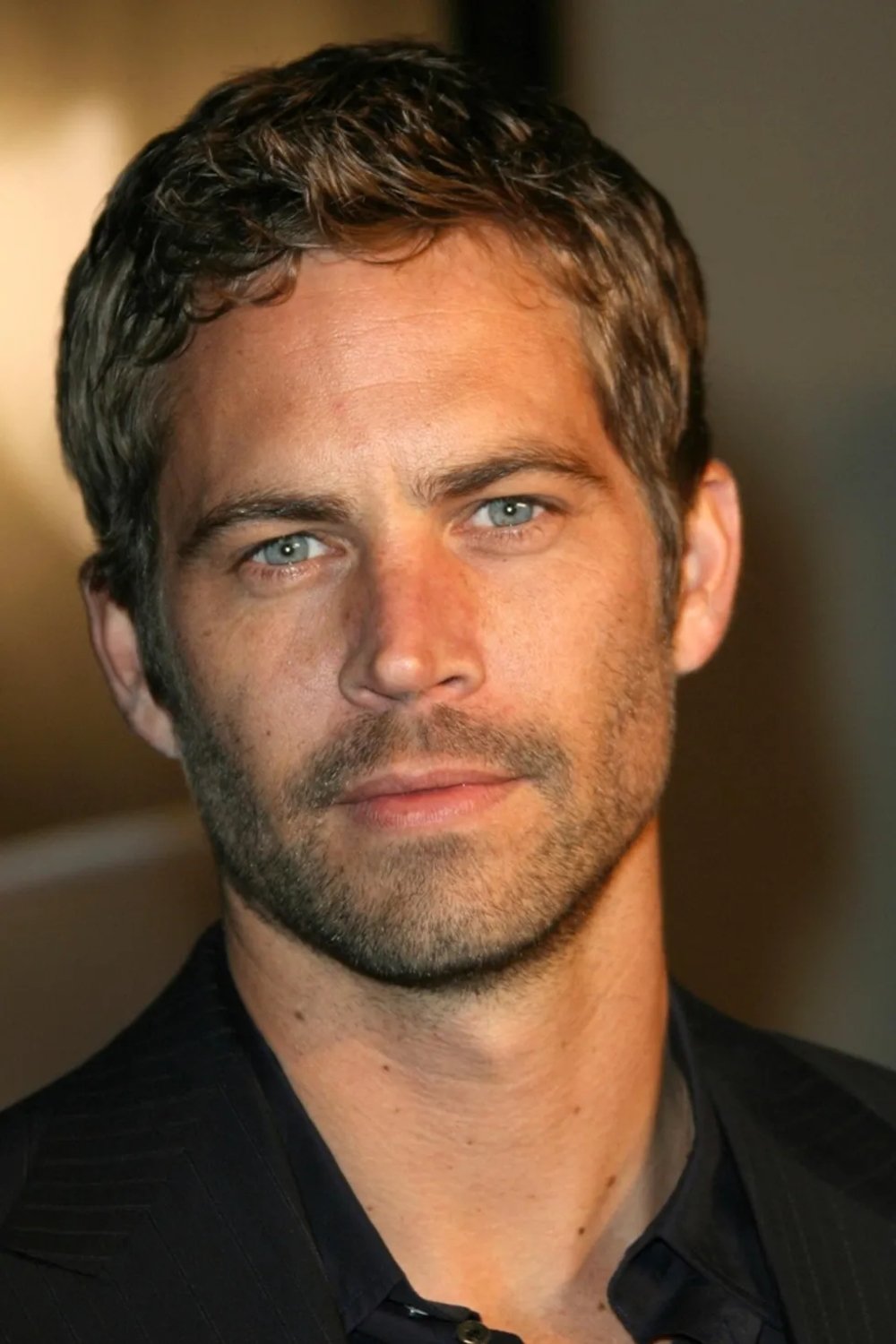
The production of ‘Furious 7’ was shut down for several months following the death of Paul Walker in a car accident. The filmmakers were unsure how to proceed without one of their primary leads who had only finished about half of his scenes. Universal Pictures eventually decided to complete the film using digital technology and the actor’s brothers as body doubles. This required a massive increase in the production budget and a total rewrite of the film’s ending. The movie was eventually released as a successful tribute to his legacy.
Percy Hynes White
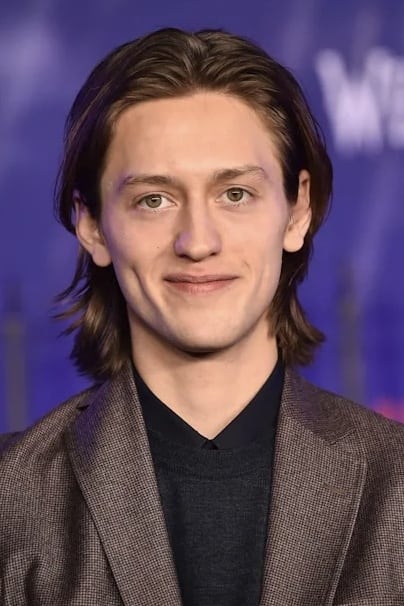
The production of the second season of ‘Wednesday’ faced significant rumors and casting updates regarding Percy Hynes White. Following allegations that surfaced online fans and media outlets speculated about his continued involvement with the hit Netflix series. It was eventually reported that the actor would not be returning for the new season as the show shifted its focus. This change required the writers to adjust the social dynamics of the characters at Nevermore Academy. The production moved forward with a modified cast to maintain the show’s popularity.
Philip Seymour Hoffman
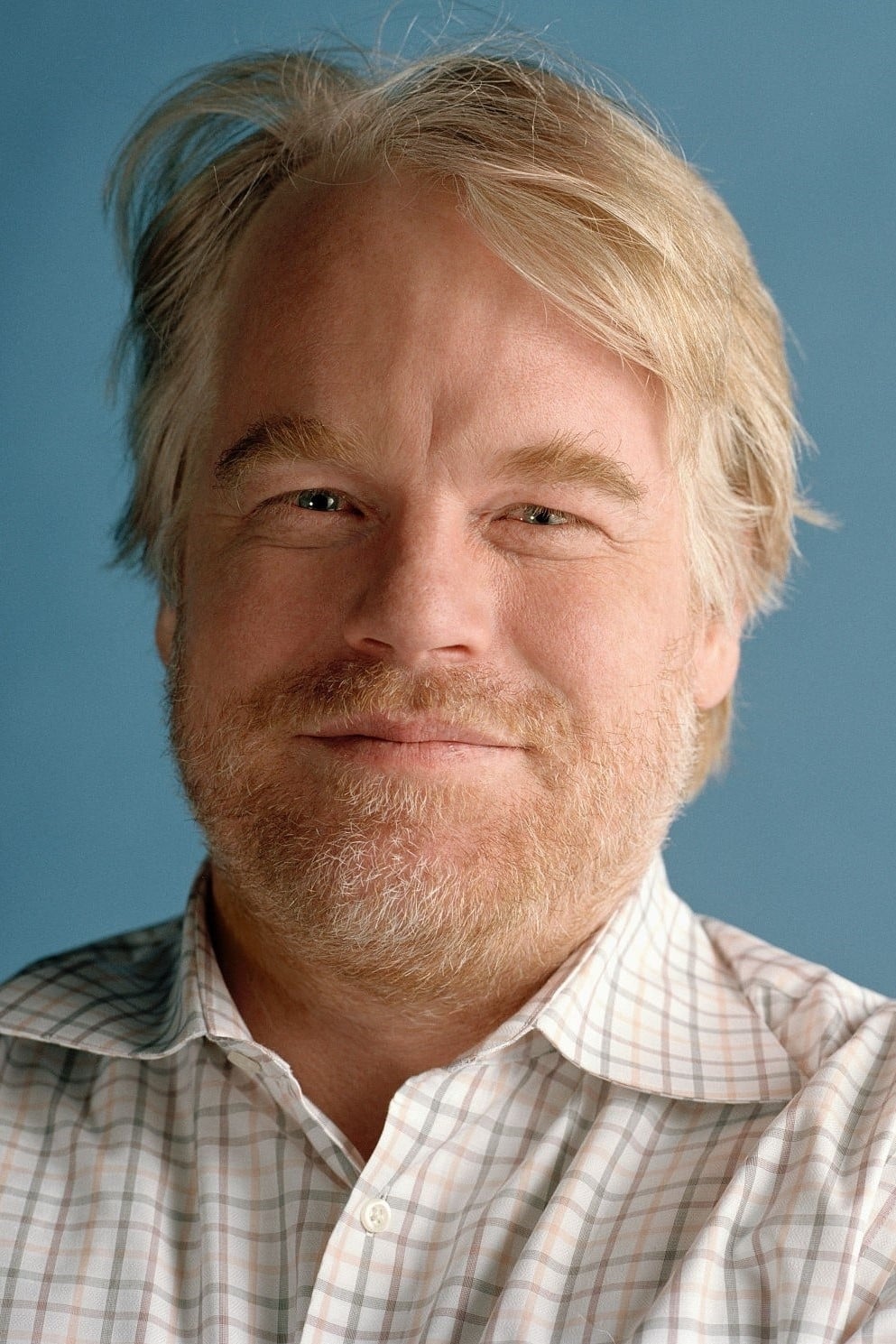
The filming of ‘The Hunger Games: Mockingjay – Part 2’ was nearly complete when Philip Seymour Hoffman passed away. Production was briefly halted while the studio and director determined how to finish his remaining scenes. They decided to use existing footage and minor script changes rather than using digital recreation to finish his performance. The tragedy affected the morale of the entire cast during the final weeks of production. The film was eventually dedicated to his memory upon its release in theaters.
Richard Dreyfuss
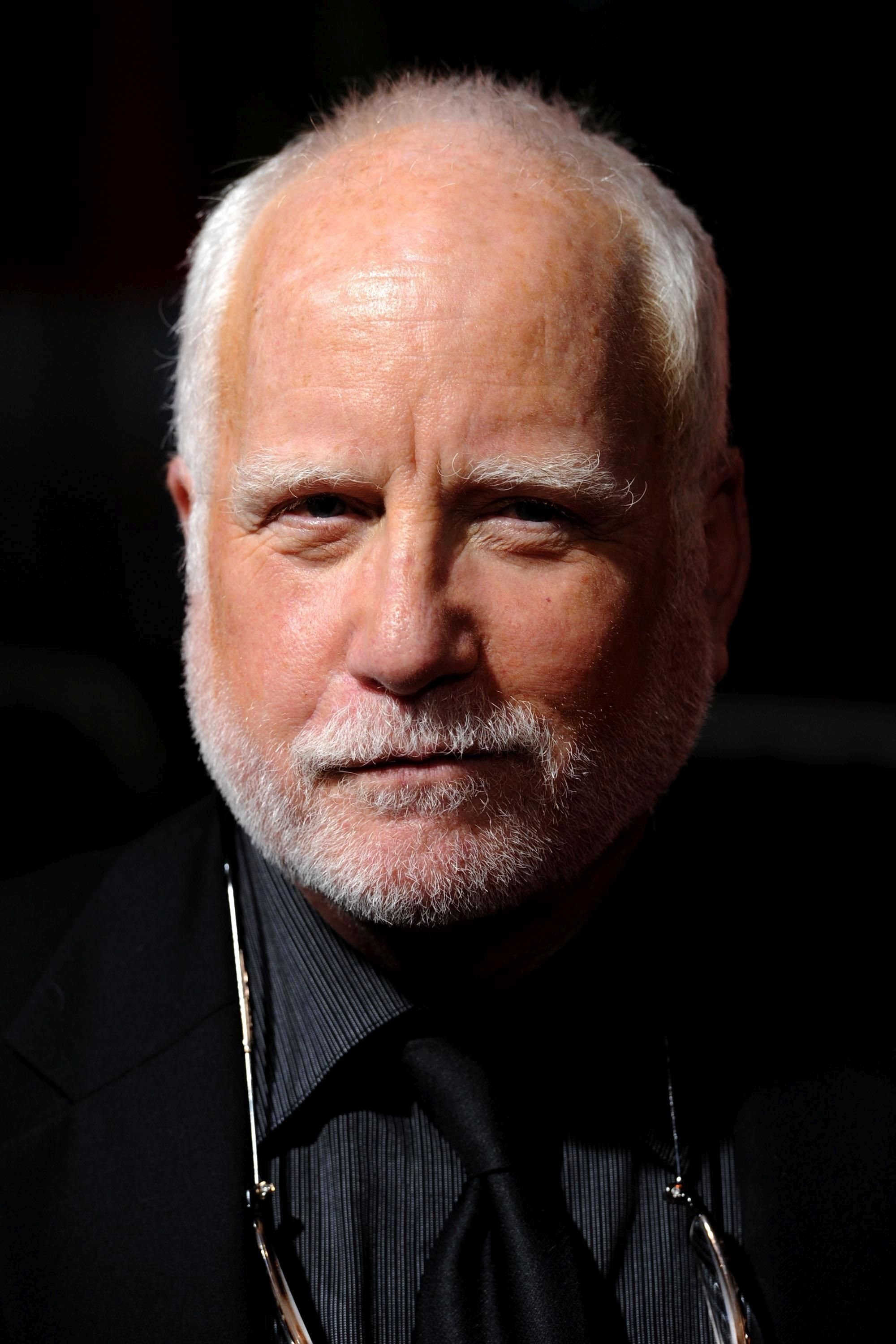
The production of various theatrical and film projects involving Richard Dreyfuss has faced challenges over the years due to his public comments and behavior. Some theater companies have reportedly reconsidered their associations with the actor following controversial appearances at fan events. While he remains a respected veteran of the industry these incidents have occasionally led to the cancellation of speaking engagements or promotional activities. Producers must often manage the public relations aspect of his involvement very carefully. These events reflect the ongoing tension between an actor’s legacy and their contemporary public image.
River Phoenix
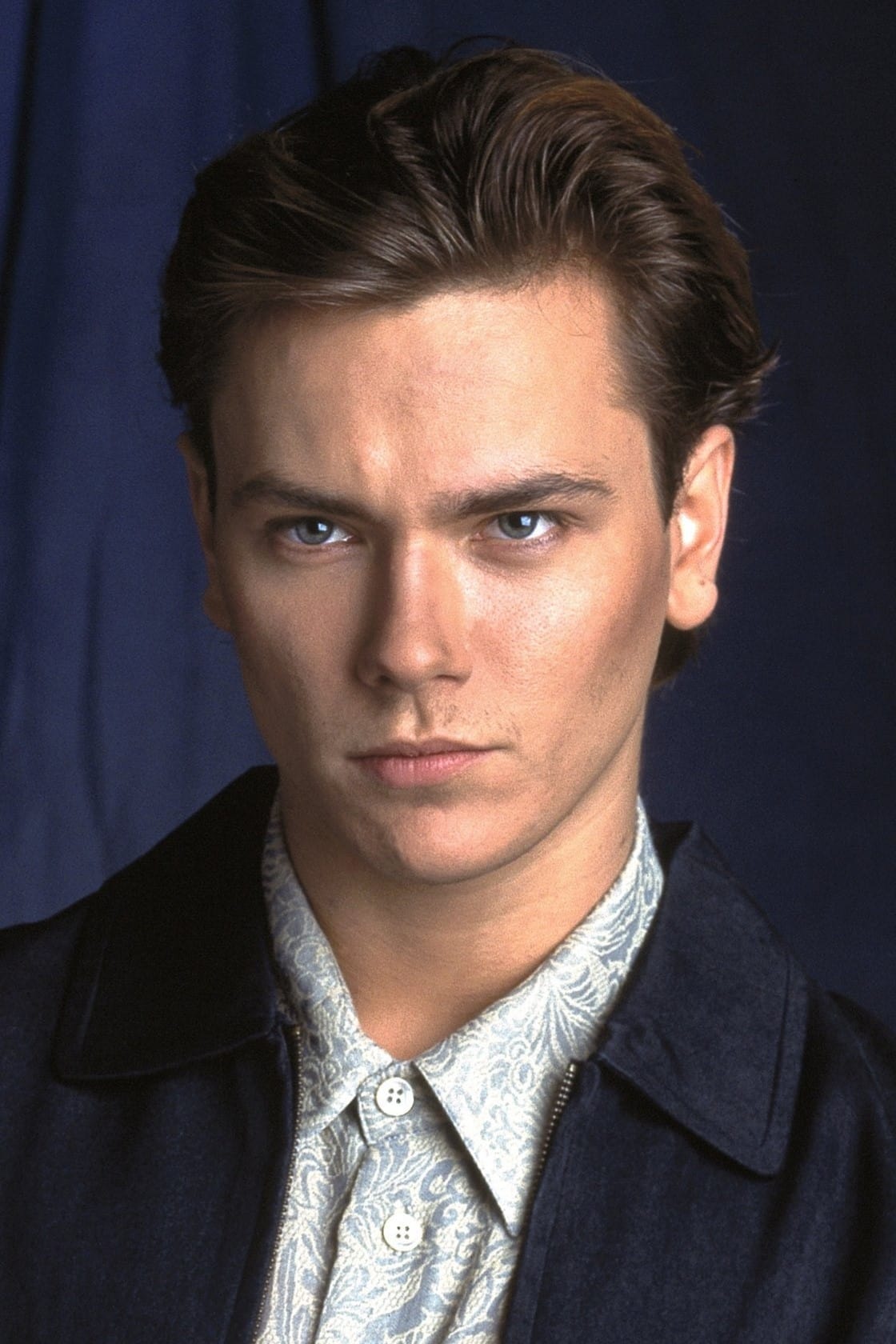
The film ‘Dark Blood’ was shut down and left unfinished for nearly two decades following the sudden death of River Phoenix. He died during the final weeks of filming which left several crucial scenes unrecorded. The production company initially abandoned the project and the footage was kept in storage for years. Director George Sluizer eventually decided to finish the film using narration to fill in the missing parts of the story. The completed version was finally shown at film festivals many years after the original production was halted.
Robert Downey Jr.
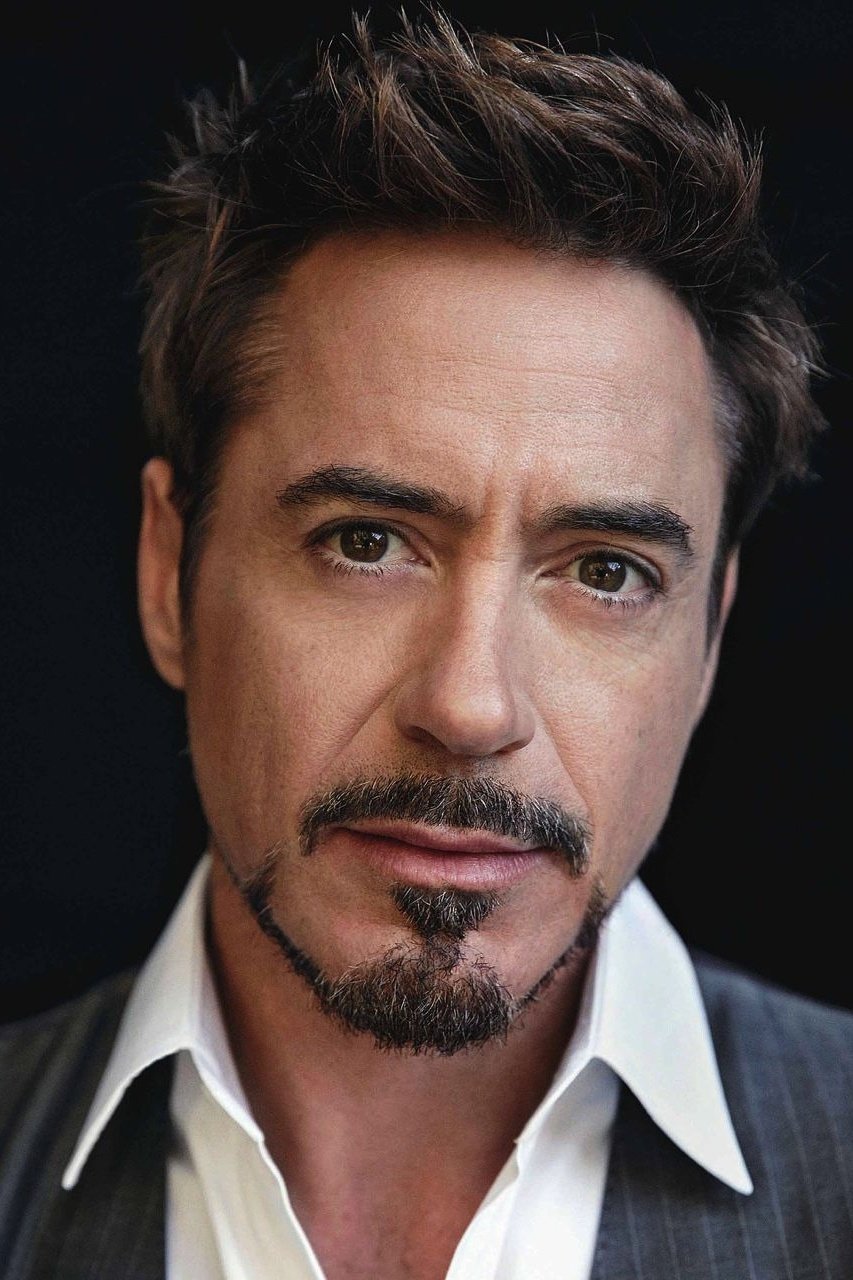
The production of the television series ‘Ally McBeal’ was forced to write out Robert Downey Jr. following his legal troubles and substance abuse issues. He had been a major part of the show’s success during his time on the series but his frequent absences made it impossible for production to continue as planned. The writers had to create a sudden exit for his character which disappointed many fans of the show. This period represented a low point in his career before his successful comeback in later years. His eventual return to the industry is now considered one of the greatest career rehabilitations in Hollywood.
Ryan Phillippe
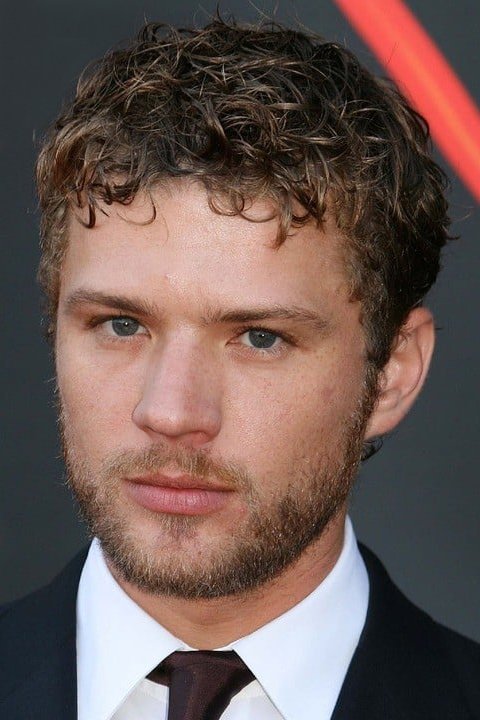
The television series ‘Shooter’ faced a production delay when Ryan Phillippe suffered a serious leg injury outside of filming. While the injury was not a personal scandal the circumstances led to a temporary shutdown of the second season. The production team had to wait for the actor to recover enough to perform the physical stunts required for the role. Ultimately the season was shortened because the delay made it impossible to finish all planned episodes on time. The show continued for another season after he had fully recovered.
Shia LaBeouf
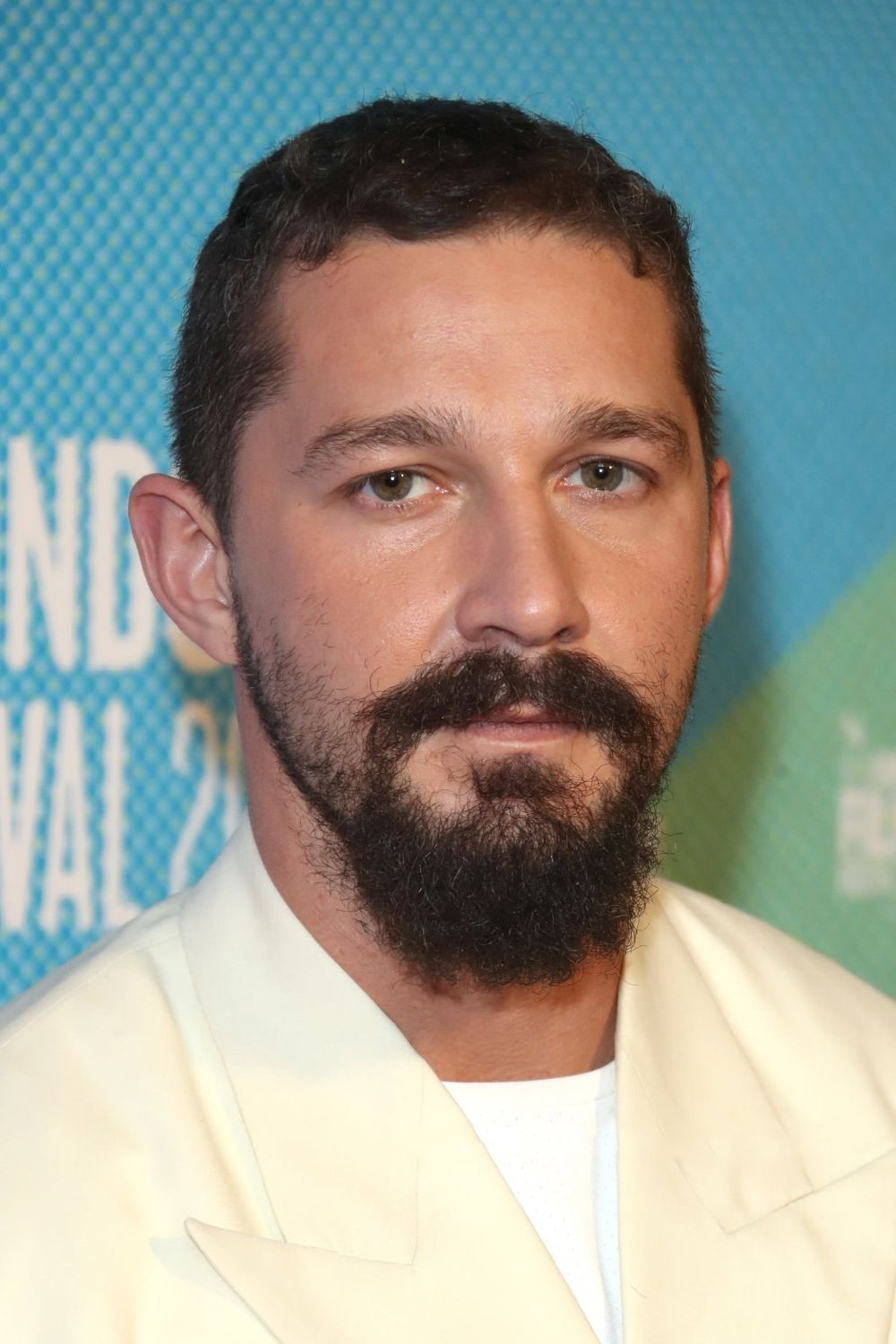
The production of ‘Don’t Worry Darling’ became a subject of intense media scrutiny following reports that Shia LaBeouf was fired from the project. Director Olivia Wilde initially claimed he was removed to ensure a safe environment on set although the actor later disputed this version of events. His departure occurred during the pre-production phase which required a quick recasting to keep the film on schedule. Harry Styles eventually took over the role which led to a massive increase in public interest in the movie. The controversy surrounding his exit continued to dominate the film’s press cycle for months.
Steven Seagal
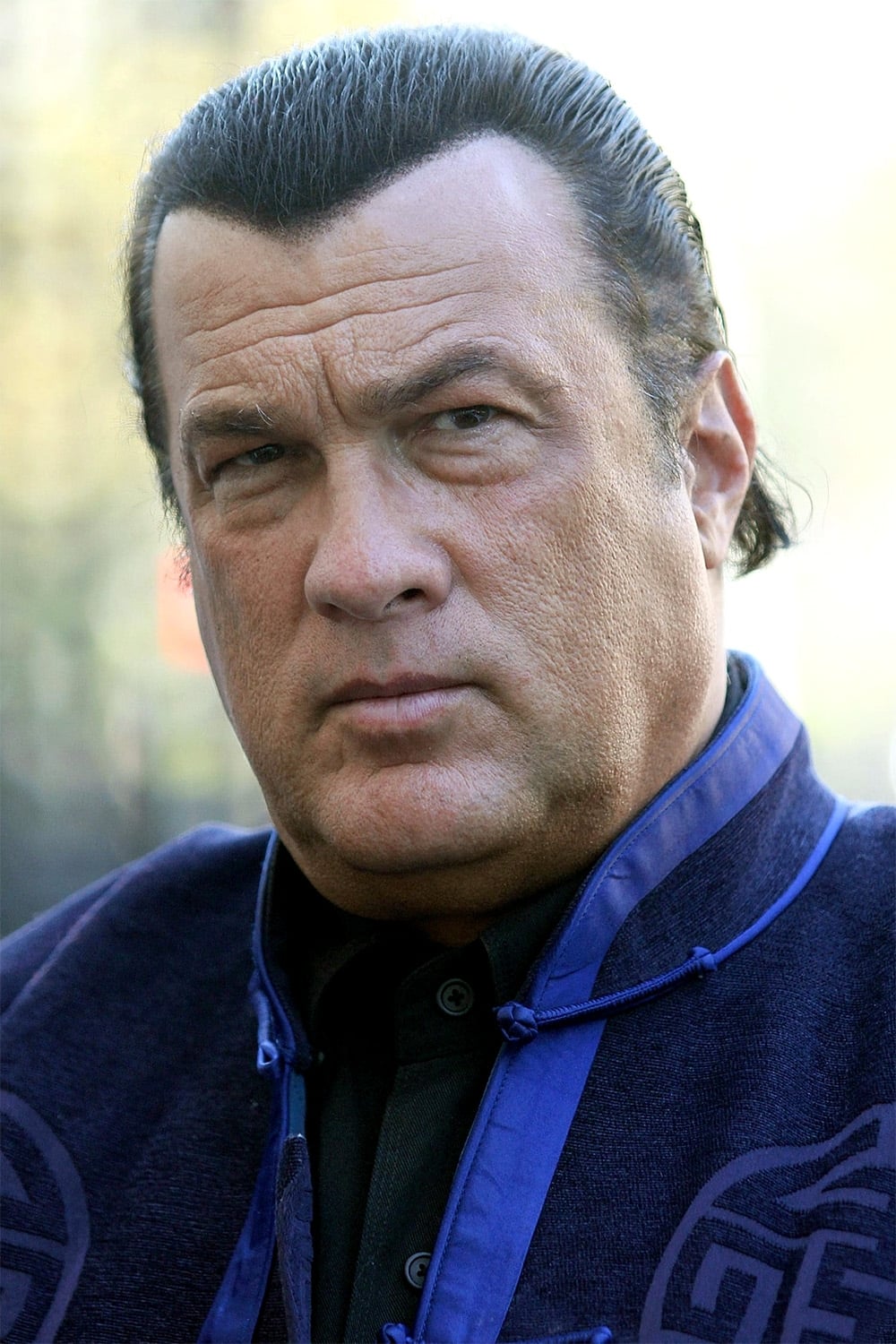
Multiple direct to video action projects involving Steven Seagal have faced production hurdles due to his unconventional on set behavior and legal issues. Reports from various sets have described instances where the actor refused to follow scripts or cooperate with the crew. These disruptions often led to delays and forced directors to use body doubles for the majority of his action scenes. Some production companies have eventually stopped working with him due to the difficulty of managing his requirements. His career has primarily shifted to international productions outside of the major Hollywood studio system.
Sylvester Stallone
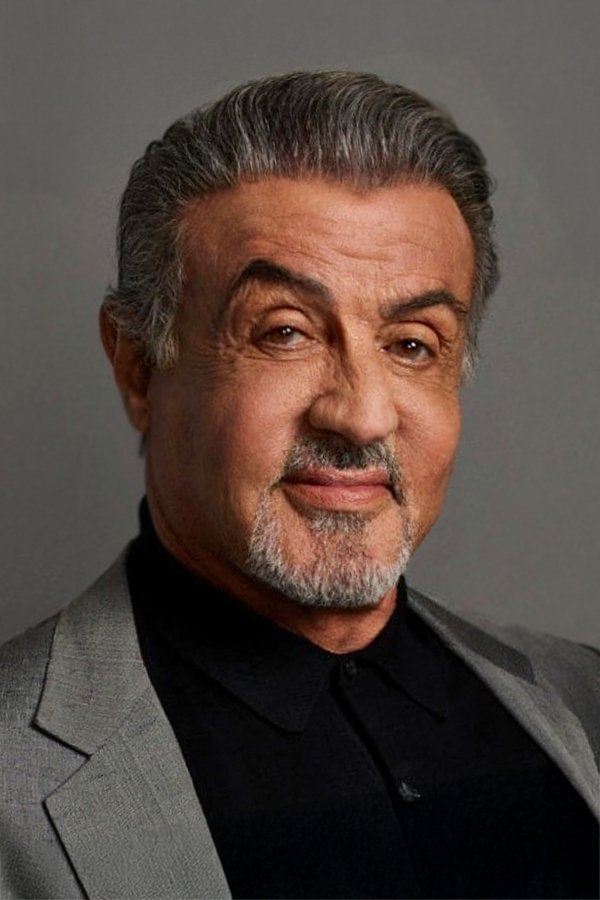
The production of a reality series focused on the family life of Sylvester Stallone faced temporary uncertainty during a brief period of personal litigation. While the show eventually moved forward the news of his personal legal filings caused a stir in the entertainment media. Production crews had to navigate the sensitive nature of the situation while filming the daily lives of the family members. The series managed to continue and became a successful venture for the streaming platform. This incident highlighted the challenges of producing reality content during private family disputes.
Terrence Howard
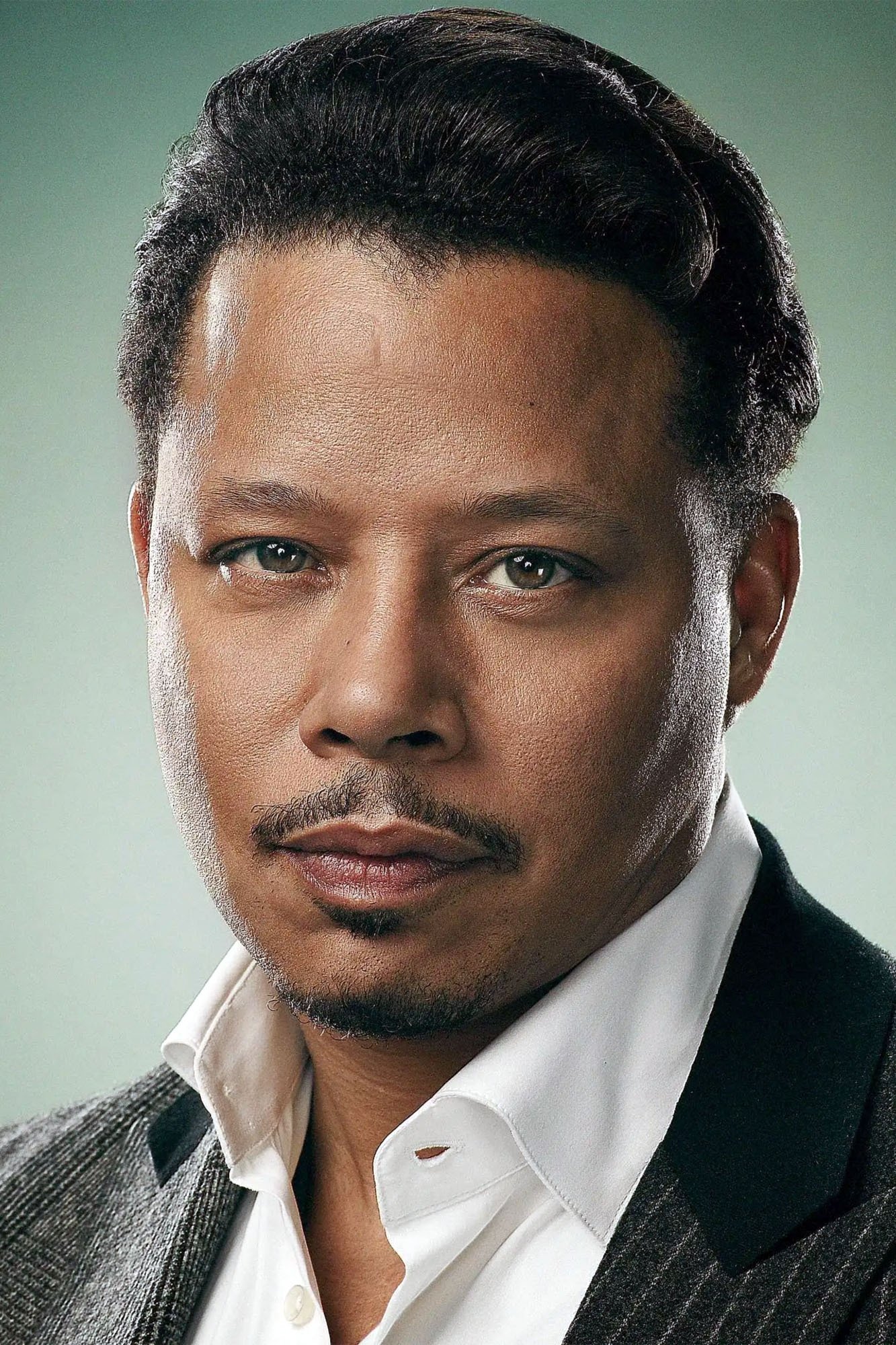
The production of ‘Iron Man 2’ saw a major change when Terrence Howard was replaced by Don Cheadle in the role of James Rhodes. Reports suggested that a dispute over salary and contract terms led to the studio’s decision to move on without him. This was a significant moment for the early Marvel Cinematic Universe as he was the highest paid actor in the first film. The production had to account for the new actor while maintaining the continuity of the character’s relationship with Tony Stark. This recasting is still discussed as one of the most prominent examples of a major superhero role changing hands.
Thomas Gibson
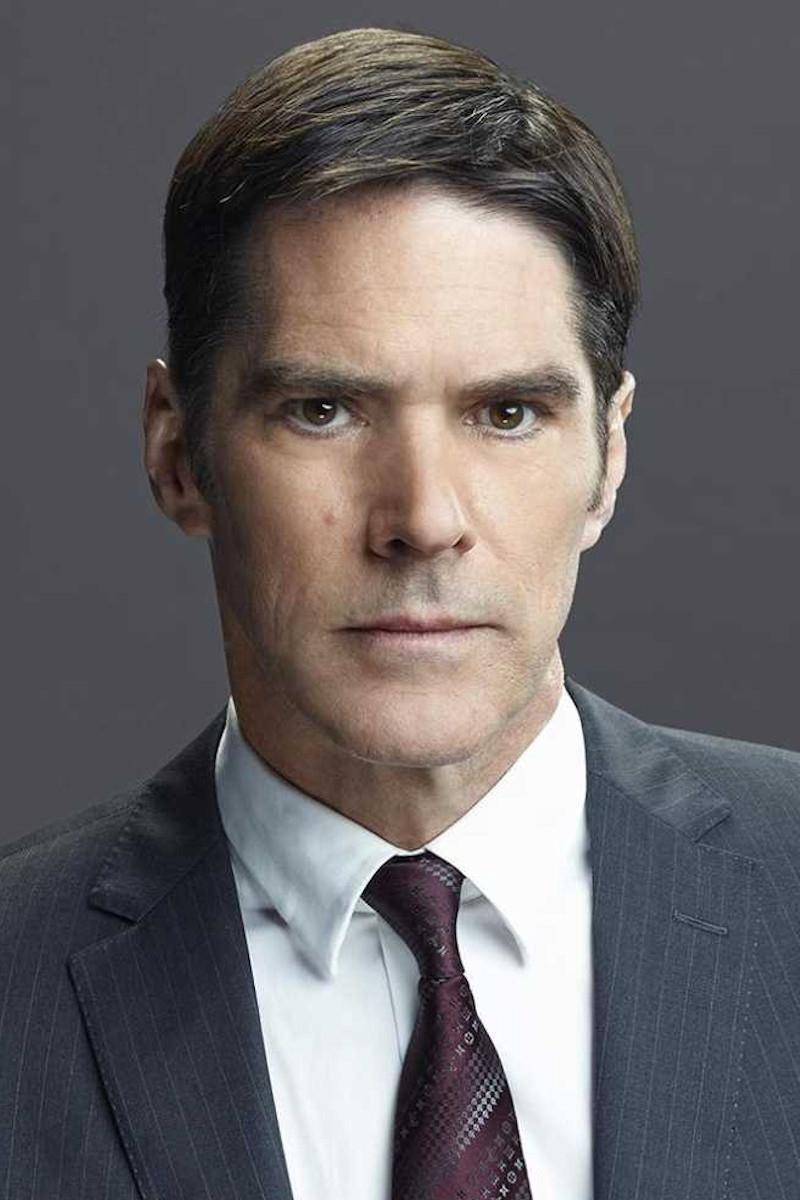
The long running series ‘Criminal Minds’ faced a sudden production crisis when Thomas Gibson was fired after an on set altercation with a producer. He was a lead actor on the show for over a decade which made his immediate removal a significant challenge for the writers. The production was briefly interrupted while the team figured out how to explain the absence of his character Aaron Hotchner. They eventually decided to have the character enter witness protection to ensure he would not return. The show continued for several more seasons with new team members joining the cast.
T.J. Miller
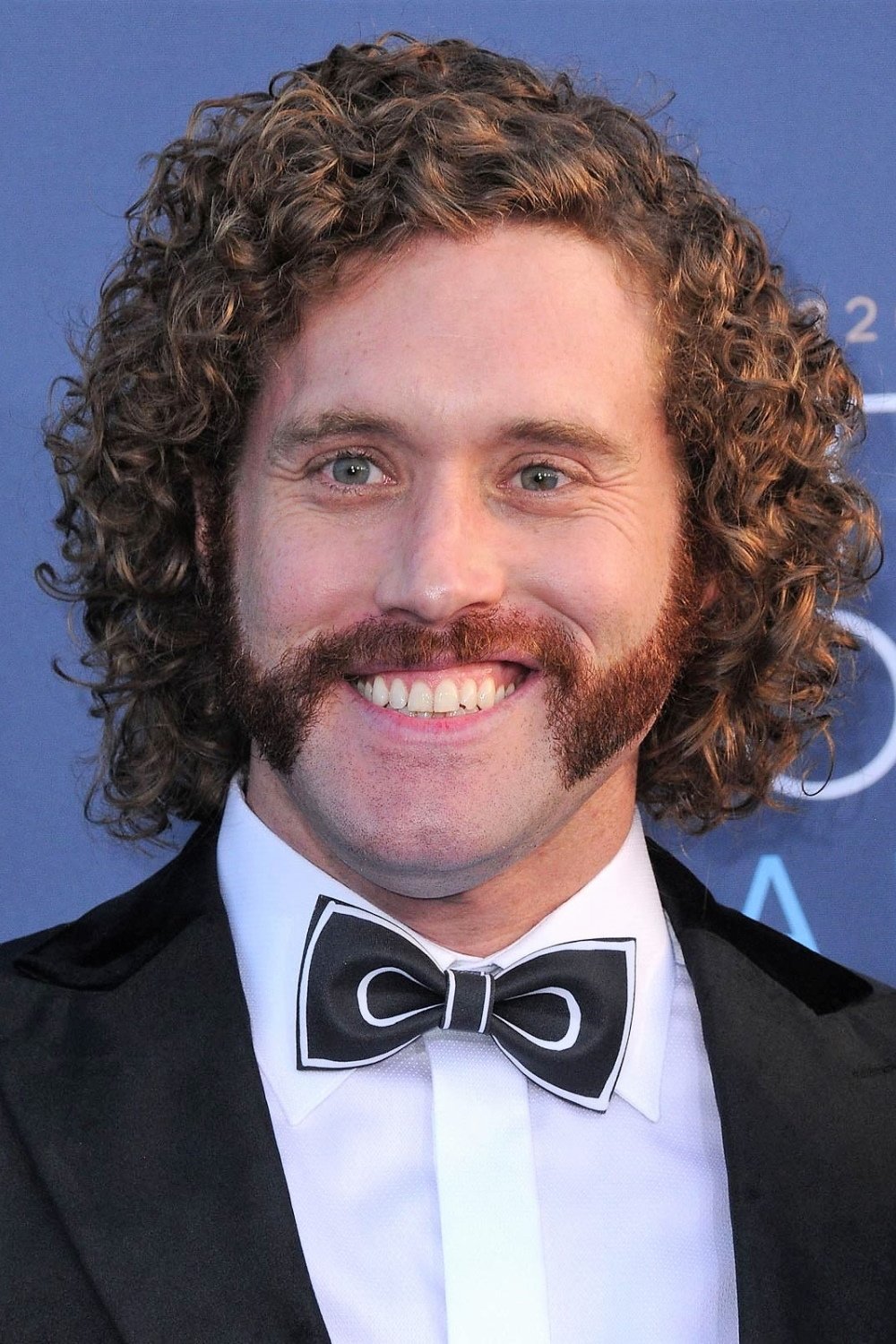
The animated film ‘The Emoji Movie’ and the series ‘Silicon Valley’ faced various complications related to the behavior of T.J. Miller. He left the cast of ‘Silicon Valley’ amid reports of professional difficulties and tensions with the production team. Following his departure several legal incidents further complicated his professional relationships with major studios. His voice work in upcoming projects was sometimes reevaluated or replaced to avoid negative publicity. These events led to a significant decrease in his appearances in major studio productions.
Val Kilmer
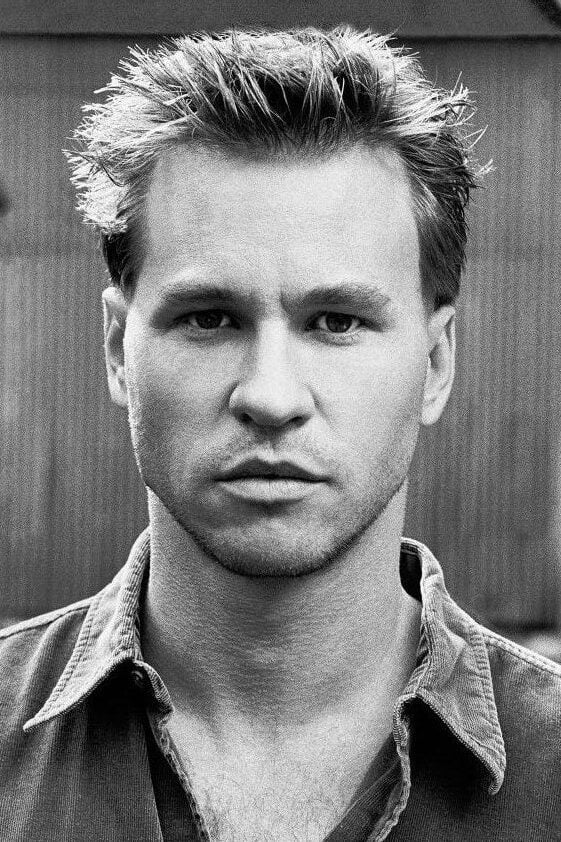
The production of ‘The Island of Dr. Moreau’ was famously derailed by the behavior and personal demands of Val Kilmer. He reportedly clashed with the original director and showed a lack of cooperation with his fellow cast members including Marlon Brando. These tensions contributed to a hostile work environment that slowed down the filming process significantly. The production went over budget and behind schedule as the crew tried to manage the constant conflicts on set. The film’s failure at the box office is often blamed on these deep seated production issues.
Wesley Snipes
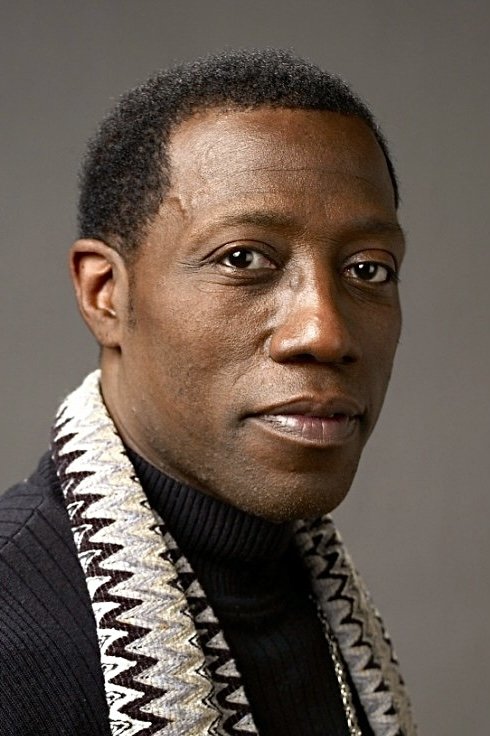
The production of ‘Blade: Trinity’ was marred by extreme tension between Wesley Snipes and the rest of the cast and crew. Reports surfaced that the actor stayed in his trailer for long periods and only communicated through post it notes. This behavior forced the director to use digital effects and body doubles to complete many of his scenes. The production was highly disrupted and the experience led to legal battles between the actor and the studio. The film was the final entry in the original franchise and remains a well known example of on set friction.
Share your thoughts on these production disruptions in the comments.

