


Actors With 40+ Years of Continuous Credits (No Big Gaps)

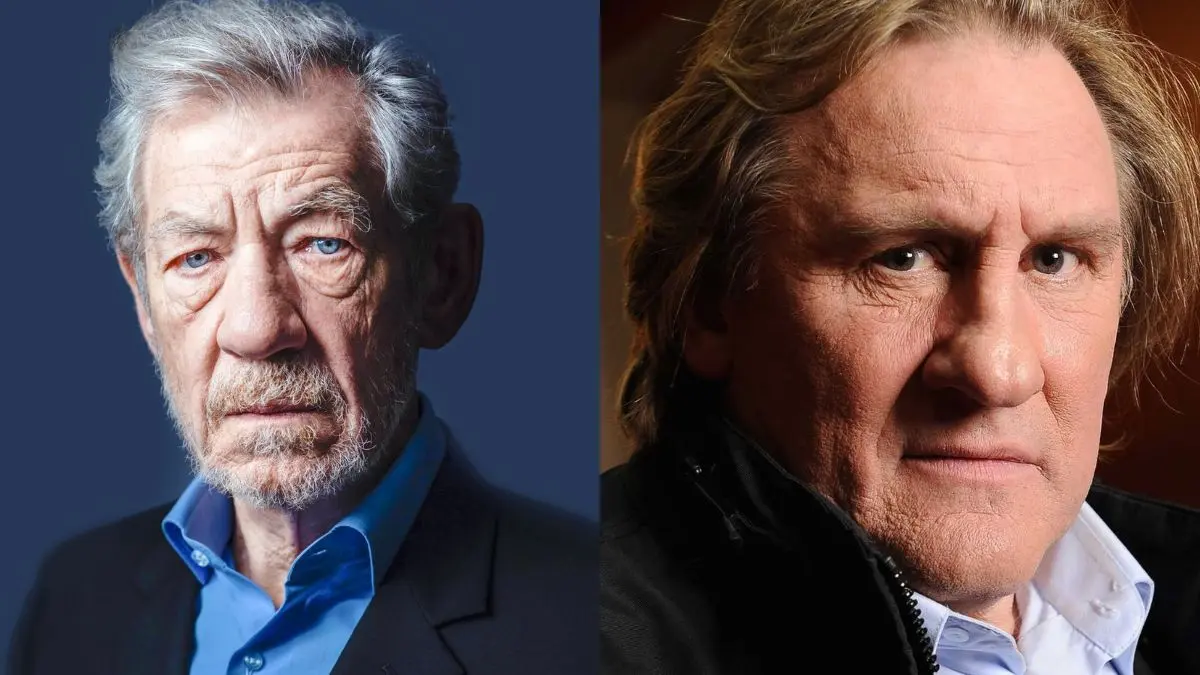


Staying visible on screen year after year takes stamina, range, and an unbroken work ethic, and these men have kept their names in the credits for four decades or more without long layoffs. From early breakthroughs to steady stretches across film, television, and streaming, they kept working through industry shifts and changing trends. Many moved between supporting turns, leads, character roles, and voice work to keep momentum. Here are fifteen male actors whose careers show a consistent flow of credited work for 40 years or longer.
Robert De Niro
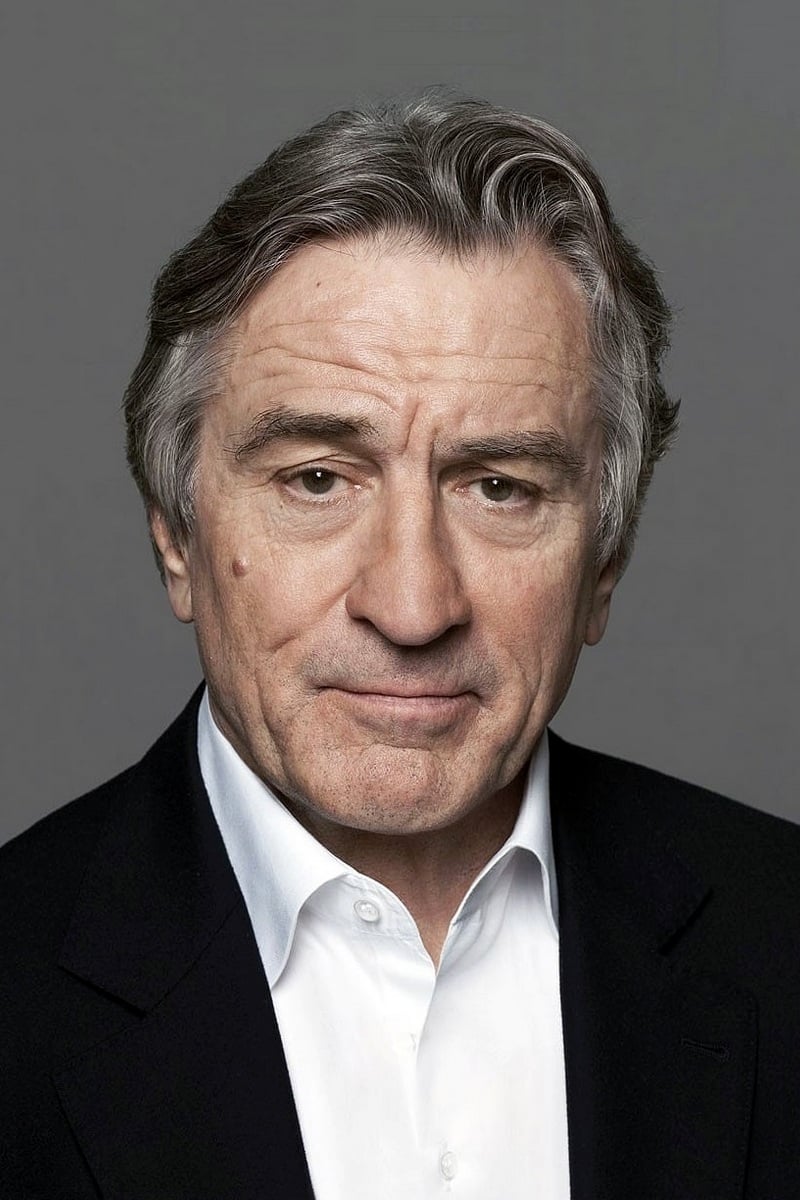
De Niro’s credited work began in the late 1960s and has continued through every decade since. He balanced prestige dramas with comedies and thrillers to keep a steady slate. Regular collaborations with major directors helped sustain visibility while he also embraced television and streaming projects. Producing work and festival appearances further anchored a continuous industry presence.
Al Pacino
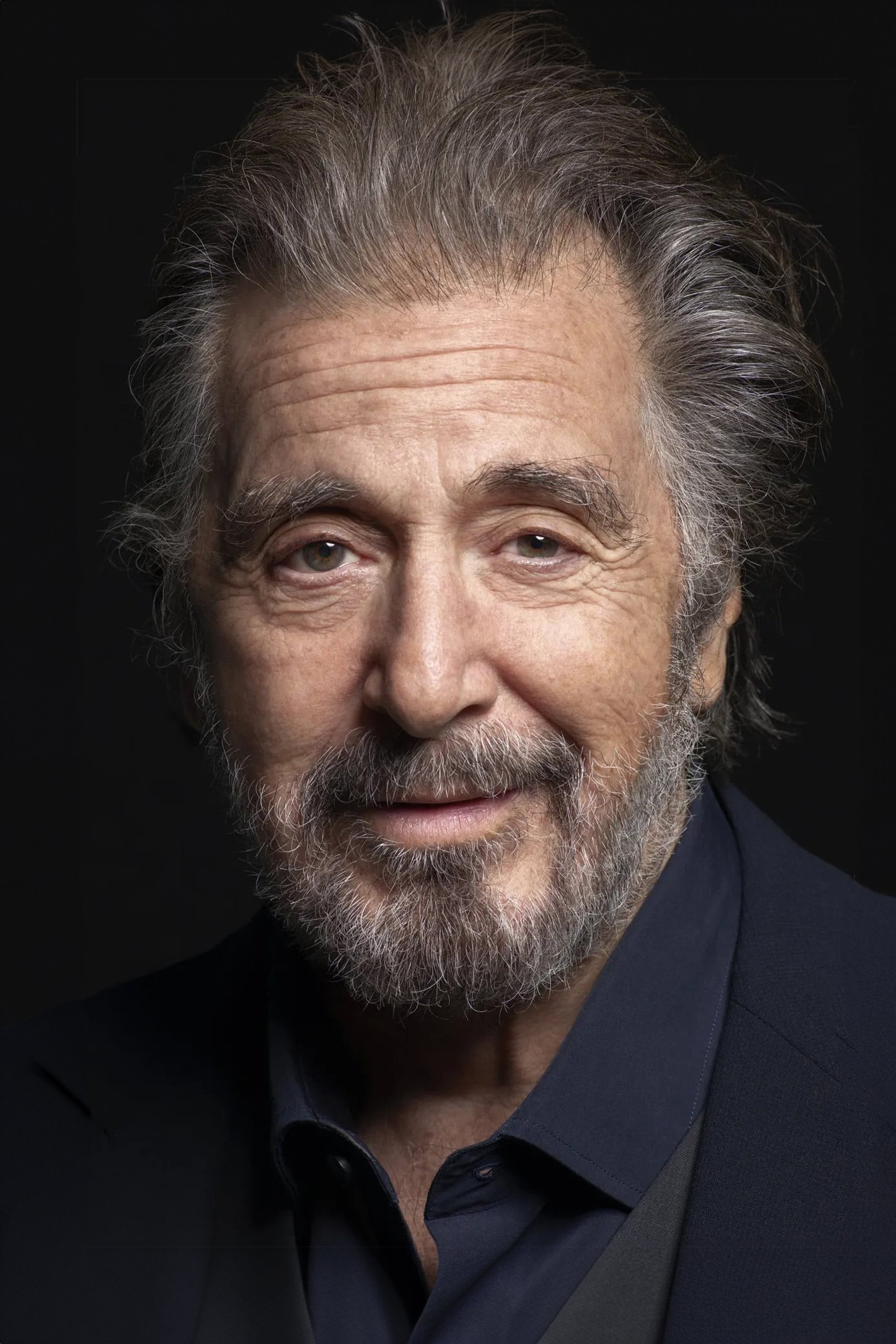
Pacino’s screen credits stretch from early 1970s features through a steady run of film and television. He alternated between stage commitments and screen roles while keeping his on-camera appearances consistent. The shift to streaming miniseries added new avenues for regular credits. Guest spots and voice roles filled gaps between larger projects.
Samuel L. Jackson
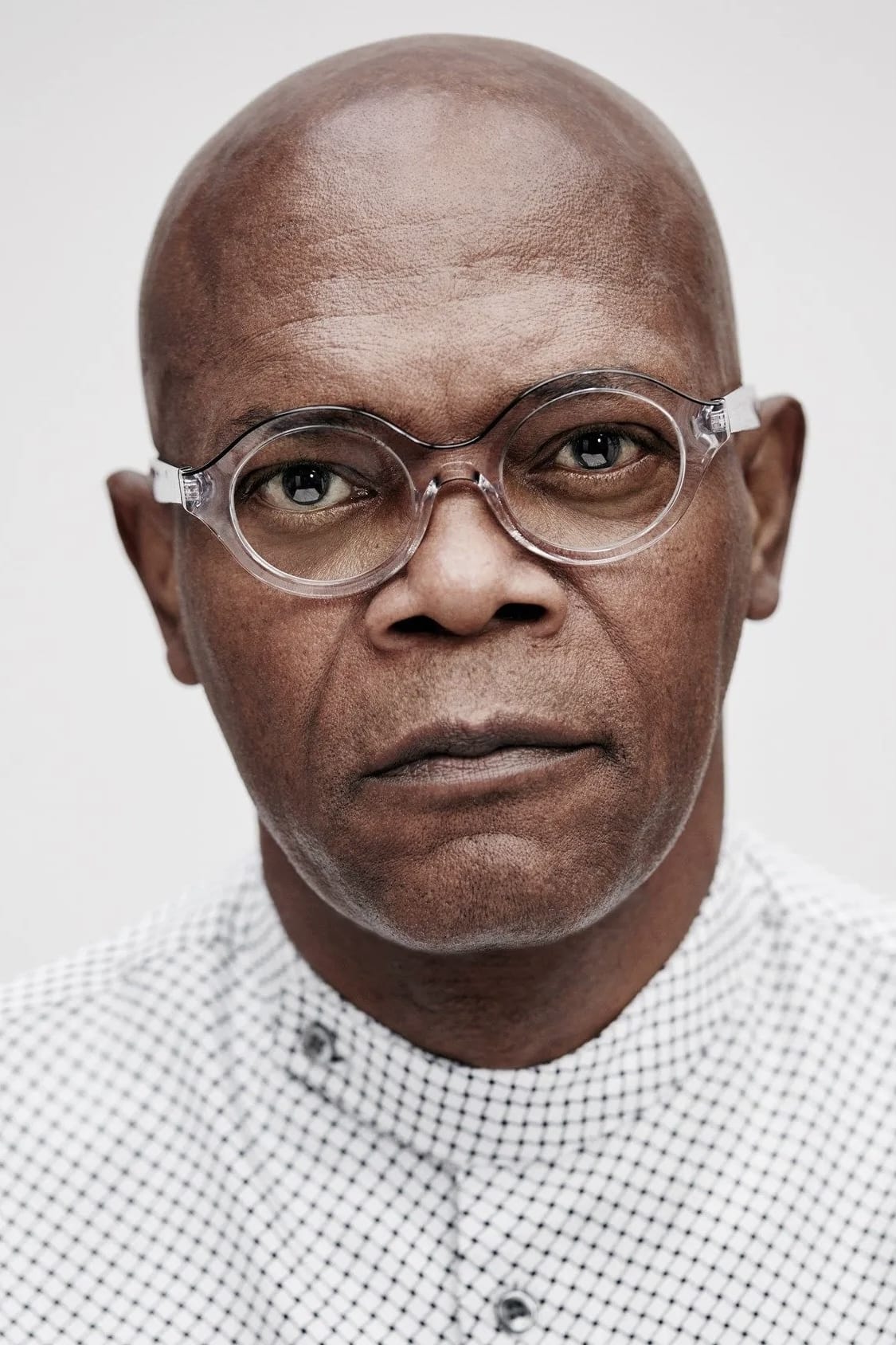
Jackson moved from theater and smaller parts into a nonstop run of film roles from the late 1980s onward. He maintained momentum with franchise work alongside independent features. Frequent supporting turns and cameos kept his name in credits even between larger projects. Voice acting in animation and games added further continuity.
Morgan Freeman
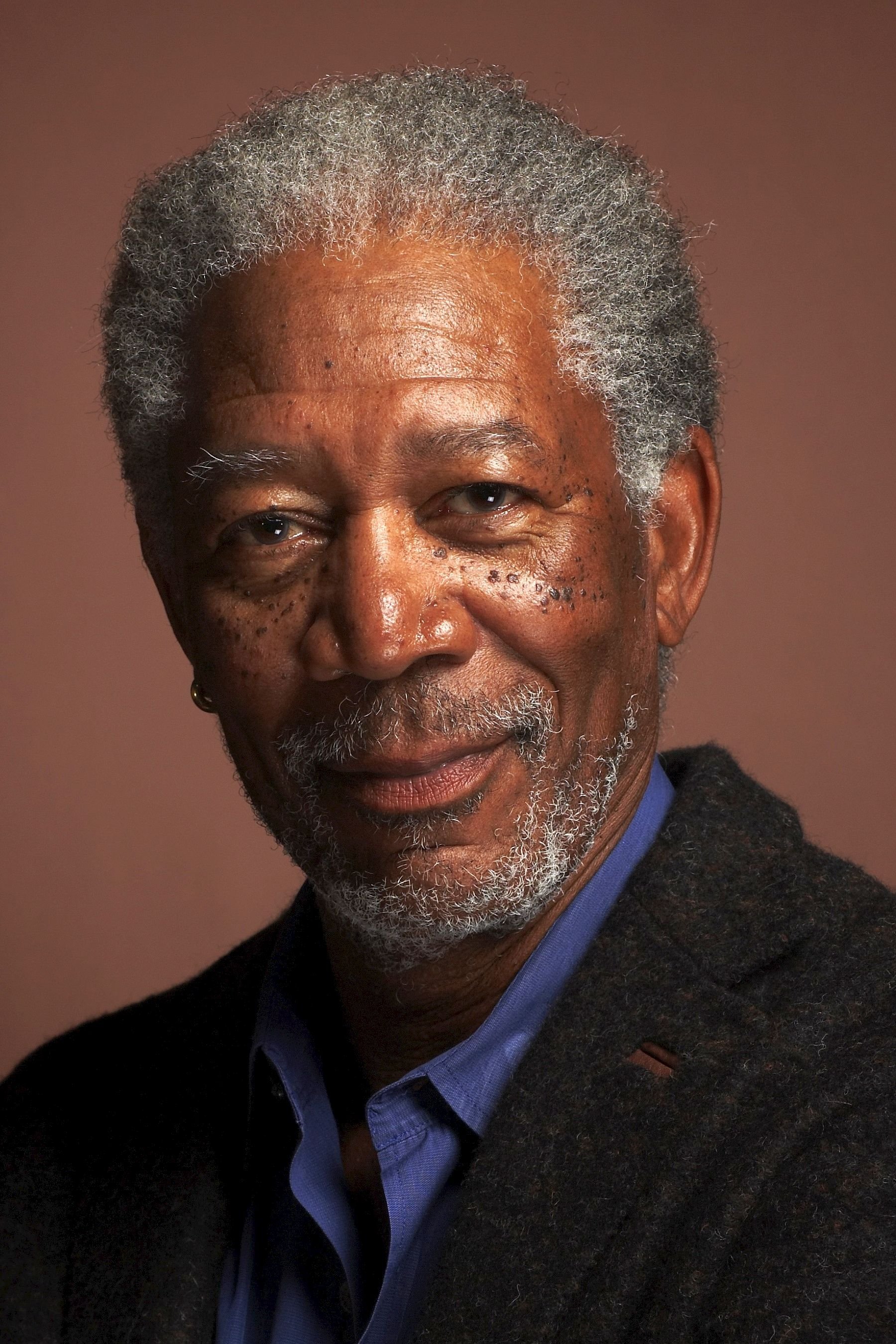
Freeman transitioned from television to film while maintaining near-annual credits from the 1970s forward. He diversified with narration work that appeared across documentaries and specials. Producer and host roles supplemented feature appearances to avoid gaps. His participation in ensemble casts kept output steady even during slower release windows.
Anthony Hopkins
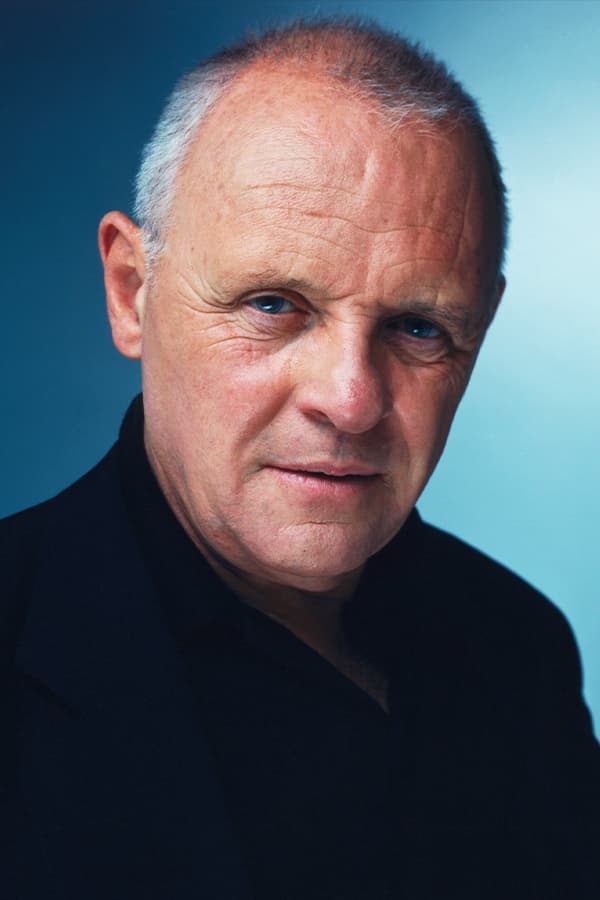
Hopkins built a continuous record from British television and films into global features. He balanced prestige leads with character roles and found steady work across historical dramas, thrillers, and biographical projects. Television limited series in recent years added dependable credits. Occasional composing and art exhibitions coincided with ongoing screen activity rather than replacing it.
Harrison Ford
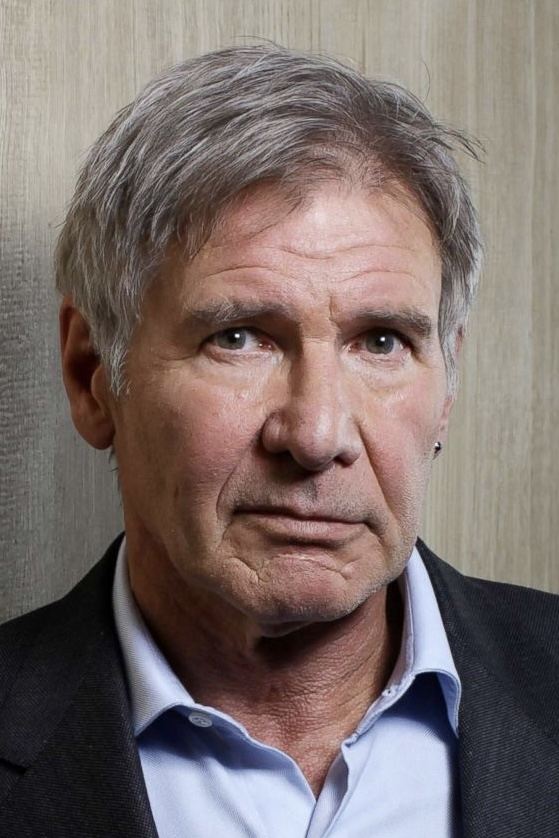
Ford’s film career took off in the 1970s and continued with regular features in every decade after. He maintained credits through franchise installments while also choosing standalone dramas and adventures. Voice and documentary appearances helped bridge intervals between large productions. Publicity commitments and industry honors often aligned with new releases, supporting a consistent cycle.
Denzel Washington

Washington moved from early television work into films while preserving a continuous release pattern. He alternated between acting and directing without long breaks from the screen. Collaborations with recurring writers and filmmakers produced dependable production timelines. Stage appearances were scheduled alongside film shoots rather than replacing on-camera work.
Willem Dafoe
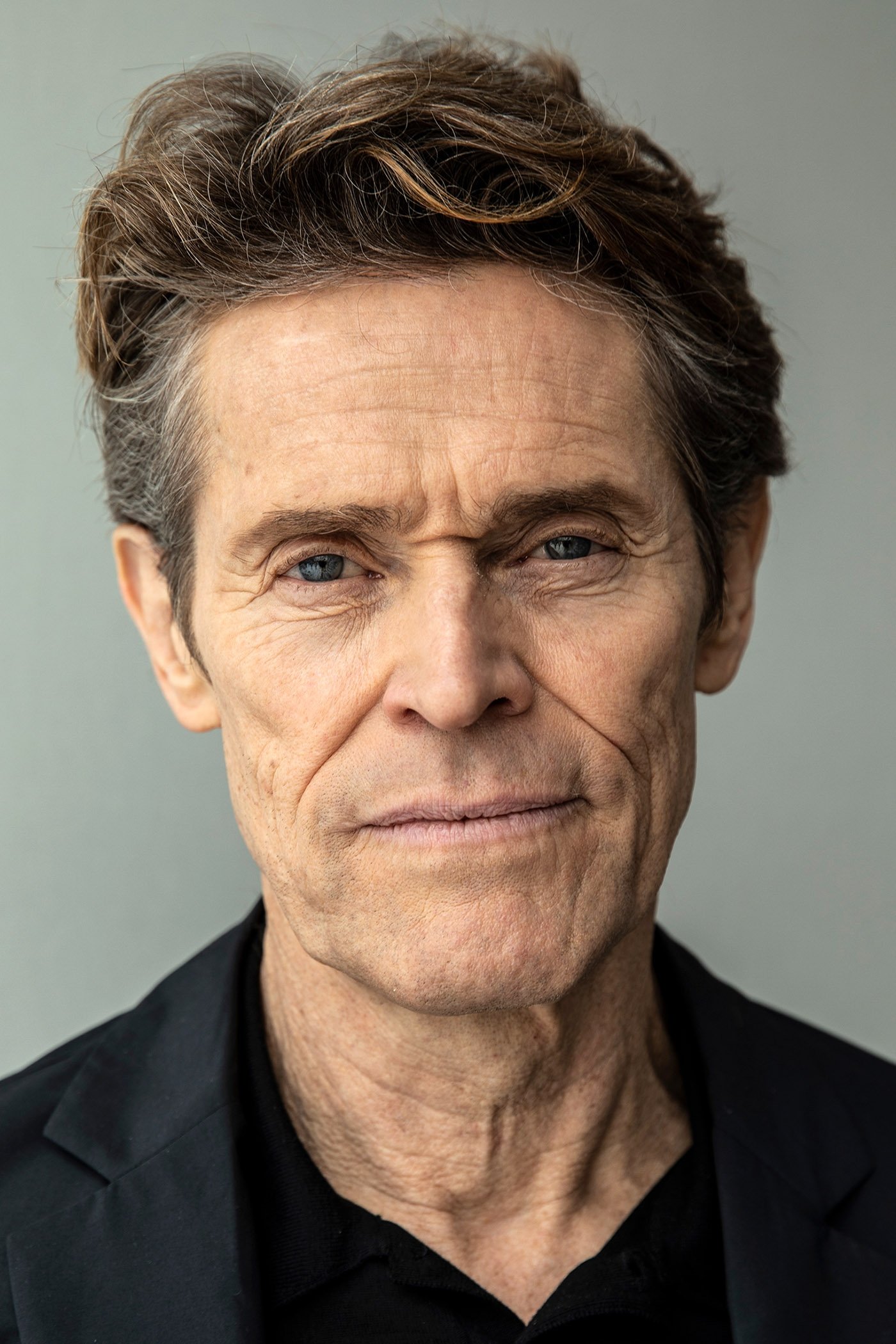
Dafoe’s output spans art-house, international cinema, and major studio releases with few empty years. He frequently filmed multiple projects in a single calendar, ensuring regular credits. European co-productions and festival titles filled the spaces between larger domestic releases. Voice roles and shorts added additional continuity.
Nicolas Cage
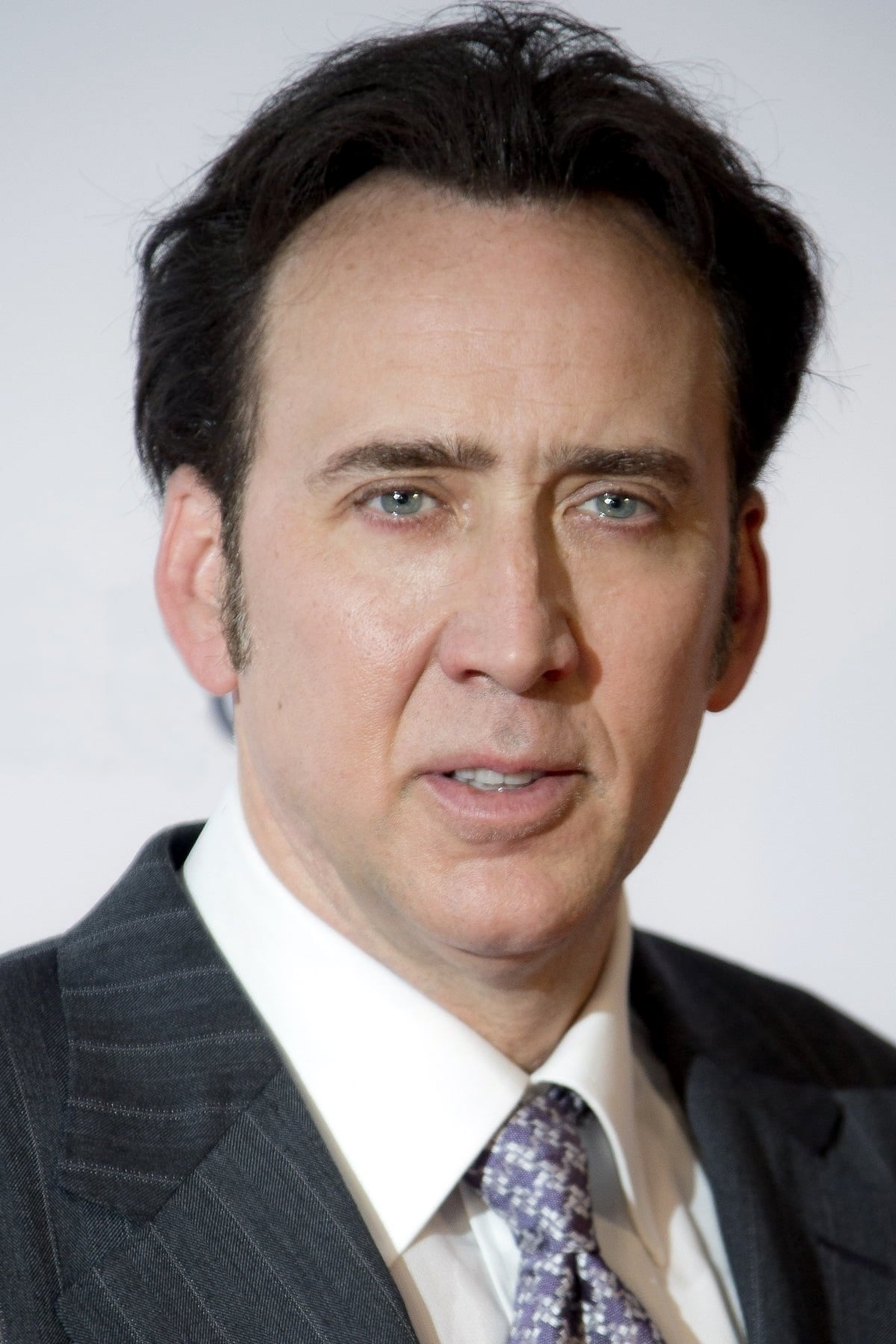
Cage maintained one of the most prolific schedules in contemporary film, often with several releases per year. He embraced independent productions, genre projects, and occasional studio films to keep a constant flow. Voice work for animation and supporting turns broadened his credit base. International shoots helped sustain output even during industry slowdowns.
Keanu Reeves
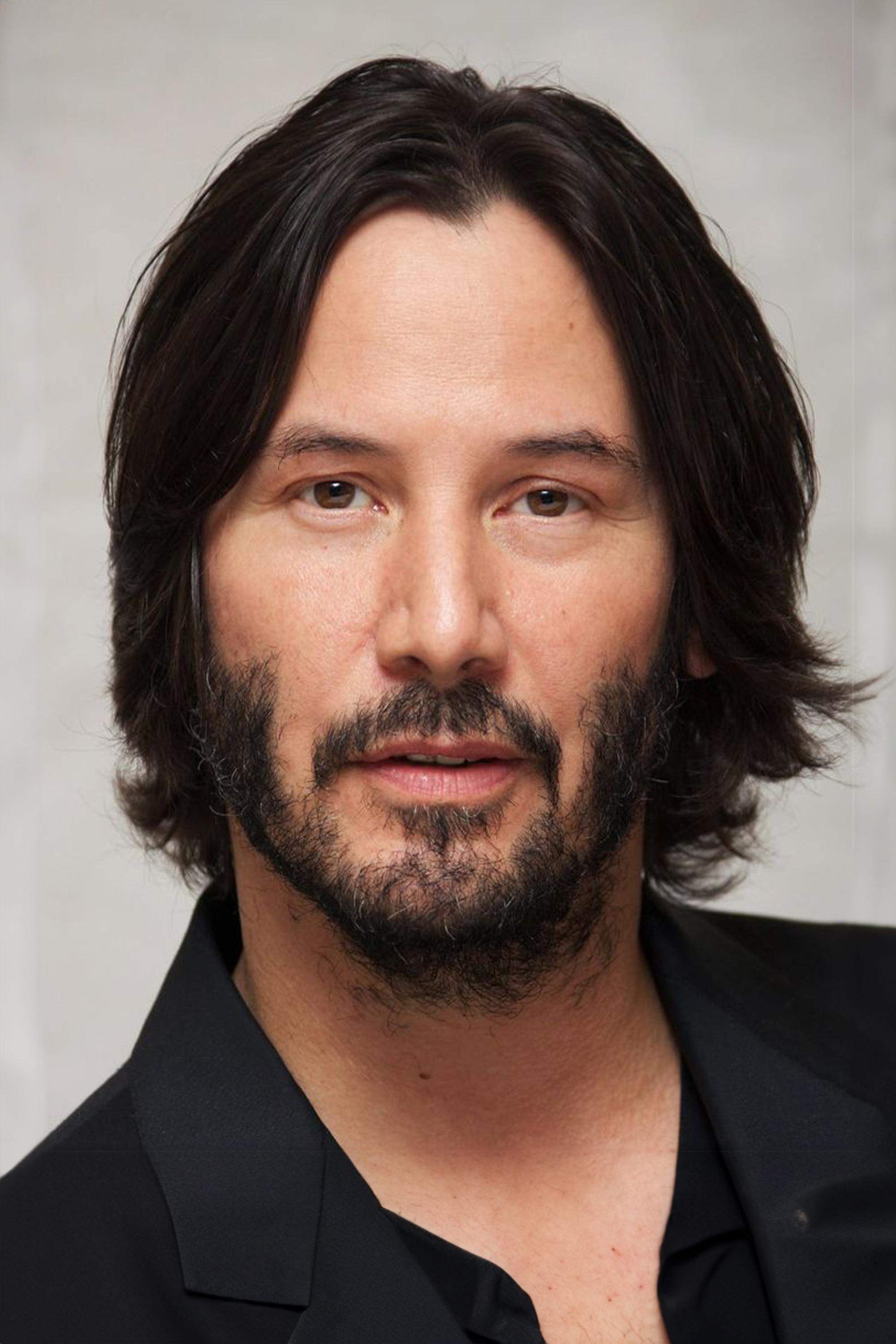
Reeves built a consistent line of credits from the 1980s with a mix of comedies, action films, and dramas. He expanded into producing and stunt-heavy franchises while still appearing in smaller projects. Voice roles and cameos supported the gaps between major releases. Public appearances tied to fan events and game performances reinforced an unbroken presence.
Jackie Chan
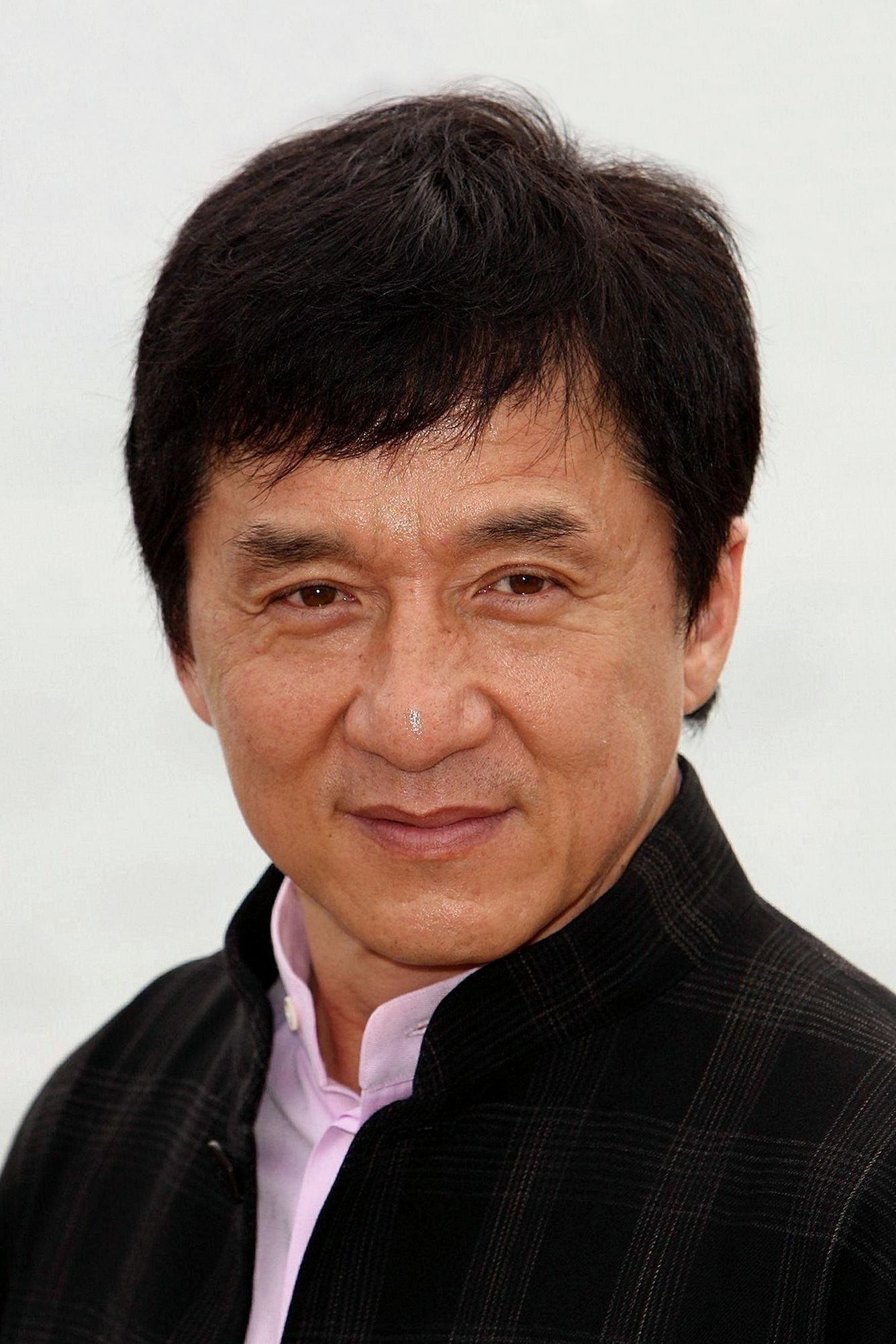
Chan’s career began as a child performer and grew into a decades-long run of martial arts and action films. He worked across Hong Kong, mainland China, and international co-productions to maintain volume. Television specials, variety appearances, and voice acting kept credits active between features. Stunt team leadership and producing roles accompanied steady on-screen work.
Ben Kingsley
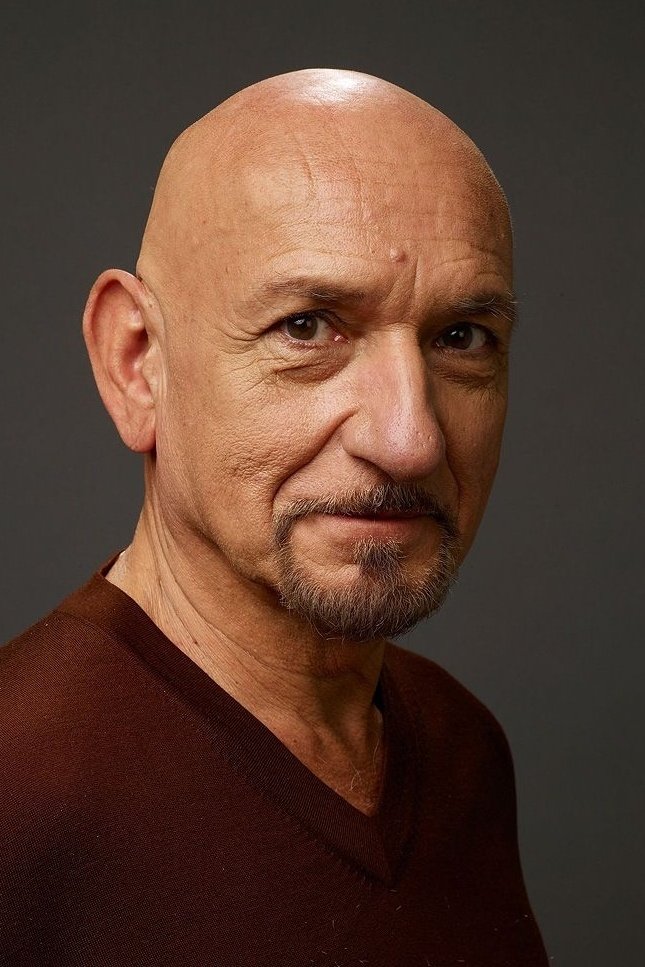
Kingsley moved from stage and British television into a continuous stream of films across genres. He accepted character parts, leads, and ensemble roles to keep a regular cadence. International productions and festival circuits ensured annual visibility. Narration and limited series appearances supported the continuity.
Christopher Walken
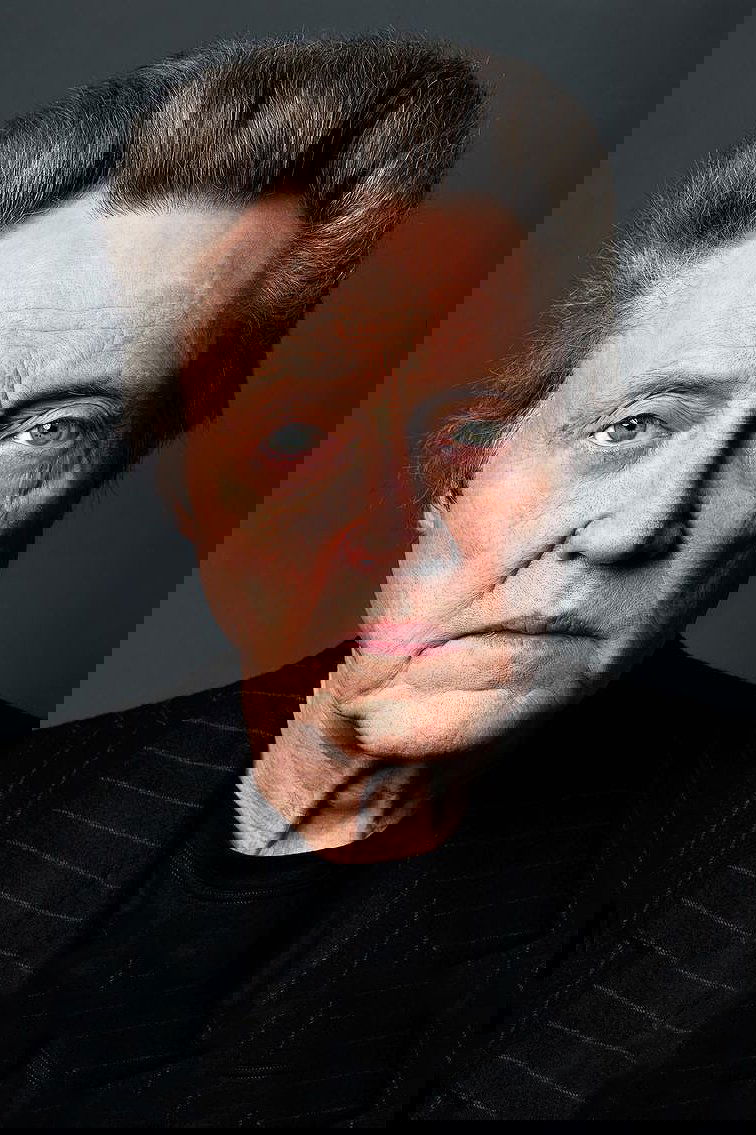
Walken’s screen career shows uninterrupted activity from the late 1960s, covering movies, television, and live specials. He frequently alternated between supporting roles and leads to maintain frequency. Music videos, sketches, and variety programs augmented film credits. Recent limited series work continued the pattern without long breaks.
Amitabh Bachchan

Bachchan sustained a continuous output in Indian cinema for decades, spanning mainstream hits, character roles, and special appearances. He embraced television hosting and advertising work that kept him constantly in the public eye. Collaborations with multiple generations of filmmakers maintained yearly releases. Occasional health pauses were brief and followed by immediate returns to credited work.
Michael Caine
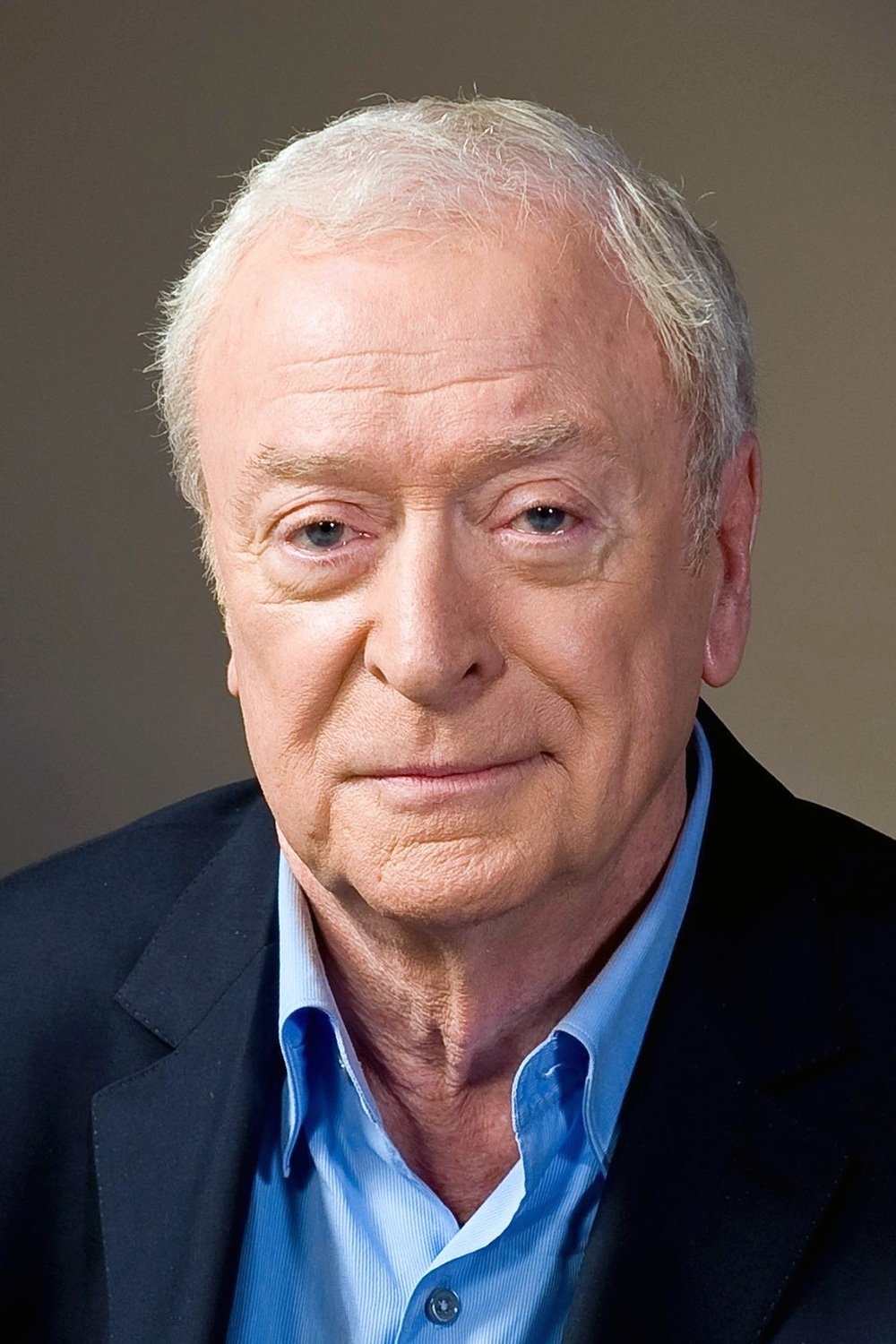
Caine’s filmography runs from mid-century British cinema through modern franchises with consistent yearly credits. He balanced lead roles with memorable supporting turns to preserve regular output. Audiobook narration and voice performances supplemented on-camera appearances. Even periods of partial retirement were preceded by long stretches without significant gaps in credited work.
Tom Cruise
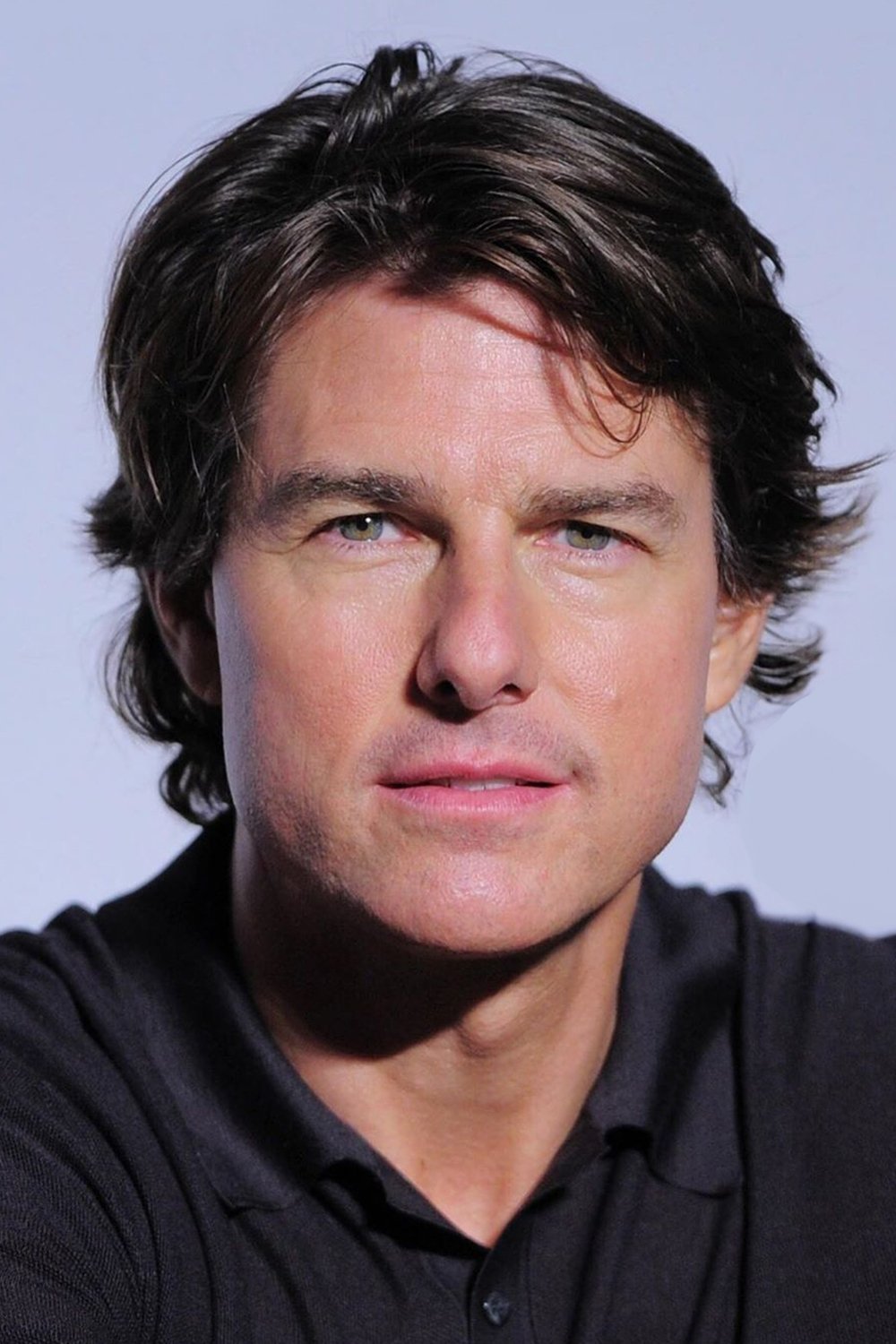
Cruise’s screen career has moved steadily from early television to a continuous flow of features across every decade. He kept output strong by anchoring long-running franchises while fitting in standalone dramas and action thrillers. Producer credits and extensive global press tours aligned with frequent releases. Occasional cameos and documentary appearances helped bridge shorter intervals between major projects.
Ian McKellen
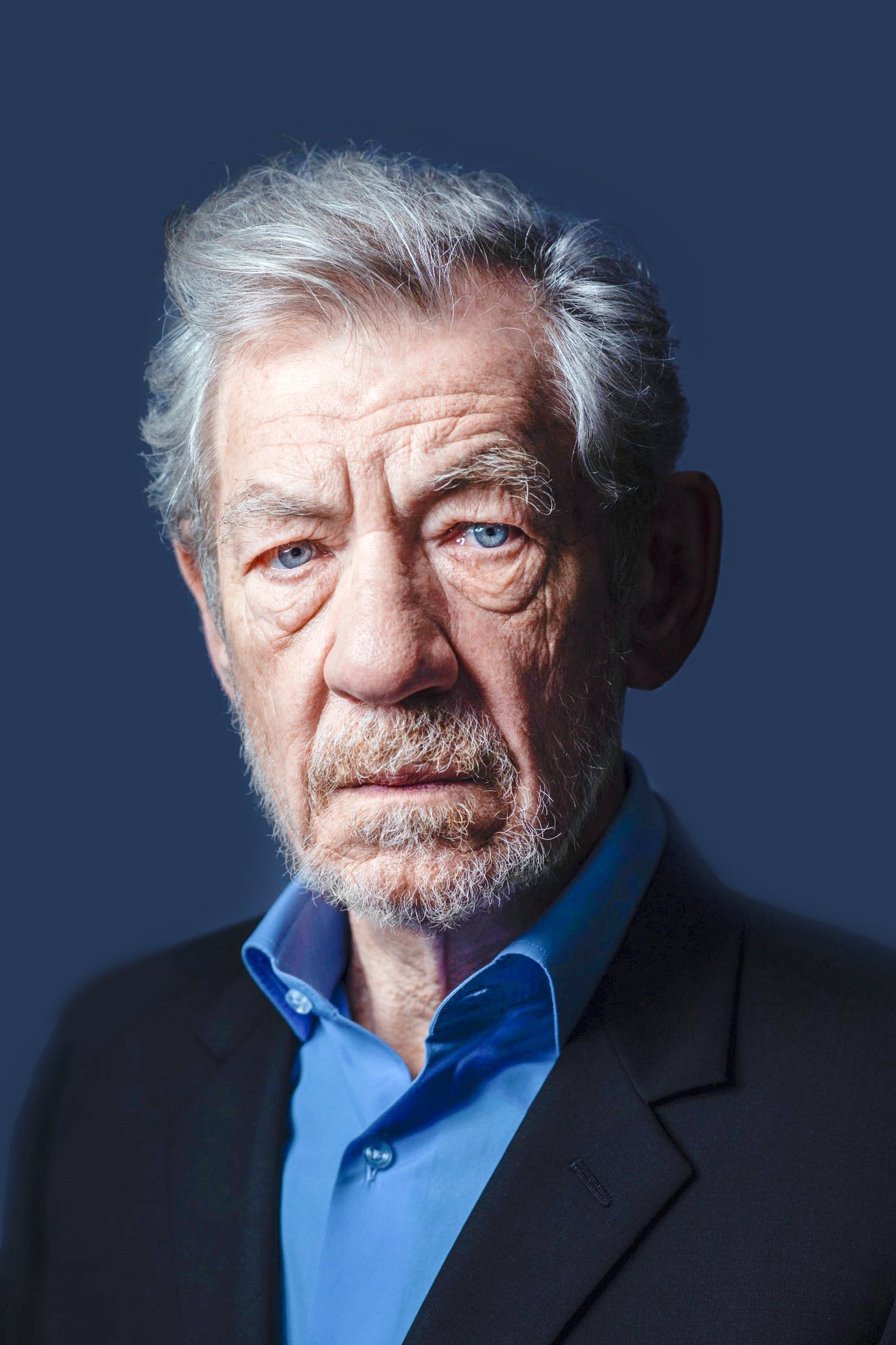
McKellen transitioned from stage and British television into a sustained presence in international films and limited series. He routinely alternated between franchise epics and smaller character pieces to maintain a regular cadence of credits. Audiobook narration and documentary participation supplemented on-camera work. Festival premieres and ensemble roles ensured visibility even in quieter release years.
Patrick Stewart
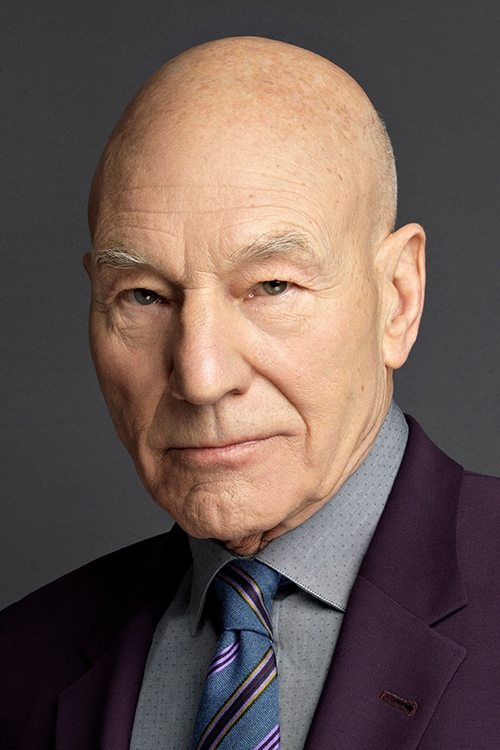
Stewart balanced a long run in television with recurring film roles and voice work to keep a steady stream of credits. He shifted between science fiction, animation, and prestige drama without long pauses. Stage commitments were scheduled alongside screen projects so credits remained uninterrupted. Hosting and documentary appearances added further continuity.
Liam Neeson
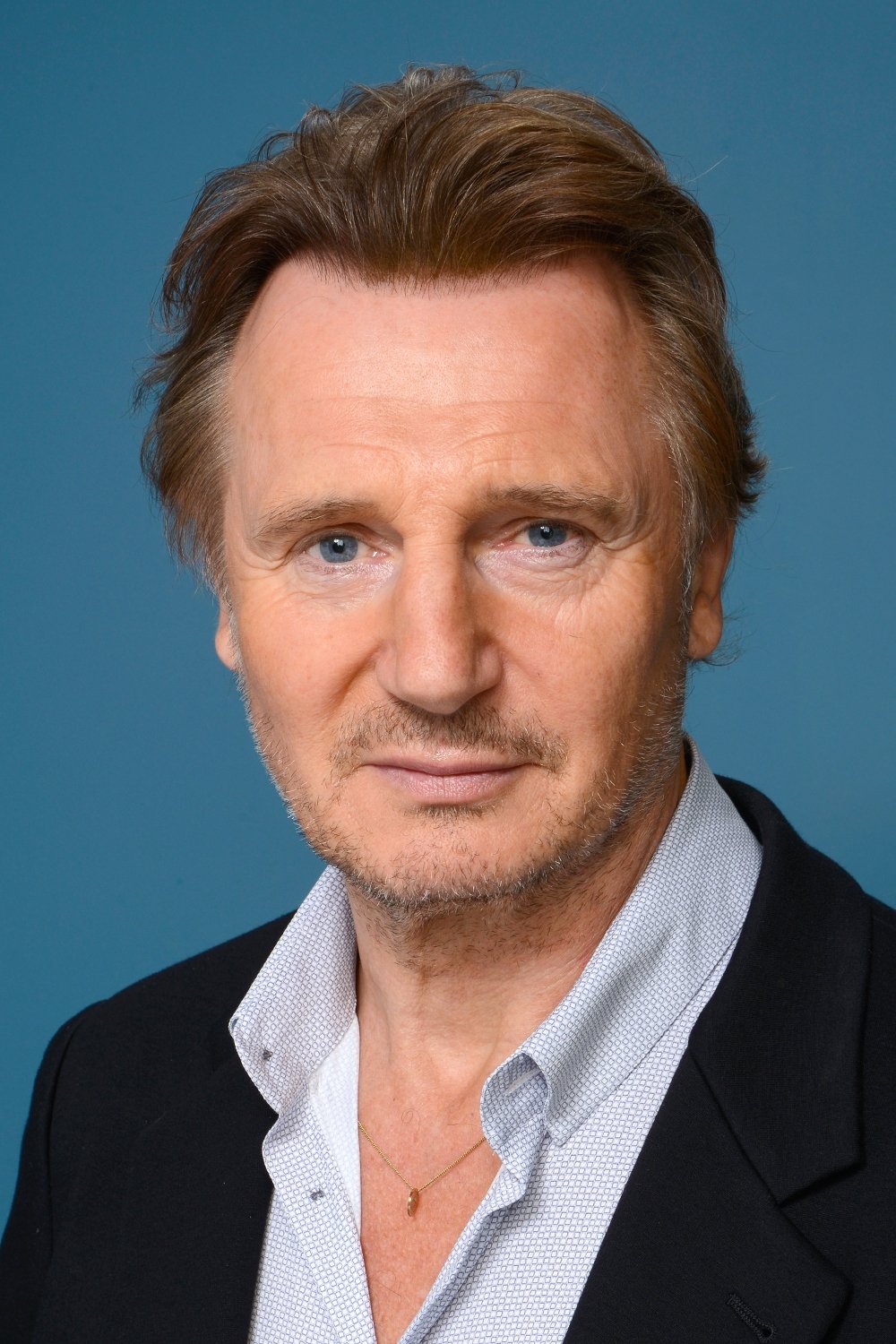
Neeson maintained continuous credits by mixing studio action films with dramas and independent features. Voice roles in animation and narration for documentaries filled gaps between large shoots. International co-productions kept filming schedules consistent. Regular supporting turns ensured output even when lead projects were spaced out.
Michael Douglas
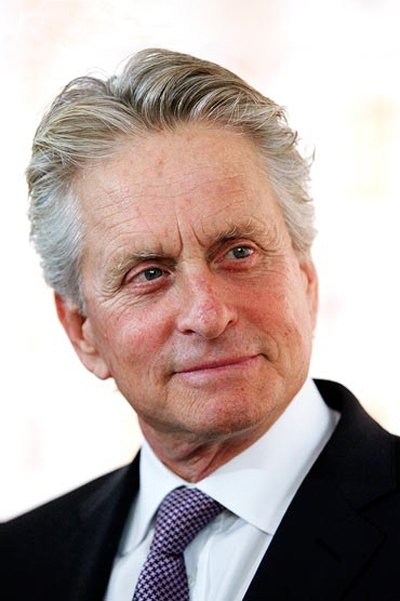
Douglas combined producing and acting to keep his name regularly in the credits across film and television. He appeared in prestige features, comedies, and limited series to maintain frequency. Guest roles and documentary segments supplemented larger releases. Industry honors often coincided with new projects, supporting an ongoing cycle of visibility.
Dustin Hoffman
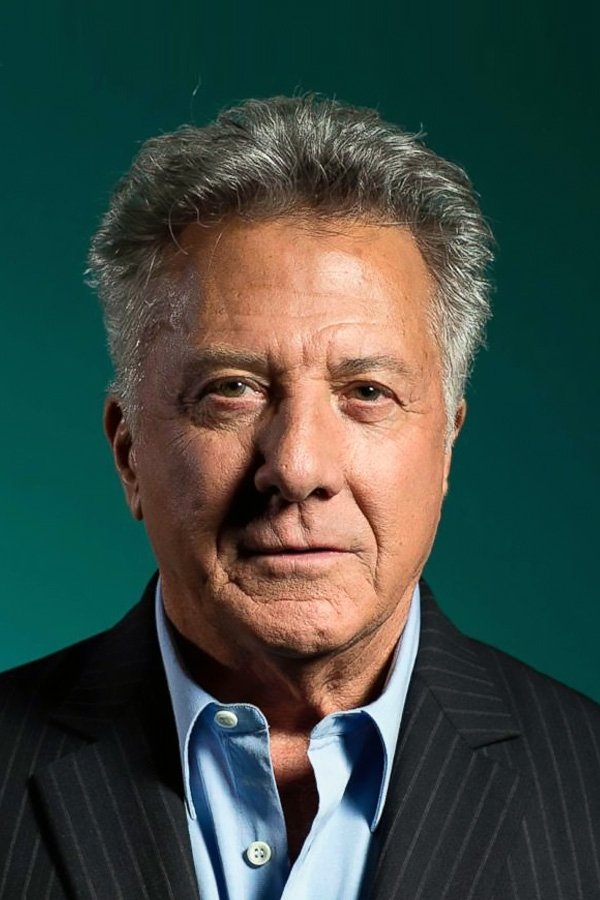
Hoffman sustained activity across decades by alternating between lead roles, ensembles, and television projects. He supplemented features with voice performances and occasional directing work. International collaborations and festival titles helped keep annual credits. Guest appearances and special programs further supported continuity.
Jeff Goldblum
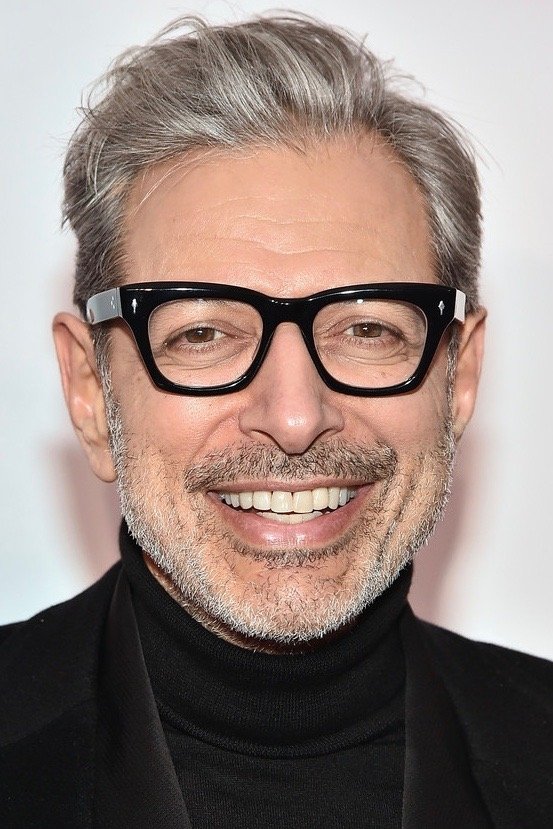
Goldblum kept a consistent run through a mix of blockbusters, indies, and television. He augmented features with recurring documentary and variety appearances. Music performances and talk programs provided on-screen credits during lighter filming periods. Voice acting in animation and specials helped maintain yearly output.
Gary Oldman
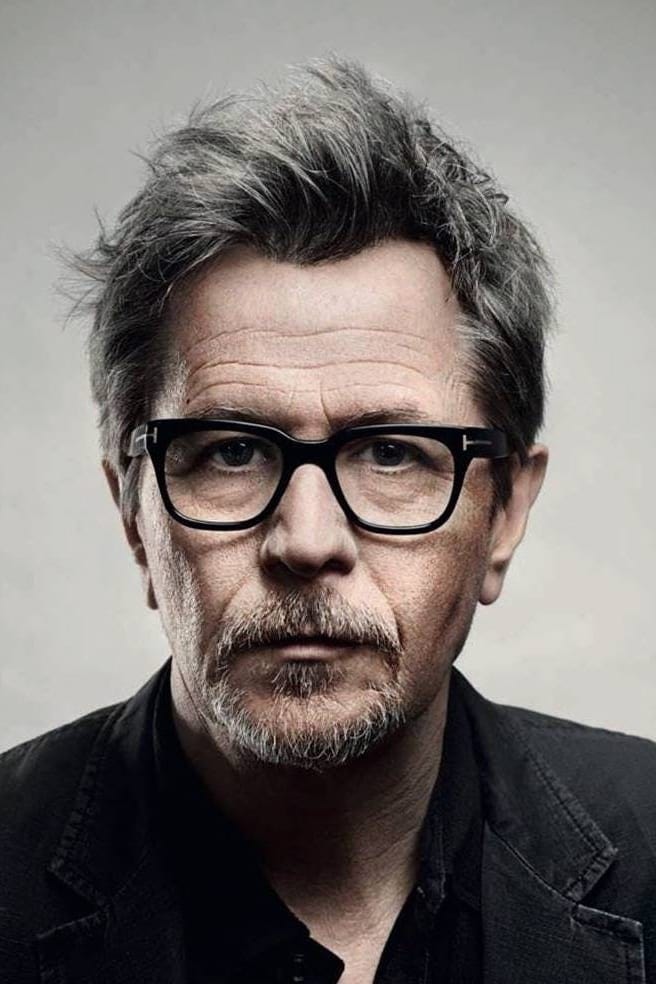
Oldman worked steadily across British and American productions with few empty years. He combined character parts, leads, and ensemble roles to keep momentum. Television limited series and prestige projects sustained visibility between features. Occasional voice roles and motion-capture work added additional credits.
Forest Whitaker
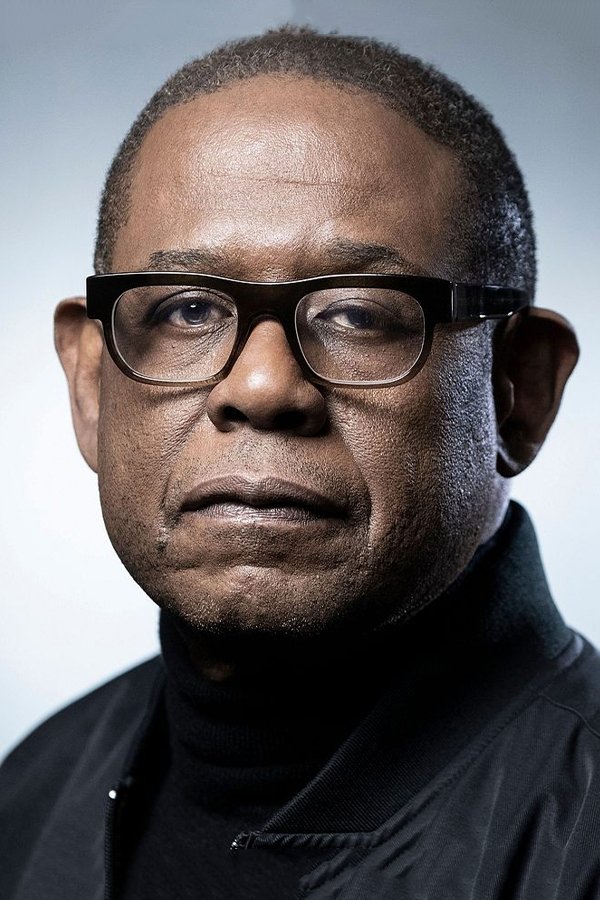
Whitaker’s career shows regular credits through films, television, and producing. He participated in international co-productions and festival projects to maintain frequency. Guest arcs on series complemented feature schedules. Documentary narration and hosting appearances reinforced an unbroken presence.
Laurence Fishburne
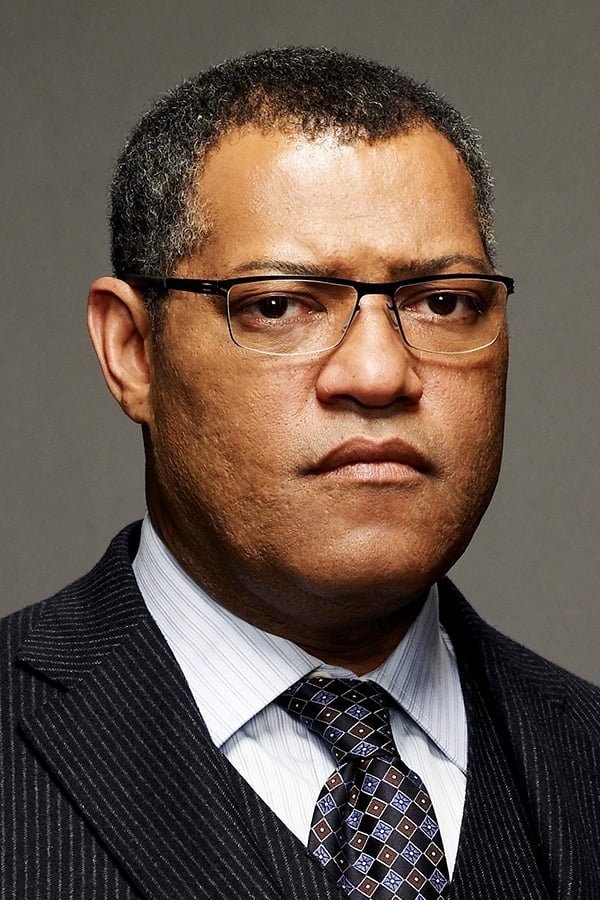
Fishburne moved continuously between television, film, and stage-adjacent specials while keeping screen credits active. He held recurring roles in ongoing series that guaranteed consistent visibility. Voice work in animation and games supplemented features. Producing and mentorship programs aligned with steady on-camera appearances.
Jeremy Irons
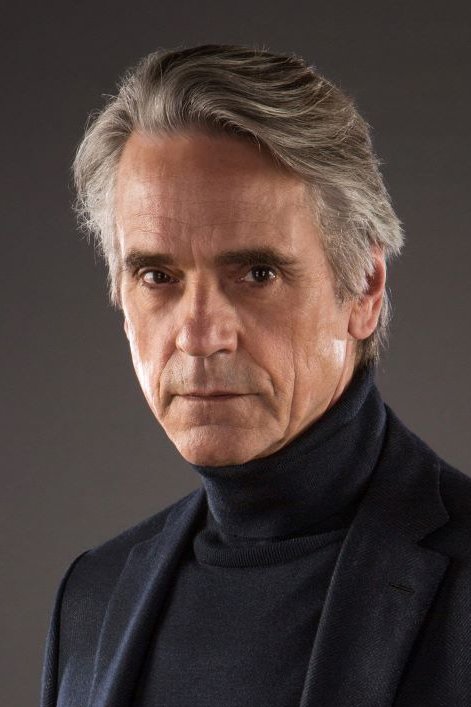
Irons sustained yearly credits by mixing period dramas, thrillers, and television limited series. He frequently took on international shoots that kept schedules consistent. Voice performances for animation and documentary narration filled spaces between films. Ensemble casts and festival premieres maintained a reliable presence.
Donald Sutherland
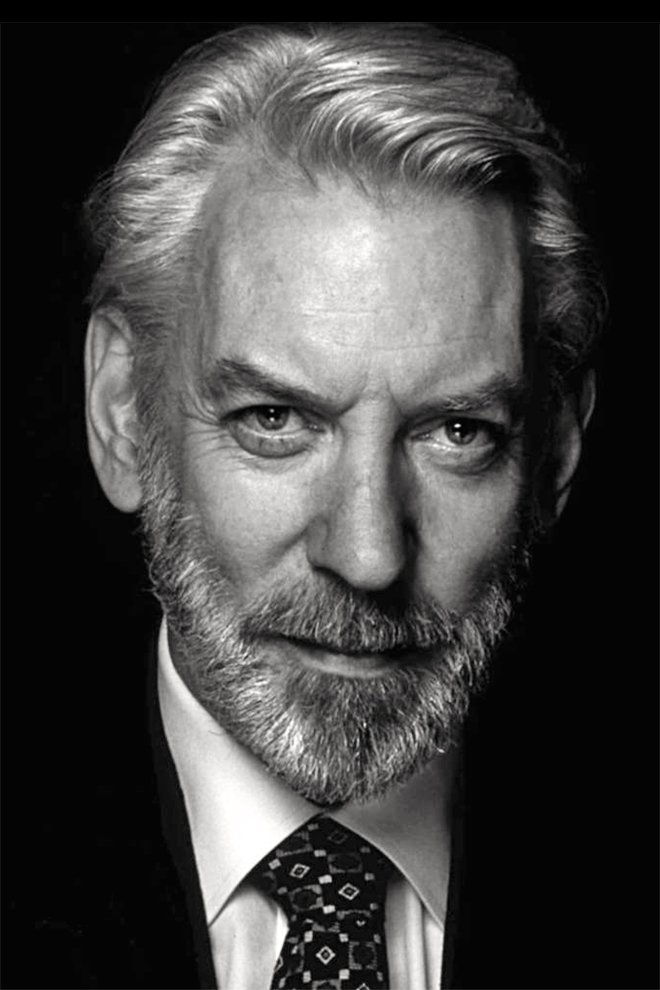
Sutherland’s filmography covered a vast range of international productions with rare idle years. He remained active through features, television movies, and limited series. Supporting roles and cameos kept credits steady alongside lead turns. Documentary appearances and voice work contributed to uninterrupted activity.
Max von Sydow
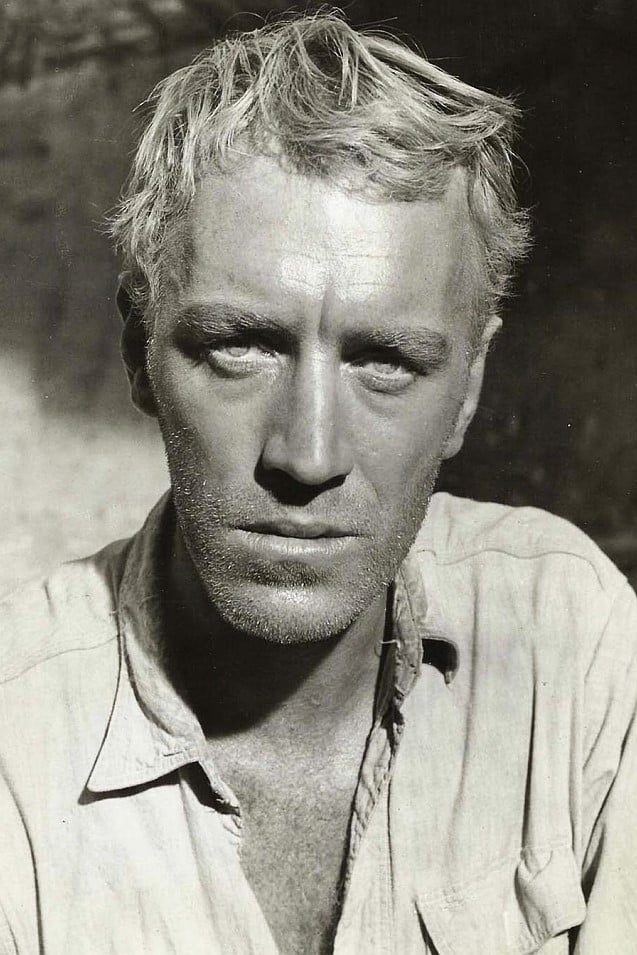
Von Sydow balanced European cinema, Hollywood features, and television roles across decades. He accepted character parts and guest arcs that fit between larger productions. Festival films and historical dramas ensured regular releases. Voice and narration work helped maintain continuous credits late into his career.
Andy Lau

Lau sustained an extensive output in Hong Kong and mainland Chinese cinema with frequent yearly releases. He combined leading roles with producer duties to keep projects moving. Concert films, television specials, and advertising work added to on-screen credits. Regional and international co-productions supported a continuous schedule.
Tony Leung Chiu-wai
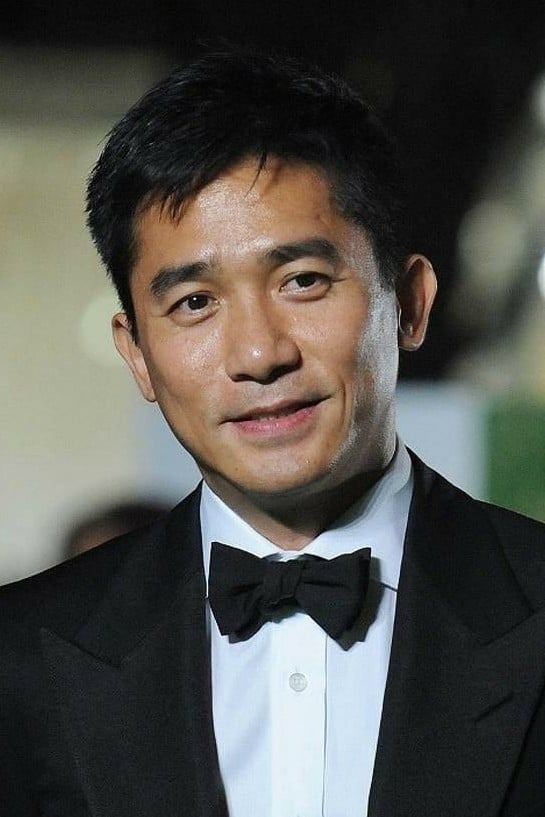
Leung maintained steady credits through a mix of television, Hong Kong cinema, and international features. He balanced auteur-driven projects with mainstream releases to ensure regular output. Festival circuits and cross-border collaborations kept visibility high. Guest appearances and voice roles strengthened continuity between major films.
Clint Eastwood
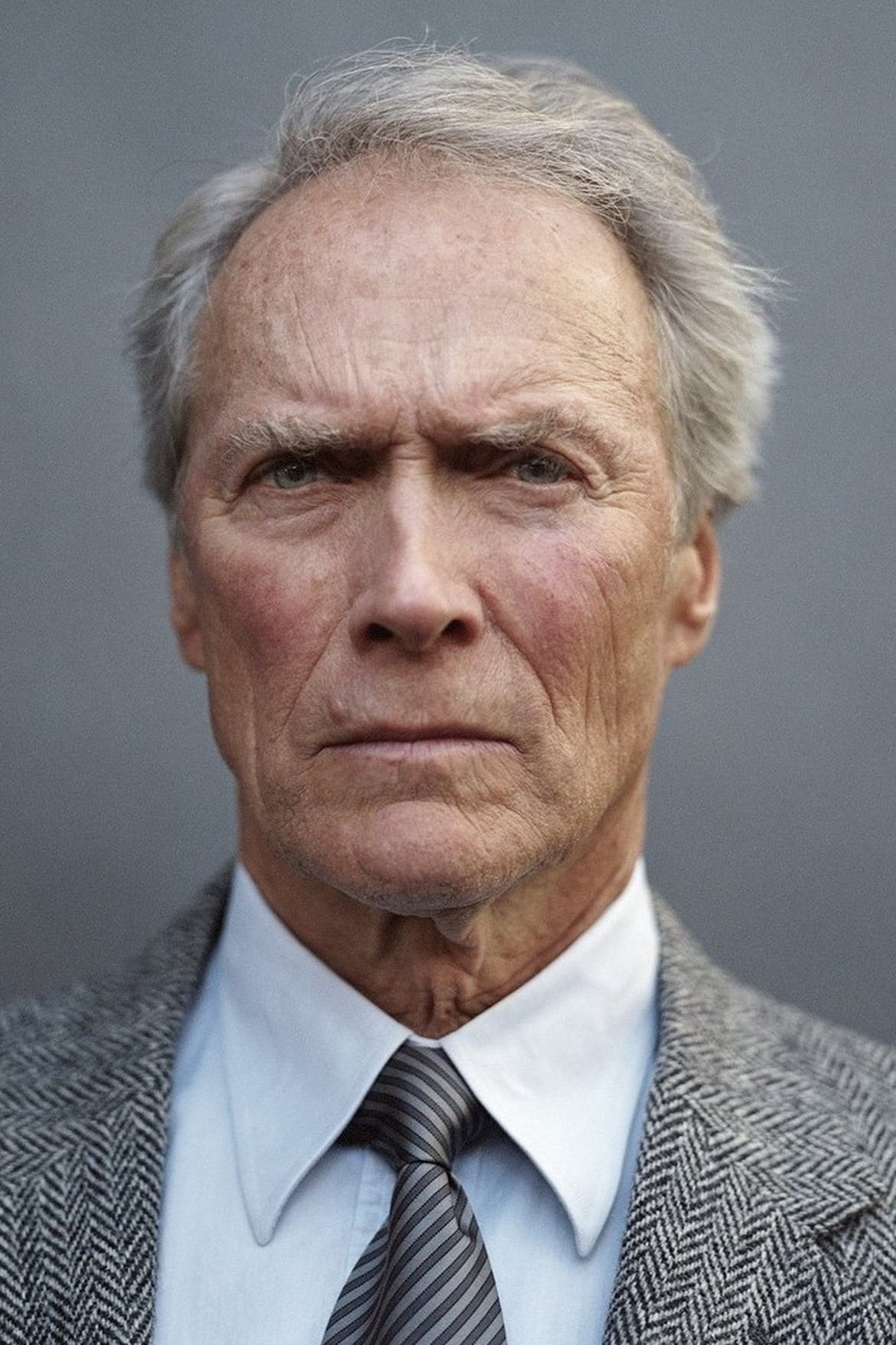
Eastwood’s on-screen credits run from early television roles through a sustained film presence that spans multiple eras. He balanced acting with directing while still appearing regularly in front of the camera. Producer duties and festival premieres aligned with a steady cadence of releases. Occasional documentary and special appearances helped keep his name in yearly credits.
Sylvester Stallone
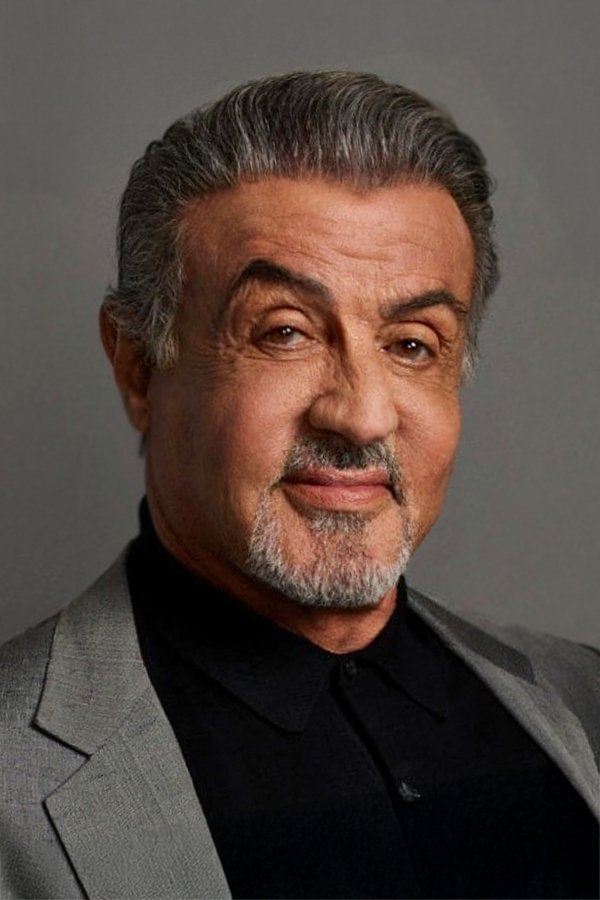
Stallone maintained a continuous stream of roles by anchoring long-running franchises alongside independent projects. He supplemented features with producing, writing, and occasional television work. International shoots and quick-turn genre films kept output regular between major releases. Voice roles and cameo appearances bridged shorter gaps.
Bruce Willis
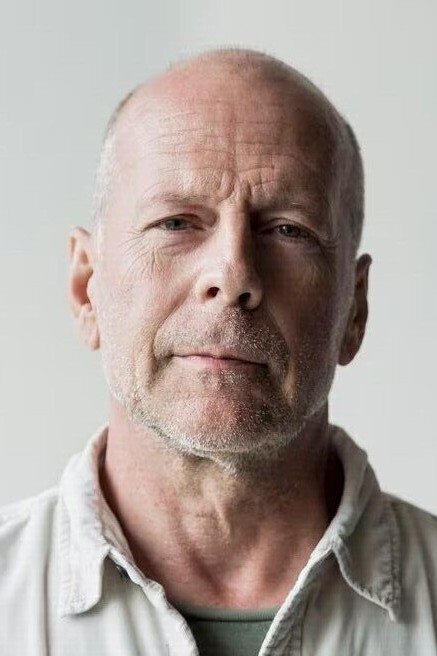
Willis transitioned from television to films and kept a near-annual presence with a mix of studio and independent productions. He often filmed multiple features within a single calendar, ensuring frequent credits. Guest roles and specials supported visibility between larger projects. Late-career releases continued to arrive steadily across various distributors.
Pierce Brosnan
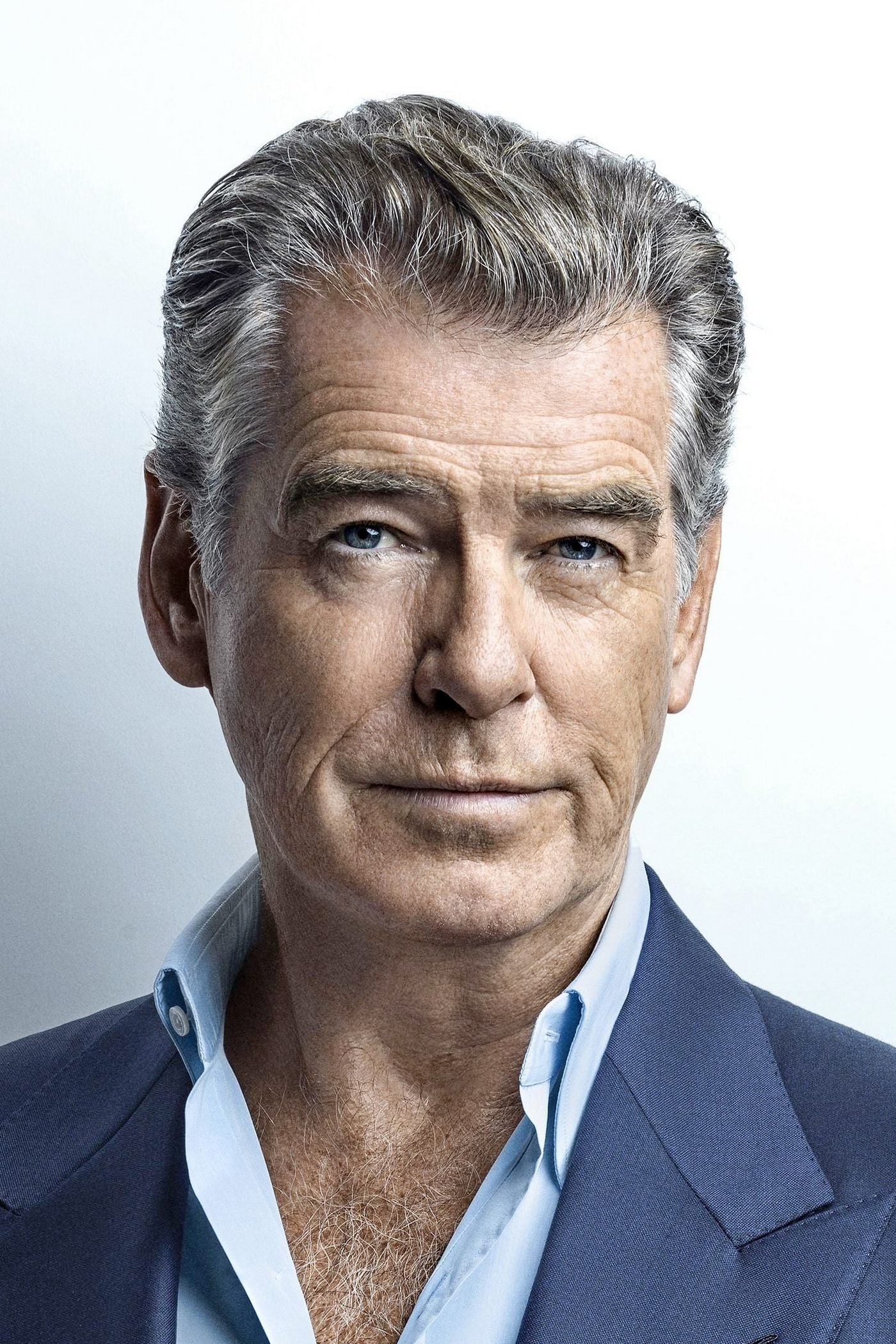
Brosnan moved from television success into films and sustained credits through a mix of thrillers, dramas, and comedies. International co-productions and streaming releases kept his schedule consistent. Voice work and cameo turns added to regular output. Producing partnerships helped maintain a reliable pipeline of appearances.
Chow Yun-fat
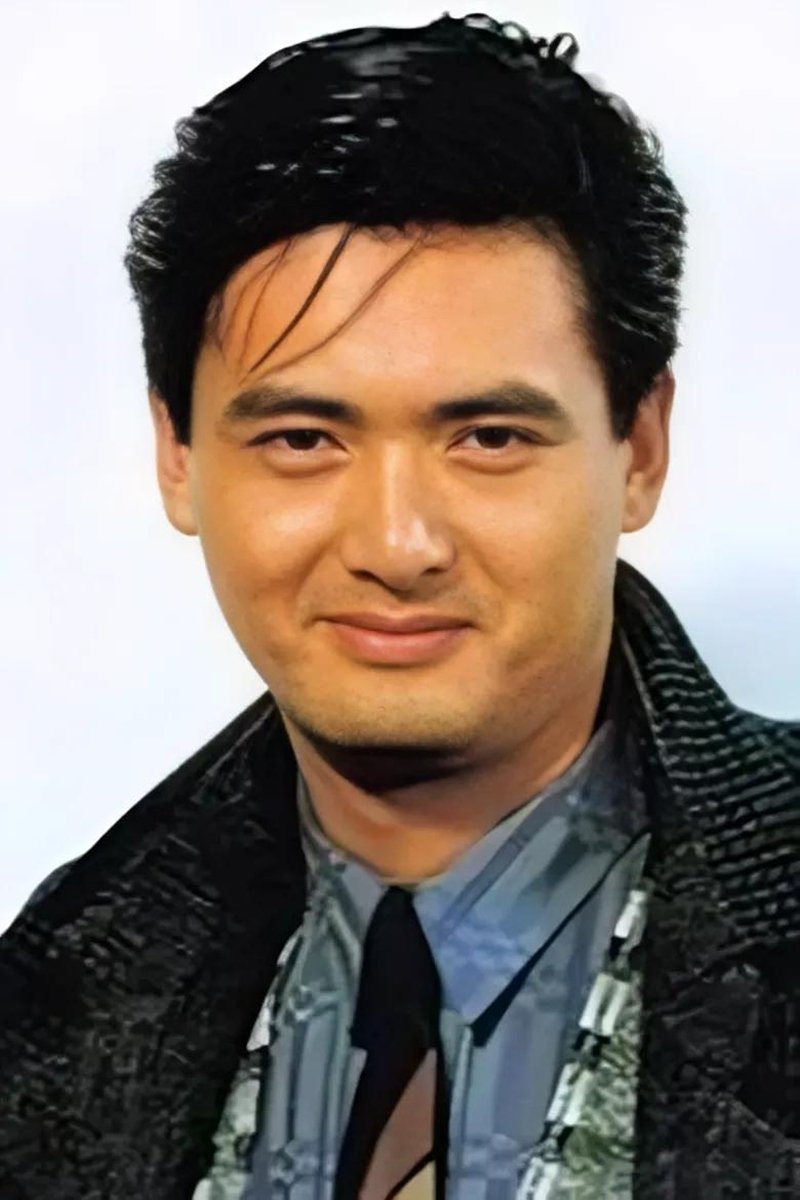
Chow kept a continuous presence across Hong Kong, mainland Chinese, and international films. He alternated between action, drama, and ensemble work to maintain frequency. Festival titles and regional releases ensured annual visibility. Occasional television and commercial appearances reinforced continuity.
Kamal Haasan
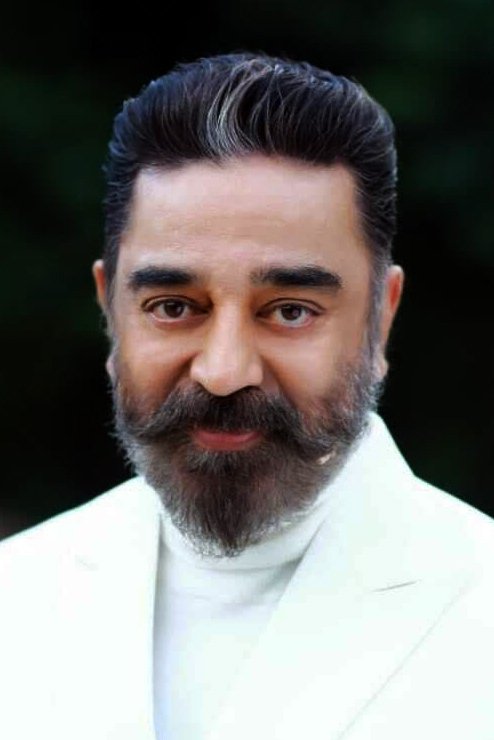
Haasan’s career spans child performances to leading roles with consistent on-screen credits. He balanced acting with writing, directing, and producing without stepping away from the camera. Regional and pan-Indian releases supported a dependable output. Public service and hosting engagements were scheduled alongside film work.
Rajinikanth
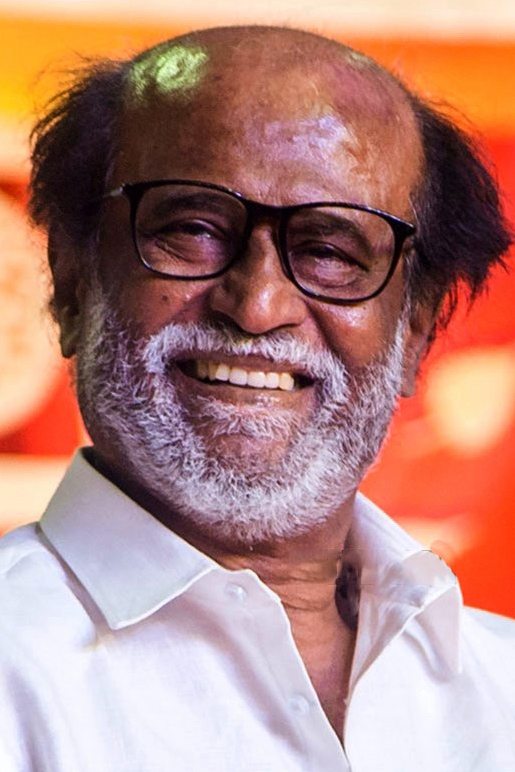
Rajinikanth sustained continuous credits through mainstream releases, special appearances, and event films. He collaborated with multiple generations of directors to keep projects moving. Promotional tours and television specials maintained visibility between shoots. Guest roles and voice work added to the annual count.
Mammootty
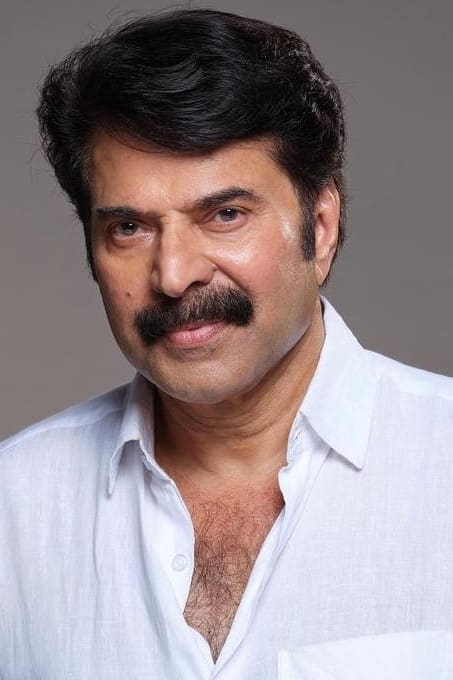
Mammootty maintained a high volume of roles across regional industries with few idle years. He alternated between leads and character parts to keep a constant flow. Festival screenings and cross-industry collaborations ensured steady credits. Occasional television and narration work supported uninterrupted activity.
Mohanlal
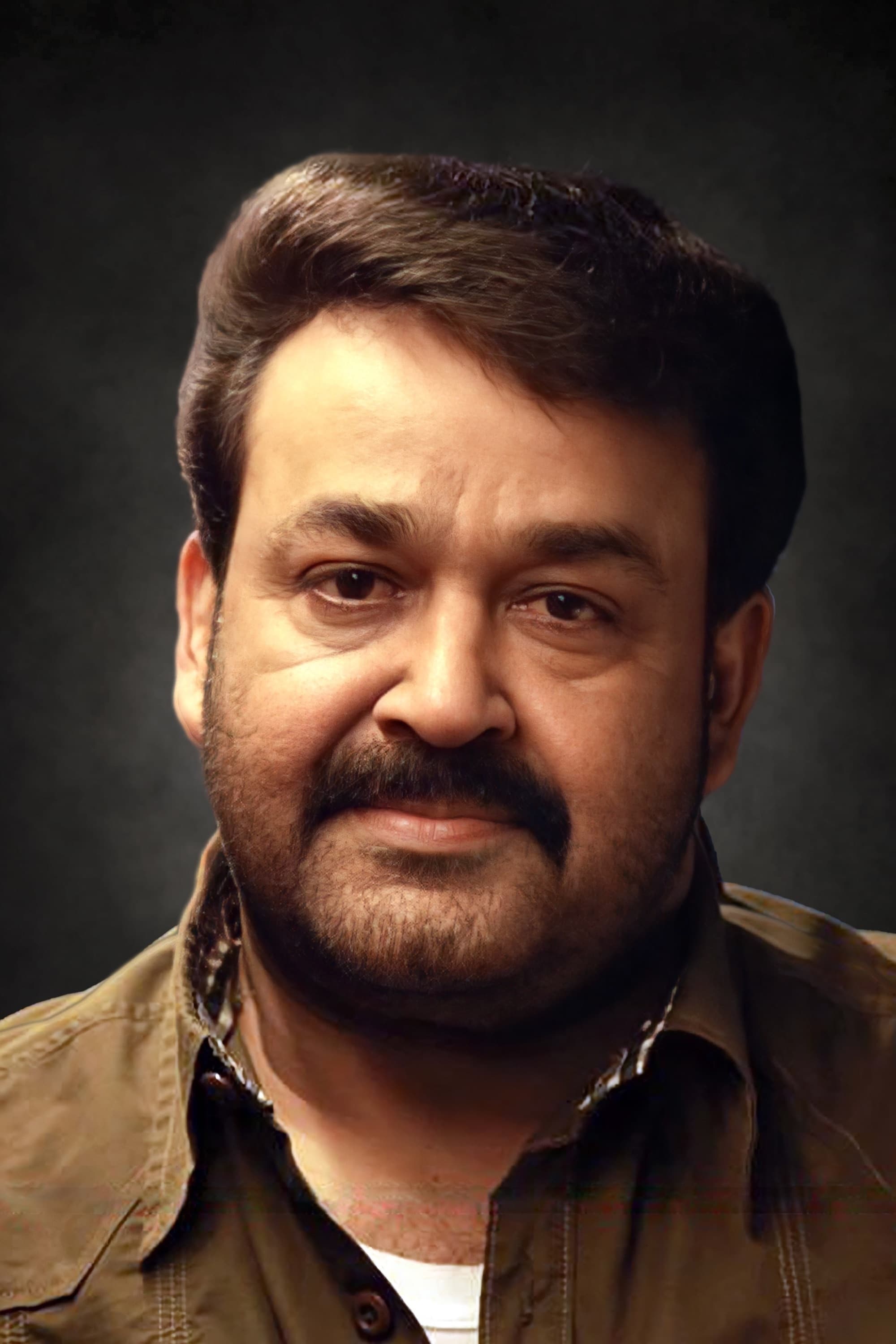
Mohanlal kept a continuous output by working across genres and languages. He balanced commercial hits with character-driven films to maintain regular releases. Cameos and special appearances filled the time between larger projects. Television hosting and brand campaigns contributed additional credits.
Anil Kapoor
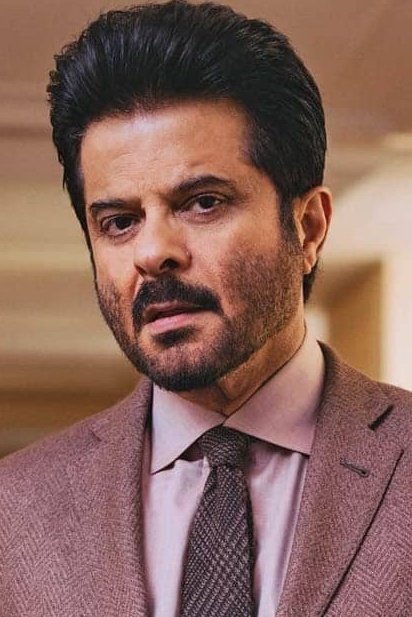
Kapoor sustained a steady stream of roles in films and television, including international projects. He accepted leads, ensembles, and guest spots to keep momentum. Producing and hosting assignments were arranged around ongoing shoots. Streaming series in recent years added reliable credits to his slate.
Gérard Depardieu
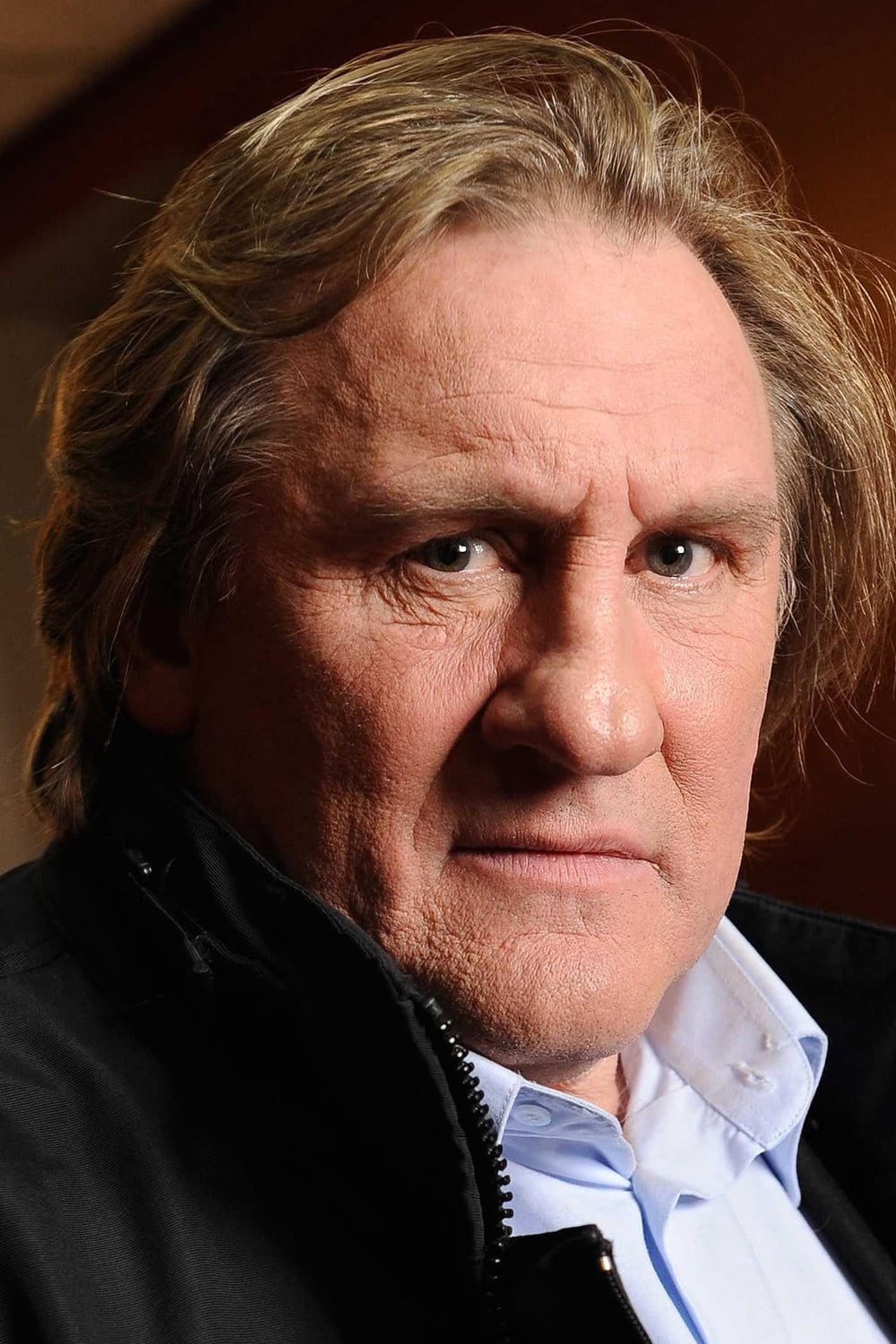
Depardieu’s filmography shows near-annual credits across French and international cinema. He frequently appeared in multiple projects per year, from art-house to mainstream. Television movies and limited series supplemented theatrical releases. Collaborations with European directors kept production schedules consistent.
Bill Murray
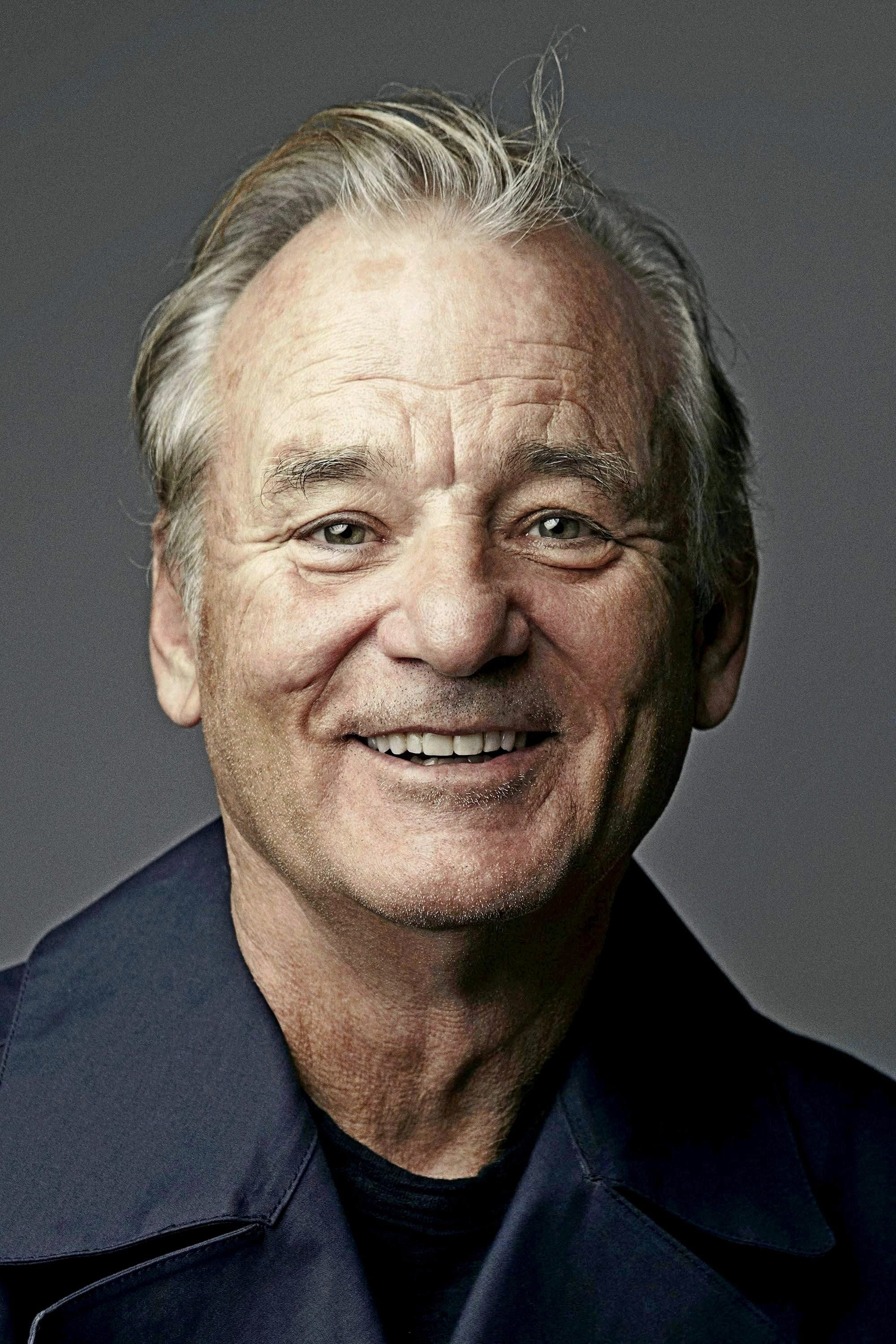
Murray maintained consistent credits through films, television specials, and voice performances. He alternated between leads, supporting roles, and memorable cameos to stay active. Animation and documentary narration added to the yearly tally. Festival premieres and independent features filled gaps between larger titles.
Steve Buscemi
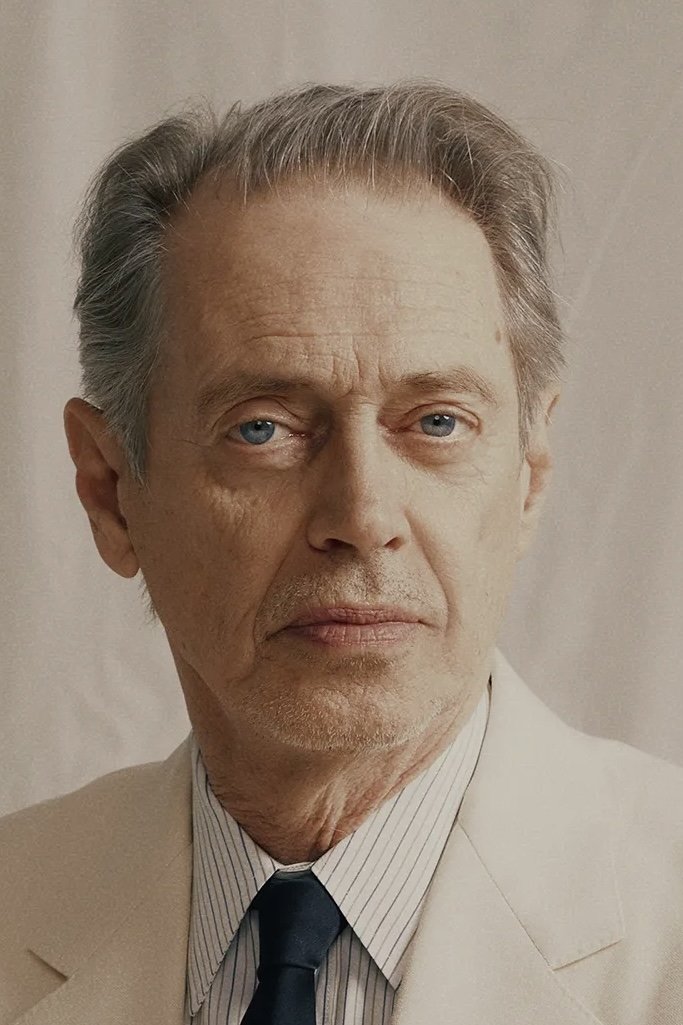
Buscemi’s steady output includes films, television series, and notable voice roles. He often combined character parts with directing episodes while still appearing on screen. Independent productions and ensemble casts ensured frequent credits. Guest arcs and specials kept visibility high during lighter filming periods.
Jeff Bridges
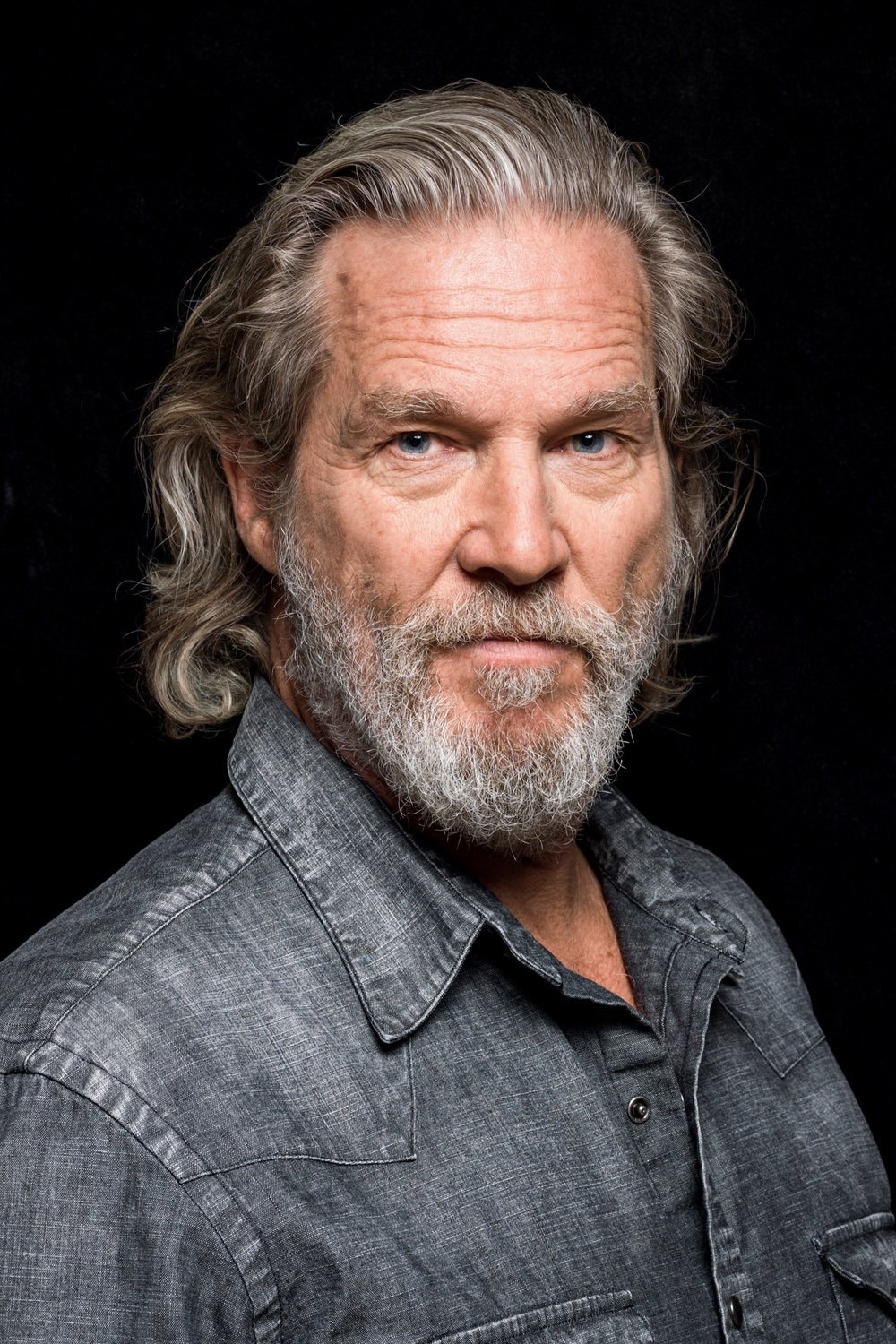
Bridges built a continuous career by working across studio and independent films with regularity. He complemented features with music performances, documentary appearances, and occasional voice roles. Ensemble casts and supporting turns maintained output in quieter years. Longstanding industry relationships helped keep projects in steady rotation.
Kurt Russell
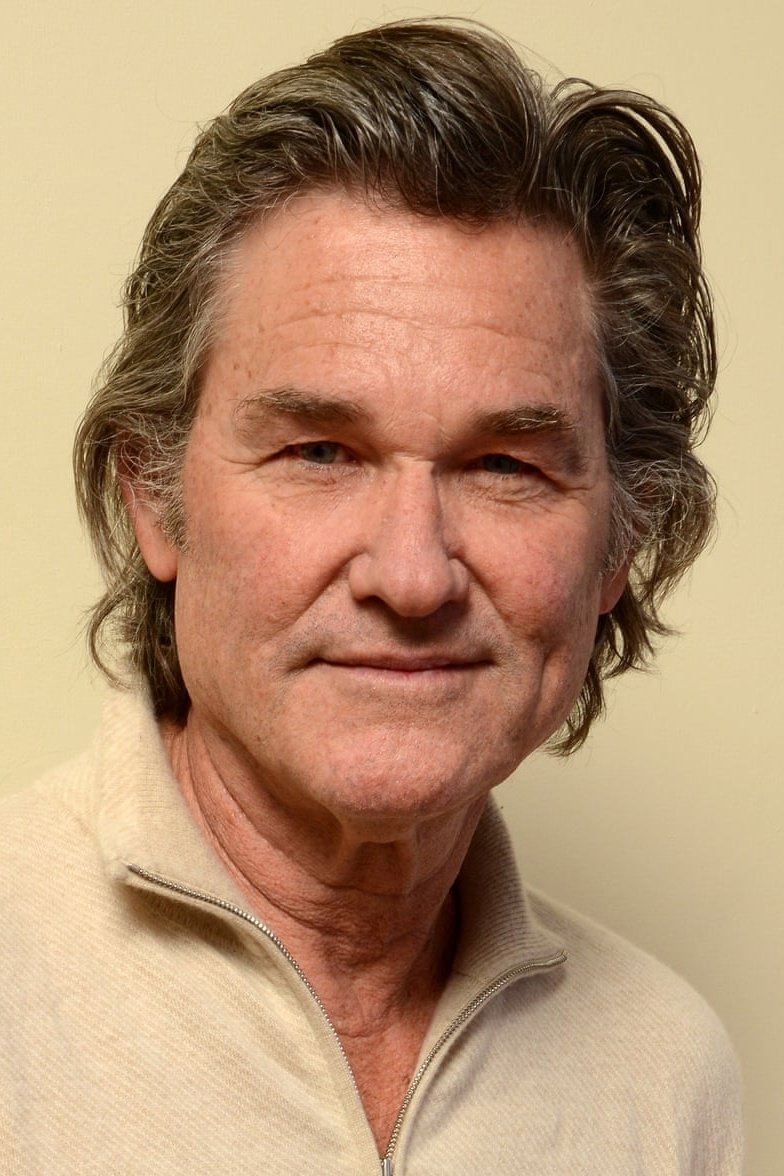
Russell kept a consistent presence from early television work into a sustained film career. He balanced franchise entries with standalones and television projects to avoid gaps. Cameos, documentaries, and specials added credits between larger releases. Collaborations with recurring filmmakers supported a reliable schedule.
Share the names you think belong on this list in the comments and tell us who else has kept their career rolling without long pauses.

