


Actresses Who Couldn’t Stand Their Co-Workers

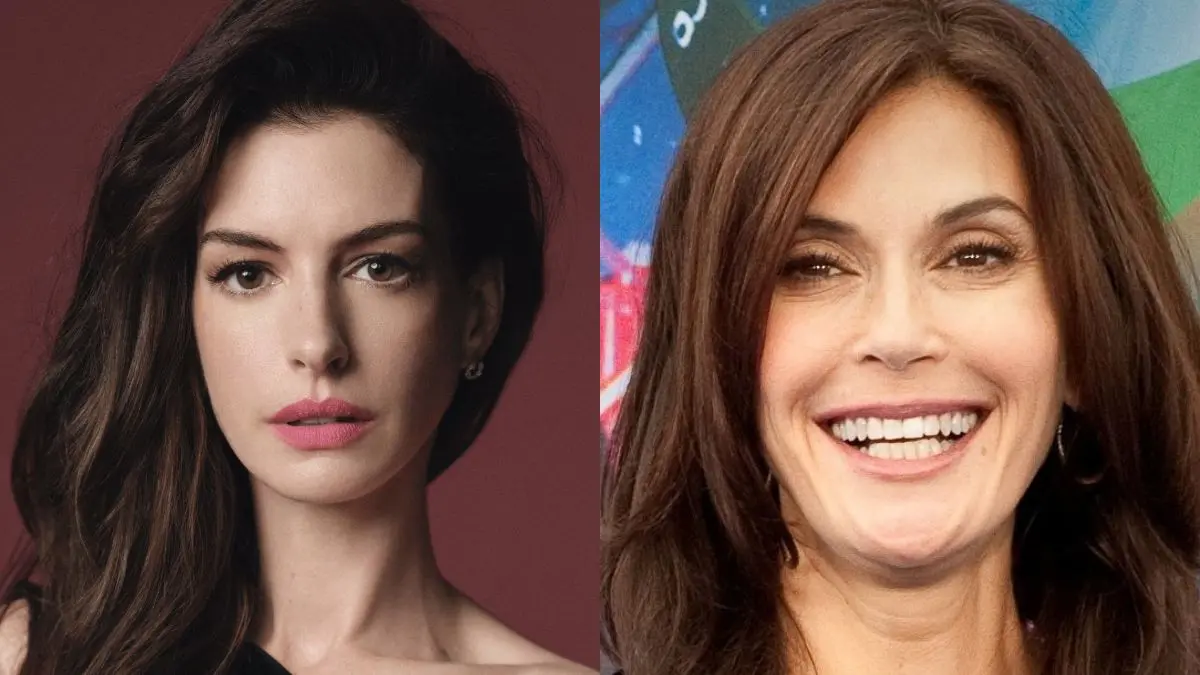


Tensions on set are not new, and some of the most famous film and TV projects came with very public fallouts. These clashes show up in interviews, memoirs, and press tours, and they sometimes change casting or even shut down production days. The stories below focus on specific projects and what the people involved actually did or said at the time. Here are fifteen actresses whose working relationships with co-workers turned rocky enough to make headlines.
Shannen Doherty
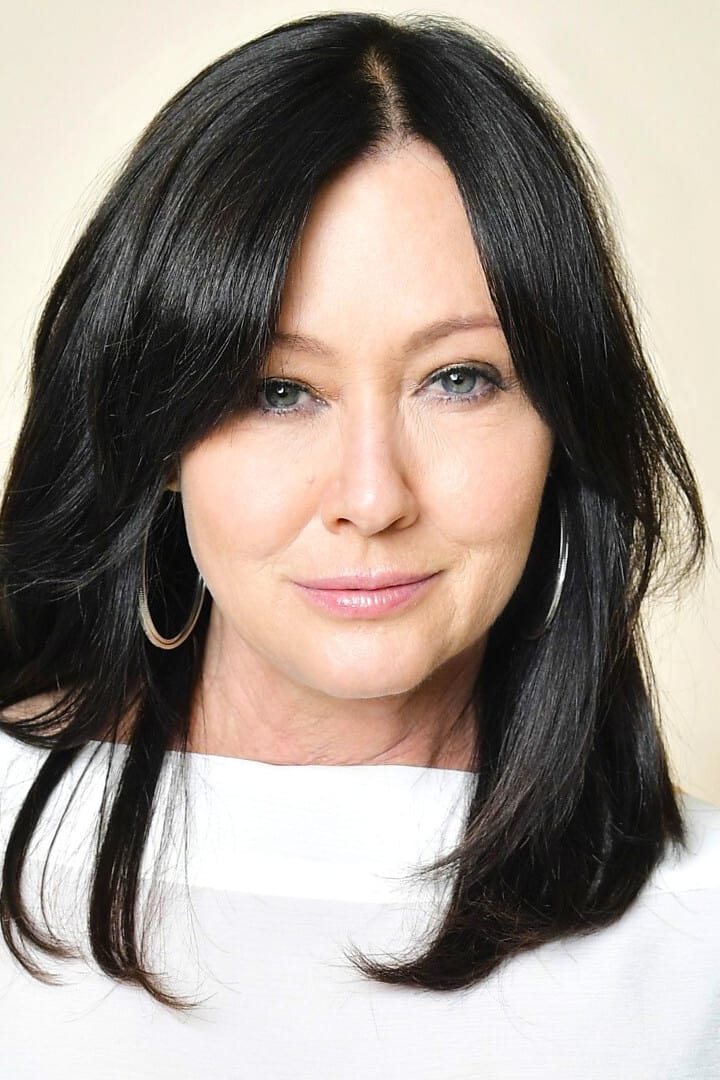
On ‘Beverly Hills, 90210’ she had well documented friction with castmates that coincided with her exit from the series. Years later on ‘Charmed’ producers wrote her character out after behind the scenes tensions, which the cast later acknowledged in reunions and interviews. Her departures lined up with reports of difficult on set dynamics and missed call times. The outcomes included rewrites and a shift in the ensemble around her character.
Naya Rivera
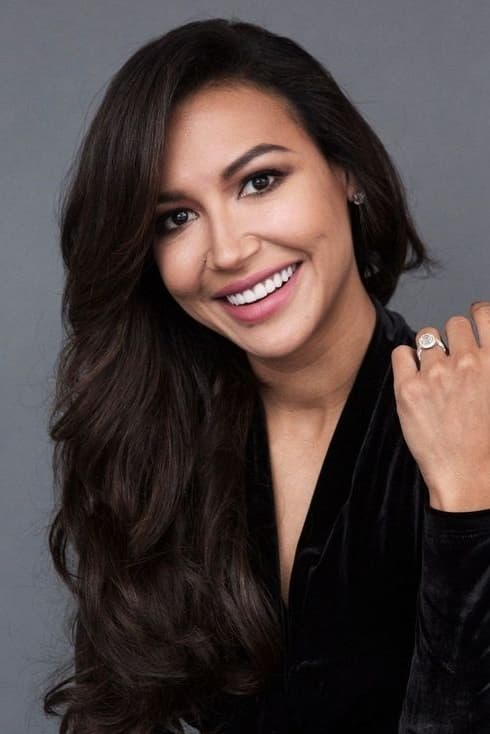
During ‘Glee’ she and Lea Michele’s relationship was widely reported as strained, with on set disagreements that became a recurring media storyline. Production pauses and episode absences prompted questions about cast relations. Rivera addressed the tension in her memoir and in interviews, describing specific communication issues during the show’s run. The workplace rift remained a factor in how later seasons were covered in the press.
Kim Cattrall
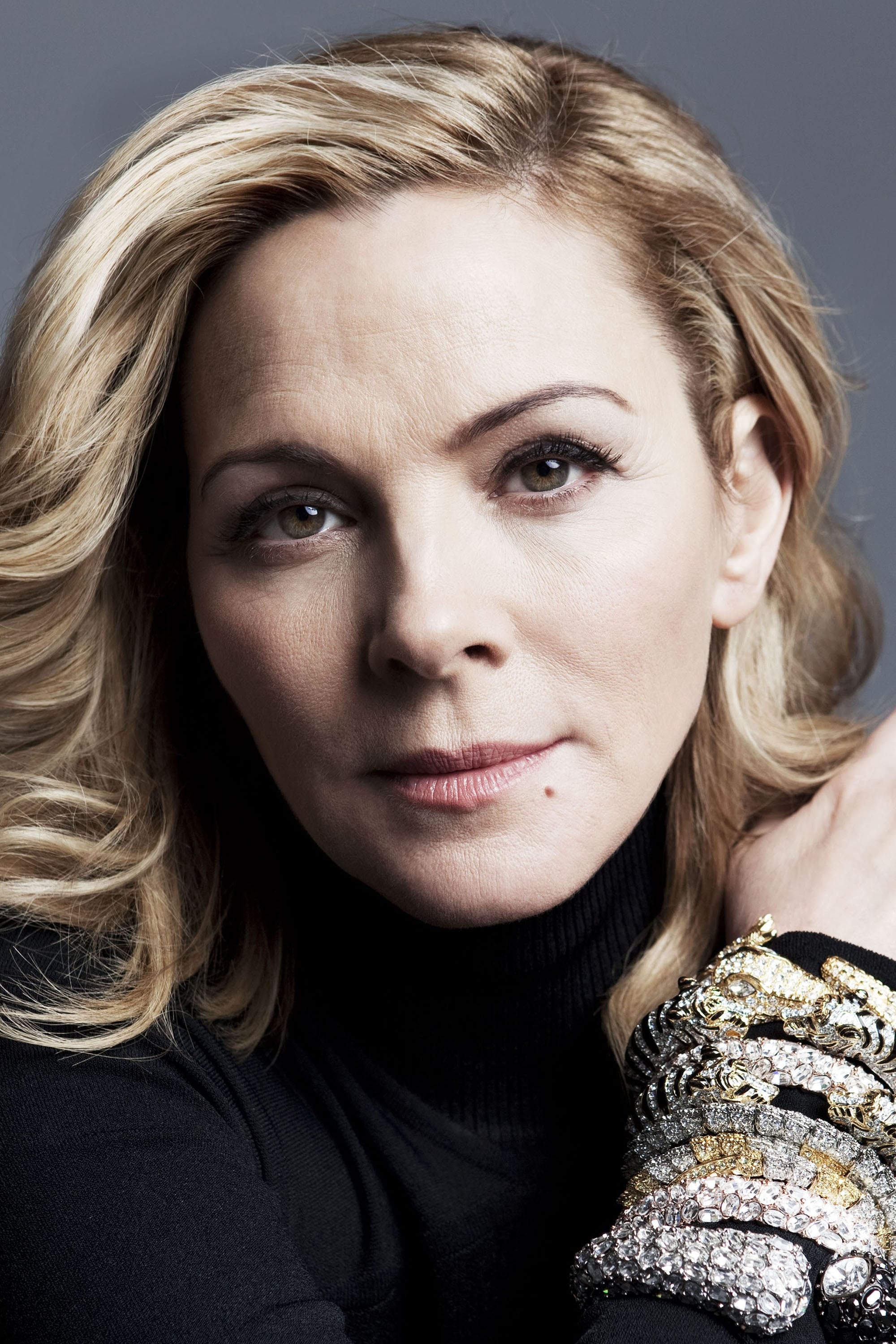
While making ‘Sex and the City’ she and Sarah Jessica Parker’s relationship was repeatedly described as frosty in interviews and tabloid coverage. Cattrall declined to return for a planned film after the second movie, citing professional reasons and her desire to move on. She later discussed boundaries and treatment on set in multiple media appearances. The franchise continued without her involvement in main storylines for the new series.
Sarah Jessica Parker
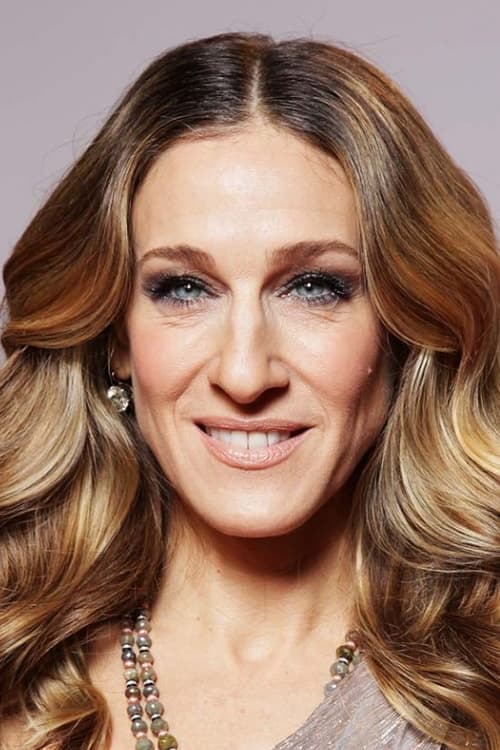
As the face of ‘Sex and the City’ she fielded questions about cast relations for years and addressed them carefully in interviews. Reports of distance between her and Kim Cattrall shaped negotiations around future projects tied to the franchise. She emphasized professionalism while acknowledging complicated dynamics during the original series and films. The situation affected which characters appeared in later installments.
Lucy Liu

On ‘Charlie’s Angels’ she clashed with Bill Murray during a rehearsal that became widely reported at the time. Accounts from crew and cast describe a confrontation that halted work briefly. Liu later said she stood up for herself after hearing remarks she considered disrespectful. The sequel proceeded with a different co-star in his role, which changed the returning ensemble.
Teri Hatcher
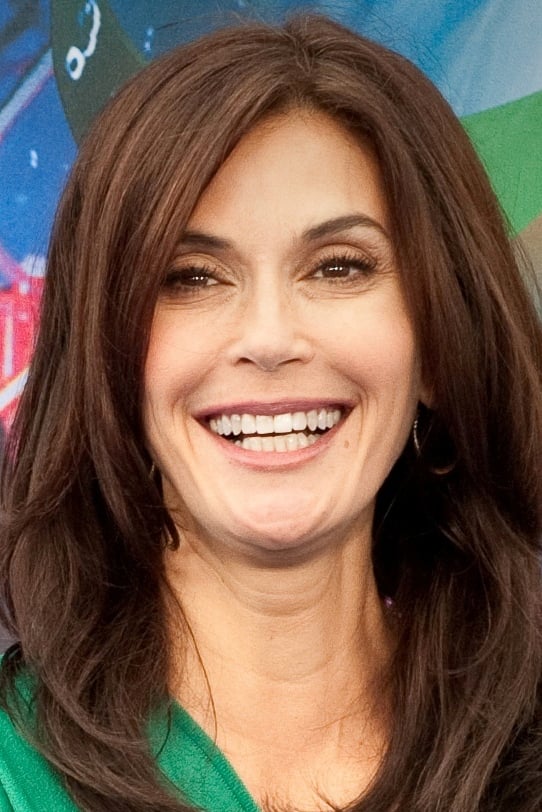
While working on ‘Desperate Housewives’ stories about tension among the leads surfaced repeatedly, with Hatcher often named in reports about cast divides. A widely circulated cast photo featured a signed card that conspicuously omitted her name, which fueled speculation. Crew gifts and set anecdotes were cited by colleagues when asked about the atmosphere. The series continued successfully, but press coverage kept revisiting the internal rifts.
Bea Arthur
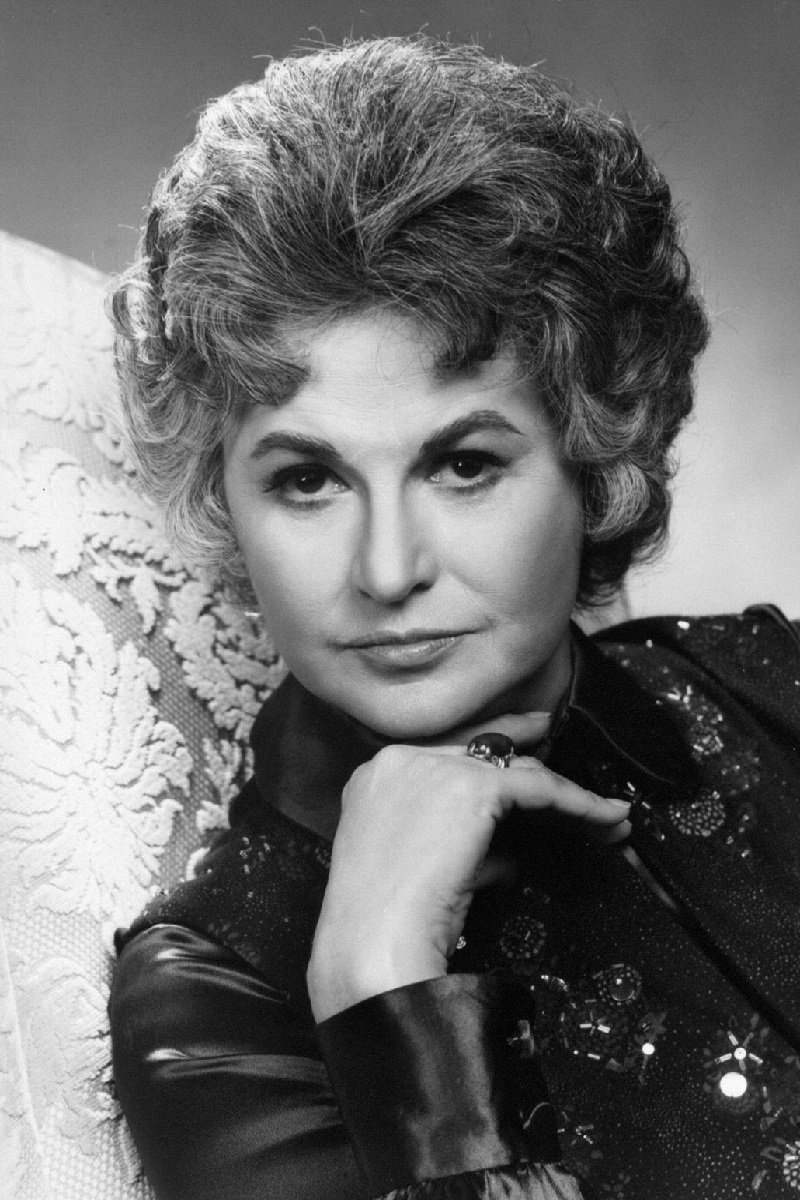
During ‘The Golden Girls’ she and Betty White reportedly had different working styles that led to occasional friction. Cast members later spoke about how humor preferences and timing on set created strain. Arthur eventually left before the spin off, changing the core group dynamic. Despite the tension, the show maintained a steady production schedule and critical acclaim.
Julia Roberts
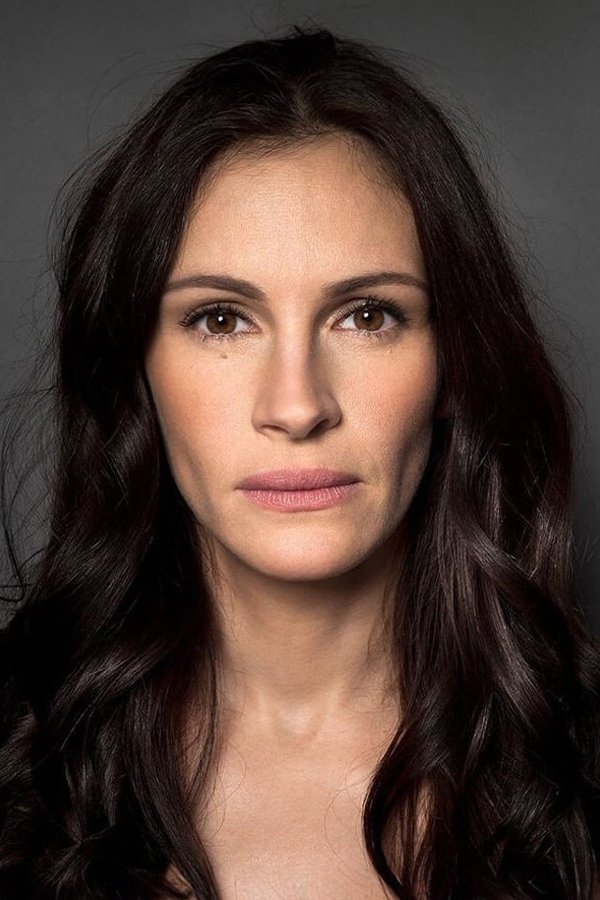
On ‘I Love Trouble’ she and Nick Nolte were said to have clashed from early in the shoot. Scheduling adjustments and stand in use were reported as ways to limit shared time on set. The publicity tour was minimal and separate appearances drew attention to the discord. The film’s reception became intertwined with stories about their working relationship.
Debra Winger
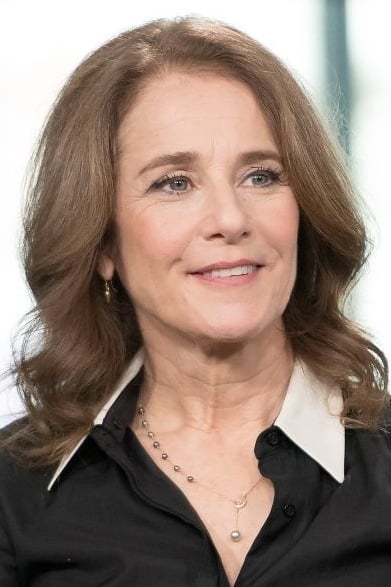
On ‘Terms of Endearment’ she and Shirley MacLaine had a documented rivalry that both later discussed openly. Production moved forward with strict boundaries and limited off camera interaction. Press at the time highlighted their separate approaches to scenes and awards season appearances. The tension did not stop the film’s success but stayed part of its legacy.
Bette Davis

While filming ‘What Ever Happened to Baby Jane?’ she and Joan Crawford brought a long running feud onto the set. Publicity materials leaned into the rivalry as coverage intensified. Crew members recalled pranks and sharp exchanges that spilled into the workday. The film’s promotion often referenced the off screen drama, which kept attention on their conflict.
Charlize Theron
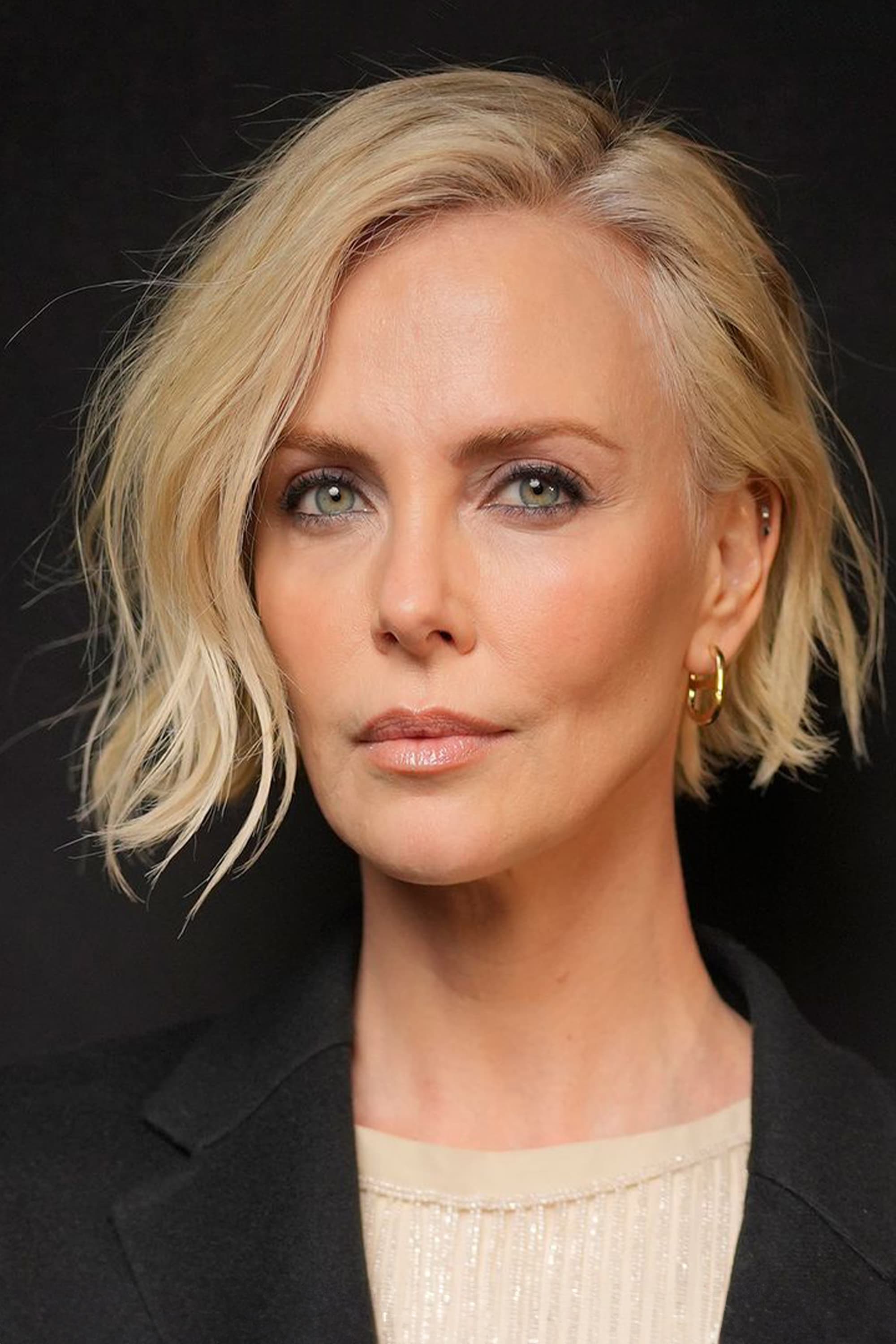
On ‘Mad Max: Fury Road’ she and Tom Hardy worked under harsh conditions that heightened friction, including delays and location challenges. Reports noted separate vehicles, limited conversation, and production notes addressing punctuality. Both later acknowledged the strain in interviews and said they handled scenes with clear physical boundaries. The experience led to a reset in communication by the end of the shoot.
Sharon Stone
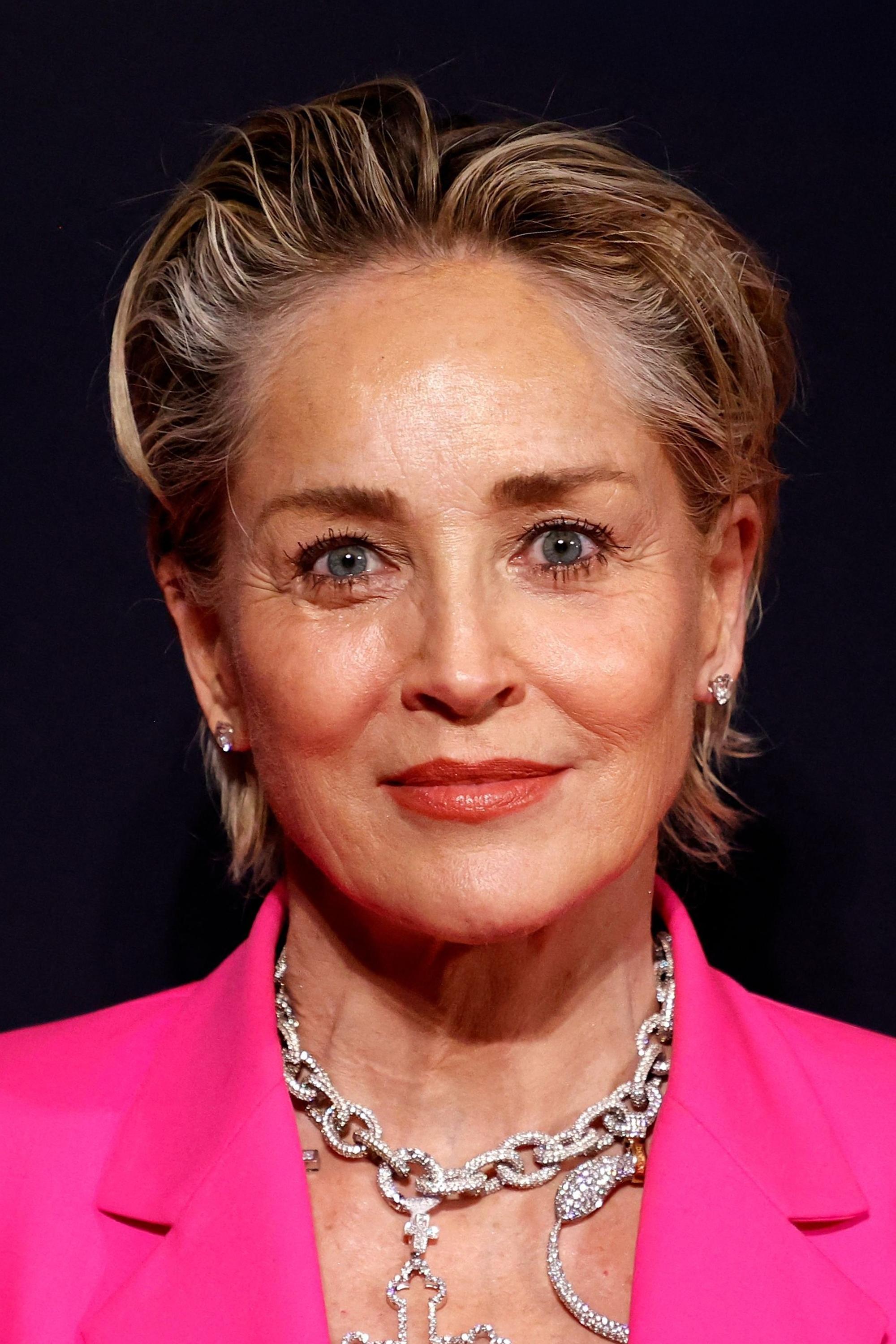
During ‘Sliver’ she and William Baldwin were described as incompatible collaborators by people around the production. Accounts referenced reshoots and a cool rapport during publicity. Stone’s team managed interviews to keep focus on the thriller’s premise rather than the partnership. The final cut arrived after changes that reduced overt romantic beats between the leads.
Lea Michele
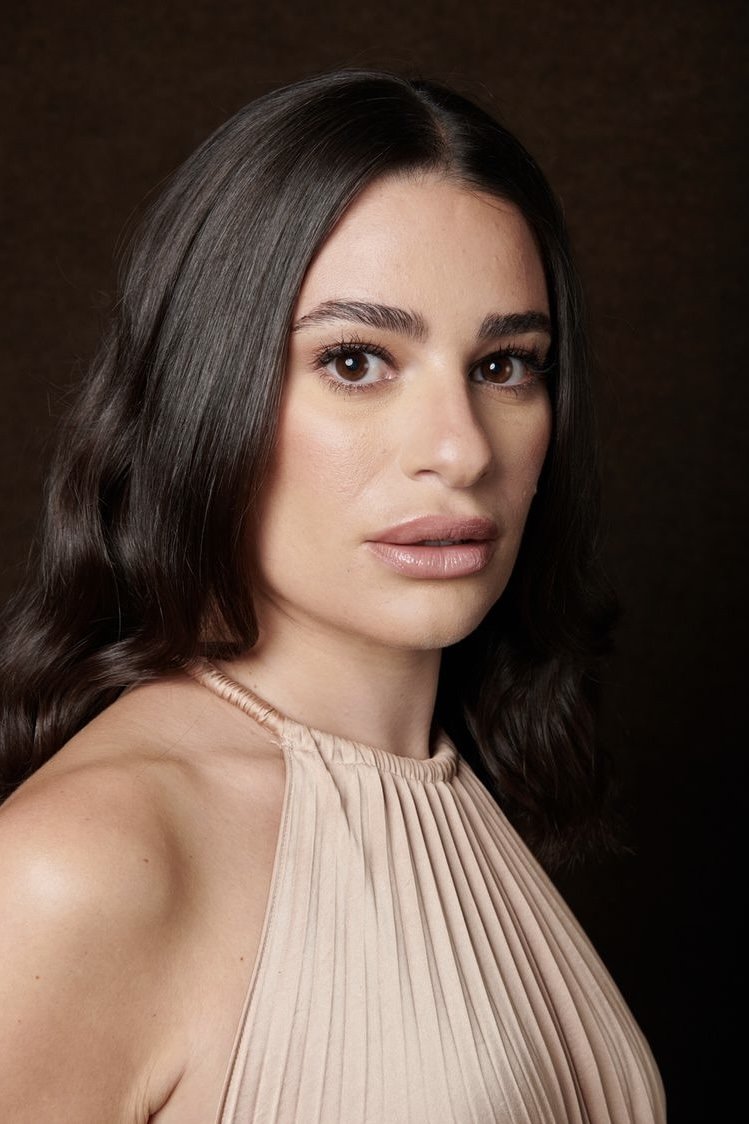
Multiple ‘Glee’ alumni later shared stories about her behavior on set, citing specific incidents tied to rehearsals and notes. Michele issued a public apology after co-stars described uncomfortable experiences. Casting directors and producers addressed the situation when discussing the show’s culture in retrospectives. The reports reshaped how viewers looked back at ensemble dynamics.
Sophia Bush
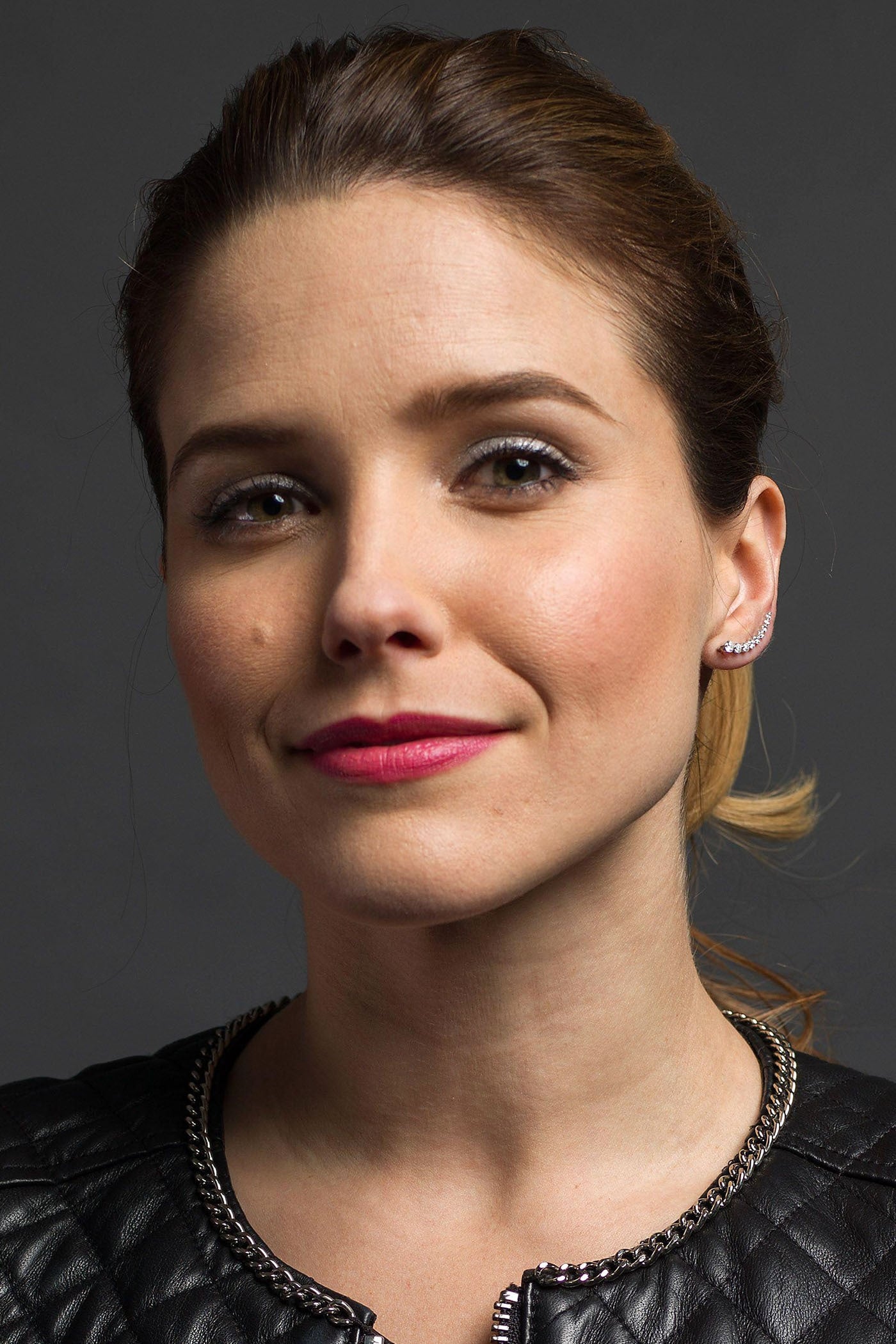
On ‘One Tree Hill’ she worked alongside ex husband Chad Michael Murray after their split, which introduced personal complications into a tight shooting schedule. She later said the environment made certain scenes difficult and required careful planning. Producers arranged blocking and call sheets to reduce unnecessary overlap. The professional setup allowed the show to continue while keeping interactions limited.
Selma Blair
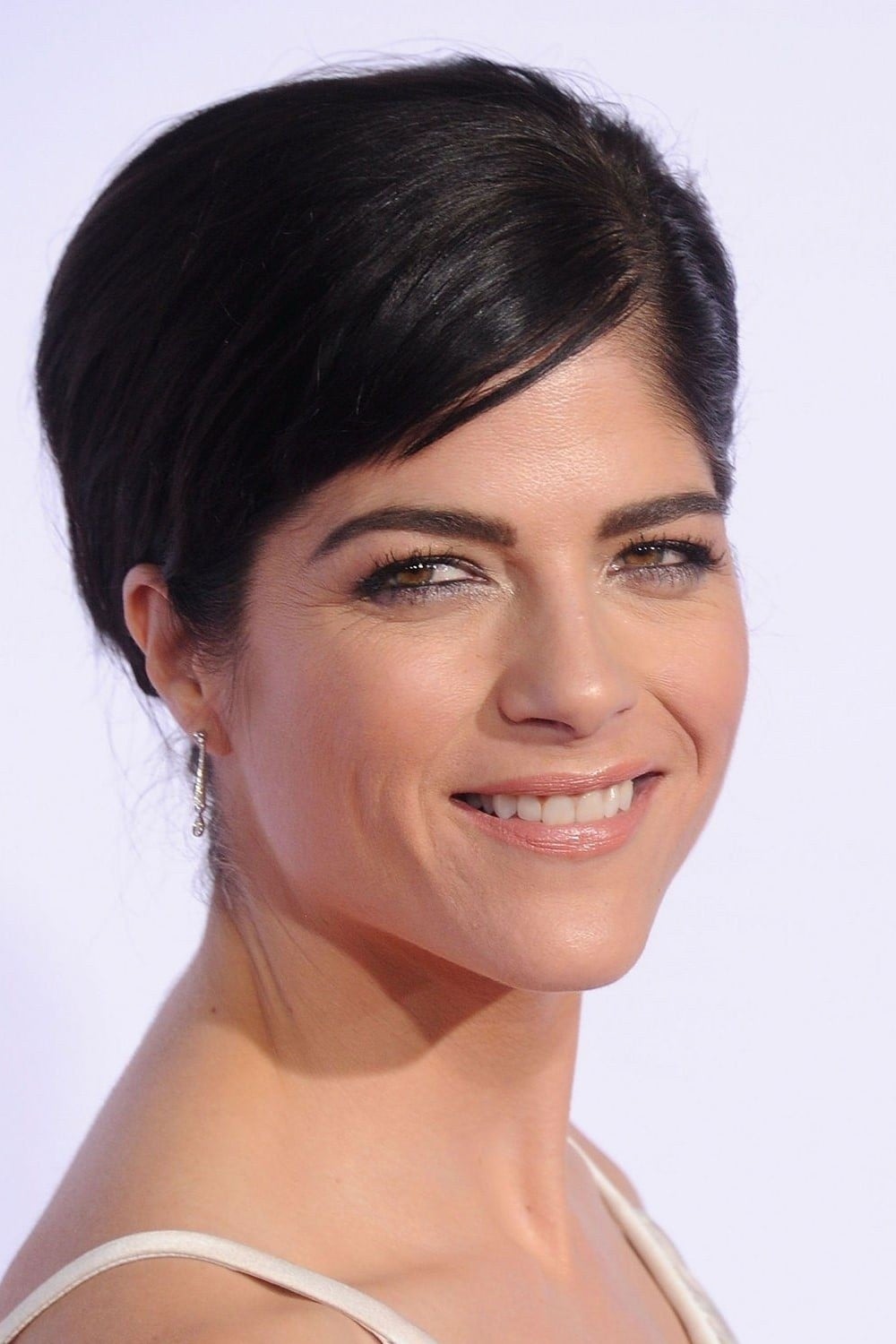
While starring in ‘Anger Management’ she disputed Charlie Sheen’s set conduct and communication, raising concerns to production. The conflict escalated quickly and ended with her departure from the series. Statements from both sides confirmed the disagreement and the decision to part ways. Scripts were adjusted to remove her character and keep episodes on track.
Alyssa Milano
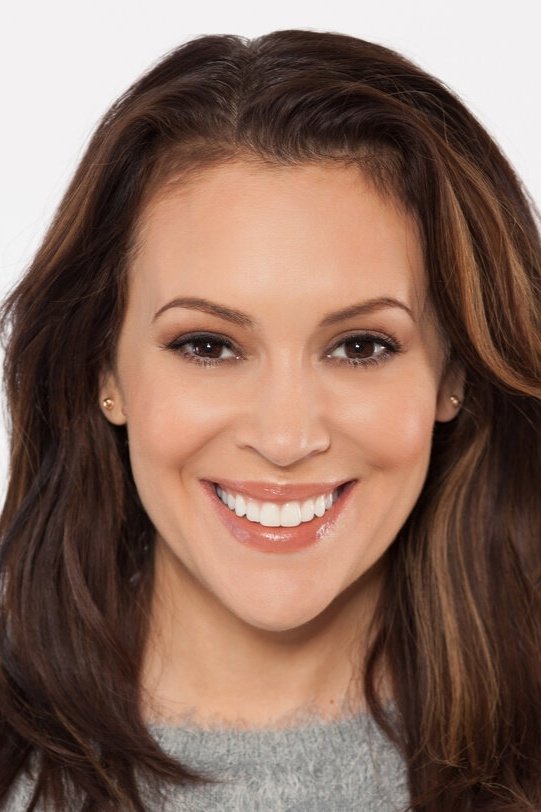
On ‘Charmed’ she and Shannen Doherty had tension that the cast and producers later acknowledged in interviews. Reports at the time described disagreements about set behavior and communication. Production eventually continued without Doherty, which reshaped the sister dynamic at the center of the show. Milano has spoken about the difficult atmosphere and how it affected the working relationships.
Lena Headey
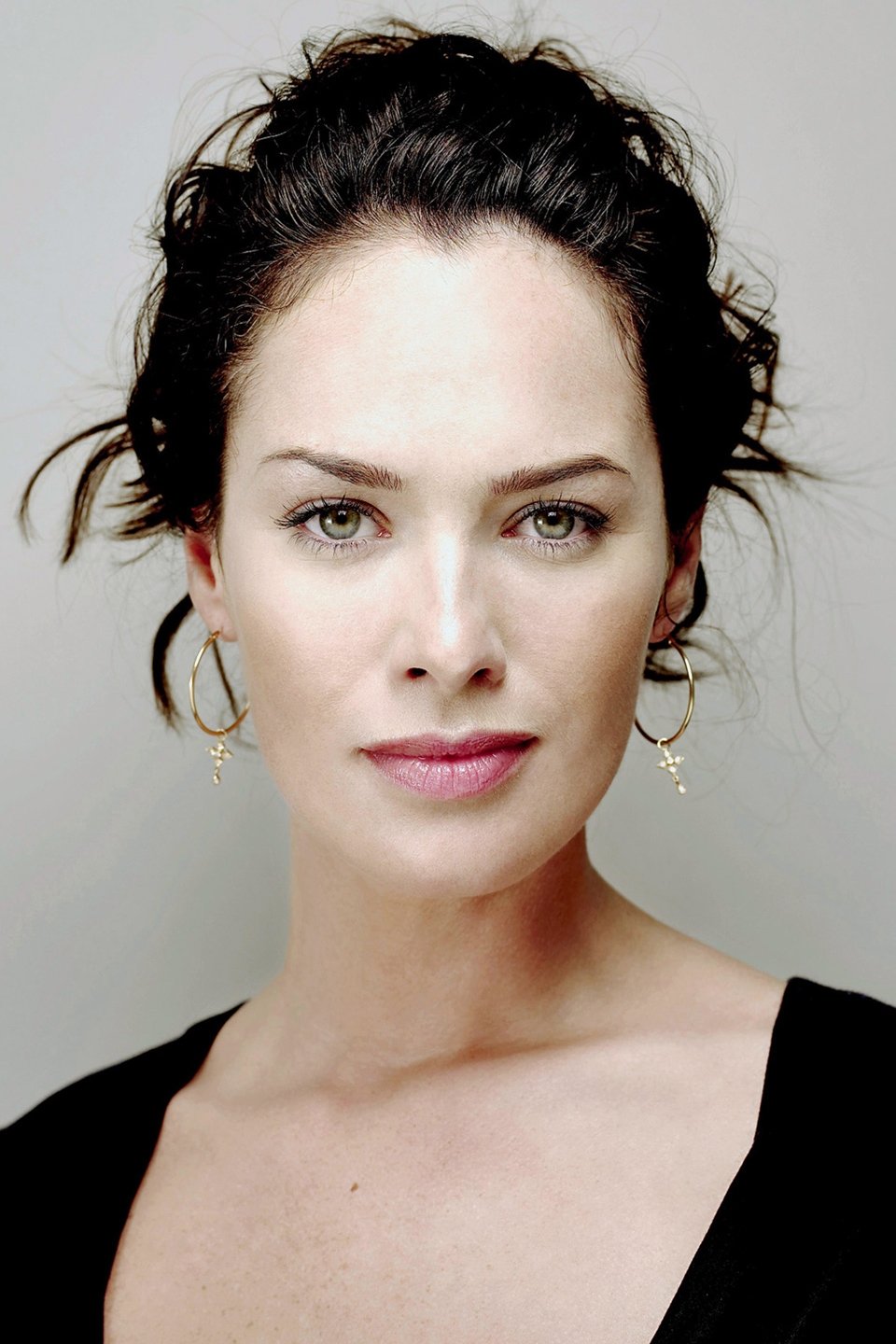
On ‘Game of Thrones’ she and Jerome Flynn had a personal history that carried into the workplace, and they were kept apart in scenes. Crew members arranged schedules and blocking to avoid unnecessary overlap. She filmed her sequences with careful planning to maintain distance. The approach allowed the show to proceed without disruptions to the storyline.
Cybill Shepherd
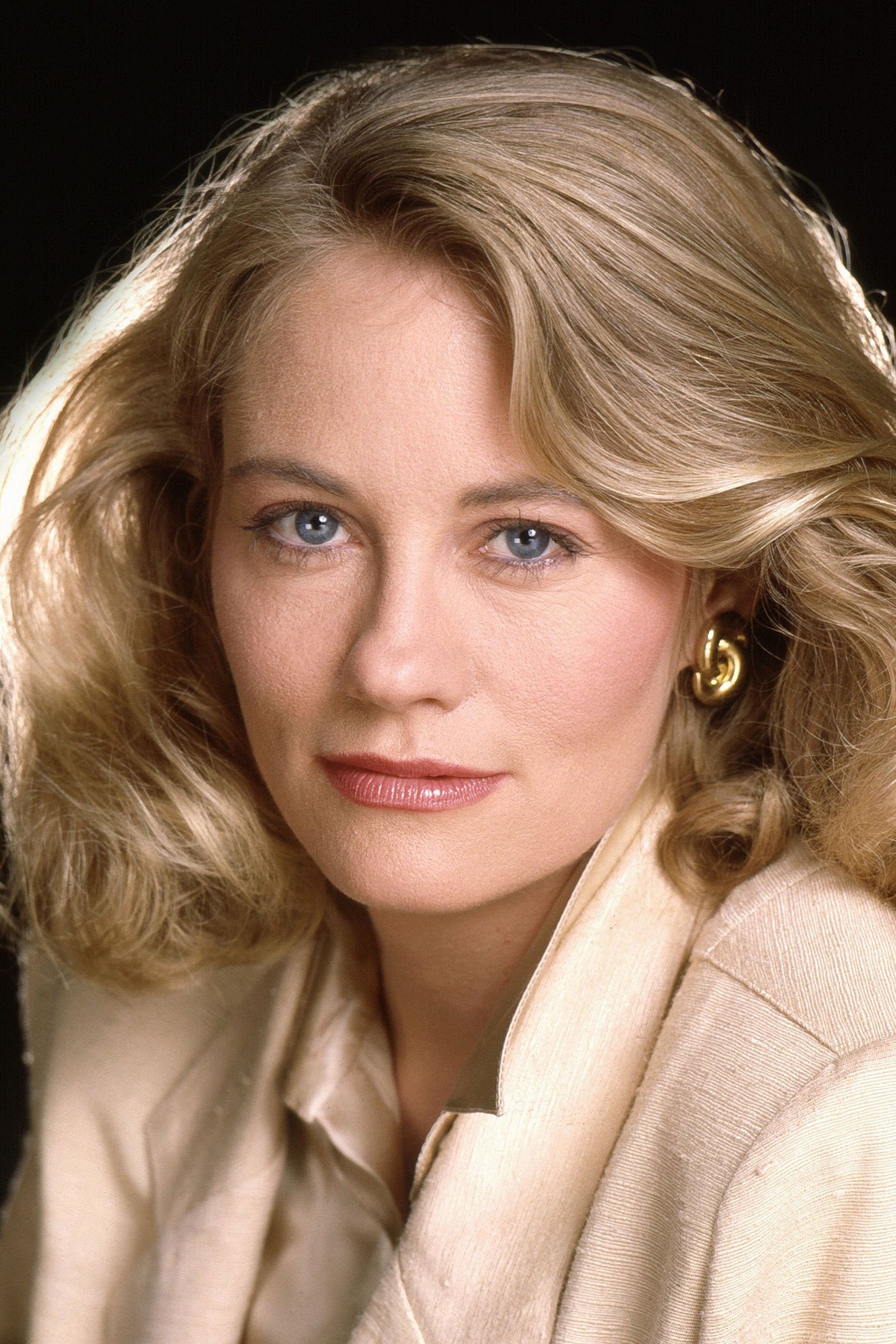
During ‘Moonlighting’ her relationship with Bruce Willis became strained as the series schedule grew more demanding. The long hours and fast turnarounds increased friction on set. Producers adjusted shooting plans to manage the leads’ interactions. The show continued to deliver episodes while managing the behind the scenes rift.
Tippi Hedren
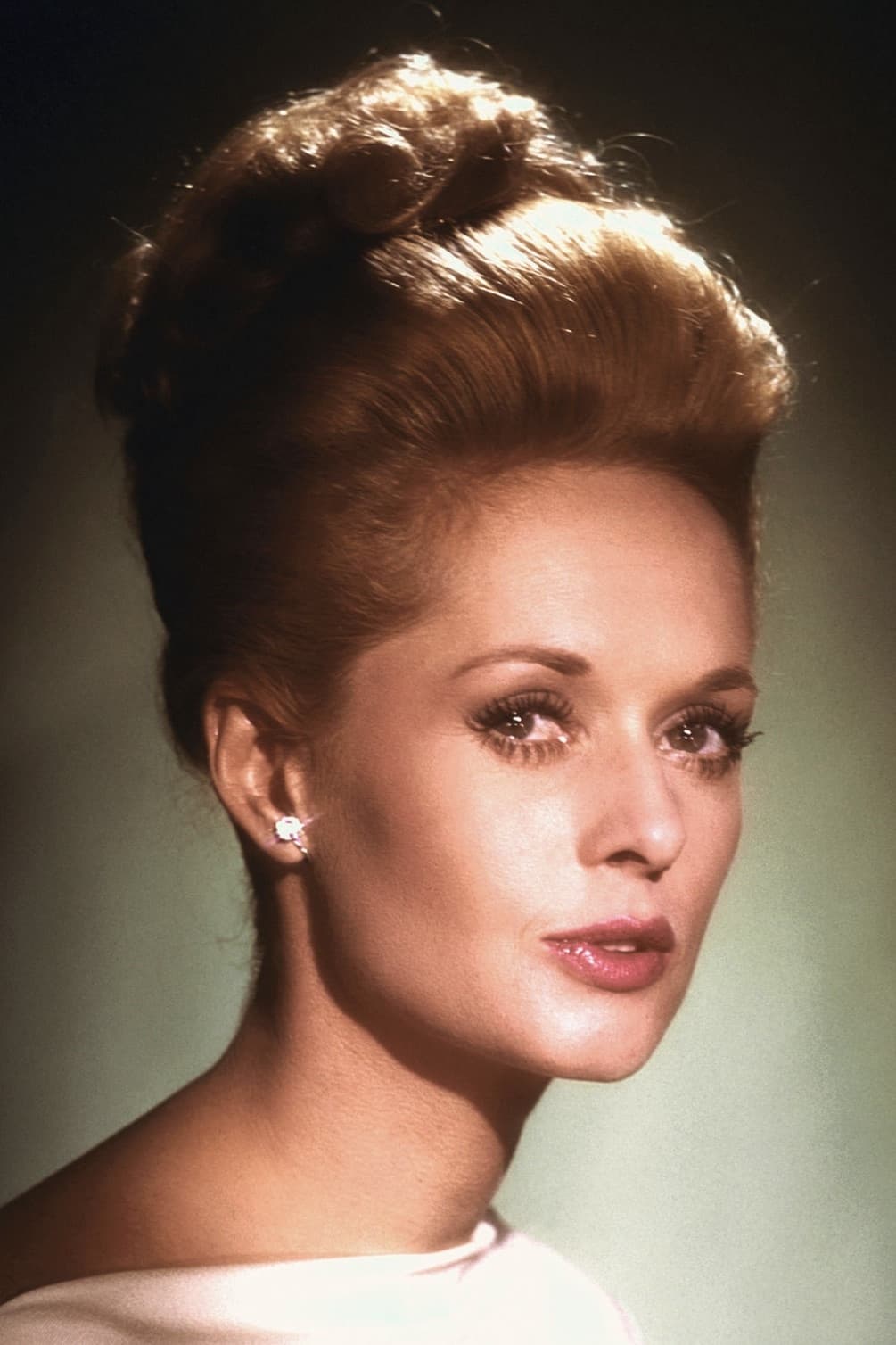
While making ‘The Birds’ and ‘Marnie’ she described severe conflicts with Alfred Hitchcock that affected her health and career. Hedren later detailed incidents that made collaboration impossible. The professional break ended their working relationship and limited her opportunities at that studio. Her account has been cited in discussions about power dynamics on classic productions.
Faye Dunaway
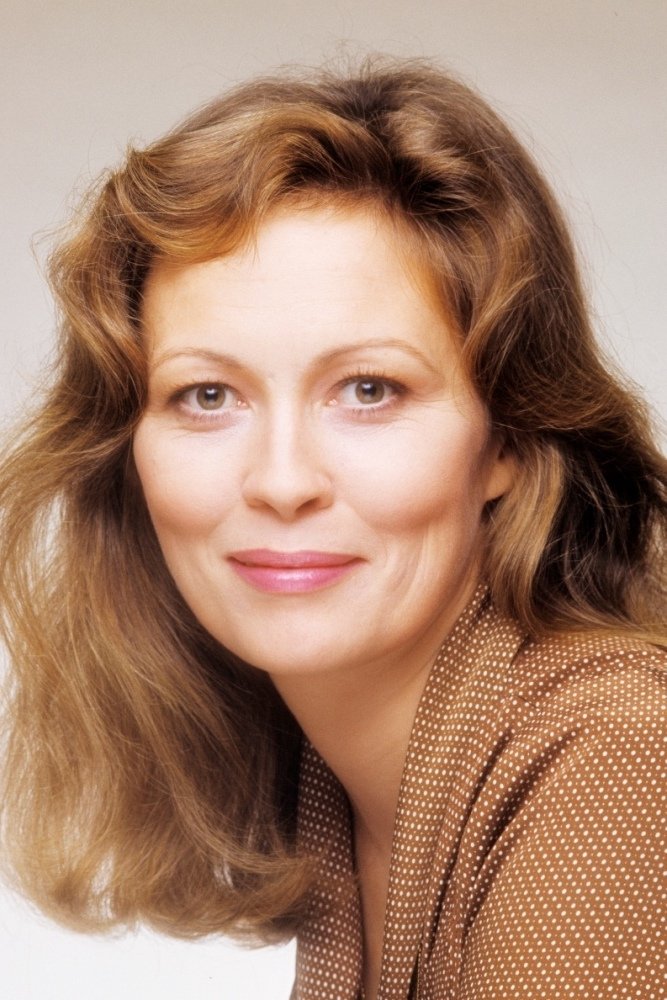
On ‘Chinatown’ she and director Roman Polanski clashed over creative control and on set treatment. Crew recalled disruptions from disagreements that paused filming. Dunaway advocated for her process in scenes and pressed for changes she believed were necessary. The film moved forward after producers set stricter boundaries around communication.
Amy Adams
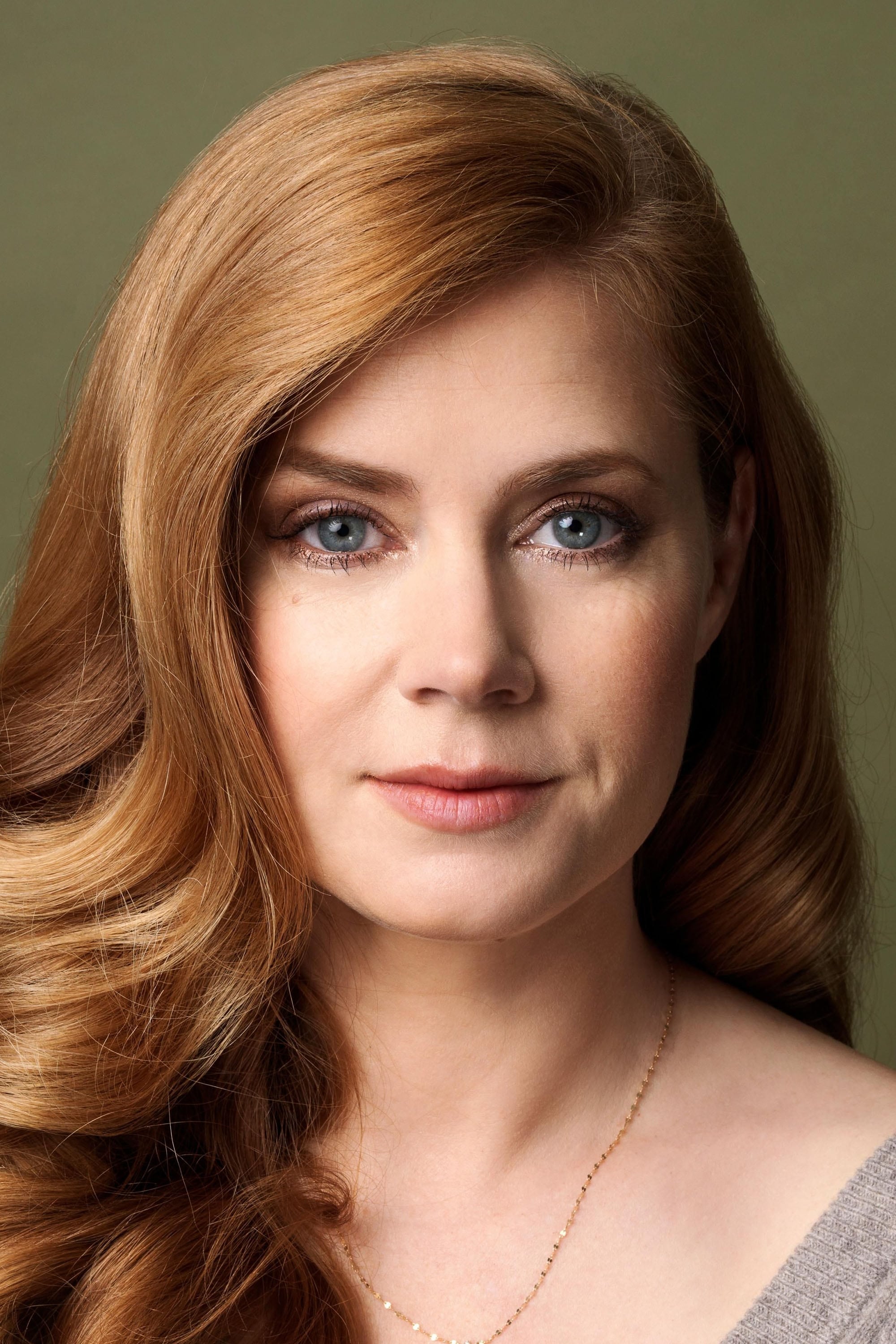
During ‘American Hustle’ she experienced difficult interactions with David O. Russell that she discussed in later interviews. The intensity of rehearsals and notes created stress throughout the shoot. Colleagues confirmed that producers helped mediate conversations to keep days on track. Adams completed the role while keeping interactions professional and limited.
Lily Tomlin
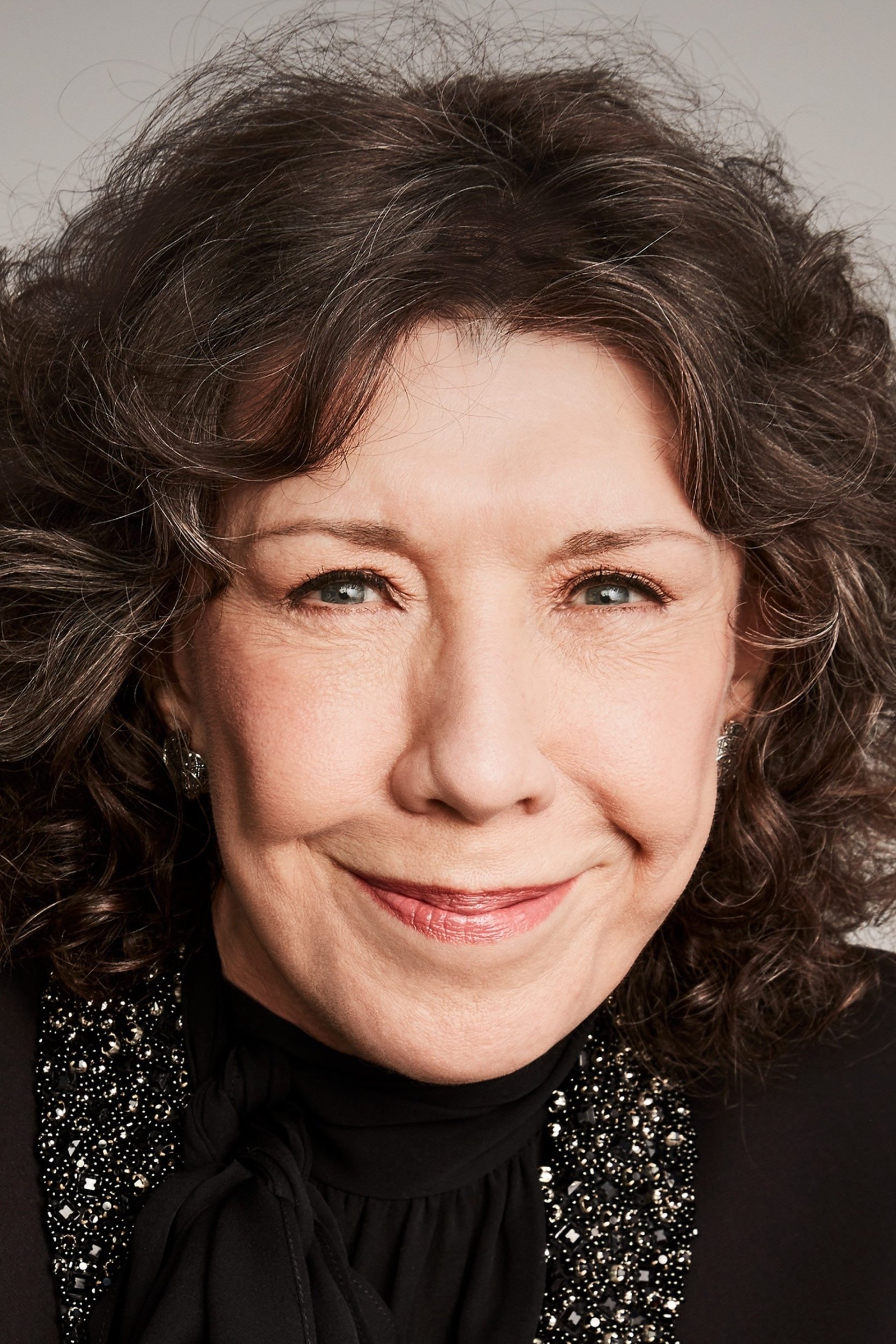
On ‘I Heart Huckabees’ her arguments with David O. Russell were captured in widely circulated on set videos. The confrontations stopped work and required cooling off periods. Cast and crew reorganized shooting to separate heated personalities when possible. Tomlin still delivered key scenes after procedures were put in place to reduce conflict.
Meryl Streep
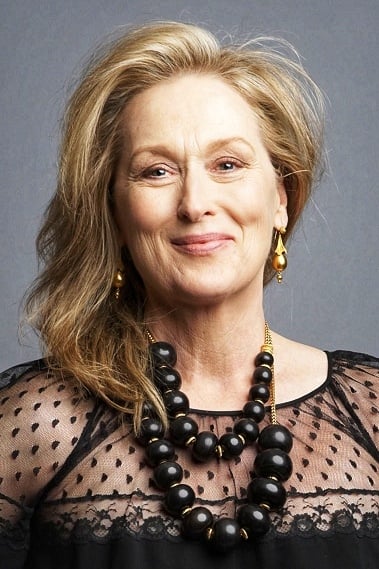
While working on ‘Kramer vs. Kramer’ she and Dustin Hoffman had intense exchanges that she has recounted in interviews. She described moments where boundaries were tested during rehearsal and filming. The production adapted by setting clearer guidelines for physicality and preparation. Streep’s experience has been referenced in conversations about consent and craft on set.
Megan Fox
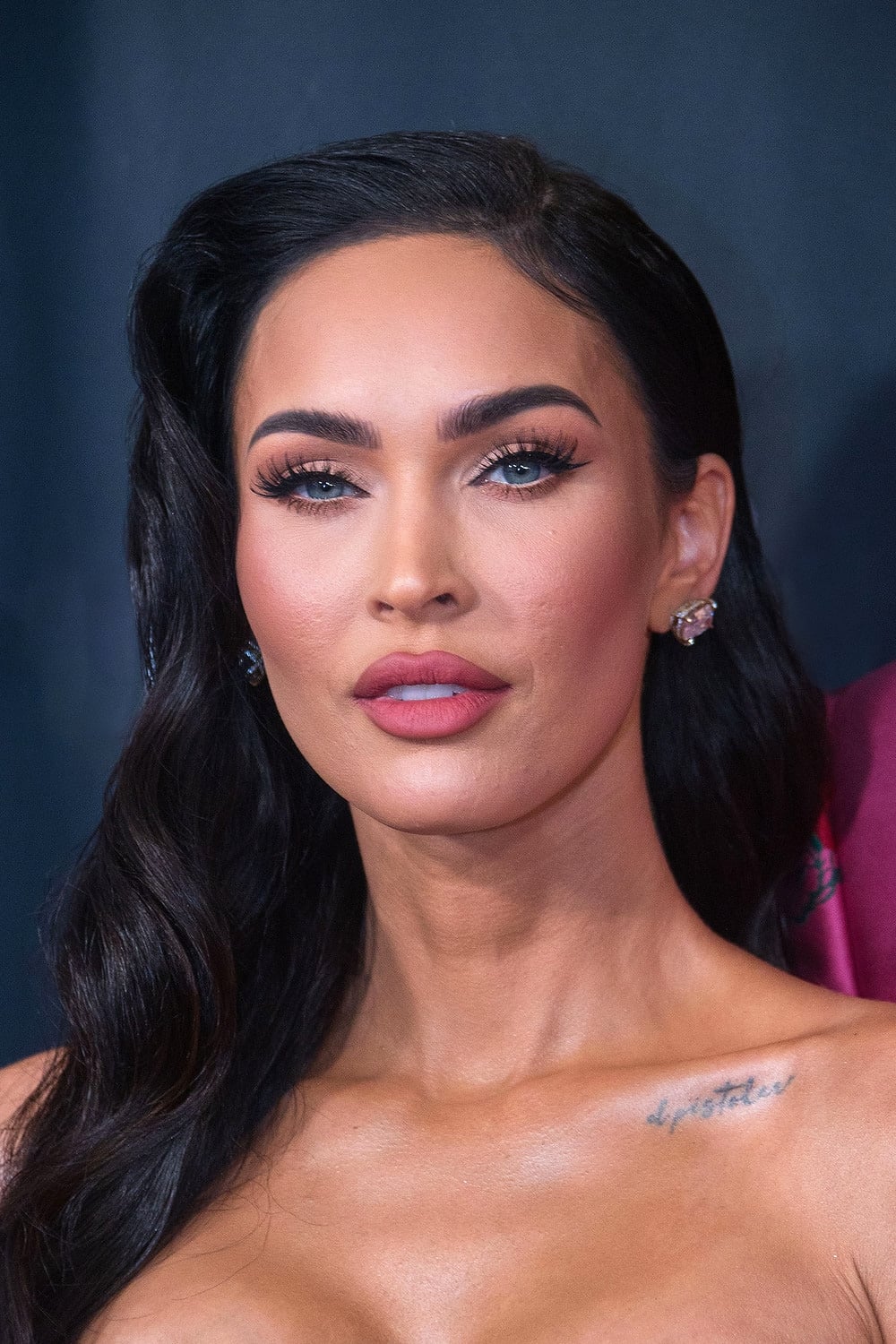
On ‘Transformers’ she publicly criticized Michael Bay’s directing style and compared experiences that she found demeaning. The comment led to her departure from the franchise at the time. Studio representatives and Bay’s team responded, and the collaboration ended. Fox later returned to big budget projects with different creative partners.
Anne Hathaway
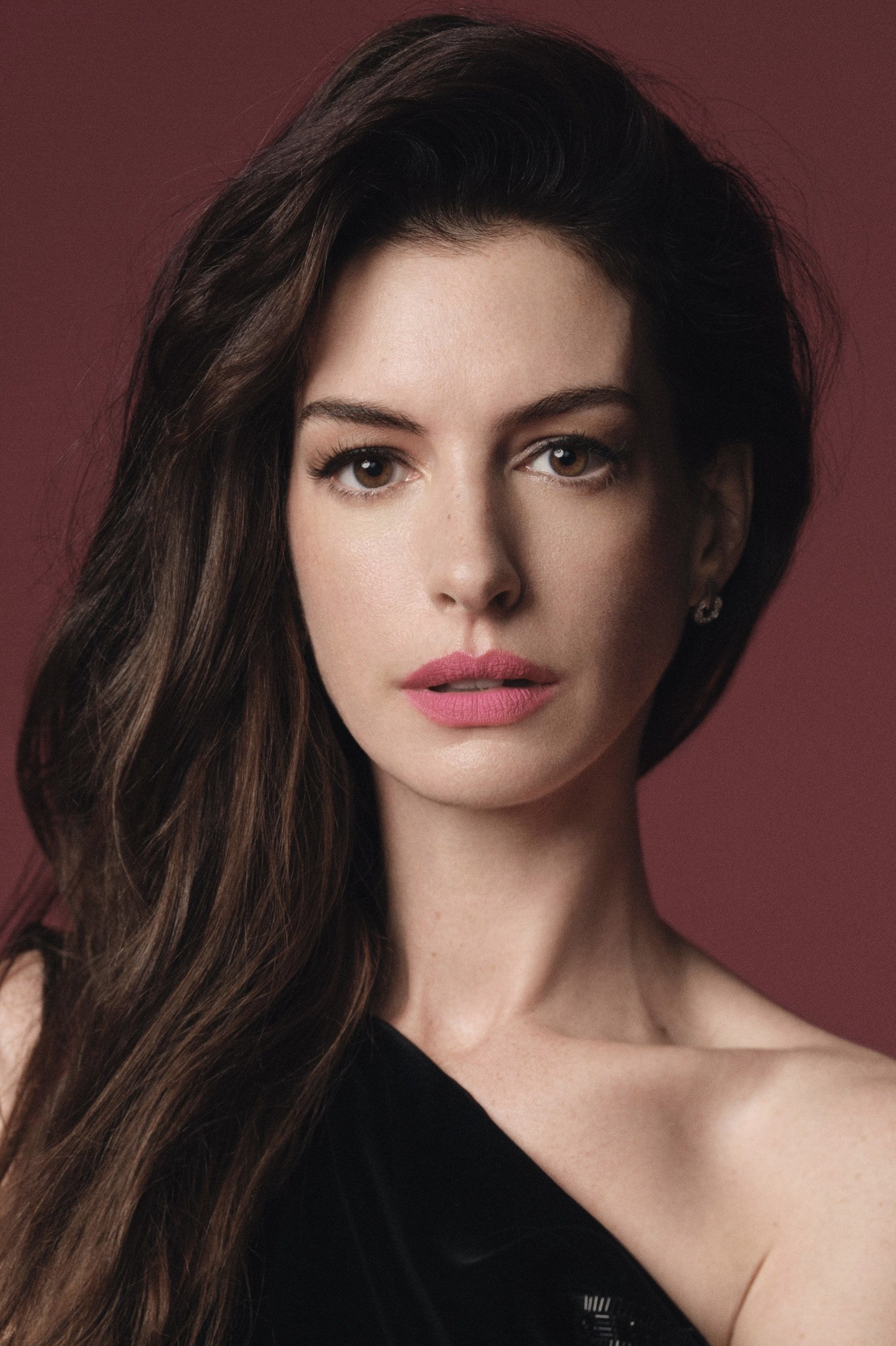
After co hosting the Academy Awards with James Franco she faced reports of an uneasy partnership. Backstage accounts described mismatched approaches to rehearsal and tone. The aftermath included separate media narratives that emphasized different work styles. She later reflected on the experience as a professional challenge she would not repeat.
America Ferrera
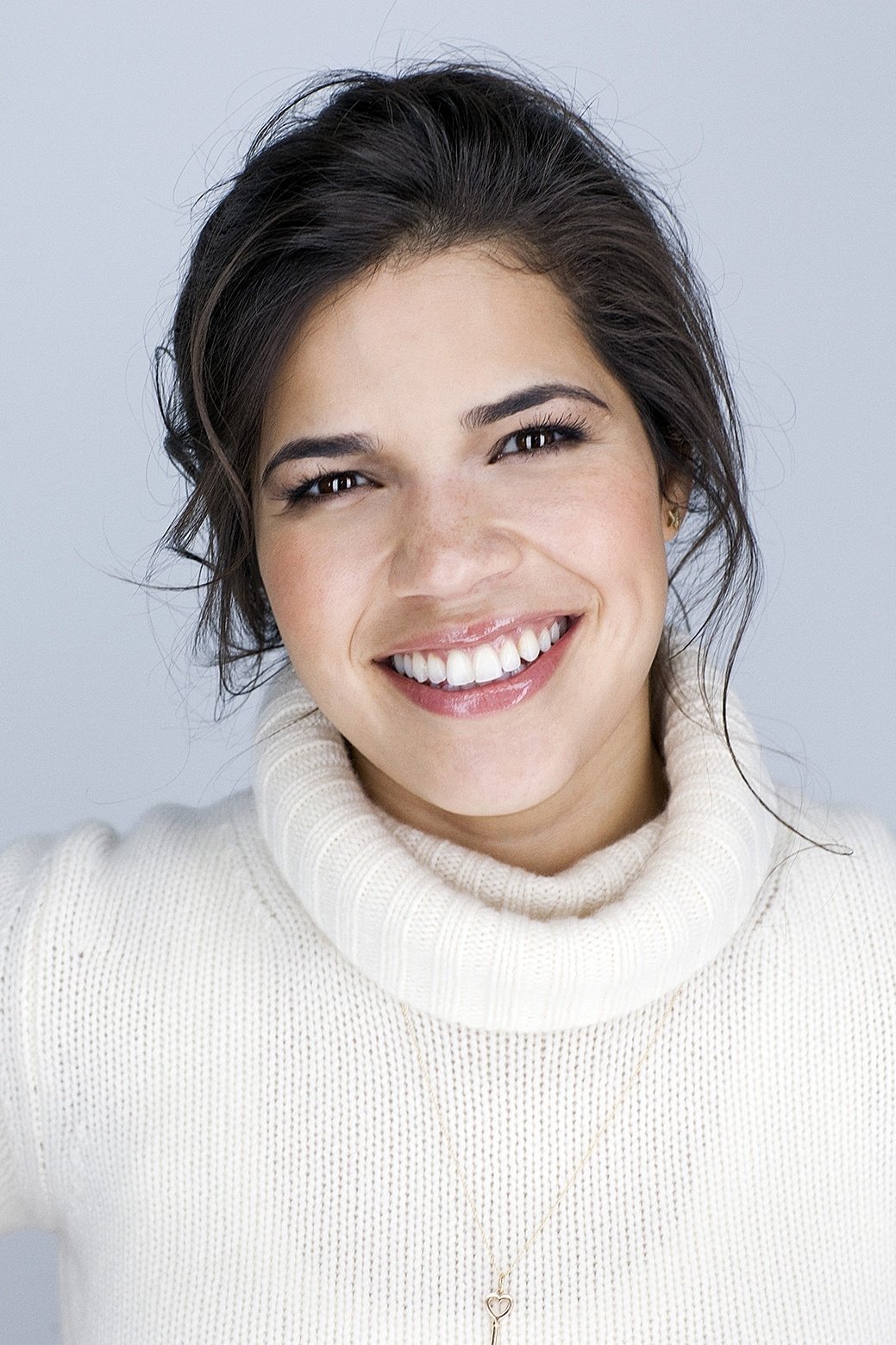
During Lindsay Lohan’s guest arc on ‘Ugly Betty’ tabloids and insiders reported friction between the two. Scheduling and script changes were used to complete the episodes. Ferrera maintained focus on the production while the guest role was reduced. The show finished the storyline and returned to its usual ensemble format.
Ellen Pompeo
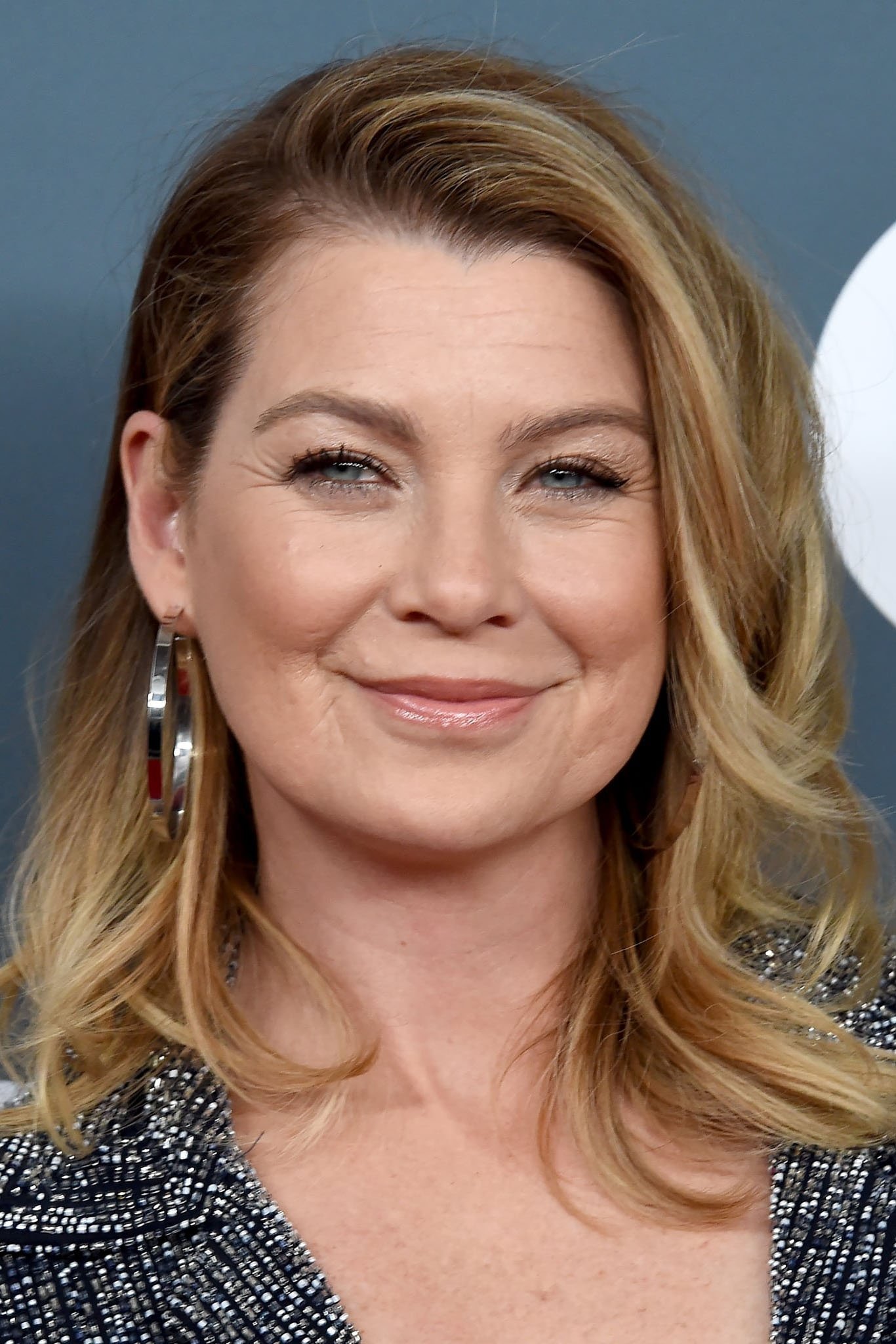
On ‘Grey’s Anatomy’ she described a clash with Denzel Washington when he directed an episode. She recounted a disagreement over a scene and how she expressed herself on set. The episode wrapped after both sides continued with professional boundaries. Her story became part of a larger discussion about director actor dynamics on television.
Emma Roberts
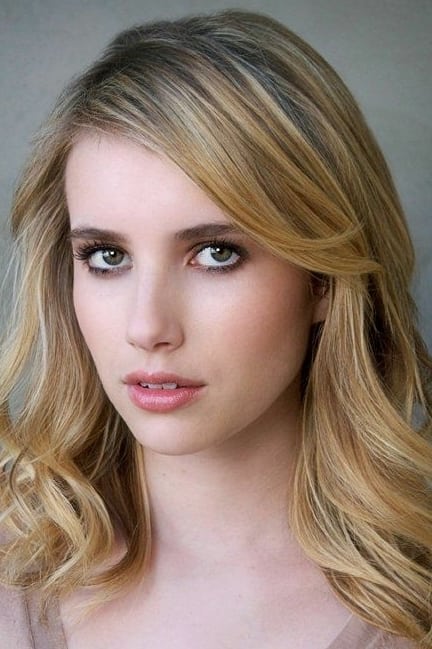
While on ‘American Horror Story’ Angelica Ross publicly shared incidents that made the set uncomfortable. Ross detailed specific comments and interactions that she found disrespectful. The production addressed the matter privately while press coverage amplified the account. Roberts has not publicly disputed the events in detail, and the series continued with adjusted publicity.
Charisma Carpenter
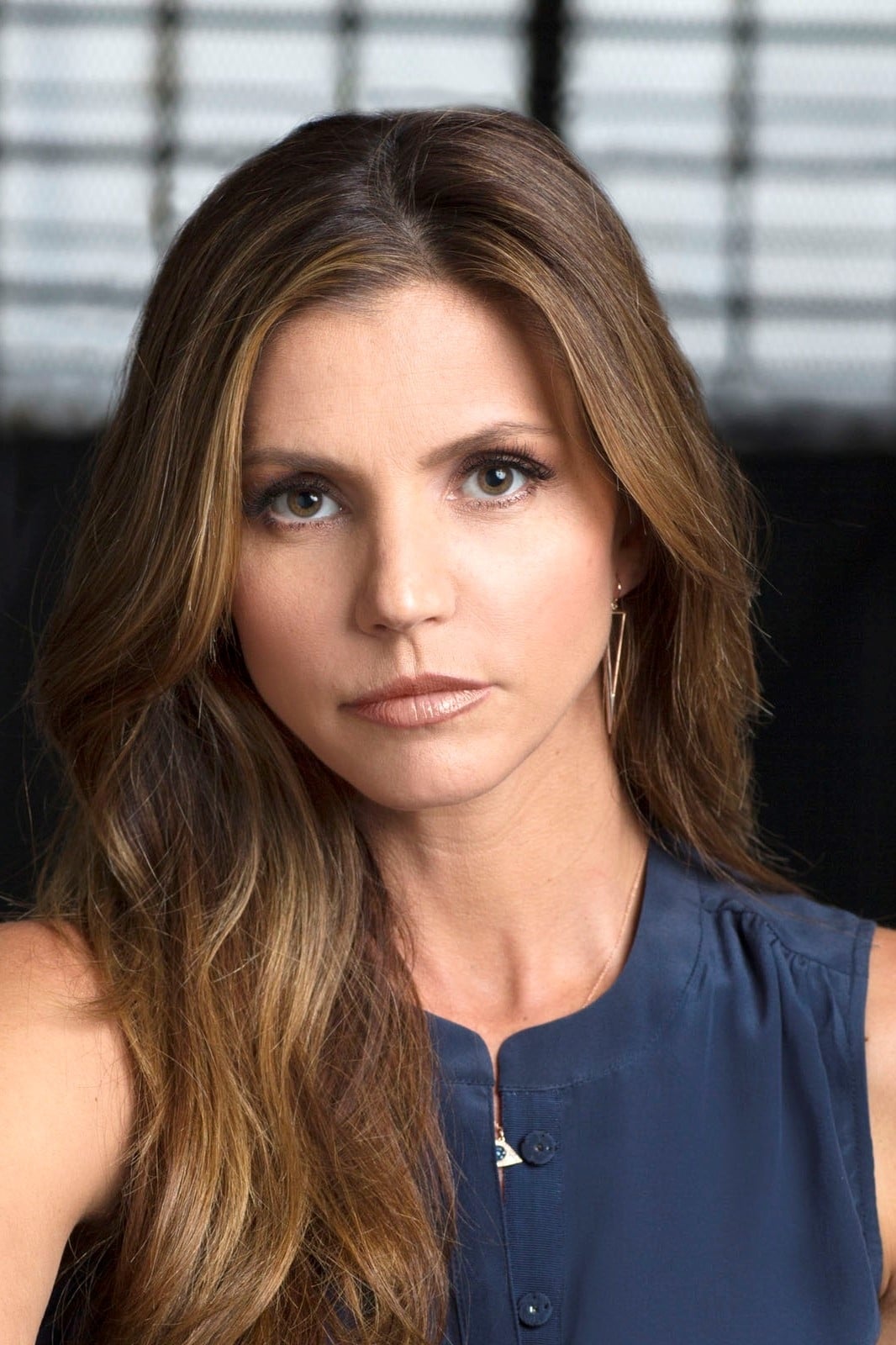
On ‘Buffy the Vampire Slayer’ and ‘Angel’ she reported mistreatment by creator Joss Whedon that affected her pregnancy and employment. Carpenter shared a timeline of events and said she felt retaliated against. Castmates voiced support and corroborated parts of the environment she described. The studio did not reopen the shows, but the statements shaped how the productions are remembered.
Katherine Heigl
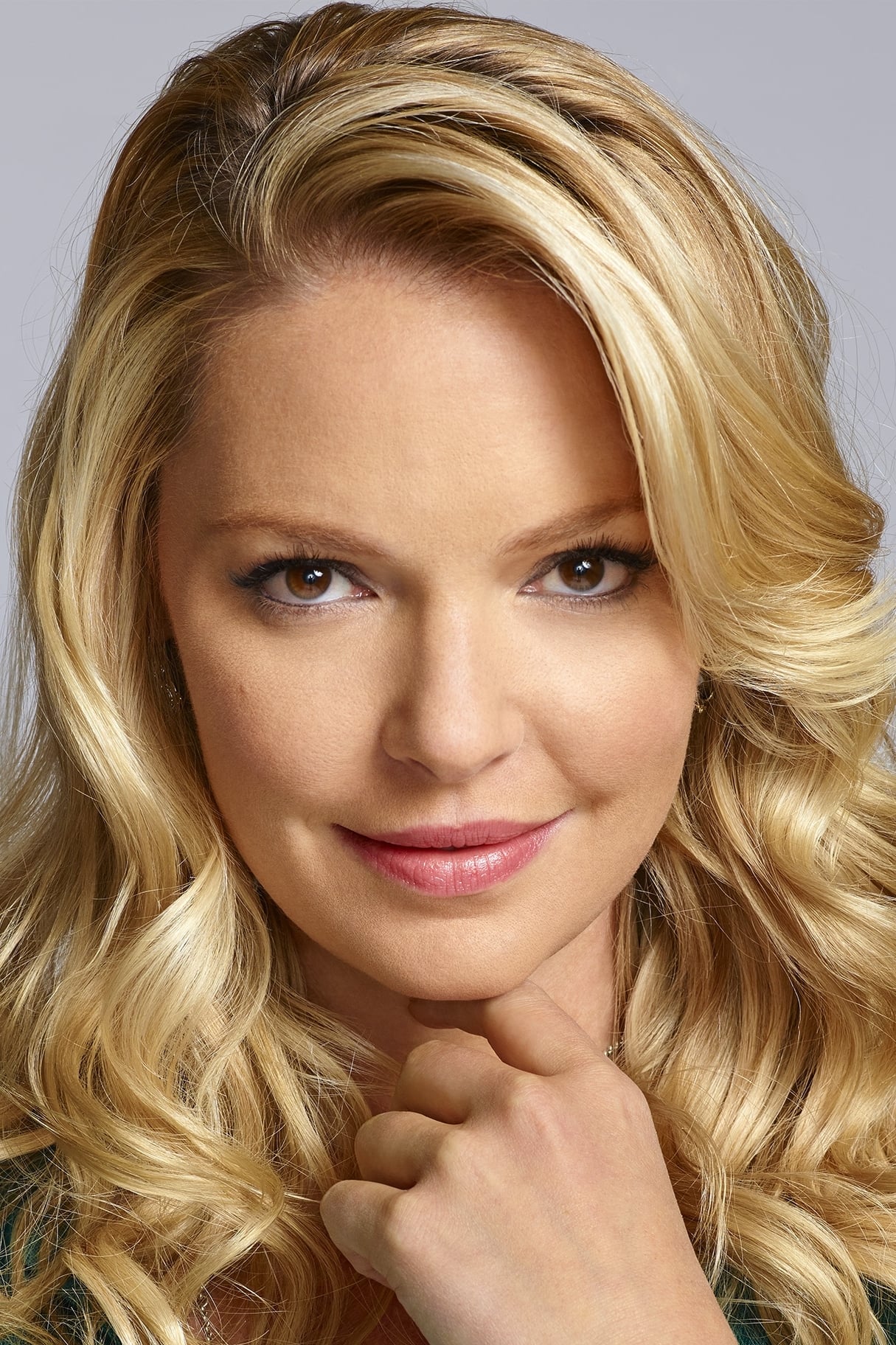
While on ‘Grey’s Anatomy’ she withdrew her name from awards consideration and criticized writing during that period. The move increased tension with producers and influenced later contract decisions. She also had earlier conflict tied to defending a colleague in a separate incident. Heigl later discussed the fallout and how it changed her approach to sets and publicity.
Nicollette Sheridan
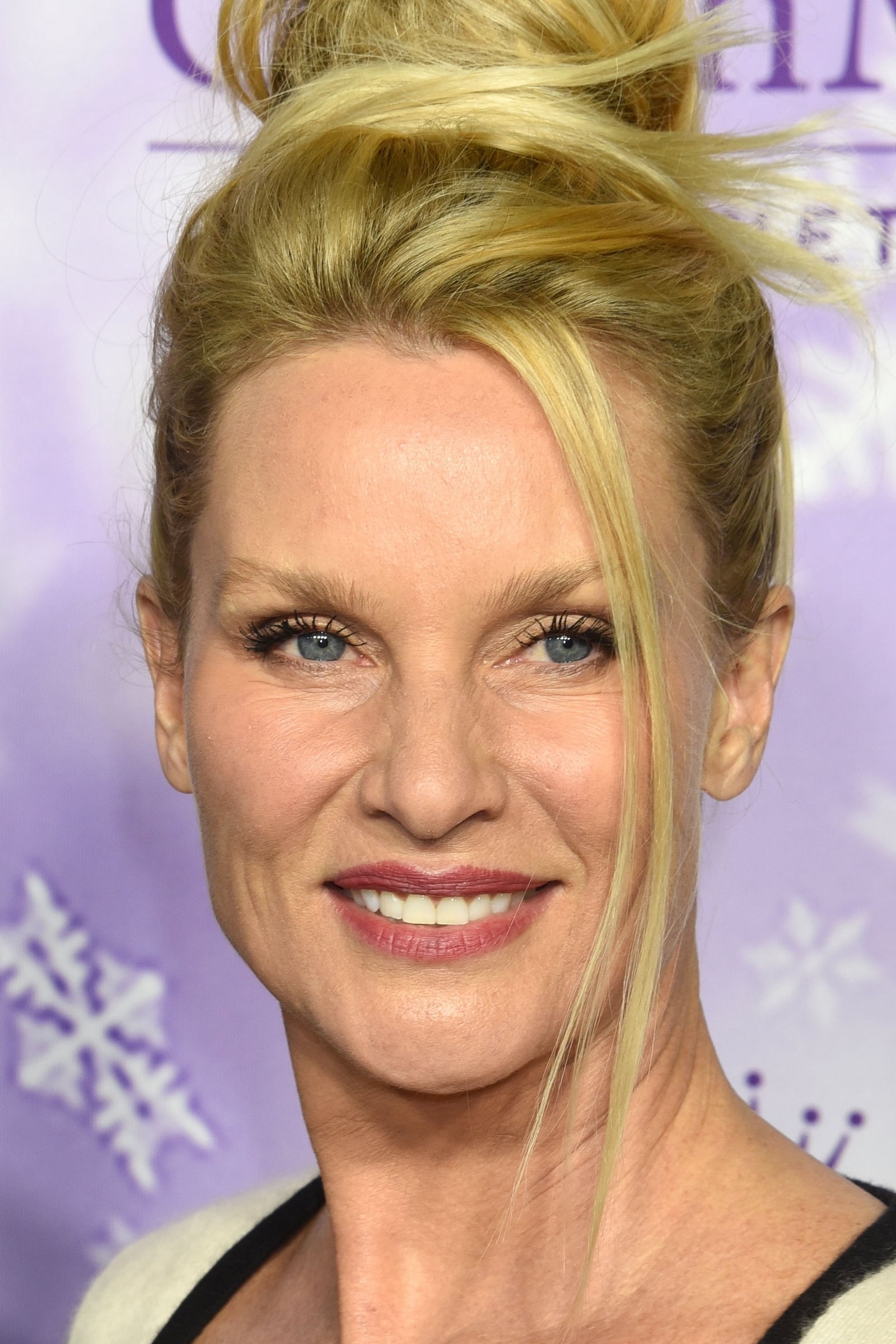
On ‘Desperate Housewives’ she alleged mistreatment by the show’s creator and later filed a lawsuit after her character was written out. Cast stories about set friction circulated throughout the run and continued during legal proceedings. Production moved forward with revised scripts that removed her character from ongoing arcs. Public statements from the studio and creatives kept the disagreement in the news while filming continued.
Janet Hubert
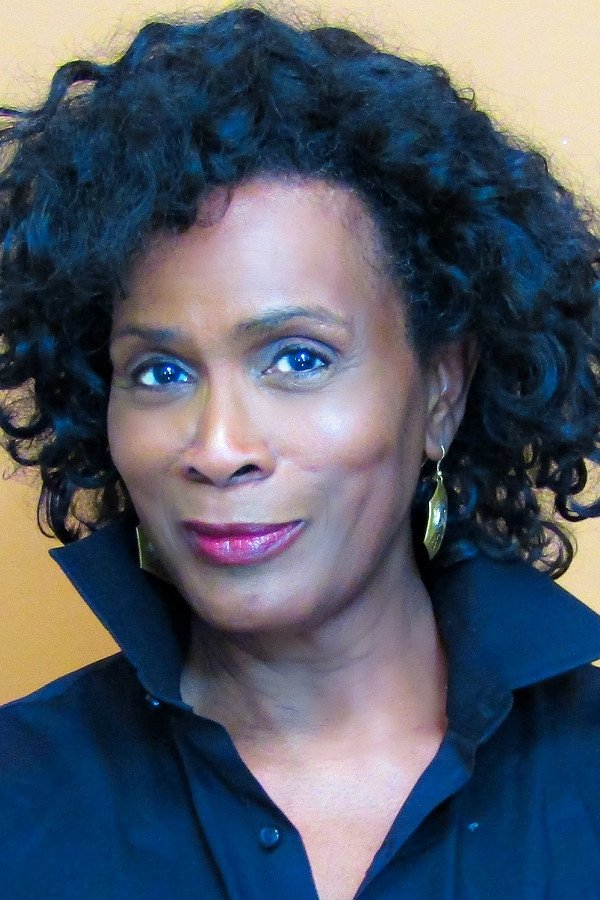
On ‘The Fresh Prince of Bel-Air’ she and Will Smith had a long running conflict that ended with her departure and a recast of the role. Contract talks and public comments from both sides documented the breakdown. Subsequent seasons continued with a new actress and minimal reference to the change. A reunion special many years later revisited the rift with on camera discussion.
Shelley Duvall
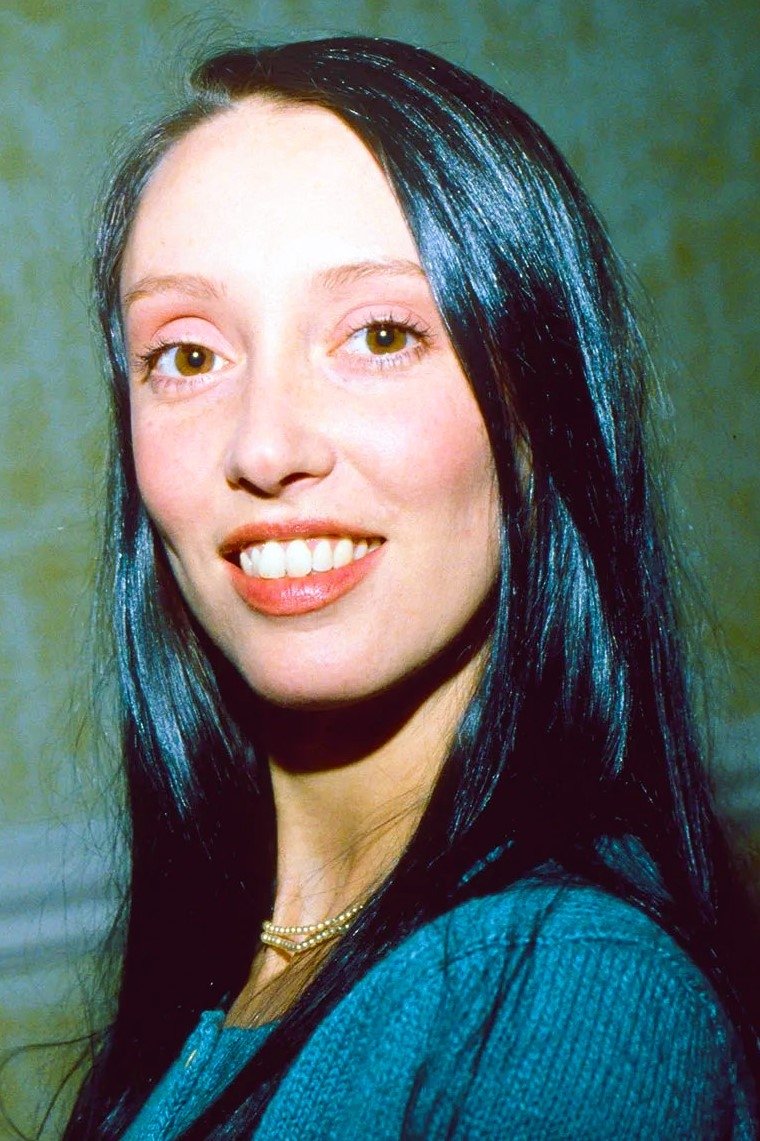
During ‘The Shining’ she described a grueling working relationship with director Stanley Kubrick that left her exhausted. Accounts from the set detailed repeated takes and isolation used to shape her performance. Crew members recalled a tense environment that affected daily work. She later spoke about the toll it took and the lack of support she felt during filming.
Halle Berry
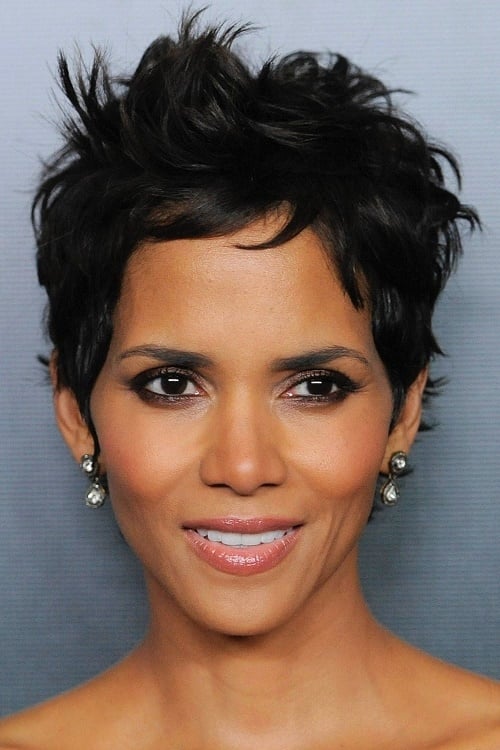
While making the ‘X-Men’ films she publicly noted that director Bryan Singer was difficult to work with. Reports described clashes over communication on set and concerns about working conditions. Cast interviews mentioned delays and arguments that influenced schedules. Berry addressed the situation in later press while highlighting the professionalism required to finish the movies.
Thandiwe Newton

On ‘Mission: Impossible 2’ she said scenes with Tom Cruise were stressful and that their working dynamic was strained. She described improvisations and adjustments that did not land well in rehearsal. Production kept the shoot on track with careful coverage and pickups. Newton later explained that the experience pushed her to advocate for herself more directly.
Debra Messing
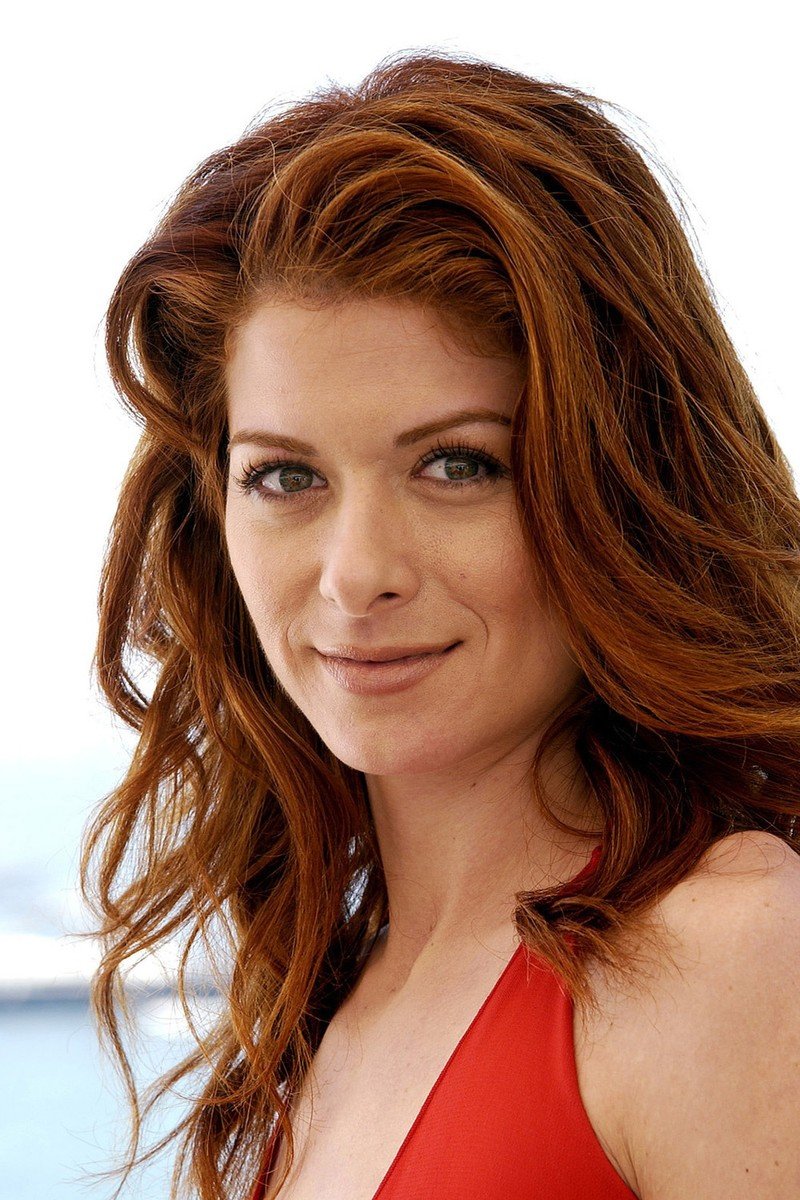
During the ‘Will & Grace’ revival reports pointed to friction between her and Megan Mullally. Episodes aired where one or both were absent, which fueled speculation about set dynamics. Producers maintained the schedule by shifting story focus between characters. Interviews avoided specifics while acknowledging that not all scenes were filmed together.
Jennette McCurdy
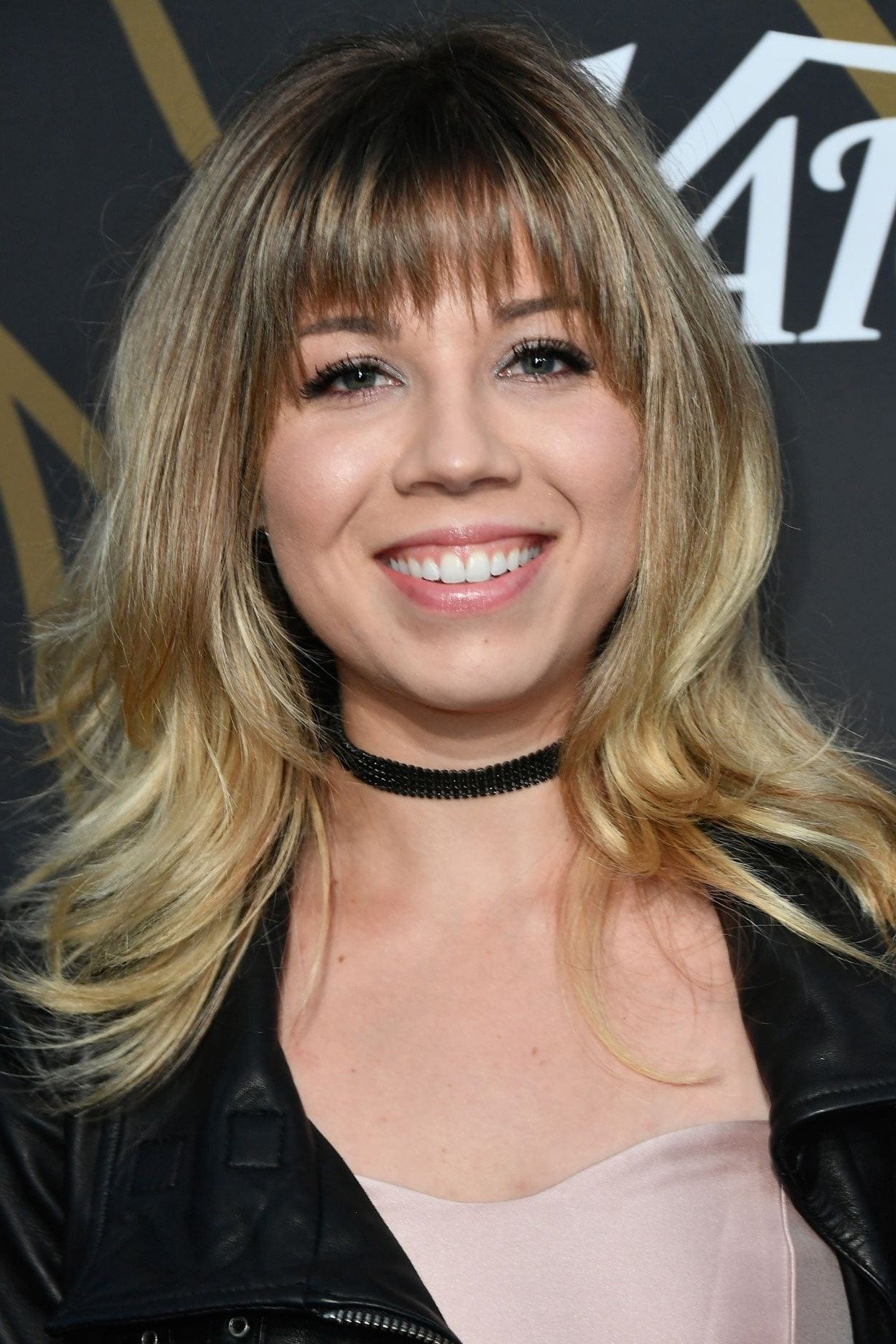
On ‘Sam & Cat’ she described difficult conditions around publicity and compensation while also noting scheduling issues with Ariana Grande. Her later memoir outlined pressure she felt from adults in charge during that period. Episodes were completed with adjustments to appearances and promotional duties. The series ended after one season despite strong ratings.
Lindsay Lohan
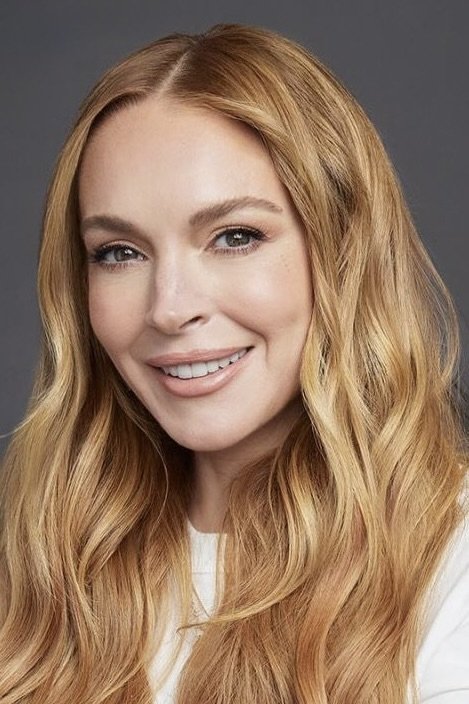
On ‘The Canyons’ she had highly publicized disagreements with director Paul Schrader and co star James Deen. Reports cited absences, rewrites, and closed set demands that complicated the schedule. Insurance concerns and location problems were also linked to her involvement. The production finished after strict conditions were put in place around attendance.
Rose McGowan

During ‘Charmed’ she later described tensions with Alyssa Milano and frustrations with show leadership. She used social media and interviews to outline incidents that made collaboration difficult. Filming continued while publicity appearances were often separate. The series closed its run with the core cast still present but with well documented strain.
Valerie Harper
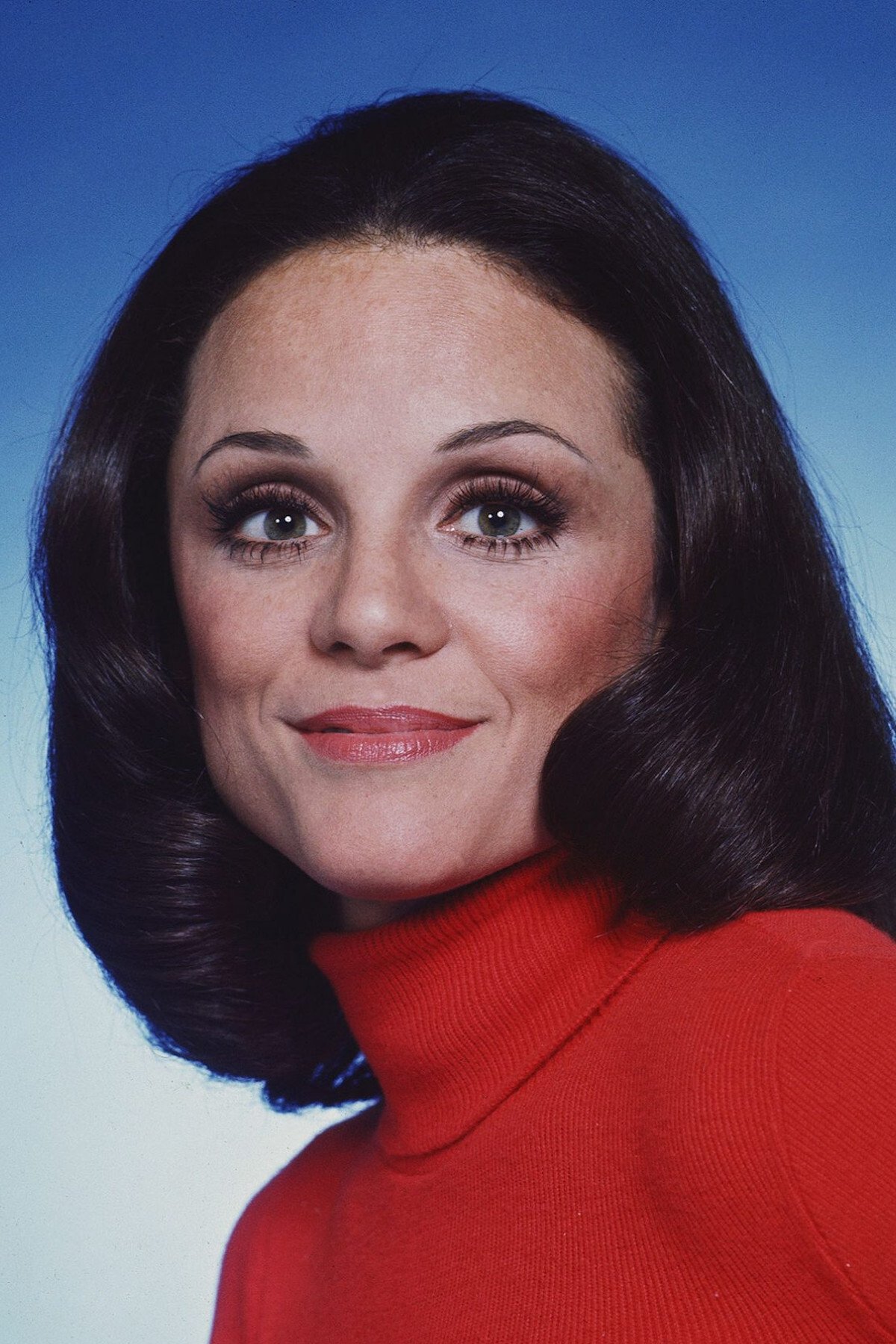
On ‘Valerie’ she clashed with producers over contract terms and creative control, which ended with her firing. The show continued under a new title and lead after legal disputes. Cast and crew adapted storylines to explain the change. Court actions and public statements kept attention on the workplace conflict for years.
Stacey Dash
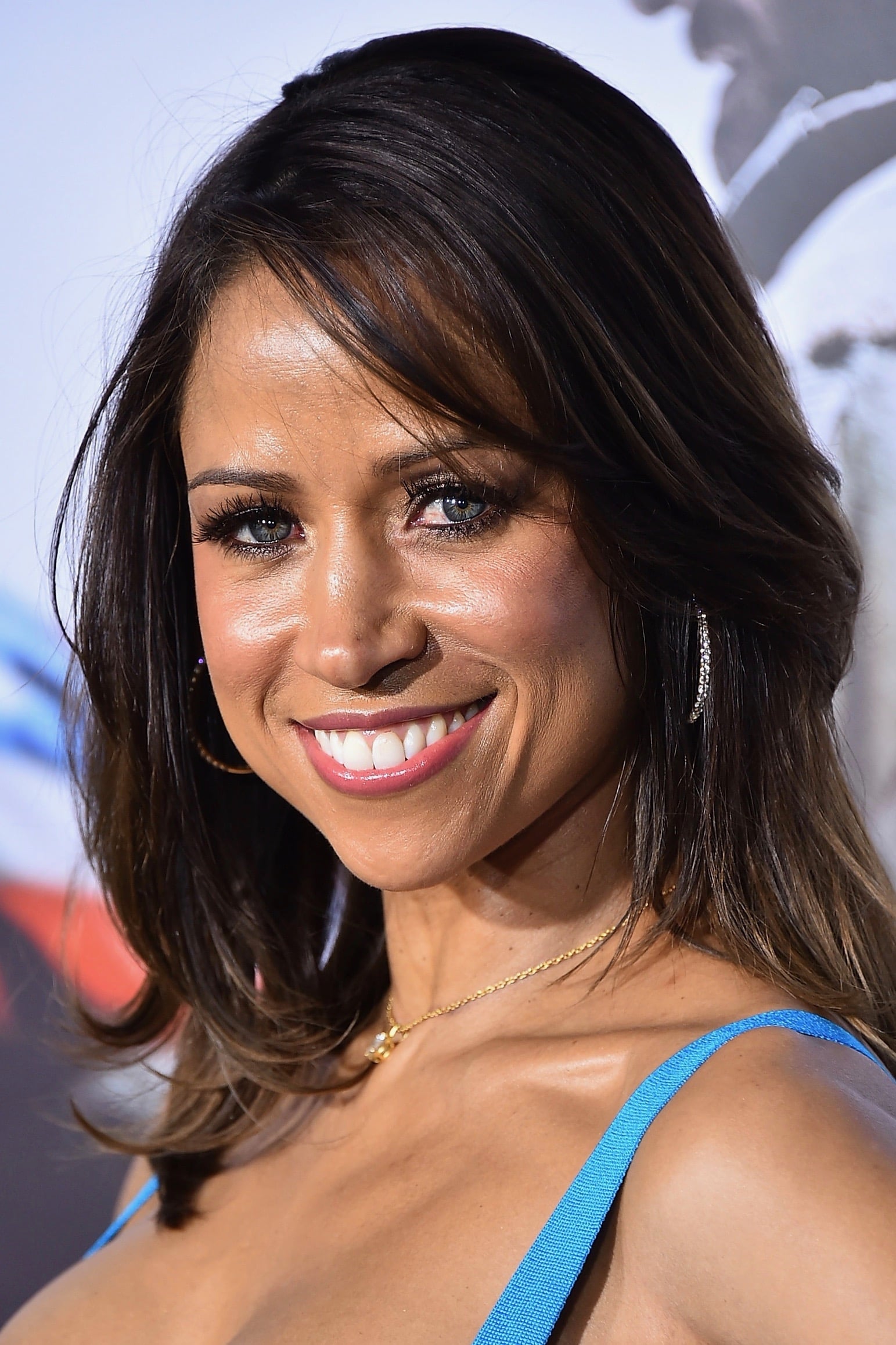
On ‘Single Ladies’ reports of conflict with LisaRaye McCoy preceded Dash’s exit after the first season. Production communicated scheduling and story changes as reasons for the shift. The role was effectively replaced to keep the ensemble structure intact. Dash addressed the departure by citing differences with the working environment.
Mischa Barton

On ‘The O.C.’ she later said the set became difficult due to pressure and negative interactions. Producers wrote an abrupt exit for her character as ratings and backstage issues converged. She described feeling unsupported and targeted by media during that time. The show moved into later seasons with new plotlines that did not include her.
Tori Spelling
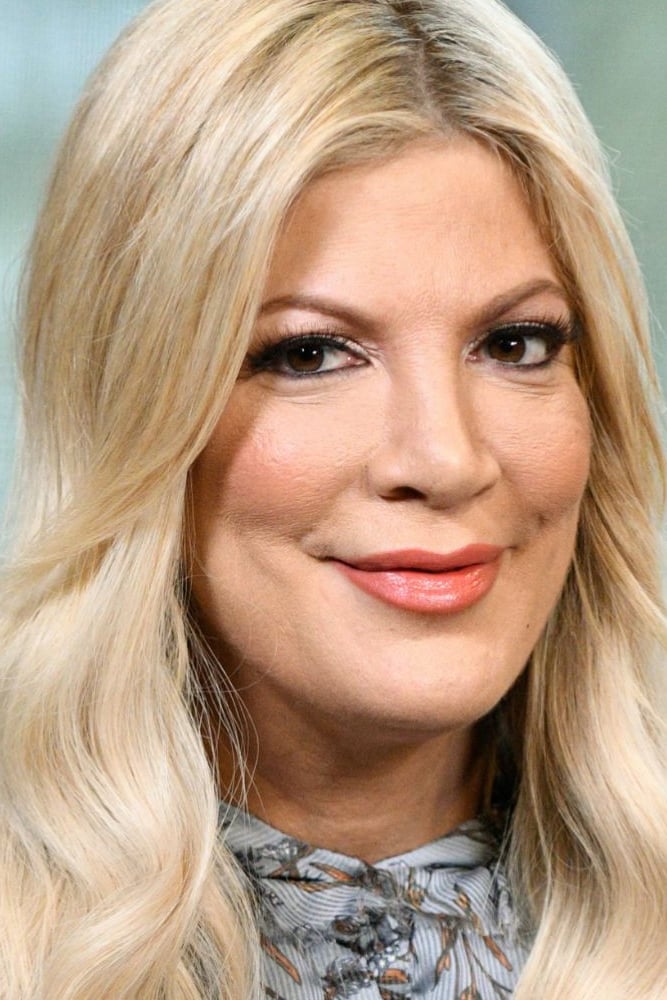
On ‘Beverly Hills, 90210’ she addressed long running cast tensions that shaped how certain episodes were shot. Interviews from multiple cast members, including Spelling, referenced cliques and disagreements on tone. Production often split storylines to keep specific actors apart. The series remained a hit while managing those internal divides.
Shelley Long
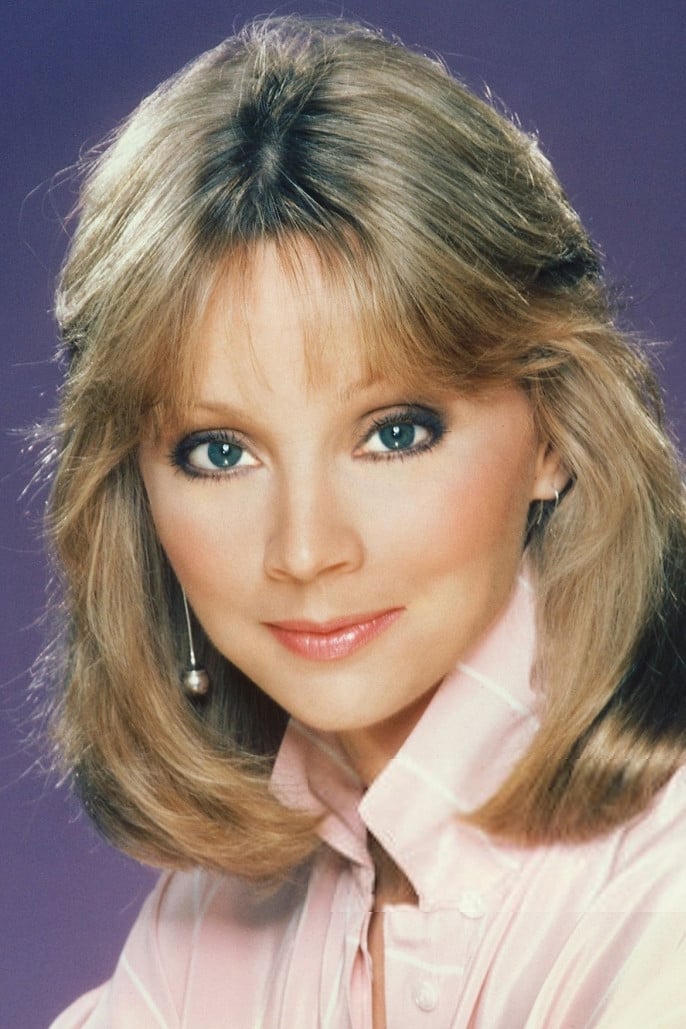
On ‘Cheers’ she was reported to have clashes with colleagues and producers about the show’s direction and schedule. The atmosphere grew strained as negotiations and creative debates intensified. She left the series and the writers introduced a new lead to reset dynamics. Cast interviews over the years confirmed that the workplace had become challenging.
Olivia Wilde
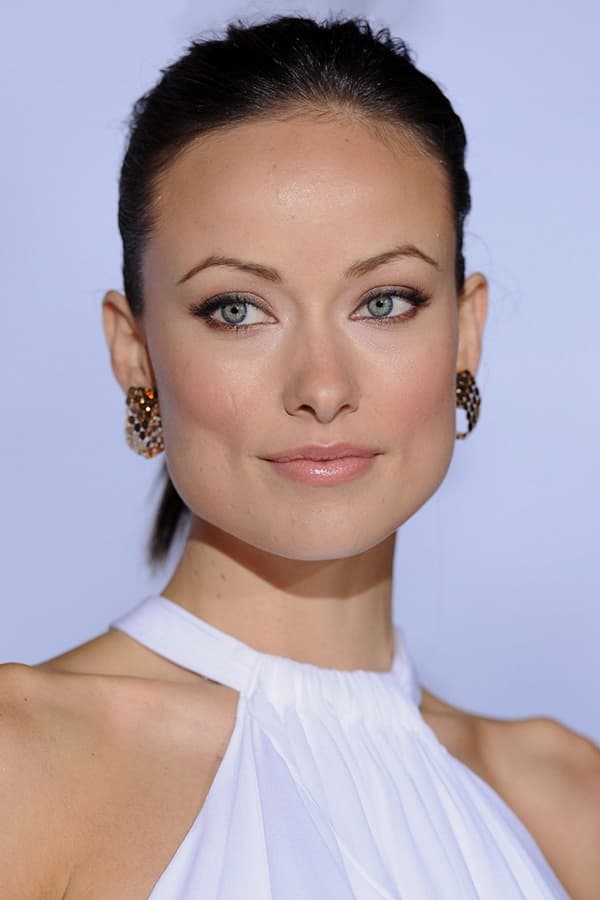
On ‘Don’t Worry Darling’ she and Florence Pugh were at the center of widely reported tension during production and promotion. Questions about on set communication and participation in press events dominated coverage. The film’s festival rollout highlighted separate appearances and limited joint interviews. Studio messaging emphasized the finished work while sidestepping the conflict.
Share your picks and any behind the scenes stories you remember in the comments.

