


Actresses Who Faced Ageism



Ageism in entertainment shows up in casting notes, marketing assumptions, and even grooming demands, and many actresses have had to push back to keep working on their own terms. The stories below highlight specific moments when women were told they were too old, asked to hide their age, or steered toward narrower roles, and how they responded with new projects, companies, and characters that proved audiences want more.
Maggie Gyllenhaal
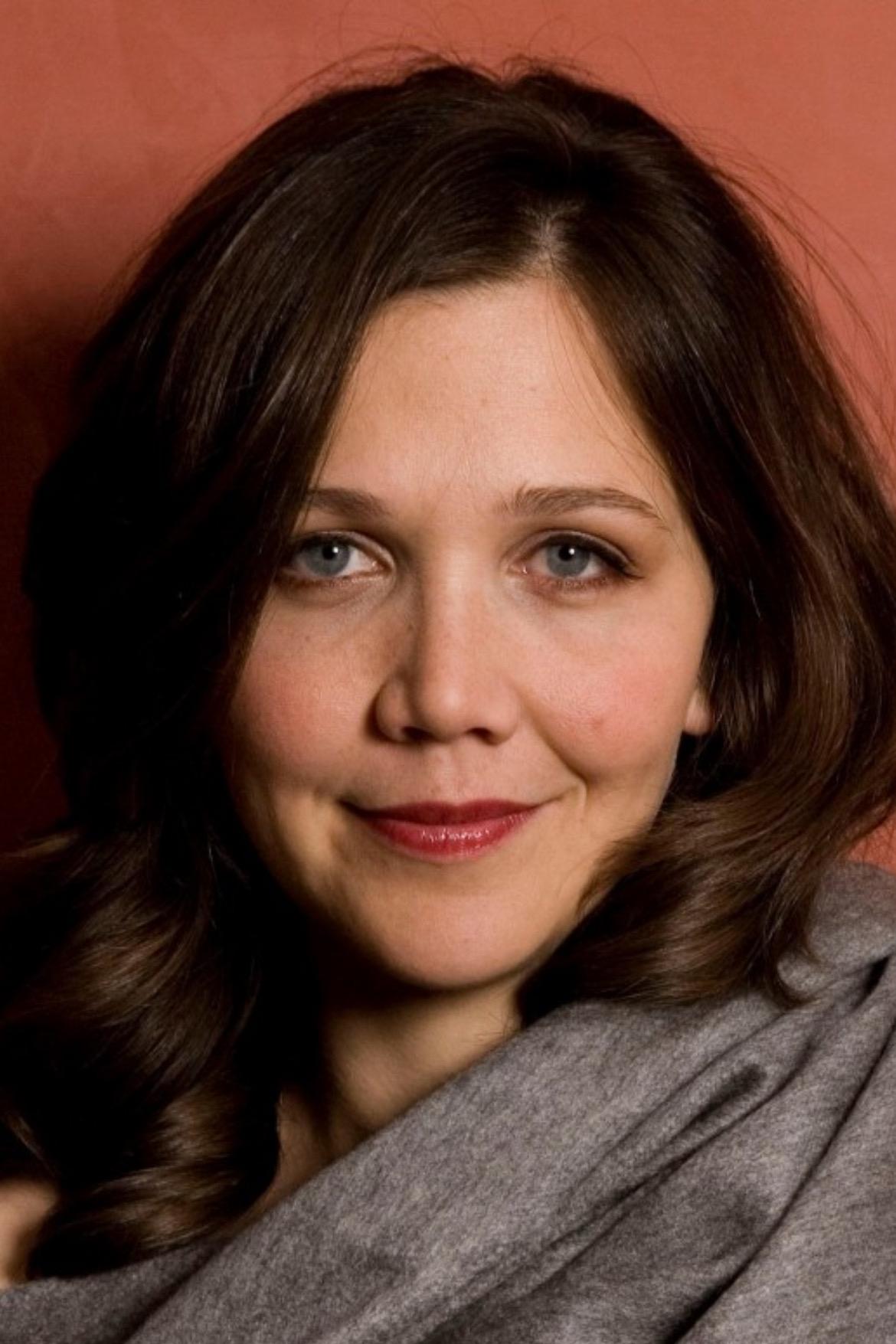
Maggie Gyllenhaal shared that she was told at 37 she was too old to play the love interest of a 55-year-old man. She went on to produce and direct while continuing to star in challenging projects that centered complex women. Her move behind the camera created opportunities for actresses in age ranges often overlooked. She has also spoken publicly about recalibrating expectations in a business that still skews toward younger casting.
Carrie-Anne Moss
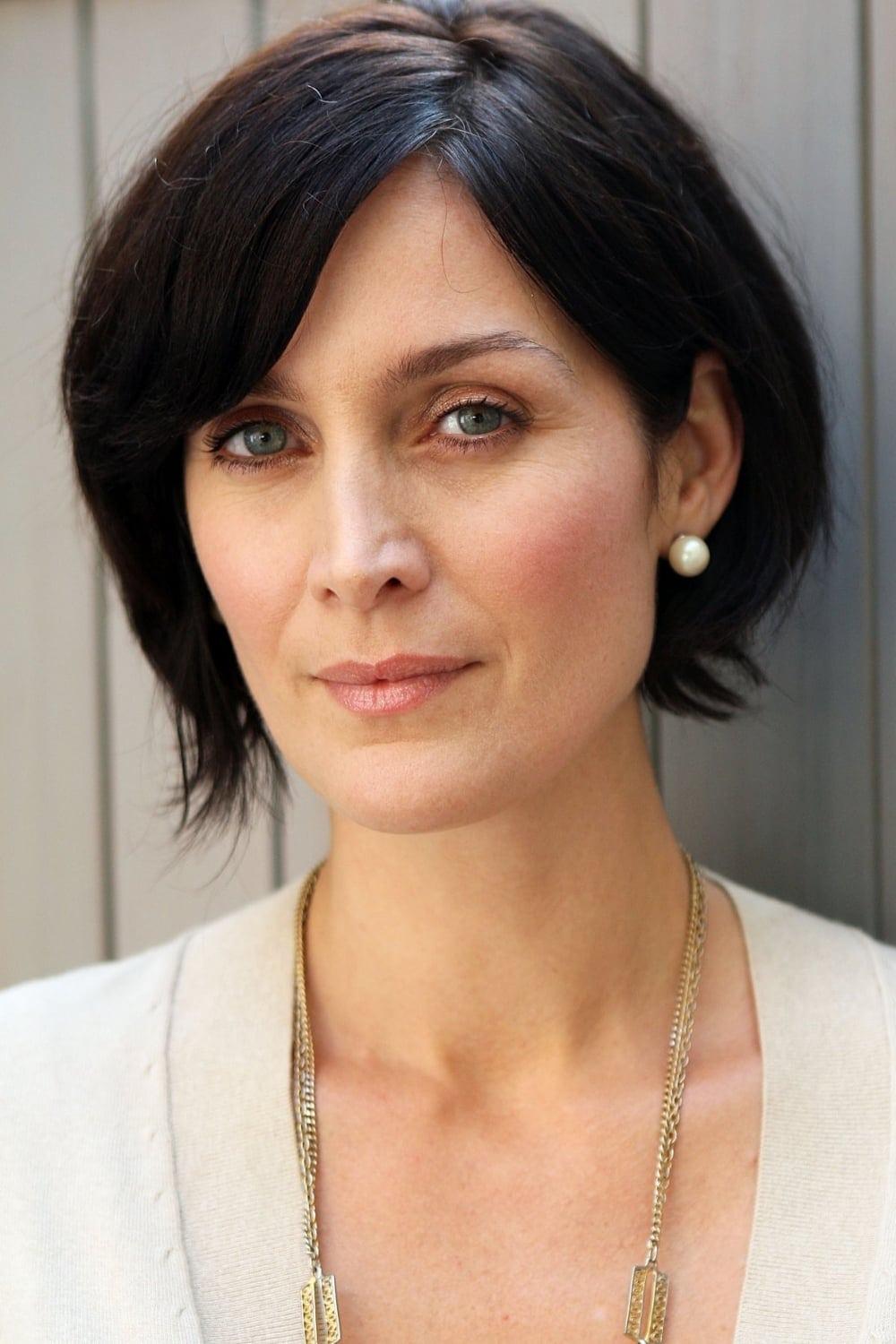
Carrie-Anne Moss recalled that the day after she turned 40 she was offered a grandmother role. She has continued to work in action and drama, returning to headline projects that reminded audiences of her range. She has said that shifting industry attitudes arrive slowly and inconsistently. Her experience became a widely cited example of how quickly Hollywood can try to reclassify women.
Anne Hathaway
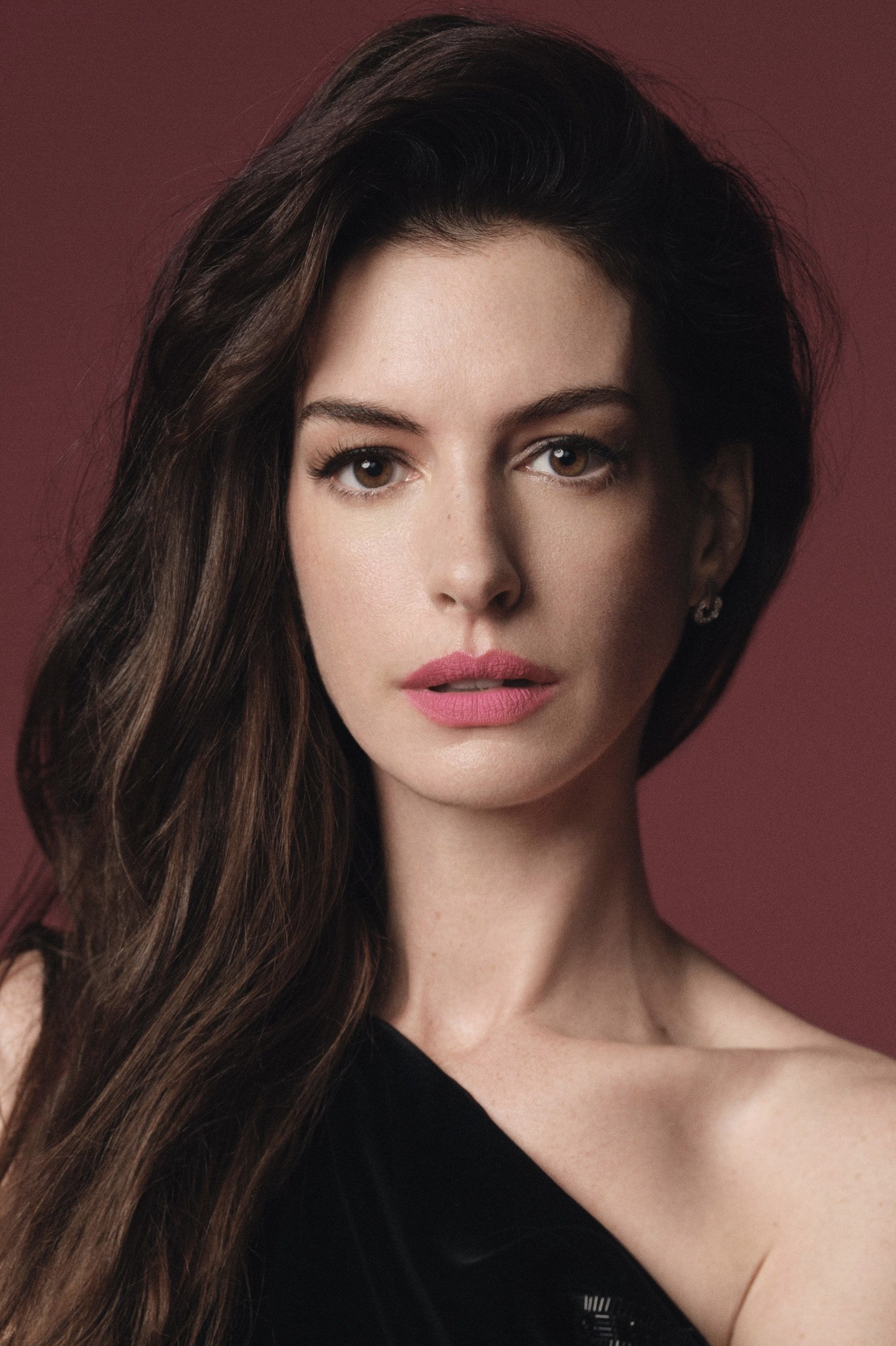
Anne Hathaway has said she noticed a sudden drop in offers for romantic leads as she entered her 30s. She pivoted by seeking producers and directors who were building stories for women at different life stages. She also began producing to develop roles she wanted to see on screen. Her career choices highlighted how expanding creative control can counter age-coded casting.
Naomi Watts
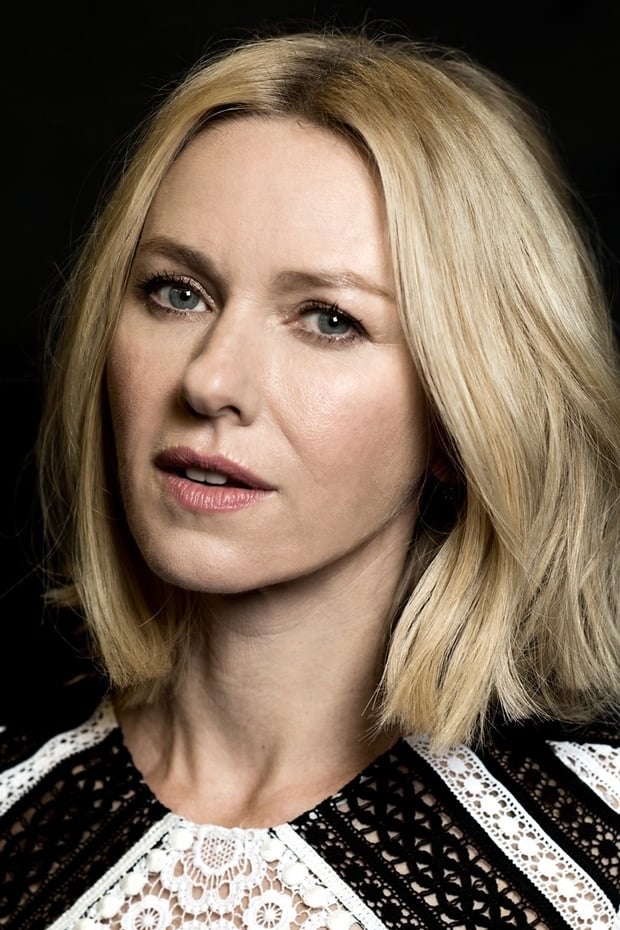
Naomi Watts has spoken about being told that roles dry up for women after 40. She responded by pursuing character-driven television and film work that explored midlife identity. She also took on producing responsibilities to shepherd projects with mature female leads. Her comments helped keep public attention on age ceilings that still exist.
Helen Mirren
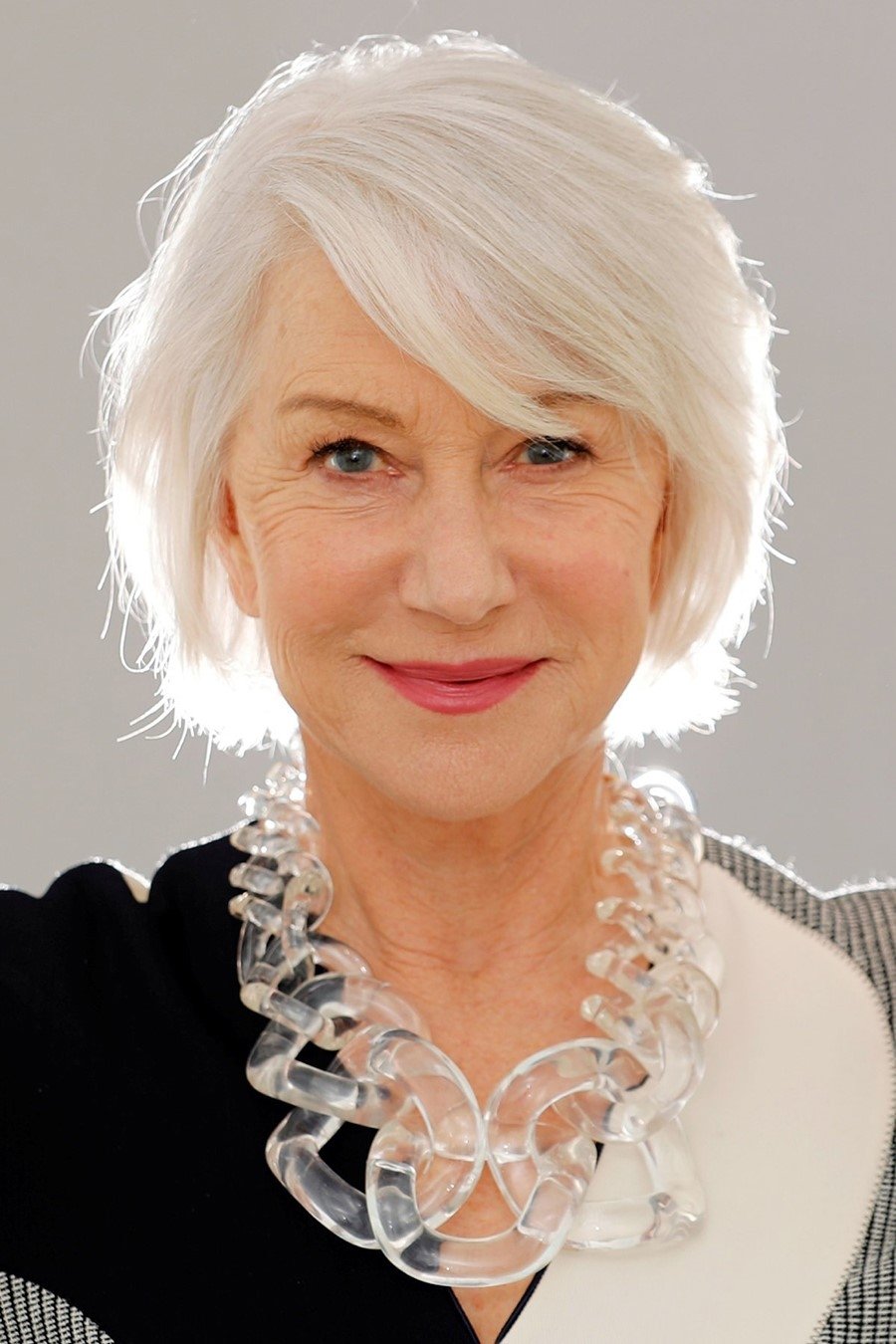
Helen Mirren has criticized the term anti-aging and urged brands and studios to respect older women. She has fronted major beauty campaigns while continuing to lead films and series. Her casting in action and fantasy projects broadened what audiences were told to expect from older actresses. She has used interviews to argue for language and roles that do not erase age.
Emma Thompson
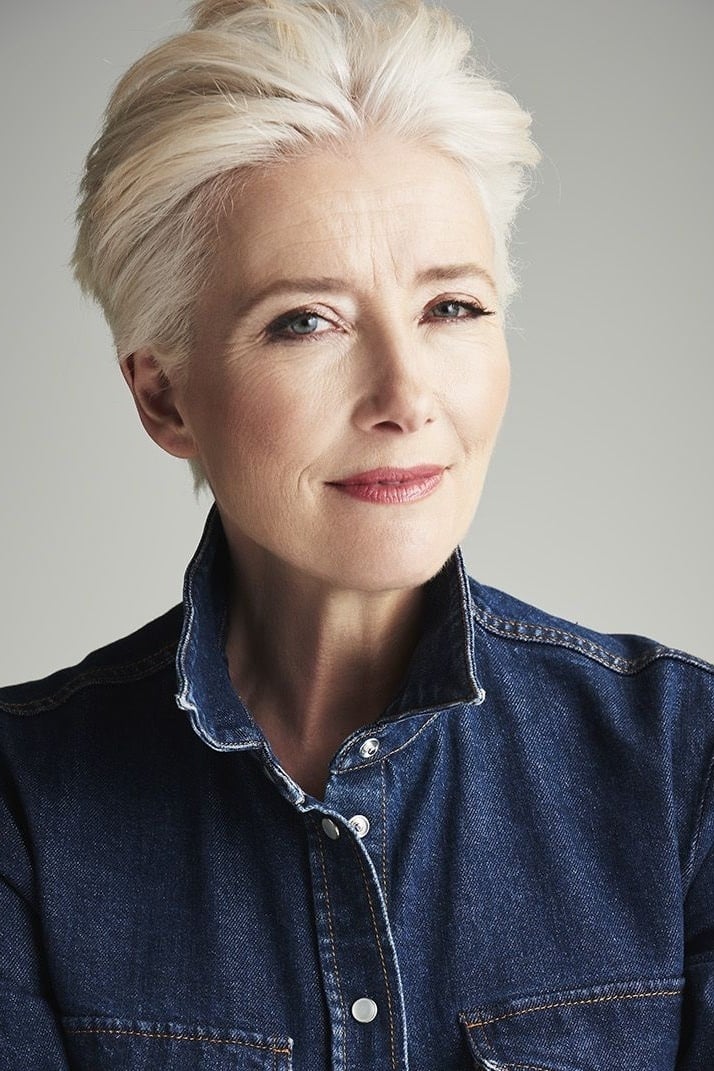
Emma Thompson has called out large age gaps between male leads and their on-screen partners. She has continued to write and star in work that gives women later-life arcs with humor and desire. She also champions better scripts for actresses who are no longer playing ingénues. Her public stance encourages casting that reflects real relationships.
Geena Davis
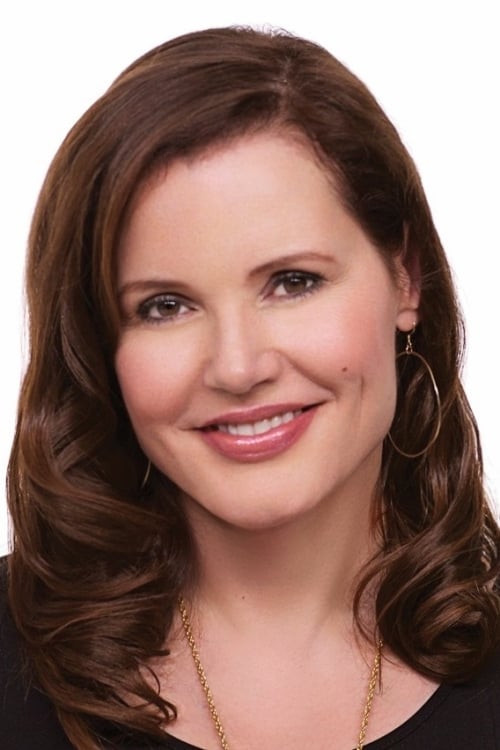
Geena Davis has described how offers narrowed after she hit 40. She founded a research institute to quantify on-screen bias and used that data to push for change. Her advocacy helped studios examine how they cast and write for women across ages. She also returned to television to find meatier parts that had been scarce in film.
Reese Witherspoon
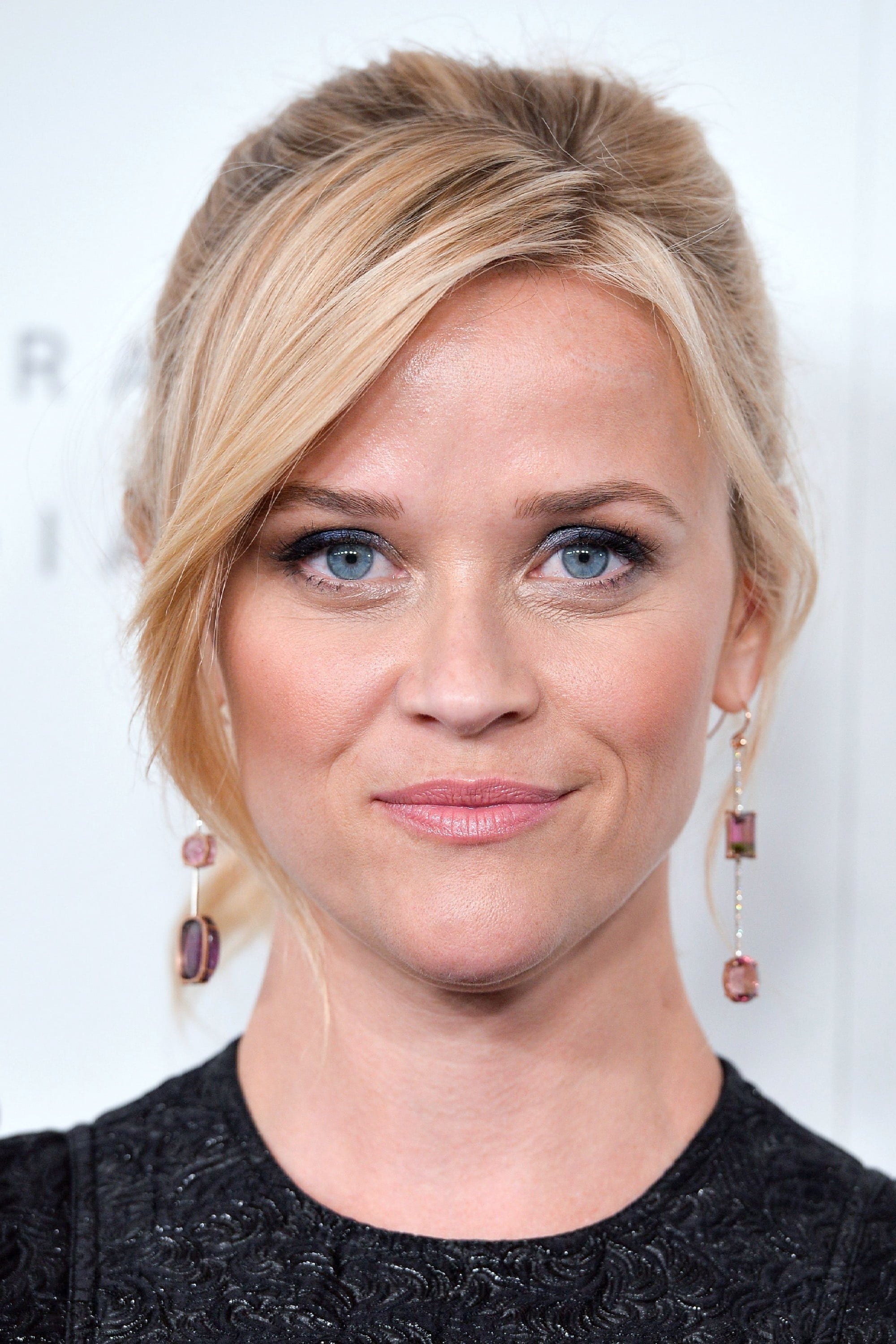
Reese Witherspoon saw ageism limit roles for women in their 30s and 40s and launched a production company to change that. She acquired books and built series that centered women at midlife. Her projects created work for actresses who were being sidelined by traditional casting. She has explained that audience response proved the business case for those stories.
Gabrielle Union
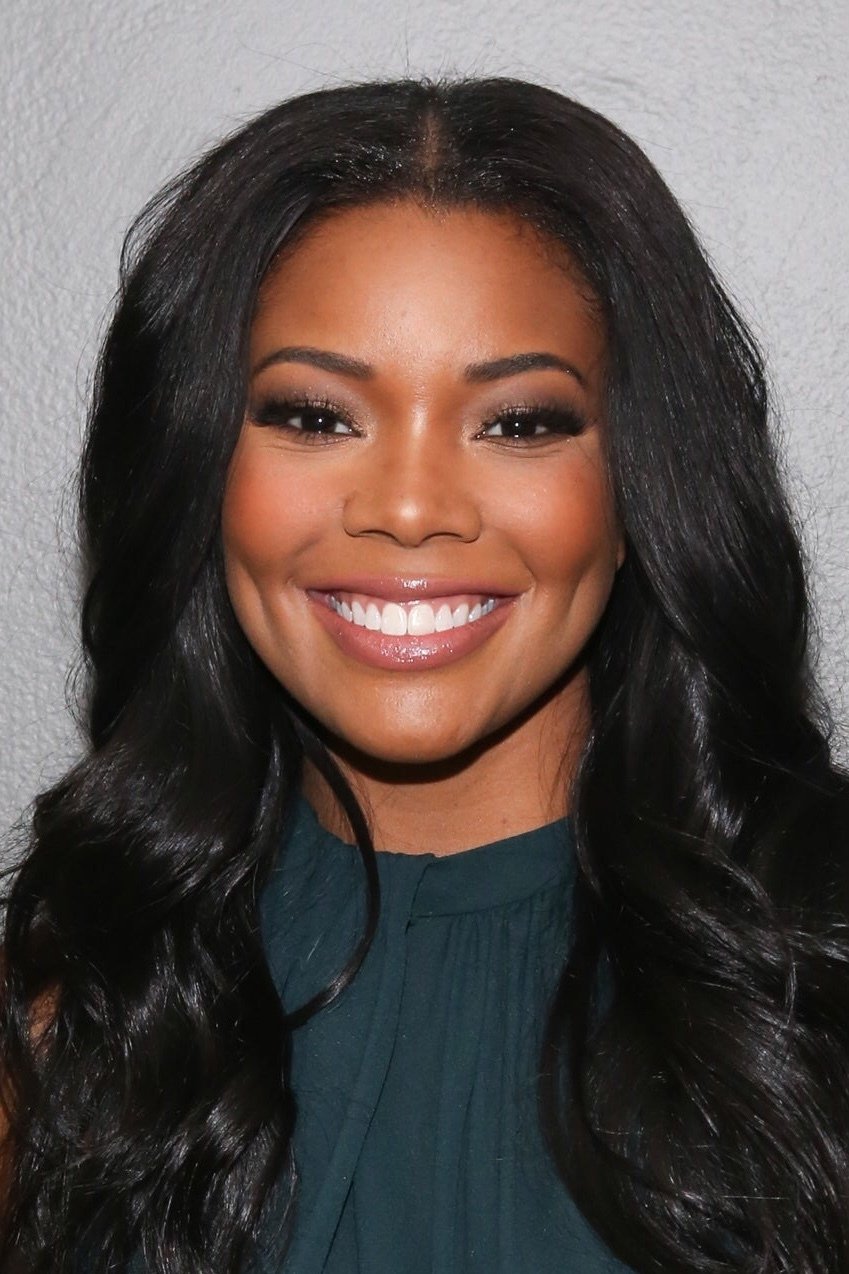
Gabrielle Union has said she was told her career would end by 40. She pursued producing and expanded into genres that had not previously courted her. She also used her platform to press for inclusive hiring that recognizes talent across age groups. Her trajectory shows how control over development can shift opportunity.
Sharon Stone
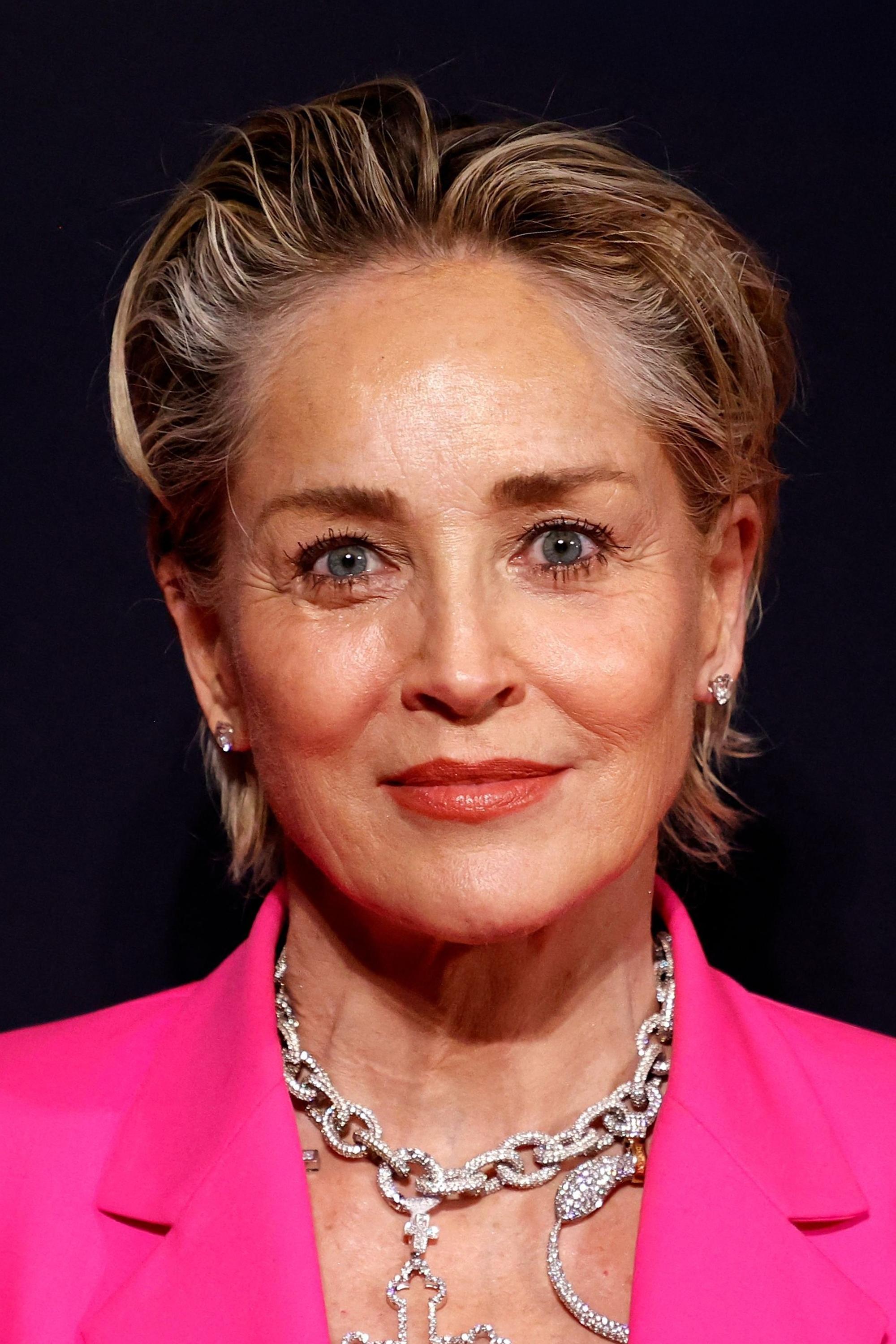
Sharon Stone has spoken about losing work after health challenges and aging in public. She has detailed meetings where she was told she was no longer bankable. She kept working in independent projects and television where character roles were stronger. Her interviews added personal context to how risk labels get applied to older actresses.
Andie MacDowell
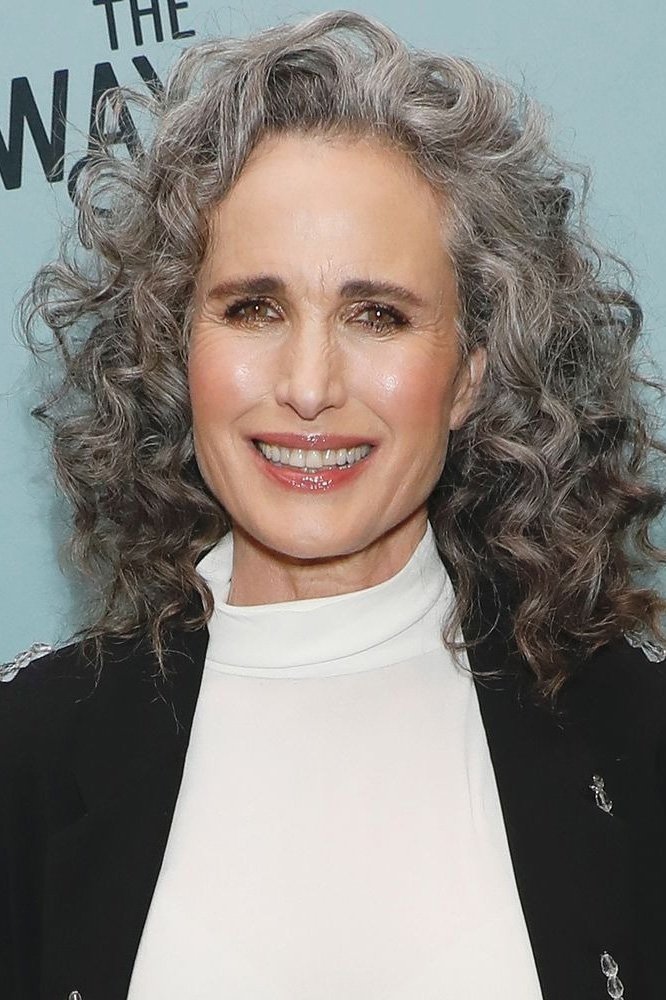
Andie MacDowell said she was advised to keep dyeing her hair to appear younger. She chose to embrace her natural gray and sought roles that matched her age. That choice led to parts that acknowledged the reality of aging without treating it as a problem. Her visibility helped normalize different looks for older women on screen.
Sarah Jessica Parker
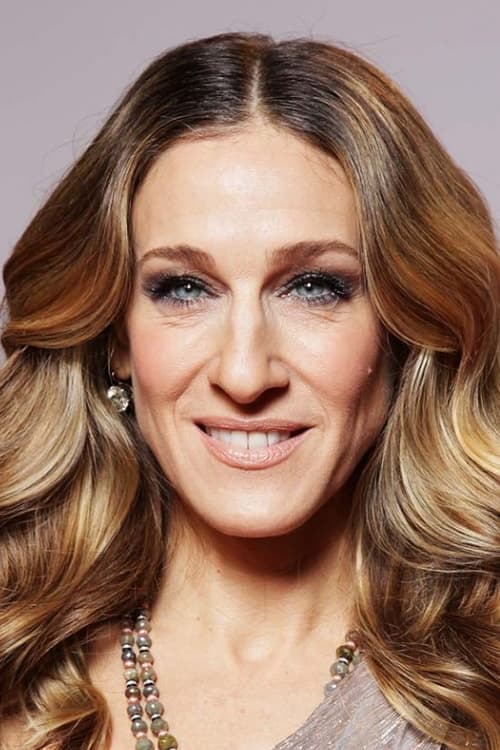
Sarah Jessica Parker addressed ageist commentary during the revival of a signature series. She noted that men in the industry are not scrutinized in the same way for aging. She continued to lead the show and folded real conversations about getting older into the narrative. Her stance reframed aging as part of the character rather than a flaw.
Patricia Arquette
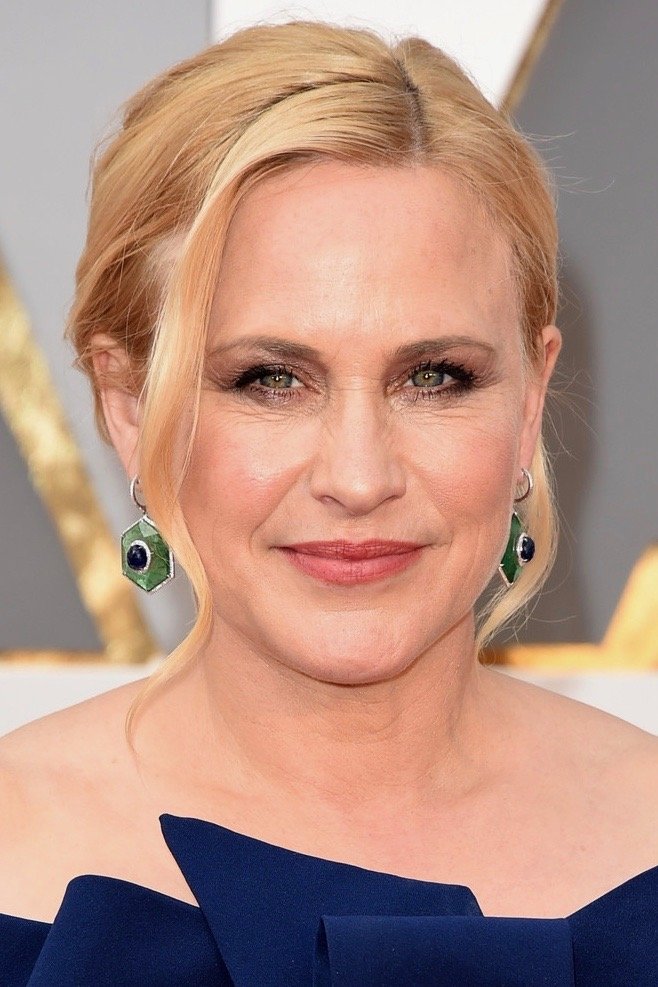
Patricia Arquette has spoken about pressures to look younger and the scarcity of nuanced roles. She found rich parts in limited series that allowed for mature character development. She has thanked creators who write realistically for women over 40. Her awards speeches and interviews brought ageism into mainstream awards coverage.
Viola Davis
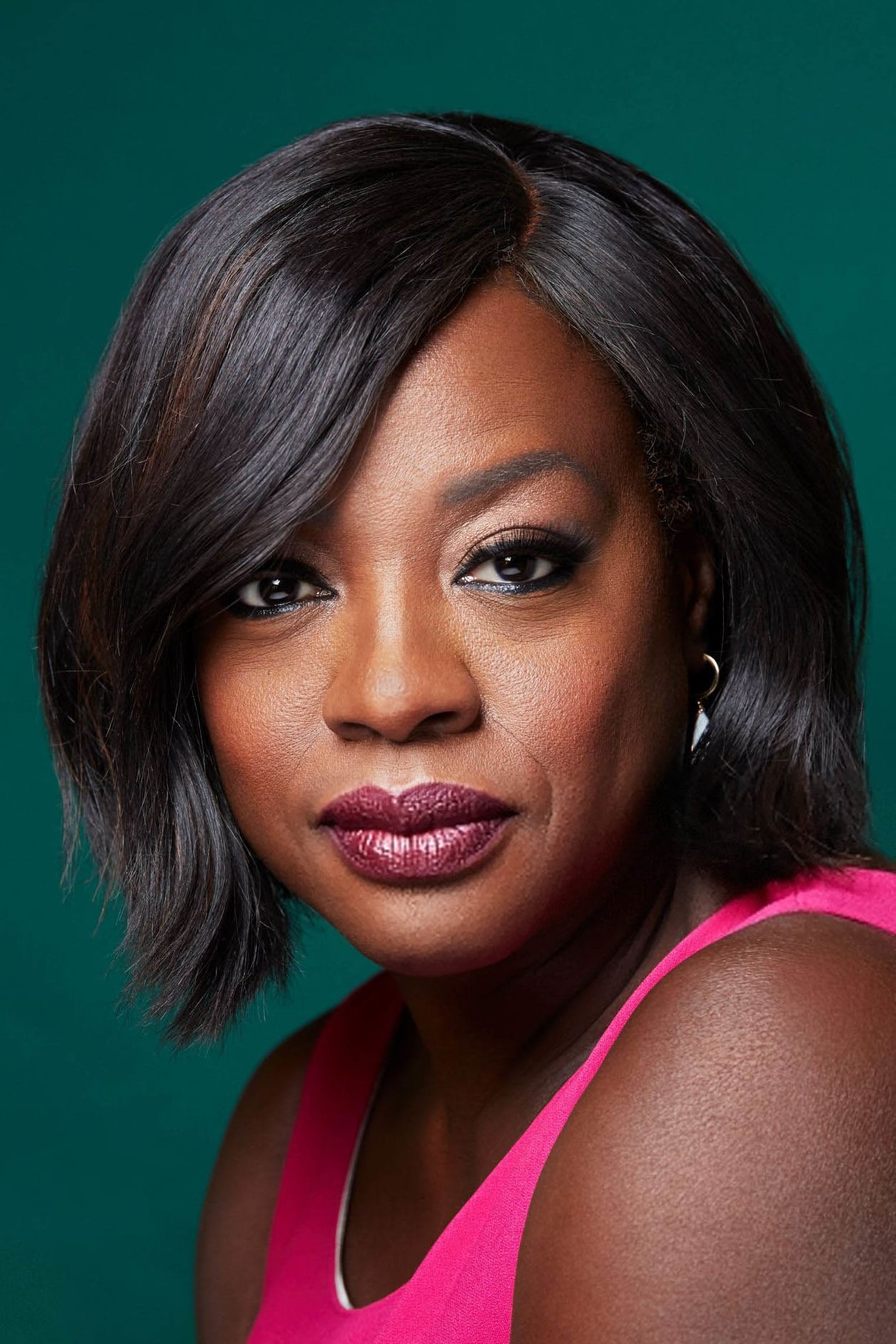
Viola Davis has described how age intersects with race to limit opportunities. She took commanding television and film roles that centered middle-aged women with agency. She also produced projects to expand the pipeline of stories and characters. Her career demonstrates how leadership off screen can open doors on screen.
Share the actresses you think should be added to this list in the comments.

