


Actresses Who Hate Marvel & DC Movies

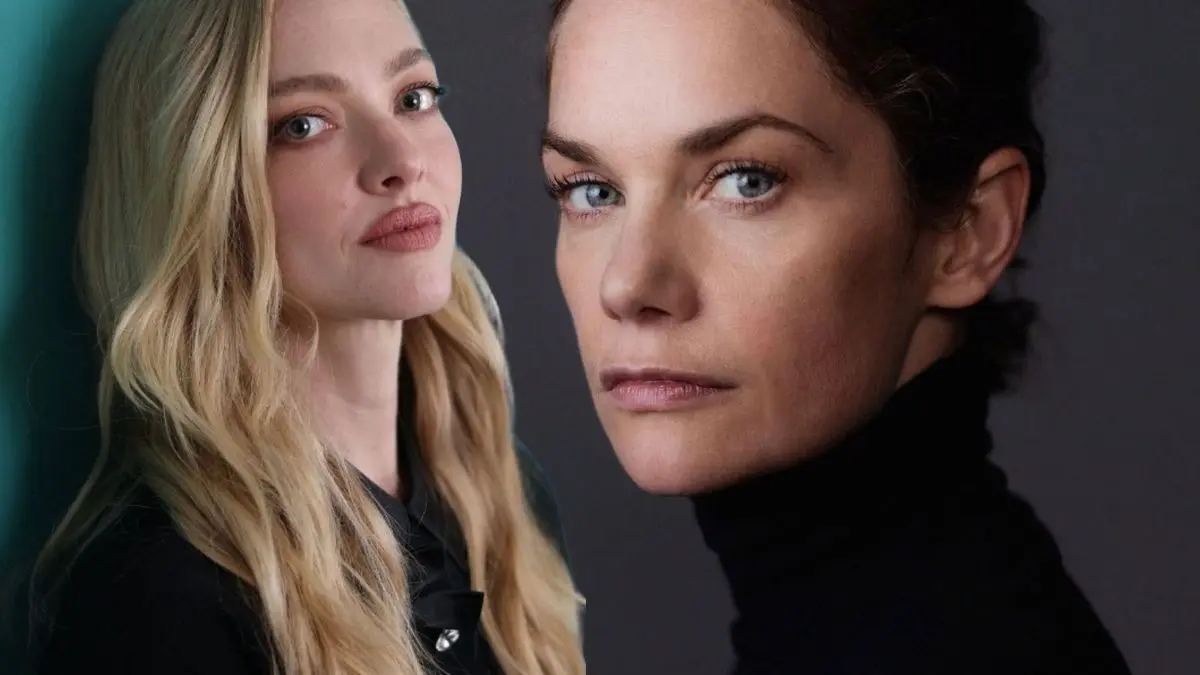


Superhero films dominate the box office, but not everyone is on board with capes and cosmic stakes. A number of acclaimed actresses have been open about not enjoying these movies or the way they crowd out other kinds of storytelling. Their reasons vary, but the throughline is simple. They prefer material that leaves more room for character study and quieter moments.
Some of these performers turned down offers to join a shared universe. Others worked in a Marvel or DC project and later explained why the experience was not for them. Many talk about franchise fatigue, heavy reliance on visual effects, or a lack of roles that feel grounded. Here are the names and the specific contexts in which they voiced that stance.
Jennifer Aniston
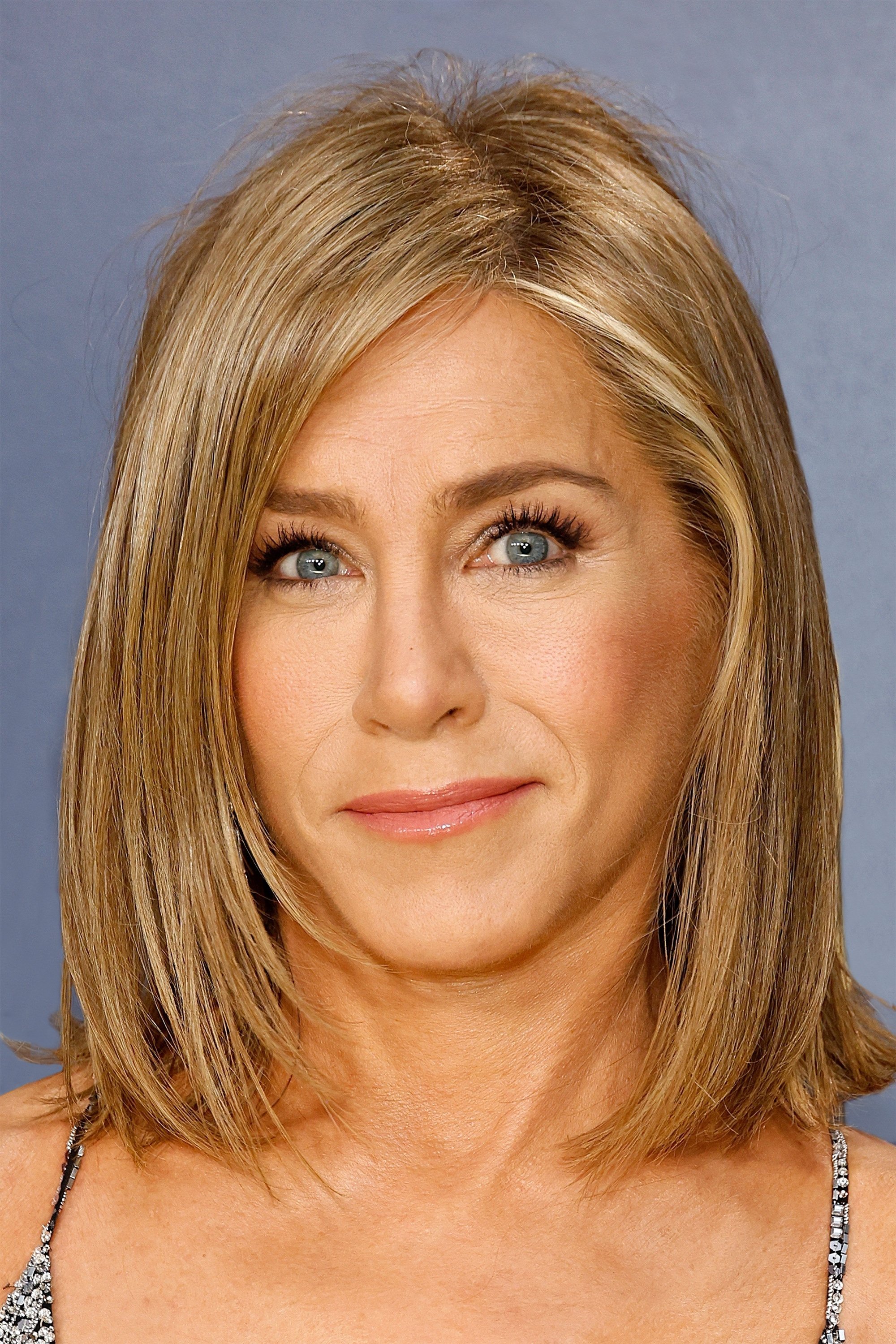
Aniston has talked about how the rise of superhero tentpoles changed what gets made and how difficult it can be to find mid budget adult stories. She has mentioned not being interested in spending months in front of green screens and would rather make smaller character driven projects.
She has also pointed to the kinds of movies she loves from earlier eras and how today’s release calendars leave less space for them. Her remarks highlight a preference for scripts built around human scale problems with a focus on performance and chemistry.
Jodie Foster
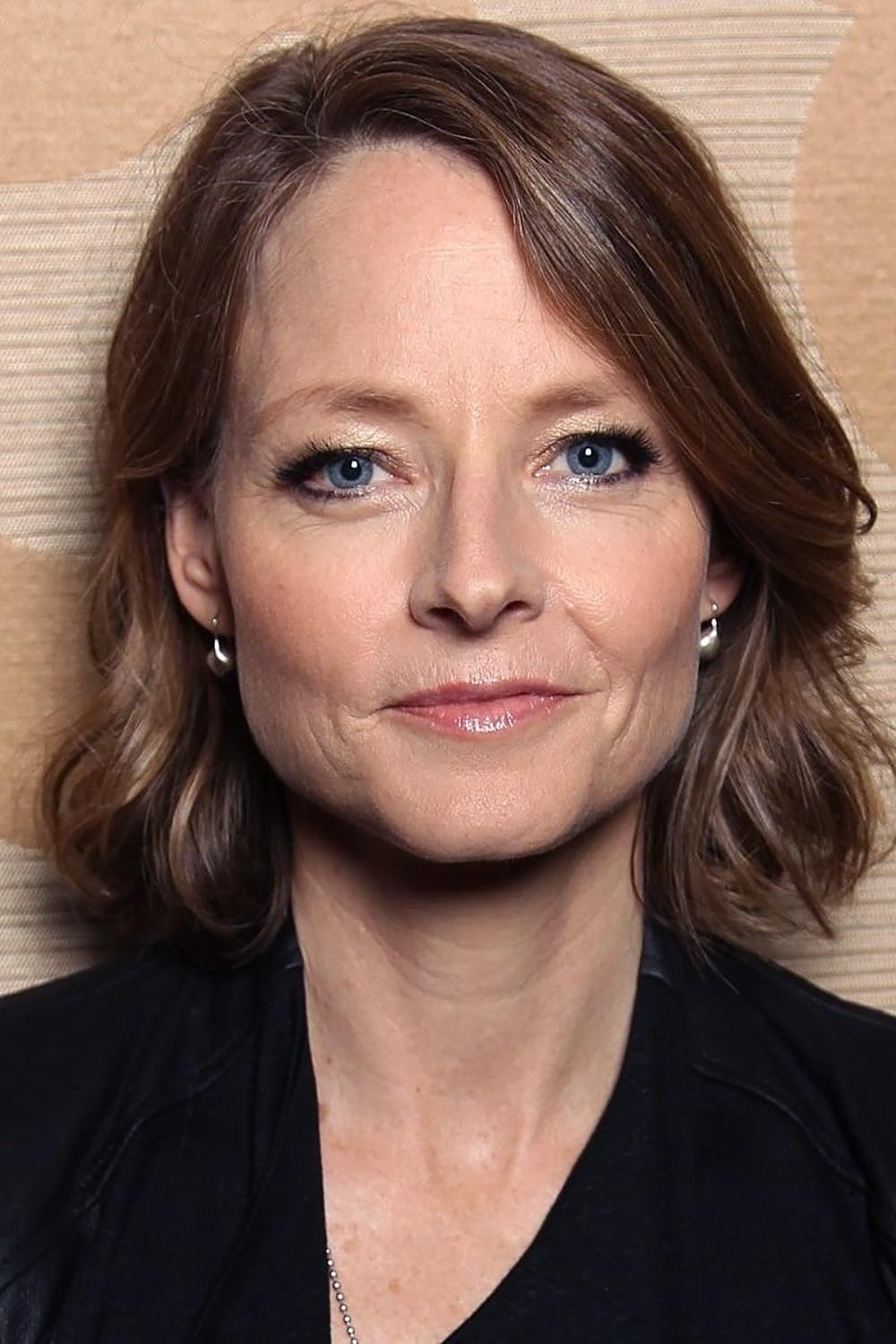
Foster has long championed intimate filmmaking and has said that giant spectacle can pull attention away from personal stories. She has described big budget superhero cycles as something she simply does not want to make.
Her perspective comes from decades of acting and directing where she looks for stories that wrestle with identity and ethics. She has framed her distaste as an industry concern about where resources go and what kinds of films audiences are invited to discover.
Emma Thompson
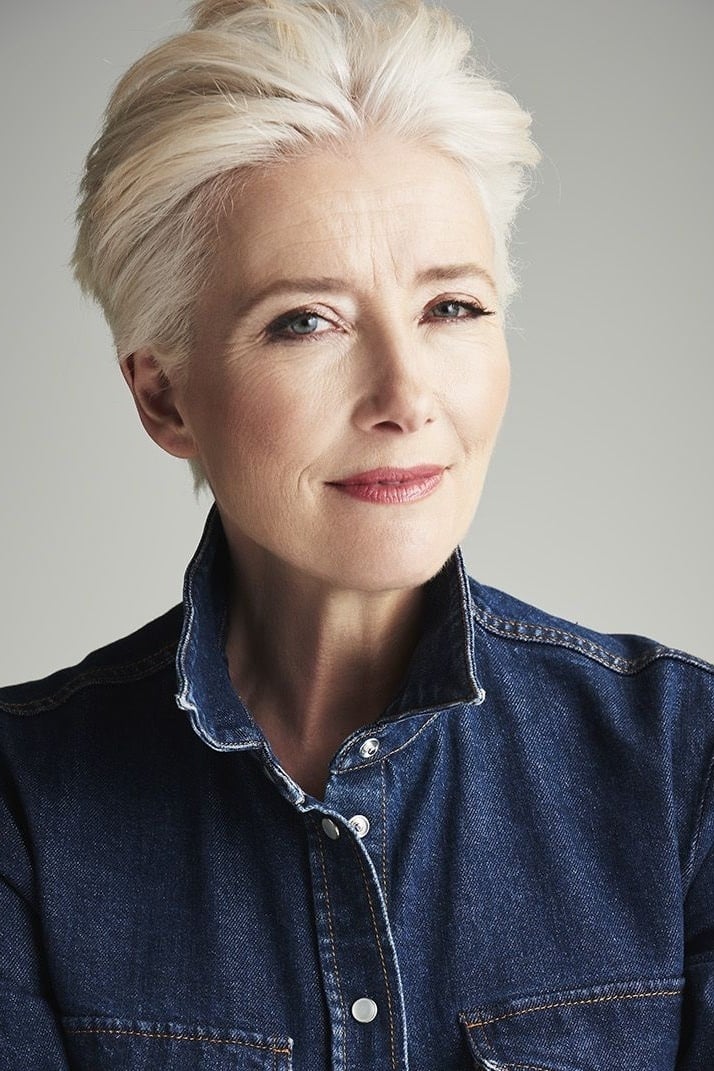
Thompson has explained that she gravitates toward scripts with room for nuance and social observation. When asked about superhero franchises she has said they do not hold much appeal for her as a performer.
She often points to collaboration with writers and directors who build characters from the inside out. For her the creative draw is a project where words and relationships carry the weight rather than extended sequences built around effects.
Emily Blunt
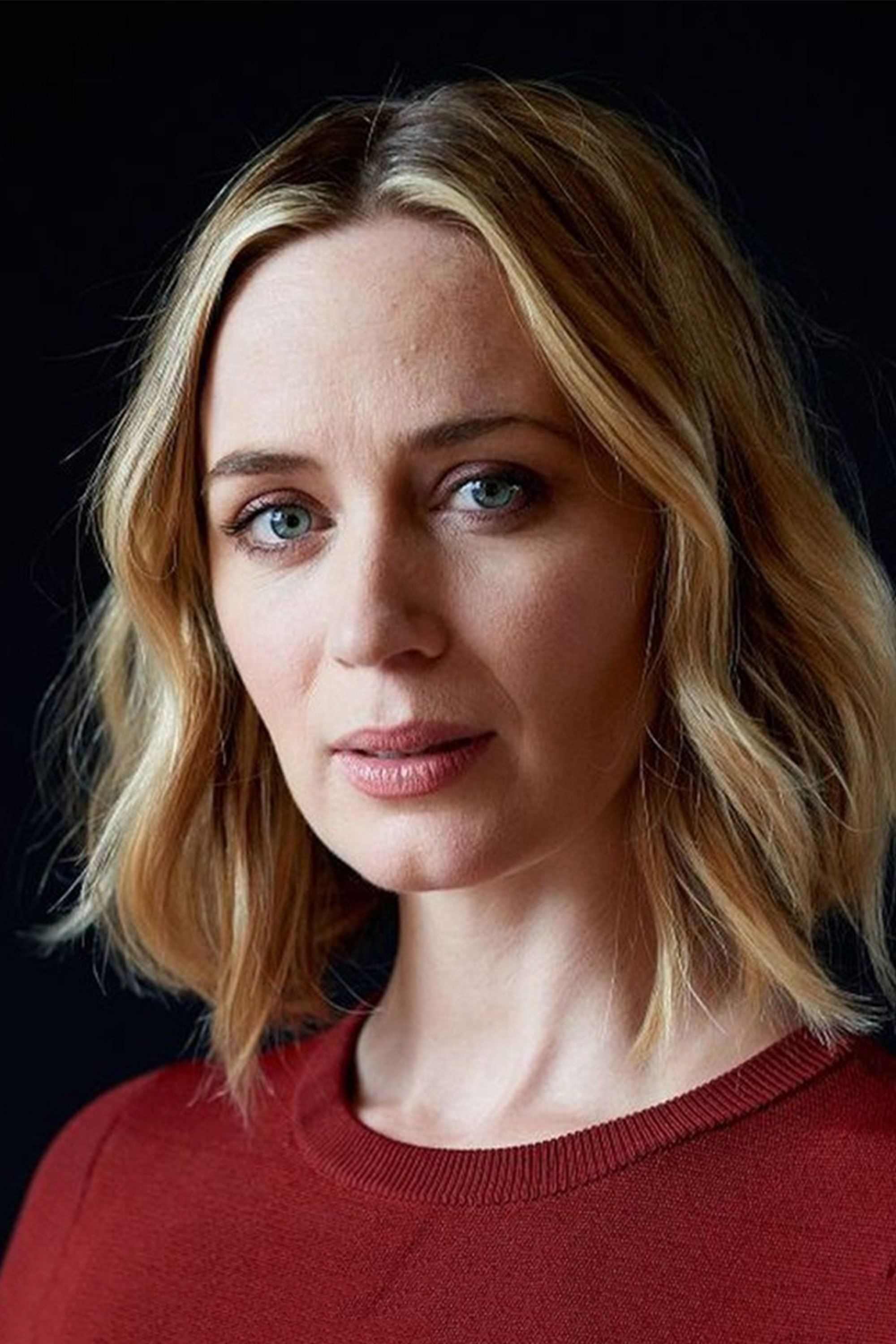
Blunt has said the superhero space is not naturally aligned with what she looks for in a role. She has discussed turning down comic book offers because the parts felt thin to her and because she prefers material with more ambiguity.
She has also described the grind of franchise schedules and how that can crowd out other opportunities. When she picks a film she looks for a specific filmmaker voice and a character arc she can map from first page to last.
Elizabeth Olsen

Olsen has spoken about superhero fatigue and how the constant cycle can wear on audiences and artists. She has acknowledged that the genre can be fun but has also said she prefers balancing it with independent work that stretches different muscles.
Her comments often underline the difference between a massive machine and the freedom of a smaller set. She tends to highlight the value of time with directors who invite experimentation and discovery in the moment.
Kirsten Dunst
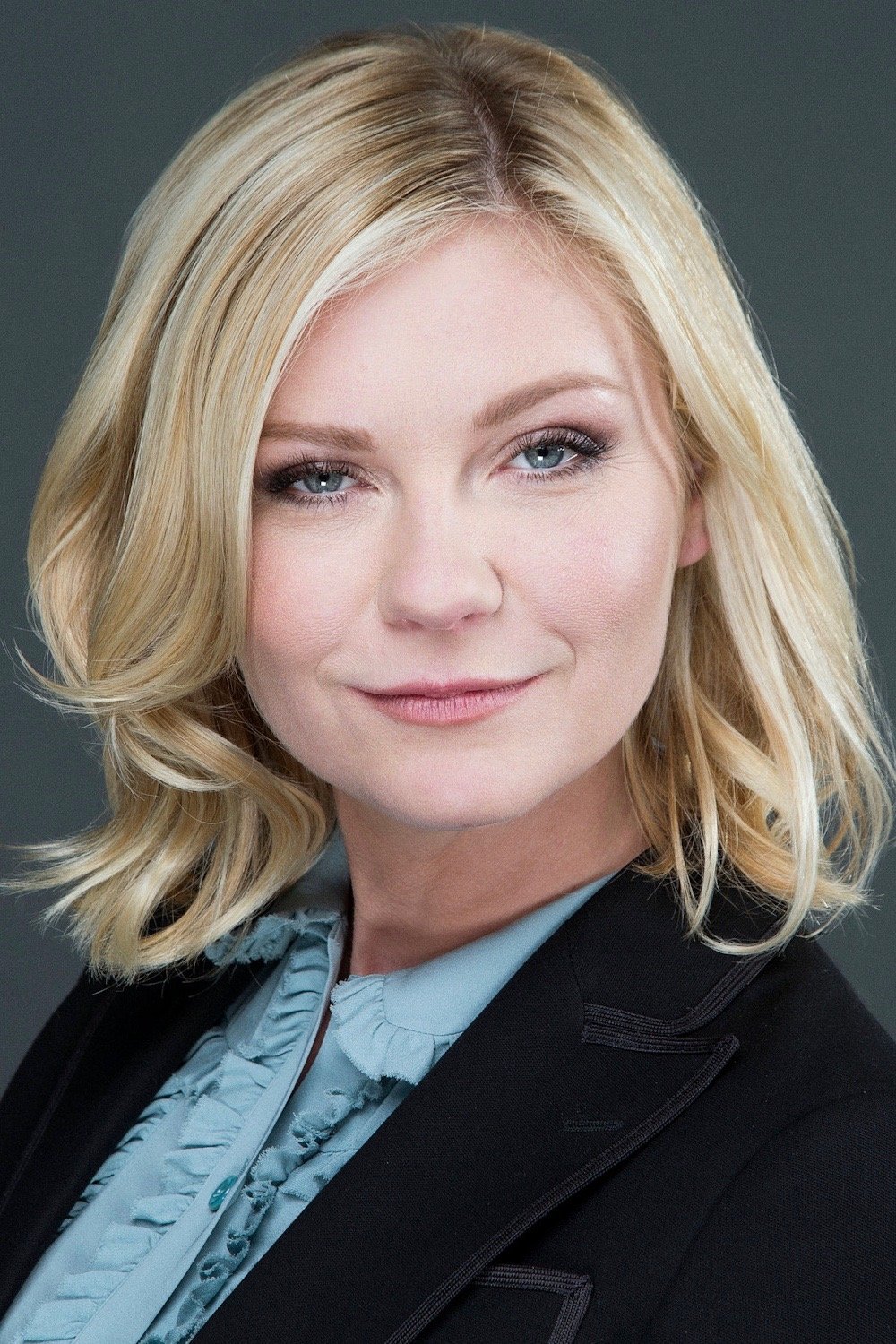
Dunst has noted that superhero films are built to be large scale entertainments. She has said that while she understands their popularity they are not the kind of projects she actively seeks out.
She often points to an interest in offbeat dramas and director driven pieces that allow for risk. Her choices show a steady pull toward material where tone and mood come first and where the character is the engine of the story.
Amanda Seyfried
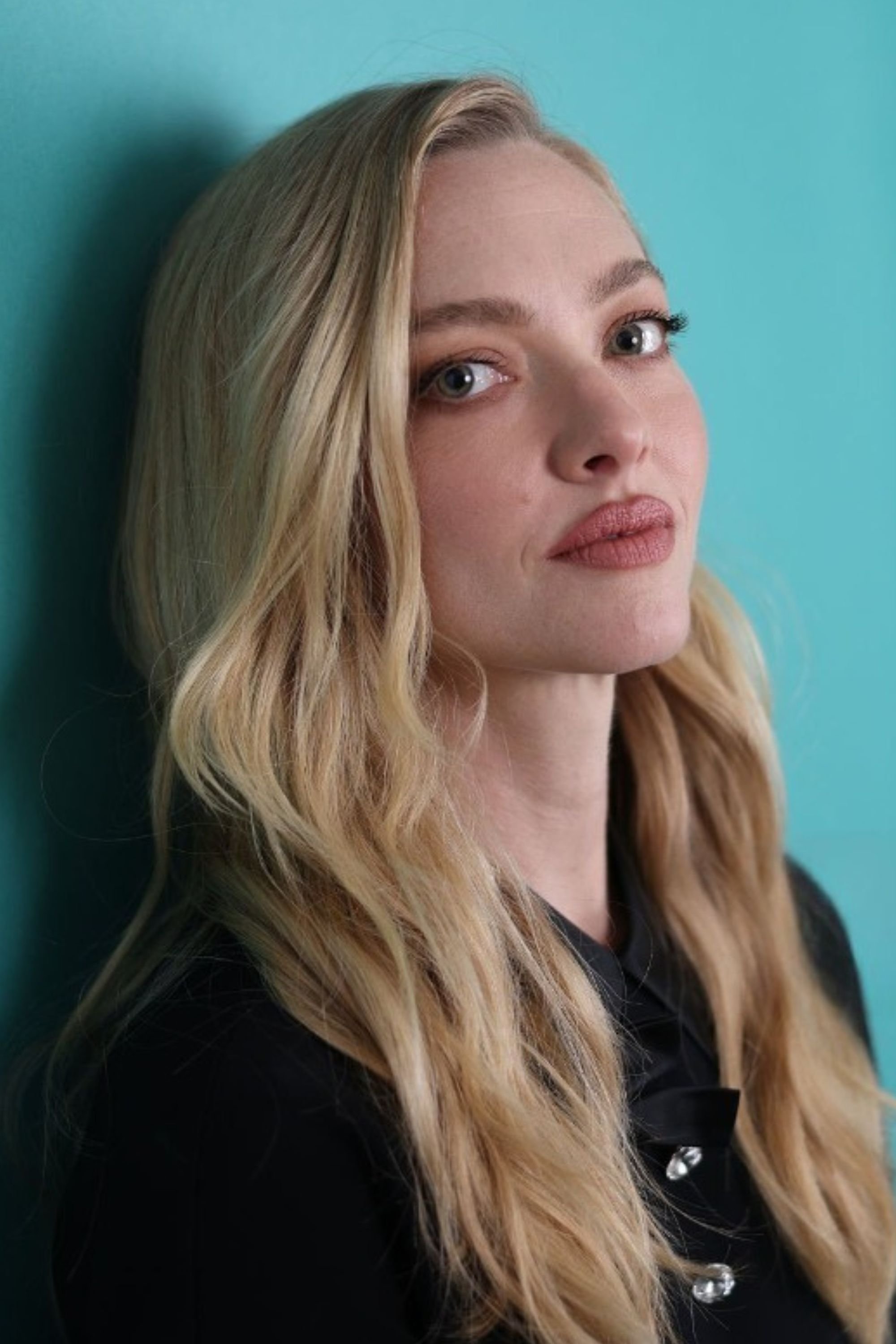
Seyfried has talked about passing on a superhero role because the work seemed dominated by effects. She has explained that she wants to spend her time in projects where she can build a person rather than pose inside a spectacle.
She has also mentioned that the hours and physical demands of these films can come without equal creative reward. Her career path favors scripts that live or die on conversation, silence, and behavior.
Sally Field
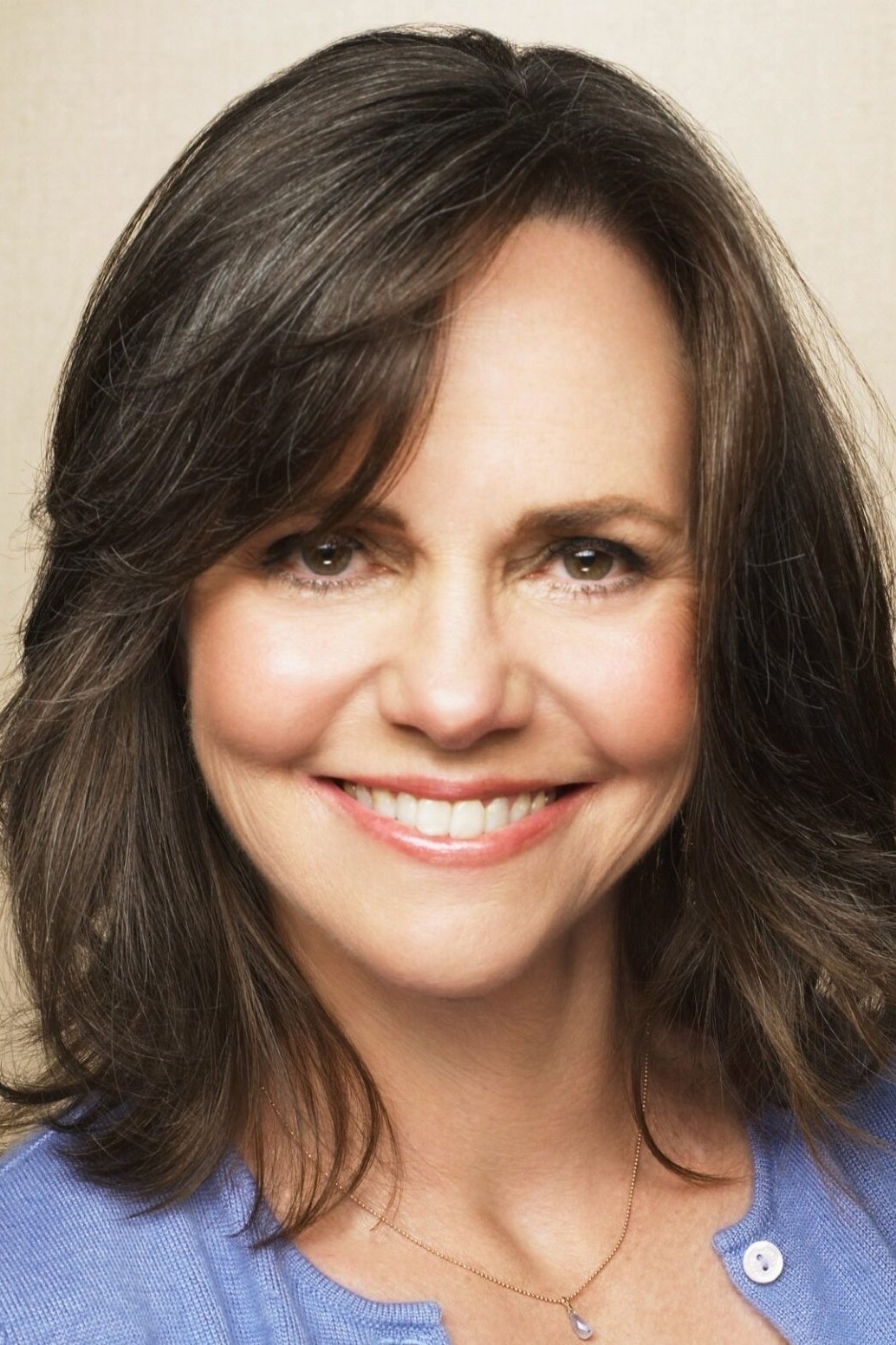
Field has said that the comic book world never really spoke to her and that she did not connect with that kind of material. She has been candid that she took a superhero job out of loyalty to people rather than love for the genre.
She has reflected on how performance choices can feel limited inside a machine that must hit certain beats. Her comments read as a veteran actor explaining why she prefers films where character work drives everything else.
Anjelica Huston
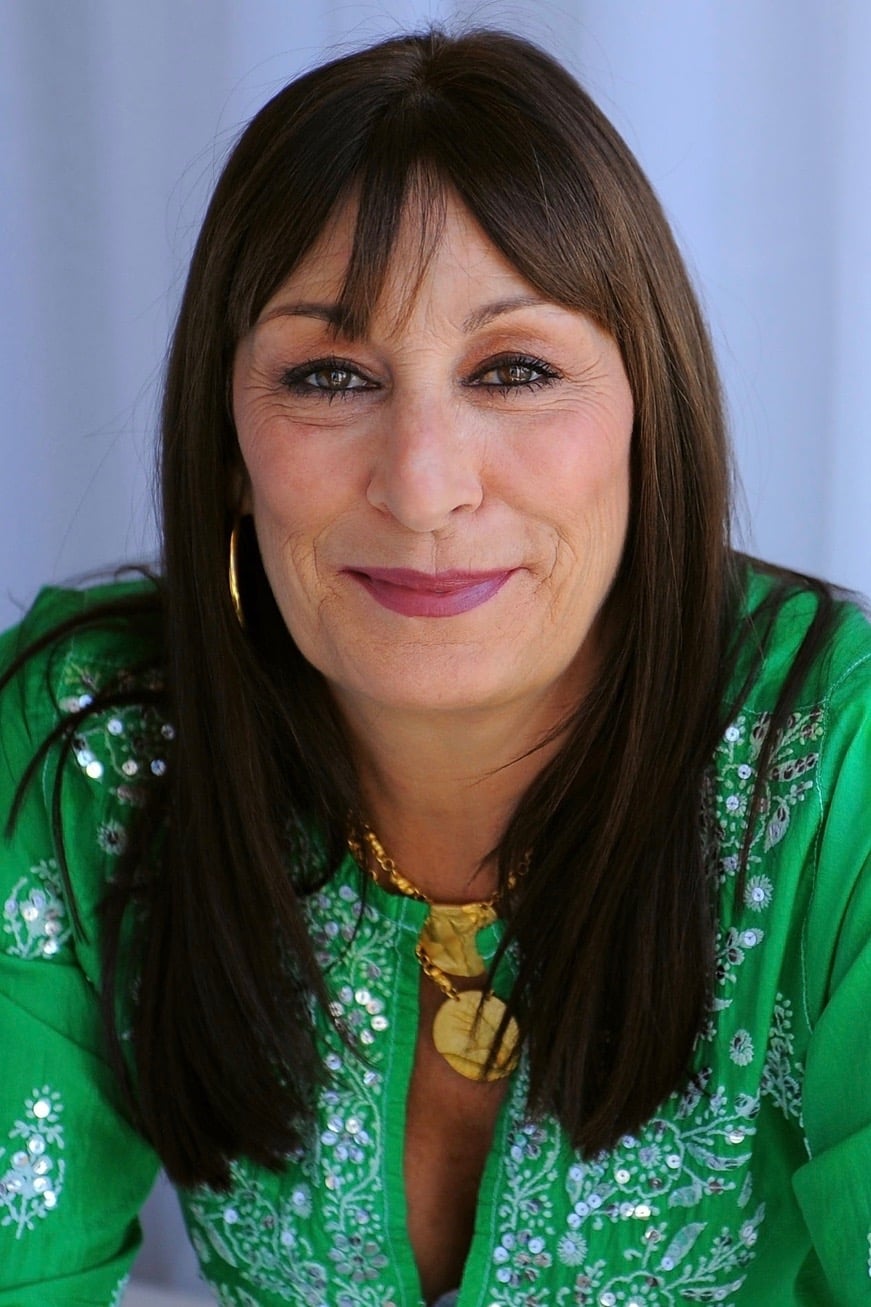
Huston has described a lack of interest in violent spectacle and high body count storytelling. While she respects the craft involved, she has said it is not where her heart lies as an actor.
She tends to choose roles that lean into eccentricity, wit, and old world atmosphere. That taste naturally leads her away from modern superhero formulas and toward projects with a handmade feel.
Keira Knightley
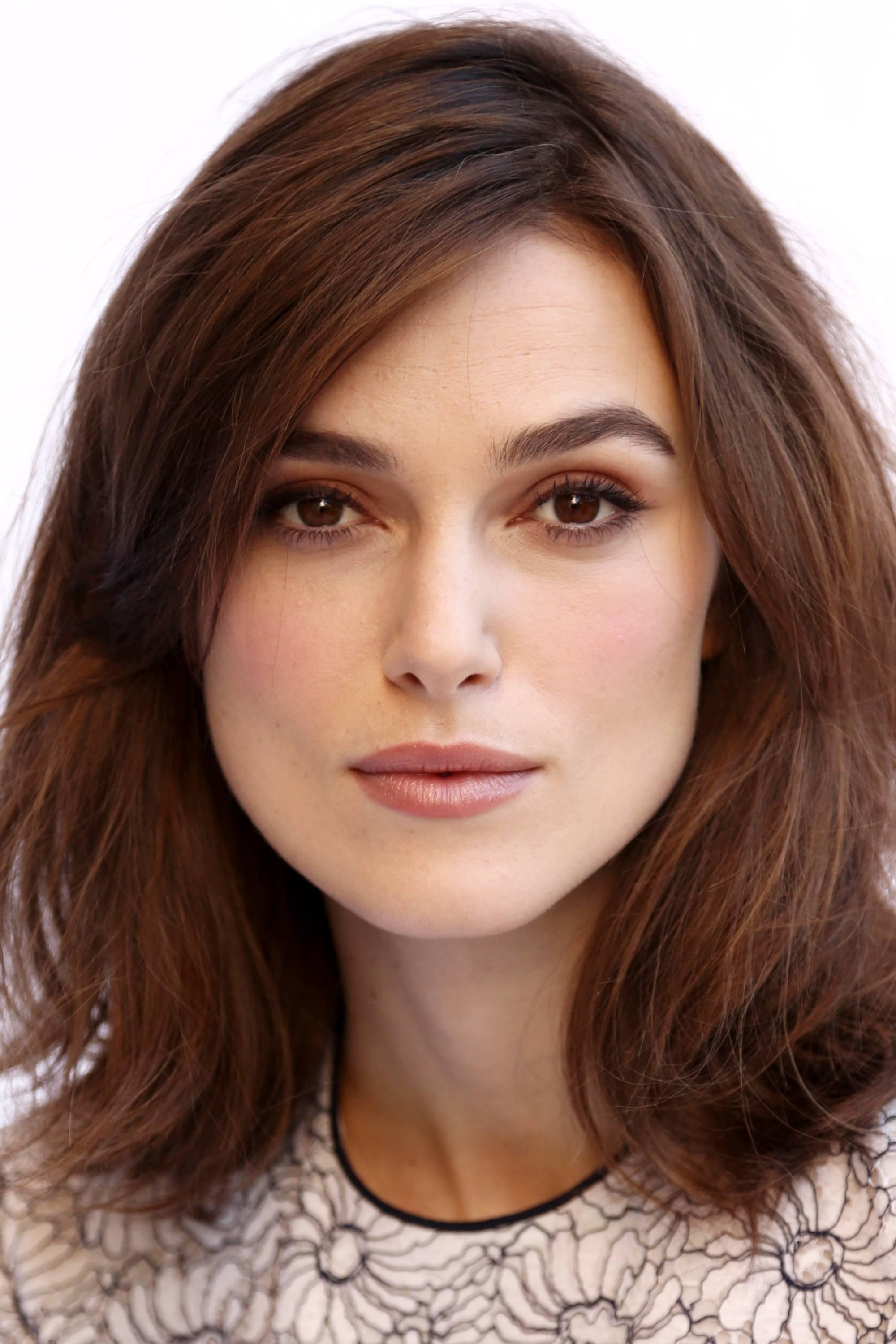
Knightley has explained that superhero scripts she has seen did not speak to her in a meaningful way. She often looks for historical settings, literary adaptations, and intimate dramas with strong thematic cores.
She has also cited the long term commitments that come with franchises and how that can limit variety. For her the draw is a single film with a distinct point of view rather than a multi picture plan.
Ruth Wilson
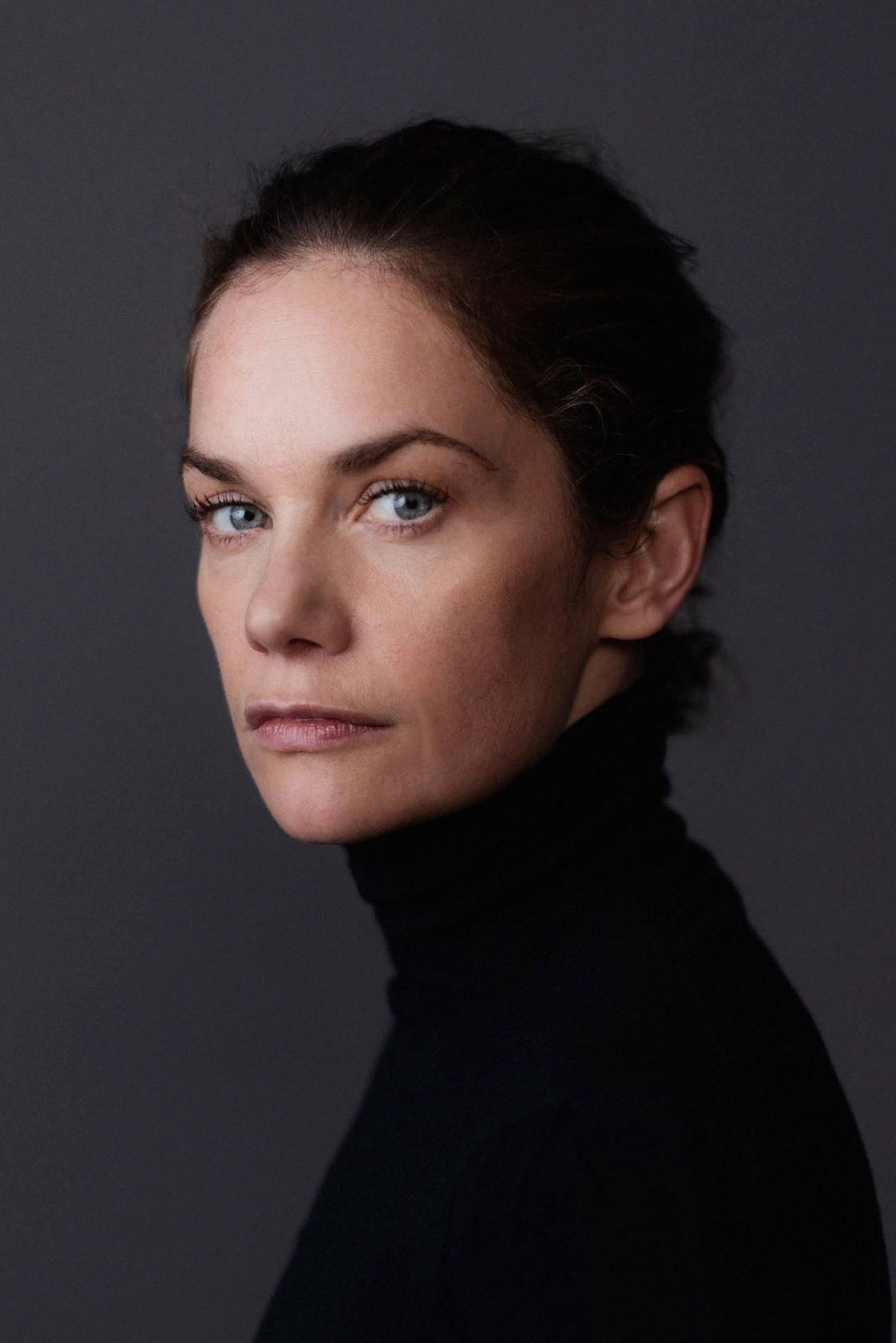
Wilson has said she declined a superhero part because the character felt uninteresting on the page. She prefers roles with moral shading and psychological complexity and did not find that in the offer she received.
She has made it clear that she is open to pulpy material when it comes with a properly layered figure. Until then she is happier staying in period pieces and contemporary dramas that let her test new colors.
Zoe Kazan
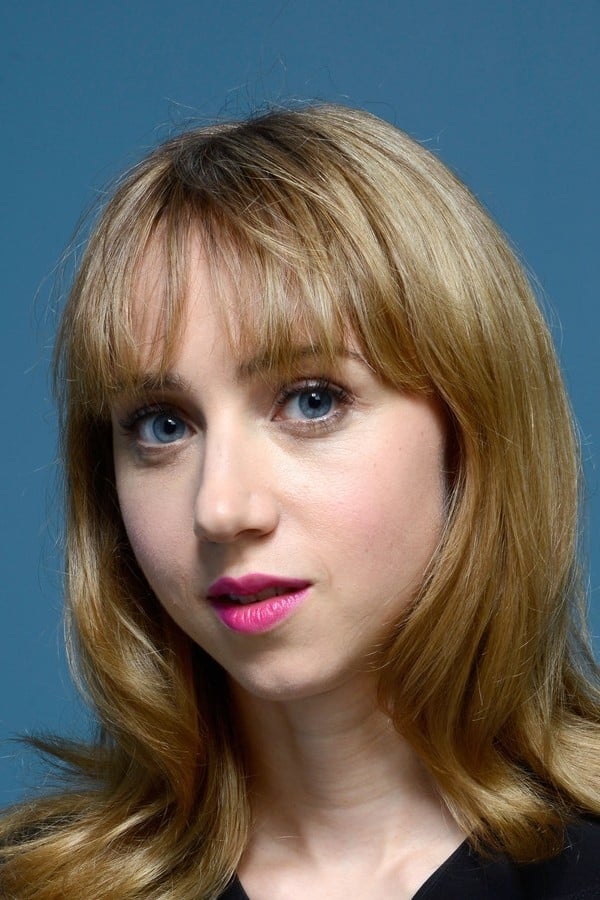
Kazan has emphasized her devotion to writer led films and television where the dialogue carries the weight. She has indicated that the superhero lane does not align with the kind of work she pursues.
She writes and stars in projects that live close to the ground, so the size and scope of comic book worlds hold little personal appeal. Her choices show a steady preference for intimate stakes over city saving plots.
Toni Collette
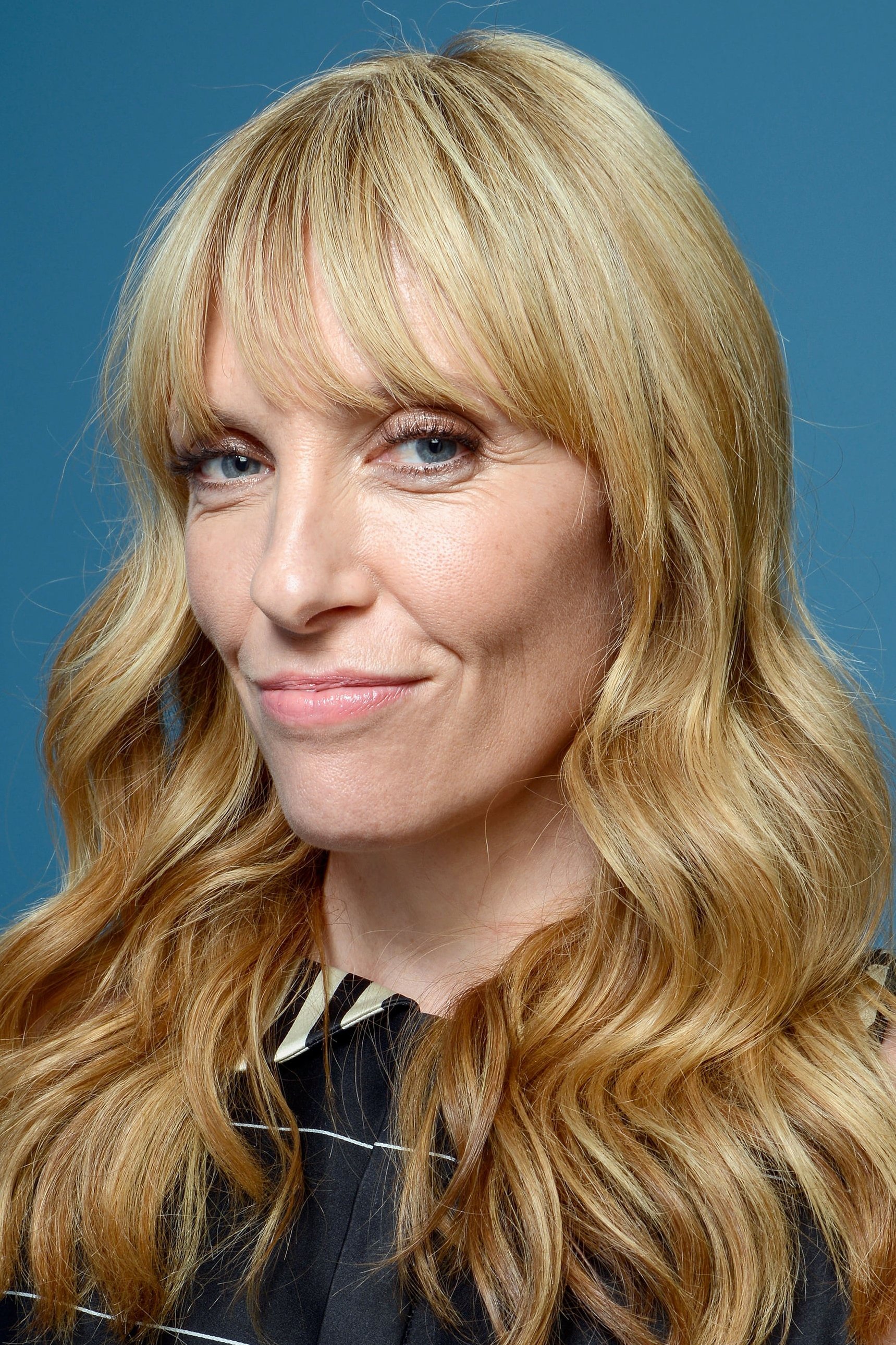
Collette has said she is not much of a fan of effects heavy filmmaking. She tends to gravitate toward stories that blend emotion and unease without relying on large scale action.
Her body of work shows a sustained interest in complex family dynamics and offbeat character pieces. That focus sits at odds with the serialization and mythology building that define superhero universes.
Saoirse Ronan
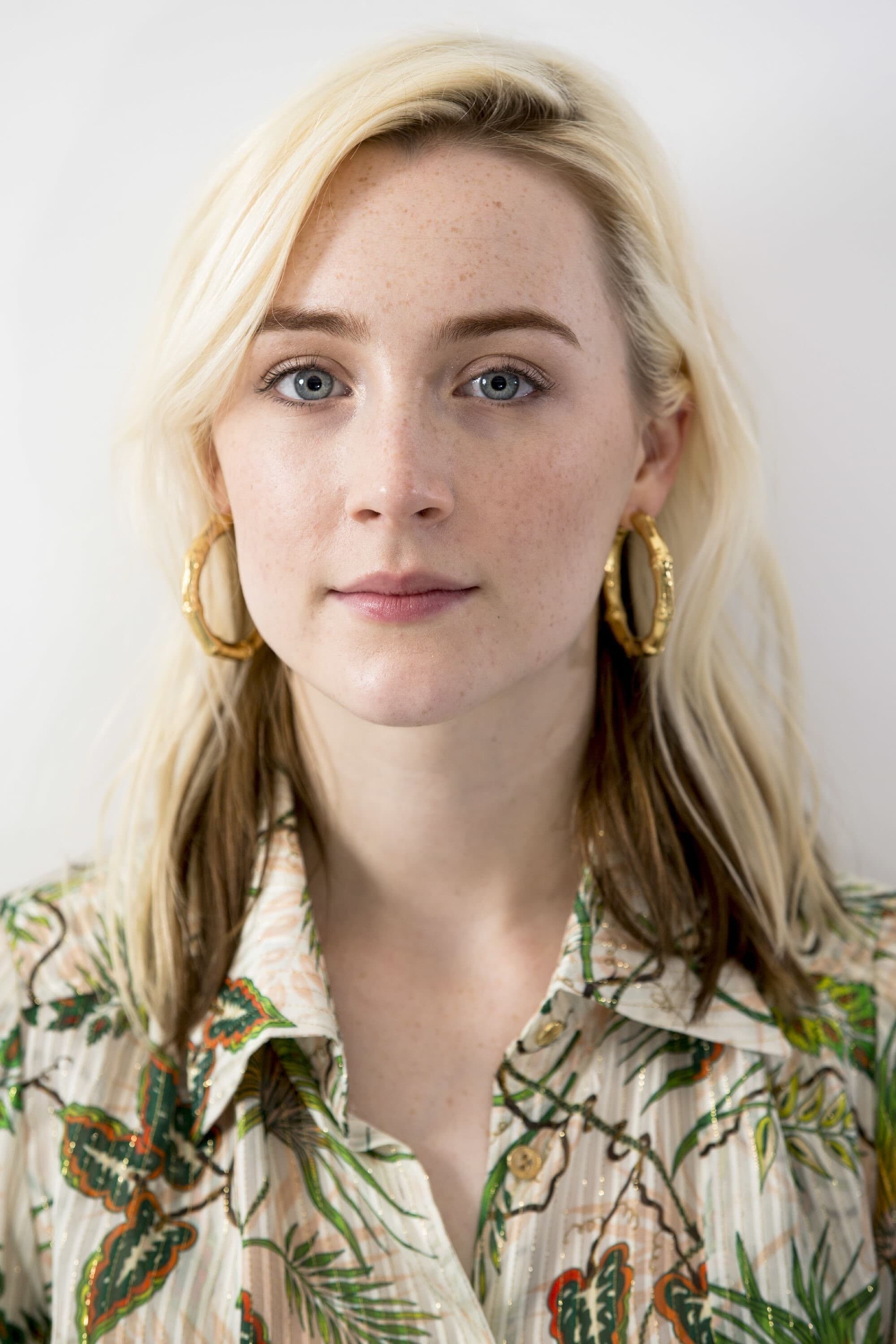
Ronan has explained that she looks for scripts with unusual structure or fresh voice and that franchise offers have rarely fit that bill. She has kept her distance from superhero films because they do not align with her instincts.
She also values the freedom to jump from small scale indies to awards season dramas without a long contract. That flexibility is harder to keep when a role comes bundled with recurring obligations.
Gillian Anderson
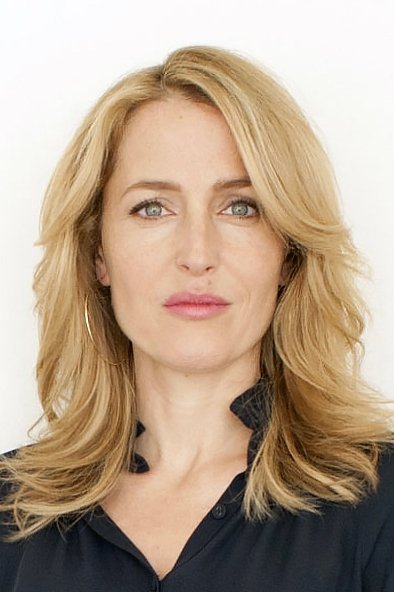
Anderson has mentioned that mega franchises are not her first choice and that she prefers material with sharper edges. She looks for roles that allow her to explore power and vulnerability without the noise of huge set pieces.
Her filmography in recent years shows a tilt toward period stories and layered television roles. That path keeps her outside the cape space and inside worlds shaped by dialogue and performance.
Rose McGowan
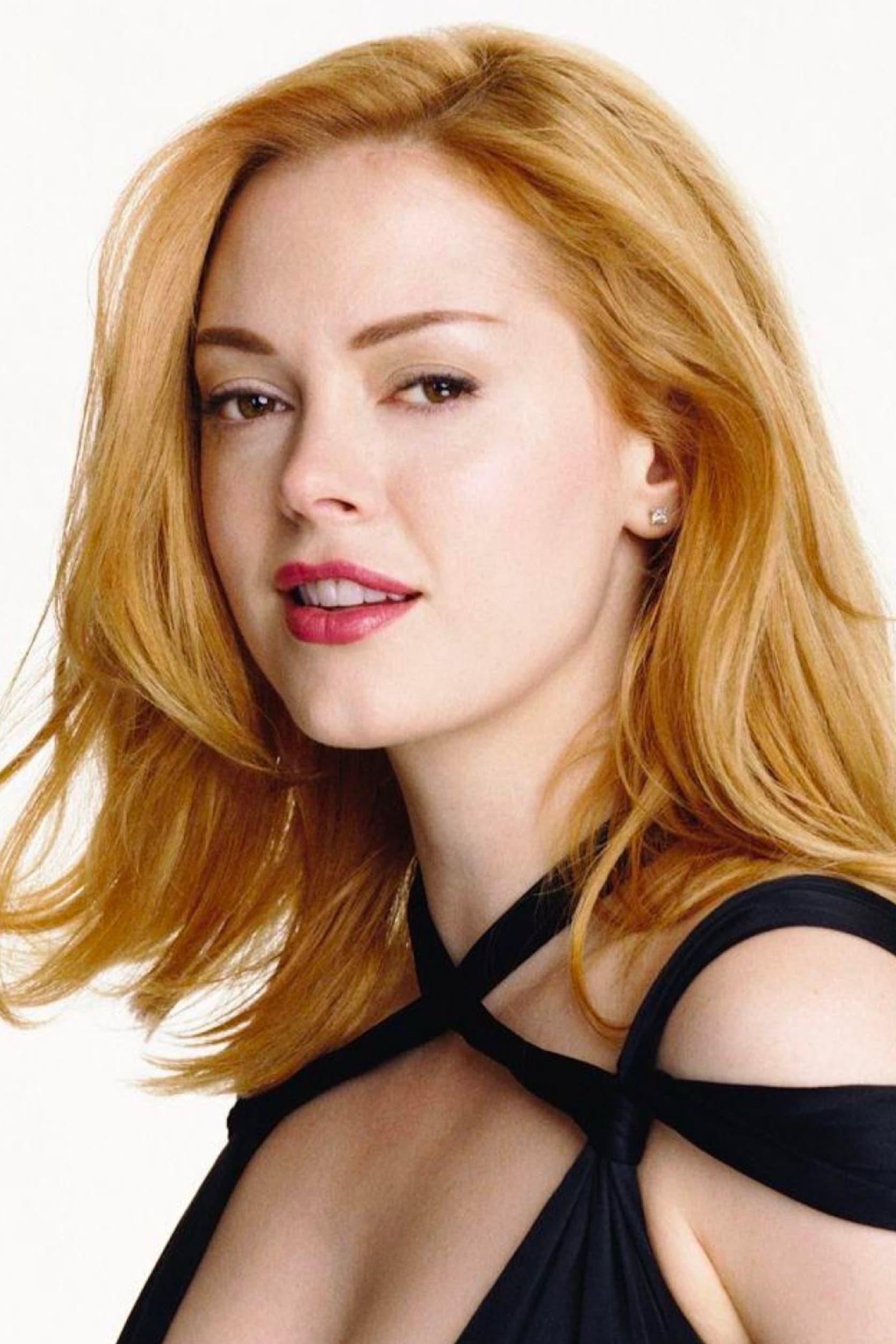
McGowan has criticized the dominance of superhero properties and how they can flatten creative risk. She has discussed the way these films fill schedules and marketing cycles at the expense of other voices.
Her remarks frame the topic as an industry ecosystem problem rather than a knock on any single title. The throughline is a call for more variety and more greenlights for stories outside the template.
Shailene Woodley
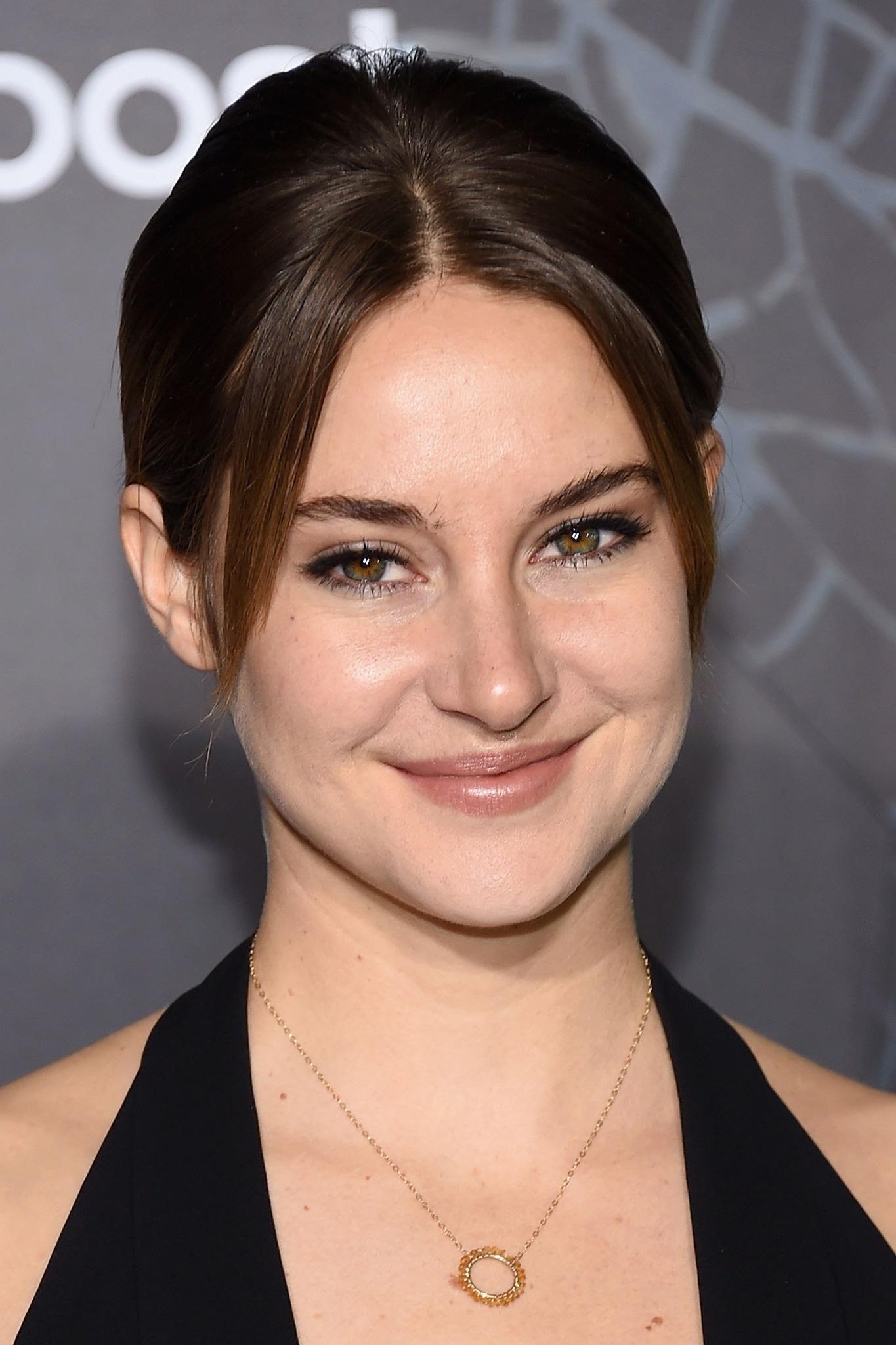
Woodley has said she is drawn to grounded material and that big franchises are rarely a fit. She has stepped away from projects when the scale and schedule did not line up with her priorities.
She often talks about collaboration with directors who invite organic discovery. That kind of process is harder to protect inside a machine built for massive weekend openings.
Charlize Theron
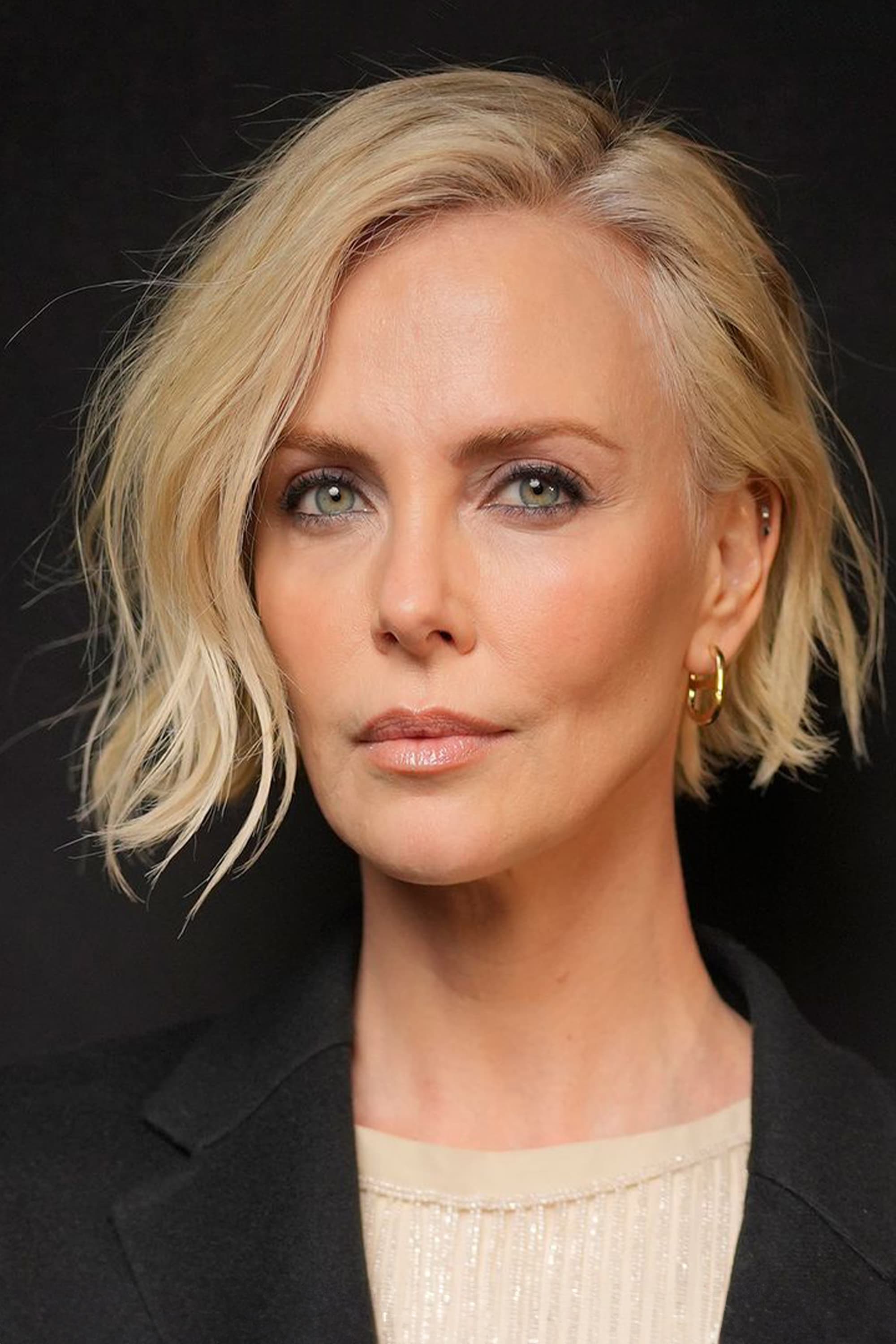
While she did accept a role in ‘Doctor Strange in the Multiverse of Madness,’ Theron has explained that she is selective with action properties and wary of repetitive beats. She has said that many superhero scripts feel familiar to her and that she prefers material with unusual structure.
Her interest in physical performance remains strong, but she tends to choose action that allows character to remain central. That preference limits her appetite for the superhero formula.
Maggie Gyllenhaal
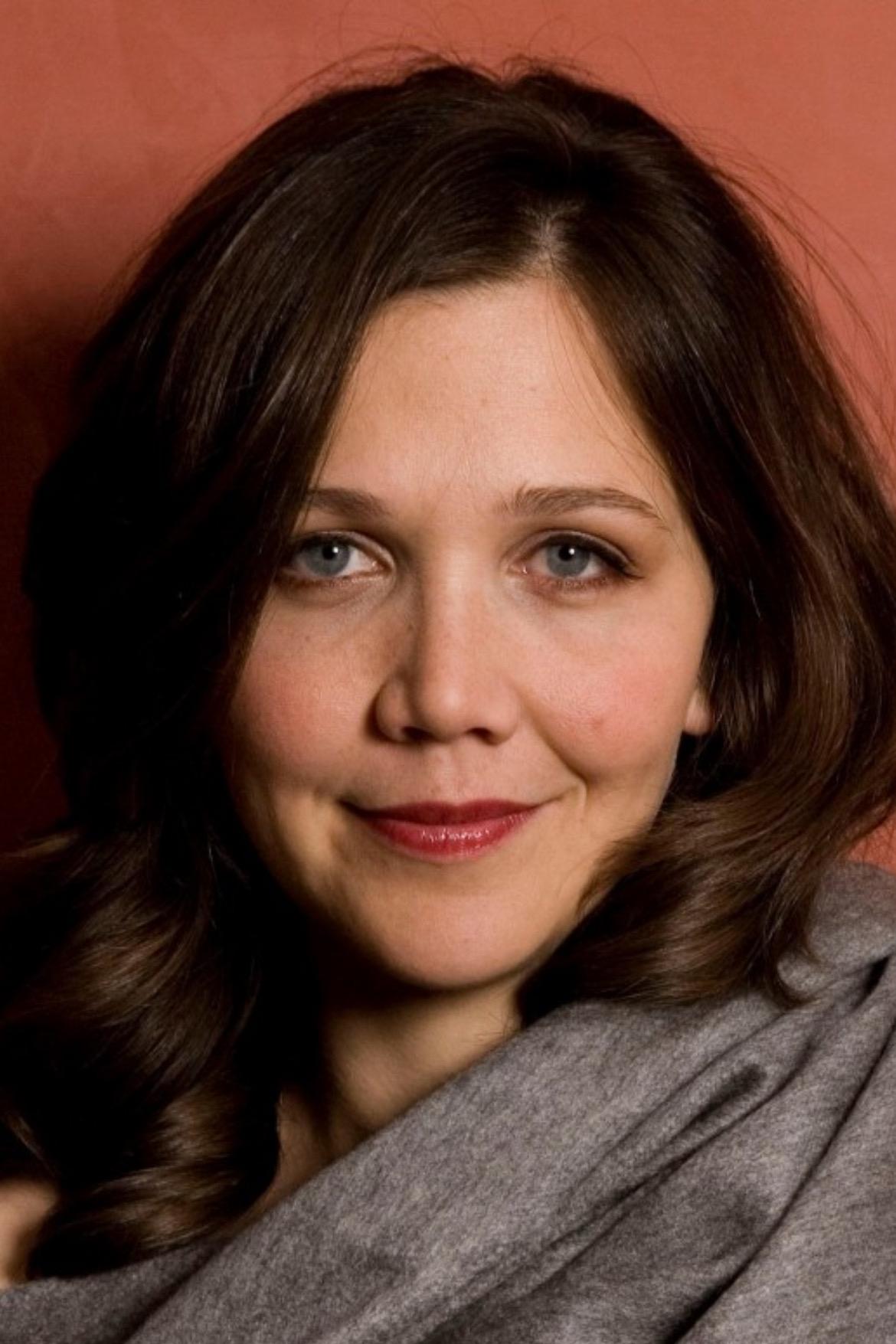
Gyllenhaal has reflected on the limits actors face in large branded worlds. She has said she prefers to work where she can shape a role from the ground up and stay close to the character’s inner life.
Her transition into directing underscores that taste. She seeks stories that leave room for risk and texture rather than strict adherence to a franchise bible.
Lena Headey
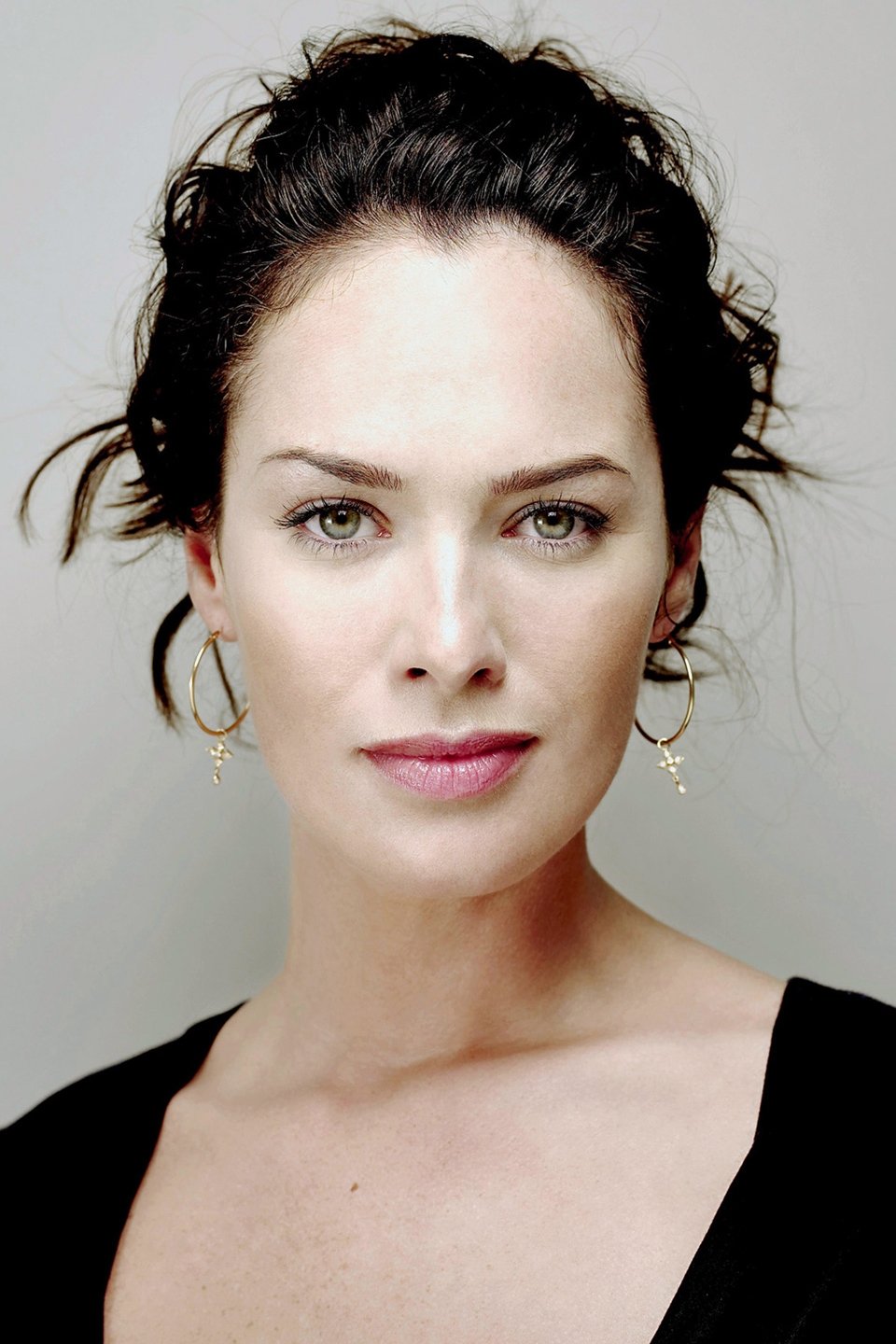
Headey has noted that giant franchise filmmaking can feel impersonal to her. She has described a stronger pull toward darker human stories that do not depend on city leveling climaxes.
Her choices often center on flawed people under pressure, which suits grounded thrillers and dramas. That lane keeps her away from most comic book universes.
Kristen Stewart
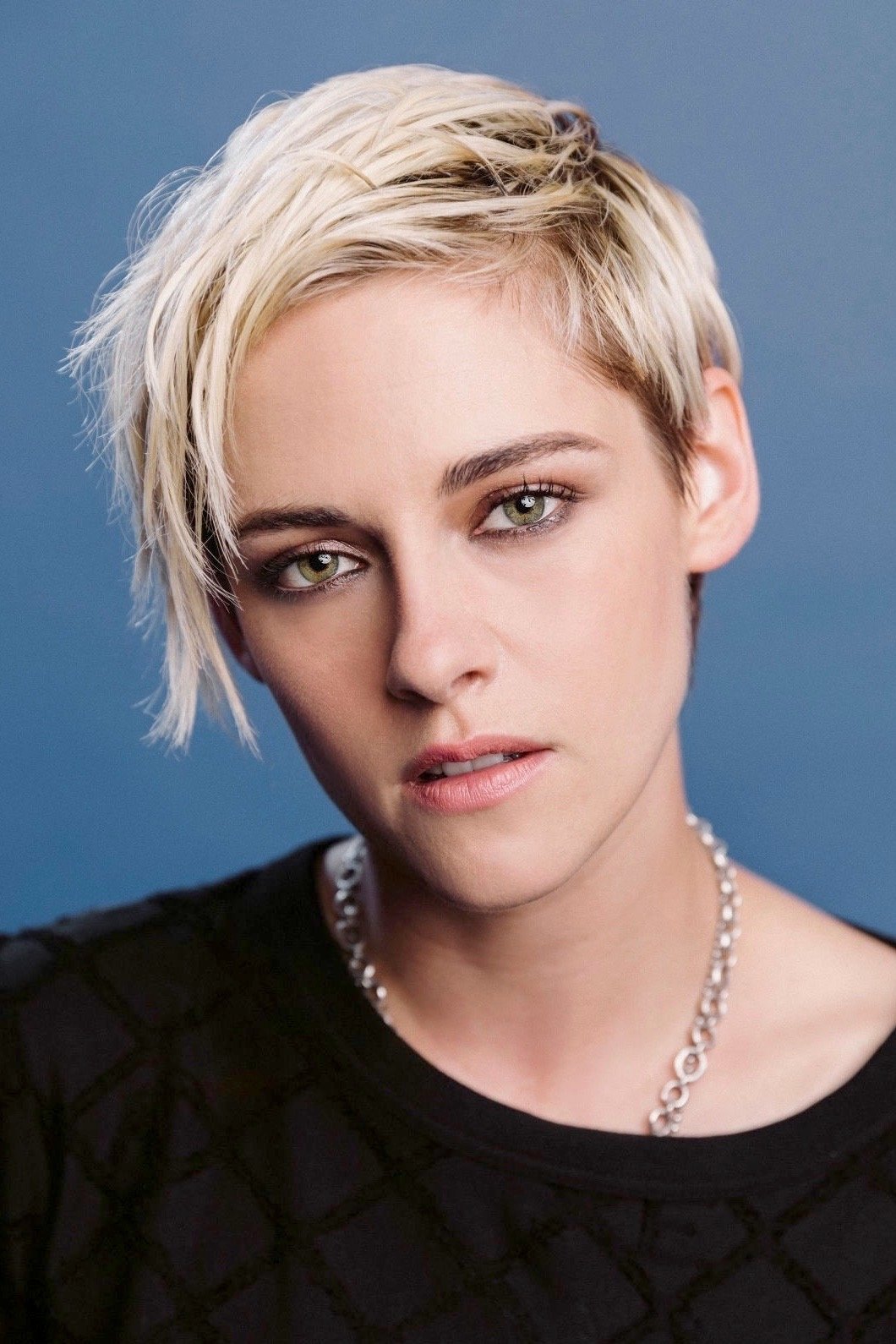
Stewart has said she looks for idiosyncratic scripts and close collaboration with filmmakers. She has expressed little interest in standard superhero setups and prefers experiments with tone and form.
She often chooses films where the emotional stakes are internal and the camera watches rather than explodes. That approach naturally points her away from the Marvel and DC playbook.
Rachel Weisz
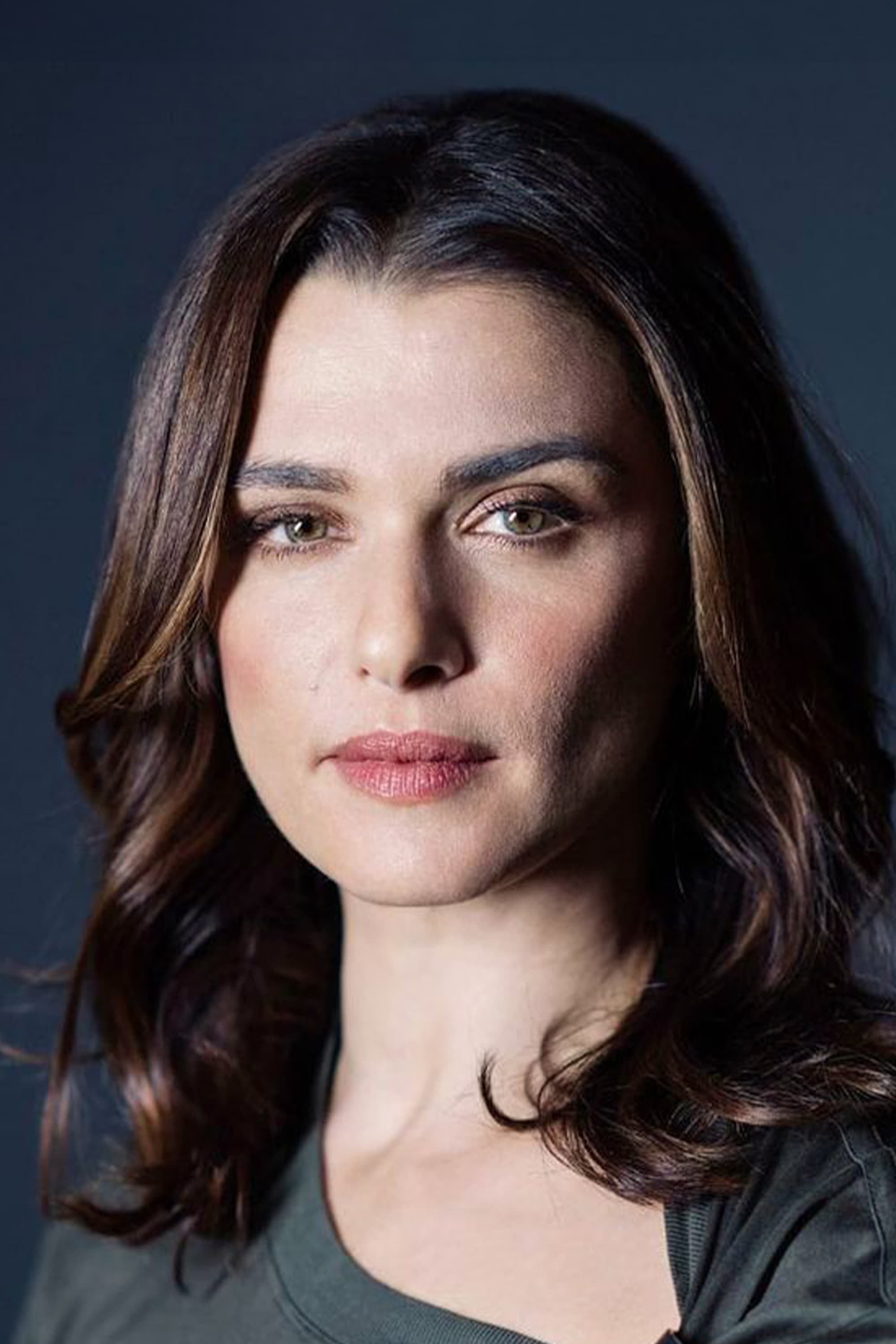
Weisz has explained that she enjoys films with moral puzzles and intimate conflict and that superhero stories rarely offer what she wants. She prefers work that feels handmade and specific.
She tends to team with directors who build atmosphere through small choices and quiet beats. Those collaborations seldom overlap with the needs of a sprawling crossover storyline.
Cameron Diaz
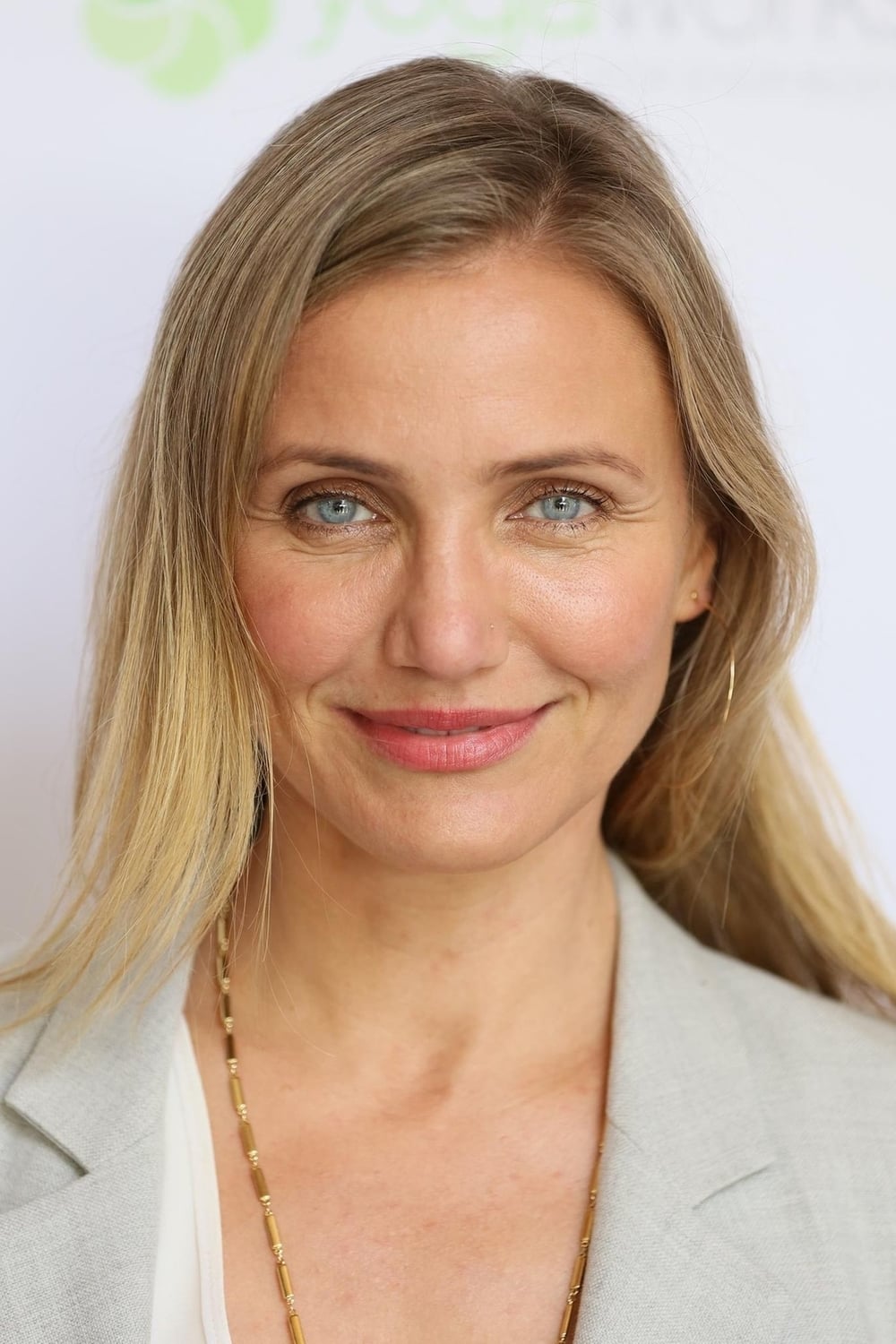
Diaz has talked about how the giant franchise model does not excite her and how she values balance and selectivity. She has stayed away from superhero projects because the lifestyle and the creative frame are not what she seeks.
Her career highlights show a preference for comedies and human scale dramas where timing and chemistry do the heavy lifting. That path leaves little room for a cape.
Juliette Binoche
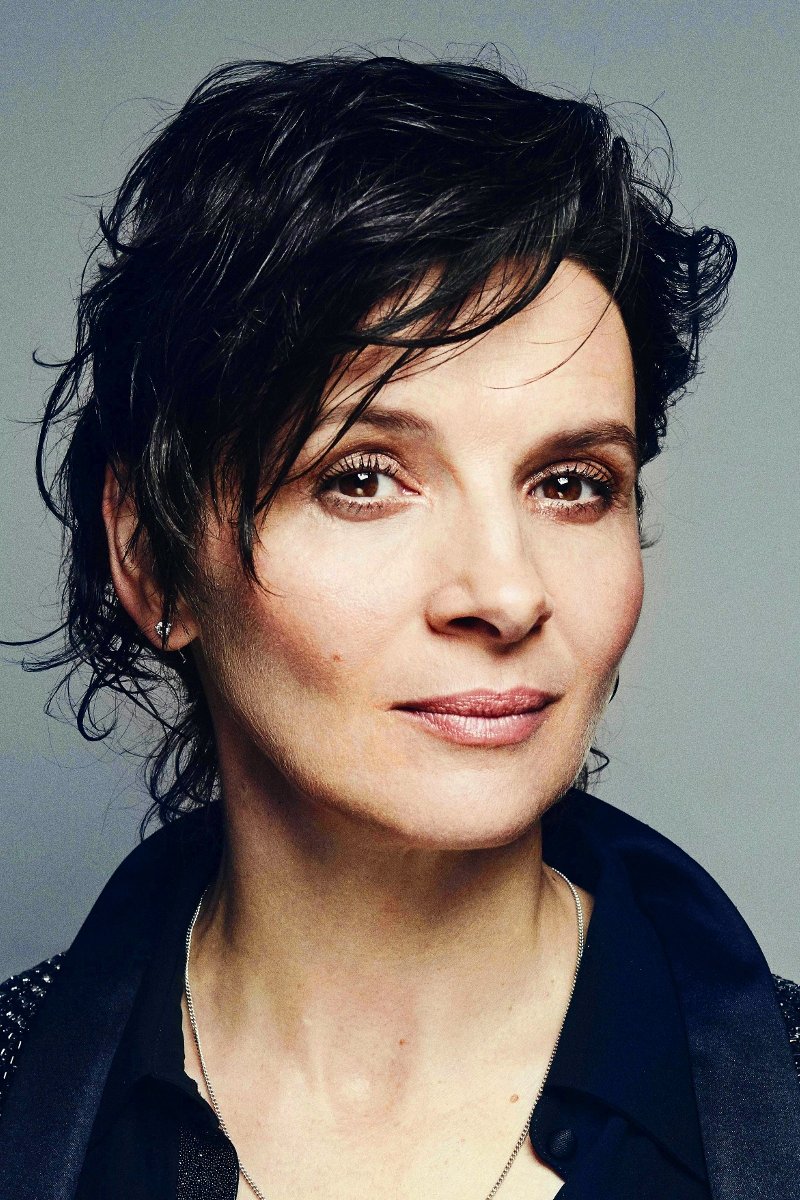
Binoche has often said she is drawn to cinema that studies intimacy and the passage of time. She has expressed no interest in joining superhero properties because the form does not match her artistic goals.
She continues to choose projects that live in quiet spaces and ask the audience to lean in. Those values place her firmly outside the Marvel and DC orbit.
Kate Winslet
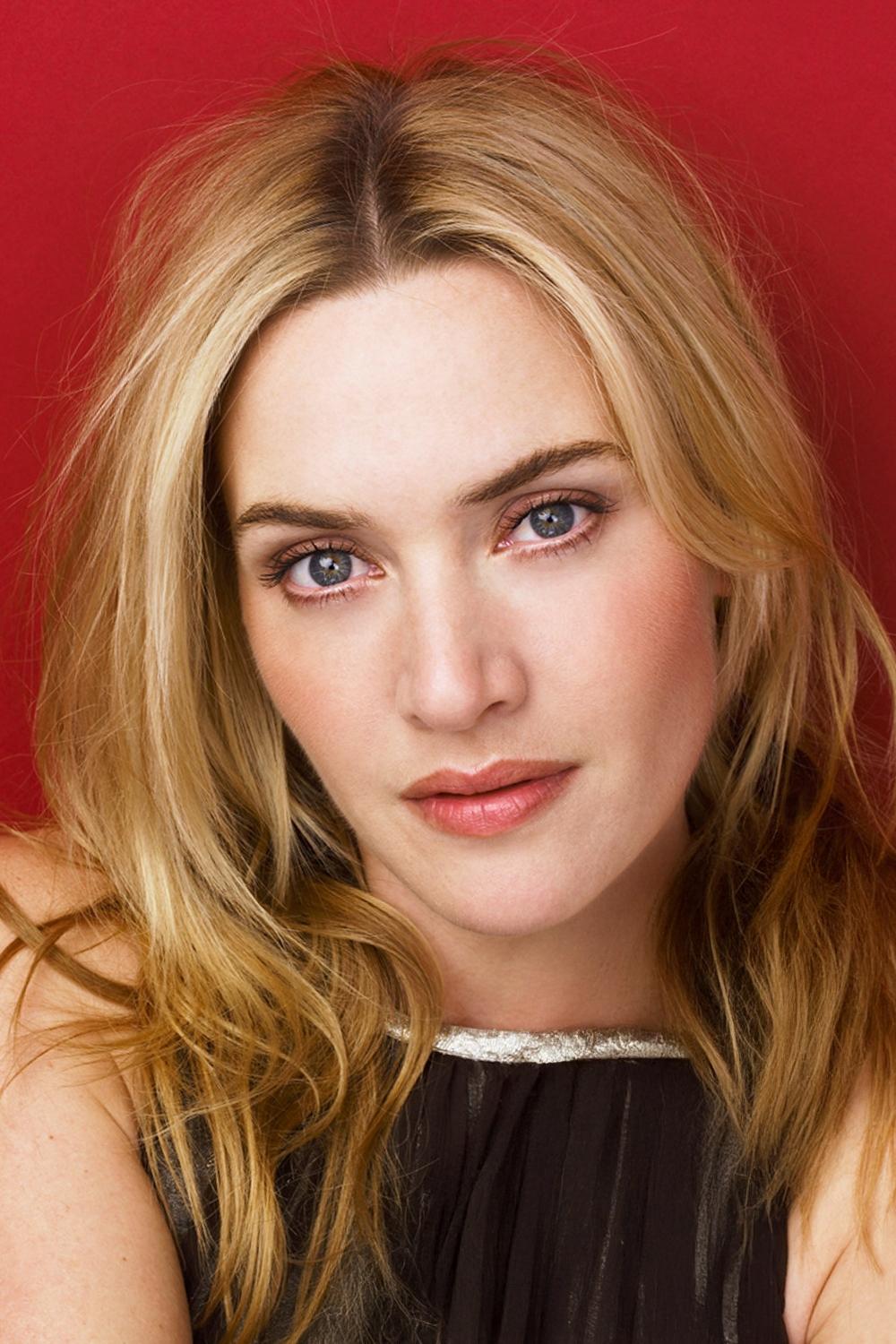
Winslet has explained that she prefers scripts that feel specific to a place and a person. She has said that the superhero mold has not offered her anything that fits the way she likes to work.
Her choices favor directors who chase naturalism and emotional detail. That style is hard to reconcile with serialized world building, so she keeps her focus on other genres.
If you have other names or interviews in mind, drop them below and tell us who else should be on this list.

