


Actresses Who Needed Therapy After a Role




Many professional actresses dedicate themselves so deeply to their craft that the boundaries between fiction and reality begin to blur. This immersion can lead to significant psychological strain that requires professional intervention long after the cameras have stopped rolling. From intense physical transformations to the emotional labor of portraying trauma, the demands of a role often extend beyond the set. Understanding the mental health challenges faced by these performers provides insight into the high cost of cinematic excellence.
Lady Gaga

The singer spent nine months living as Patrizia Reggiani while filming ‘House of Gucci’ to capture the character accurately. This intense method acting approach led to significant psychological strain that required professional assistance to resolve. She admitted to experiencing a state of dissociation from reality toward the end of the production. The actress utilized a psychiatric nurse on set to help manage the emotional burden of the role.
Shelley Duvall
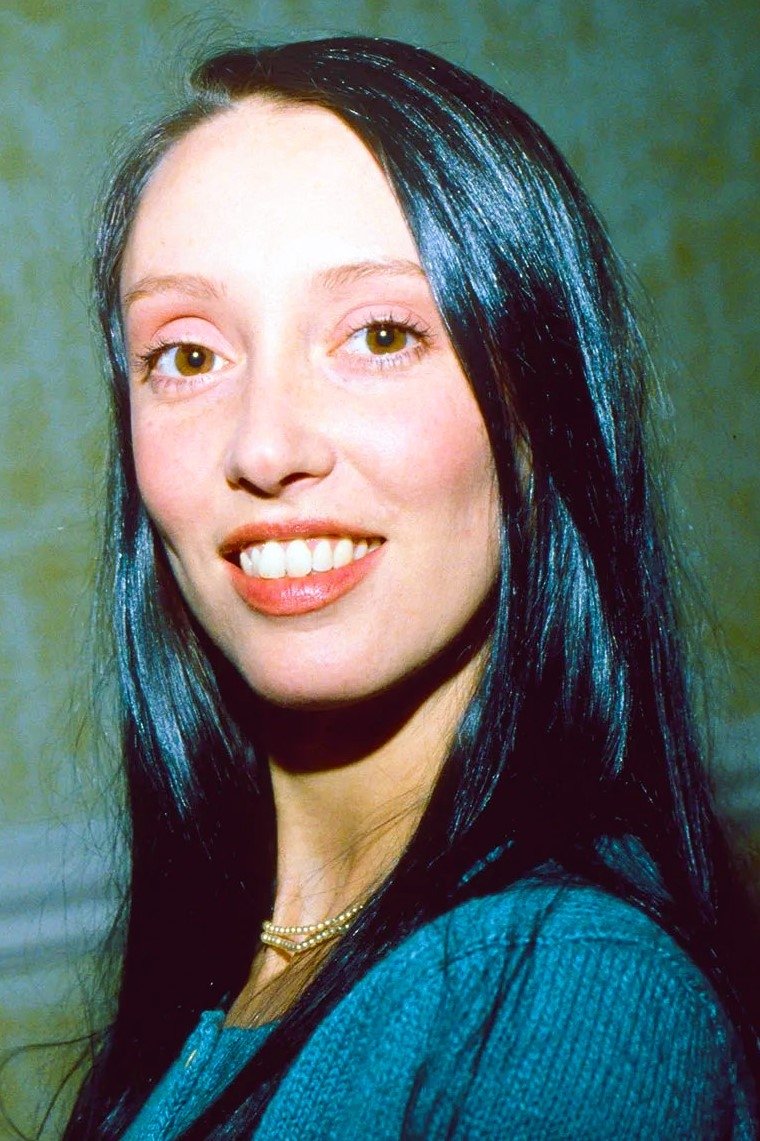
Filming ‘The Shining’ involved months of intense psychological pressure under the direction of Stanley Kubrick. The actress was required to maintain a state of hysteria for extended periods which impacted her health. This constant stress led to hair loss and a prolonged period of recovery after production ended. She often spoke about the trauma associated with the isolated filming environment and the demanding nature of the script.
Kate Winslet

Portraying a former concentration camp guard in ‘The Reader’ left a lasting emotional impact on the performer. She described the experience as having to escape a dark place after the cameras stopped rolling. The weight of the historical context and the character’s choices stayed with her long after the project concluded. It took several months of decompression and professional support to return to her normal self.
Florence Pugh

The psychological horror film ‘Midsommar’ required the actress to delve into deep grief and emotional vulnerability. She expressed that she felt as though she was abusing her own mental health to achieve the necessary performance. The lingering feelings of sadness and anxiety persisted well after the wrap of the production. She sought therapy to help process the intense trauma she simulated for the camera.
Lily-Rose Depp

Working on the controversial series ‘The Idol’ presented several emotional challenges for the young actress. The provocative and often dark subject matter required a significant amount of mental fortification. She found it necessary to speak with professionals to maintain a healthy boundary between herself and her character. This support helped her navigate the intense public and private pressures associated with the show.
Salma Hayek Pinault

Portraying the iconic artist in ‘Frida’ was a decades long passion project that demanded immense physical and emotional energy. The actress struggled with the weight of representing such a complex and suffering figure. She experienced physical manifestations of stress and sought therapeutic guidance to manage the aftermath. This role remains one of the most defining and taxing experiences of her professional career.
Isabelle Adjani

The production of ‘Possession’ is famous for its grueling physical and emotional requirements. The actress delivered a performance so intense that she reportedly took several years to recover. She utilized professional help to move past the dark psychological spaces explored during the shoot. This role is often cited as one of the most demanding in the history of cinema.
Charlize Theron

To play Aileen Wuornos in ‘Monster’ the actress underwent a complete physical and mental transformation. The dark nature of the real life crimes she portrayed led to a heavy emotional toll. She worked with professionals to shed the persona and process the trauma associated with the story. It took a significant amount of time for her to feel like herself again after the film was finished.
Natalie Portman

The role of a perfectionist ballerina in ‘Black Swan’ pushed the actress to her absolute physical and mental limits. She endured a rigorous training schedule and a restrictive diet that contributed to a fragile psychological state. The blurred lines between her own identity and the character’s descent into madness required post production support. She has been vocal about the importance of mental health care in the acting industry.
Rooney Mara

Taking on the lead role in ‘The Girl with the Dragon Tattoo’ involved a drastic physical makeover and exposure to intense themes. The actress immersed herself so deeply in the character’s trauma that it began to affect her personal well being. She sought professional guidance to help separate her own life from the dark experiences of Lisbeth Salander. This transition was a necessary step in her recovery from the demanding project.
Tippi Hedren
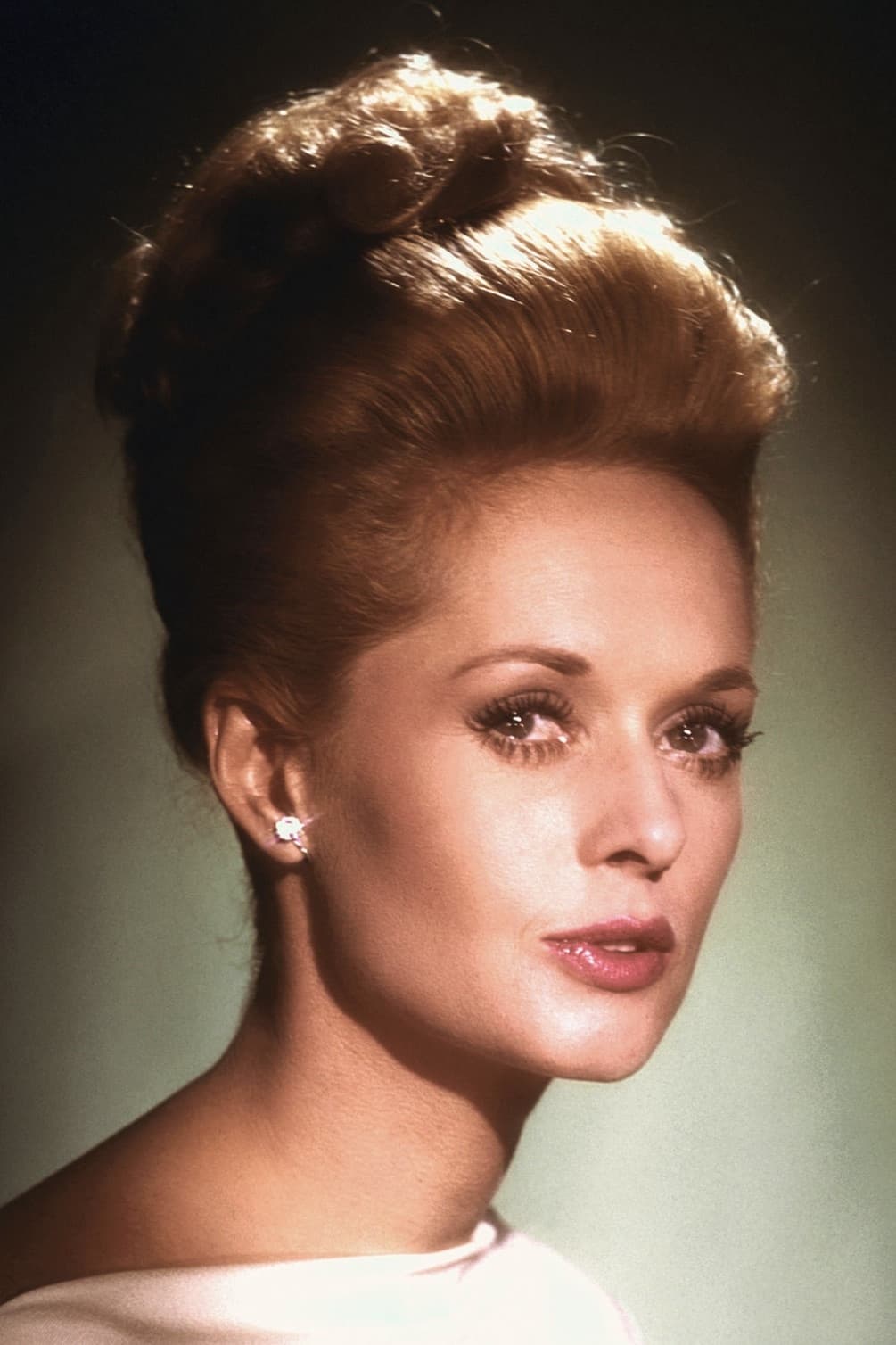
The experience of filming ‘The Birds’ under Alfred Hitchcock was notoriously traumatic for the lead actress. She faced actual physical danger and relentless psychological manipulation during the production. The long term effects of this treatment necessitated therapeutic intervention to overcome the trauma. Her story has become a significant example of the lack of protection for performers in early Hollywood.
Janet Leigh

The iconic shower scene in ‘Psycho’ had a profound and lasting effect on the actress in her private life. She became unable to take traditional showers for years and relied on professional help to manage her fears. The vulnerability she felt while filming translated into a genuine phobia of being watched or attacked. This psychological impact highlights how certain roles can fundamentally change a person’s habits.
Nicole Kidman

Portraying a survivor of domestic abuse in ‘Big Little Lies’ took a significant emotional toll on the performer. She described feeling deeply exposed and shaken after filming the more violent and distressing scenes. To cope with the residue of these emotions she turned to therapy and the support of her family. The actress emphasized the need to find balance when working on projects with such heavy subject matter.
Sophie Turner

Growing up on the set of ‘Game of Thrones’ meant the actress dealt with heavy themes and public scrutiny from a young age. The trauma her character Sansa Stark endured often felt very real and impacted her mental health. She has been open about her decision to seek therapy to handle the anxiety and body image issues that arose. Professional support played a vital role in her transition into adulthood after the show ended.
Jennifer Lawrence

The filming of ‘Mother!’ was an exceptionally intense experience that left the actress feeling emotionally depleted. During one particularly harrowing scene she hyperventilated so severely that she dislocated a rib. The psychological stress of the production prompted her to take a break and seek mental health support. She found that the dark atmosphere of the film lingered far longer than she expected.
Linda Blair
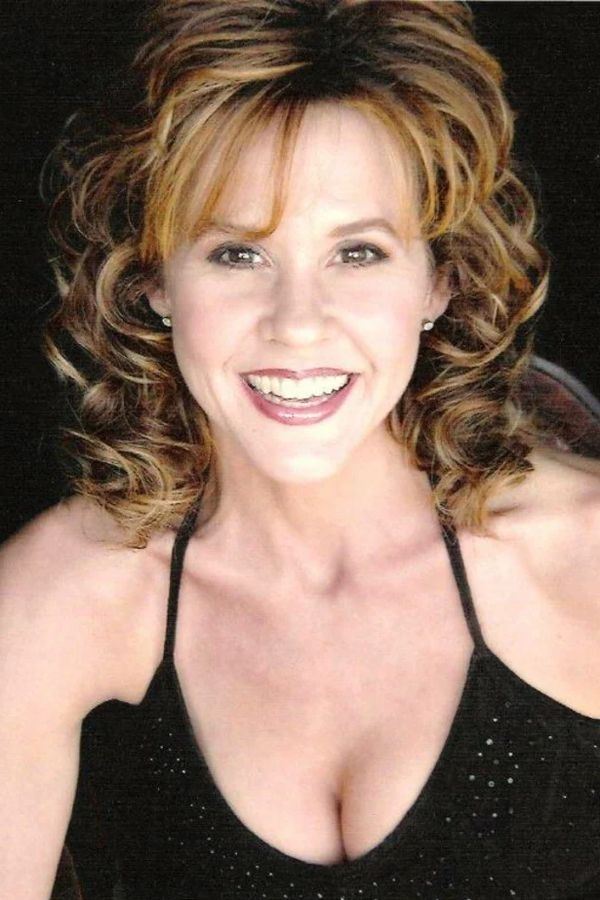
Playing the possessed child in ‘The Exorcist’ was a life altering experience that came with immense psychological pressure. The actress faced public backlash and even death threats due to the controversial nature of the film. She required professional counseling to help process the trauma of the shoot and the subsequent fame. Navigating the aftermath of such a dark role at a young age was a significant challenge.
Lupita Nyong’o

The dual roles in the horror film ‘Us’ required the actress to inhabit a very dark and twisted version of herself. This process was mentally taxing and left her feeling drained at the end of every filming day. She utilized therapy to ensure she could leave the character of Red behind when she went home. Maintaining her mental health was a priority throughout the production of the unsettling story.
Mia Farrow

The production of ‘Rosemary’s Baby’ was plagued by personal and professional stresses for the lead actress. The themes of isolation and paranoia reflected in the script began to seep into her actual life. She sought therapeutic assistance to navigate the emotional fallout from the film and her high profile divorce. This role remains a testament to her dedication despite the heavy personal cost.
Sarah Paulson
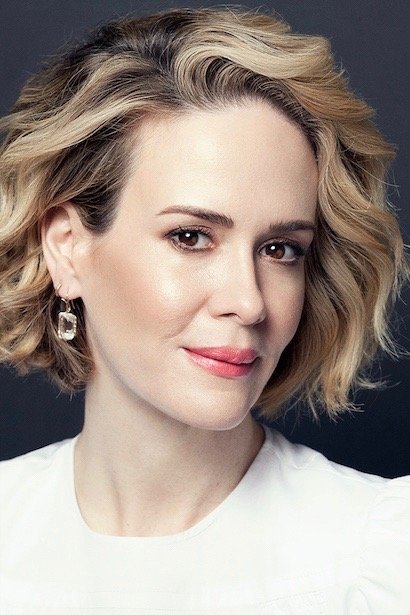
Frequent roles in ‘American Horror Story’ have required the actress to face some of the darkest aspects of human nature. The constant exposure to horror and trauma can be emotionally exhausting for any performer. She has spoken about the necessity of having a therapist to help her decompress from these intense roles. Professional help allows her to maintain her well being while continuing to work in the horror genre.
Toni Collette
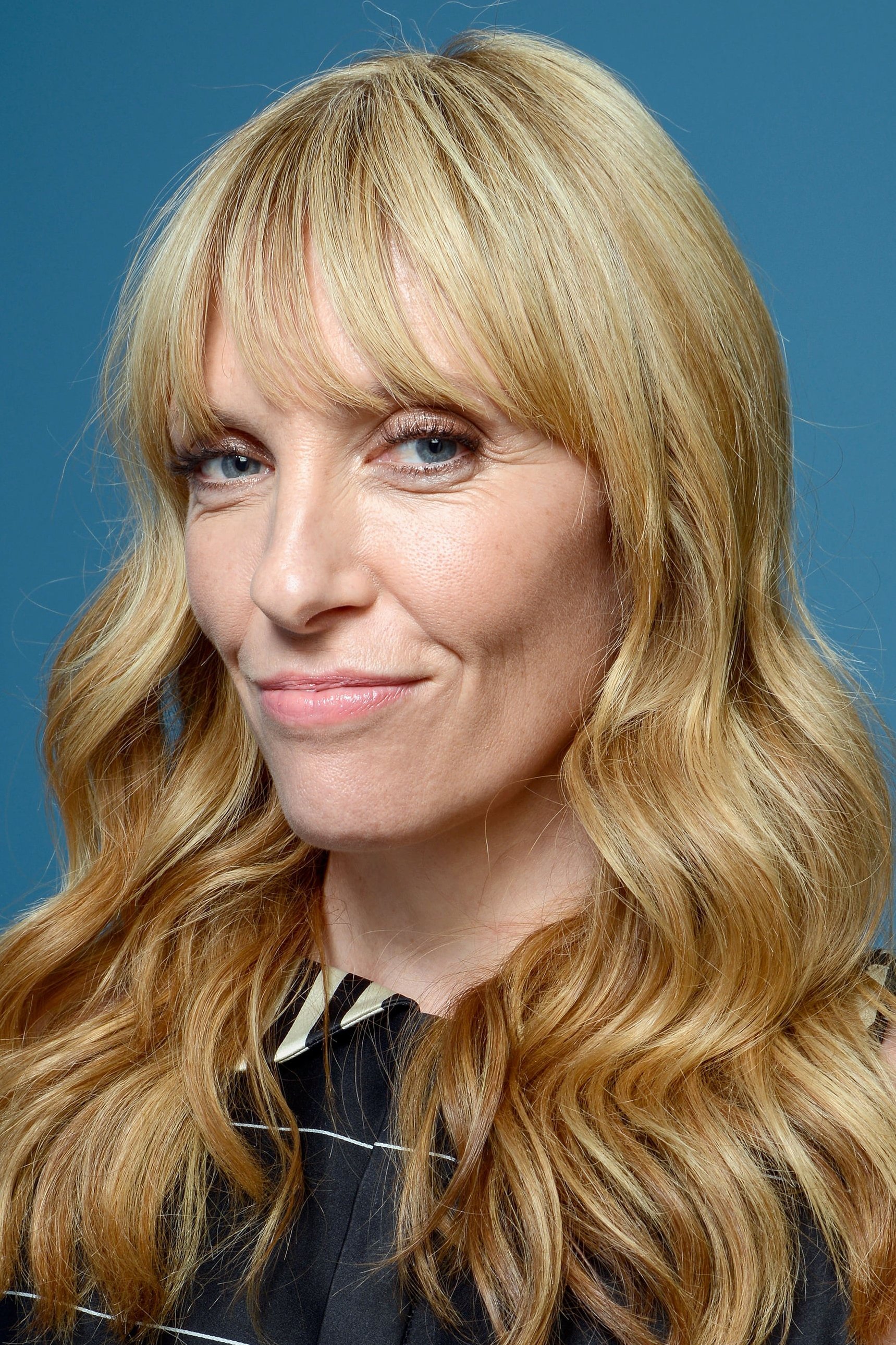
The intense grief and horror depicted in ‘Hereditary’ were deeply affecting for the veteran actress. She noted that the darkness of the character was difficult to shake off once the production concluded. She sought professional support to help clear her mind and return to a more positive state. The emotional honesty required for the performance came at a significant personal price.
Zendaya

The portrayal of addiction and mental illness in ‘Euphoria’ is a demanding task for the young performer. She has acknowledged the weight of representing such difficult struggles and the impact it has on her own mood. To manage the stress and emotional baggage she utilizes therapy as a consistent tool for health. This practice helps her stay grounded while telling such raw and unfiltered stories.
Christina Ricci

Playing a supporting role in ‘Monster’ alongside Charlize Theron was an emotionally heavy experience. The dark subject matter and the intensity of the production influenced her mental state. She sought professional guidance to process the themes of the film and her own reactions to them. This support was essential in helping her move on to different projects without carrying the trauma.
Sandra Bullock
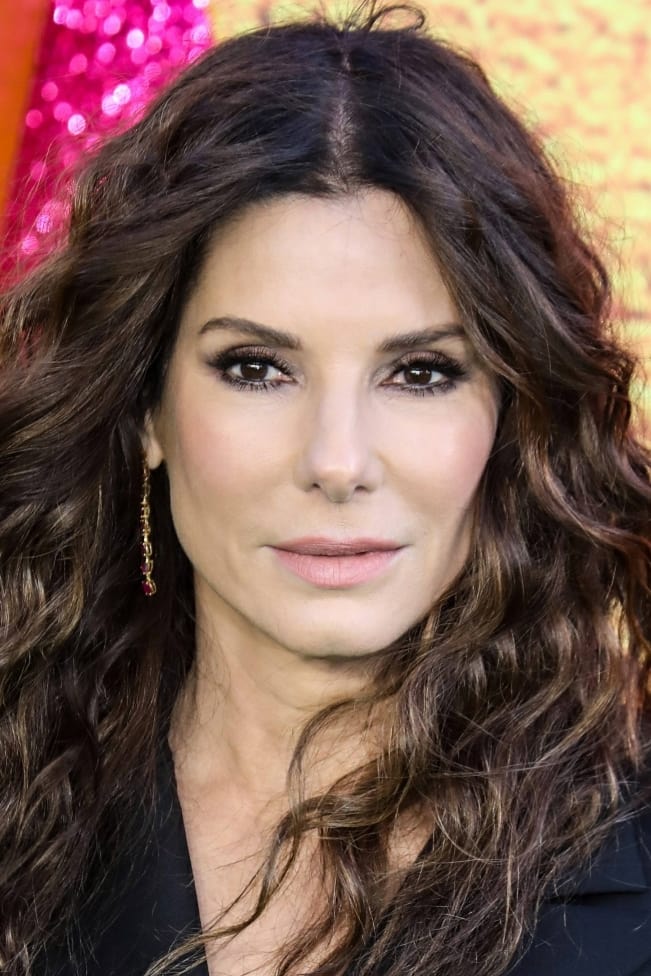
The isolation and physical demands of ‘Gravity’ were much harder on the actress than she initially anticipated. Spending most of her time alone in a specialized rig led to feelings of loneliness and anxiety. She utilized therapy to help process the psychological effects of the filming environment. This role showed the unexpected ways that technical filming requirements can impact an actor.
Naomie Harris

Playing a woman struggling with addiction in ‘Moonlight’ required the actress to visit dark emotional places. The intensity of the three day shoot was so concentrated that it left her feeling shaken. She worked with professionals to move past the character’s pain and find her own peace again. Her performance was highly acclaimed but required a focused recovery period.
Evan Rachel Wood

The complex narrative of ‘Westworld’ has been a challenging journey for the lead actress. She has been open about how her own past trauma intersected with the character’s experiences. Using therapy was a vital part of her process to handle the intense scenes and public discussions. Professional support helped her navigate the heavy themes while maintaining her mental health.
Keira Knightley

Portraying a patient undergoing psychoanalysis in ‘A Dangerous Method’ was an intellectually and emotionally draining task. The actress had to depict intense physical and mental distress throughout the film. She found that professional counseling helped her manage the residual emotions from the performance. This role highlighted the importance of psychological care for actors playing troubled historical figures.
Anne Hathaway
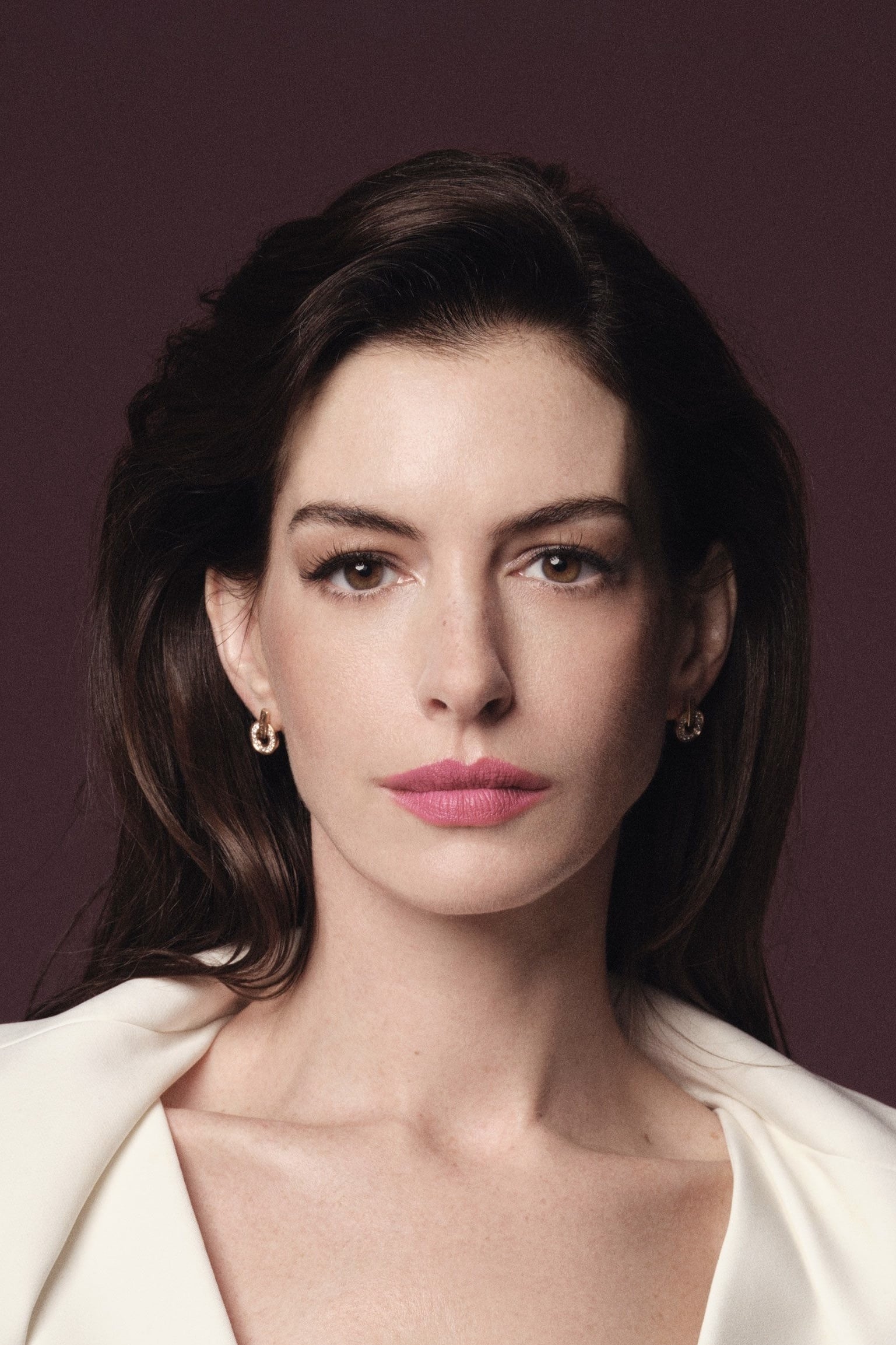
For her Oscar winning role in ‘Les Misérables’ the actress lost a significant amount of weight and shaved her head. The physical transformation and the tragic nature of the character led to a period of depression. She sought help to recover her physical health and mental stability after the production wrapped. It took a long time for her to feel healthy and happy again.
Winona Ryder
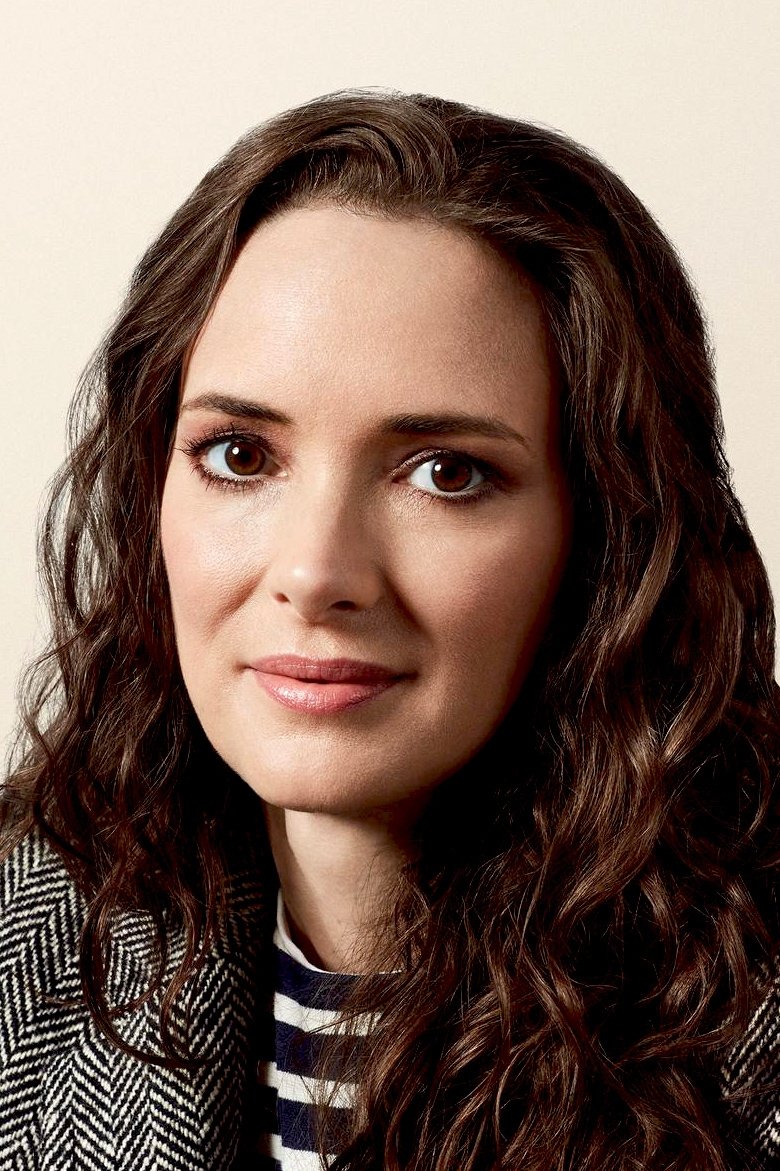
The film ‘Girl, Interrupted’ dealt with sensitive themes of mental illness that resonated deeply with the actress. Being immersed in a psychiatric hospital setting for the role was a heavy experience. She utilized therapy to help maintain a healthy distance between her life and the script. This support was crucial during a time when she was also dealing with personal challenges in the public eye.
Jamie Lee Curtis
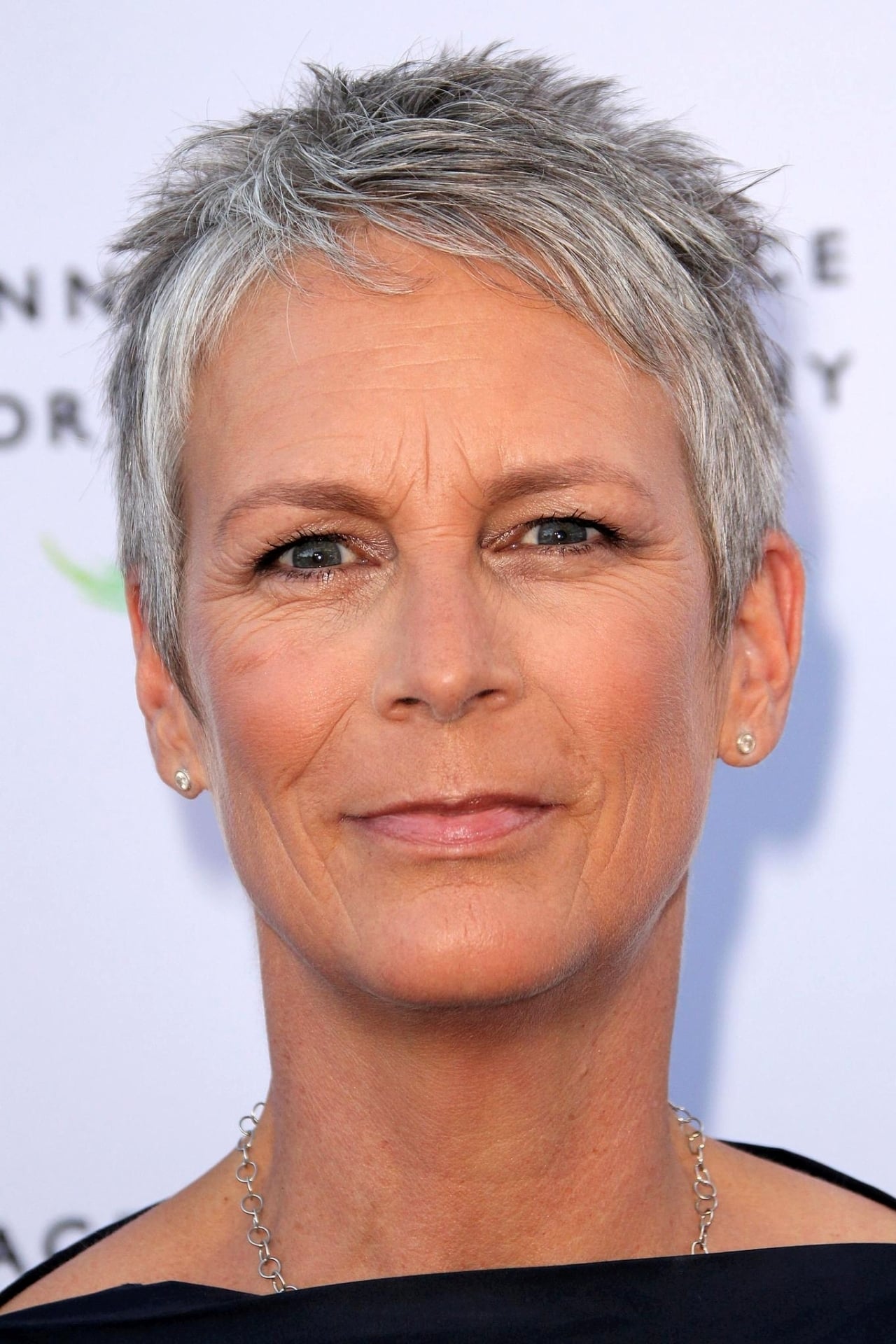
Being the original scream queen in ‘Halloween’ meant the actress was constantly in a state of fight or flight. The adrenaline and fear required for the role had a lasting impact on her nervous system. She has discussed the need for therapeutic intervention to help her body stop reacting to perceived threats. Her long career in horror has taught her the value of proactive mental health care.
Angelina Jolie

The role of the troubled model in ‘Gia’ was a deeply emotional experience that the actress found difficult to leave behind. She immersed herself in the character’s addiction and loneliness to a point that felt dangerous. She sought professional help to reclaim her identity and process the grief of the story. This performance is often cited as a turning point in her dedication to her craft.
Emily Blunt

Playing an alcoholic woman in ‘The Girl on the Train’ required the actress to stay in a very low emotional place. The constant state of confusion and despair portrayed on screen affected her own mental well being. She found that speaking with a therapist helped her detach from the character’s negative headspace. It was important for her to find a way to return to her family life without bringing the role home.
Jessica Chastain

The intense and secretive world of ‘Zero Dark Thirty’ took a toll on the lead actress during the long filming process. The isolation and the weight of the historical events she was portraying created a heavy atmosphere. She utilized professional support to handle the stress and the emotional residue of the project. This experience reinforced her belief in the necessity of mental health resources for performers.
Margot Robbie

Taking on the role of Tonya Harding in ‘I, Tonya’ involved physical pain and a deep dive into a cycle of abuse. The actress worked hard to understand the trauma of the real life figure which was emotionally taxing. She sought therapy to help process the violence and anger depicted in the film. This support allowed her to separate herself from the character’s difficult life.
Kirsten Dunst

The film ‘Melancholia’ explored the depths of clinical depression in a way that was very taxing for the lead actress. She had to stay in a dark and listless state for the duration of the shoot. After the film ended she sought professional help to regain her mental balance and energy. This role is a prime example of how portraying mental illness can affect the actor.
Megan Fox

The production and marketing of ‘Jennifer’s Body’ led to a significant mental breakdown for the actress. She felt sexualized and misunderstood by the public which exacerbated the stress of the role. She utilized therapy to navigate the trauma and rebuild her confidence after a difficult period in her career. This experience led her to take a step back from the spotlight for her own health.
Amanda Seyfried

Working on ‘Les Misérables’ involved high stakes and intense emotional performances that were draining for the actress. The pressure of singing live while portraying tragic themes added to the stress. She has been vocal about using therapy to manage her anxiety and the pressures of her career. This support was particularly helpful after the demanding schedule of the musical.
Diane Kruger

Filming ‘Inglourious Basterds’ included a scene where the director actually choked the actress for realism. This experience and the general intensity of the role were very difficult to handle. She sought professional help to process the events on set and the emotional stress of the character. It was a challenging production that required a focused recovery.
Ruth Wilson

The dark and often repetitive themes of infidelity and grief in ‘The Affair’ were exhausting for the actress. She has mentioned the need for professional support to handle the psychological demands of the show. The emotional labor involved in such a long running and heavy series was significant. Therapy helped her maintain a clear boundary between herself and the character.
Elisabeth Moss

The relentless trauma depicted in ‘The Handmaid’s Tale’ requires the actress to stay in a state of constant survival. This long term exposure to themes of oppression and violence is mentally wearing. She utilizes therapy and other self care practices to ensure she remains healthy despite the dark material. Her commitment to the role is balanced by a strong focus on her mental well being.
Sydney Sweeney

The graphic and intense nature of ‘Euphoria’ has presented many challenges for the young actress. She has spoken about the importance of mental health and the use of therapy to deal with the show’s heavy content. Navigating the character’s vulnerabilities requires a high level of emotional resilience. Professional support provides her with the tools to manage these demands effectively.
Kathy Bates
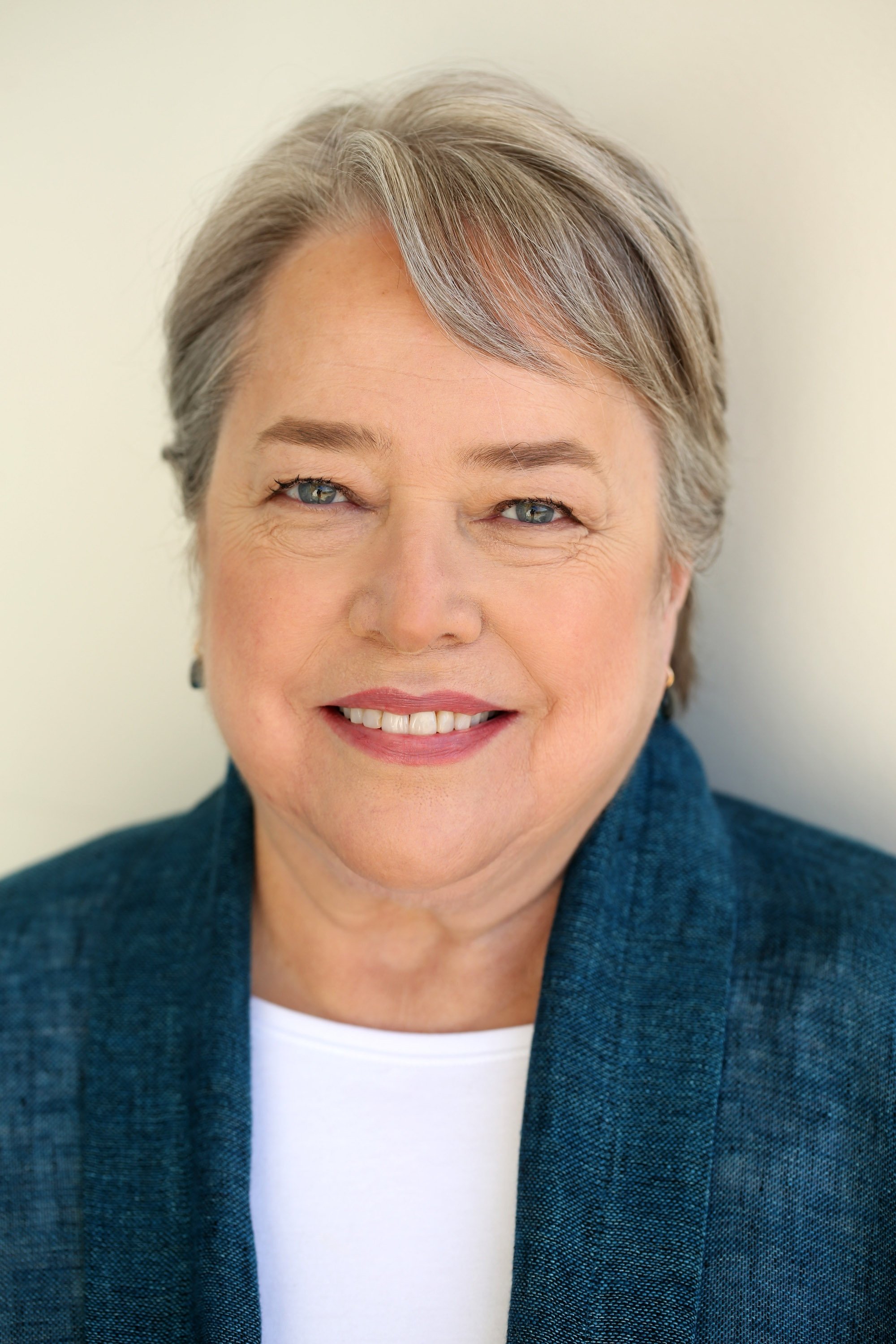
Portraying the obsessed fan in ‘Misery’ was a chilling experience that left the actress feeling deeply unsettled. The intense and violent nature of the scenes required a significant amount of emotional preparation and recovery. She struggled with the dark headspace required to play Annie Wilkes and sought therapy to move past the role. This performance earned her an Academy Award but came with a lasting psychological burden.
Jennifer Connelly
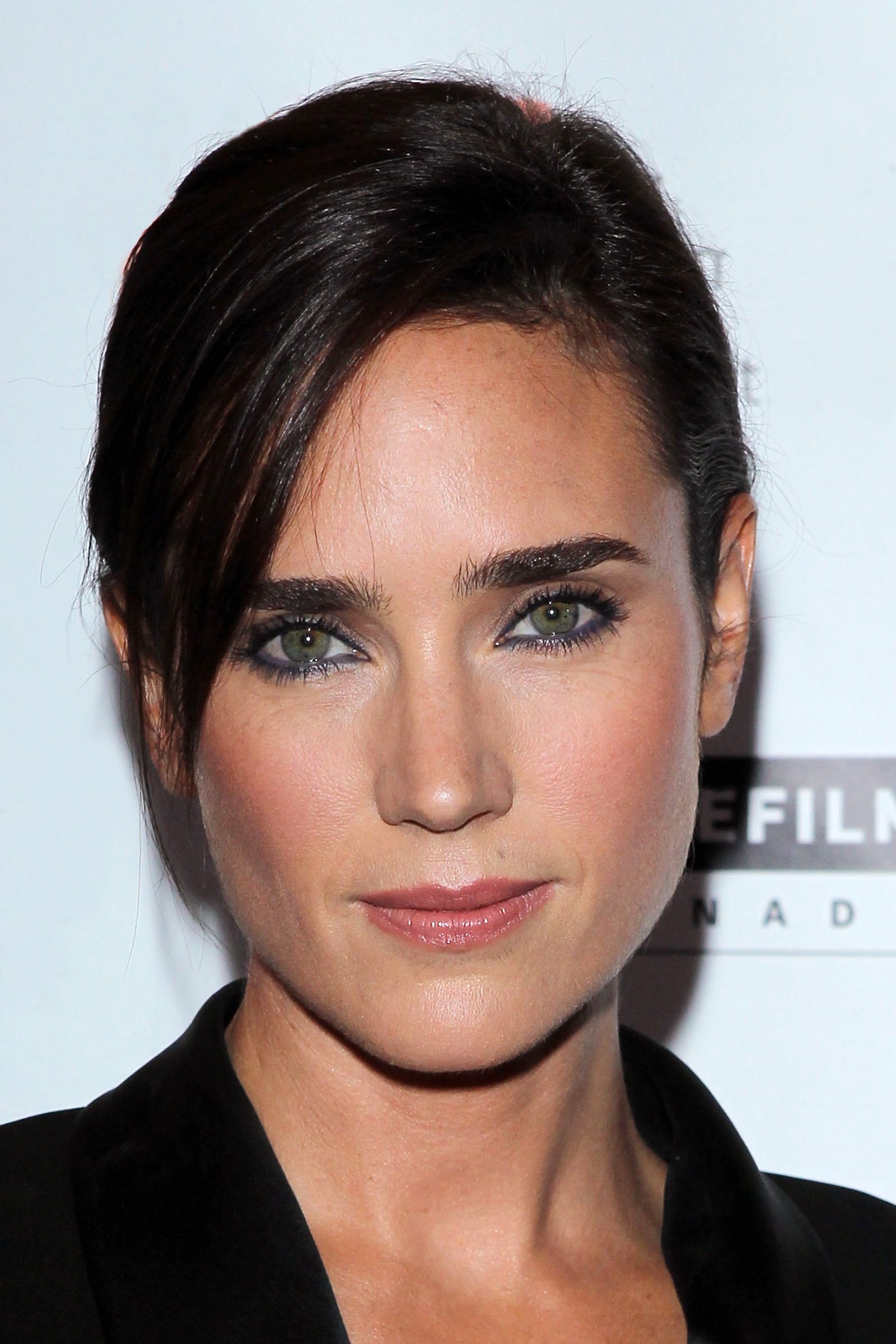
The harrowing depiction of drug addiction in ‘Requiem for a Dream’ was a grueling process for the actress. She spent a great deal of time exploring the lowest points of human desperation to bring the character to life. The emotional residue of the film stayed with her long after production ended necessitating professional help. It took considerable time to shake off the darkness and return to her daily routine.
Penélope Cruz

In the film ‘Loving Pablo’ the actress portrayed a woman caught in a volatile and dangerous relationship. The intensity of the scenes and the real life tragedy of the story were emotionally draining. She utilized therapy to process the stress and maintain a healthy boundary between herself and the role. This project was one of the most demanding of her career due to its heavy themes.
Noomi Rapace

Playing the iconic role of Lisbeth Salander in the original version of ‘The Girl with the Dragon Tattoo’ was a transformative experience. The actress immersed herself so completely in the character’s trauma that it began to affect her own identity. She sought professional assistance to separate herself from the darkness of the character after filming concluded. This role brought her international fame but required a significant period of healing.
Olivia Colman

The emotional complexity of the film ‘The Lost Daughter’ required the actress to explore difficult aspects of motherhood and regret. The raw and often uncomfortable themes left her feeling vulnerable and emotionally spent. She turned to therapy to help manage the impact of the role on her mental health. Her performance was widely praised for its honesty despite the personal cost.
Share your thoughts on these intense transformations in the comments.

