


Actresses Who Publicly Apologized For The Roles They Played

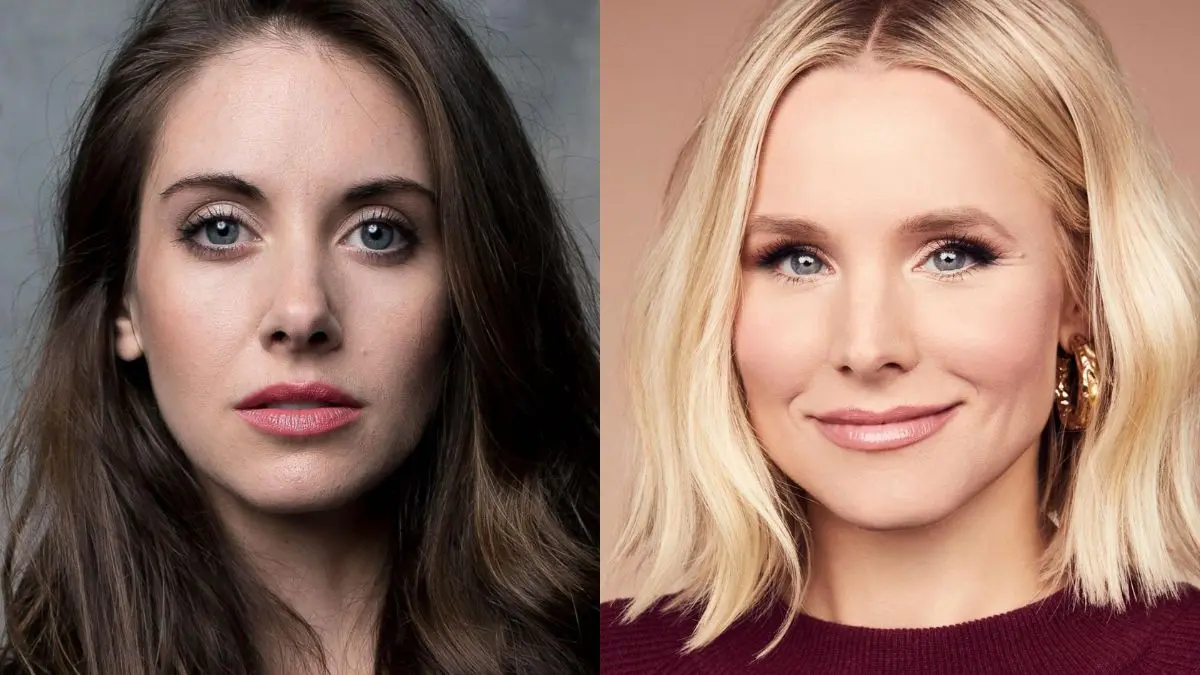


Every now and then an actor looks back at a project and realizes the portrayal caused harm or missed the mark, and they say so out loud. These apologies can cover casting choices, character design, or how a performance affected the groups depicted on screen. The examples below focus on women who directly addressed audiences and communities about roles they actually performed. Each entry notes what they apologized for and the concrete steps or reflections they shared afterward.
Emma Stone
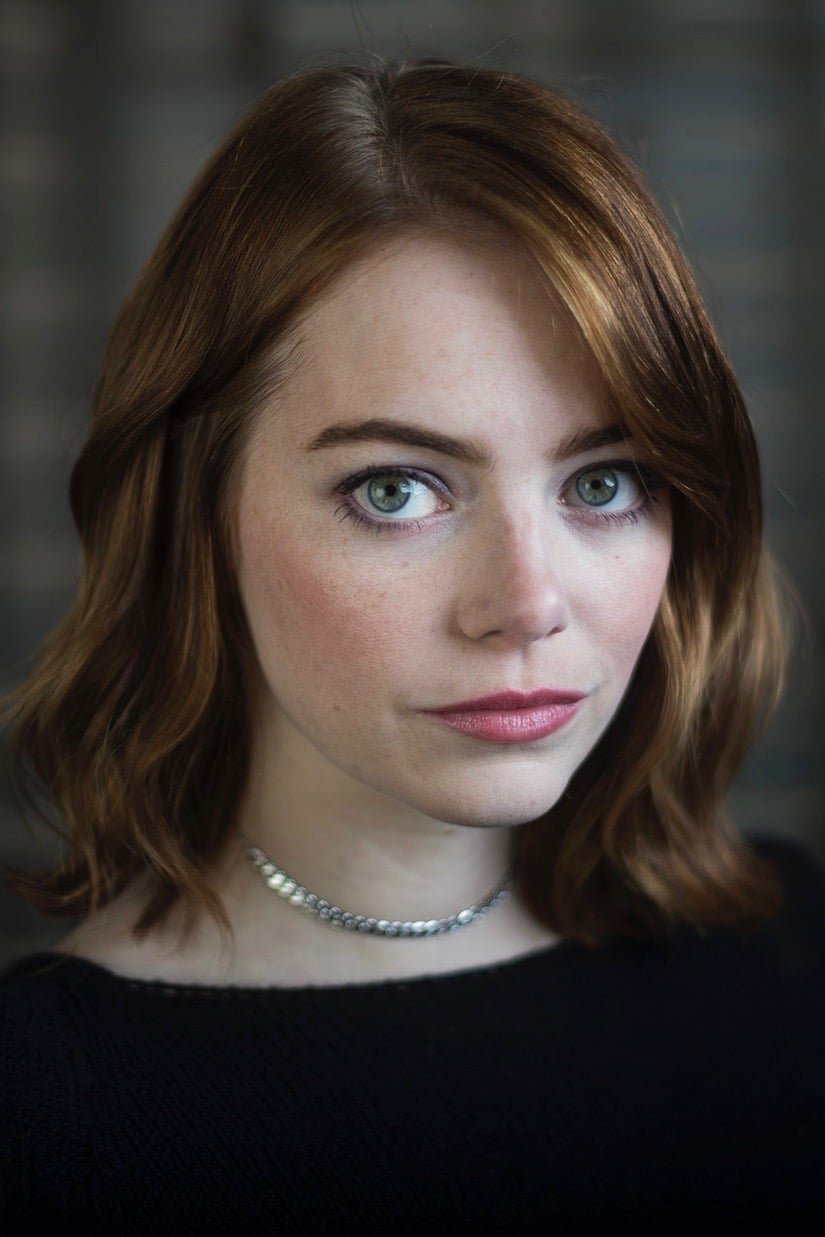
Emma Stone publicly apologized for playing Allison Ng in ‘Aloha’, a character written as part Asian and part Native Hawaiian. She acknowledged the casting as misguided and later offered a direct on-the-spot “I’m sorry” during an awards show moment that referenced the controversy. The apology became a reference point in wider conversations about whitewashing in studio projects. Stone has since spoken about being more attentive to representation concerns when considering roles.
Anne Hathaway
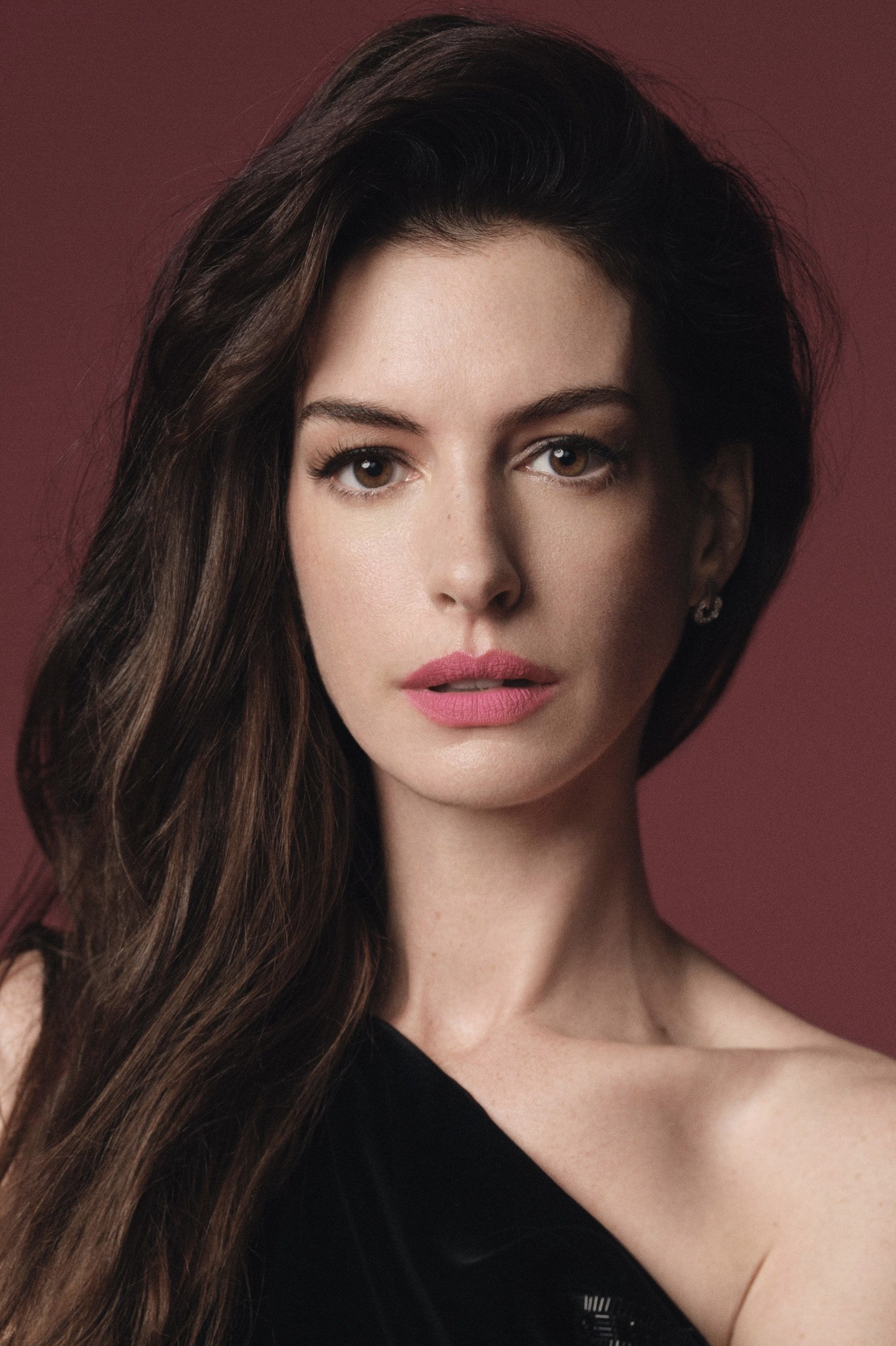
Anne Hathaway apologized to the limb-difference community for how the Grand High Witch’s hands were depicted in ‘The Witches’. She said she did not connect the character design with real limb differences and expressed regret for the negative impact on children and families. Hathaway amplified educational resources and encouraged learning about limb difference representation. The studio also updated marketing materials after the outcry.
Alison Brie
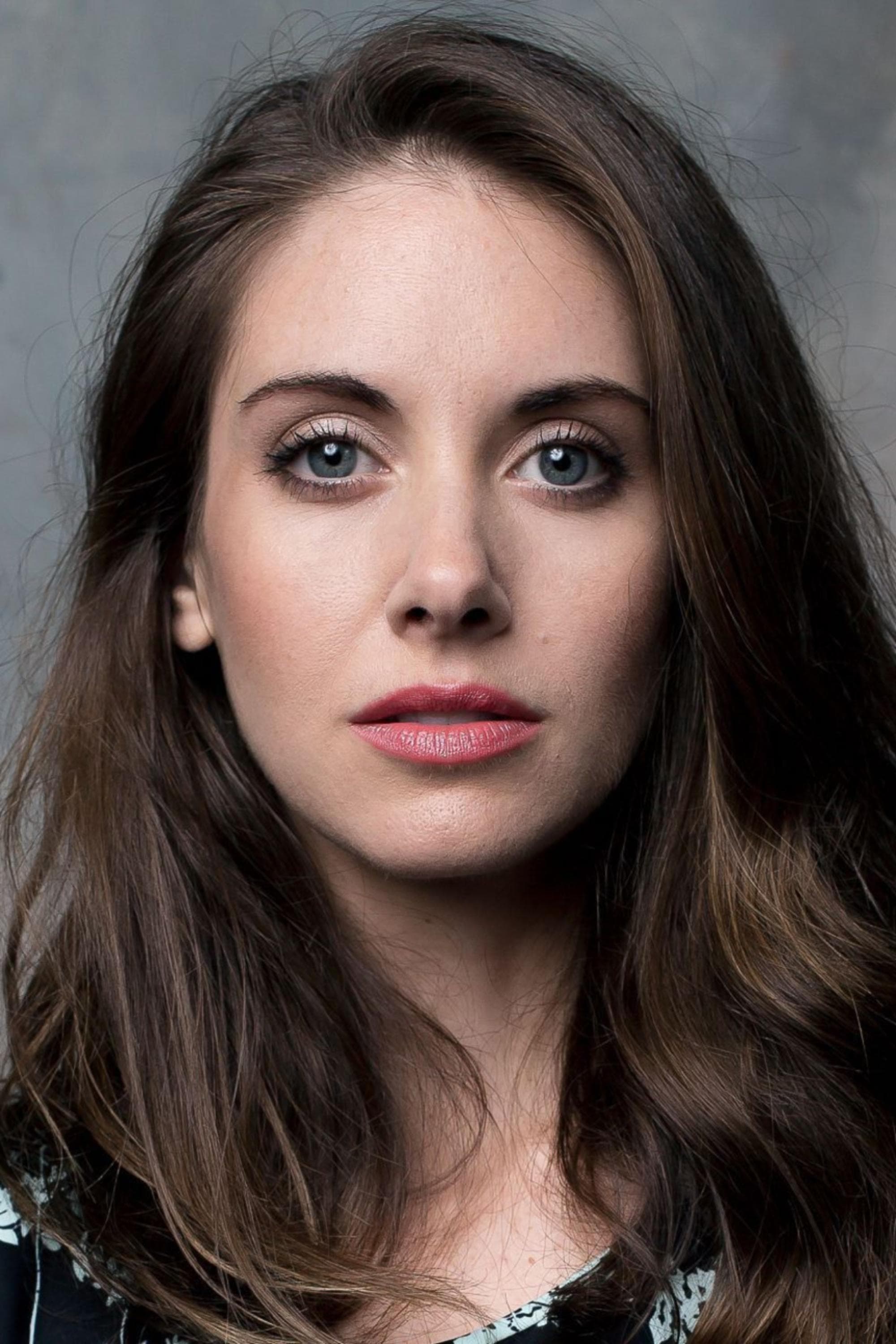
Alison Brie apologized for voicing Diane Nguyen, a Vietnamese American character, in ‘BoJack Horseman’. She acknowledged that the role should have gone to a Vietnamese or Vietnamese American actor. Brie highlighted how the industry can better align voice roles with lived experience. Her statement joined a broader reassessment of animation casting practices.
Jenny Slate
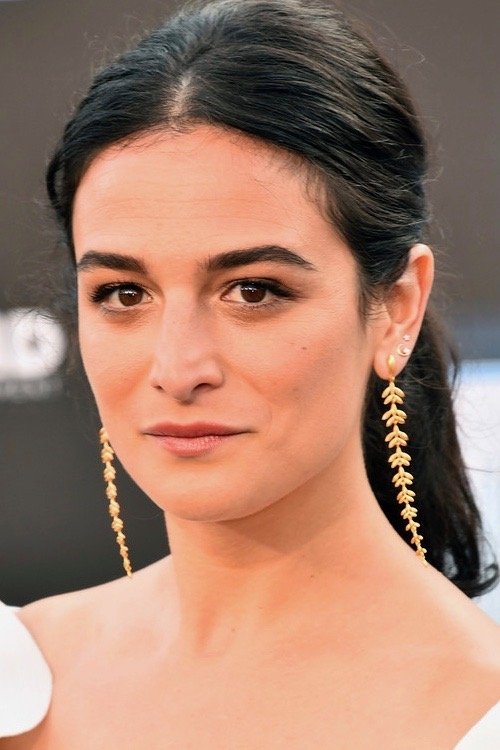
Jenny Slate apologized for voicing Missy, a Black and Jewish character, on ‘Big Mouth’. She said her initial reasoning ignored structural realities and that the role should be played by a Black actor. Slate stepped away so the show could recast the character with more appropriate representation. The production then brought in a new voice to continue Missy’s story.
Kristen Bell
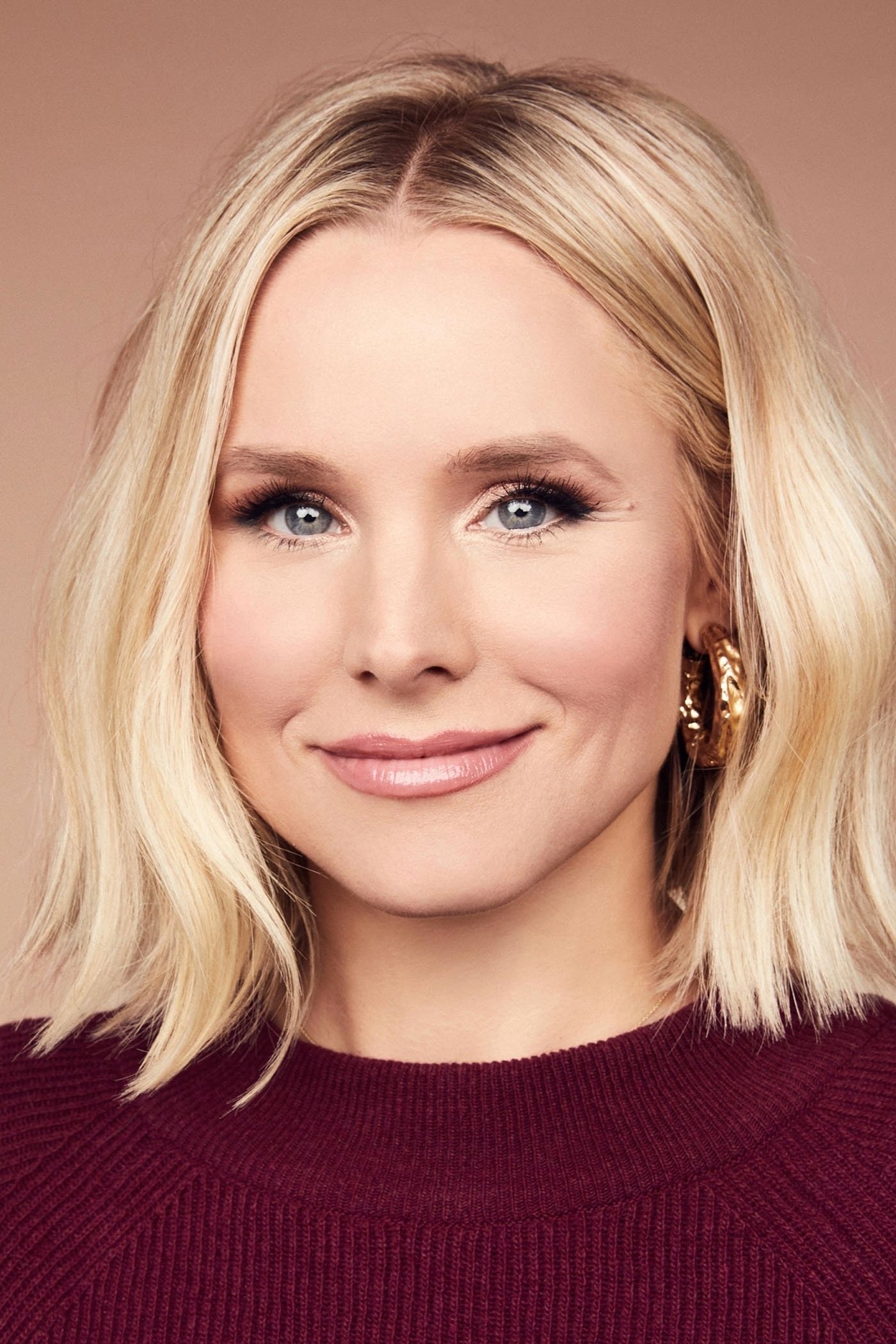
Kristen Bell apologized for voicing Molly, a mixed-race character, on ‘Central Park’. She explained that the part should be performed by a mixed-race actor and announced she would exit the role. Bell emphasized supporting accurate representation behind the mic in animation. The creative team recast the character with a performer whose background aligned with Molly’s.
Sarah Paulson
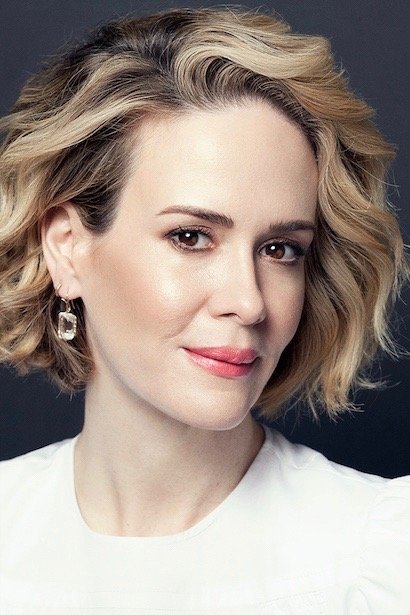
Sarah Paulson apologized for wearing a fat suit in her portrayal of Linda Tripp in ‘Impeachment: American Crime Story’. She stated she would not make the same choice again and recognized concerns from audiences about body representation. Paulson described the experience as a learning moment about how design choices intersect with identity. Her reflection has been used as an example in debates over prosthetics and casting.
Priyanka Chopra Jonas
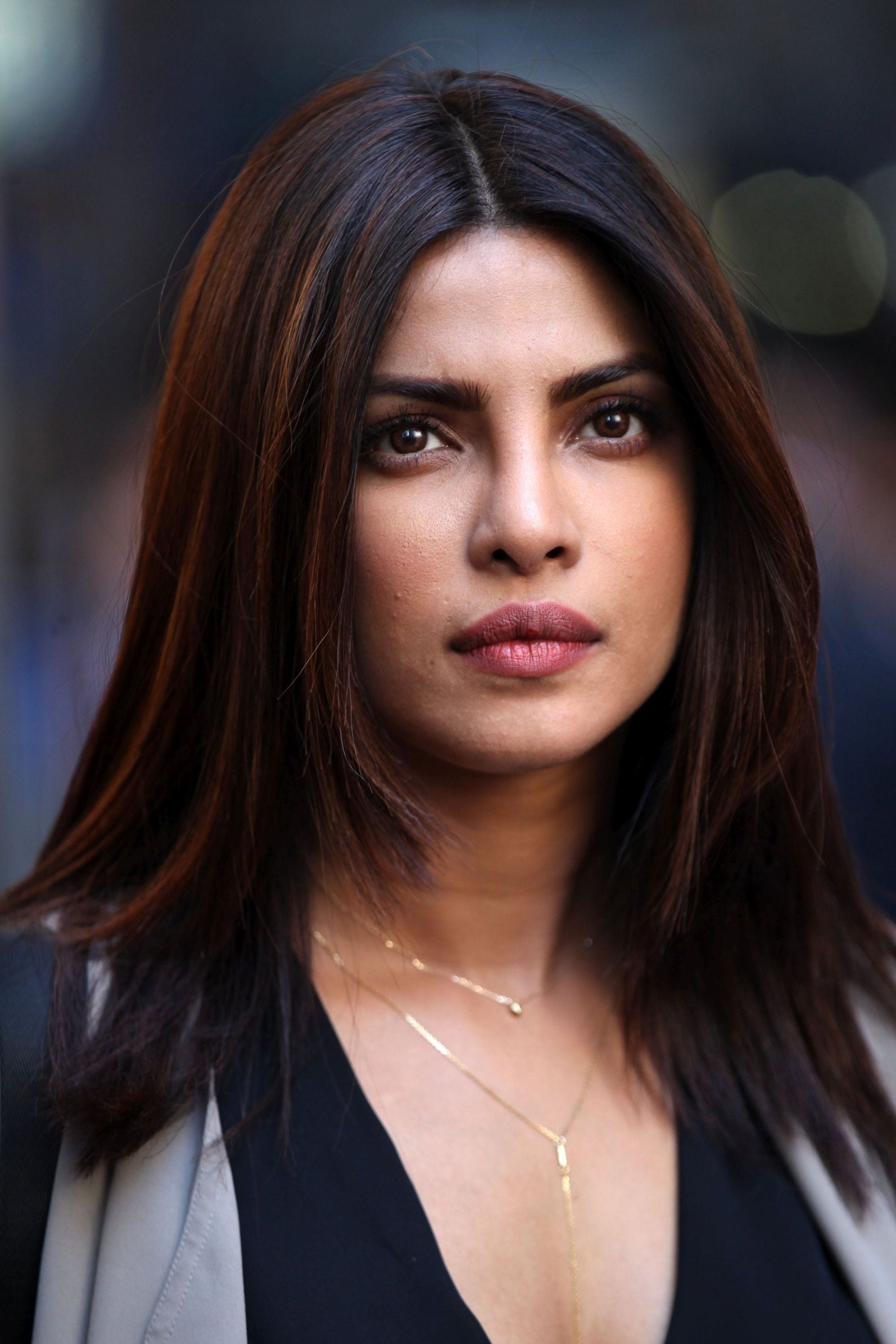
Priyanka Chopra Jonas apologized after an episode of ‘Quantico’ featured a storyline suggesting Indian nationals plotted an attack. She acknowledged the offense caused to Indian viewers and clarified she did not support the narrative’s implications. Chopra Jonas shared that the backlash prompted discussions about cultural sensitivity in procedural plotting. The apology addressed both her role as the show’s star and the impact on audiences outside the United States.
Tina Fey
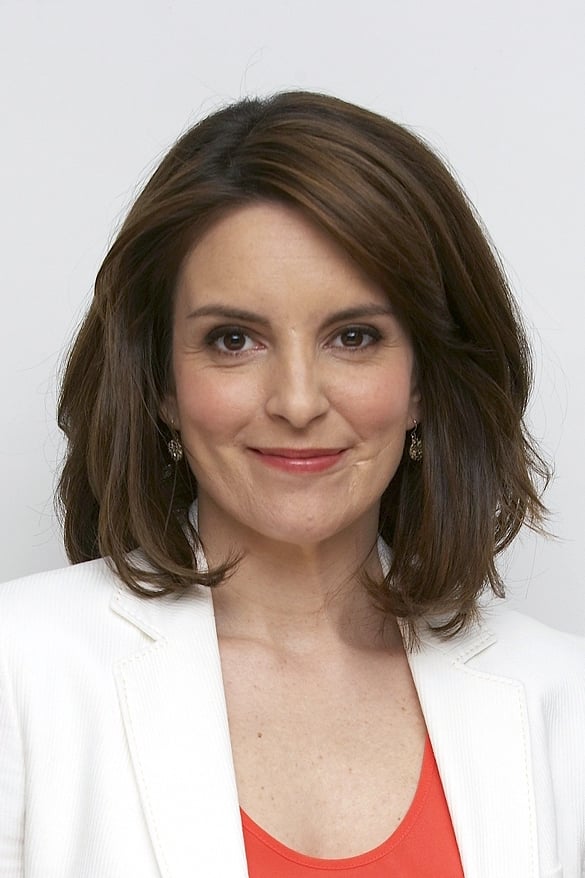
Tina Fey apologized for ’30 Rock’ episodes that included blackface and requested their removal from streaming and syndication. She said the episodes were intended as critique but accepted that intent did not mitigate harm for viewers. The action led platforms to pull the affected episodes and add context to others. Fey’s note urged creators to consider how comedic choices land in practice.
Rooney Mara
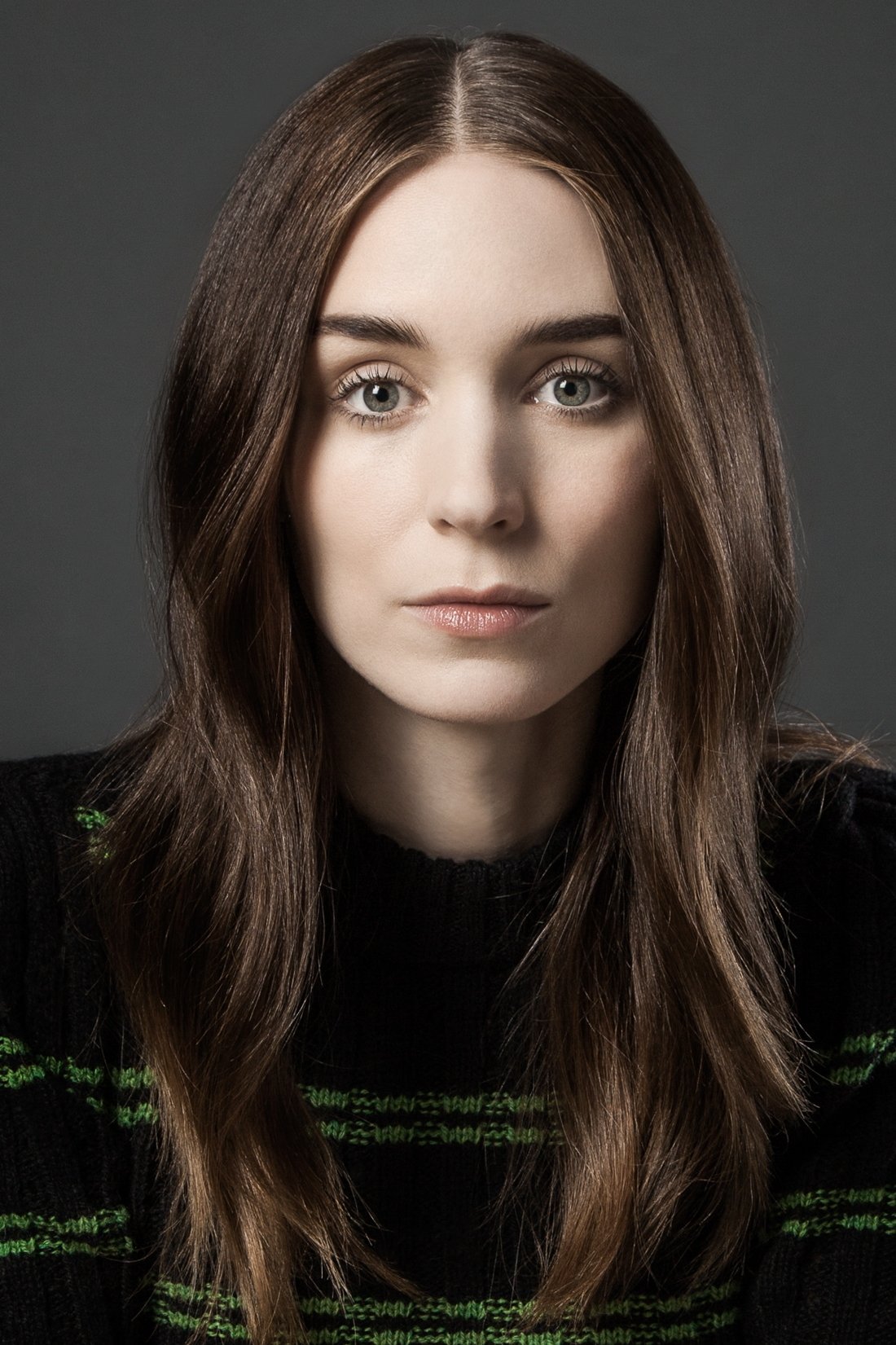
Rooney Mara apologized for playing Tiger Lily, a Native American character, in ‘Pan’. She said she understood the whitewashing criticism and expressed regret for participating in a casting choice that excluded Indigenous actresses. Mara later supported conversations about expanding opportunities for underrepresented performers. The apology became part of casting case studies involving Indigenous roles.
Lena Dunham
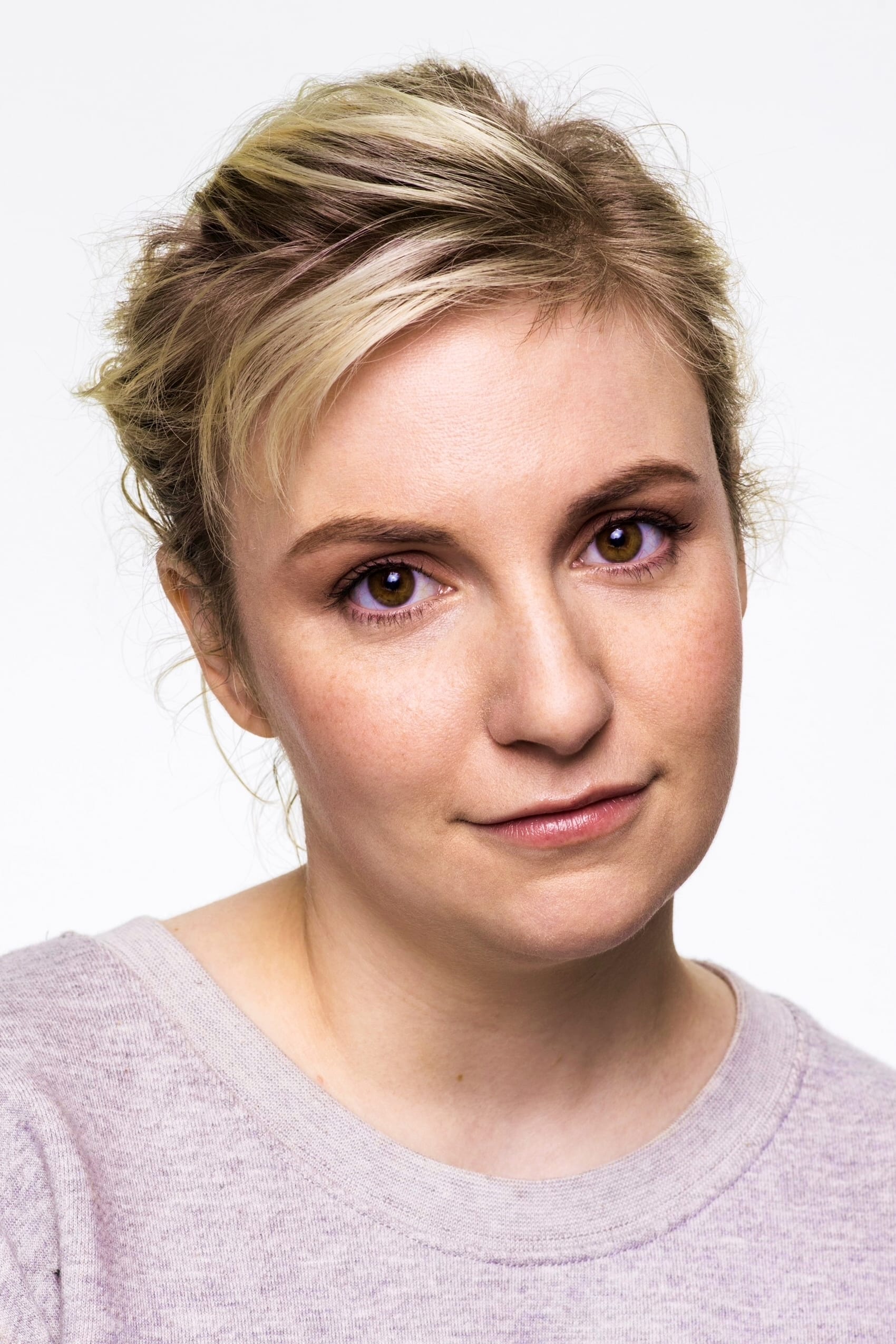
Lena Dunham apologized for the lack of racial diversity and certain portrayals in ‘Girls’, a series she also starred in. She acknowledged that the show’s early seasons did not reflect the city’s full spectrum of experiences. Dunham described steps she tried to take in later seasons to address representation issues. Her comments are frequently referenced in discussions about authorship, casting, and accountability in television.
Share your thoughts below about which apologies felt meaningful and what changes you want to see in future casting and portrayals.

