


Actresses Who Were Target of Racism

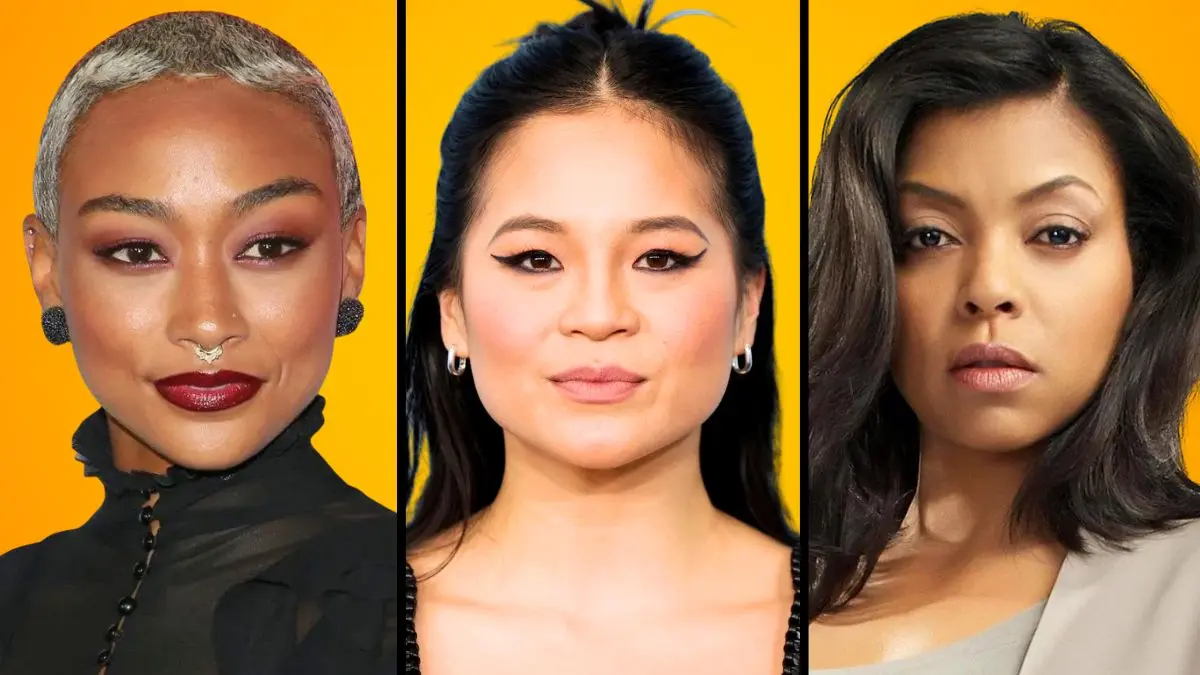


The entertainment industry has a long history of performers facing prejudice and systemic barriers based on their ethnic backgrounds. Many talented actresses have spoken out about the discrimination they encountered while pursuing roles or interacting with audiences online. These experiences range from derogatory comments on social media to being overlooked for major awards despite critical acclaim. Understanding these challenges highlights the ongoing struggle for equity and inclusion in Hollywood. This list examines several prominent actresses who have publicly shared their experiences with racism throughout their careers.
Halle Bailey
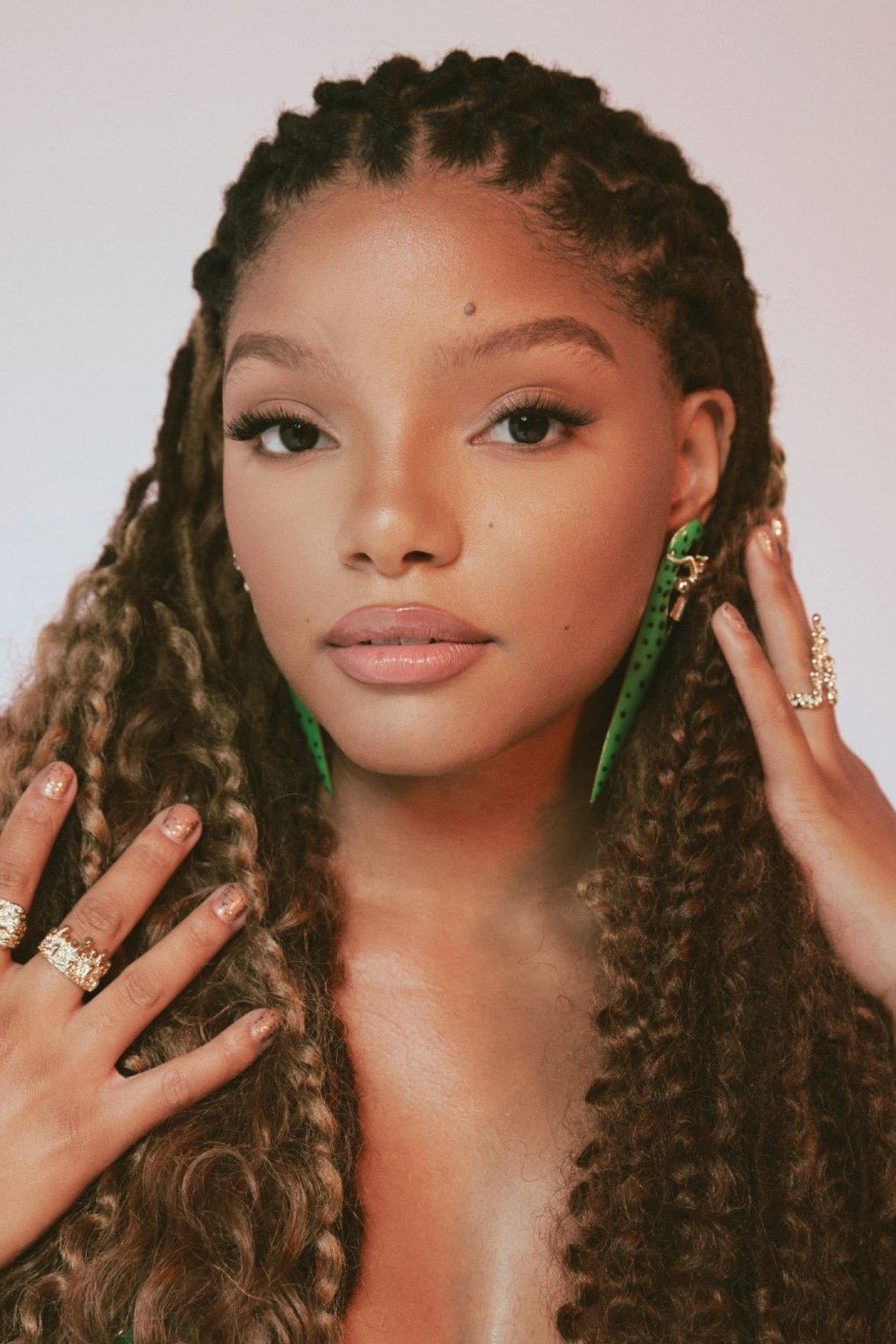
Halle Bailey experienced a significant wave of online harassment after being cast as Ariel in the live action film ‘The Little Mermaid’. The backlash focused heavily on her race and led to the use of derogatory hashtags across various social media platforms. She responded to the negativity by emphasizing how much the role meant to young children of color who rarely see themselves as princesses. The actress remained resilient and focused on her performance despite the widespread digital vitriol. Her experience ignited a global conversation about the necessity of diverse representation in classic stories.
Kelly Marie Tran
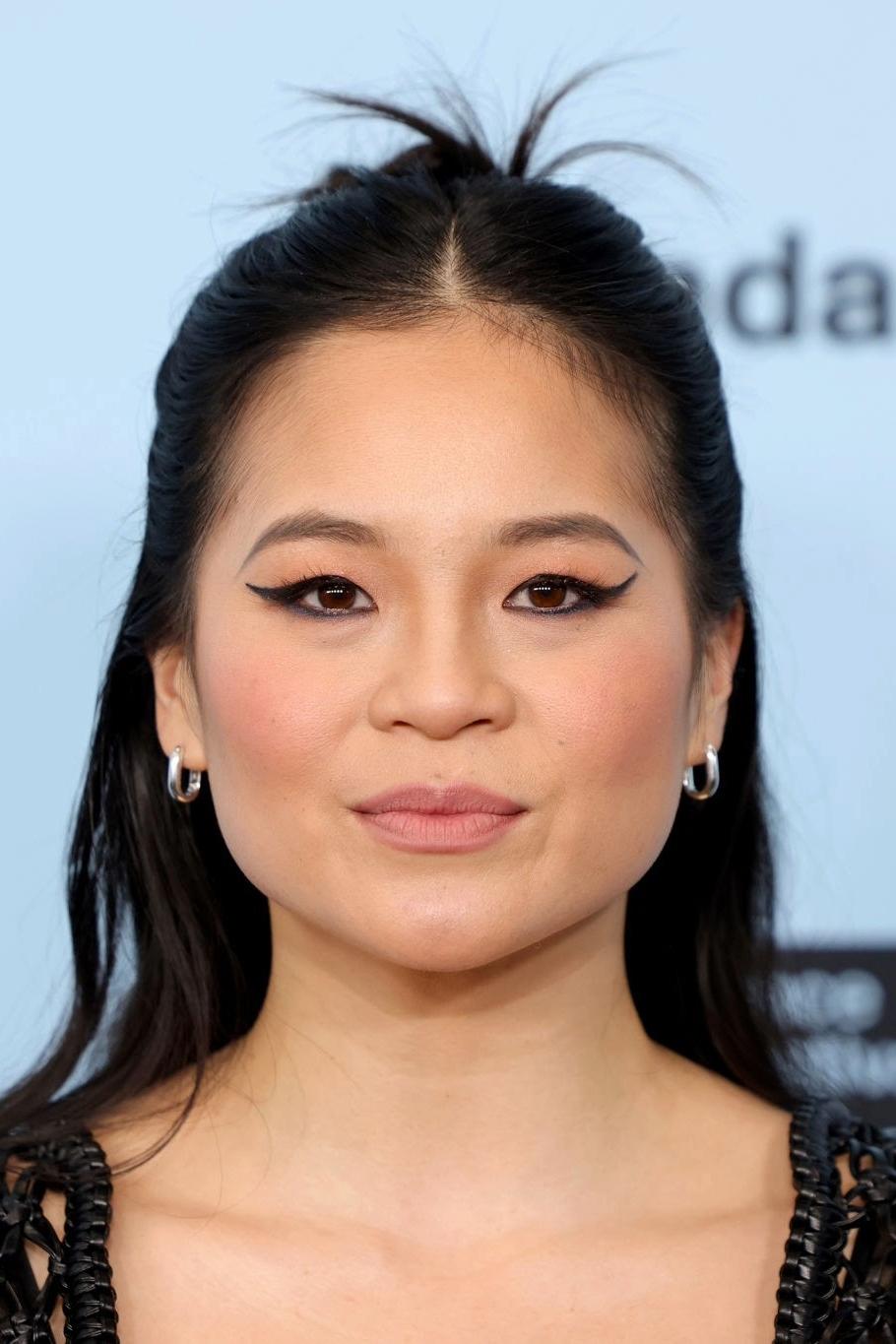
Kelly Marie Tran deleted her social media accounts following a relentless campaign of racist and sexist harassment from fans of ‘Star Wars: The Last Jedi’. The actress faced targeted attacks that mocked her heritage and her physical appearance after her debut in the franchise. She later wrote an essay explaining that the abuse reinforced harmful stereotypes she had spent her life trying to escape. Her departure from social media highlighted the toxic nature of certain fandoms and the specific targeting of women of color. She eventually returned to the spotlight to continue advocating for authentic storytelling and mental health.
Leslie Jones
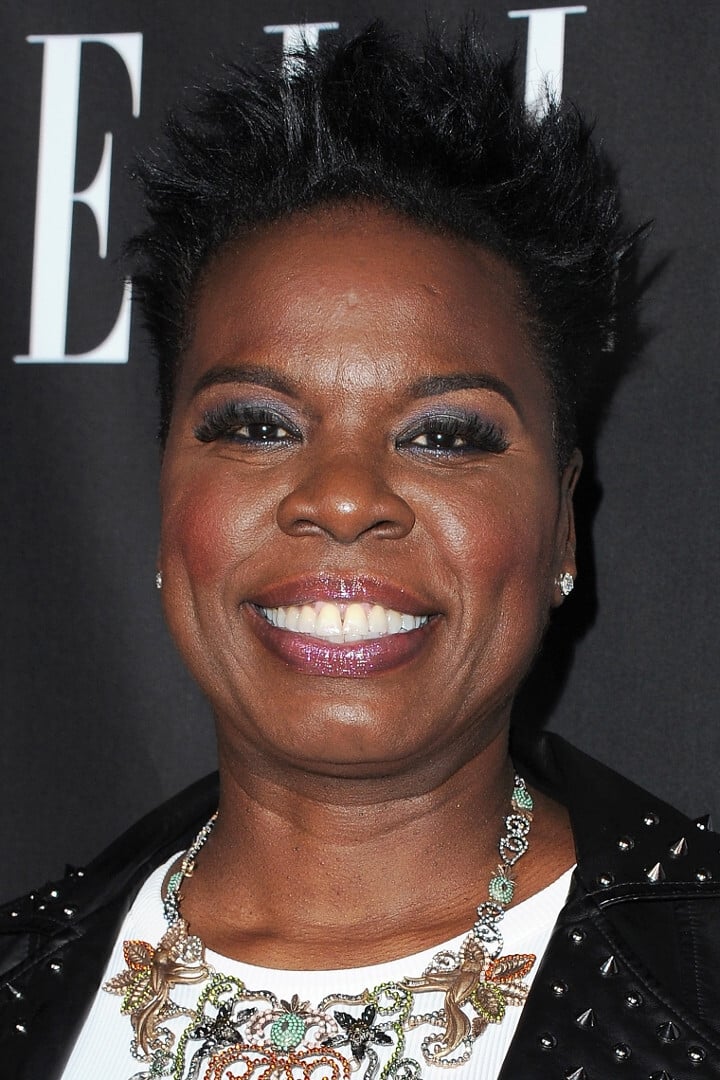
Leslie Jones became the target of a massive coordinated hate campaign following the release of the 2016 film ‘Ghostbusters’. The actress was bombarded with racist imagery and offensive comparisons that led to her temporarily leaving a major social media site. She publicly called on platform administrators to take stronger action against hate speech and harassment. The incident showcased the extreme levels of hostility that Black women often face when participating in high profile projects. Jones used her platform to bring attention to the lack of protection for public figures experiencing digital abuse.
Zendaya

Zendaya faced criticism and racist remarks when it was announced she would play Mary Jane Watson in ‘Spider-Man: Homecoming’. Some fans expressed outrage over a Black woman portraying a character traditionally depicted as white in comic books. The actress addressed the situation by stating that her goal was to bring her own talent to the role regardless of previous iterations. She has since become a vocal advocate for diversity and has often spoken about the colorism that exists within the industry. Her career continues to thrive as she uses her influence to open doors for others.
Viola Davis
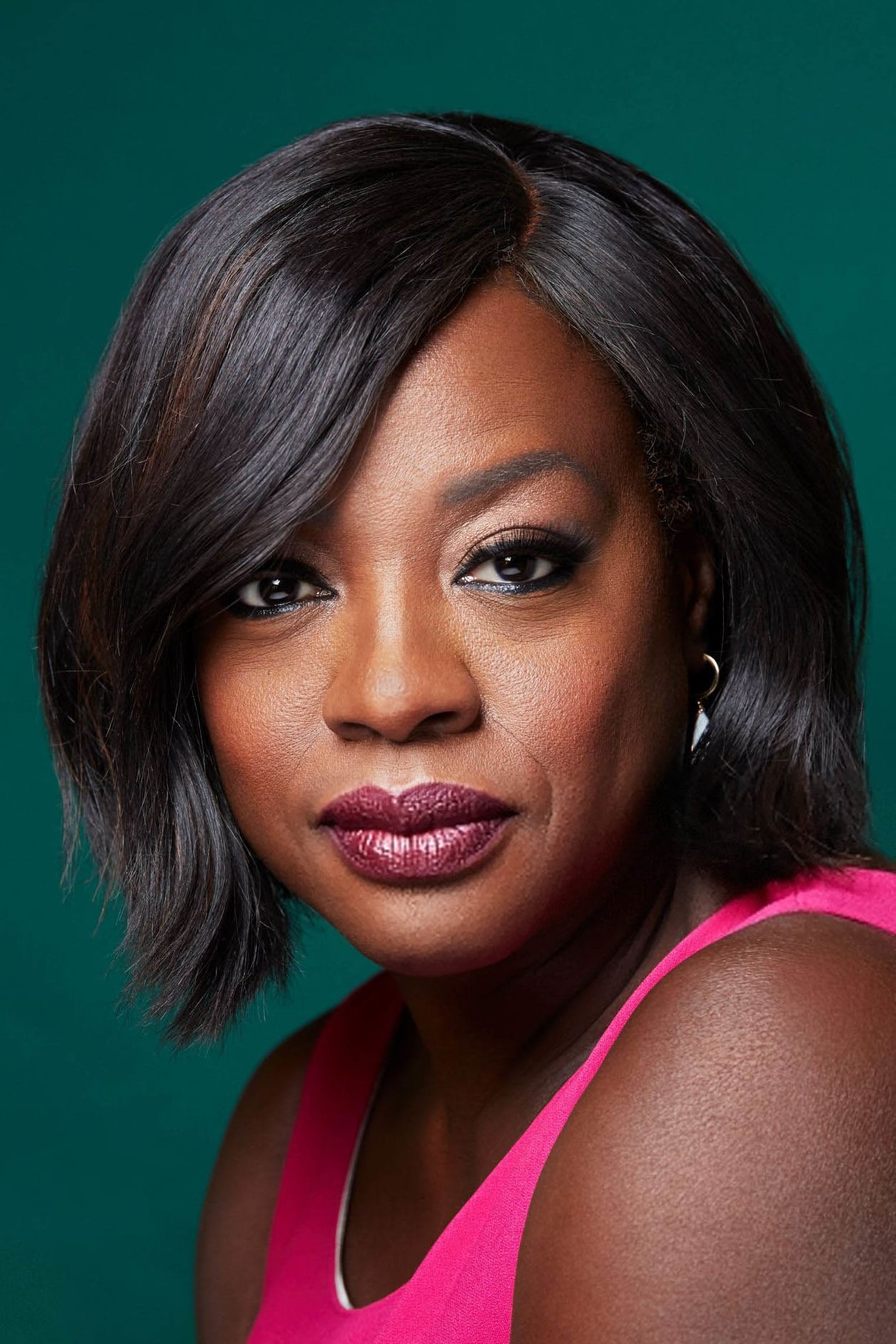
Viola Davis has frequently discussed the systemic racism and pay inequity she has encountered as a dark skinned Black woman in Hollywood. Despite winning numerous prestigious awards she has noted that her compensation often does not match that of her white counterparts. She has described being told that she was not classically beautiful enough for certain lead roles early in her career. The actress continues to push for better opportunities for performers of color through her production company. Her transparency regarding these issues has made her a leading voice for structural change in the arts.
Taraji P. Henson
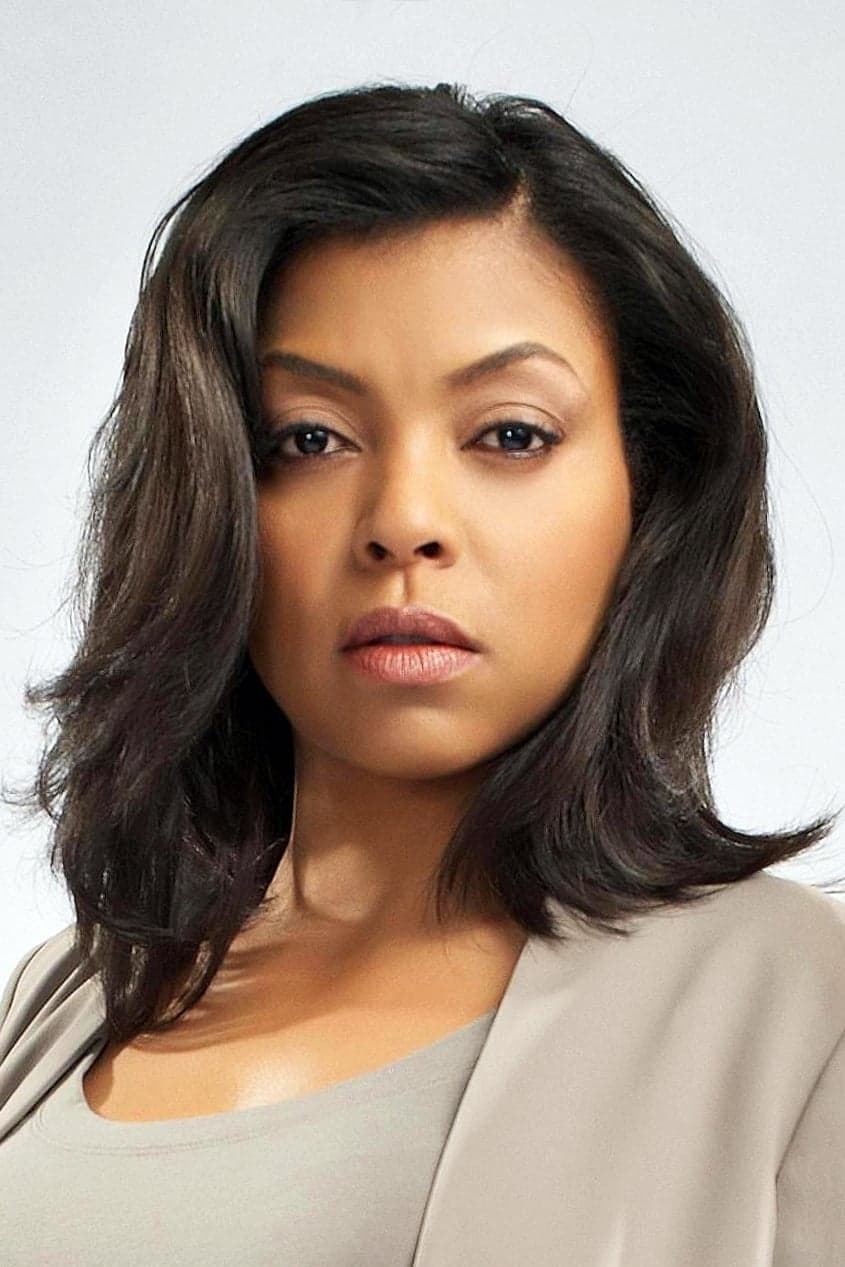
Taraji P. Henson revealed during an interview that she was paid significantly less than her co stars for her Oscar nominated role in ‘The Curious Case of Benjamin Button’. She explained that she had to pay for her own travel and accommodations while working on the production. The actress has been open about the frustration of having to constantly prove her worth despite a long and successful career. She recently spoke about the exhaustion of fighting for fair wages and the emotional toll of systemic discrimination. Her advocacy has shed light on the financial disparities that persist for Black actresses.
Lupita Nyong’o
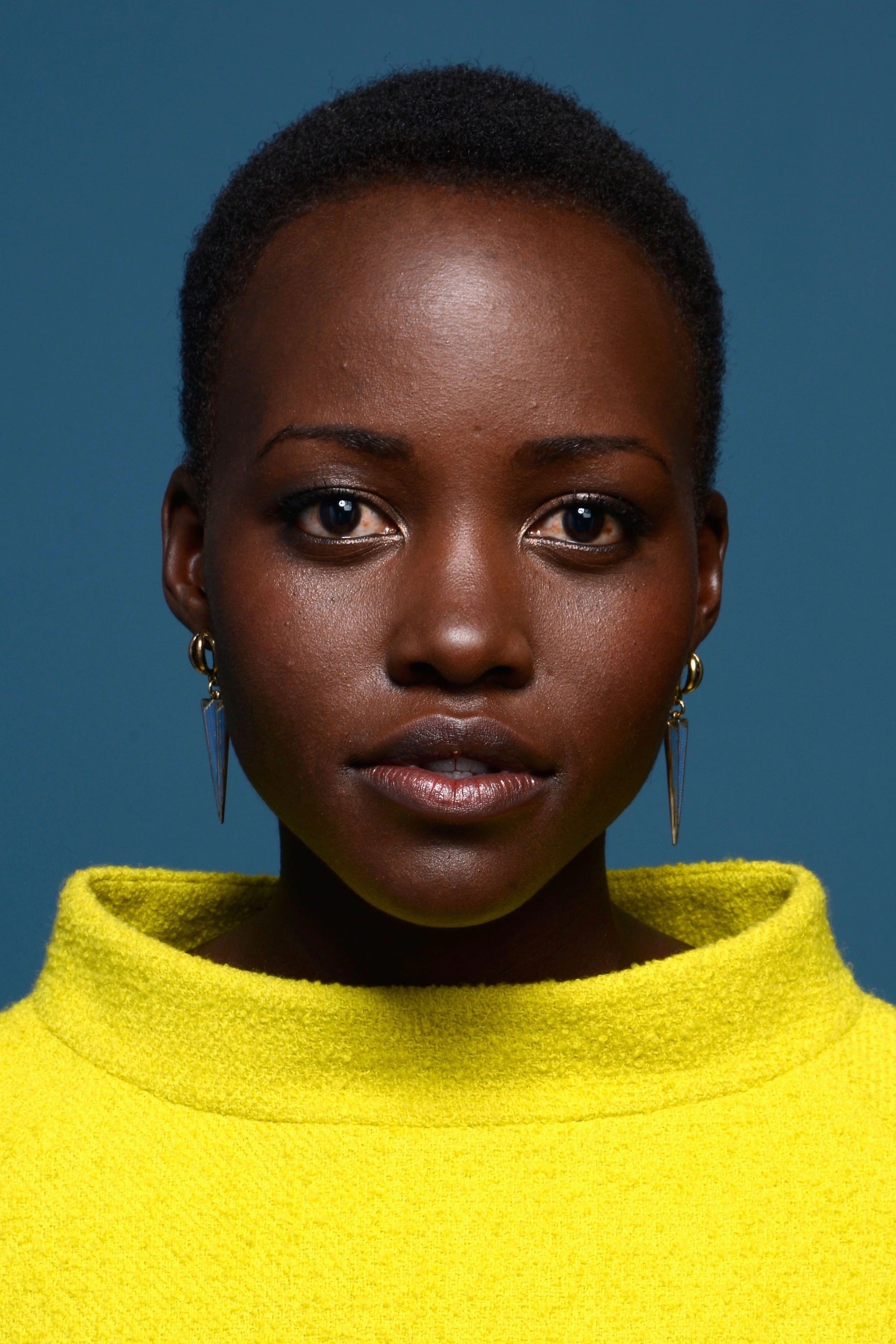
Lupita Nyong’o has spoken about the prejudice she faced regarding her dark skin and the pressure to conform to Eurocentric beauty standards. She once shared a story about a magazine editing out her natural hair on a cover which she condemned as a rejection of her heritage. The actress has written a children’s book to encourage young girls to embrace their natural features and skin tone. She continues to use her platform to challenge the narrow definitions of beauty often promoted by the media. Her presence in major films like ‘Black Panther’ has been cited as a significant step for representation.
Anna Diop
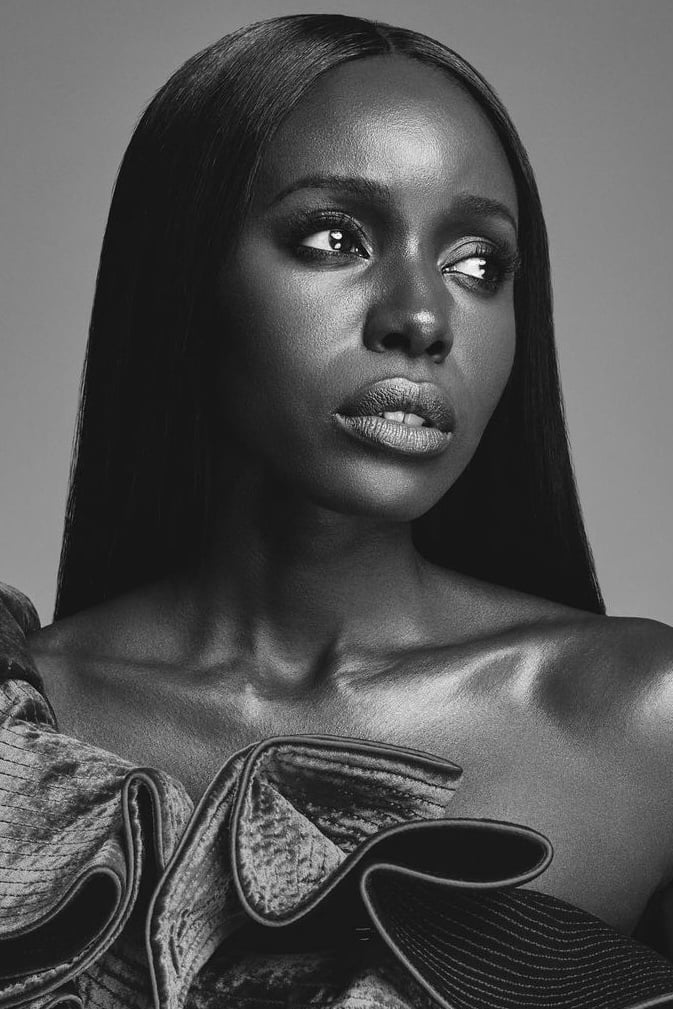
Anna Diop faced a barrage of racist comments when she was cast as Starfire in the television series ‘Titans’. Many fans of the original comic books reacted negatively to her casting because of her race and the appearance of the character. The actress eventually disabled her social media comments to protect her mental health from the influx of hate. She received support from her colleagues who condemned the behavior of the attackers. Diop has since continued to portray the character with a focus on delivering a strong and authentic performance.
Candice Patton
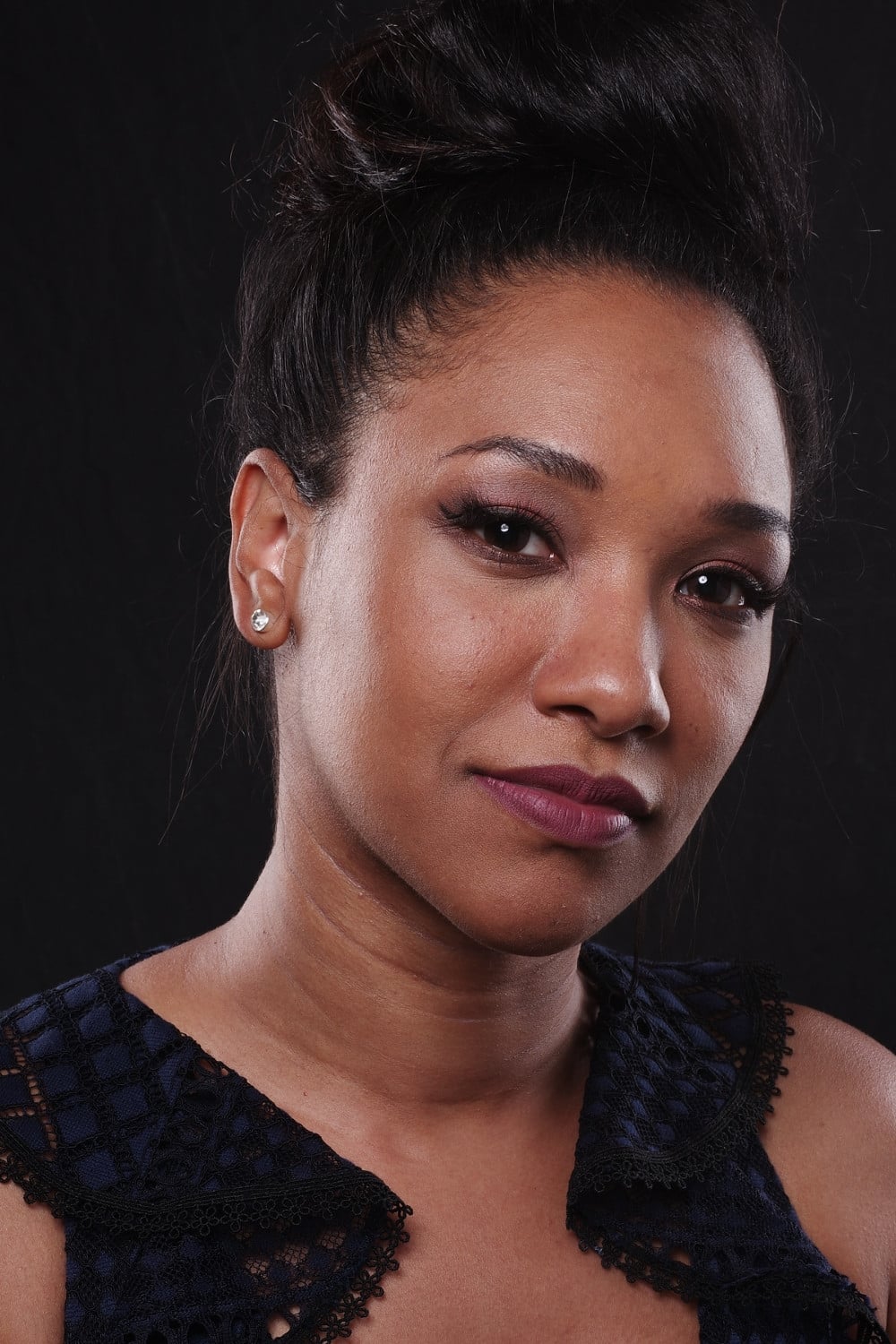
Candice Patton has been open about the racial harassment she endured for years while starring in the series ‘The Flash’. As the first Black woman to play Iris West she faced constant backlash from fans who preferred the character to be white. She mentioned that the studio and network initially lacked the resources to protect her from the online abuse. The actress has worked to ensure that other actors of color entering the superhero genre have better support systems. Her experience reflects the unique challenges faced by pioneers in traditionally white roles.
Rachel Zegler
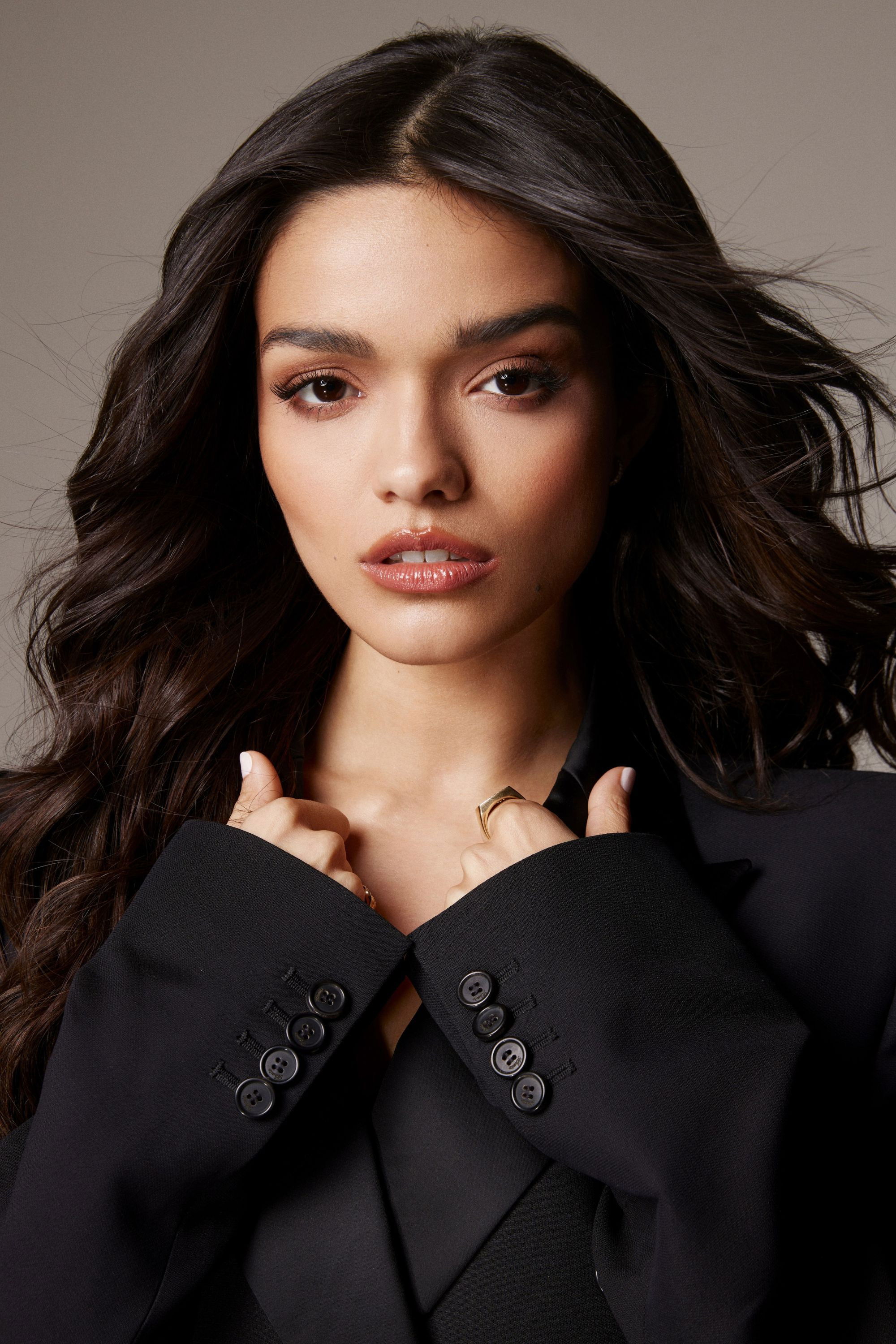
Rachel Zegler was met with racist criticism after being cast as the lead in the live action remake of ‘Snow White’. Critics argued that her Latina heritage was inconsistent with the character’s traditional description. She addressed the controversy by stating that she would not focus on the negativity and instead prioritize her performance. The actress has faced similar scrutiny for her role in ‘West Side Story’ despite her acclaimed portrayal. She continues to advocate for a more inclusive approach to casting in Hollywood classics.
Cynthia Erivo
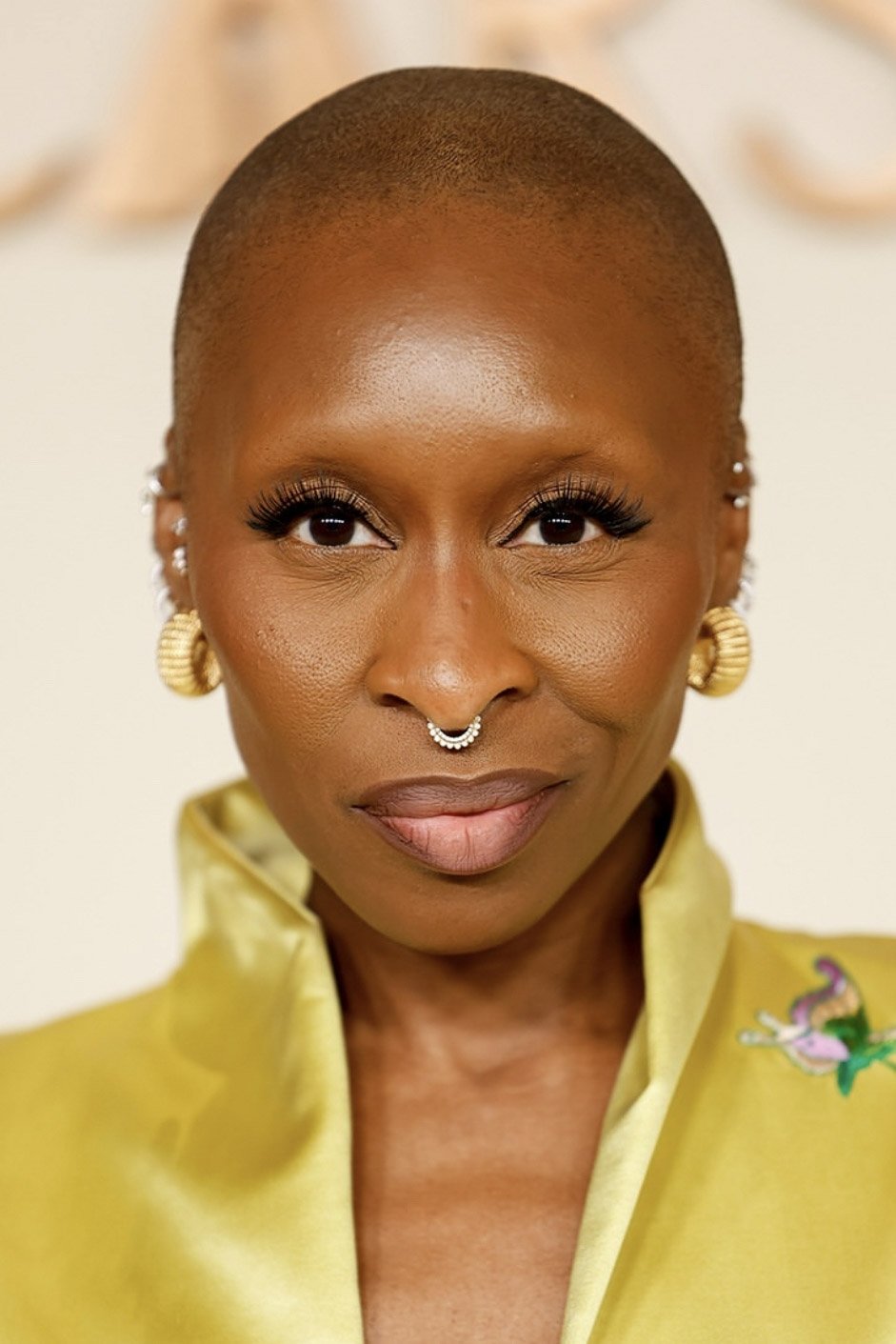
Cynthia Erivo has spoken about the criticism she received for portraying American icons like Harriet Tubman in the film ‘Harriet’. Some critics argued that as a British woman of Nigerian descent she should not have been cast in the role. She has also addressed the broader issues of racism in the industry and the lack of recognition for Black artists. The actress has used these experiences to highlight the nuances of the Black diaspora and the importance of talent. She remains a prominent figure in musical theater and film while advocating for diversity.
America Ferrera
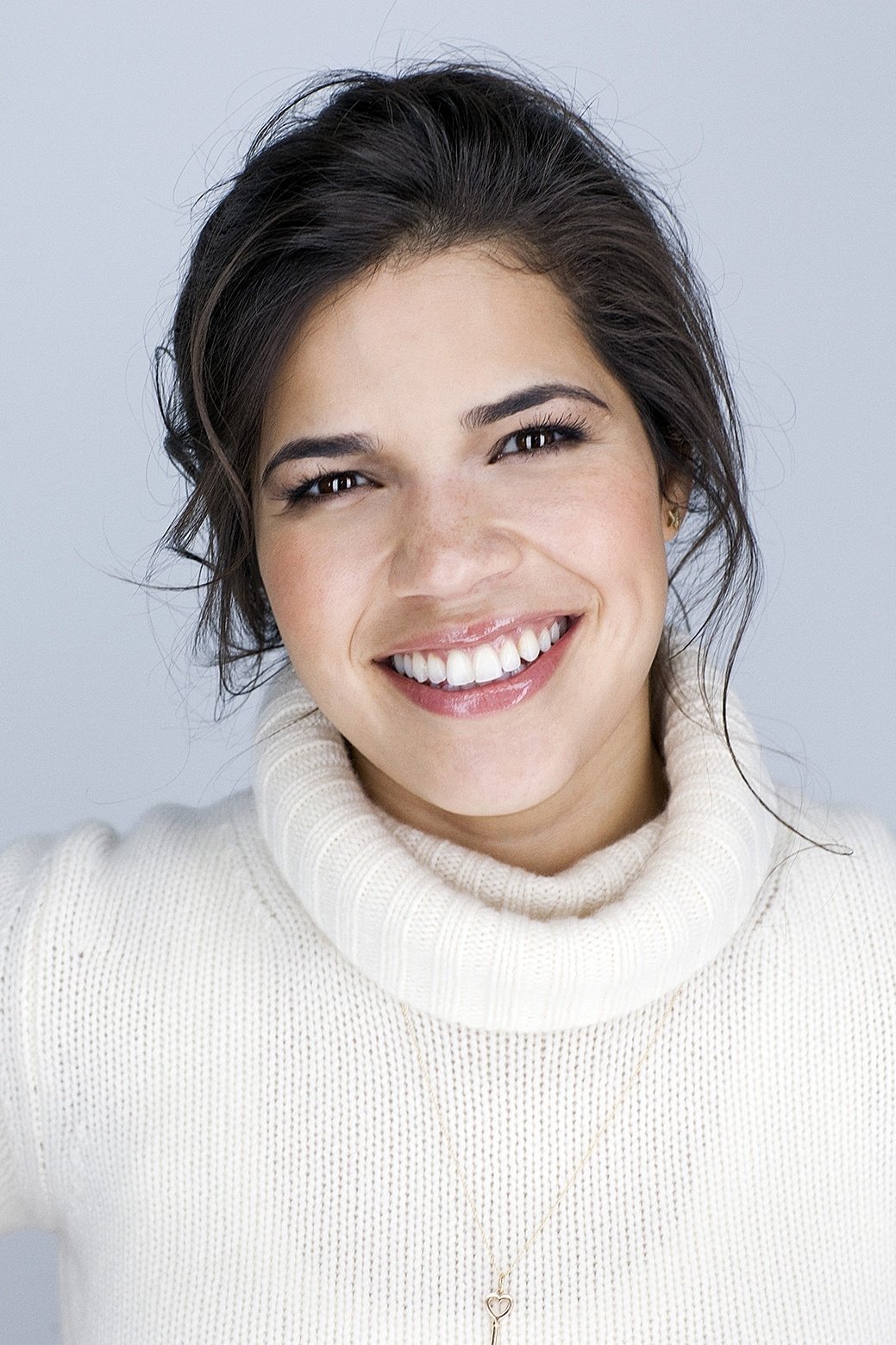
America Ferrera has detailed the early years of her career when she was told to speak with a more pronounced accent to fit stereotypes. She described being asked to color her skin darker for roles to appear more authentically Latina. The actress has become a leader in the movement for better representation of the Hispanic community in film and television. She co founded organizations that aim to empower marginalized voices and increase their visibility in the media. Her work in ‘Ugly Betty’ was a landmark moment for breaking traditional television tropes.
Salma Hayek Pinault
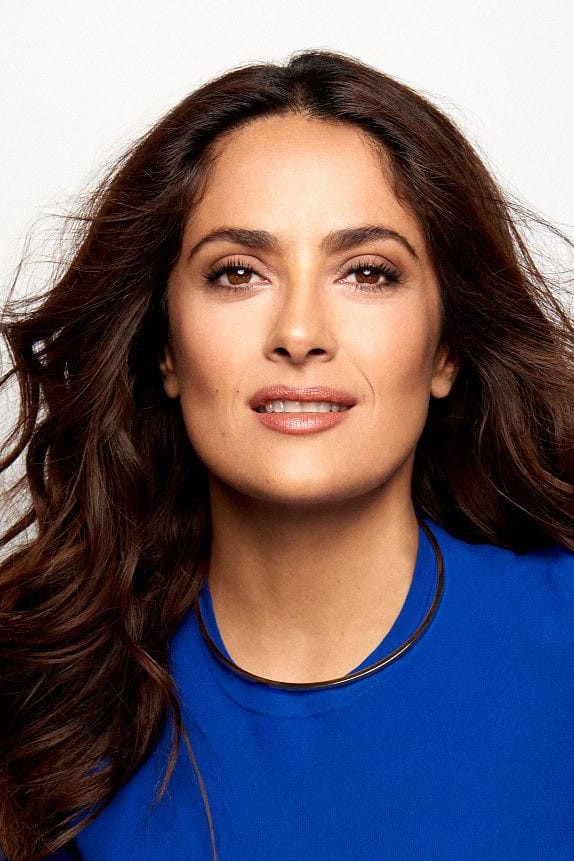
Salma Hayek has frequently recounted the discrimination she faced when she first arrived in Hollywood from Mexico. Producers told her that her accent would limit her to playing maids or other minor roles. She struggled for years to find substantial parts that did not rely on her ethnicity as a punchline or a plot point. The actress eventually produced and starred in ‘Frida’ to prove she could lead a major biographical drama. She remains one of the most successful international actresses while continuing to speak against systemic bias.
Rita Moreno
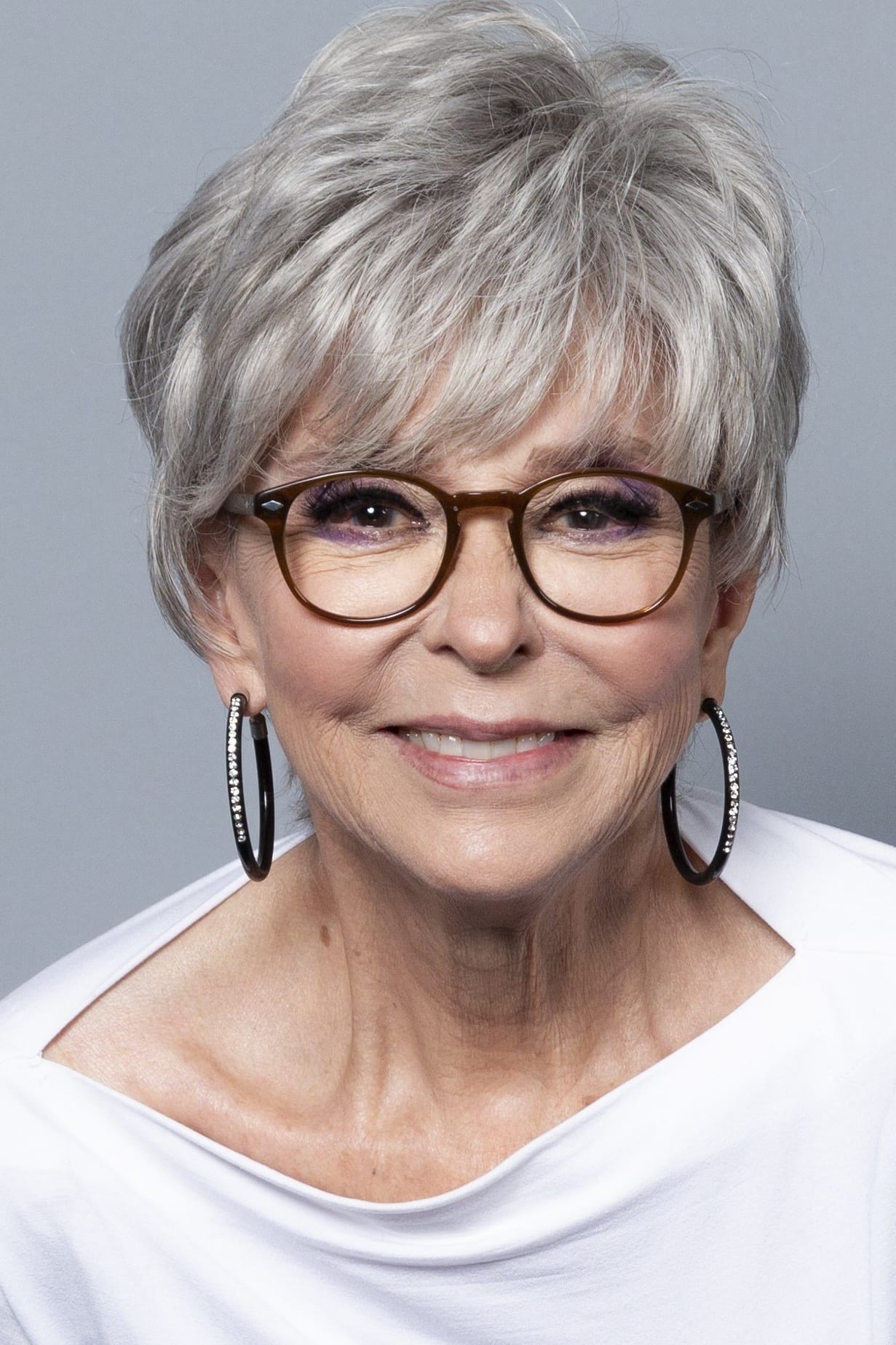
Rita Moreno experienced intense racism during the early decades of her career while working in the studio system. She was often forced to wear dark makeup to play characters of various ethnicities including Native American and Asian roles. The actress described being treated as a second class citizen on film sets despite her immense talent. She made history as the first Latina to win an Academy Award for her role in ‘West Side Story’. Throughout her life she has remained a fierce advocate for the rights of Hispanic performers.
Hattie McDaniel
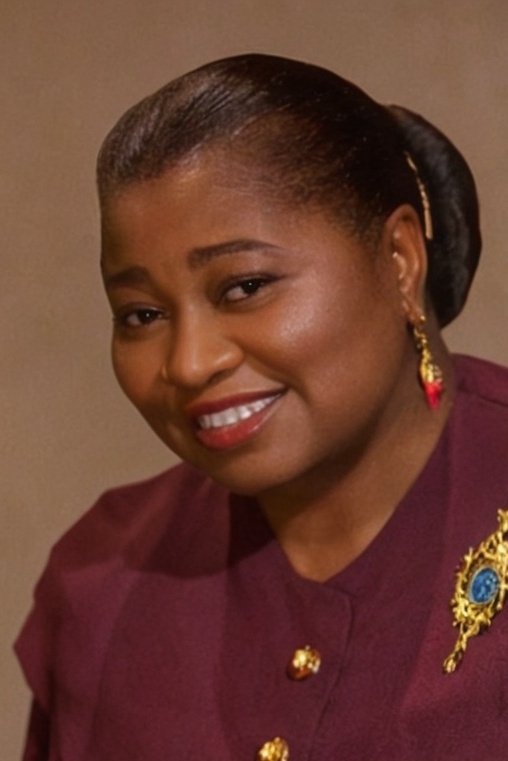
Hattie McDaniel was the first African American to win an Academy Award but she was forced to sit at a segregated table during the ceremony. Throughout her career she was largely restricted to playing domestic servants due to the racist casting practices of the era. She faced criticism from both the white establishment and members of her own community for the roles she accepted. The actress famously responded that she would rather play a maid than be one. Her legacy is defined by her talent and the immense barriers she had to break in a segregated industry.
Dorothy Dandridge
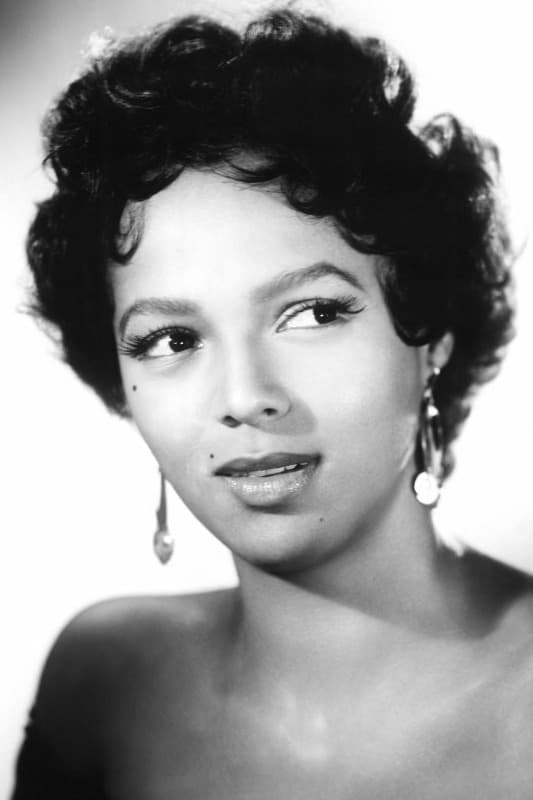
Dorothy Dandridge was the first Black woman to be nominated for the Academy Award for Best Actress for her performance in ‘Carmen Jones’. Despite her success she faced constant discrimination and was often prohibited from using the same facilities as her white co stars. The industry struggled to find roles for her that were not based on racial stereotypes or hypersexualization. She found it difficult to maintain her career momentum in an environment that lacked opportunities for Black leading ladies. Her life story remains a poignant example of the limitations placed on talented women of color during the Golden Age of Hollywood.
Lena Horne
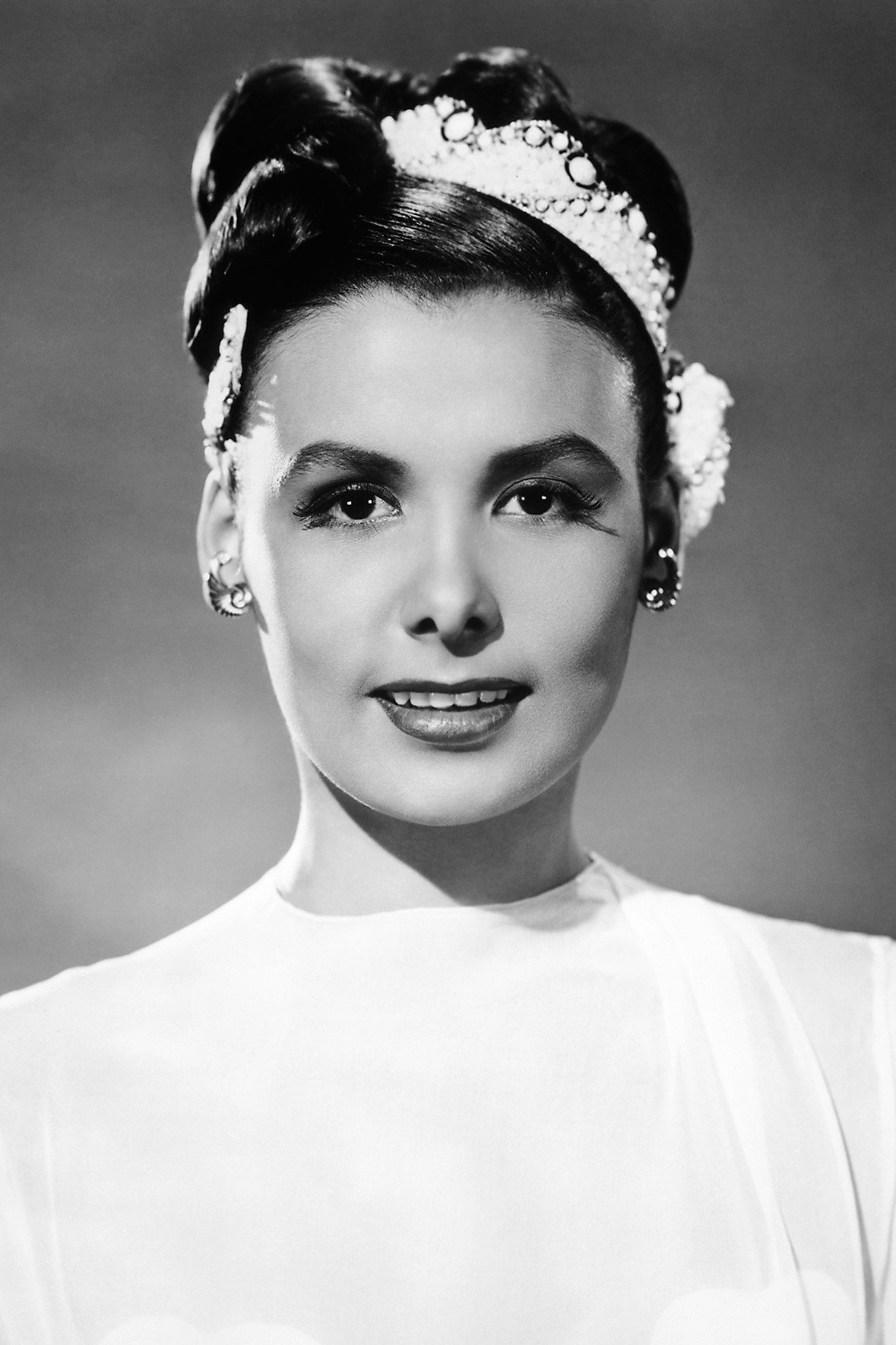
Lena Horne was a groundbreaking actress and singer who refused to play roles that were demeaning to Black women. She was often filmed in standalone musical segments so that her scenes could be easily edited out for screenings in the segregated South. The actress was blacklisted during the Red Scare which further hindered her career in film. She was a dedicated civil rights activist who used her fame to fight for social justice. Her refusal to compromise her dignity paved the way for future generations of Black performers.
Eartha Kitt
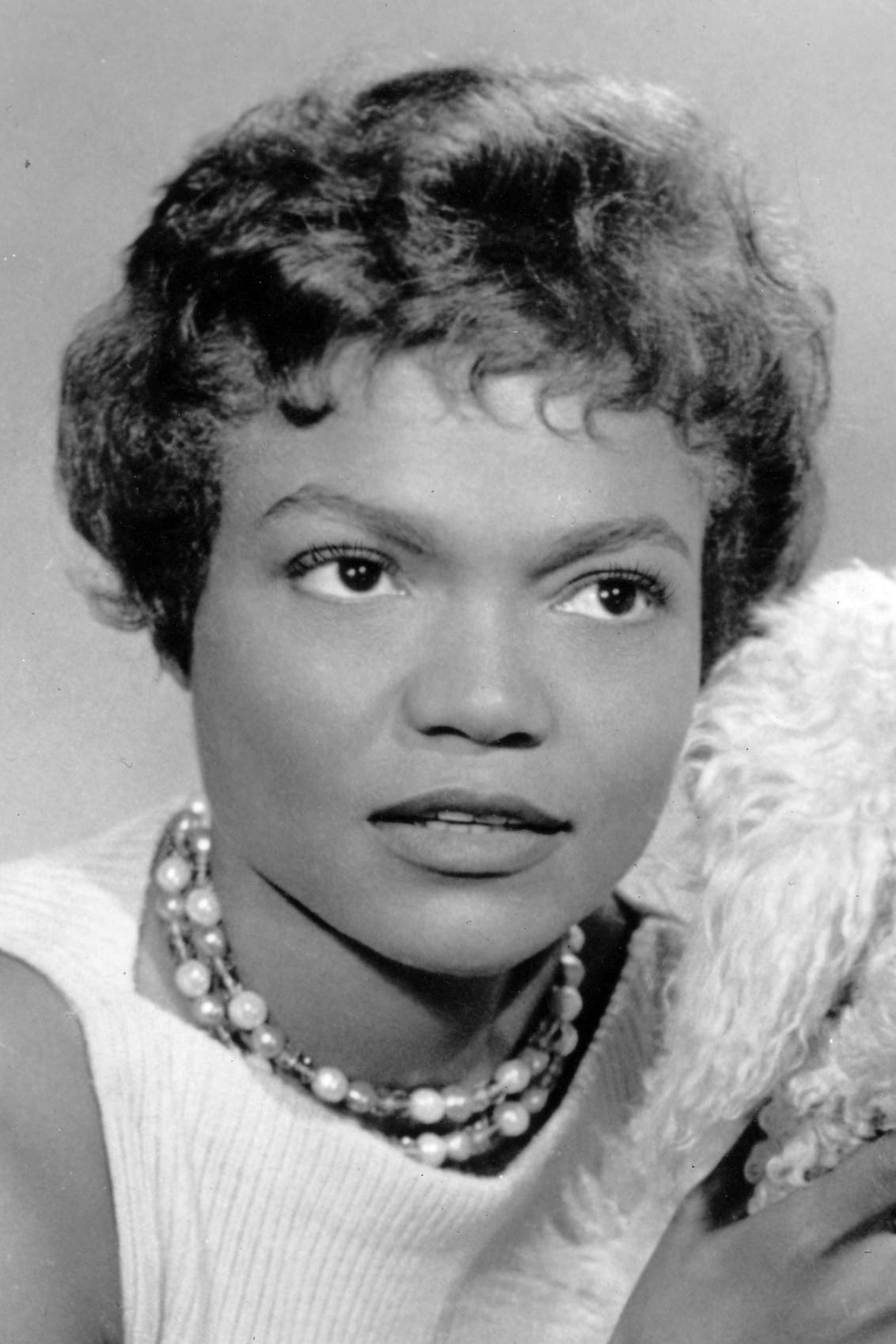
Eartha Kitt faced significant backlash and was effectively blacklisted from the United States after making anti war comments at the White House. Prior to this she had experienced the typical racial barriers of the era while working in film and television. She was often cast in exoticized roles that played on her unique appearance and voice. The actress spent several years working abroad before she was able to rebuild her career in America. Her resilience and outspoken nature made her a target for the political and social establishment.
Cicely Tyson

Cicely Tyson was known for her steadfast refusal to accept roles that portrayed Black women in a negative or stereotypical light. This commitment meant that she often went long periods without work during her career. She sought out projects that highlighted the strength and humanity of Black characters such as ‘The Autobiography of Miss Jane Pittman’. The actress was a pioneer who insisted on the highest standards of representation for her community. Her legendary career earned her numerous awards and the respect of the entire industry.
Kerry Washington
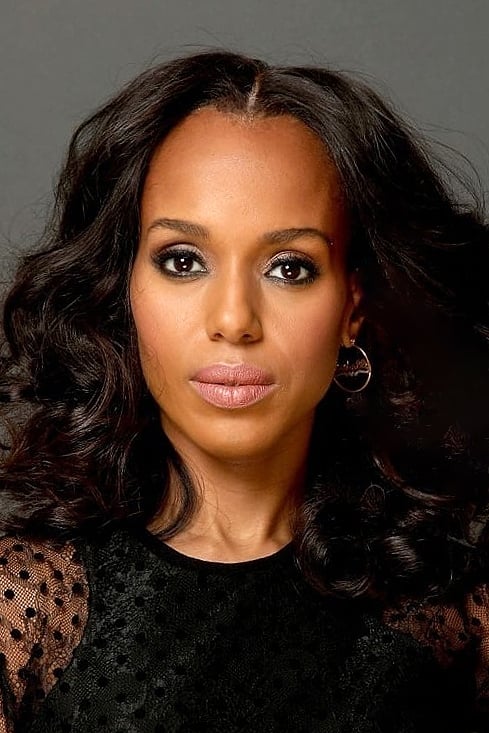
Kerry Washington has discussed the subtle and overt racism she encountered early in her career when being told she was not urban enough. She has spoken about the pressure to represent an entire race when she became the first Black woman to lead a network drama in decades with ‘Scandal’. The actress has been a vocal supporter of the movement for social justice and has used her production company to tell diverse stories. She emphasizes the importance of having people of color in positions of power behind the camera. Her success has helped change the landscape of television casting.
Gabrielle Union
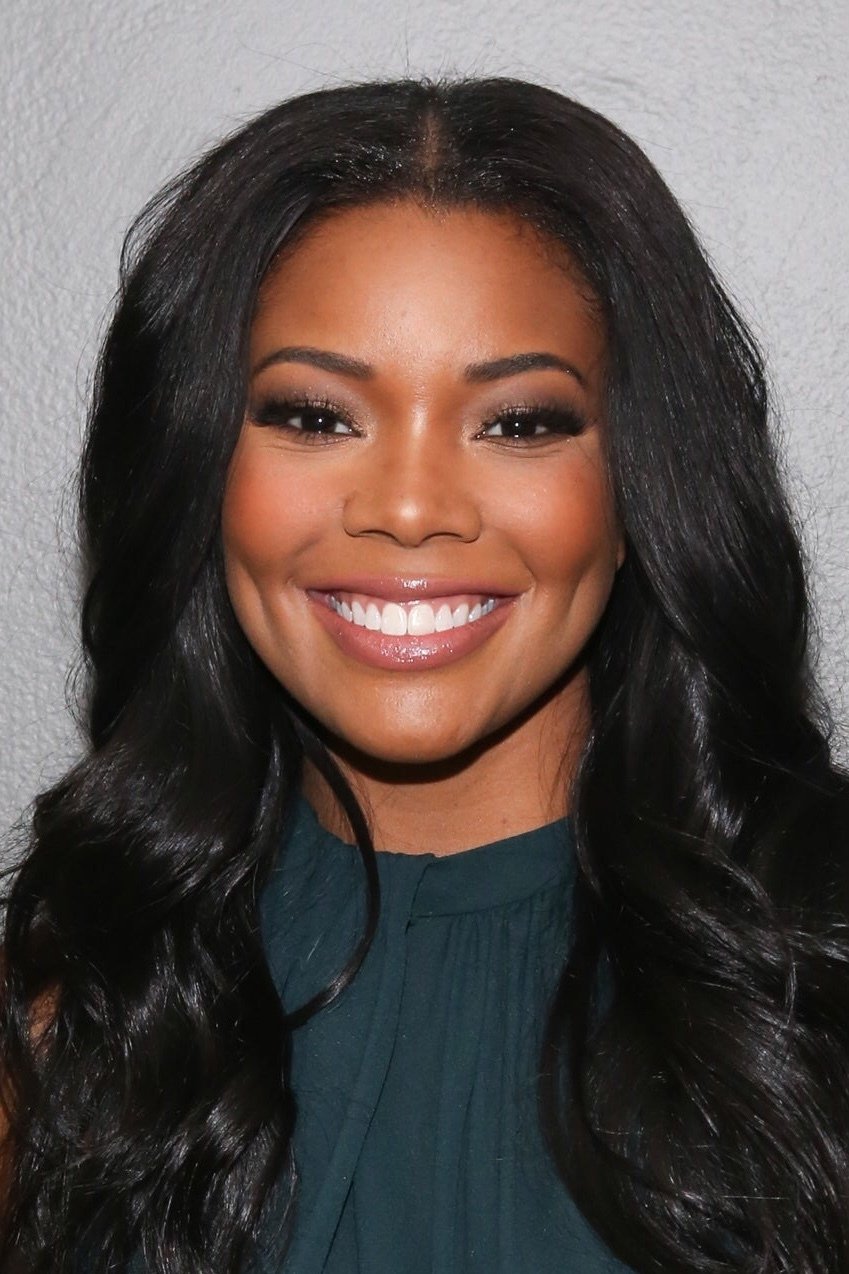
Gabrielle Union has been candid about her experiences with racism on the sets of various productions throughout her career. She spoke out specifically about the toxic work environment she encountered while serving as a judge on ‘America’s Got Talent’. The actress filed a complaint alleging that she was subjected to racist comments and discrimination during her time on the show. She has since become an advocate for workplace equity and the protection of whistleblowers. Her transparency has encouraged other performers to speak out against unfair treatment.
Tracee Ellis Ross
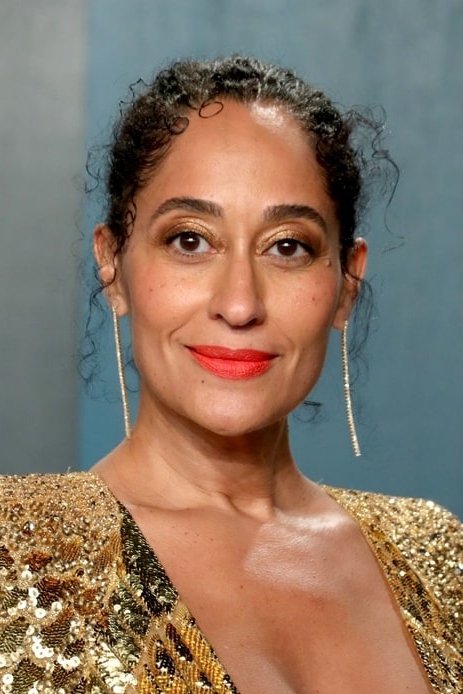
Tracee Ellis Ross has shared her experiences navigating Hollywood as a biracial woman and the expectations placed upon her. She has noted that the industry often tries to categorize performers into narrow boxes that do not account for their full identities. The actress has used her role in ‘Black-ish’ to explore complex themes of race and cultural identity. She frequently advocates for more inclusive beauty standards and the celebration of natural hair. Her career is a testament to the power of authentic and joyful representation.
Regina King
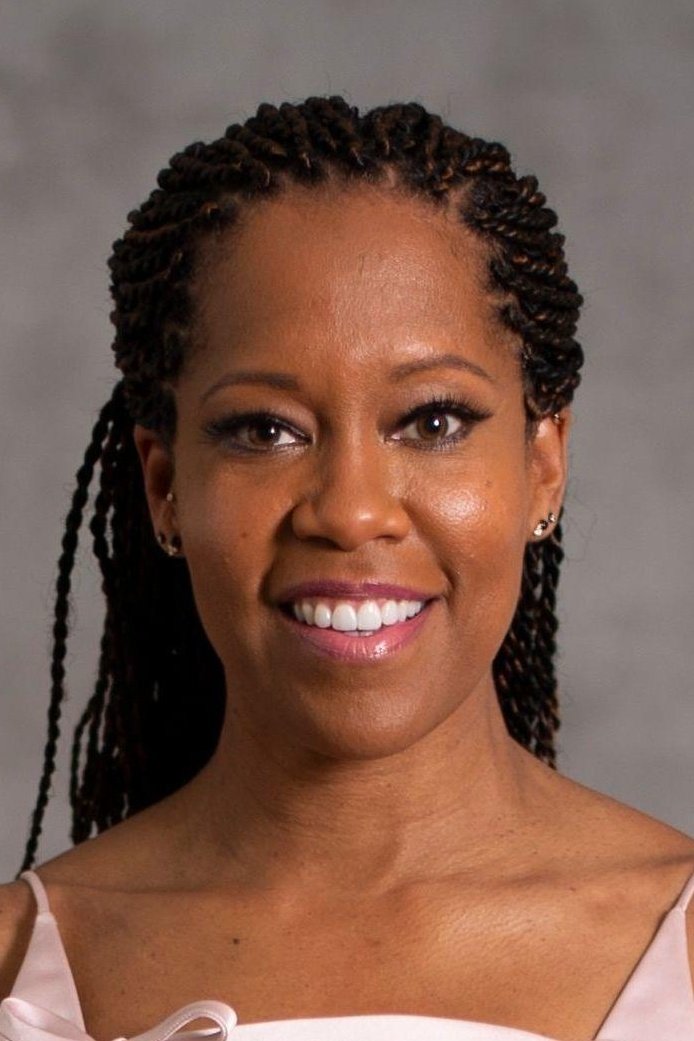
Regina King has spoken about the challenges of being a Black actress in an industry that often overlooks veteran talent of color. She has mentioned the difficulties of transitioning into directing and producing while facing systemic bias. The actress has consistently chosen projects that center the Black experience and challenge social norms. Her work in ‘Watchmen’ and ‘If Beale Street Could Talk’ has garnered critical acclaim and major awards. She continues to mentor younger performers of color to help them navigate the complexities of the business.
Tati Gabrielle
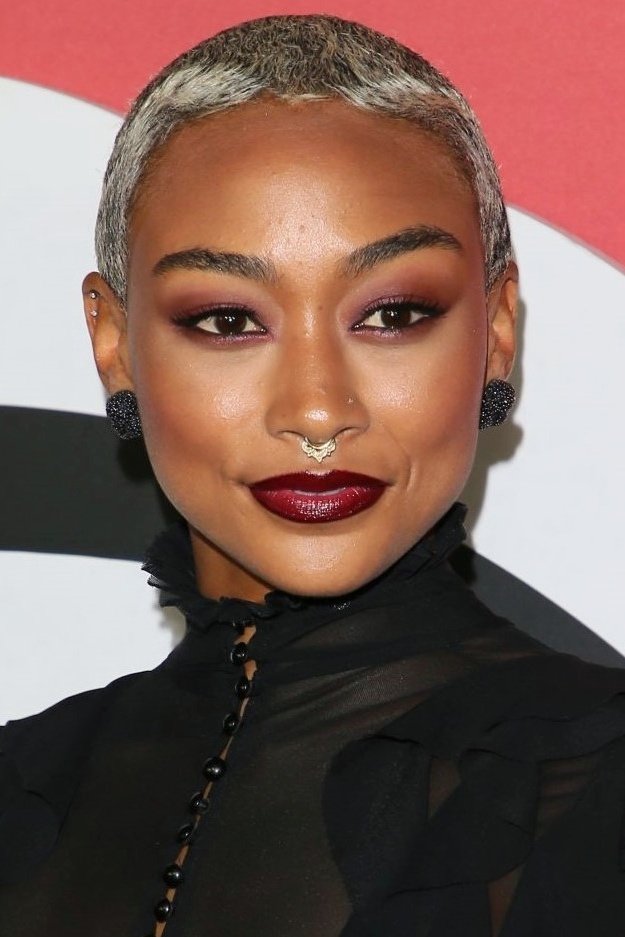
Tati Gabrielle experienced racist backlash when she was cast in the film ‘Uncharted’ and the series ‘Chilling Adventures of Sabrina’. She has spoken about the mental health struggles that come with being the target of online hate campaigns. The actress emphasized the importance of self care and finding a supportive community within the industry. She remains committed to playing diverse roles that challenge traditional casting tropes. Her talent has allowed her to build a successful career despite the early obstacles she faced.
Javicia Leslie
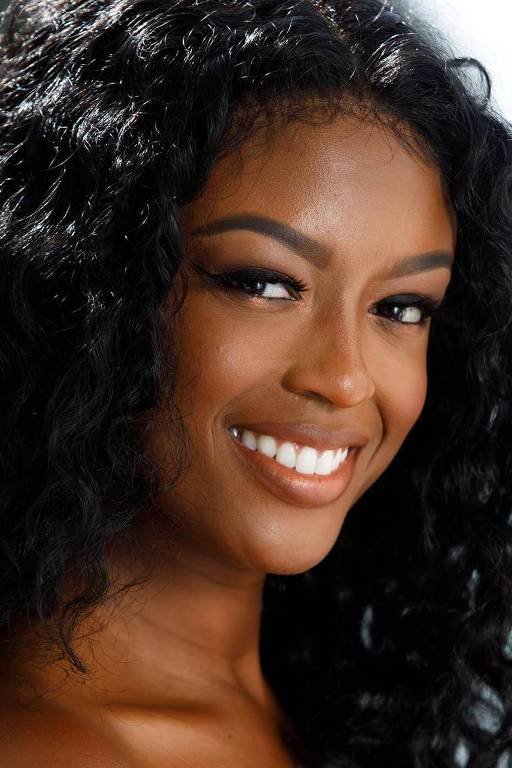
Javicia Leslie made history as the first Black woman to portray Batwoman on television but she also faced significant racial prejudice. Some viewers expressed their dissatisfaction with the casting change through social media attacks. She focused on the positive impact her role would have on young fans who had never seen a Black woman in a lead superhero role. The actress has been praised for her athletic performance and her dedication to the character. She continues to be a role model for aspiring actors from marginalized backgrounds.
Naomie Harris
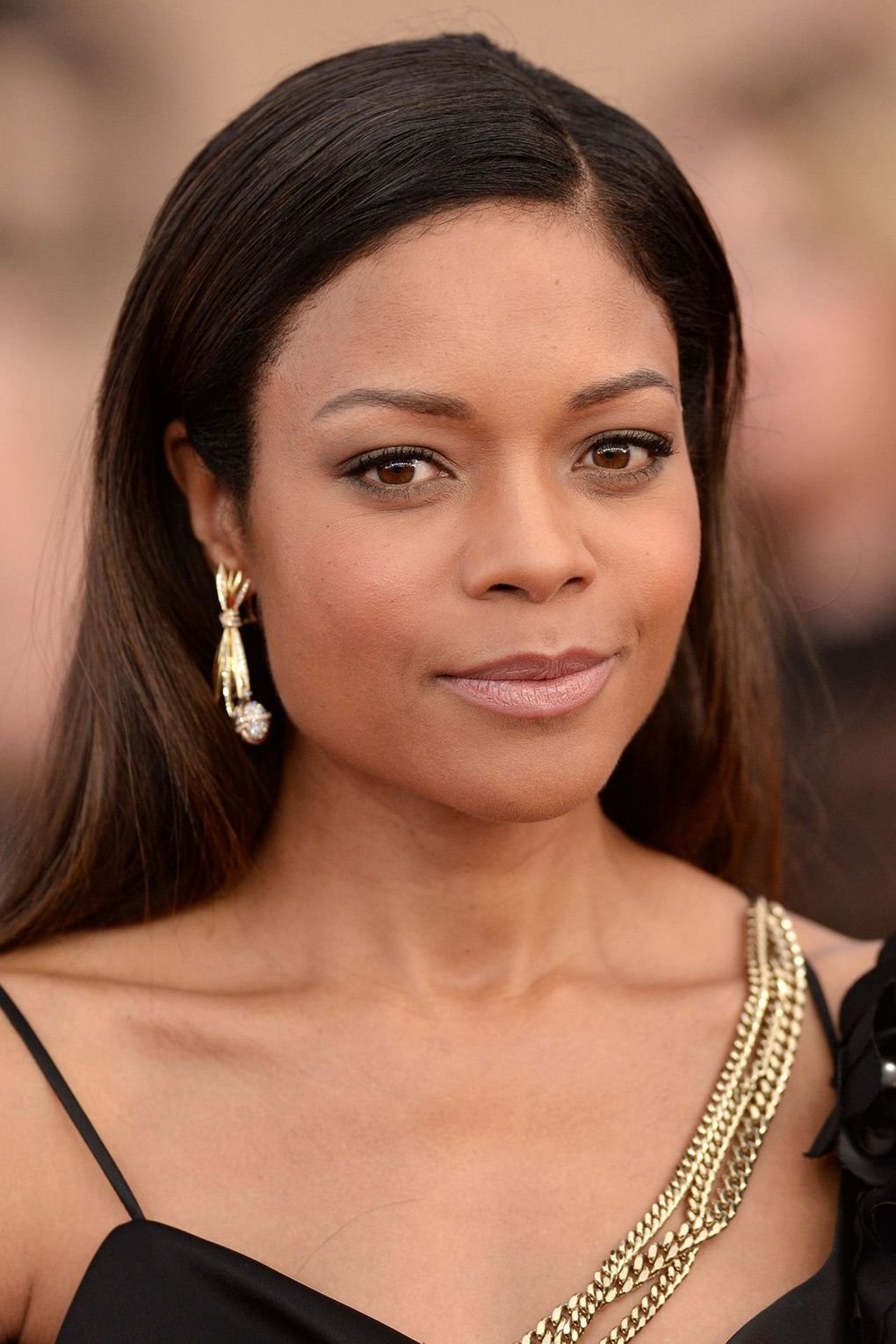
Naomie Harris has discussed the instances of casual racism she has encountered during auditions and on film sets. She mentioned being told that certain roles were not intended for Black actresses despite the character descriptions being race neutral. The actress has worked hard to maintain her integrity and avoid roles that rely on harmful stereotypes. Her performance in ‘Moonlight’ earned her an Academy Award nomination and solidified her status as a top tier talent. She remains a vocal proponent for more diverse stories in the global film market.
Thandiwe Newton

Thandiwe Newton has been very vocal about the racism and sexual harassment she experienced early in her career. She described feeling exploited and undervalued by powerful figures in the industry who did not respect her heritage or her personhood. The actress reclaimed her birth name Thandiwe to honor her Zimbabwean roots after years of being credited as Thandie. She has used her platform to support the Me Too movement and to advocate for the rights of women of color. Her honesty has made her a respected figure in the fight for industry reform.
Ruth Negga
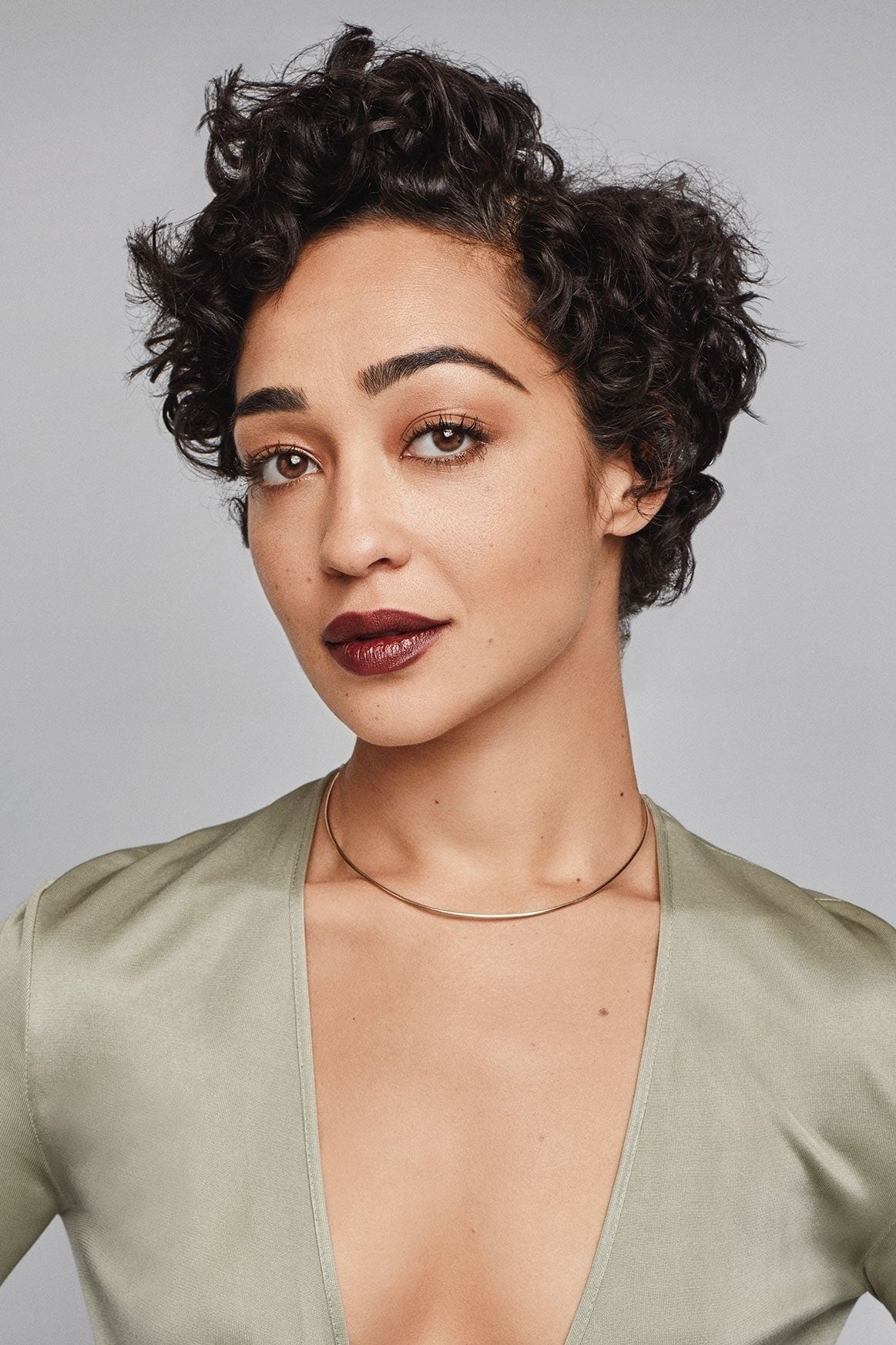
Ruth Negga has spoken about the challenges of being a biracial actress in an industry that often demands a singular racial identity. She has faced questions about her heritage and how it fits into traditional casting categories in both the United Kingdom and the United States. The actress earned widespread acclaim for her role in ‘Loving’ which centered on a landmark civil rights case. She has noted that while progress is being made there is still a long way to go for true inclusivity. Her work continues to highlight the importance of nuanced and historical storytelling.
Sophie Okonedo
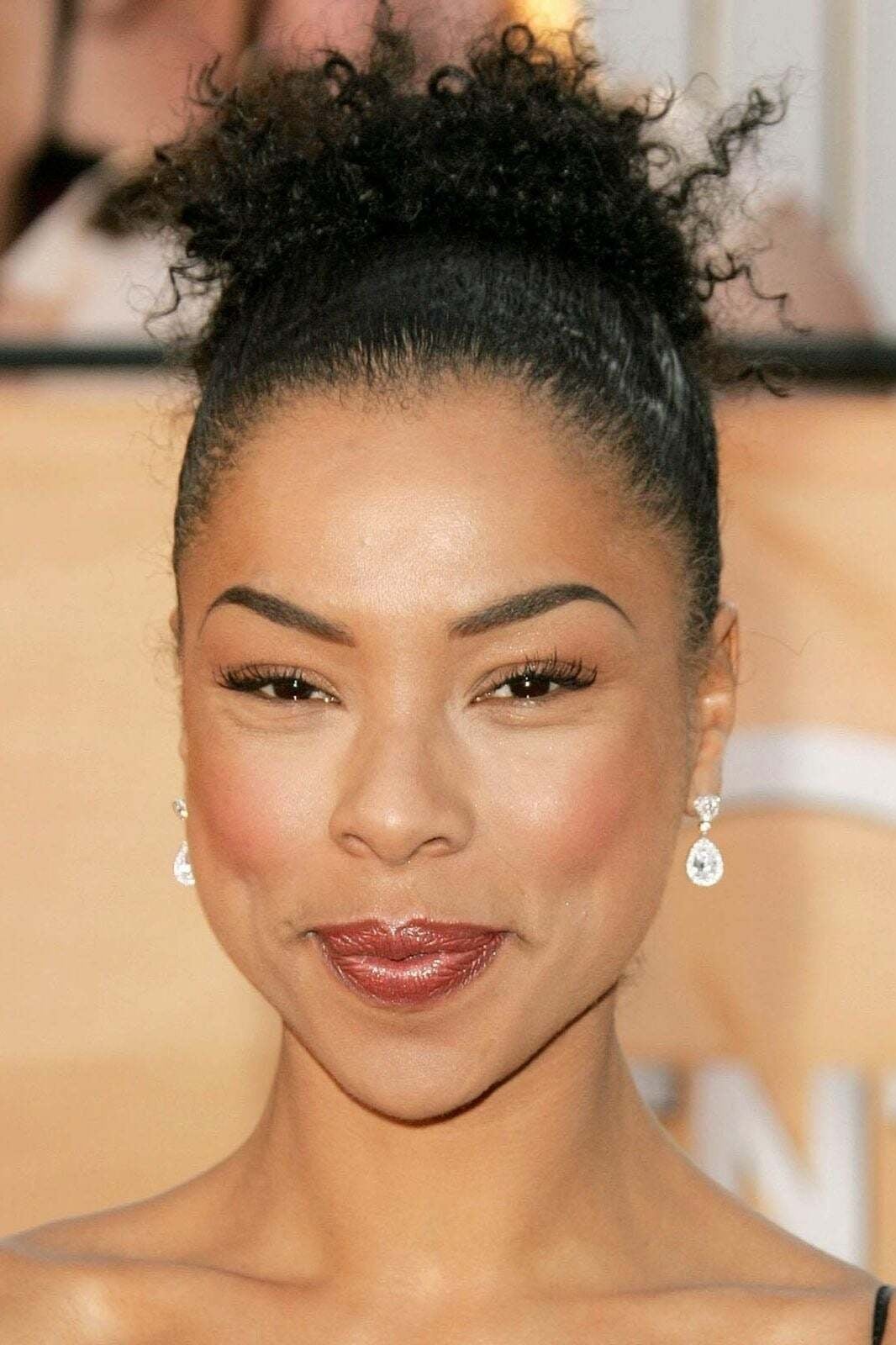
Sophie Okonedo has addressed the lack of opportunities for Black actresses in the United Kingdom which led her to seek work in the United States. She has mentioned that she often felt invisible in her home country despite her significant talent and training. The actress received an Academy Award nomination for ‘Hotel Rwanda’ which brought her international recognition. She has spoken about the need for the British film industry to better support its diverse talent pool. Her career spans theater and film where she remains a highly respected performer.
Gugu Mbatha-Raw
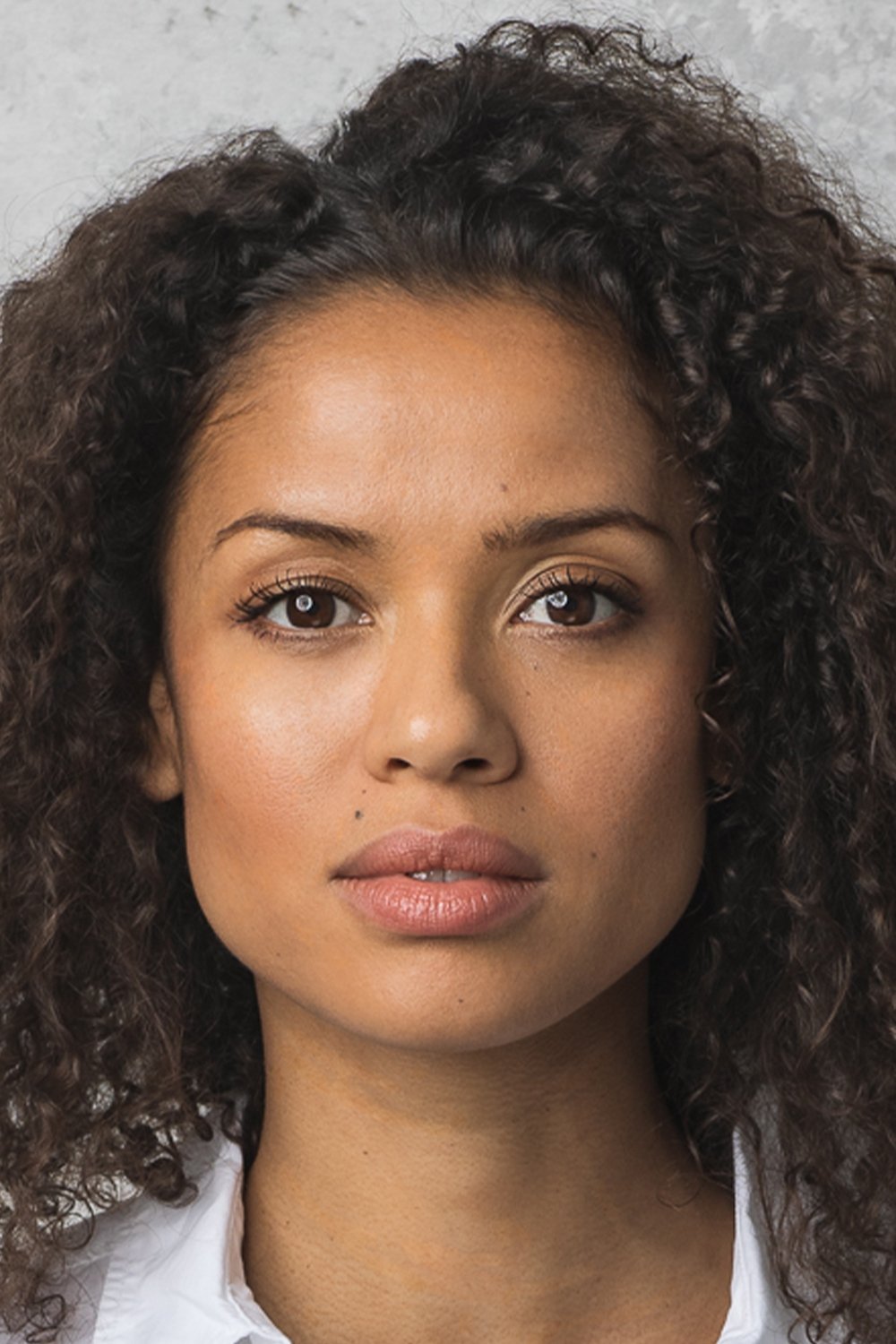
Gugu Mbatha-Raw has discussed the difficulties of finding lead roles in period dramas as a woman of color. She broke barriers with her performance in ‘Belle’ which explored the life of a mixed race woman in eighteenth century England. The actress has noted that she often has to educate people on set about her hair and makeup needs. She continues to seek out roles that challenge historical narratives and provide a more inclusive view of the past. Her advocacy for representation extends to her work with various international organizations.
Letitia Wright
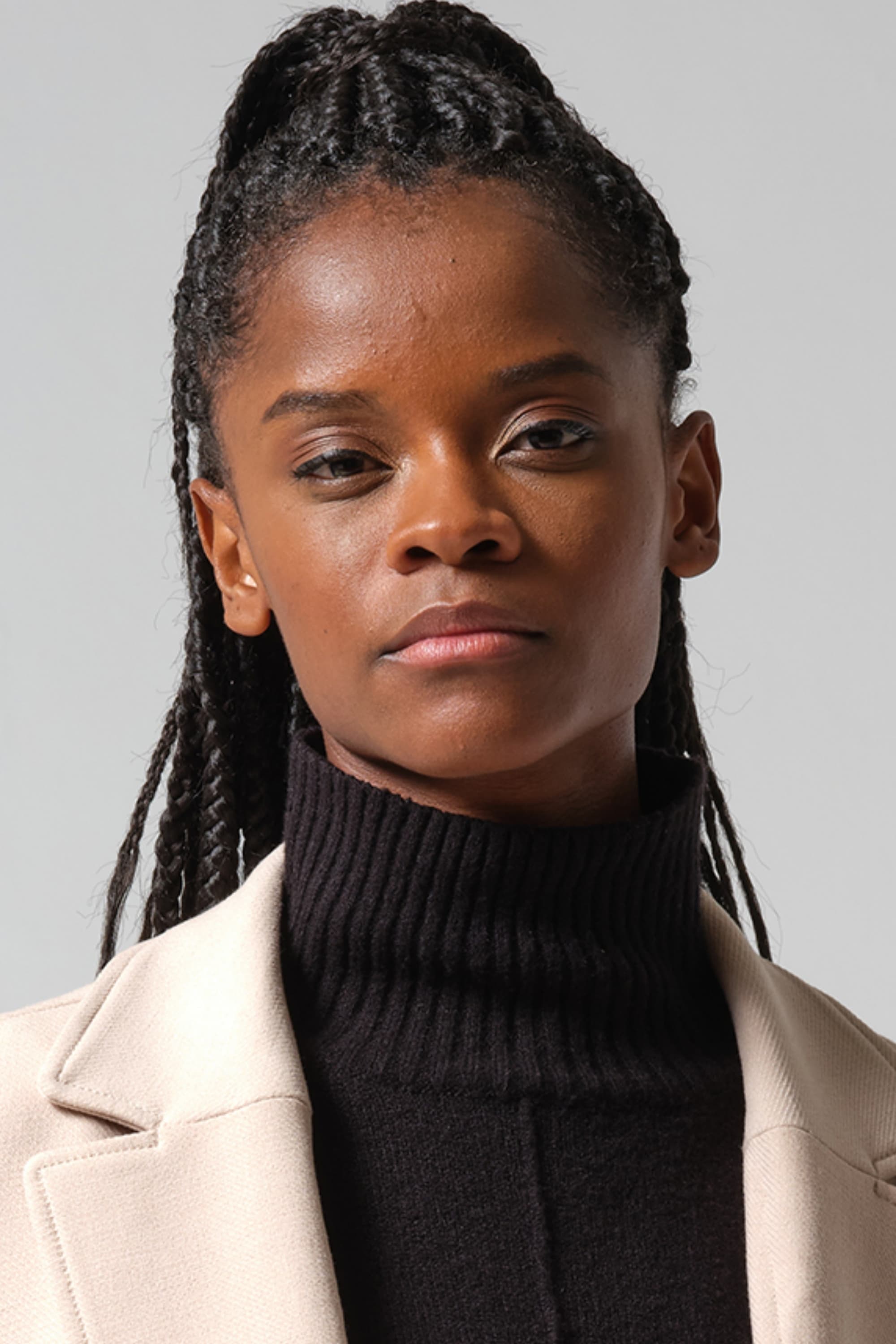
Letitia Wright faced a mix of acclaim and intense scrutiny after her breakout role in ‘Black Panther’. While the film was a landmark for representation she also experienced the pressures and criticisms that come with being a high profile Black actress. She has spoken about the importance of her faith in helping her navigate the ups and downs of fame and industry bias. The actress has been a vocal supporter of telling authentic African stories that go beyond stereotypes. She remains a key figure in the Marvel Cinematic Universe and a rising star in independent film.
Danai Gurira
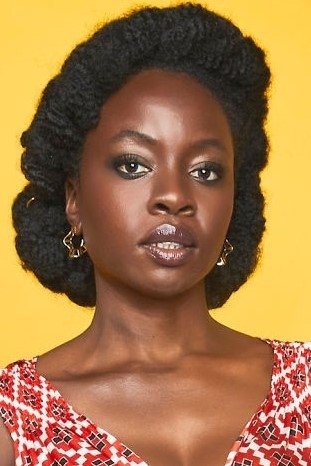
Danai Gurira has used her platform to address the lack of complex roles for African women in mainstream media. As both an actress and a playwright she has dedicated her career to telling stories that center on African perspectives. She has spoken about the racism inherent in the limited types of roles usually offered to Black women. Her portrayal of Okoye in ‘Black Panther’ became a symbol of strength and cultural pride for audiences worldwide. She continues to advocate for the inclusion of diverse voices in all aspects of the creative process.
Jameela Jamil
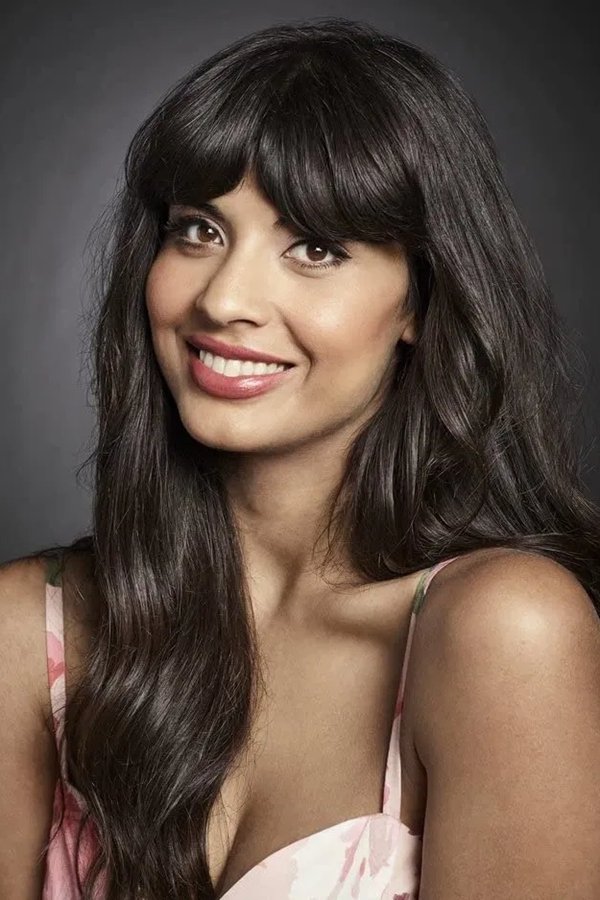
Jameela Jamil has been a vocal critic of the racism and colorism she has witnessed and experienced in the entertainment industry. She has spoken out about how South Asian performers are often stereotyped or excluded from major roles. The actress has used her social media presence to launch campaigns that promote body positivity and inclusivity. She has also addressed the specific challenges of being a woman of color in the public eye who speaks her mind. Her work on ‘The Good Place’ helped bring her message to a global audience.
Archie Panjabi
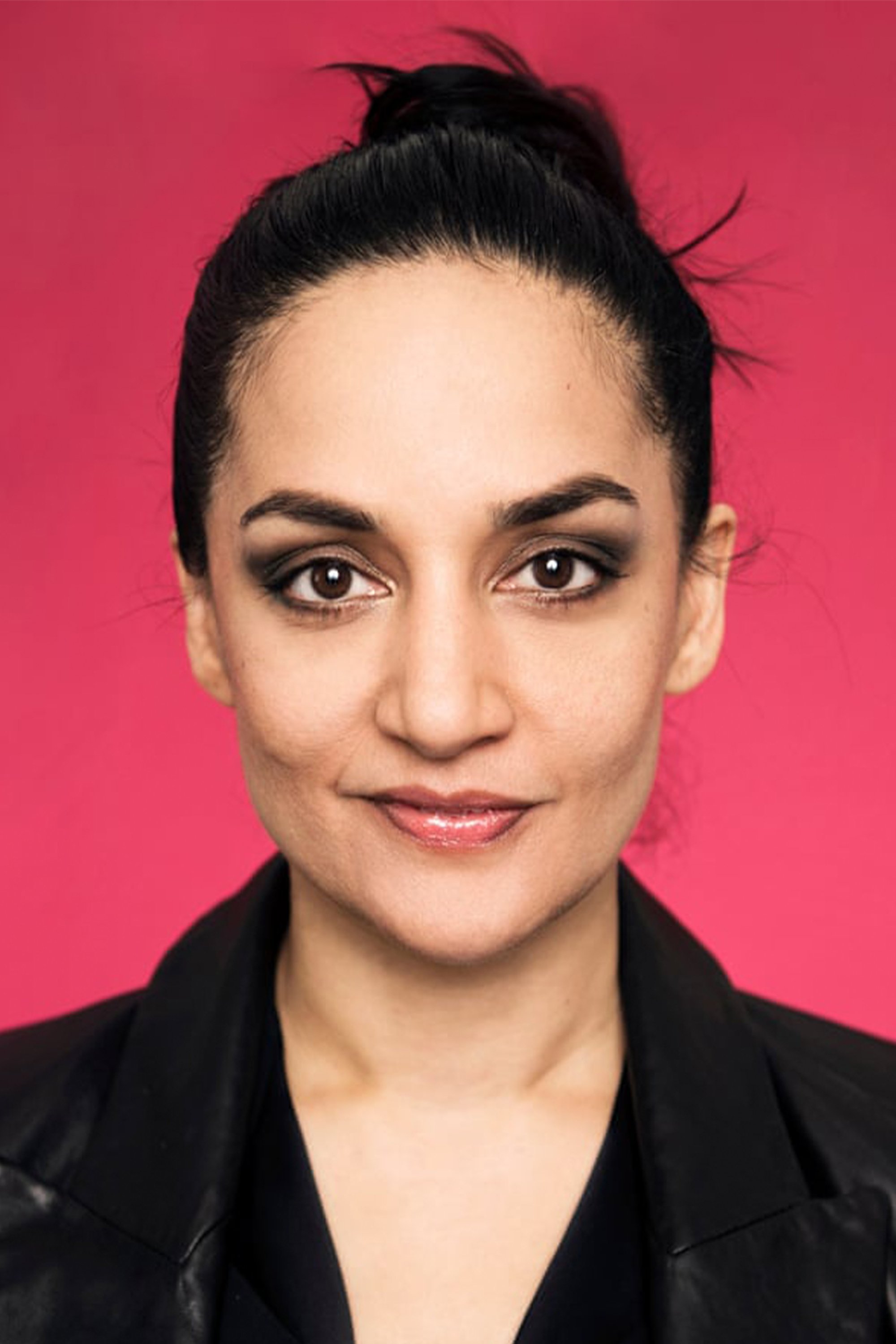
Archie Panjabi has discussed the hurdles she faced as a South Asian actress trying to find work in both the United Kingdom and Hollywood. She noted that early in her career she was often told that there were no roles for people who looked like her. The actress won an Emmy for her role in ‘The Good Wife’ which was a significant milestone for representation. She has been open about the need for more diverse writers and producers to create authentic characters. Her career serves as an inspiration for other South Asian actors entering the industry.
Parminder Nagra
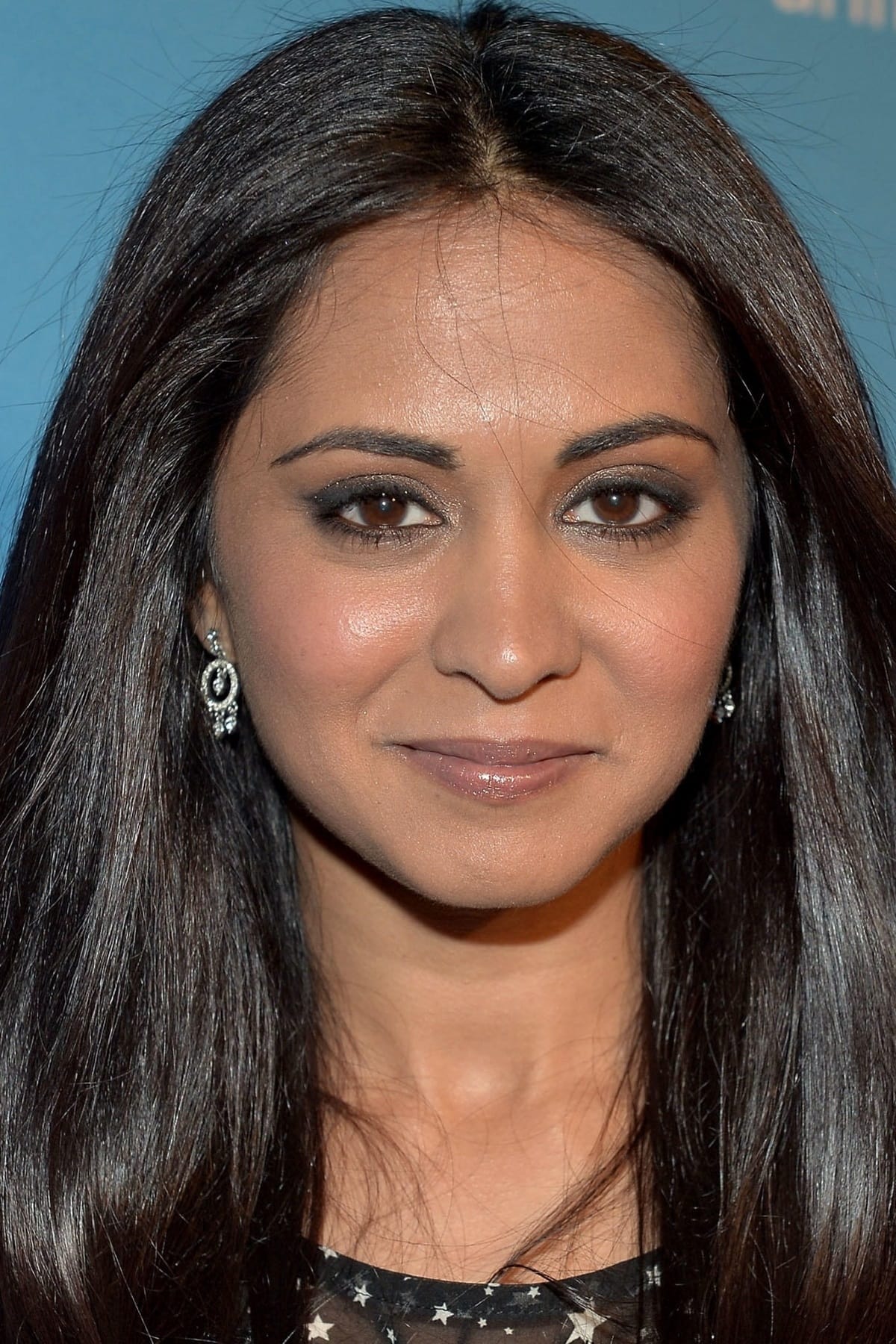
Parminder Nagra gained international fame with ‘Bend It Like Beckham’ but struggled to find subsequent roles that did not rely on her ethnicity. She has spoken about the frustration of being typecast and the limited imagination of casting directors. The actress eventually found success in the television series ‘ER’ where she played a complex professional character. She has emphasized the importance of persistence for minority actors in a competitive field. Her work has helped to broaden the representation of the Indian diaspora on screen.
Simone Ashley
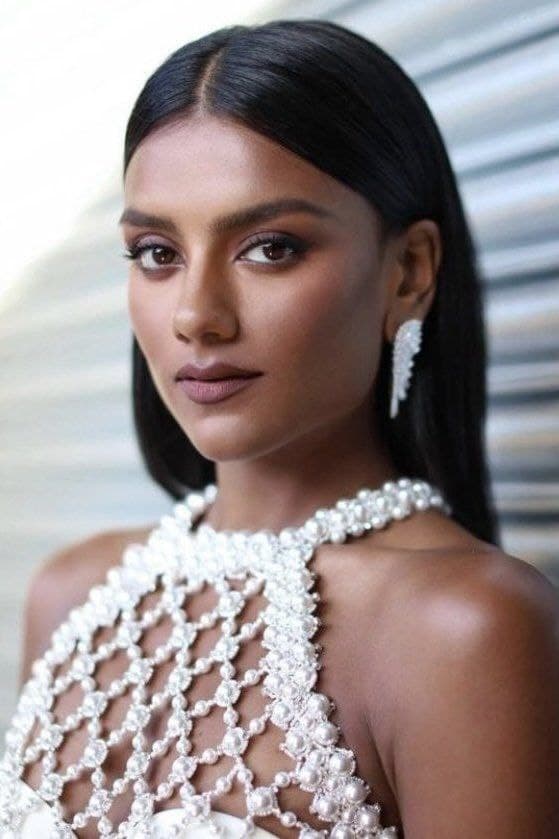
Simone Ashley received significant attention for her lead role in the series ‘Bridgerton’ but she also faced colorism and racial prejudice. As a dark skinned woman of South Asian descent she has spoken about the importance of being cast in a role that was not defined by her race. She has noted that she had to overcome internal and external pressures regarding her appearance throughout her life. The actress has become a prominent face for a new generation of diverse talent in period dramas. She continues to use her success to advocate for more inclusive beauty standards.
Maitreyi Ramakrishnan
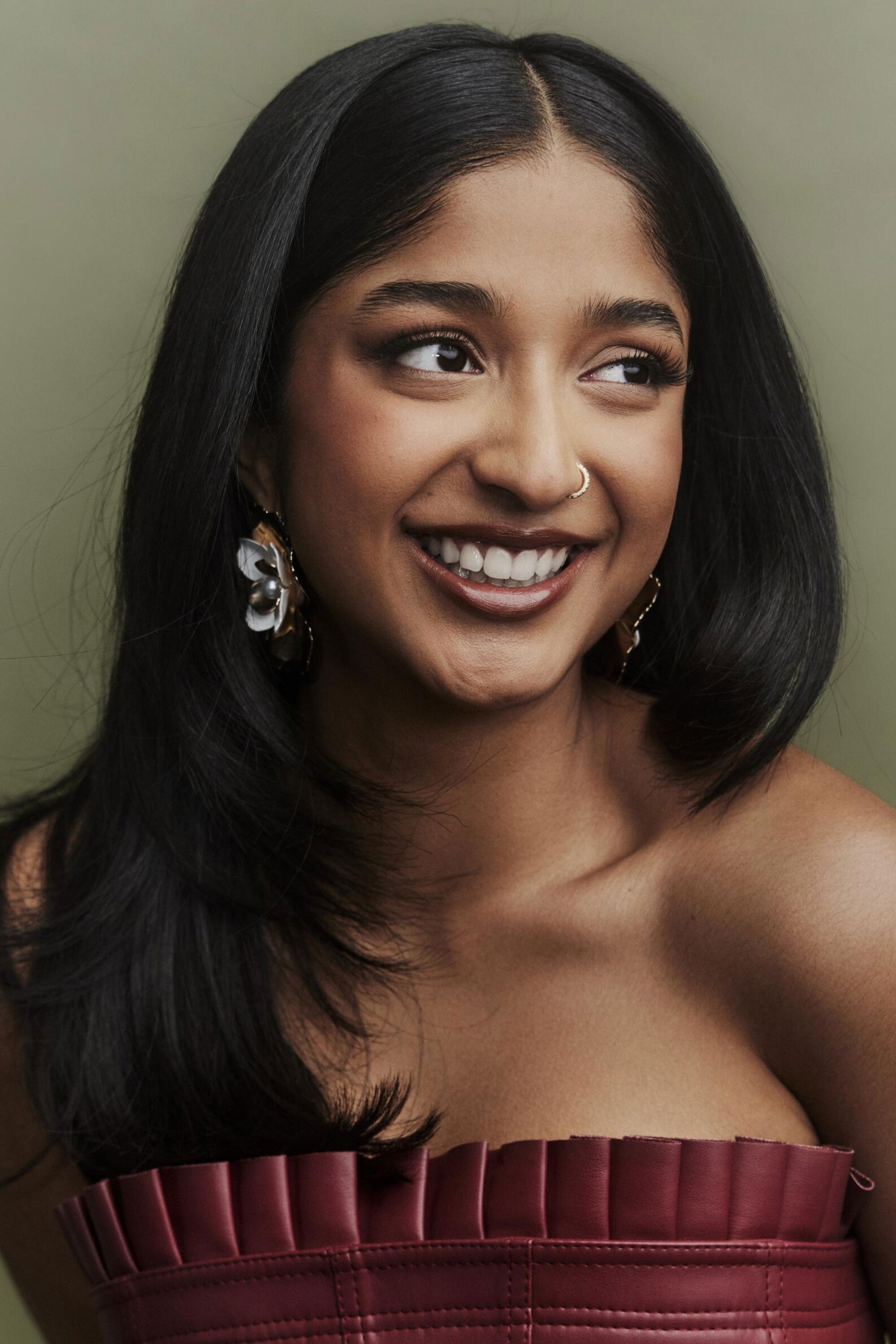
Maitreyi Ramakrishnan was cast as the lead in ‘Never Have I Ever’ after an open casting call but soon encountered the realities of industry bias. She has spoken about the responsibility she feels to represent the South Asian community accurately and positively. The actress has also addressed the online criticism she received from those who had specific expectations for her character. She remains a vocal advocate for the importance of diverse casting in teen media. Her rise to fame has highlighted the demand for authentic stories about the immigrant experience.
Freida Pinto
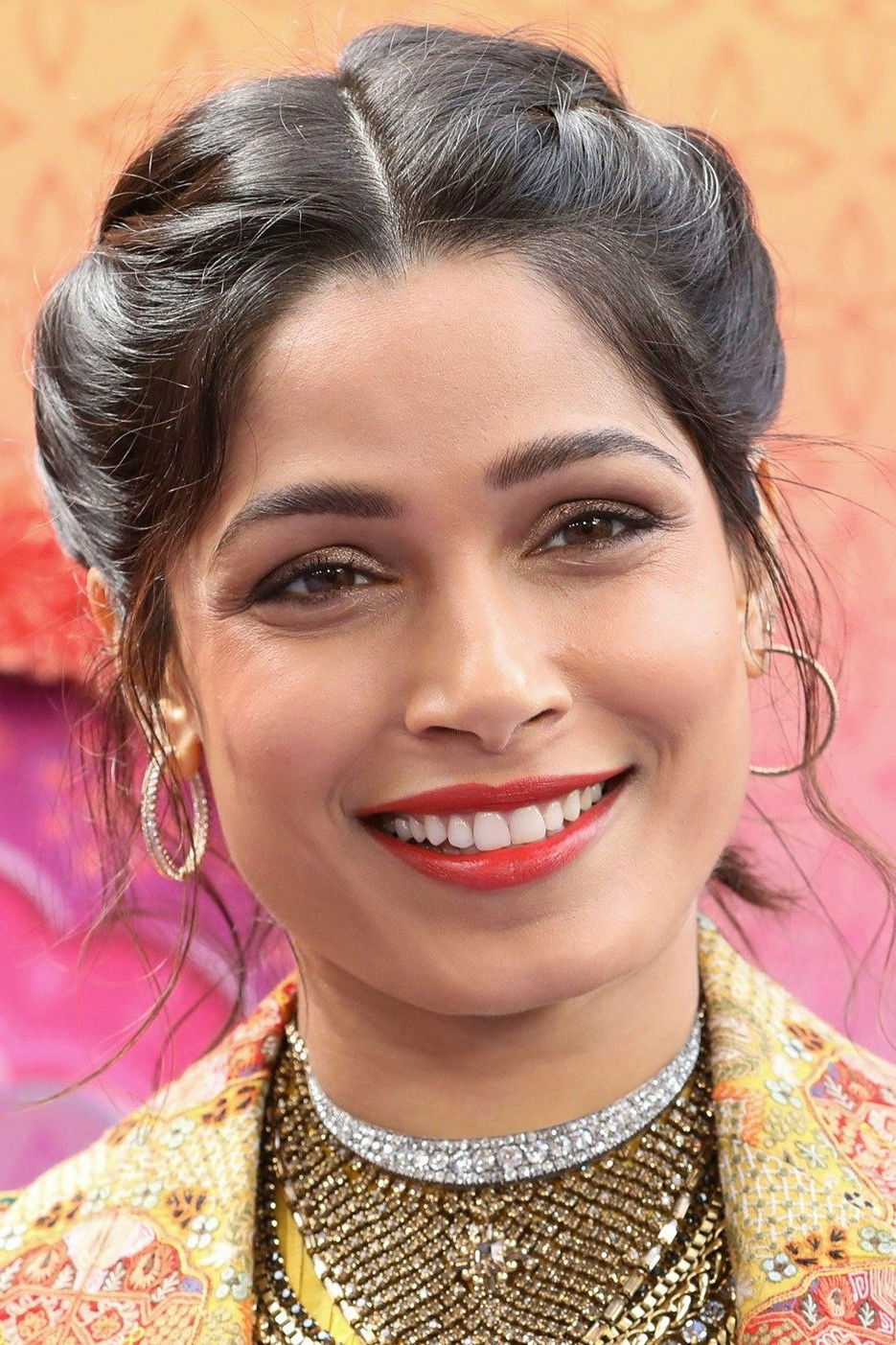
Freida Pinto became a global star following ‘Slumdog Millionaire’ but she soon found herself facing the limitations of Hollywood casting. She has spoken about being offered roles that were one dimensional or based on tired cultural tropes. The actress has been a strong advocate for the Girl Rising campaign and other initiatives that support women of color. She has worked to find projects that allow her to play a variety of characters regardless of her background. Her career reflects a constant effort to break through the ceiling of ethnic typecasting.
Lucy Liu

Lucy Liu has been a pioneer for Asian American actresses but has frequently discussed the racism and stereotyping she faced. She has noted that she was often the only person of color on set and felt the pressure to represent an entire demographic. The actress has spoken out against the use of the Dragon Lady trope and other harmful caricatures in film. She has successfully transitioned into directing and producing to have more control over the stories being told. Her longevity in the industry is a testament to her talent and her ability to navigate systemic barriers.
Michelle Yeoh
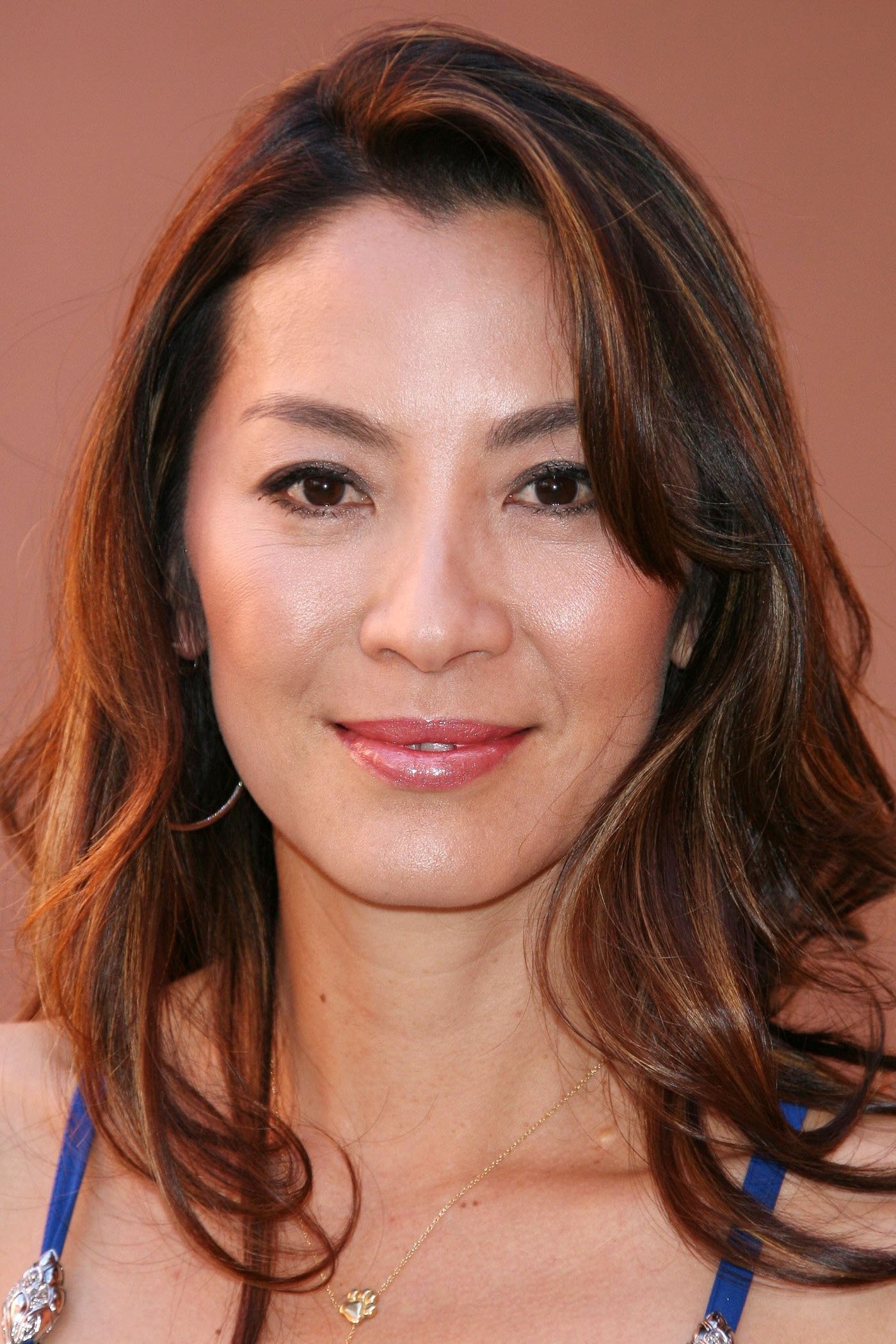
Michelle Yeoh has had a legendary career in international cinema but has spoken about the lack of opportunities she found in Hollywood for many years. She noted that as an Asian woman she was often relegated to sidekick roles or martial arts stereotypes. Her historic Academy Award win for ‘Everything Everywhere All at Once’ was a major moment for Asian representation in film. The actress has used her platform to encourage the industry to look beyond age and ethnicity when casting leads. She remains a powerful advocate for the visibility of Asian performers.
Maggie Q
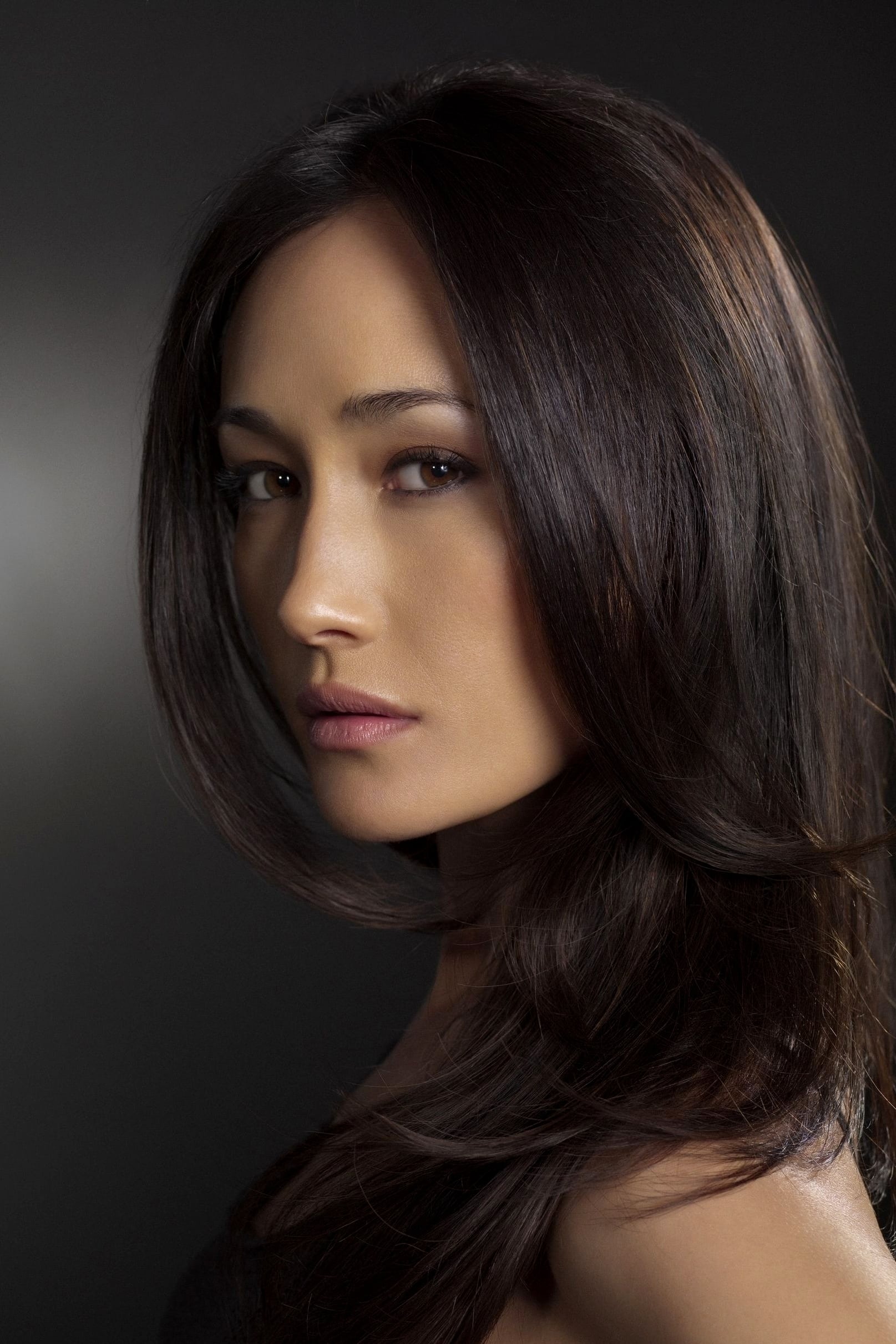
Maggie Q has spoken about the difficulties of being a biracial actress and the racism she encountered while working in different international markets. She noted that she was often forced to choose one side of her heritage to satisfy casting directors. The actress has been a vocal supporter of animal rights and environmental causes alongside her acting career. She has successfully led several action television series while pushing for more diverse representation. Her experiences have shaped her into a resilient and outspoken figure in the industry.
Kelly Hu
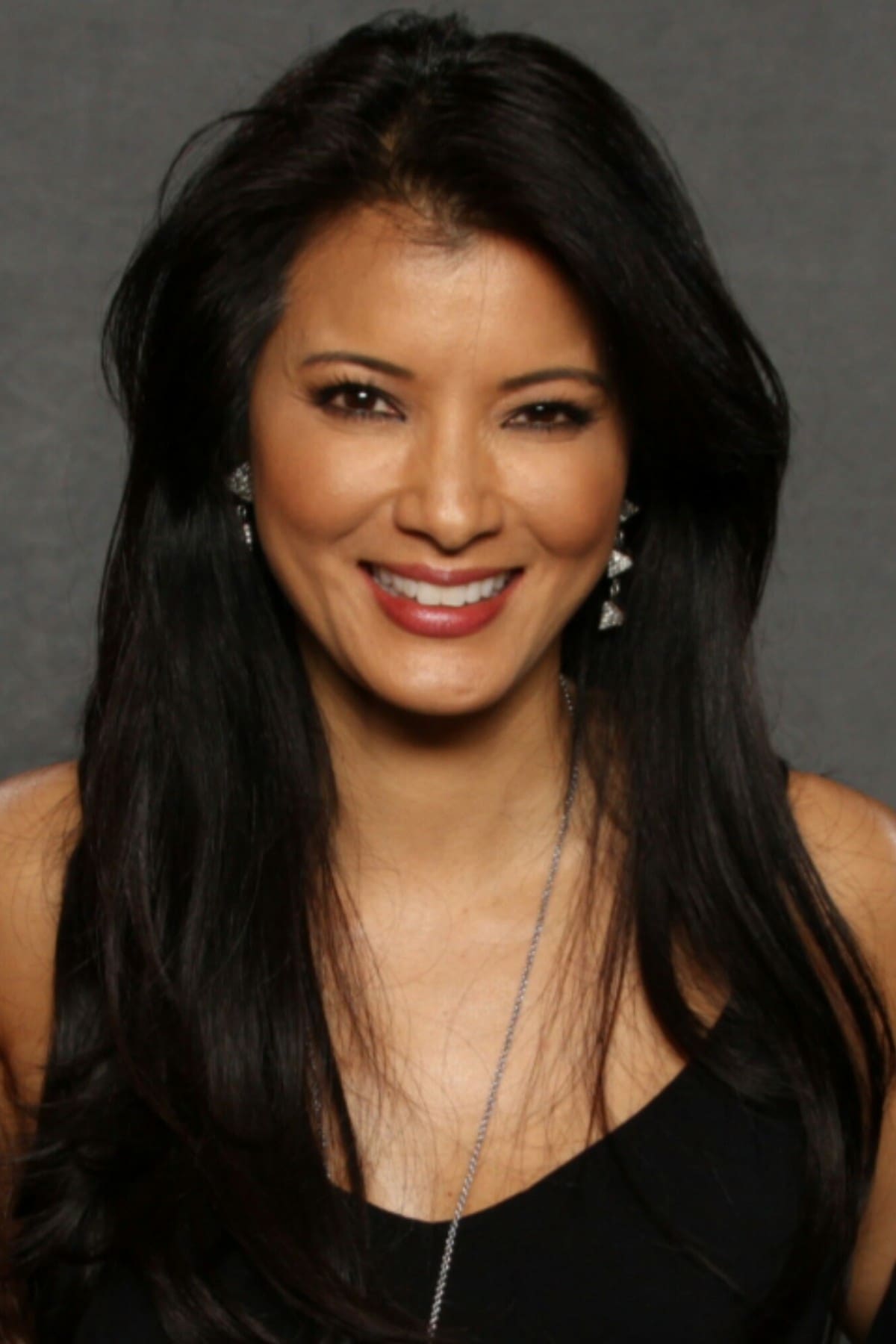
Kelly Hu has discussed the challenges of finding substantial roles for Asian American women during the early years of her career. She mentioned being cast frequently in roles that emphasized her ethnicity over her acting ability. The actress has worked steadily in film and television and has often voiced her support for better representation. She has also spoken about the importance of community and mentorship among actors of color. Her career has paved the way for more nuanced roles for Asian performers in the action genre.
Joan Chen
Joan Chen was a major star in China before moving to the United States where she faced the harsh realities of Hollywood stereotyping. She found herself being offered roles that were often hypersexualized or based on racial cliches. The actress turned to directing and producing to create the kind of complex roles that were missing for Asian women. She has been a respected figure in both international and American cinema for decades. Her work continues to challenge the narrow perceptions of Asian identity in the West.
Ming-Na Wen
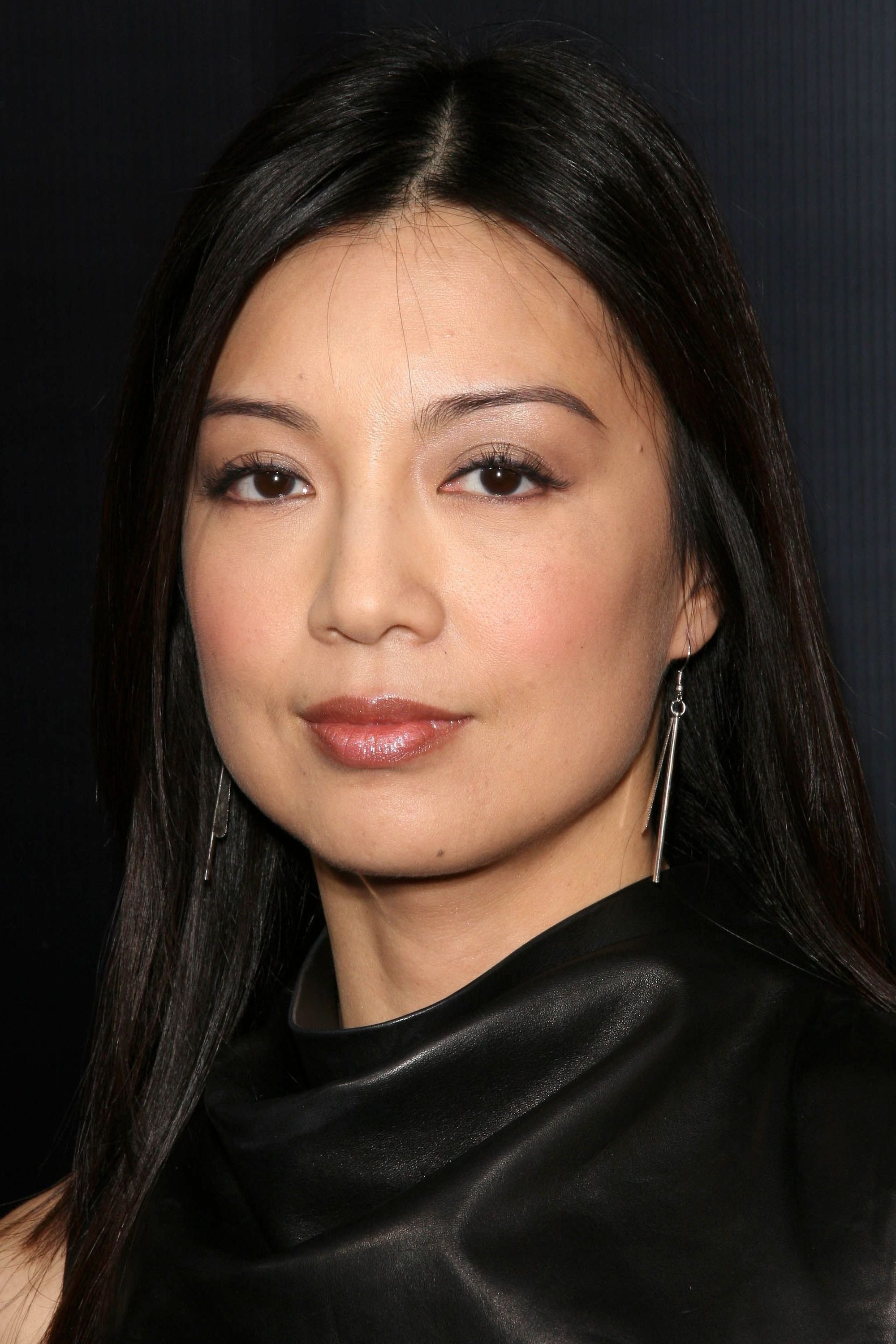
Ming-Na Wen has spoken about the racism she encountered when she first started in the industry and the lack of roles for Asian actresses. She has shared stories about being told to change her name to something more Western to appeal to audiences. The actress has had a long and successful career across major franchises like ‘Mulan’ and ‘The Mandalorian’. She remains an advocate for the visibility of Asian American performers in all genres of entertainment. Her success has made her a beloved figure and a trailblazer for many.
Constance Wu
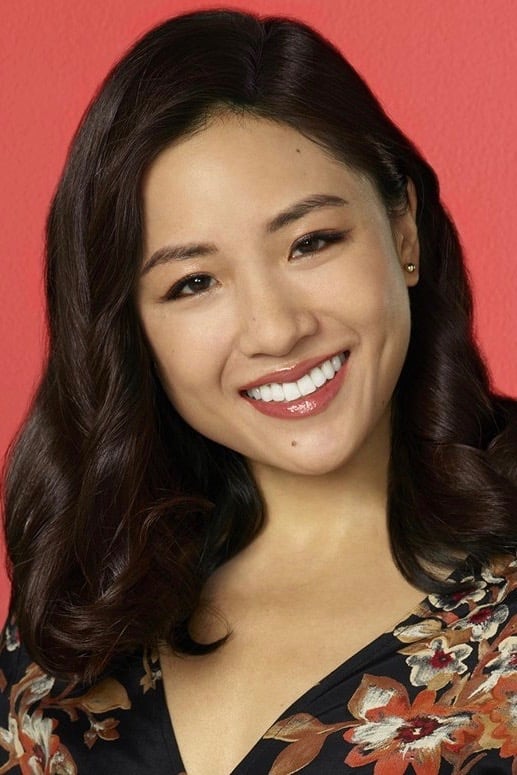
Constance Wu has been open about the systemic issues and racial bias she faced during her rise to fame. She became a vocal leader for the Asian American community during the release of ‘Crazy Rich Asians’. The actress has also spoken about the personal and professional toll of being a public figure who speaks out against inequality. She has advocated for better treatment of actors of color on sets and in the media. Her career highlights the complexities of being a spokesperson for a movement while pursuing a creative path.
Gemma Chan

Gemma Chan has discussed the lack of diversity in British television and the struggle to find roles that were not defined by her race. She noted that she often saw more opportunities for herself in the United States than in her home country. The actress has been a supporter of the Time’s Up movement and has advocated for more inclusive casting in period pieces. Her roles in ‘Eternals’ and ‘Crazy Rich Asians’ have made her a global star. She continues to use her influence to push for structural changes in the entertainment industry.
Awkwafina
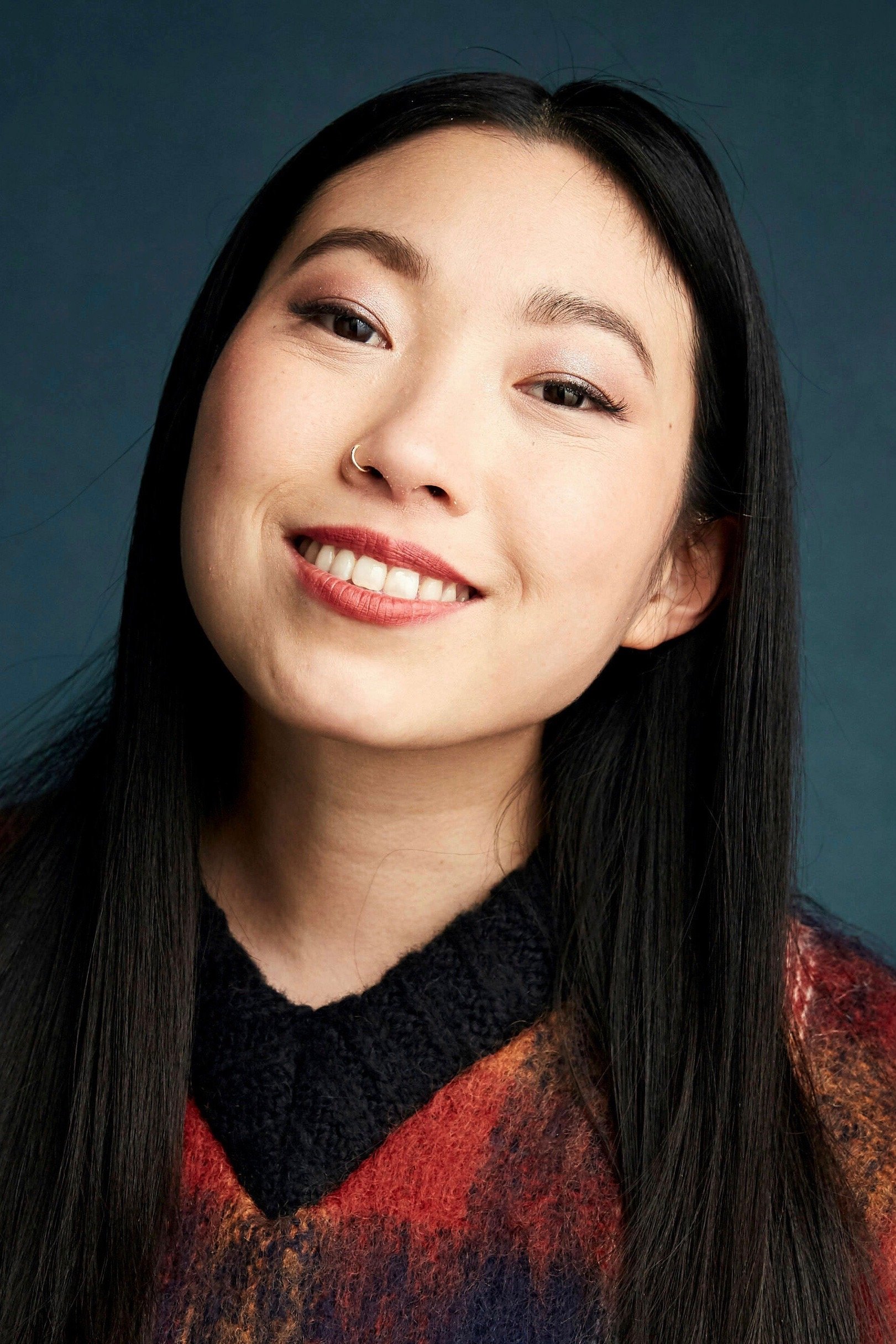
Awkwafina has faced both immense success and criticism regarding her use of a blaccent and cultural appropriation in her early career. She has addressed these issues by discussing her upbringing and the influence of hip hop culture on her identity. The actress has also spoken about the broader challenges of being an Asian woman in comedy and film. She became the first woman of Asian descent to win a Golden Globe for Best Actress in a Musical or Comedy. Her journey reflects the ongoing conversations about cultural sensitivity and representation in Hollywood.
Sandra Oh
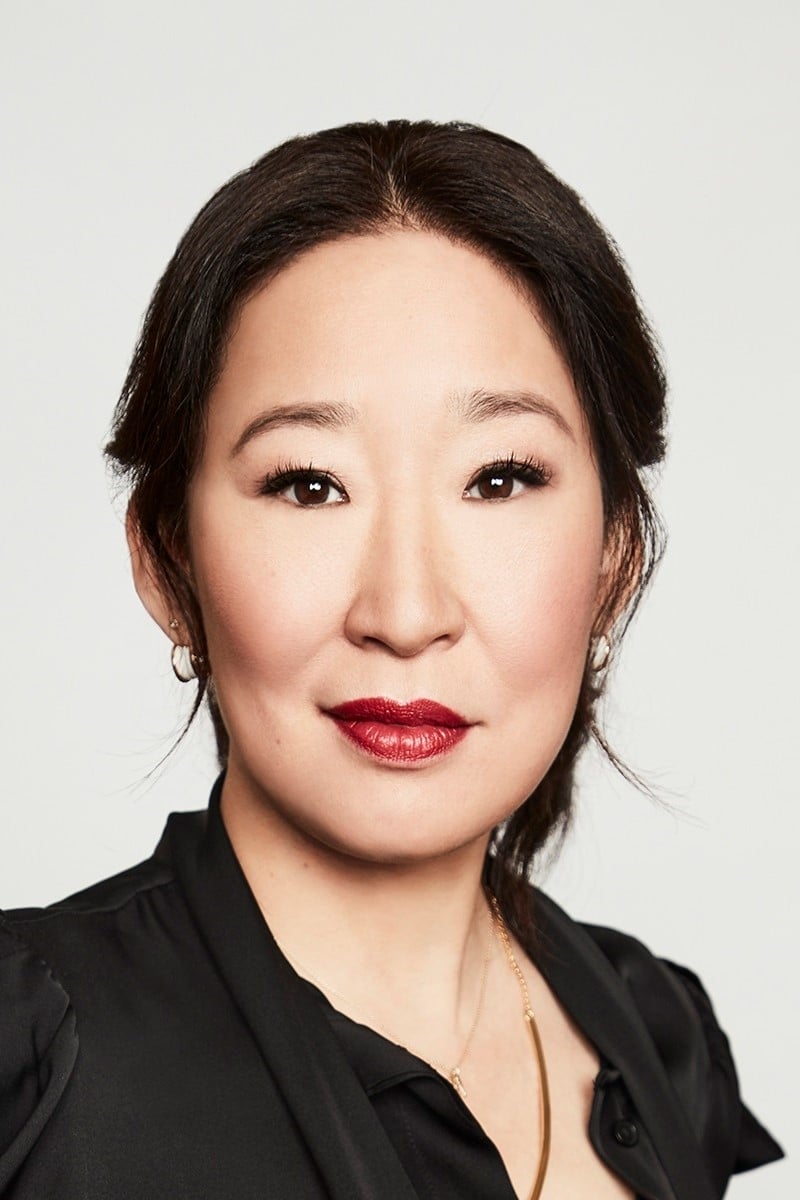
Sandra Oh has been a leading voice in the conversation about the lack of lead roles for Asian actresses in television and film. During her time on ‘Grey’s Anatomy’ she became one of the most recognizable faces on television but still faced industry barriers. She famously exclaimed it is an honor just to be Asian while hosting the Golden Globes to celebrate her heritage. The actress has consistently pushed for stories that center Asian women as complex and fully realized individuals. Her role in ‘Killing Eve’ was a significant breakthrough for her and for representation.
Priyanka Chopra Jonas
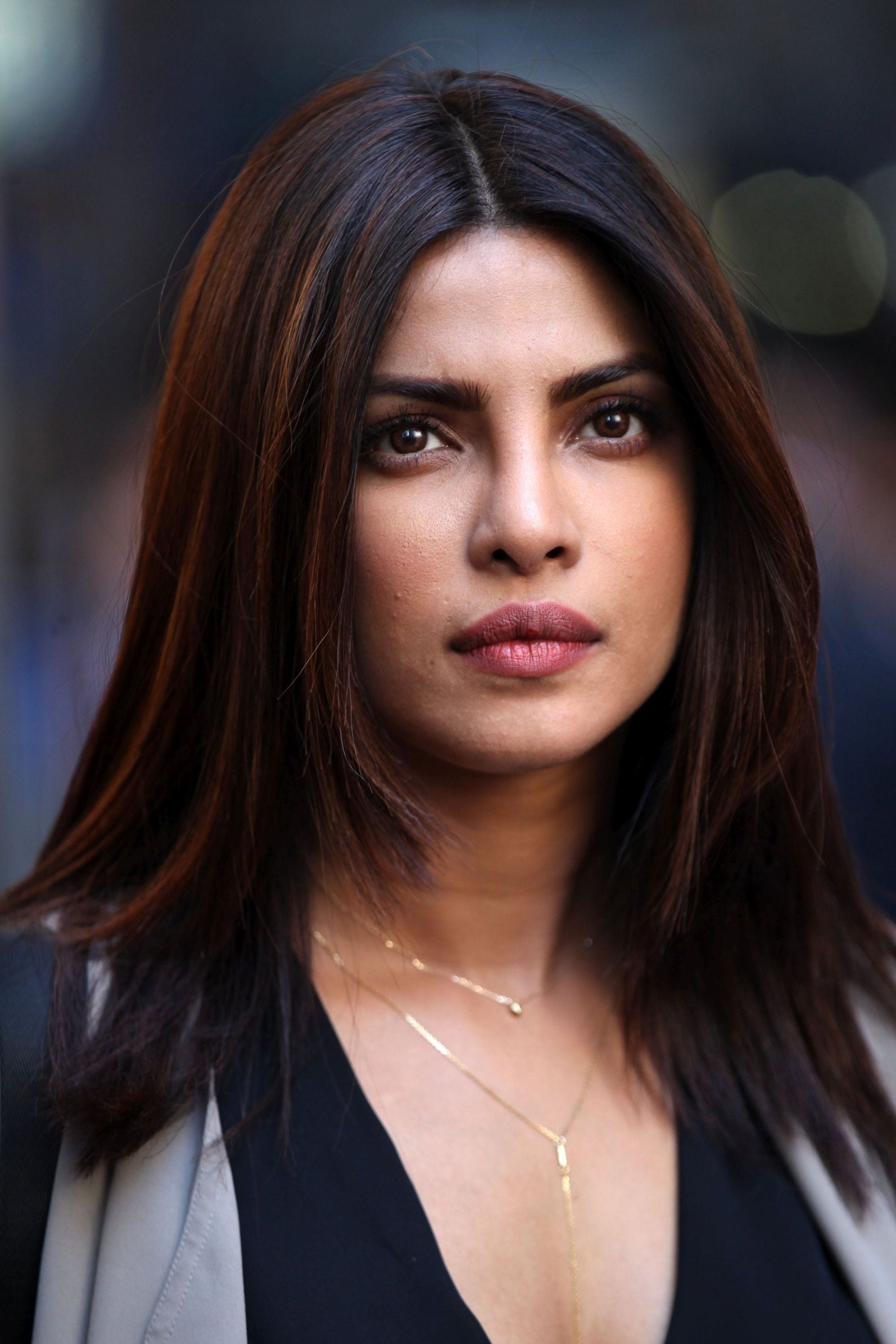
Priyanka Chopra has spoken about the racism and bullying she experienced as a teenager in the United States and later as an actress. She described being told that she was too ethnic for certain roles when she first transitioned from Bollywood to Hollywood. The actress has used her global platform to advocate for children’s rights and gender equality. She was the first South Asian woman to lead a network drama series in the United States with ‘Quantico’. Her career is a bridge between two major film industries and a testament to her international appeal.
Mindy Kaling
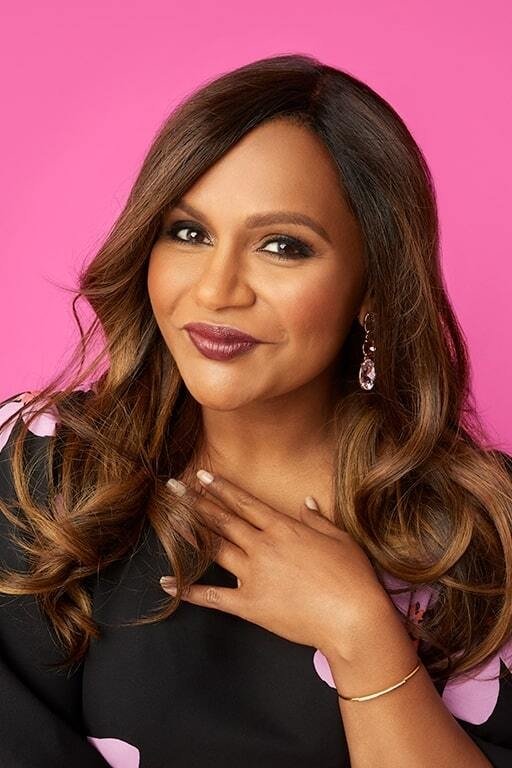
Mindy Kaling has frequently discussed the challenges of being a South Asian woman in the writers’ room and on screen. She has faced criticism from various angles regarding how she portrays race and relationships in her work. The actress and producer has been open about the pressure to represent her community while also being allowed to tell her own stories. She has created several successful shows that have provided opportunities for numerous actors of color. Her work has significantly changed the landscape of modern television comedy.
Please share your thoughts on these experiences in the comments.

