


African-American Actors Who Burned Bridges With Hollywood Studios



The entertainment industry often operates on a system of professional relationships and strict contractual obligations. When high profile African-American male actors find themselves in conflict with major studios the consequences can be career altering. These disputes frequently arise from creative differences and salary negotiations or behavioral issues on production sets. Such friction sometimes results in being blacklisted or removed from successful franchises which impacts the long term trajectory of their careers. Understanding these instances provides insight into the power dynamics and professional expectations within the Hollywood studio system.
Isaiah Washington
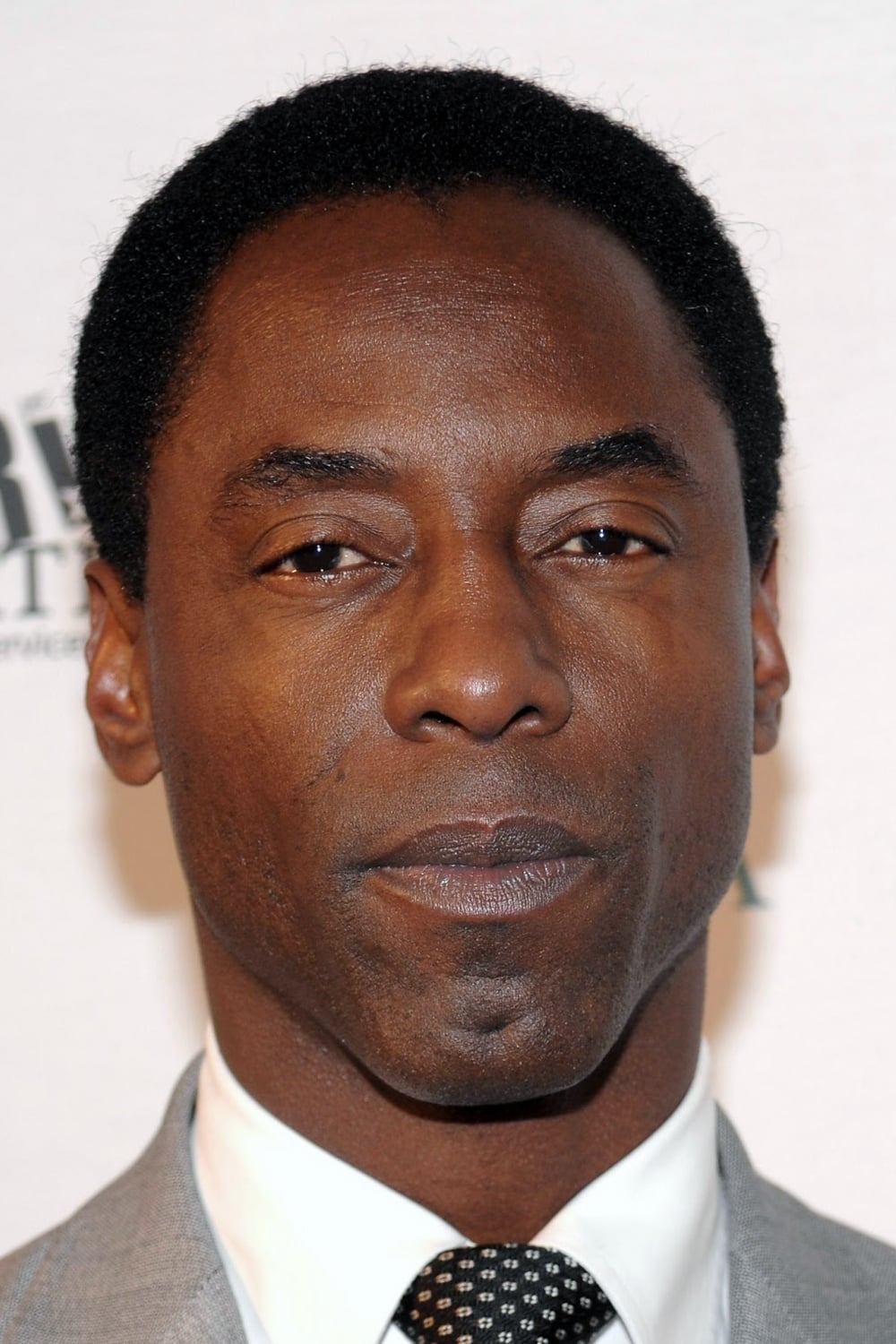
The actor rose to prominence for his portrayal of Dr. Preston Burke on the hit medical series ‘Grey’s Anatomy’. His time on the show ended abruptly following a widely reported on set confrontation with a co-star where he used a homophobic slur. This incident led to a public outcry and his subsequent termination by the production company and the network. Though he issued apologies and eventually found work in other television projects the fallout significantly damaged his relationship with major networks. This situation remains a notable example of how professional conduct can lead to the severance of a lucrative studio contract.
Terrence Howard
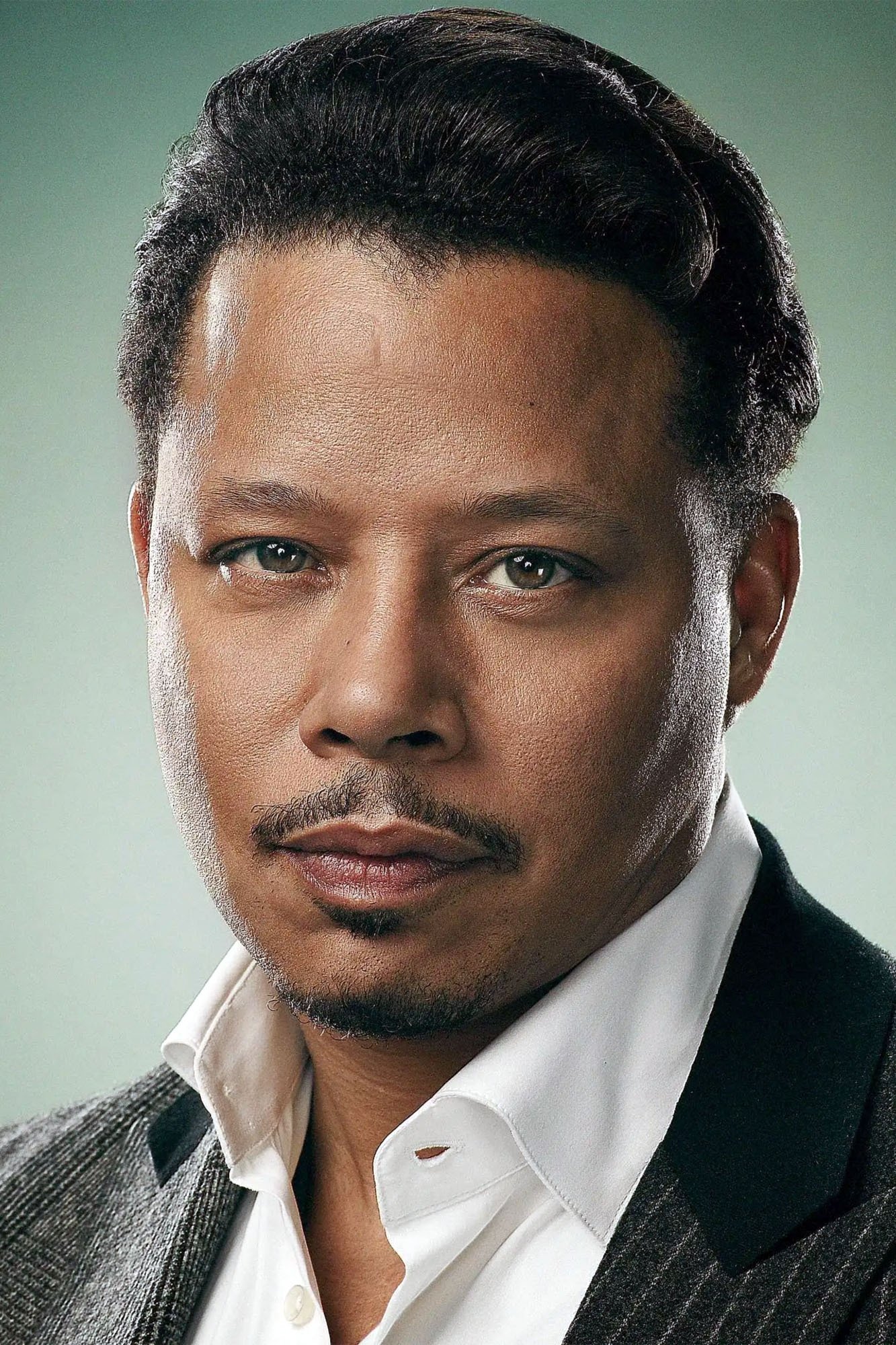
This actor was the original choice to play James Rhodes in the first ‘Iron Man’ film produced by Marvel Studios. He did not return for the sequel because of a breakdown in salary negotiations where the studio offered him significantly less than his initial contract suggested. He publicly expressed his disappointment and frustration with the studio and his fellow cast members after he was replaced by Don Cheadle. This public dispute created a lasting rift between him and one of the most powerful production entities in the industry. While he later found major success on the television series ‘Empire’ his history with Marvel continues to be a point of discussion regarding studio relations.
Columbus Short
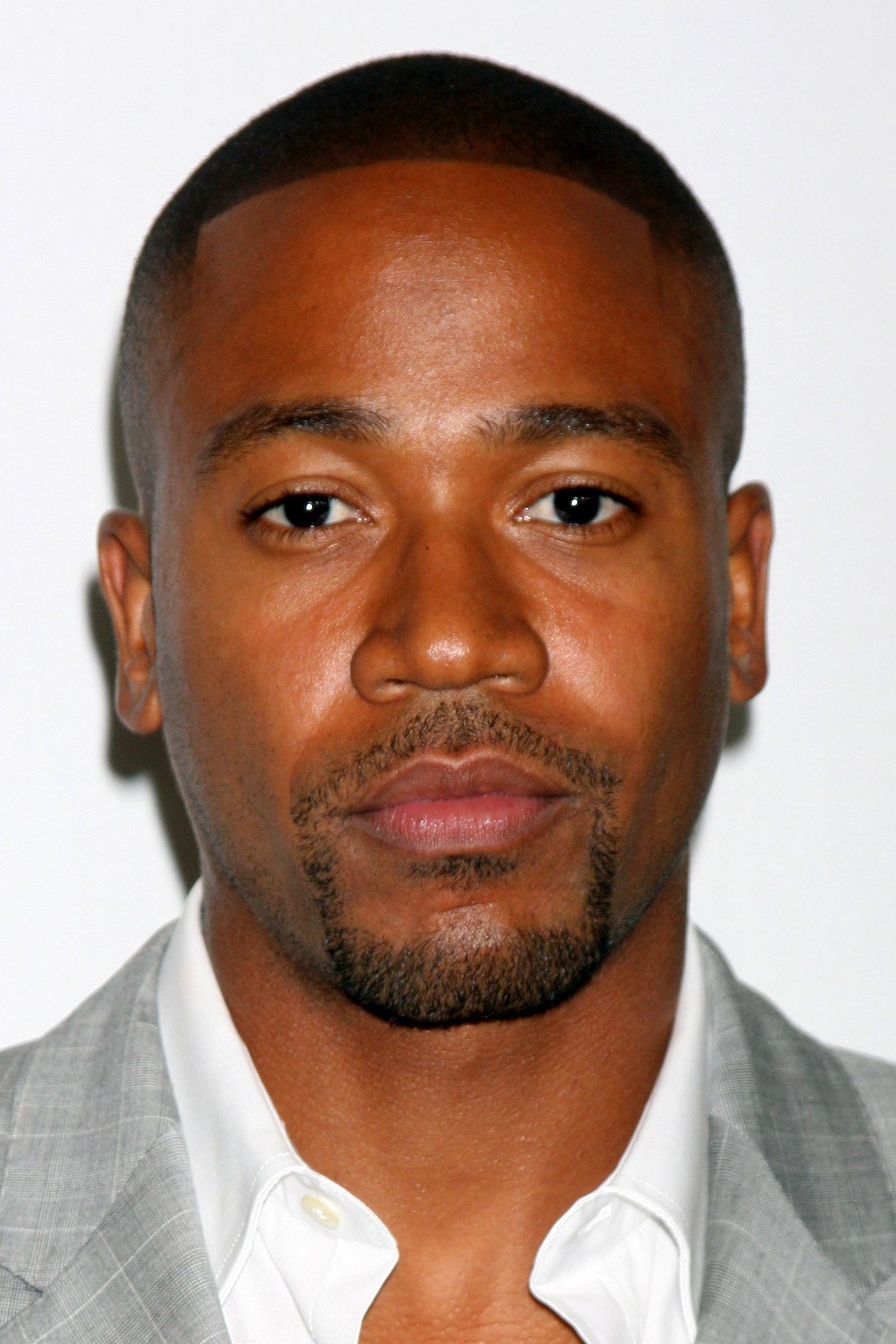
The actor gained significant fame for his role as Harrison Wright on the popular political drama ‘Scandal’. His professional relationship with the studio and the show runners deteriorated after a series of personal legal issues and domestic disputes became public knowledge. These controversies led to his departure from the series and a subsequent struggle to find leading roles in mainstream productions. The studio chose to move forward without his character which marked a major turning point in his acting career. His experience illustrates the impact that personal conduct can have on a career in high stakes television environments.
Wesley Snipes
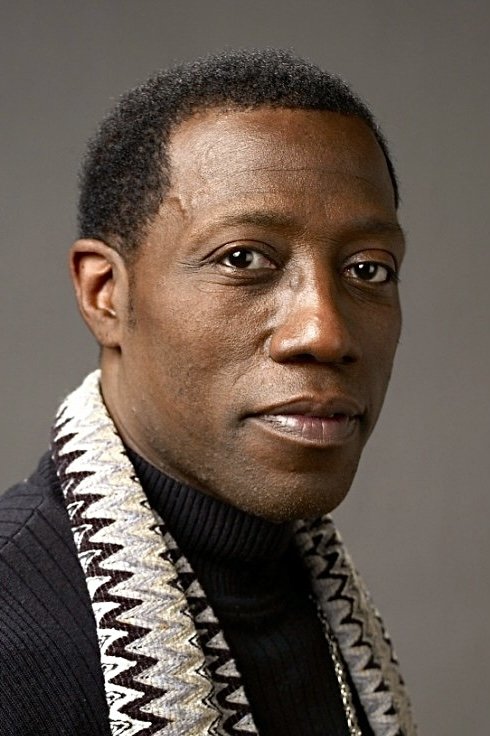
This veteran actor was the face of the ‘Blade’ franchise which helped launch the modern era of superhero films. Reports from the set of ‘Blade Trinity’ suggested that he had major conflicts with the director and production staff during filming. Legal troubles involving tax evasion further complicated his relationship with major Hollywood entities and led to a period of incarceration. These factors combined to create a significant gap in his professional output and limited his opportunities with top tier studios. His eventual return to the screen has mostly consisted of independent projects and supporting roles in larger ensembles.
Ray Fisher
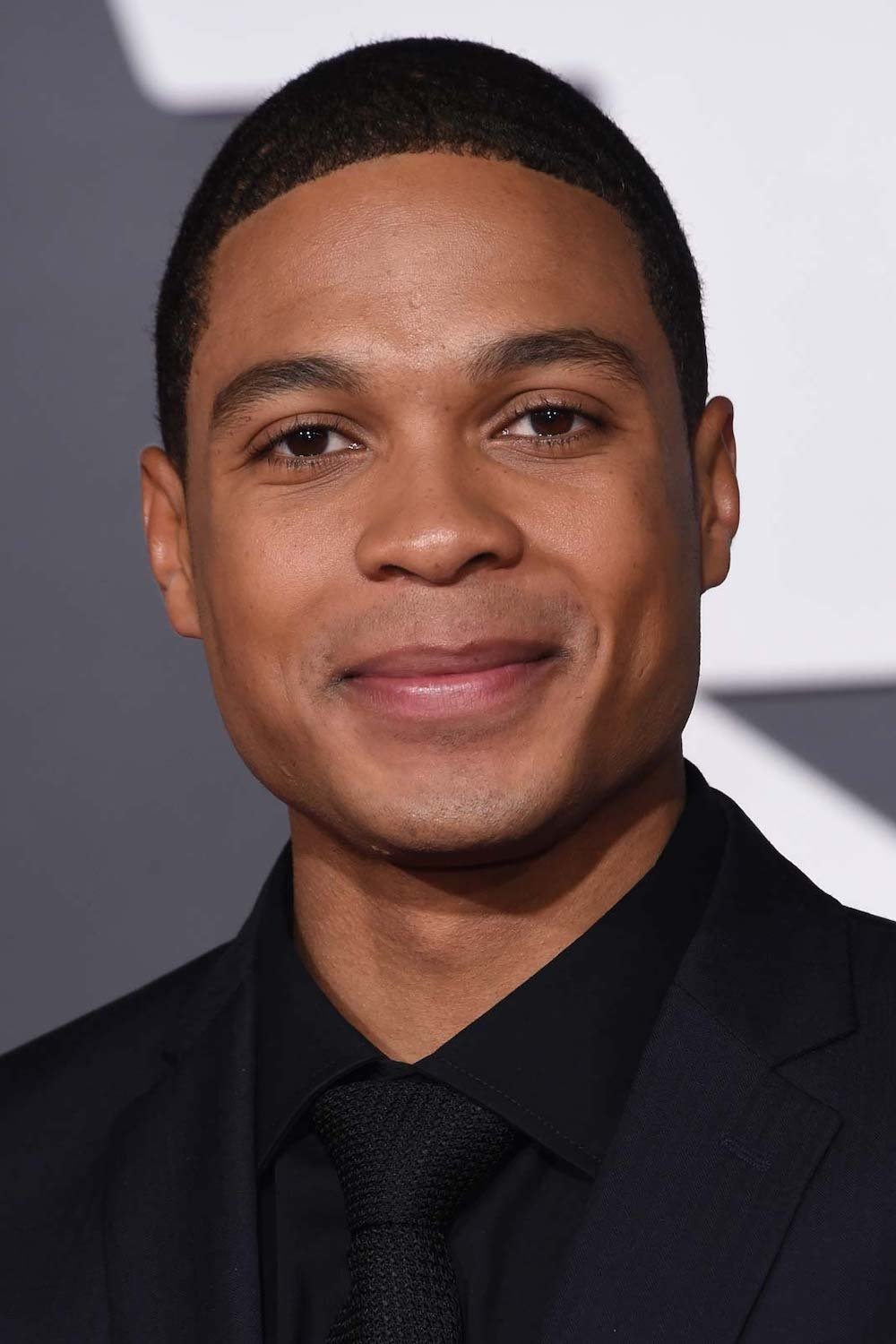
The actor portrayed Cyborg in the film ‘Justice League’ but his relationship with Warner Bros. soured shortly after production ended. He made public allegations regarding unprofessional behavior and a toxic work environment on the set during reshoots. His refusal to remain silent about his experiences led to a protracted investigation and a very public dispute with studio executives. This friction resulted in his character being removed from other upcoming projects in the cinematic universe. He has since focused on speaking out about accountability in the industry while working on more independent endeavors.
John Boyega
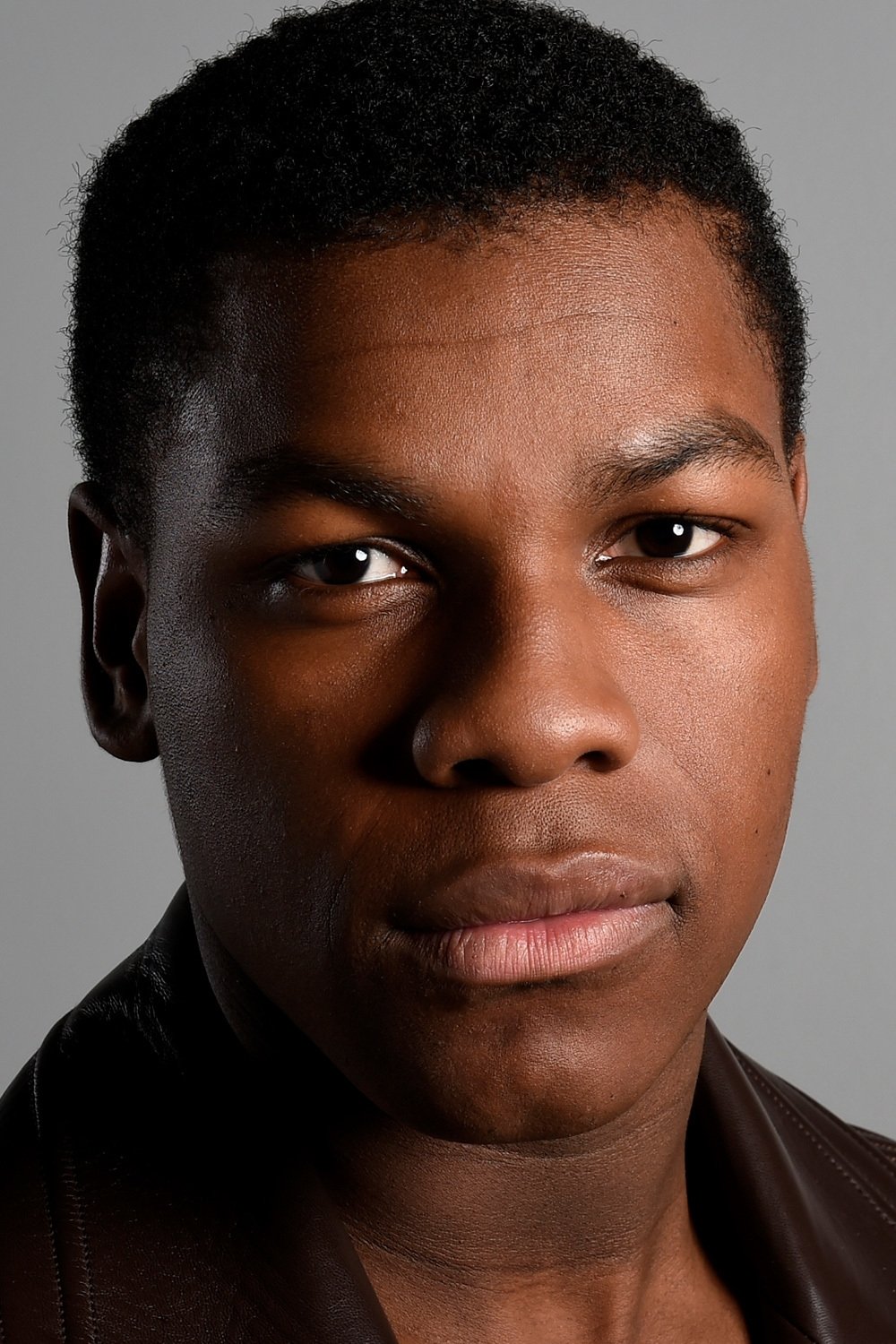
After starring as Finn in the ‘Star Wars’ sequel trilogy the actor became vocal about his dissatisfaction with how Disney handled his character. He criticized the studio for sidelining minority characters in the narrative while promoting them heavily in marketing materials. These public comments were seen as a rare and bold critique of a massive media conglomerate by a leading man. While he has continued to find success in other films his relationship with the massive franchise remains complex. His willingness to challenge studio decisions has made him a significant figure in discussions about diversity and representation.
Jussie Smollett
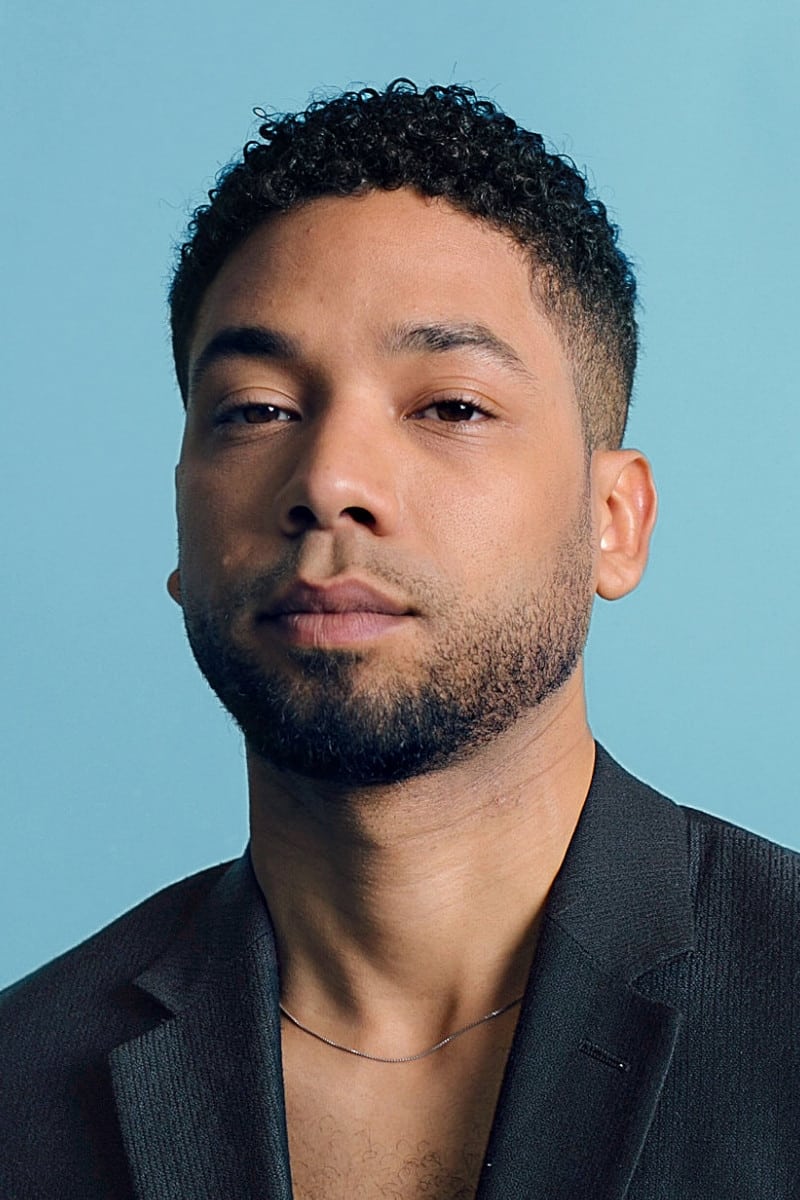
The actor was a breakout star on the television series ‘Empire’ where he played the character Jamal Lyon. His career faced a dramatic decline after he was accused of staging a hate crime against himself in Chicago. The resulting legal battle and negative publicity led the producers to remove his character from the final episodes of the show. This incident caused a total collapse of his relationship with the network and the broader entertainment industry. He has struggled to regain his professional standing in Hollywood since the legal proceedings concluded.
Dave Chappelle
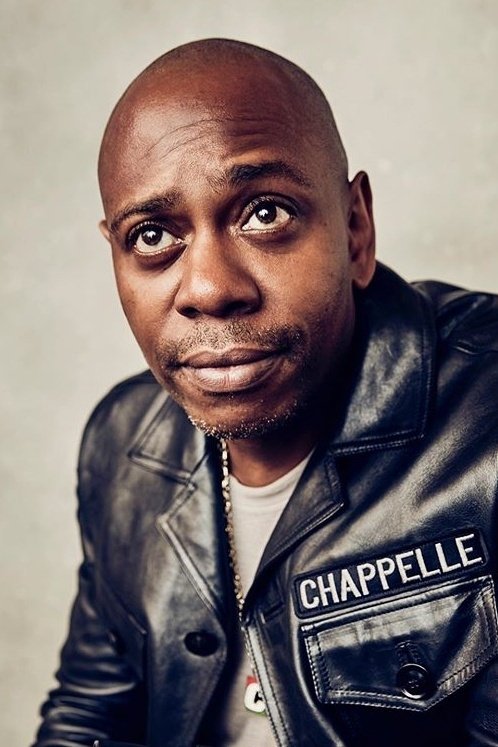
The comedian and actor walked away from a massive contract for ‘Chappelle’s Show’ during the height of its popularity on Comedy Central. His sudden departure and move to South Africa sparked intense media speculation and strained his relationship with the network executives. He cited concerns about the creative direction of the show and the pressure of fame as reasons for his exit. This decision effectively ended his relationship with the studio for over a decade before he returned to mainstream platforms. His choice to prioritize personal integrity over corporate interests remains a legendary moment in entertainment history.
Bill Cosby
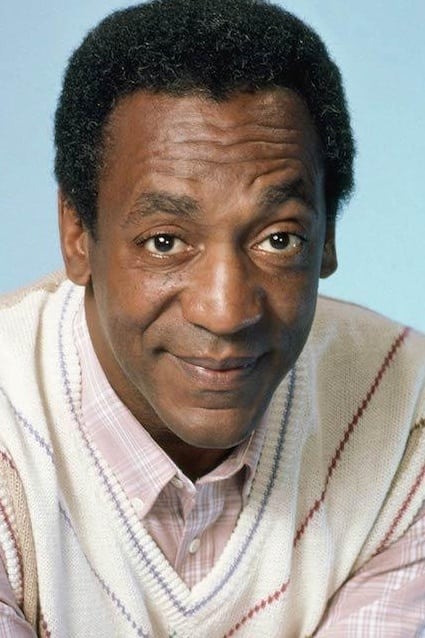
Once known as a beloved figure in American television the actor had a historic relationship with major studios through ‘The Cosby Show’. His career and legacy were completely dismantled following numerous allegations of sexual assault and a subsequent criminal conviction. Major networks pulled his programs from syndication and severed all ties with the former star. The studio system moved quickly to distance itself from him as the legal details became a matter of public record. This fall from grace represents one of the most significant breaks between a performer and the Hollywood establishment.
Katt Williams
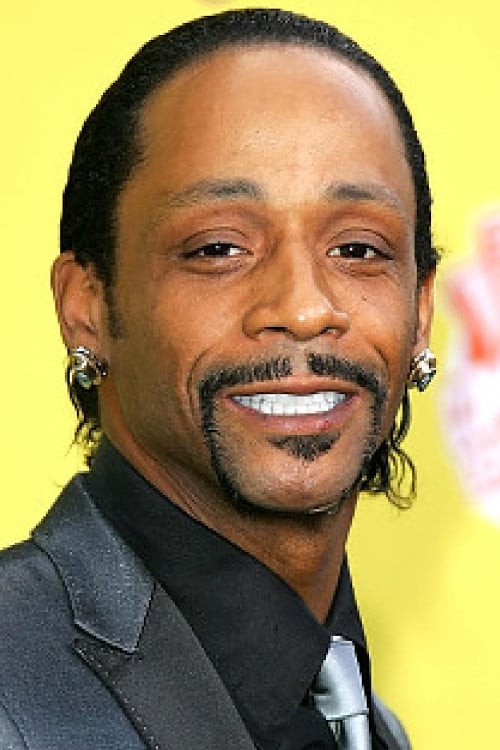
The stand up comedian and actor has had a volatile relationship with the mainstream entertainment industry for years. He has frequently used his platform to criticize major studios and influential figures in Hollywood for their practices. His numerous legal encounters and erratic behavior on sets have also contributed to a reputation that makes major productions hesitant to hire him. Despite his undeniable talent and dedicated fan base he often operates outside of the traditional studio system. His public feuds with other performers and executives have solidified his status as an industry outsider.
Orlando Jones
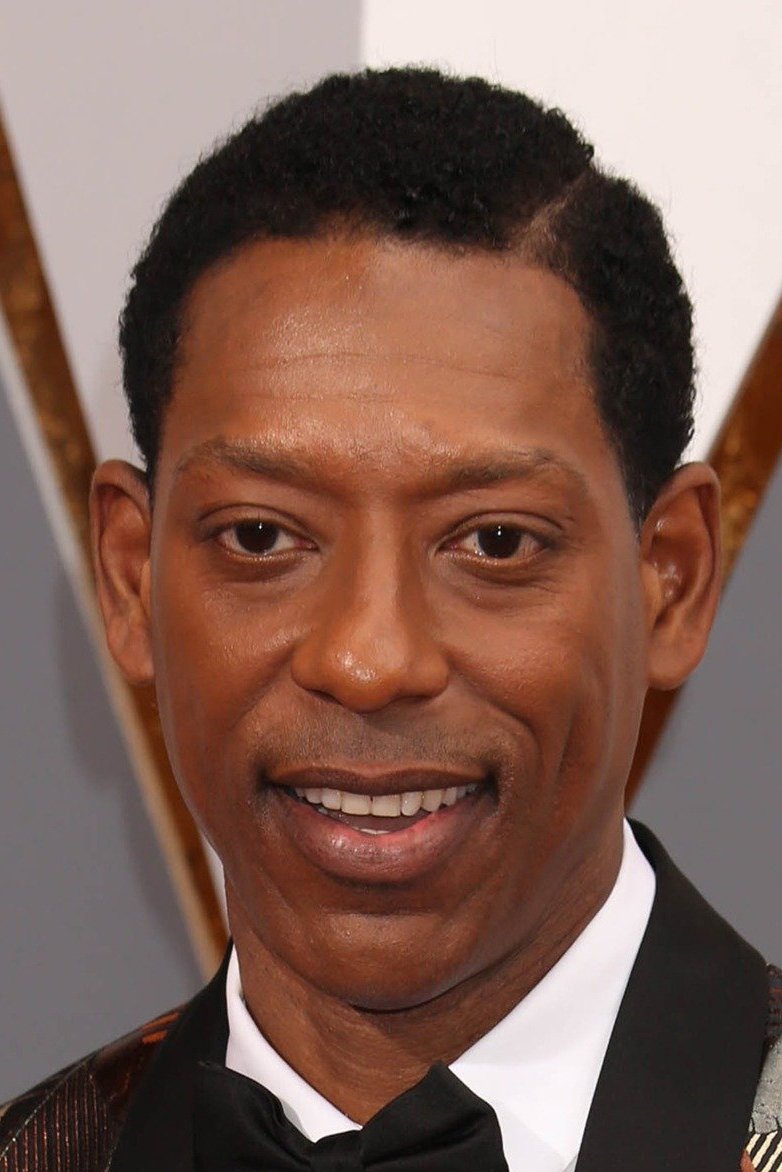
The actor was a central part of the cast of the series ‘American Gods’ until he was unexpectedly fired from the production. He claimed that the show runners believed his character sent the wrong message which led to a public disagreement. The studio and production company faced significant criticism following his vocal descriptions of the dismissal. This conflict highlighted the tension that can exist between actors and producers over the creative representation of characters. He has since continued to work in the industry but his exit from that specific series was highly contentious.
Marcus Chong
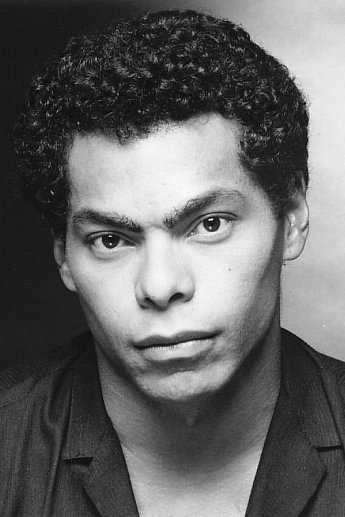
The actor played Tank in the original ‘The Matrix’ film but did not appear in any of the sequels. He filed a lawsuit against the production company and the directors alleging that they had breached their contract with him. There were also reports of disruptive behavior and harassment claims that further damaged his standing with the studio. These legal and professional disputes resulted in his character being written out of the franchise entirely. His career never fully recovered from the fallout of this high profile legal battle.
Orlando Brown
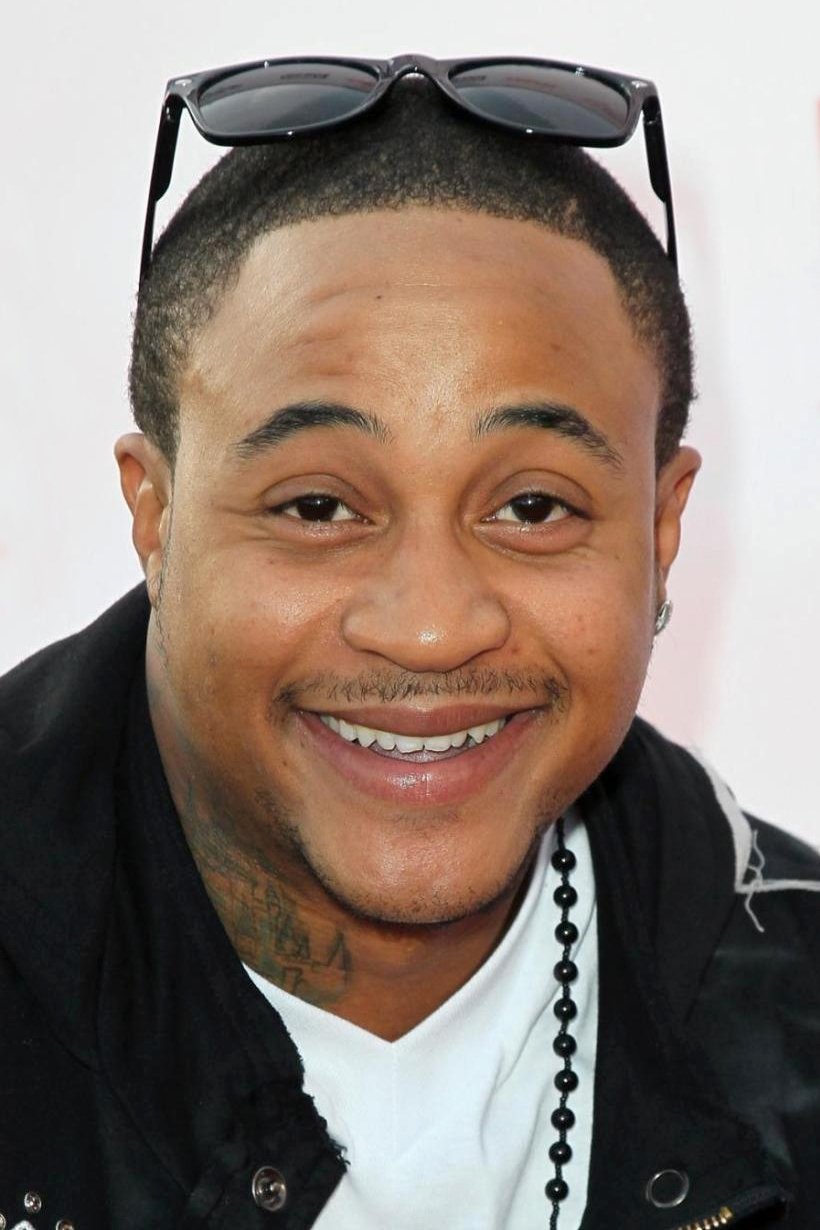
The former child star was a prominent fixture on the Disney Channel series ‘That’s So Raven’. His relationship with the studio and the broader industry disintegrated as he faced various legal issues and public struggles with mental health. These problems prevented him from participating in the series revival and other mainstream acting opportunities. The studio chose to distance itself from him to protect its brand image and the production environment. His experience serves as a cautionary tale about the challenges faced by young actors within the studio system.
Michael Jace
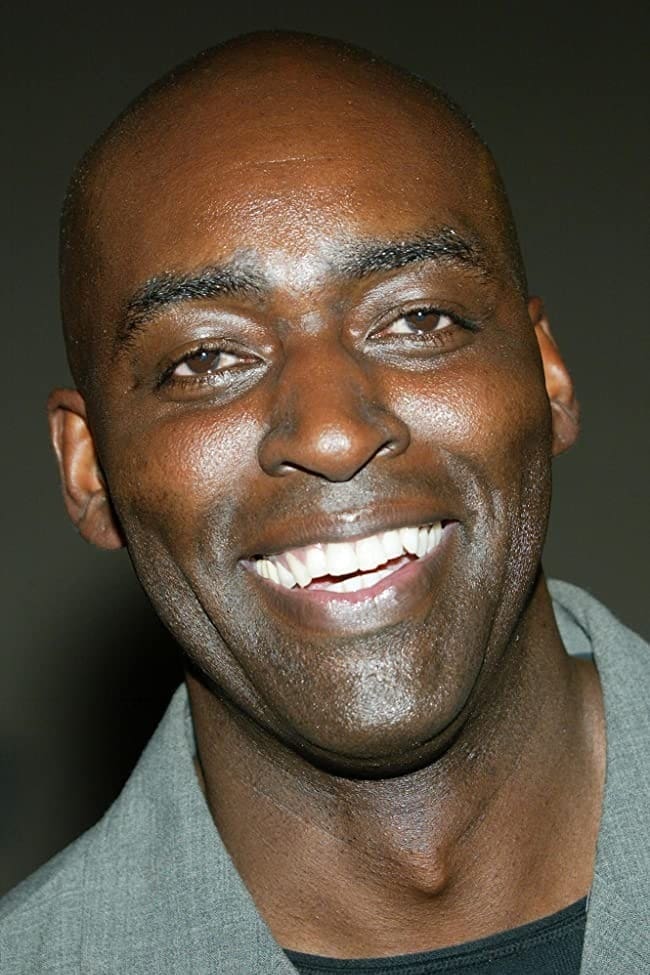
The actor was well known for his role as an officer on the gritty police drama ‘The Shield’. His professional career came to a complete halt after he was arrested and convicted for the murder of his wife. This horrific criminal act led to an immediate and permanent severance of all ties with the entertainment industry. The studios associated with his past work took steps to remove his association from their future branding. He is currently serving a prison sentence and will likely never work in Hollywood again.
Nick Cannon
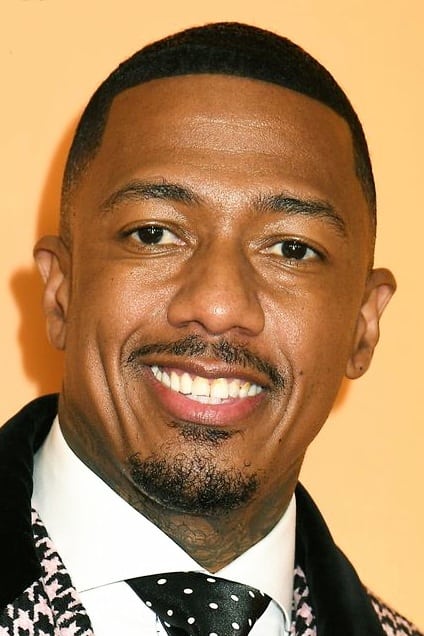
The multi talented performer faced a major crisis in his relationship with ViacomCBS after making controversial comments on a podcast. The media conglomerate fired him from his long running show ‘Wild N Out’ and issued a public condemnation of his statements. He initially pushed back against the studio and demanded full ownership of his brand in a public stand off. After a series of apologies and educational efforts he eventually mended the relationship and returned to the company. This incident demonstrated how quickly studio support can vanish in the face of public controversy.
Tyrese Gibson
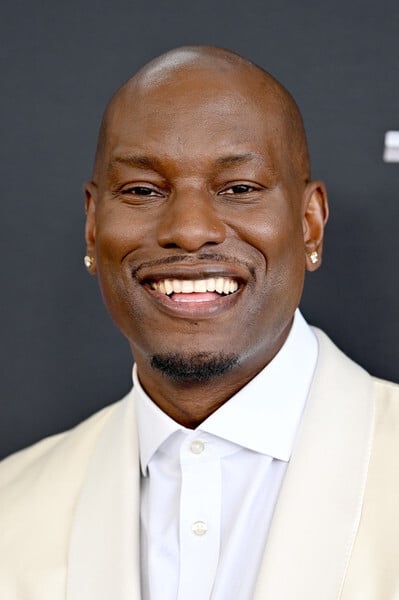
The actor and singer is a mainstay of the ‘Fast & Furious’ franchise but has had public disputes with the studio and his co-stars. He famously used social media to criticize Dwayne Johnson for accepting a spin off film which he believed delayed the main series. His public outbursts and emotional videos during a difficult personal period caused concern among studio executives and fans alike. While he remains a part of the series his vocal criticisms have occasionally put him at odds with the production team. He continues to be a polarizing figure whose social media presence often impacts his professional image.
Chris Tucker
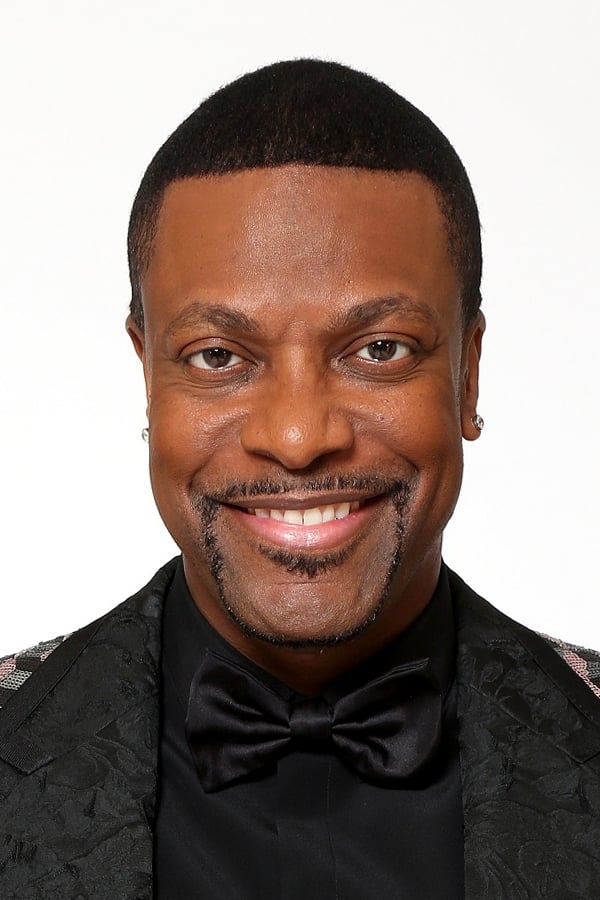
After the massive success of the ‘Rush Hour’ films the actor became one of the highest paid stars in the world. However his career slowed down significantly as he began to turn down numerous studio offers due to his religious beliefs and salary demands. His reputation for being difficult to negotiate with led to fewer opportunities in major Hollywood productions. This selective approach and high price tag created a distance between him and the leading studios for many years. He eventually returned for the third installment of his famous franchise but has remained largely absent from mainstream cinema since.
Martin Lawrence
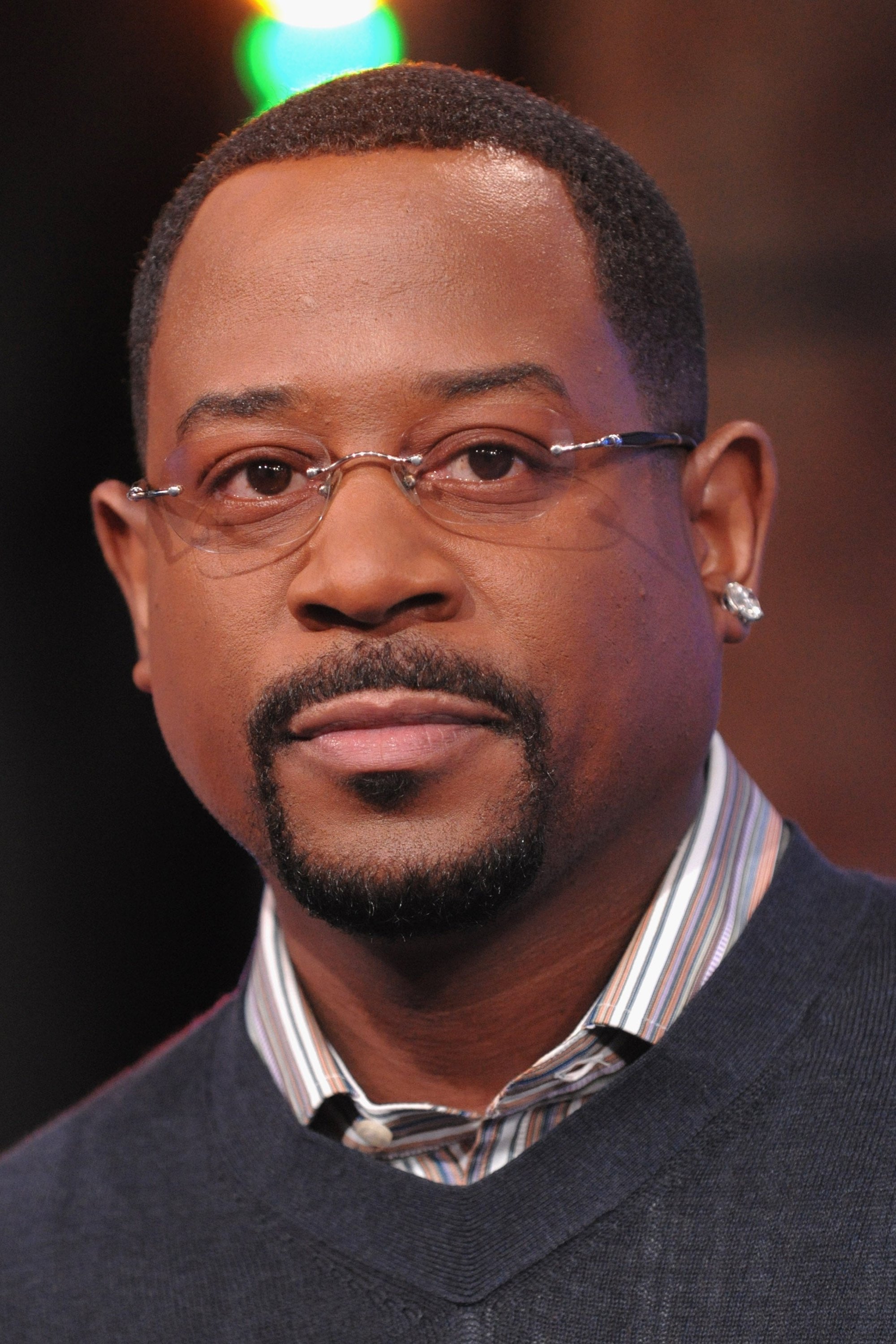
During the peak of his fame the actor experienced several public incidents that strained his relationship with studios and production crews. Reports of erratic behavior on the sets of films like ‘Blue Streak’ and ‘A Thin Line Between Love and Hate’ raised concerns among executives. He was also involved in a lawsuit with a co-star that led to significant tension during the production of his television show. While he successfully rebuilt his career and returned for more ‘Bad Boys’ sequels these early incidents were major hurdles. His journey shows how a major star can overcome bridge burning moments through consistent performance and personal growth.
Tommy Davidson
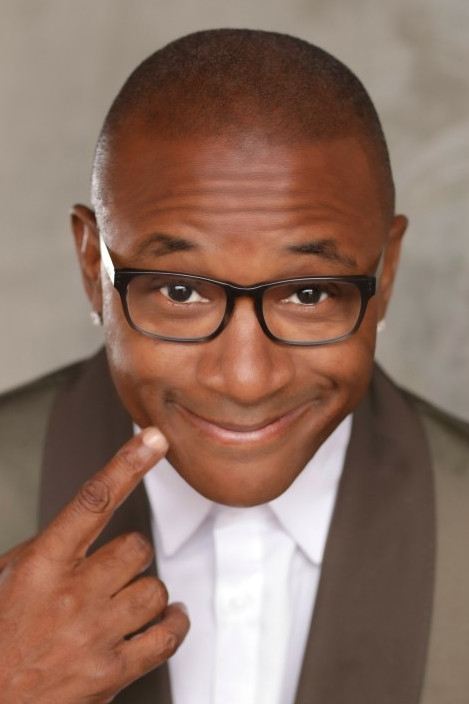
The actor was a key member of the groundbreaking sketch comedy series ‘In Living Color’. He has been open about the friction that existed behind the scenes between the cast and the production leadership. His personal struggles during that time also impacted his reliability and professional relationships with major studios. He later wrote about his experiences and the challenges of navigating the industry as a young comedic talent. These past conflicts influenced his career path and led him to focus more on stand up and independent projects for a period.
Redd Foxx
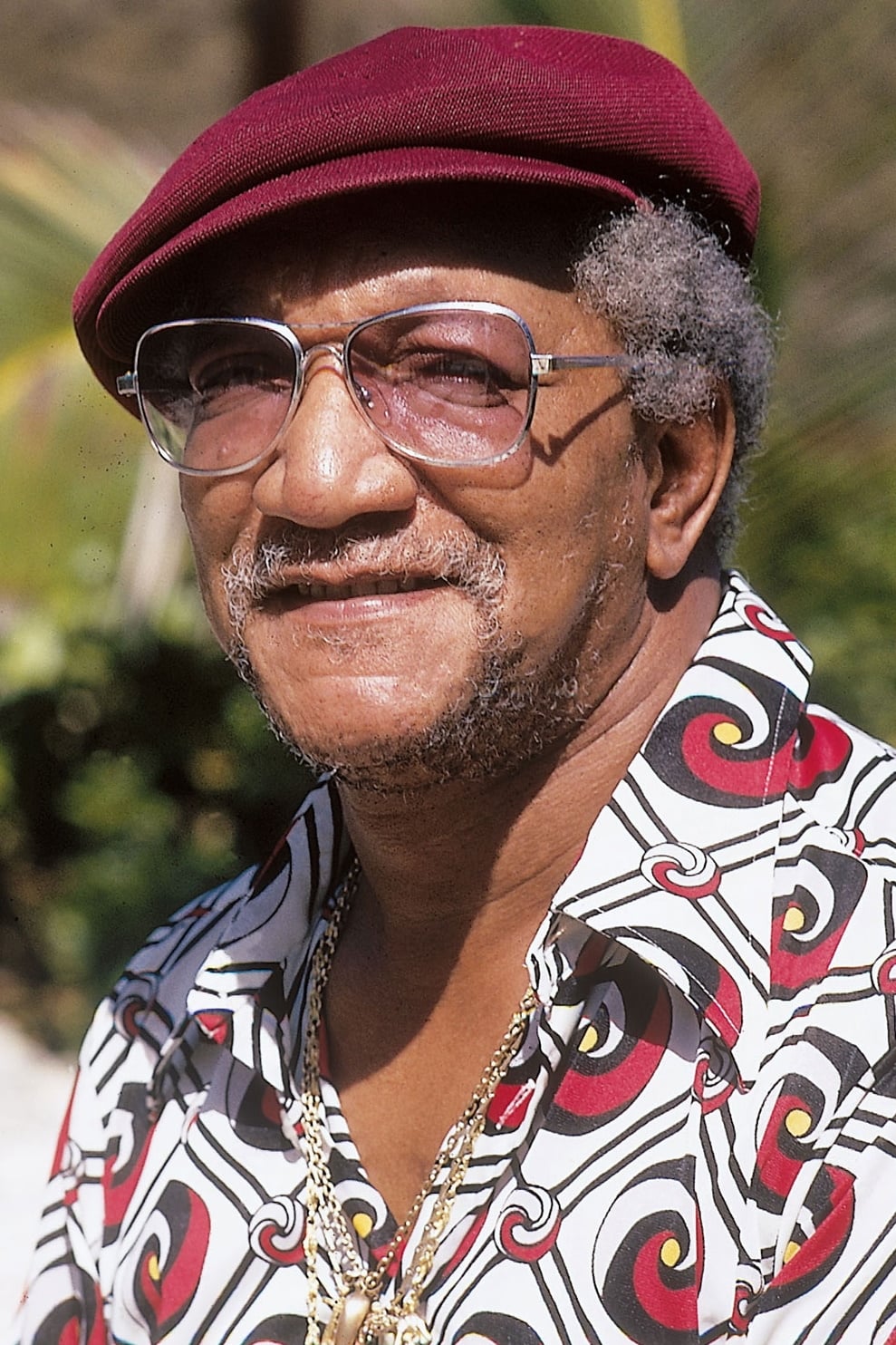
The legendary comedian starred in the hit series ‘Sanford and Son’ but frequently clashed with the network over his salary and working conditions. He famously staged walkouts and refused to film episodes until his demands for better pay and respect were met. These disputes eventually led to his departure from the show and a strained relationship with television executives. While he remained an iconic figure his career in television was marked by these battles for fair treatment. His actions paved the way for future actors to advocate for their value within the studio system.
Gary Coleman

The child star of ‘Diff’rent Strokes’ faced a difficult transition into adult acting due to legal and financial battles with his parents and former advisors. He also had several public altercations and legal issues that made major studios hesitant to cast him in new projects. His relationship with the industry was further complicated by his frustration with being typecast as his childhood character. These factors led to a significant decline in his professional opportunities and a sense of alienation from Hollywood. He spent much of his later life working outside of the entertainment industry before his passing.
Nate Parker
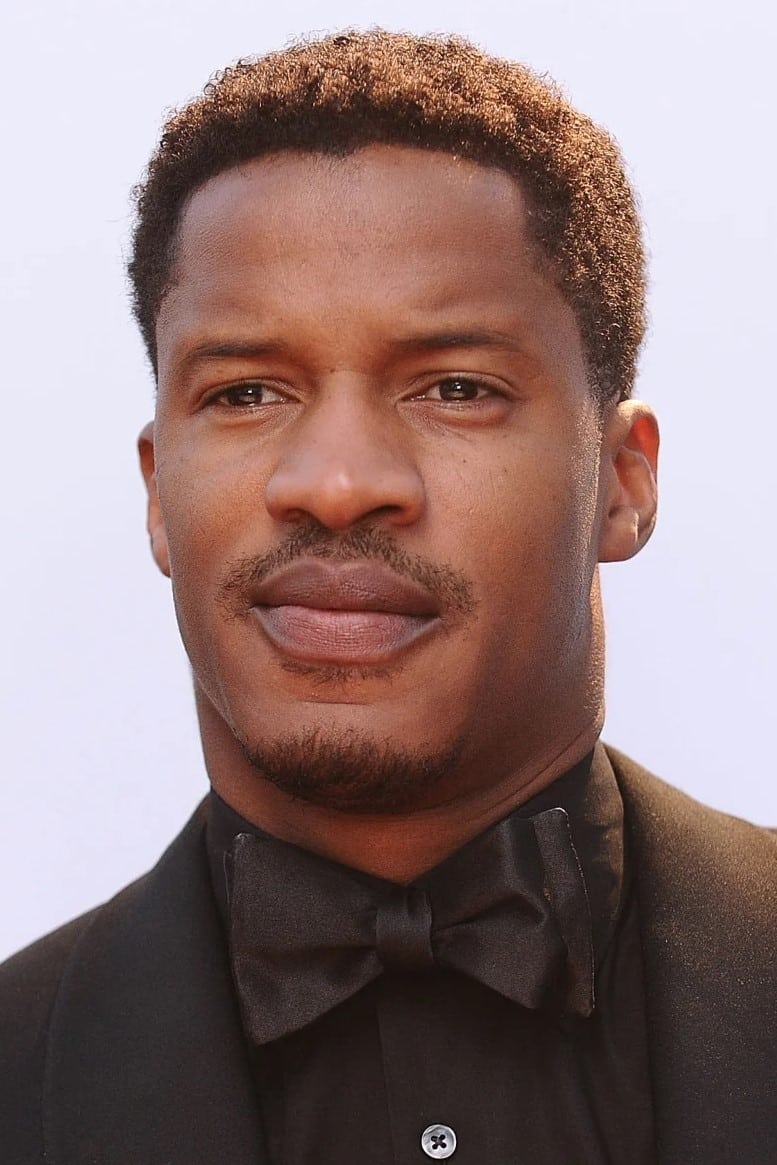
The actor and director was poised for major success with the release of his film ‘The Birth of a Nation’ after a record breaking deal at Sundance. However the resurgence of a past legal case involving sexual assault allegations during his college years derailed the film’s campaign and his career. Major studios and distributors faced significant pressure as the controversy grew and the film underperformed at the box office. The fallout resulted in a sudden loss of support from the Hollywood establishment that had previously championed his work. He has since struggled to return to the forefront of the industry despite his early promise.
Cuba Gooding Jr.
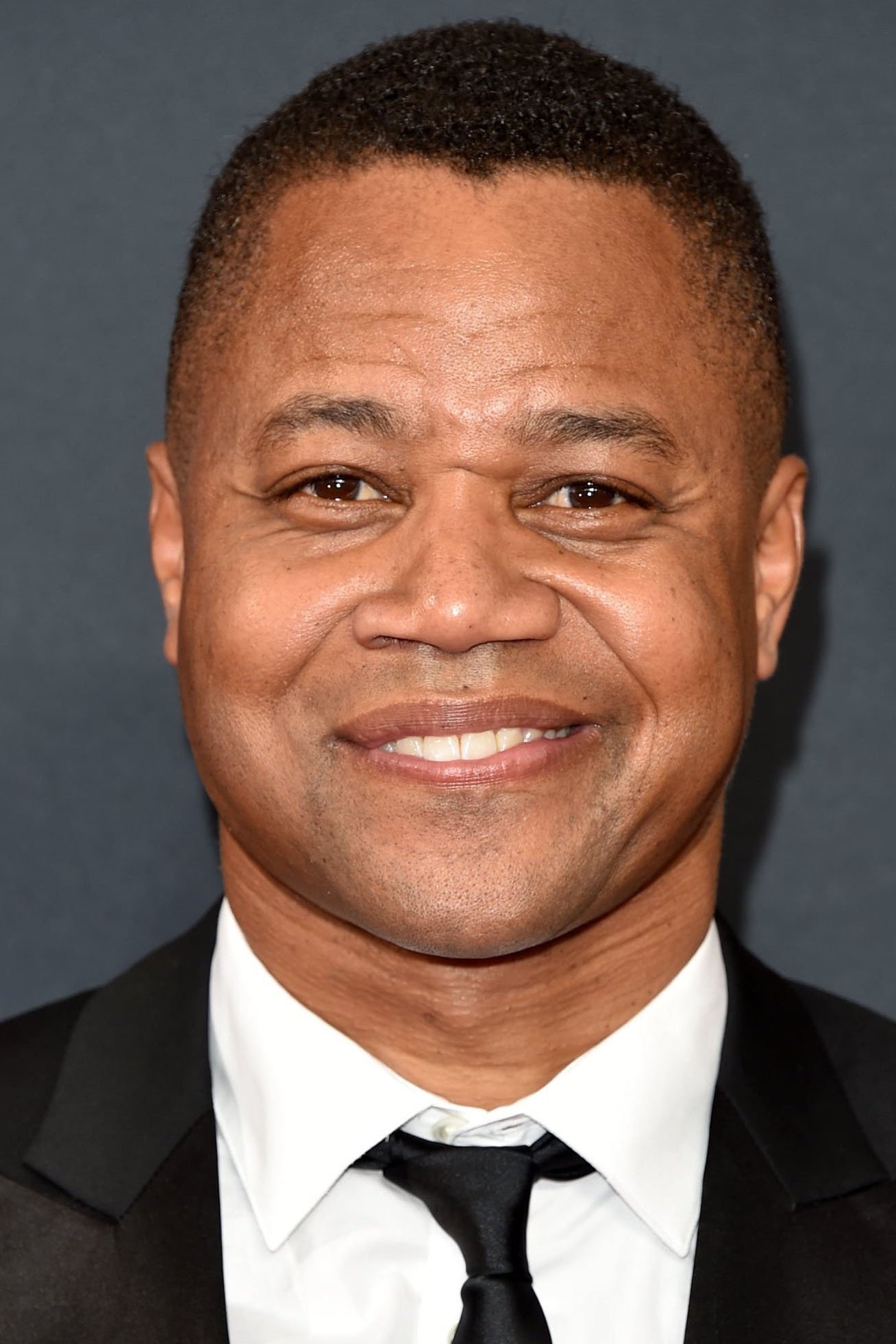
The Academy Award winner experienced a decline in his relationship with major studios following a series of legal allegations and reports of misconduct. His transition from high profile leading roles to direct to video projects was seen by many as a sign of his diminishing standing in the industry. The legal proceedings regarding his behavior in public venues further tarnished his professional reputation. These issues led to a lack of interest from top tier production companies and limited his involvement in major cinematic releases. He continues to face professional challenges as he navigates the legal and social consequences of these events.
Harold Perrineau
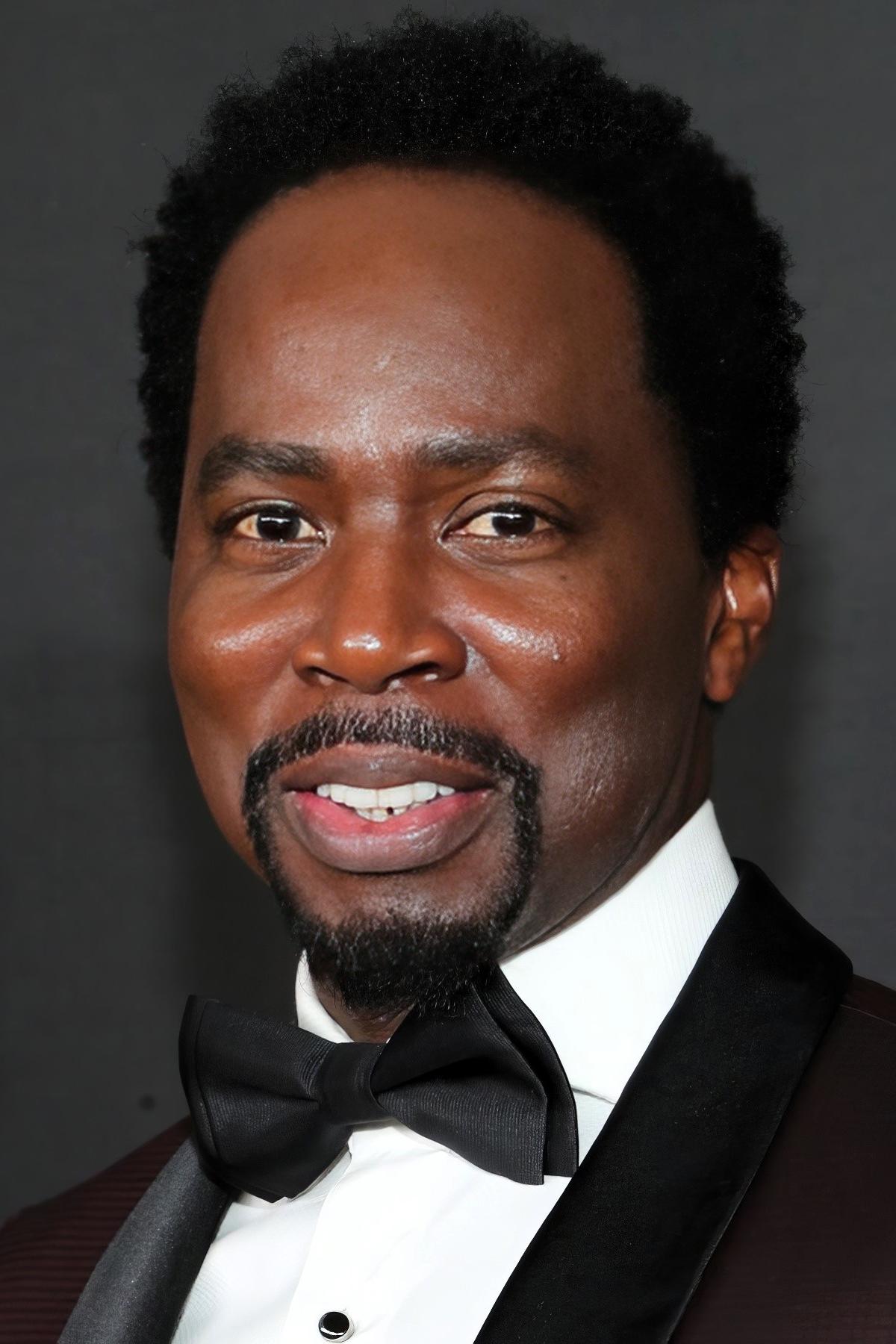
The actor was a prominent member of the cast of ‘Lost’ until his character was unexpectedly written off the show. He publicly expressed his frustration with the show runners and the studio regarding the creative direction of the series and the treatment of minority characters. His vocal critique of the writing staff led to a public disagreement that effectively ended his tenure on the popular series. While he has continued to work steadily in both film and television this specific exit remains a well known instance of creative friction. His experience highlights the risks involved when actors challenge the narrative decisions of powerful show runners.
Arsenio Hall
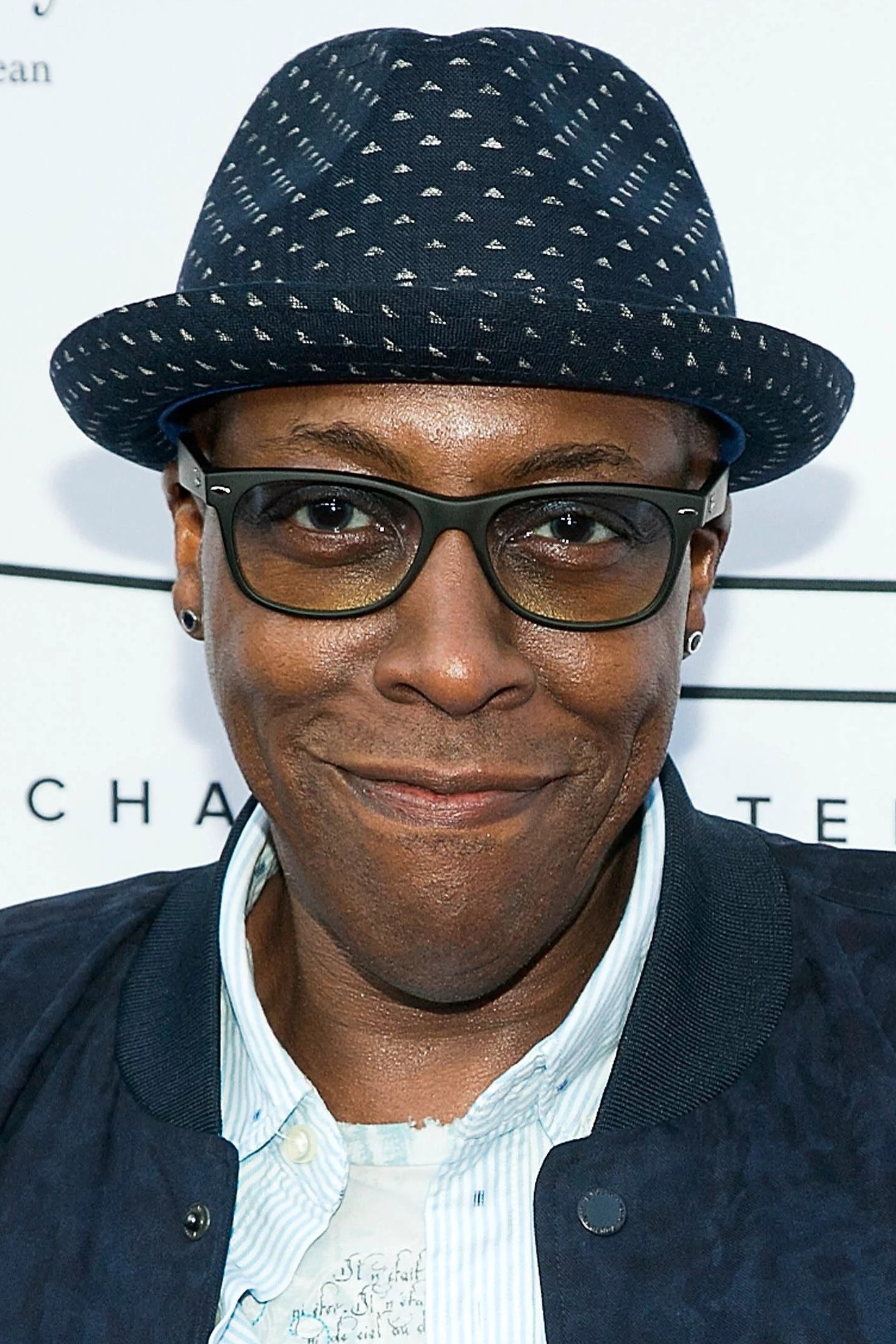
The late night host and actor had a very successful run with ‘The Arsenio Hall Show’ but faced a difficult relationship with Paramount after the show was canceled. He felt that the studio did not provide enough support during the rise of new competition in the late night landscape. This tension led to a long absence from the screen as he chose to step away from the industry to focus on his personal life. He eventually returned to television years later but his initial departure marked a major break from the studio system. His career path demonstrates the impact of executive decisions on the longevity of television personalities.
Damon Wayans
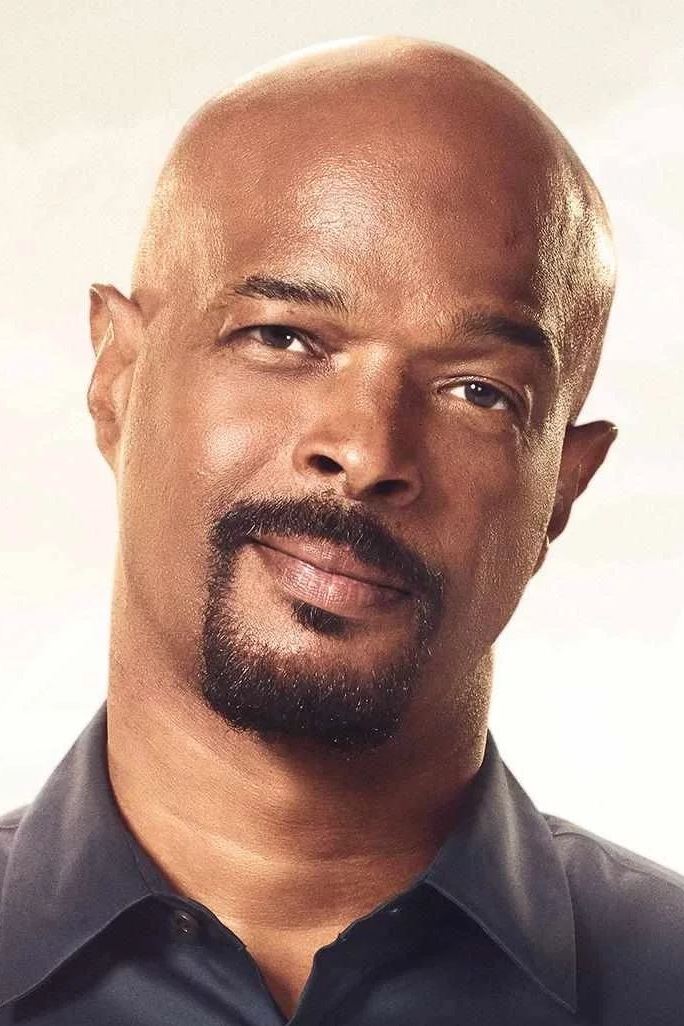
The comedian was a standout performer on ‘In Living Color’ but was famously fired by the network for an act of creative rebellion. He decided to play a character in a completely different way than what was scripted and approved by the producers. This decision led to his immediate termination and created a temporary rift with the studio executives at Fox. He eventually returned to the network for other projects like ‘Lethal Weapon’ but the early incident remains a classic example of on set defiance. His career has been defined by his commitment to his comedic vision even when it clashes with corporate expectations.
Kel Mitchell
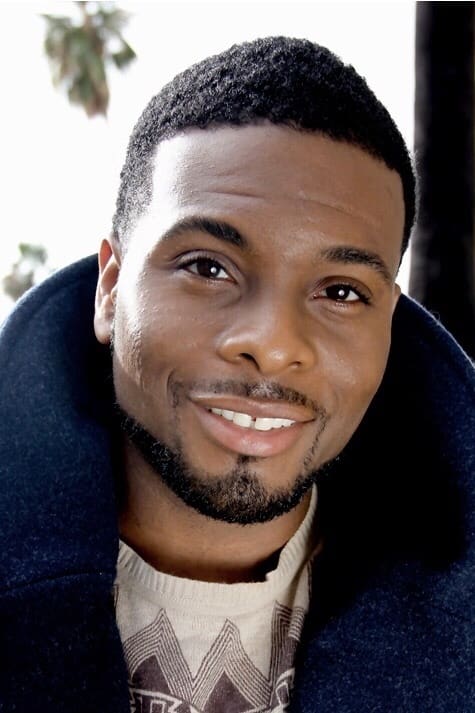
The actor rose to fame on Nickelodeon as part of the duo Kenan and Kel but faced a period of professional isolation after their show ended. He has spoken about the challenges of navigating the industry after the studio moved forward with his partner while he was left without major projects. This period of transition led to a distance between him and the network that launched his career. He eventually returned to work with Nickelodeon on the series ‘Game Shakers’ but the initial gap was a significant hurdle. His story reflects the often difficult transitions child stars face when studio priorities shift.
Richard Pryor

The legendary comedian and actor had a career filled with both immense success and significant friction with studio executives. His struggles with substance abuse and unpredictable behavior on sets often created challenges for production companies. He was known for demanding creative control and refusing to compromise his artistic voice for the sake of mainstream appeal. While he was a massive box office draw his relationship with Hollywood was frequently strained by his personal and professional choices. He remains a highly influential figure despite the many bridges that were tested during his lifetime.
Todd Bridges
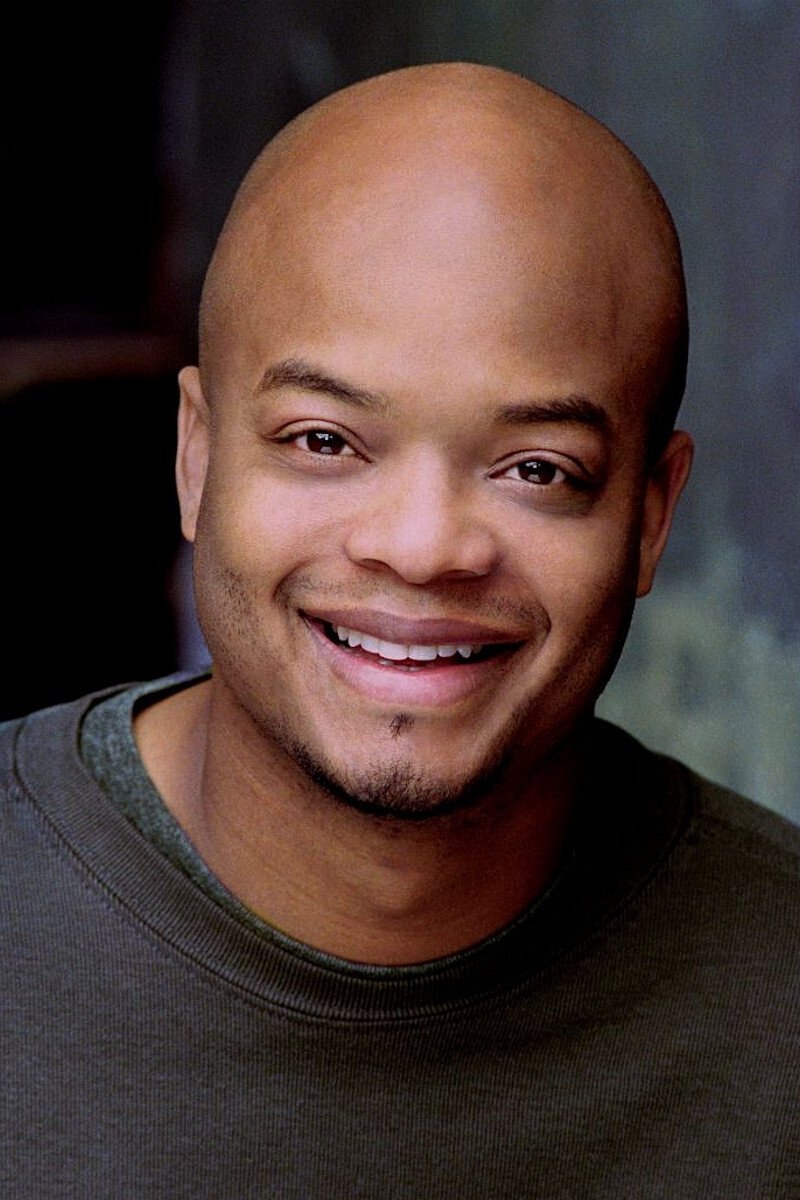
The actor was a beloved figure on ‘Diff’rent Strokes’ but struggled with the pressures of fame and the expectations of the studio system. His involvement in legal issues and drug addiction during his youth led to a breakdown in his professional relationships. Major studios were reluctant to hire him for many years as he worked to overcome his personal demons and rebuild his life. He eventually found success as a commentator and author but his acting career was permanently altered by his early experiences. His journey is a testament to the difficulty of maintaining a career under the intense scrutiny of the Hollywood spotlight.
Robert Guillaume
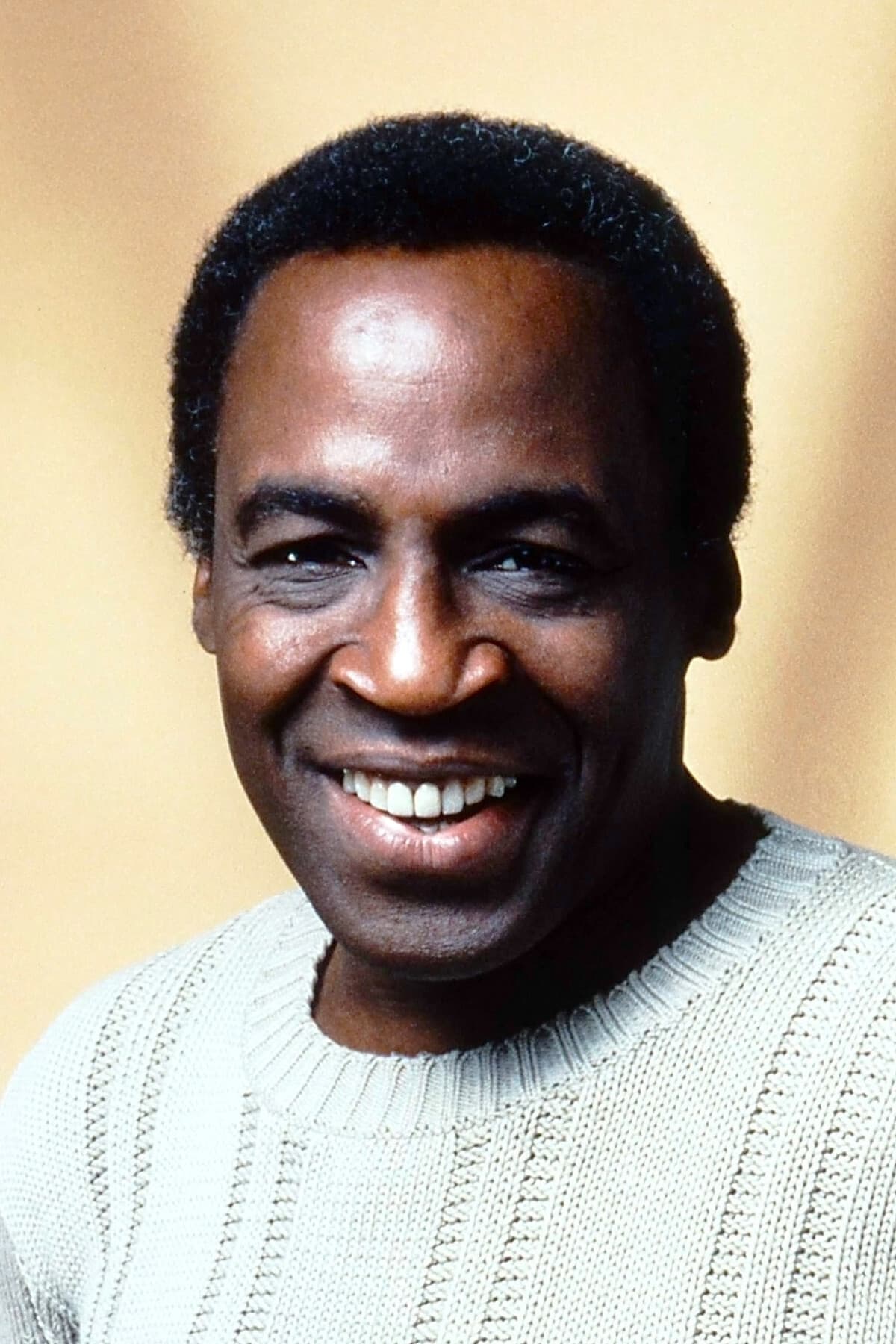
The actor was the star of the hit series ‘Benson’ and was known for his strong opinions on the creative direction of his work. He had several disagreements with producers and studio heads over how his character should be portrayed and developed. These conflicts occasionally led to tension on the set and strained his relationship with the network leadership. Despite these challenges he remained a respected figure in the industry and continued to work until his passing. His dedication to portraying dignified characters often put him at odds with the typical studio tropes of the time.
Lawrence Hilton-Jacobs
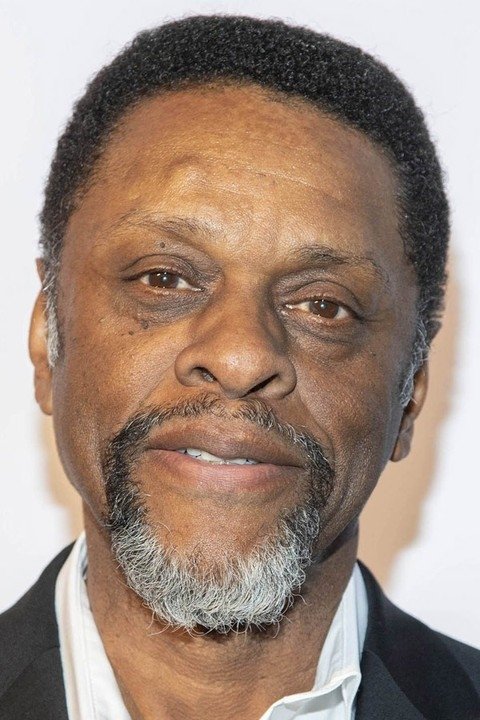
The actor gained fame on the series ‘Welcome Back Kotter’ but faced challenges when he sought more substantive roles within the studio system. He expressed dissatisfaction with the limited opportunities and creative constraints placed on actors of color during that era. This friction led to a period where he worked less frequently in major mainstream productions as he pushed for better representation. He eventually focused on independent projects and music to maintain his creative freedom outside of the traditional studio structure. His career illustrates the historical struggle for agency among African-American performers in television.
Flex Alexander
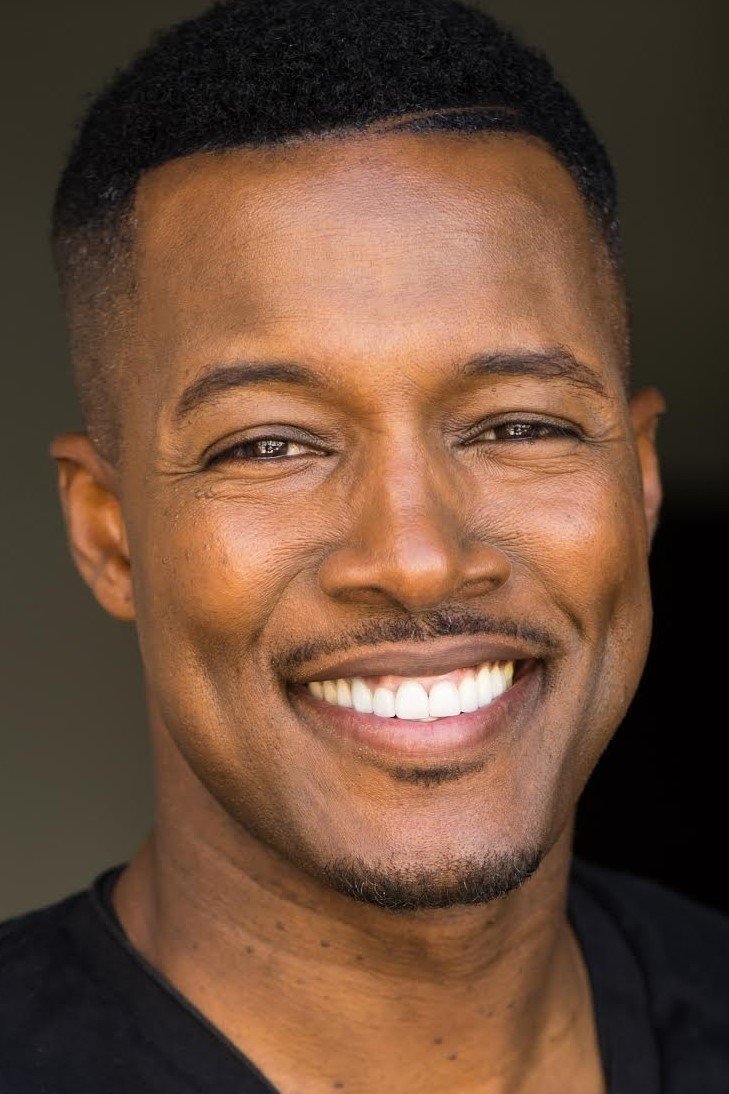
The actor and dancer starred in the sitcom ‘One on One’ but experienced a shift in his professional standing after the series concluded. He has discussed the difficulty of finding new leading roles and the perceived lack of support from major networks during his career transition. This struggle led to a period of professional distance between him and the top level studios that had previously championed his work. While he has remained active in the industry his path highlights the challenges of maintaining momentum after a successful series ends. He continues to work in various capacities while navigating the complexities of the Hollywood landscape.
Faizon Love
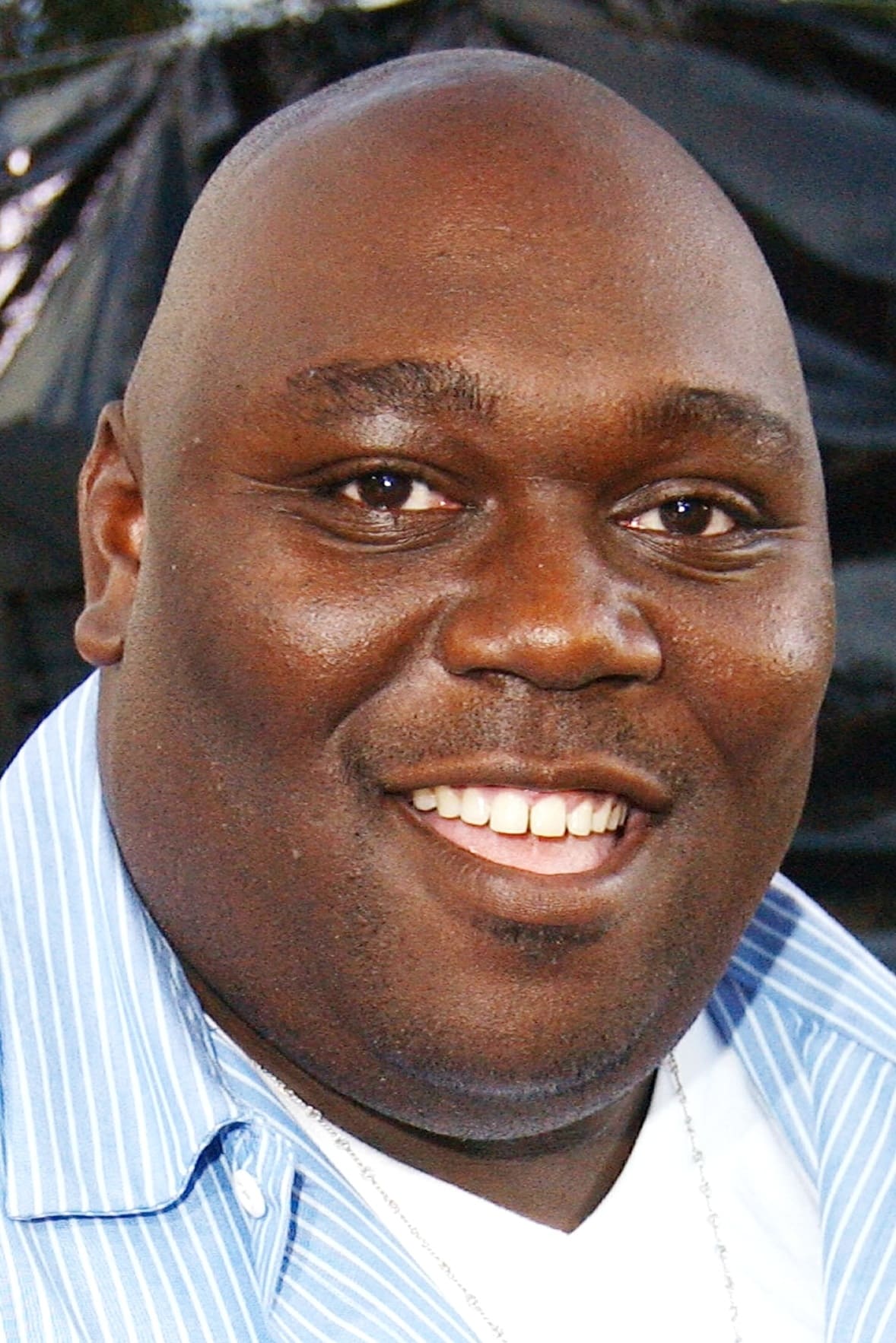
The comedian and actor has been vocal about his issues with major studios regarding fair pay and representation in marketing materials. He famously filed a lawsuit against a major studio alleging that he was intentionally removed from the international promotional posters for a film. This public legal battle highlighted the ongoing concerns about how minority actors are treated in global entertainment campaigns. His willingness to take legal action created a notable rift between him and several industry power players. He remains a consistent performer who is not afraid to challenge the corporate practices of Hollywood.
Bill Nunn
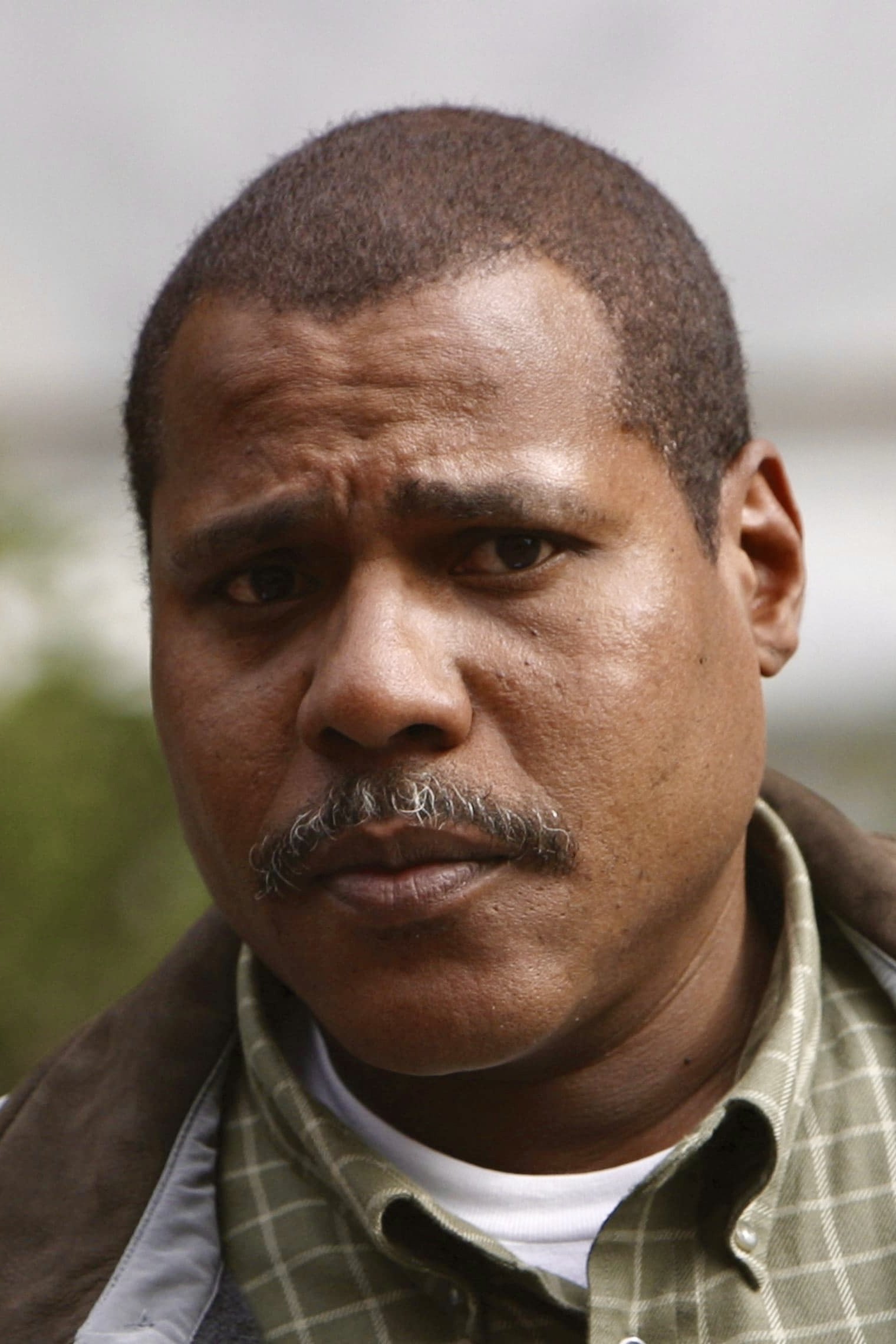
The actor was a frequent collaborator with prominent directors but faced significant professional friction during the production of ‘School Daze’. Reports of intense disagreements on set and issues with the production environment led to a lasting strain on some of his industry relationships. These early conflicts impacted his trajectory and led him to be more selective about the projects and studios he worked with in the future. Despite these hurdles he delivered memorable performances in numerous iconic films throughout his career. His experience shows how early career disputes can shape an actor’s professional philosophy and choices.
Paul Winfield
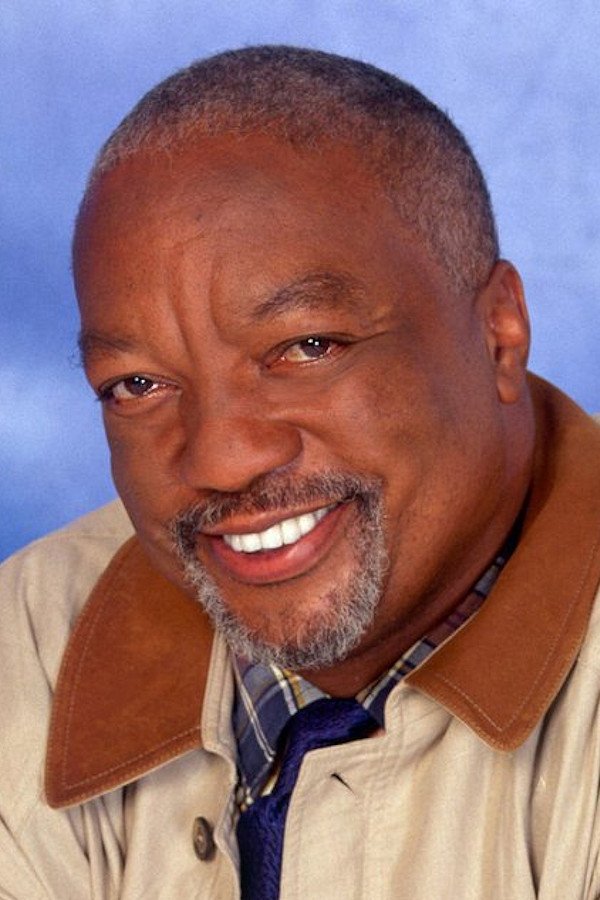
The Academy Award nominated actor had a distinguished career but often found himself at odds with the limited roles offered by major studios. He was vocal about his frustration with the industry’s systemic barriers and the lack of complex characters for African-American men. This outspoken nature occasionally made studio executives uncomfortable and impacted his frequency of work in mainstream cinema. He spent much of his career advocating for better opportunities while delivering powerful performances in both film and television. His legacy is one of artistic excellence maintained in the face of significant professional resistance.
Please share your thoughts on these career shifts in the comments.

