


African-American Actors Who Needed Therapy After a Role

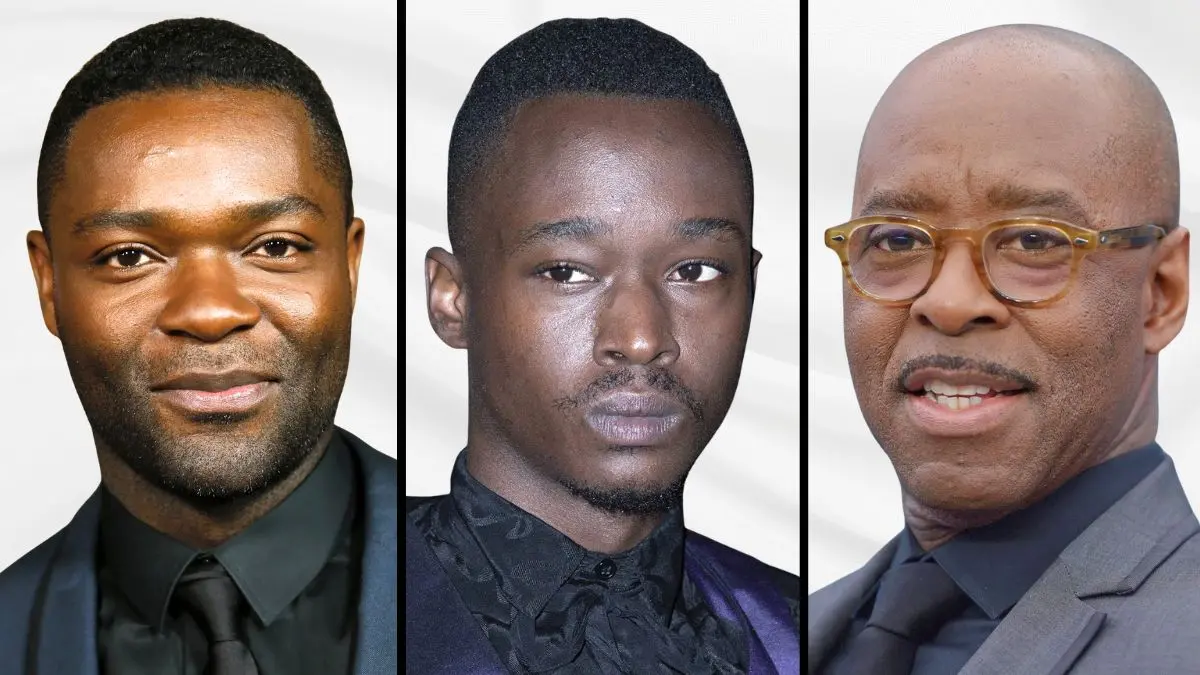


The demanding nature of method acting and the emotional weight of certain historical or traumatic roles can take a significant toll on an actor’s mental health. Many African-American male actors have opened up about the psychological challenges they faced while portraying complex characters on screen. These performers often immerse themselves in dark or painful narratives to provide authentic representations of the Black experience. Consequently, some have sought professional therapy to navigate the lingering effects of these intense professional commitments. This practice highlights the growing awareness of mental wellness within the high-pressure environment of Hollywood.
Michael B. Jordan
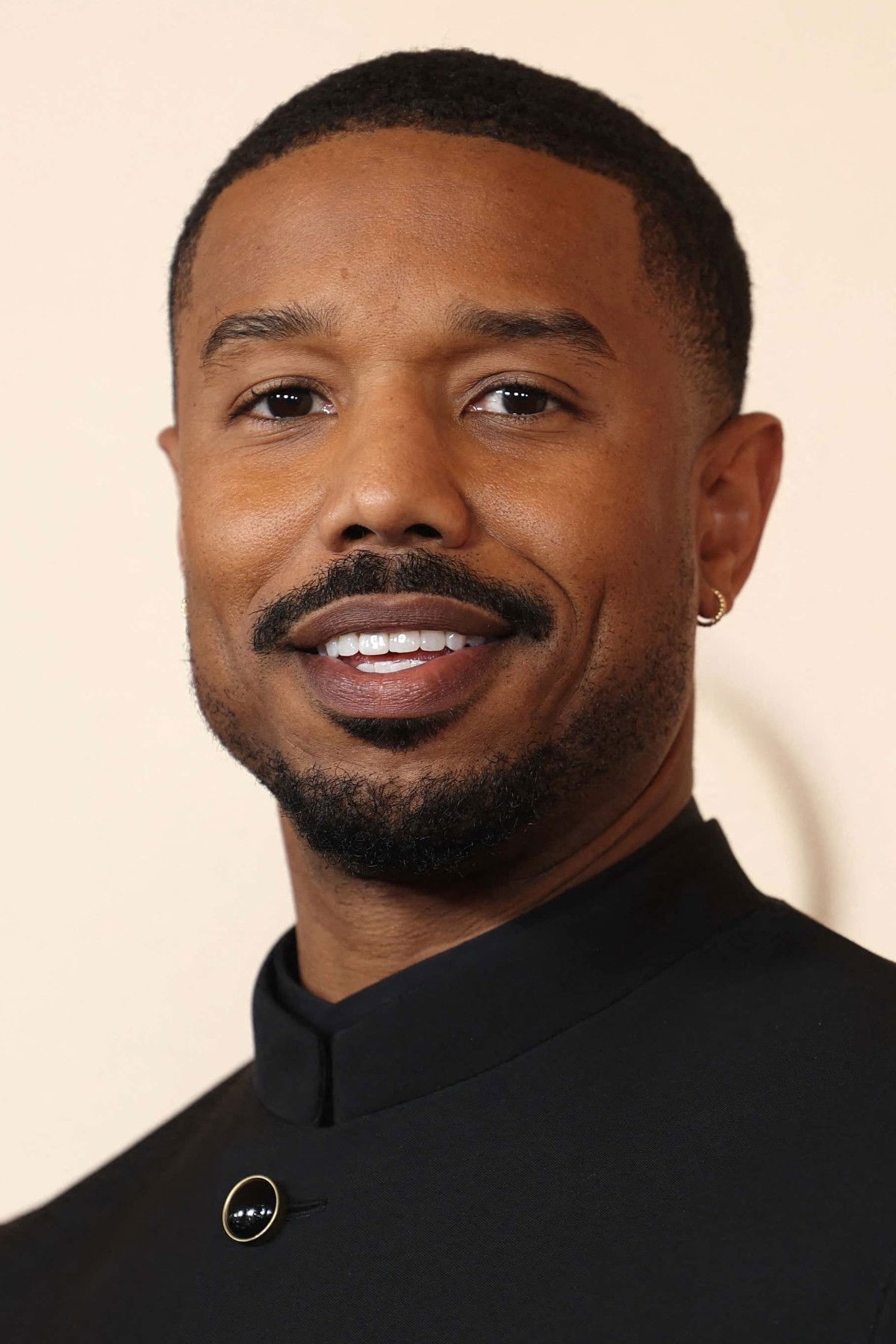
Michael B. Jordan spent a long time in a dark place after filming ‘Black Panther’ in the role of Erik Killmonger. The actor isolated himself from others to tap into the character’s loneliness and anger throughout the production. He later revealed that it was difficult to re-enter society and connect with people who loved him once filming concluded. Jordan sought professional therapy to process the intense emotions and detachment he experienced during the project. This transition helped him find his way back to himself and leave the villainous mindset behind.
Will Smith
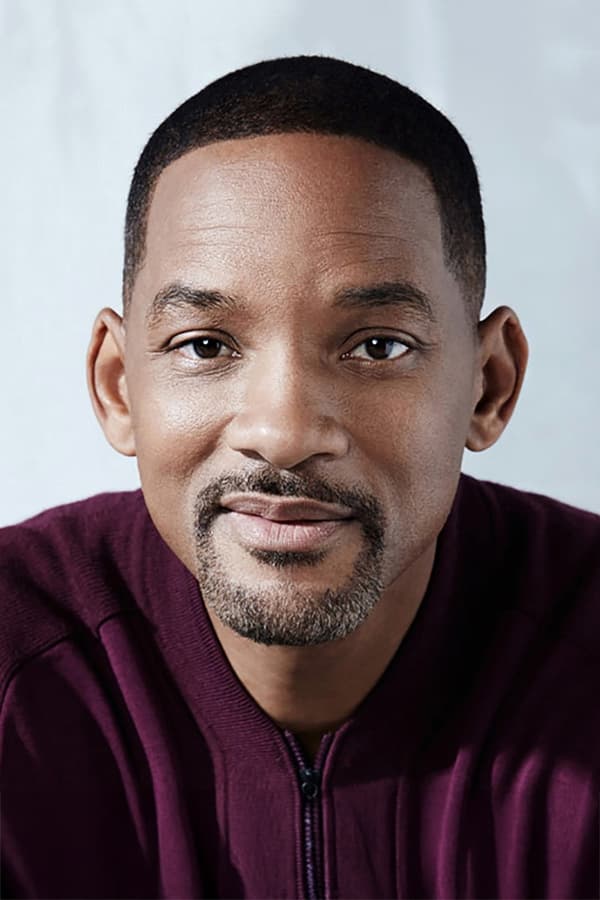
Will Smith experienced a significant psychological shift while portraying an enslaved man in the film ‘Emancipation’. The production involved wearing actual iron chains and filming in harsh swamp conditions for several months. Smith admitted that the physical and emotional weight of the historical trauma became difficult to separate from his own reality. He utilized therapy to decompress and work through the lingering feelings of oppression and suffering. This role challenged his mental health more than any other project in his long career.
Michael Kenneth Williams
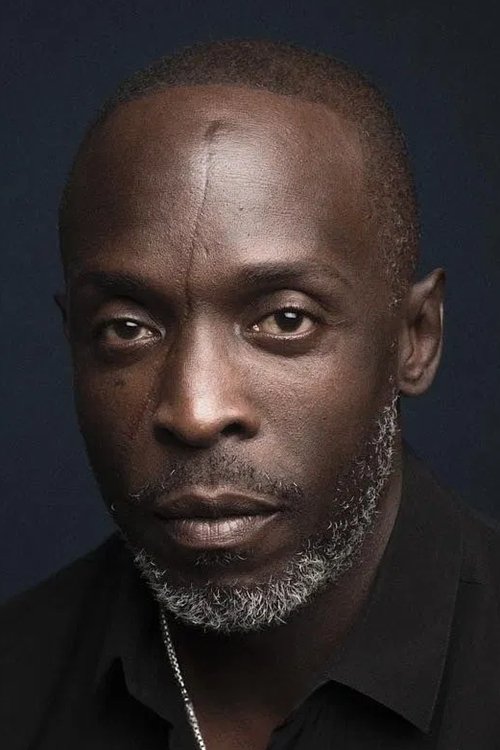
Michael K. Williams spoke candidly about how his portrayal of Omar Little on ‘The Wire’ affected his personal life and mental well-being. The actor found it difficult to draw boundaries between himself and the streetwise character he played for years. This blurred line led to struggles with identity and substance use as he attempted to cope with the fame and the darkness of the role. Williams sought therapy and professional support to manage the psychological burden of his most famous character. He remained an advocate for mental health awareness in the acting community until his passing.
Lakeith Stanfield
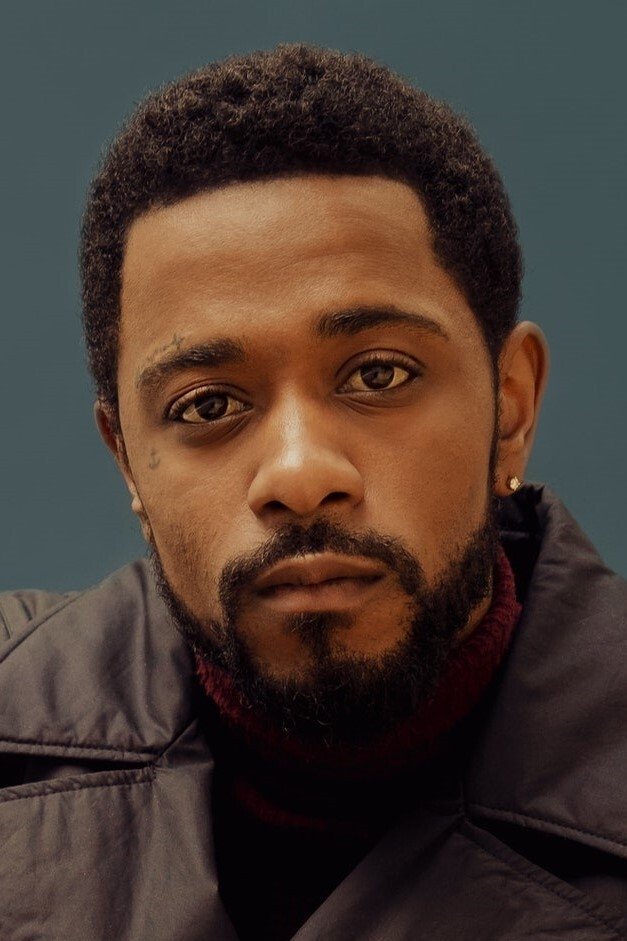
Lakeith Stanfield felt a profound emotional impact after playing the role of William O’Neal in ‘Judas and the Black Messiah’. Portraying a man who betrayed a civil rights leader caused Stanfield to experience high levels of stress and anxiety. He noted that the act of inhabiting such a conflicted and guilt-ridden person was physically and mentally exhausting. To recover from the experience, he engaged in therapy and focused on his mental health during the hiatus after filming. The actor has since been vocal about the importance of protecting one’s psyche when taking on heavy dramatic work.
Jharrel Jerome
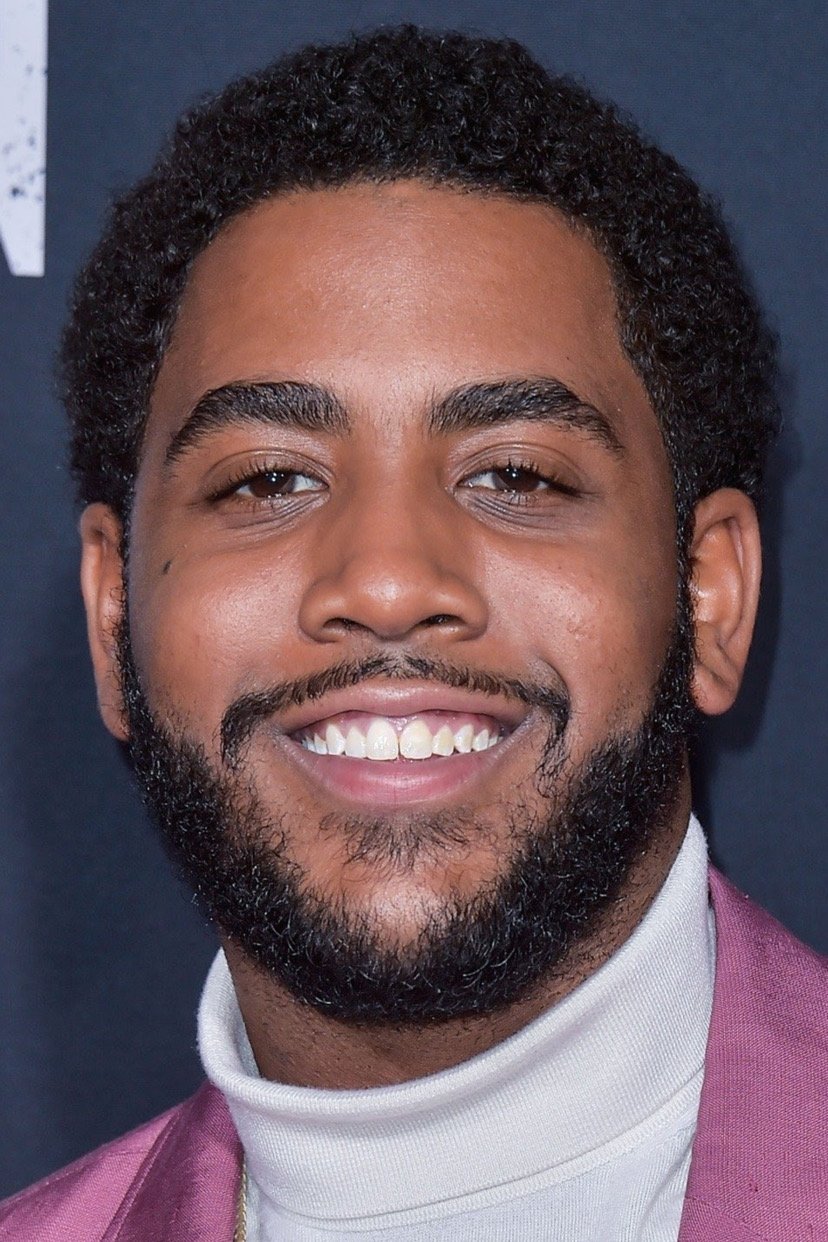
Jharrel Jerome took on the intense role of Korey Wise in the limited series ‘When They See Us’. The performance required him to depict the trauma of a young man wrongly incarcerated for years in solitary confinement. Jerome stayed in character for long periods and filmed deeply emotional scenes that left him feeling drained and overwhelmed. Following the completion of the series, he sought professional help to process the weight of the story and the systemic injustice he portrayed. He emphasized that the mental health of actors is vital when telling such harrowing true stories.
Jamie Foxx
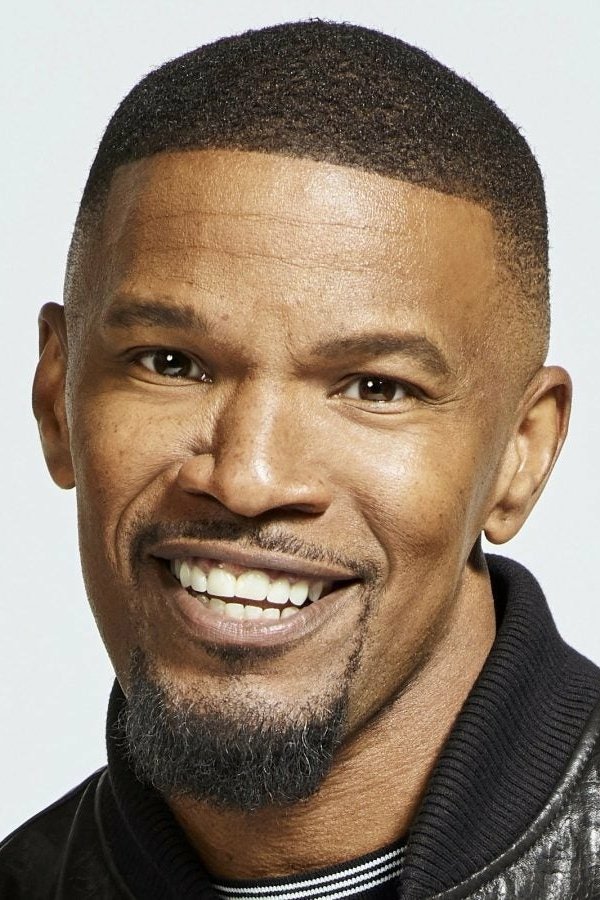
Jamie Foxx faced significant mental strain while playing the role of Nathaniel Ayers in the film ‘The Soloist’. The character was a musical prodigy who suffered from schizophrenia and experienced homelessness. Foxx immersed himself in the mindset of the character so deeply that he began to fear for his own mental stability. He eventually sought professional therapy to help him disconnect from the psychological struggles of the role. This experience taught him the necessity of maintaining a healthy distance from the trauma of his characters.
David Oyelowo
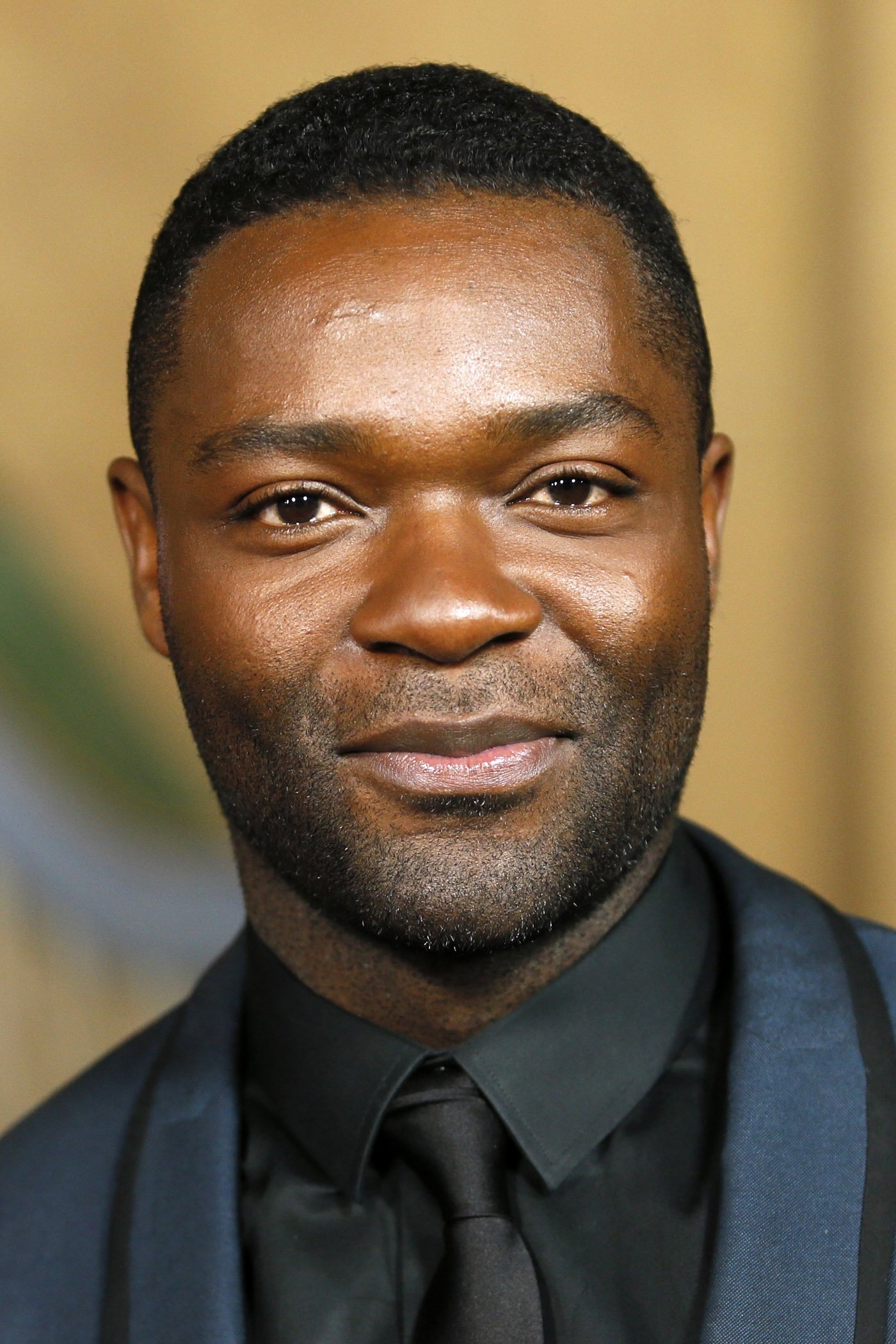
David Oyelowo felt a massive weight of responsibility and emotional pressure while playing Martin Luther King Jr. in ‘Selma’. The actor spent years preparing for the role and felt the spiritual and historical gravity of the civil rights movement. He described the process of filming as an out-of-body experience that left him feeling spiritually and mentally depleted. Oyelowo used therapy and community support to navigate the complex emotions that followed the production. He credited these mental health resources with helping him return to his normal life after such a monumental performance.
Sterling K. Brown
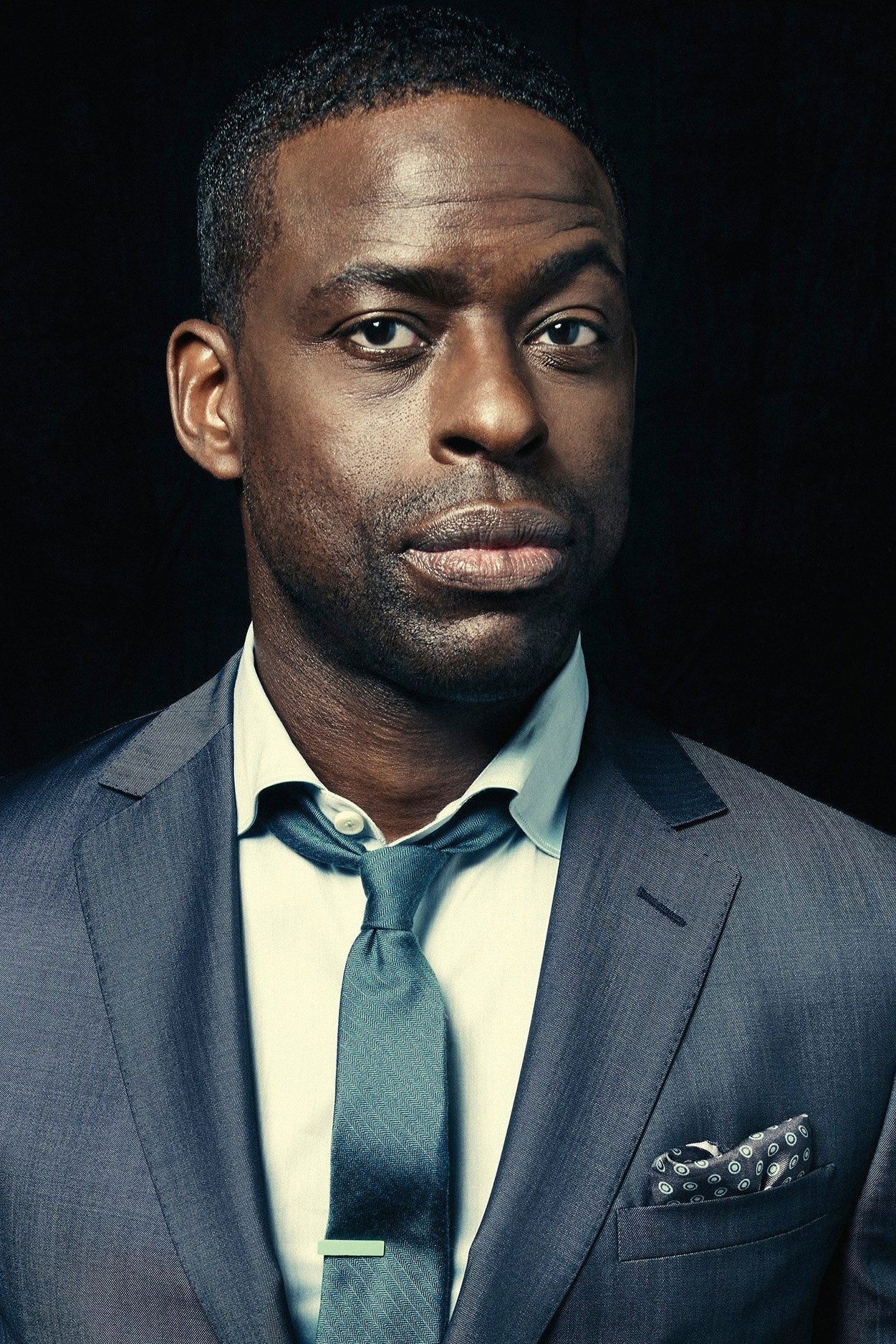
Sterling K. Brown has frequently discussed the emotional toll of playing Randall Pearson on the long-running drama ‘This Is Us’. The character navigates themes of adoption, racial identity, and severe anxiety, which often mirrors real-life stressors for the actor. Brown acknowledged that the repetitive nature of filming high-stakes emotional scenes required him to seek professional therapy. He utilizes these sessions to maintain his mental health and ensure he does not carry the character’s burdens home. His transparency has made him a leading voice for mental health among male performers.
Algee Smith

Algee Smith experienced significant trauma while filming the historical drama ‘Detroit’ in the role of Larry Reed. The movie depicts intense scenes of police brutality and racial violence that felt disturbingly real during production. Smith found it difficult to shake the feelings of fear and anger that the role required him to manifest every day. He turned to therapy and mental health support to work through the psychological impact of the heavy subject matter. The actor highlighted the importance of having a safe space to vent after working on such sensitive projects.
Yahya Abdul-Mateen II
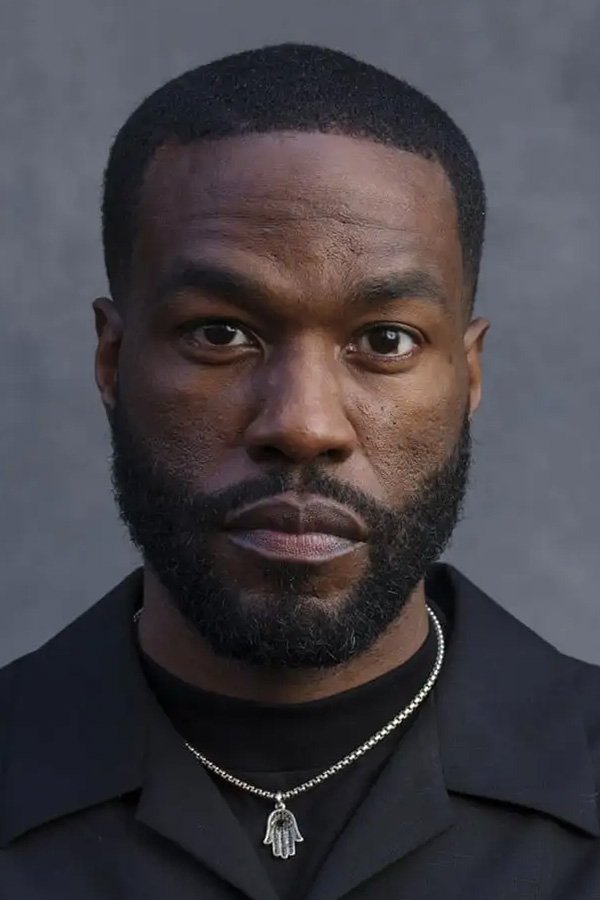
Yahya Abdul-Mateen II explored deep themes of trauma and memory while working on the ‘Watchmen’ series and the film ‘Candyman’. These projects required him to confront historical violence and the psychological manifestations of racial pain. The actor admitted that these roles stayed with him long after the cameras stopped rolling and affected his mood. He incorporated therapy into his routine to help him process the heavy themes and maintain his mental clarity. This proactive approach allowed him to continue taking on challenging roles without sacrificing his well-being.
Courtney B. Vance
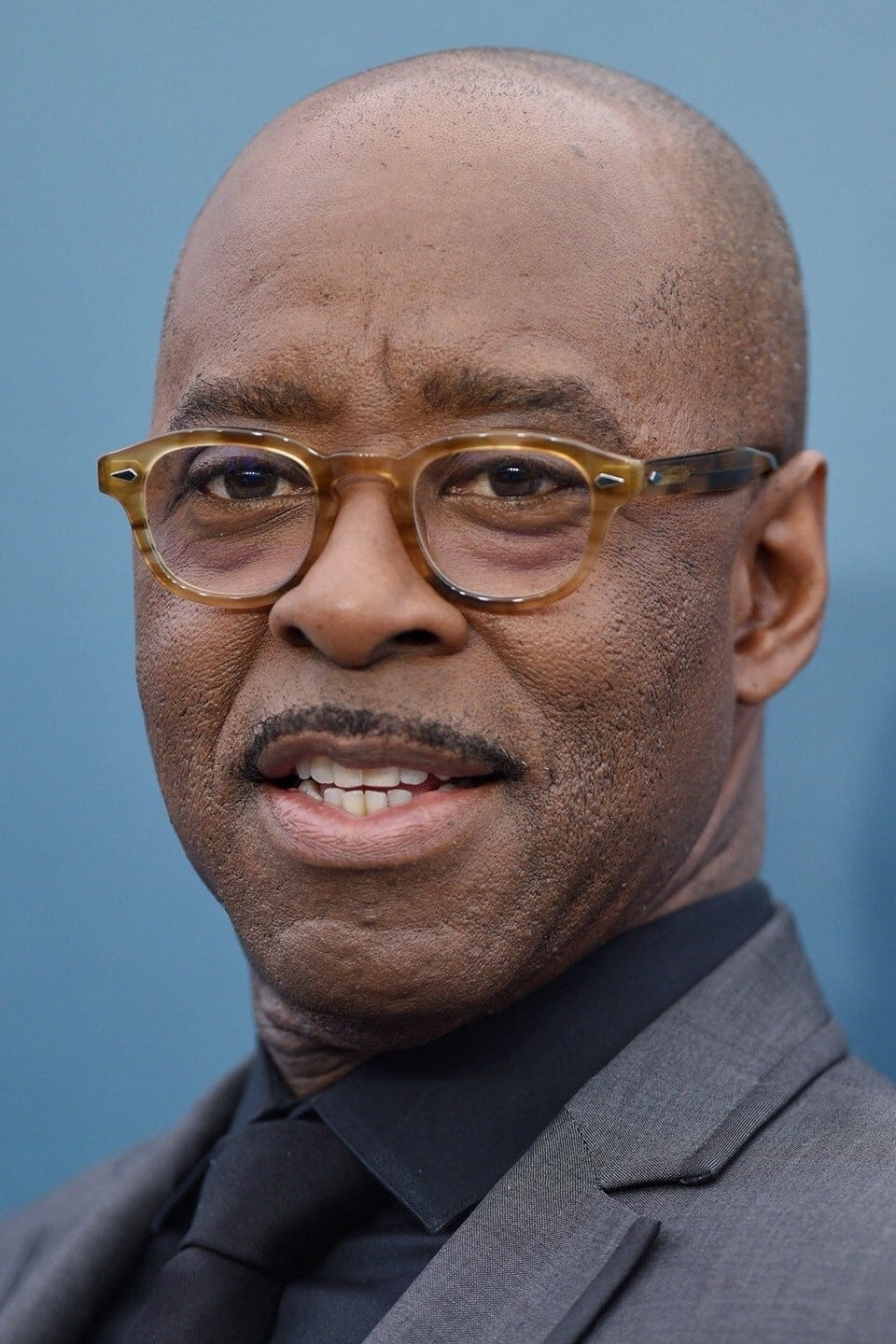
Courtney B. Vance took on a massive emotional challenge when he played Johnnie Cochran in ‘The People v. O. J. Simpson’. The high-intensity courtroom scenes and the cultural weight of the trial created a stressful environment for the actor. Vance noted that the role required a level of focus and energy that was difficult to sustain without a mental health plan. He utilized therapy to stay grounded and manage the pressures of portraying such a famous and controversial figure. This support was crucial in helping him navigate the accolades and scrutiny that followed the series.
Jason Mitchell

Jason Mitchell faced an uphill battle with his mental health after portraying Eazy-E in ‘Straight Outta Compton’ and a returning soldier in ‘Mudbound’. Both roles required him to tap into deep-seated trauma and the harsh realities of racism and mortality. The actor found that the emotional residue from these performances began to affect his personal interactions and overall outlook. Mitchell has spoken about the necessity of therapy in helping him separate his own identity from the tragic figures he played. He continues to advocate for better mental health resources on film sets.
Jonathan Majors
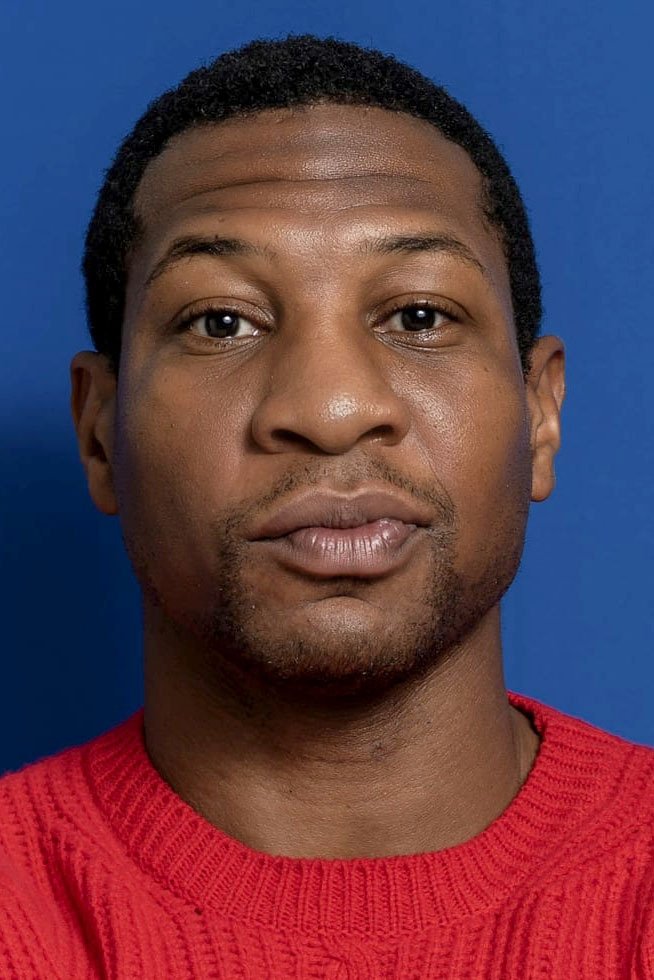
Jonathan Majors took on physically and mentally demanding roles in projects like ‘Lovecraft Country’ and ‘The Harder They Fall’. These characters often faced extreme violence and systemic oppression within supernatural or historical contexts. Majors acknowledged that the intensity of these roles required him to engage in therapy to protect his mental health. He viewed the sessions as a way to clear the emotional debris left behind by his characters. This practice helped him sustain his creative energy through multiple high-stakes productions.
Colman Domingo
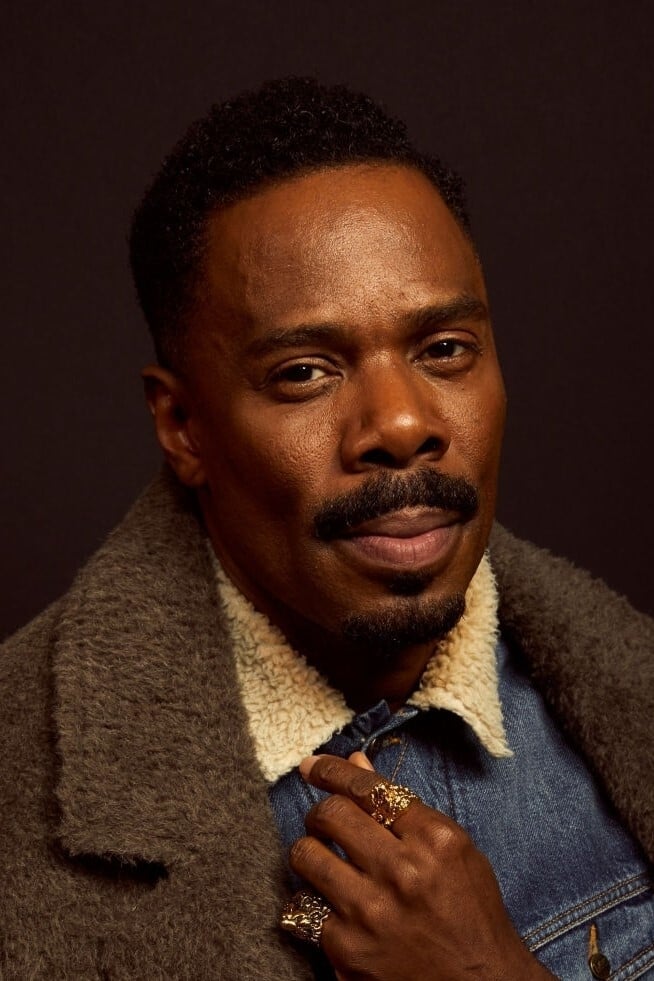
Colman Domingo explored the depths of addiction and recovery through his role as Ali in the series ‘Euphoria’. The performance involved long and emotionally raw dialogues that forced the actor to confront painful human experiences. Domingo realized that the intimacy of the scenes could easily take a toll on his psychological state if left unchecked. He used therapy as a grounding mechanism to ensure he could step away from the character at the end of the day. This professional support allowed him to deliver a critically acclaimed performance while keeping his mental health intact.
Ashton Sanders
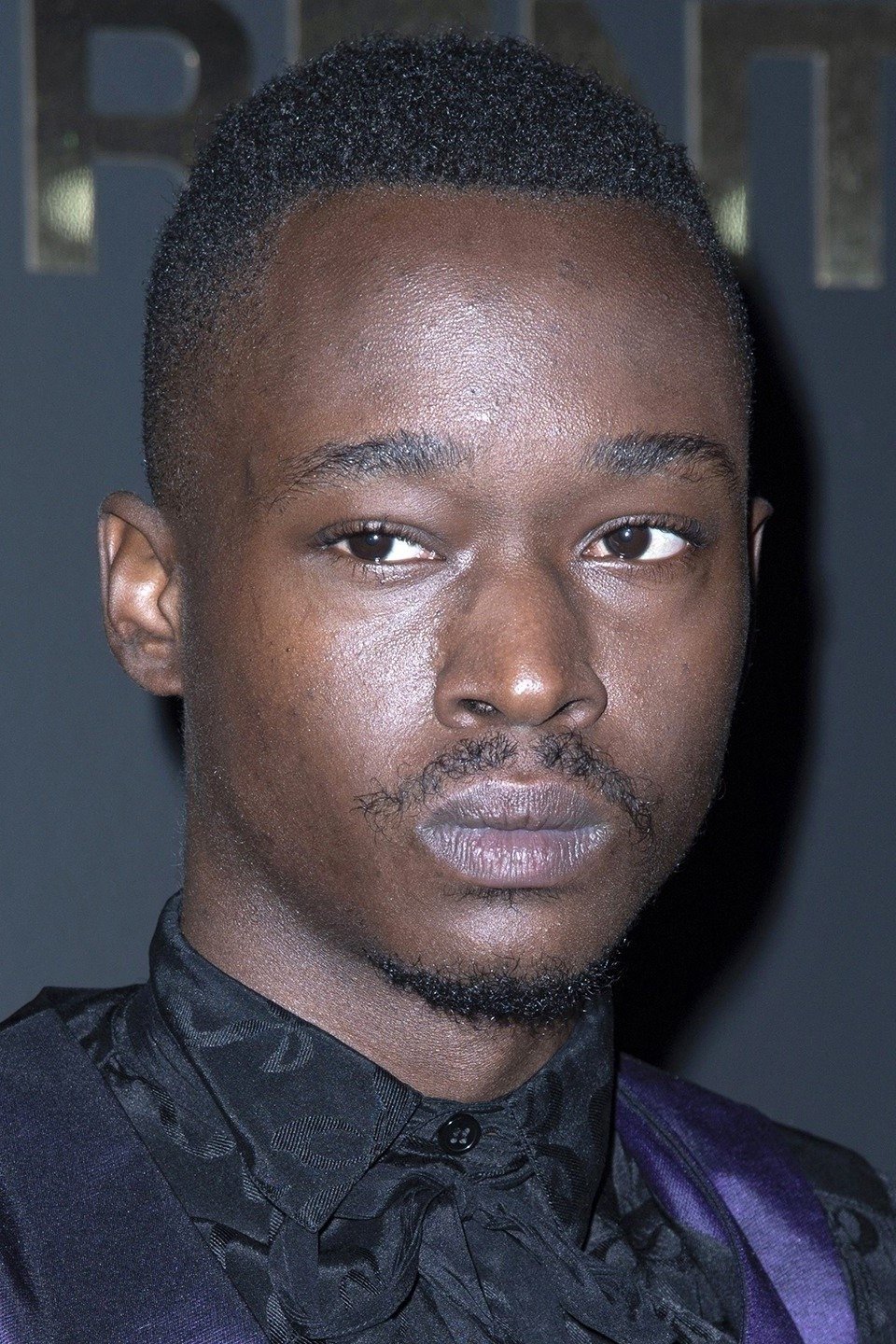
Ashton Sanders played the teenage version of Chiron in the Academy Award-winning film ‘Moonlight’. The role required him to portray a young man struggling with his identity and facing bullying and neglect in a harsh environment. Sanders felt a strong connection to the character’s pain, which made it difficult to leave the emotions behind on set. He sought therapy to help him process the vulnerability and trauma associated with the story. The actor has since been open about how important mental health care is for young performers in the industry.
Kofi Siriboe
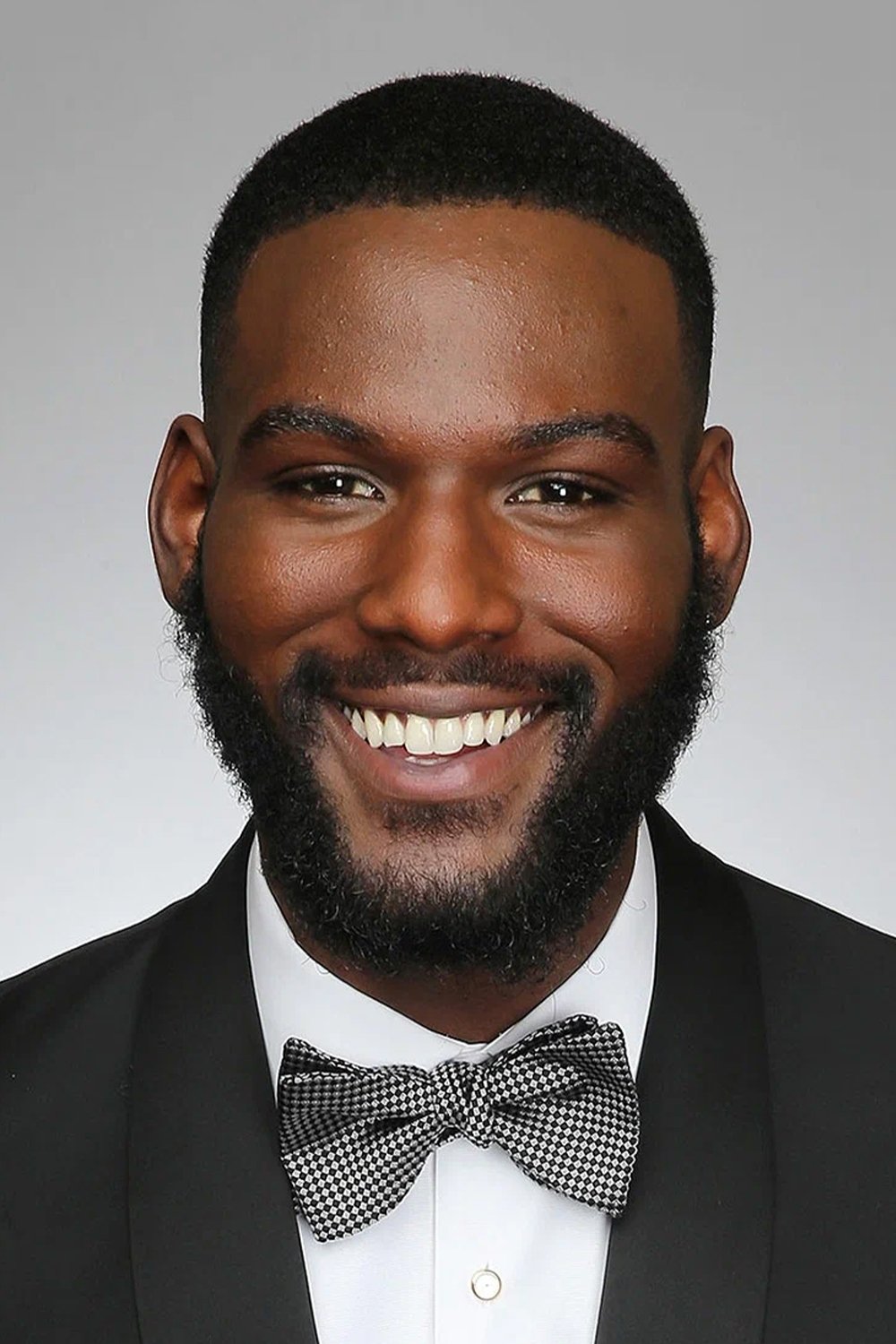
Kofi Siriboe navigated complex family dynamics and emotional struggles while playing Ralph Angel on the drama ‘Queen Sugar’. The long-term commitment to the character meant that Siriboe was constantly engaging with themes of incarceration and fatherhood. He recognized that the character’s journey was taking a toll on his own emotional stability over several seasons. Siriboe began attending therapy to help him manage the stress and keep his personal life separate from the show. He often shares his mental health journey to encourage other Black men to seek help.
Corey Hawkins
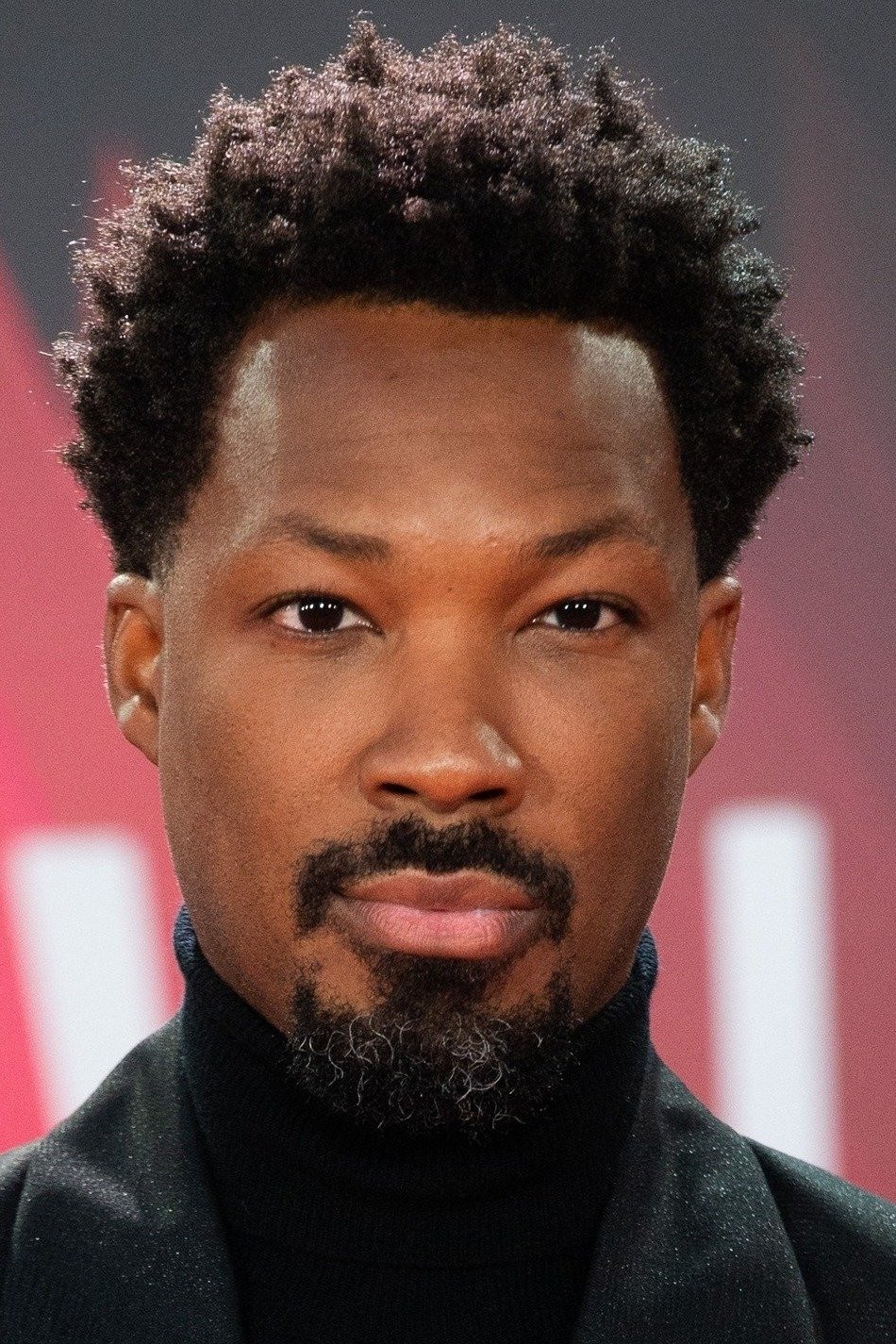
Corey Hawkins played the legendary Dr. Dre in ‘Straight Outta Compton’ and a soldier in ‘Six Degrees of Separation’ on Broadway. Both roles came with high expectations and required a deep dive into different types of psychological pressure. Hawkins found that the intensity of live performance and high-profile film work could lead to burnout and mental exhaustion. He turned to therapy to find balance and work through the anxieties associated with his rising career. He believes that mental maintenance is just as important as physical preparation for any role.
Aldis Hodge
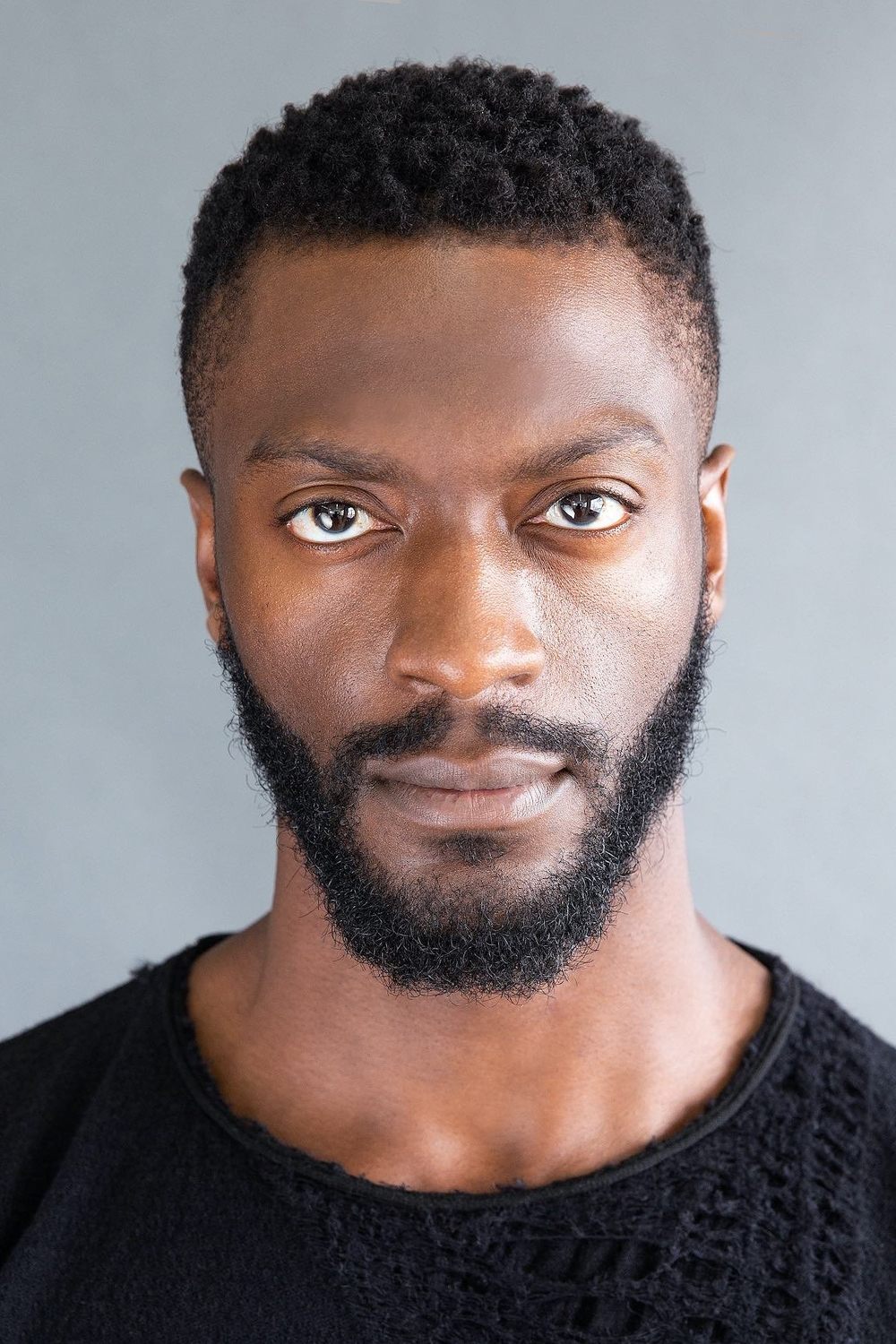
Aldis Hodge took on a grueling role in the series ‘City on a Hill’ where he played a district attorney navigating a corrupt system. The character’s constant battle against injustice and systemic roadblocks mirrored many real-world frustrations for the actor. Hodge admitted that the cynicism of the character started to bleed into his own perspective on society. He utilized therapy to help him regain a positive outlook and shed the character’s hardened exterior. This practice has become a vital part of his professional routine when working on dark dramas.
Tyler James Williams
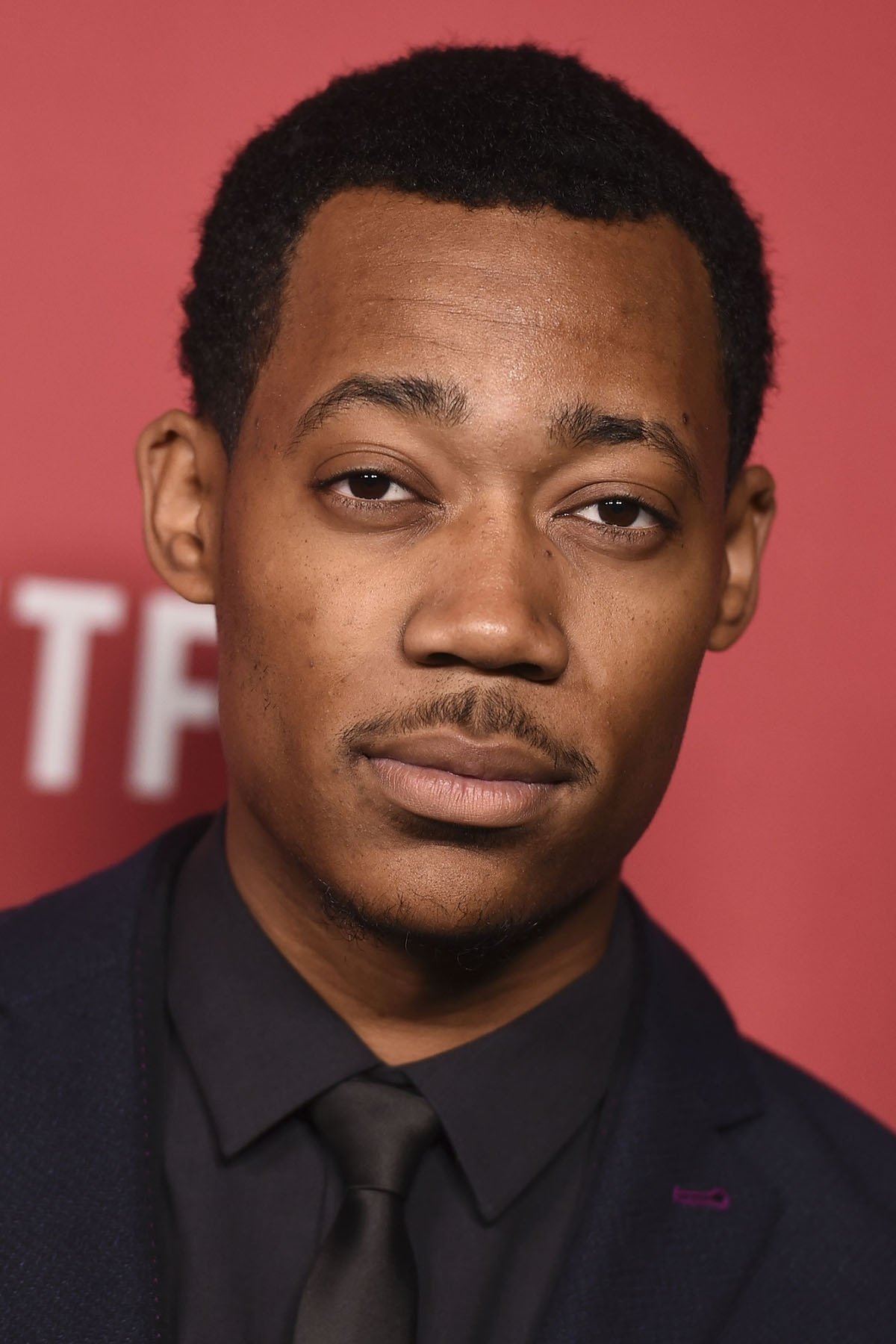
Tyler James Williams grew up in the spotlight and later took on mature roles in shows like ‘Everybody Hates Chris’ and ‘Abbott Elementary’. He has been very public about the fact that child stardom and the pressure to perform led him to seek therapy. As he moved into more dramatic territory, he found that therapy was essential for deconstructing the characters he played. Williams uses professional support to ensure that his career does not define his entire sense of self. He remains a prominent advocate for mental health within the entertainment industry.
Leslie Odom Jr.
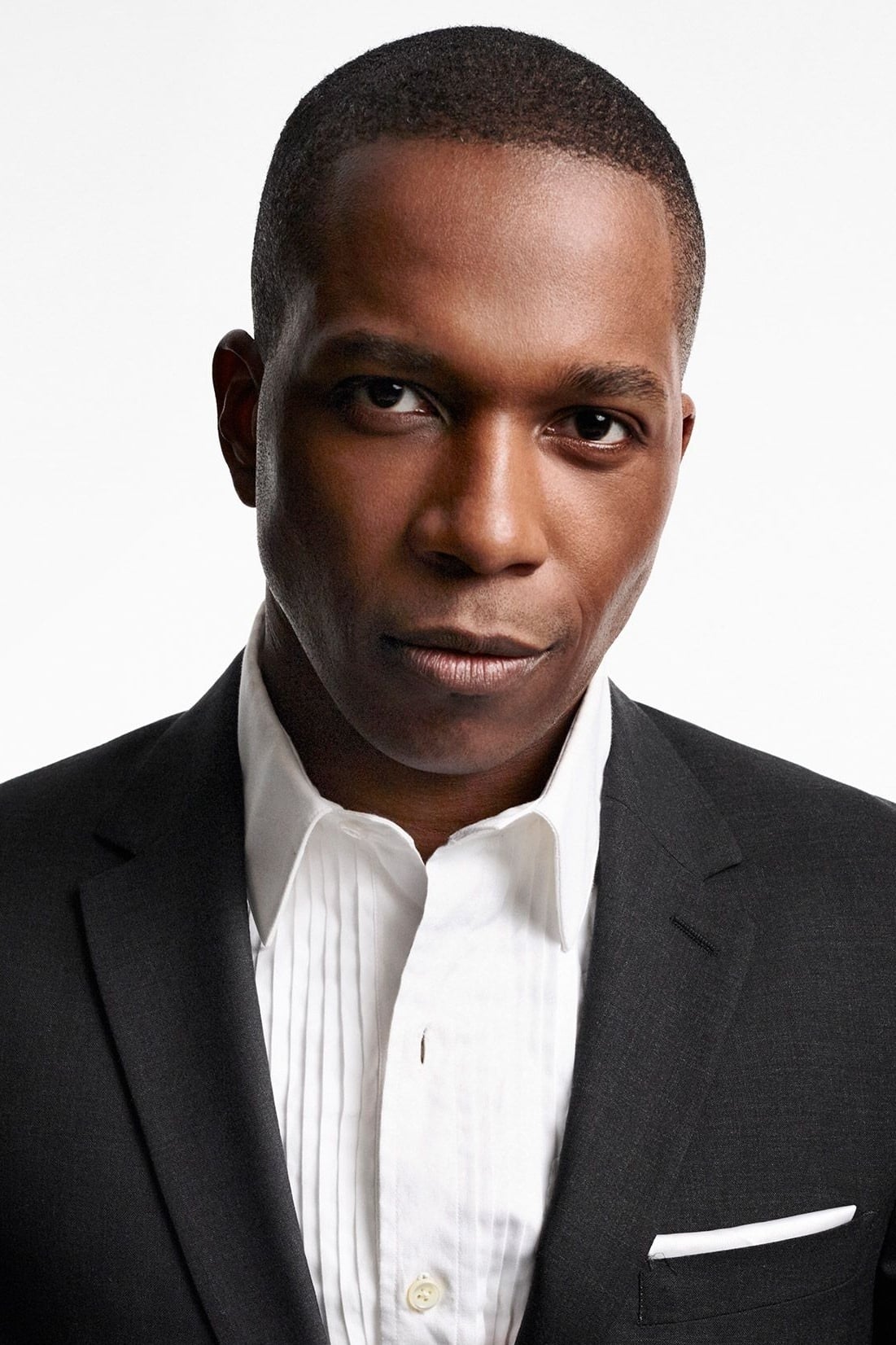
Leslie Odom Jr. experienced immense pressure and emotional exhaustion during his time playing Aaron Burr in the musical ‘Hamilton’. The nightly requirement to inhabit a man driven by envy and eventual regret was a heavy psychological burden. He also faced similar challenges when filming ‘The Many Saints of Newark’ in a role that dealt with racial tension and violence. Odom Jr. has credited therapy with helping him navigate the highs and lows of his career and the emotional demands of his work. He encourages fellow performers to prioritize their mental well-being above all else.
Daveed Diggs
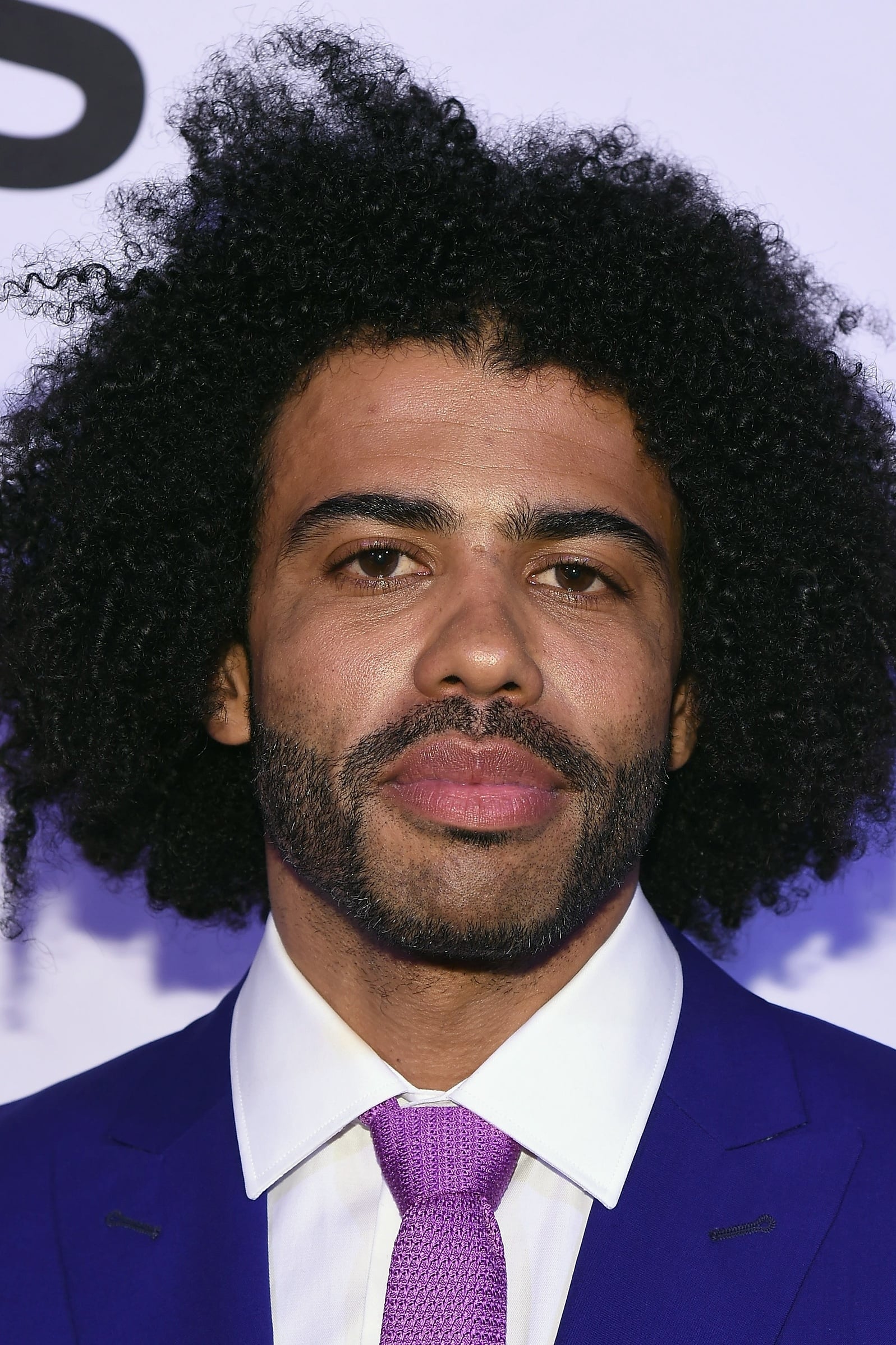
Daveed Diggs wrote and starred in the film ‘Blindspotting’ which dealt with themes of gentrification and police violence. The project was deeply personal and required him to channel a lot of real-world anxiety and frustration into his performance. Diggs found that the process of creating and performing such a raw story was mentally taxing. He utilized therapy to help him manage the emotional output and the public discourse that followed the film’s release. He continues to use mental health resources to stay grounded while working on high-concept projects like ‘Snowpiercer’.
Shameik Moore
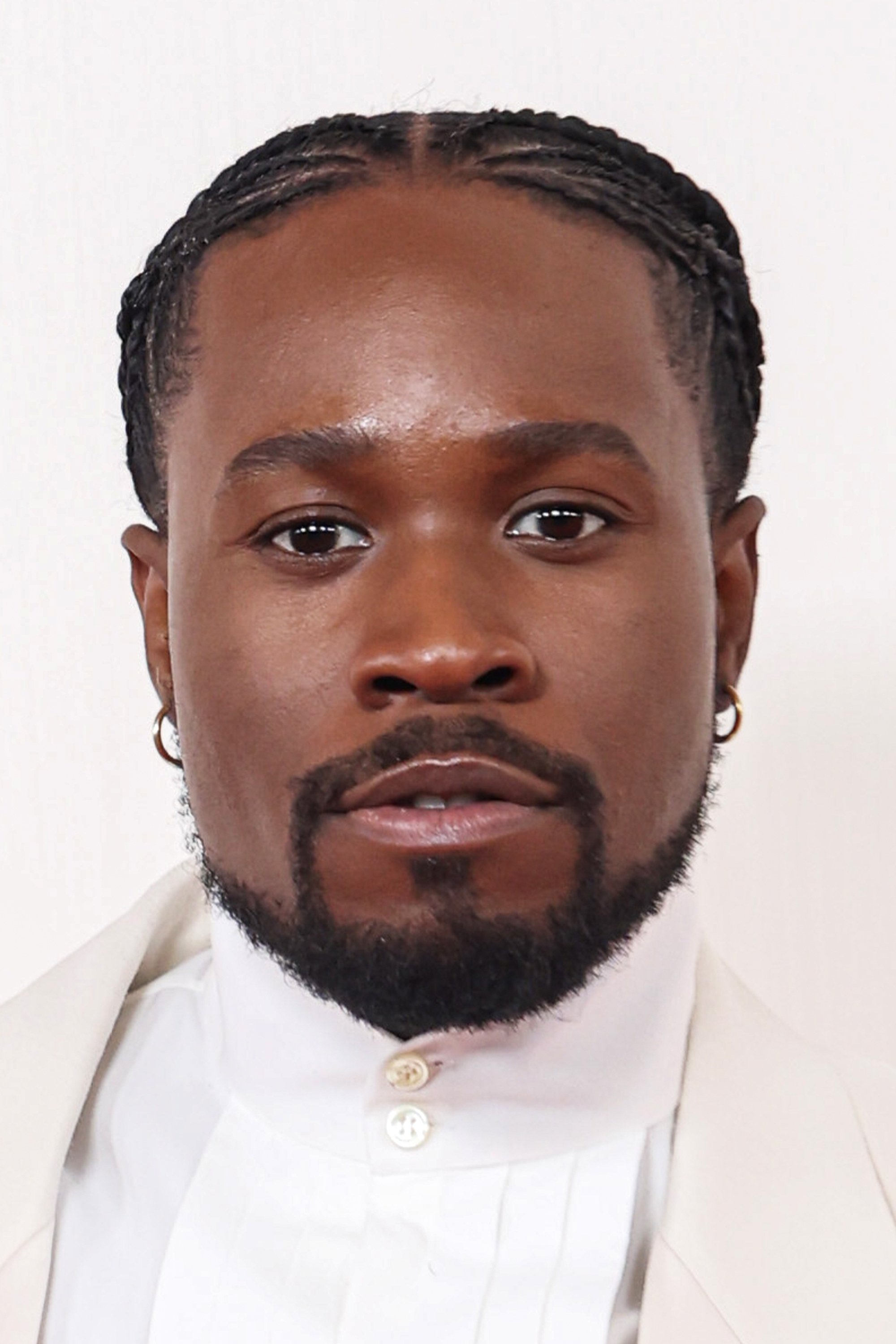
Shameik Moore took on the role of Raekwon in the series ‘Wu-Tang: An American Saga’ which required a deep dive into a specific time and place. The actor felt the weight of portraying a living legend and the struggles of the characters in the story. Moore noted that the environment of the show was often intense and required a lot of emotional heavy lifting. He sought therapy to help him decompress and stay focused on his own mental health during the long filming blocks. This support helped him maintain a healthy lifestyle while pursuing his creative goals.
Caleb McLaughlin
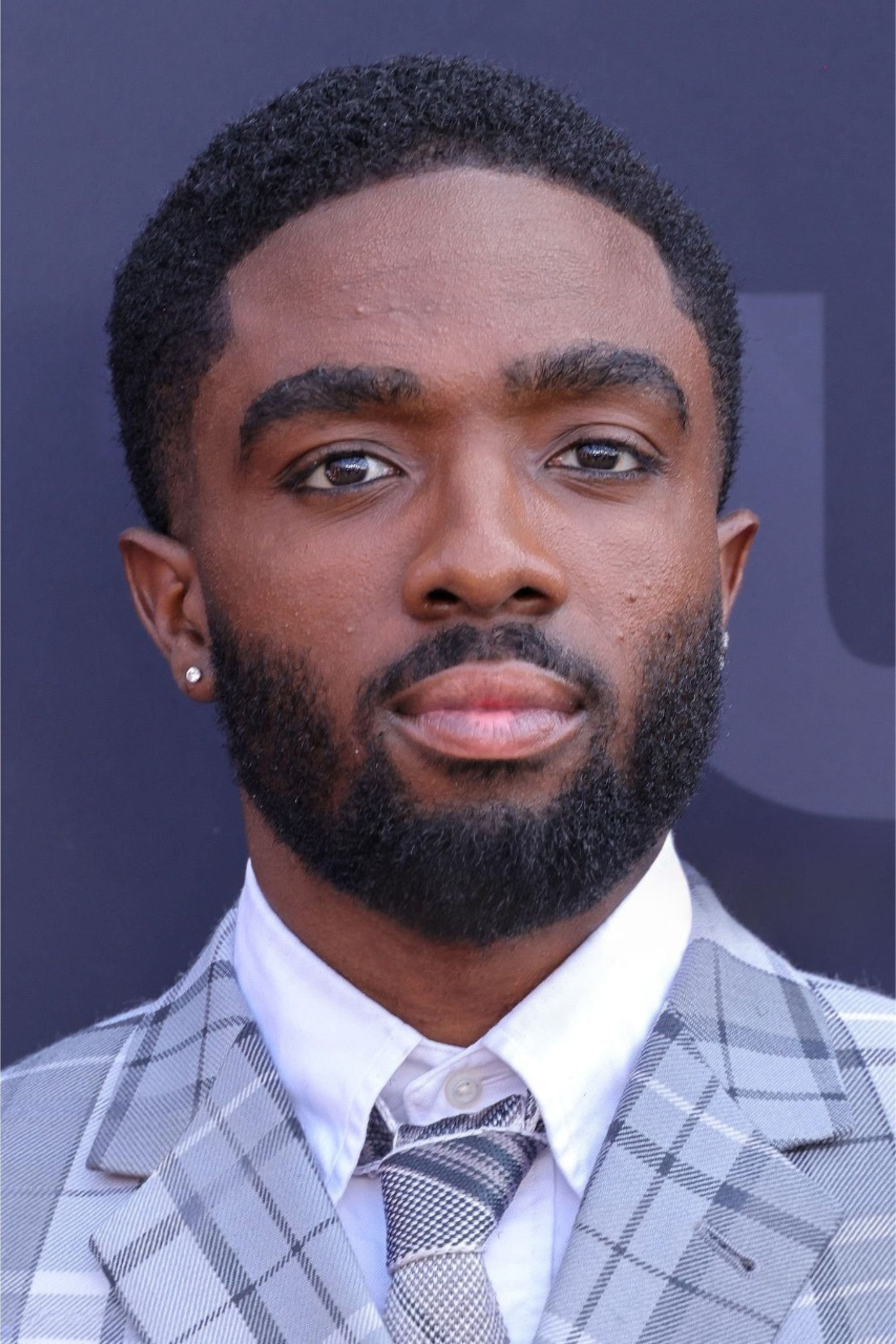
Caleb McLaughlin has spent much of his youth filming the intense supernatural drama ‘Stranger Things’ while also taking on roles in films like ‘Concrete Cowboy’. Growing up in a high-pressure environment while portraying characters in constant peril took a toll on his mental state. He has spoken about using therapy to navigate the complexities of fame and the emotional demands of his acting career. McLaughlin wants to break the stigma surrounding mental health for young Black men in the spotlight. He credits his support system and professional help with keeping him grounded.
Billy Porter
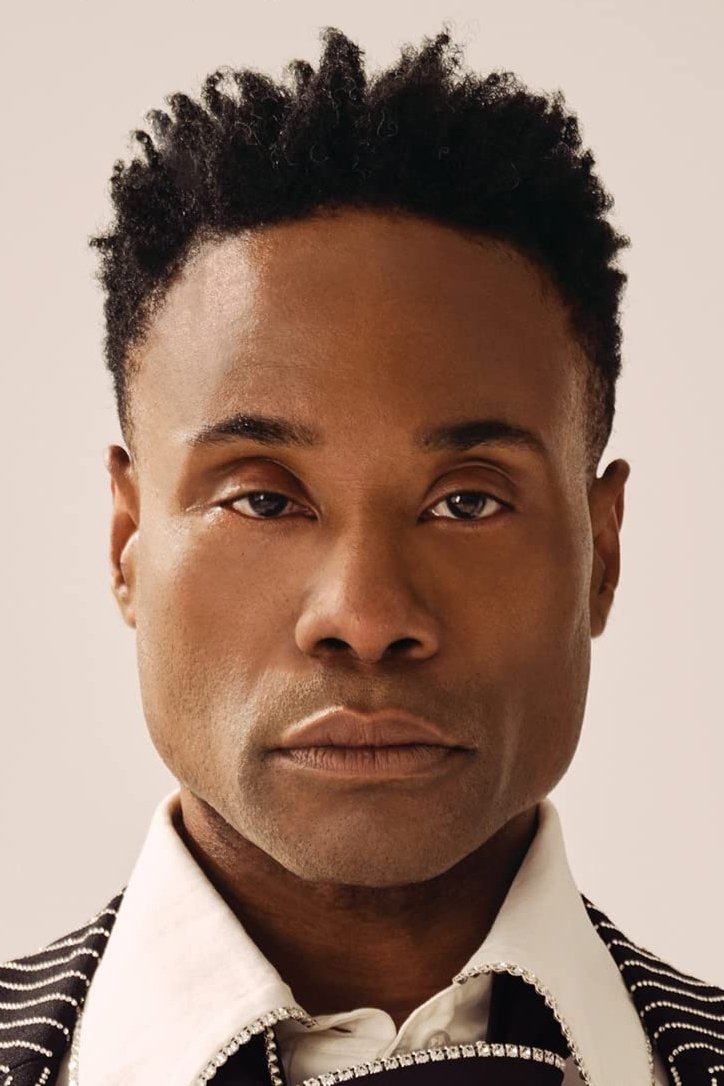
Billy Porter delivered a career-defining performance as Pray Tell in the series ‘Pose’ which dealt with the HIV/AIDS crisis. The role required him to revisit painful memories and historical traumas that were very close to his own life experiences. Porter admitted that filming the show was an incredibly cathartic but also a mentally exhausting process. He leaned heavily on therapy to help him survive the emotional demands of the role and the personal revelations it triggered. His journey has inspired many to look at acting as both a creative and a healing process.
André Holland
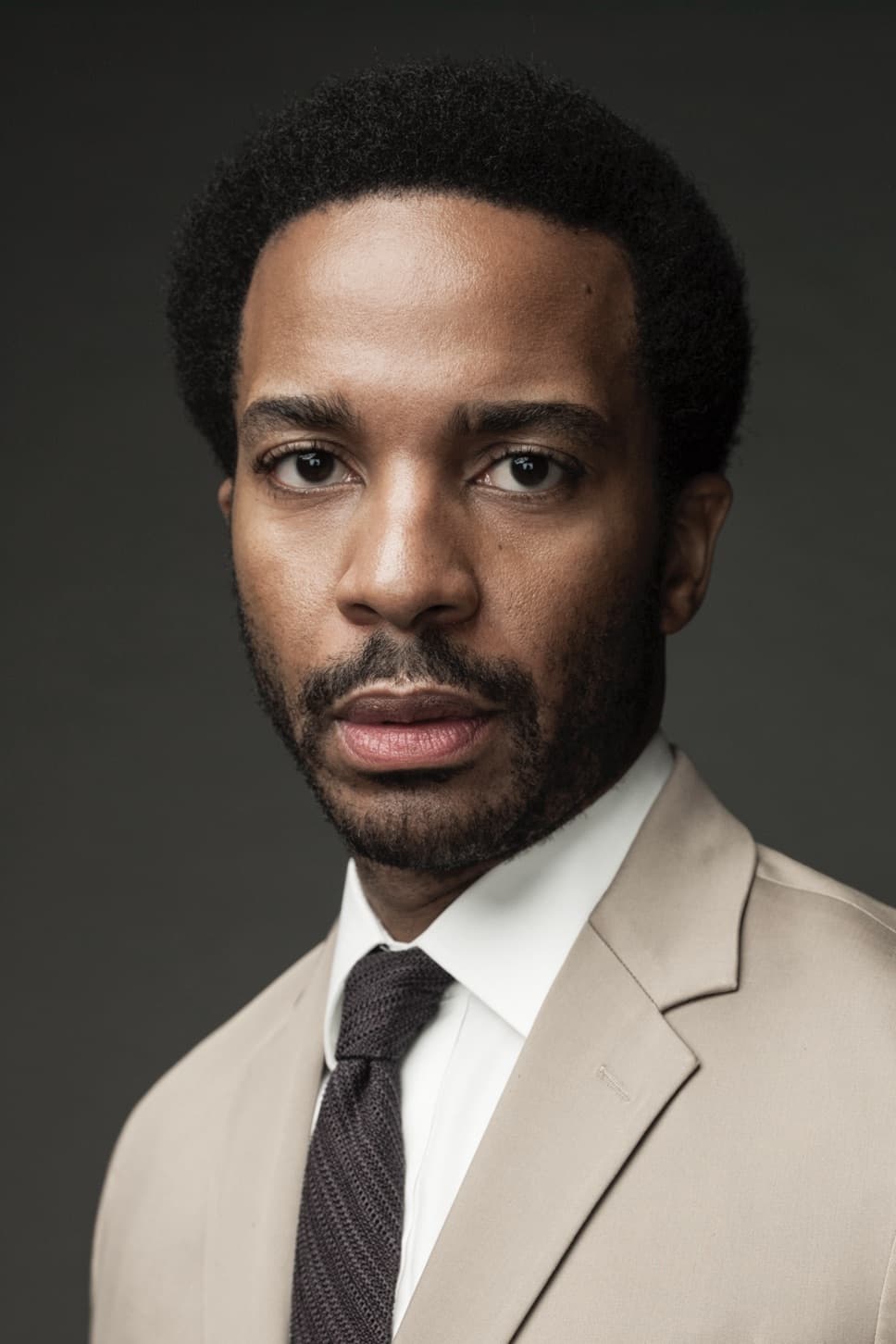
André Holland played the character of Kevin in the film ‘Moonlight’ and has taken on many other roles that explore quiet pain and internal conflict. He often portrays characters who carry deep secrets or historical weight which requires a high level of emotional intelligence. Holland has discussed the necessity of therapy in helping him navigate the psychological landscapes of these complex men. He finds that professional support is essential for staying healthy while working in an industry that often demands total emotional exposure. He remains committed to telling stories that highlight the nuances of Black masculinity.
Winston Duke

Winston Duke explored themes of identity and duality in the horror film ‘Us’ where he played two distinct versions of a father. The process of switching between the relatable Gabe and the terrifying Abraham was a psychological challenge that left him feeling unsettled. Duke has spoken about the importance of mental health maintenance when playing characters that tap into primal fears. He used therapy to help him process the experience and reconnect with his own identity after production ended. He believes that mental health is a crucial component of a successful acting career.
Don Cheadle
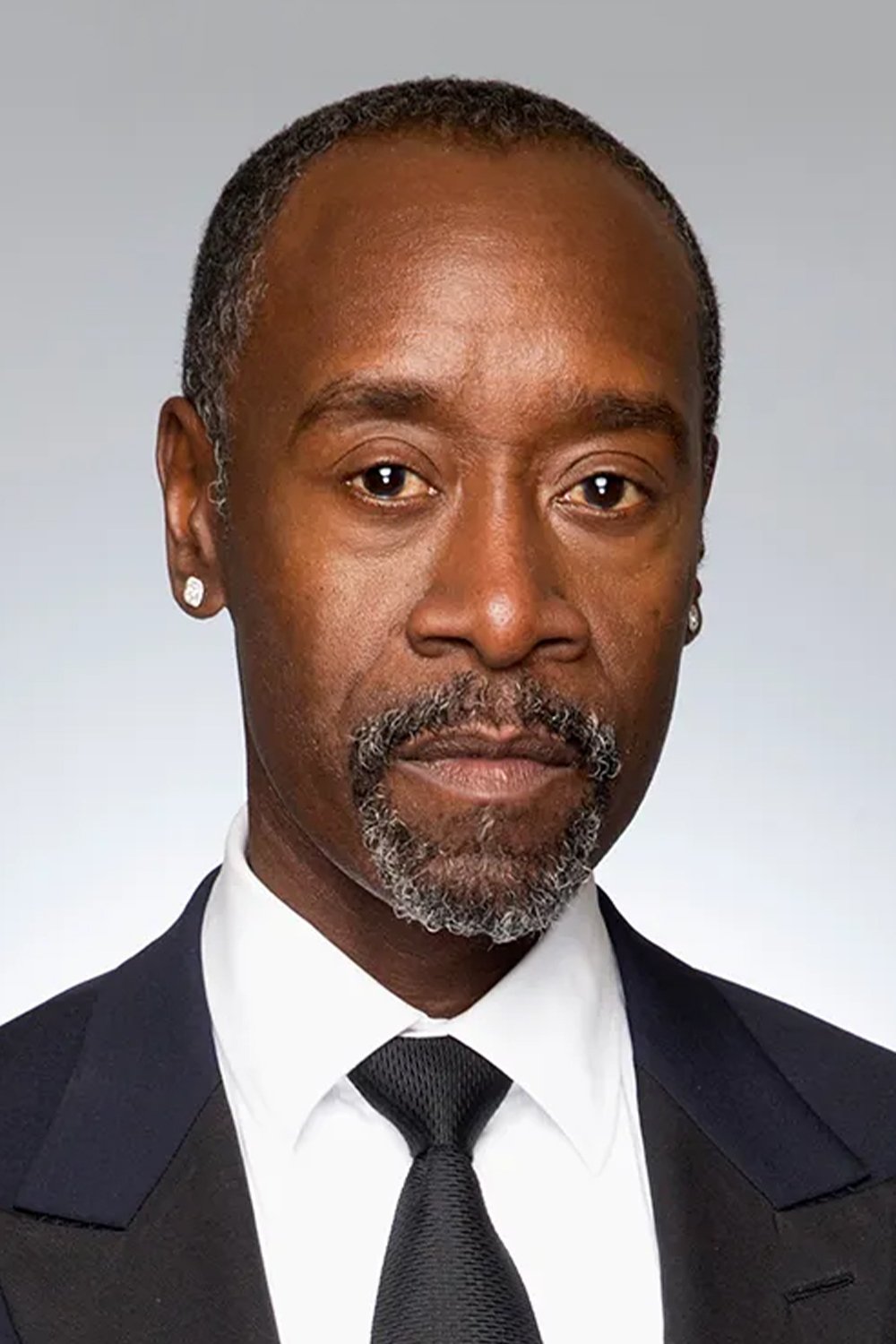
Don Cheadle took on the harrowing role of Paul Rusesabagina in ‘Hotel Rwanda’ which depicted the horrors of the Rwandan genocide. The actor spent months immersed in a story of extreme violence and survival that deeply affected his worldview. Cheadle admitted that it was impossible to walk away from such a role without being changed by the experience. He utilized professional therapy to work through the secondary trauma he felt while bringing the story to life. This support was vital in helping him continue his work as an actor and an activist.
Derek Luke

Derek Luke made his debut in the title role of ‘Antwone Fisher’ which told the story of a young man dealing with past abuse and trauma. The role was exceptionally raw and required Luke to go to very dark places emotionally. He found that the character’s journey stayed with him and made it difficult to return to his everyday life. Luke sought therapy to help him navigate the sudden fame and the emotional residue of the performance. He has since been a proponent of using mental health resources to heal from the demands of the craft.
Nate Parker
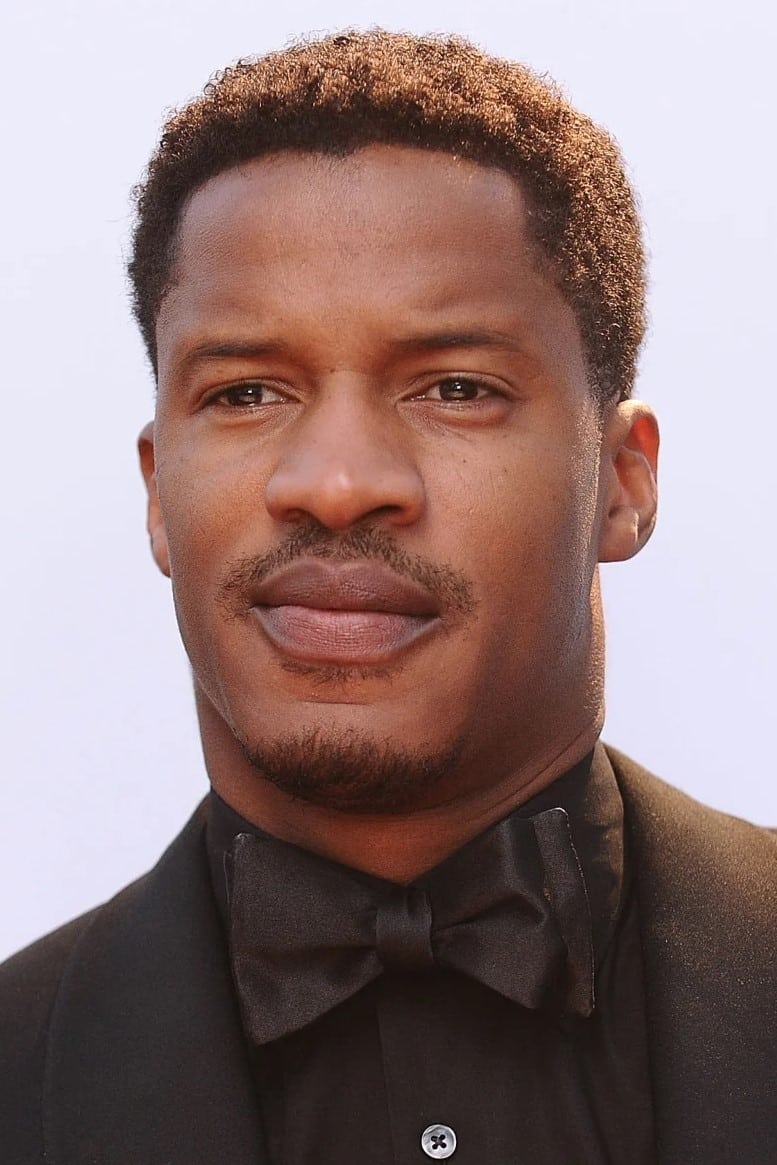
Nate Parker wrote, directed, and starred in ‘The Birth of a Nation’ where he portrayed the revolutionary Nat Turner. The role required him to inhabit the mind of a man leading a violent slave rebellion and facing ultimate sacrifice. Parker spoke about the heavy spiritual and mental toll that the project took on him over several years of development and filming. He turned to therapy and religious counsel to help him manage the psychological weight of the historical narrative. The experience highlighted for him the intense connection between an actor’s mental health and their work on screen.
Share your thoughts on these powerful performances and the importance of mental health in the comments.

