


African-American Actors Who Were Target of Racism

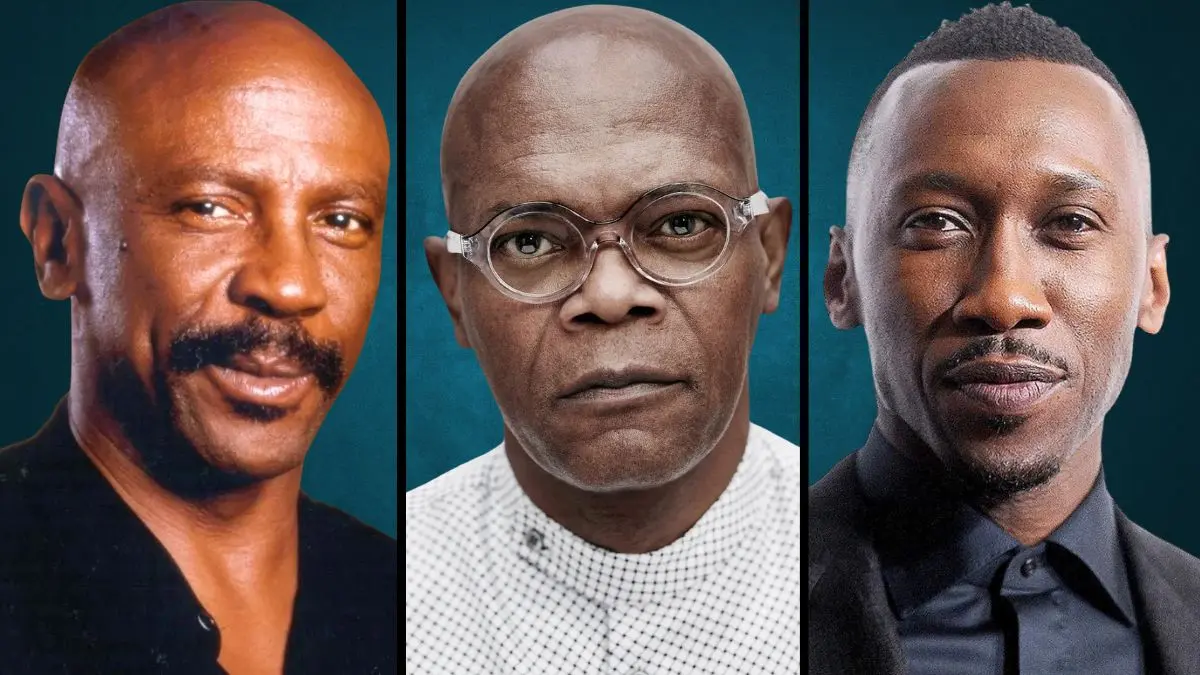


The journey of African-American men in the entertainment industry has been marked by persistent struggle and remarkable triumph. For decades these actors have confronted systemic racism that manifested through limited roles and unequal pay and overt hostility. Many legendary performers faced threats of violence and exclusion while attempting to practice their craft in a divided nation. Their endurance helped dismantle long-standing prejudices within the Hollywood studio system and the broader public consciousness. This list honors those who transformed the cinematic landscape while enduring the harsh realities of racial discrimination.
Sidney Poitier
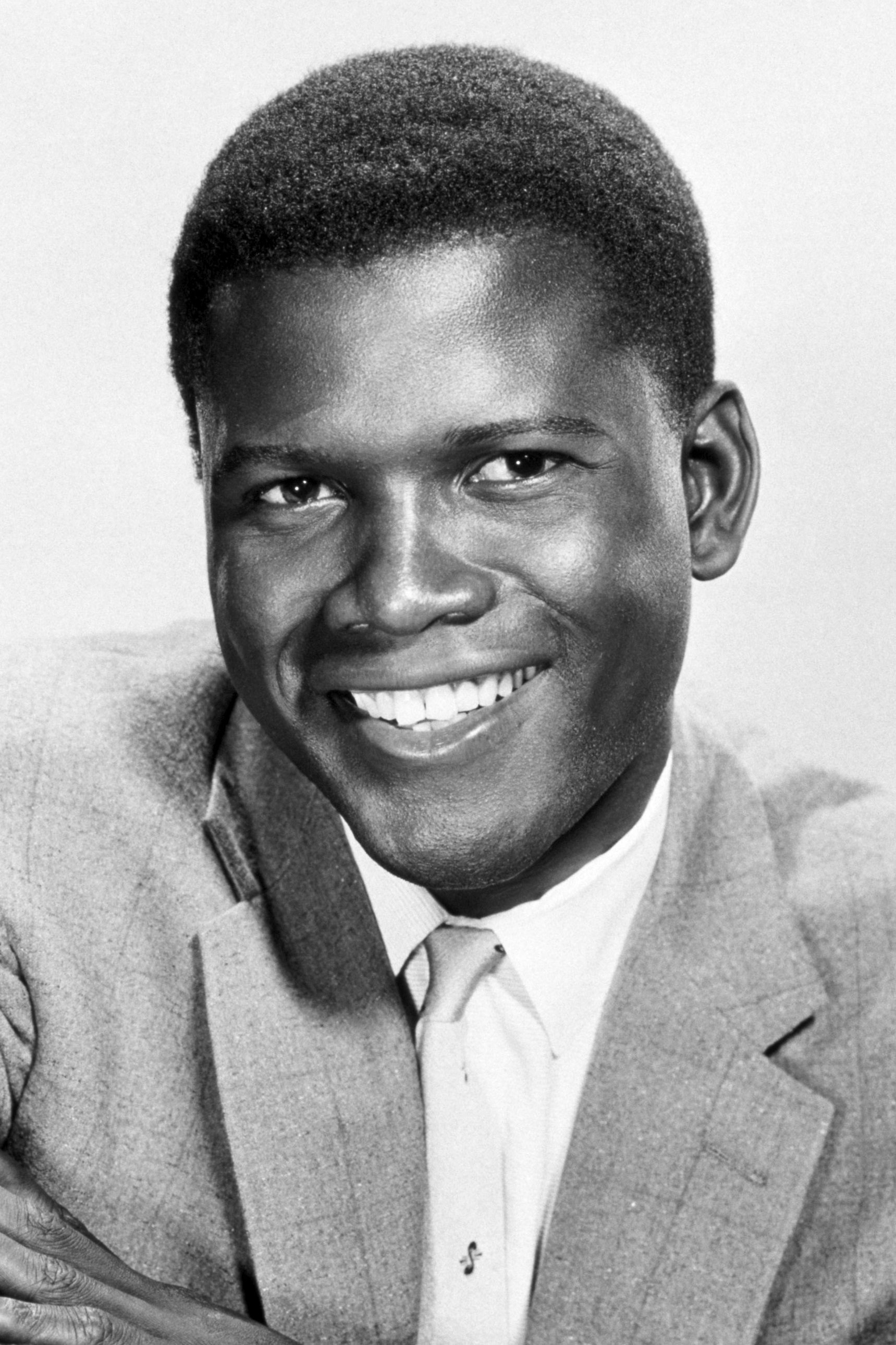
Sidney Poitier encountered significant racial prejudice while establishing himself as a leading man in Hollywood. He famously navigated a segregated film industry where opportunities for Black actors were extremely limited. During the production of ‘In the Heat of the Night’ he insisted on filming in the north to avoid the dangers of the Jim Crow South. Poitier often spoke about the weight of representing an entire race in his various film roles. He broke through many social barriers to become a symbol of dignity and excellence in cinema.
Paul Robeson
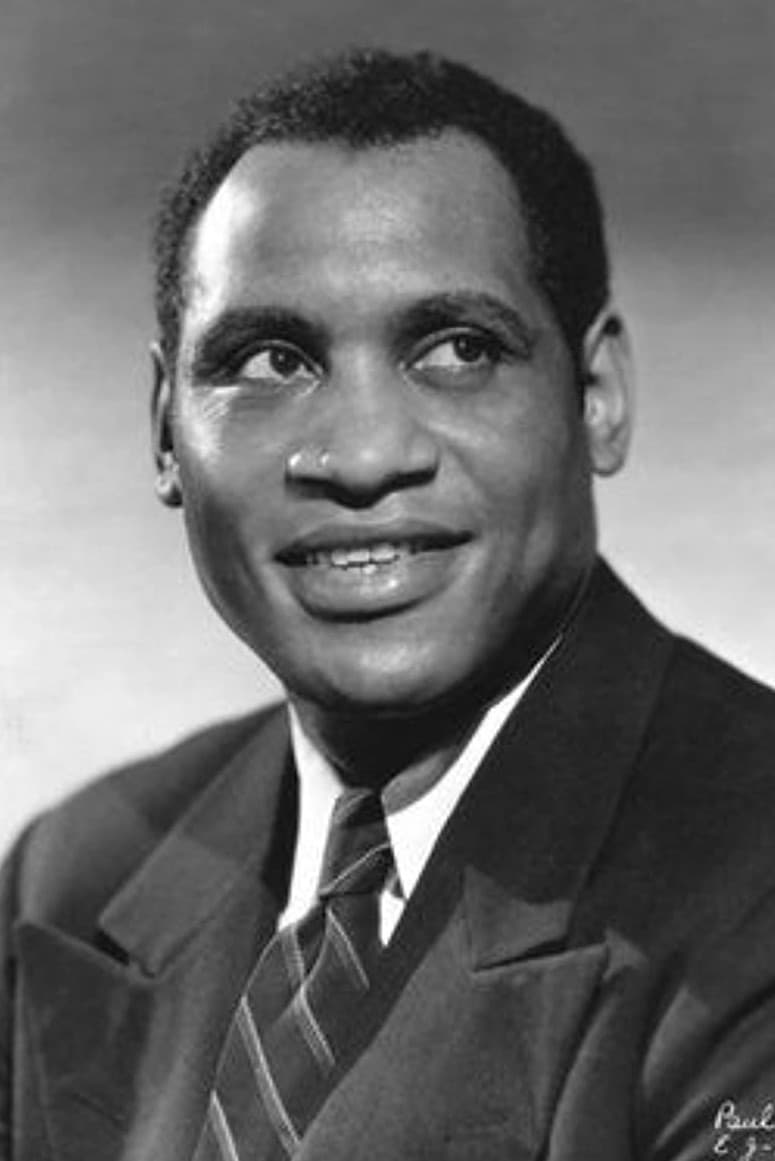
Paul Robeson was a brilliant actor and singer who faced intense racism due to his activism and political beliefs. His career was severely hampered by the Hollywood blacklist and the revocation of his passport by the government. Robeson often experienced discrimination in casting and was frequently relegated to roles that did not reflect his immense talent. He remained a vocal critic of racial injustice throughout his life despite the professional costs. His legacy continues to inspire those who use their platform to fight for social change.
Harry Belafonte

Harry Belafonte was a pioneering entertainer who faced systemic racism throughout his storied career. He often dealt with segregated hotels and venues while touring as a major star. Belafonte was a key figure in the Civil Rights Movement and used his wealth and influence to support activists. He faced professional retaliation for his outspoken nature and his refusal to accept stereotypical roles. His contributions to both music and film helped bridge the gap between entertainment and social justice.
James Earl Jones
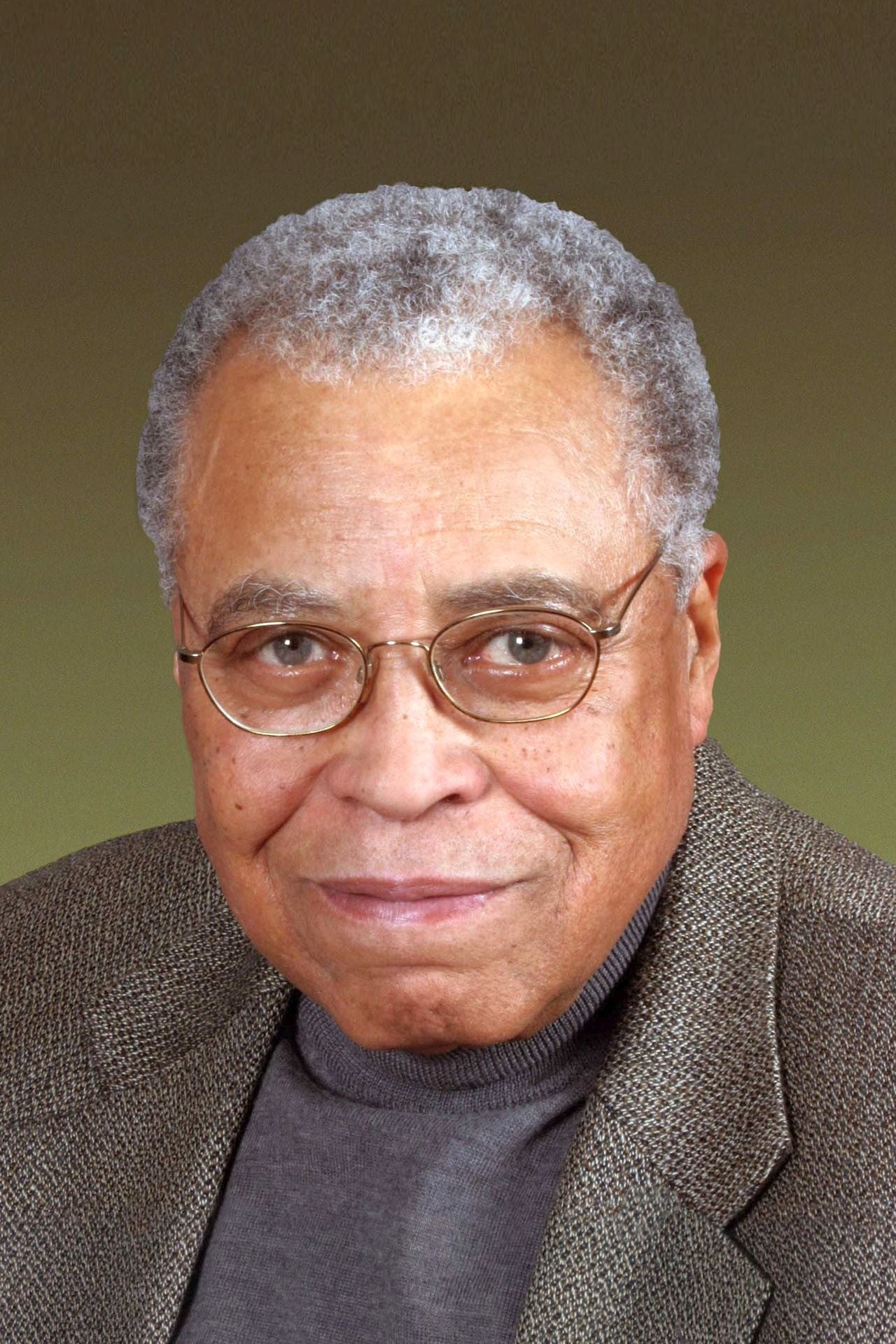
James Earl Jones encountered early career challenges related to the limited scope of roles available to Black men. He often spoke about the difficulties of finding substantial work that did not rely on racial caricatures. Despite his powerful voice and commanding presence he had to fight for the respect he deserved in the industry. Jones eventually became one of the most celebrated actors of his generation with legendary roles in ‘The Great White Hope’ and other major productions. His success opened doors for many other performers of color.
Louis Gossett Jr.

Louis Gossett Jr. experienced overt racism during his rise to fame in the twentieth century. While filming ‘An Officer and a Gentleman’ he was subjected to police harassment and racial profiling in the town where the production was based. He has shared stories of being stopped by law enforcement multiple times for no valid reason. These experiences highlighted the disparity between his professional success and his treatment as a citizen. He went on to win an Academy Award and continued to advocate for racial equality.
Morgan Freeman
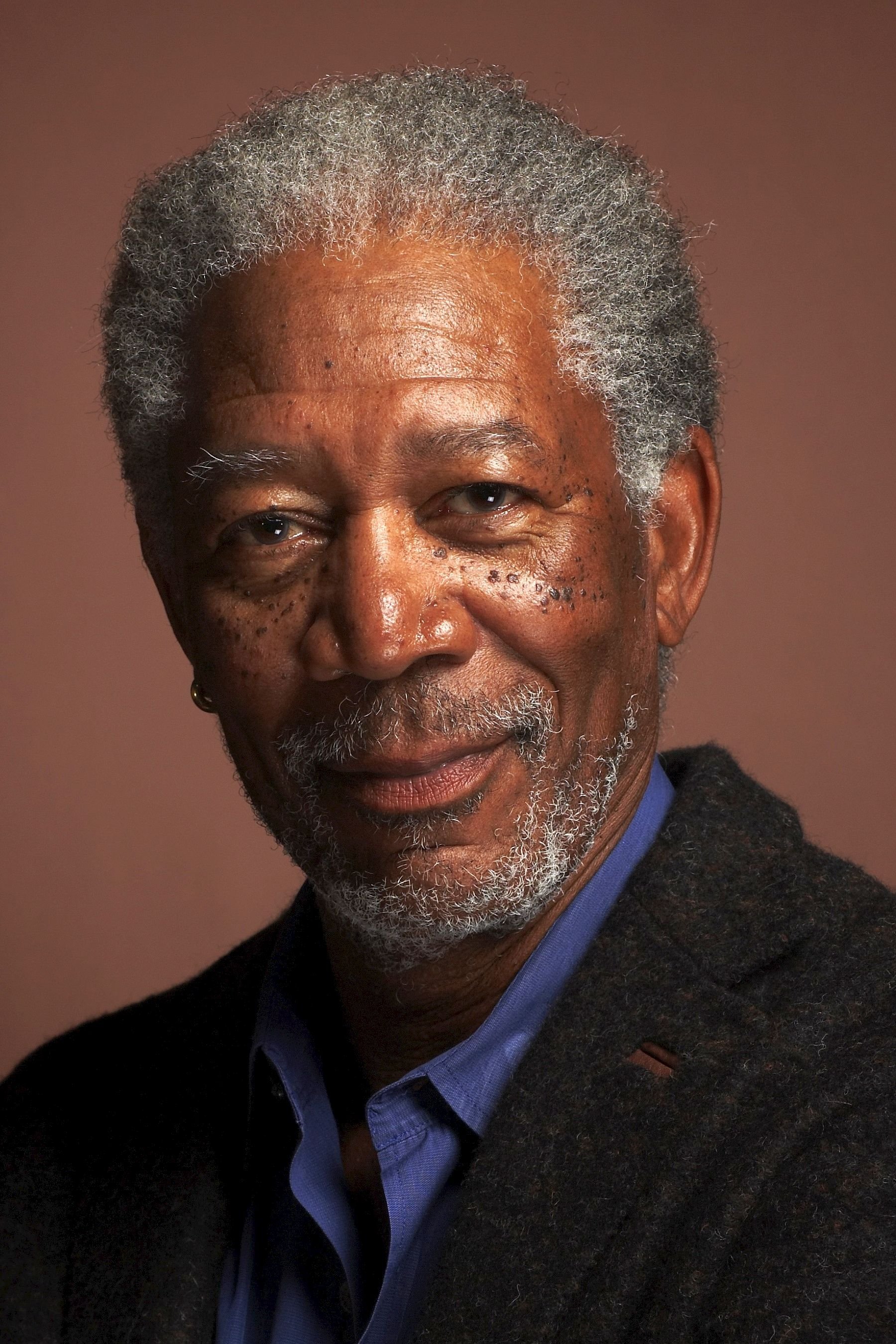
Morgan Freeman spent many years working in the industry before achieving the mainstream recognition he enjoys today. He has frequently discussed the subtle and overt ways racism influenced the types of characters he was offered early in his career. Freeman often had to navigate a landscape where Black actors were not considered for lead roles in major dramas. His persistence eventually led to iconic performances in films like ‘Driving Miss Daisy’ and ‘The Shawshank Redemption’. He remains a powerful voice regarding the complexities of race in America.
Samuel L. Jackson
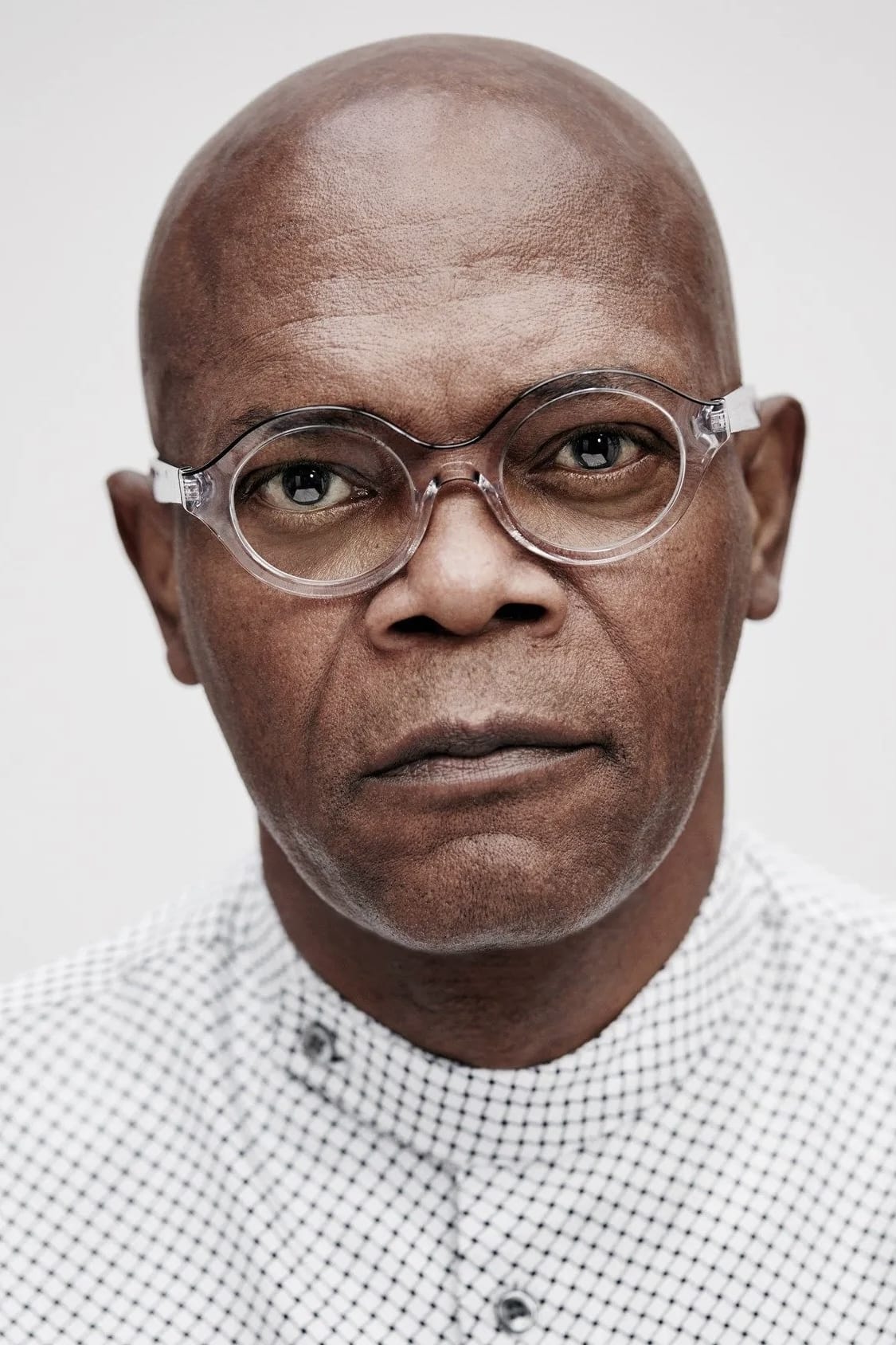
Samuel L. Jackson has been open about the racial discrimination he faced during his early years as a theater and film actor. He grew up in the segregated South and carried those experiences into his professional life. Jackson often encountered typecasting that limited the depth of the characters he could portray. He eventually became one of the highest grossing actors in history by demanding diverse and complex roles. His career proves that Black actors can command the global box office in any genre.
Denzel Washington
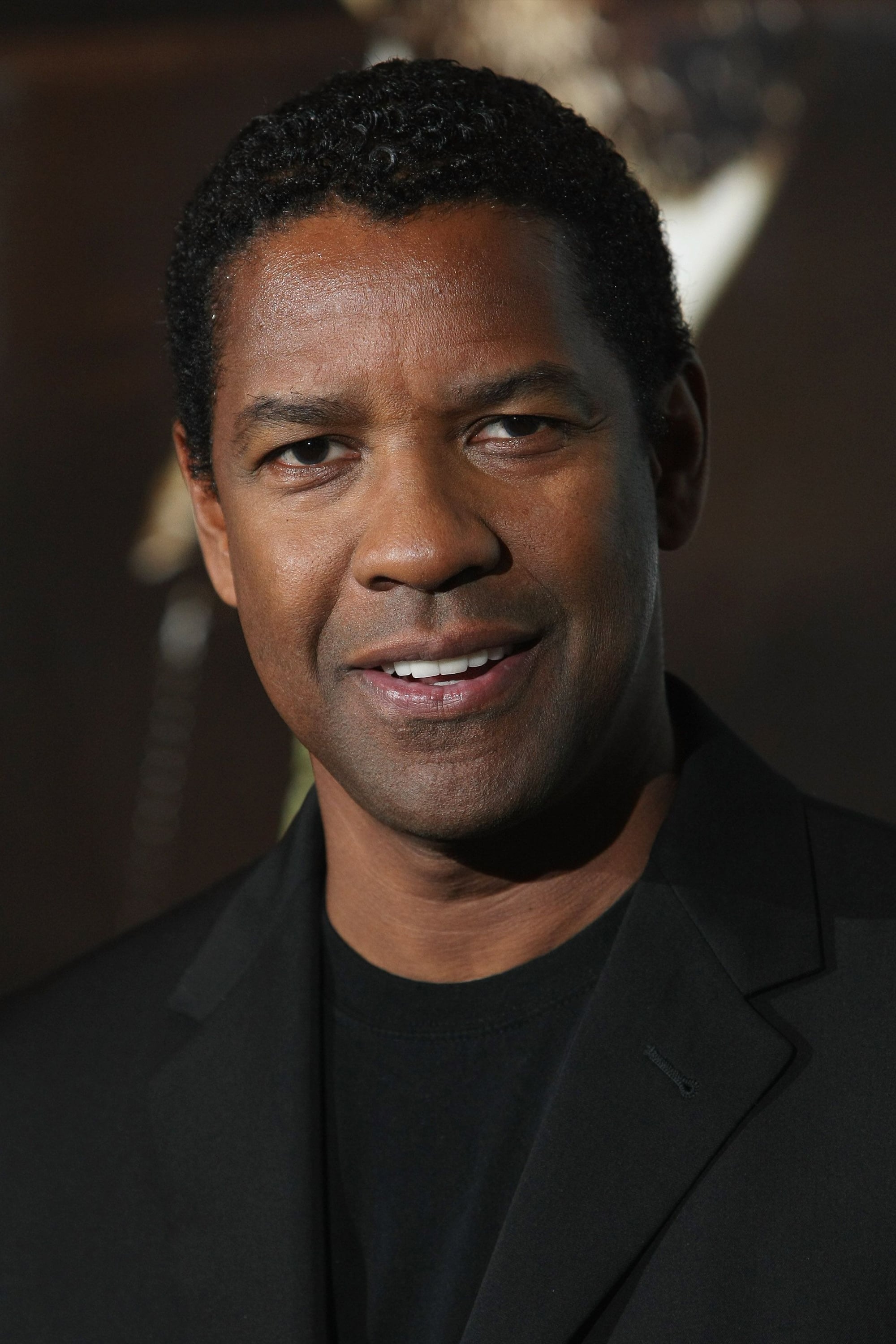
Denzel Washington has navigated a Hollywood system that often struggled to see Black men as versatile leading actors. He has spoken about the pressure of being a role model and the careful selection of parts to avoid negative stereotypes. Throughout his career he has faced instances where his race influenced the marketing and reception of his films. Washington has consistently delivered powerful performances in movies like ‘Glory’ and ‘Training Day’ that challenged industry norms. He is now considered one of the greatest actors of all time regardless of race.
Will Smith
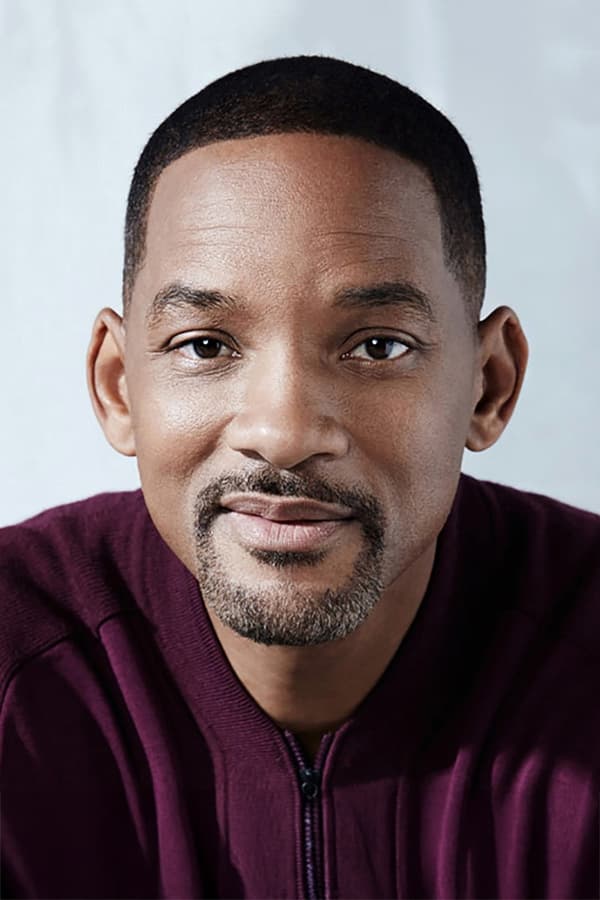
Will Smith became a global superstar but he has not been immune to the effects of racial prejudice in the entertainment world. He has discussed how international markets were often used as an excuse to avoid casting Black actors in lead roles. Smith worked tirelessly to prove that his films could appeal to audiences of every background across the globe. Despite his massive success he has still encountered modern instances of bias and systemic hurdles. His career has been a masterclass in breaking the glass ceiling for Black entertainers.
Laurence Fishburne
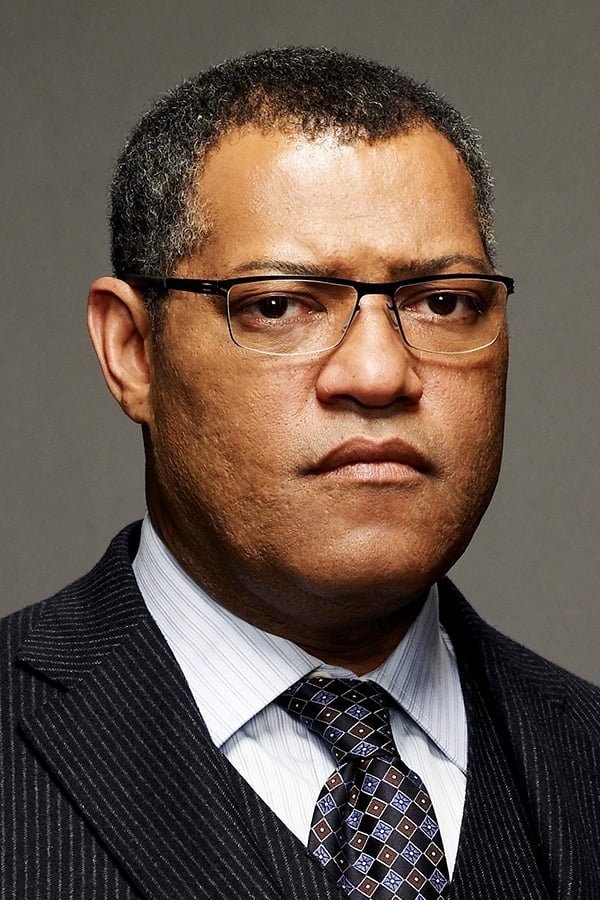
Laurence Fishburne began his career at a young age and witnessed the racial dynamics of Hollywood firsthand. He often faced the challenge of being pigeonholed into specific types of roles early in his development. Fishburne has been vocal about the need for more diverse stories that reflect the true Black experience. His performance in ‘What is Love Got to Do with It’ earned him critical acclaim and demonstrated his immense range. He continues to be a respected figure who advocates for better representation on screen.
Danny Glover
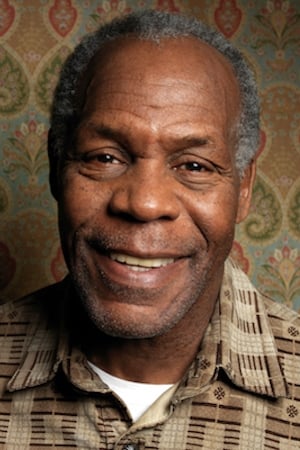
Danny Glover has long been an activist as well as a successful actor in major franchises. He has shared numerous accounts of facing racial profiling by taxi drivers and law enforcement in major cities. Glover used his platform to highlight these everyday injustices that Black men face regardless of their celebrity status. In his professional life he pushed for roles that were not defined solely by his race. His work in the ‘Lethal Weapon’ series helped redefine the buddy cop genre for a diverse audience.
Forest Whitaker
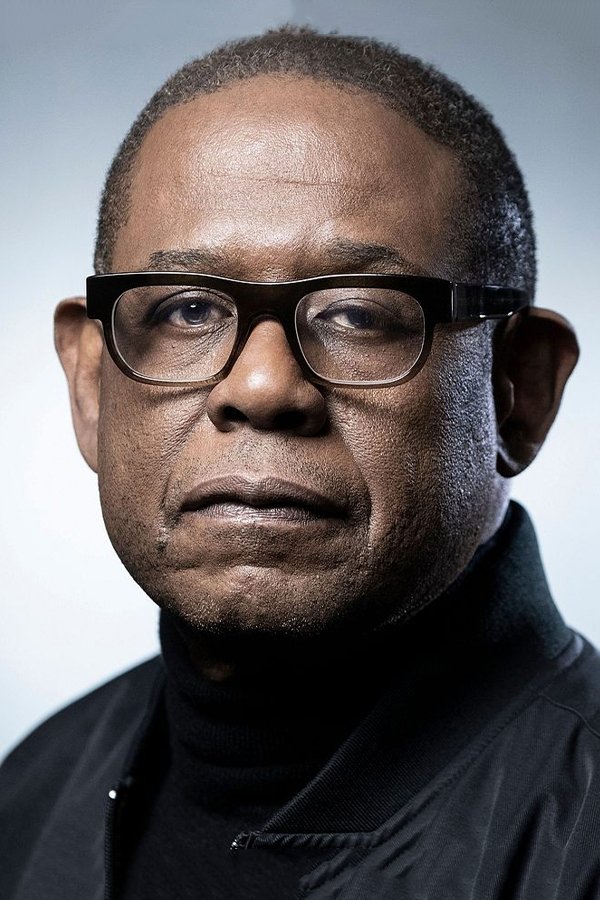
Forest Whitaker has built a career on deeply transformative performances while navigating the industry’s racial biases. He has often spoken about the difficulty of being recognized for his versatility in a system that favors traditional archetypes. Whitaker has encountered skepticism regarding the commercial viability of films centered on Black protagonists. His Academy Award winning turn in ‘The Last King of Scotland’ proved his ability to lead major international productions. He remains committed to telling stories that explore the human condition through a diverse lens.
Jamie Foxx
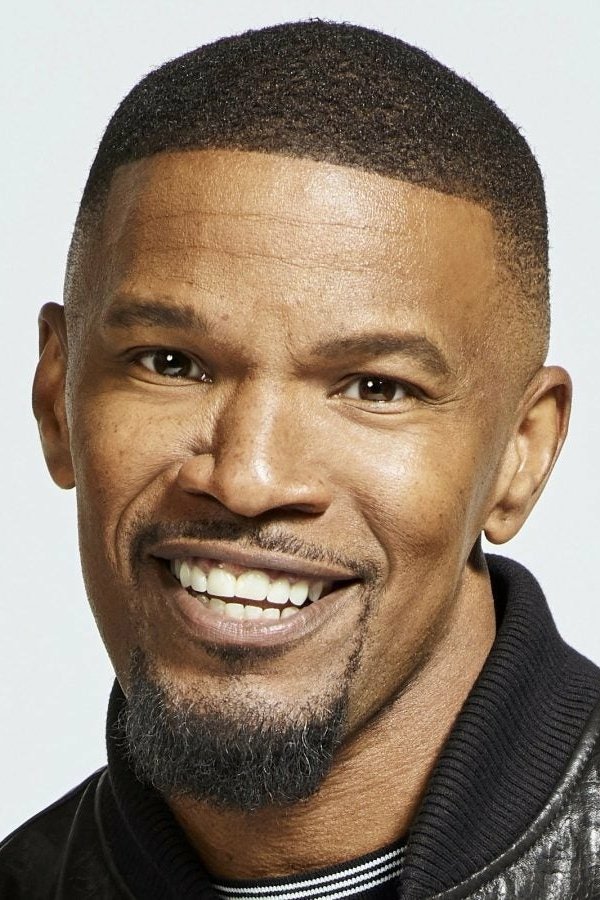
Jamie Foxx started in comedy and had to fight to be taken seriously as a dramatic actor in a biased industry. He has recounted stories of racial discrimination that occurred both before and after he achieved fame. Foxx often had to overcome the low expectations placed on Black performers by studio executives. His portrayal of Ray Charles in the film ‘Ray’ was a definitive moment that earned him an Oscar and widespread respect. He continues to use his success to mentor younger artists of color.
Don Cheadle
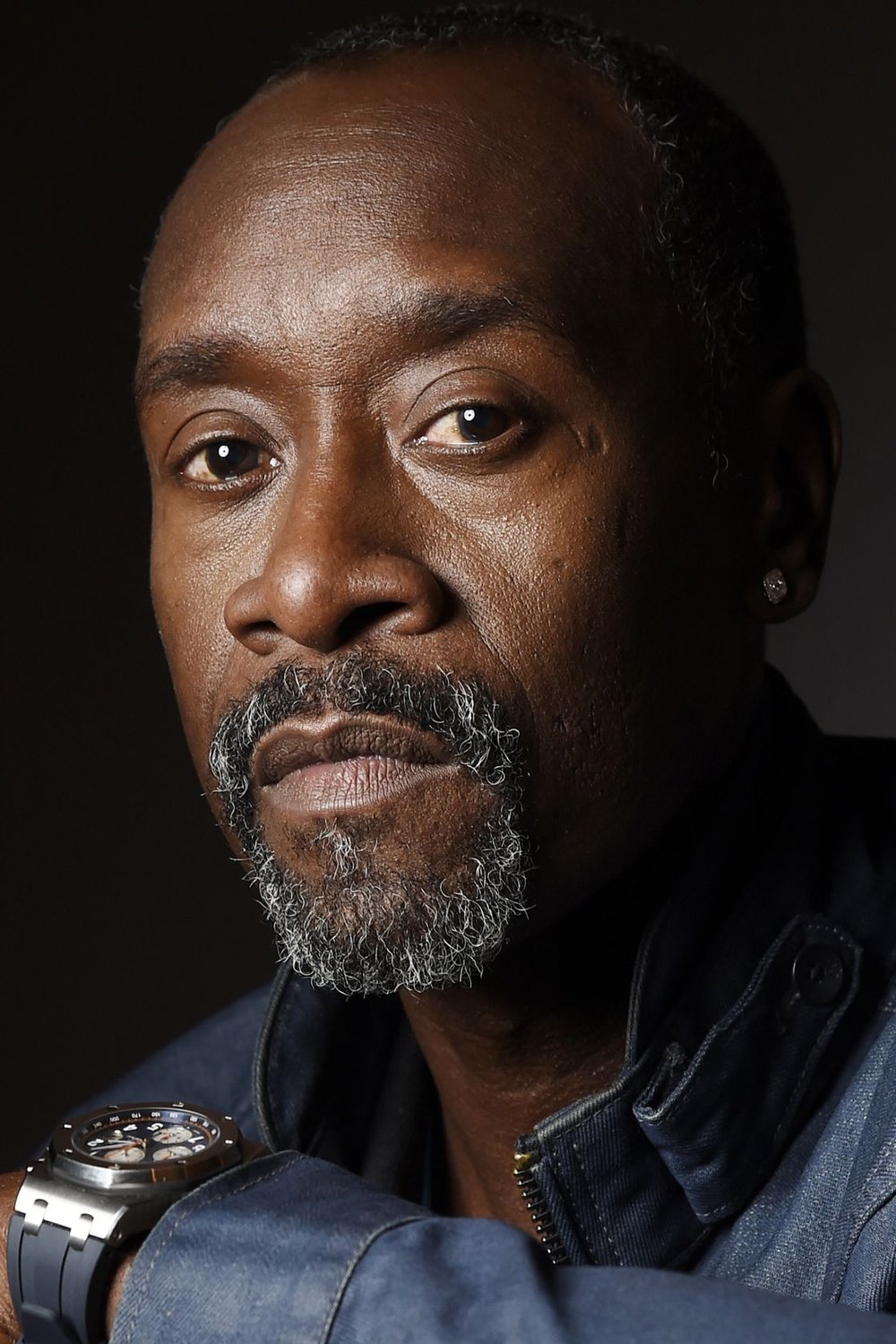
Don Cheadle has been a consistent advocate for racial justice and better representation in Hollywood. He has faced the challenge of securing funding for projects that focus on Black history and African perspectives. Cheadle has spoken about the systemic issues that prevent many talented Black actors from reaching leading man status. His work in ‘Hotel Rwanda’ brought international attention to important issues while showcasing his dramatic talent. He remains a key figure in the fight for equity within the Screen Actors Guild.
Mahershala Ali
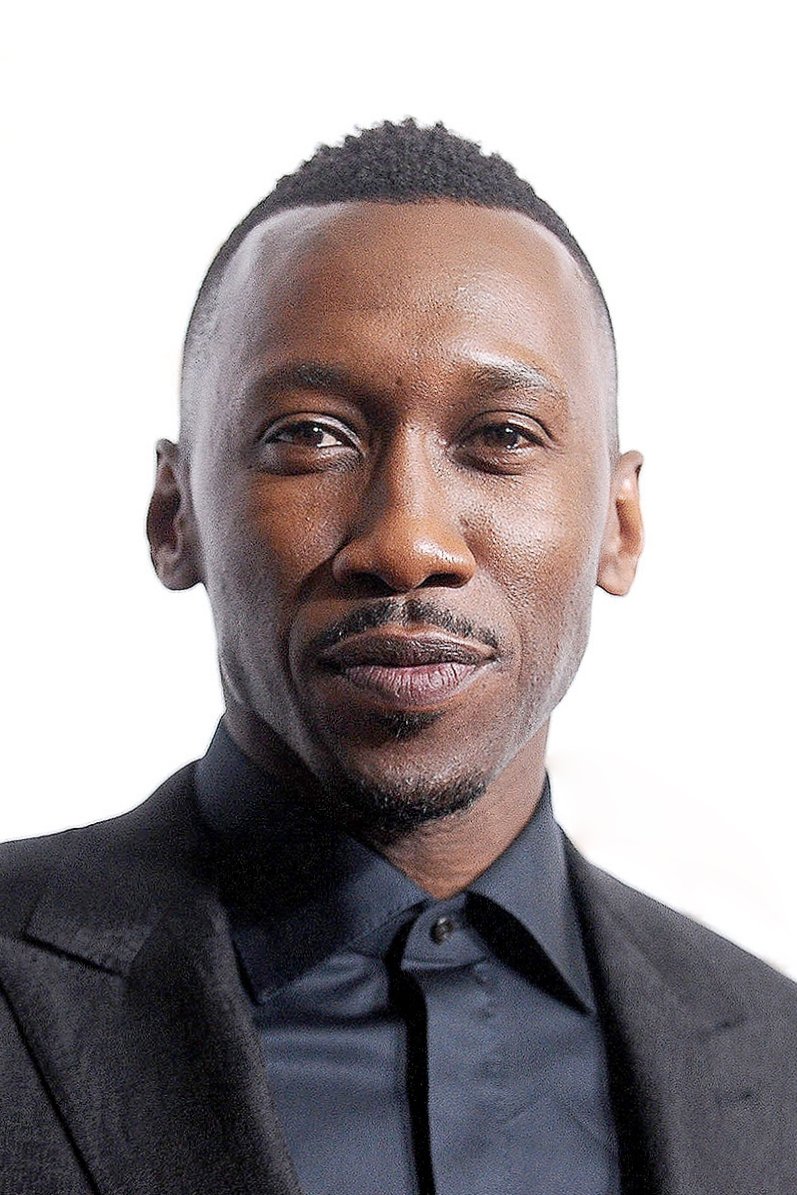
Mahershala Ali has reached the pinnacle of his profession while dealing with the realities of being a Black Muslim man in America. He has faced profiling and discrimination that intensified during different political climates. Ali has often discussed the importance of choosing roles that offer dignity and complexity to Black characters. His two Academy Awards for ‘Moonlight’ and ‘Green Book’ are a testament to his incredible skill and perseverance. He continues to break new ground by leading major genre films and prestigious dramas.
Sterling K. Brown
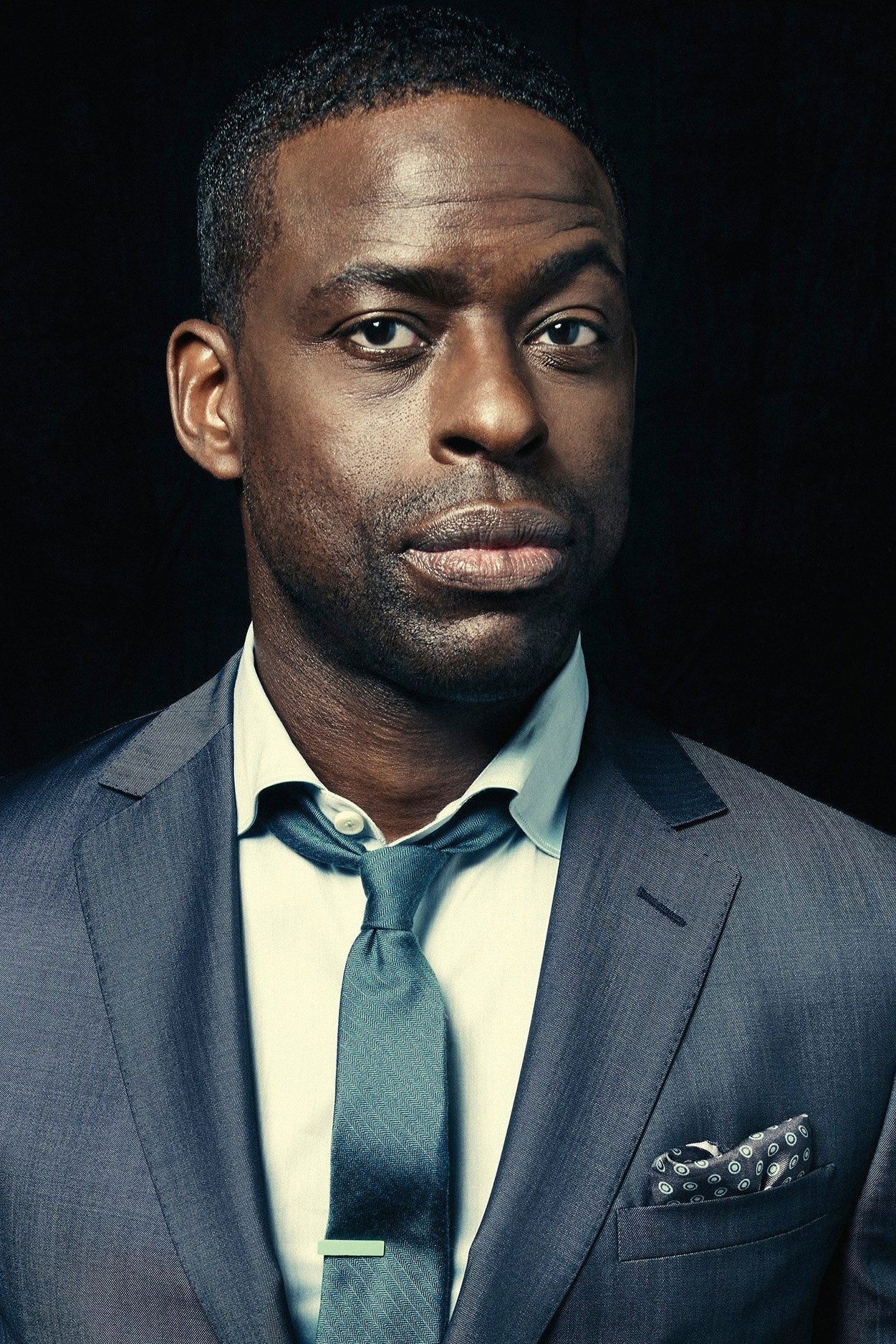
Sterling K. Brown has become a household name but he spent years navigating a system with limited opportunities for Black men. He has shared his experiences with colorism and the narrow definitions of Blackness in the casting process. Brown often faced rejection for roles that were not specifically written for African-American actors. His success on the television series ‘This Is Us’ allowed him to showcase a nuanced portrayal of Black fatherhood. He is now a prominent advocate for more inclusive storytelling in television and film.
Chadwick Boseman
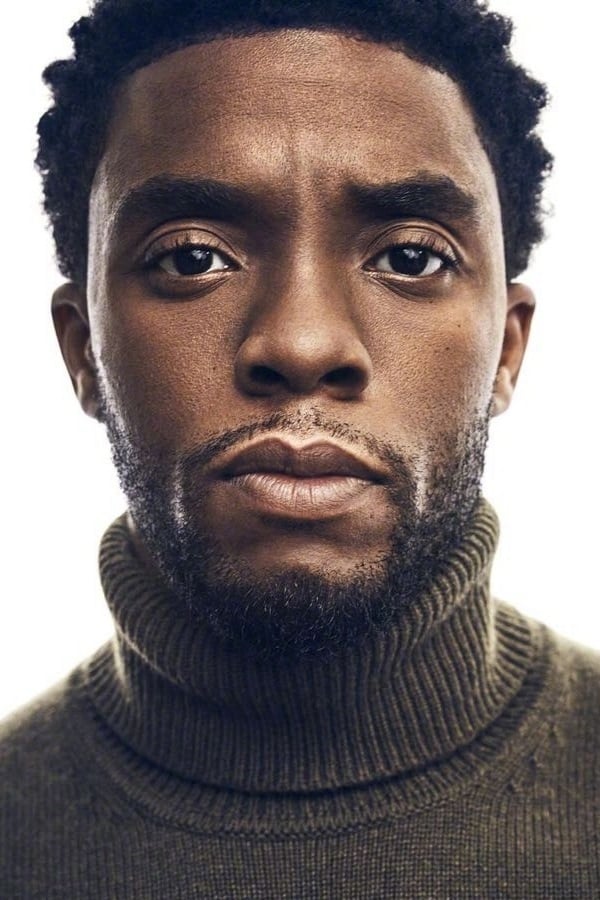
Chadwick Boseman became a cultural icon but he faced many racial hurdles throughout his career. Early on he was fired from a soap opera for questioning the stereotypical nature of his character. He spent much of his career portraying historical Black figures like Jackie Robinson and James Brown to ensure their stories were told correctly. His role in ‘Black Panther’ was a monumental achievement that challenged global perceptions of Black-led films. Boseman remained a symbol of strength and integrity until his untimely passing.
Michael B. Jordan
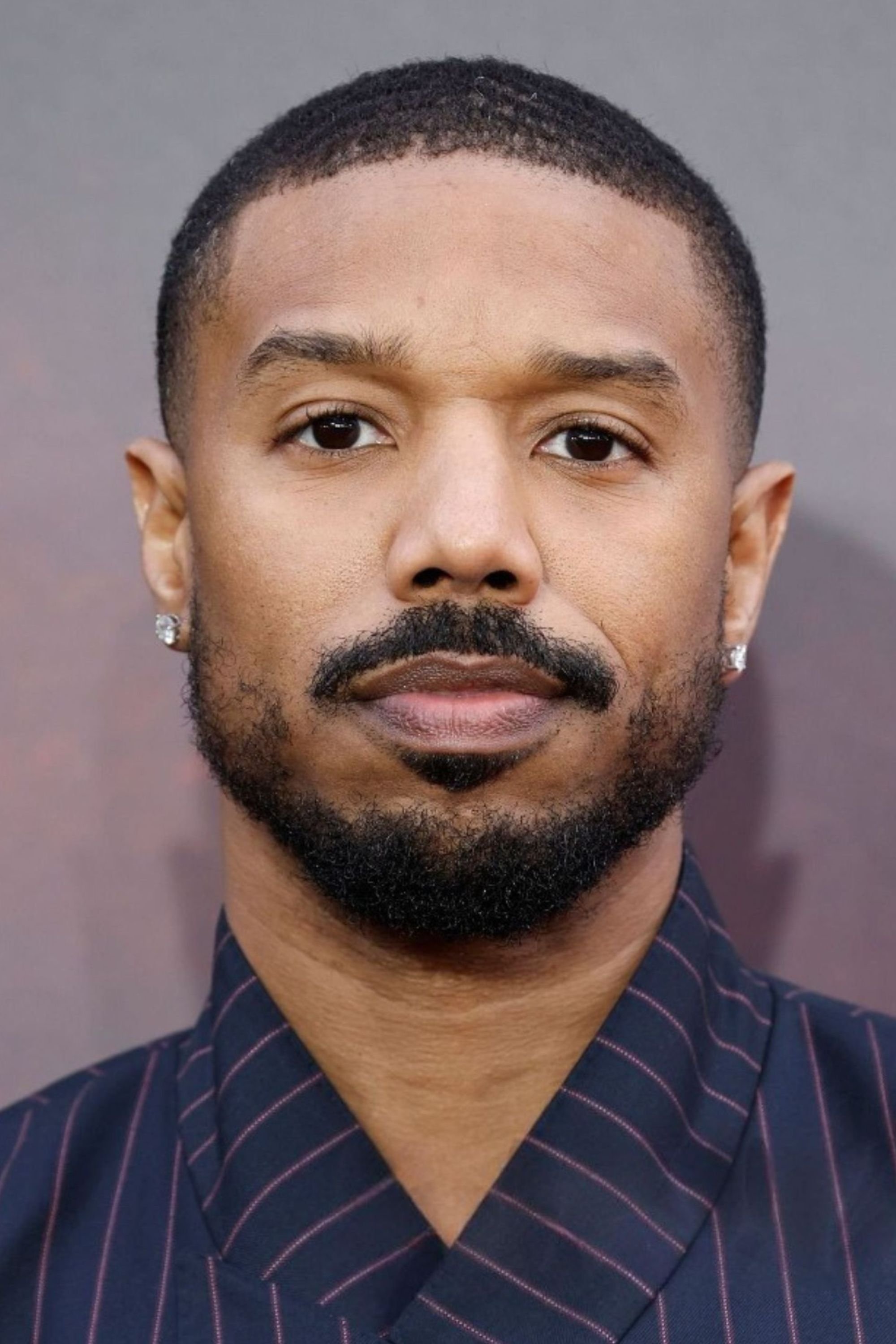
Michael B. Jordan has been a vocal proponent of inclusion riders and diversity in film production. He has discussed the frustration of being considered only for roles that are defined by racial trauma or struggle. Jordan has actively worked to change the industry by starting his own production company to tell a wider range of stories. He faced racial backlash from some fans when he was cast in roles traditionally portrayed by white actors. His continued success in ‘Creed’ and other projects has solidified his status as a leading man.
Anthony Mackie
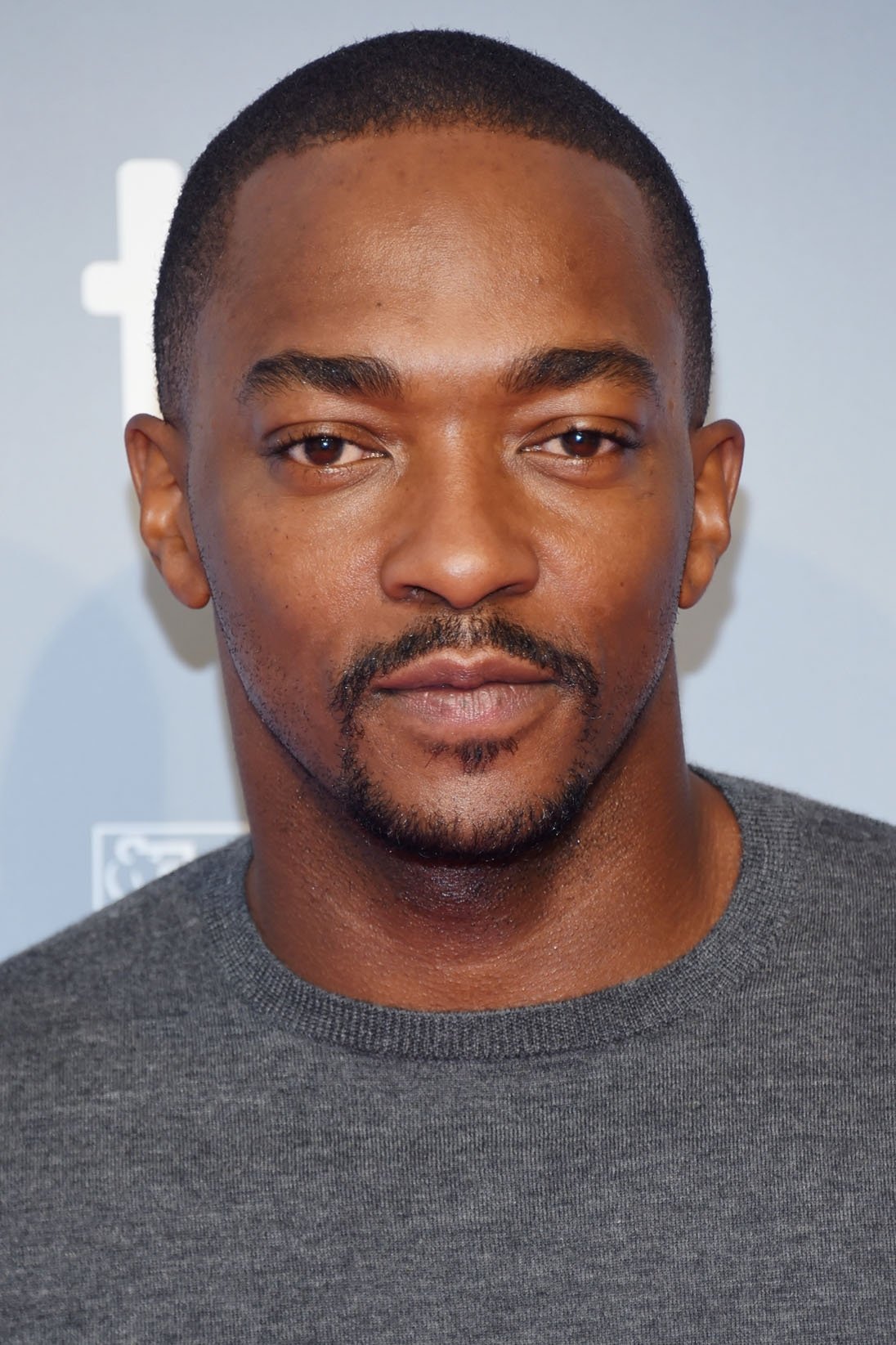
Anthony Mackie has frequently spoken out about the lack of diversity behind the scenes in major film productions. He has challenged studios to hire more Black crew members and directors to ensure a truly inclusive environment. Mackie has faced the typical hurdles of an industry that often prioritizes white narratives over others. He has used his role as Captain America to highlight the importance of representation in the superhero genre. His career reflects a commitment to making the industry better for those who follow him.
Jeffrey Wright
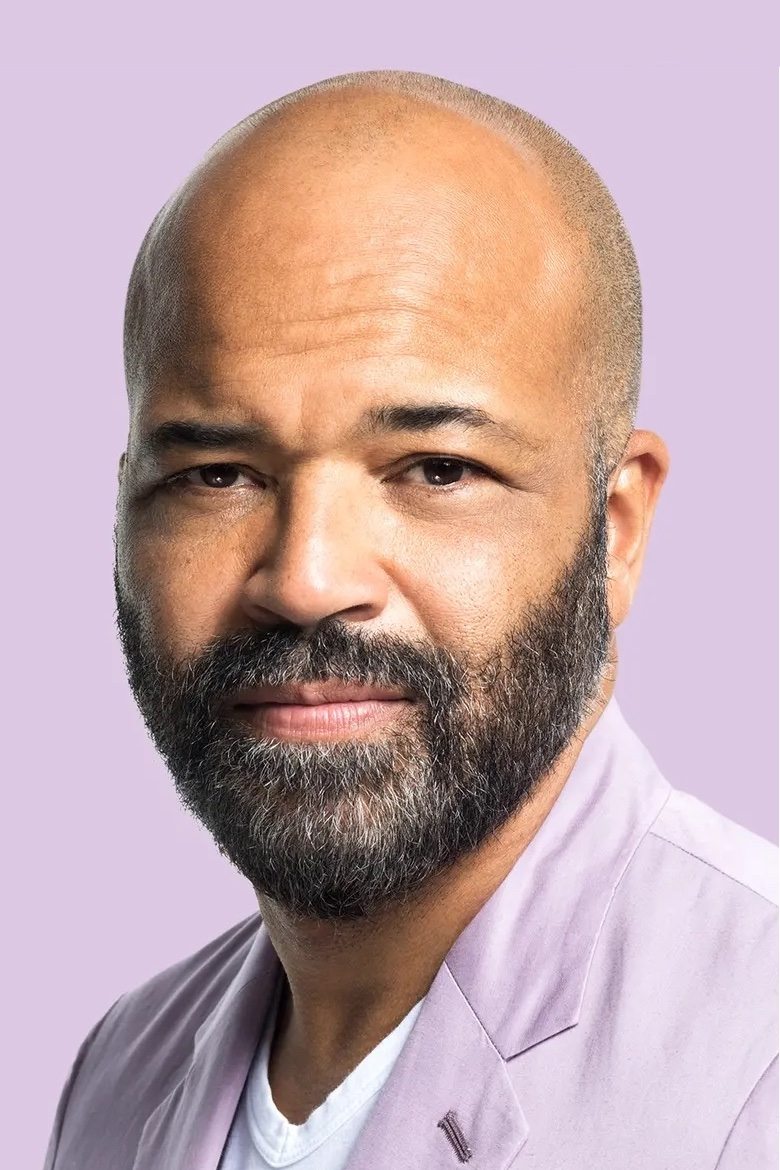
Jeffrey Wright is known for his incredible range but has often dealt with the industry’s tendency to typecast. He has spoken about the subtle biases that influence which actors are considered for intellectual or complex roles. Wright has consistently delivered high quality performances in both independent films and major blockbusters. He remains a critical voice concerning the representation of Black people in media and technology. His work in ‘Westworld’ and other projects continues to push the boundaries of modern acting.
Courtney B. Vance
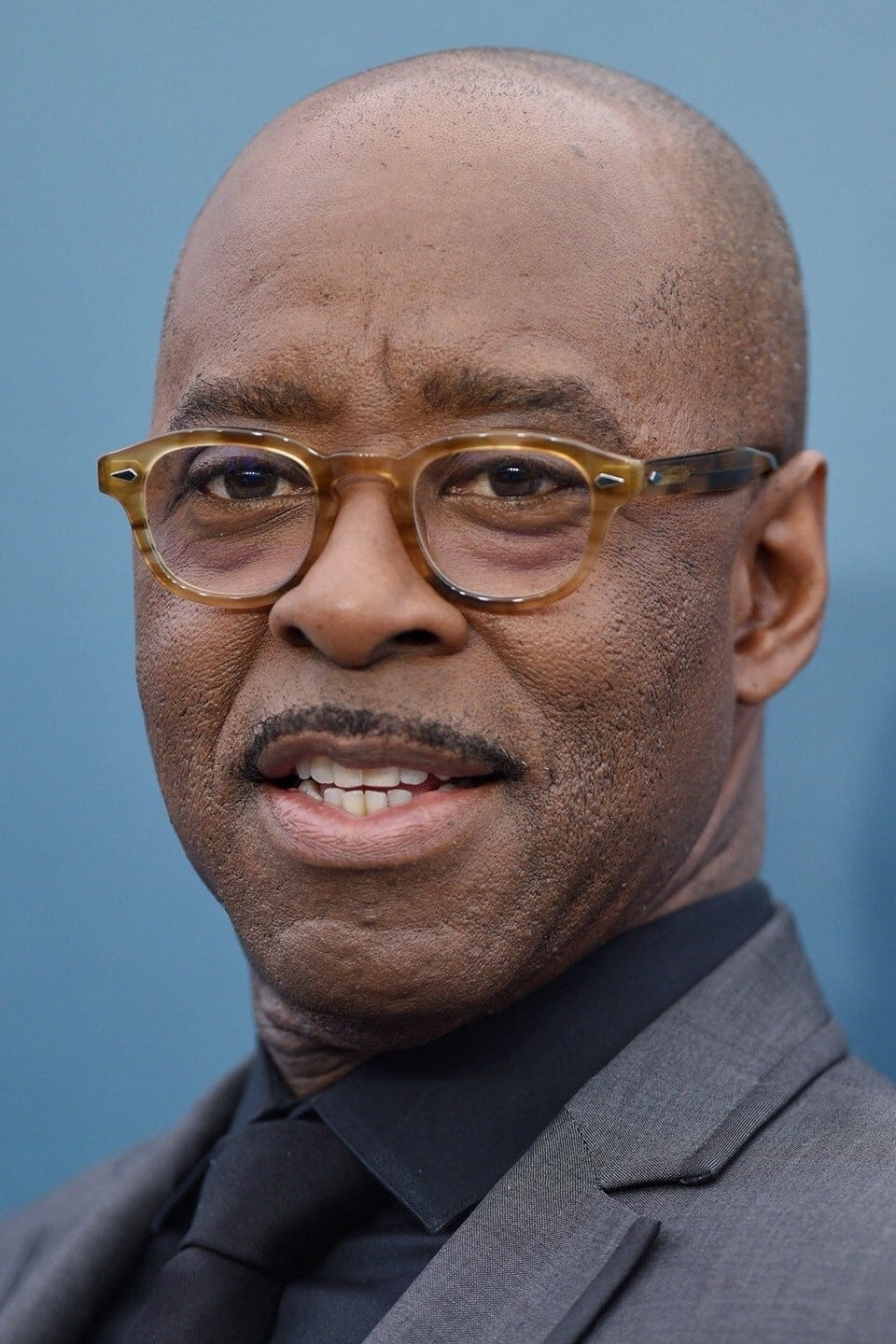
Courtney B. Vance has had a long and distinguished career while facing the systemic limitations of Hollywood. He has often had to work harder to secure the same recognition as his white counterparts. Vance has been a strong advocate for Black actors receiving fair pay and equal opportunities on set. His powerful portrayal of Johnnie Cochran earned him an Emmy and reminded audiences of his exceptional talent. He continues to be a mentor and leader within the Black acting community.
Billy Dee Williams
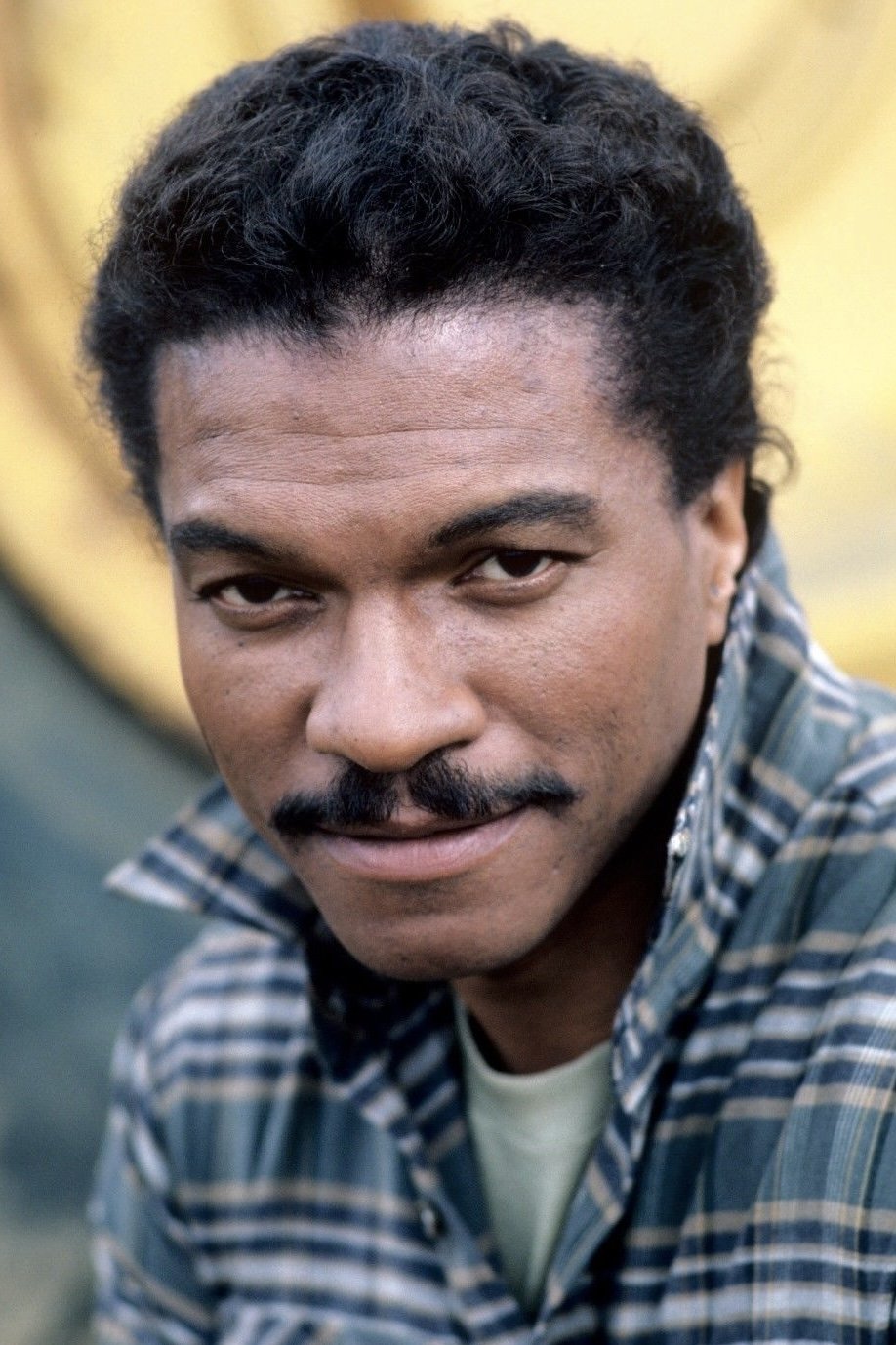
Billy Dee Williams became a romantic lead at a time when such roles were rarely available to Black men. He faced significant challenges in being accepted as a mainstream heartthrob due to racial prejudices of the era. Williams has often discussed the limitations he felt even as he achieved great fame in ‘Star Wars’. He worked to maintain a sense of style and grace that challenged the prevailing stereotypes of the time. His career paved the way for future generations of Black actors to be seen as versatile leads.
Ossie Davis
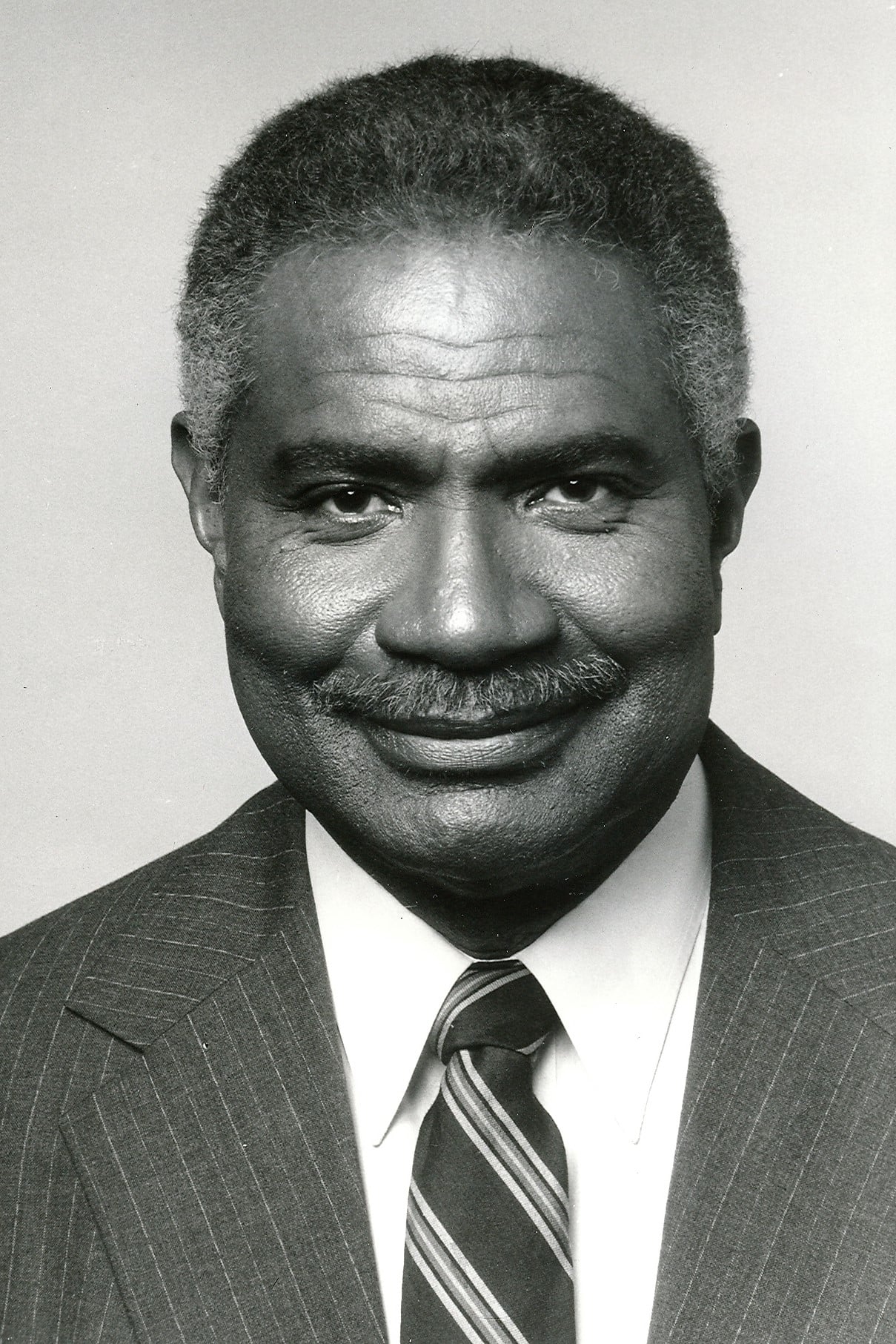
Ossie Davis was a legendary actor and activist who spent his life fighting against racial discrimination. He faced being blacklisted during the Red Scare because of his commitment to civil rights and social justice. Davis often used his roles in film and theater to comment on the Black experience in America. He and his wife Ruby Dee were central figures in the struggle for equality in the arts. His legacy is one of unwavering courage and artistic excellence in the face of adversity.
Brock Peters
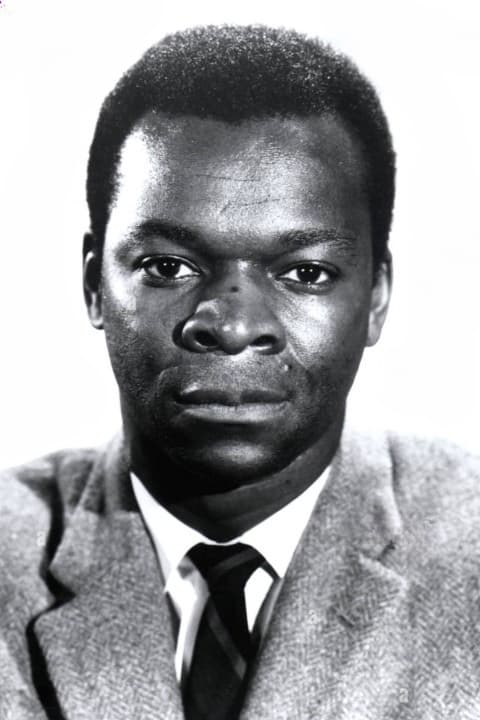
Brock Peters is perhaps best known for his role in ‘To Kill a Mockingbird’ where he portrayed a victim of extreme racial injustice. In his real life he faced the challenges of a segregated industry that offered few substantial roles for Black men. Peters often encountered the limitations of being a Black actor in a time of intense social upheaval. He used his deep voice and powerful presence to bring gravity to every character he played. His work remains a vital part of the history of Black cinema.
Woody Strode
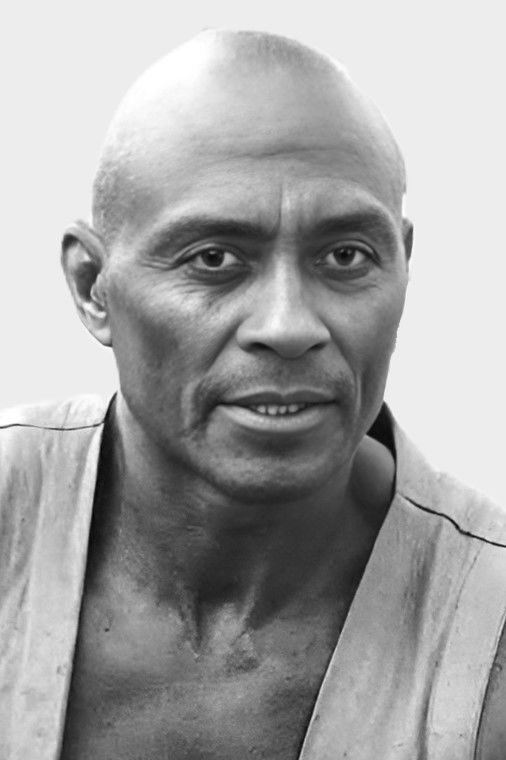
Woody Strode was a pioneering athlete and actor who faced immense racism in both the sports and film worlds. As one of the first Black players in the NFL he encountered hostility from fans and teammates alike. When he transitioned to acting he was often cast in physical or silent roles that did not utilize his full potential. Strode eventually worked with legendary directors who recognized his unique talent and screen presence. He broke many barriers for Black men in the Western and action genres.
Bill Robinson
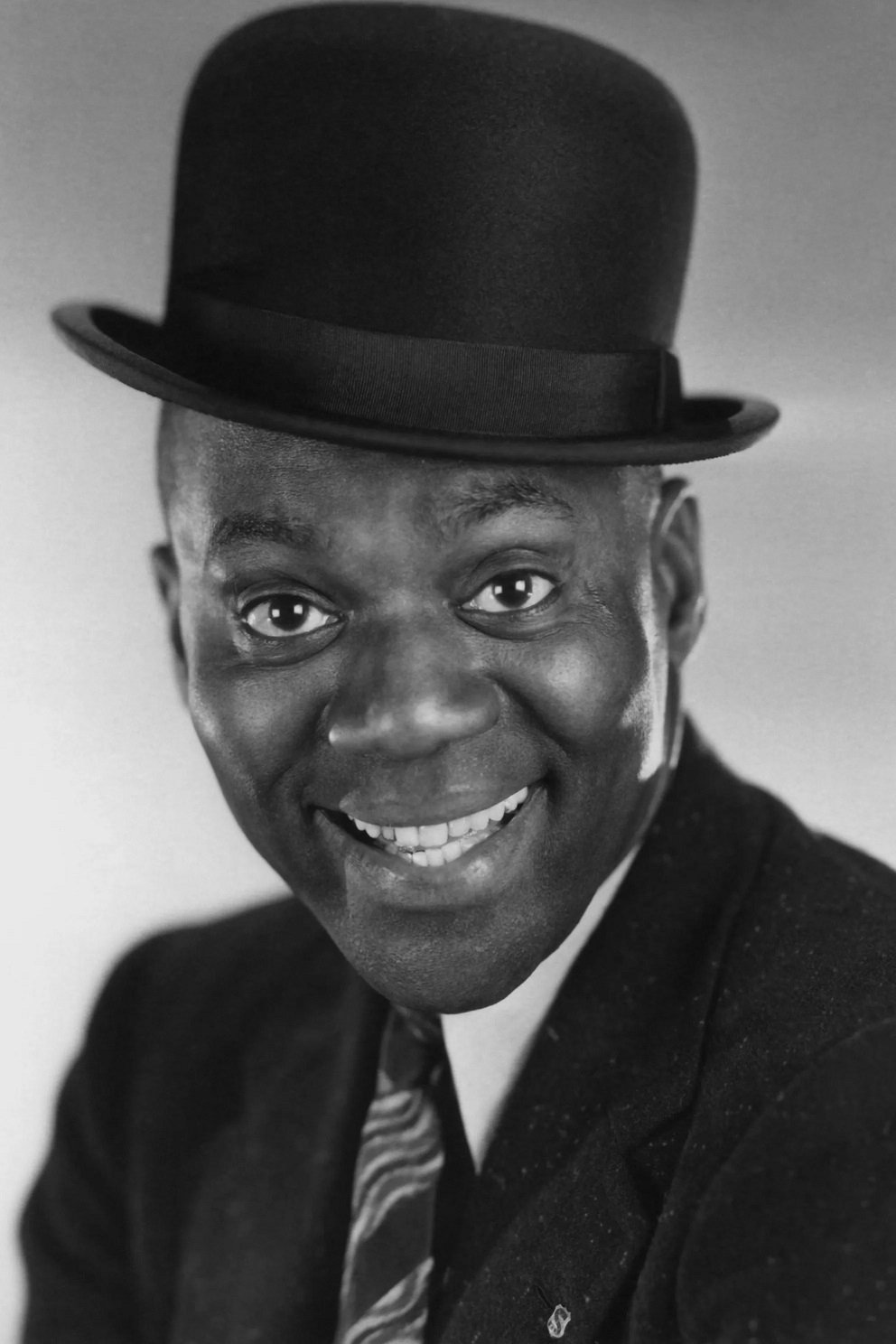
Bill Robinson was a legendary dancer and actor who had to navigate the strict rules of the Jim Crow era. He was often forced to perform in stereotypical roles that were common in the early days of cinema. Despite his immense fame he still faced segregation in public spaces and on film sets. Robinson was known for his incredible skill and for being one of the first Black performers to appear without minstrel makeup. His career was a constant negotiation between his art and the racial realities of his time.
Richard Pryor

Richard Pryor was a comedic genius who used his humor to confront the harsh realities of racism in America. He often shared stories of the discrimination he faced while growing up and during his early career in clubs. Pryor faced professional backlash for his raw and honest portrayals of Black life and racial tension. His influence on comedy and film is immeasurable as he forced audiences to look at uncomfortable truths. He remains a pivotal figure in the history of American entertainment.
Eddie Murphy
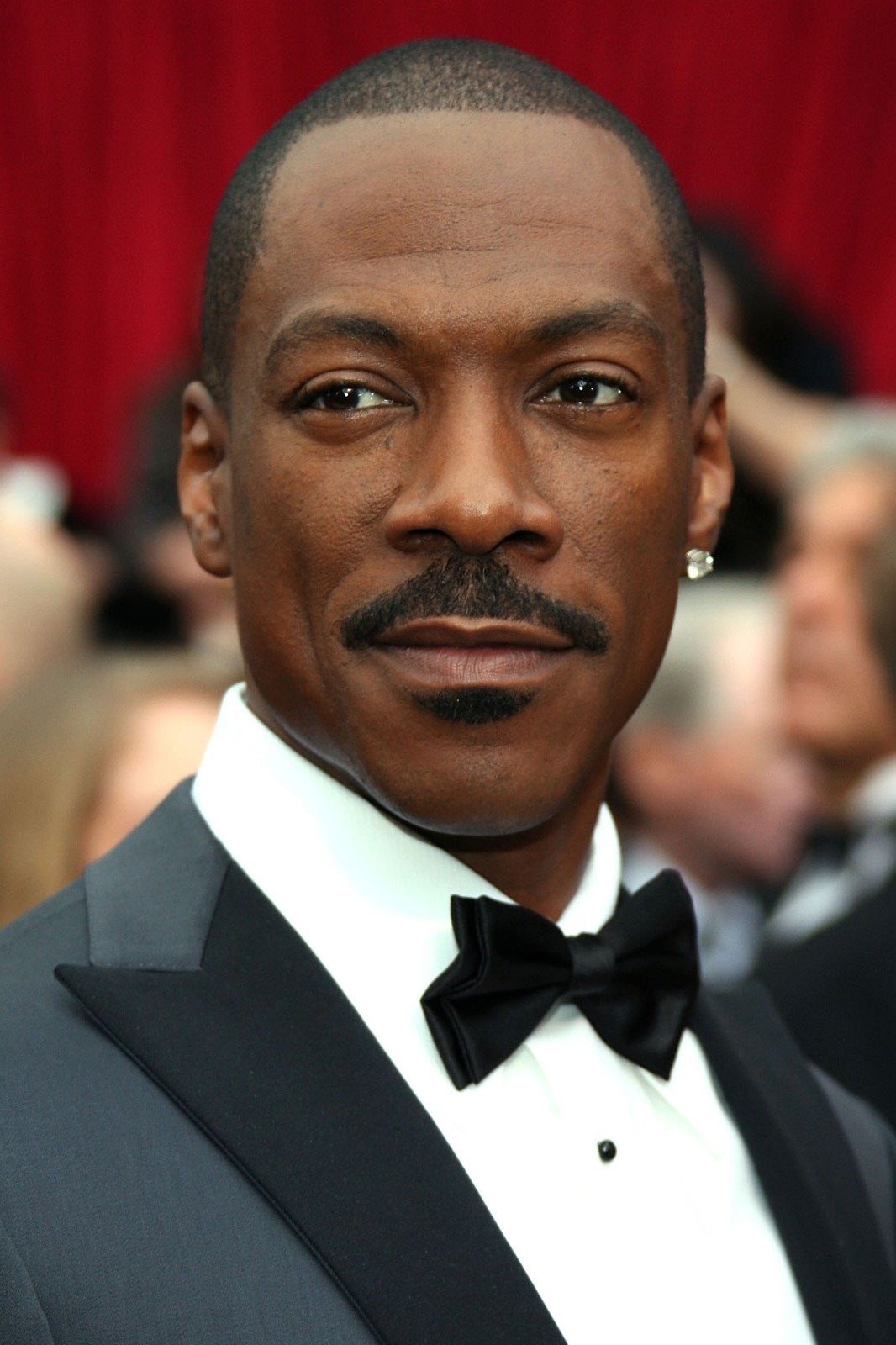
Eddie Murphy became one of the biggest stars in the world but he still dealt with the racial dynamics of the 1980s. He has spoken about the lack of diversity on ‘Saturday Night Live’ during his time there and the hurdles he faced as a young Black lead. Murphy often had to take control of his own projects to ensure he was not being used as a token character. His success in films like ‘Beverly Hills Cop’ changed the industry’s perception of the commercial power of Black actors. He continues to be a major force in both comedy and drama.
Chris Rock
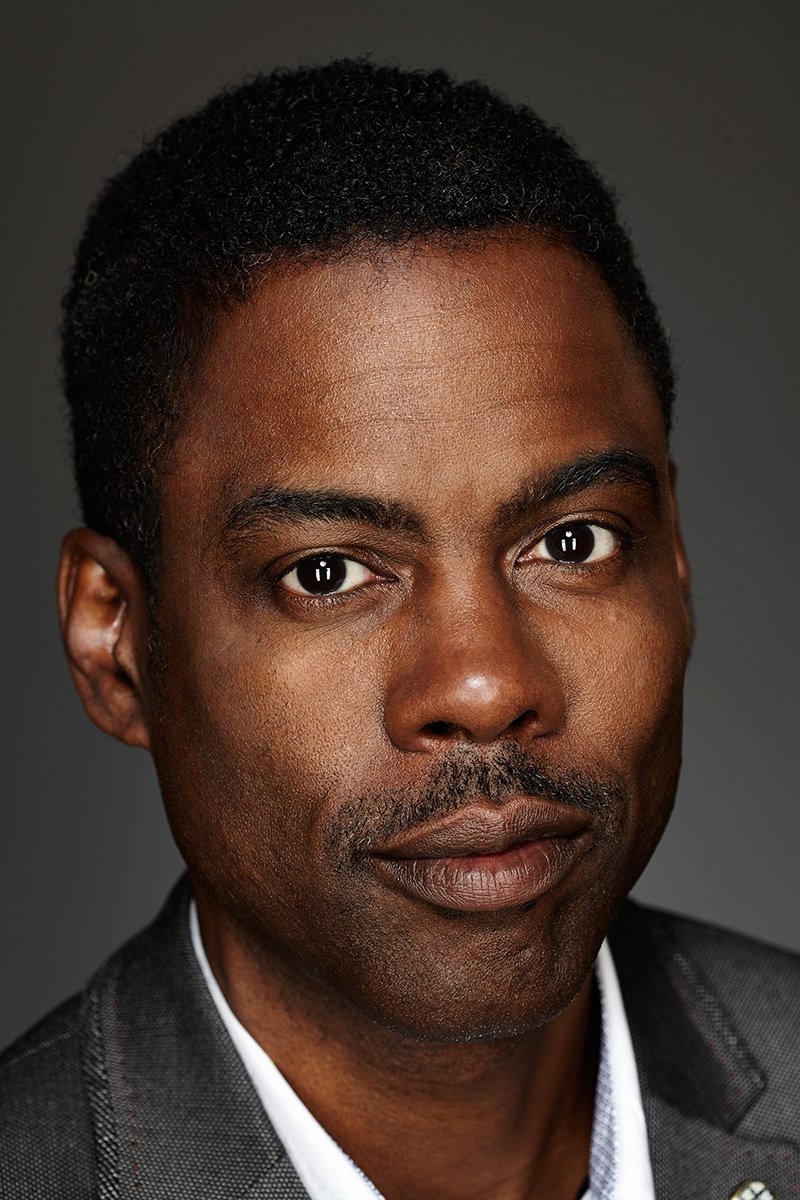
Chris Rock has frequently used his platform to highlight the systemic racism present in Hollywood and the world at large. He famously gave a monologue at the Academy Awards that addressed the lack of diversity among nominees. Rock has shared his own experiences with racial profiling and the difficulties of being a Black creator in a white dominated industry. He has worked to produce and direct films that center on the Black experience without compromise. His honesty has made him a vital voice for change in the entertainment business.
Dave Chappelle
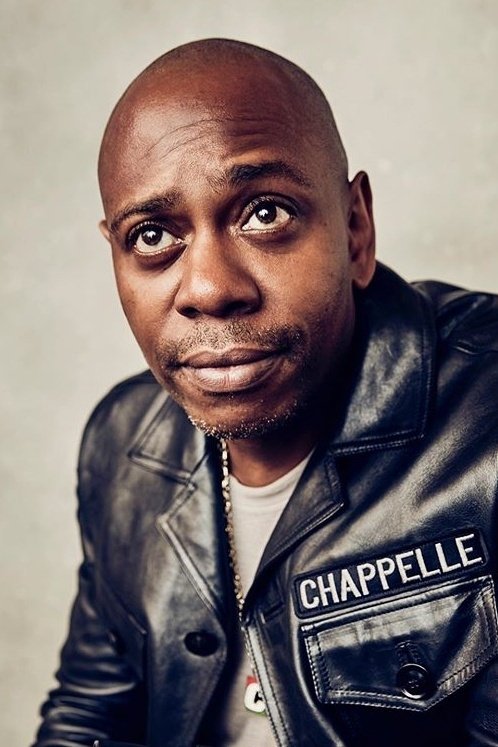
Dave Chappelle walked away from a massive television deal in part due to his concerns about how his work was being perceived racially. He has been vocal about the pressures and expectations placed on Black entertainers by corporate entities. Chappelle often addresses the complexities of race and power in his stand up specials and public appearances. He has faced criticism and controversy for his uncompromising stance on artistic freedom and racial issues. His career highlights the ongoing struggle for creative control among Black artists.
LeVar Burton
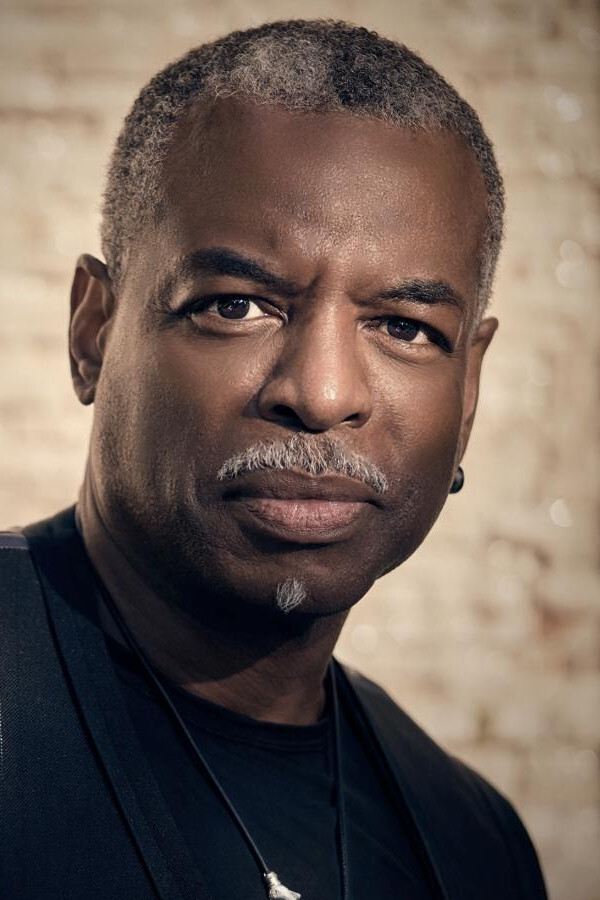
LeVar Burton rose to fame in the landmark miniseries ‘Roots’ which depicted the horrors of slavery and racism. Throughout his career he has faced the challenge of being associated with educational and uplifting content while navigating a biased industry. Burton has spoken about the importance of literacy and representation for young Black children. He has encountered the limitations of the Hollywood system but has consistently found ways to innovate and lead. His work on ‘Reading Rainbow’ and ‘Star Trek’ has inspired millions of people around the world.
Yaphet Kotto
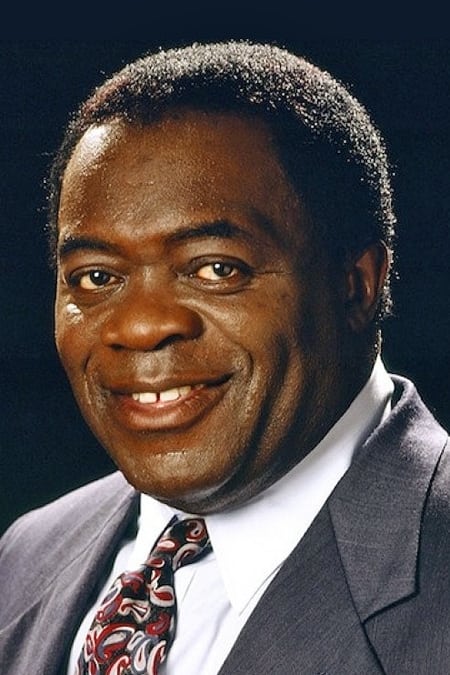
Yaphet Kotto was a versatile actor who often spoke out about the racism he encountered in the film industry. He was frequently cast as the villain or in supporting roles despite his clear ability to lead. Kotto shared stories of how his race influenced his experiences on sets like ‘Alien’ and ‘Live and Let Die’. He remained committed to his craft and often turned down roles that he felt were demeaning to Black people. His long career is a testament to his talent and his refusal to be silenced by prejudice.
Bernie Mac
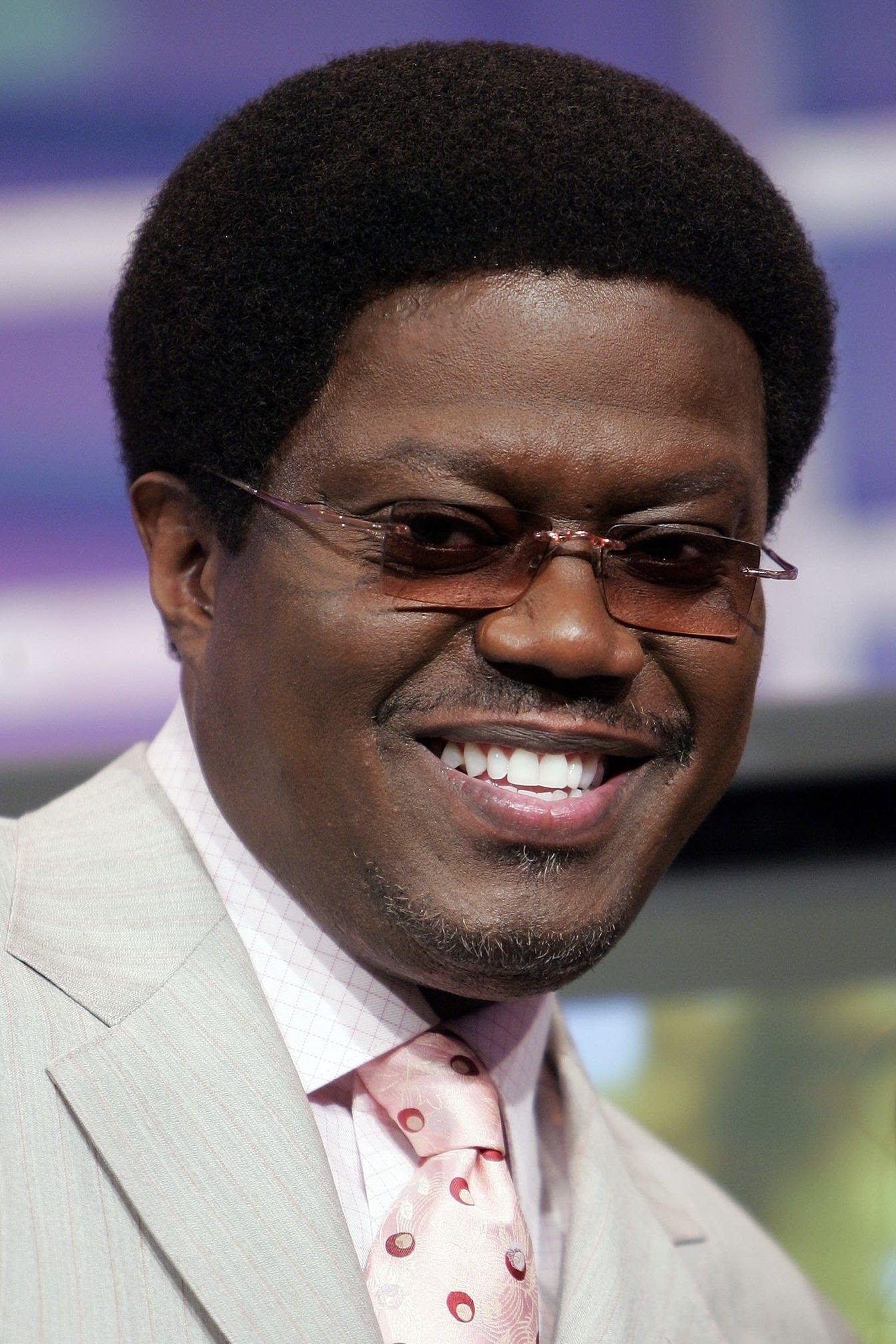
Bernie Mac spent many years working the comedy circuit before achieving mainstream success later in his life. He often spoke about the racial barriers in the industry that made it difficult for Black comedians to get their own shows. Mac used his unique voice and style to create a sitcom that authentically represented a Black family. He faced health struggles while continuing to perform and advocate for his community. His legacy lives on through his influential work in television and film.
Michael Kenneth Williams
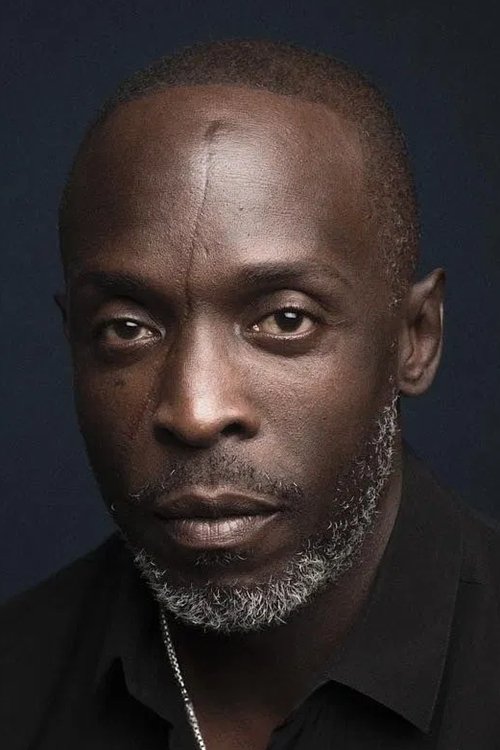
Michael K. Williams was known for his incredible portrayals of complex characters who often lived on the margins of society. He spoke openly about the racial stereotypes that follow Black actors who play certain types of roles. Williams worked to bring humanity and depth to characters that the industry often overlooked or dismissed. He faced personal and professional challenges while navigating a system that rarely rewards authenticity in Black narratives. His performance in ‘The Wire’ remains one of the most celebrated in television history.
Andre Braugher
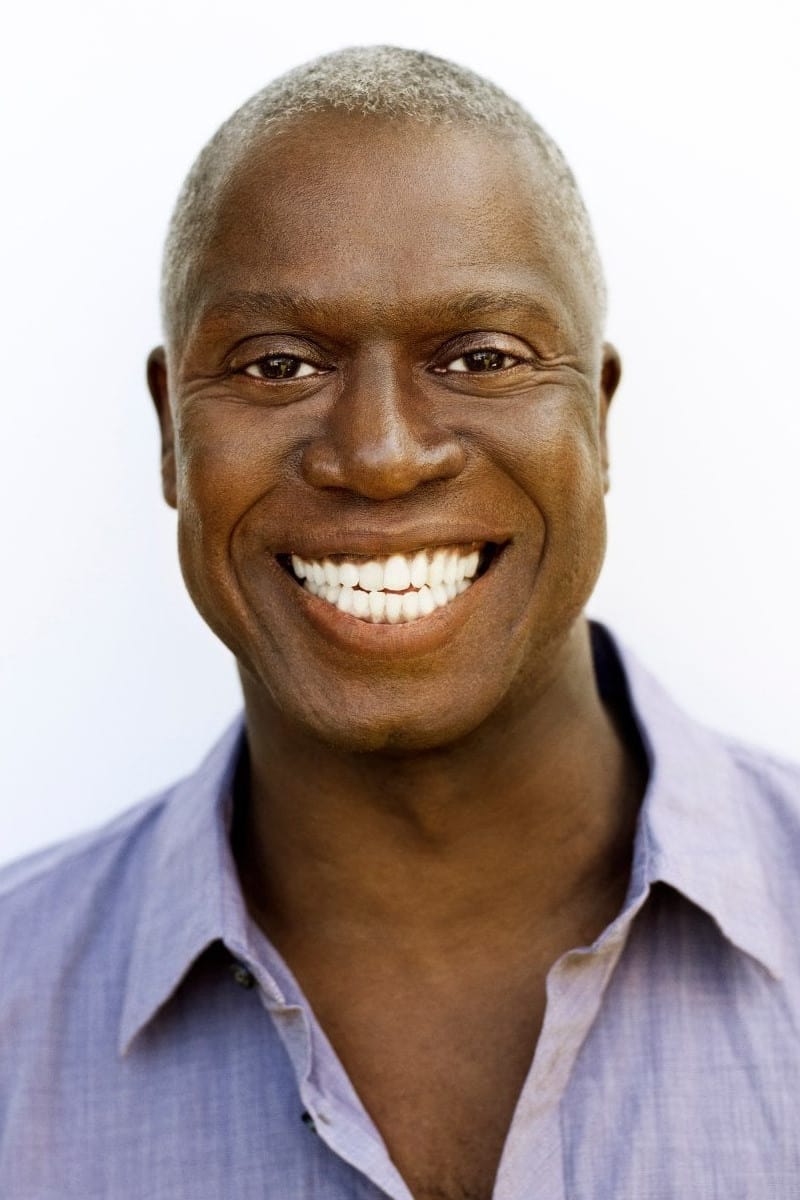
Andre Braugher was a powerhouse actor who consistently challenged the industry’s perception of Black men in authority roles. He often faced the hurdle of being typed into specific dramatic boxes early in his career. Braugher used his immense talent to bring nuance to characters in shows like ‘Homicide’ and ‘Brooklyn Nine-Nine’. He was a strong advocate for quality writing and diverse representation in every project he joined. His passing was a great loss to the acting community where he was deeply respected.
Colman Domingo
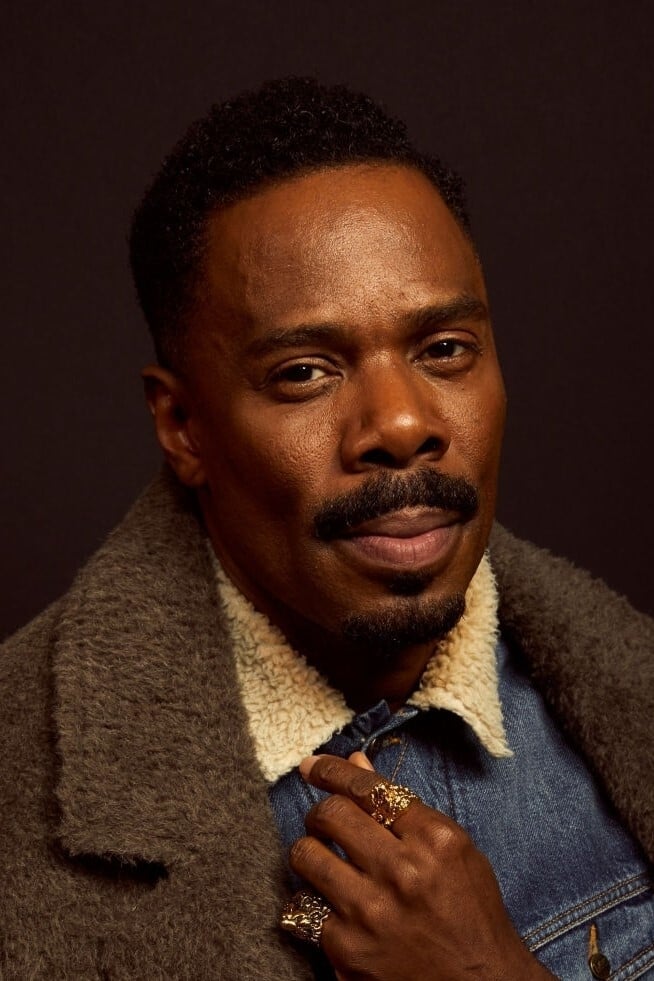
Colman Domingo has been vocal about the challenges of being a Black queer man in the entertainment industry. He has faced the double burden of racial and homophobic prejudice throughout his career. Domingo has worked tirelessly to carve out a space for himself in both theater and film. He often speaks about the importance of Black actors having the agency to tell their own stories. His recent success in ‘Rustin’ and other projects shows the power of his persistence and artistry.
Tyler Perry
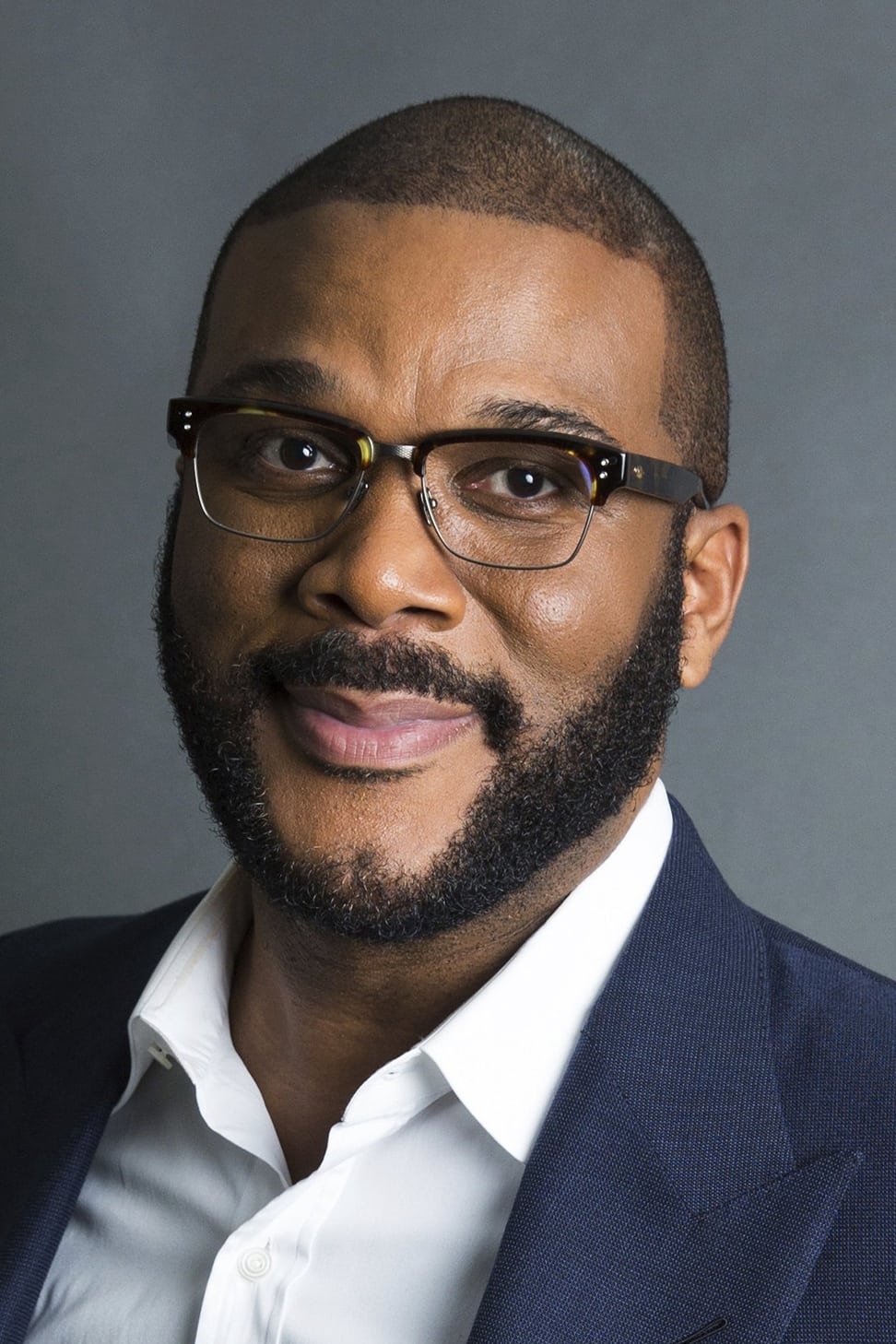
Tyler Perry built his own studio empire after facing repeated rejection from the traditional Hollywood establishment. He has often discussed how major studios did not understand or value the audience for his work. Perry chose to create his own infrastructure to ensure that Black stories were being told and that Black actors were being hired. He has faced criticism from within and outside his community while maintaining his independence. His success has made him one of the most powerful figures in the industry today.
Jesse Williams
Jesse Williams has been a prominent activist as well as a successful actor on long running television dramas. He famously used his acceptance speech at the BET Awards to address systemic racism and police brutality. Williams has faced professional backlash and online harassment for his outspoken views on social justice. He continues to use his platform to support educational initiatives and civil rights organizations. His career demonstrates the impact an actor can have when they prioritize their community.
Billy Porter
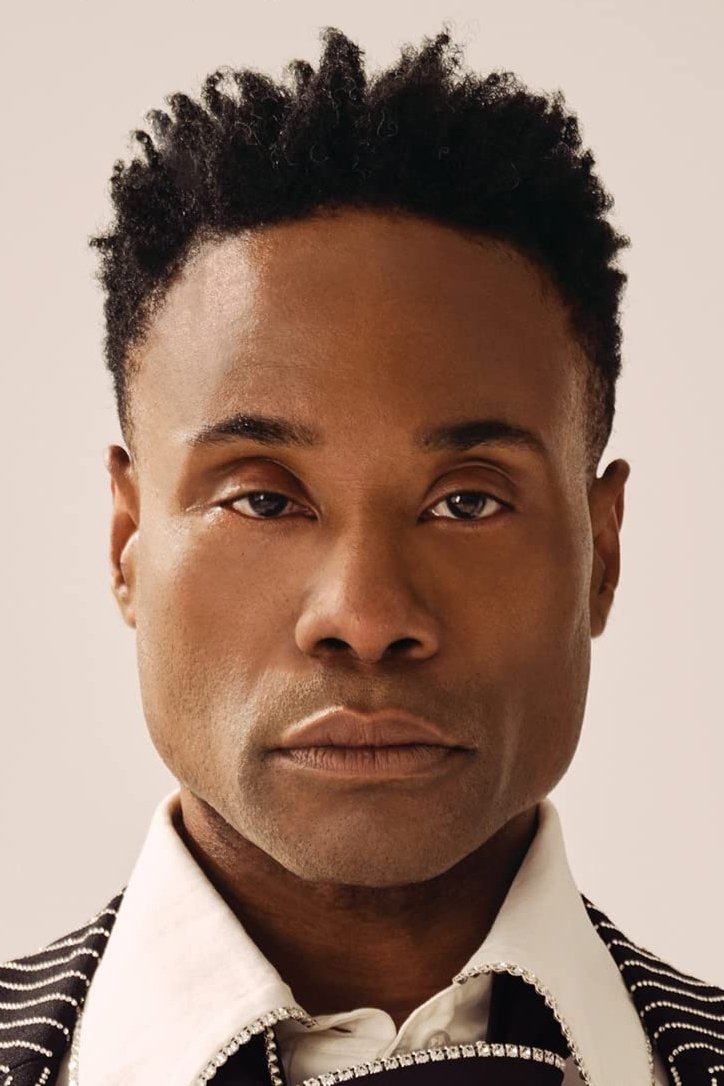
Billy Porter has been a trailblazer in fashion and acting while confronting intense racial and social bias. He has shared his experiences of being told he was too flamboyant or too Black for certain roles. Porter worked for decades in theater before achieving mainstream television success with ‘Pose’. He uses his visibility to challenge traditional norms and advocate for the rights of marginalized groups. His presence on red carpets and on screen is a bold statement against the limitations of the industry.
Terrence Howard
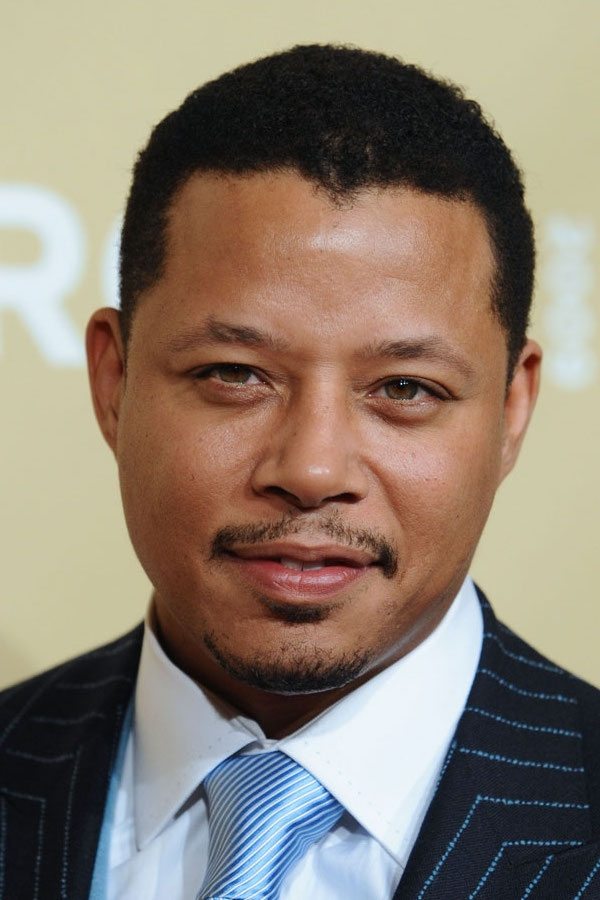
Terrence Howard has had a career marked by significant highs and public struggles with the Hollywood system. He has spoken about the disparity in pay between Black actors and their white counterparts in major franchises. Howard has often felt targeted by the industry when speaking out about his experiences and his creative theories. Despite these challenges he has delivered memorable performances in films like ‘Hustle and Flow’. He remains a unique and outspoken figure in the entertainment world.
Giancarlo Esposito
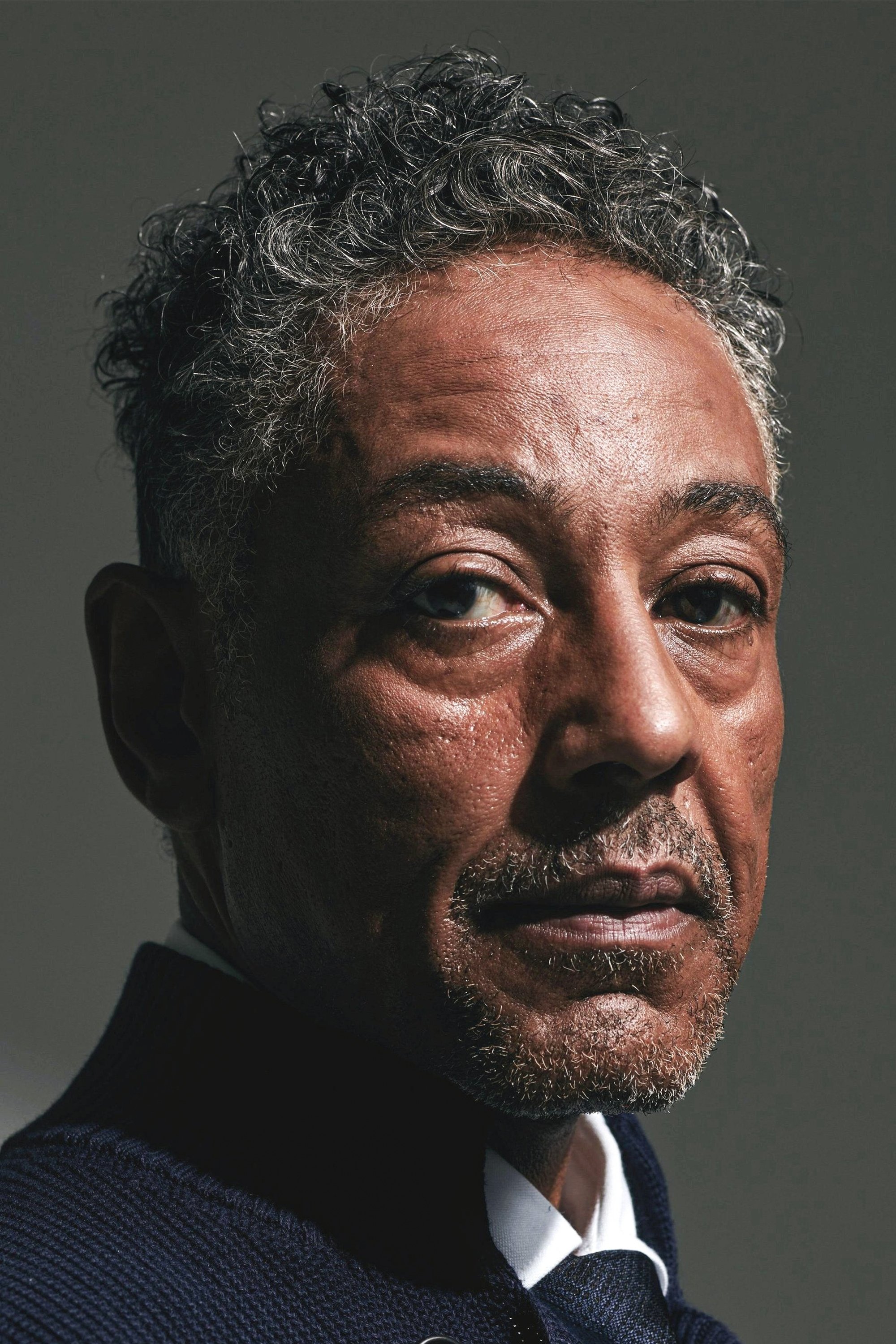
Giancarlo Esposito has navigated the industry for decades while dealing with the complexities of his multi-racial identity. He has often spoken about the challenges of being cast in roles that relied on ethnic stereotypes. Esposito worked to move beyond these limitations to become one of the most sought after character actors in television. His role as Gus Fring in ‘Breaking Bad’ became an iconic example of a sophisticated and menacing antagonist. He continues to advocate for more diverse and thoughtful casting in all genres.
Isaiah Washington
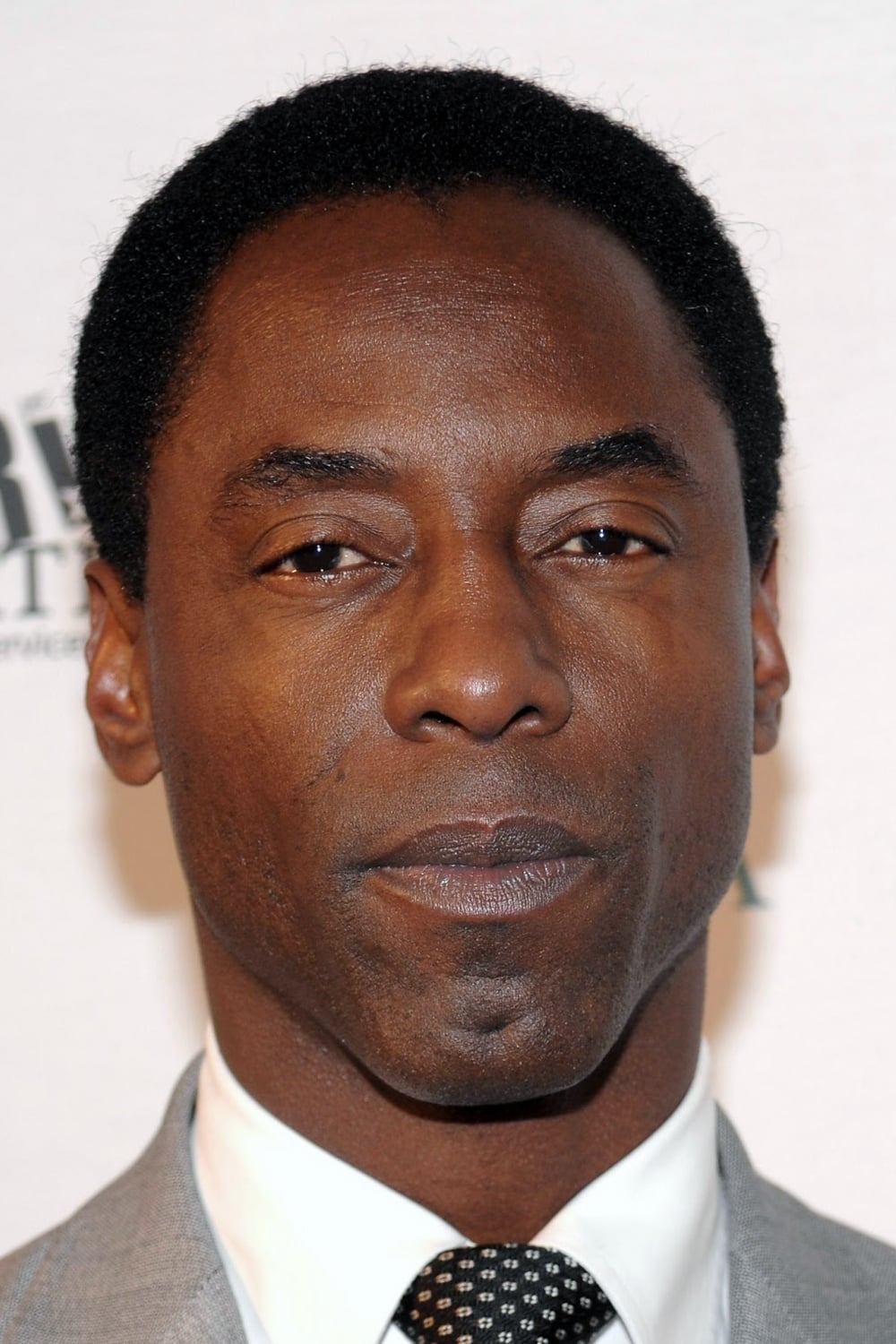
Isaiah Washington has had a career that involved both significant success and public professional conflict. He has been vocal about the way he felt treated by the industry during and after his time on ‘Grey’s Anatomy’. Washington has often expressed his views on the racial dynamics of Hollywood and the challenges Black actors face when they speak up. He has continued to work on independent projects and remains an active voice on social issues. His experiences highlight the difficulties of navigating high profile controversies in a biased environment.
Keith David
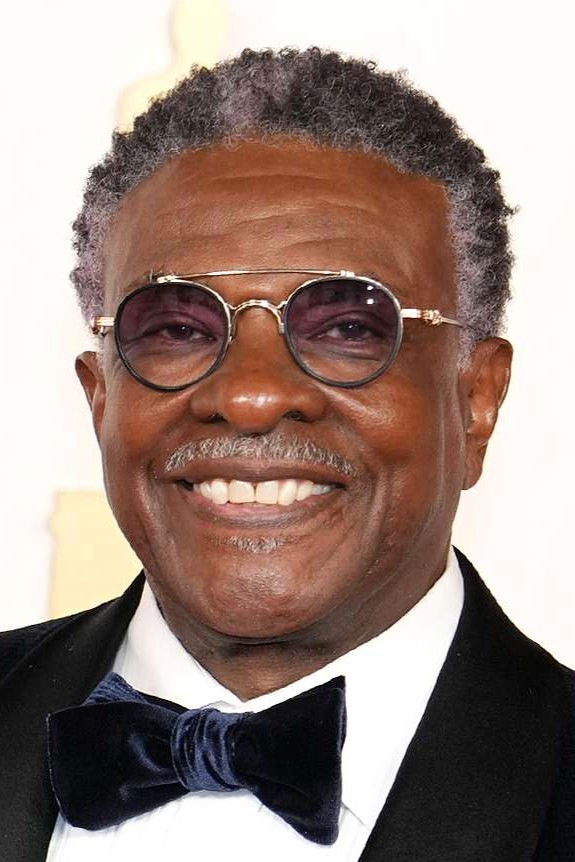
Keith David is a veteran actor with a career spanning several decades in film and voice work. He has often spoken about the subtle ways racism impacts the longevity and variety of roles available to Black performers. David has used his iconic voice and commanding presence to maintain a consistent career despite industry hurdles. He has been a mentor to many younger actors and a staple in both independent and mainstream cinema. His resilience has allowed him to remain a respected figure in the business for forty years.
Delroy Lindo
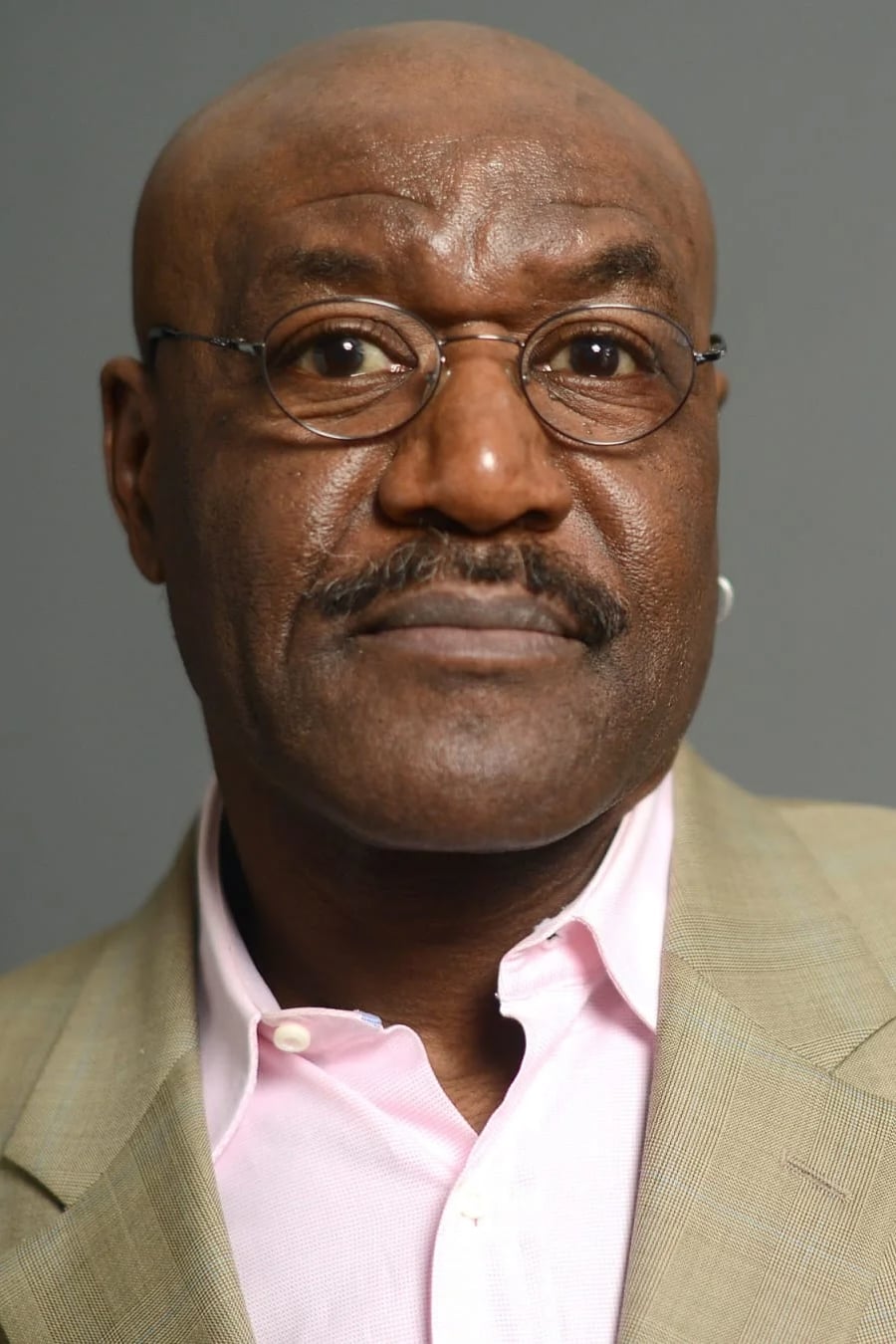
Delroy Lindo is known for his powerful dramatic range and his collaborations with visionary directors. He has often discussed the lack of recognition for Black actors during awards season despite delivering top tier performances. Lindo has faced the common industry challenge of finding roles that are worthy of his talent and experience. His performance in ‘Da 5 Bloods’ was widely acclaimed but also sparked conversations about the oversight of Black talent. He continues to be a force in the industry who demands excellence.
Ving Rhames
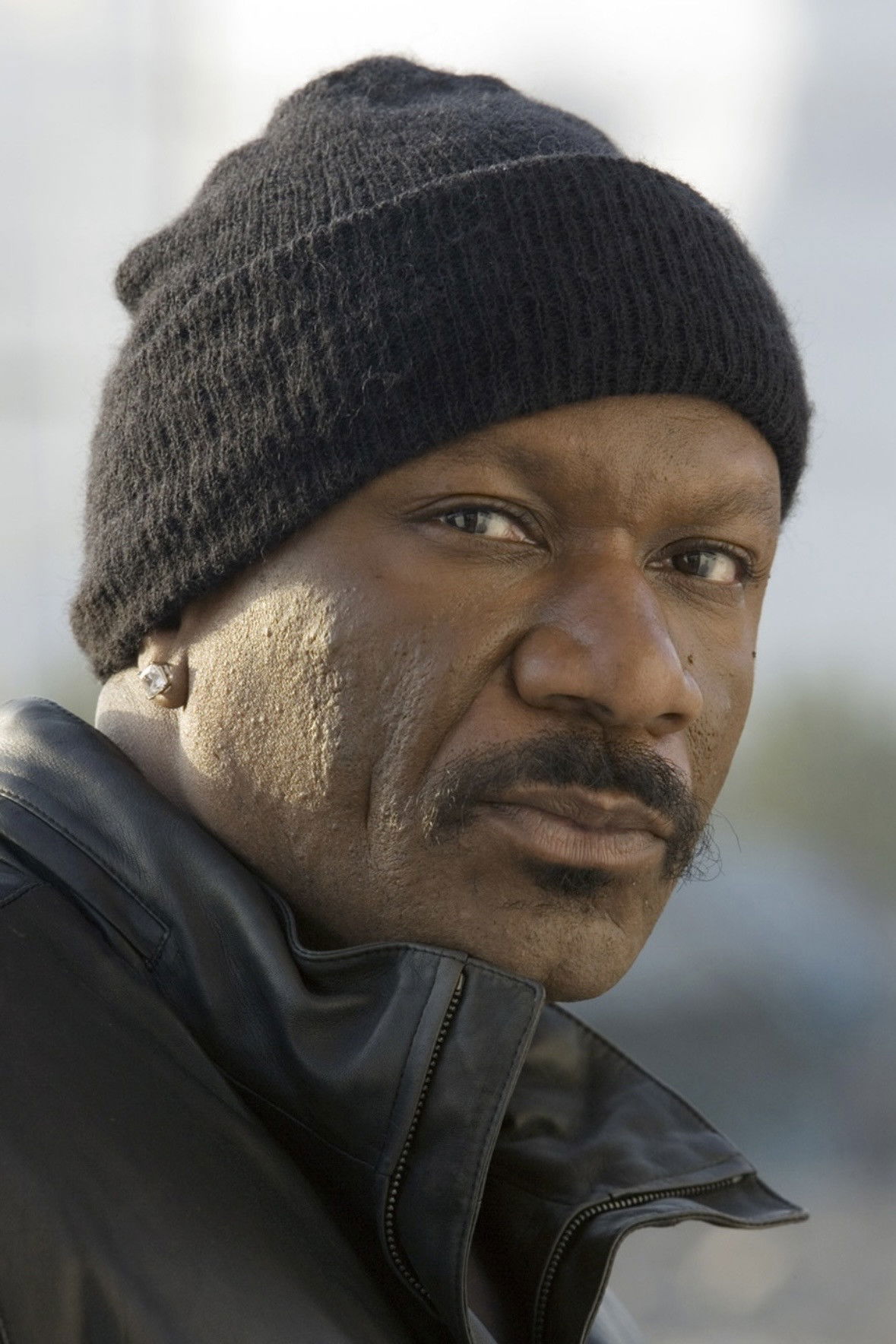
Ving Rhames has been a mainstay in action and drama films while navigating the racial expectations of the industry. He famously gave his Golden Globe award to Jack Lemmon as a statement of respect and a challenge to the competitive nature of awards. Rhames has often been cast as the tough or physical character which is a common typecasting for Black men. He has worked to bring depth and humanity to every role he accepts. His long career shows his ability to thrive in a demanding and often biased environment.
Eriq La Salle
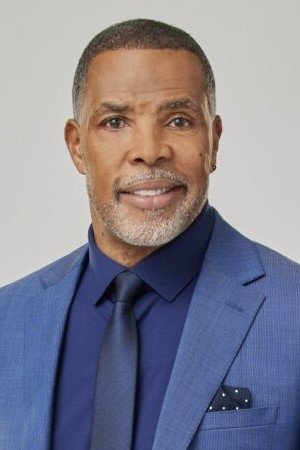
Eriq La Salle became a household name on ‘ER’ but has also faced the limitations placed on Black actors and directors. He has spoken about the importance of having Black people in positions of power behind the camera to influence the narrative. La Salle has transitioned into directing and producing to have more control over the stories being told. He has encountered the systemic barriers that make it difficult for Black creators to secure consistent funding. His work continues to inspire those looking to diversify the television landscape.
Blair Underwood

Blair Underwood has maintained a successful career for decades while often being the only Black lead in various television series. He has discussed the pressure of representing his race and the need for more diverse casting in romantic leads. Underwood has worked to avoid being pigeonholed and has sought out a wide variety of roles in film and theater. He has been a consistent advocate for the arts and for the fair treatment of all performers. His longevity is a testament to his talent and his professional navigation of the industry.
Morris Chestnut

Morris Chestnut has been a popular leading man who has faced the industry’s changing perceptions of Black cinema. He has spoken about the periods where Hollywood seemed to lose interest in stories centered on Black life and romance. Chestnut has worked to stay relevant by diversifying his roles and moving between film and television. He has often dealt with the limitations of being seen as a specific type of leading man. His continued success shows the enduring appeal of his talent and his dedication to his craft.
Taye Diggs
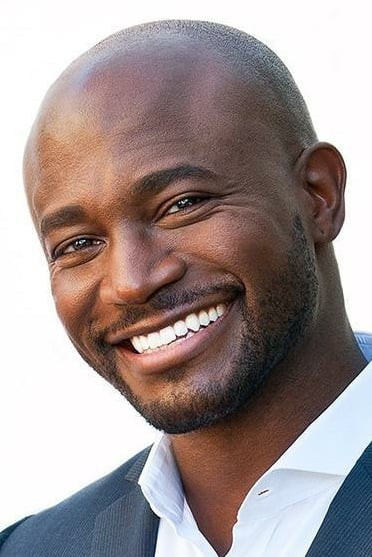
Taye Diggs rose to fame in the late 1990s during a surge of popular Black romantic comedies and dramas. He has discussed the challenges of sustaining a career when the industry’s focus on diverse stories fluctuates. Diggs has often been the subject of discussions regarding colorism and the narrow definitions of the Black leading man. He has successfully moved into theater and literature while maintaining his screen presence. His journey reflects the ups and downs of an industry that still struggles with consistent representation.
Shemar Moore
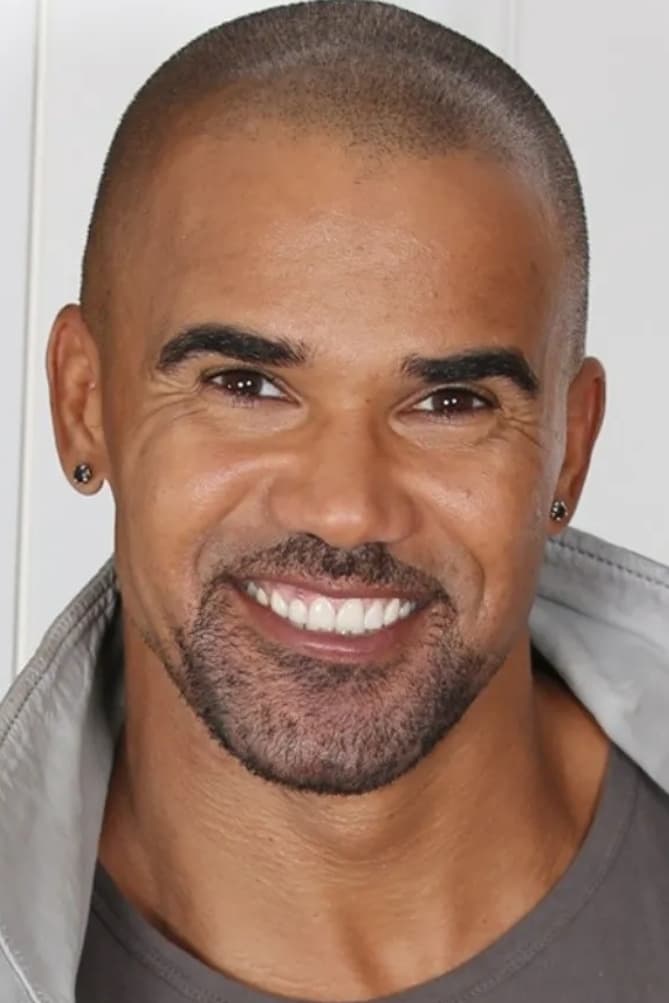
Shemar Moore has had a long career in daytime and primetime television while navigating the racial dynamics of the industry. He has spoken about his experiences as a biracial man and the specific challenges of finding his place in a divided society. Moore has worked to break out of the soap opera mold to become a lead in major action procedurals. He has often used his platform to connect with fans and address issues of race and identity. His success on ‘S.W.A.T.’ demonstrates his ability to lead a major network show.
Lakeith Stanfield
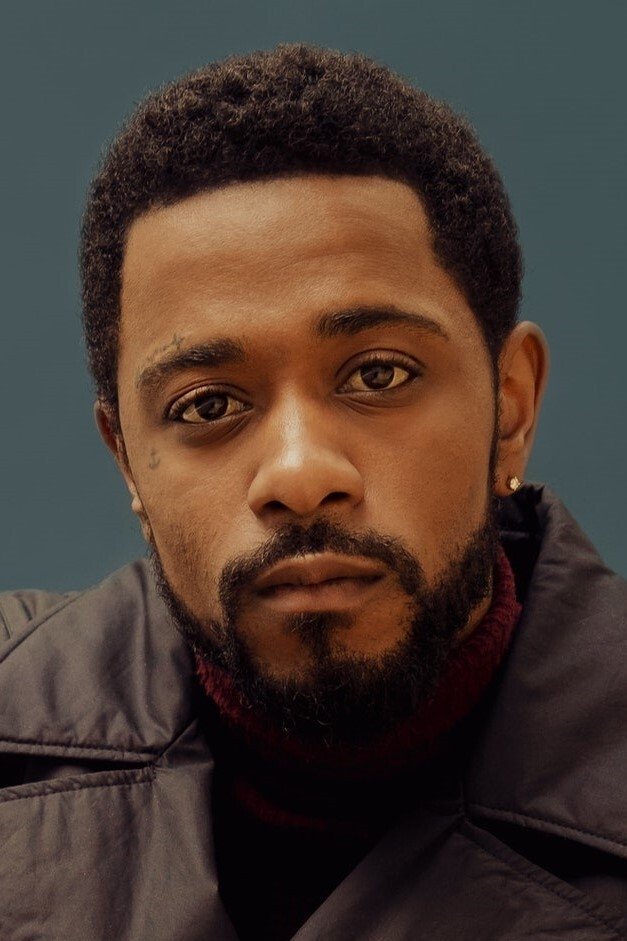
Lakeith Stanfield is part of a new generation of actors who are vocal about the mental health and racial pressures of Hollywood. He has been open about the strange and sometimes biased nature of the awards circuit and the industry at large. Stanfield often chooses unconventional roles that challenge the traditional expectations placed on Black actors. He has faced scrutiny for his public comments but remains a unique and vital voice in cinema. His career represents a shift toward more experimental and honest Black narratives.
Jussie Smollett
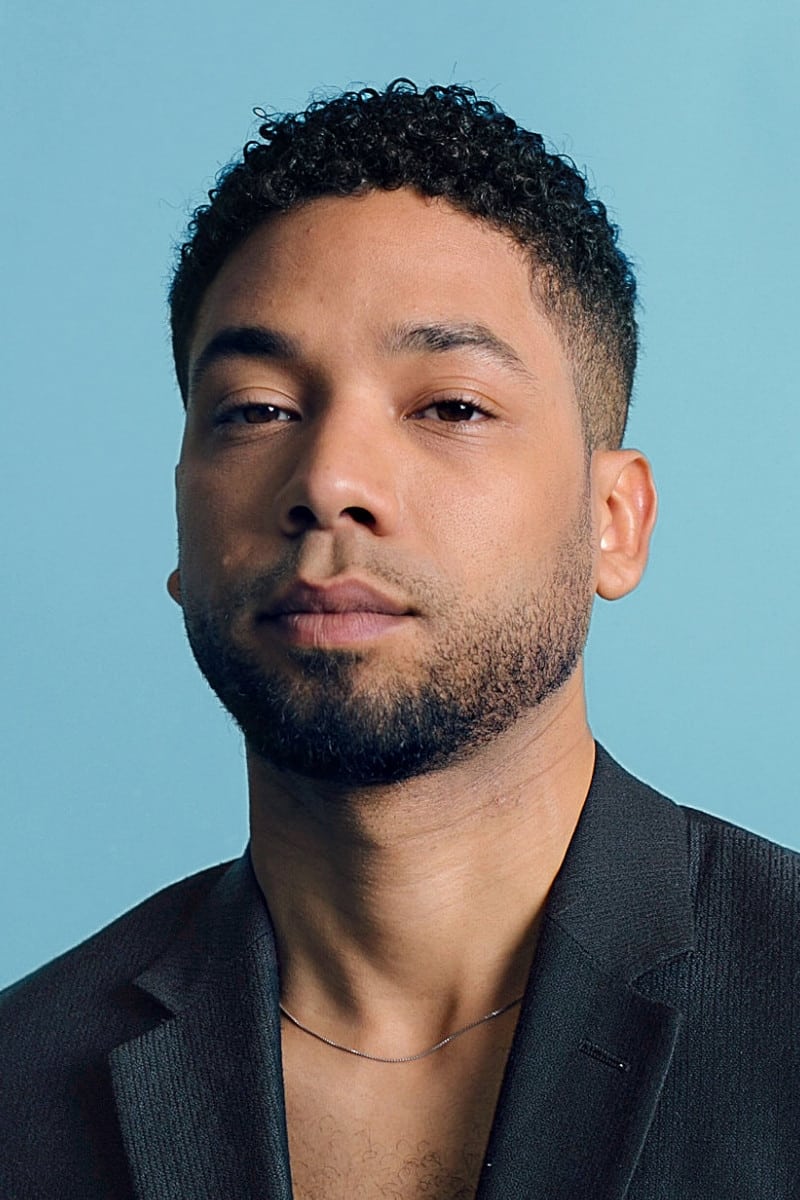
Jussie Smollett was at the center of a massive public controversy that involved allegations of a staged hate crime. Before this event he was a rising star who spoke frequently about the intersection of his racial and sexual identity. He faced significant harassment and racism throughout his career and during the legal proceedings that followed the incident. The case sparked intense national debate about race and justice in the modern era. His career has been deeply impacted by these events and the subsequent industry fallout.
Share your thoughts on which of these actors had the most impact on the industry in the comments.

